

Search Species
Search for fish species by common or scientific name, or use filters to browse by water type, size, temperament, and difficulty.
Found 665 species
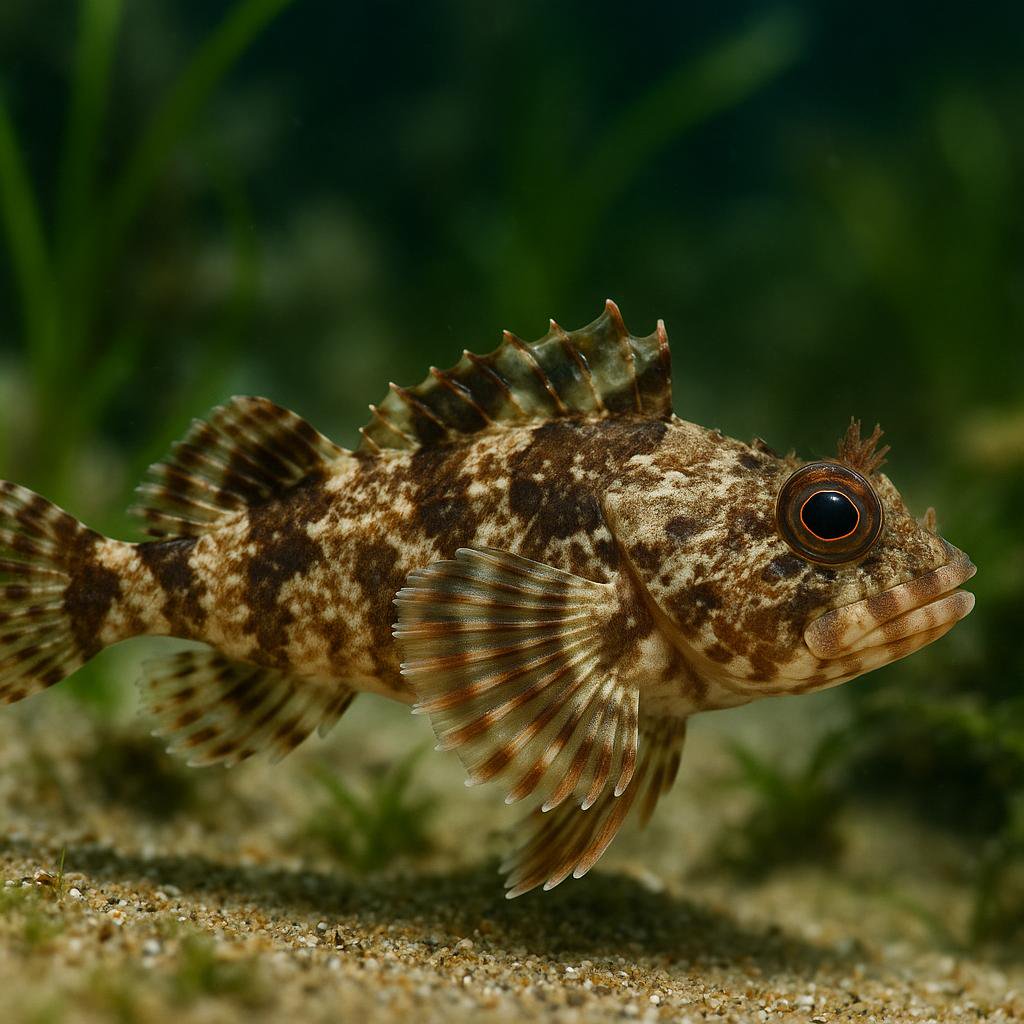
Frogmouth sculpin
Icelinus oculatus
Frogmouth sculpin is a little coldwater, bottom-hugging marine sculpin from the Pacific coast. It spends its time sitting on the substrate and blending in like a living rock, then darts short distances when food shows up. Super cool fish, but it is absolutely not a warm reef tank animal - it really wants chilly, oxygen-rich water and a calm setup.
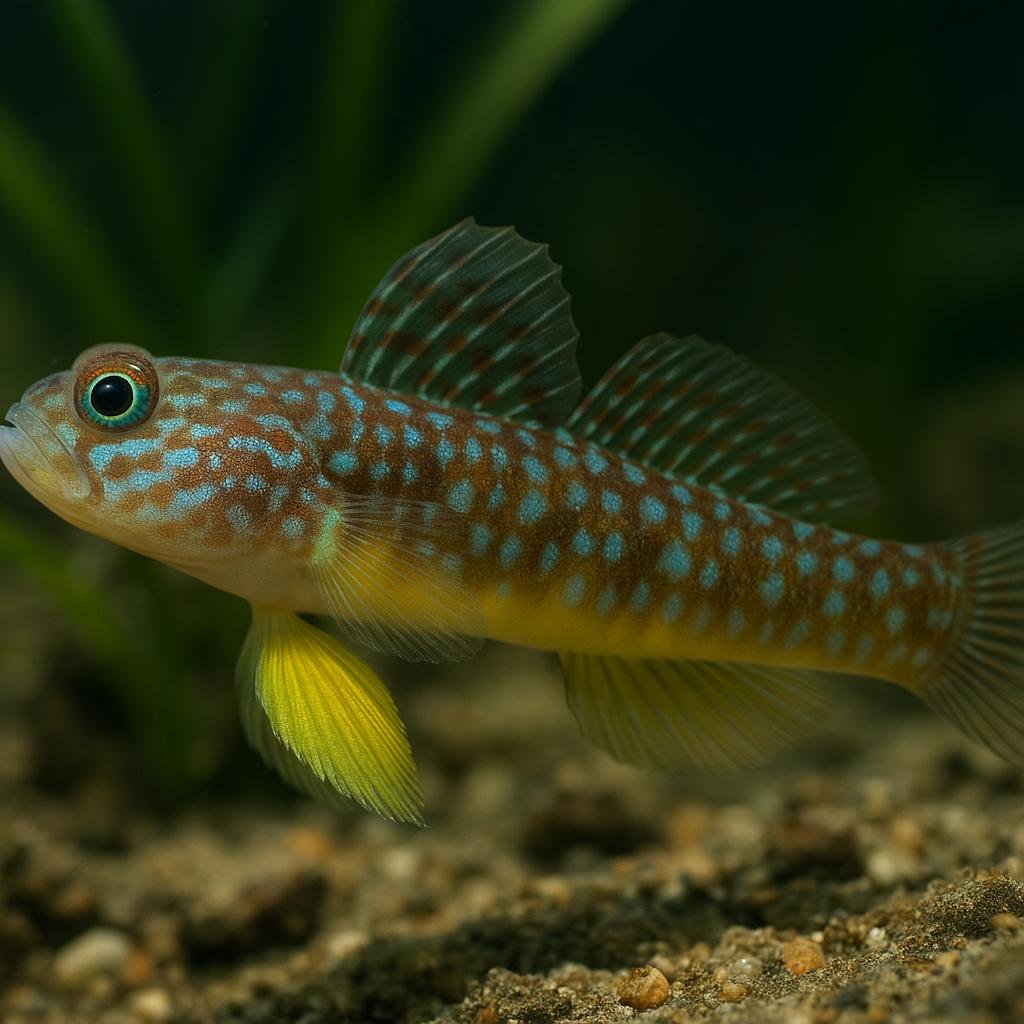
Fulvopelvis shrimpgoby
Vanderhorstia fulvopelvis
This is a tiny little shrimpgoby from Okinawa (Japan) that lives down on sand and rubble and does the classic prawn-goby thing - hanging at a burrow entrance and relying on a snapping/pistol shrimp roommate for the digging. Its name literally points at a shiny yellow mark on the male's pelvic fin, and the fish itself is patterned with yellow spotting and a clean stripey/barred look.
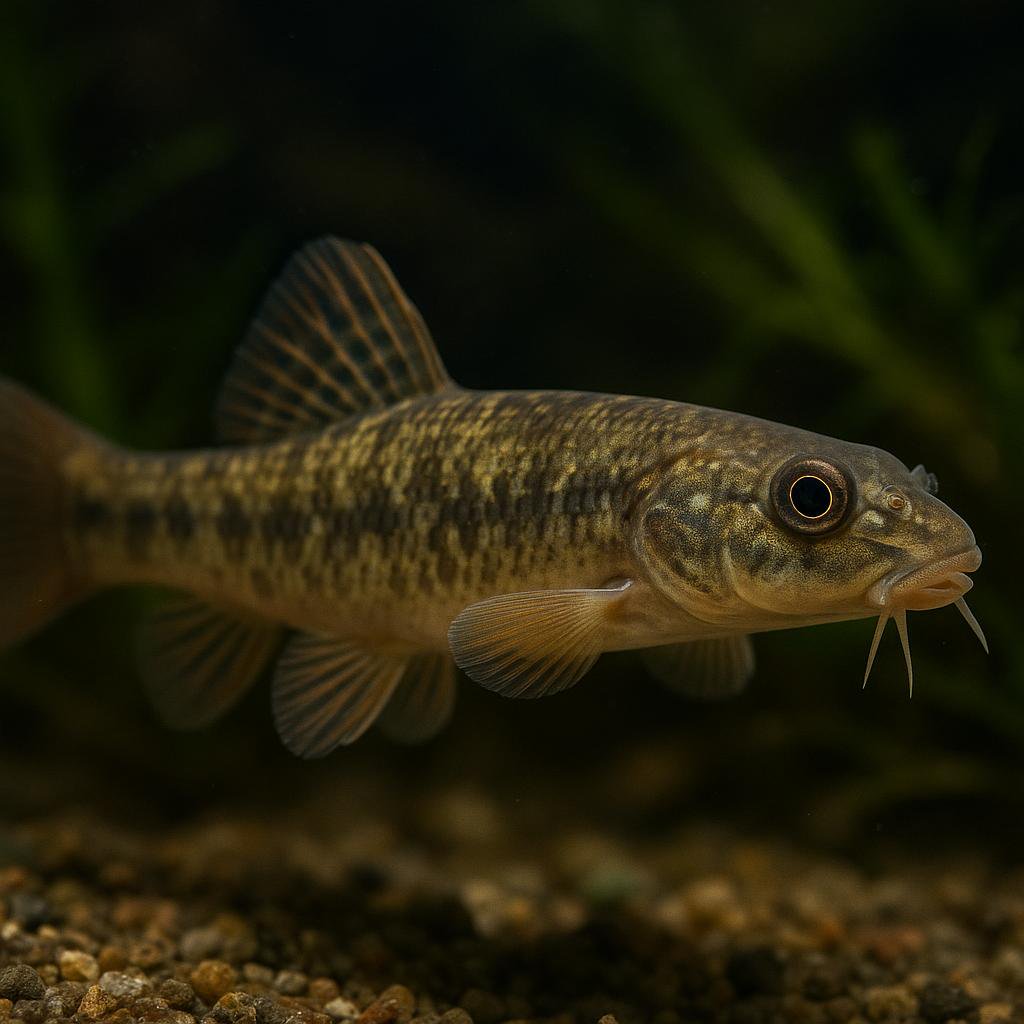
Fushun gudgeon
Gobio fushunensis
Gobio fushunensis is a little bottom-hugging gudgeon from China that spends its time nosing around the substrate for tiny foods. FishBase lists it topping out around 5.6 cm standard length, so think of it as a small, subtle stream fish rather than a flashy centerpiece.
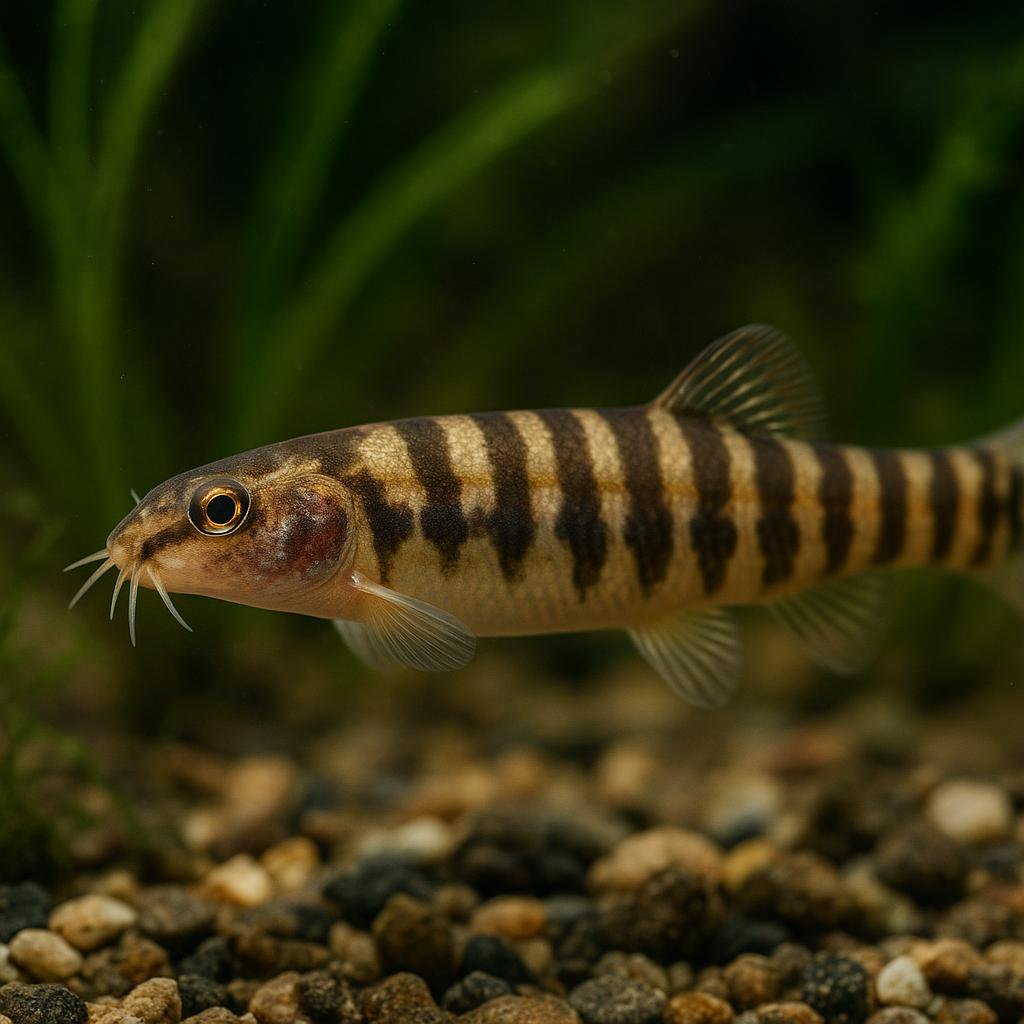
Ganhe Yunnan loach
Yunnanilus ganheensis
This is a tiny little stone loach from a single area in Yunnan, China (Ganhe, Xundian County). Its description mentions a neat pattern of square-ish dark spots along the sides, and like most small nemacheilid loaches it is basically a bottom-hugging, cover-loving micro-predator that will spend its time picking around the substrate and crevices.
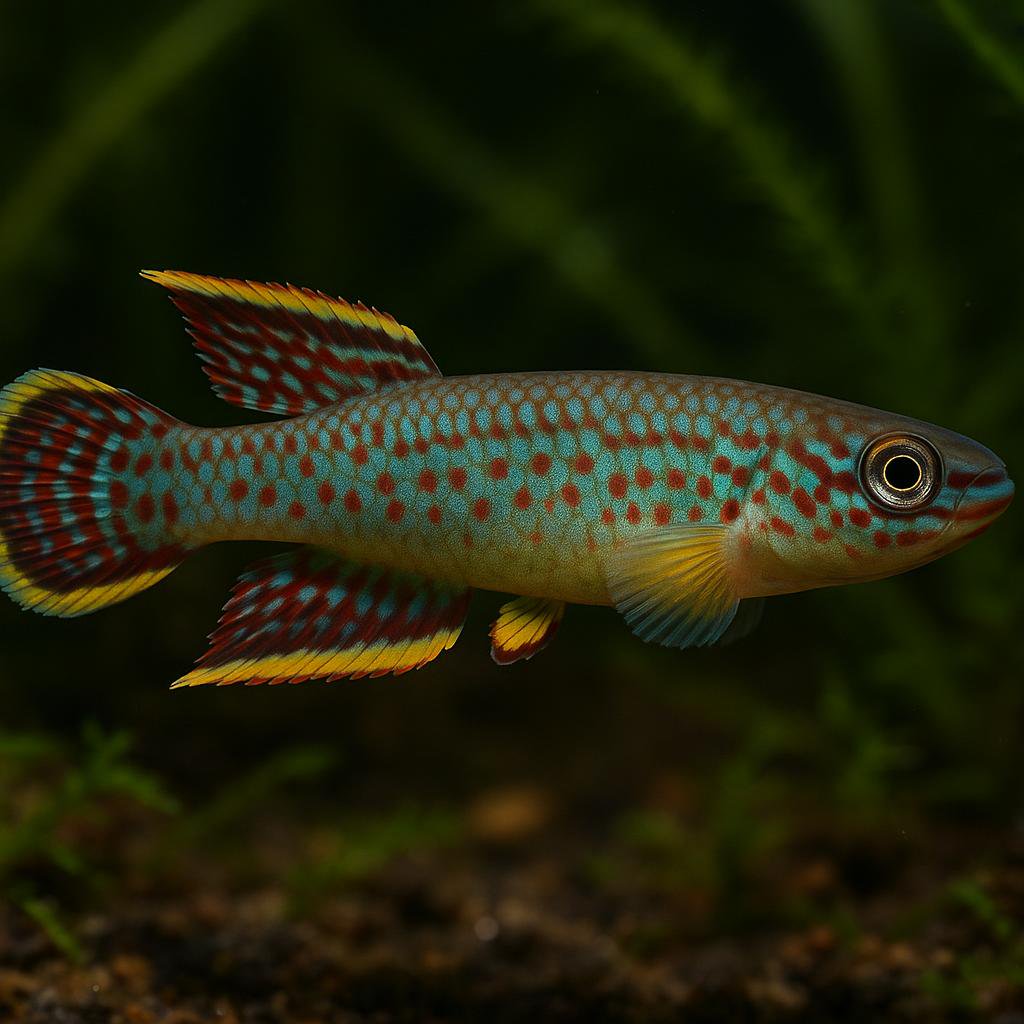
Gardner's killifish
Fundulopanchax gardneri
Gardneri are those little West African killies that look like someone painted neon speckles and flag-fins onto a 2-inch fish. The males will posture and flare at each other but its more drama than damage, and they will absolutely reward you with constant spawning if you give them mops or fine plants. Biggest things to know: keep a tight lid (they jump) and do not cook them warm - they do best in the low-to-mid 20s C.
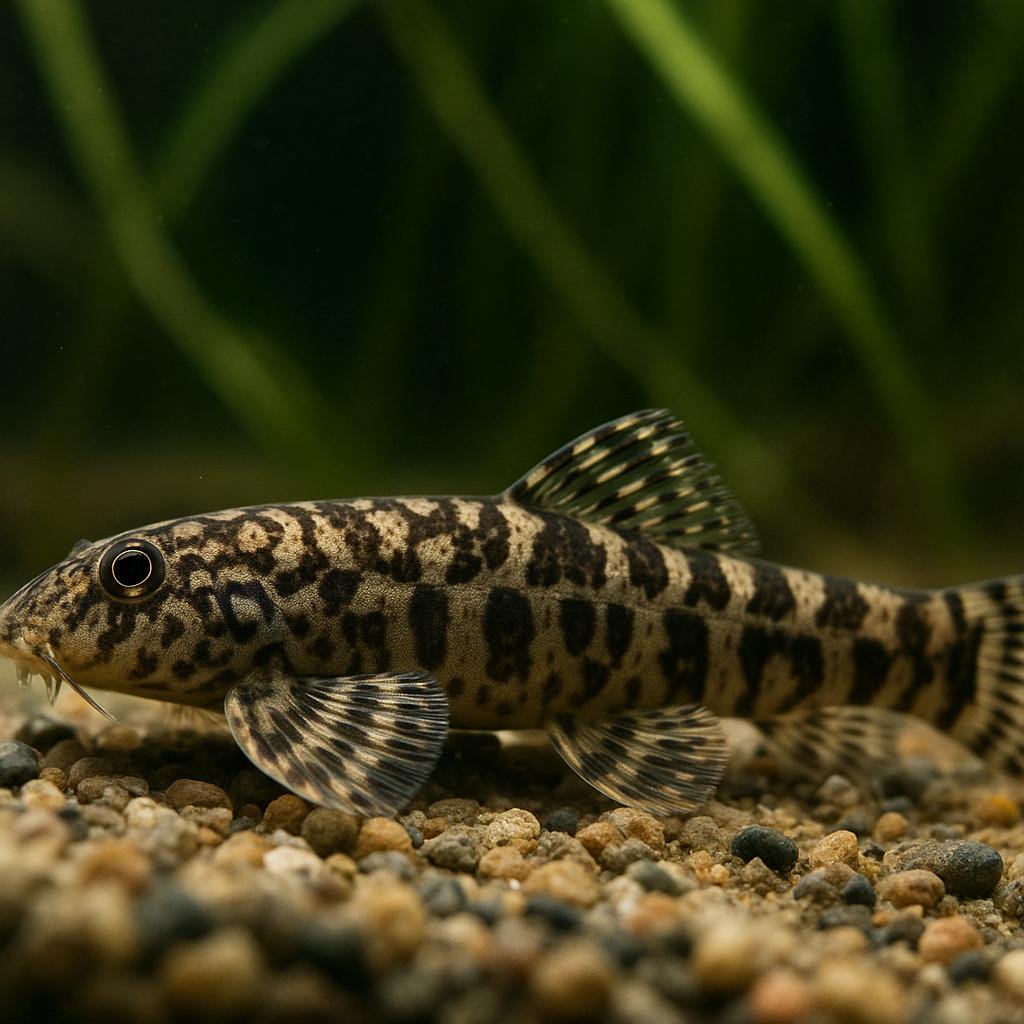
Gecko loach
Homaloptera confuzona
This is one of those hillstream-style loaches that looks and acts like a little underwater lizard, scooting and clinging over rocks in fast water. They stay fairly small but they are absolute oxygen junkies, so the tank setup matters way more than chasing perfect numbers. Also, they get mixed up with similar Homaloptera species a lot in the trade - the name confuzona is honestly pretty fitting.
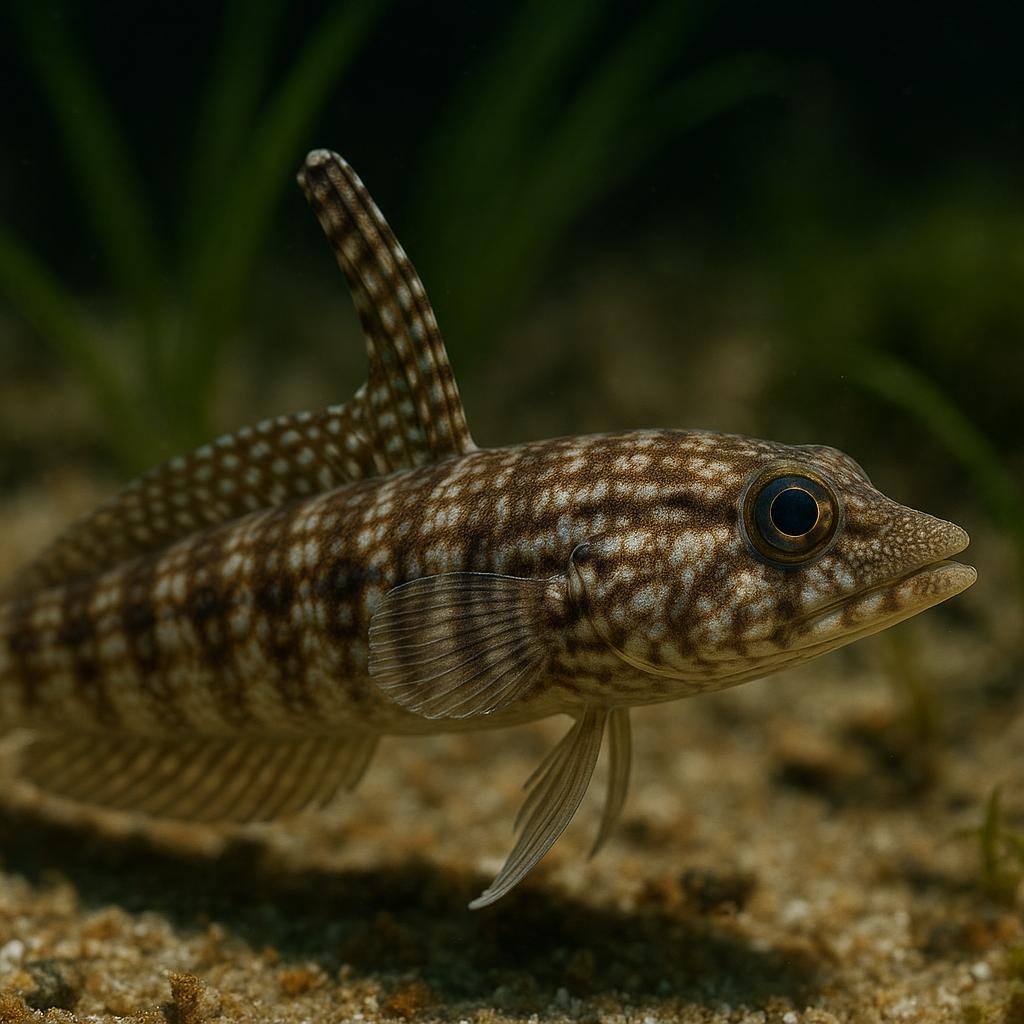
Giant sand stargazer
Dactylagnus mundus
This is a little ambush predator that lives buried in clean sand with just the eyes and mouth showing, waiting to nail small crustaceans and fish. It tops out around 6 inches, but the bigger challenge is that it is a marine surf-zone fish - it really wants a sandy bottom, great oxygenation, and stable saltwater conditions to do well. Super cool behavior, but honestly not something most home aquariums are set up for long-term.
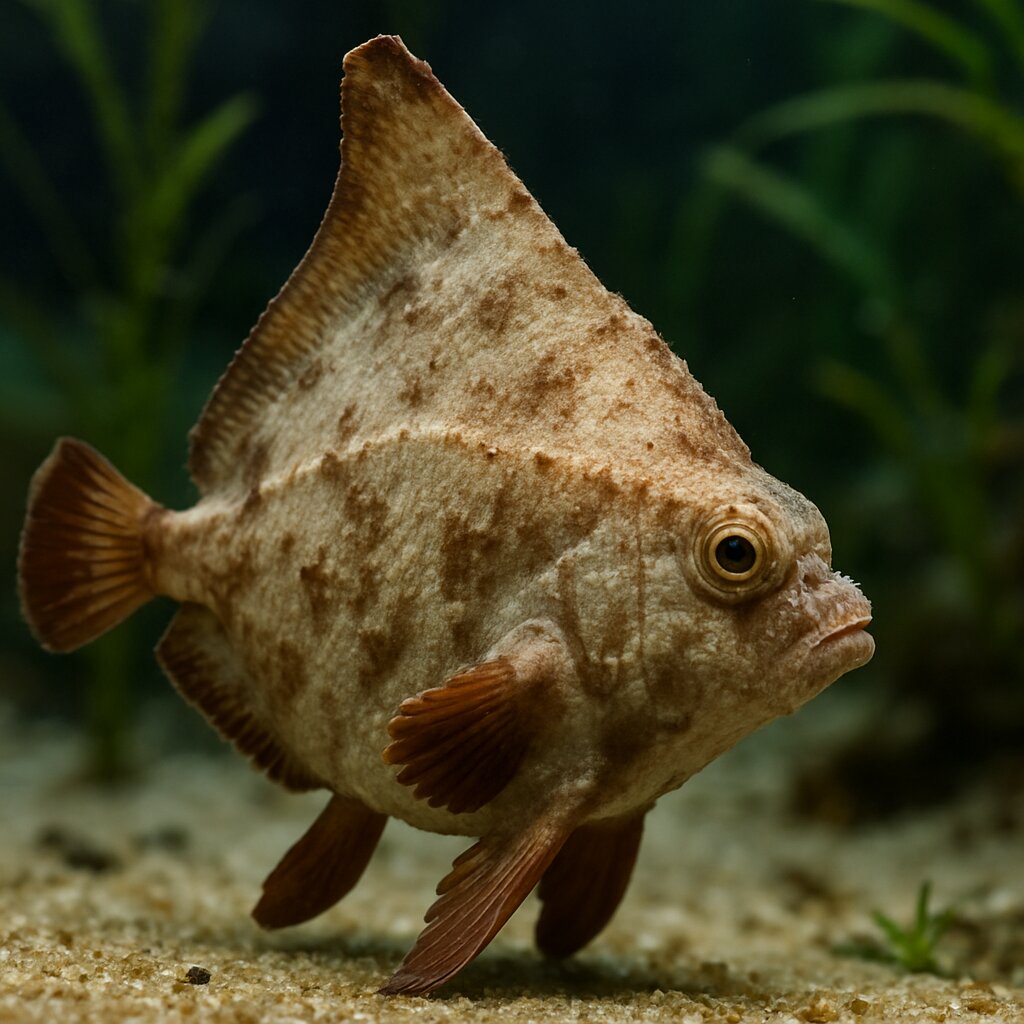
Giant triangular batfish
Malthopsis gigas
A small, buckler‑armored deep‑sea batfish that “walks” on modified fins. Malthopsis gigas occurs on Indo‑West Pacific continental slopes (about 210–650 m) and reaches ~13.6 cm SL. Modeled preferred temperatures are ~8–17 °C. It is not suitable for typical home aquaria and would require specialized chilled marine systems; marine aquaria generally maintain seawater pH ~8.0–8.4.
Gjellerup's snake eel
Yirrkala gjellerupi
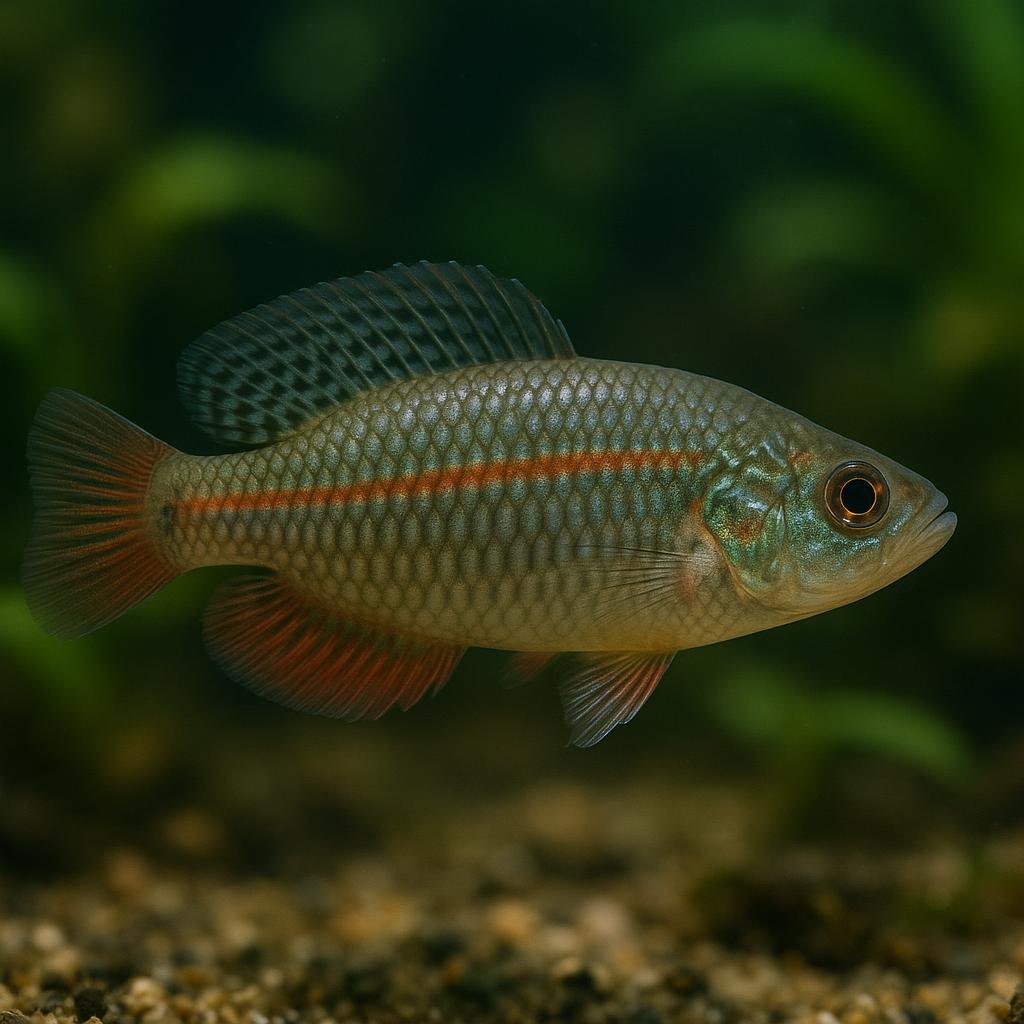
This is a tiny little freshwater snake eel (worm eel family) that lives a pretty un-eel-like life, turning up in streams well away from the sea. It is one of those obscure oddballs you will mostly see in scientific papers rather than aquarium shops, and that rarity is honestly part of what makes it so interesting.
Gladiator dragonfish
Leptostomias gladiator
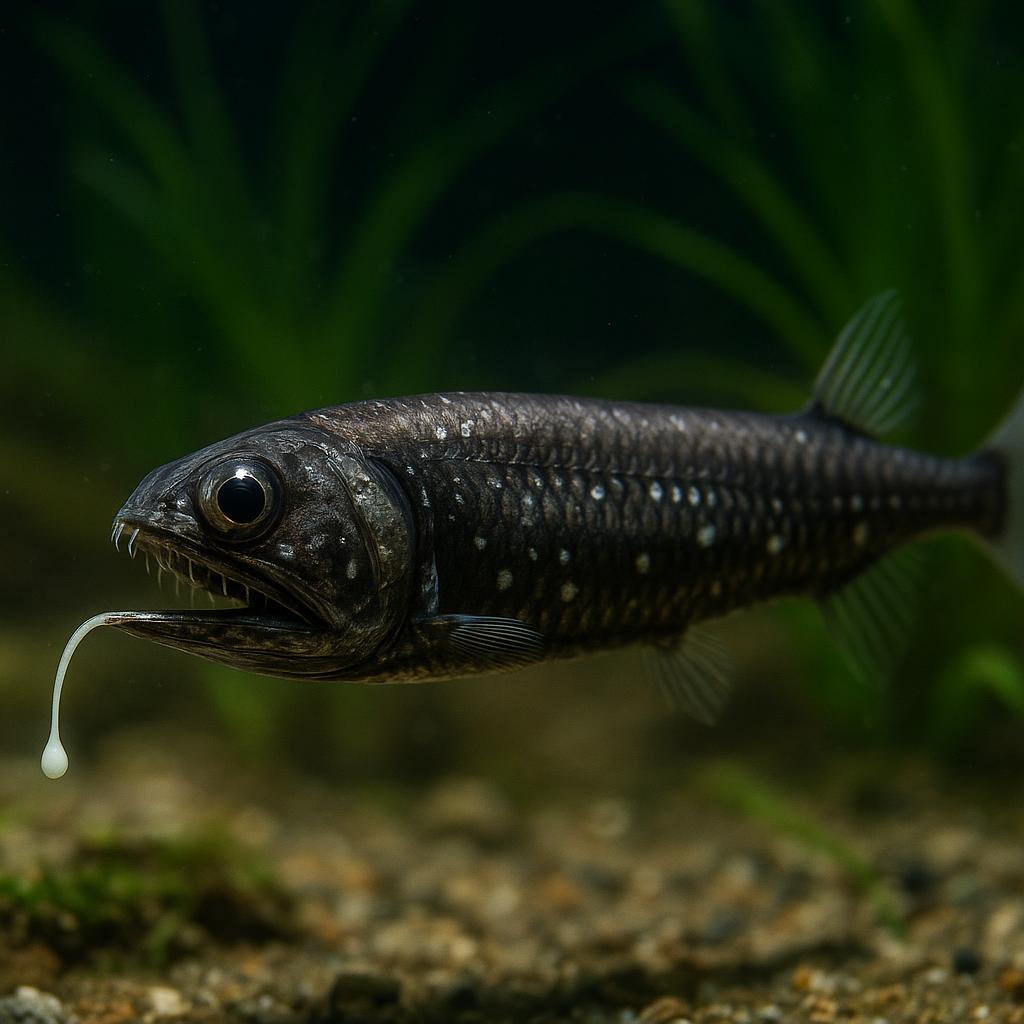
This is a deep-sea barbeled dragonfish - long, jet-dark, and built like a little ambush predator with a huge toothy mouth. It lives way down in the bathypelagic zone and uses a chin barbel as a lure, so its whole vibe is "lights-out hunter" rather than anything you'd ever keep in an aquarium.
Glass blue-eye
Kiunga ballochi
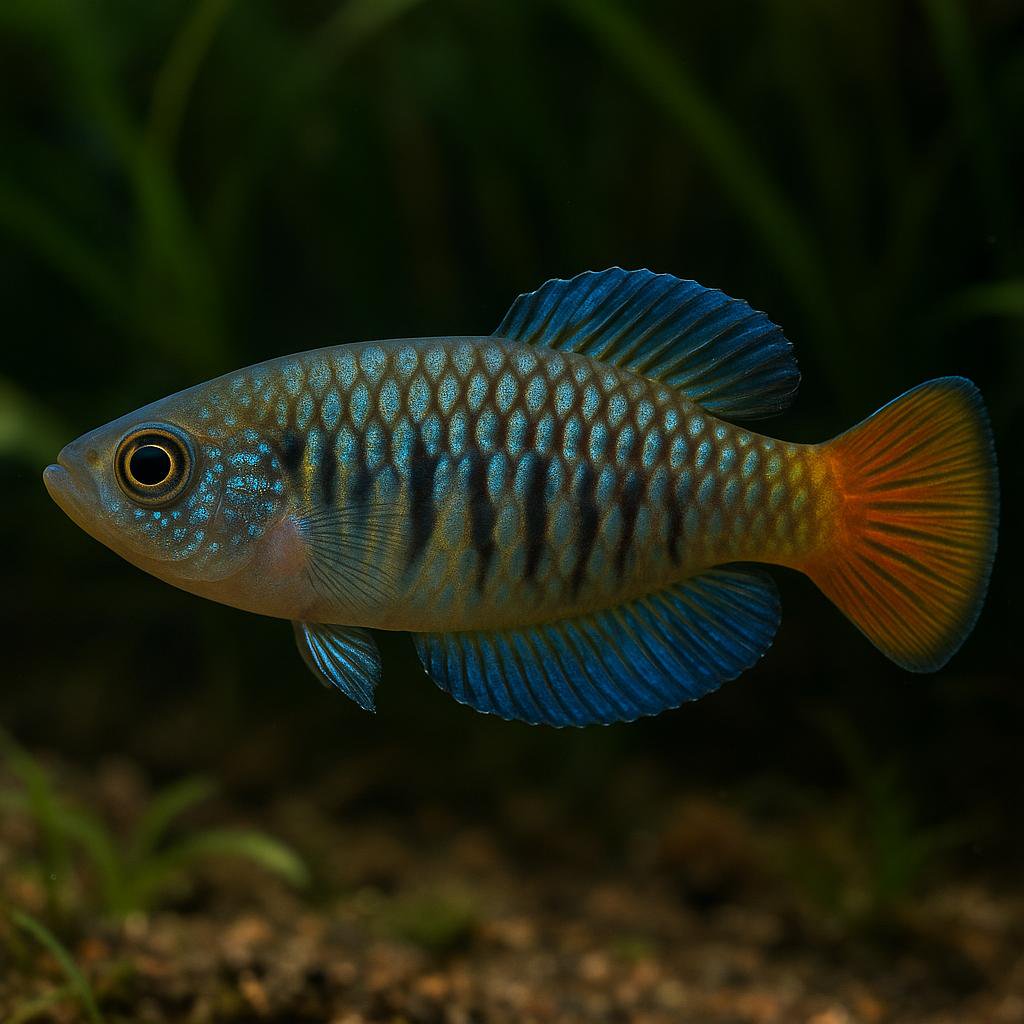
This is a tiny little PNG blue-eye with a mostly see-through body and subtle yellow-and-black fin markings that look really slick when a group is sparring and flashing. In the wild its range is extremely small (Upper Fly River system near Kiunga/Tabubil), so its basically a conservation fish as much as an aquarium fish. If you ever run into them, think calm, planted, clean-water setup and a decent-sized group so they feel secure.
Glass catfish
Kryptopterus vitreolus
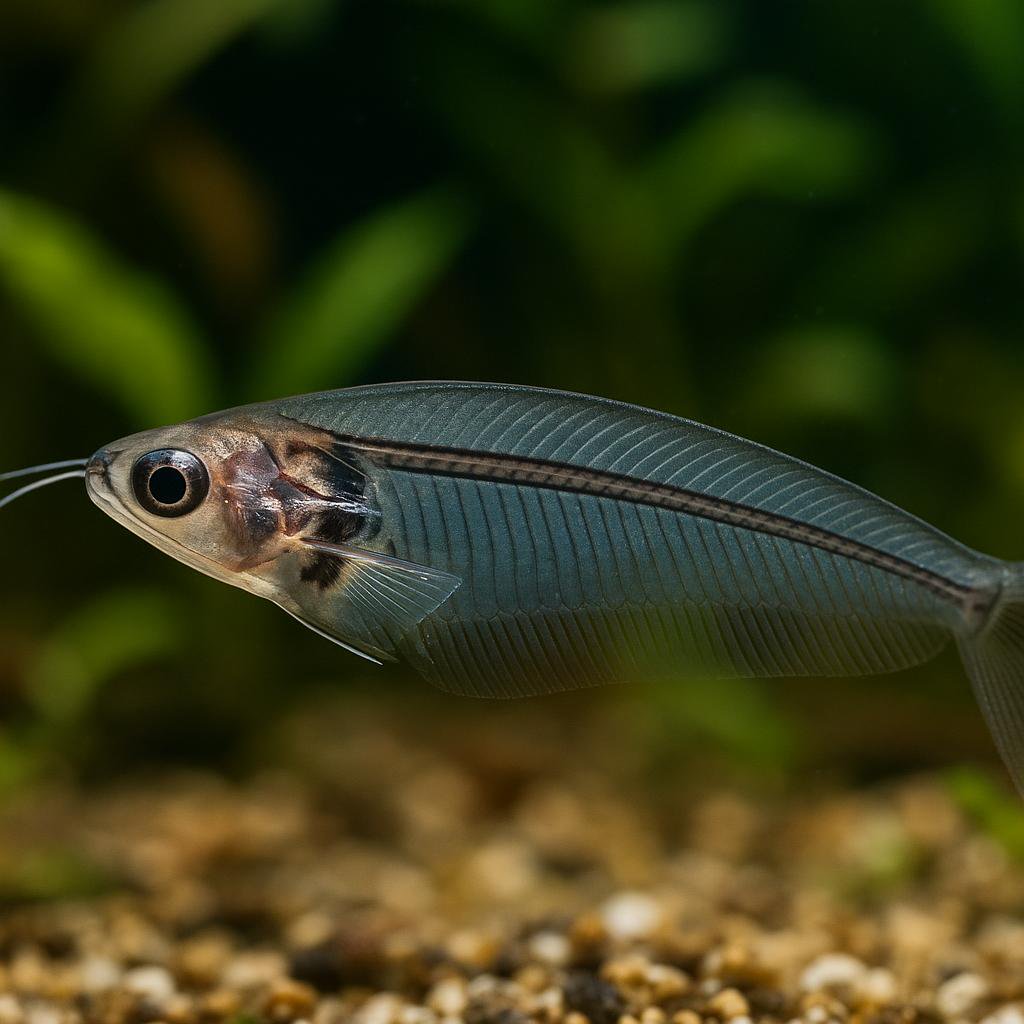
This is the truly transparent "glass" catfish from Thailand - you can literally see the spine and organs when its happy and settled in. The big trick is keeping them in a proper group and giving them calmer, dimmer conditions; once they feel secure, they cruise around together and look unreal in the water column.