

Ninespine Stickleback
Pungitius pungitius
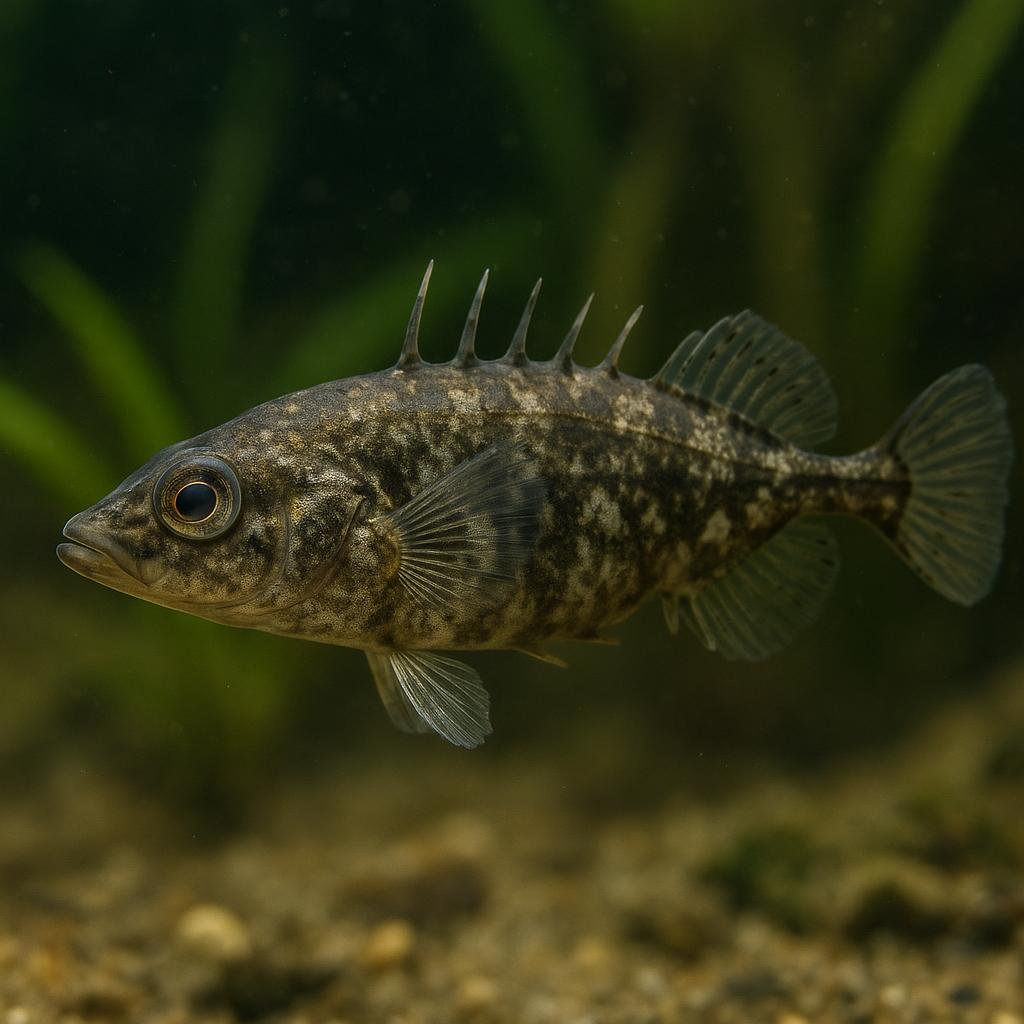
The Ninespine Stickleback has a slim body with nine distinct dorsal spines and displays a variety of colouration from olive to bluish gray.
This page includes AI-generated images. Why am I seeing AI images?
About the Ninespine Stickleback
The ninespine stickleback is a small, slender stickleback with multiple short dorsal spines and a silvery to brownish body that often shows subtle mottling. Males can develop darker coloration and enhanced contrast during breeding and may become more territorial while guarding a nest. It is adaptable to cool, well-oxygenated water and is best kept with similarly temperate species rather than tropical community fish.
Also known as
Quick Facts
Size
3 inches
Temperament
Semi-aggressive
Difficulty
Intermediate
Min Tank Size
15 gallons
Lifespan
2-4 years
Origin
Northern Hemisphere (Europe, Northern Asia, and North America)
Diet
Carnivore/insectivore - small live and frozen foods (daphnia, mosquito larvae, brine shrimp), can take quality micro-pellets
Care Notes
- Give them a long tank with plants and cover - they do way better with sight breaks than in a bare box, and they love cruising the mid to top.
- Keep the water on the cool side (about 55-68F) with decent oxygen; warm tropical temps tend to make them stressed, short-lived, and way more fighty.
- Aim for neutral-ish freshwater (around pH 6.8-7.8) and keep ammonia and nitrite at 0; they are small but they really do not forgive dirty water.
- Feed small meaty stuff: live or frozen daphnia, cyclops, brine shrimp, chopped bloodworms, and mosquito larvae; they usually ignore flakes at first, so train them slowly with frozen.
- Do not mix them with slow fancy fish or long fins (guppies, bettas, gouramis) - they are curious nippers; fast small schooling fish in cool water and bottom dwellers that stay out of the way work better.
- Keep a group (6+) if the tank is big and planted, or do a single male with females; two males in a small tank turns into nonstop posturing and shredded fins.
- Breeding is fun: the male builds a tiny plant nest and turns darker, then guards eggs and fry; if you want fry to live, move adults out or give the fry a jungle of moss plus infusoria/microworms at first.
Compatibility
Good Tankmates
- Hardy, fast midwater fish like zebra danios or other danio-type minnows - they are quick enough to not get bossed around, and they do fine in the same cool freshwater setup
- White Cloud Mountain Minnows - similar vibe (coolwater, active), and they usually shrug off the stickleback's little attitude as long as you have space and cover
- Small, tough schooling minnows like rosy red/fathead minnows - they can handle the pushiness and they do well at the same temps
- Hillstream loaches (or other coolwater loaches that like flow) - they mostly mind their own business on the glass/rocks, and sticklebacks usually ignore them if there are hiding spots
- Weather/dojo loach (in a roomy tank) - big, chill, and not easily intimidated, plus they are coolwater friendly; just make sure the sticklebacks have plants to break line-of-sight
- Small, non-flashy bottom dwellers like Corydoras (especially the tougher common types) - generally fine if the tank is not cramped and the sticklebacks are not in full breeding mode
Avoid
- Slow fish with fancy fins like bettas, guppies, fancy goldfish - sticklebacks love to investigate and nip, and long fins are basically an invitation
- Tiny shrimp or bite-sized micro critters (cherry shrimp, baby shrimp, small snails) - they will hunt and pick them off, especially once they figure out they are food
- Super peaceful, timid small fish like endlers, small rasboras, or tiny tetras - they can get stressed from constant chasing and fin nips, and may stop eating well
- Other territorial coolwater fish like some sunfish/perch types or anything that likes to throw elbows - you end up with a nonstop grudge match, especially during breeding season
Where they come from
Ninespine sticklebacks (Pungitius pungitius) are little northern survivors. You find them across Europe, Asia, and parts of North America in everything from ditches and slow creeks to cold lakes and brackish edges. That background explains a lot: they handle cool water well, they like cover, and they notice everything that moves.
They are a coolwater fish in my experience. They will live in warm setups, but they act more natural and stay in better shape long-term when you do not run them like tropicals.
Setting up their tank
Give them a tank that feels like a weedy shoreline, not a bare glass box. They are bold once settled, but they relax way faster if you build in sight breaks and fine-leaved cover.
- Tank size: 15-20 gallons for a small group is a nice starting point. Bigger makes everything easier, especially if you want more than one male.
- Flow: gentle to moderate. They do not need a river blast, but they like clean, oxygenated water.
- Temperature: cool room temps are fine. Think roughly 60-72F as a comfort zone.
- Substrate: sand or fine gravel. They are not big diggers, but sand makes feeding mess easier to manage.
- Hardscape: branches, small stones, and lots of plant thickets so they can duck out of view.
- Plants: hornwort, water sprite, guppy grass, milfoil-type stems, and mosses. Floating plants help too.
Filtration does not need to be fancy. A sponge filter or a small HOB works, as long as you keep the water clear and do regular water changes. The big thing is cover. If the tank looks "too planted" you are usually getting close.
If they are hiding constantly, add more cover and break up the line of sight. The same fish that acts shy in a sparse tank can turn into a confident little hunter once it has a jungle to work with.
What to feed them
These are micro-predators. Mine ignored flakes for a while and then sort of accepted them, but they really light up for live and frozen foods. If you want good color and calmer behavior, feed like you would for small wild-type fish: lots of variety, small portions, and a little hunting time.
- Frozen: daphnia, cyclops, baby brine shrimp, chopped bloodworms, mysis (small pieces).
- Live (great for conditioning): daphnia, grindal worms, white worms (sparingly), mosquito larvae where legal and safe, live baby brine.
- Dry: tiny sinking pellets or micro-granules. Flake works better if you crush it and pre-soak it so it sinks.
Watch bloating if you lean hard on rich foods like bloodworms or worms every day. I got the best results doing richer foods 2-3 times a week and using daphnia/cyclops as the regular staple.
How they behave and who they get along with
They are curious, a little spicy, and surprisingly aware of you. In a group they do a lot of posturing and quick chases, especially as males start thinking about nesting. Most of it is bluffing, but cramped tanks make it real.
Tankmates are where people get tripped up. They are not community fish in the "toss them in with anything" sense. They can nip fins, they will hunt tiny shrimp and fry, and slow long-finned fish are basically asking for trouble.
- Best setup: species-only group with lots of plants and some floating cover.
- Possible tankmates (if the tank is roomy): fast, short-finned coolwater fish that can handle themselves, like some small minnows/danios, and tougher bottom fish like weather loaches in larger tanks.
- Avoid: guppies/long-fins, fancy bettas, slow gouramis, small shrimp, and tiny fry you actually want to keep.
Keep them in odd-number groups and give them multiple "zones" of cover. One big plant clump in the middle is not the same as three separate thickets that break the tank into territories.
Breeding tips
Breeding is honestly one of the coolest parts of keeping them. The male builds a little nest in plants, courts the female, and then guards the eggs and wrigglers. If you have ever kept three-spined sticklebacks, the vibe is similar, just smaller and often a bit sneakier.
- Conditioning: lots of live/frozen foods for a couple weeks and keep the water clean.
- Nest materials: fine-leaved plants and moss. They like something they can stitch together.
- Spawning setup: a dedicated tank makes life easier, or at least a heavily planted section where the male can hold a territory.
- After spawning: the male may guard well, but other sticklebacks will eat eggs/fry if they get a chance. If you want numbers, move the female out, or pull the nest to a rearing tank with gentle aeration.
- First foods: infusoria/rotifers for the first days, then baby brine shrimp and microworms as they grow.
If your male is constantly building and never getting anywhere, you are usually missing one of two things: enough fine plant cover for a stable nest, or enough high-quality food to get the females heavy with eggs.
Common problems to watch for
Most issues I have seen with ninespines come from mismatched expectations: keeping them too warm, too bare, or with the wrong roommates. They are hardy in a "tough little wild fish" way, but they still react badly to chronic stress.
- Fin nipping and torn fins: usually tankmate-related or not enough space/cover. Add plants, reduce stocking, or go species-only.
- Not eating prepared foods: start with frozen daphnia/cyclops, then mix in crushed pellets. Once one learns, the rest often follow.
- Bloating/constipation: ease off rich foods, add daphnia, and do smaller feedings.
- Hiding and washed-out color: too bright, too open, or too much chasing. Floating plants and more hard breaks fix this fast.
- Sudden losses after a big water change: they can be sensitive to large swings. Match temperature and do smaller, more frequent changes.
Do not assume they are "nano community" fish just because they are small. A bored or territorial stickleback can make a peaceful tank miserable.
Similar Species
Other freshwater semi-aggressive species you might be interested in.
American flagfish
Jordanella floridae
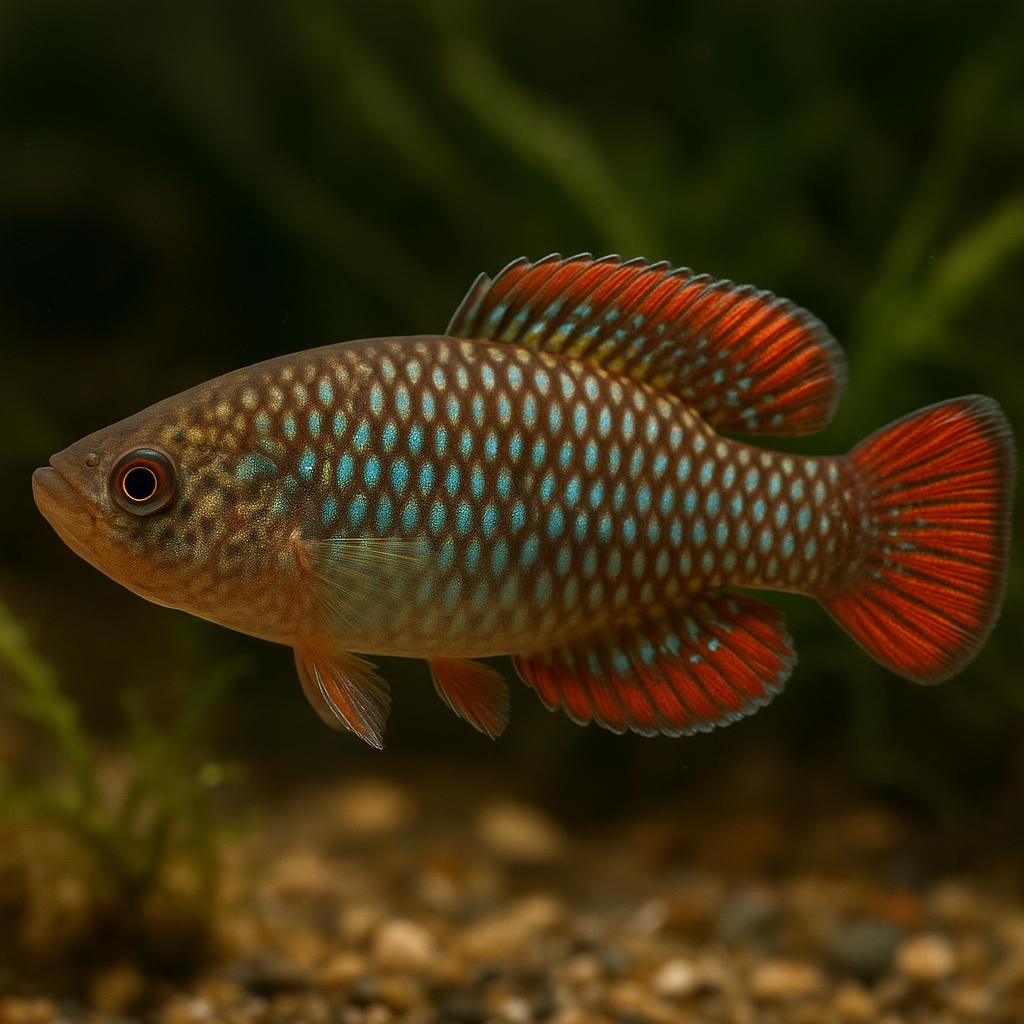
Jordanella floridae is that little Florida native with the red-and-cream striping that really does look like a tiny flag once a male colors up. They graze algae like champs (especially stringy/hair algae), but they have a bit of attitude - give them plants and space so the bossy behavior stays manageable. Bonus: the male guards the eggs and will actively fan them, which is pretty fun to watch.
Banded Leporinus
Leporinus fasciatus
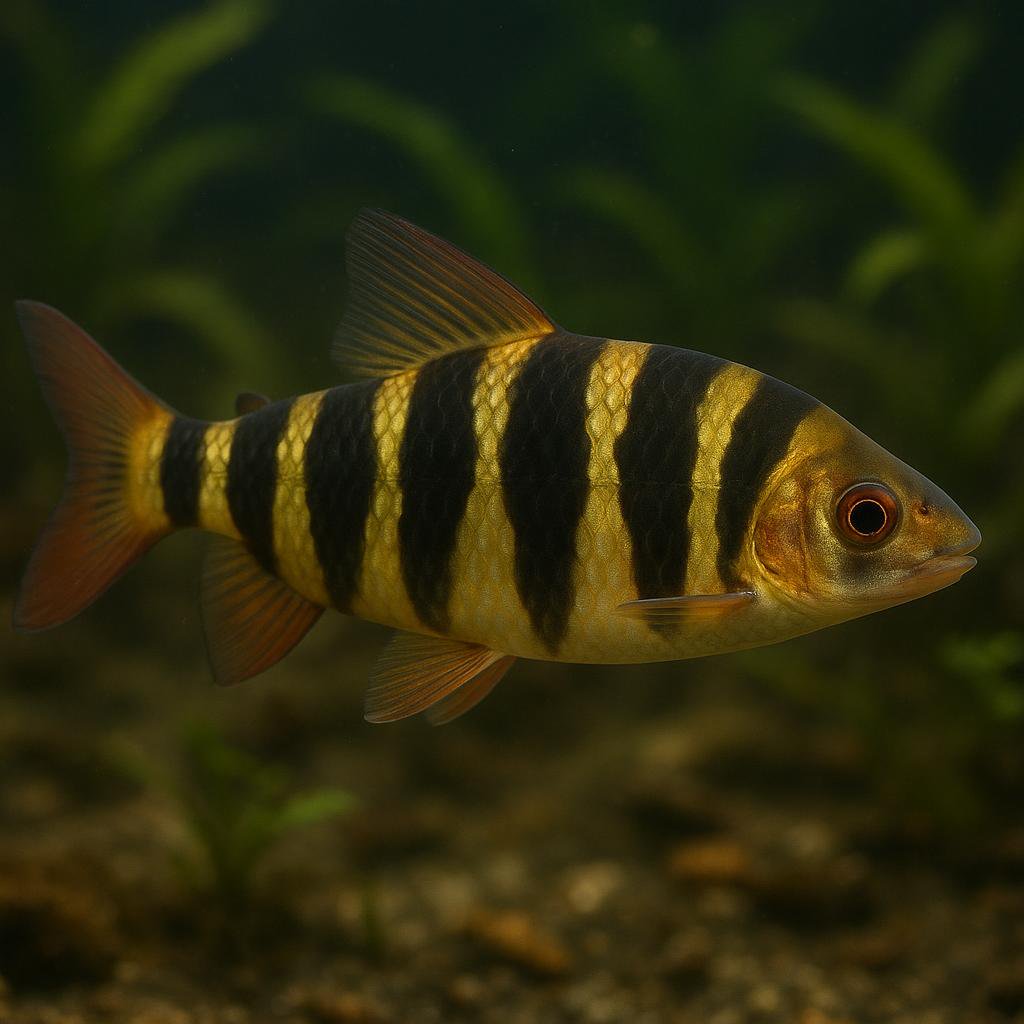
Banded Leporinus are those torpedo-shaped, black-and-yellow striped fish that look like they're wearing a little prison outfit-and they stay on the move. They've got a ton of personality and they're awesome to watch cruising and picking at stuff, but they're also the kind of fish that will redecorate your tank and "taste test" anything soft-looking.
Bandi cichlid
Wallaceochromis signatus
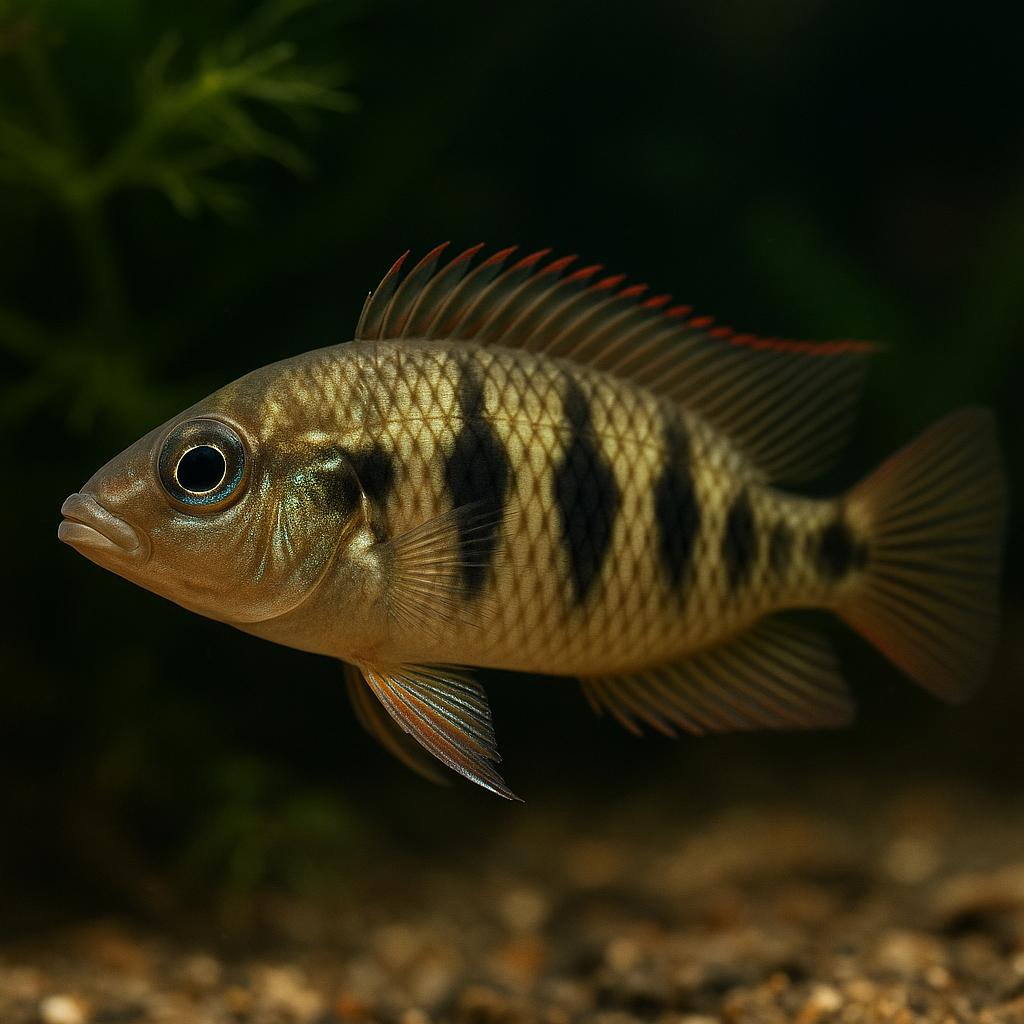
A West African dwarf cichlid from Guinea's Bandi River, this fish shows crisp vertical bars and spotted fins with red highlights. Females have a bold black spot at the base of the tail, and pairs guard eggs and fry in caves, which makes their parental behavior fun to watch.
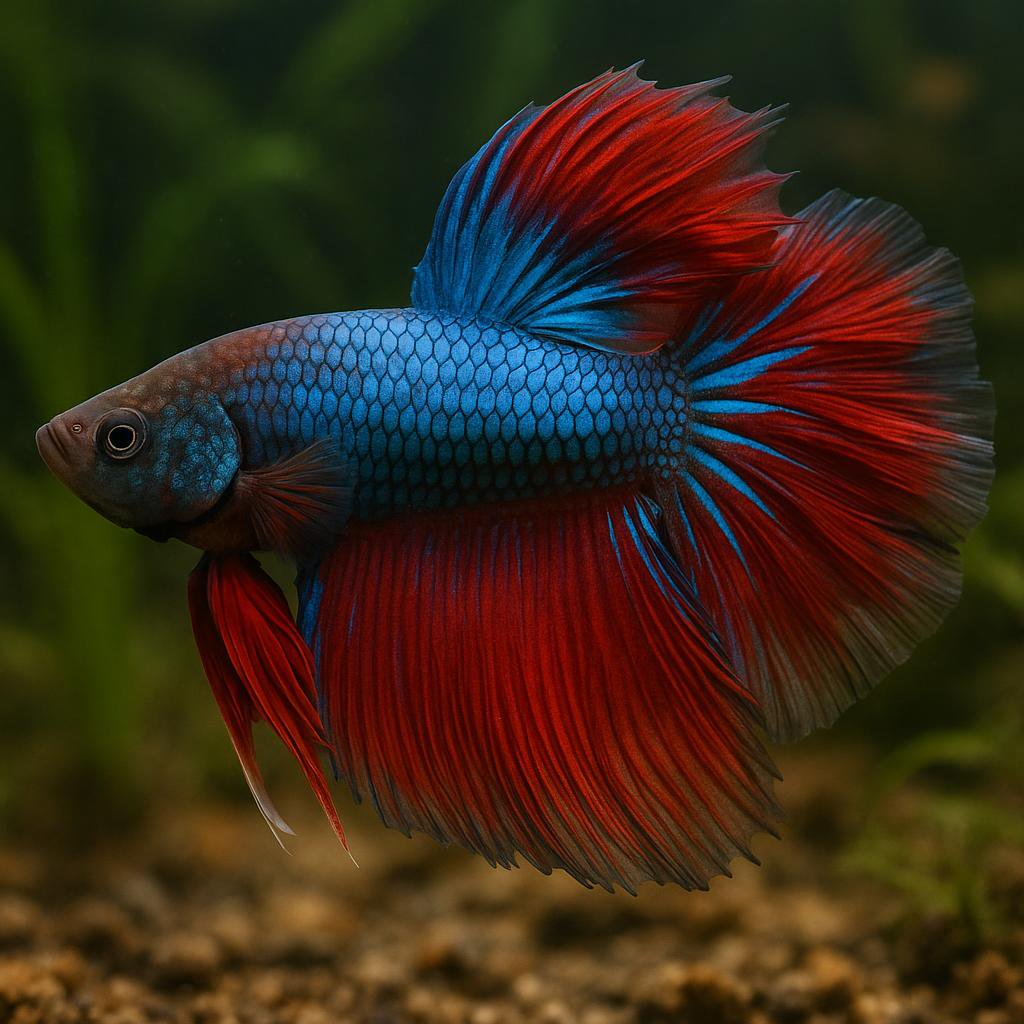
Betta
Betta splendens
Betta fish, also known as Siamese fighting fish, are popular for their striking colors and flowing fins. They are known for their territorial nature, especially males, which can display aggressive behavior towards each other.
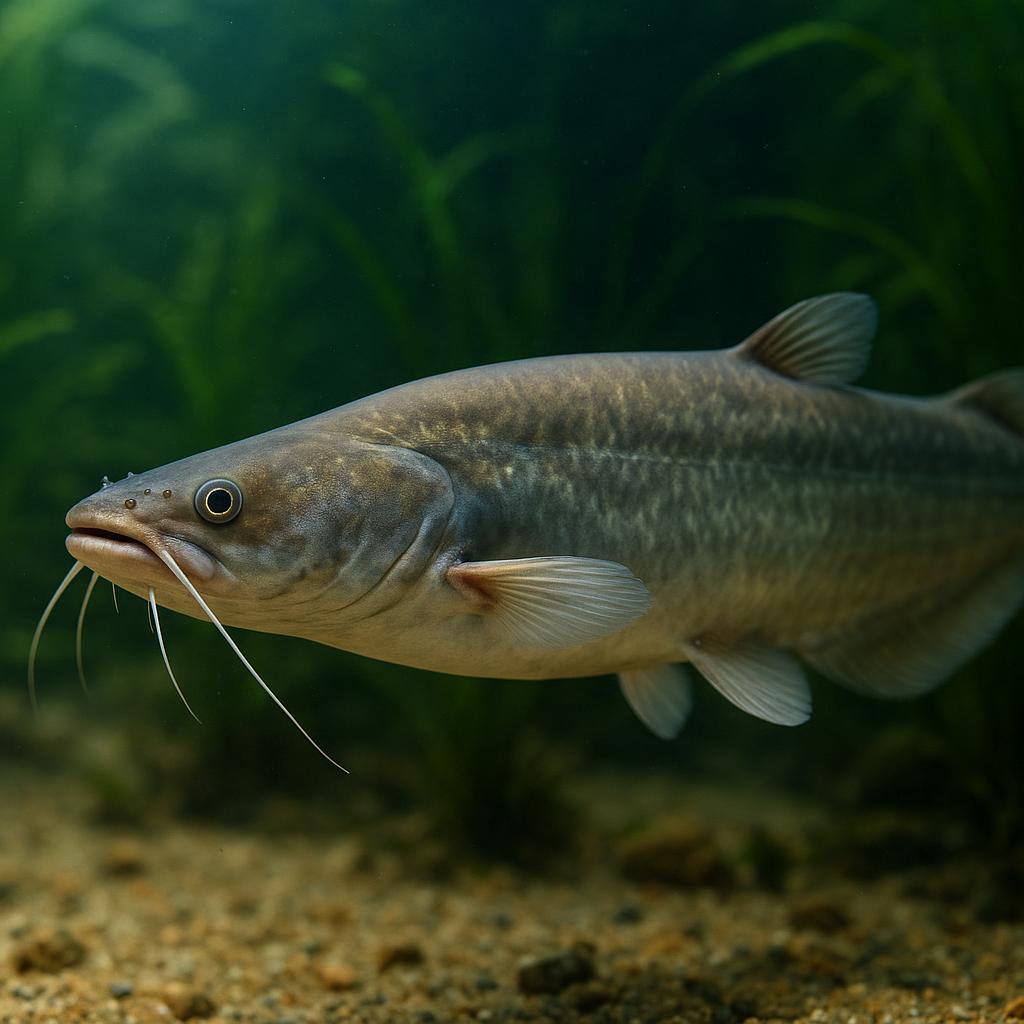
Blackhawk catfish
Wallagonia micropogon
Wallagonia micropogon is a giant Southeast Asian sheatfish with an eel-like body and a huge, scoop-like mouth for hunting other fish. It is native to the Mekong and middle Chao Phraya basins and was long confused with Wallagonia leerii, which makes IDs and care notes tricky. Stunning as a juvenile but it grows to true megafish size, so it is only realistic for expert keepers or public aquariums.
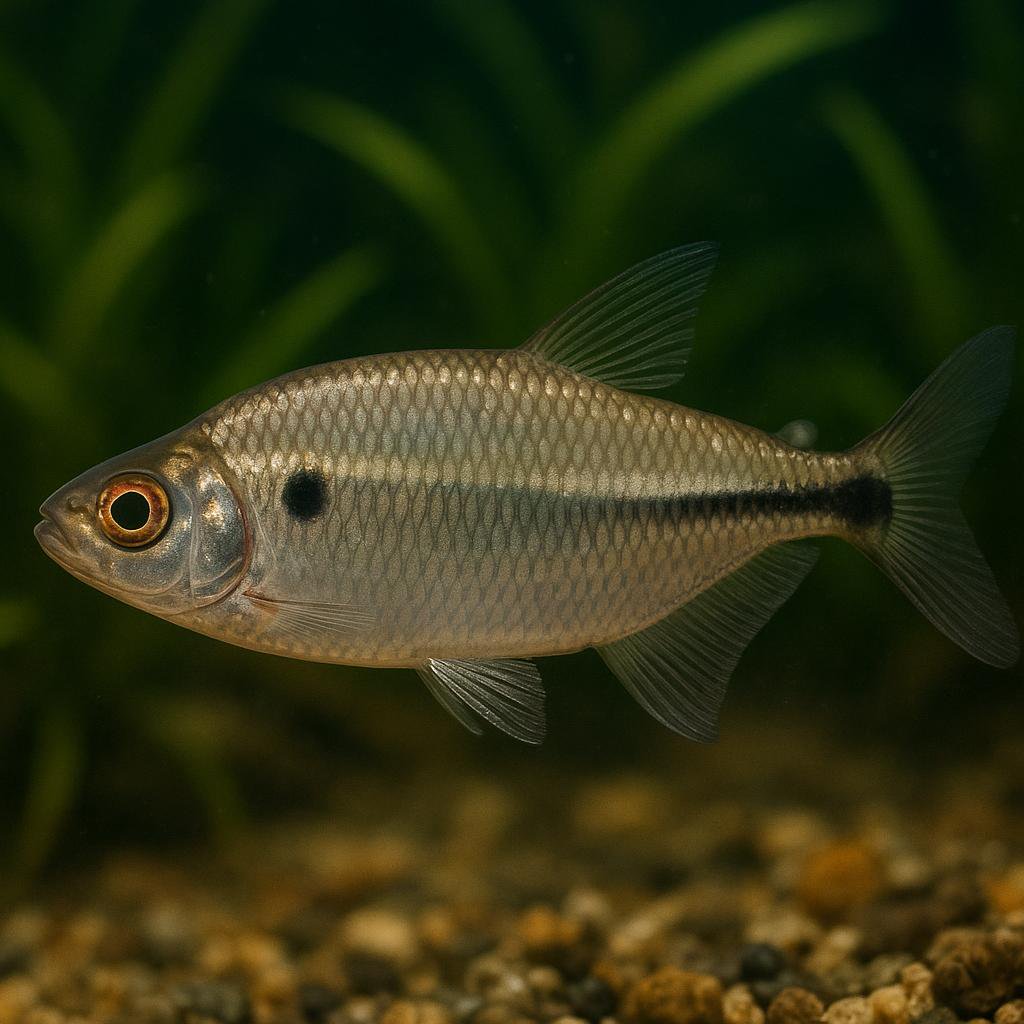
Boulenger's Featherfin Tetra
Bryconaethiops boulengeri
A big, fast African tetra from the Congo River basin, it cruises the mid-to-upper water in active groups and flashes a bold broken stripe along its flanks. In the wild it hunts insects at the surface and can leap, so aquariums need tight lids. Keep it with robust tankmates it cannot swallow.
More to Explore
Discover more freshwater species.
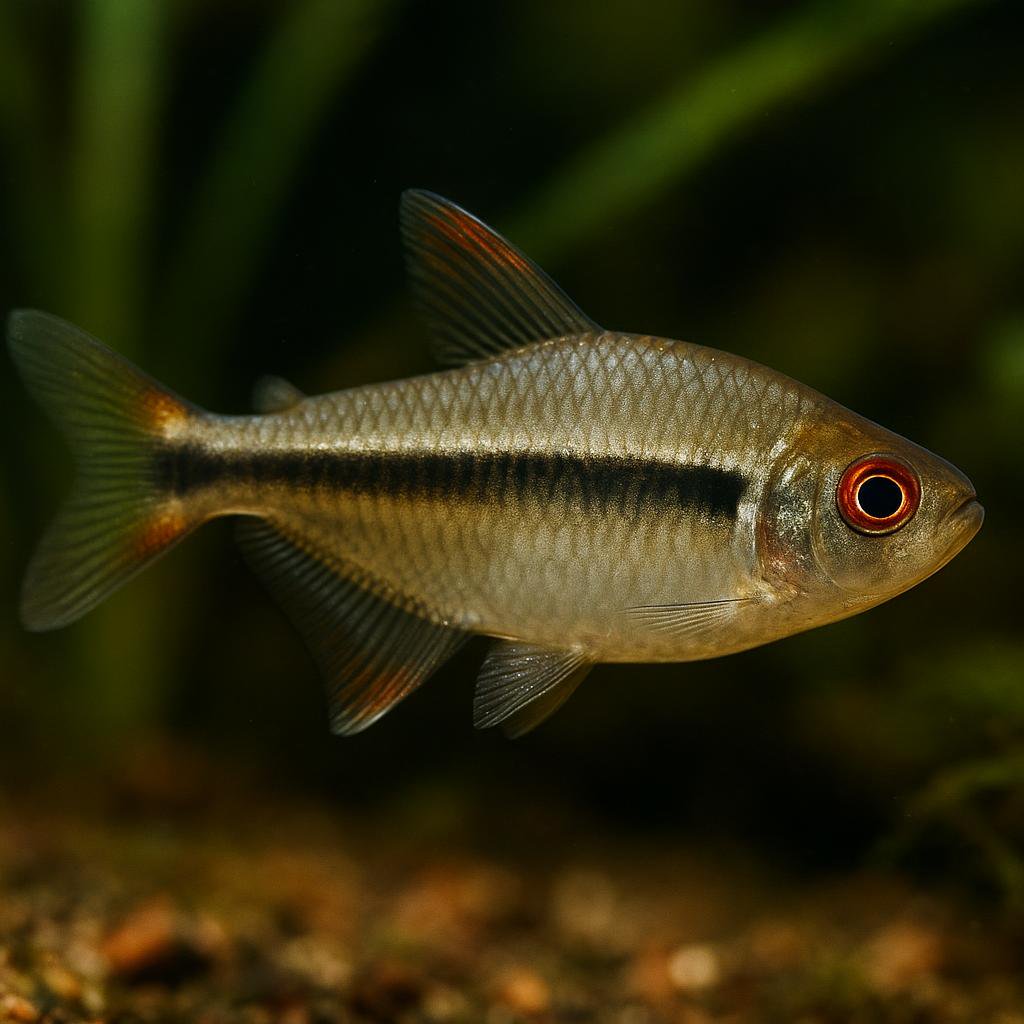
Amapa tetra
Hyphessobrycon amapaensis
This is a tiny, super sleek little tetra with a clean red stripe down the side that really pops once its settled in. It does best in a planted, slightly tinted "creek-style" setup and looks way cooler when you keep a proper group so they school and flash that line together. If you can give it soft, slightly acidic water and a calm community, its an easy fish to fall for.
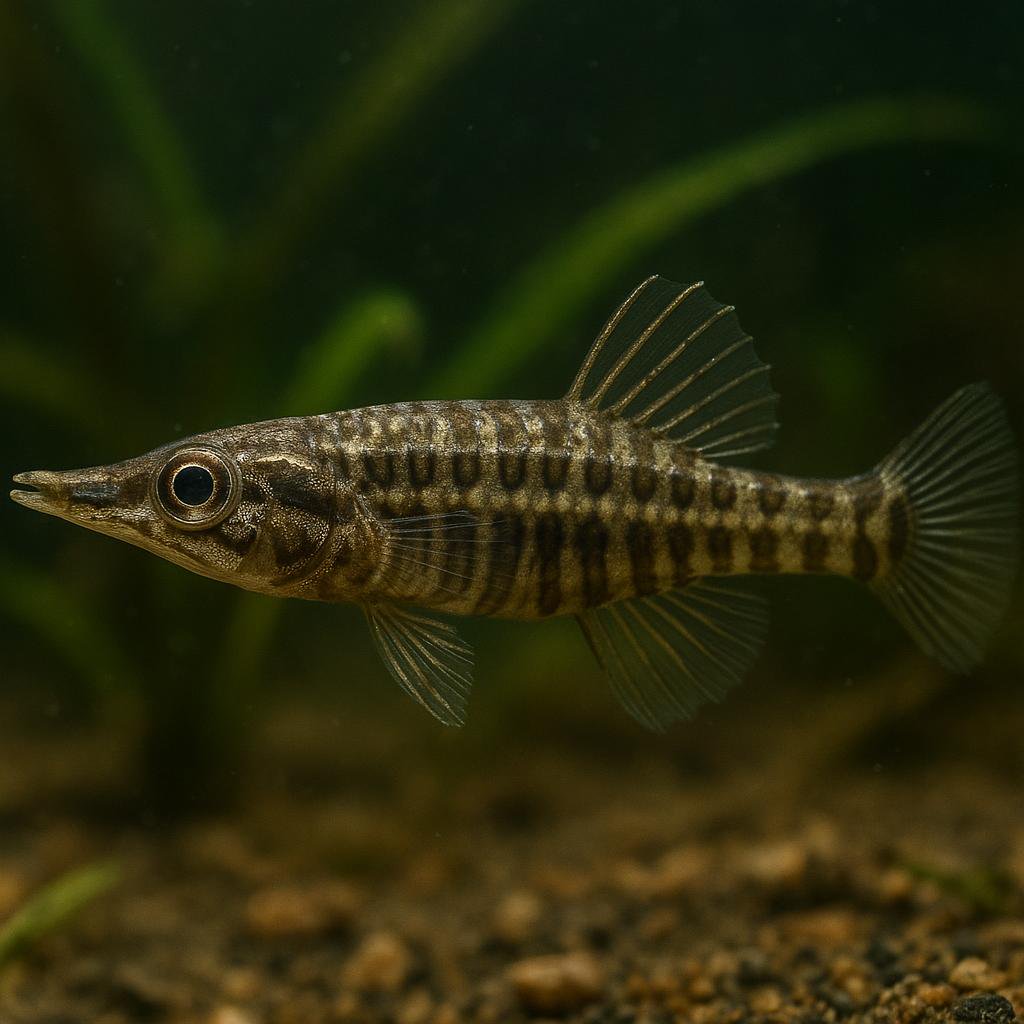
Armoured stickleback
Indostomus paradoxus
This is that goofy little "freshwater seahorse"-looking fish that just kind of perches and scoots around like a tiny armored twig. Its whole vibe is slow, sneaky micropredator - once its settled in, you will catch it stalking microfoods and doing these subtle little posture displays. The big trick is feeding: they do best when you can provide lots of small live foods in a calm, planted tank.
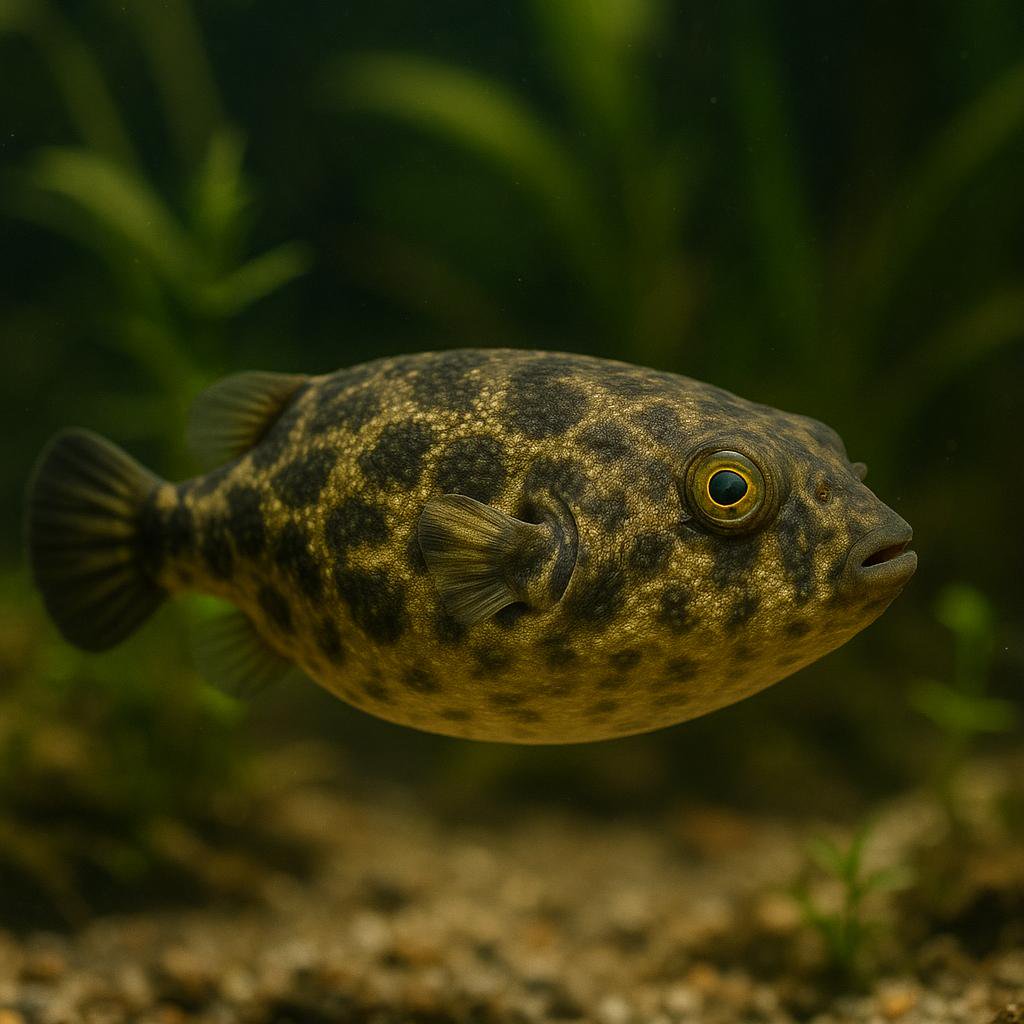
Arrowhead puffer
Pao suvattii
Pao suvattii is that sneaky Mekong puffer that likes to sit low and ambush food, and it has that super recognizable arrow/V pattern on its back. Gorgeous fish with tons of personality, but it is absolutely not a community guy - plan on a solo, species-only setup if you want everybody to stay in one piece.
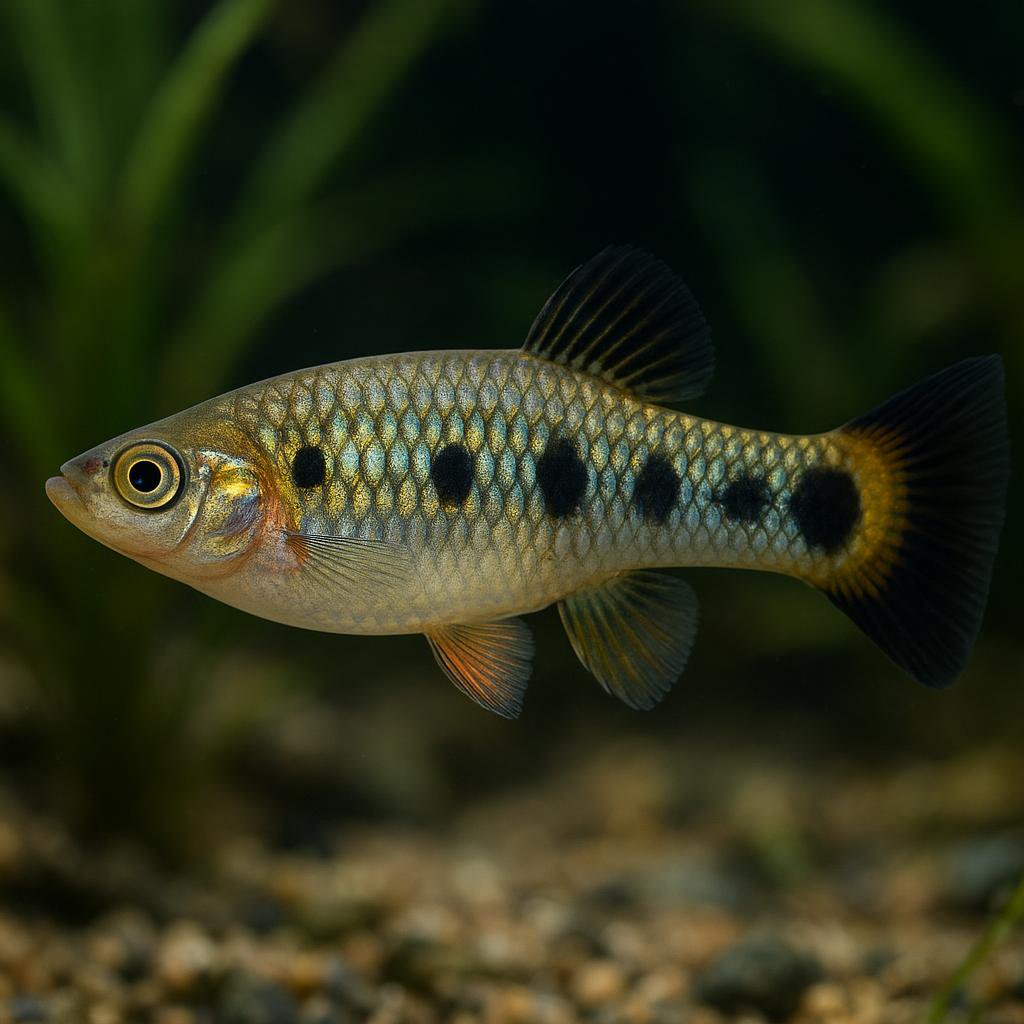
Bishop toothcarp
Brachyrhaphis episcopi
This is a tiny Panamanian livebearer that does best when you treat it more like a shy wild fish than a fancy guppy-lots of cover, calm vibes, and really clean water. The fun part is watching the males posture and spar while the females cruise around dropping fully-formed fry about once a month.
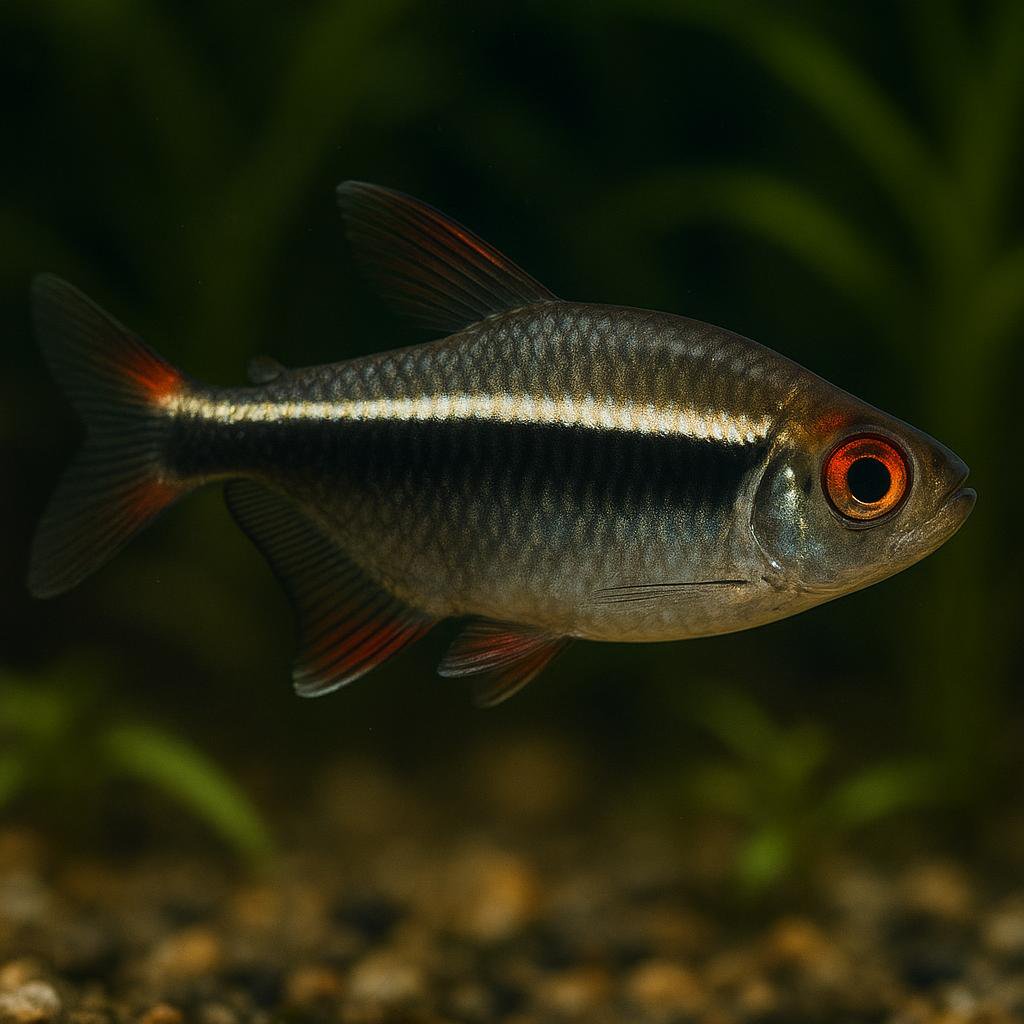
Black Neon Tetra
Hyphessobrycon herbertaxelrodi
Black neons are one of those little tetras that look kinda understated until the light hits them-then that bright stripe pops and they shimmer when the school turns together. They're super chill, always cruising mid-water, and they make a tank feel "alive" without being hectic. If you keep a nice group, they get bolder and you'll see way more of their personality.
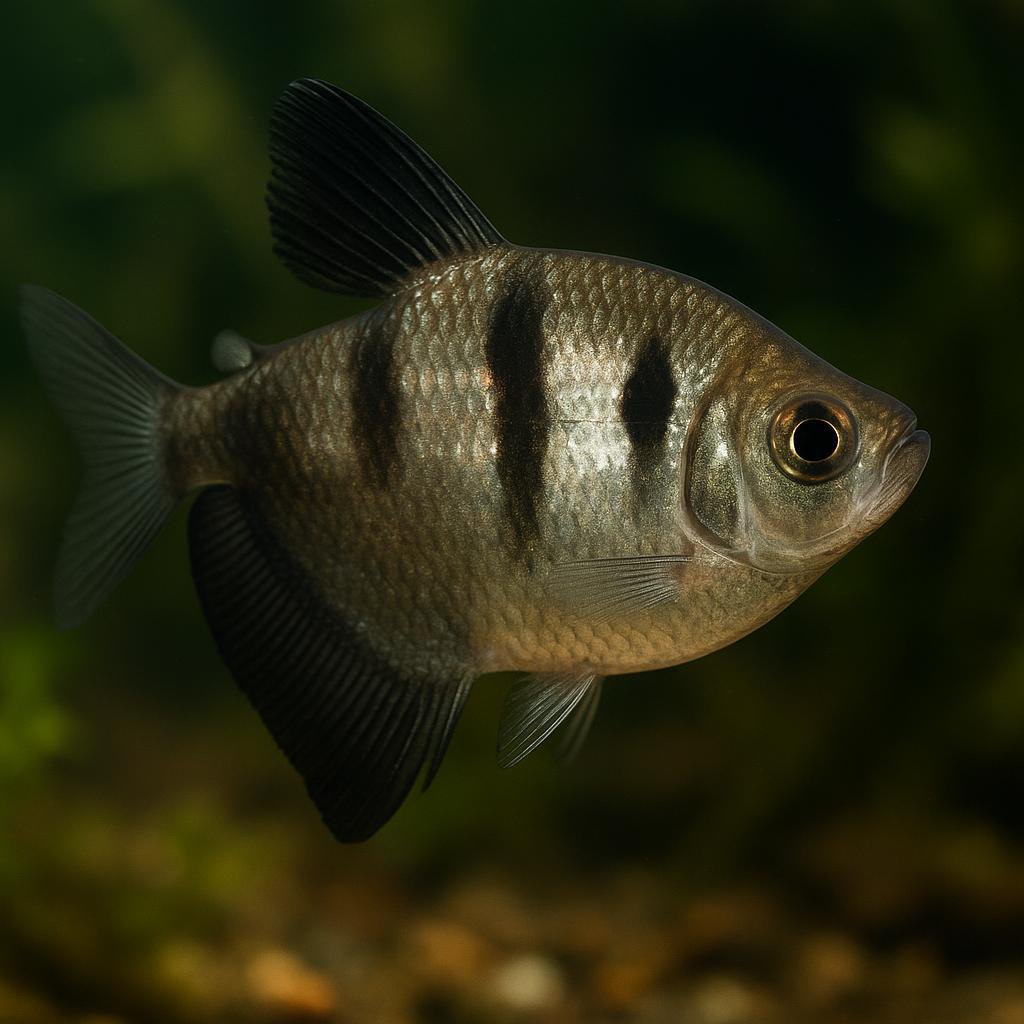
Black Skirt Tetra (Black Widow Tetra)
Gymnocorymbus ternetzi
Black skirts are those little "suit-and-tie" tetras with the dark bands and flowing fins that look way fancier than they should for how tough they are. They're super active midwater fish, and when you keep a proper group they do that tight, zippy schooling thing that makes the whole tank feel alive. Just give them enough buddies and finny tankmates they won't be tempted to nip.
Looking for other species?