

Murray Island bandfish
Owstonia merensis
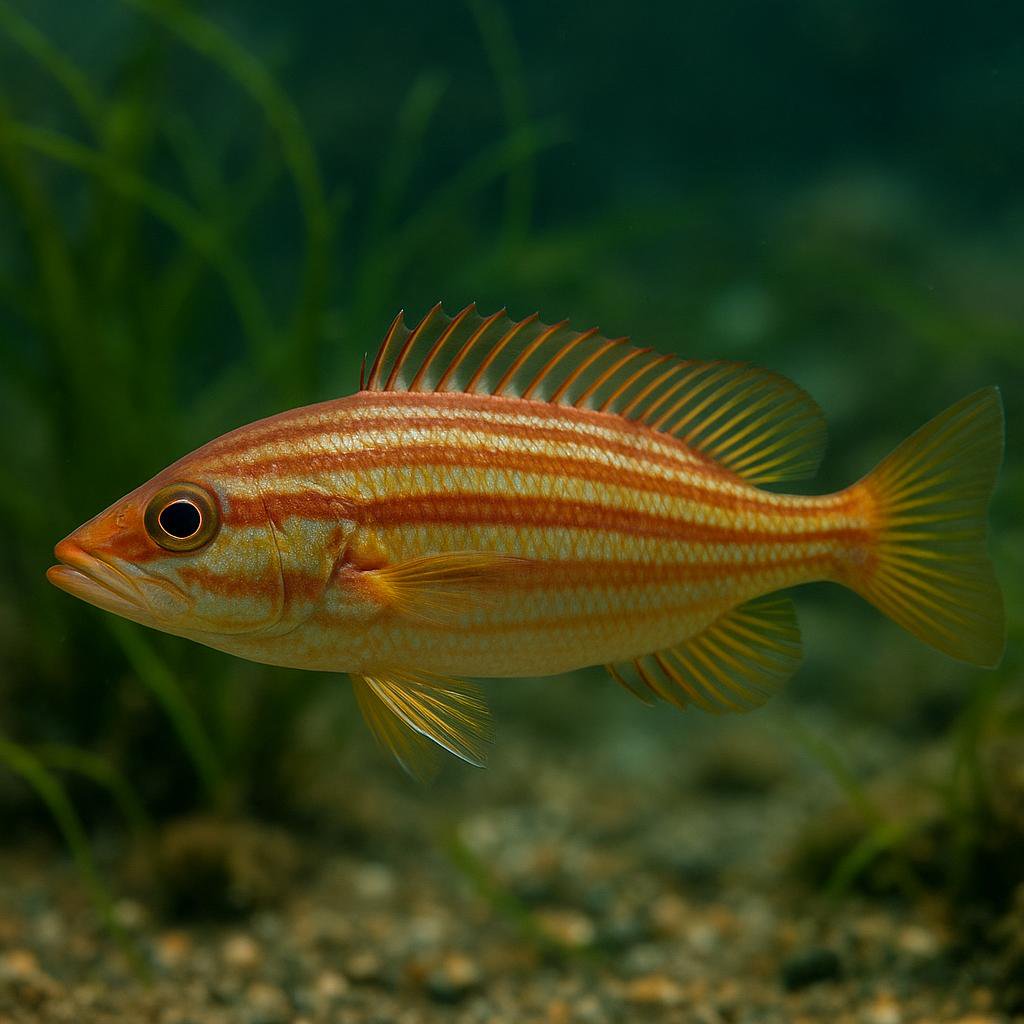
Murray Island bandfish features a slender body, vibrant blue-green hues, and elongated dorsal and anal fins, enhancing its streamlined appearance.
This page includes AI-generated images. Why am I seeing AI images?
About the Murray Island bandfish
Owstonia merensis is a tiny deepwater bandfish from the western Pacific - think slope/reef-edge trawl depths, not a reef tank fish. It stays small (around 5.7 cm standard length in the literature) and lives way down where water is cool, dark, and super stable, which is why it is basically never a realistic home-aquarium species.
Quick Facts
Size
5.7 cm (SL)
Temperament
Peaceful
Difficulty
Expert
Min Tank Size
30 gallons
Lifespan
unknown
Origin
Western Pacific
Diet
Carnivore - small crustaceans/zooplankton (likely), would require meaty frozen/live microfoods if attempted
Water Parameters
8-14°C
8-8.4
8-12 dGH
Need a heater for this species?
This species needs 8-14°C in a 30 gallon tank. Use our heater calculator to find the right wattage.
Calculate heater sizeCare Notes
- Give it a tall tank with a deep sand bed (4-6 in) and some scattered rubble - they want to hover and then dive into the sand when spooked.
- Keep flow moderate and not blasting the sand; if they cannot hold position comfortably they stop feeding and stay buried.
- Run reef salinity (1.025-1.026) and keep nutrients low but not sterile; sudden swings in pH/alk or temp are what make them crash fast.
- Feed small meaty stuff 2-4 times a day: enriched mysis, calanus, finely chopped prawn, and quality pellets if you can convert them; target feed with a pipette near their hover zone.
- Avoid pushy eaters and fin-nippers (tangs, big wrasses, damsels); they do best with calm planktivores like small anthias, firefish, and gentle gobies that will not bully the food.
- Cover the tank tight - they can launch when startled, especially right after shipping or if lights snap on.
- Watch for refusal to eat and rapid weight loss after import; deworming (prazi) and a slow ramp into prepared foods saves more of them than chasing perfect numbers.
- Breeding in captivity is basically a unicorn: they are deepwater bandfish and you will be lucky just getting a stable pair to settle without one outcompeting the other at feeding time.
Compatibility
Good Tankmates
- Small, peaceful reef planktivores like firefish (Nemateleotris) - they hang in the water column and generally mind their own business, so the bandfish stays out and feeds without drama
- Chill dartfish and assessors (Assessor basslets) - similar vibe, not pushy at feeding time, and they do not go looking for trouble in the rockwork
- Peaceful gobies that perch or sift (watchman gobies, clown gobies, small sand sifters) - they occupy a different zone and are not usually competitive with an Owstonia that wants calm and open water
- Reef-safe cardinals like Banggai or pajama cardinals - slow, non-aggressive midwater fish that will not harass a shy bandfish
- Small, mellow fairy flasses (Cirrhilabrus) or flasher wrasses (Paracheilinus) - as long as they are not the hyper, bossy type and the tank is covered since both can be jumpy
- Small, peaceful basslets like a royal gramma - usually fine if the gramma is not defending a prime cave right where the bandfish wants to hover
Avoid
- Dottybacks and other scrappy rock-territory fish (Pseudochromis) - they love to bully shy fish and will chase them off the rockwork, which keeps bandfish pinned and stressed
- Big or pushy wrasses (many Halichoeres, sixline wrasse) - constant cruising and pecking, plus they can outcompete at feeding time and make bandfish hide
- Aggressive damsels and mean clowns (maroon, tomato, or a pair that has claimed the whole tank) - they get territorial and the bandfish is not built to take that heat
- Hawkfish (flame, longnose) - not always a guaranteed fight, but they can be predatory and intimidating, and I have seen them terrorize timid midwater fish into never coming out
Where they come from
Owstonia merensis (Murray Island bandfish) is one of those deepwater, slope-reef oddballs that shows up from the Coral Sea area around the Torres Strait and nearby regions. They are not a "reef flat" fish at all - think dimmer light, cooler-stable water, and a life spent hovering just off the bottom where food drifts by.
That background matters because a lot of the usual "reef tank" assumptions (bright lights, heavy foot traffic, boisterous tankmates) make them shut down fast.
Setting up their tank
If you only remember one thing: build the tank around making the fish feel safe. Bandfish are hoverers that want a tight bolt-hole and calm water around it. Mine spent the first couple weeks doing the classic "peek out, grab a bite, reverse back in" routine until it decided I was not a threat.
- Tank size: bigger is easier. I would not bother under 40-50 gallons for a single fish, and 75+ if you are trying a pair or a small group.
- Aquascape: lots of rock, but with real caves and crevices you can actually see into. Make a couple narrow, shadowy hideouts, not just open arches.
- Substrate: fine sand is nice, but they are not true sand-burrowers like garden eels. The hiding spots matter more than the sand depth.
- Flow: moderate, not blasting. Give them a calmer "eddy" area near their hideout so they can hover without fighting the current all day.
- Lighting: they do better with subdued light or shaded zones. If your reef lights are intense, add overhangs and darker lanes.
- Cover: lid the tank. They can spook and launch.
These are deepwater fish in the trade. Ask how it was collected and decompressed. A fish that was not handled right can look "fine" at first and then spiral a week later.
I also recommend a long, boring acclimation period: dim the lights, keep the room quiet, and do not rearrange the rock after it goes in. They hate change, and they remember where "home" is.
What to feed them
They are planktivores/micro-predators. In practice that means small meaty foods, offered frequently, and ideally delivered so it drifts past their face. If food hits the sand, the faster fish will vacuum it up before the bandfish even decides to move.
- Great starters: live copepods, enriched live brine (as a transition food), small live mysis if you can get it
- Frozen staples: PE mysis (chopped if needed), calanus, finely chopped krill, enriched brine, roe/eggs
- Prepared: some will take tiny sinking pellets eventually, but do not bank on pellets as the main diet early on
Feed like you are feeding a picky anthias. Small portions 2-4 times a day beats one big dump. An auto-feeder with tiny pellets can help once it recognizes pellets as food.
Training them onto frozen is the make-or-break step. I have had the best luck starting with live foods for a few days, then mixing in frozen calanus or chopped mysis so it looks like "drifting specks." Use a turkey baster or feeding pipette and gently puff food past their hideout.
Watch the belly, not just whether it "ate." A bandfish can snick a couple bites and still lose weight over a week. You want a rounded, not pinched, look behind the head.
How they behave and who they get along with
They are shy, observant, and easily bullied. Once settled, they hover in the open more than you would expect, but they still want a quick escape route. Sudden movement outside the tank can send them rocketing back into the cave.
- Good tankmates: small, calm reef fish that do not compete hard for the same food (small gobies, quiet wrasses, firefish-like personalities if they are not pushy, some dartfish).
- Avoid: dottybacks, aggressive clown pairs, most hawkfish, big wrasses, triggerfish, fast boisterous anthias groups, anything that rushes the water column at feeding time.
- Also avoid: fish that will "own" the same cave system (certain basslets or territorial blennies), because the bandfish will just stop coming out.
Feeding competition is the silent killer with this species. Even a "peaceful" tank can starve them if faster fish intercept every bite.
If you are determined to keep it in a busy reef, you can still make it work, but you will be doing targeted feeds forever. I ended up turning off pumps for a few minutes, feeding the bandfish first with a pipette, then letting everyone else have the leftovers.
Breeding tips
Realistically, breeding in home tanks is rare. Deepwater perchlets/bandfish type species tend to have pelagic larvae that are tiny and demanding, and getting a compatible pair is its own puzzle.
If you want to take a swing at it anyway, your best shot is a species-focused setup: calm tank, multiple hideouts, heavy feeding, and a way to collect eggs/larvae (overflow to a larval collector or a dedicated kreisel style rearing tank). If you ever see dusk spawning behavior (pairing up, rising into the water column), you will need live plankton cultures ready, not "tomorrow."
I would treat breeding as a long-term project, not a bonus feature. Get one eating aggressively and staying plump for months before you even think about pairs.
Common problems to watch for
- Starvation from shyness or competition - the fish hides, misses meals, and slowly wastes away.
- Shipping/decompression issues - odd buoyancy, sudden decline after looking OK initially, trouble staying level in the water.
- Jumping during the first weeks - spooked fish and open tops do not mix.
- Mouth damage - they can scrape themselves in tight rockwork or during rough capture; watch for swelling or refusal to feed.
- Parasites (marine ich/velvet) - deepwater fish can crash fast; quarantine is your friend, but keep the QT quiet and dim.
Do not "wait and see" on velvet symptoms (rapid breathing, dusting, hiding, not eating). These fish do not have much reserve. If you suspect velvet, act the same day.
My rule with bandfish: if it skips food for 2 days, I treat that like an emergency. First I check for bullying and feeding access, then I check breathing rate and body condition, then I check water quality. Most of the time the fix is simple - quieter tank, targeted feeding, and giving it a real cave it can claim.
Similar Species
Other marine peaceful species you might be interested in.
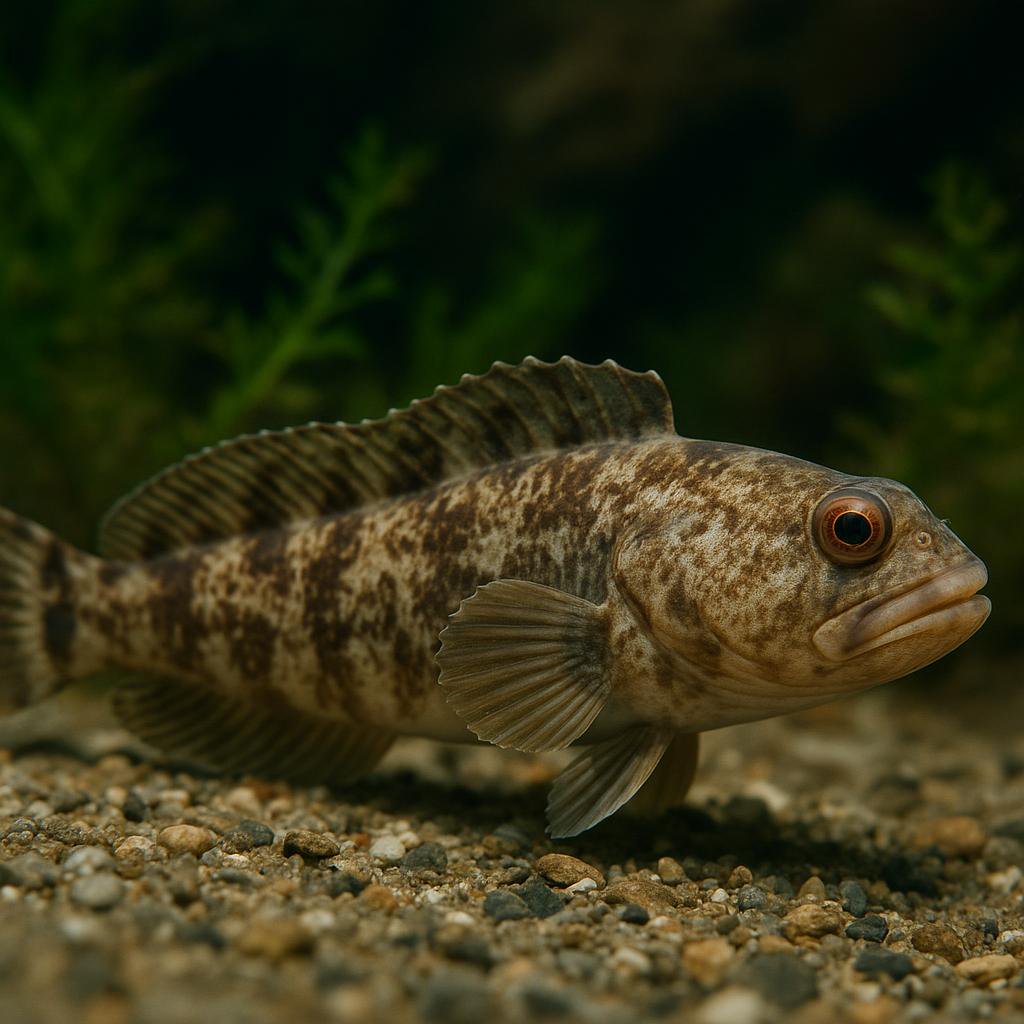
Abe's eelpout
Japonolycodes abei
Japonolycodes abei is a temperate, deepwater demersal eelpout (family Zoarcidae) endemic to Japan (Kumano-nada Sea reported; other sources also report Sagami Bay and Tosa Bay). It is the only species in the genus Japonolycodes and occurs roughly 40-300 m depth, making it an uncommon/atypical aquarium species.
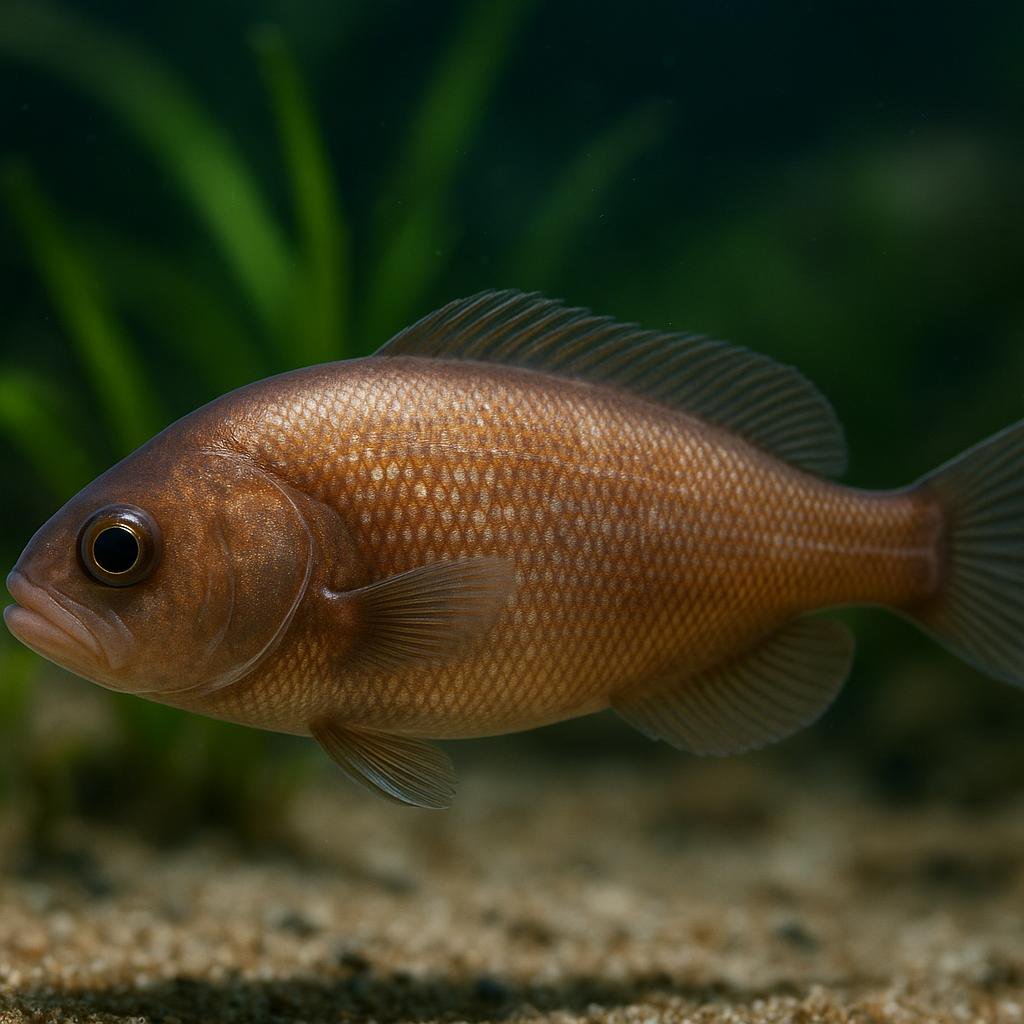
Affinis blind cusk-eel
Barathronus affinis
Barathronus affinis is a tiny, super-weird deep-sea blind cusk-eel from the western-central Indian Ocean. It is one of those gelatinous, loose-skinned brotula-type fishes that live way down in the dark and are basically never seen alive, so almost everything we know comes from preserved specimens and taxonomic work.
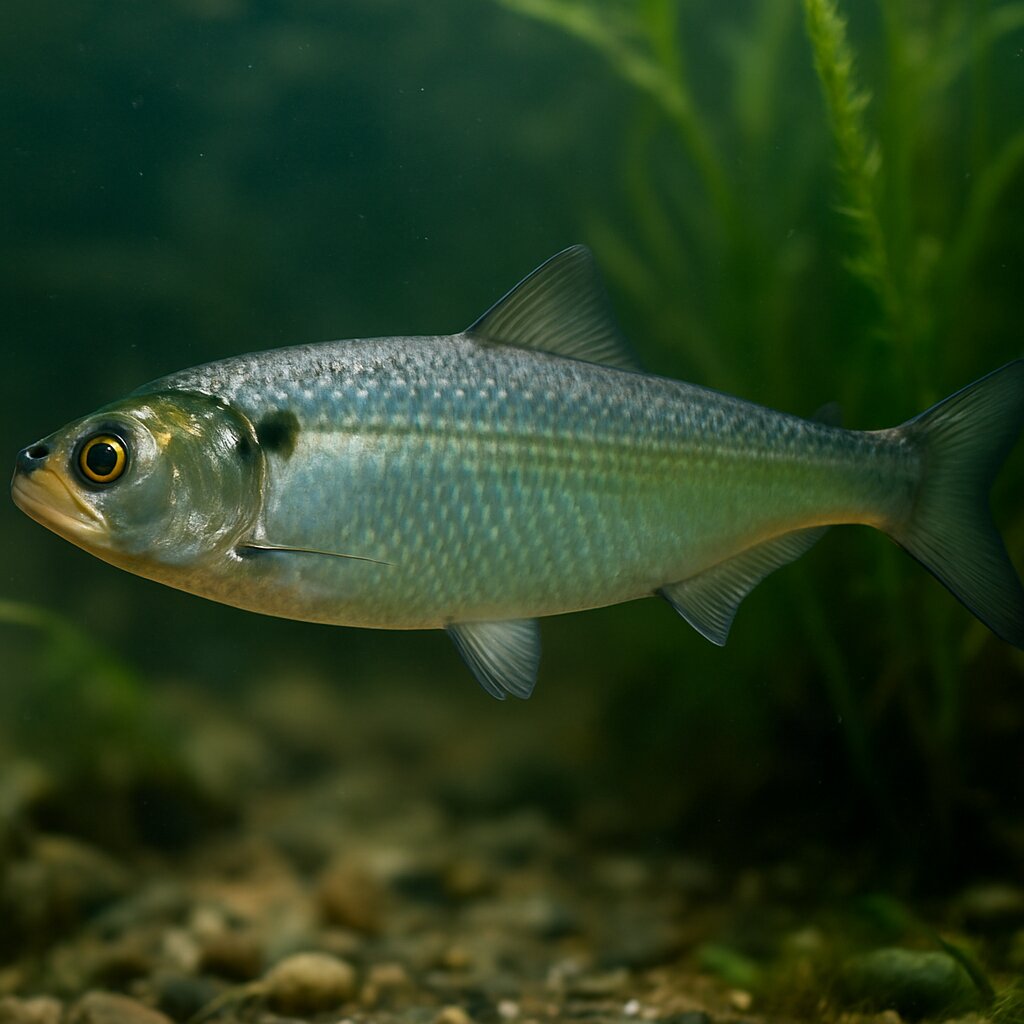
Allis shad
Alosa alosa
Gorgeous silver, fast-swimming shad that spends most of its life in the sea and then surges up big rivers in noisy, surface-spawning schools. It grows huge for a herring-type fish and needs cool, ultra-oxygenated water and tons of open space, so it is a public-aquarium species rather than a home tank fish.
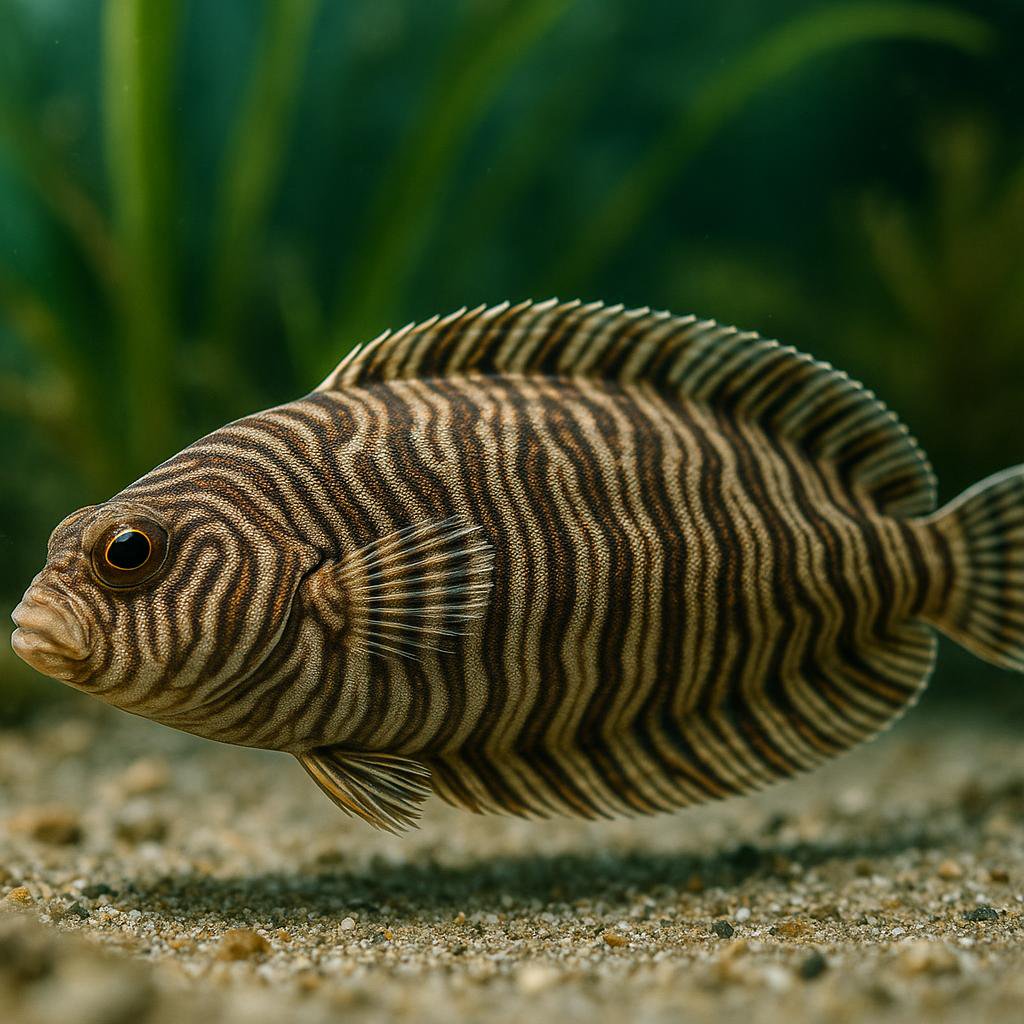
Annandale's zebra sole
Zebrias annandalei
Zebrias annandalei is a small demersal sole from coastal India that inhabits sandy or muddy bottoms and buries for camouflage. It is rarely kept in home aquaria and would require a specialized marine sand-bottom setup and appropriate feeding.
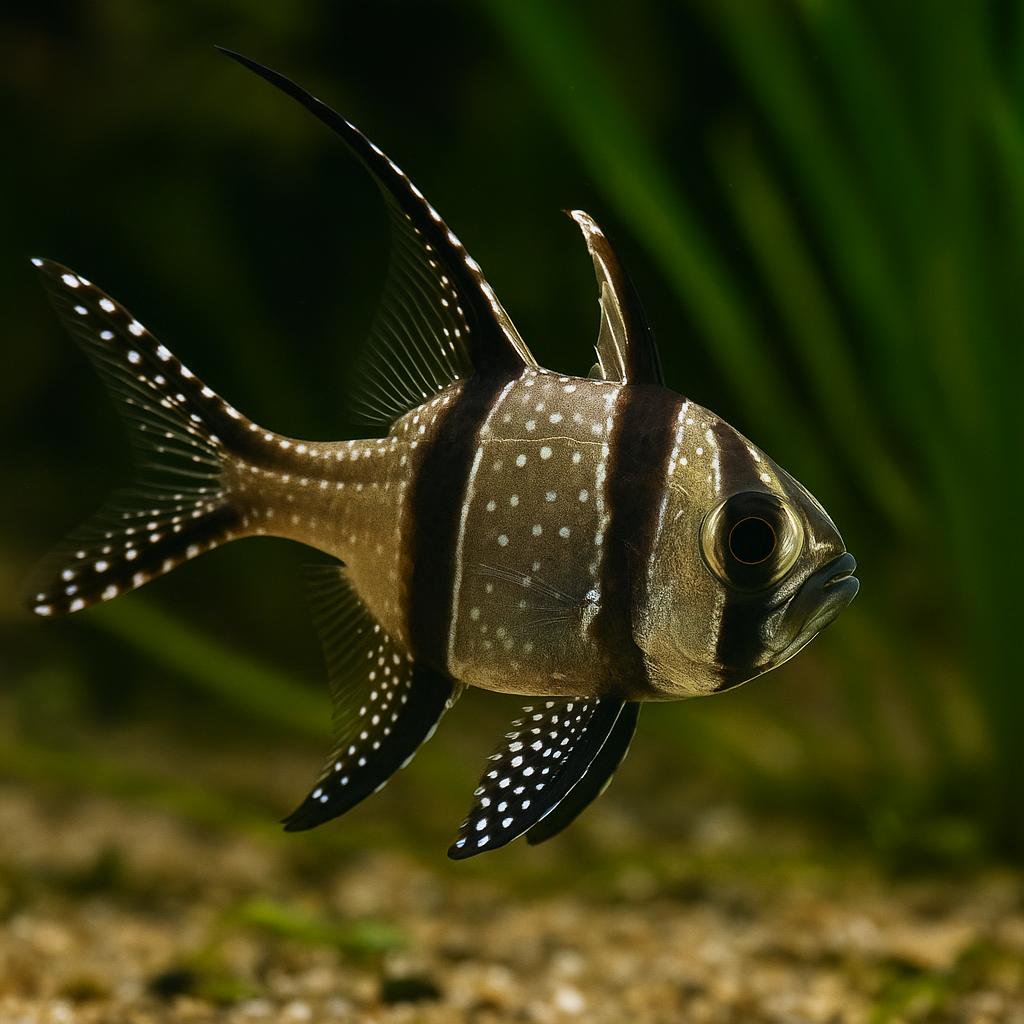
Banggai Cardinalfish
Pterapogon kauderni
Banggai cardinals just sort of hover like little underwater satellites, and the bold black bars with those long, polka-dotted fins look unreal under reef lighting. They're super chill most of the time, but once a pair forms you'll see real "fish drama," and the male will even mouthbrood the babies like a champ.
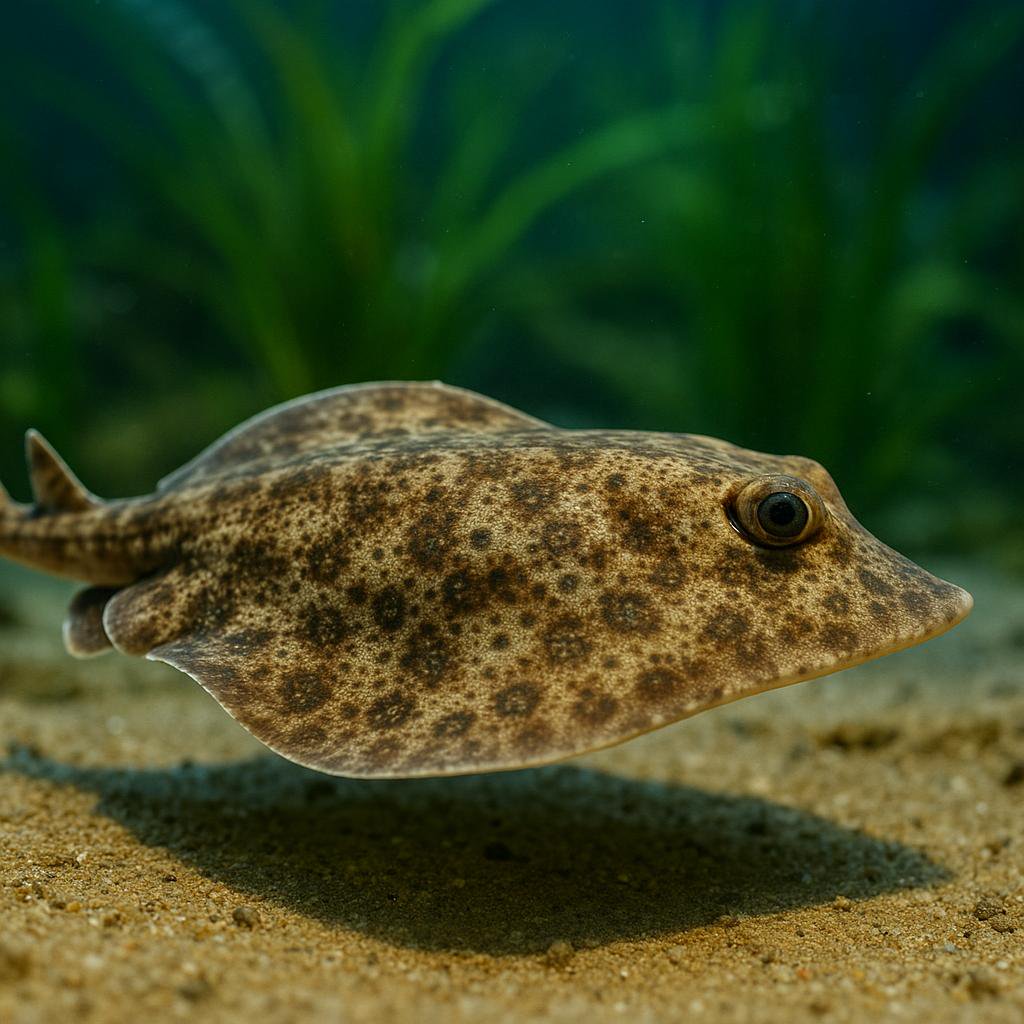
Barbedwire-tailed skate
Notoraja martinezi
Notoraja martinezi is a deepwater skate from the eastern Pacific (Costa Rica down to Ecuador) that lives way down on soft bottoms. The tail is the giveaway - it is lined with strong, hooked thorns that really do look like barbed wire. This is absolutely not an aquarium fish; it is a cold, high-pressure deep-sea animal with basically no practical home care info because it is not kept in the hobby.
More to Explore
Discover more marine species.
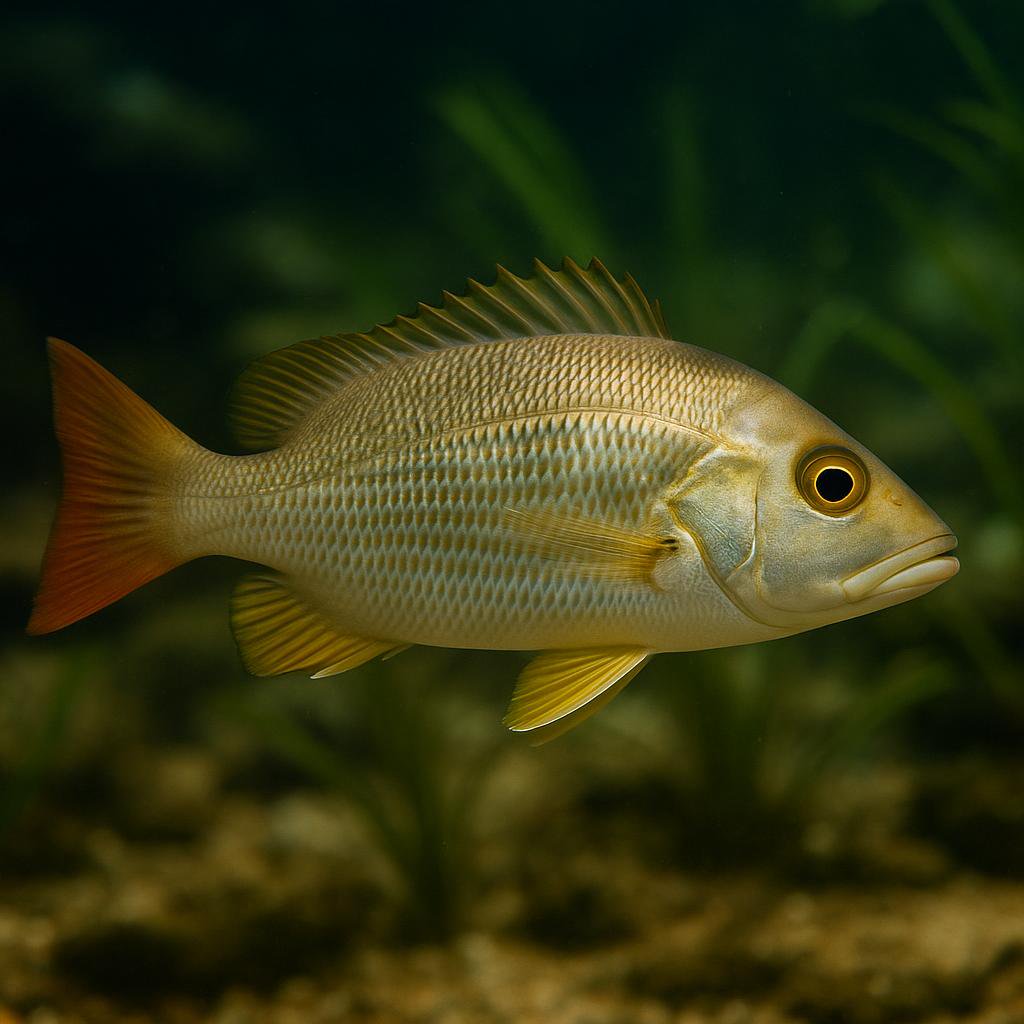
African red snapper
Lutjanus agennes
This is a true snapper from West Africa - a big, fast-growing predator that goes from coastal reefs to brackish lagoons and estuaries (especially as a juvenile). Super cool fish in the wild, but it gets absolutely huge and will eat smaller tankmates once it has the mouth for it, so its really more of a public-aquarium scale animal than a home-aquarium fish.
Aleutian skate
Bathyraja aleutica
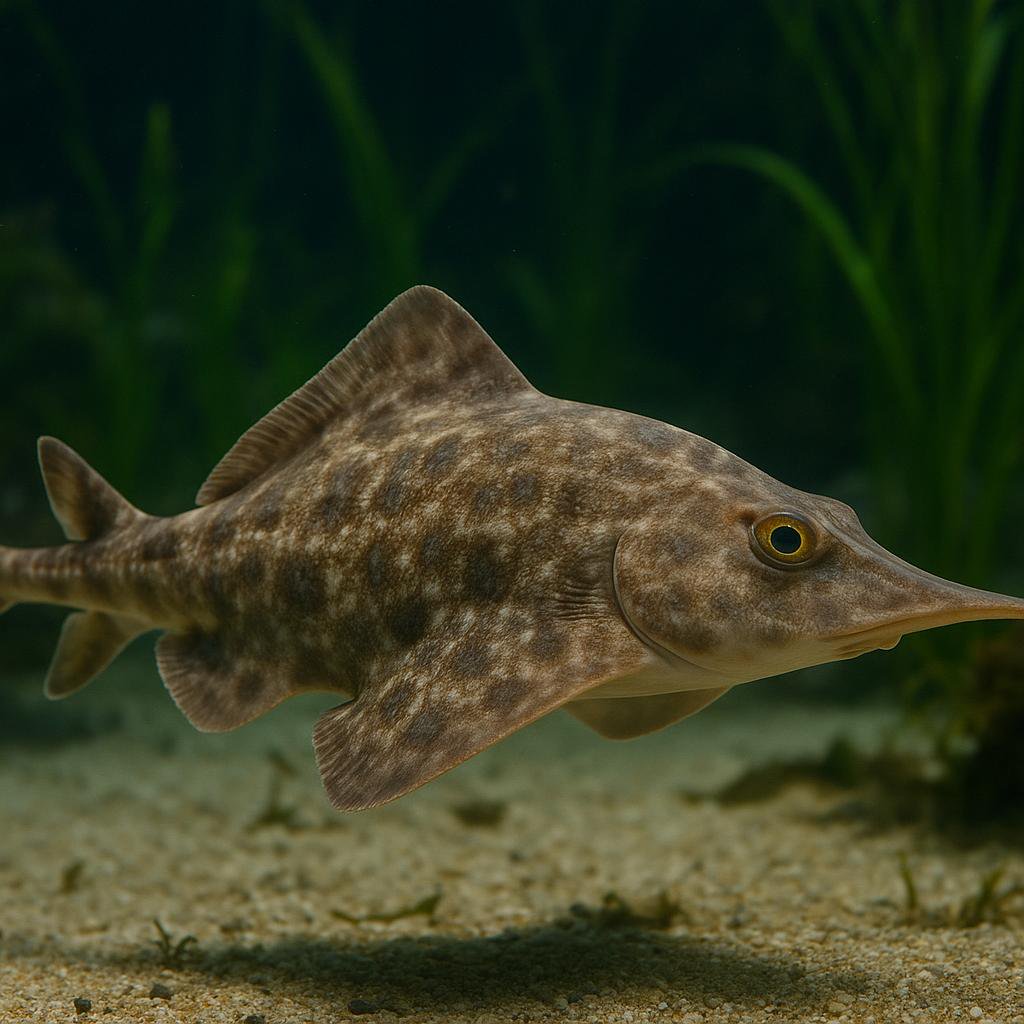
This is a big, cold-water deep-slope skate from the North Pacific that cruises muddy bottoms and eats chunky benthic prey like crabs and shrimp. The really cool bit is its egg-laying skate life - it does distinct pairing (the classic skate "embrace") and drops those tough egg cases on the seafloor. Not an aquarium fish at all unless you're basically running a public-aquarium-style chilled system.
Antarctic dragonfish
Vomeridens infuscipinnis
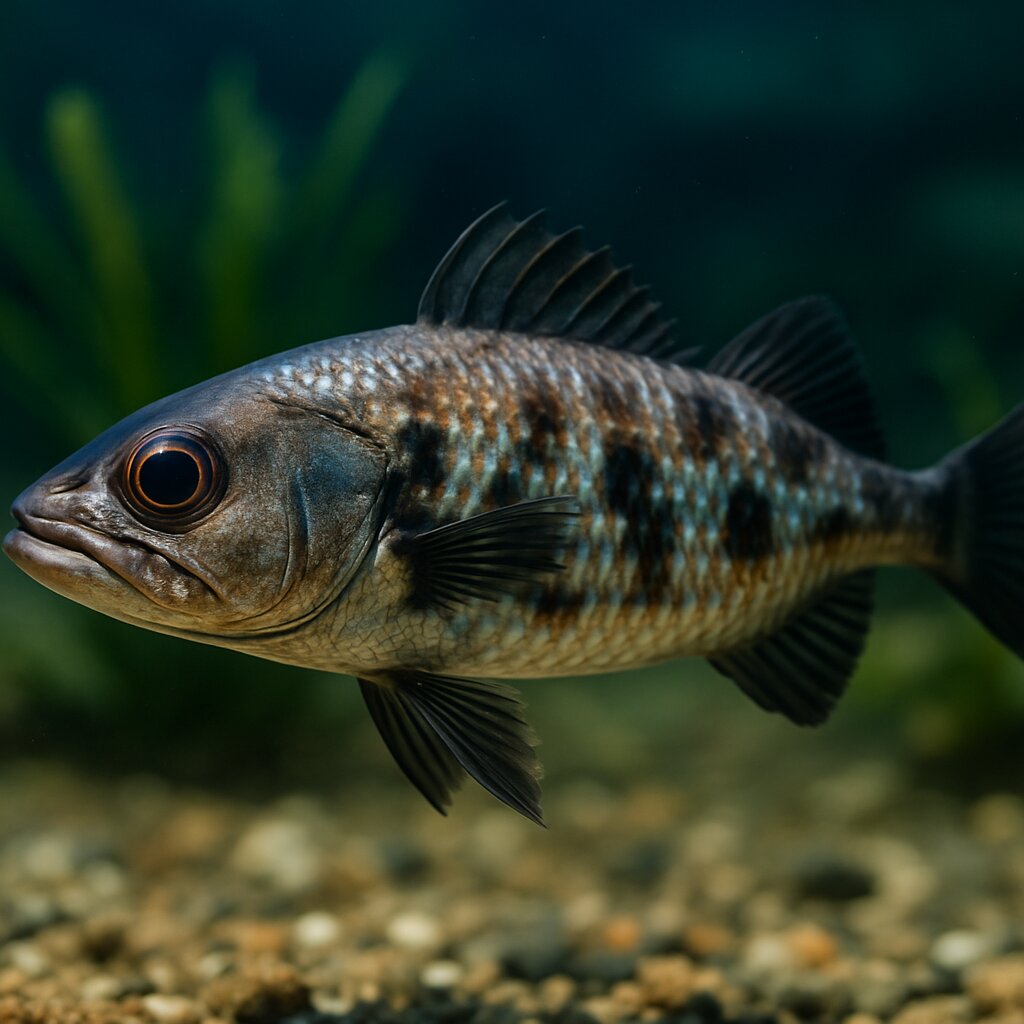
Deep down around Antarctica, this sleek dragonfish cruises the water column like a little submarine, nearly neutrally buoyant so it can hover above the seafloor. It munches almost exclusively on Antarctic krill and lives in near-freezing water 500-800 m down, so it is a cool species to read about, not one for home tanks.
Arabian spiny eel
Notacanthus indicus
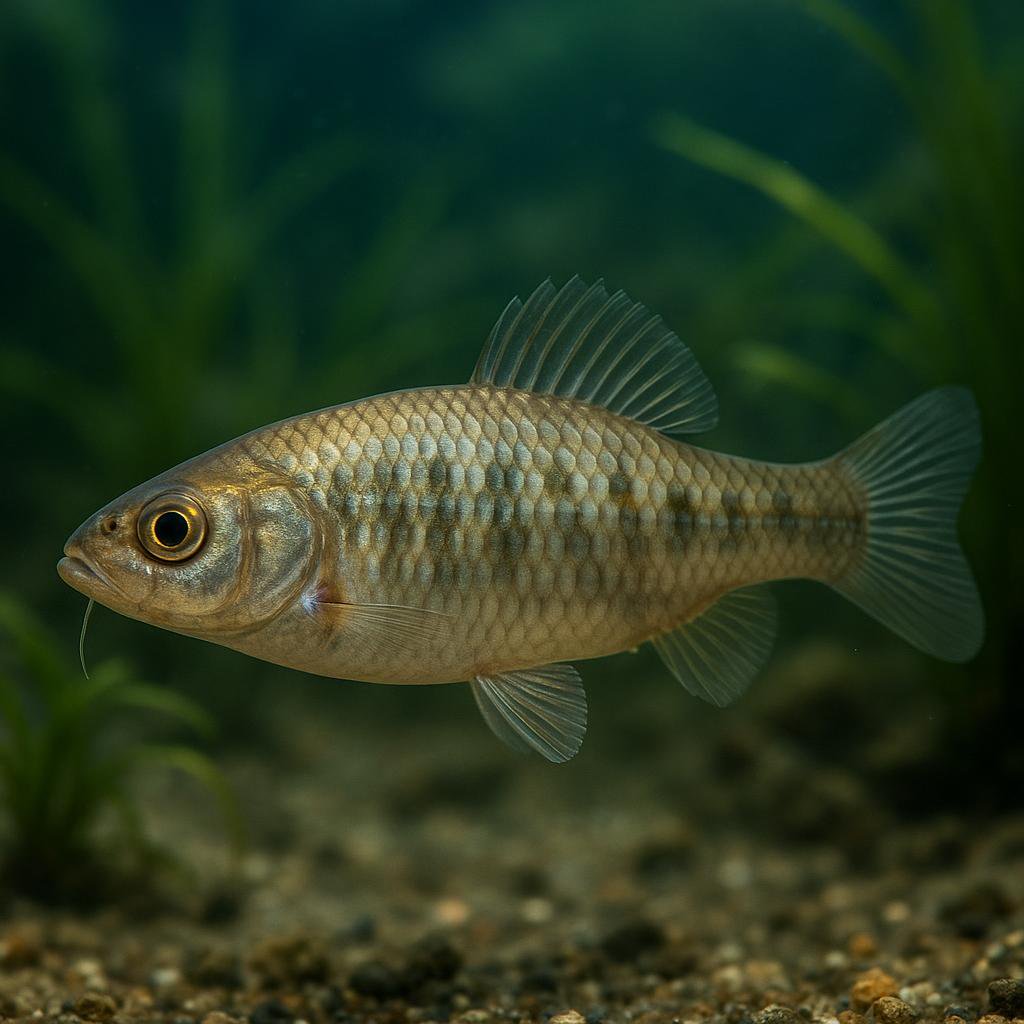
Notacanthus indicus is a deep-sea spiny eel (family Notacanthidae; not a true eel) known from the Arabian Sea on the continental slope at roughly ~960–1,046 m depth, with reported maximum length around 20 cm TL; it is a deep-water bycatch species and not established in the aquarium trade.
Arctic rockling
Gaidropsarus argentatus
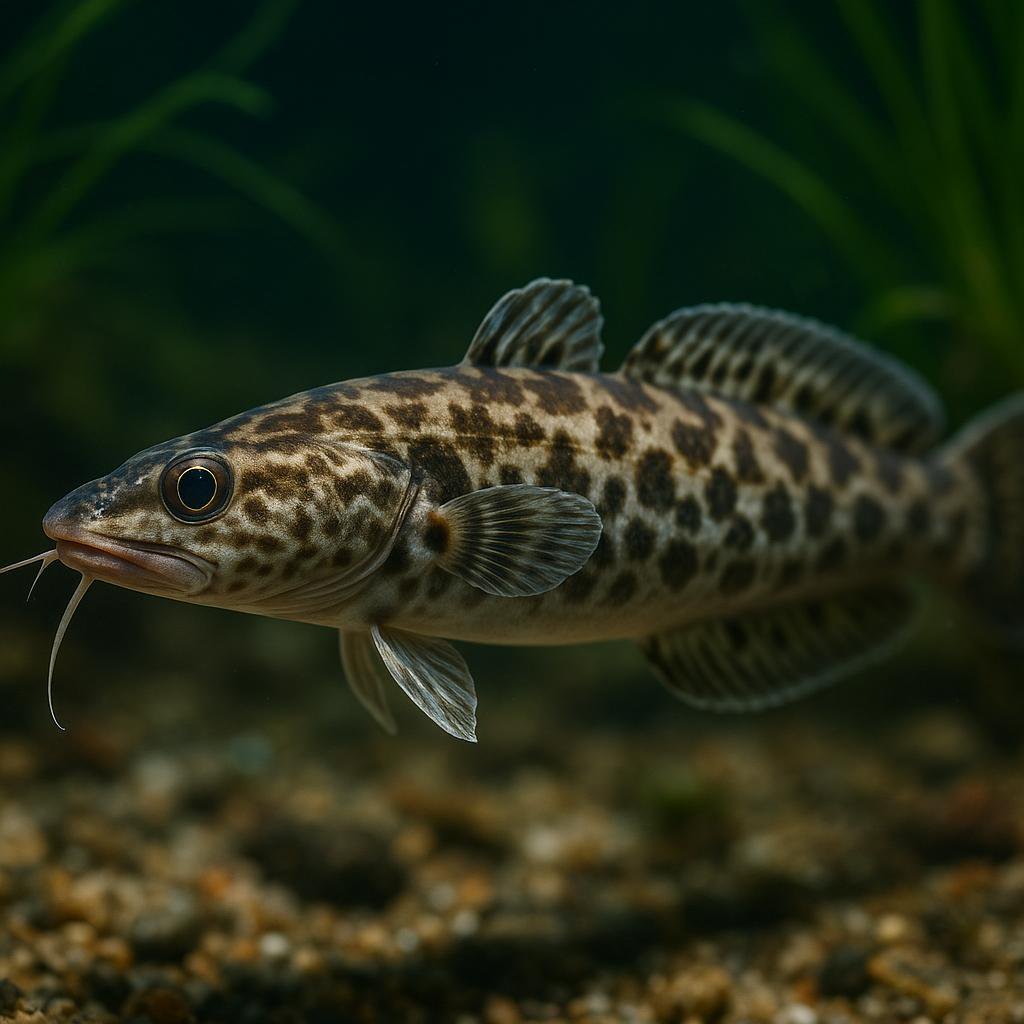
This is a deepwater North Atlantic rockling (a cod relative) that hangs out on soft bottoms way down the slope. It is a cold-water, bottom-hugging predator that snoots around for crustaceans and will also take small fish when it gets the chance.
Atlantic pomfret
Brama brama
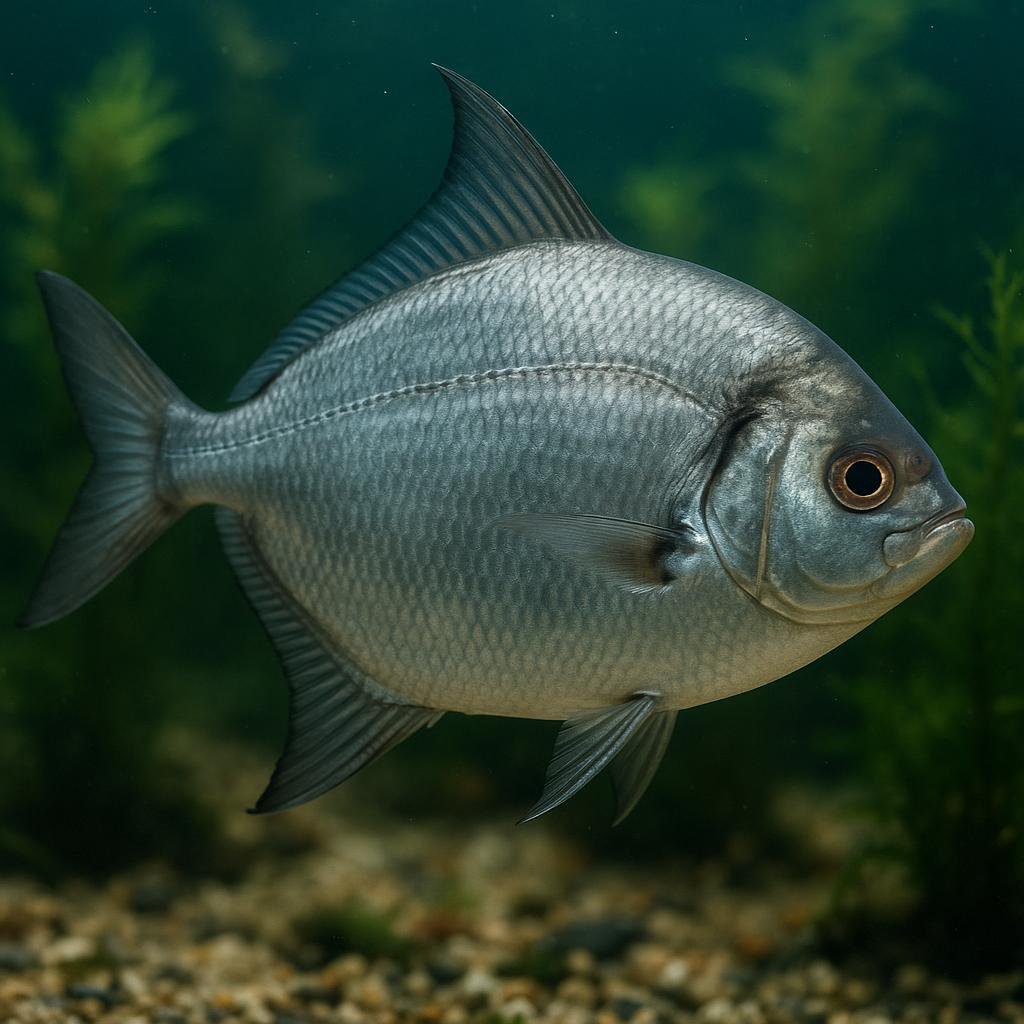
Brama brama is the Atlantic pomfret (aka Ray's bream) - a deep-bodied, open-ocean pelagic fish that cruises around in small schools and follows water temps. It is a legit big, wild marine species (not an aquarium fish) that eats other small sea critters like fish and squid, and it ranges across a huge chunk of the Atlantic plus parts of the Indian and South Pacific.
Looking for other species?