

Ocellaris clownfish
Amphiprion ocellaris
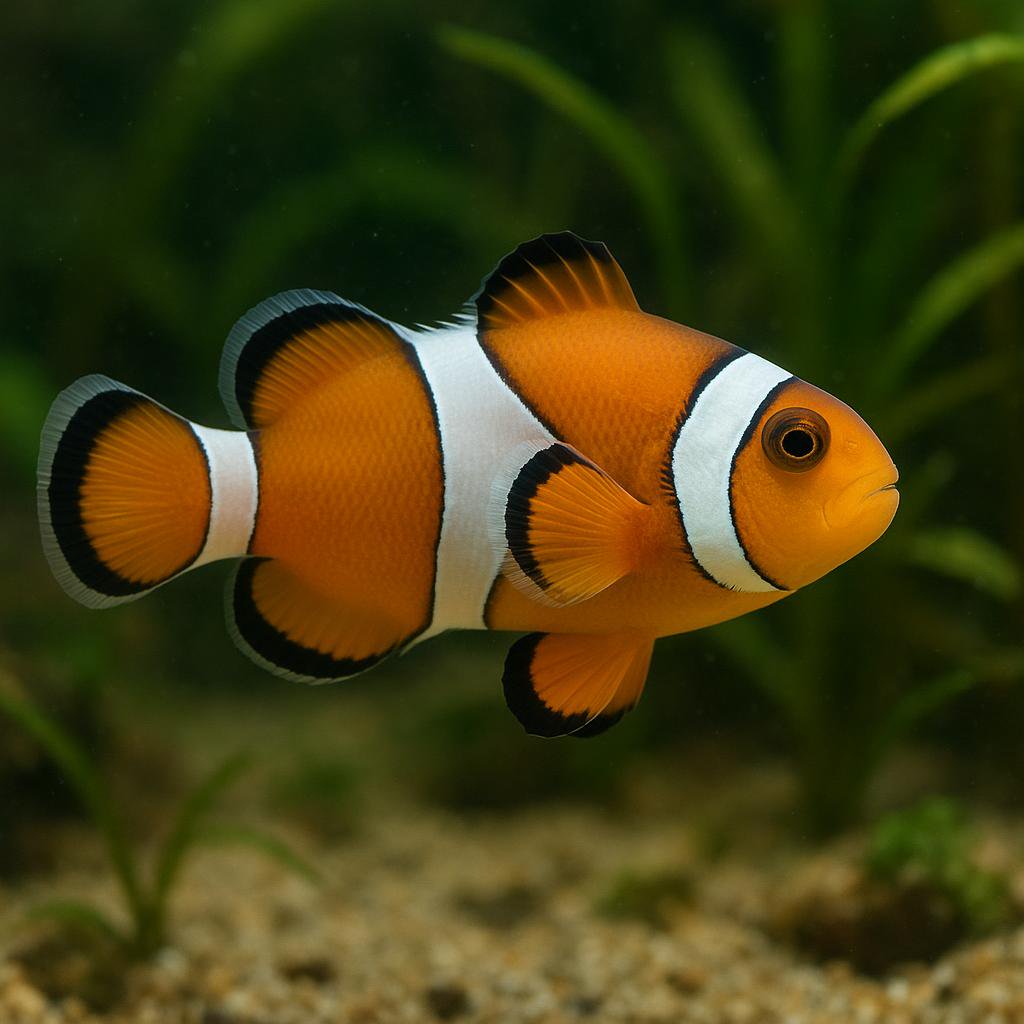
This page includes AI-generated images. Why am I seeing AI images?
About the Ocellaris clownfish
Ocellaris clowns are that classic orange clownfish look-three white bars, a little black edging, and a ton of attitude packed into a small fish. They'll "pick a spot" in the tank (often a corner or a coral) and do that cute hover-wiggle thing, and a bonded pair will usually settle in fast and act like they own the place.
Also known as
Quick Facts
Size
11 cm
Temperament
Semi-aggressive
Difficulty
Beginner
Min Tank Size
20 gallons
Lifespan
8-12 years
Origin
Indo-West Pacific
Diet
Omnivore - quality marine pellets/flakes plus frozen foods (mysis, brine, chopped seafood); some algae/plant matter
Water Parameters
23-27°C
8-8.4
8-12 dGH
Need a heater for this species?
This species needs 23-27°C in a 20 gallon tank. Use our heater calculator to find the right wattage.
Calculate heater sizeSimilar Species
Other marine semi-aggressive species you might be interested in.
Blackspotted snake eel
Quassiremus ascensionis
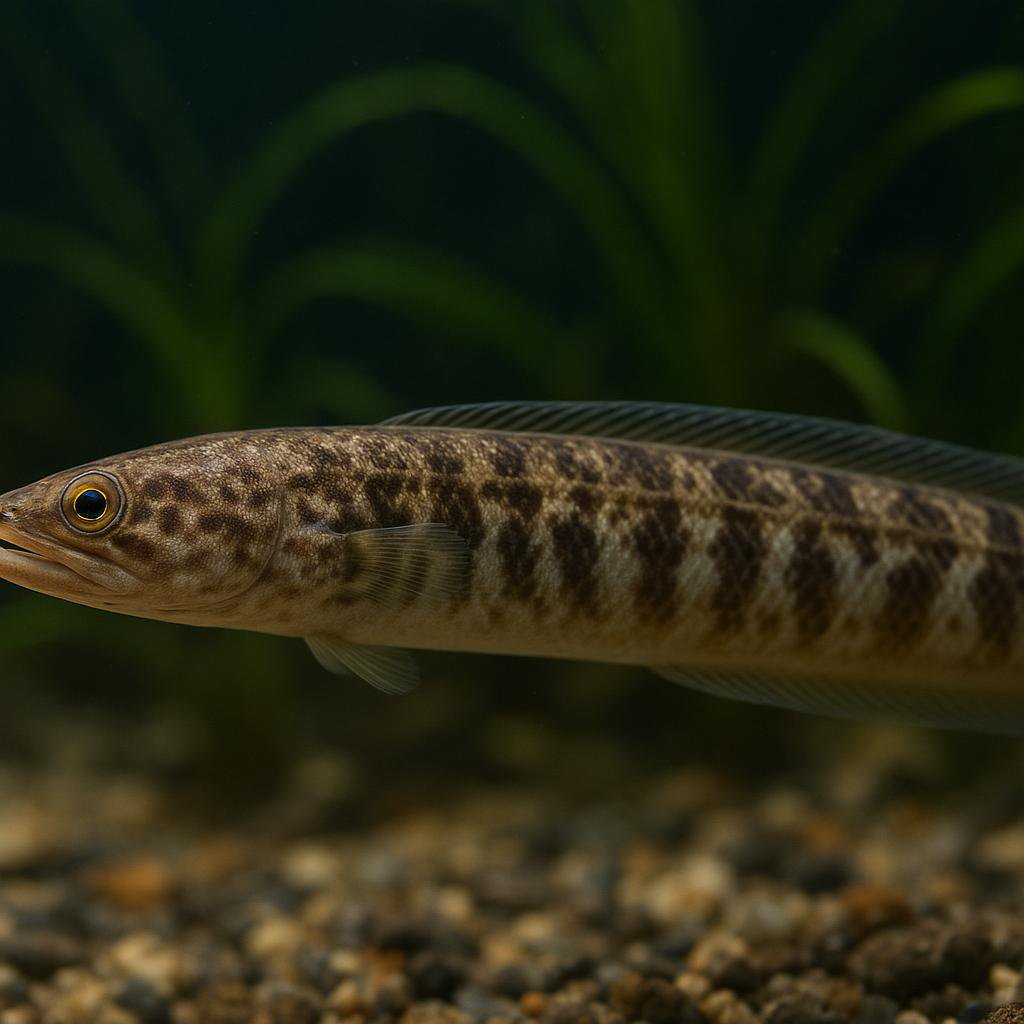
A tropical marine snake eel that buries in soft substrates (sand/mud/gravel) with only the head exposed to ambush prey. Recorded to 71 cm TL and occurs mainly in the western Atlantic (also Brazil) and at Ascension Island; typically found in shallow inshore habitats to ~12 m, including sand and seagrass (turtle grass) areas.
Blue Green Chromis (Green Chromis)
Chromis viridis
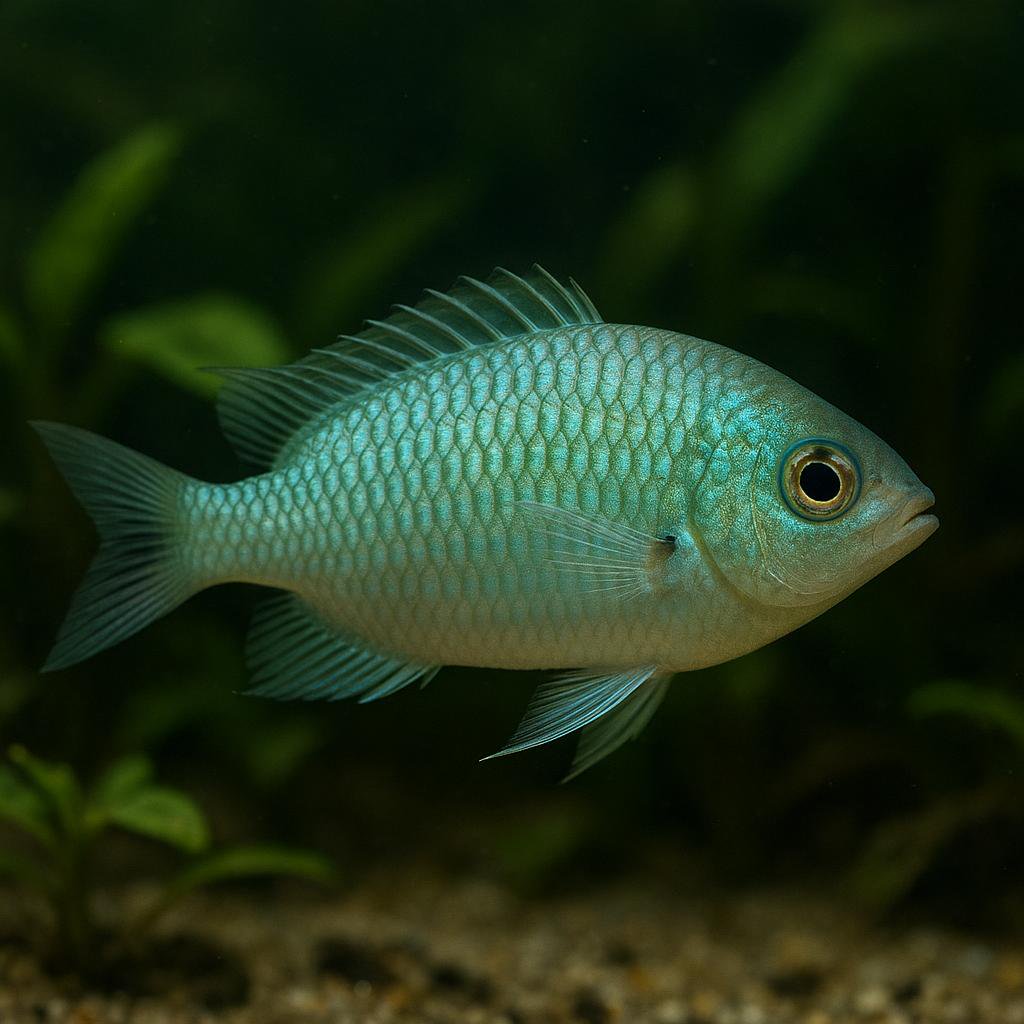
Blue Green Chromis are those shimmery little green-blue darts you'll see zipping around the top of a reef tank, always looking like they're catching the light just right. They're super fun in a group because they hover and cruise together, but they've got a bit of a "pecking order" thing going on if the tank's tight or the group's too small.
Blue blanquillo
Malacanthus latovittatus
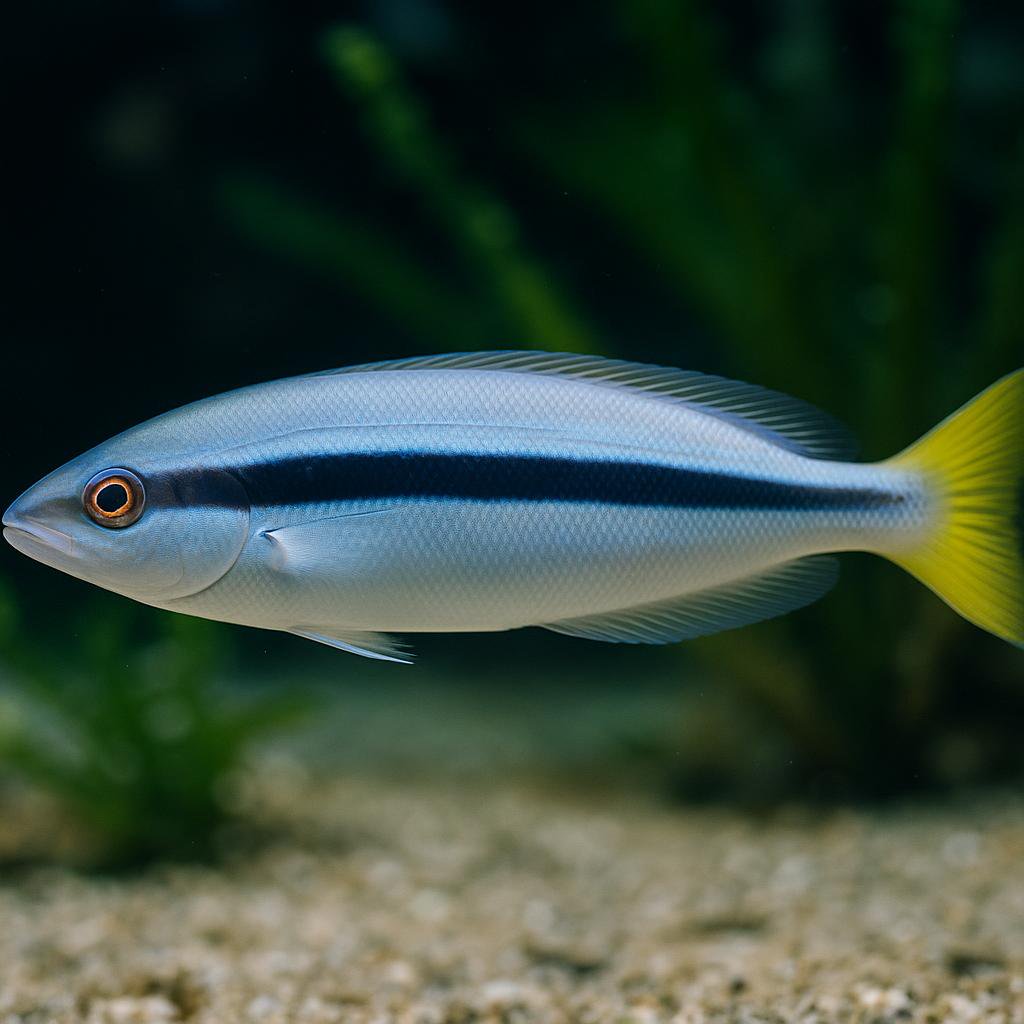
A long, slim tilefish with a bold black side stripe and a blue head that fades down the body. It hovers high above the reef and darts back to a sand-rubble burrow, often living as a monogamous pair; in tanks it is fast, jump-prone, and will eat small crustaceans and tiny fish.
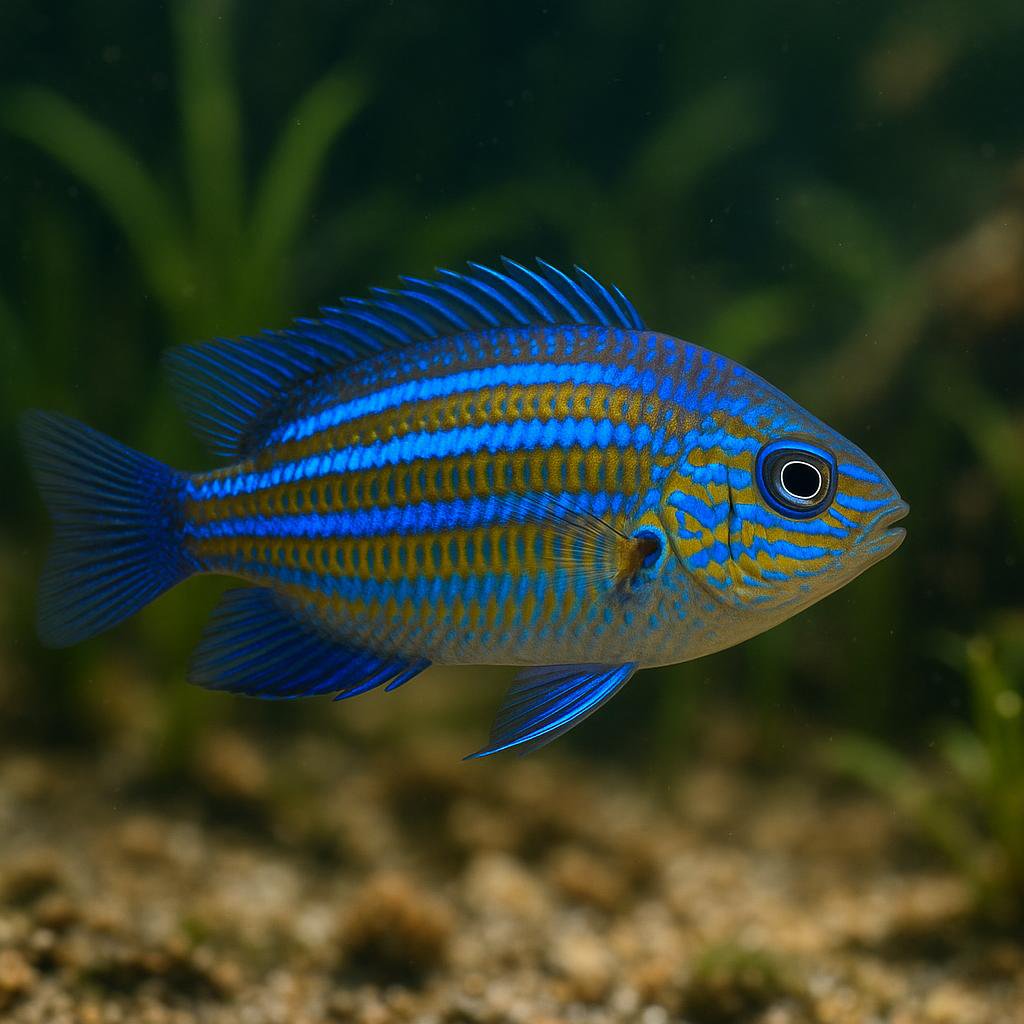
Blueline demoiselle
Chrysiptera caeruleolineata
A little reef damsel with a bright electric-blue line riding over a yellow body, it tends to live deeper on rubble slopes and hugs the bottom in small groups. In aquariums it prefers dimmer light, plenty of rock cover, and frequent small feedings of planktony foods; males guard eggs stuck to the substrate.
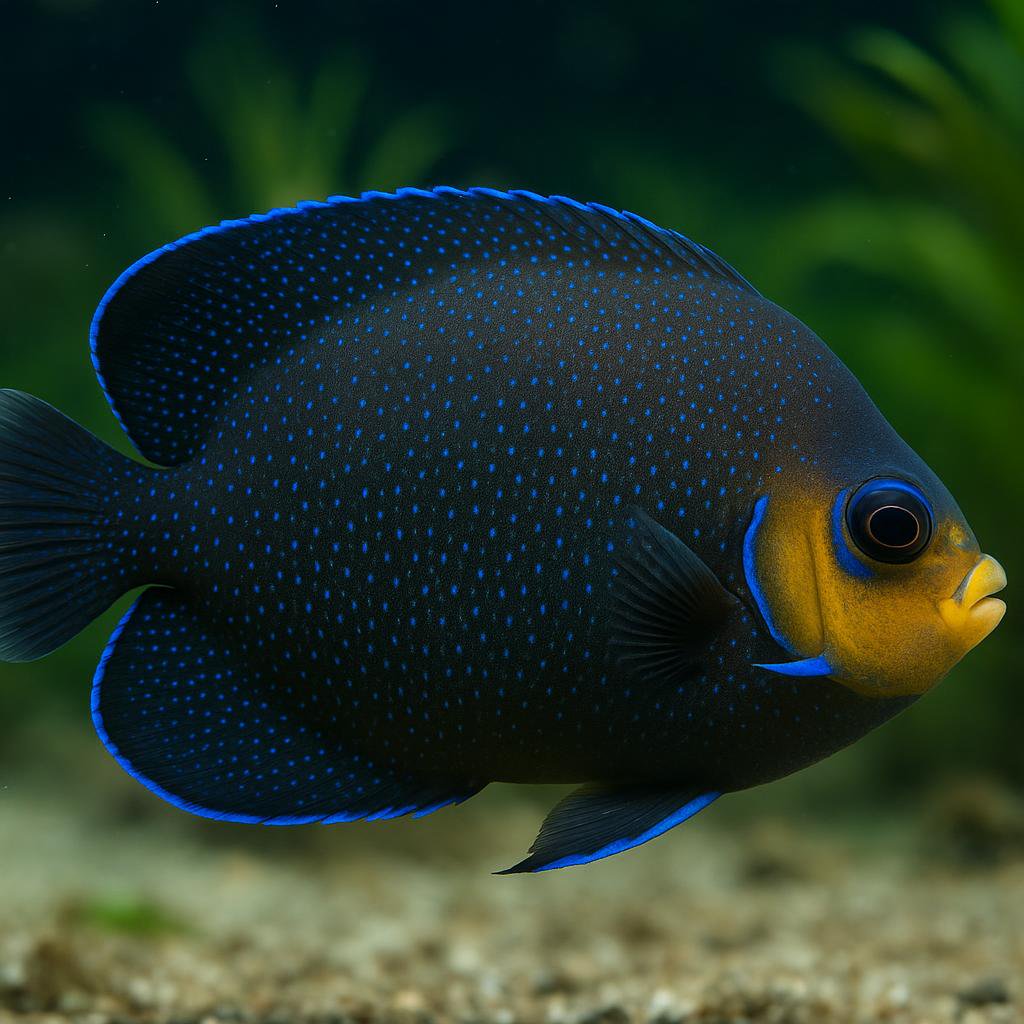
Bluespotted angelfish
Chaetodontoplus caeruleopunctatus
A medium Pomacanthid from the Philippines, it has a dusky body dusted with tiny electric-blue spots and a yellow tail. In the wild it browses sponges and tunicates on deeper reefs, so it thrives only in mature tanks with lots of live rock and frequent feedings.
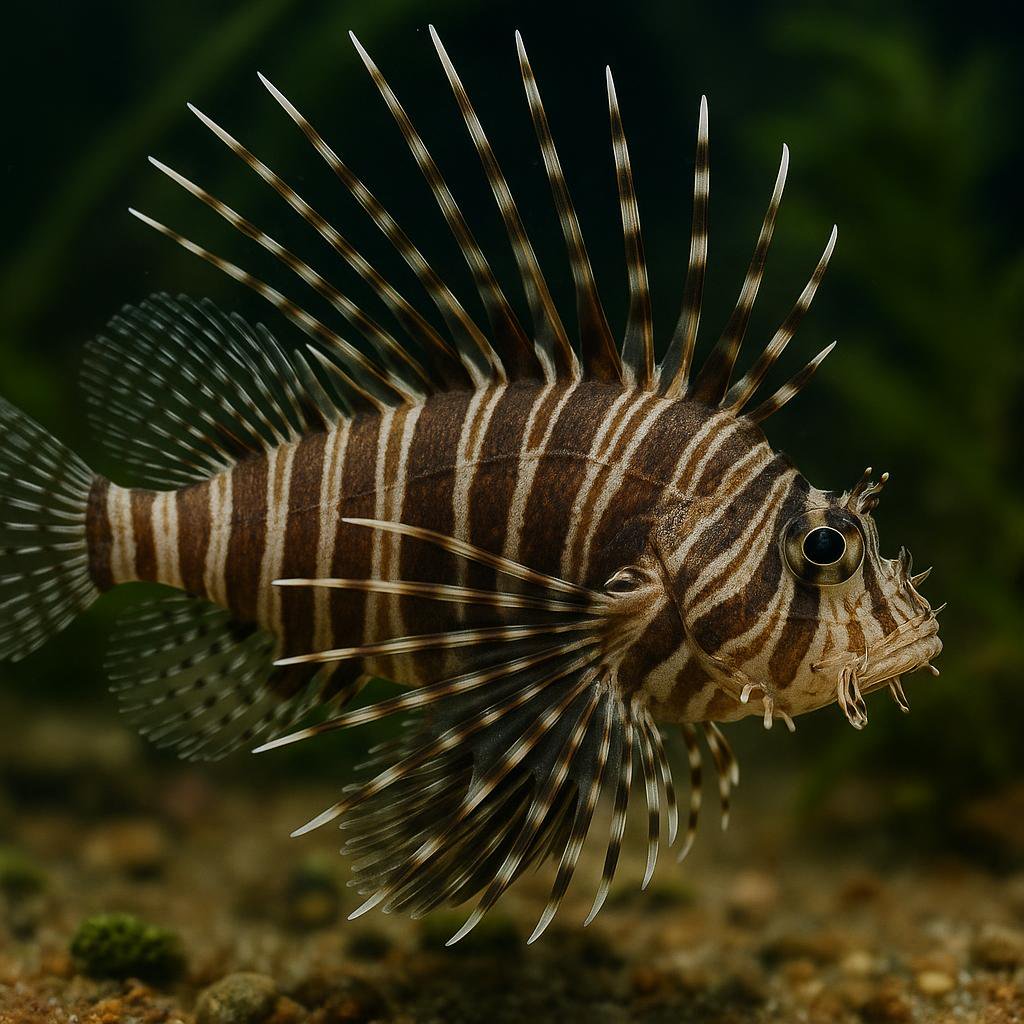
Broadbarred firefish
Pterois antennata
This is the lionfish with the long "antennae" (those banded tentacles above the eyes) and the ragged, spotty fins that make it look extra dramatic under reef lighting. It'll spend the day tucked under ledges and then cruise out at dusk to ambush shrimp, crabs, and any small fish it can fit in its mouth-also worth remembering it's venomous, so you treat it with respect when you're in the tank.
More to Explore
Discover more marine species.
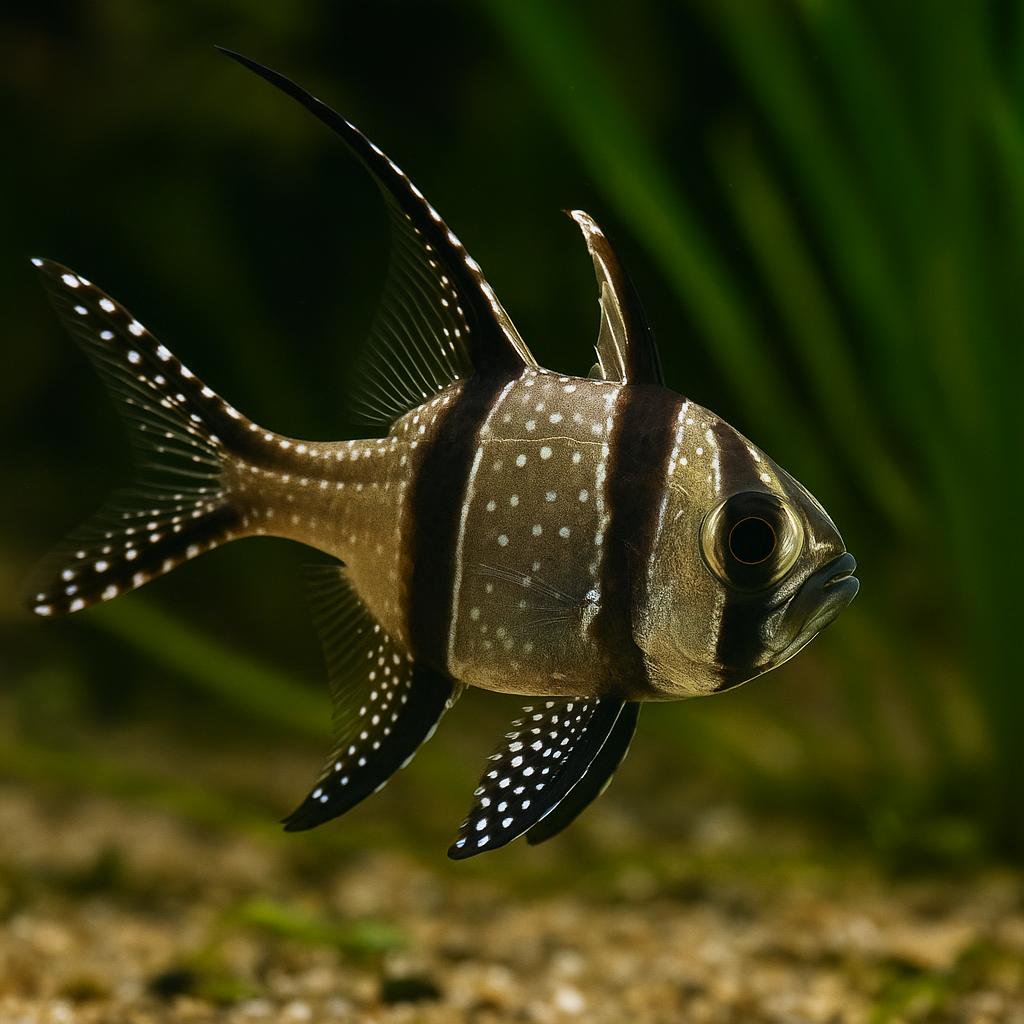
Banggai Cardinalfish
Pterapogon kauderni
Banggai cardinals just sort of hover like little underwater satellites, and the bold black bars with those long, polka-dotted fins look unreal under reef lighting. They're super chill most of the time, but once a pair forms you'll see real "fish drama," and the male will even mouthbrood the babies like a champ.
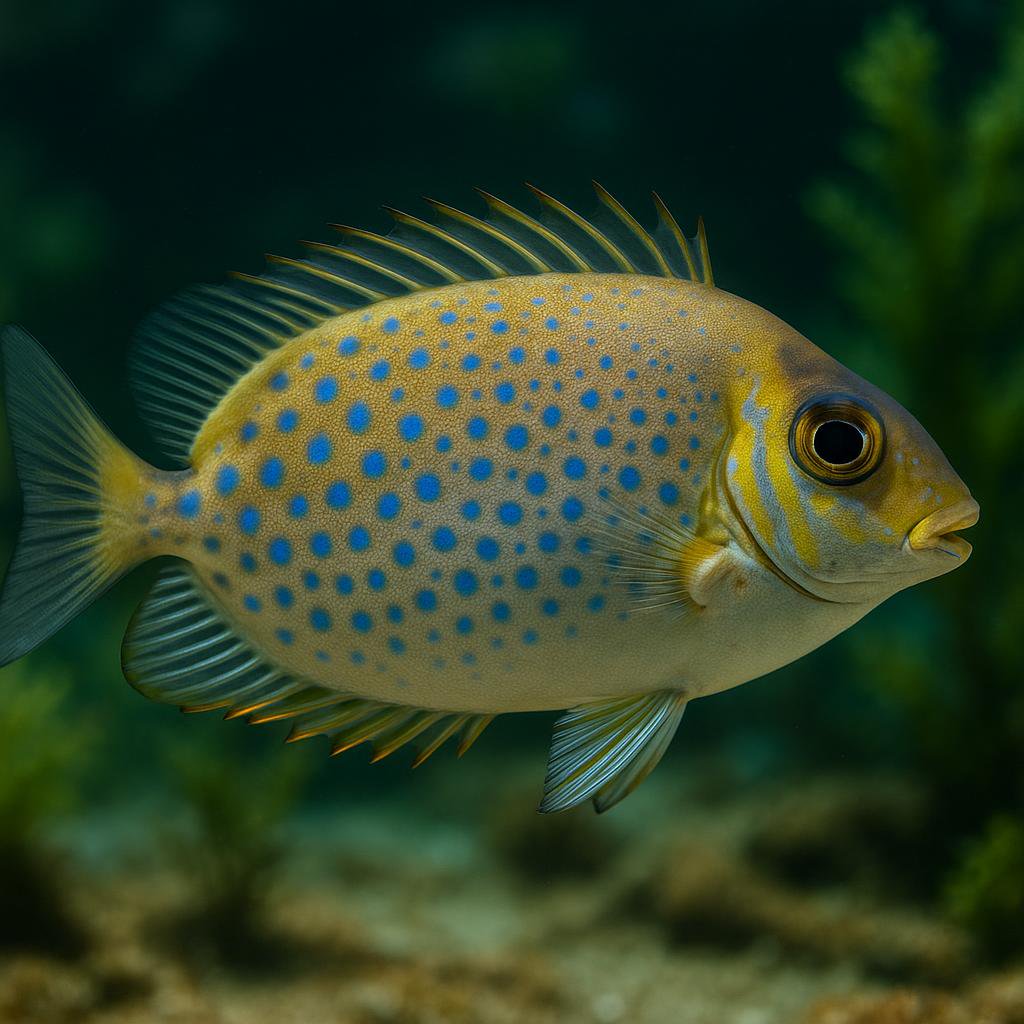
Bicolored foxface
Siganus uspi
A Fiji native with a sharp two-tone look, the bicolored foxface is half deep brown and half yellow with a crisp line between. It spends the day grazing algae and can snap into a mottled camouflage when spooked; those tall dorsal spines are venomous, so other fish usually keep their distance.
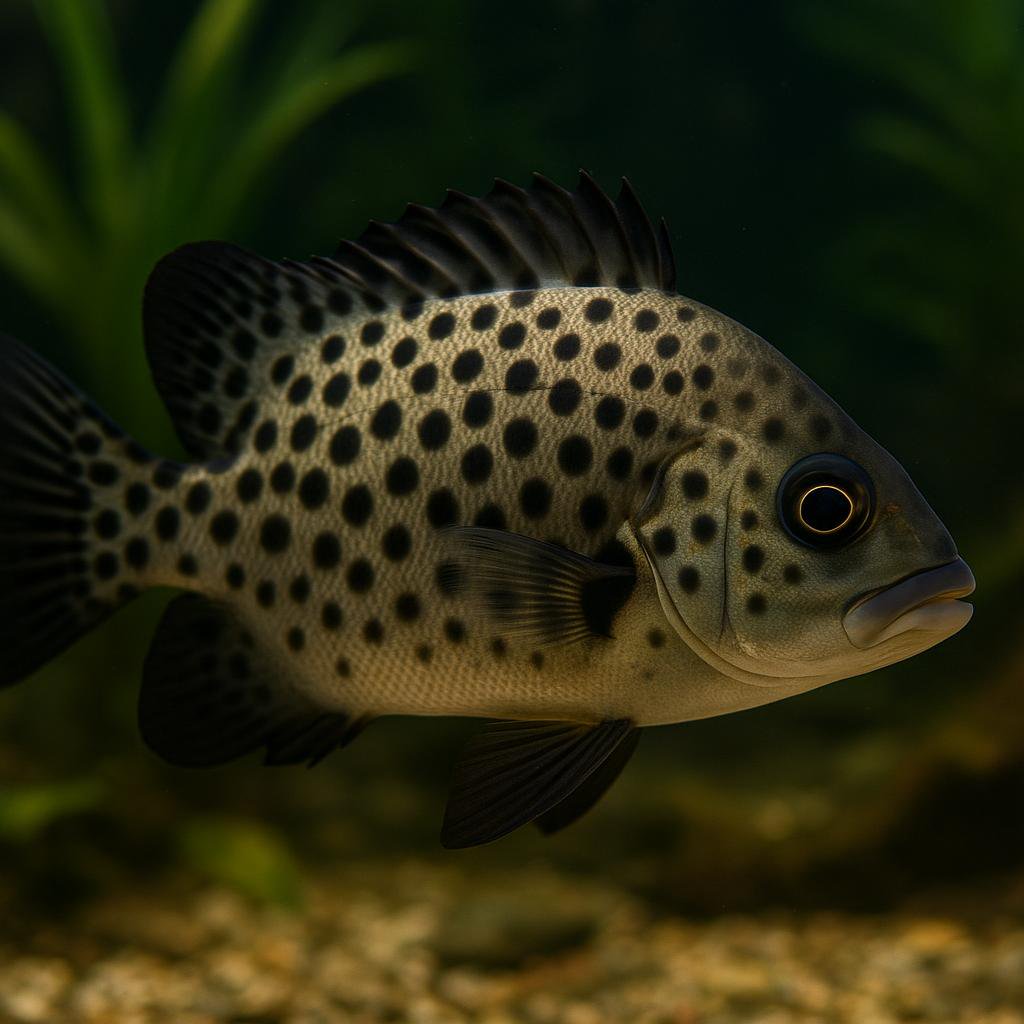
Blackfin slatey
Diagramma melanacrum
A large sweetlips from Southeast Asian reefs with a pale silvery-yellow body sprinkled in dark spots and distinct black pelvic and anal fins. Juveniles linger in silty shallows, while adults rest in small groups on deeper reef walls by day and roam at night to pick off crabs, shrimp, and other invertebrates.
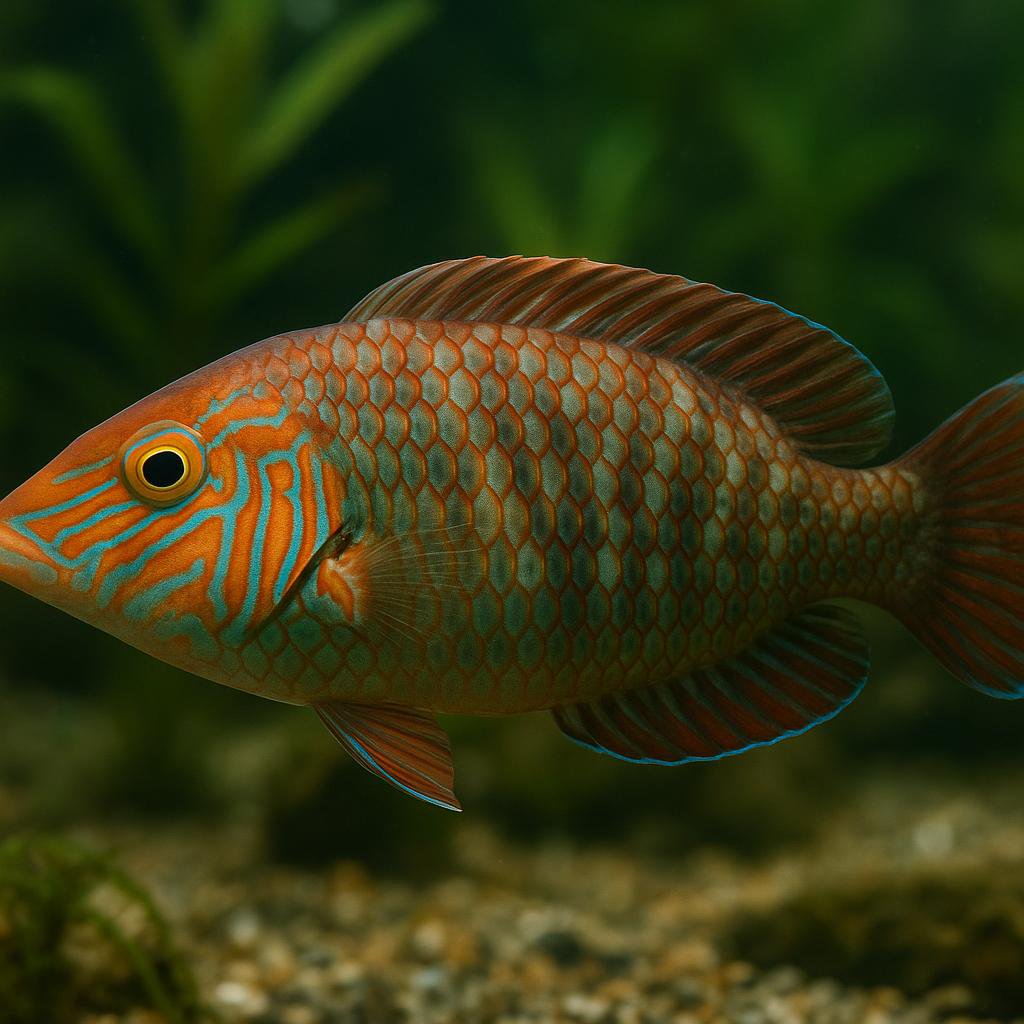
Blackspot razorfish
Iniistius dea
This is one of the coolest "knife-bodied" wrasses - it hangs over open sand and, when it gets spooked or wants to sleep, it literally torpedoes straight into the sand. Give it a deep, fine sand bed and it will act totally different (and way more natural) than a typical rock-hugging reef wrasse. Adults are usually shy and cruisy with tankmates, but they are not forgiving about rough handling or sketchy setups.
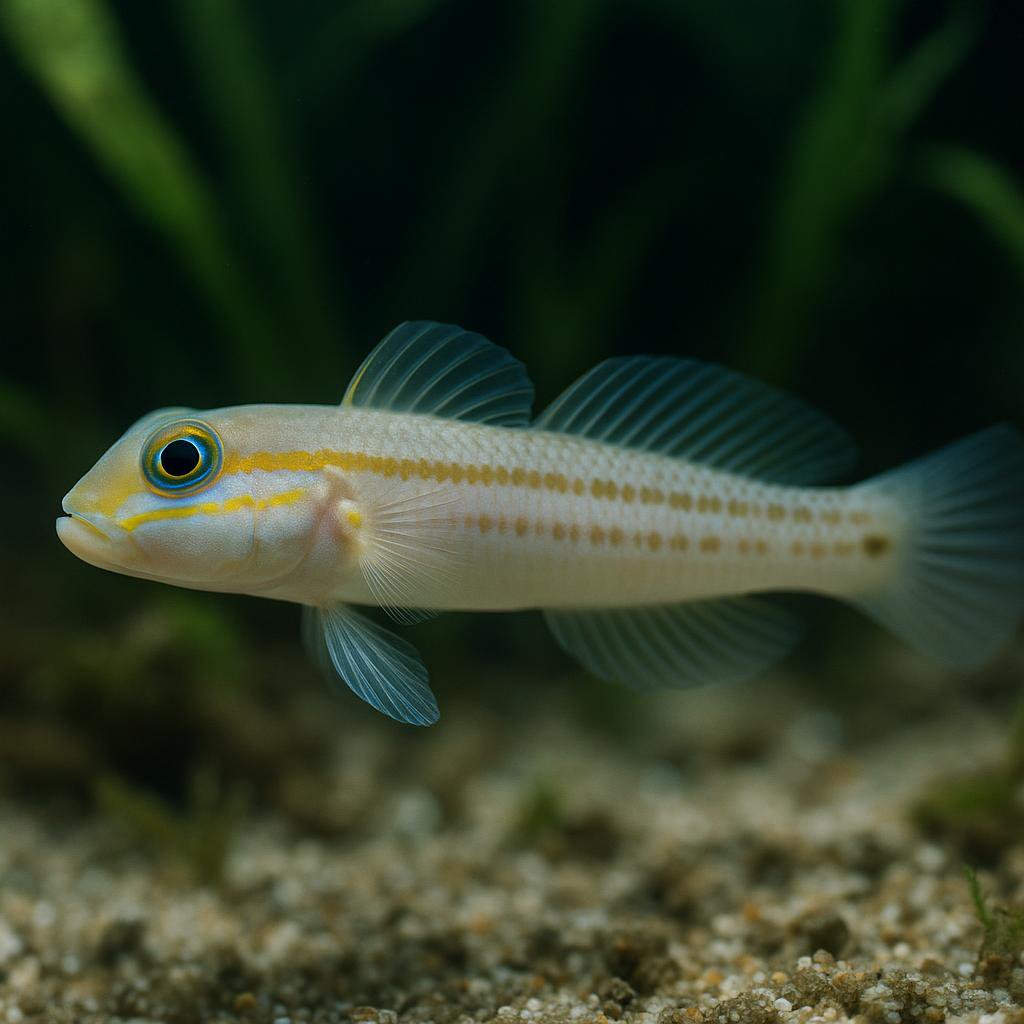
Blueband goby
Valenciennea strigata
This is that classic gold/yellow-headed sand-sifting goby with the little blue cheek stripe-always busy, always rearranging your sandbed. In a reef tank it'll spend the day taking mouthfuls of sand, filtering out tiny critters/foods, then "snowing" clean sand back out, and it'll usually claim a burrow area (often as a pair in the wild). It's super cool behavior-wise, but you really do need a mature tank with a proper sandbed and a lid because they can jump.
Bluespotted dottyback
Pseudochromis persicus
A striking dark-bodied dottyback covered in tiny blue spots from the Persian Gulf and nearby western Indian Ocean reefs. It grows larger than most dottybacks and throws a lot of attitude for its size, staking out caves and defending them hard. Best for roomy marine setups with robust tankmates and plenty of rockwork to break lines of sight.
Looking for other species?