

Search Species
Search for fish species by common or scientific name, or use filters to browse by water type, size, temperament, and difficulty.
Found 665 species
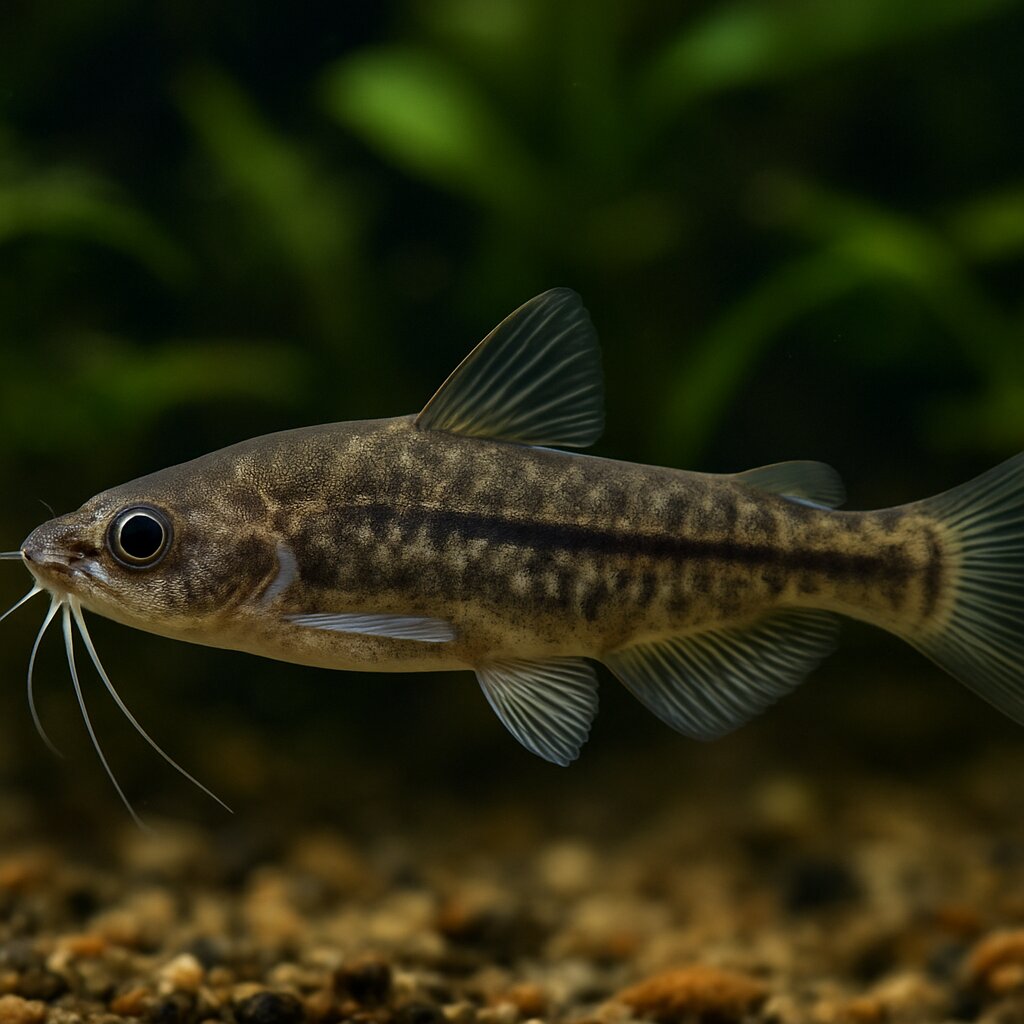
Imparfinis cochabambae
Imparfinis cochabambae
A little three-barbeled catfish from the upper Madeira-Beni system, this guy hugs the bottom and zips between stones once the lights go low. Keep it in clean, well-oxygenated flow with plenty of hiding spots and it will come out for sinking meaty foods. It stays small, so a calm community of similar-sized fish works nicely.
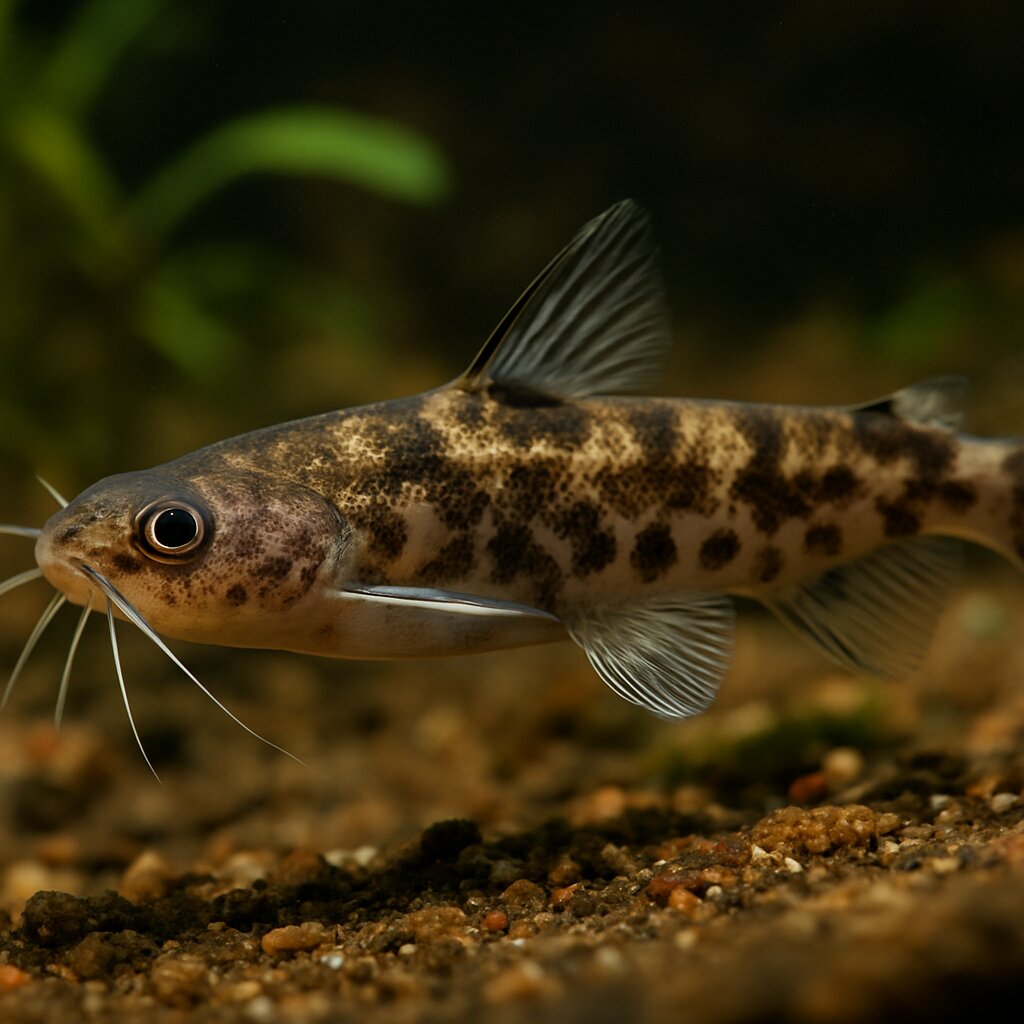
Imparfinis nemacheir
Imparfinis nemacheir
A small, nocturnal stream catfish from Colombia and the Lake Maracaibo basin, it zips around at lights-out and spends daytime wedged under wood and rocks. The coolest thing about it is the long thread-like first dorsal-fin ray and extra-long whiskers. Give it flow, high oxygen, and meaty bites like insect larvae and it will settle in nicely.
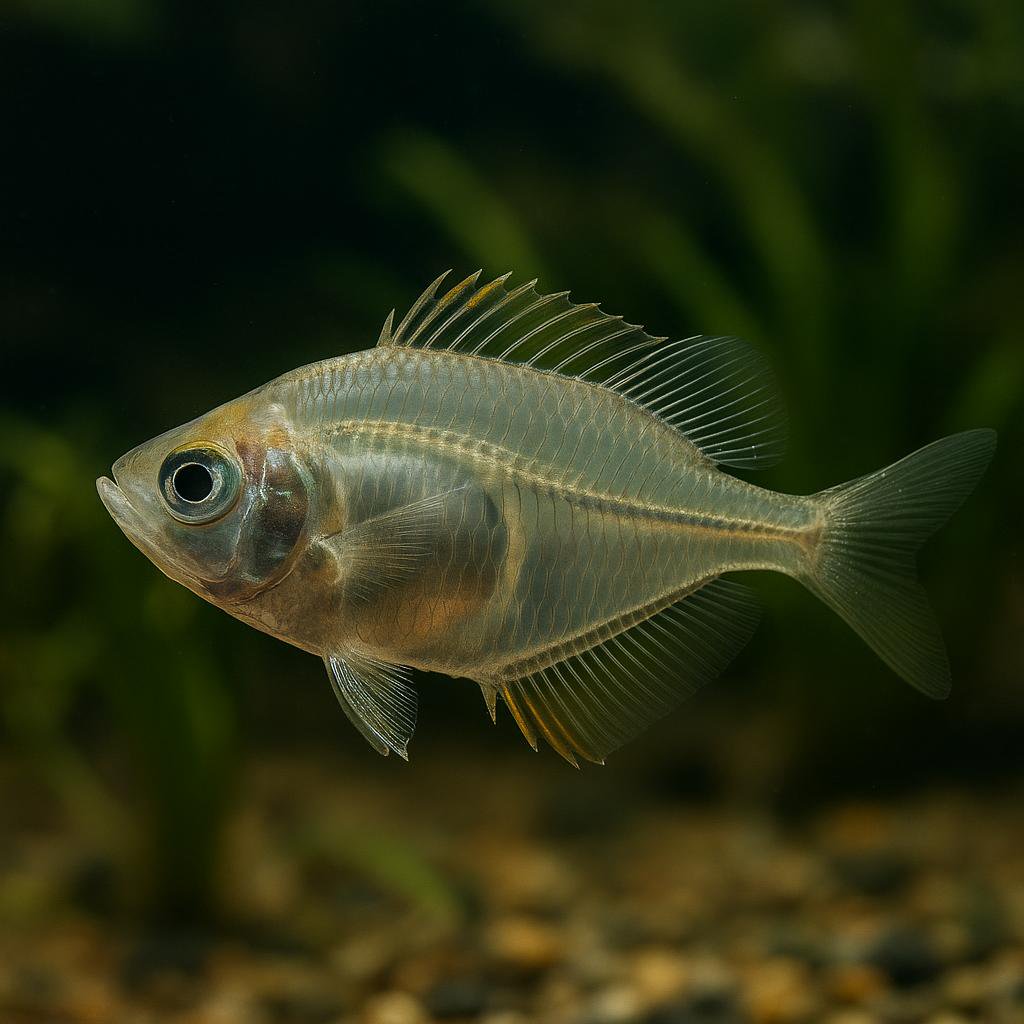
Indian glassy fish
Parambassis ranga
This is the classic see-through "glassfish" where you can literally see the bones and organs-super cool in a planted tank with calm tankmates. They're happiest when you keep a little crew of them (they get braver and way more active in a group). Also: skip any dyed/painted ones-those fish are usually in rough shape from the process.
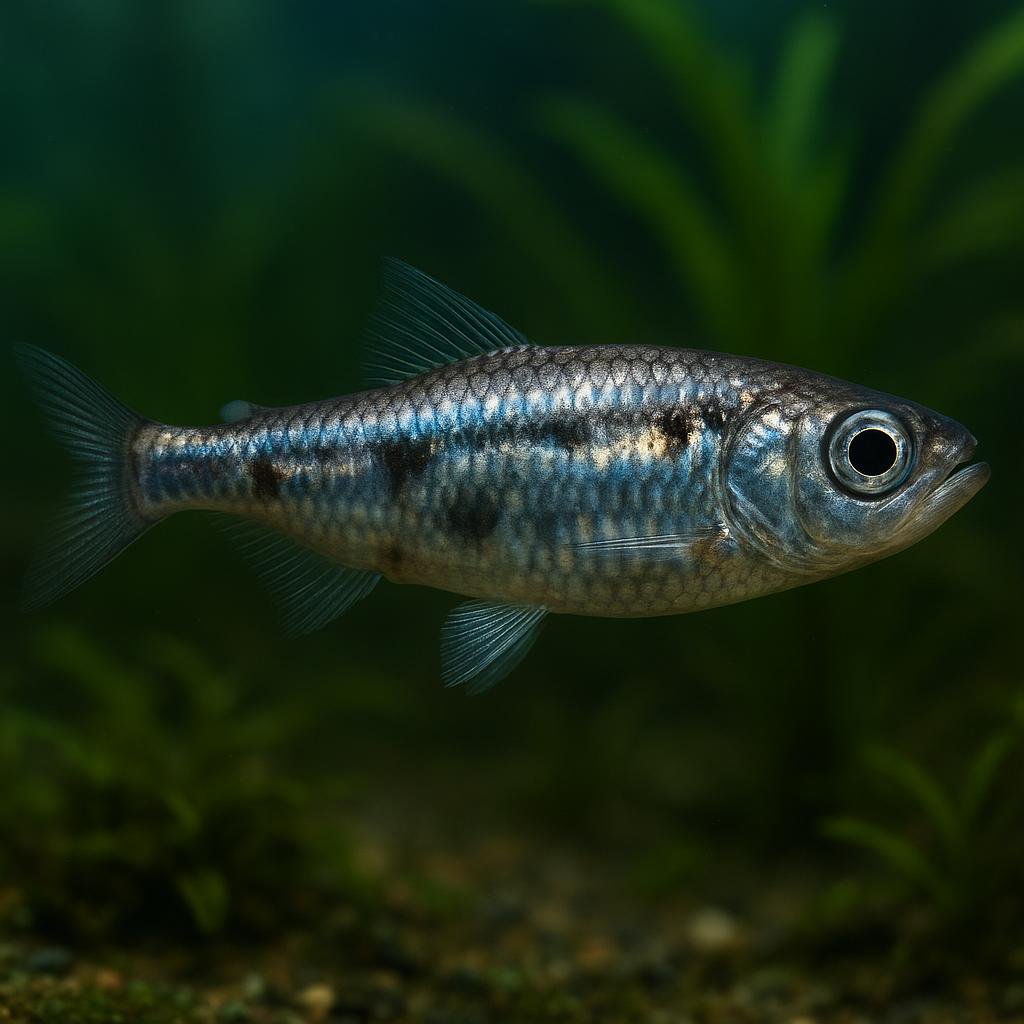
Indian Ocean lanternfish
Lampanyctus indicus
Lampanyctus indicus is a tiny deep-sea lanternfish from the equatorial Indian Ocean. Like other myctophids it has rows of light organs (photophores) and does the classic up-and-down daily migration in the water column. Super cool animal, but realistically its a research/deep-ocean species, not an aquarium fish.
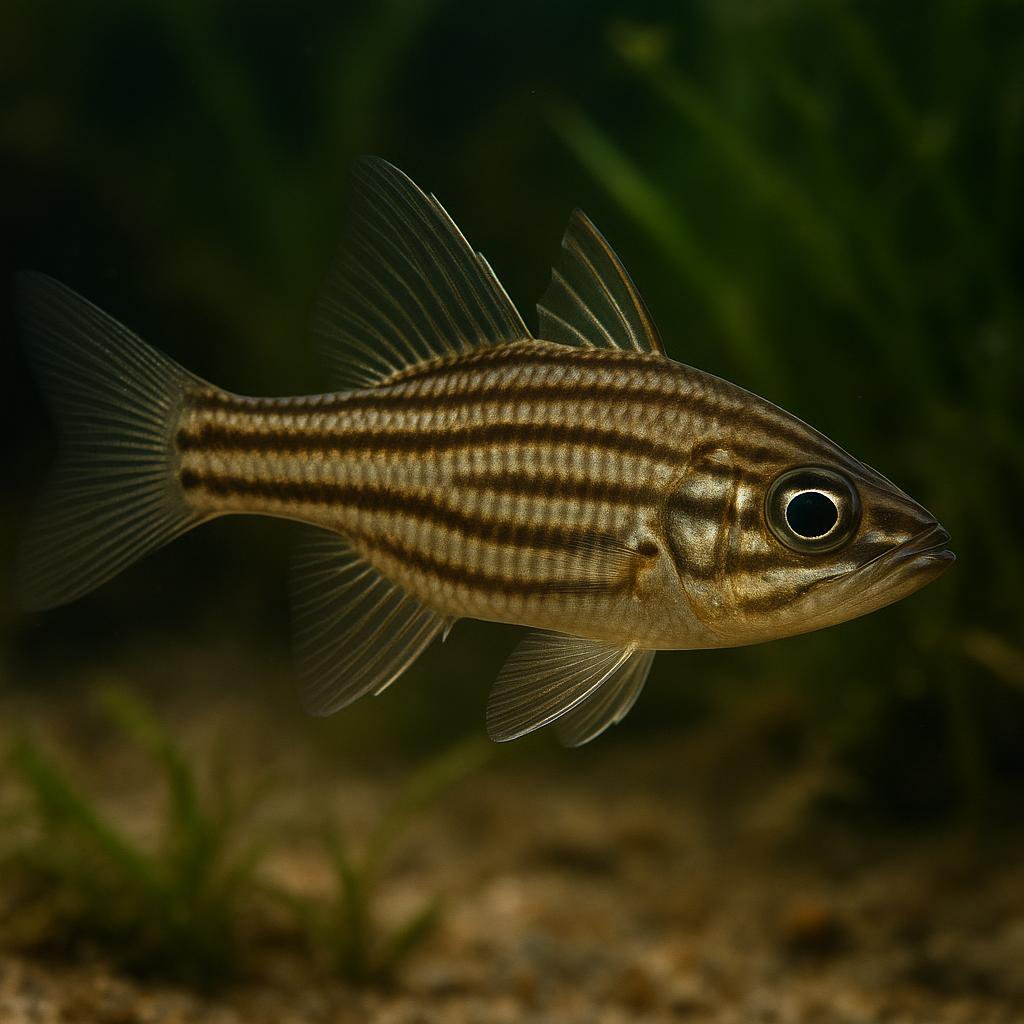
Indian perch
Jaydia lineata
Jaydia lineata is a little Indo-West Pacific cardinalfish with a clean set of brown vertical bands and that classic big-eyed, hang-back cardinalfish vibe. The really cool part is the breeding - the male mouthbroods the eggs, so if you ever got a pair settled in, you could actually see some neat parental care behavior.
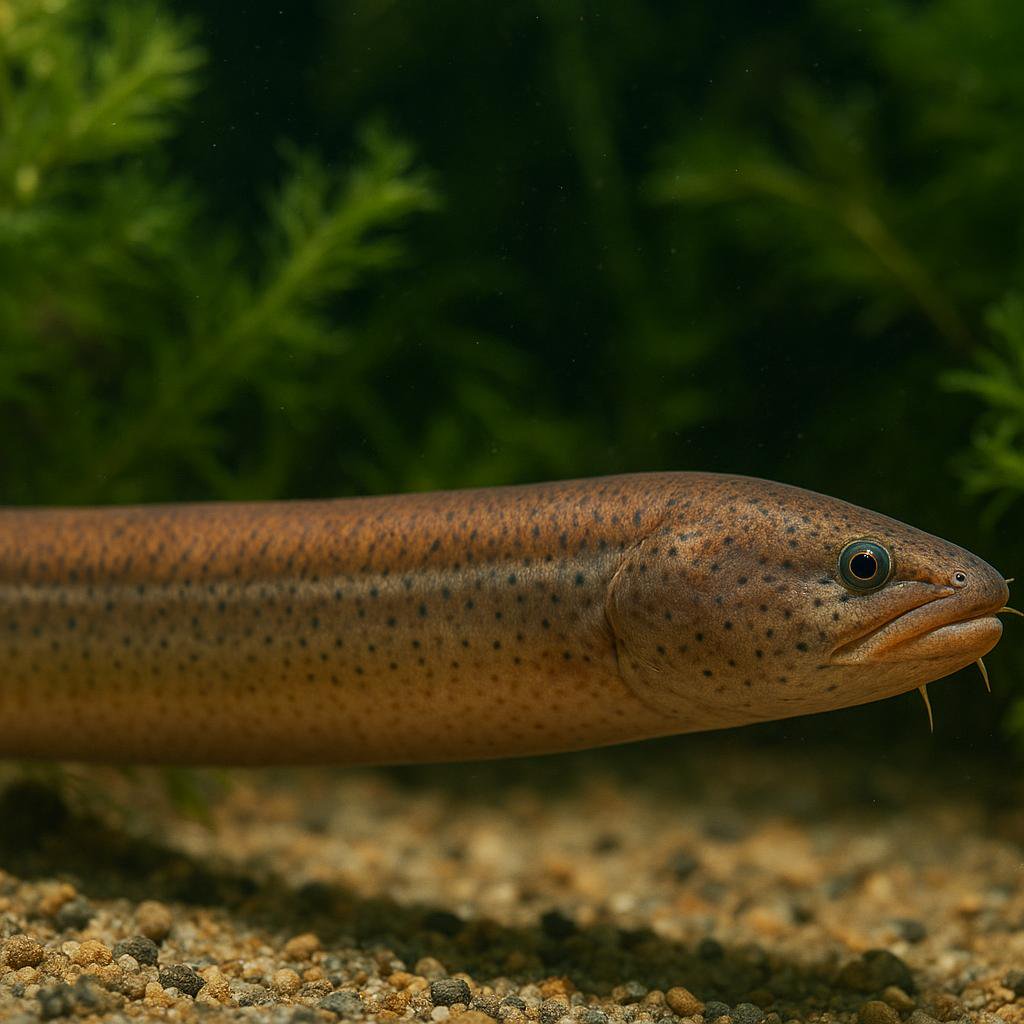
Indian spaghetti-eel
Monopterus hodgarti
This is a small swamp-eel from northeast India that lives in super shallow, muddy stream edges and will happily bury itself when it feels exposed. Its an obligate air-breather, so it will cruise up for gulps of air and can be a real escape artist if you leave gaps. Breeding behavior is neat too - the male builds/guards a nest or burrow.
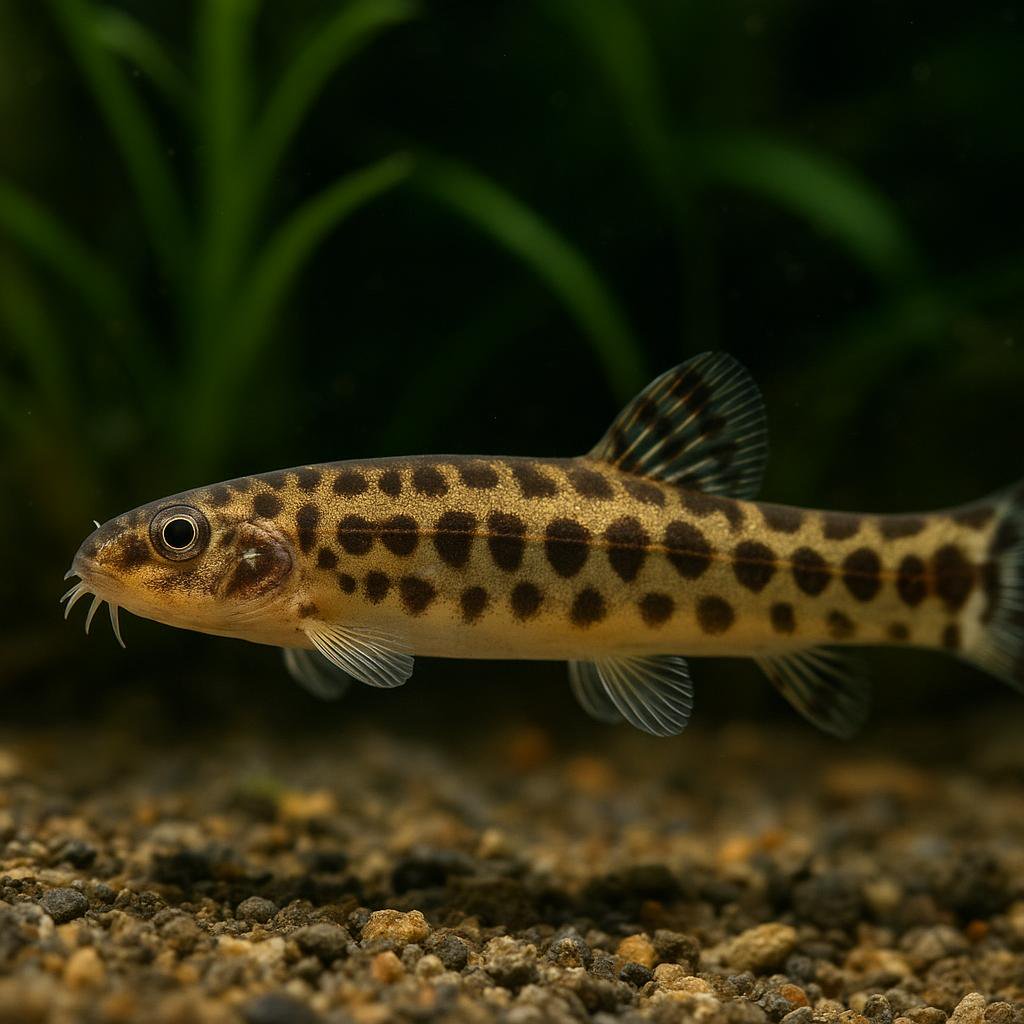
Inle loach
Yunnanilus brevis
This is the quirky little Inle loach from Myanmar (Lake Inle/He-Ho plain) that cruises around midwater in a loose shoal and often swims head-up (normal behavior). Unlike many loaches, it does well in calmer, well-planted setups with good water quality, and it’s best kept in groups to encourage natural schooling.
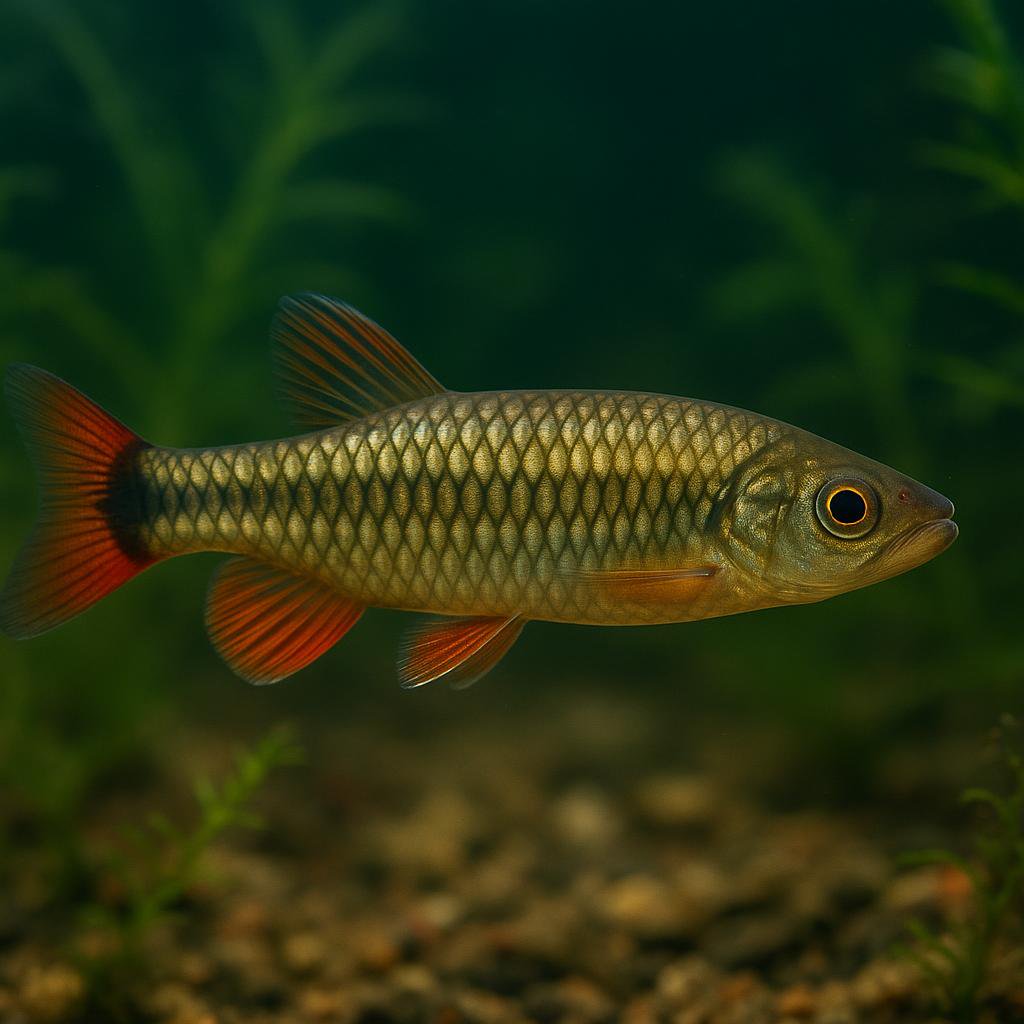
Intermedia lebiasina
Lebiasina intermedia
Lebiasina intermedia is one of those super-obscure South American lebiasinids where the science side knows it, but the hobby basically never sees it. It tops out around 10.7 cm (about 4.2 inches) and, like its close relatives, its whole vibe is a slim, surface-oriented little predator that would love a tight lid and some structure up top.
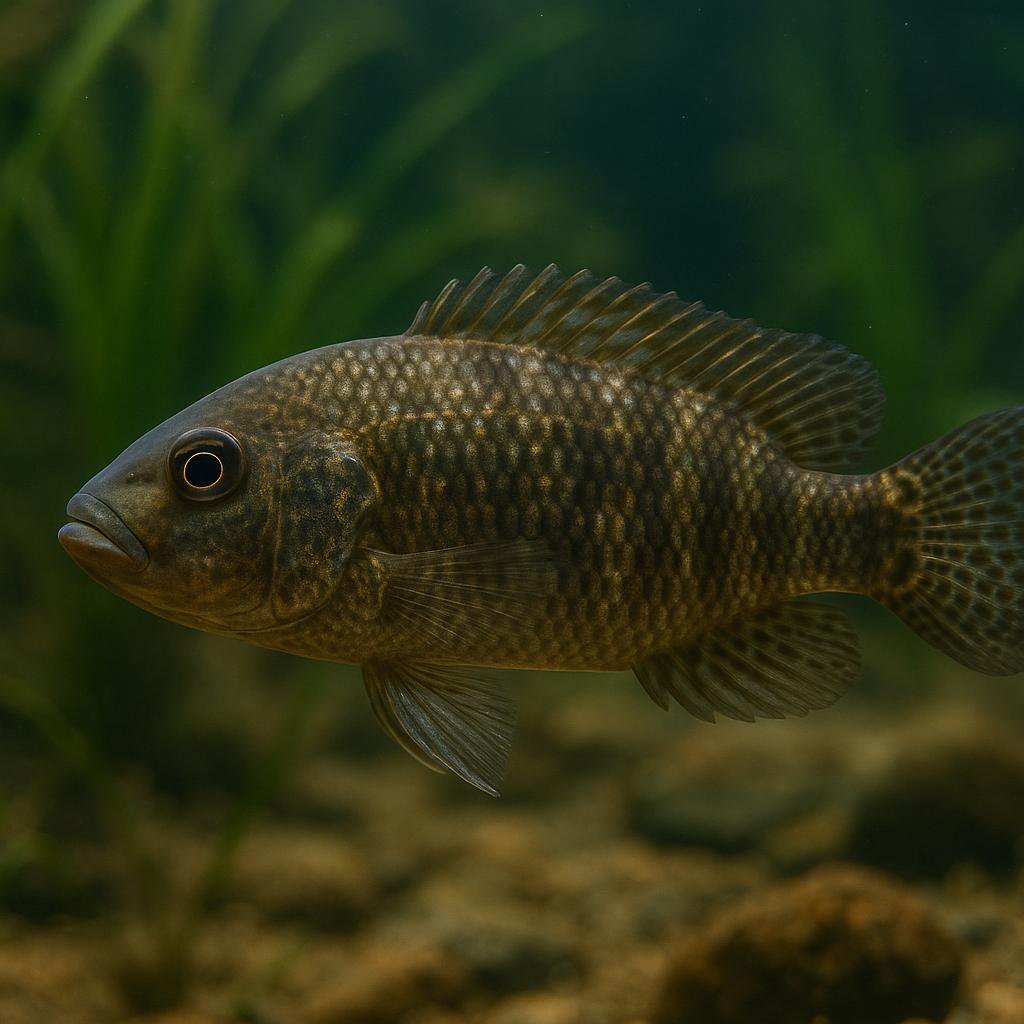
Iranian cichlid
Iranocichla hormuzensis
This is the wild, oddball cichlid from southern Iran that lives in warm, salty streams where most other fish would tap out. It is a maternal mouthbrooder, and adults can go dark with silvery speckling - super cool fish, but not something I'd call forgiving if your water and temps swing around.
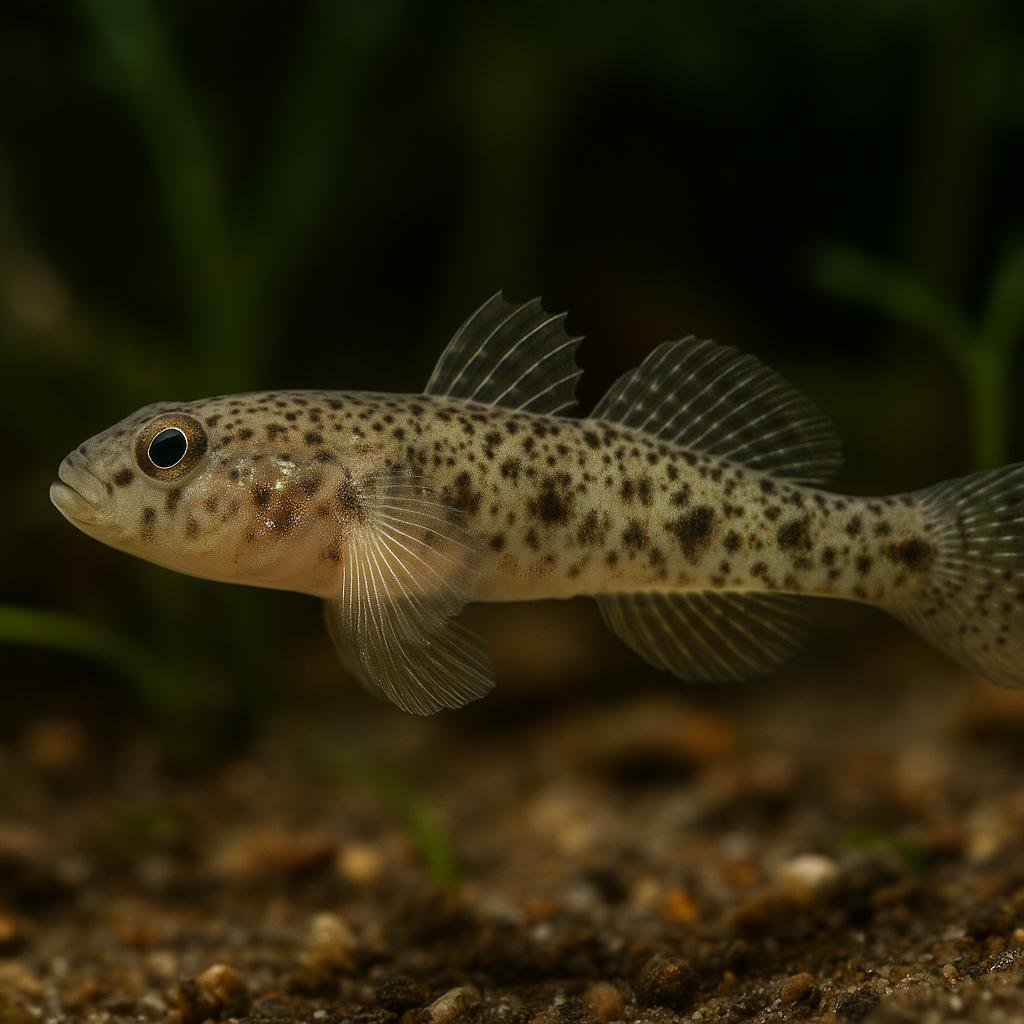
Italian spring goby
Knipowitschia punctatissima
This is a tiny little freshwater goby from northern Italy that spends most of its time glued to the bottom, scooting between sand, gravel, and cover. In the wild it is tied to cool, clear spring-fed habitats, so it does best in an oxygen-rich tank with gentle flow and lots of little hiding spots. Its size is cute, but its needs are kind of specific, and its wild status makes it a fish I would not treat as a casual impulse buy.
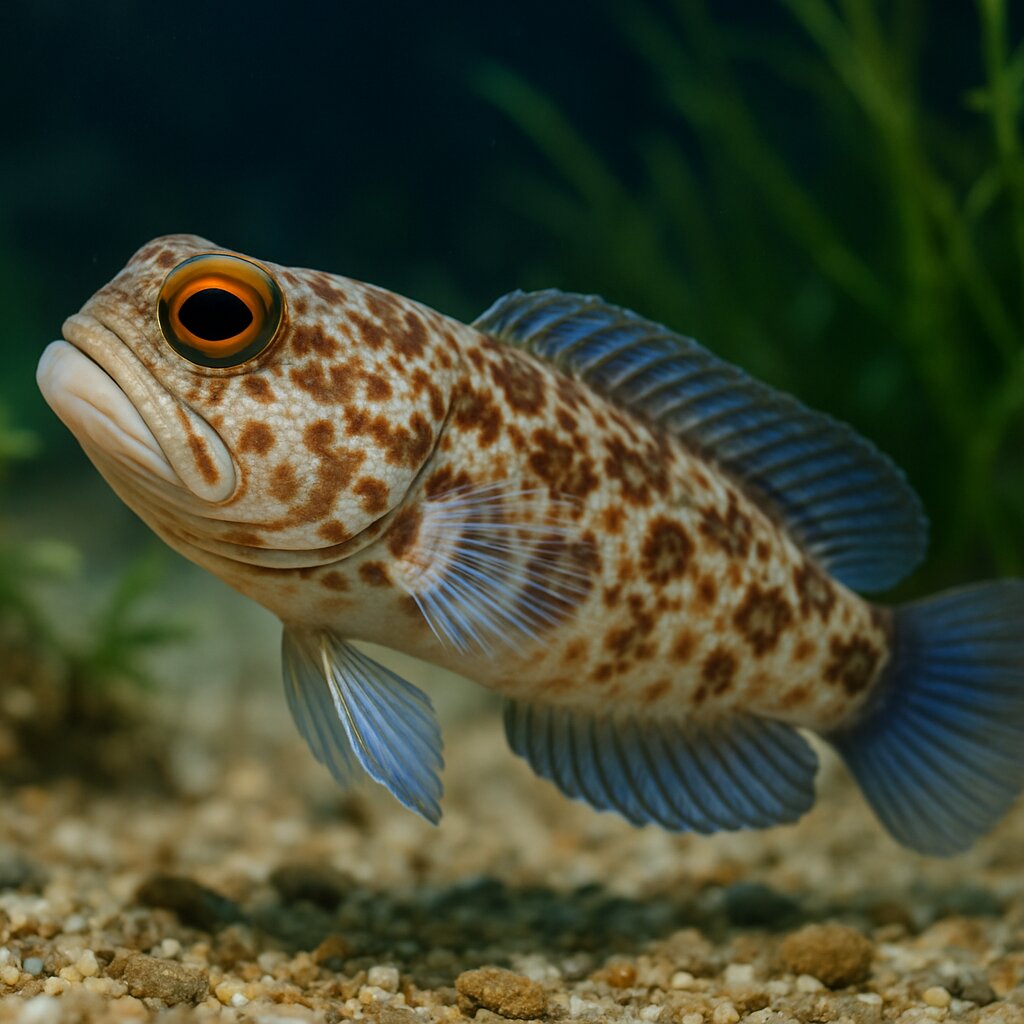
Iyo jawfish
Opistognathus iyonis
Tiny sand-burrower from southern Japan and Korea that spends the day peeking out of a tunnel it builds from sand and shell bits. Males mouthbrood the eggs, and this species prefers cooler marine temps than typical reef fish, so give it a deep sand bed, some rubble, and a tight lid since they jump.
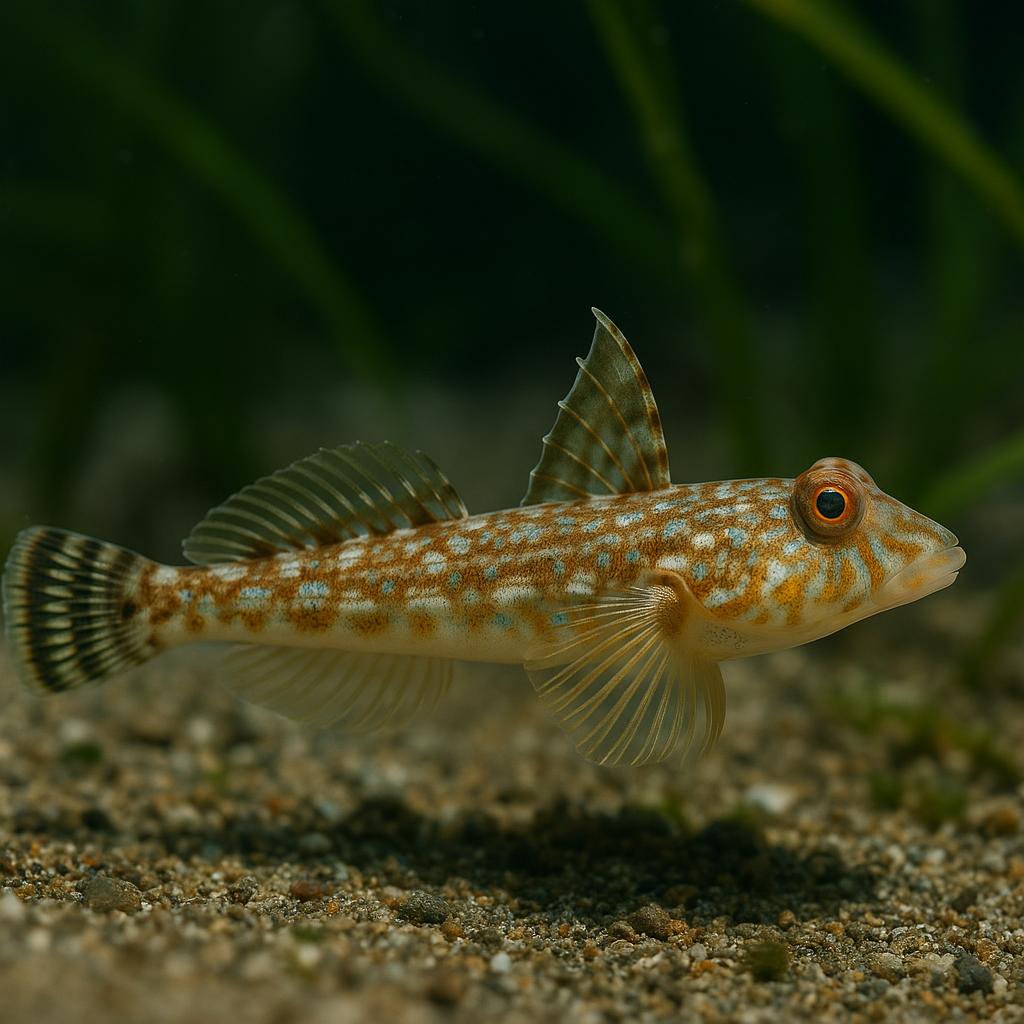
Izu dragonet
Callionymus izuensis
This is a little Japanese sand-dwelling dragonet from around the Izu Islands. Think of it as a bottom-hopper that hangs out on coarse sand and rubble and spends its time picking at tiny critters like most dragonets do. Super cool fish, but it is really more of a niche, species-tank kind of project than a casual community add.