

Serpae Tetra
Megalamphodus eques
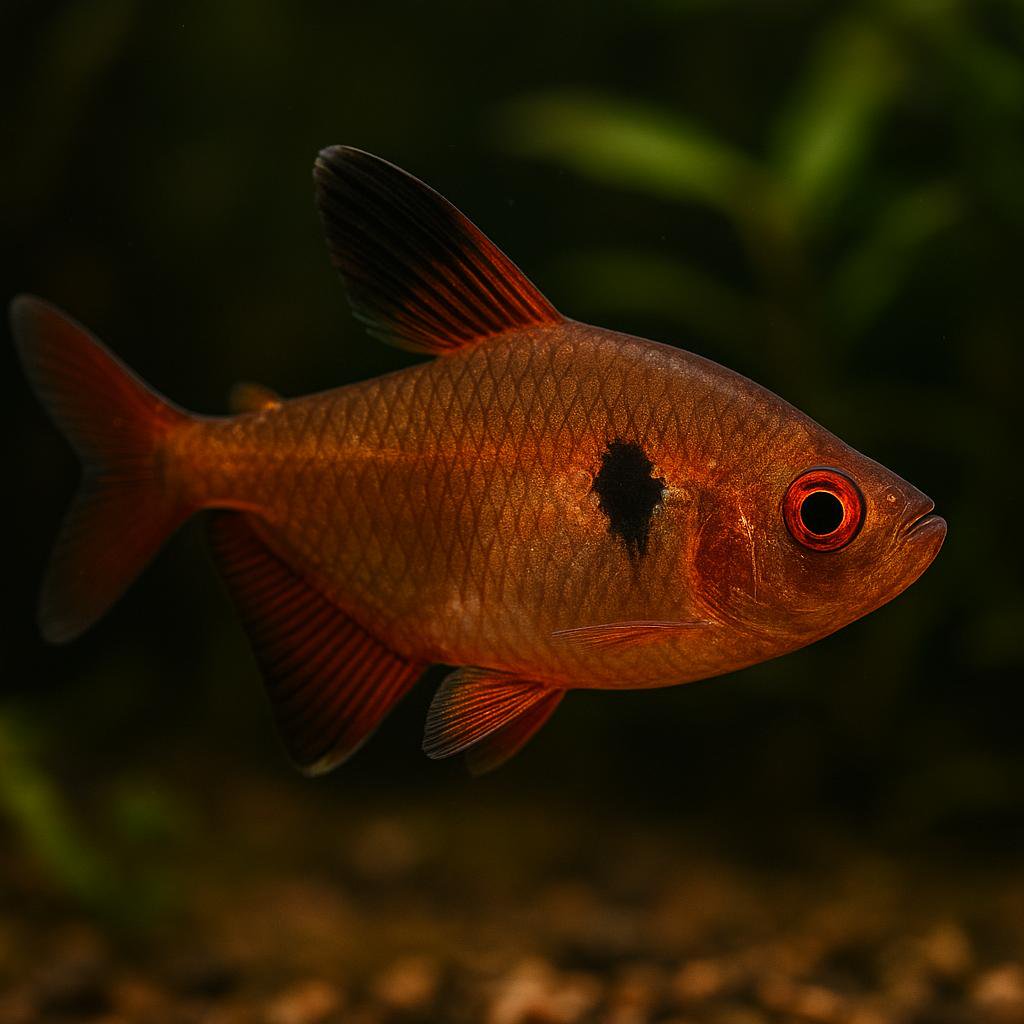
Serpae Tetra features a vibrant orange-red body with distinct black margins along its dorsal and anal fins, showcasing a striking contrast.
This page includes AI-generated images. Why am I seeing AI images?
About the Serpae Tetra
Serpaes are those fiery little red tetras with the black "comma" behind the gill-super eye-catching in a planted tank. They're active and a bit spicy, so they do best in a real group where they'll squabble with each other instead of nipping slower tankmates. When they're settled in, you get this constant cruising-and-chasing vibe that makes the tank feel really alive.
Also known as
Quick Facts
Size
3.8 cm (1.5 inches)
Temperament
Semi-aggressive
Difficulty
Intermediate
Min Tank Size
20 gallons
Lifespan
5-7 years
Origin
South America
Diet
Omnivore - quality flakes/micro pellets, plus frozen/live foods like brine shrimp, daphnia, and bloodworms
Water Parameters
22-26°C
5-7.8
10-25 dGH
Need a heater for this species?
This species needs 22-26°C in a 20 gallon tank. Use our heater calculator to find the right wattage.
Calculate heater sizeCare Notes
- Keep Serpae tetras in a group of at least 8-10; in small groups they turn into little fin-nipping machines.
- Give them a 20+ gallon tank with plants/wood to break up sightlines and some open swimming room-crowded, bare tanks make them extra spicy.
- They're pretty forgiving, but they act best around 74-80°F (23-27°C) with steady pH ~6.0-7.5; stability beats chasing "perfect" numbers.
- Feed small amounts 1-2 times a day: decent flakes/micropellets as the base, plus frozen/live stuff (bloodworms, brine shrimp, daphnia) a few times a week for color and energy.
- Best tankmates are quick, confident fish (other tetras of similar size, danios, rasboras) and sturdy bottom dudes like corys-avoid slow fish with long fins like bettas, guppies, and fancy angels.
- If you want them to breed, use a separate breeder tank with a mesh/marbles and lots of plants; they'll scatter eggs and then happily eat them if you don't block access.
- Watch for fin damage: if you see torn fins on tankmates or even within the group, bump up the school size, add cover, and check you're not overstocking or under-filtering.
Compatibility
Good Tankmates
- Other sturdy, mid-water tetras that can handle a little attitude (black skirt tetras, lemon tetras, Buenos Aires tetras). Keep everyone in decent-sized groups so the serpaes focus on each other, not the neighbors.
- Fast, no-nonsense schooling fish like zebra danios or giant danios. They're quick enough that the occasional serpae chase doesn't turn into constant stress.
- Bottom crews that mind their business-corydoras (pandas/bronze), kuhli loaches. Serpaes usually ignore them, and they add movement without fin drama.
- Bigger, calm bottom dwellers like bristlenose plecos. They're armored and not easily bullied, and they don't compete in the same swim zone.
- Robust, similarly-sized community fish; avoid slow long-finned species (bettas, fancy guppies, many gouramis) due to fin-nipping risk.
- Other semi-spunky community fish like rasboras (harlequins) in a larger tank-works best when the serpaes are in a proper group (8-12+) so they're less focused on picking on tankmates.
Avoid
- Slow fish with fancy fins-bettas, guppies, fancy long-fin mollies. Serpaes are classic fin-nippers and they WILL test those flowing tails.
- Angelfish (and similar long-finned cichlids). Those trailing fins are basically a snack invitation, and the angel will just get stressed and ratty.
- Gouramis, especially the slower/flowy ones (dwarf, pearl). They tend to get harassed, and once serpaes start, they don't always stop.
- Super peaceful, timid fish like neon tetras or small, shy community fish. Serpaes can outcompete them at feeding time and the chasing can keep them pinned in corners.
1) Where they come from
Serpae tetras (Hyphessobrycon eques) come from South America—think warm, slow-ish streams and backwaters with tannin-stained water, leaf litter, and lots of plants along the edges. In the aquarium they’re not picky, but that “soft, leafy, planted” vibe really matches their personality.
2) Setting up their tank
These guys look small, but they act like they own the place. I’ve had the best results giving them space to school and a bunch of visual breaks so they can duck in and out of plants instead of taking their attitude out on tankmates.
- Tank size: 20 gallons long is a sweet spot for a proper group. You can do smaller, but you’ll see more bickering and fin nipping.
- Group size: 8–12+ if you can. The bigger the group, the less they single anyone out.
- Filtration: normal community filtration is fine; they like clean water but not a washing machine current.
- Scape: plants (real or fake), driftwood, and a few open lanes for swimming. Floating plants help calm them down too.
- Substrate: anything works, but darker substrate makes their red color pop.
If your serpaes are being jerks, add more serpaes (yes, really) and add more cover. A bigger group + more plants usually fixes 80% of the “why are they nipping everything?” complaints.
Water-wise, they’re beginner-friendly. Aim for stable, not perfect. Somewhere around 72–79°F (22–26°C), pH roughly 6.0–7.5, and keep ammonia/nitrite at zero with reasonable nitrates. Regular weekly water changes keep them brighter and less snappy.
3) What to feed them
Serpaes are enthusiastic eaters. If food hits the water, they’ll act like it’s the last meal on earth. That’s great for you—easy to feed—but watch that shyer fish aren’t getting bullied away from dinner.
- Staple: a decent flake or small pellet (they’ll take either).
- Color/condition boosters: frozen or live brine shrimp, daphnia, cyclops.
- Protein treat: bloodworms now and then (don’t overdo it—rich foods can bloat them).
- Plant matter: they’re not algae eaters, but a little spirulina flake in the rotation doesn’t hurt.
Feed small amounts 1–2 times a day. If you drop a big pinch, the fastest fish get everything and the tank turns into a wrestling match.
4) Behavior and tankmates
They’re a classic “pretty but spicy” tetra. In a good-sized group they’re busy, fun to watch, and mostly keep it among themselves. In a small group (or cramped tank) they can turn into fin-nipping machines.
- Best tankmates: other quick, confident community fish—danios, rasboras, larger tetras that aren’t delicate, Corydoras, bristlenose plecos.
- Use caution: long-finned fish (bettas, fancy guppies, angelfish) and slow movers. Serpaes are tempted by flowing fins.
- Also watch: very timid fish that won’t compete at feeding time.
If you want a calm “zen” community tank, serpaes might annoy you. They’re not evil—they’re just busy and a little mouthy.
5) Breeding tips (if you want to try it)
Breeding them is doable at home, and it’s kind of fun because the adults look innocent… right up until they eat the eggs. You’ll want a separate breeding setup if you actually want fry.
- Breeding tank: 10 gallons is plenty, with a sponge filter and gentle air.
- Spawning media: a thick clump of java moss, spawning mop, or a mesh/egg grate so eggs fall out of reach.
- Conditioning: feed heavy on frozen/live foods for a week or two.
- The spawn: usually early morning. Pull the adults after you see eggs or after a day.
- Eggs/fry: dim lighting helps; fry take tiny foods first (infusoria/liquid fry food), then baby brine shrimp.
Don’t feel bad if your first batch disappears. Serpaes are egg scatterers and the parents aren’t shy about snacking.
6) Common problems to watch for
Most serpae “issues” are really setup issues: too few fish, too little space, or the wrong roommates. Get the social dynamics right and they’re pretty forgiving.
- Fin nipping: almost always from small group sizes, cramped tanks, or long-finned tankmates.
- Stress fading (washed-out color): often from bright bare tanks, no cover, or unstable water. Add plants/wood and keep up with water changes.
- Ich and other common parasites: they can catch it like any community fish—quarantine new arrivals if you can.
- Bloat/constipation: usually from overfeeding rich foods (especially bloodworms). Mix in daphnia and keep portions small.
- Skipping food: unusual for serpaes—if they stop eating, check water parameters first.
If you see clamped fins, gasping at the surface, or fish hanging in corners, test your water immediately. Serpaes tolerate a lot, but they won’t power through ammonia or nitrite.
Similar Species
Other freshwater semi-aggressive species you might be interested in.
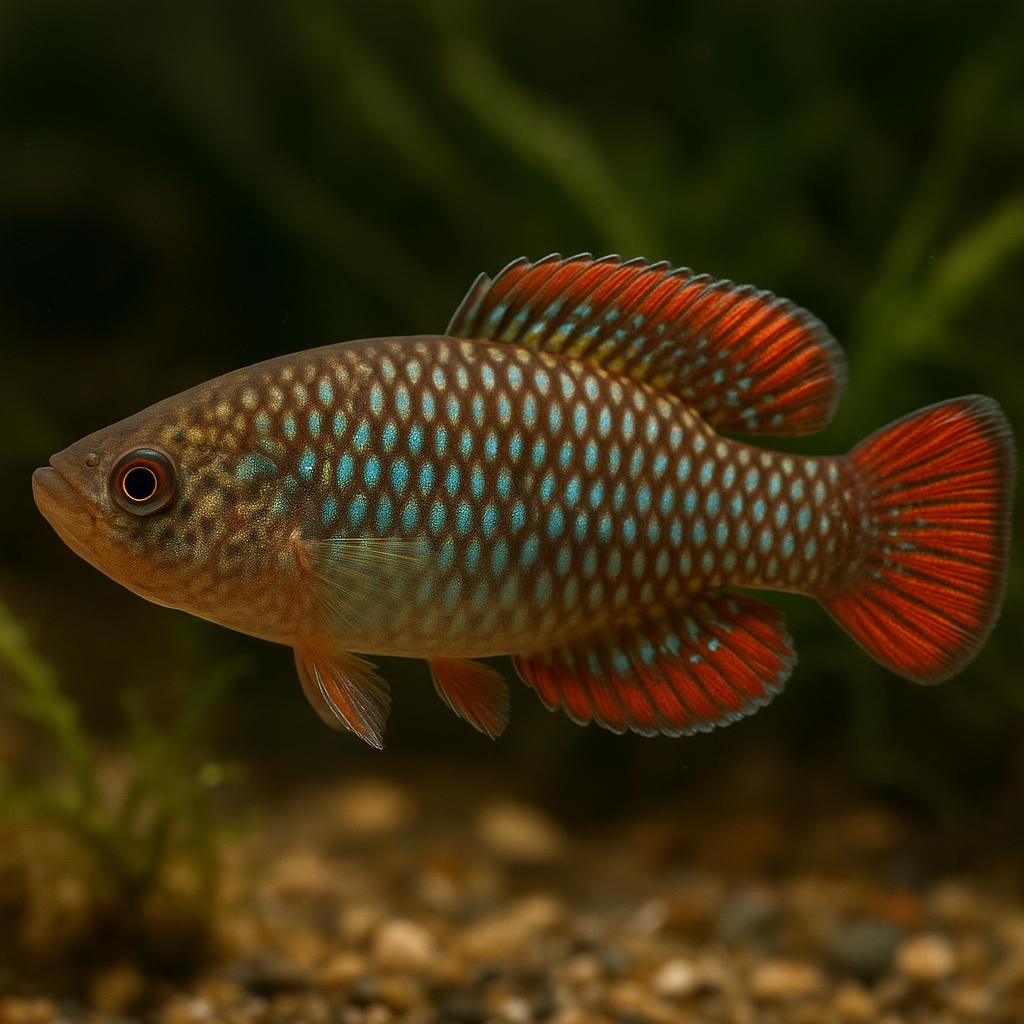
American flagfish
Jordanella floridae
Jordanella floridae is that little Florida native with the red-and-cream striping that really does look like a tiny flag once a male colors up. They graze algae like champs (especially stringy/hair algae), but they have a bit of attitude - give them plants and space so the bossy behavior stays manageable. Bonus: the male guards the eggs and will actively fan them, which is pretty fun to watch.
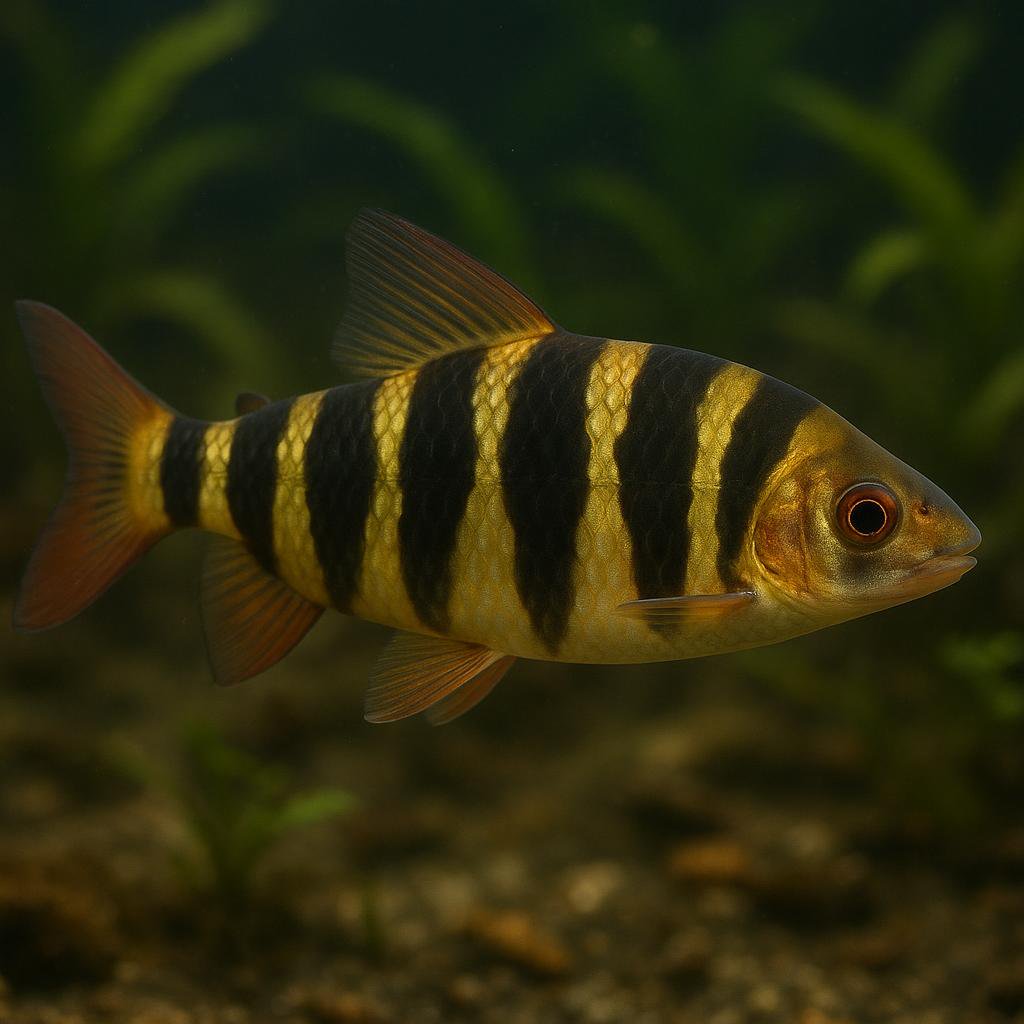
Banded Leporinus
Leporinus fasciatus
Banded Leporinus are those torpedo-shaped, black-and-yellow striped fish that look like they're wearing a little prison outfit-and they stay on the move. They've got a ton of personality and they're awesome to watch cruising and picking at stuff, but they're also the kind of fish that will redecorate your tank and "taste test" anything soft-looking.
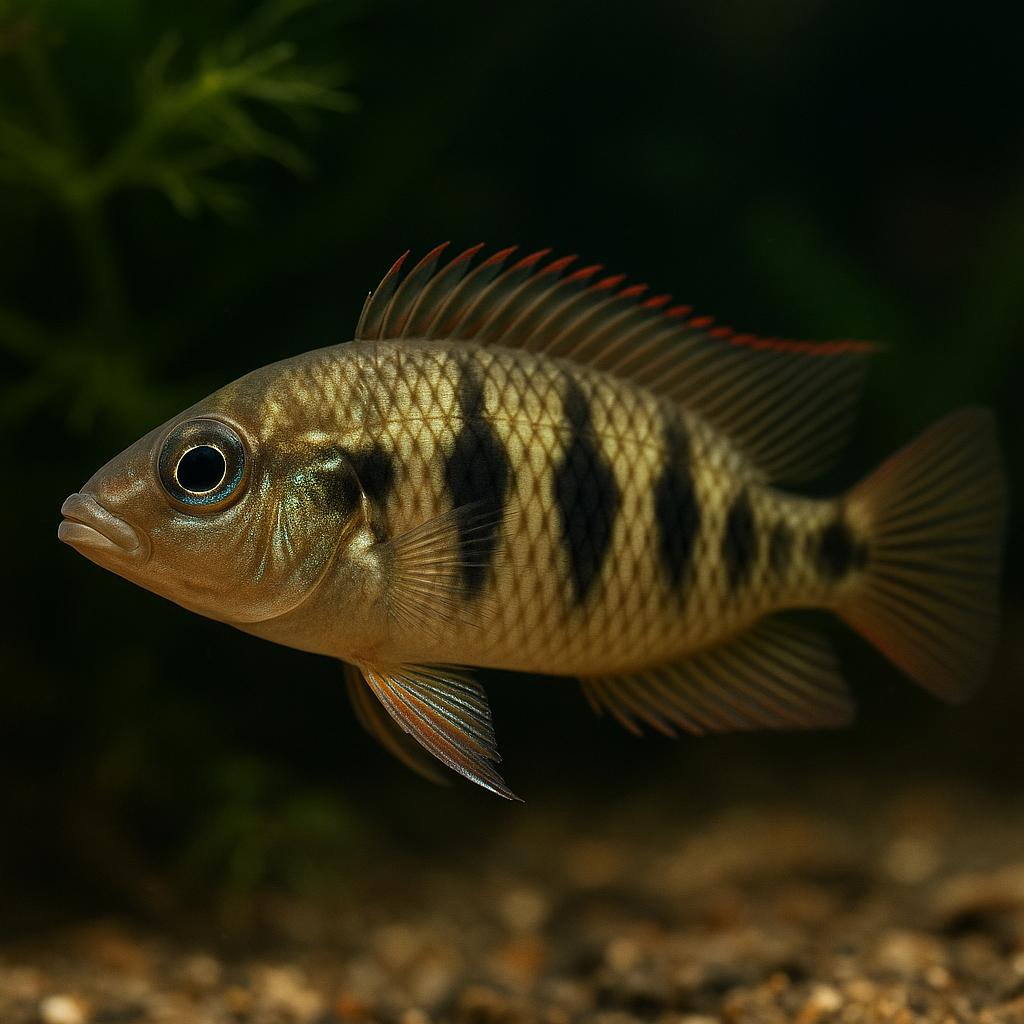
Bandi cichlid
Wallaceochromis signatus
A West African dwarf cichlid from Guinea's Bandi River, this fish shows crisp vertical bars and spotted fins with red highlights. Females have a bold black spot at the base of the tail, and pairs guard eggs and fry in caves, which makes their parental behavior fun to watch.
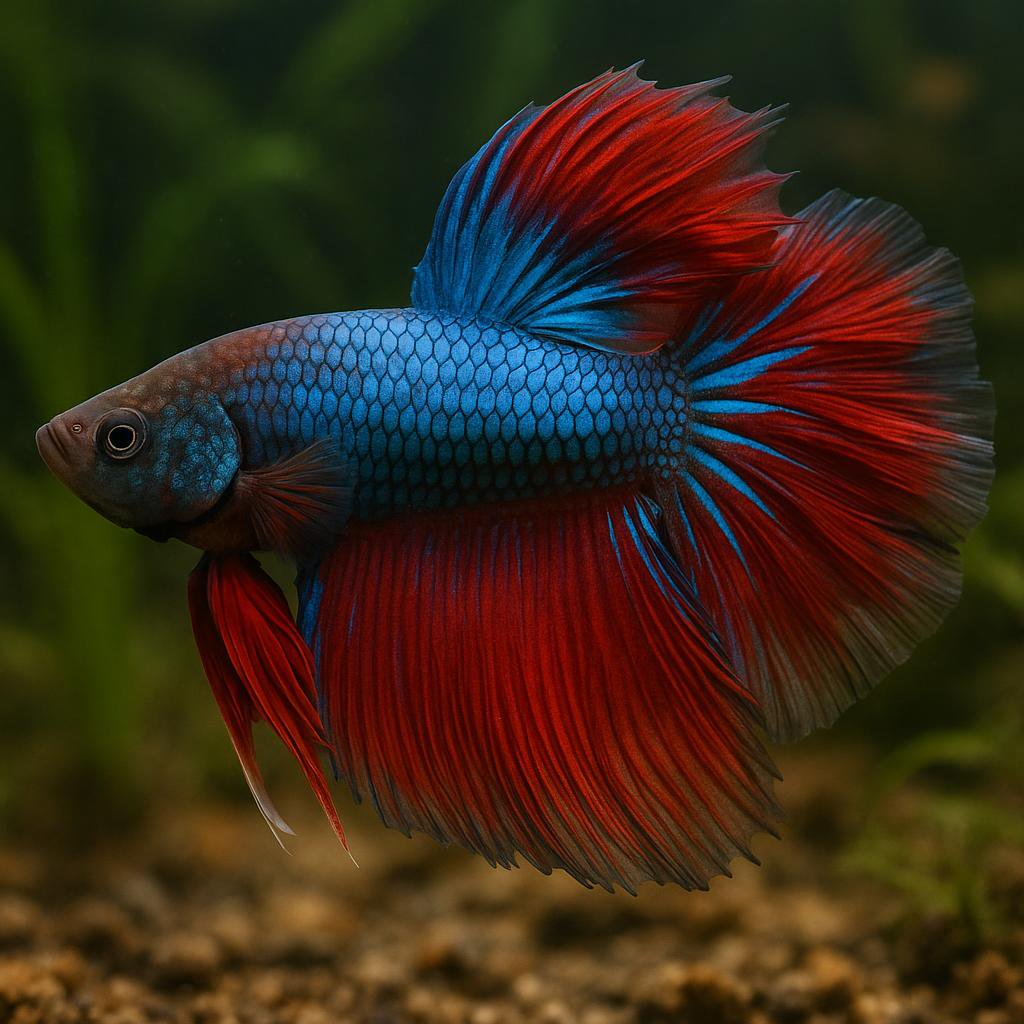
Betta
Betta splendens
Betta fish, also known as Siamese fighting fish, are popular for their striking colors and flowing fins. They are known for their territorial nature, especially males, which can display aggressive behavior towards each other.
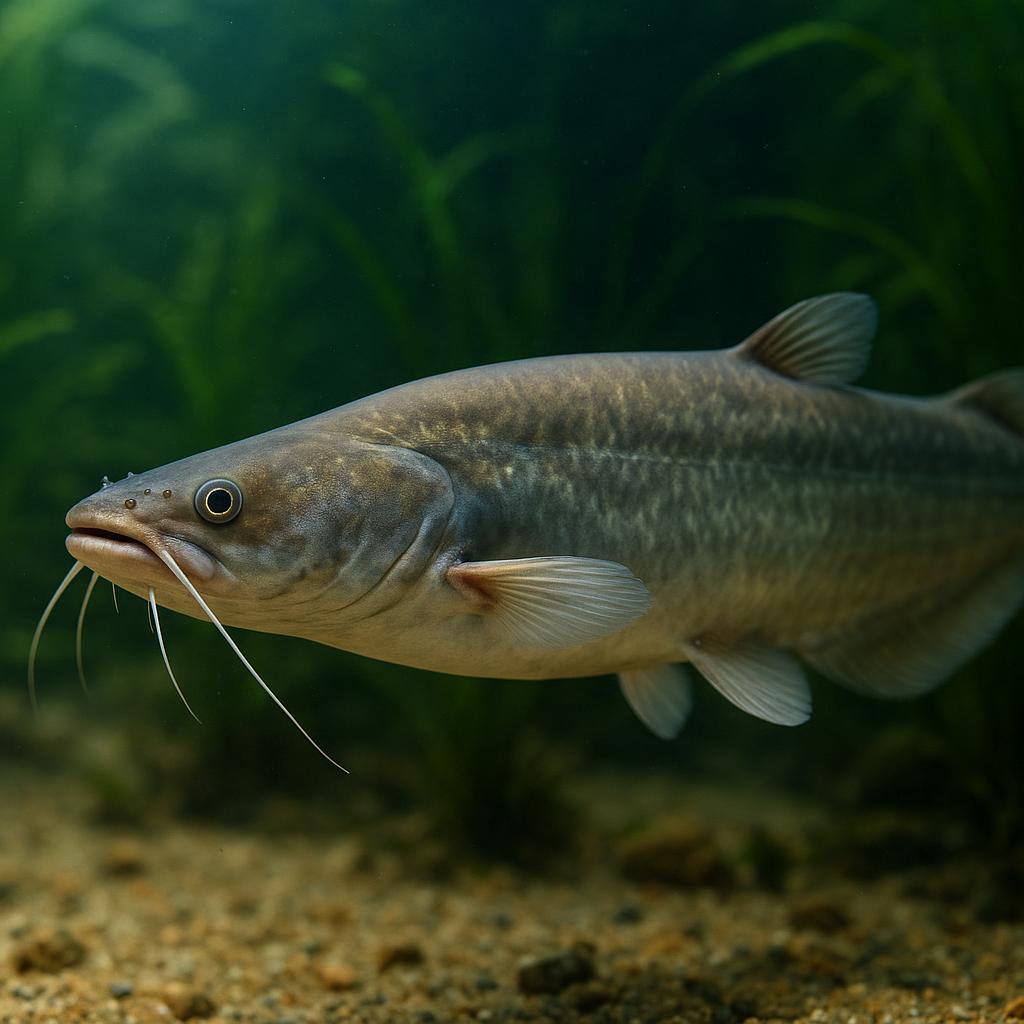
Blackhawk catfish
Wallagonia micropogon
Wallagonia micropogon is a giant Southeast Asian sheatfish with an eel-like body and a huge, scoop-like mouth for hunting other fish. It is native to the Mekong and middle Chao Phraya basins and was long confused with Wallagonia leerii, which makes IDs and care notes tricky. Stunning as a juvenile but it grows to true megafish size, so it is only realistic for expert keepers or public aquariums.
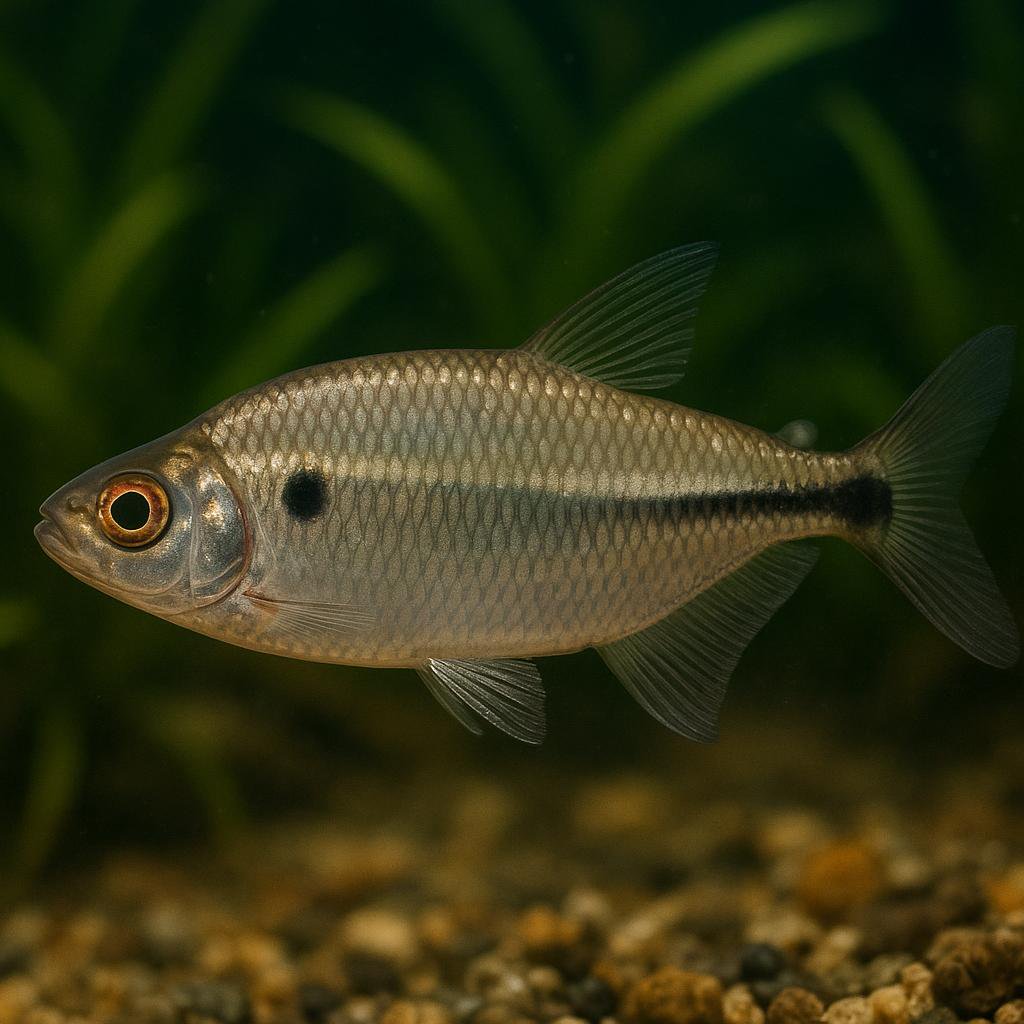
Boulenger's Featherfin Tetra
Bryconaethiops boulengeri
A big, fast African tetra from the Congo River basin, it cruises the mid-to-upper water in active groups and flashes a bold broken stripe along its flanks. In the wild it hunts insects at the surface and can leap, so aquariums need tight lids. Keep it with robust tankmates it cannot swallow.
More to Explore
Discover more freshwater species.
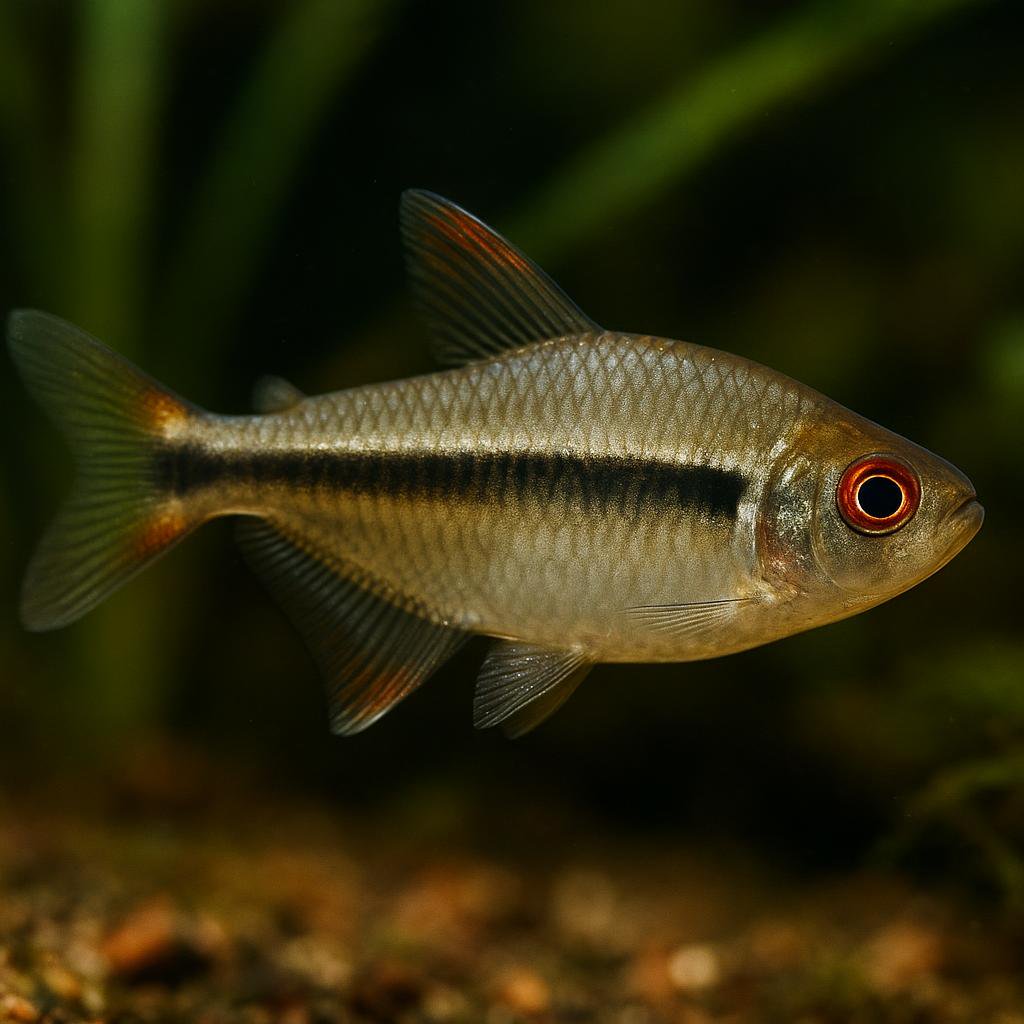
Amapa tetra
Hyphessobrycon amapaensis
This is a tiny, super sleek little tetra with a clean red stripe down the side that really pops once its settled in. It does best in a planted, slightly tinted "creek-style" setup and looks way cooler when you keep a proper group so they school and flash that line together. If you can give it soft, slightly acidic water and a calm community, its an easy fish to fall for.
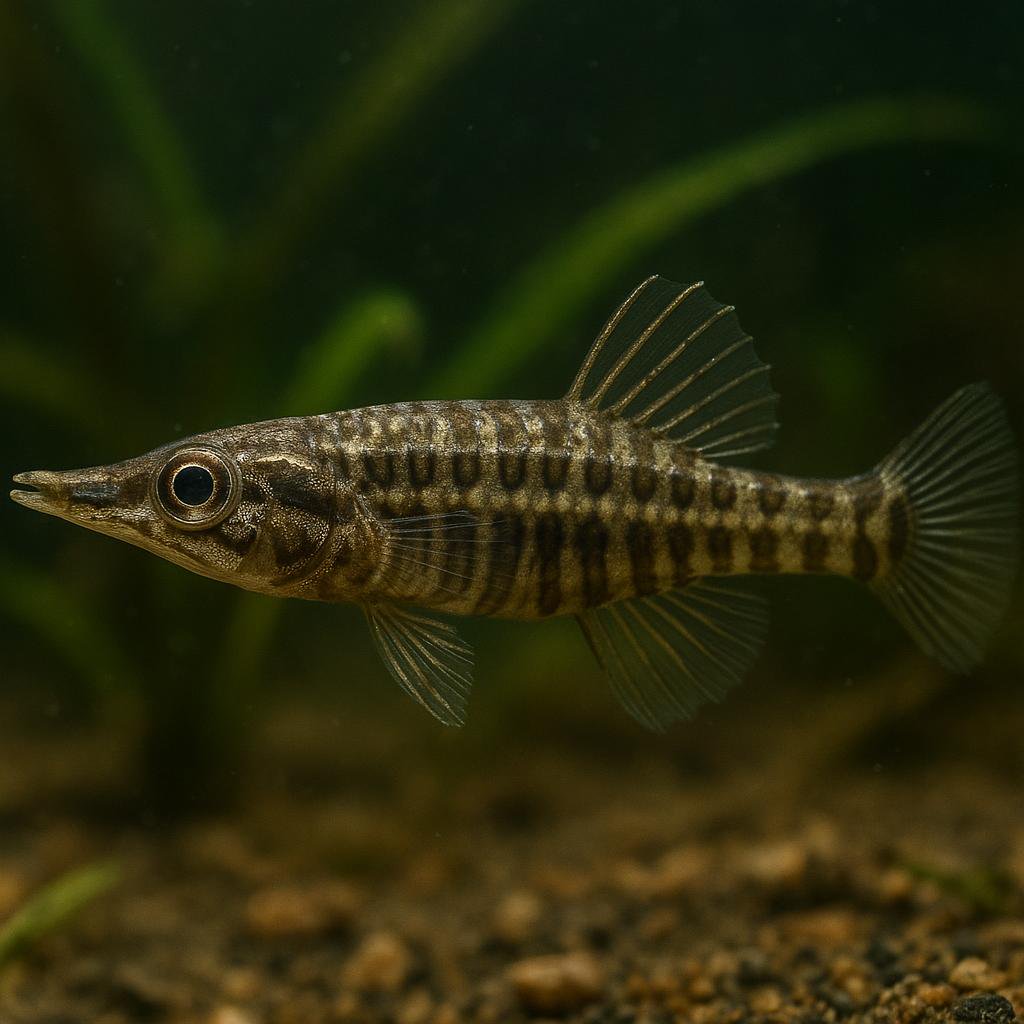
Armoured stickleback
Indostomus paradoxus
This is that goofy little "freshwater seahorse"-looking fish that just kind of perches and scoots around like a tiny armored twig. Its whole vibe is slow, sneaky micropredator - once its settled in, you will catch it stalking microfoods and doing these subtle little posture displays. The big trick is feeding: they do best when you can provide lots of small live foods in a calm, planted tank.
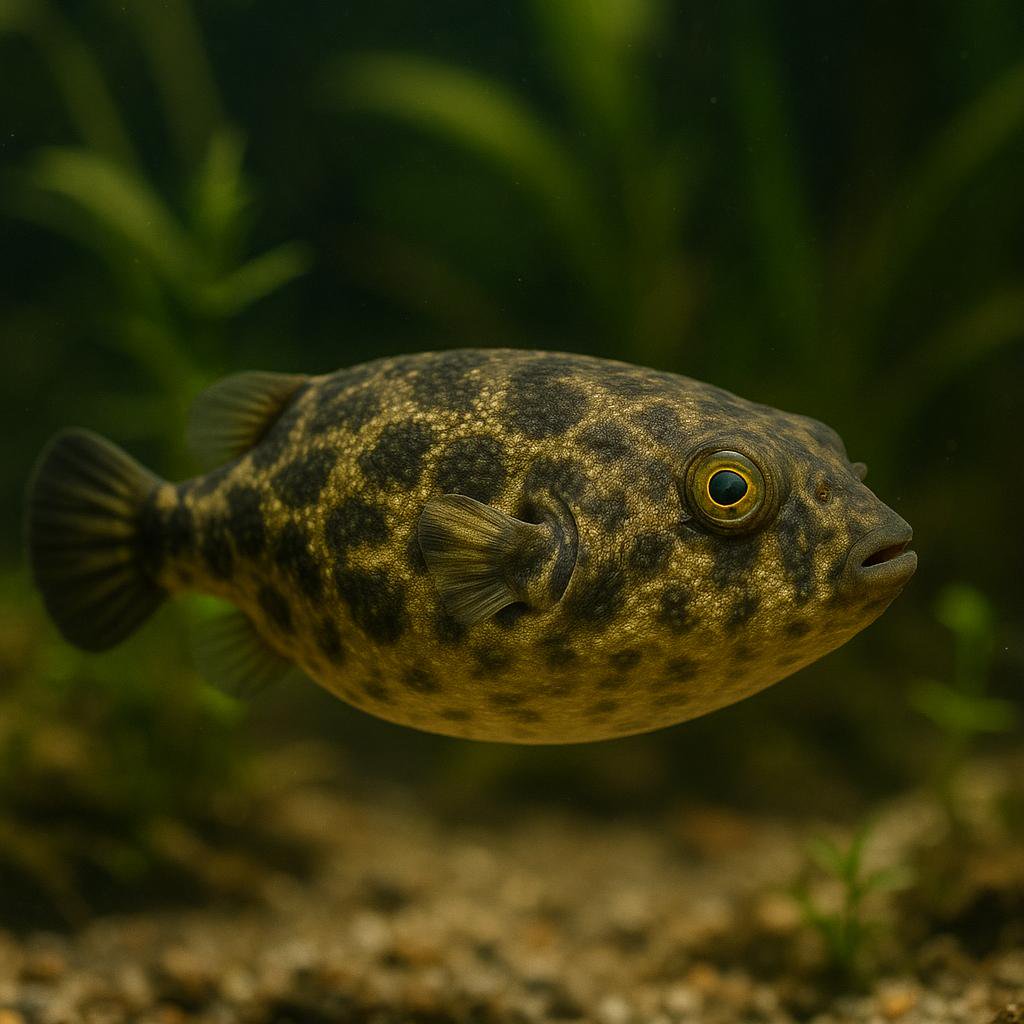
Arrowhead puffer
Pao suvattii
Pao suvattii is that sneaky Mekong puffer that likes to sit low and ambush food, and it has that super recognizable arrow/V pattern on its back. Gorgeous fish with tons of personality, but it is absolutely not a community guy - plan on a solo, species-only setup if you want everybody to stay in one piece.
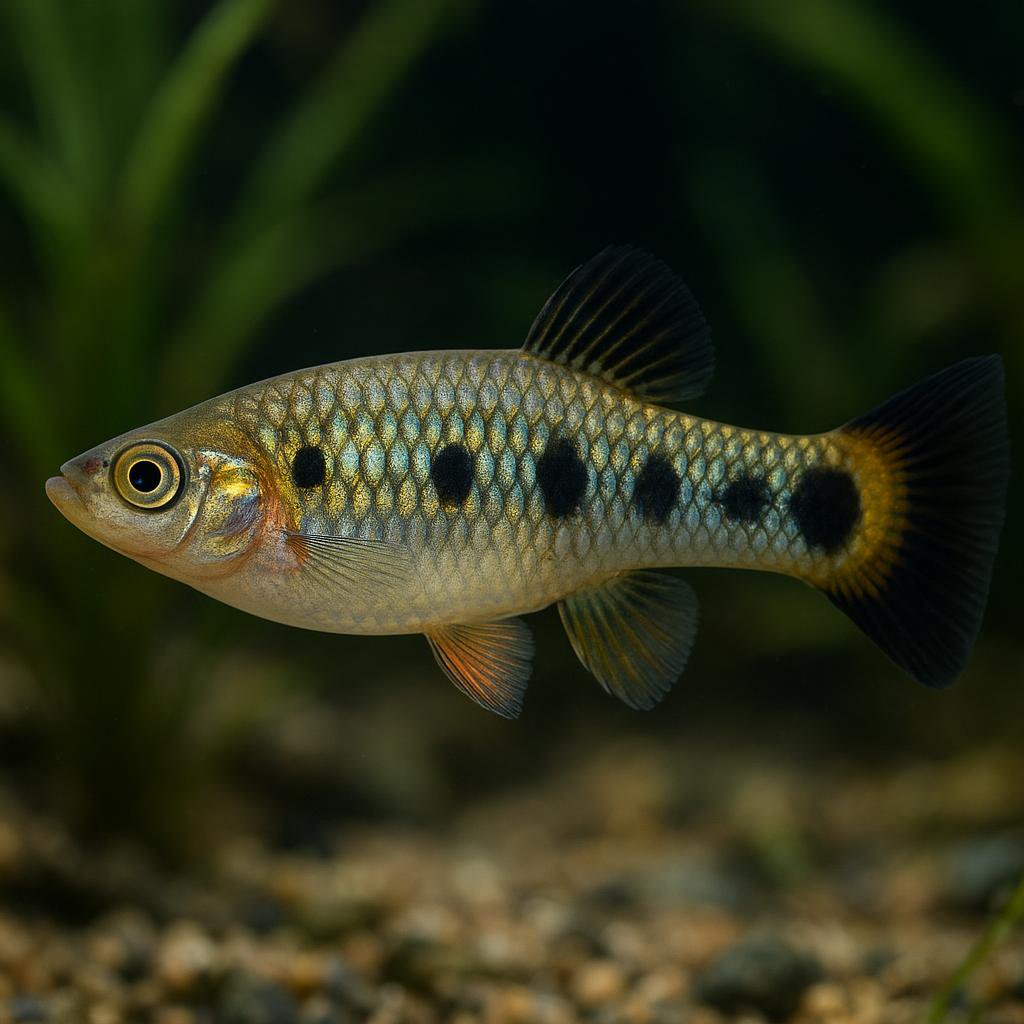
Bishop toothcarp
Brachyrhaphis episcopi
This is a tiny Panamanian livebearer that does best when you treat it more like a shy wild fish than a fancy guppy-lots of cover, calm vibes, and really clean water. The fun part is watching the males posture and spar while the females cruise around dropping fully-formed fry about once a month.
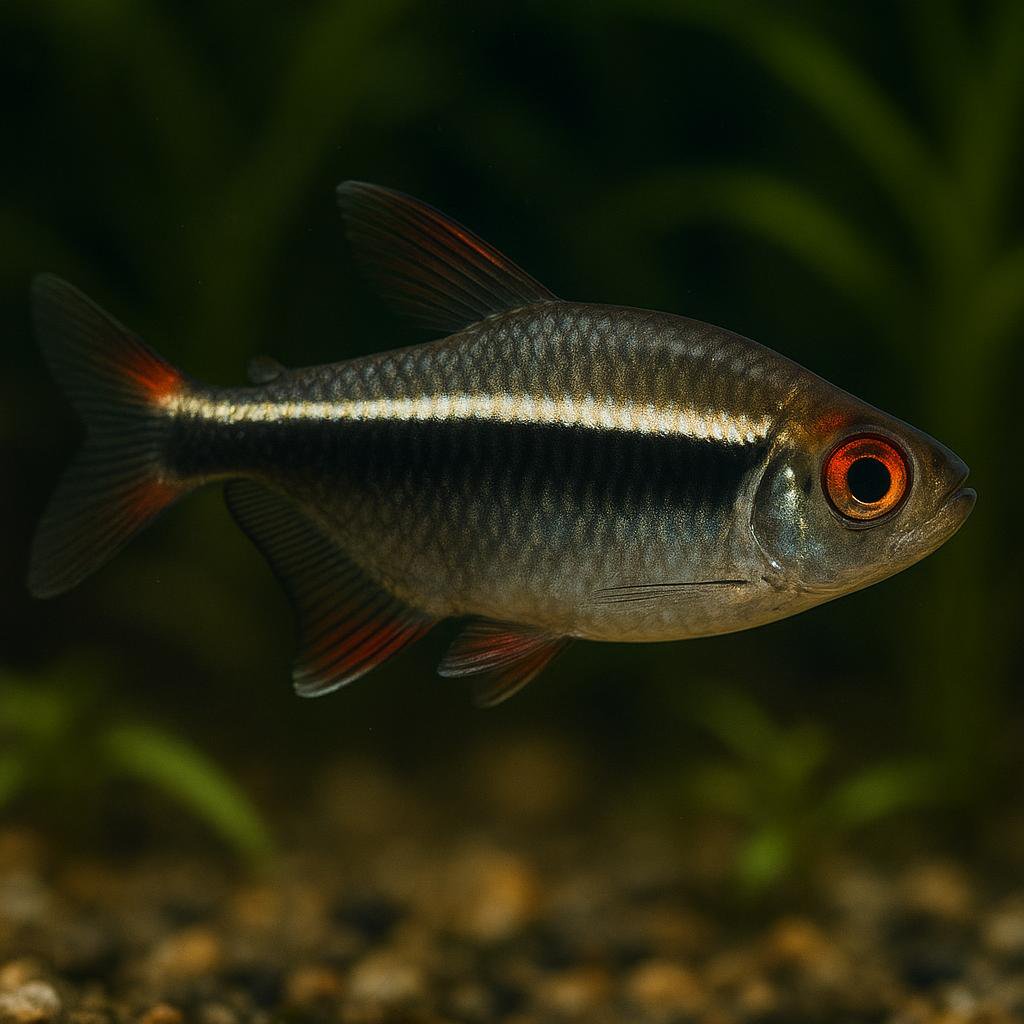
Black Neon Tetra
Hyphessobrycon herbertaxelrodi
Black neons are one of those little tetras that look kinda understated until the light hits them-then that bright stripe pops and they shimmer when the school turns together. They're super chill, always cruising mid-water, and they make a tank feel "alive" without being hectic. If you keep a nice group, they get bolder and you'll see way more of their personality.
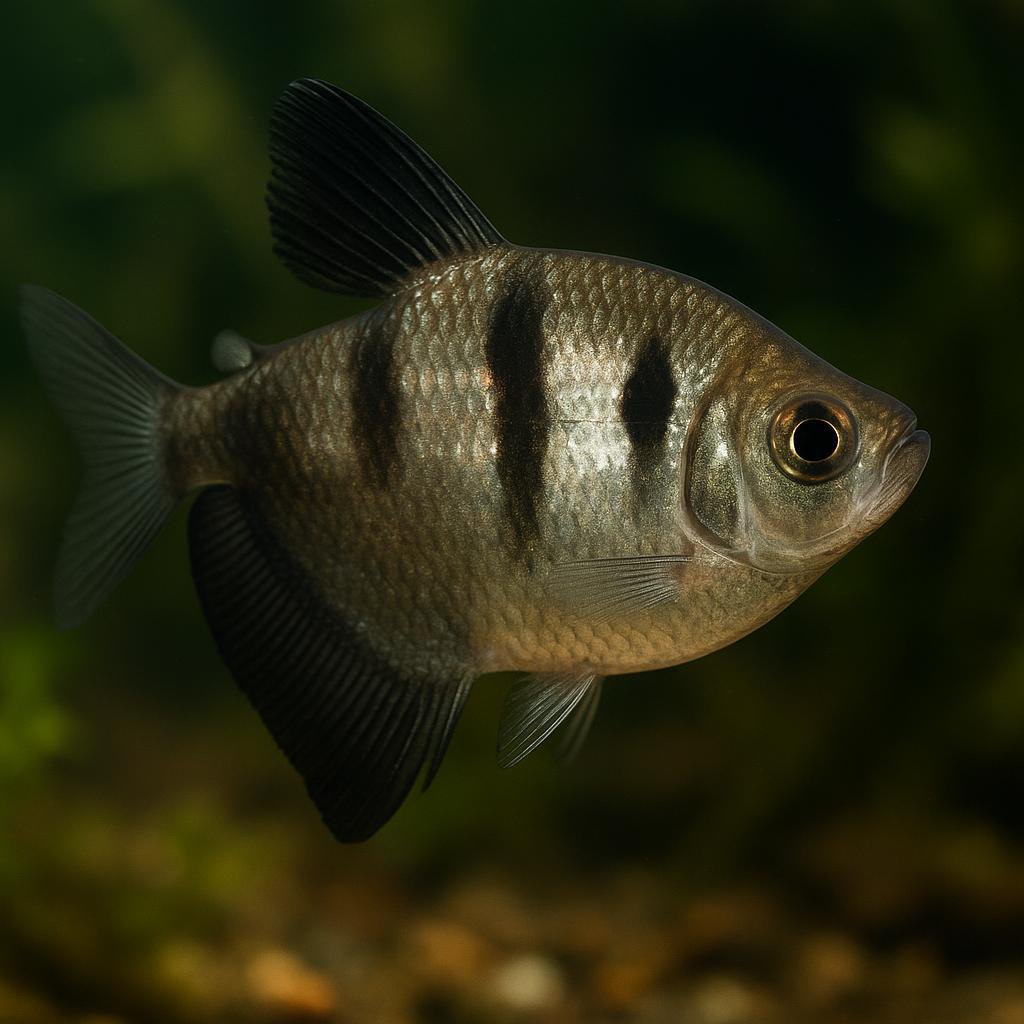
Black Skirt Tetra (Black Widow Tetra)
Gymnocorymbus ternetzi
Black skirts are those little "suit-and-tie" tetras with the dark bands and flowing fins that look way fancier than they should for how tough they are. They're super active midwater fish, and when you keep a proper group they do that tight, zippy schooling thing that makes the whole tank feel alive. Just give them enough buddies and finny tankmates they won't be tempted to nip.
Looking for other species?