

Search Species
Search for fish species by common or scientific name, or use filters to browse by water type, size, temperament, and difficulty.
Found 665 species
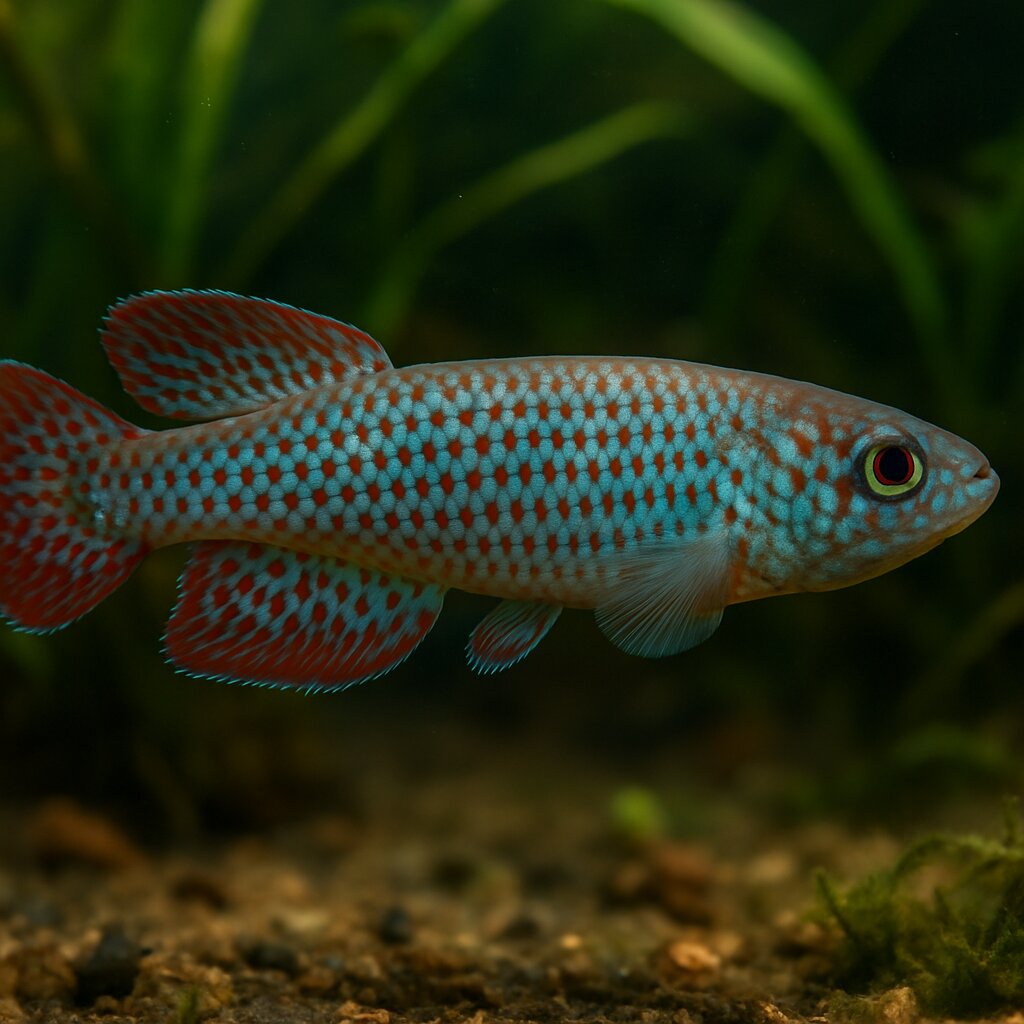
Pataxo killifish
Xenurolebias pataxo
A tiny annual killie from tea-colored puddles in Brazil, this fish stays small but males show sharp bars and a lance-like tail that looks wild in person. It lives fast and breeds in the substrate, with eggs that wait out the dry season, so the real joy is setting it up to complete that cycle at home.
Paxton's slickhead
Conocara paxtoni
Conocara paxtoni is a deep-sea slickhead from the Tasman Sea, and its whole vibe is pure "mystery fish" - its known record is from a single specimen taken around 2450 m deep. It's a fairly big, streamlined bathypelagic/benthopelagic fish (for a slickhead), but it is absolutely not an aquarium species (deepwater pressure/temperature requirements make that a no-go).
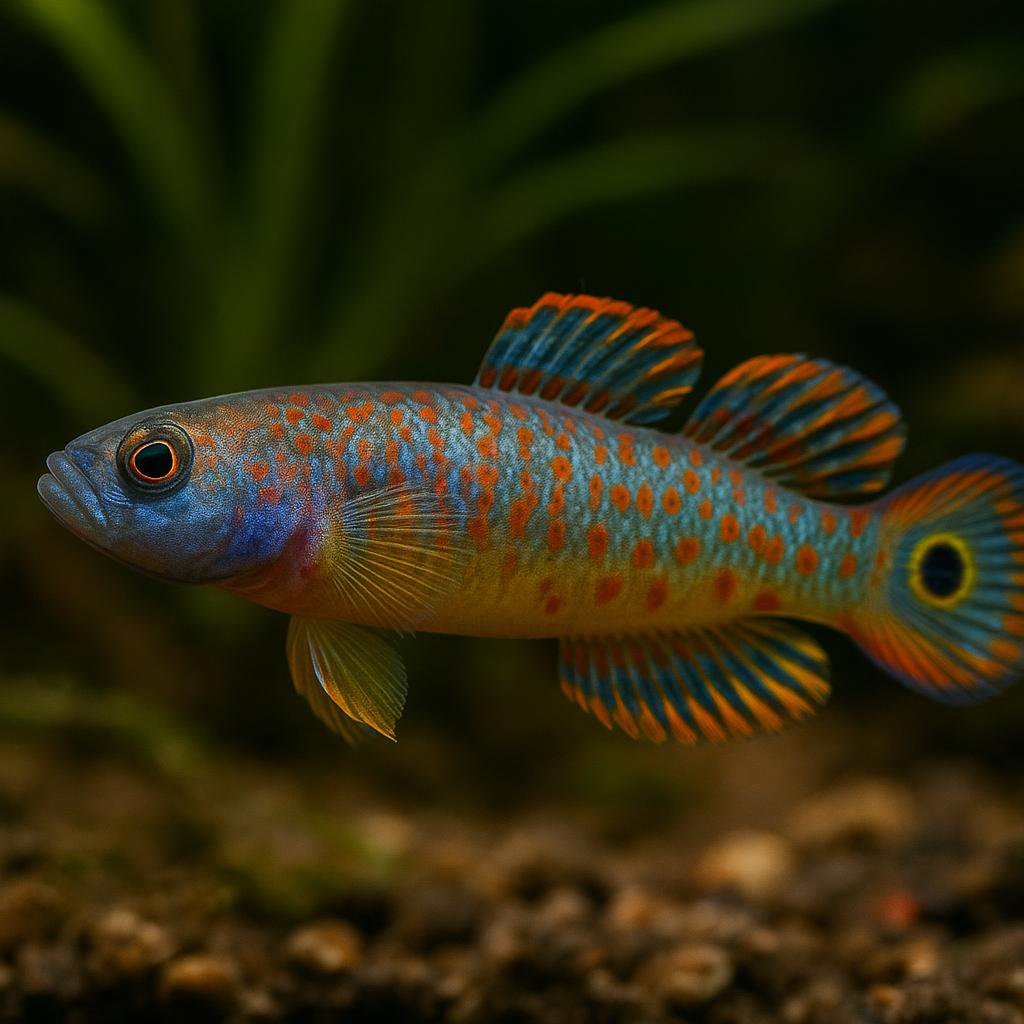
Peacock gudgeon
Tateurndina ocellicauda
Peacock gudgeons are little jewel-fish from eastern Papua New Guinea with that awesome "eye spot" on the tail and a ton of blue/yellow/red speckling. They're gentle most of the time, but the males get pretty into cave/crevice territory when they're thinking about spawning-and watching the male guard and fan eggs is seriously cool.
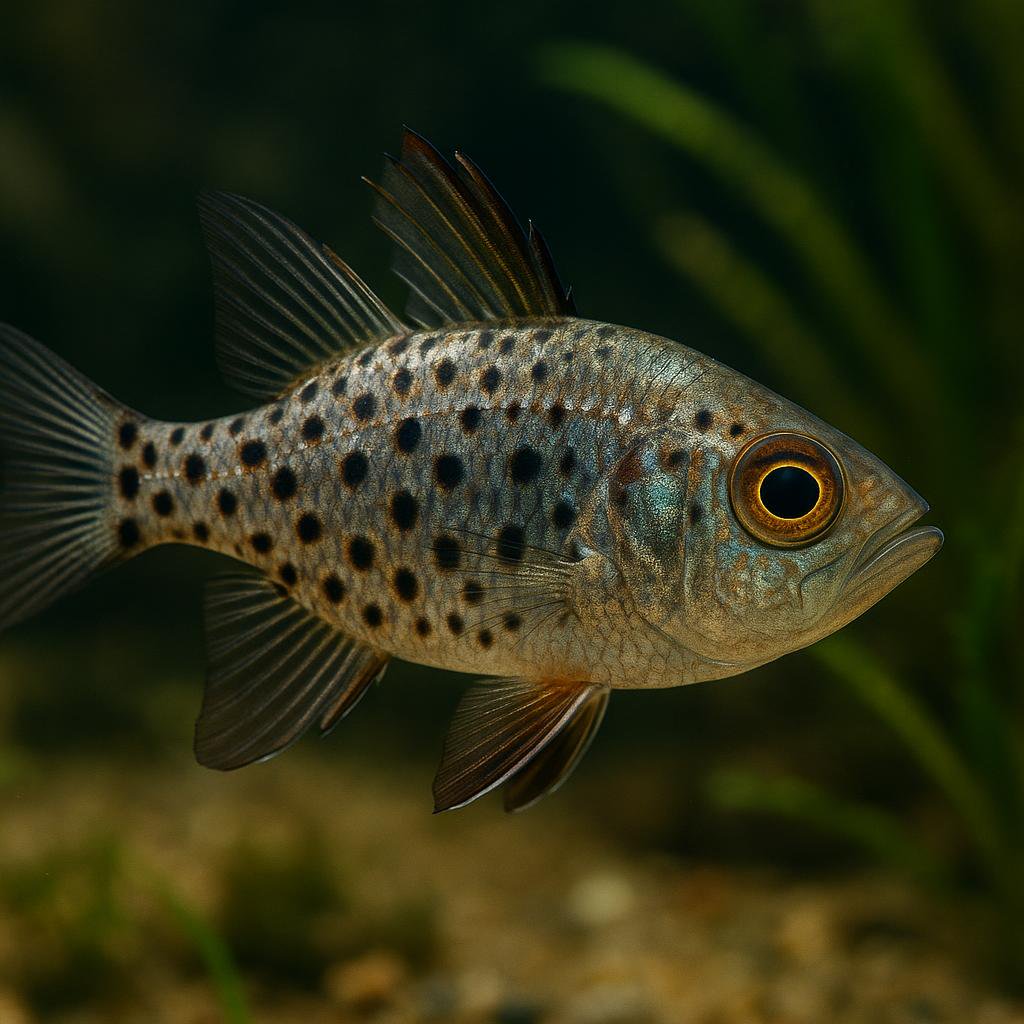
Pearly-finned cardinalfish
Jaydia poeciloptera
This is a nocturnal Indo-West Pacific cardinalfish that spends the day tucked away (even hiding in holes in soft mud) and comes out at night to feed. The really cool part is the breeding style - they pair up, and the male mouthbroods the eggs like a little floating nursery.
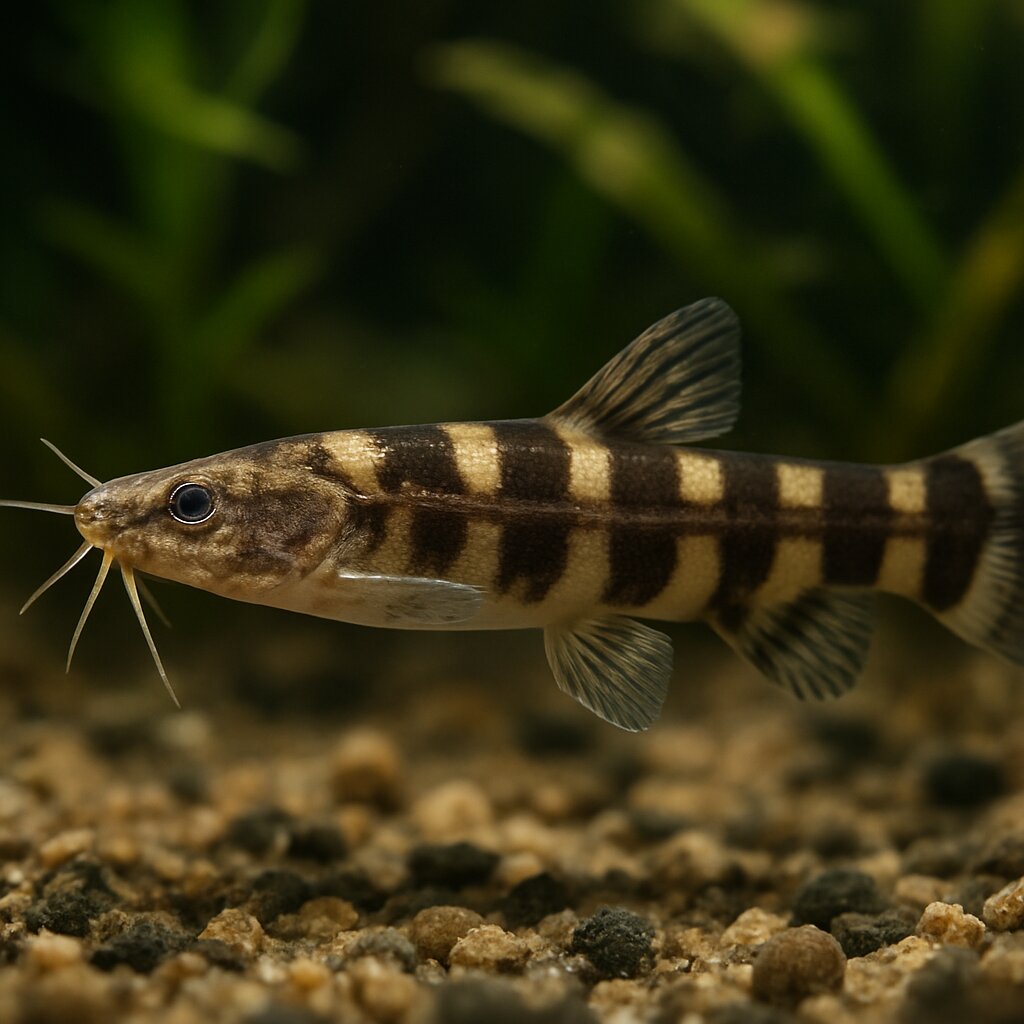
Pencil catfish
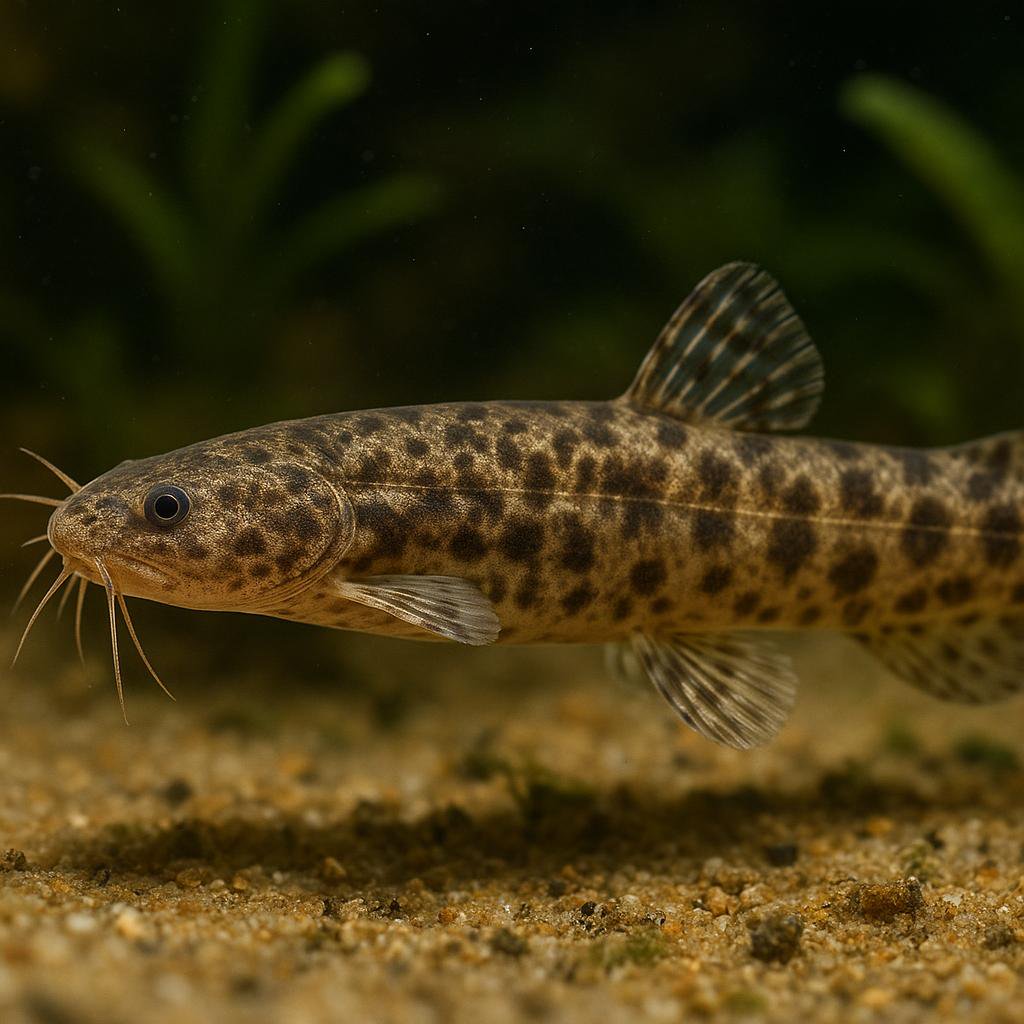
Cambeva zonata
A tiny riffle‑lover from southeastern Brazil, Cambeva zonata inhabits cool, fast, highly oxygenated streams in the Ribeira de Iguape basin (Betari and Iporanga sub‑basins). It bears an irregular mottled/blotched pattern that can align into bars, and forages diurnally on aquatic invertebrates over gravel and stones.
Pencil catfish
Ituglanis amphipotamus
This is a small, secretive trichomycterid catfish from southeastern Brazil that hugs the bottom and likes to wedge itself into tight spots. It comes from fast-flowing water over rock and sand, so it does best in a well-oxygenated setup with current and lots of little caves or crevices to vanish into.
Peppered catshark
Galeus piperatus
This is a little deepwater catshark from the northern Gulf of California with a cool "peppered" look - fine black dots all over a gray body. It lives way down on the slope (hundreds to over a thousand meters deep), so its real-world conditions are cold, dark, and high pressure, which is why its not an aquarium fish in any normal sense.
Perak river sprat
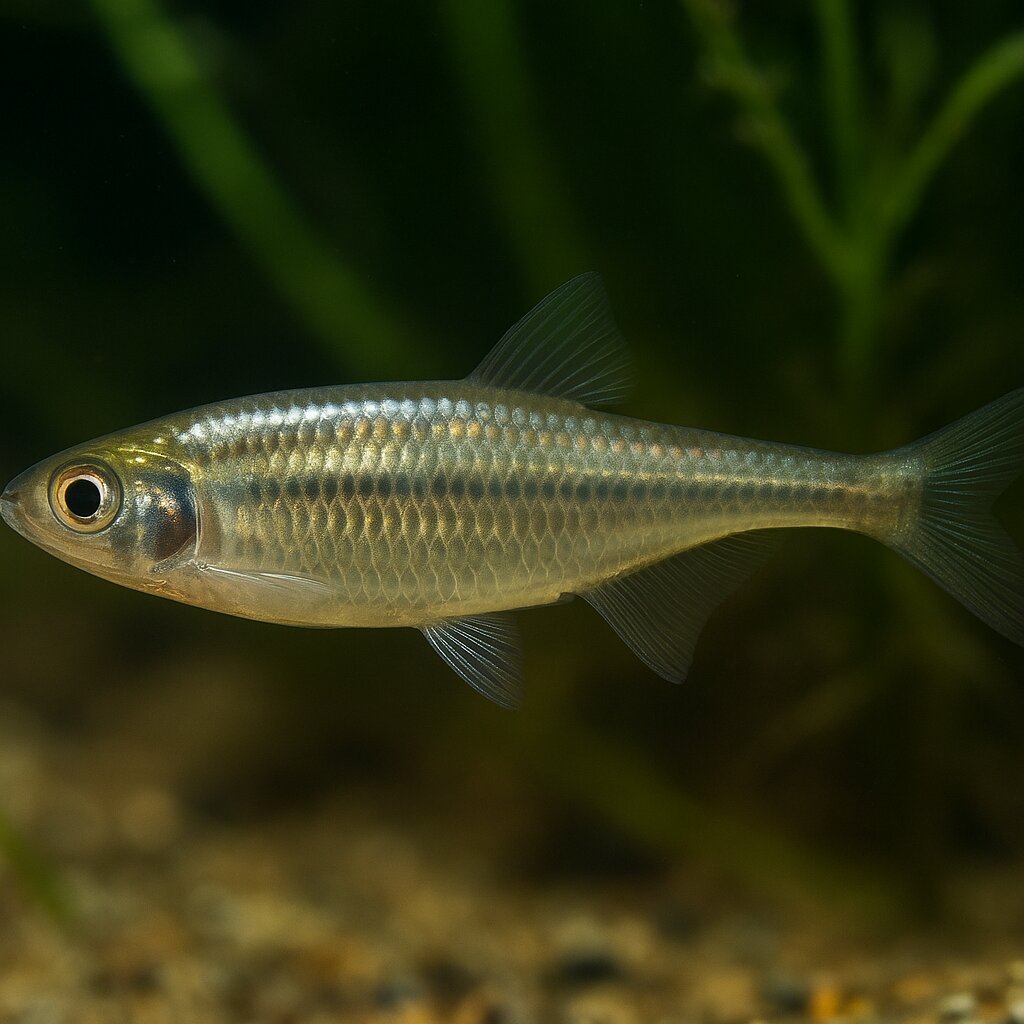
Clupeichthys perakensis
Tiny, silvery river sprats that zip around midwater in tight groups and pick at zooplankton all day. They come from the Perak River system (and nearby peat-stained tributaries), top out at about 4 cm, and do best in soft, slightly acidic, well-oxygenated water with plenty of open swimming space. They are rarely seen in the hobby and tend to do best in big, settled shoals with fine live foods.
Peridot tetra
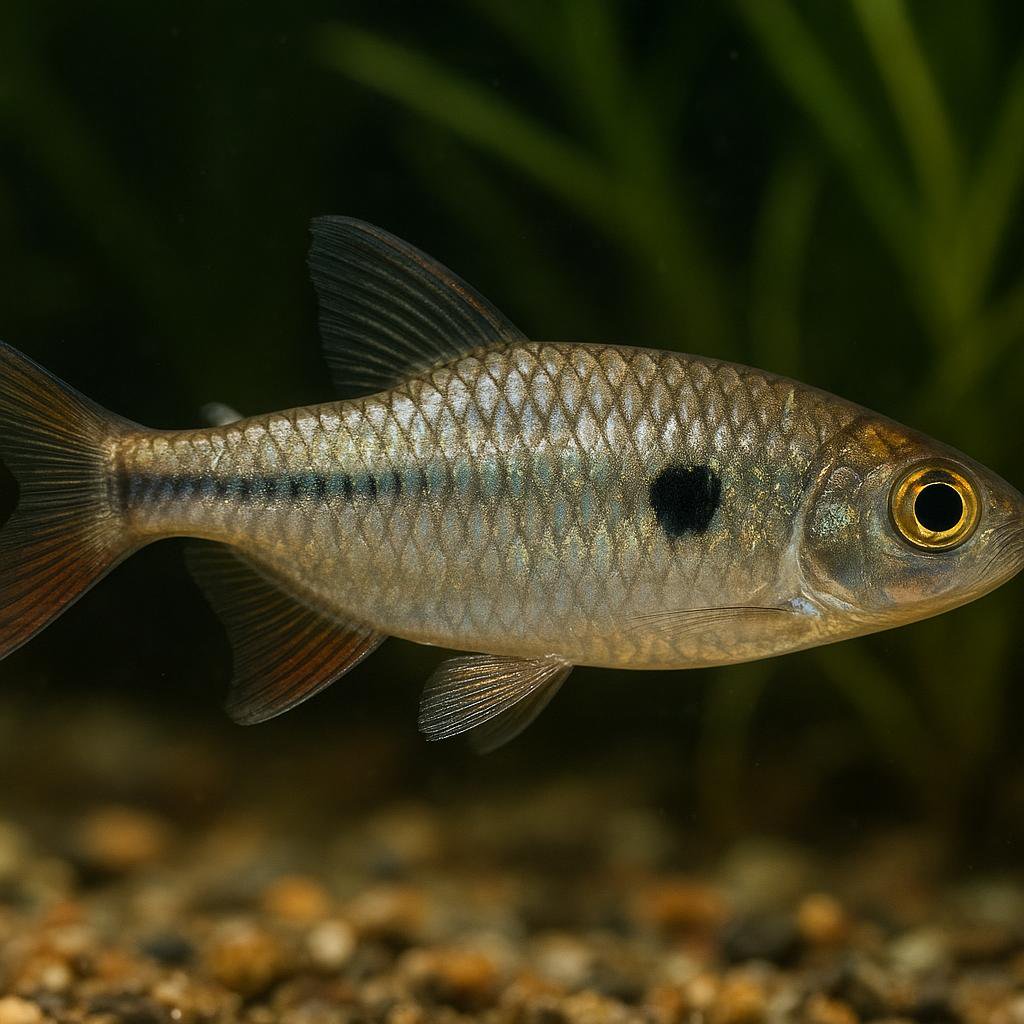
Jupiaba acanthogaster
This is a small South American characin that does its best work in a real group - once you have a bunch of them together they stay active and hang in the midwater like classic dither fish. The neat little twist with this species is the spine-like pelvic bones that can stick forward along the belly, which is where the name comes from.
Persian loach
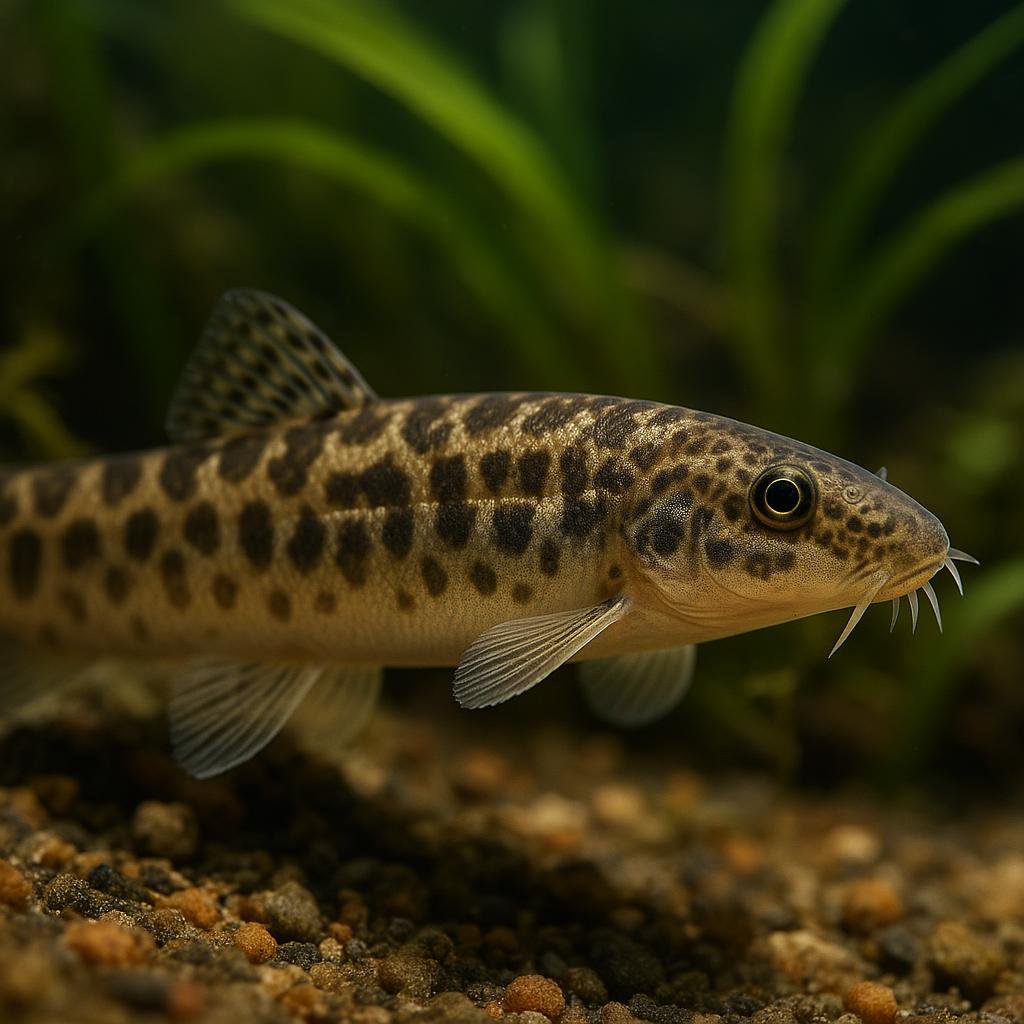
Oxynoemacheilus persa
This is a little bottom-hugging stone loach from Iran that spends its time cruising the substrate and poking around for food. It does best when you set the tank up like a cool, clean stream - lots of oxygen, flow, smooth rocks, and hiding spots - and you will see way more natural behavior.
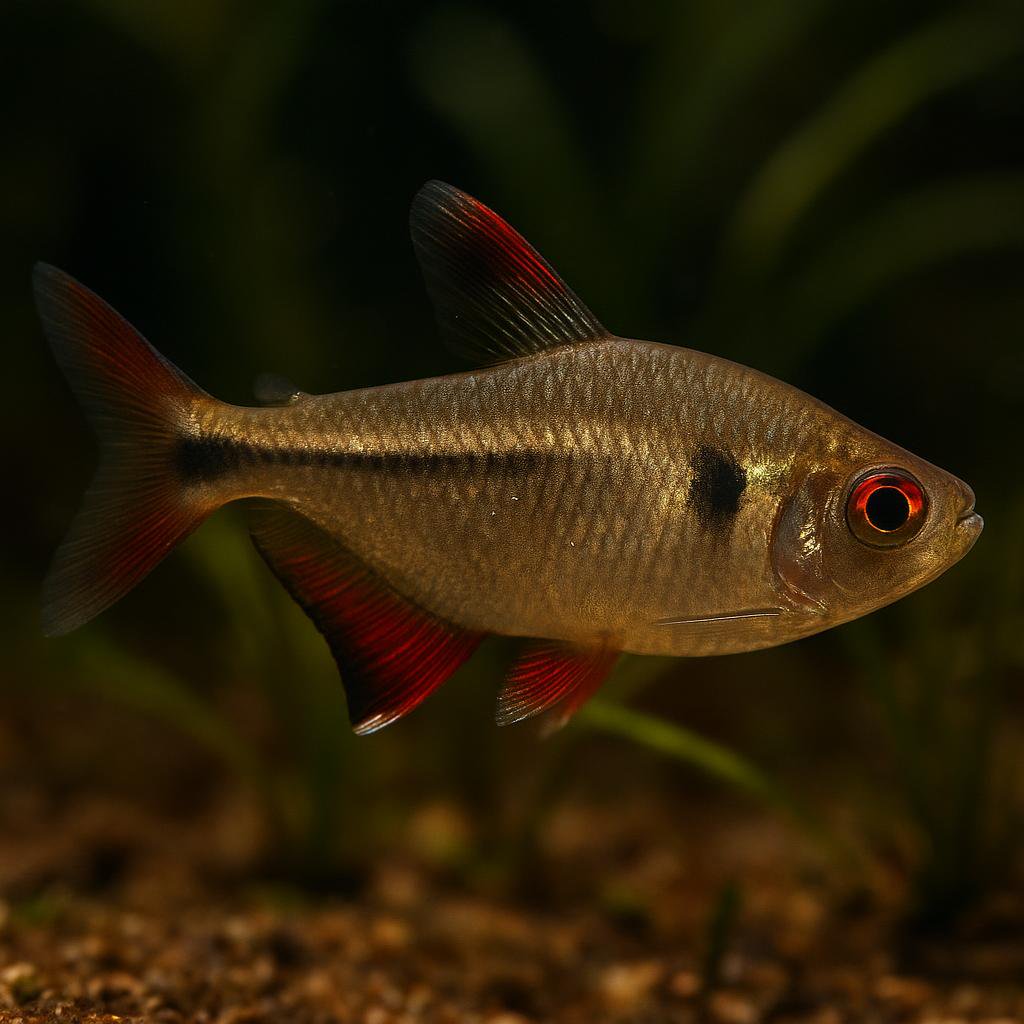
Peruvian tetra
Hyphessobrycon peruvianus
Hyphessobrycon peruvianus is a small Upper Amazon tetra from Peru that really comes alive in a proper group - the shoaling is the whole point with this one. Keep it in soft-ish, slightly acidic water and it will stay active and calm, with that classic Hyphessobrycon vibe of always being in motion without being a jerk.
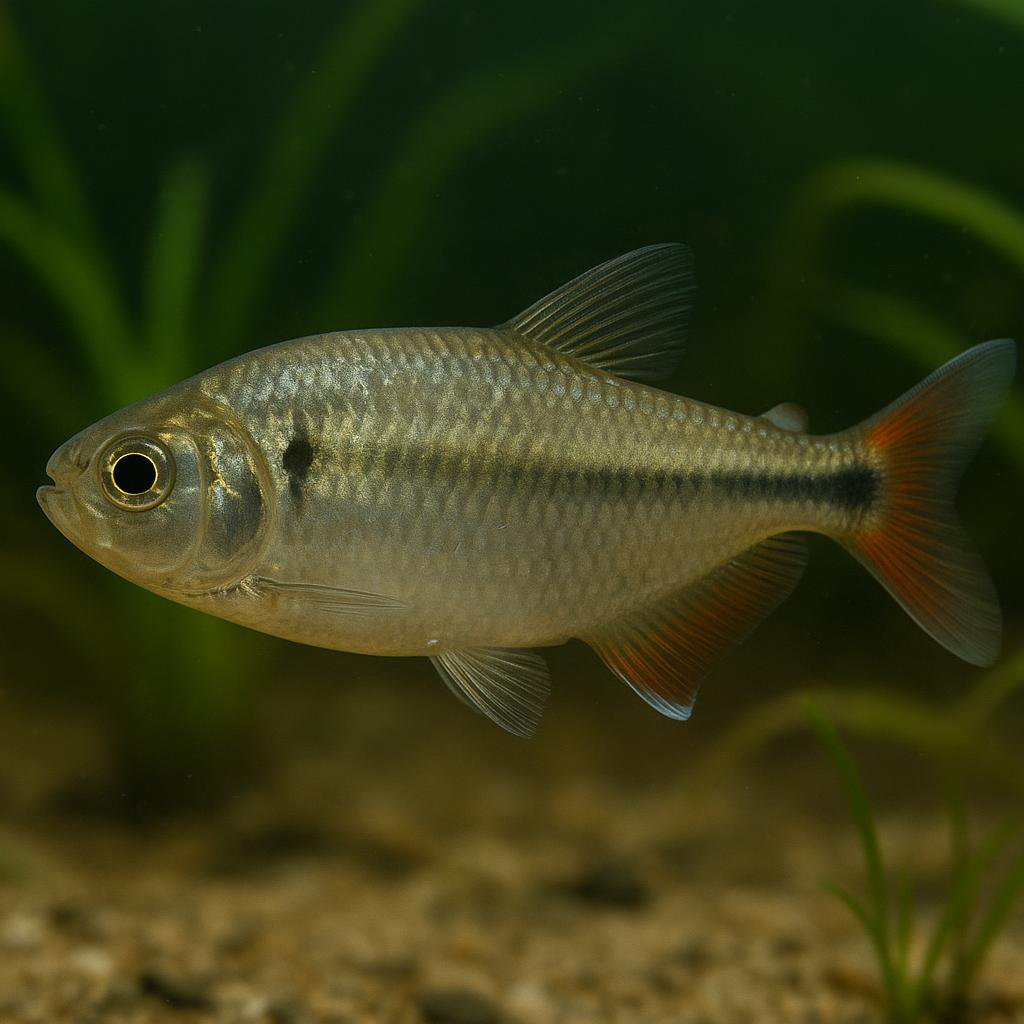
Peten tetra
Astyanax petenensis
This is a chunky little Central American Astyanax that tops out around 11 cm and spends most of its time cruising midwater in open areas. Think of it like a tougher, more "river fish" tetra vibe - active, always moving, and it eats like it means it. It is not super common in the hobby, but if you ever run into them, give them room and keep them in a proper group so the attitude stays spread out.