

Peppered catshark
Galeus piperatus
About the Peppered catshark
This is a little deepwater catshark from the northern Gulf of California with a cool "peppered" look - fine black dots all over a gray body. It lives way down on the slope (hundreds to over a thousand meters deep), so its real-world conditions are cold, dark, and high pressure, which is why its not an aquarium fish in any normal sense.
Also known as
Quick Facts
Size
30 cm TL
Temperament
Peaceful
Difficulty
Expert
Min Tank Size
0 gallons
Lifespan
unknown
Origin
Eastern Central Pacific (Gulf of California)
Diet
Carnivore - small fishes and invertebrates (not well-documented)
Care Notes
- Plan for a big, low-and-wide coldwater setup: think 300+ gallons with lots of floor space, rounded rockwork, and no sharp coral skeletons - these guys rub their bellies and fins on everything.
- Keep it cold and stable: 50-60F (10-16C), salinity 1.024-1.026, pH 8.1-8.4, and nitrate as close to 0 as you can manage because sharks get cranky fast when the water gets dirty.
- Run serious oxygen and filtration: big skimmer, oversized bio, and strong surface agitation; they are from cool, oxygen-rich water and will start acting off if O2 dips.
- Feed meaty marine foods 2-4 times a week: pieces of squid, shrimp, smelt, silversides, or marine fish fillet; use tongs and keep portions modest so you do not turn the tank into a nitrate factory.
- Do not keep with fin-nippers or aggressive triggers; also avoid tiny fish and crustaceans you care about because anything bite-sized can disappear at night.
- Give them dim lighting and caves or overhangs; they are way more confident at dusk and will stress if the tank is bright and busy all day.
- Watch for common shark headaches: nose and belly abrasions from rough decor, ammonia spikes after big feedings, and stray voltage (use a GFCI and a grounding probe).
- Breeding is possible but not casual: they lay egg cases, and the adults may snack on them, so pull the eggs to a separate chilled system if you ever see them.
Compatibility
Good Tankmates
- Other small, mellow sharks and rays that like it cool and calm - think other catsharks like swell sharks or chain catsharks (similar vibe, similar feeding, no drama). Give them lots of floor space and hides so they are not piled on top of each other.
- Peaceful, coldwater-ish community fish that stay off the bottom and are not bitey - stuff like ocean whitefish/queenfish types (local temperate schooling fish), as long as they are too big to be swallowed and handle the same temps.
- Bigger, non-aggressive rockfish (Sebastes) that are not the 'grabby' type - they mostly hang midwater and do not pick at sharks. Watch feeding time so the shark still gets its share.
- Temperate sculpins and other sit-and-wait fish that are chunky enough not to be a midnight snack and not prone to chewing on fins or eyes. Basically: calm, sturdy, not tiny.
- Large, peaceful inverts and cleanup that are not delicate - bigger snails, urchins, and hardy stars can work if your setup is temperate and stable. The shark will bulldoze around them but usually is not out hunting them like a trigger would.
- Big, calm bottom neighbors that are not food - larger temperate gobies/blennies can work only if they are truly too large to fit in the shark's mouth and have their own bolt-holes. Small ones disappear, period.
Avoid
- Anything aggressive or nippy - triggers, puffers, big wrasses, aggressive tangs. In real life these guys end up picking at the shark's fins and especially the eyes when the shark is resting.
- Large predatory bruisers - groupers, big lingcod, big cabezon, anything that thinks 'shark equals snack' or will take a test bite. Even if the shark is peaceful, it is not built for getting slammed.
- Tiny fish or shrimp that can fit in the mouth - small gobies, small blennies, ornamental shrimp. If it is bite-sized and cruises near the bottom at night, it eventually becomes food.
Where they come from
Peppered catsharks (Galeus piperatus) are cold-water catsharks from the Northeast Pacific. Think California down into Baja, hanging out on deeper, cooler slopes and muddy bottoms. They are not tropical reef sharks, and treating them like one is where most hobby attempts go sideways.
If you take one thing away: this is a cold-water, deepwater animal. Warm reef temps and bright reef-style setups usually end in slow decline.
Setting up their tank
These guys are all about floor space and stable, cool water. You are basically building a chilled, oversized "shark pond" that happens to be glass or acrylic. Tall tanks look impressive, but a long, wide footprint is what they actually use.
- Tank size: plan for a very large system (hundreds of gallons). Long and wide beats tall every time.
- Temperature: cold-water range (roughly 50-60F / 10-16C). You will need a serious chiller and a plan for summer heat.
- Flow: moderate, not a blasting SPS-style gyro. You want good turnover and oxygen, but leave calm areas to rest.
- Oxygen: run oversized skimming and strong surface agitation. Cold water holds more O2, but big predators still burn through it.
- Substrate: fine sand is your friend. Avoid crushed coral and sharp gravel - belly and fin abrasion is real.
- Rockwork: keep it minimal and stable. If you use caves, make them wide and smooth, not jagged.
- Lighting: keep it subdued. They do not need bright reef lights, and bright tanks stress a lot of deepwater fish.
- Filtration: overbuild it. Big skimmer, lots of bio media, and a way to export nutrients (water changes, refugium, or both).
Do not keep this species in tropical temps "just for now". Even if it eats and looks fine early on, warm water and low oxygen tend to catch up with them.
I also recommend planning the tank like a public-aquarium build: unions and valves everywhere, easy access to sump and skimmer cup, and a quarantine tub you can actually use. Netting a shark in a rock-filled display is a nightmare.
What to feed them
Once they settle, they usually eat well, but you need to feed like a marine carnivore keeper, not like a community tank. Variety matters, and so does getting them onto non-live foods if at all possible.
- Staples: chunks of marine fish (smelt, silversides), squid, shrimp, scallop, clam, and pieces of marine crab.
- Avoid as a main diet: freshwater feeder fish, goldfish, and too much oily baitfish. Long term, it can cause fatty liver issues.
- Vitamins: soak foods with a marine vitamin/HUFA supplement a couple times a week. It helps a lot with long-term conditioning.
- Feeding method: long feeding tongs or a feeding stick. It keeps your fingers safe and helps you target-feed.
- Frequency: smaller meals 2-3x per week usually beats one massive gorge. Adjust based on body condition and waste levels.
If it is shy at first, feed after lights are dim, and use the same spot every time. They learn routines fast and it cuts down on missed food rotting in the sand.
Watch the belly profile. You want a nicely filled-out shark, not pinched behind the head and not bloated. If you are seeing lots of leftover chunks, you are feeding too much or your tankmates are stealing and tearing food into the sand.
How they behave and who they get along with
Peppered catsharks are generally calm, bottom-oriented, and more "cruise and investigate" than "attack everything". They spend a lot of time resting, then doing slow laps, especially at dusk and night.
- Temperament: peaceful for a shark, but still a predator. If it fits in their mouth, it is food.
- Best tankmates: other cold-water, non-nippy species that will not compete too aggressively at feeding time.
- Avoid: fin nippers, super fast food hogs, aggressive triggers/puffers, and anything that can harass a resting shark.
- Also avoid: small fish and crustaceans you are attached to. Given time, many will disappear.
- Multiple sharks: possible in a big system, but watch for food competition and keep plenty of resting space.
A lot of "reef-safe" assumptions do not apply. Even if they ignore fish, they can bulldoze loose frags, topple unsecured rock, and stir sand into pumps.
The biggest compatibility issue is usually temperature. Most common marine fish you see in stores are warm-water. Mixing them with a cold-water shark forces somebody to live outside their comfort zone, and the shark is usually the one that loses in the long run.
Breeding tips
They are egg layers. Females lay tough, leathery egg cases (the classic "mermaid's purse" look). Getting a mature pair that actually spawns in a home setup is not common, but it is not fantasy either if your system is big and stable.
- If you see egg cases: move them to a dedicated, chilled rearing tank or a protected section of sump so they do not get eaten or damaged.
- Gentle flow: keep water moving around the eggs so debris does not settle, but do not tumble them like a reactor.
- Patience: incubation can take a long time in cold water. Track dates and keep temps steady.
- Hatchlings: offer small meaty marine foods (tiny shrimp pieces, chopped seafood) and remove leftovers quickly.
If you are serious about breeding, keep detailed notes on temperature, feeding, and dates. You will forget later, and the notes are what make the second attempt easier.
Common problems to watch for
Most issues with peppered catsharks come down to temperature, oxygen, and physical damage. They are tough in some ways, but they do not forgive "close enough" marine husbandry.
- Heat stress: rapid breathing, listless behavior, refusing food. Usually tied to summer temp creep or chiller failure.
- Low oxygen/high CO2: heavy breathing and hanging near high-flow or surface areas. Check gas exchange, skimmer performance, and room ventilation.
- Abrasion and sores: red patches on belly or fins from rough substrate, sharp rock, or scraping on overflows.
- Ammonia/nitrite spikes: sharks are sensitive. Any cycle wobble or dead spot in a big system can bite you fast.
- Nutritional issues: skinny body, poor healing, or fatty-looking liver issues down the road from a narrow diet.
- Parasites: new imports can bring worms/externals. Quarantine is hard with sharks but still worth planning for.
Copper medications and many "reef" treatments are risky with sharks. If you need to medicate, research elasmobranch-safe options and talk to a vet or experienced shark keeper before you dose anything.
One last practical thing: have a power outage plan. Cold-water systems with chillers, big pumps, and skimmers are not forgiving when everything shuts off. Battery air, generator, and a way to keep water moving are not optional for long-term success with this species.
Similar Species
Other marine peaceful species you might be interested in.
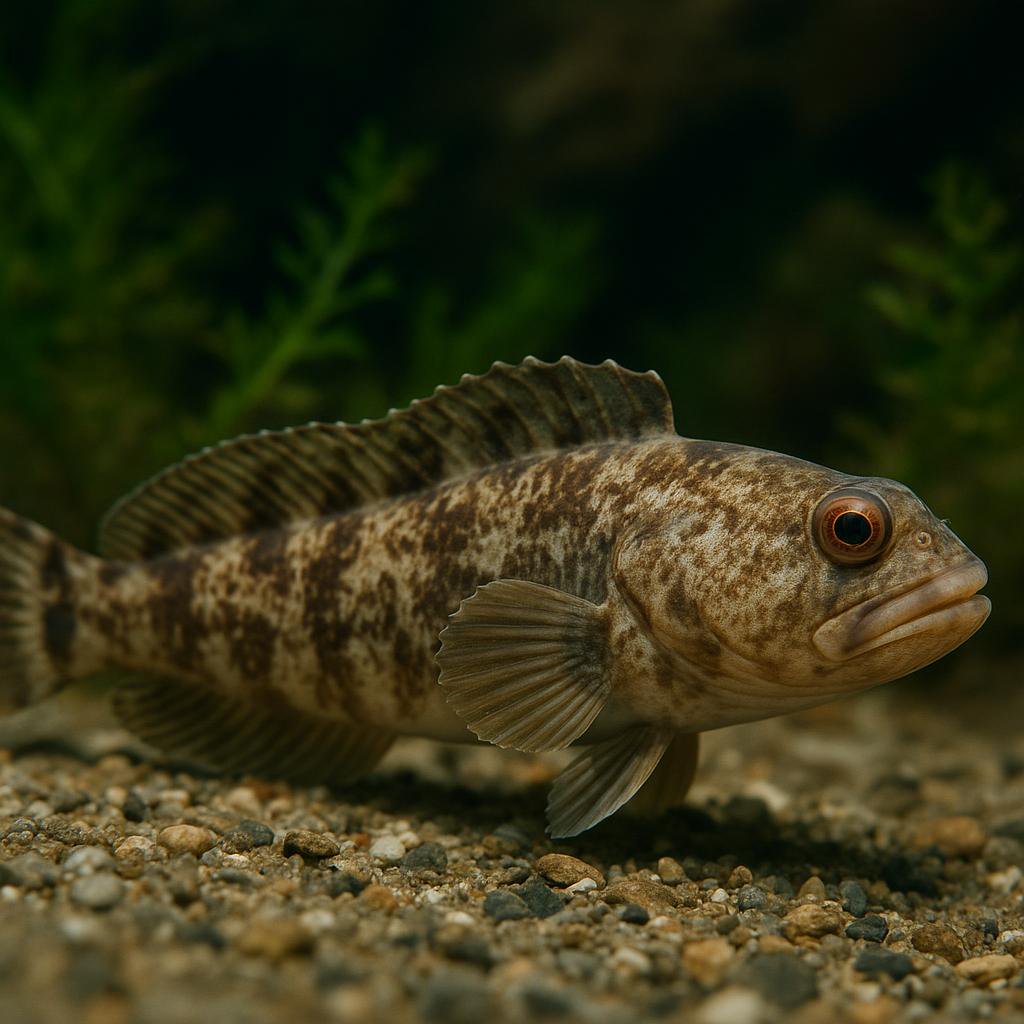
Abe's eelpout
Japonolycodes abei
Japonolycodes abei is a temperate, deepwater demersal eelpout (family Zoarcidae) endemic to Japan (Kumano-nada Sea reported; other sources also report Sagami Bay and Tosa Bay). It is the only species in the genus Japonolycodes and occurs roughly 40-300 m depth, making it an uncommon/atypical aquarium species.
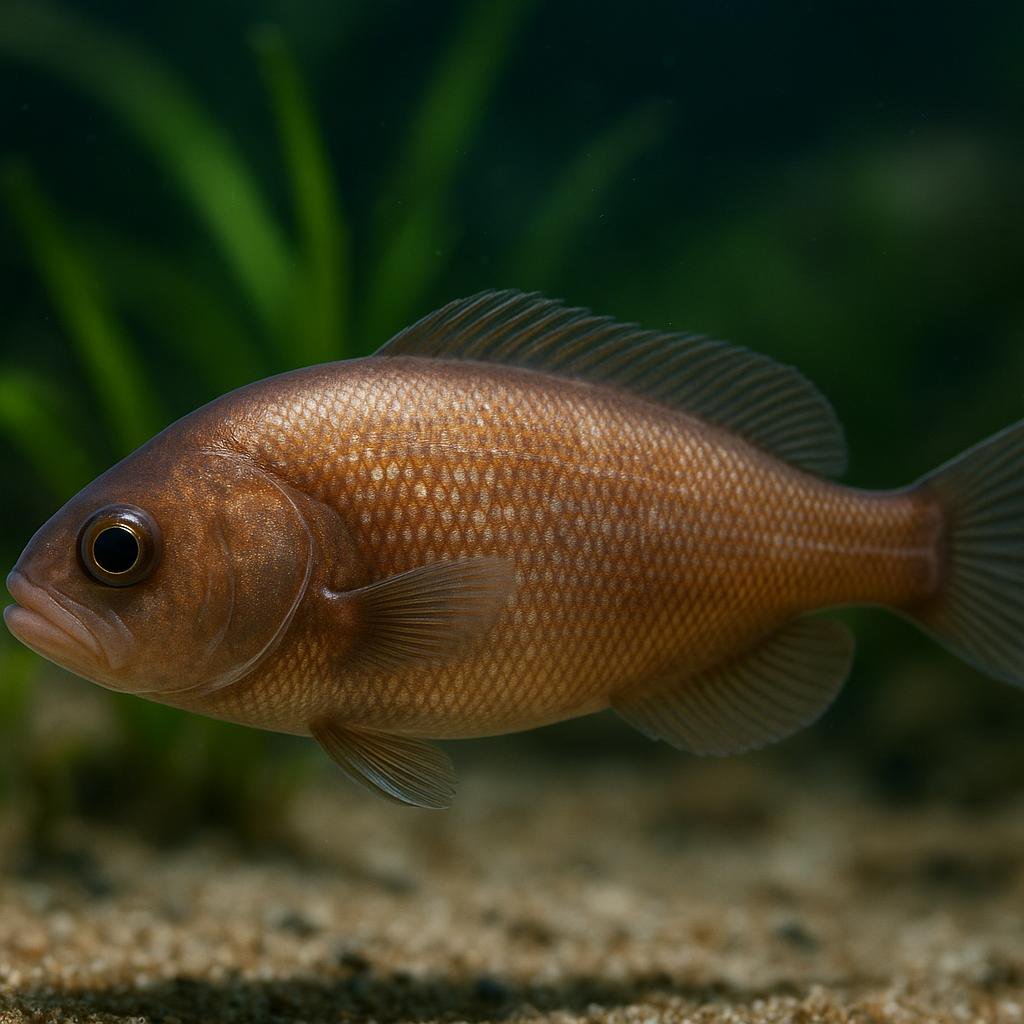
Affinis blind cusk-eel
Barathronus affinis
Barathronus affinis is a tiny, super-weird deep-sea blind cusk-eel from the western-central Indian Ocean. It is one of those gelatinous, loose-skinned brotula-type fishes that live way down in the dark and are basically never seen alive, so almost everything we know comes from preserved specimens and taxonomic work.
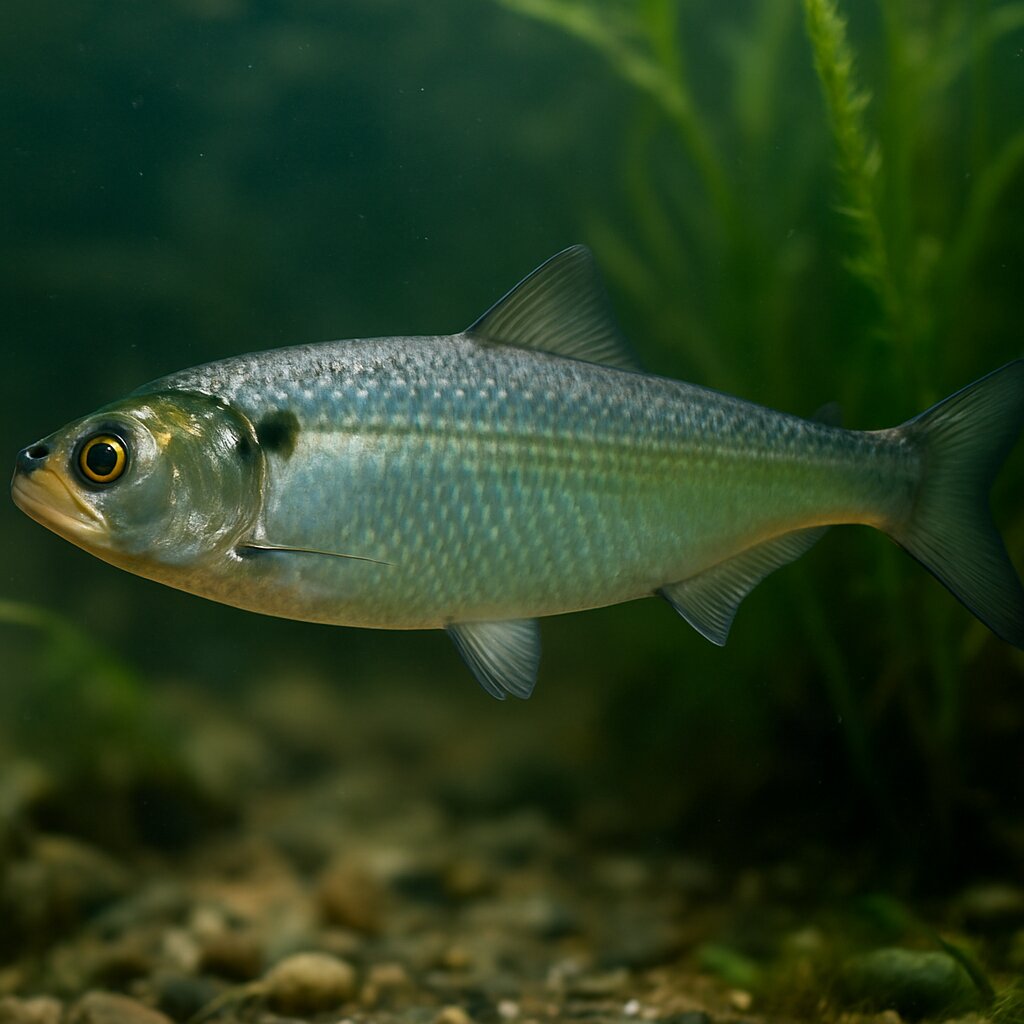
Allis shad
Alosa alosa
Gorgeous silver, fast-swimming shad that spends most of its life in the sea and then surges up big rivers in noisy, surface-spawning schools. It grows huge for a herring-type fish and needs cool, ultra-oxygenated water and tons of open space, so it is a public-aquarium species rather than a home tank fish.
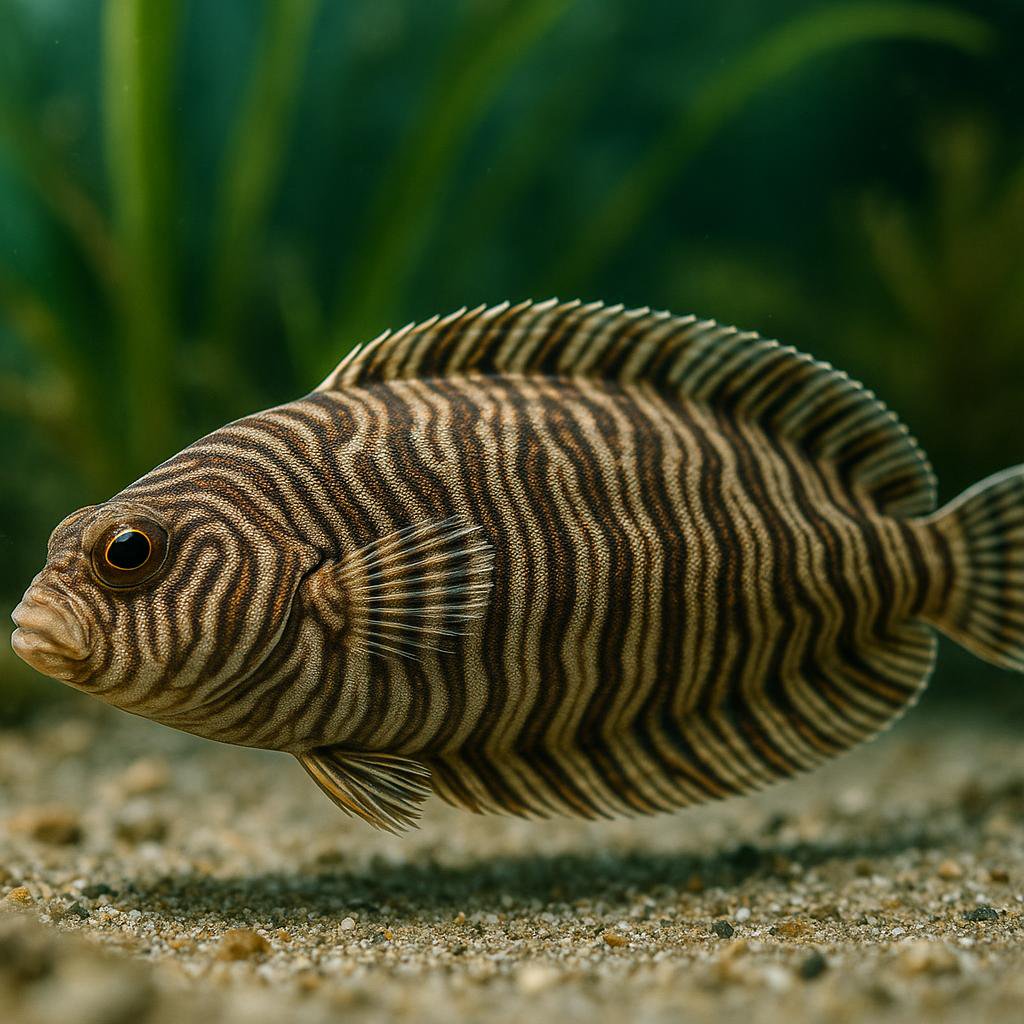
Annandale's zebra sole
Zebrias annandalei
Zebrias annandalei is a small demersal sole from coastal India that inhabits sandy or muddy bottoms and buries for camouflage. It is rarely kept in home aquaria and would require a specialized marine sand-bottom setup and appropriate feeding.
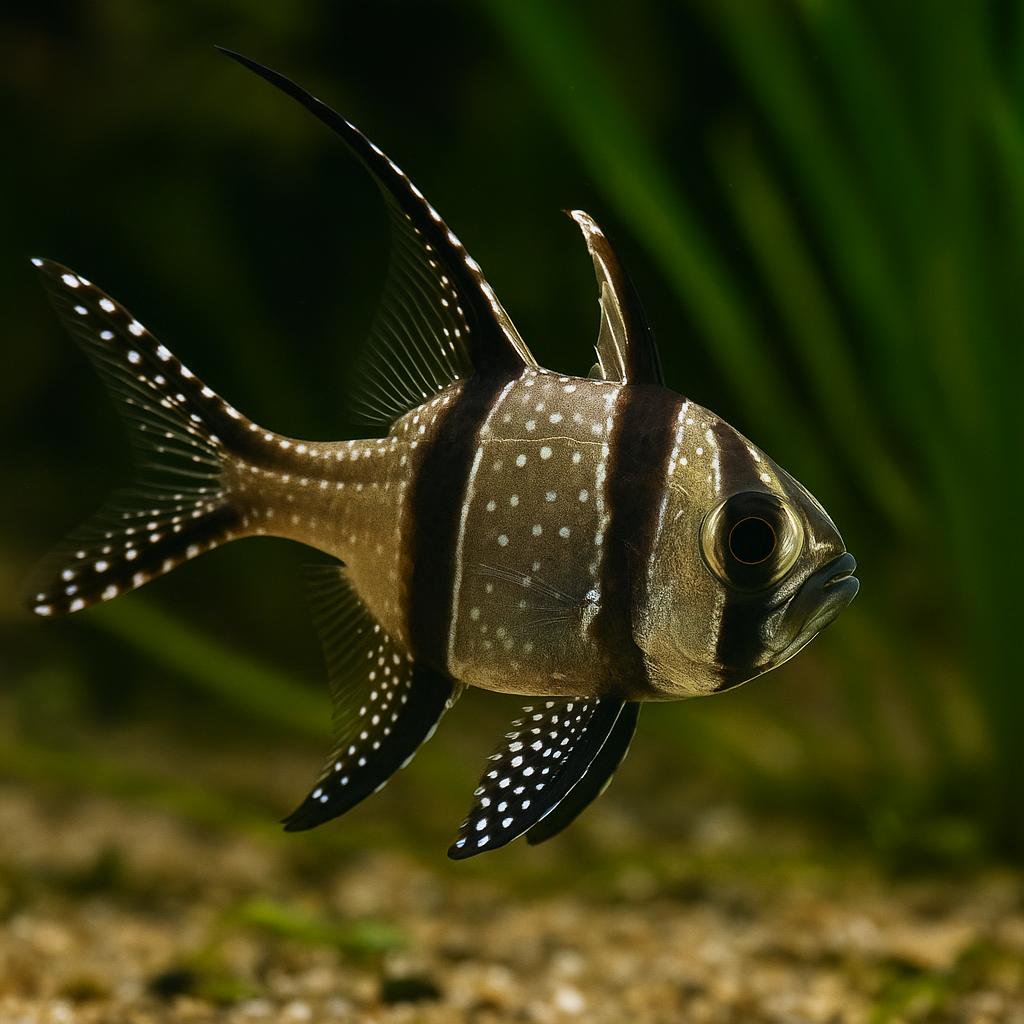
Banggai Cardinalfish
Pterapogon kauderni
Banggai cardinals just sort of hover like little underwater satellites, and the bold black bars with those long, polka-dotted fins look unreal under reef lighting. They're super chill most of the time, but once a pair forms you'll see real "fish drama," and the male will even mouthbrood the babies like a champ.
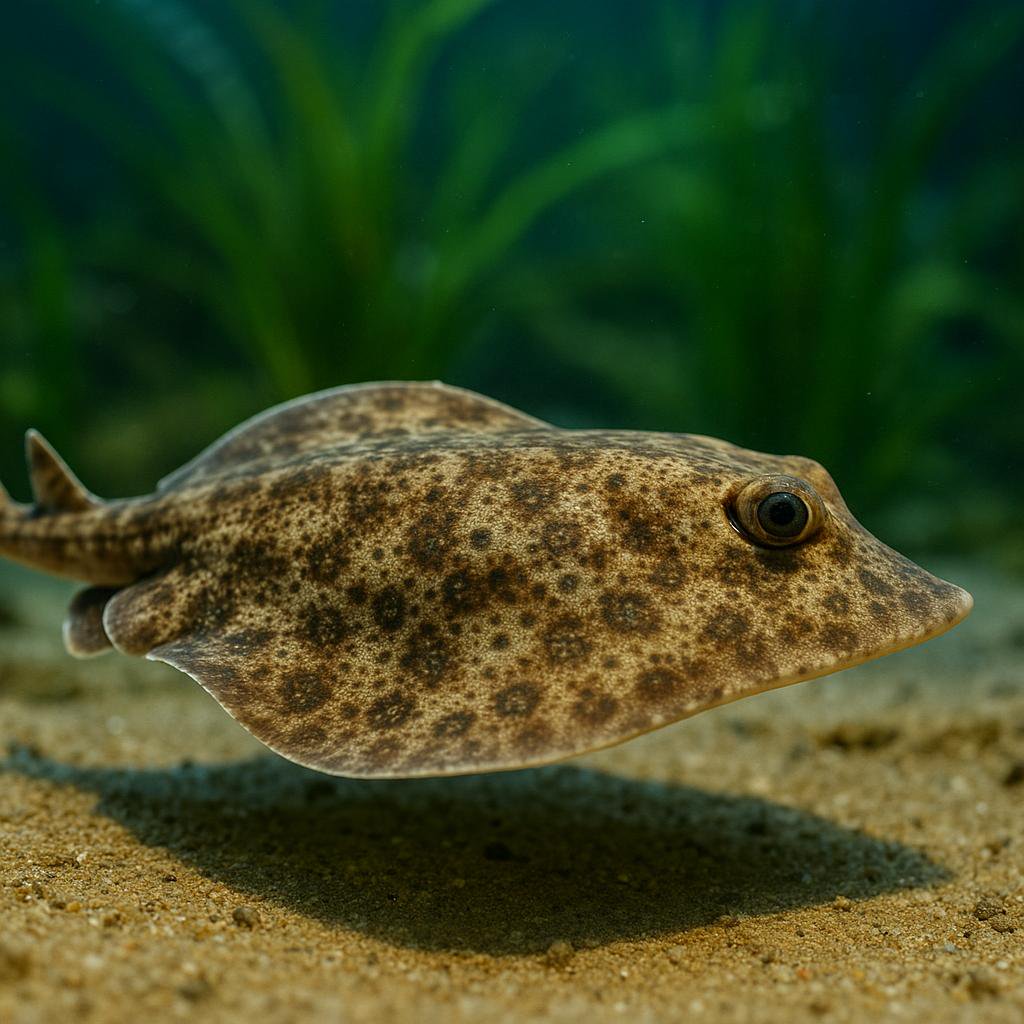
Barbedwire-tailed skate
Notoraja martinezi
Notoraja martinezi is a deepwater skate from the eastern Pacific (Costa Rica down to Ecuador) that lives way down on soft bottoms. The tail is the giveaway - it is lined with strong, hooked thorns that really do look like barbed wire. This is absolutely not an aquarium fish; it is a cold, high-pressure deep-sea animal with basically no practical home care info because it is not kept in the hobby.
More to Explore
Discover more marine species.
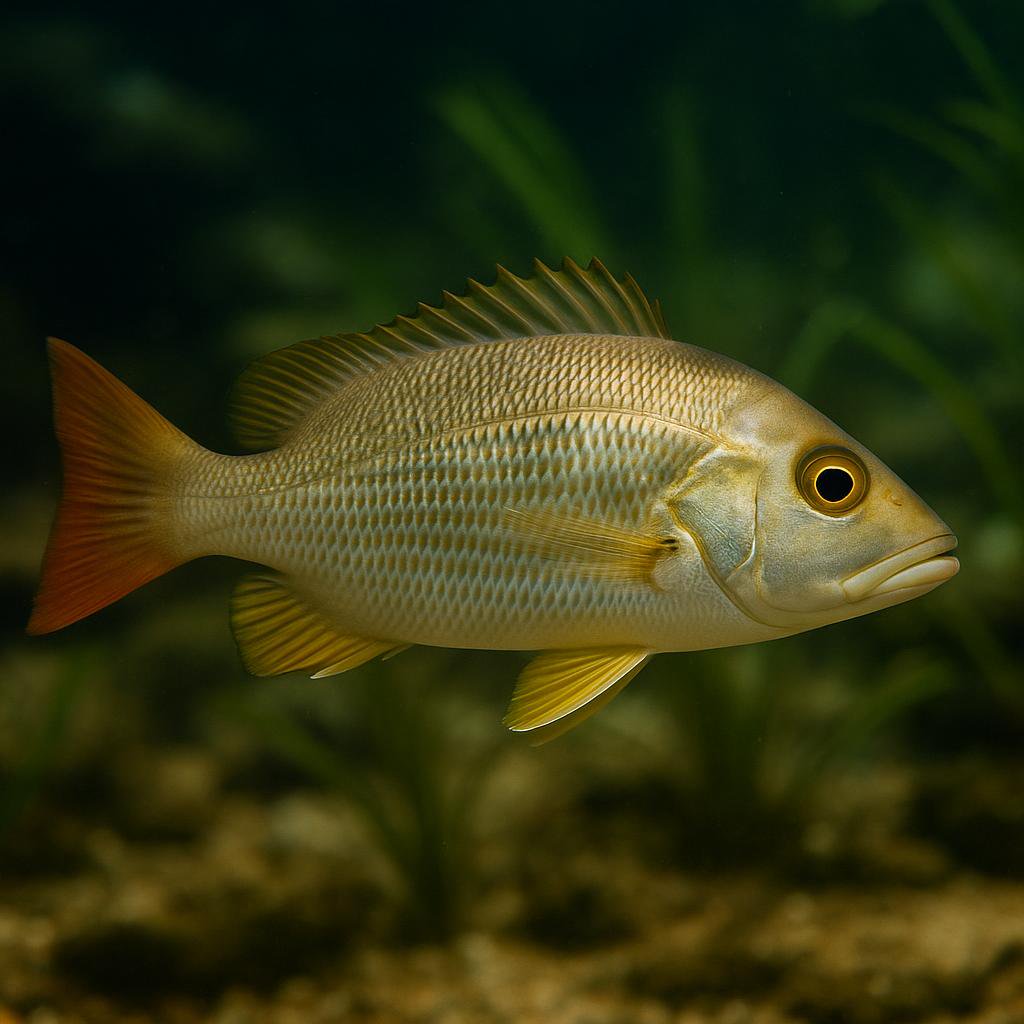
African red snapper
Lutjanus agennes
This is a true snapper from West Africa - a big, fast-growing predator that goes from coastal reefs to brackish lagoons and estuaries (especially as a juvenile). Super cool fish in the wild, but it gets absolutely huge and will eat smaller tankmates once it has the mouth for it, so its really more of a public-aquarium scale animal than a home-aquarium fish.
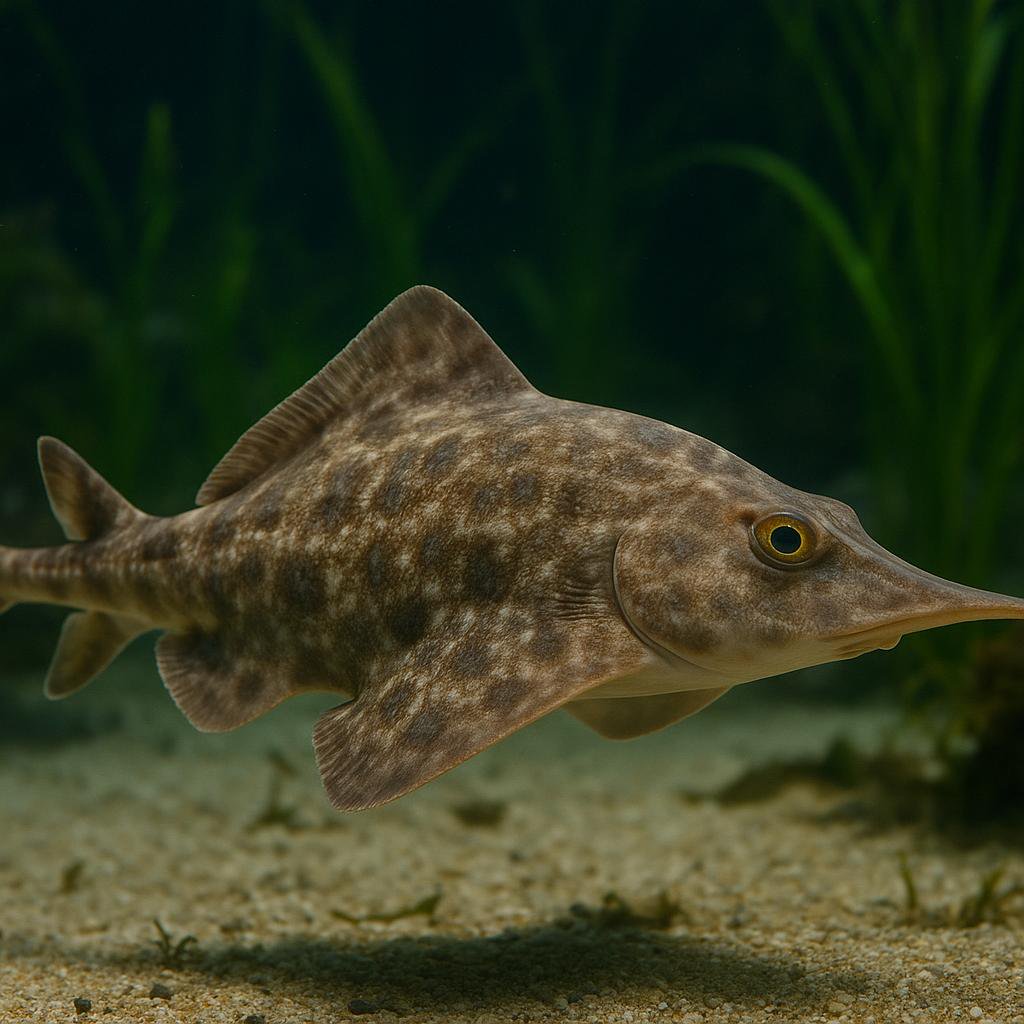
Aleutian skate
Bathyraja aleutica
This is a big, cold-water deep-slope skate from the North Pacific that cruises muddy bottoms and eats chunky benthic prey like crabs and shrimp. The really cool bit is its egg-laying skate life - it does distinct pairing (the classic skate "embrace") and drops those tough egg cases on the seafloor. Not an aquarium fish at all unless you're basically running a public-aquarium-style chilled system.
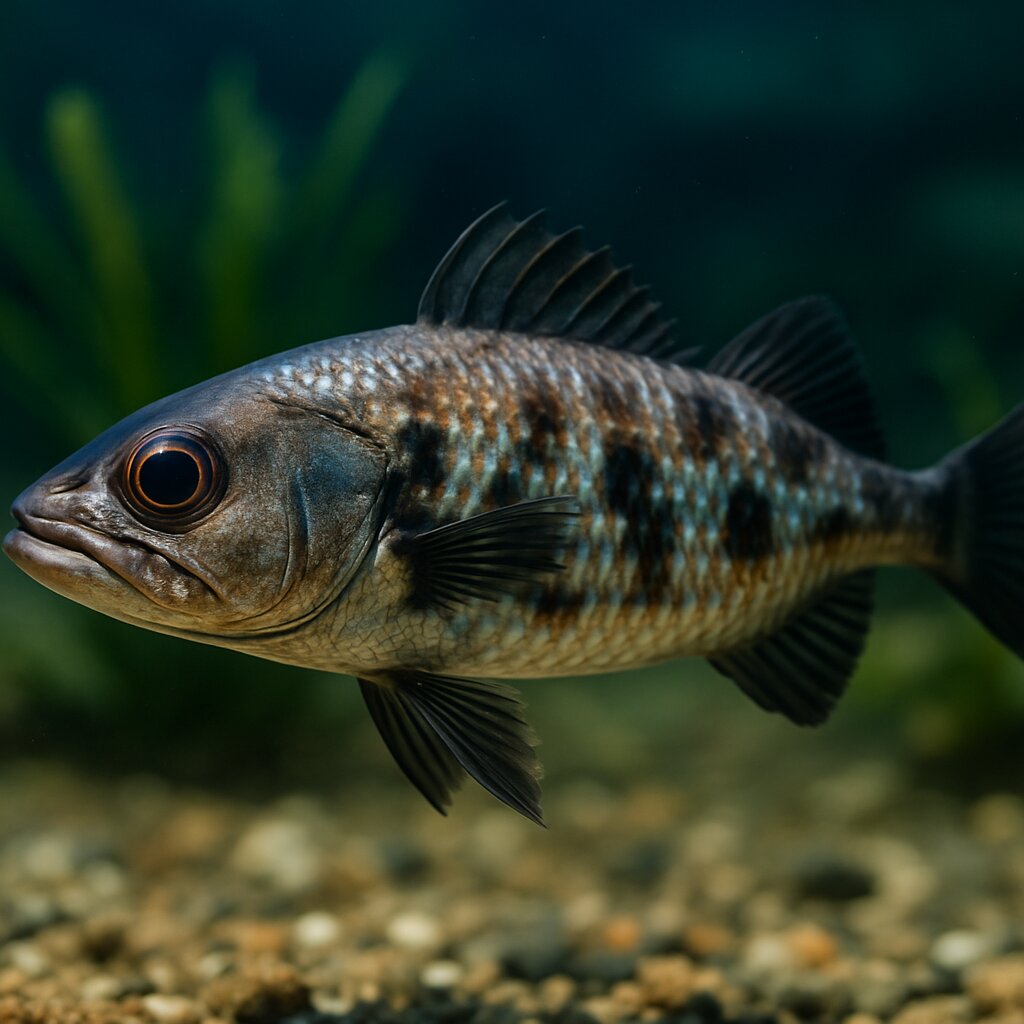
Antarctic dragonfish
Vomeridens infuscipinnis
Deep down around Antarctica, this sleek dragonfish cruises the water column like a little submarine, nearly neutrally buoyant so it can hover above the seafloor. It munches almost exclusively on Antarctic krill and lives in near-freezing water 500-800 m down, so it is a cool species to read about, not one for home tanks.
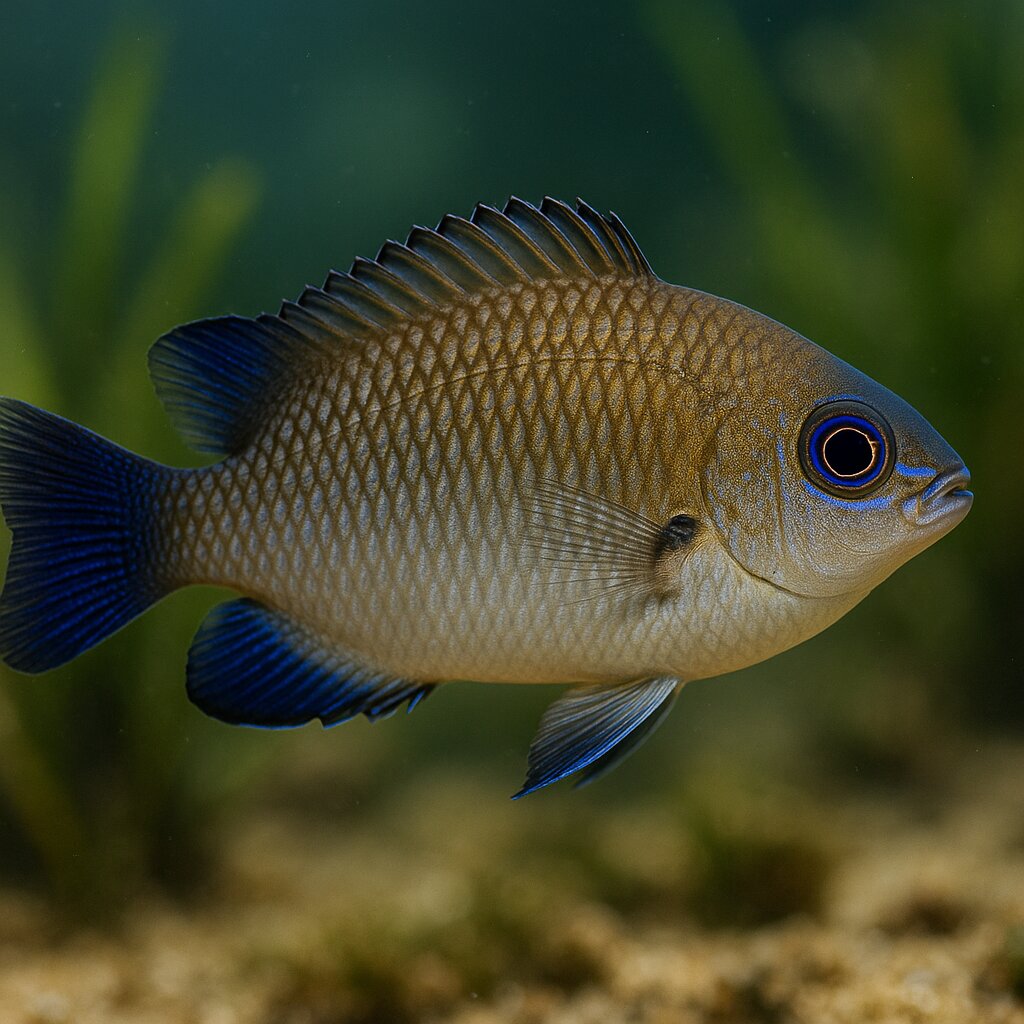
Arabian demoiselle
Neopomacentrus sindensis
A small lyretail damsel from the Persian Gulf and Arabian Sea, it hangs in loose groups around coral heads, rocks, and even pier pilings picking zooplankton from the flow. Think classic damsel toughness with a slightly milder attitude than the real bruisers, plus subtle yellow tail accents. Males clean a patch, get a mate to lay eggs there, and then stand guard fanning the clutch.
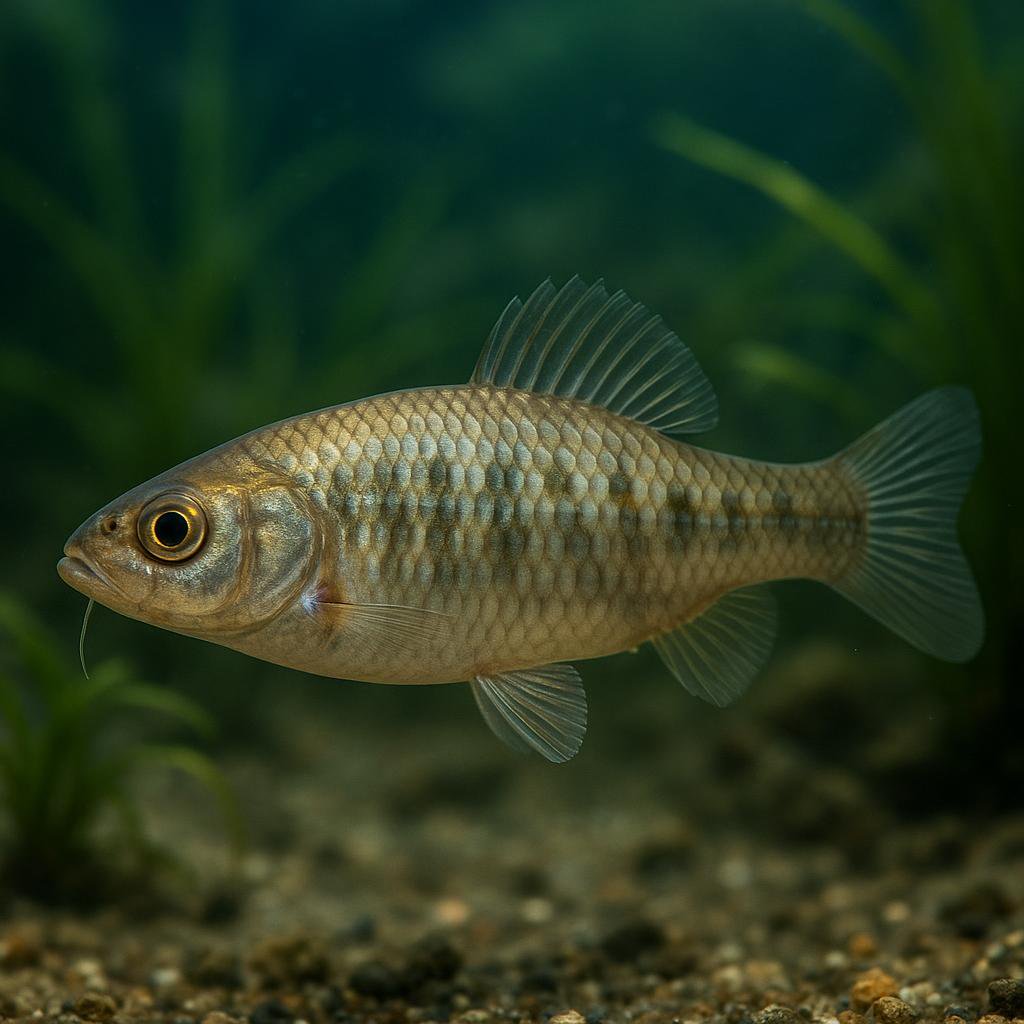
Arabian spiny eel
Notacanthus indicus
Notacanthus indicus is a deep-sea spiny eel (family Notacanthidae; not a true eel) known from the Arabian Sea on the continental slope at roughly ~960–1,046 m depth, with reported maximum length around 20 cm TL; it is a deep-water bycatch species and not established in the aquarium trade.
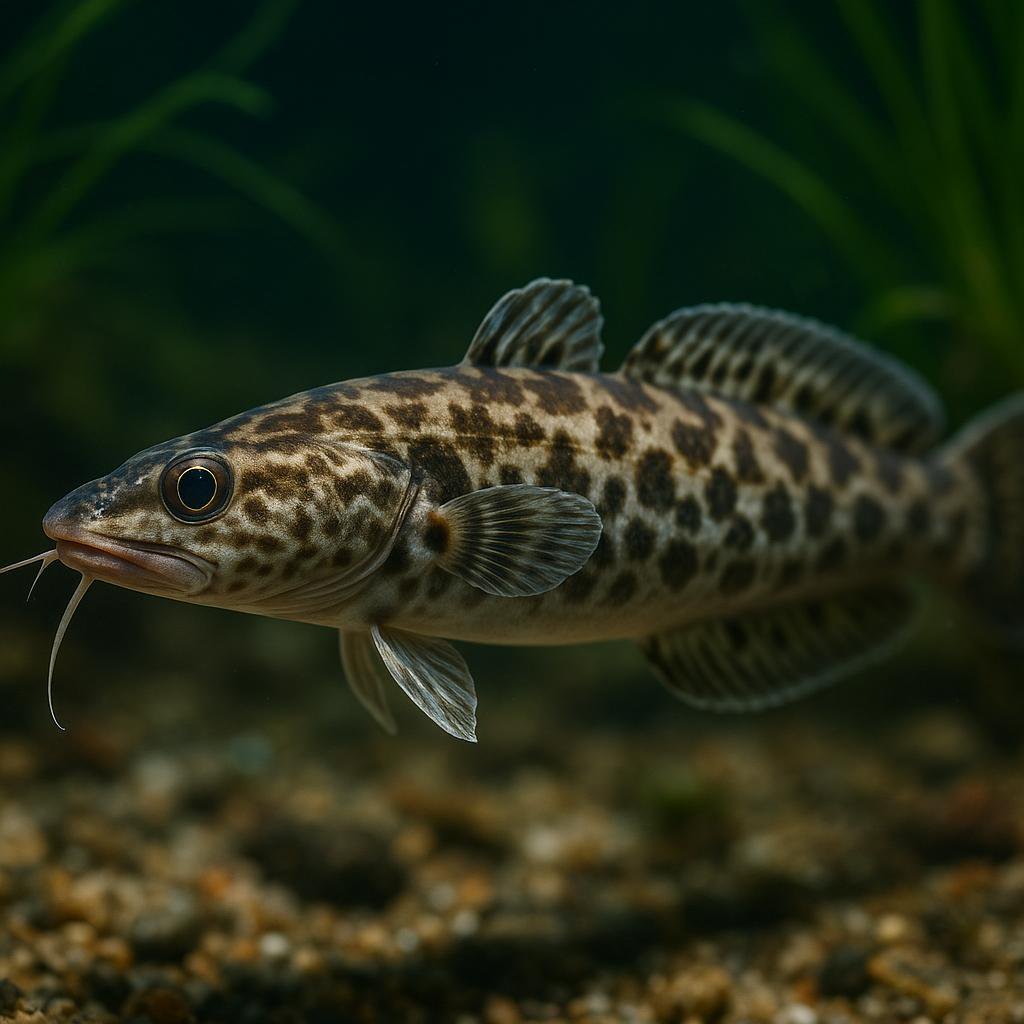
Arctic rockling
Gaidropsarus argentatus
This is a deepwater North Atlantic rockling (a cod relative) that hangs out on soft bottoms way down the slope. It is a cold-water, bottom-hugging predator that snoots around for crustaceans and will also take small fish when it gets the chance.
Looking for other species?