

Paxton's slickhead
Conocara paxtoni
About the Paxton's slickhead
Conocara paxtoni is a deep-sea slickhead from the Tasman Sea, and its whole vibe is pure "mystery fish" - its known record is from a single specimen taken around 2450 m deep. It's a fairly big, streamlined bathypelagic/benthopelagic fish (for a slickhead), but it is absolutely not an aquarium species (deepwater pressure/temperature requirements make that a no-go).
Quick Facts
Size
38.7 cm SL
Temperament
Peaceful
Difficulty
Expert
Min Tank Size
0 gallons
Lifespan
unknown
Origin
Southwest Pacific (Tasman Sea, near Lord Howe Island)
Diet
Unknown (likely small fishes and invertebrates, based on trophic level estimates for close relatives)
Care Notes
- Real talk: this is a deep-sea slickhead and it does not belong in a normal reef tank - you need a chilled marine system (think low single-digit to low teens C) and a way to keep temps rock-steady.
- Keep it dim: no bright reef LEDs, lots of shaded cover, and a long tank with open cruising room. If you can give it a gentle, laminar flow lane and quiet corners, it settles way faster.
- Water numbers: stable salinity around 1.025, pH about 8.0-8.3, and oxygen has to be high at cold temps. Run heavy aeration and oversize filtration because big protein meals foul water quick.
- Feeding: it does best on meaty marine foods like thawed mysis, chopped shrimp, squid, and small fish flesh, offered in smaller portions 4-6 times a week. Use feeding tongs or target feed after lights-out - they can be shy and slow to commit.
- Tankmates: keep it with other cold-water, low-light species that are not pushy at feeding time. Skip aggressive predators and fast pigs (they will outcompete it), and avoid anything small enough to be inhaled.
- Acclimation tip: go slow on temp and salinity changes - quick swings are what usually kills deepwater fish. Dim the lights for the first week and keep hands out of the tank while it learns the routine.
- Watch for: barotrauma/pressure-related injury from collection (odd buoyancy, floating, bloated look) and shipping damage. If it arrives already floaty or unable to right itself, the odds are bad even with perfect care.
- Breeding: basically not happening in home tanks - they are deepwater spawners and you will not replicate pressure/seasonal cues. If you just want long-term success, focus on cold, dark, stable, and consistent feeding.
Compatibility
Good Tankmates
- Other small, chill deepwater fish like other slickheads (Conocara spp.) or similar low-key slope species - they tend to just hover and mind their own business
- Peaceful, non-bossy midwater fish like smaller anthias groups (the calmer species) - active but usually not out to pick fights
- Gentle planktivores like small chromis (in a stable group) - works if nobody is bullying and you keep the feeding steady
- Calm bottom hangers like small to medium gobies and watchman-type gobies - they stay in their lane and do not hassle open-water fish
- Peaceful blennies (tailspot-type, lawnmower-type if it is not a jerk) - generally fine as long as the blenny is not the territorial kind
- Docile sand sifters like small sea cucumbers or brittle stars are fine in the same tank vibe (not fish, but they help keep things calm and clean) - just avoid predatory stars
Avoid
- Big aggressive stuff - triggers, large groupers, mean wrasses - they will either bully it nonstop or eventually treat it like a snack
- Territorial damsels (especially the punchy ones) - they love to claim the whole tank and will keep a peaceful fish pinned in a corner
- Fin-nippers and constant peckers like some larger dottybacks - the slickhead will not really fight back, it will just get stressed and stop eating
- Predatory ambush hunters like big hawkfish or lionfish - anything that can fit it in the mouth is a hard no
Where they come from
Paxton's slickhead (Conocara paxtoni) is a deep-sea slickhead from the open ocean, not a reef fish and not something collected off a shallow slope. Think cold, dark water, lots of pressure, and a lifestyle built around conserving energy. That background explains why they do so poorly in typical home marine setups.
Real talk: this species is a deepwater fish that is not realistically maintainable in a normal home aquarium. The temperature, pressure history, collection stress, and shipping issues stack the odds hard against you.
Setting up their tank
If you're still reading because you're determined (or you're working with an institution-level setup), build the system around low light, low stress, and rock-solid stability. A bright reef tank with pumps blasting everywhere is basically the opposite of what they evolved for.
- Tank size: big and boring beats small and fancy. Give them open swimming room and quiet zones, not rock mazes.
- Aquascape: minimal rockwork, no sharp pinch points, lots of open water. Use dim lighting and provide shaded areas.
- Flow: gentle, broad flow. Avoid point-source jets that force constant swimming.
- Filtration: oversized, redundant, and easy to service without tearing the tank apart. Protein skimmer, large bio capacity, and serious oxygenation.
- Temperature: cold-water marine range (institutional chiller territory). Warm reef temps are a fast track to failure.
- Salinity and pH: keep them stable. Deep-sea fish do not handle swings like hardy coastal species sometimes can.
- Noise and vibration: keep the tank away from subwoofers, slamming doors, and constant foot traffic. They spook easily.
Most losses I have seen (and heard about) with deepwater species start with acclimation and shipping damage, not some obvious water test failure. By the time they look "off," you're already behind.
Plan your maintenance so you can do everything quietly and consistently. If every water change turns into you moving rocks, chasing fish with nets, or blasting the sandbed, you're going to stress them nonstop.
What to feed them
In the wild they're predators of small midwater prey - think crustaceans and small fishes drifting by, not algae or pellets on the surface. In captivity, getting a newly arrived slickhead to recognize food is often the whole game.
- Best starters: enriched mysis, chopped prawn, finely chopped squid, and other meaty marine foods.
- If you can get it: live foods can be a bridge (live mysids, small marine-origin crustaceans). Use with caution and quarantine when possible.
- Feeding style: small portions more often beats one big dump. Keep it calm and predictable.
- Target feeding: dim the lights, feed upcurrent, and let the scent travel. A feeding stick can help place food without chaos.
- Enrichment: soak frozen foods in a quality HUFA supplement and rotate offerings so they do not stall out.
If they will only take food in very low light, lean into that. Feed at "dusk" with the room lights down. Once they are eating reliably, you can slowly normalize a routine.
How they behave and who they get along with
They're not brawlers. They're more of a hover-and-hunt fish that wants space and calm. Fast, aggressive feeders will outcompete them, and boisterous tankmates will keep them hiding or burning energy they cannot afford to waste.
- Good tankmates: other cold-water, calm species that eat similarly and do not harass or outcompete.
- Bad tankmates: anything pushy, nippy, or hyperactive (most common community marine fish fall here).
- Avoid: big wrasses, aggressive triggers, rambunctious tangs, and anything that turns feeding time into a frenzy.
- Lighting: keep it subdued. Bright lights tend to keep them stressed and pinned in corners.
If you cannot feed them without the whole tank going into a feeding riot, the stocking plan is wrong. Slickheads lose that race.
Breeding tips
Breeding in captivity is basically not a hobbyist thing with this species. Deep-sea reproductive cues are poorly understood, and even if you got a pair, you'd still be fighting the bigger issues of long-term survival and conditioning.
If your goal is breeding deepwater fish, you'd be better off picking a cold-water species with a track record in public aquaria and a known captive spawning history.
Common problems to watch for
With deepwater fish, problems show up as subtle behavior changes long before you see classic "disease" signs. You have to watch the fish, not just the test kits.
- Shipping/collection trauma: rapid breathing, inability to stay level, refusal to feed, odd buoyancy. Often fatal even with perfect water.
- Starvation: they may look "fine" for a while, then crash. Track actual food intake, not just food offered.
- Chronic stress: hiding nonstop, twitchy spooking, scraping, faded color. Usually caused by bright lights, loud environments, or incompatible tankmates.
- Oxygen issues: deepwater species often do poorly if dissolved oxygen is marginal. Heavy aeration and surface agitation help, even in cold systems.
- Temperature creep: chillers fail or drift. Use alarms and redundant monitoring.
- Parasites: any new addition can bring them in. Quarantine is hard with cold-water setups, but skipping it is how tanks get wiped.
A slickhead that stops feeding is an emergency. Do not wait a week "to see if it comes around." Change something immediately: reduce light, reduce competition, offer smaller meaty foods more often, and check oxygen and temperature first.
Similar Species
Other marine peaceful species you might be interested in.
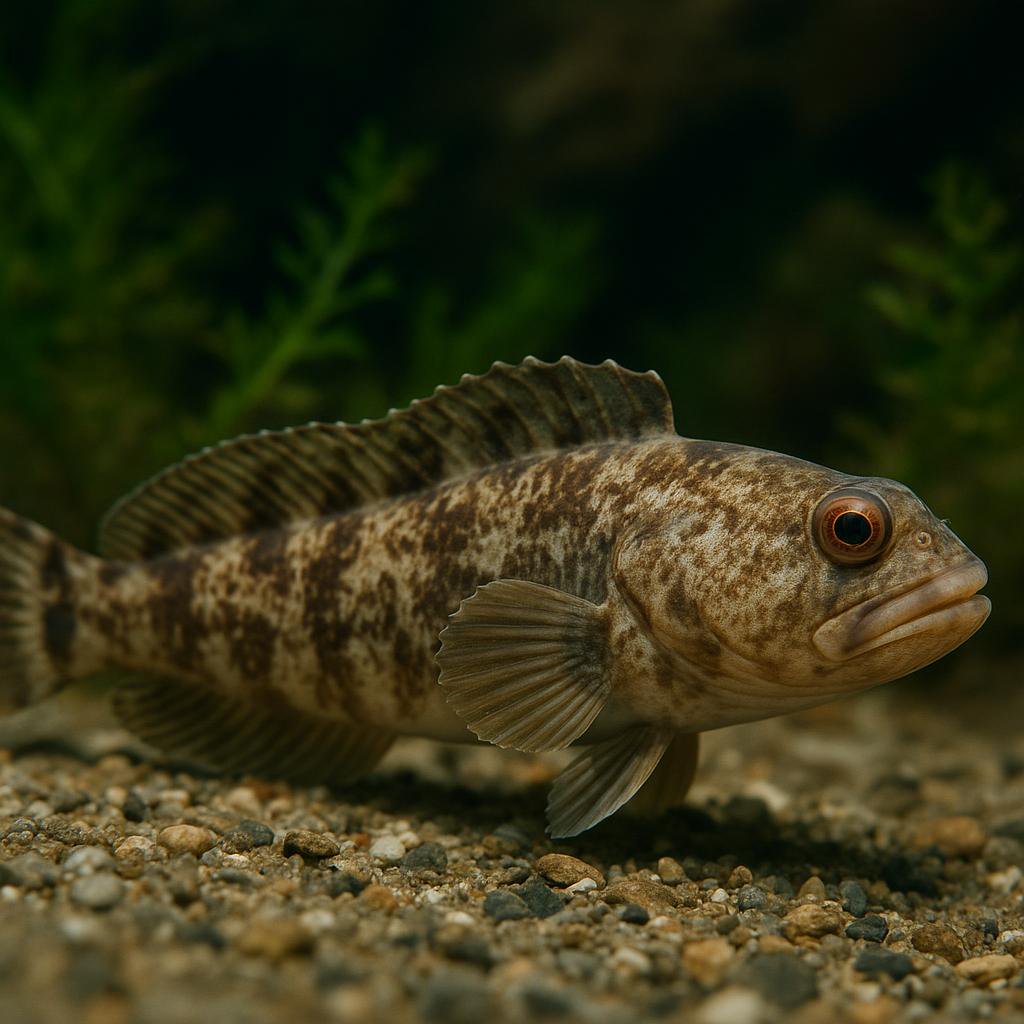
Abe's eelpout
Japonolycodes abei
Japonolycodes abei is a temperate, deepwater demersal eelpout (family Zoarcidae) endemic to Japan (Kumano-nada Sea reported; other sources also report Sagami Bay and Tosa Bay). It is the only species in the genus Japonolycodes and occurs roughly 40-300 m depth, making it an uncommon/atypical aquarium species.
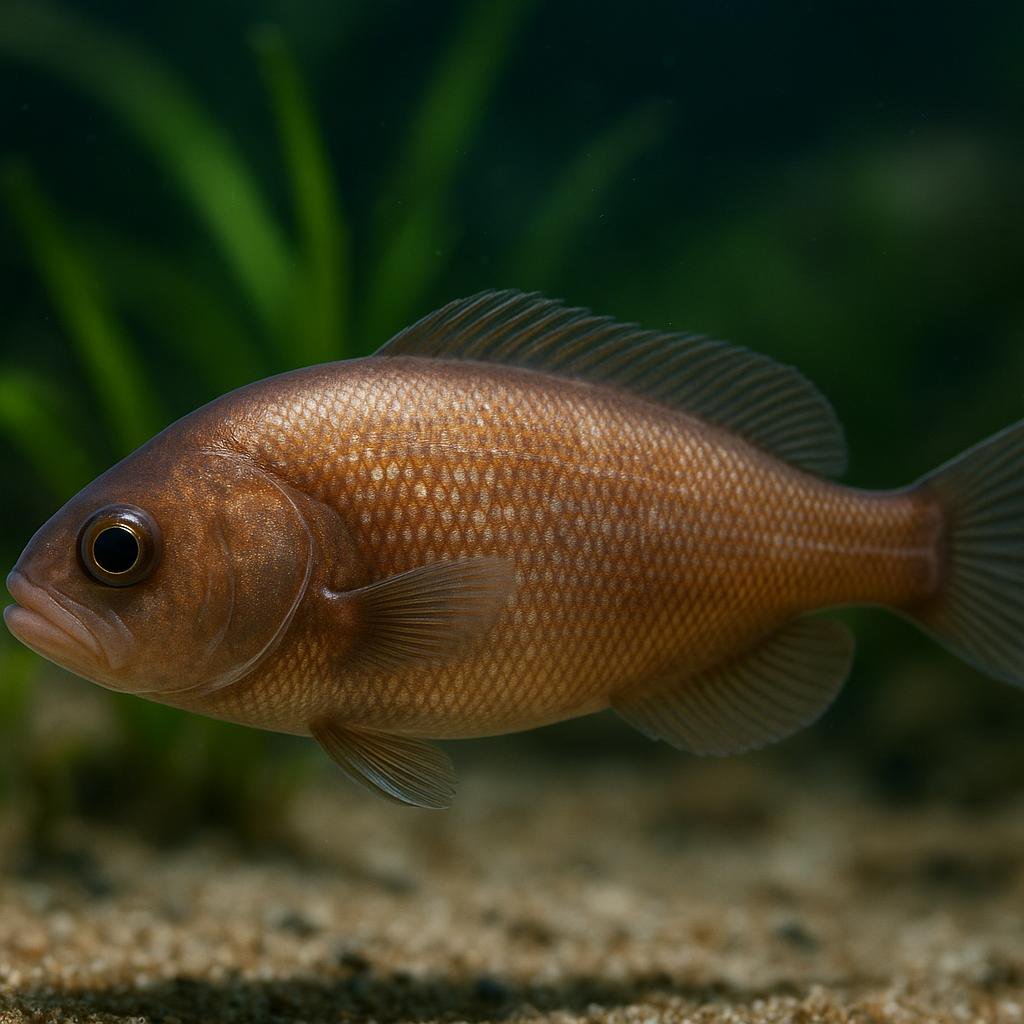
Affinis blind cusk-eel
Barathronus affinis
Barathronus affinis is a tiny, super-weird deep-sea blind cusk-eel from the western-central Indian Ocean. It is one of those gelatinous, loose-skinned brotula-type fishes that live way down in the dark and are basically never seen alive, so almost everything we know comes from preserved specimens and taxonomic work.
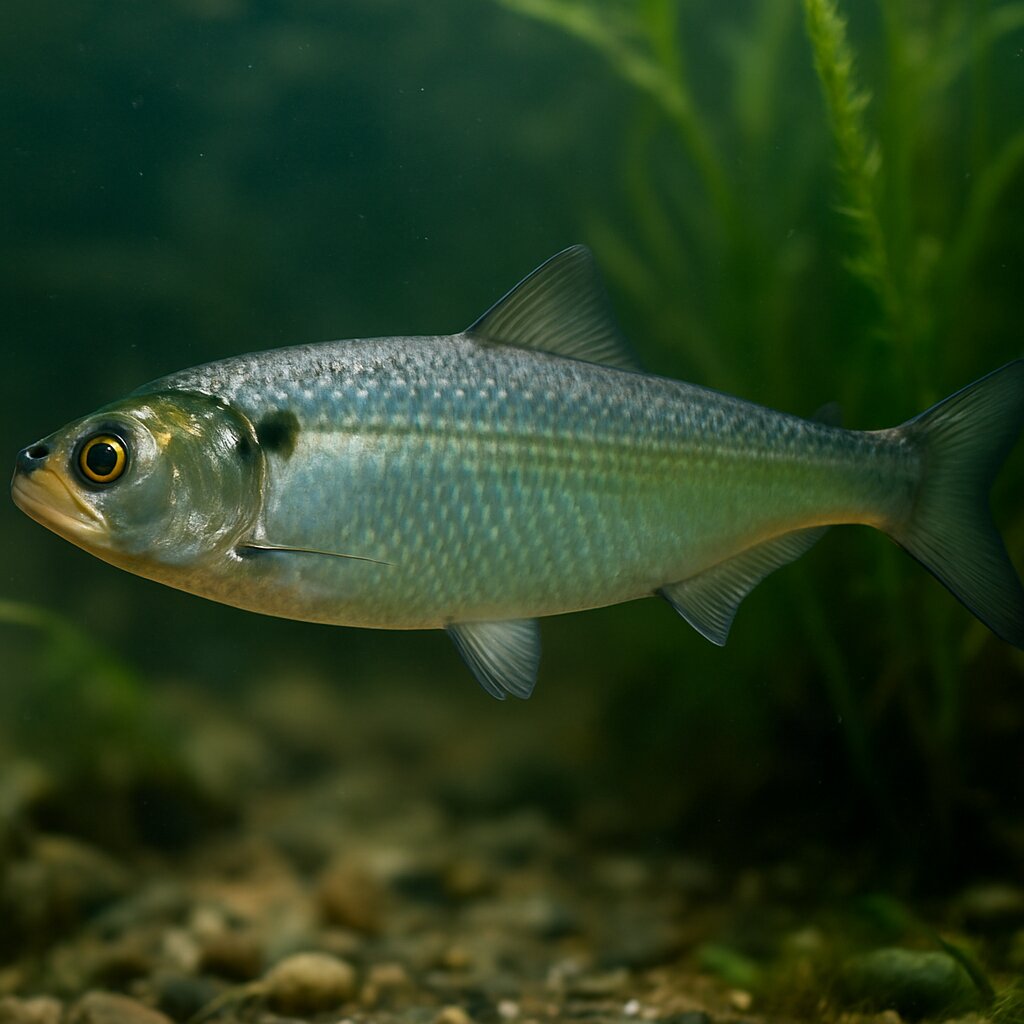
Allis shad
Alosa alosa
Gorgeous silver, fast-swimming shad that spends most of its life in the sea and then surges up big rivers in noisy, surface-spawning schools. It grows huge for a herring-type fish and needs cool, ultra-oxygenated water and tons of open space, so it is a public-aquarium species rather than a home tank fish.
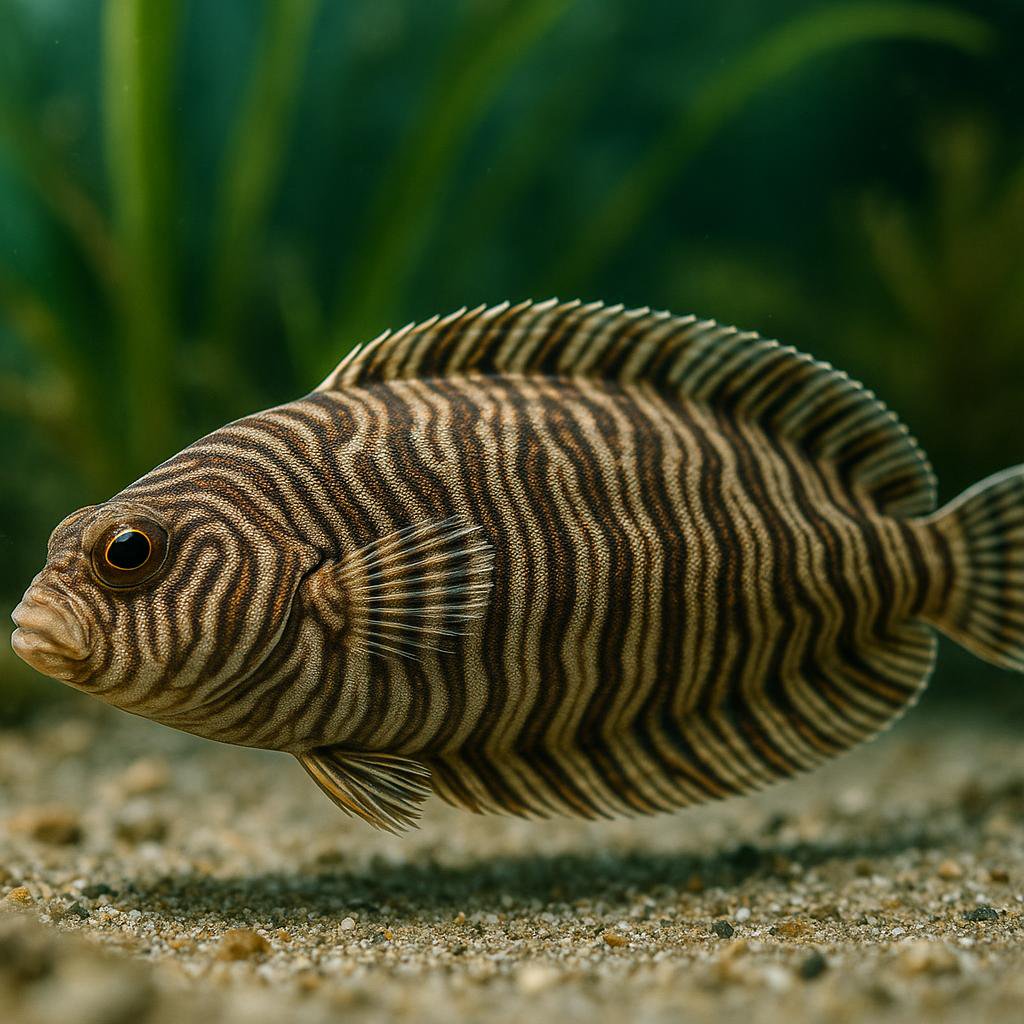
Annandale's zebra sole
Zebrias annandalei
Zebrias annandalei is a small demersal sole from coastal India that inhabits sandy or muddy bottoms and buries for camouflage. It is rarely kept in home aquaria and would require a specialized marine sand-bottom setup and appropriate feeding.
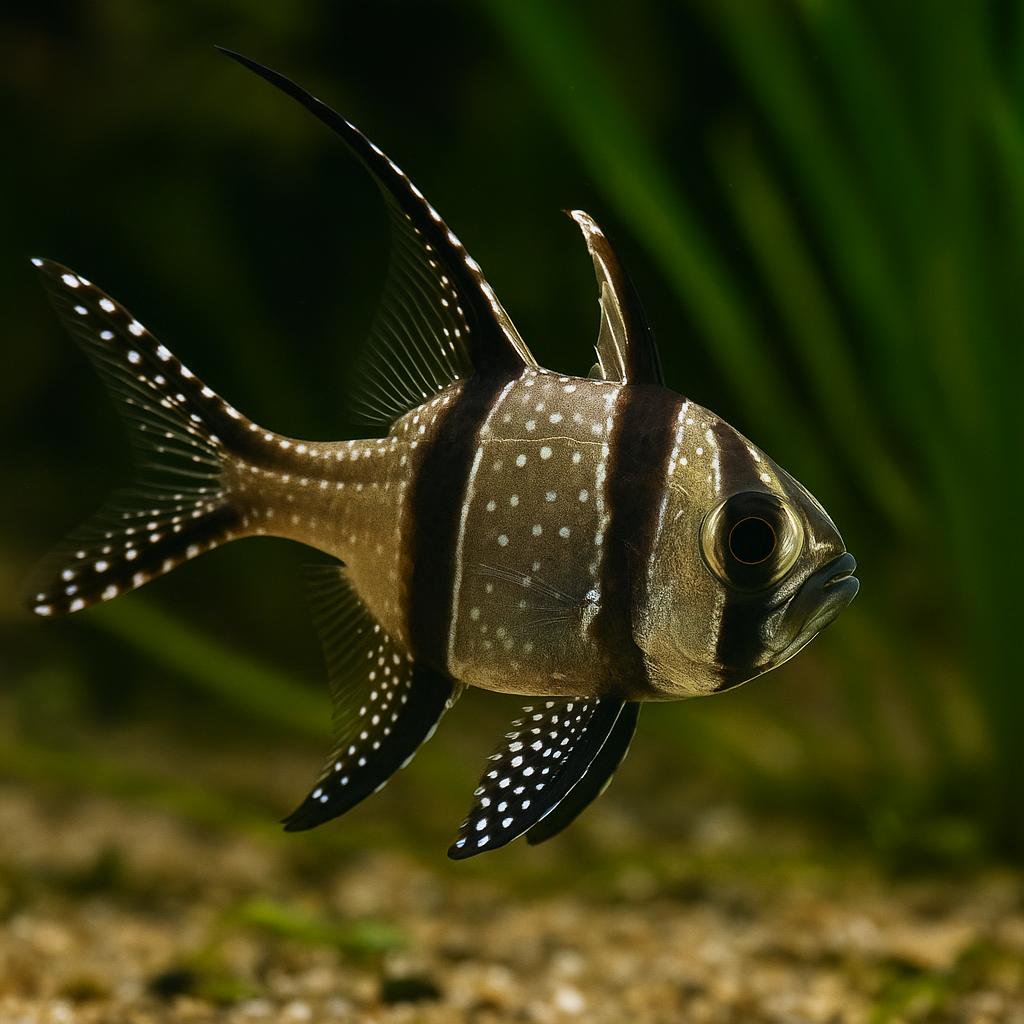
Banggai Cardinalfish
Pterapogon kauderni
Banggai cardinals just sort of hover like little underwater satellites, and the bold black bars with those long, polka-dotted fins look unreal under reef lighting. They're super chill most of the time, but once a pair forms you'll see real "fish drama," and the male will even mouthbrood the babies like a champ.
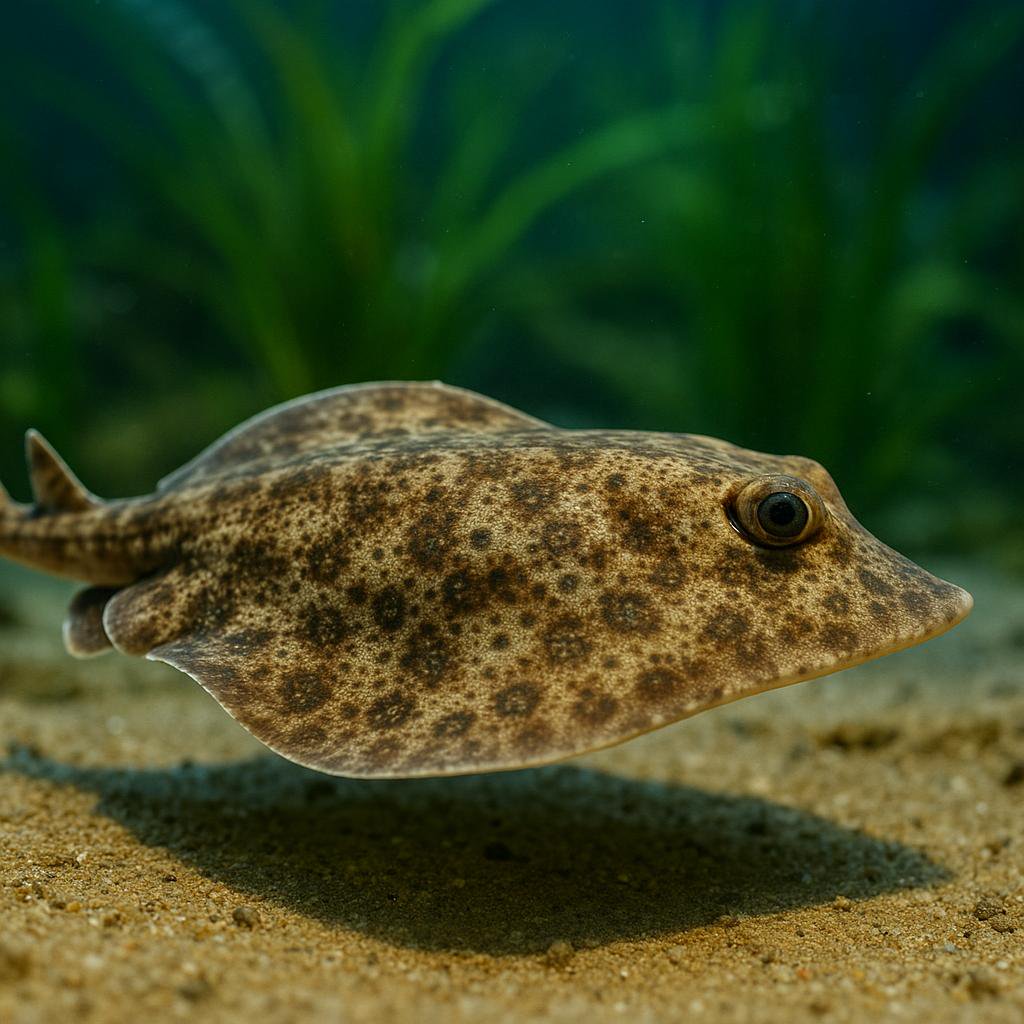
Barbedwire-tailed skate
Notoraja martinezi
Notoraja martinezi is a deepwater skate from the eastern Pacific (Costa Rica down to Ecuador) that lives way down on soft bottoms. The tail is the giveaway - it is lined with strong, hooked thorns that really do look like barbed wire. This is absolutely not an aquarium fish; it is a cold, high-pressure deep-sea animal with basically no practical home care info because it is not kept in the hobby.
More to Explore
Discover more marine species.
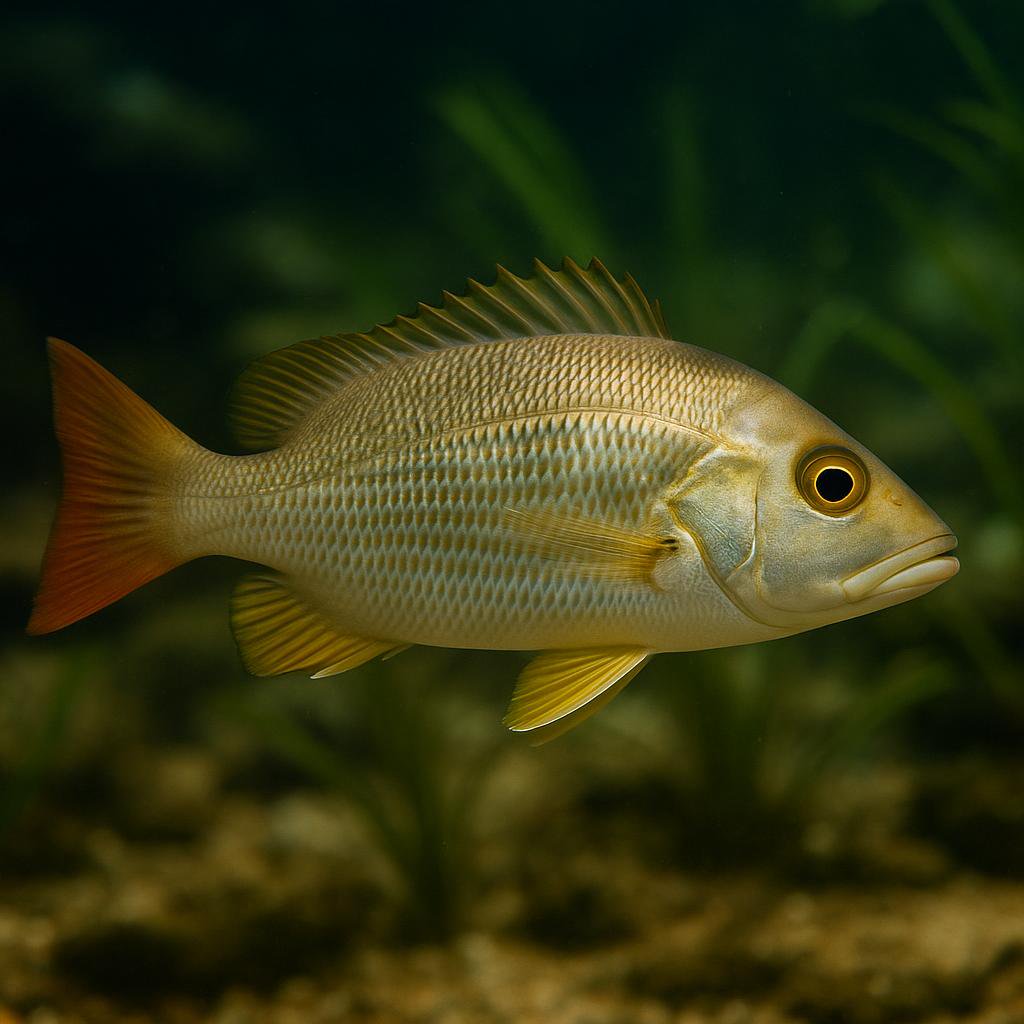
African red snapper
Lutjanus agennes
This is a true snapper from West Africa - a big, fast-growing predator that goes from coastal reefs to brackish lagoons and estuaries (especially as a juvenile). Super cool fish in the wild, but it gets absolutely huge and will eat smaller tankmates once it has the mouth for it, so its really more of a public-aquarium scale animal than a home-aquarium fish.
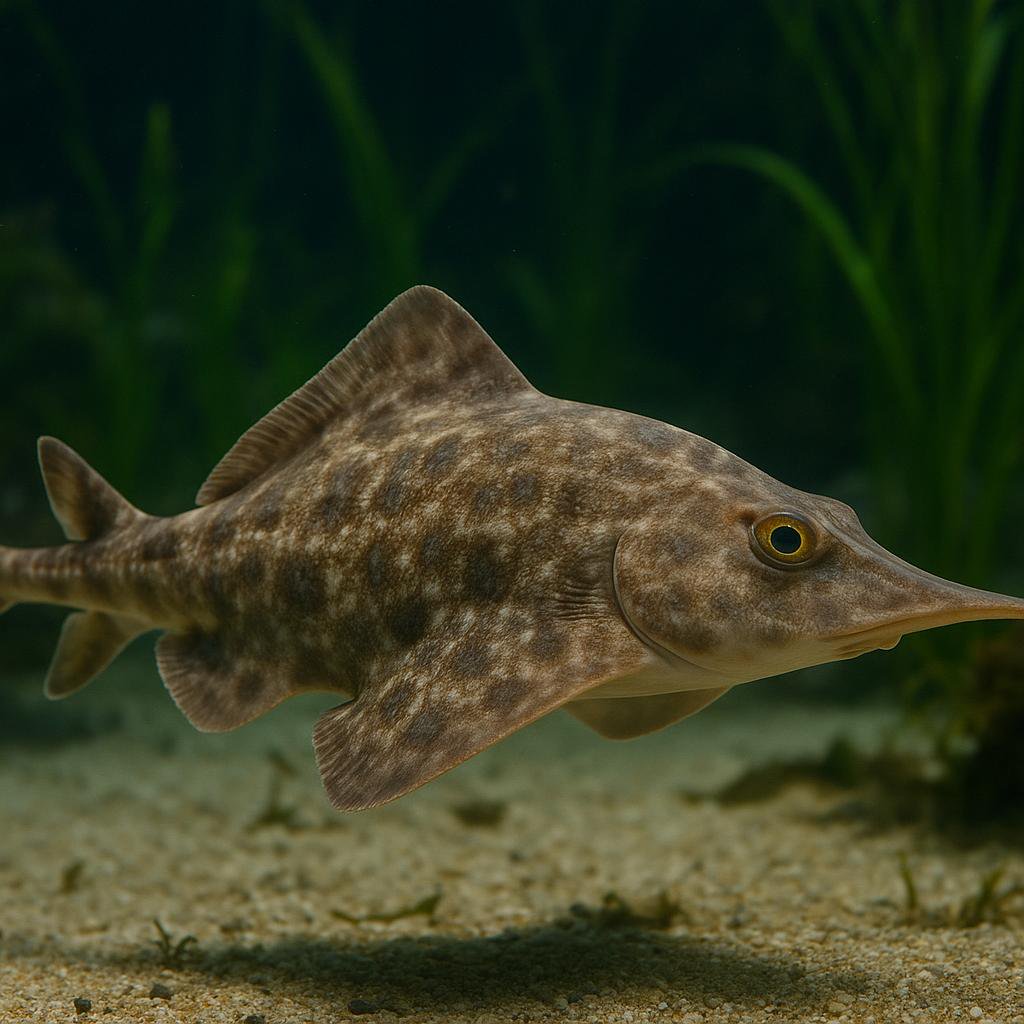
Aleutian skate
Bathyraja aleutica
This is a big, cold-water deep-slope skate from the North Pacific that cruises muddy bottoms and eats chunky benthic prey like crabs and shrimp. The really cool bit is its egg-laying skate life - it does distinct pairing (the classic skate "embrace") and drops those tough egg cases on the seafloor. Not an aquarium fish at all unless you're basically running a public-aquarium-style chilled system.
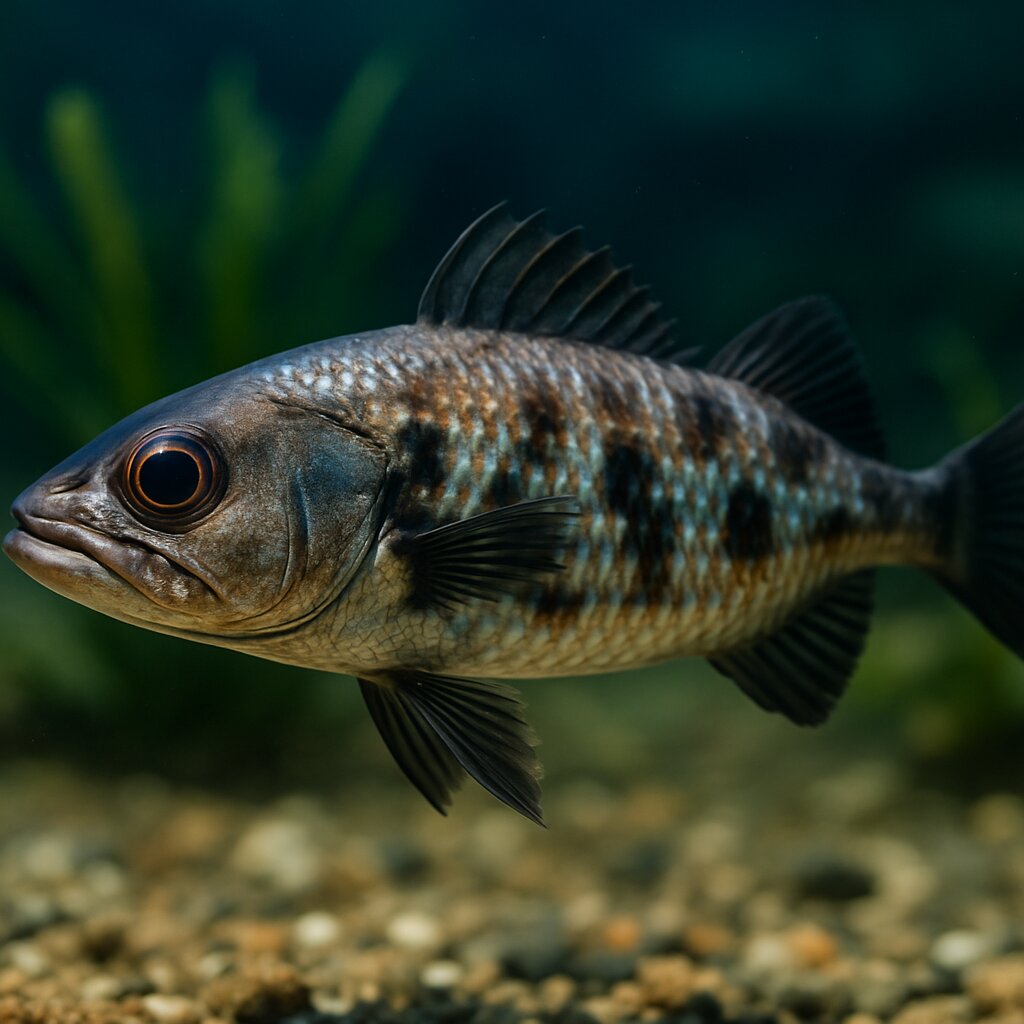
Antarctic dragonfish
Vomeridens infuscipinnis
Deep down around Antarctica, this sleek dragonfish cruises the water column like a little submarine, nearly neutrally buoyant so it can hover above the seafloor. It munches almost exclusively on Antarctic krill and lives in near-freezing water 500-800 m down, so it is a cool species to read about, not one for home tanks.
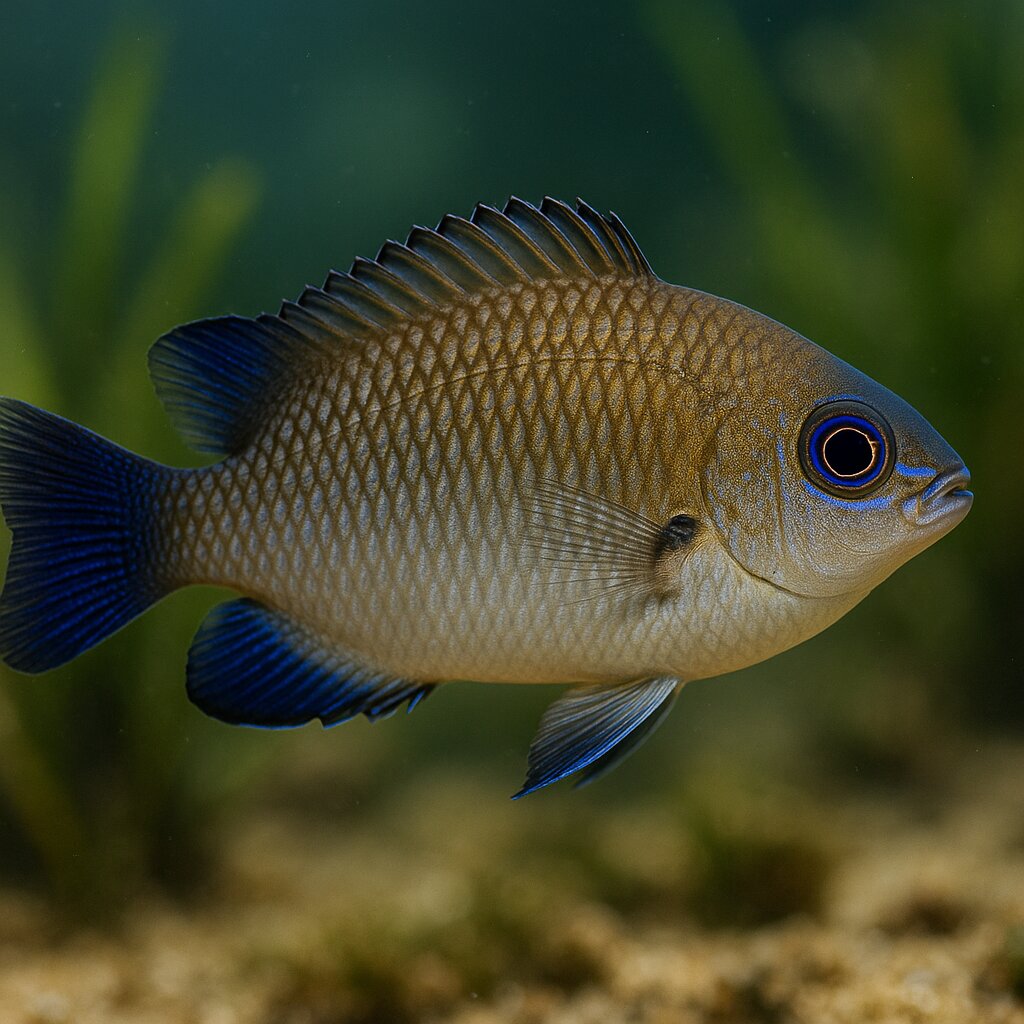
Arabian demoiselle
Neopomacentrus sindensis
A small lyretail damsel from the Persian Gulf and Arabian Sea, it hangs in loose groups around coral heads, rocks, and even pier pilings picking zooplankton from the flow. Think classic damsel toughness with a slightly milder attitude than the real bruisers, plus subtle yellow tail accents. Males clean a patch, get a mate to lay eggs there, and then stand guard fanning the clutch.
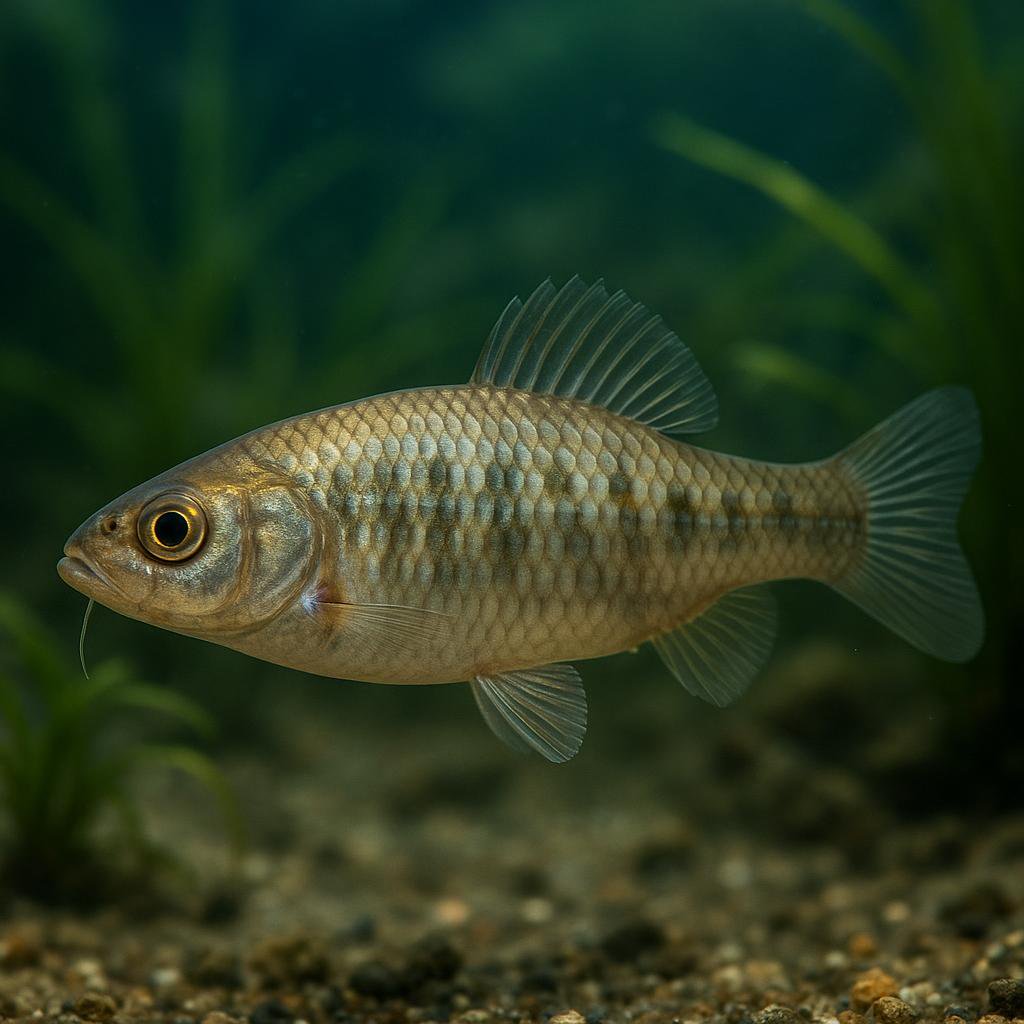
Arabian spiny eel
Notacanthus indicus
Notacanthus indicus is a deep-sea spiny eel (family Notacanthidae; not a true eel) known from the Arabian Sea on the continental slope at roughly ~960–1,046 m depth, with reported maximum length around 20 cm TL; it is a deep-water bycatch species and not established in the aquarium trade.
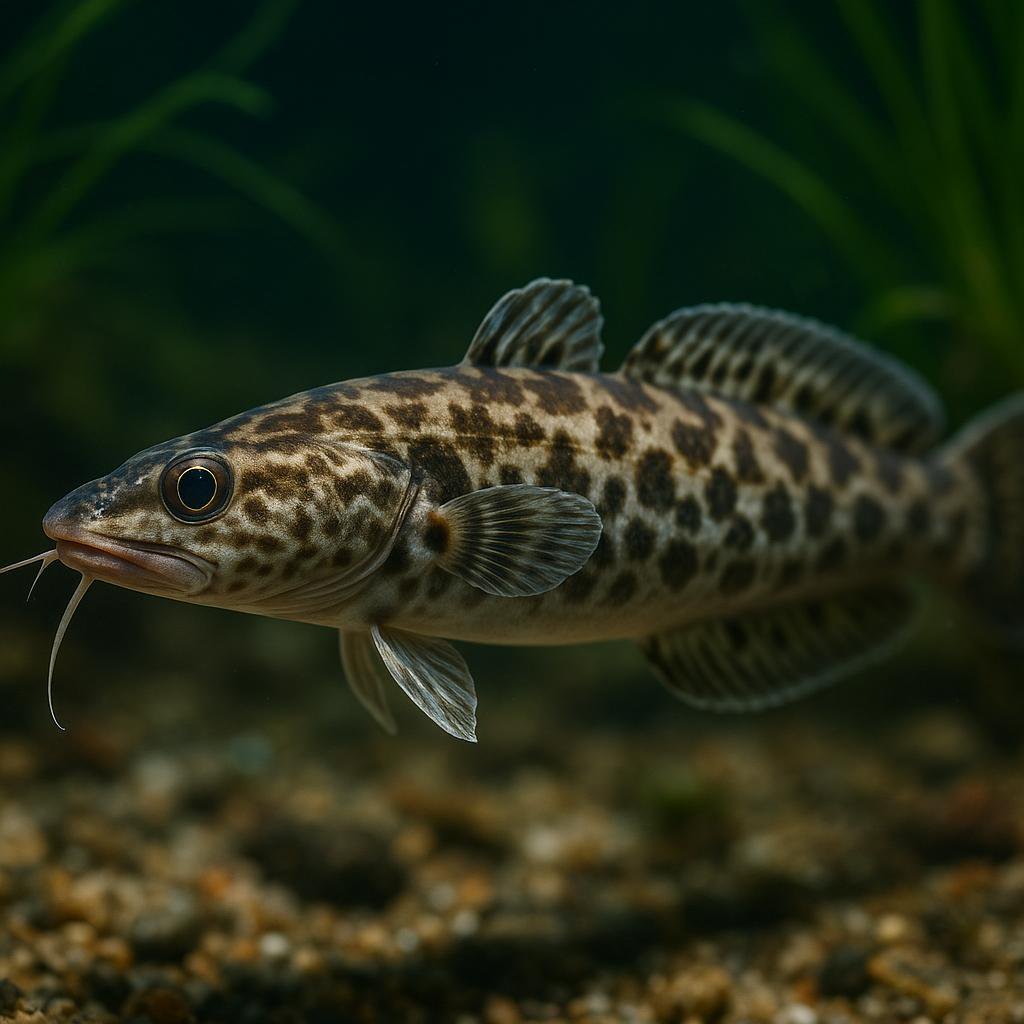
Arctic rockling
Gaidropsarus argentatus
This is a deepwater North Atlantic rockling (a cod relative) that hangs out on soft bottoms way down the slope. It is a cold-water, bottom-hugging predator that snoots around for crustaceans and will also take small fish when it gets the chance.
Looking for other species?