

Search Species
Search for fish species by common or scientific name, or use filters to browse by water type, size, temperament, and difficulty.
Found 665 species
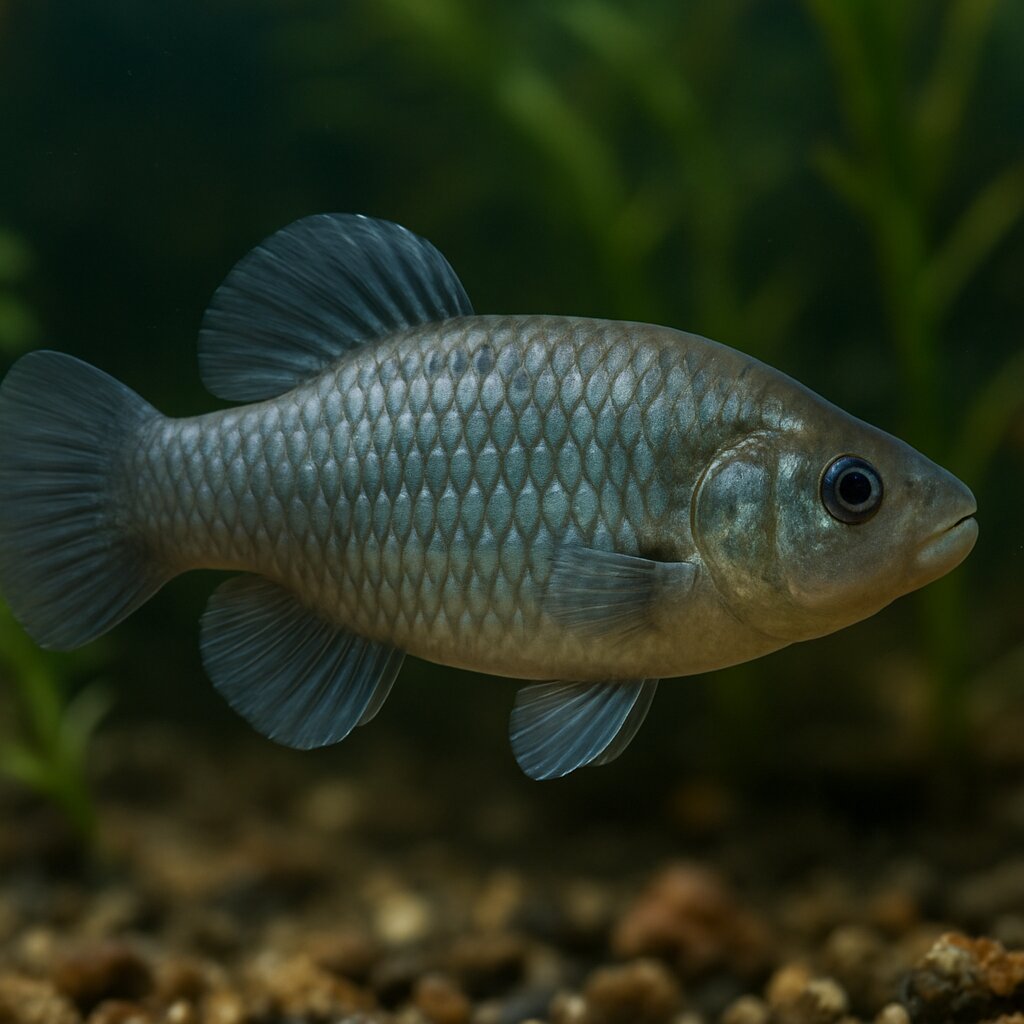
San Ignacio pupfish
Cyprinodon bobmilleri
Tiny but full of personality, this Mexican pupfish is native to a single hot spring and actually thrives at sauna-like temps. Males posture and chase to guard little patches, so you get lots of spunky behavior in a small package. Super cool fish, but it really needs its own setup with the right salty-mineral water and heat.
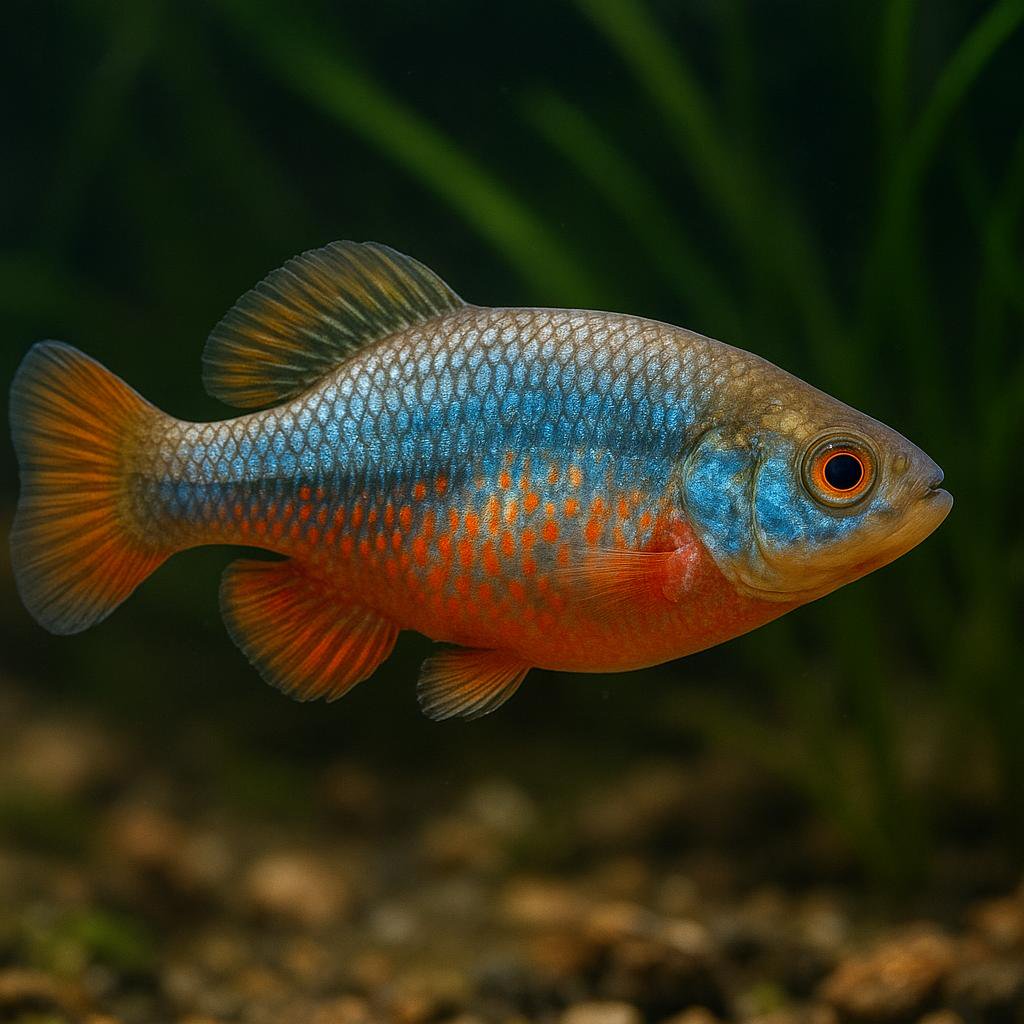
San Marcos redtail splitfin
Xenotoca doadrioi
This is a little Mexican goodeid livebearer where the males do that awesome "blue body + orange/red tail" thing when they color up. They're super active, always grazing and pecking at surfaces, and they really appreciate cooler, clean, well-oxygenated water compared to your typical tropical livebearers.
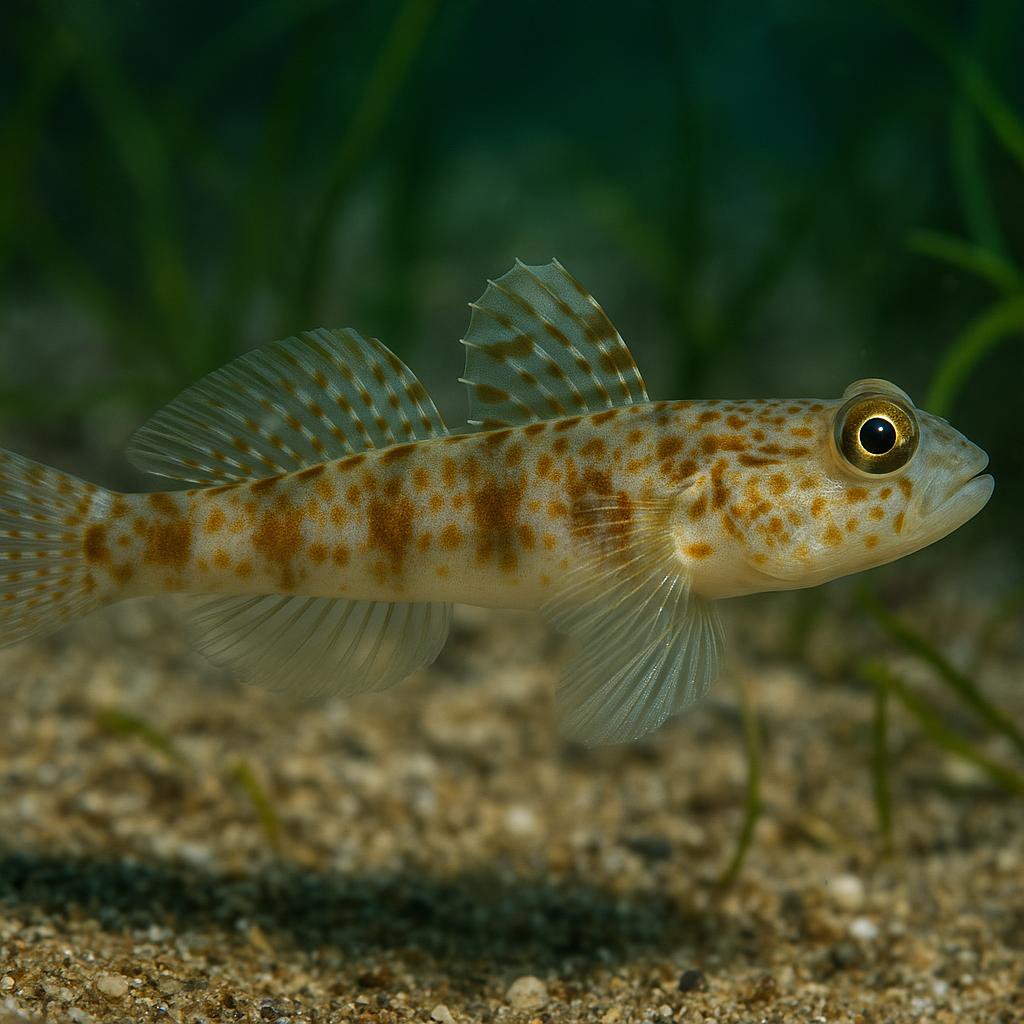
Sanzo's goby
Lesueurigobius sanzi
Sanzo's goby is a small offshore goby from the eastern Atlantic and western Mediterranean that lives out on muddy sand/mud bottoms in fairly deep water. Its whole vibe is a subtle, bottom-hugging demersal fish rather than a rockpool goby, so its "best life" is more about open sandy areas than reefy structure.
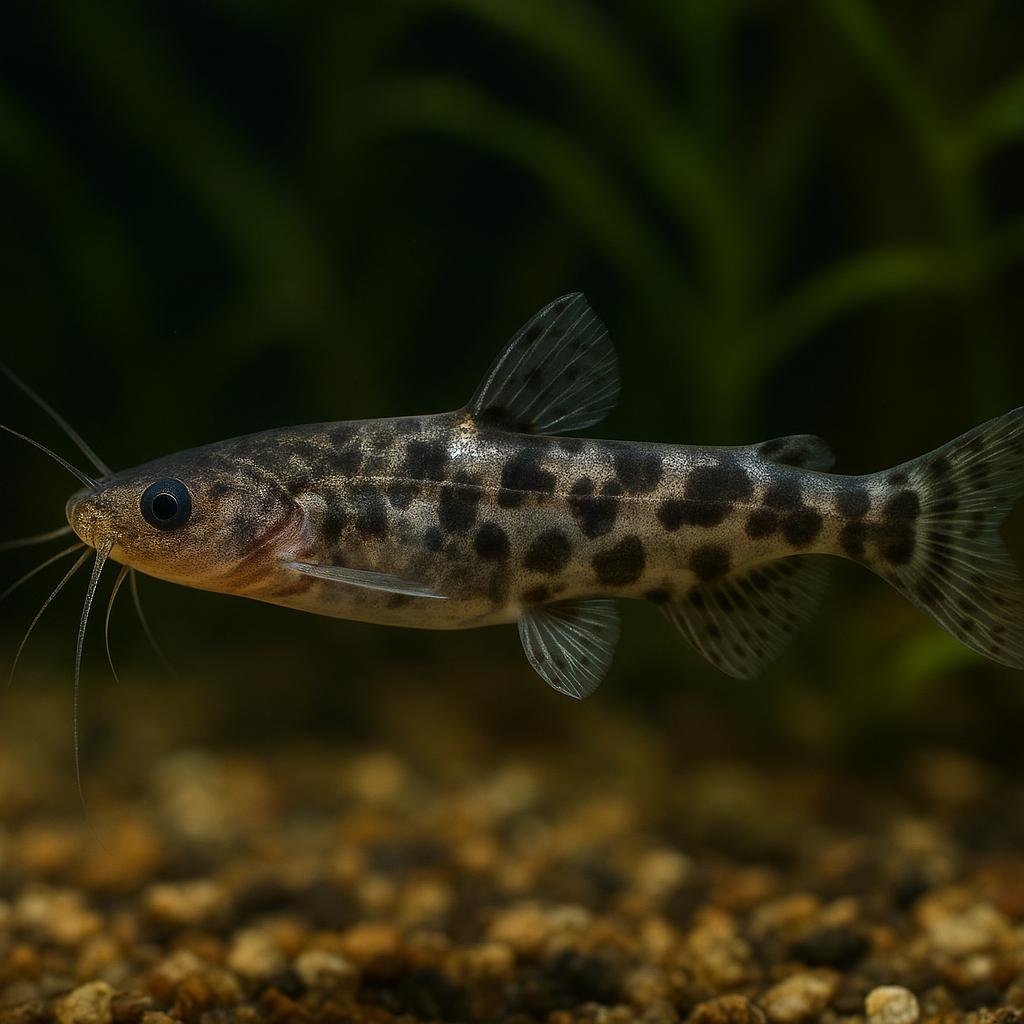
Saul's whale catfish
Denticetopsis sauli
This is one of those ultra-tiny South American whale catfish that most people will never see in the trade - it tops out around 2 cm. Its whole vibe is "secretive little bottom-hanger" from blackwater-style habitats, so in an aquarium it would spend a lot of time tucked into leaf litter and small caves if you could even source one.
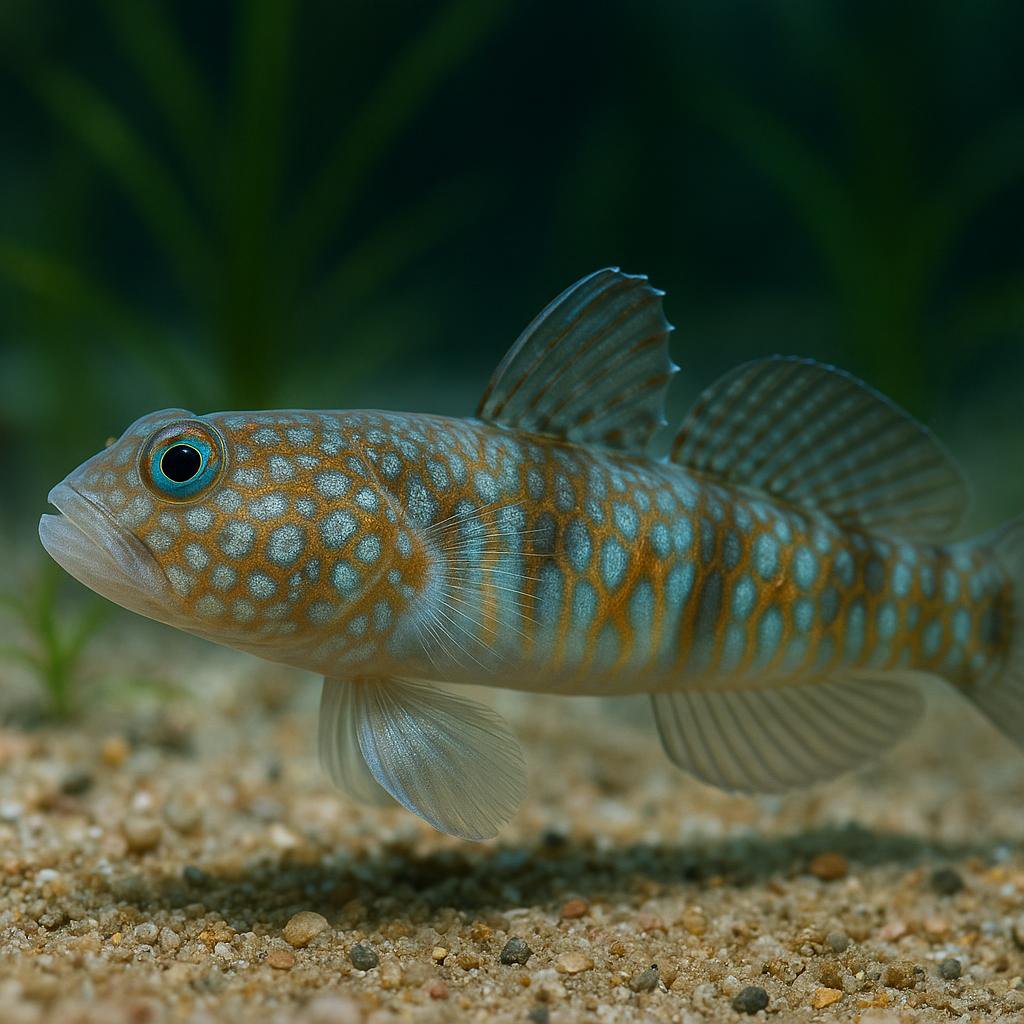
Scalycheek shrimpgoby
Vanderhorstia lepidobucca
This is a tiny shrimp-associated goby described from Sulawesi, Indonesia. Like other Vanderhorstia, it is associated with burrows made by alpheid snapping shrimp (Alpheus spp.), where the goby typically hovers/stands guard near the burrow entrance. Maximum reported size is 4.0 cm SL.
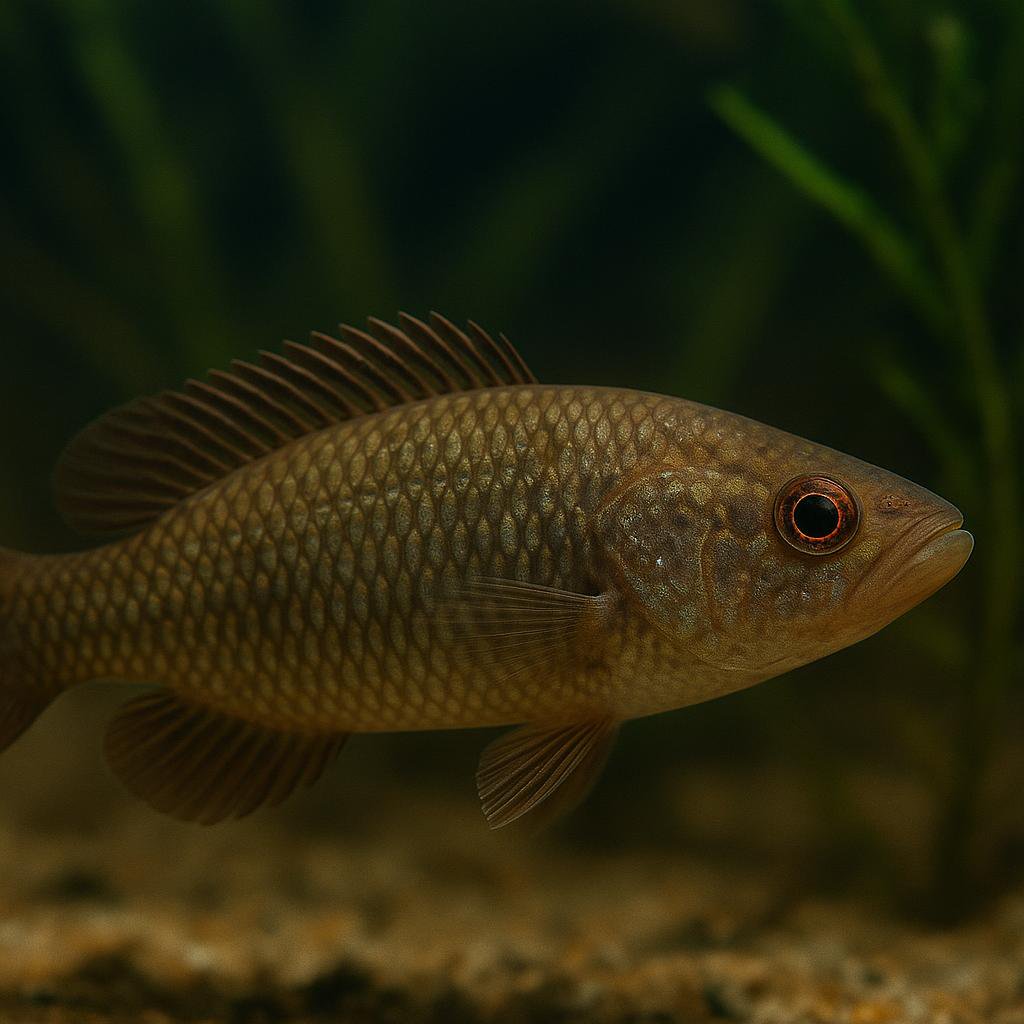
Scaly-headed triplefin
Karalepis stewarti
This is a New Zealand triplefin that hugs rocky reef structure and comes out more at night, so you often spot it perched and watching everything rather than cruising the water column. It tops out around 15 cm and lives in cool-temperate coastal water, picking at tiny crustaceans and mollusks.
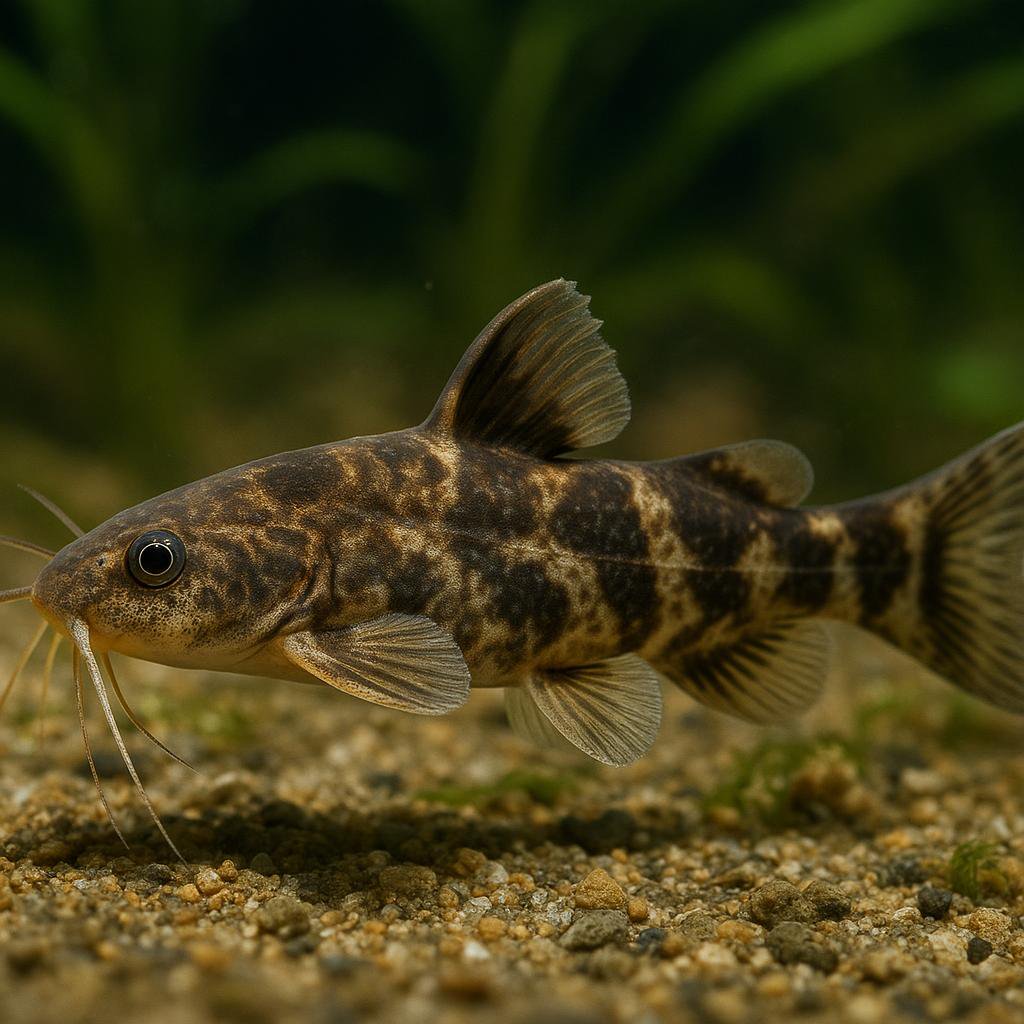
Schmidt's hillstream catfish
Glyptothorax schmidti
This is one of the little Asian hillstream catfish that lives in fast, cool, super-oxygenated water and literally clings to rocks with a sticky belly pad. In an aquarium its whole vibe is "powerhead + smooth stones + pristine water," and if you nail that setup its rock-hugging behavior is seriously cool to watch.
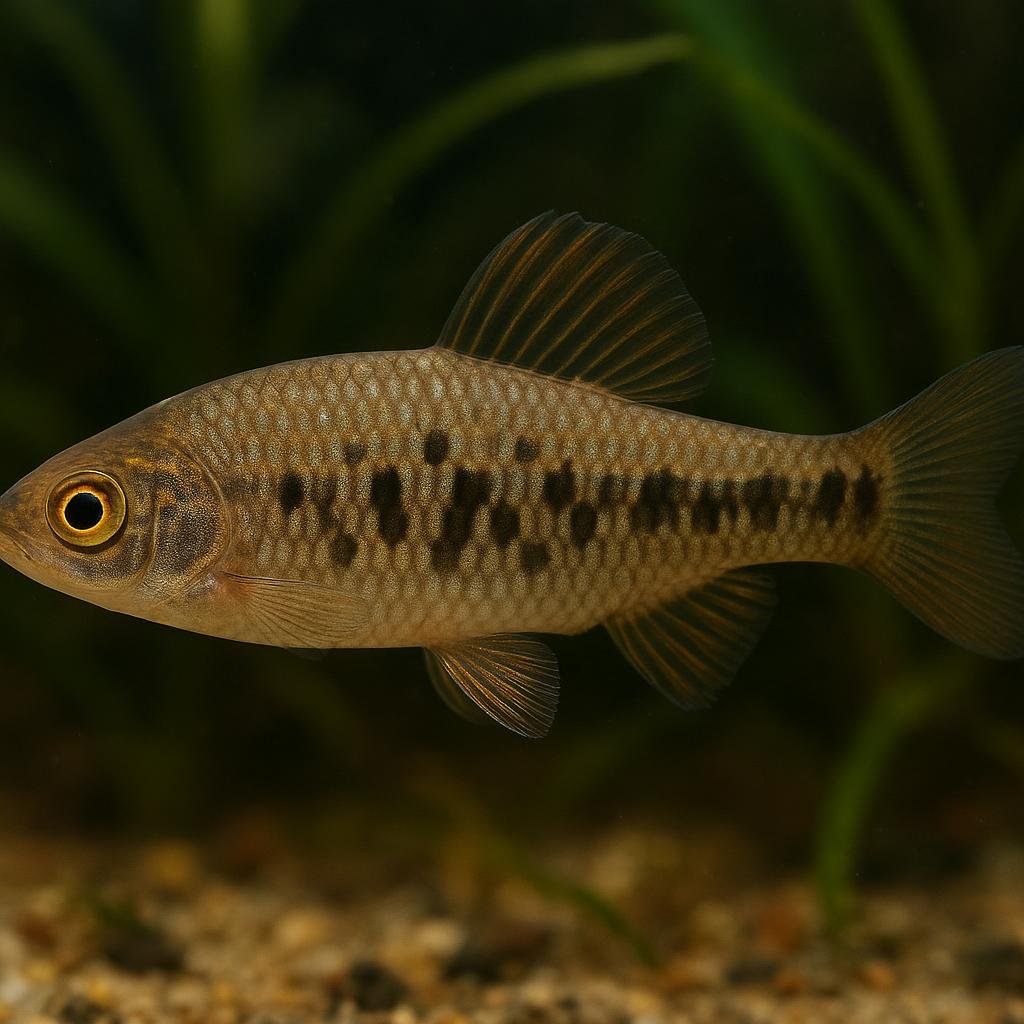
Seba's goby
Feia seba
Feia seba is a tiny little marine goby from Papua New Guinea that lives tight to the reef and spends a lot of time perching and darting between cover. Its whole vibe is "blink and you miss it" - super small, super subtle, and really more of a nano reef curiosity than a fish you build a tank around.
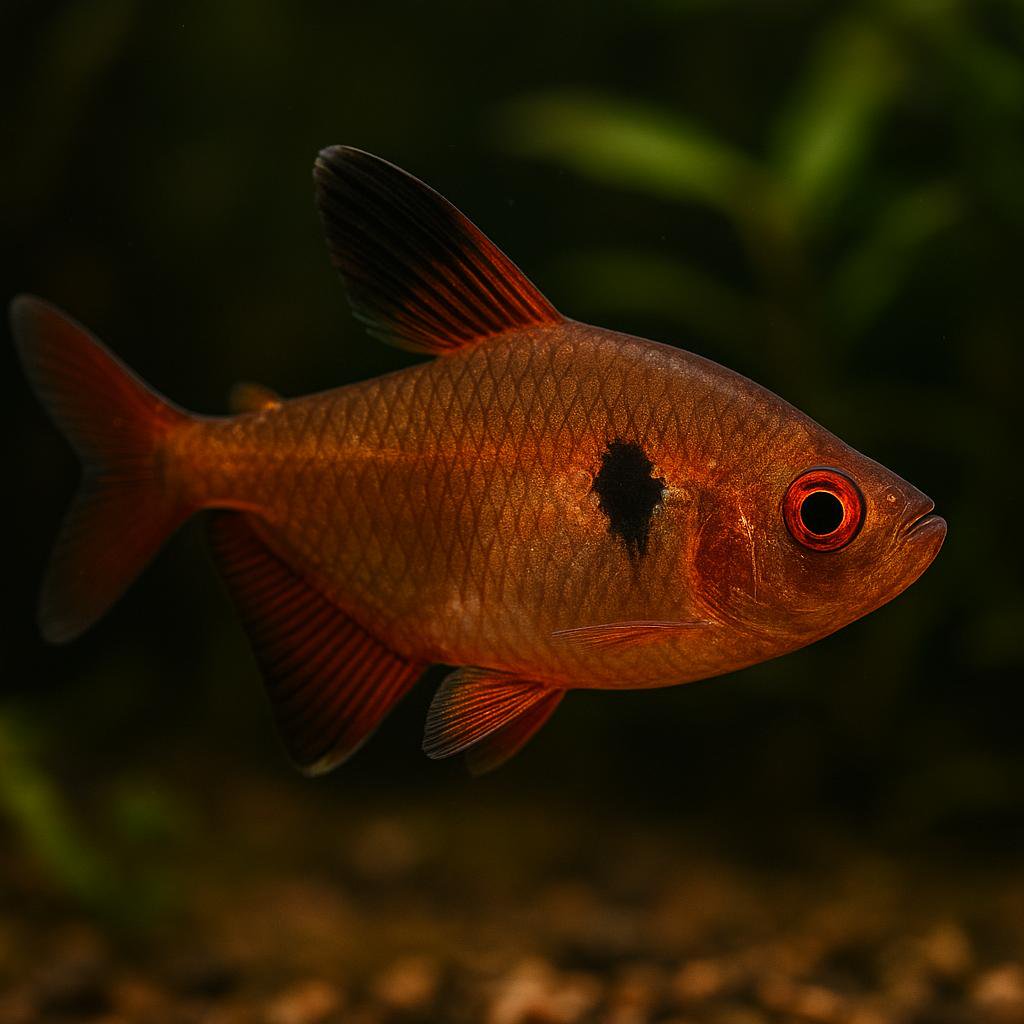
Serpae Tetra
Megalamphodus eques
Serpaes are those fiery little red tetras with the black "comma" behind the gill-super eye-catching in a planted tank. They're active and a bit spicy, so they do best in a real group where they'll squabble with each other instead of nipping slower tankmates. When they're settled in, you get this constant cruising-and-chasing vibe that makes the tank feel really alive.
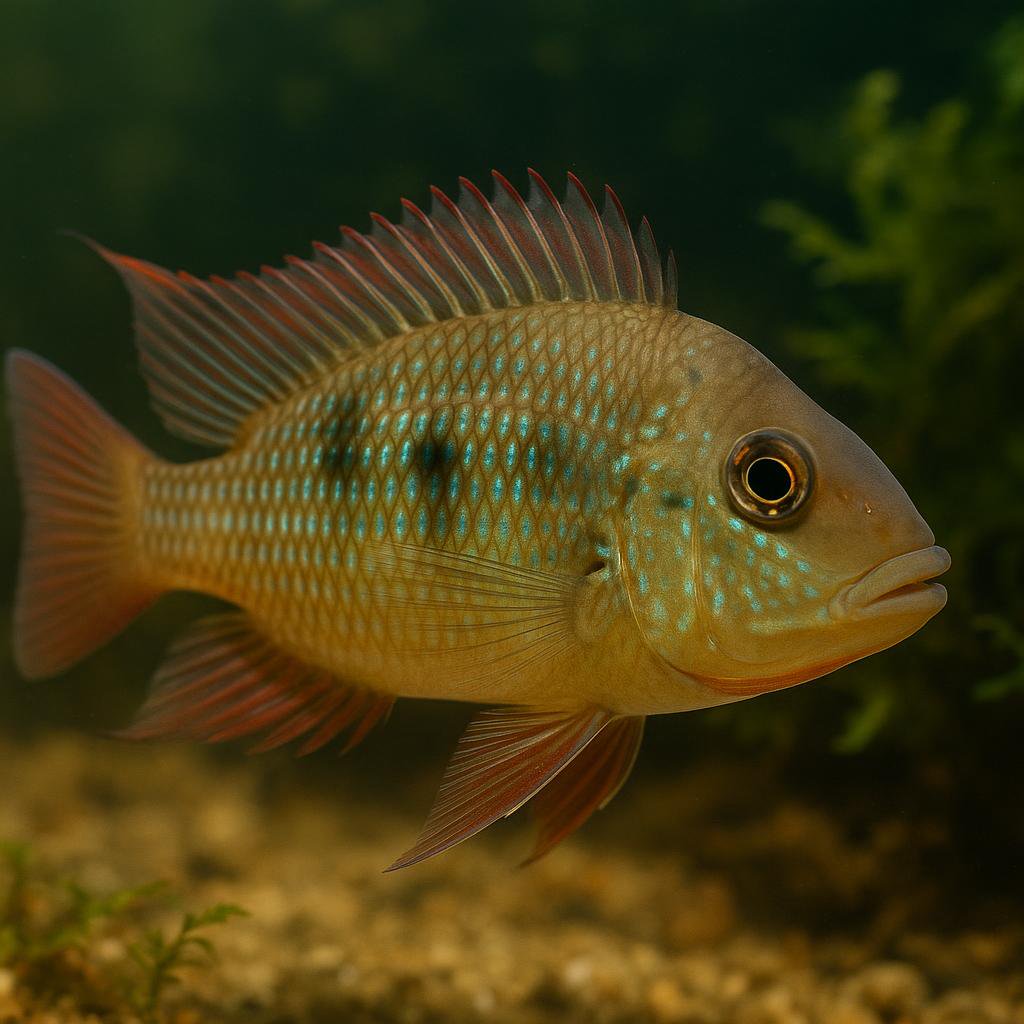
Sete Quedas eartheater
Gymnogeophagus setequedas
This is a smaller South American eartheater cichlid from the Parana River basin, and its vibe is classic Gymnogeophagus: cruising the bottom, picking at the substrate, and doing that cool biparental fry-guarding thing. It stays under 4 inches, but it still acts like a real cichlid when pairing up, so giving it space and some structure matters.
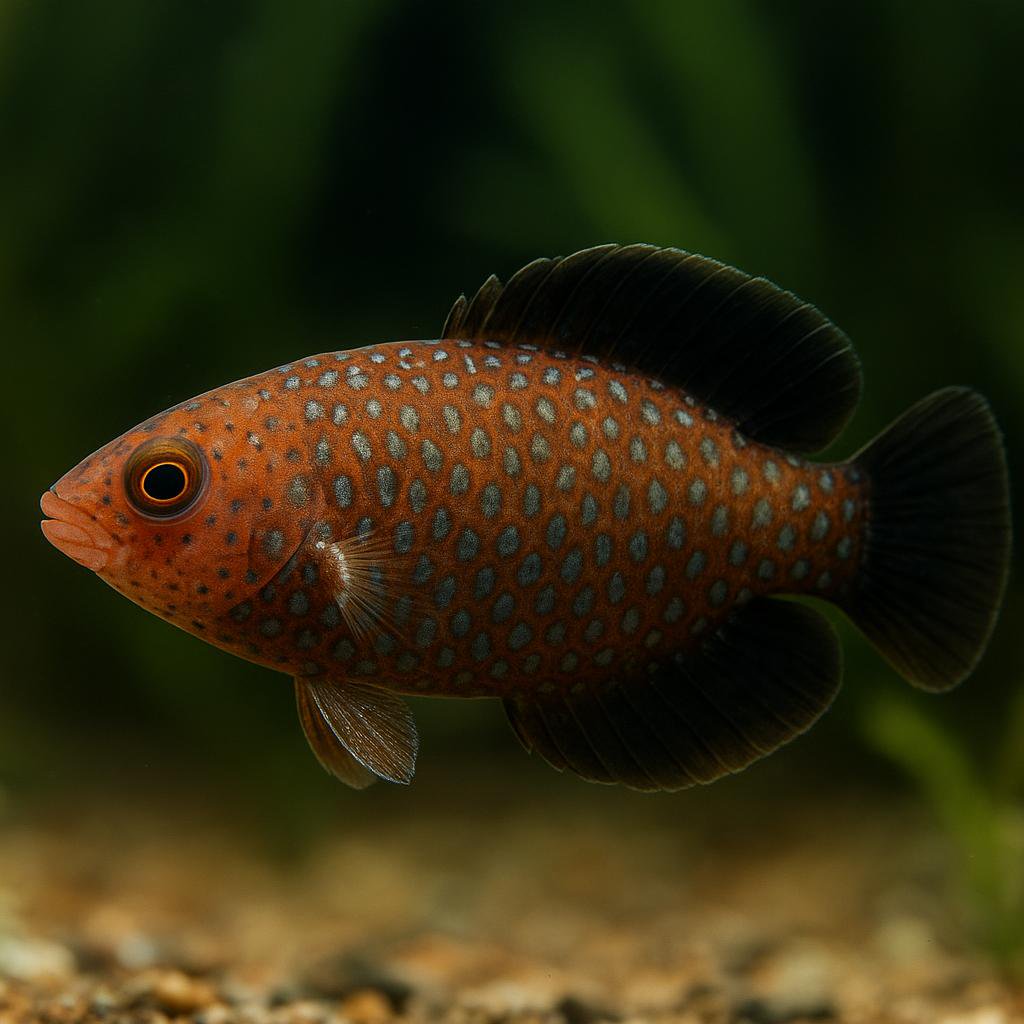
Sharpnose wrasse
Wetmorella nigropinnata
This is one of those tiny, sneaky reef wrasses that lives in the rockwork - you'll see it poking its little sharp snout into cracks hunting micro-prey. Super peaceful and shy, but once it settles in, its yellow bars and twitchy 'possum wrasse' vibes are seriously addictive to watch.
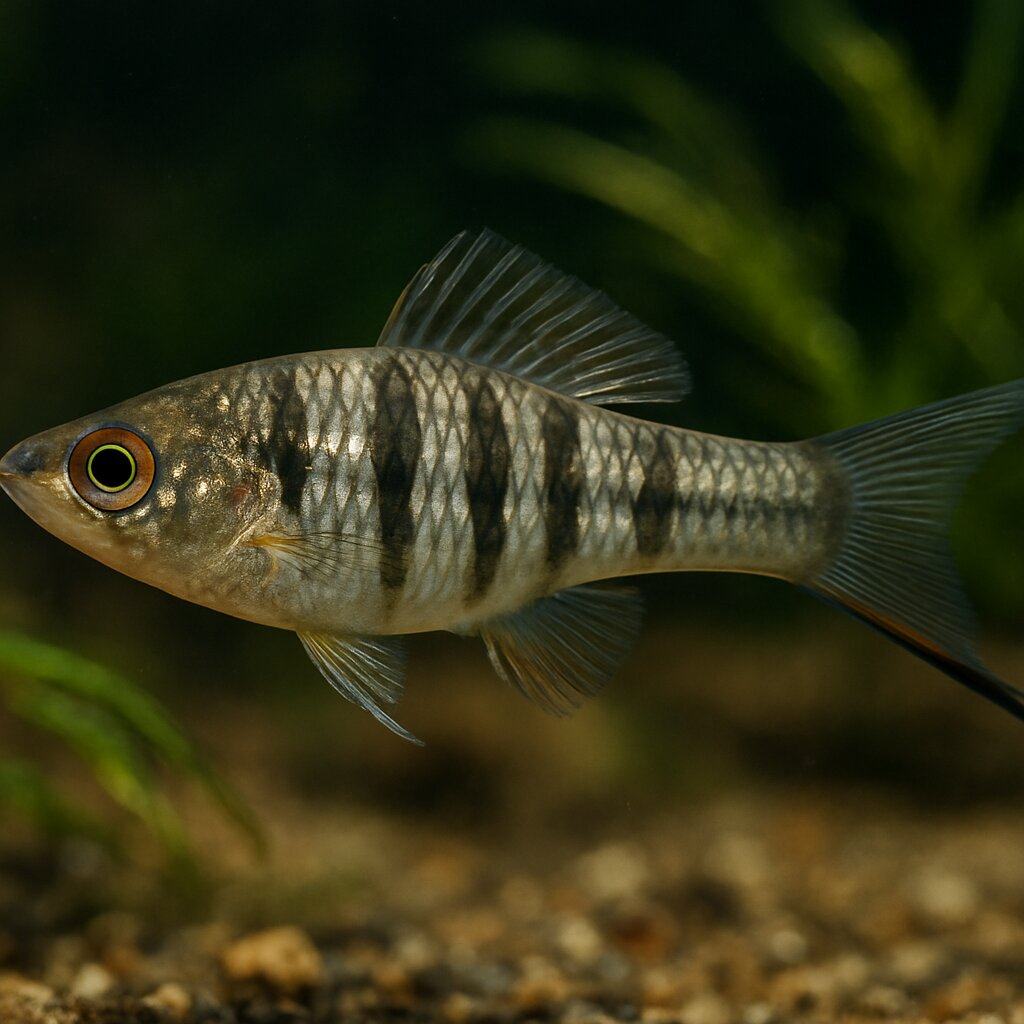
Sheepshead swordtail
Xiphophorus birchmanni
A wild swordtail from eastern Mexico that loves fast, splashy streams and shows off bold vertical bars and a big, yellow-speckled dorsal. Males barely carry a sword at all, which always surprises folks, but they make up for it with tons of personality when kept in a roomy, well-oxygenated tank.