

San Ignacio pupfish
Cyprinodon bobmilleri
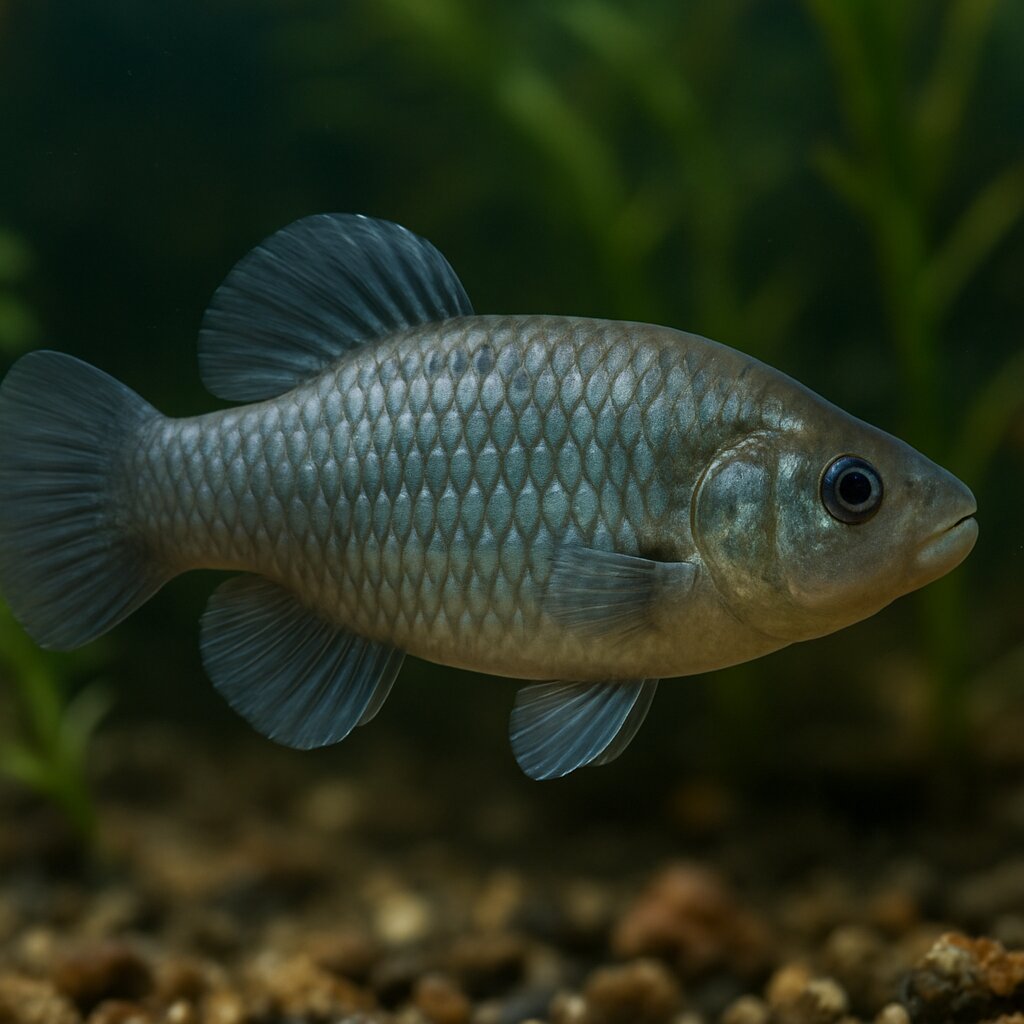
The San Ignacio pupfish exhibits a vibrant blue-green hue with a distinctive orange or yellow striping along its body.
This page includes AI-generated images. Why am I seeing AI images?
About the San Ignacio pupfish
Tiny but full of personality, this Mexican pupfish is native to a single hot spring and actually thrives at sauna-like temps. Males posture and chase to guard little patches, so you get lots of spunky behavior in a small package. Super cool fish, but it really needs its own setup with the right salty-mineral water and heat.
Also known as
Quick Facts
Size
3.5 cm SL
Temperament
Semi-aggressive
Difficulty
Advanced
Min Tank Size
10 gallons
Lifespan
1-3 years
Origin
North America - Mexico
Diet
Omnivore - algae, detritus, small invertebrates
Water Parameters
32-34°C
6.6-7.2
15-35 dGH
Need a heater for this species?
This species needs 32-34°C in a 10 gallon tank. Use our heater calculator to find the right wattage.
Calculate heater sizeCare Notes
- Give them a 20-long minimum (40 breeder if you want more than one male) with rocks, algae-covered surfaces, and sight breaks; tight lid, they launch.
- Run hard, alkaline brackish: SG 1.005-1.015, pH 7.8-8.4, high KH; use marine salt mix and aragonite or crushed coral to keep it steady.
- Top off evaporated water with freshwater only, and match SG and temp on water changes; avoid swings bigger than 0.002 SG per day.
- Keep 75-82 F with strong aeration or surface ripple; warm brackish holds less oxygen and they spar a lot, so they need the gas exchange.
- Let some green algae grow under bright light and add rough rocks or tufa; they graze all day and it chills their aggression.
- Feed mostly greens with some meaty snacks: spirulina flake, algae wafers, blanched spinach, plus baby brine, daphnia, or mysis; skip heavy bloodworm diets that bloat them.
- Treat them as a species-only fish; they nip and will hammer guppies, mollies, and shrimp, and they can hybridize with other Cyprinodon.
- For spawning, give mops or thick algae; males guard small patches and eggs stick to the fibers, so pull the mop to a hatching tub with the same SG and hatch at 78-80 F.
Compatibility
Good Tankmates
- Hardy livebearers like sailfin or short-fin mollies - brackish, hard water, fast enough to dodge the odd nip; keep SG around 1.005-1.010 and let them graze algae
- Knight gobies (Stigmatogobius) - brackish bottom-perchers that hold their own; stack rocks and give line-of-sight breaks to keep scuffles short
- Empire gudgeons (Hypseleotris compressa) - robust mid-bottom fish that handle low to mid brackish; quick feeders so pupfish do not outcompete them
- Surface halfbeaks (Dermogenys) - hang up top and are speedy; tight lid and groups help spread male bickering
- American flagfish (Jordanella floridae) - tough algae pickers that take low-end brackish; similar attitude, so give plants and elbow room
- Fundulus killifish like mummichog - brackish-tolerant and sturdy; best in a roomy tank with cover; expect fry predation
Avoid
- Bumblebee gobies (Brachygobius) or other tiny timid gobies - they get outcompeted and pecked at, and many just starve in the commotion
- Long-finned or slow fish like bettas and fancy guppies - pupfish are relentless fin nippers and will shred them
- Puffers and big estuary fish like green spotted puffers, scats, monos, or archers - too nippy or outright predatory
- Other pupfish species (Cyprinodon spp.) - easy hybridization plus nonstop male-on-male brawls
Where they come from
San Ignacio pupfish are from the oasis springs around San Ignacio in Baja California Sur, Mexico. Think warm, shallow water that swings from fresh to brackish and even salty depending on the season. The water is hard and alkaline, with algae mats, tufa rock, and not much depth. They are built for heat and minerals.
Setting up their tank
Give them floor space and a tight lid. A 20-long works for a breeding group, but 30 gallons is nicer for two males. They jump like crazy, especially at lights-on, so cover every gap.
- Salinity: light to medium brackish. I run 1.005-1.012 SG (refractometer).
- Temp: 26-30 C (79-86 F). They handle heat, but keep oxygen high.
- pH and hardness: pH 7.8-8.6, high KH/GH. Use crushed coral or aragonite.
- Flow: gentle to moderate with lots of surface ripple. They like oxygen, not a river.
- Tank size: long footprint beats tall. Open sand patches for displays plus broken sight lines.
Substrate can be sand mixed with crushed coral. Stack porous rock (tufa, lava) into little terraces and pockets. Leave several open areas for males to posture. Warm light helps algae grow, which they graze. Live plants are optional in brackish; Anubias, java fern, and hornwort cope at the low end of brackish if kept clean. If plants melt, switch to fake plants and yarn mops so females have cover.
Filtration: a large sponge filter plus a small powerhead or HOB gives you biofiltration and surface agitation. They are messy for their size, so oversize the filter and vacuum frequently. Keep a stable heater and, if your room runs hot, a fan for evaporative cooling.
Use marine salt mix, not freshwater aquarium salt. Top off evaporated water with freshwater only. Do water changes with premixed, heated brackish at the same SG and temp.
Sight lines matter. Males will hammer each other if they can see across the tank. Break it up with rock piles and tall decor.
What to feed them
They graze a lot. Algae and biofilm are a big part of their diet, with small inverts as the treat. If you feed only rich frozen foods, they get chunky and sluggish.
- Staples: spirulina flake, high-quality veggie flake, algae wafers in small pieces.
- Greens: blanched spinach, zucchini coins, or nori clips (they will pick at it).
- Protein: live or frozen baby brine shrimp, daphnia, mosquito larvae, grindal worms.
- Occasional: high-protein pellets in tiny portions. Go light on bloodworms.
I feed small amounts 2-3 times a day. Let some green algae grow on the rocks; they will mow it. If bellies look sunken, bump protein a bit; if they get barrel-shaped, cut back and push more greens.
How they behave and who they get along with
Pupfish have big personalities for small bodies. Males posture, spar, and claim little patches of rock or sand. Females browse and dip in and out of cover. Fin-nipping happens during pecking-order scuffles.
I keep them species-only. If you absolutely must mix, choose tough, fast, salinity-tolerant fish and give everyone room.
- Safer bets (still a risk): shortfin mollies, Florida flagfish at low brackish, small gobies that mind their own business.
- Skip: slow or long-finned fish, shrimp, timid nano fish. They will get harassed.
Stocking tip: 1 male with 3-5 females is calmest. If you keep 2 males, go bigger on tank and decor so each can own a space.
Breeding tips
They are enthusiastic spawners once settled. Warm water, long day length, and frequent small feedings get them going. Males flare and dance over a patch; females dip in and lay adhesive eggs on rough surfaces.
- Setup: add yarn mops, rough rocks, or plastic mesh near a male's patch.
- Collecting: check mops daily; eggs are small, clear to amber, and stick to fibers.
- Incubation: hatch in a small tank or specimen box with the same SG and temp; gentle aeration. At 26-28 C, eggs hatch in ~5-8 days.
- First foods: infusoria or green water for a couple days, then switch to newly hatched brine shrimp and microworms.
- Parent strategy: adults will eat some eggs/fry. For numbers, pull mops. For natural rearing, stuff the tank with cover and accept lower yield.
Fry handle light brackish fine. I start them around 1.003-1.005 SG, then match the adults as they grow. Keep water shallow with a sponge filter and do small, frequent changes to keep film off the surface.
Common problems to watch for
- Salinity swings: sudden jumps crash them fast. Measure, log, and mix ahead of time.
- Overheating and low oxygen: warm water carries less O2. Keep strong surface agitation.
- Soft/acidic water: they get skittish, clamp fins, and stop eating. Buffer with coral.
- Diet issues: all-meat diets lead to bloat and sloppy feces. Keep the greens coming.
- Aggression injuries: torn fins and lip damage happen. Add cover and rebalance sex ratio.
- Parasites: brackish helps, but quarantine new fish. Many meds are fine in low brackish; double-check copper with inverts if you have any.
Never release unwanted fish. Some pupfish are protected in the wild, and even captive fish can mess up local ecosystems if let go.
Similar Species
Other brackish semi-aggressive species you might be interested in.
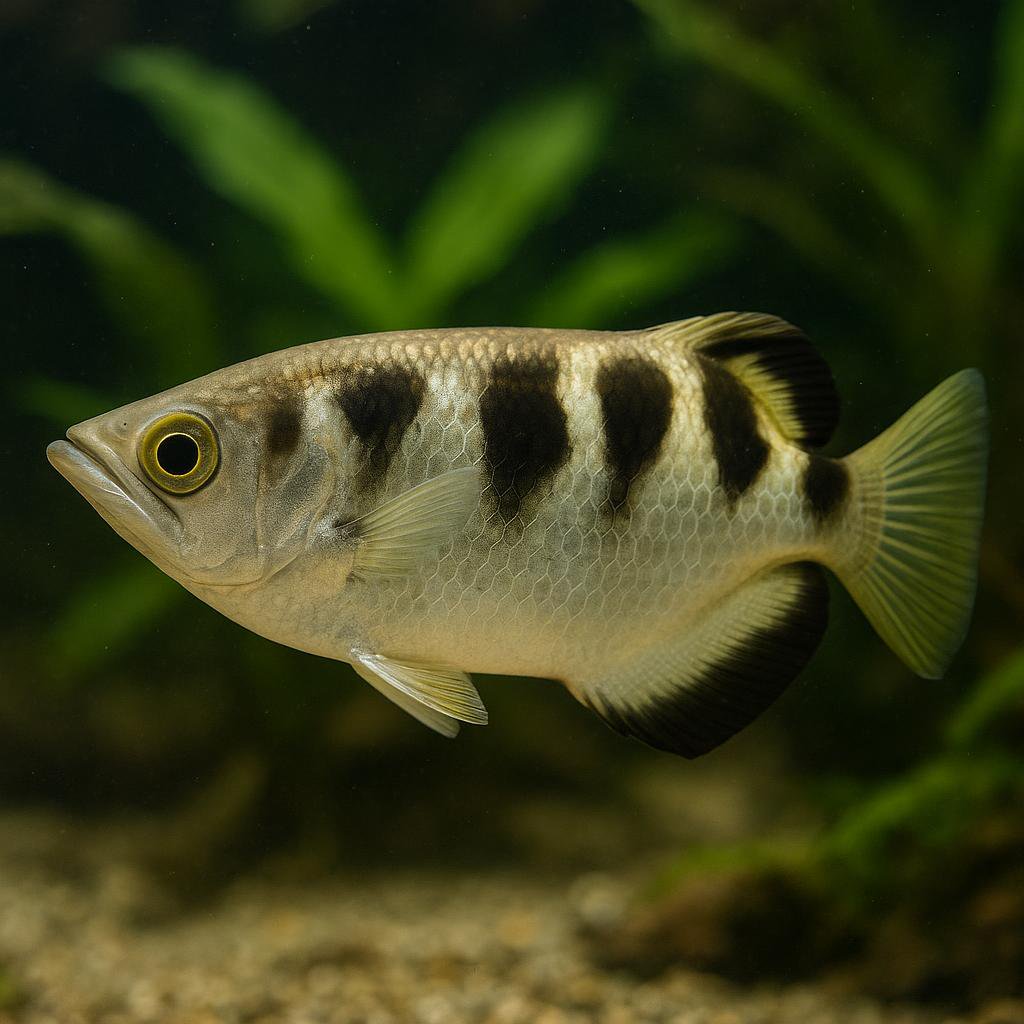
Banded Archerfish
Toxotes jaculatrix
This is the fish that literally spits jets of water to knock insects off branches-watching one "take aim" is unreal. They're super aware of what's going on outside the tank and will even learn to beg and snipe food from the surface once they settle in. Give them height and some open swimming room and they act like little aquatic sharpshooters.
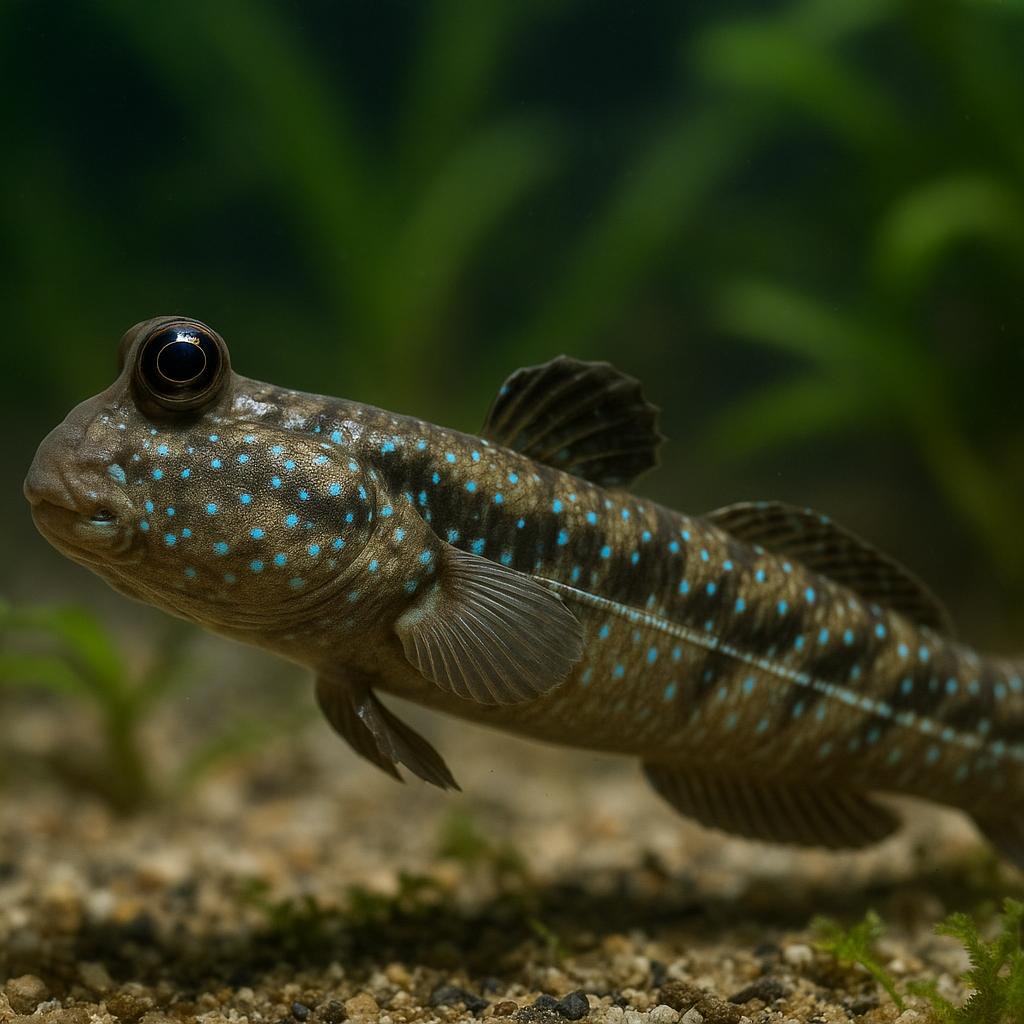
Barred mudskipper
Periophthalmus argentilineatus
This is one of those classic "walks around like it owns the place" mudskippers-big goofy eyes, climbs, hops, and spends a ton of time out on the mud when it's humid. In the wild it lives on intertidal mangrove/nipa mudflats and even shuttles between little pools and open air, hunting worms, insects, and small crustaceans. It's super fun to watch, but it really wants a brackish paludarium setup (not a normal aquarium).
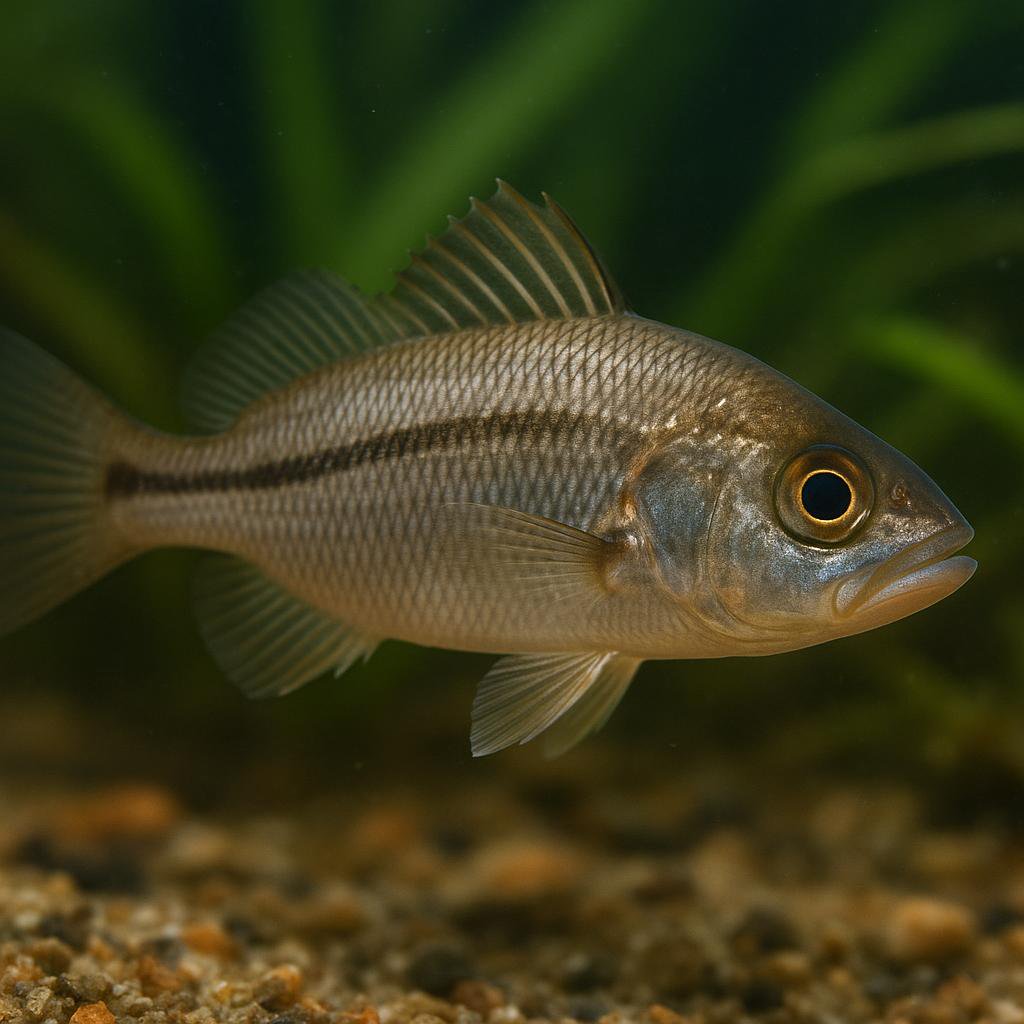
Bellfish
Johnius fuscolineatus
Johnius fuscolineatus (Bellfish/African bearded croaker) is a small coastal sciaenid from the southwestern/western Indian Ocean (Mozambique, South Africa, Madagascar), occurring in shallow marine waters (reported 0–50 m) and also associated with coastal/estuarine habitats.
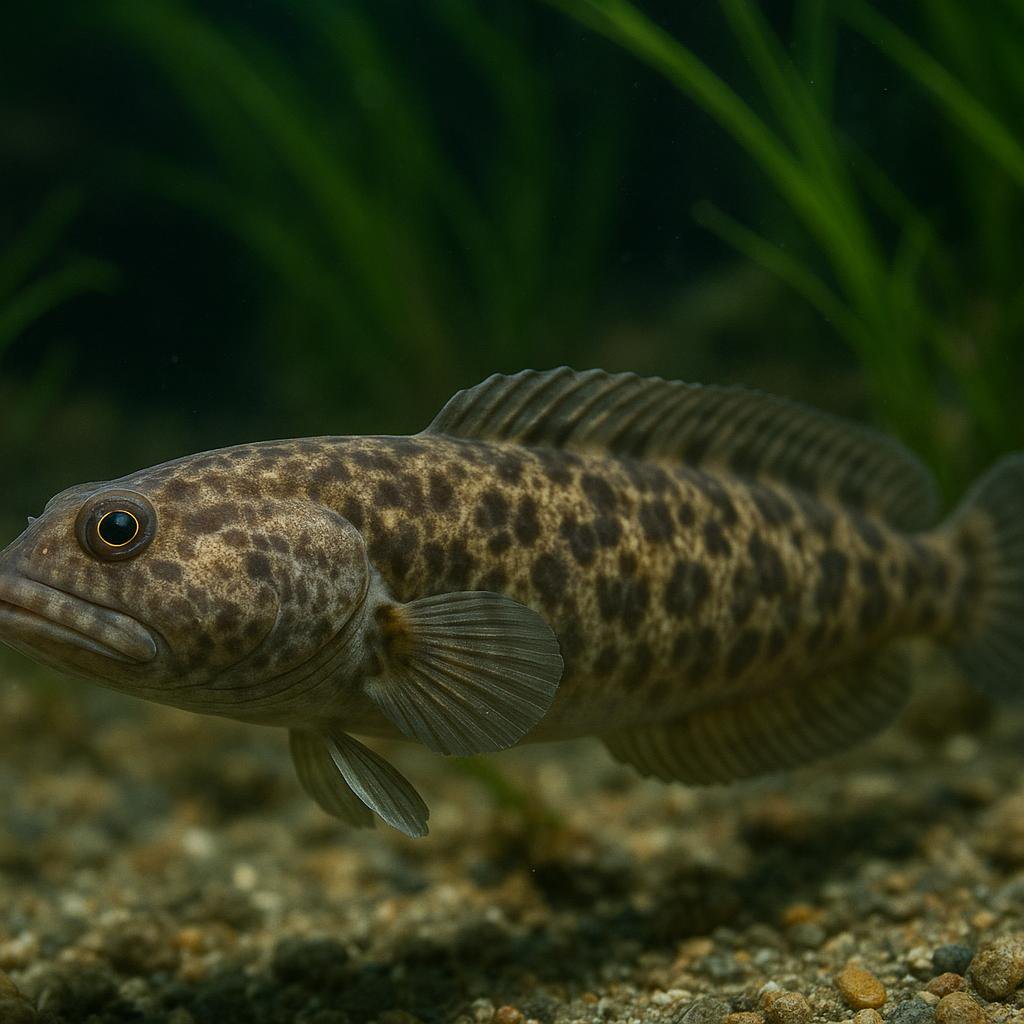
Blotched eelpout
Zoarces gillii
Zoarces gillii is a cold-temperate eelpout from the Northwest Pacific that hugs the bottom over sandy-mud inshore areas and even pushes into estuaries. It's got that long, eel-like body and a sneaky, sit-on-the-bottom predator vibe - very much a cool-water, brackish-to-marine oddball rather than a typical tropical aquarium fish.
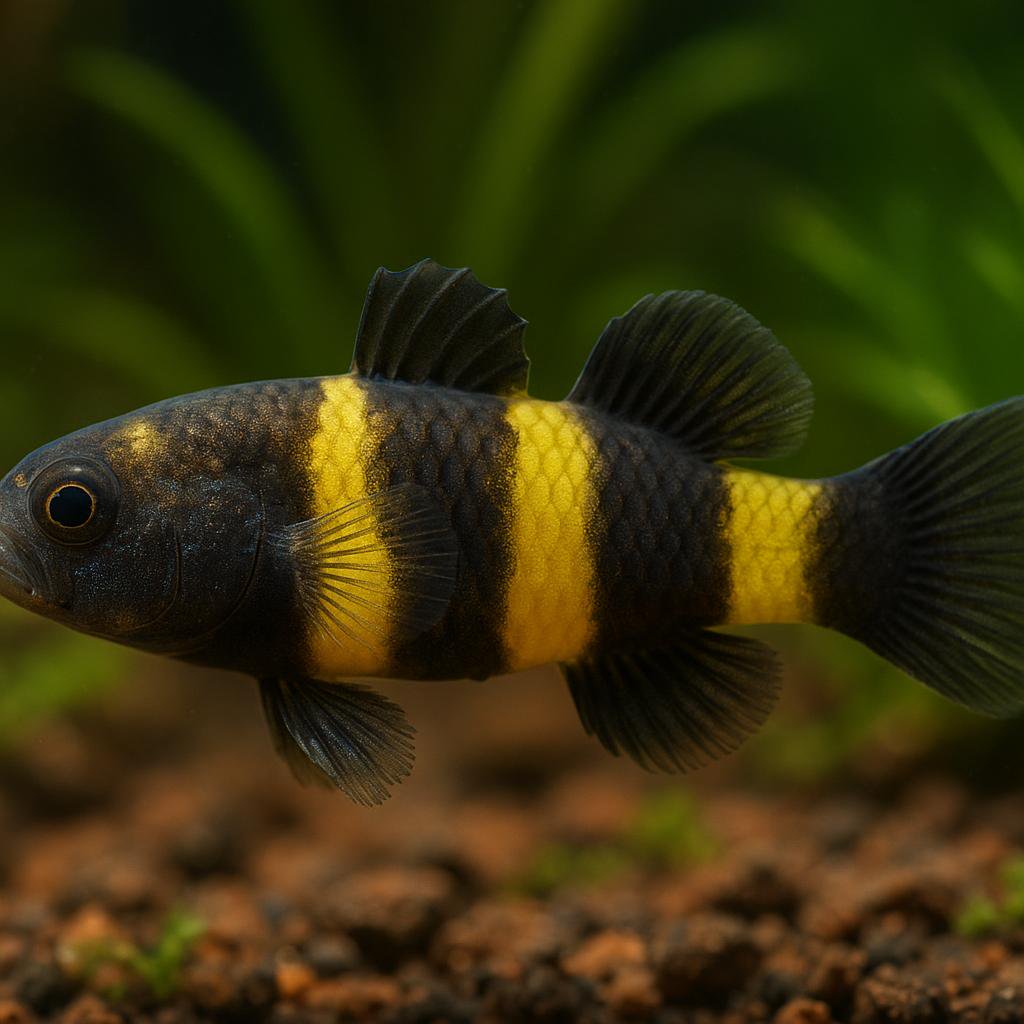
Bumblebee goby
Brachygobius doriae
Brachygobius doriae is one of the classic "bumblebee gobies" - tiny, bottom-hugging little characters that perch on rocks and sand and stare at you like they own the place. They're at their best in a calm setup with lots of caves and leaf litter, and they really shine once you get them eating frozen/live foods reliably (they're slow, picky eaters). Also: they're one of the species that gets mislabeled a lot in shops, so it's super common to see them sold under the wrong bumblebee-goby name.
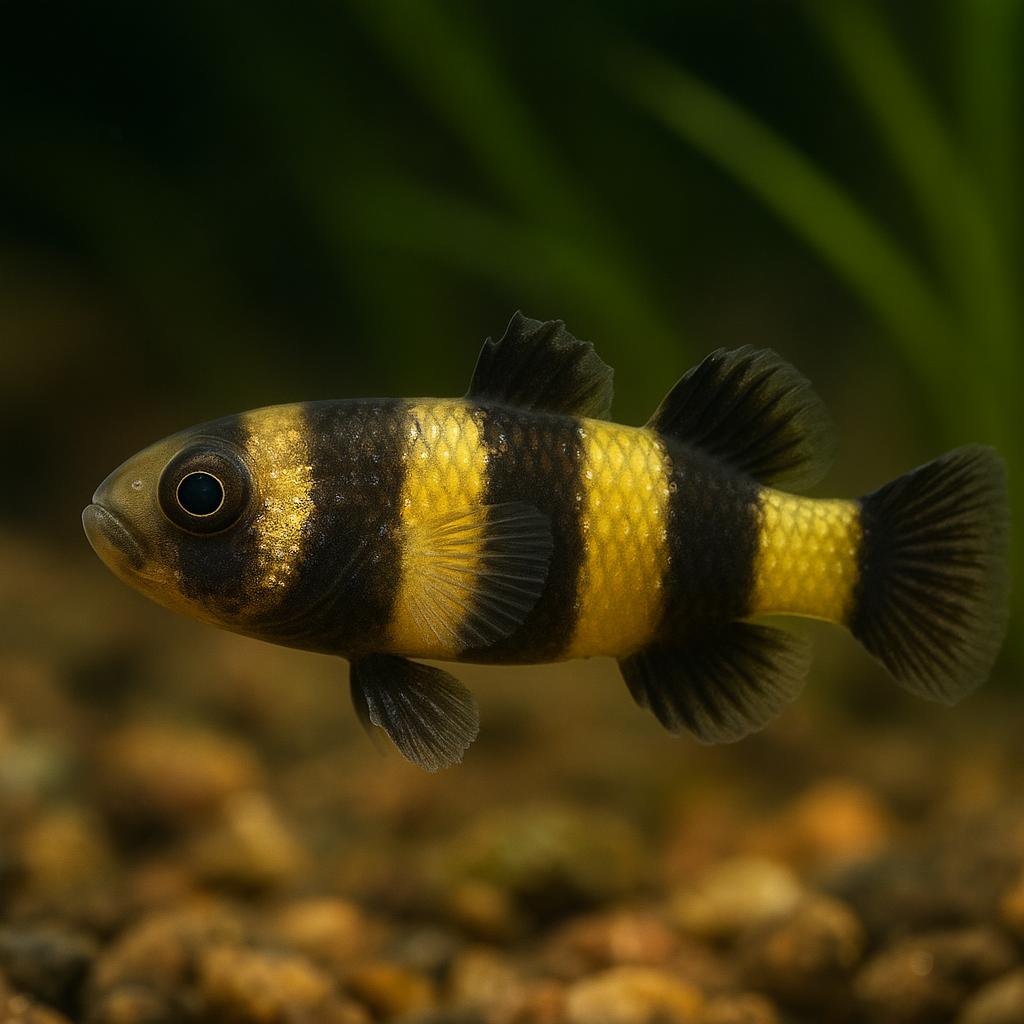
Bumblebee goby (Bumblebee fish)
Brachygobius xanthozonus
This is that tiny little goby with the bold black-and-yellow bands that likes to perch on the bottom and stare back at you like it owns the place. It's happiest in lightly brackish water with lots of little caves and sight-breaks, and it's one of those fish that often refuses flakes-frozen/live meaty foods usually flip the "yes, I will eat" switch.
More to Explore
Discover more brackish species.
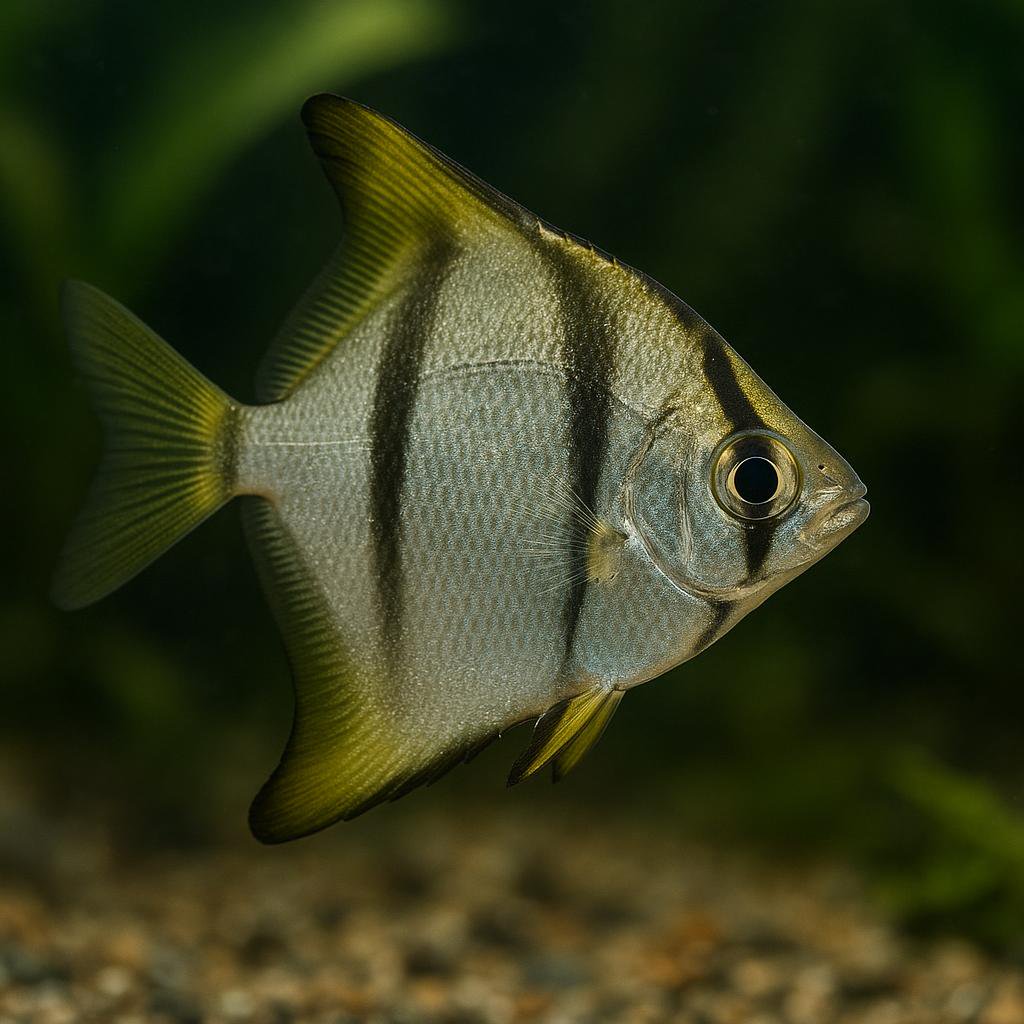
African moony
Monodactylus sebae
This is that shiny, diamond-shaped "mono" that cruises around in a tight pack and looks like a little silver dinner plate with black bars when it's young. The big thing with African moonies is they're euryhaline-so they'll tolerate freshwater as juveniles, but they really shine long-term in brackish (and can be transitioned toward marine as they mature). Give them a big, open tank and a group, and they turn into nonstop, super fun midwater swimmers.
American shadow goby
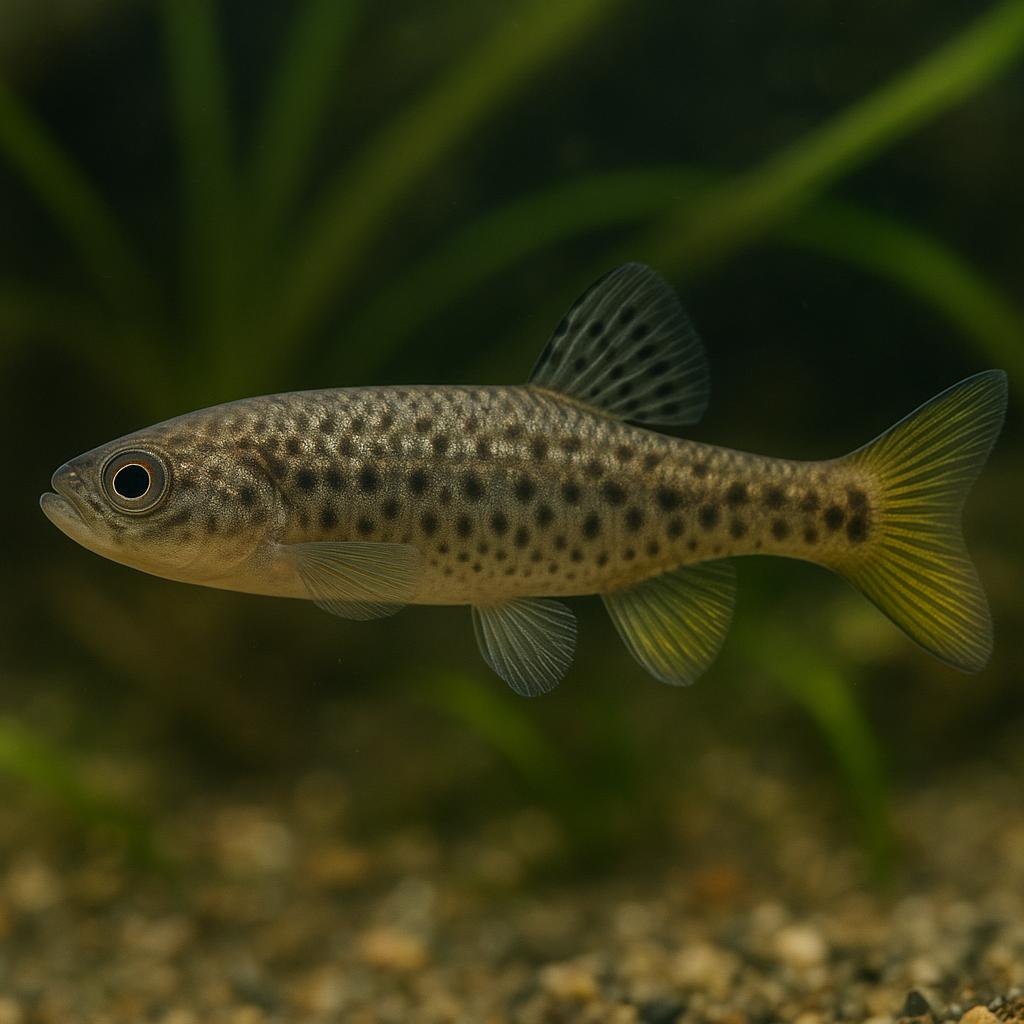
Quietula y-cauda
This is a little mudflat goby from California down into the Gulf of California that loves hanging tight to the bottom and vanishing into burrows. The neat tell is that sideways Y-shaped blotch right at the base of the tail, plus the row of dark spots along the side. Its whole vibe is brackish estuary life - calm water, soft substrate, lots of hiding holes.
Atlantic Mudskipper
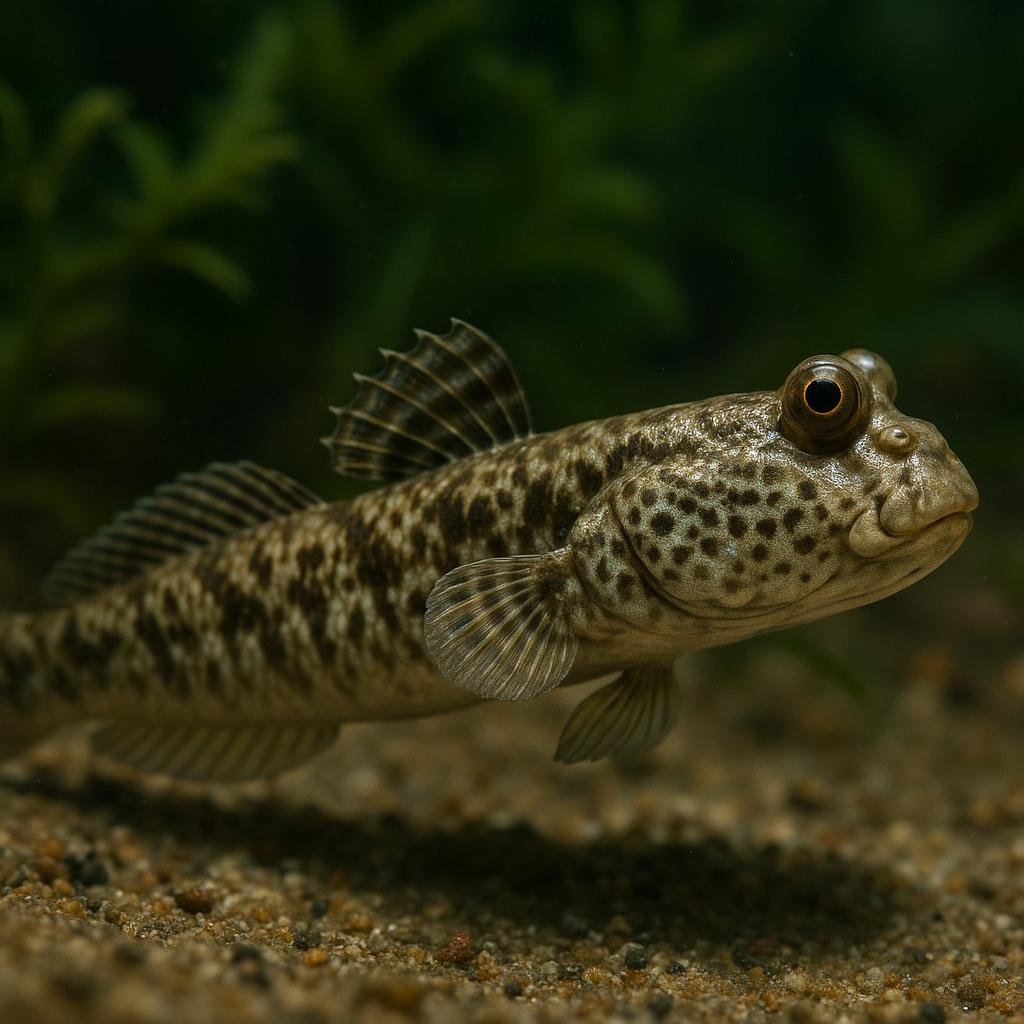
Periophthalmus barbarus
This is that wild little amphibious goby that straight-up climbs around on land like it forgot it was a fish. They've got big googly eyes, tons of personality, and they'll perch, hop, and patrol their territory-honestly more like a tiny crabby lizard than a "regular" aquarium fish.
Banded-tail glassy perchlet
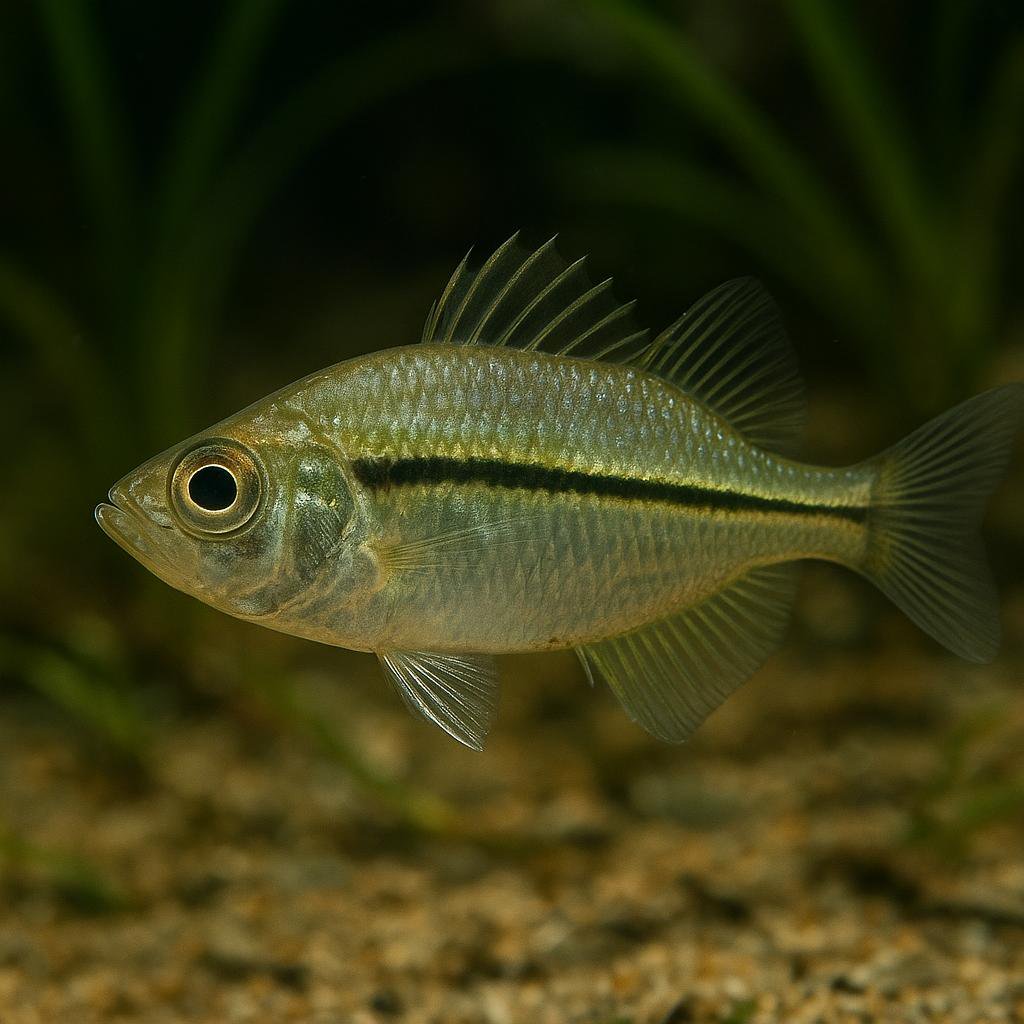
Ambassis urotaenia
This is one of those see-through glassy perchlets where you can literally watch the organs shimmer when it turns-super cool in the right lighting. In the wild it hangs around river mouths and mangroves and cruises in groups, so it does best when you keep a little gang of them and give them some open swimming room.
Barbed pipefish
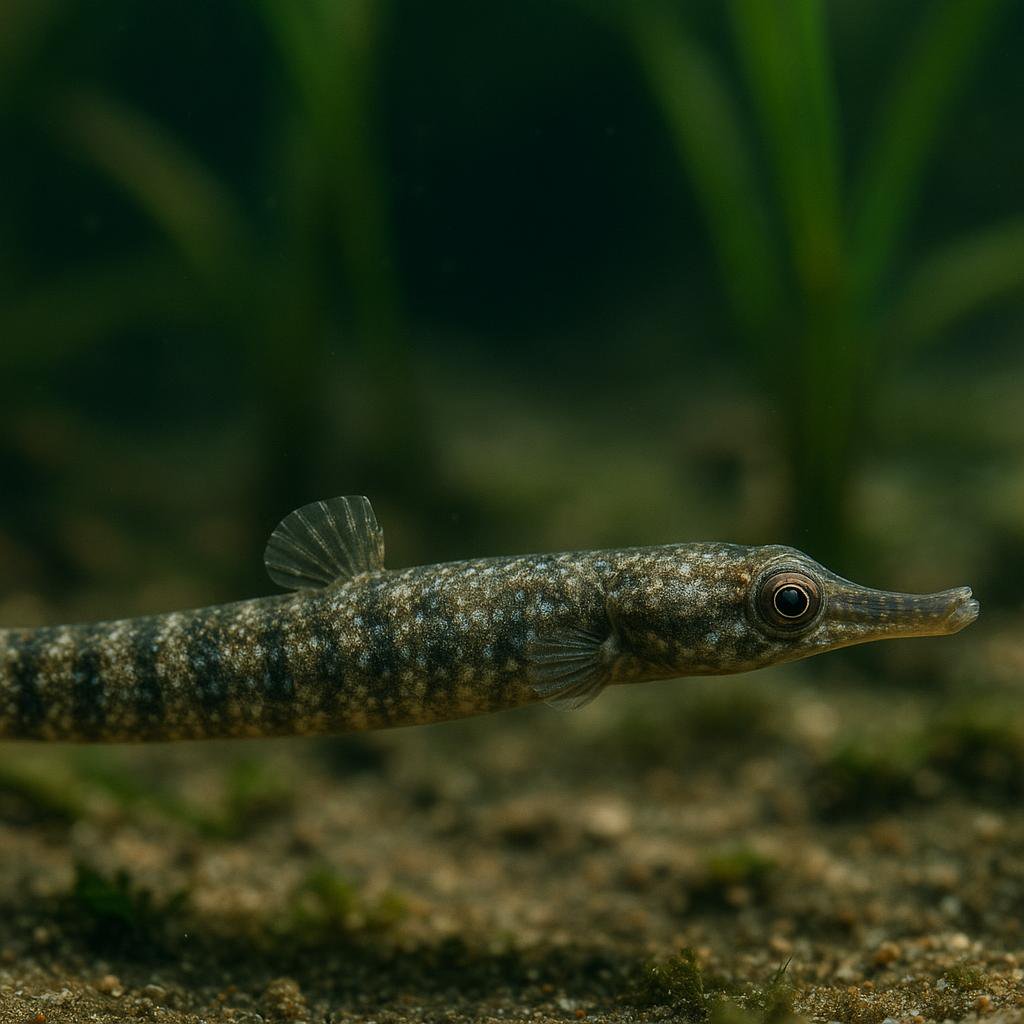
Urocampus nanus
Urocampus nanus (barbed pipefish) occurs in protected inshore and estuarine habitats among seagrass (Zostera) in the Northwest Pacific (southern Japan and adjacent coasts). Like other syngnathids, males brood eggs in a pouch under the tail and produce fully formed young.
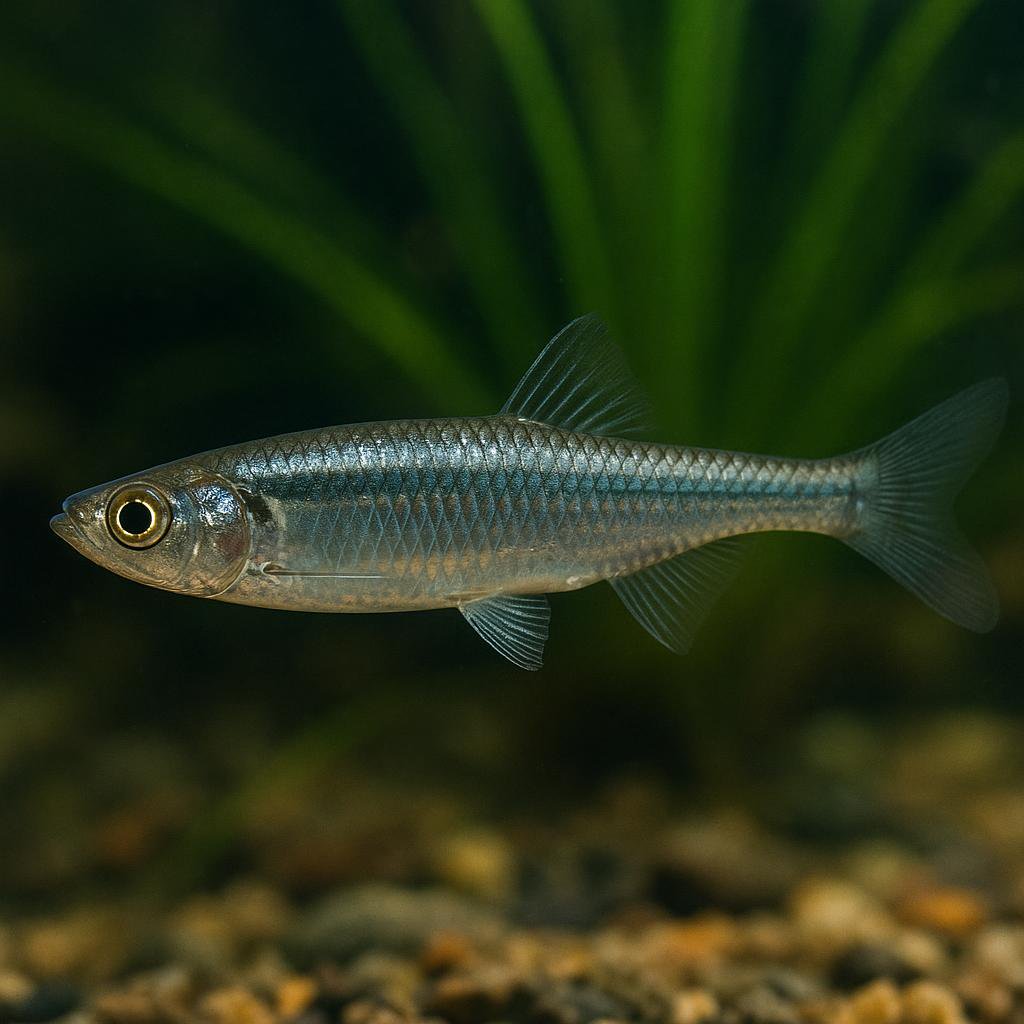
Beach silverside
Atherinella blackburni
This is a little coastal silverside that cruises the shallows in loose groups and flashes like a tiny chrome dart when the light hits it right. In the wild it hangs around beaches, estuaries, and lagoons, picking at small drifting foods in the surf zone. It is cool, but its real "gotcha" is that it is an open-water, salt-tolerant schooling fish that does best in bigger, well-oxygenated setups rather than a typical planted community tank.
Looking for other species?