

Sete Quedas eartheater
Gymnogeophagus setequedas
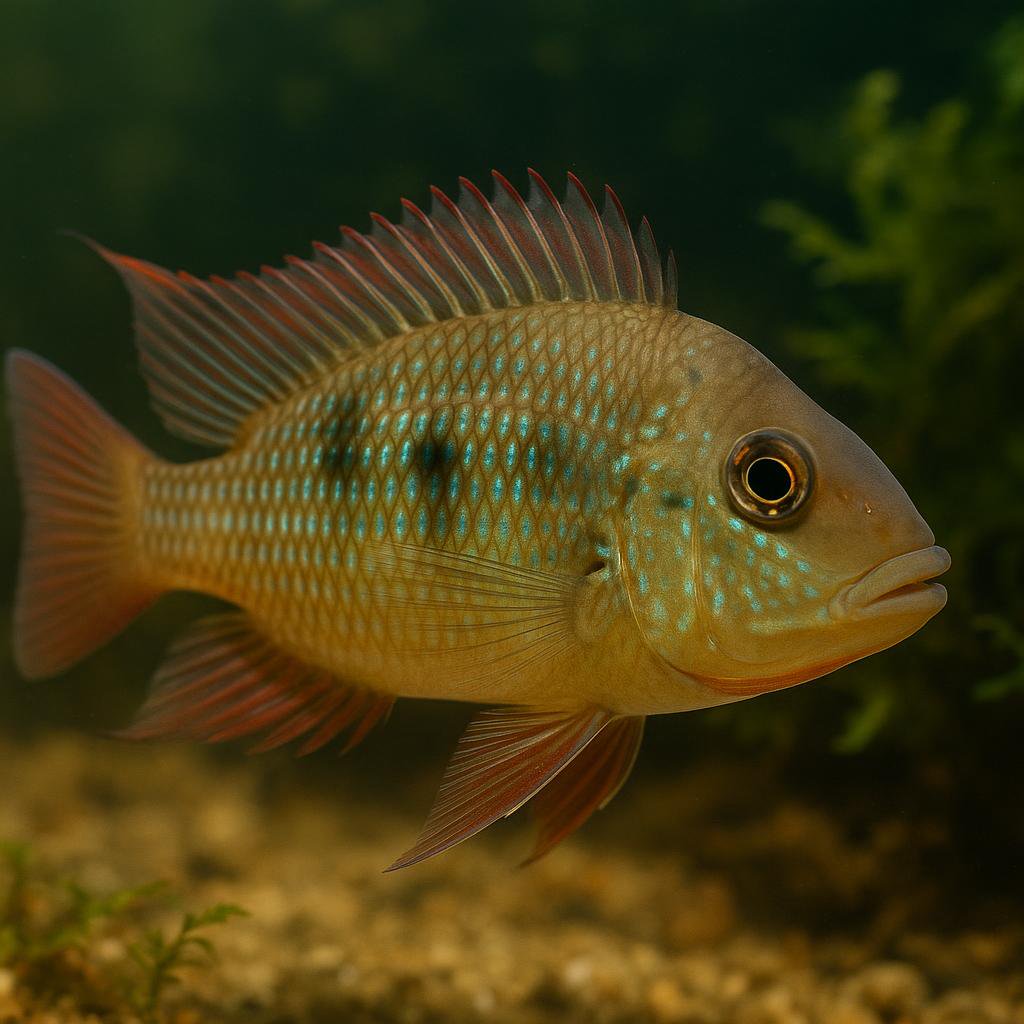
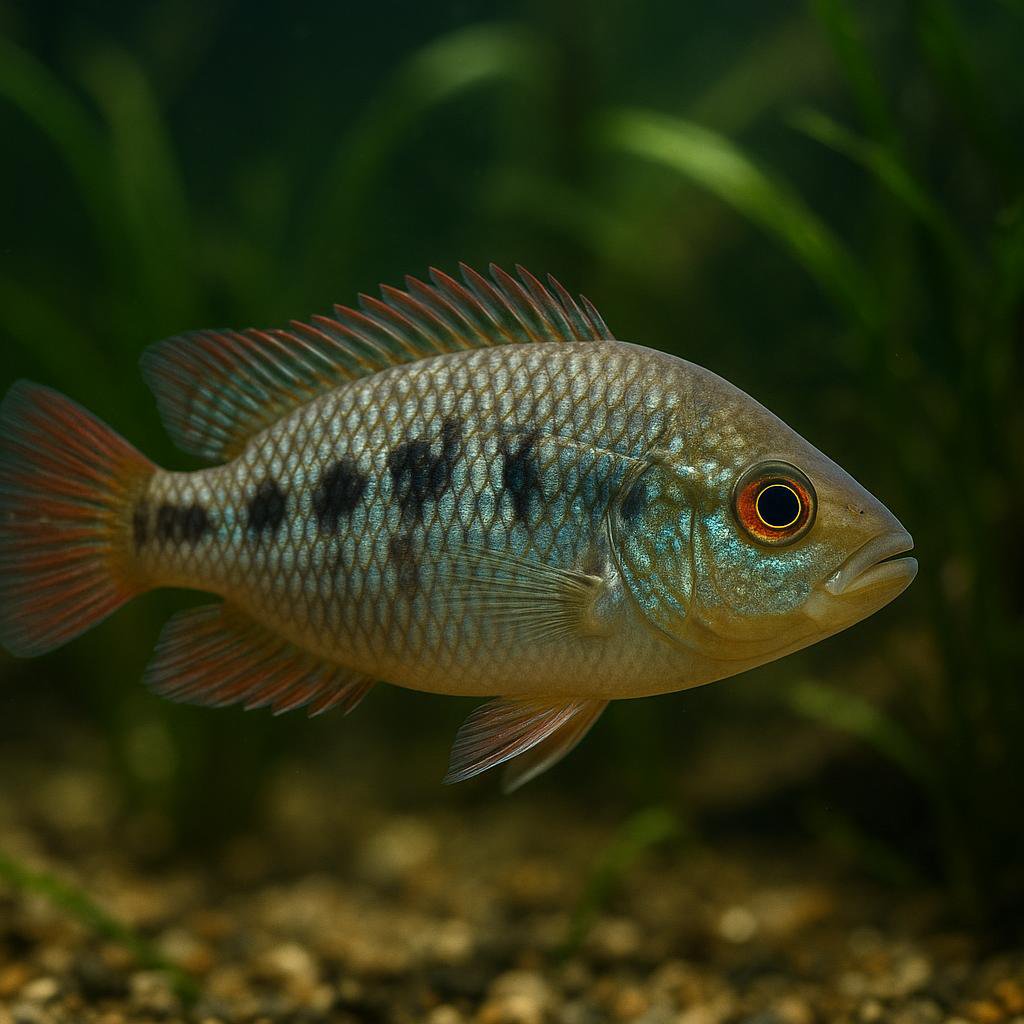
The Sete Quedas eartheater exhibits a distinct coloration with vibrant yellow and blue patterns, alongside a laterally compressed body shape.
This page includes AI-generated images. Why am I seeing AI images?
About the Sete Quedas eartheater
This is a smaller South American eartheater cichlid from the Parana River basin, and its vibe is classic Gymnogeophagus: cruising the bottom, picking at the substrate, and doing that cool biparental fry-guarding thing. It stays under 4 inches, but it still acts like a real cichlid when pairing up, so giving it space and some structure matters.
Also known as
Quick Facts
Size
9.8 cm SL
Temperament
Semi-aggressive
Difficulty
Intermediate
Min Tank Size
40 gallons
Lifespan
5-8 years
Origin
South America
Diet
Omnivore - quality pellets, frozen foods (bloodworms, brine shrimp), and some veggie matter
Water Parameters
20-26°C
6.5-8
3-15 dGH
Need a heater for this species?
This species needs 20-26°C in a 40 gallon tank. Use our heater calculator to find the right wattage.
Calculate heater sizeCare Notes
- Give them a sand bottom - they constantly take mouthfuls and sift it, and rough gravel will mess up their gills and lips.
- They are happier in a longer tank with open floor space and a few rock/wood boundaries; think 40+ gallons for a pair, bigger if you want a group.
- Keep the water clean and steady: mid-70s F, neutral-ish pH, and low nitrate (they sulk and get hole-in-the-head easier when the water gets dirty).
- Feed like an eartheater: small sinking pellets plus frozen foods (brine, mysis, bloodworms) and some veggie-based stuff; go easy on super fatty foods like beefheart.
- They are pretty chill with other peaceful South American cichlids and medium tetras, but skip fin-nippers and super aggressive tankmates that will keep them pinned down.
- They are sand movers and plant un-planters, so use tough plants on wood/rocks (anubias, java fern) or accept that rooted plants will get redecorated.
- Breeding is fun: they are mouthbrooders - once eggs are laid on a flat rock, one parent (often the female) will hold and get shy, so give them quiet corners and don’t chase them with a net.
- Watch for cloudy eyes and frayed fins from sandless setups or bullying, and for bloat if you hammer them with too much rich frozen food.
Compatibility
Good Tankmates
- Other medium Gymnogeophagus types (like balzanii or meridionalis) - works if the tank is big with lots of sand and sight breaks. They posture and bicker, but its usually manageable if you do groups and avoid cramming them.
- Peaceful to semi-spunky midwater dither fish like larger tetras (Buenos Aires, Colombian, bleeding heart) - they keep everyone out in the open and dont get bullied easily.
- Silver dollars - solid choice in a roomy tank. They are fast, not finny, and they dont care about a little cichlid attitude.
- Sturdier catfish like Corydoras (the bigger ones), hoplos, or Synodontis - they mind their business and handle the eartheater vibe as long as youve got sand and multiple hiding spots.
- Bristlenose pleco or other chill plecos - generally fine. Just give the pleco wood/caves so it can get away when the cichlids decide a corner is theirs.
- Peaceful Geophagus-type eartheaters (not the mega aggressive stuff) - can work in a big footprint tank with tons of sand. Expect some sand-spitting drama, but they usually sort it out.
Avoid
- Small, shy nano fish like neons, ember tetras, small rasboras - they tend to get stressed, and some will get eaten once the Sete Quedas gets size and confidence.
- Fin-nippers and hyper bullies like tiger barbs or some larger serpae groups - they annoy the cichlids nonstop and you end up with ripped fins and constant chasing.
- Hardcore aggressive cichlids (most Central Americans, big Oscars, green terrors, jaguars) - theyll either steamroll the Gymnogeophagus or force them into hiding all day.
- Slow fancy-finned fish like angelfish, longfin livebearers, fancy gouramis - the eartheaters arent pure fin-biters, but during spawning they get pushy and the slow pretty stuff takes the worst of it.
Where they come from
Gymnogeophagus setequedas is one of those southern South American eartheaters that makes you fall in love with substrate-sifting cichlids. They come from the Uruguay River basin region around the old Sete Quedas area (the big falls that used to be a landmark before dam projects changed the river). Think cooler seasonal water, sandy stretches, scattered rocks, and a lot of natural grazing.
They are not a "hot Amazon" fish. If you keep them like a typical warm-water community cichlid, they will usually survive, but they look tired and get finicky long-term.
Setting up their tank
Give them floor space and sand. That is the whole game with these guys. They spend a ton of time taking mouthfuls of sand, sifting it, and spitting it out like little bulldozers.
- Tank size: I would start a pair in 40 breeder territory, but a small group really wants 75+ so they can sort out pecking order without one fish getting pinned all day.
- Substrate: fine sand (play sand, pool filter sand, or aquarium sand). Skip sharp gravel. They will still try to sift it and you can end up with mouth damage.
- Hardscape: smooth rocks, rounded river stones, and a few pieces of wood. Make broken sight lines so a chased fish can duck out of view.
- Plants: doable, but choose tough stuff (Anubias, Java fern) and anchor it to wood/rock. Rooted plants get redecorated.
- Filtration: they are messy sand-sifters. Use more mechanical filtration than you think and rinse it often.
A thin layer of leaf litter (catappa/oak) over sand looks natural and gives fry and shy fish somewhere to pick and hide. Just expect it to get shuffled around daily.
Water-wise, aim for clean and well-oxygenated. They appreciate cooler temps than most cichlids. I have had the best results keeping them in the low-to-mid 70s F. They can handle warmer for short periods, but I would not park them at 80+ year-round.
If your tank runs warm (tight lid, strong lights, summer heat), add a fan or adjust the room. Long-term heat is one of the easiest ways to slowly wear these fish down.
Feeding
They eat like classic eartheaters: a mix of small meaty bits and whatever they can graze from the substrate. In my tanks they do best on smaller foods offered a bit more often rather than one big sloppy feeding.
- Staples: a good quality cichlid pellet (smaller size), supplemented with flakes or granules they can pick up off the sand
- Frozen: bloodworms, brine shrimp, daphnia, mysis (rotate, do not make bloodworms the whole diet)
- Occasional: live foods if you trust the source (blackworms, live brine) - great for conditioning
- Veg matter: they are not strict herbivores, but a little spirulina-based food or blanched veg now and then keeps things moving
Feed in a way that lets the shy fish eat. I like to scatter food across the front and back of the tank so the bossy one cannot guard a single spot.
Behavior and tankmates
They are generally on the calmer end for cichlids, but they still have cichlid attitudes. Most of the time they are busy sifting sand and doing little fin-flares at each other. During spawning, they get a lot more serious about personal space.
In a group, you will see a pecking order. That is normal. What you do not want is one fish getting hammered constantly with no breaks. That usually means the tank is too small, too bare, or the group is unbalanced.
- Good tankmates: other peaceful-to-moderate South American fish that like similar temps (dither tetras that can handle cooler water, robust bottom fish that will not be bullied easily, some loricariids if you have hiding spots)
- Avoid: hyper-aggressive cichlids, fin-nippers, and super delicate fish that panic at every display
- Also avoid: tiny shrimp and anything you cannot afford to have sifted, chased, or snack-tested
These fish do best with tankmates that do not compete for the exact same "sand patch". If you stack the bottom with too many bottom-dwellers, the whole tank feels tense.
Breeding tips
If you have not kept Gymnogeophagus before, the fun part is they are typically maternal mouthbrooders. You will see them pair up, clean a spot (often a flat rock or a cleared patch of sand), and then the female will take the eggs into her mouth after fertilization.
- Conditioning: heavy water changes and lots of varied frozen/live foods usually flips the switch
- Spawning sites: offer a few flat stones and open sand areas so they can pick a spot
- After spawning: the holding female may eat less and get shy - give her cover and keep the tank calm
- Raising fry: once released, fry take baby brine shrimp and finely crushed foods well; gentle filtration and clean water make a big difference
If the male will not stop pestering a holding female, you can use a divider or move her to a quiet tank. Some pairs are polite, some are not.
Common problems to watch for
Most issues I have seen with setequedas come from two things: warm, stale water and dirty substrate. They are sand-sifters, so whatever collects in the sand eventually gets pulled through their mouths and gills.
- Mouth/gill irritation from sharp gravel or filthy sand: switch to fine sand and keep up with maintenance
- Bloat and stringy poop: often food-related or stress-related - cut back, add roughage, and check aggression
- Hiding and not eating: frequently temperature too high, tank too bright/bare, or a bully in the group
- Hole-in-the-head style issues: usually show up when water quality slides and diet is narrow - step up water changes and vary foods
Do not vacuum the sand like gravel. Lightly skim the surface and let the sand settle. If you dig deep every time, you stir up nasty pockets and the fish will be sifting through it for days.
If you get the sand, the space, and the cooler clean water right, they are honestly pretty forgiving for an "intermediate" fish. You will spend more time watching their little sand-spitting routines than troubleshooting problems.
Similar Species
Other freshwater semi-aggressive species you might be interested in.
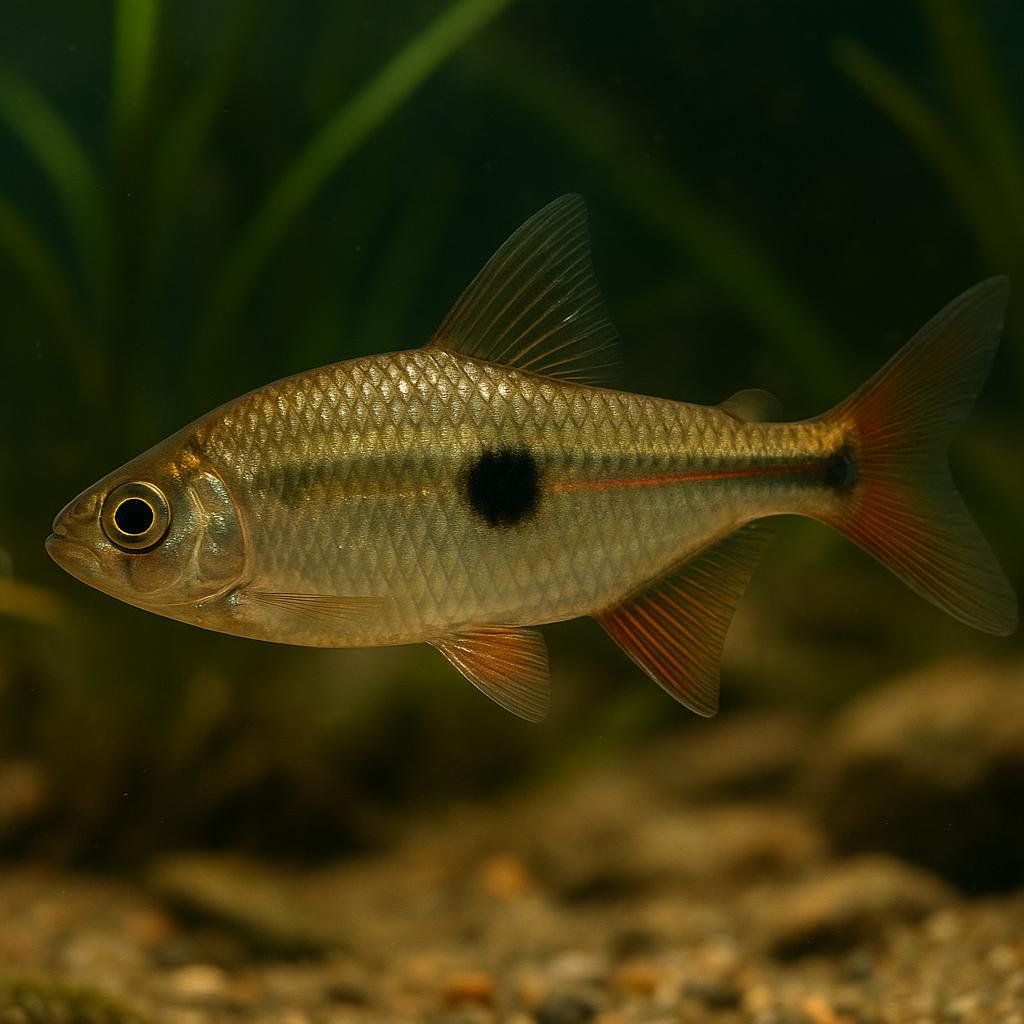
Jupiaba kurua
Small South American characin endemic to the upper rio Curuá (rio Xingu basin, Brazil). Reaches about 8.7 cm SL and inhabits clearwater rivers. Distinguished by dark dots on the bases of many lateral scales and a distinct dark caudal‑peduncle spot. Reported diet indicates omnivory, including aquatic insects, small fishes, and fragments of Podostemaceae and filamentous algae.
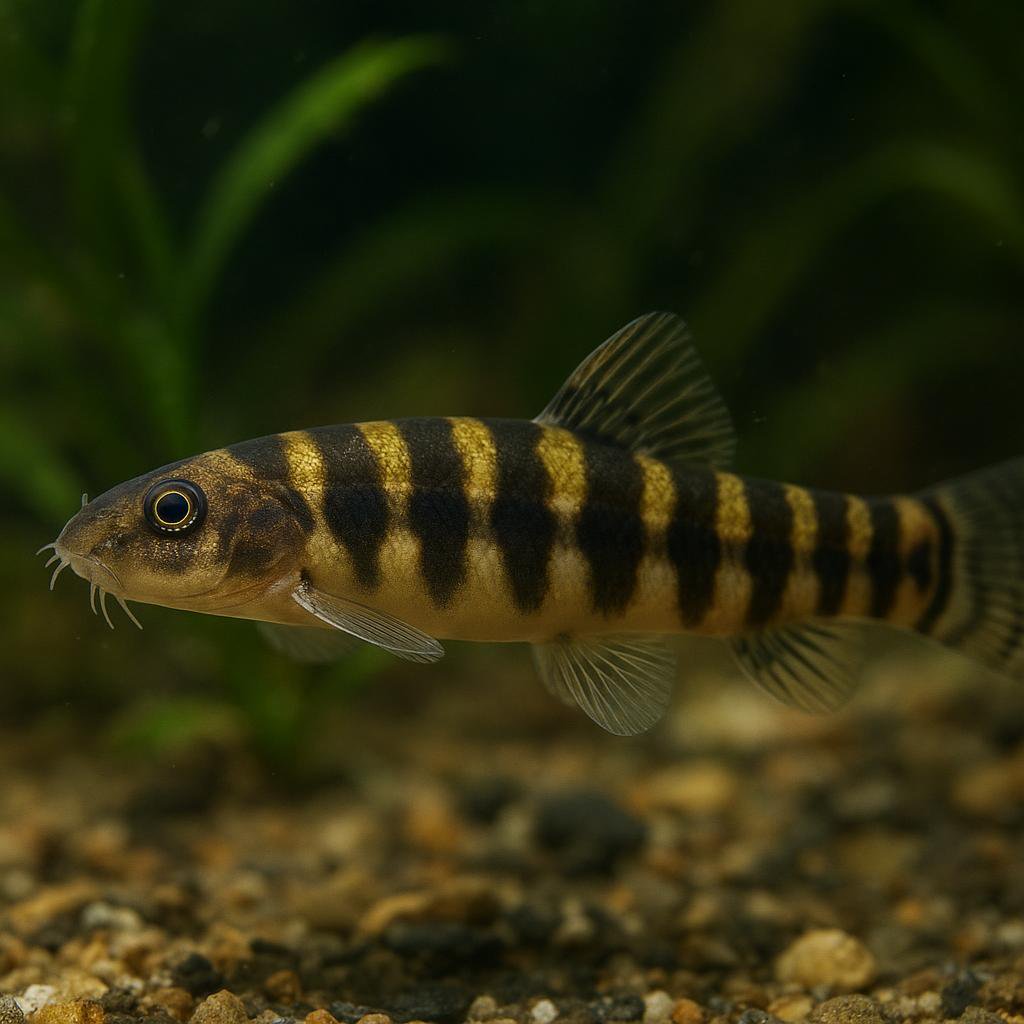
Altipedunculata stone loach
Schistura altipedunculata
Schistura altipedunculata is one of those little stream loaches that wants clean, well-oxygenated water and a bunch of rock nooks to claim as home. It is a bottom-hugger that will spend its day scooting from crevice to crevice, and it tends to get a bit spicy with its own kind if you do not give it enough hiding spots.
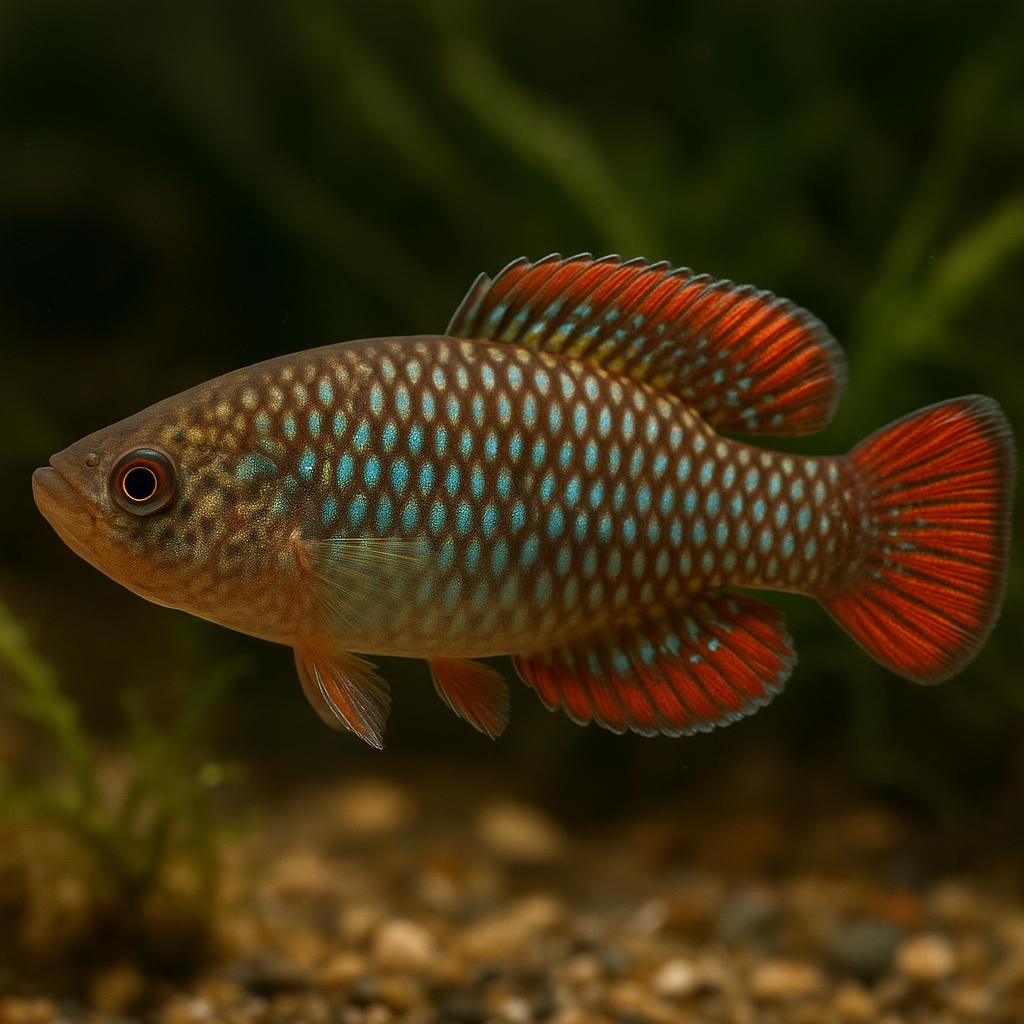
American flagfish
Jordanella floridae
Jordanella floridae is that little Florida native with the red-and-cream striping that really does look like a tiny flag once a male colors up. They graze algae like champs (especially stringy/hair algae), but they have a bit of attitude - give them plants and space so the bossy behavior stays manageable. Bonus: the male guards the eggs and will actively fan them, which is pretty fun to watch.
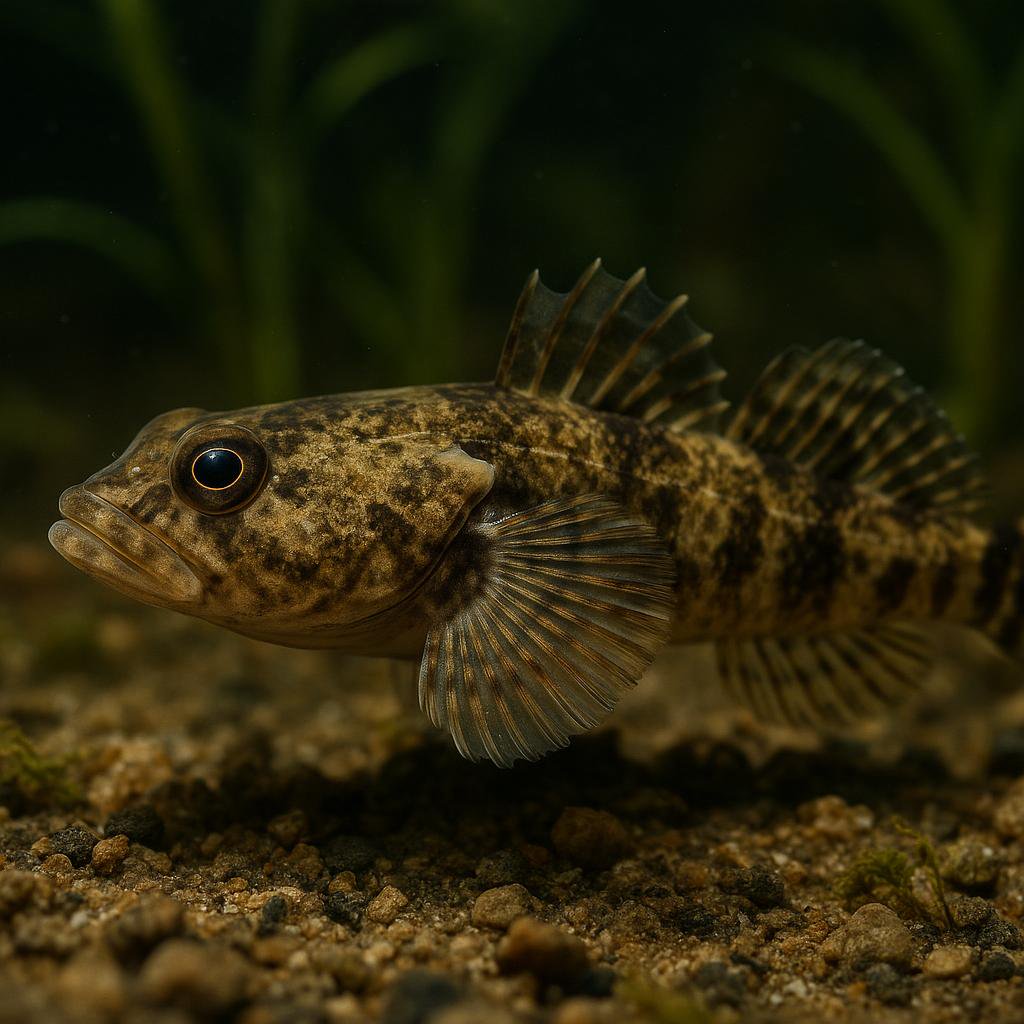
Amur sculpin
Alpinocottus szanaga
This is a little coldwater sculpin from the Amur drainage - a bottom-hugging, rock-and-gravel fish that spends its day wedged under stones and darting out to grab food. Super cool behavior and attitude, but it is absolutely not a warm tropical community fish - it wants chilly, fast, oxygen-rich water and will bicker with other bottom fish.
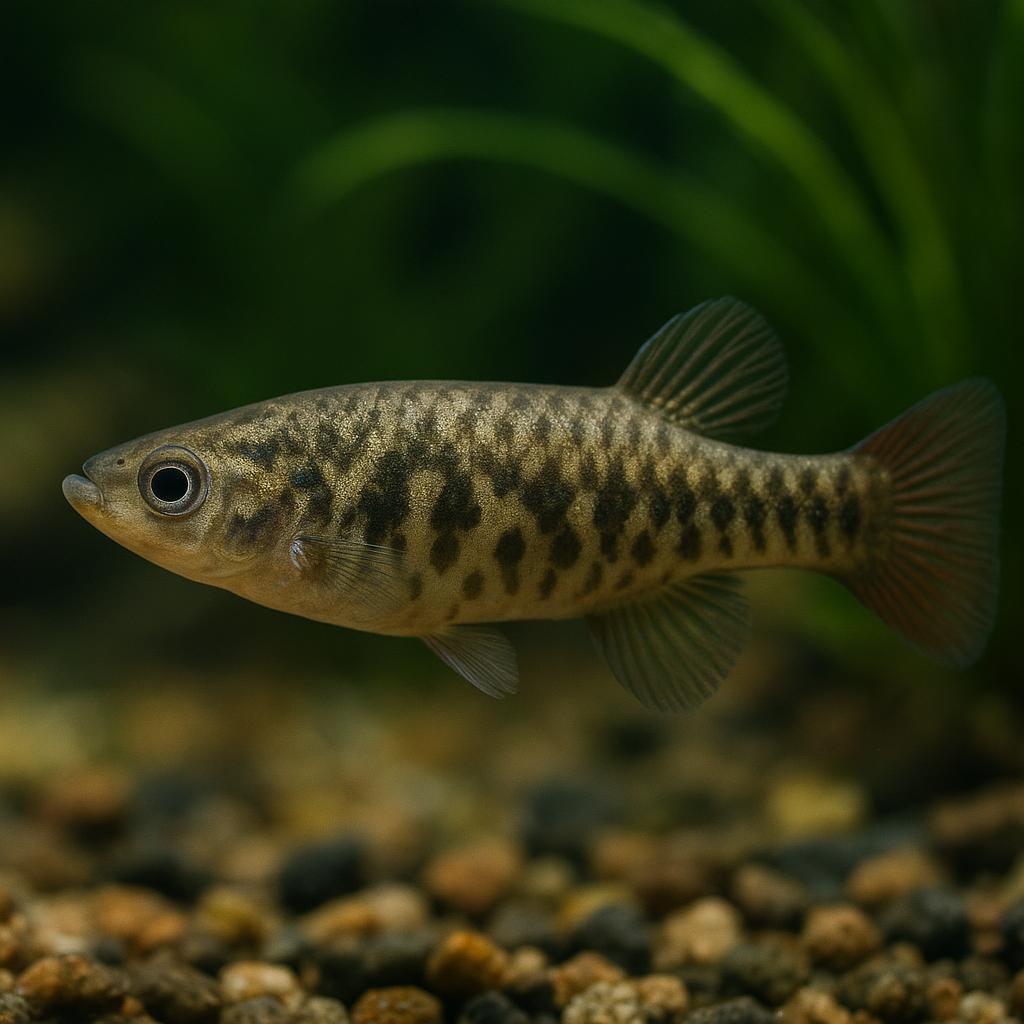
Anitápolis livebearer
Jenynsia weitzmani
Jenynsia weitzmani is a freshwater anablepid livebearer endemic to southern Brazil (currently known only from the type locality near Anitápolis, Santa Catarina). Like other Jenynsia (onesided livebearers), reproduction involves lateralized mating morphology/behavior; aquarium care guidance is not well-documented for this species specifically.
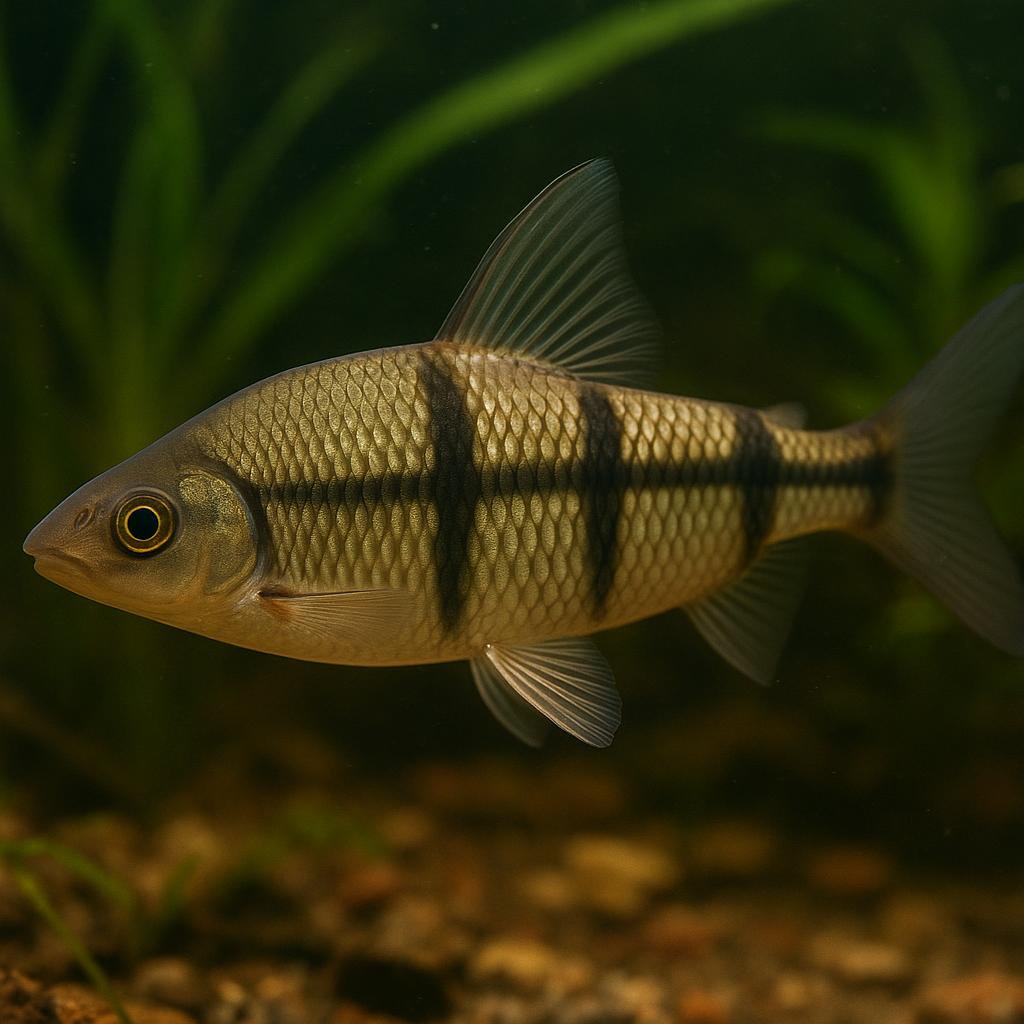
Aracu-comum
Schizodon vittatus
Schizodon vittatus is a large South American anostomid (family Anostomidae). Reported maximum size is about 35 cm standard length; it is harvested/consumed in parts of Brazil and is not commonly covered by mainstream aquarium husbandry references.
More to Explore
Discover more freshwater species.
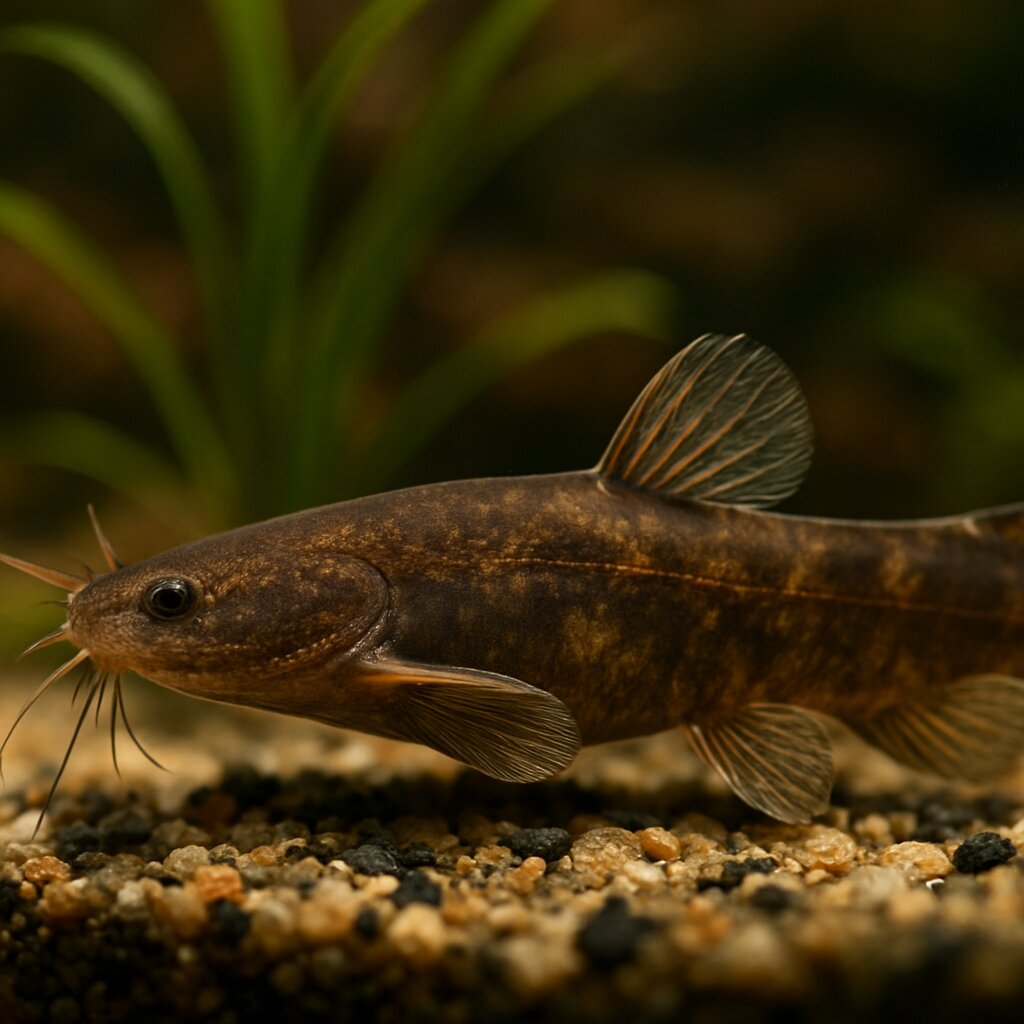
Amphilius dimonikensis
A small loach catfish endemic to the Mpoulou River in the Mayombe (Dimonika Biosphere Reserve), Republic of the Congo. Amphilius dimonikensis has a subtle banded pattern and inhabits fast, clear streams over rock and sand. In aquaria, prioritize strong, well-oxygenated flow with rounded stones and sand to mimic hillstream conditions.
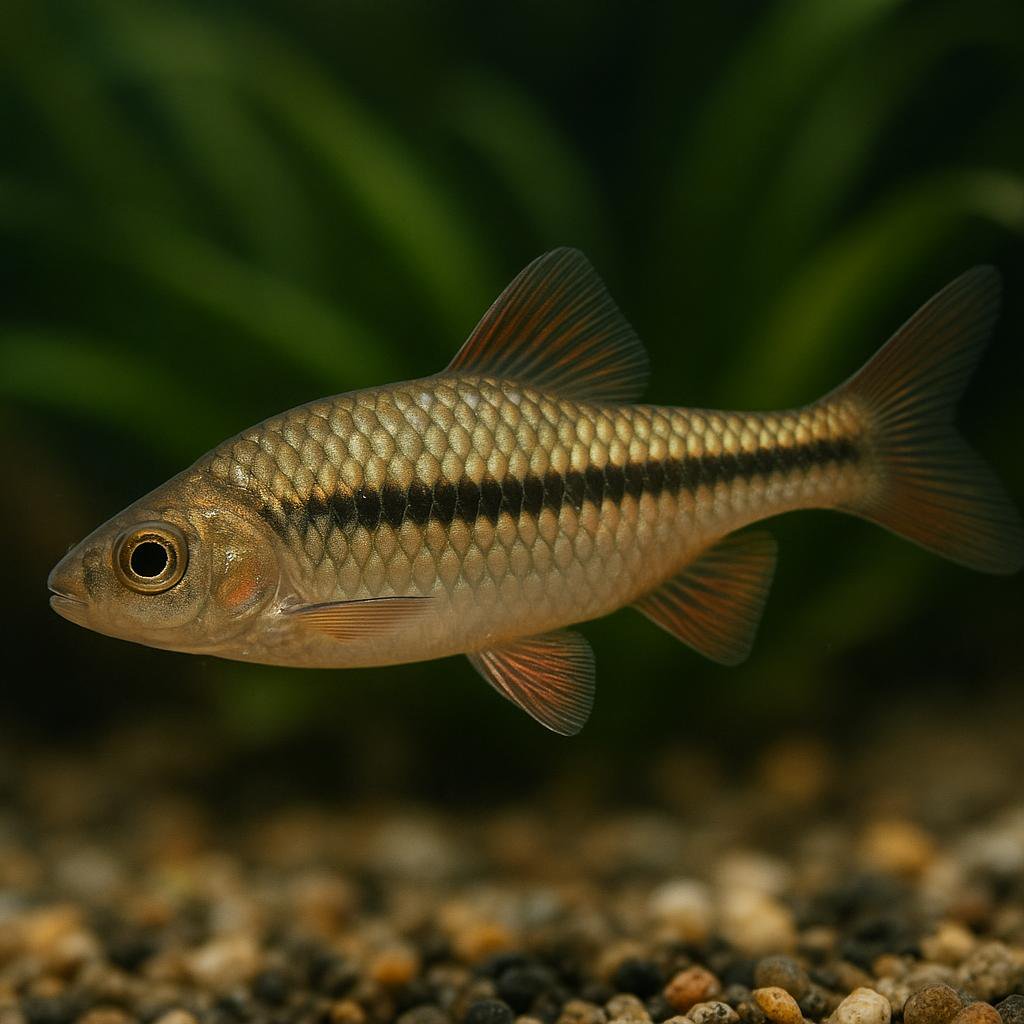
Aboina barb
Enteromius aboinensis
Enteromius aboinensis (the Aboina barb) is a small West African barb with a clean black midline stripe and a little spot right at the base of the tail. It does best when you treat it like a proper schooling fish - keep a decent group and give it plants around the edges with open swimming room in the middle.
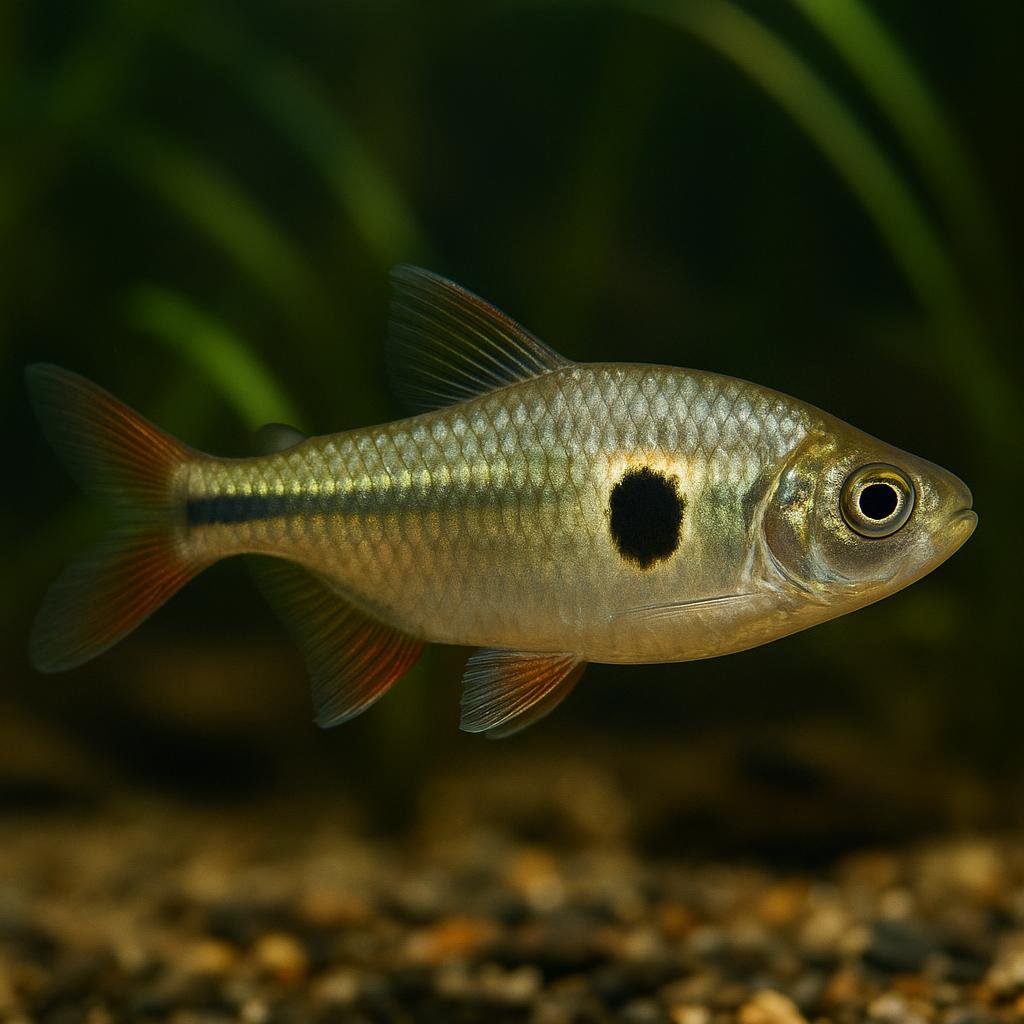
Ajuricaba tetra
Jupiaba ajuricaba
Jupiaba ajuricaba is a South American freshwater characin from the Amazon basin in Brazil (rio Negro, rio Solimões, and rio Tapajós basins). It reaches about 9.5 cm SL and is diagnosed by a narrow dark midlateral stripe, an elongated humeral spot, and an ocellated spot on the upper caudal-fin lobe. Wild specimens have been collected from blackwater forest streams and also oxbow-lake habitats.
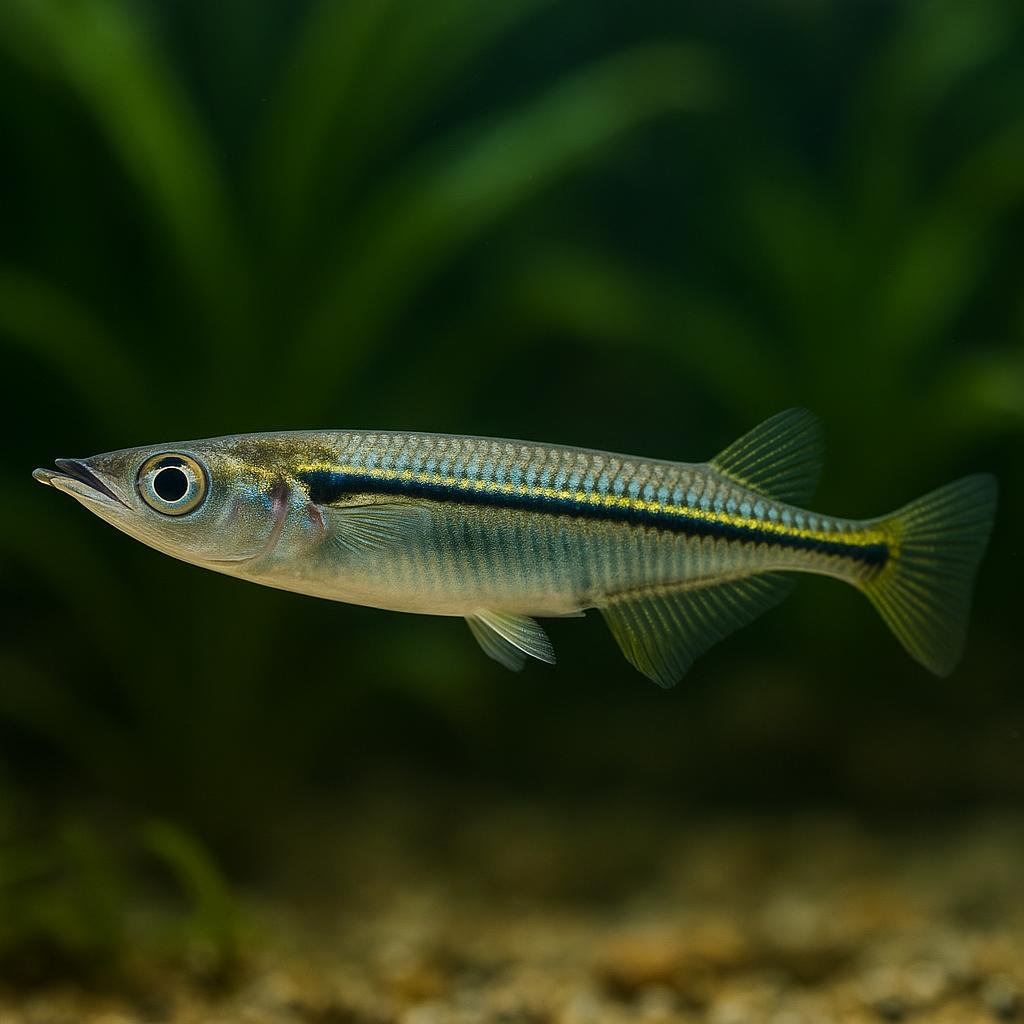
Allen's river garfish
Zenarchopterus alleni
A poorly known freshwater halfbeak endemic to West Papua (Mamberamo River), described from a single specimen (~13 cm SL). Beyond basic habitat/occurrence, little is published about its ecology or aquarium suitability; assume it is a surface-oriented, jump-prone halfbeak only by analogy with related taxa.
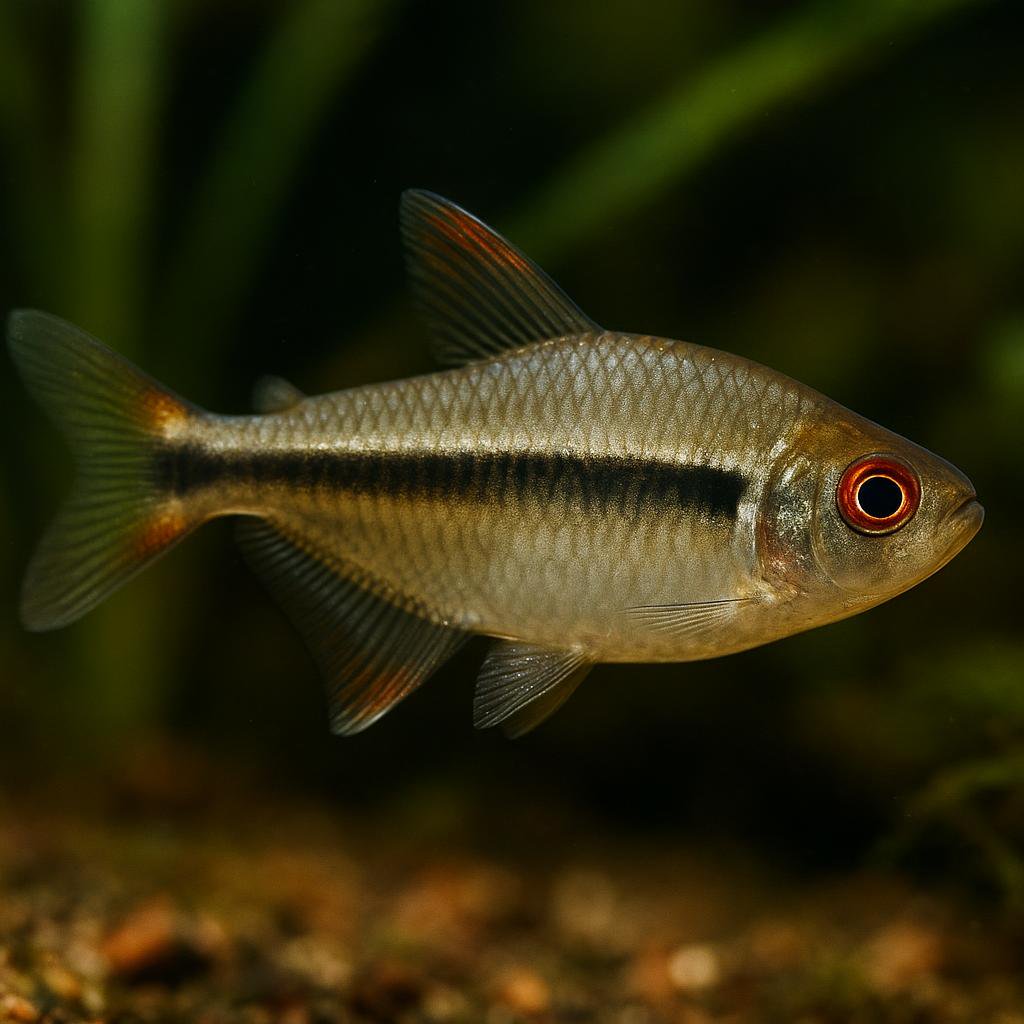
Amapa tetra
Hyphessobrycon amapaensis
This is a tiny, super sleek little tetra with a clean red stripe down the side that really pops once its settled in. It does best in a planted, slightly tinted "creek-style" setup and looks way cooler when you keep a proper group so they school and flash that line together. If you can give it soft, slightly acidic water and a calm community, its an easy fish to fall for.
Amatlan chub
Yuriria amatlana
Yuriria amatlana (the Amatlan chub) is a little Mexican native minnow from the Ameca River basin. Its wild range is pretty limited and it is listed as Endangered, so its care info in the aquarium hobby is basically nonexistent and its availability is usually low. In the original species description, preserved fish show a dark lateral stripe with a darker patch on the caudal peduncle, and they can have tiny barbels at the mouth corners.
Looking for other species?