

Search Species
Search for fish species by common or scientific name, or use filters to browse by water type, size, temperament, and difficulty.
Found 159 species
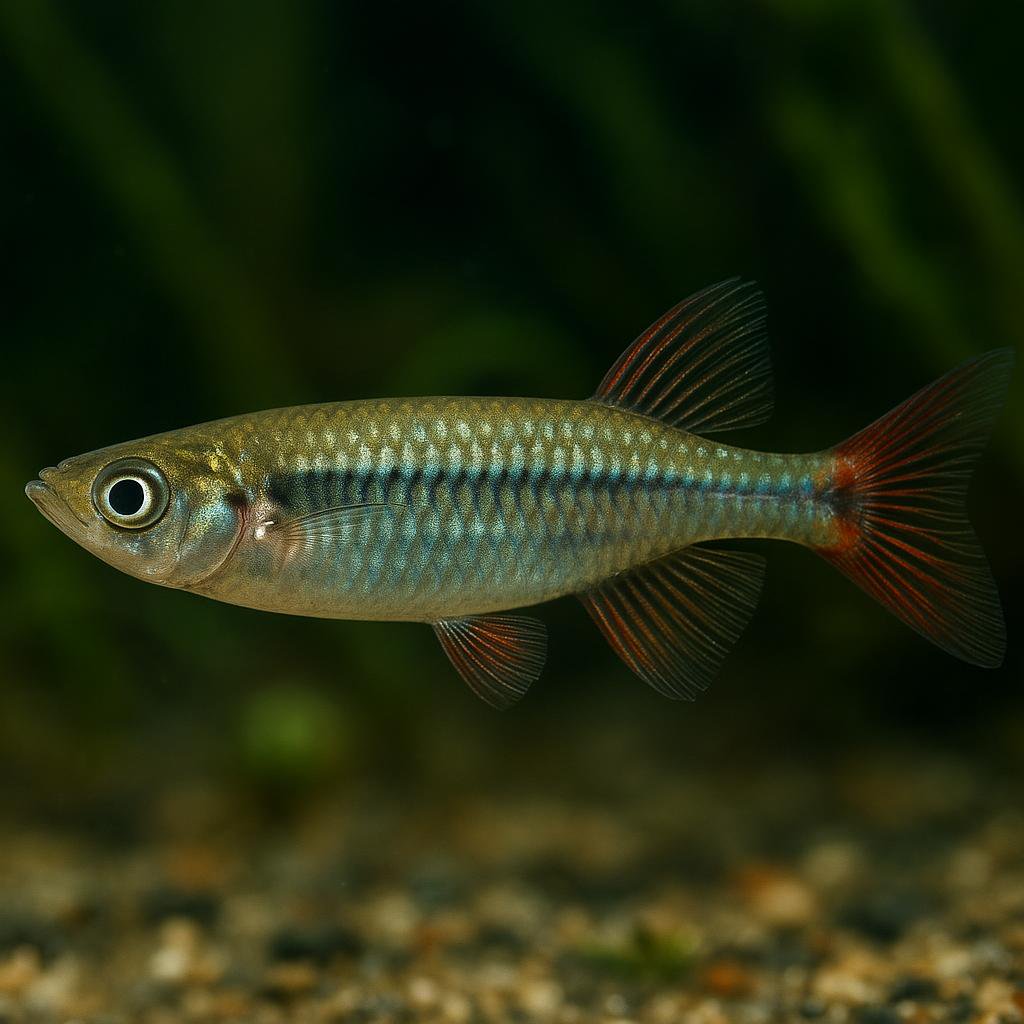
Feathered river-garfish
Zenarchopterus dispar
Zenarchopterus dispar is a surface-hanging halfbeak from mangroves and sheltered bays, with that classic long lower jaw for snapping up insects and other floaty foods. Males get those funky elongated fin rays (the "feathered" look), and they are livebearers, so once they settle in you can occasionally get surprise babies. Biggest thing with this fish is giving it calm water up top, room to cruise, and a tight lid because halfbeaks can rocket-jump.
-1771033122.jpg)
Figure 8 Puffer (Eyespot puffer)
Dichotomyctere ocellatus (syn. Tetraodon biocellatus)
This is the small "Figure 8"/eyespot puffer with two bold eyespots and a yellow-green maze-like pattern. They're interactive and can be fin-nippy and territorial, especially toward other puffers. Husbandry advice on salinity varies by source: FishBase lists it as a freshwater species, while many aquarium references recommend low-end brackish (often around SG ~1.005-1.008) for long-term keeping, with very clean, stable water.
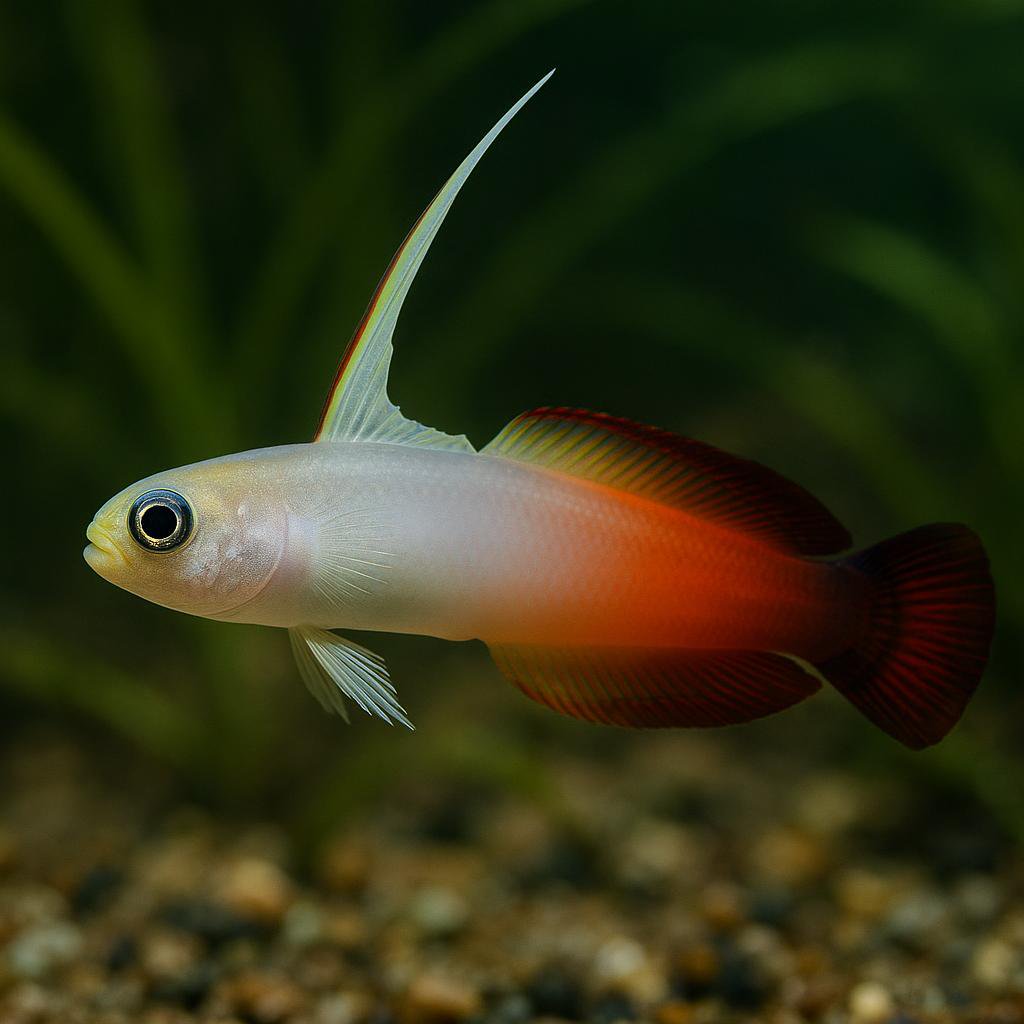
Firefish (Fire Goby / Fire Dartfish)
Nemateleotris magnifica
This is that little "hover-and-dart" reef fish with the yellow face and the white-to-red fade that looks like it was airbrushed on. It'll pick a bolt-hole in the rockwork, hang in the water column facing the current, and do that cute little flag-flick with the tall first dorsal fin when it's feeling bold.
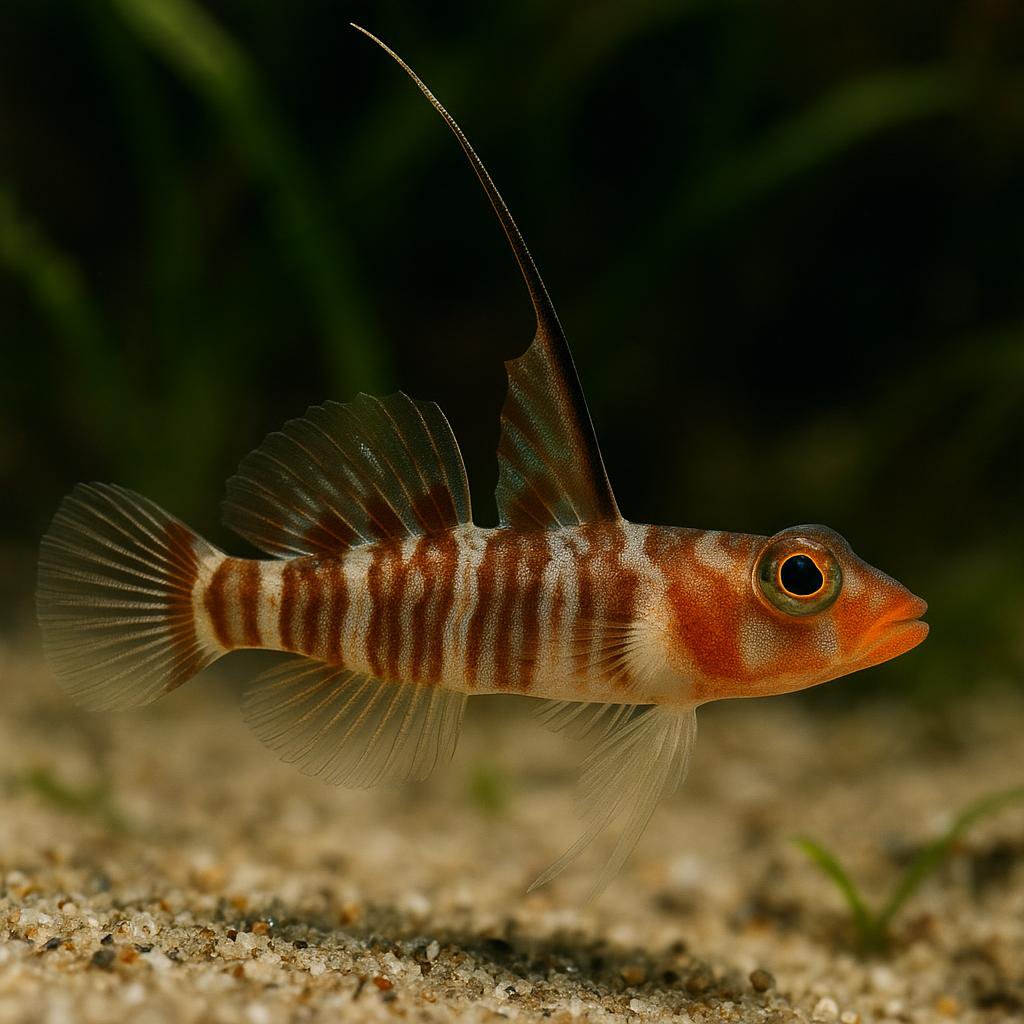
Flaming Prawn Goby
Discordipinna griessingeri
This tiny reef goby flashes long orange fins as it shuffles between rock crevices, so you usually spot it in quick cameos. At barely 3 cm long, its crisp white-and-orange striping and spiky fin displays look wild for such a small fish.
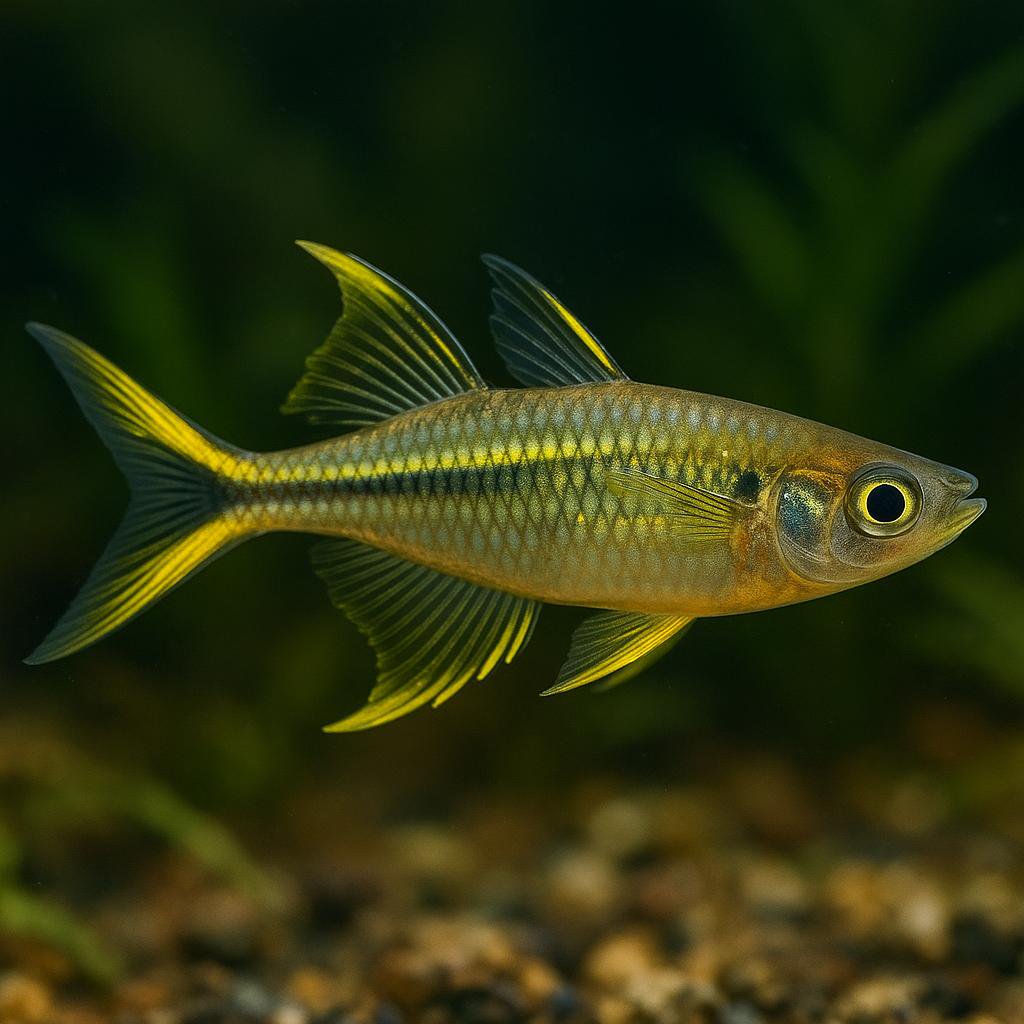
Forktail blue-eye (Forktail rainbowfish)
Pseudomugil furcatus
Pseudomugil furcatus is one of those little fish that never sits still-in a good way. When you keep a proper group, the males do these harmless fin-flaring "showdowns" and the forked tail + blue eyes really pop, especially in a planted tank with some open swimming room. It's a peaceful, small schooling fish from Papua New Guinea rainforest streams, and it's an easy way to add constant movement to a tank.
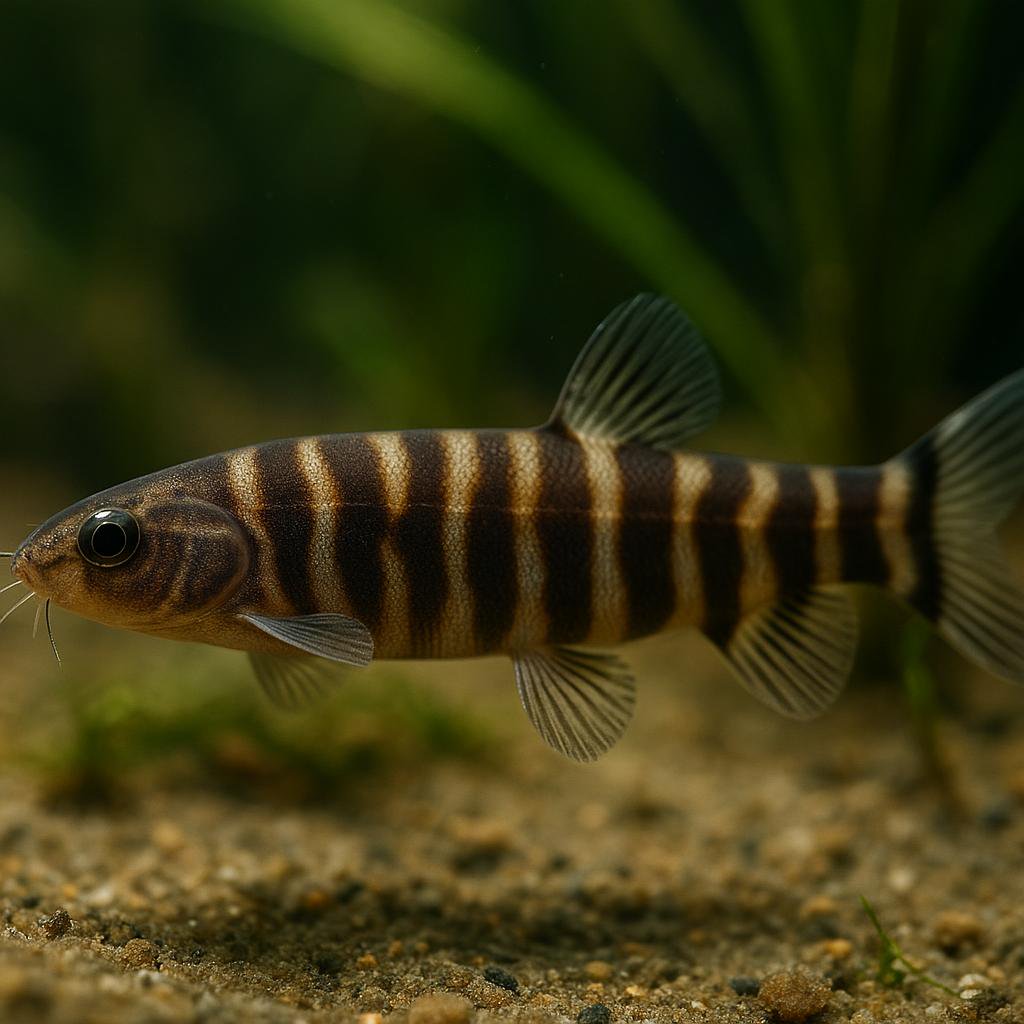
Forktail loach
Vaillantella maassi
A long, eel-like loach with a huge dorsal fin and a deep forked tail, it darts out from leaf litter mostly after dark. In a soft, tannin-stained setup the dorsal stripe glows orange, but it can be territorial with bottom dwellers so give it space and cover.
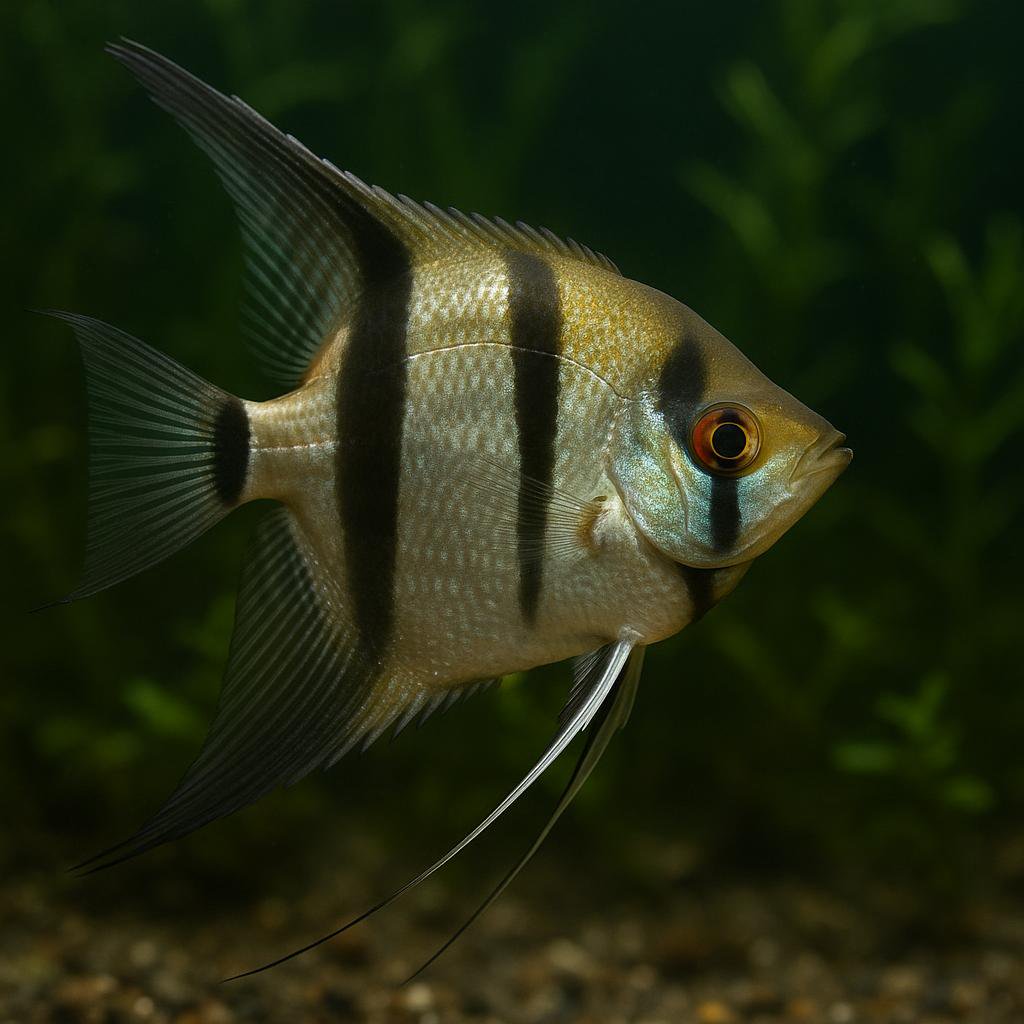
Freshwater angelfish
Pterophyllum scalare
Pterophyllum scalare is that classic tall, triangle-shaped cichlid that just glides around like it owns the midwater. Give it some vertical space, plants/wood to weave through, and it'll reward you with tons of personality-especially once a pair forms and starts guarding a spawn site.
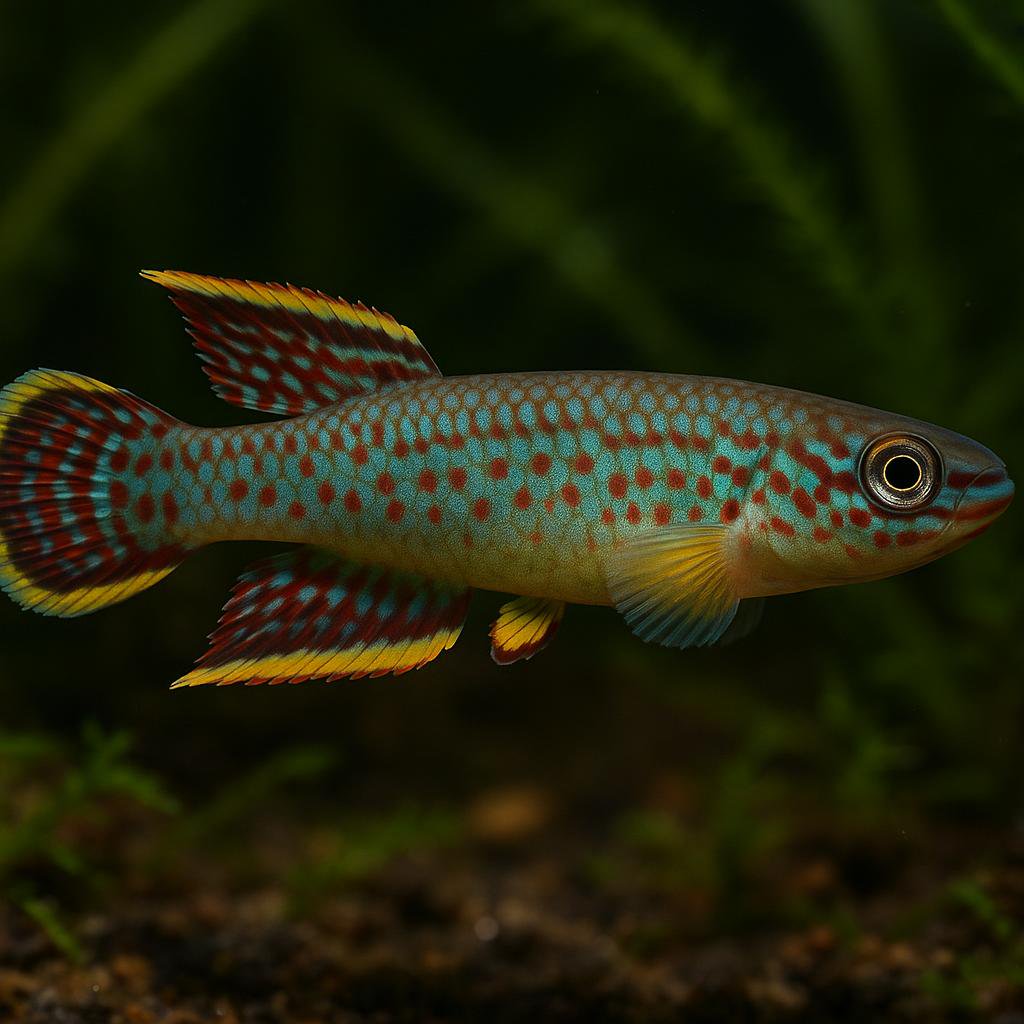
Gardner's killifish
Fundulopanchax gardneri
Gardneri are those little West African killies that look like someone painted neon speckles and flag-fins onto a 2-inch fish. The males will posture and flare at each other but its more drama than damage, and they will absolutely reward you with constant spawning if you give them mops or fine plants. Biggest things to know: keep a tight lid (they jump) and do not cook them warm - they do best in the low-to-mid 20s C.
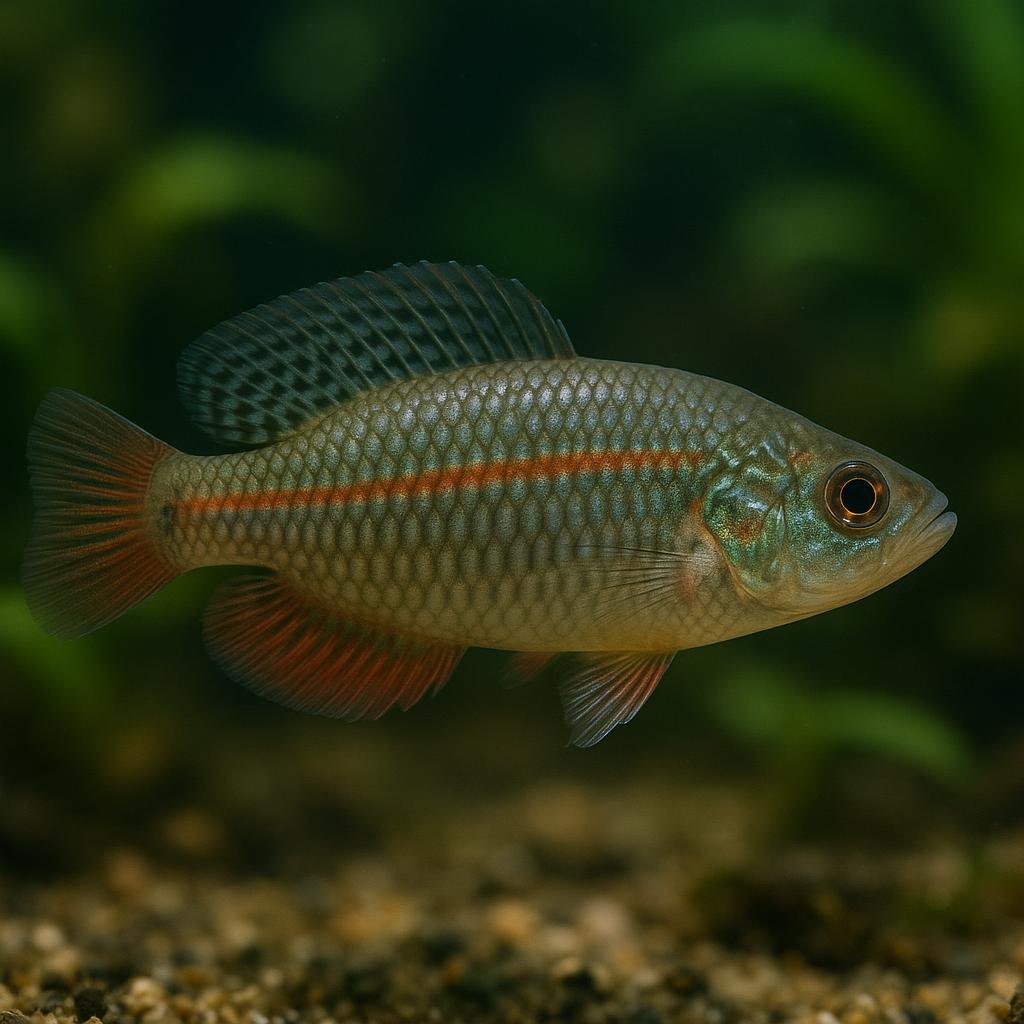
Gjellerup's snake eel
Yirrkala gjellerupi
This is a tiny little freshwater snake eel (worm eel family) that lives a pretty un-eel-like life, turning up in streams well away from the sea. It is one of those obscure oddballs you will mostly see in scientific papers rather than aquarium shops, and that rarity is honestly part of what makes it so interesting.
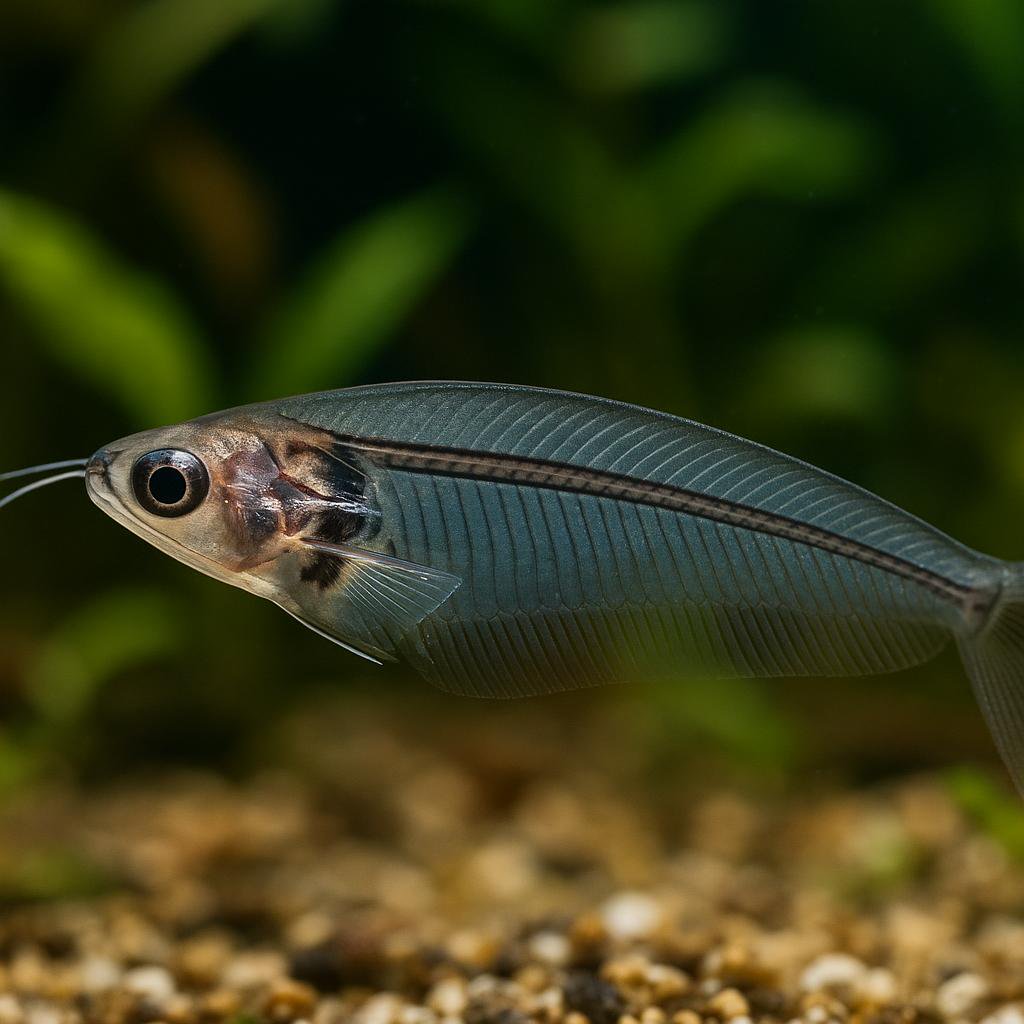
Glass catfish
Kryptopterus vitreolus
This is the truly transparent "glass" catfish from Thailand - you can literally see the spine and organs when its happy and settled in. The big trick is keeping them in a proper group and giving them calmer, dimmer conditions; once they feel secure, they cruise around together and look unreal in the water column.
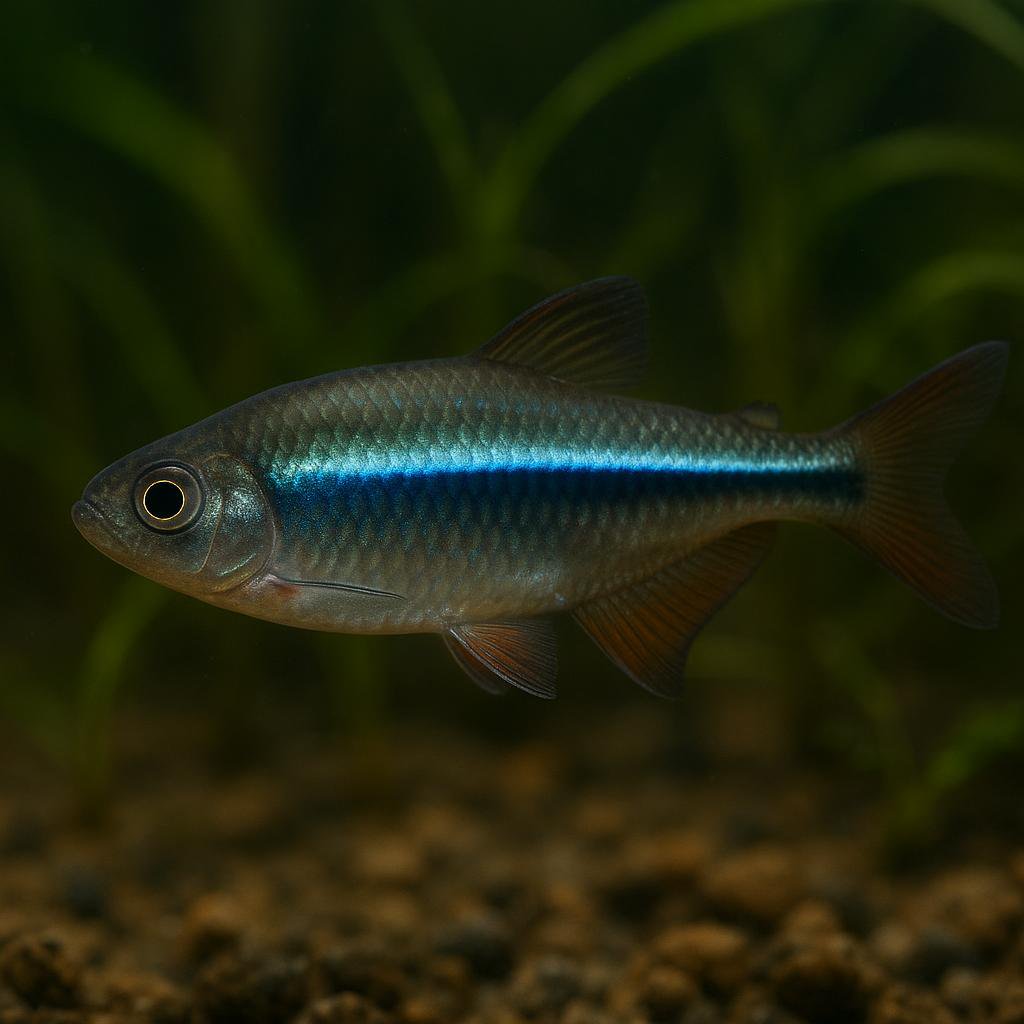
Glow Light Tetra
Hemigrammus erythrozonus
The Glowlight Tetra (Hemigrammus erythrozonus) is a small, peaceful South American schooling tetra with a translucent silvery body and a distinctive iridescent orange-red stripe running from the snout to the base of the tail.
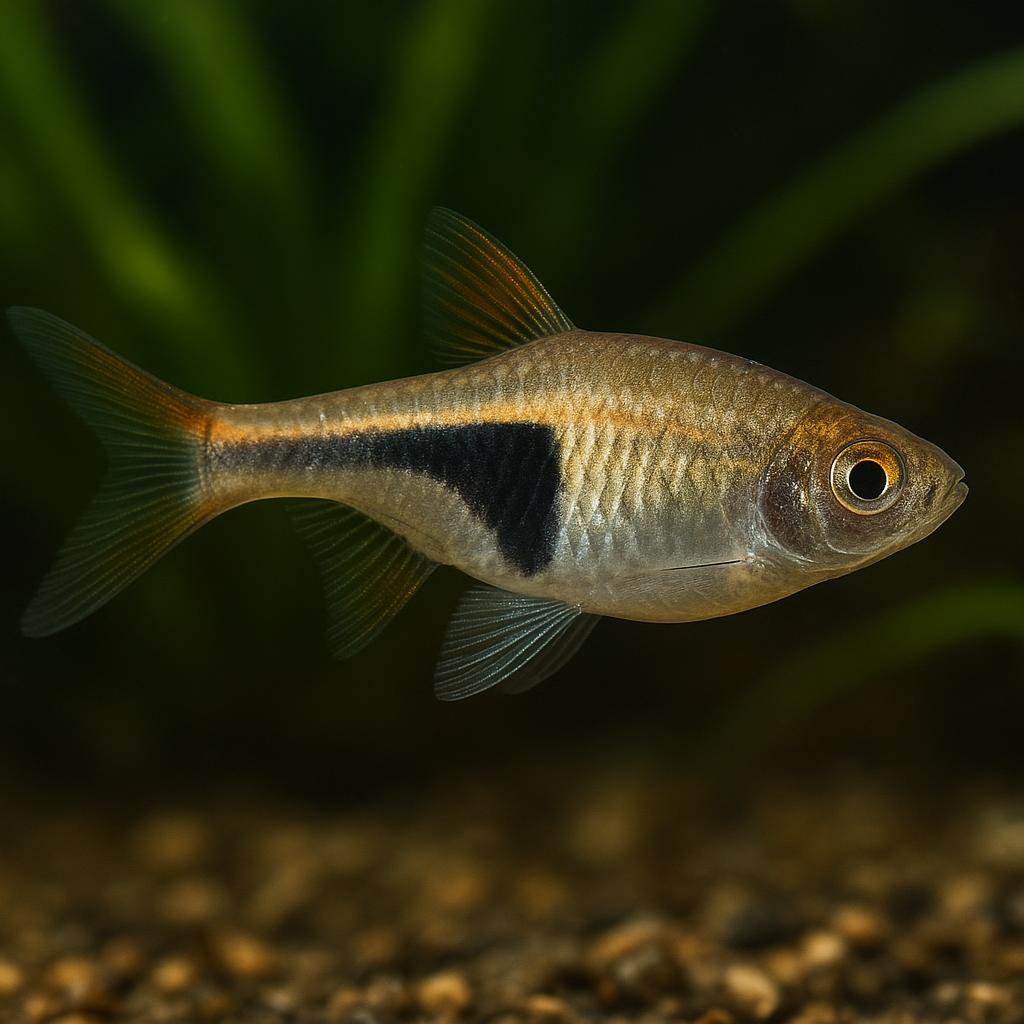
Glowlight rasbora
Trigonostigma hengeli
This is the little "orange neon line + tiny black wedge" rasbora that absolutely glows when you keep it over a dark substrate with plants and a bit of tannin-stained water. The best part is how tight they school-get a decent group and they move like one fish, super calming to watch.