

Blue gularis
Fundulopanchax sjostedti
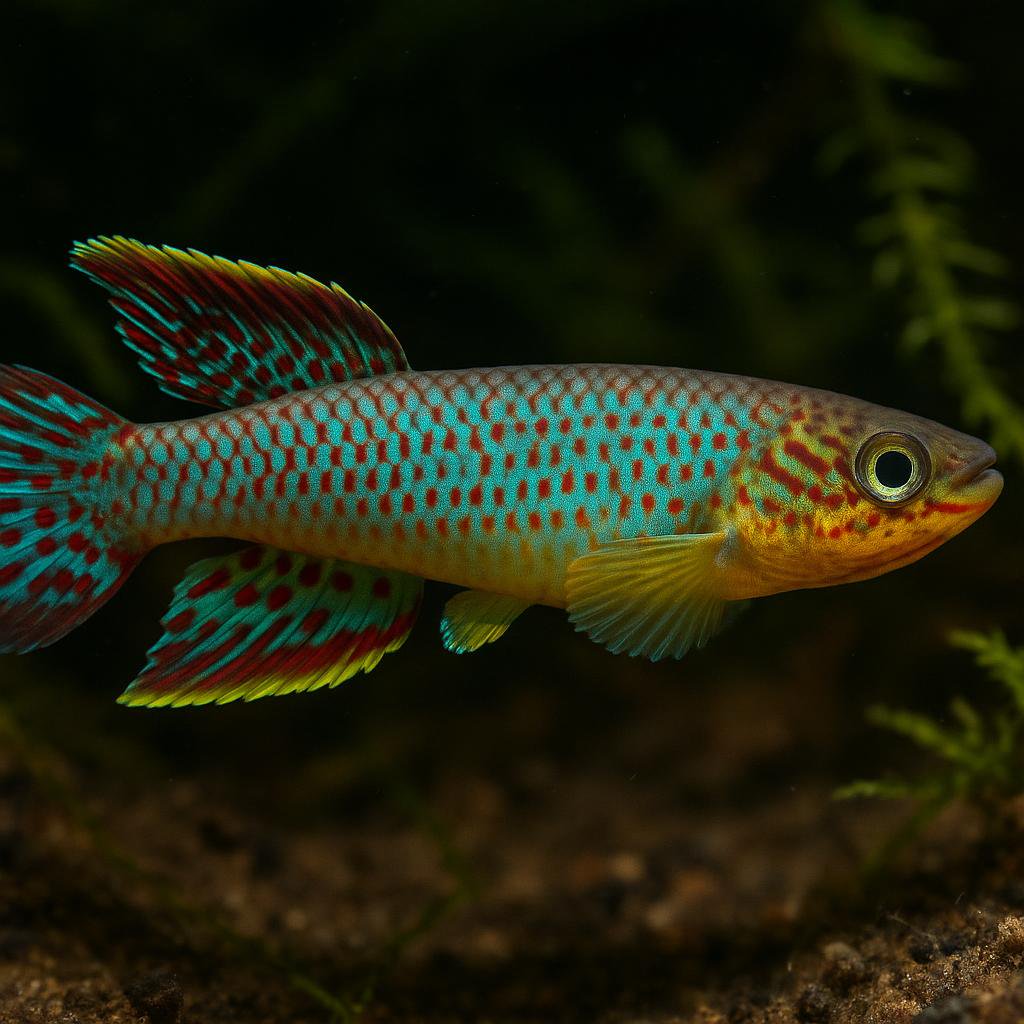
Blue gularis exhibits striking blue and gold coloration, with males displaying elongated fins and distinctive iridescent markings along the body.
This page includes AI-generated images. Why am I seeing AI images?
About the Blue gularis
This is the big, flashy West African killifish with the ridiculous triple-point tail and electric blue-green body covered in red spotting. Males can be real attitude machines with each other, but if you give them room, cover, and a tight lid, they make an awesome centerpiece fish that will absolutely demolish live and frozen foods.
Also known as
Quick Facts
Size
13 cm SL
Temperament
Aggressive
Difficulty
Intermediate
Min Tank Size
30 gallons
Lifespan
3-5 years
Origin
West Africa
Diet
Carnivore - mainly live/frozen foods (bloodworms, brine shrimp, daphnia, etc.), may take some prepared foods
Water Parameters
23-26°C
6-8
5-19 dGH
Need a heater for this species?
This species needs 23-26°C in a 30 gallon tank. Use our heater calculator to find the right wattage.
Calculate heater sizeCare Notes
- Give them space - a 20 long works for a trio, but bigger is better since males get bulky and pushy. Use a tight lid because they can jump like rockets.
- They do well in clean, well-maintained freshwater. A widely cited baseline is about 23-26°C, pH ~6.0-8.0, and ~5-19 dGH; many keepers target the middle of those ranges. Regular water changes help keep them in condition.
- Set the tank up with plants and line-of-sight breaks (java fern, moss, floating plants) so the female can get away from the male. A dark substrate also makes their color pop.
- Feed like a predator: frozen bloodworms, brine shrimp, daphnia, and good pellets, and rotate foods so they do not get fat and lazy. Small meals once or twice a day beats dumping in a big pile.
- Do not keep two adult males together unless the tank is big and heavily planted - they will scrap. Tankmates should be quick and not nippy; avoid fin-nippers and tiny fish that can fit in their mouth.
- Breeding is pretty easy if you give them a spawning mop or a clump of moss - they will drop eggs daily. Pull the mop every few days and incubate the eggs in a small container with clean water and a little methylene blue or tannins to slow fungus.
- Watch for bullying and stress on the female (torn fins, hiding nonstop); sometimes you need to separate and rest her. Also keep an eye out for egg fungus and velvet/ich if the tank is run too warm or dirty.
Compatibility
Good Tankmates
- Sturdy, fast midwater fish like Congo tetras or larger barbs (nothing super nippy) - they can handle a bit of swagger and are quick enough to stay out of a male's face
- Rainbowfish (Boesemani, turquoise, etc.) - active, confident swimmers that usually ignore the gularis and dont get bullied easily
- Tougher bottom crews like Synodontis catfish or a bristlenose pleco - they mostly mind their own business and dont compete in the killifish' zone
- Use caution with bottom-dwellers (including Corydoras); Fundulopanchax sjostedti is predatory toward small fish and can be aggressive/territorial, so choose tankmates carefully and avoid anything small enough to be eaten.
- Robust livebearers like adult swordtails or larger platies - theyre quick and not easily stressed, just dont expect fry to survive
- Only with robust, appropriately sized fish that cannot be swallowed; this species is predatory toward small fish and can be territorial, so avoid small tetras/rasboras.
Avoid
- Small fish that fit in a mouth - neons, ember tetras, endlers, small rasboras - gularis are predators and will absolutely test what they can swallow
- Slow, fancy-finned stuff like guppies, bettas, longfin gouramis, angelfish - the fins are a target and the slow pace invites chasing
- Nippy or pushy fish like tiger barbs or many mbuna-type cichlids - you end up with constant sparring and shredded fins on somebody
- Other male killifish (and honestly most similar top-dwelling 'show fish') in tight quarters - male gularis can be real jerks and will try to own the surface
Where they come from
Blue gularis (Fundulopanchax sjostedti) are West African killifish from Nigeria and nearby areas, where they live in slow, weedy water and seasonal pools. That background explains a lot: they like cover, they enjoy live foods, and they can be absolute rockets when they spook.
They are one of the bigger, more "in-your-face" killies. The males especially are bold and flashy, but they are not delicate if you give them clean water and a sensible setup.
Setting up their tank
Think "secure lid, lots of cover, easy-to-clean." A 20 gallon long works well for a trio (1 male, 2 females). You can do a pair in a 10-15, but you will work harder to manage chasing.
I like a bare bottom or a thin layer of sand, sponge filter, and a bunch of plants (real or fake) to break up sight lines. Floating plants help them feel settled and also diffuse the light, which seems to calm the whole vibe.
- Tank size: 15-20+ gallons for a male with 1-2 females
- Filtration: sponge filter or gentle HOB with the intake covered
- Hardscape: wood and plant clumps to create "rooms"
- Lighting: moderate, with floating cover if you can
- Temperature: mid 70s F is a nice target (they handle a range, but avoid big swings)
Put a real lid on the tank. Not "mostly covered". These fish jump like they are late for a meeting, especially during feeding and chasing.
Water-wise, they are pretty forgiving. Neutral to slightly acidic works fine, and they do not need crazy soft water just to live. What they do react to is dirty, stale water. Regular water changes beat chasing a perfect number.
What to feed them
They are pigs in the best way. Mine always colored up and behaved better on a steady rotation of frozen and live foods. Pellets can work, but I treat them like a backup, not the whole diet.
- Staples: frozen bloodworms, brine shrimp, mysis, daphnia
- Live foods (great for conditioning): blackworms, white worms, live brine shrimp, mosquito larvae where legal/safe
- Dry foods: small sinking pellets or quality granules (train them slowly)
If your male is being a jerk, feed heavier for a week (without fouling the tank) and add another plant clump. A hungry, bored gularis is the worst version of a gularis.
Small meals twice a day beats one big dump. They will eat until they look like a sausage, and then you are dealing with bloat or a dirty tank.
How they behave and who they get along with
Males are pushy, and they mean it. With females, the chasing is normal, but you want enough cover that a female can disappear completely. If she is always visible, she is always being noticed.
Community tanks are a mixed bag. They are not "evil," but they are big enough to snack on small fish, and they do not love fast, nippy tankmates. I have had the best luck keeping them in a species tank or with calm, similarly sized fish that stay out of their business.
- Best setup: species tank, 1 male with 2+ females
- Avoid: guppies/endlers, tiny tetras, shrimp you care about, fin nippers (barbs, some danios)
- Maybe works: larger, peaceful bottom fish in a bigger tank (think sturdier corys), but watch feeding competition
Do not keep two adult males together unless the tank is large and heavily broken up with line-of-sight blocks. Even then, it is a gamble.
Breeding tips
They are not hard to breed, but you need a plan for eggs and fry. Blue gularis are egg layers that will use a spawning mop or fine-leaf plants. Give them a dark yarn mop and they will usually figure it out fast.
- Condition adults with live/frozen foods for 1-2 weeks
- Use one male with one or two females in a breeding tank
- Add a spawning mop (or two) and check it daily for eggs
- Pull eggs to a small container with clean water and a little methylene blue if fungus is an issue
- Hatch timing varies, but plan on feeding tiny live foods right away (microworms, baby brine shrimp)
If you want more eggs, keep the breeding tank a little "boring": bare bottom, sponge filter, mop. Less stuff for eggs to disappear into, and it is easier to keep everything clean.
Fry are hungry and grow fast if you keep food in front of them. Baby brine shrimp is the cheat code. If you skip water changes on a grow-out, they will stall and you will see more losses.
Common problems to watch for
Most issues I have seen with this species come from three things: jumping, bullying, and water getting gross from heavy feeding.
- Jumping: gaps around filters/heaters, open feeding lids, uncovered corners
- Female getting hammered: not enough cover, too small a tank, only one female with an aggressive male
- Bloat/constipation: too many rich foods (especially bloodworms) and big meals
- Fungus on eggs: dirty water, eggs left in the tank, not collecting often enough
- Skin/gill issues: usually water quality and stress first, parasites second
If a female is hiding at the surface, clamping fins, or getting shredded, pull her out and reset the setup. In a small tank, a dominant male can wear a female down fast.
My basic "reset" when something looks off is simple: do a big water change, vacuum crud, reduce feeding for a day or two, and add more visual breaks (plants, mop, wood). These fish usually tell you pretty quickly if the vibe in the tank is working.
Similar Species
Other freshwater aggressive species you might be interested in.
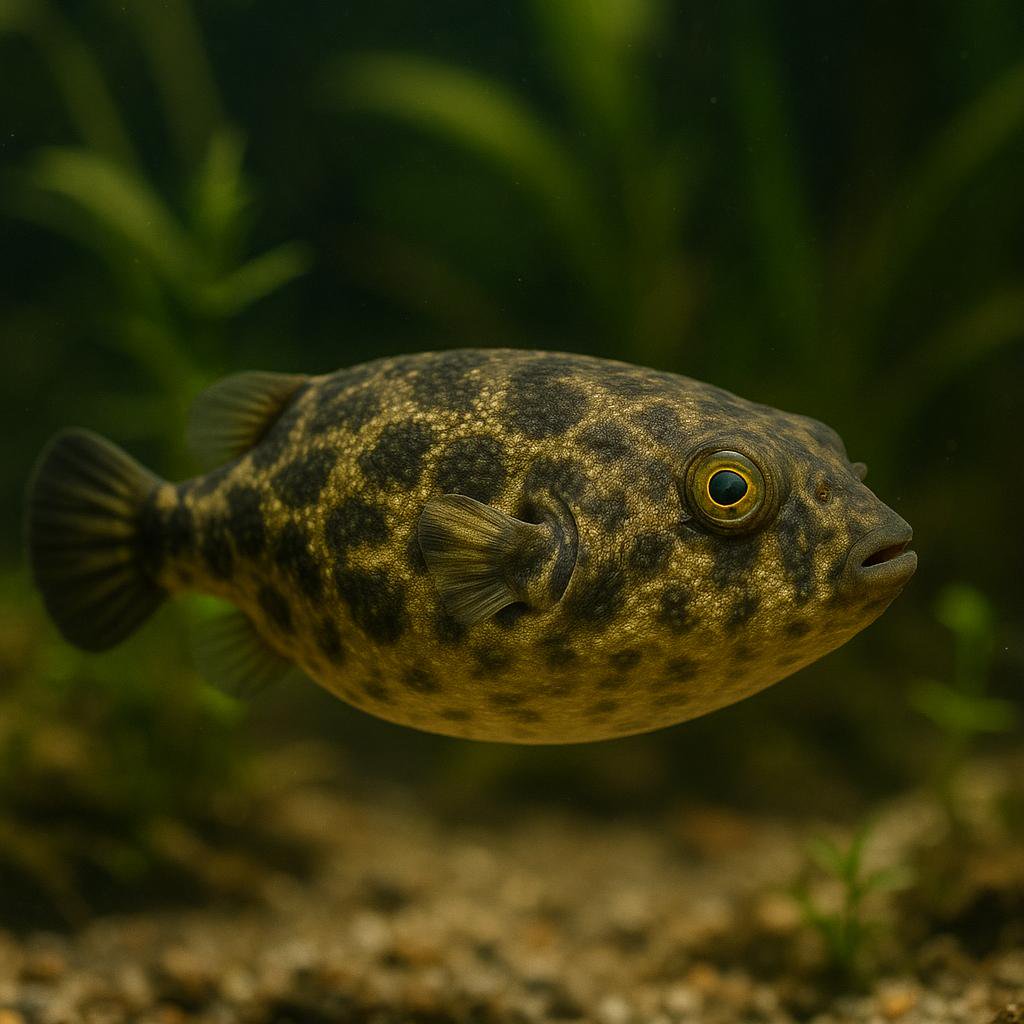
Arrowhead puffer
Pao suvattii
Pao suvattii is that sneaky Mekong puffer that likes to sit low and ambush food, and it has that super recognizable arrow/V pattern on its back. Gorgeous fish with tons of personality, but it is absolutely not a community guy - plan on a solo, species-only setup if you want everybody to stay in one piece.
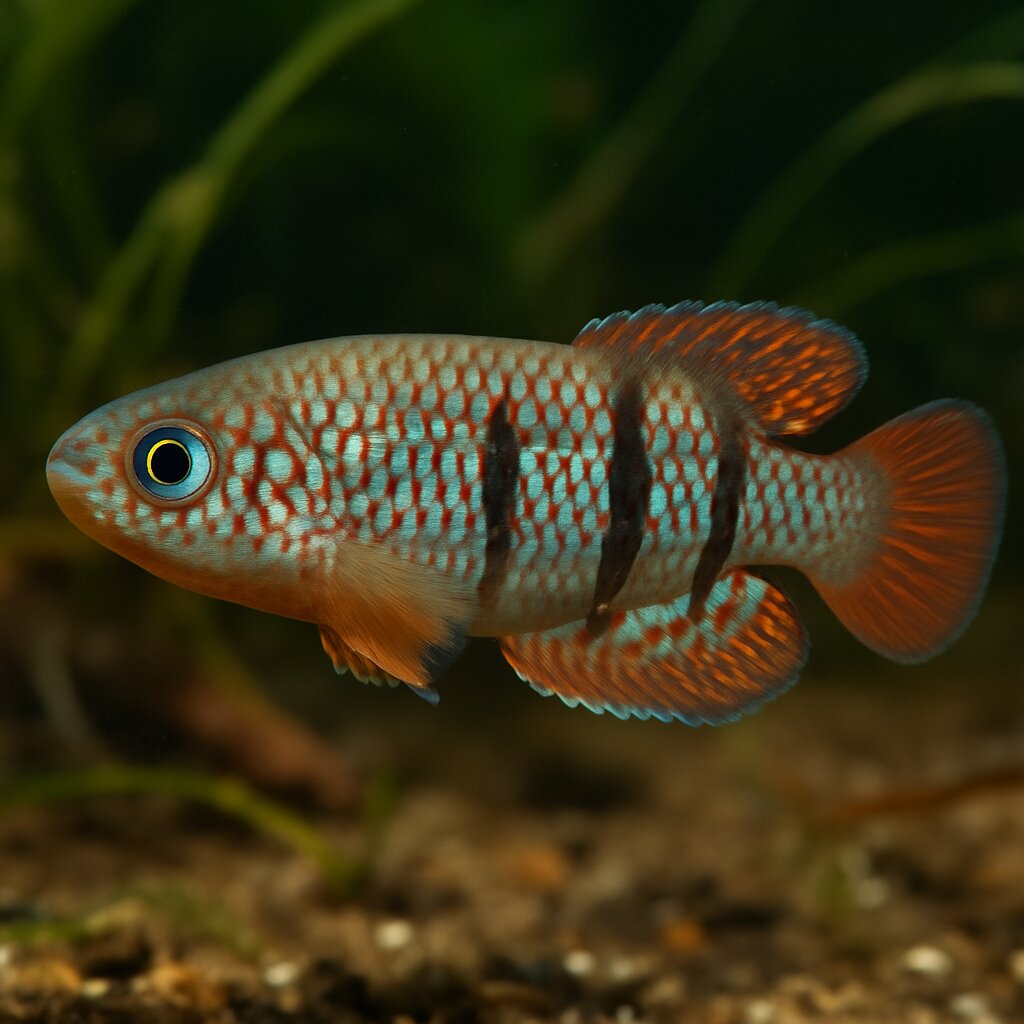
Hypsolebias trifasciatus
Hypsolebias trifasciatus
Tiny but flashy, this annual killi lights up with a blue body and bold yellow-and-black striping on the anal fin. It comes from shallow seasonal pools in northeastern Brazil, so it likes soft, warm water and will bury eggs in a peat or mud-like substrate. Males have big attitudes for such small fish, so plan for line-of-sight breaks or keep a single pair.
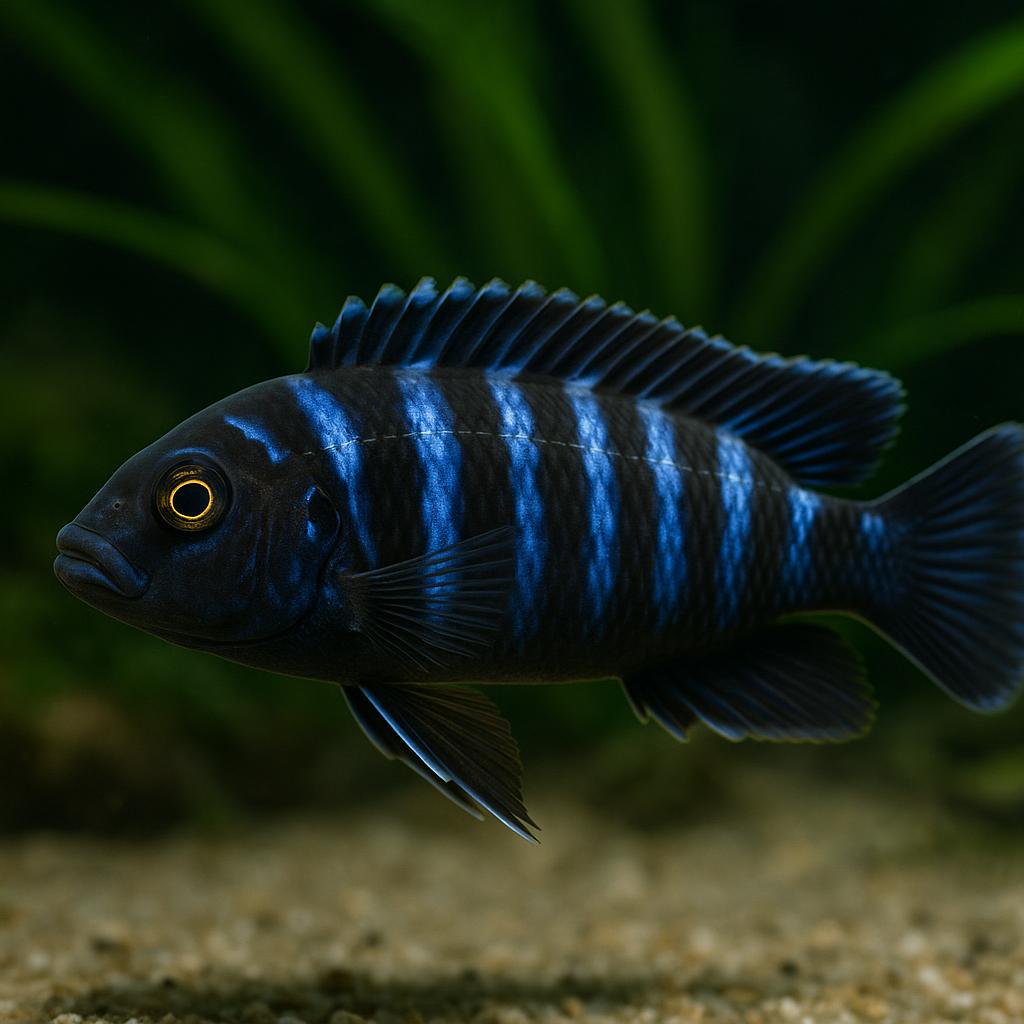
Northern blue melanochromis
Melanochromis kaskazini
A roaming, cobalt-blue mbuna from the rocky-sandy transition of Lake Malawi, it hunts larger invertebrates and small fish instead of grazing algae. Males are solid deep blue, while females are white with black stripes and a yellow-orange anal fin, which makes pairs striking to watch.
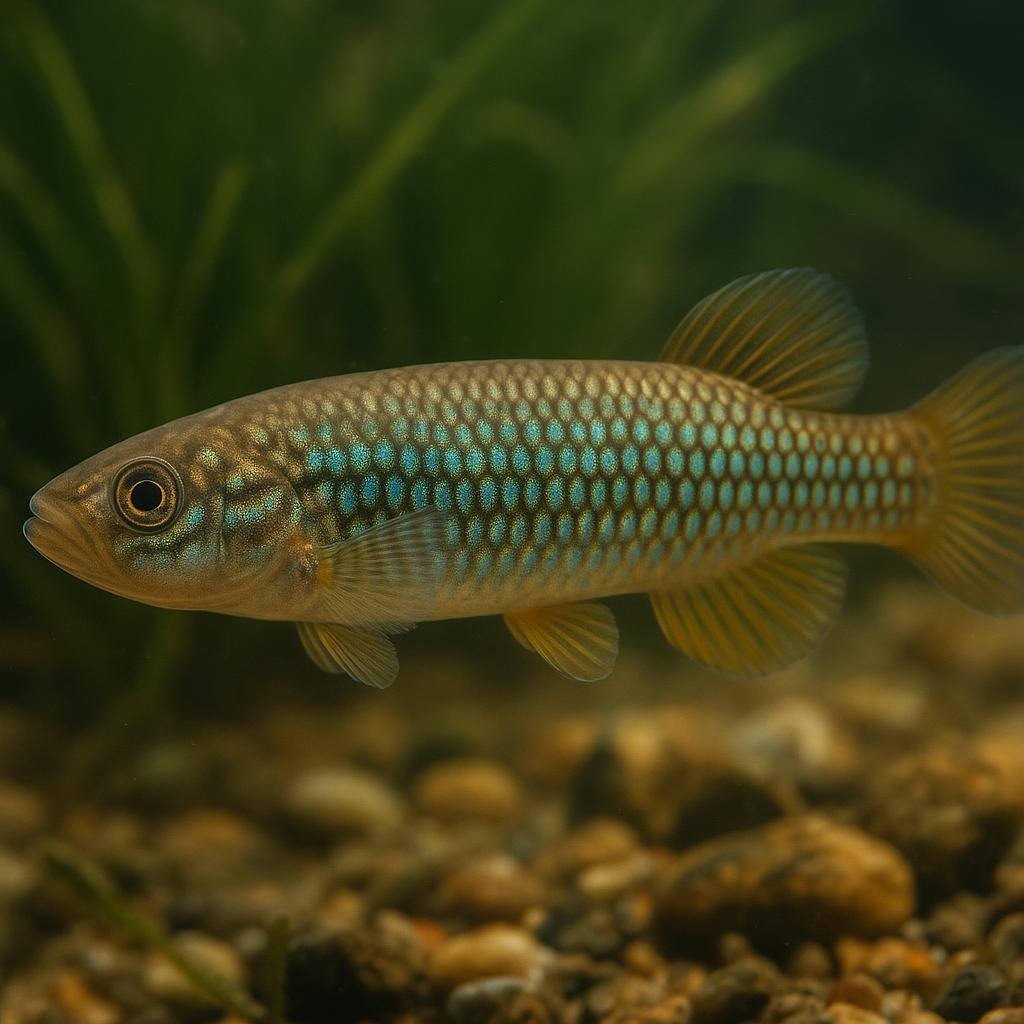
Northern studfish
Fundulus catenatus
A big North American killifish, males glow turquoise-blue with orange-edged tails and fine red lines in breeding dress. It rockets along the surface in clear, cool creeks and can be feisty and jumpy, so a tight lid and roomy quarters are a must.
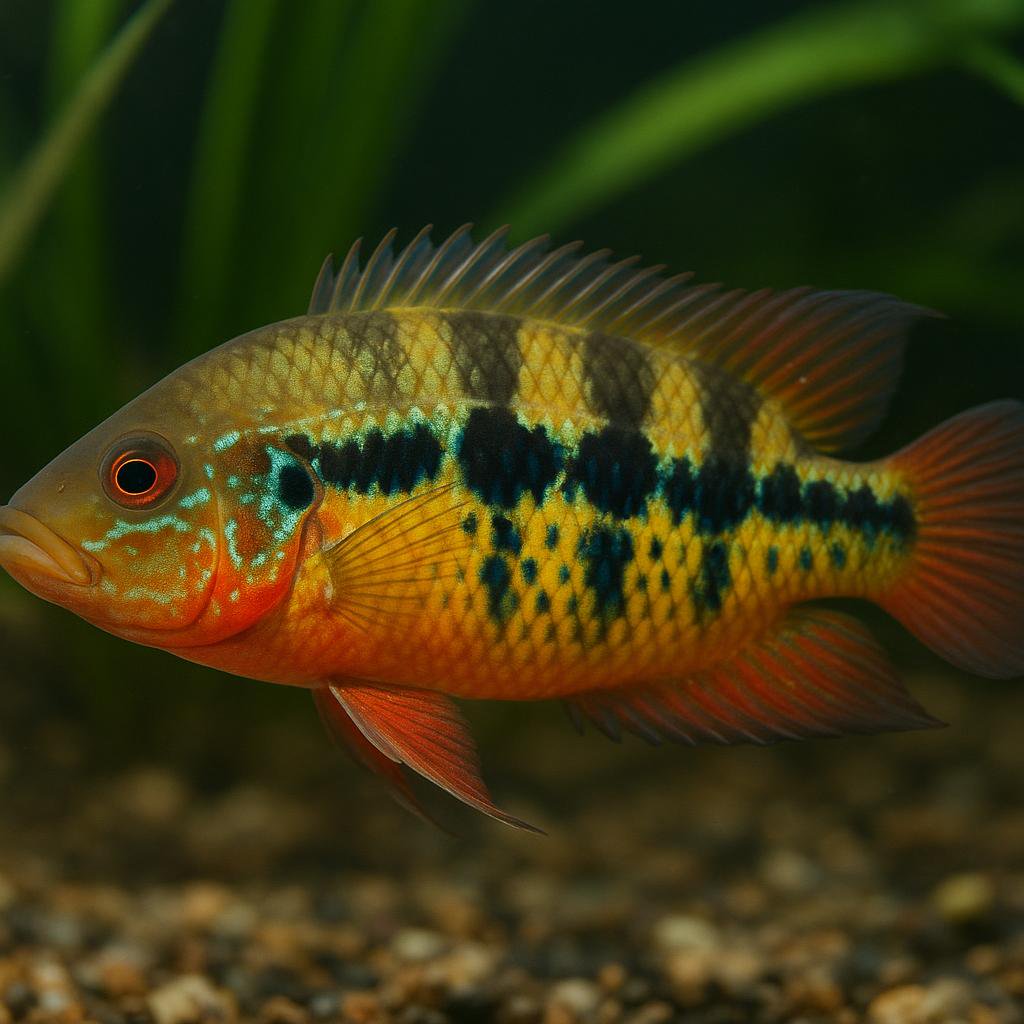
Salvini cichlid
Trichromis salvini
A flashy Central American cichlid with a bright yellow body, bold black bars, and blue spangles, salvini look like little hot rods. They are territorial predators that form pairs and put on intense parental-guarding displays. Best kept solo or with equally tough neighbors in a roomy tank.
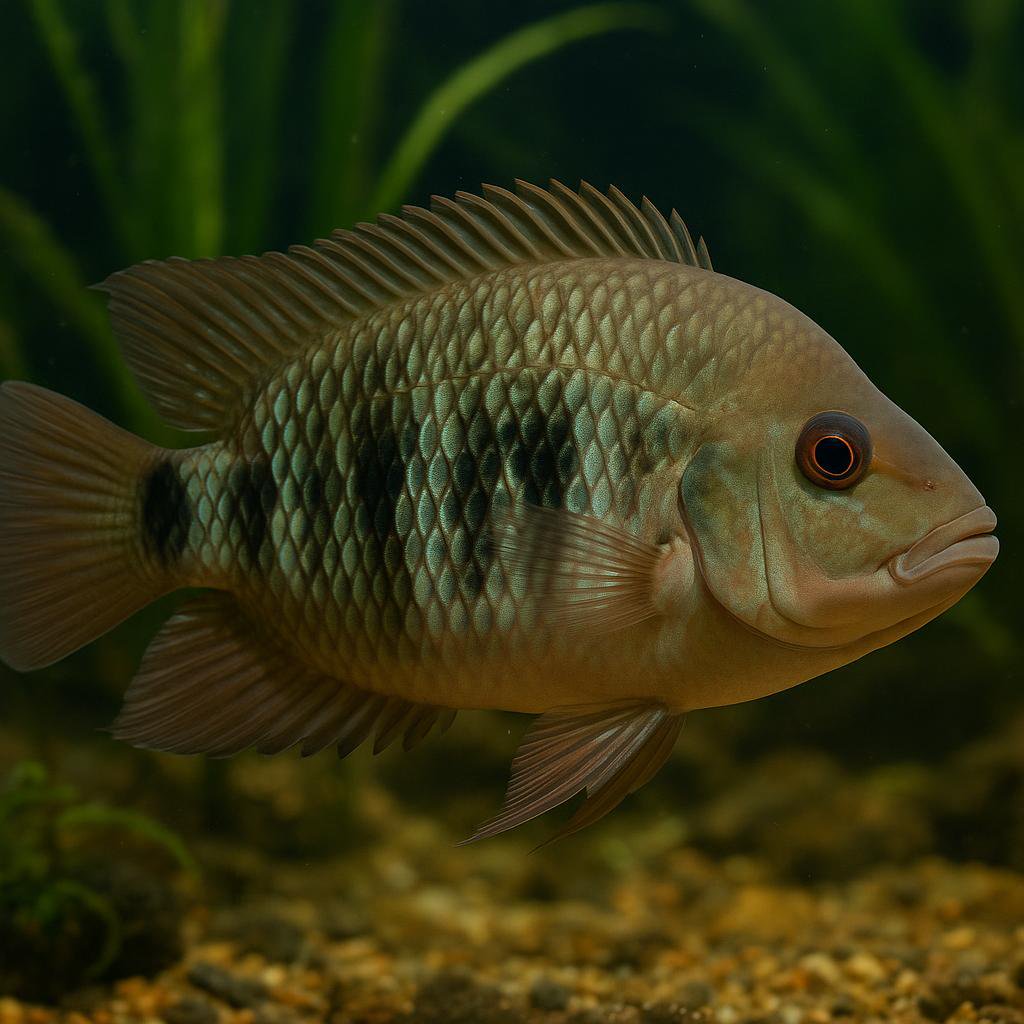
Window cichlid
Vieja fenestrata
A big, polychromatic Mexican cichlid with bold "window" bars that can show red on the head and fins in some populations. It grazes in lakes and slow rivers, then turns dramatic black-and-white while guarding eggs. Powerful and territorial, it needs serious space and filtration.
More to Explore
Discover more freshwater species.
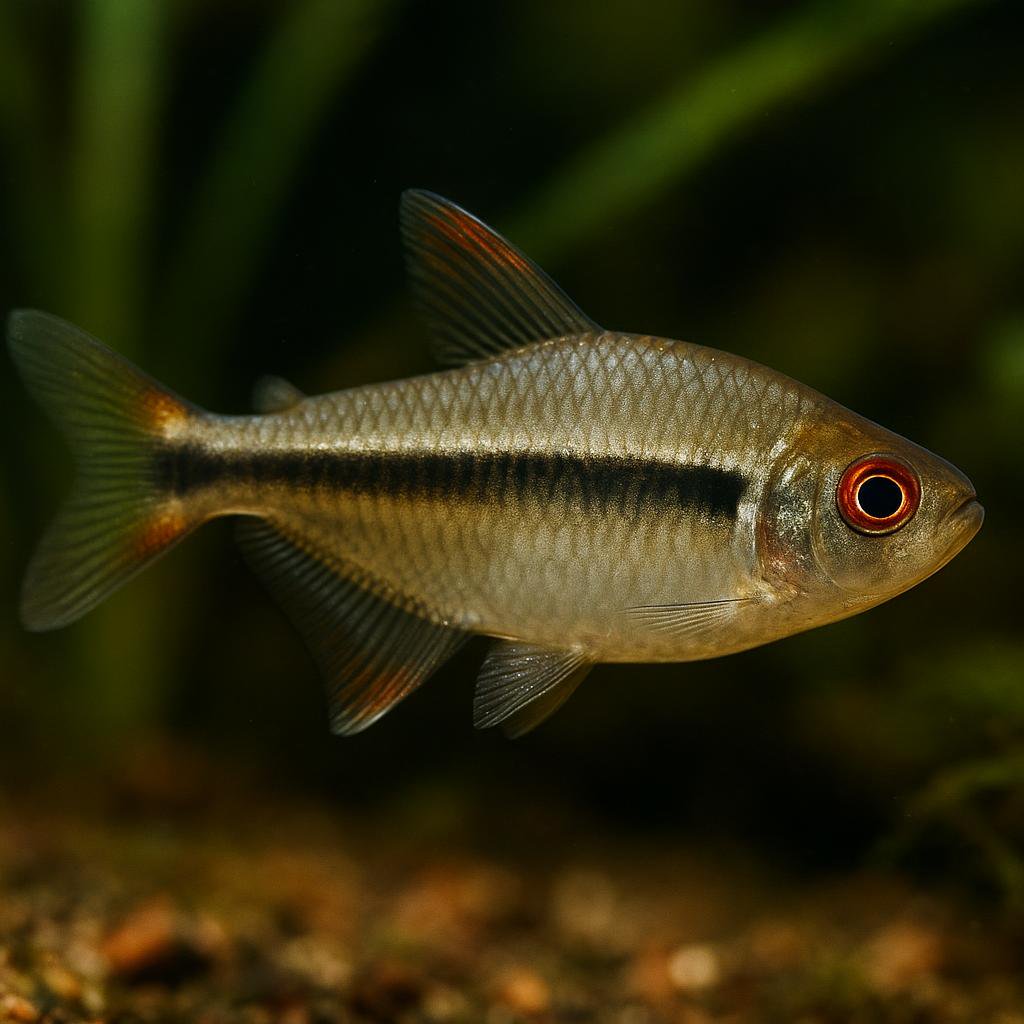
Amapa tetra
Hyphessobrycon amapaensis
This is a tiny, super sleek little tetra with a clean red stripe down the side that really pops once its settled in. It does best in a planted, slightly tinted "creek-style" setup and looks way cooler when you keep a proper group so they school and flash that line together. If you can give it soft, slightly acidic water and a calm community, its an easy fish to fall for.
American flagfish
Jordanella floridae
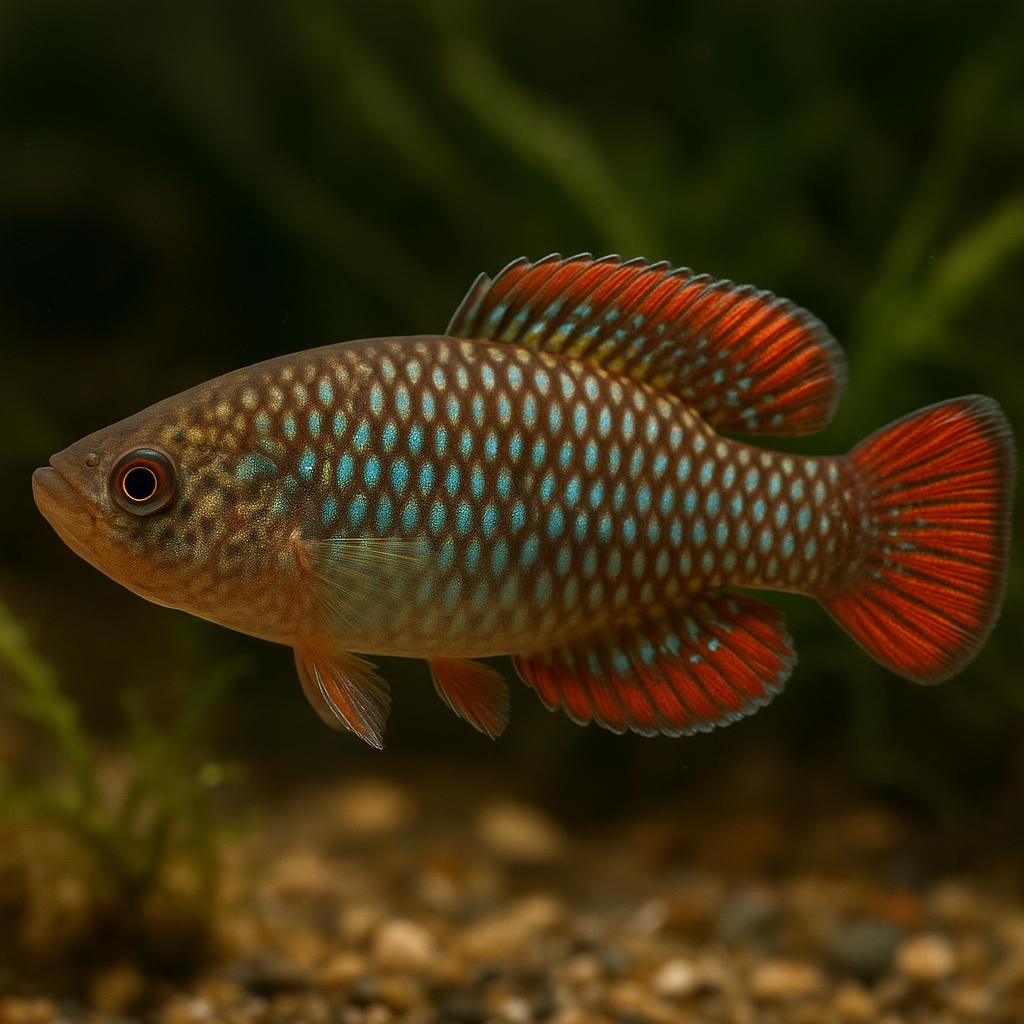
Jordanella floridae is that little Florida native with the red-and-cream striping that really does look like a tiny flag once a male colors up. They graze algae like champs (especially stringy/hair algae), but they have a bit of attitude - give them plants and space so the bossy behavior stays manageable. Bonus: the male guards the eggs and will actively fan them, which is pretty fun to watch.
Armoured stickleback
Indostomus paradoxus
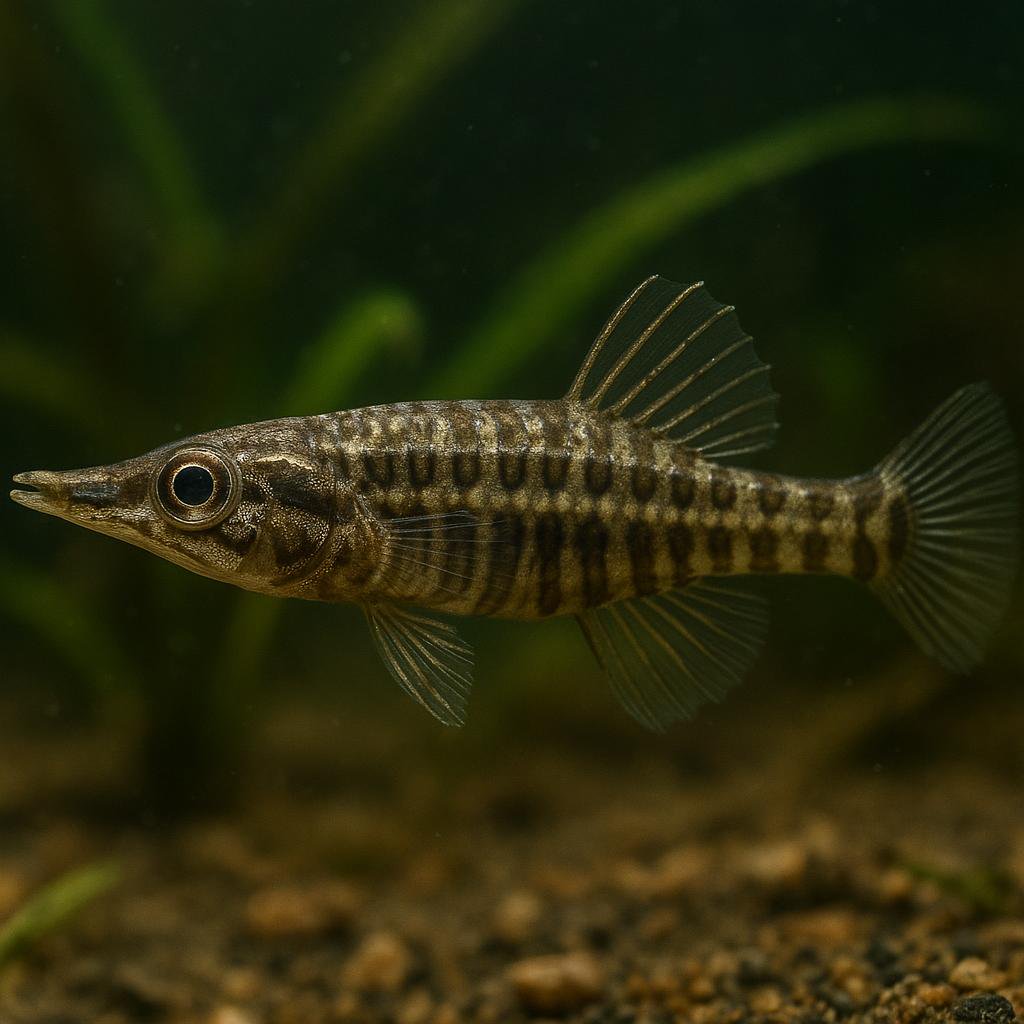
This is that goofy little "freshwater seahorse"-looking fish that just kind of perches and scoots around like a tiny armored twig. Its whole vibe is slow, sneaky micropredator - once its settled in, you will catch it stalking microfoods and doing these subtle little posture displays. The big trick is feeding: they do best when you can provide lots of small live foods in a calm, planted tank.
Banded Leporinus
Leporinus fasciatus
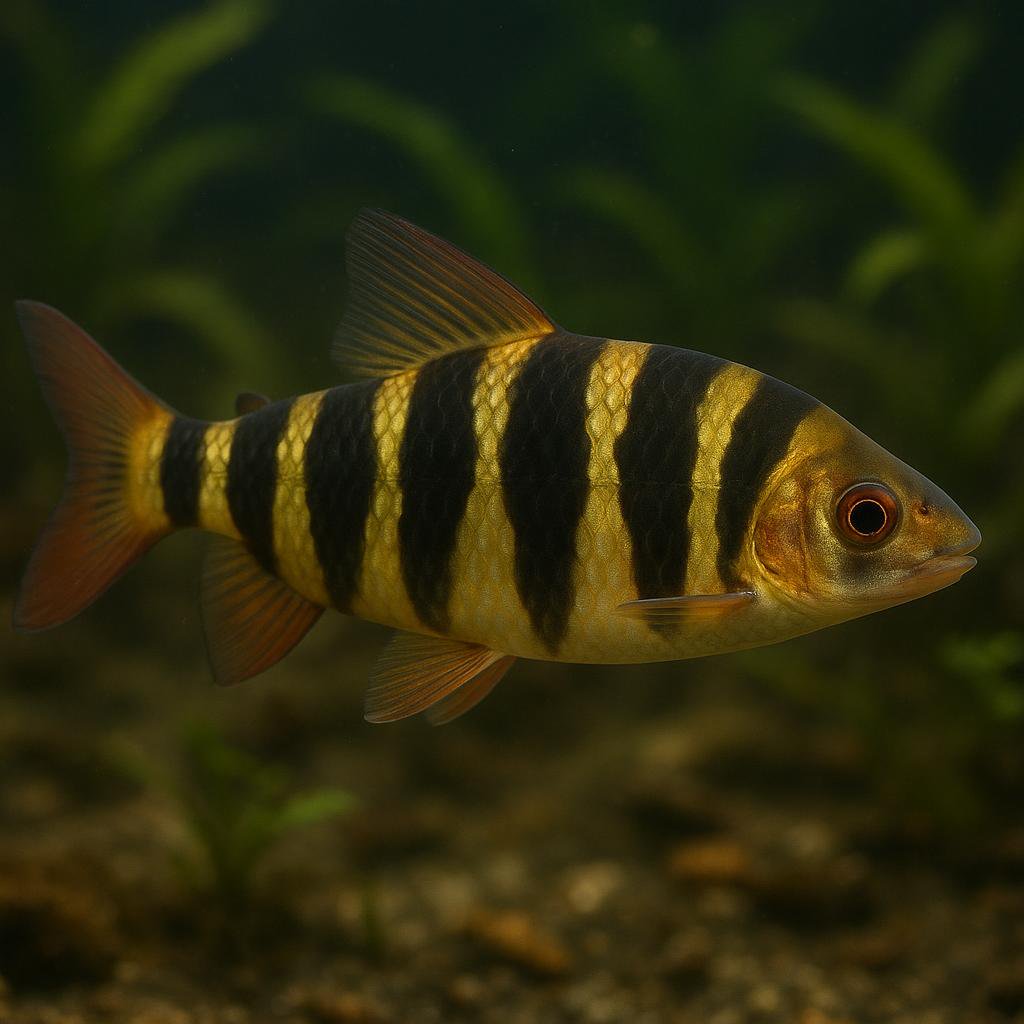
Banded Leporinus are those torpedo-shaped, black-and-yellow striped fish that look like they're wearing a little prison outfit-and they stay on the move. They've got a ton of personality and they're awesome to watch cruising and picking at stuff, but they're also the kind of fish that will redecorate your tank and "taste test" anything soft-looking.
Bandi cichlid
Wallaceochromis signatus
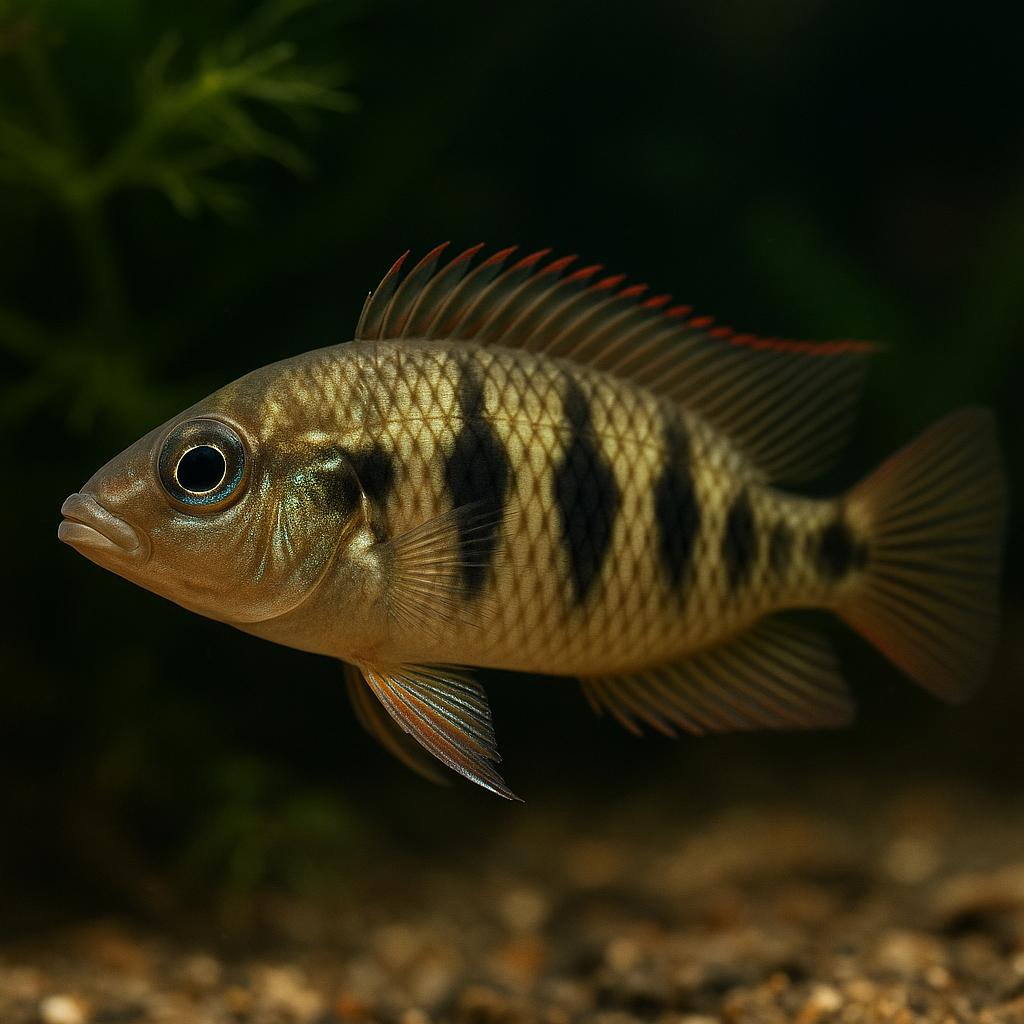
A West African dwarf cichlid from Guinea's Bandi River, this fish shows crisp vertical bars and spotted fins with red highlights. Females have a bold black spot at the base of the tail, and pairs guard eggs and fry in caves, which makes their parental behavior fun to watch.
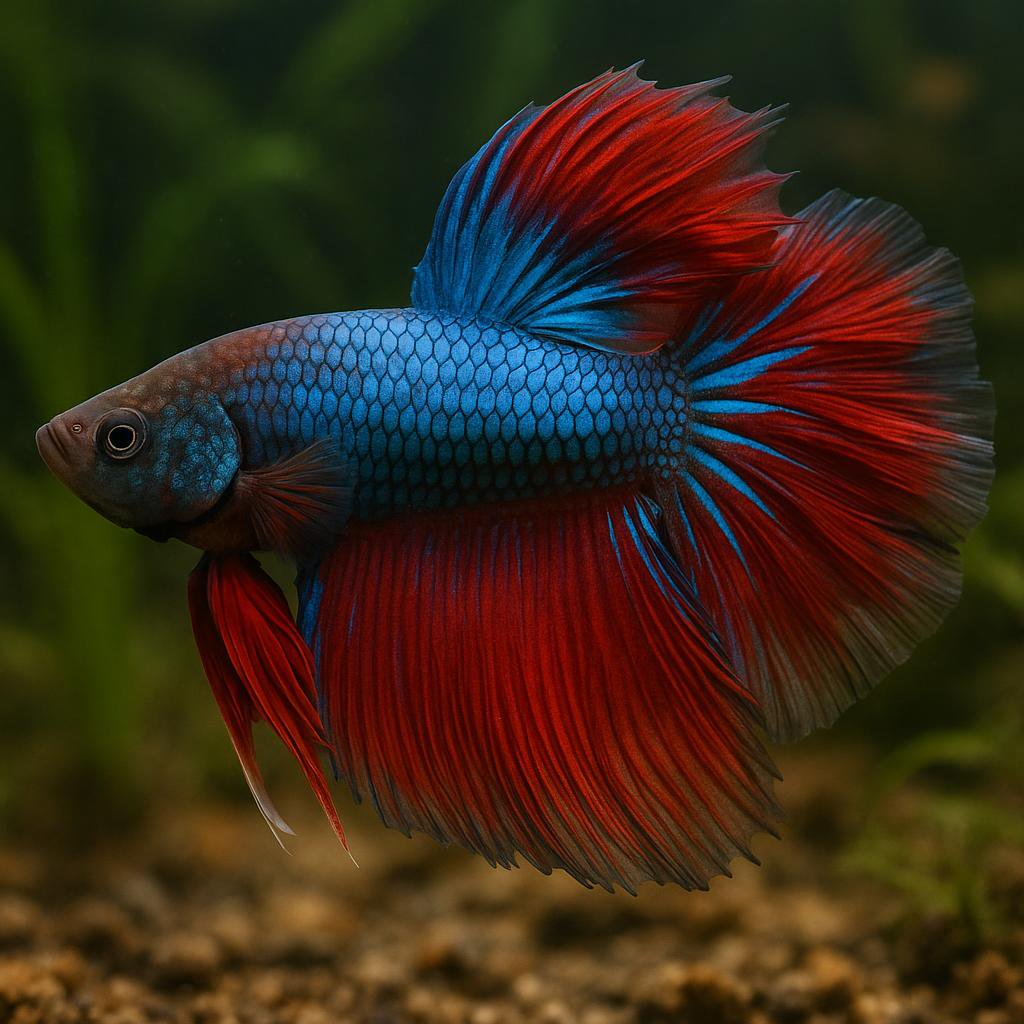
Betta
Betta splendens
Betta fish, also known as Siamese fighting fish, are popular for their striking colors and flowing fins. They are known for their territorial nature, especially males, which can display aggressive behavior towards each other.
Looking for other species?