

Search Species
Search for fish species by common or scientific name, or use filters to browse by water type, size, temperament, and difficulty.
Found 14 species
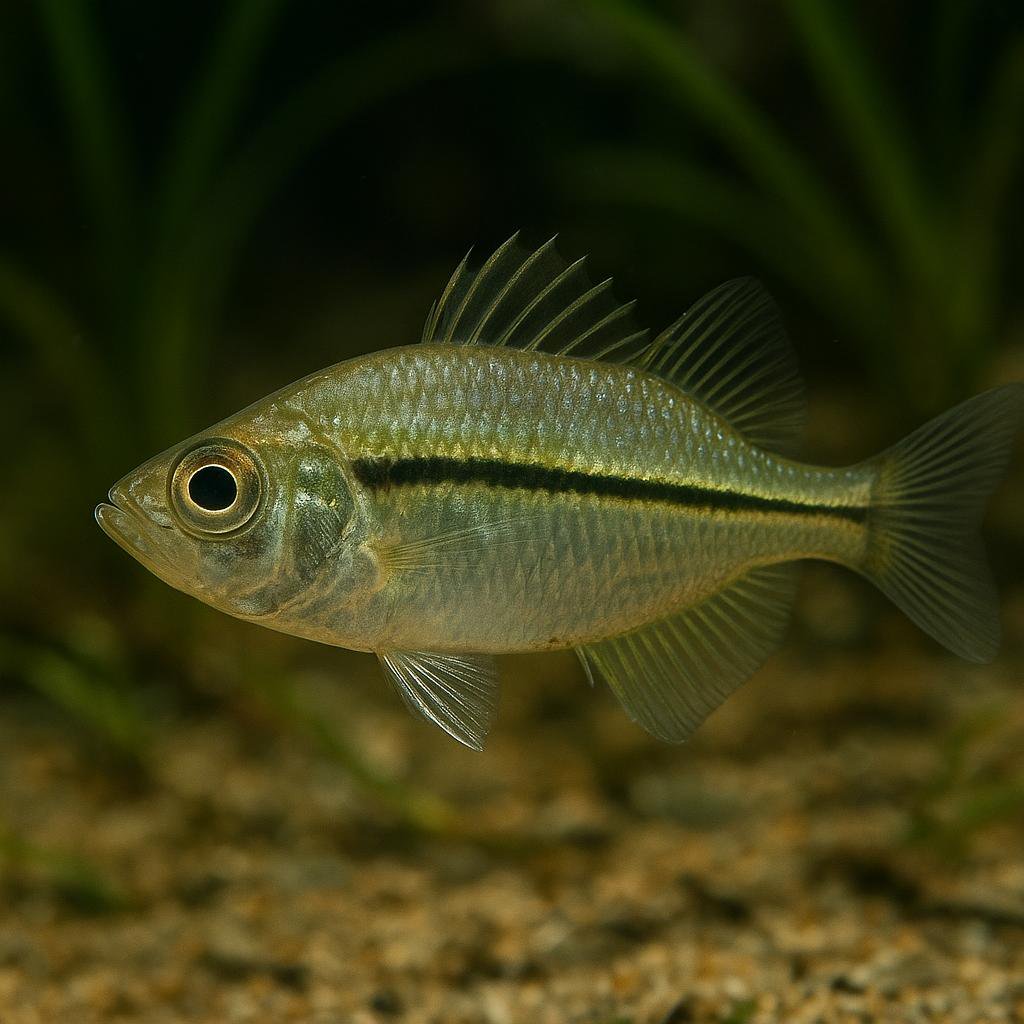
Banded-tail glassy perchlet
Ambassis urotaenia
This is one of those see-through glassy perchlets where you can literally watch the organs shimmer when it turns-super cool in the right lighting. In the wild it hangs around river mouths and mangroves and cruises in groups, so it does best when you keep a little gang of them and give them some open swimming room.
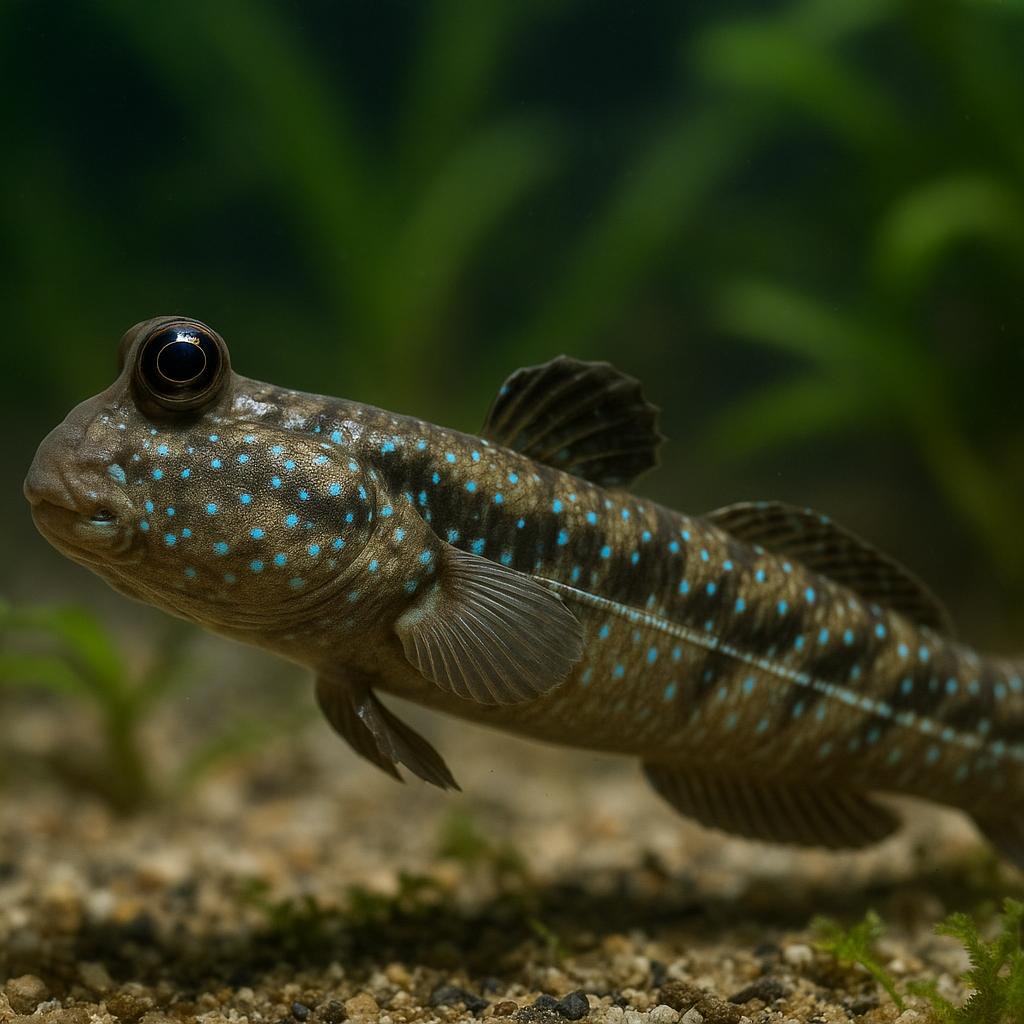
Barred mudskipper
Periophthalmus argentilineatus
This is one of those classic "walks around like it owns the place" mudskippers-big goofy eyes, climbs, hops, and spends a ton of time out on the mud when it's humid. In the wild it lives on intertidal mangrove/nipa mudflats and even shuttles between little pools and open air, hunting worms, insects, and small crustaceans. It's super fun to watch, but it really wants a brackish paludarium setup (not a normal aquarium).
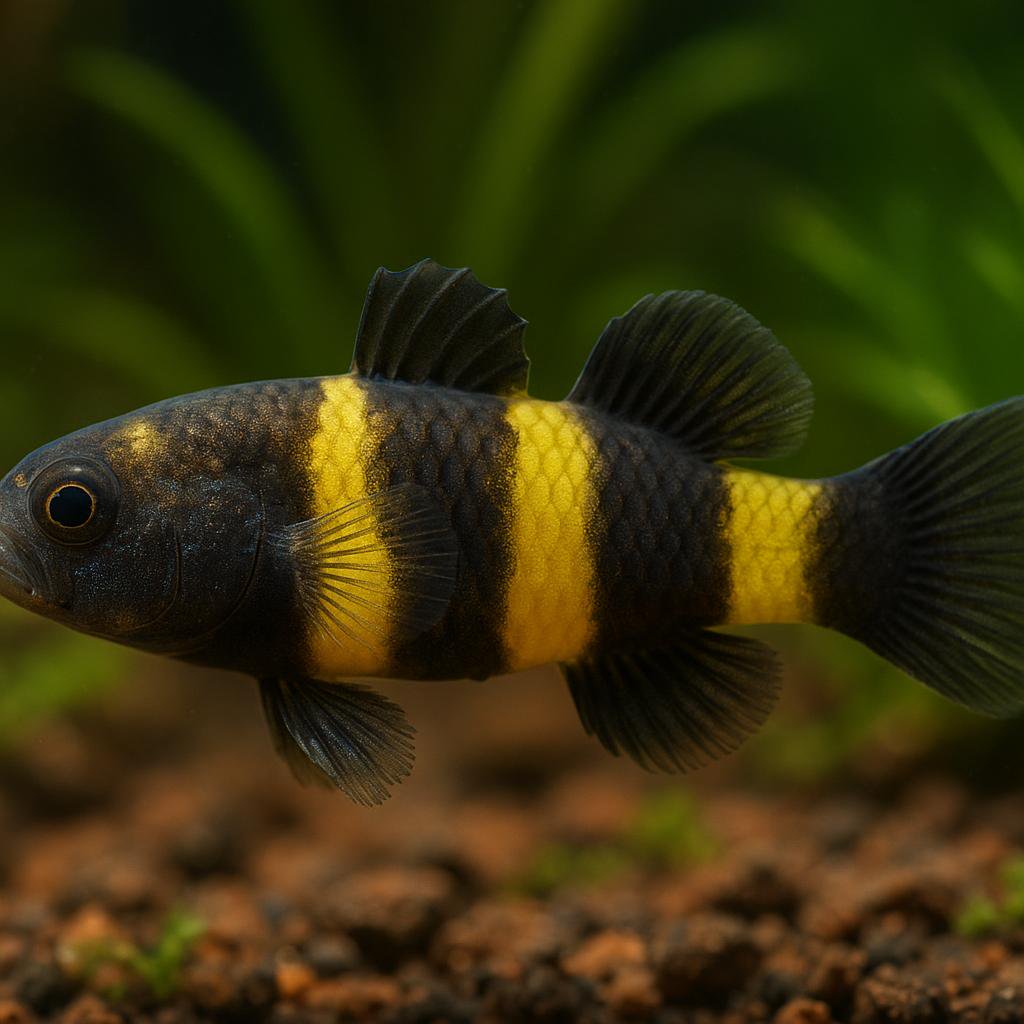
Bumblebee goby
Brachygobius doriae
Brachygobius doriae is one of the classic "bumblebee gobies" - tiny, bottom-hugging little characters that perch on rocks and sand and stare at you like they own the place. They're at their best in a calm setup with lots of caves and leaf litter, and they really shine once you get them eating frozen/live foods reliably (they're slow, picky eaters). Also: they're one of the species that gets mislabeled a lot in shops, so it's super common to see them sold under the wrong bumblebee-goby name.
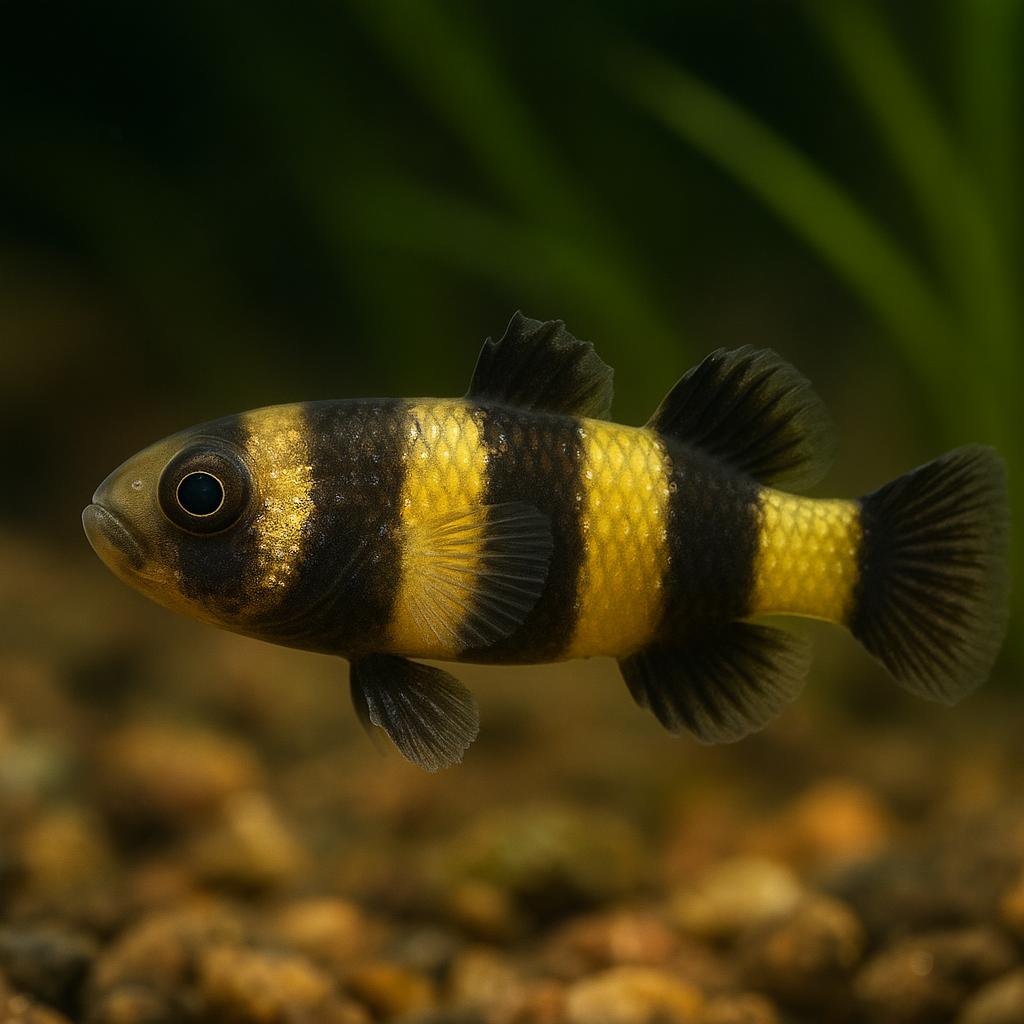
Bumblebee goby (Bumblebee fish)
Brachygobius xanthozonus
This is that tiny little goby with the bold black-and-yellow bands that likes to perch on the bottom and stare back at you like it owns the place. It's happiest in lightly brackish water with lots of little caves and sight-breaks, and it's one of those fish that often refuses flakes-frozen/live meaty foods usually flip the "yes, I will eat" switch.
Eyespot pufferfish (Figure-8 puffer)
Dichotomyctere ocellatus
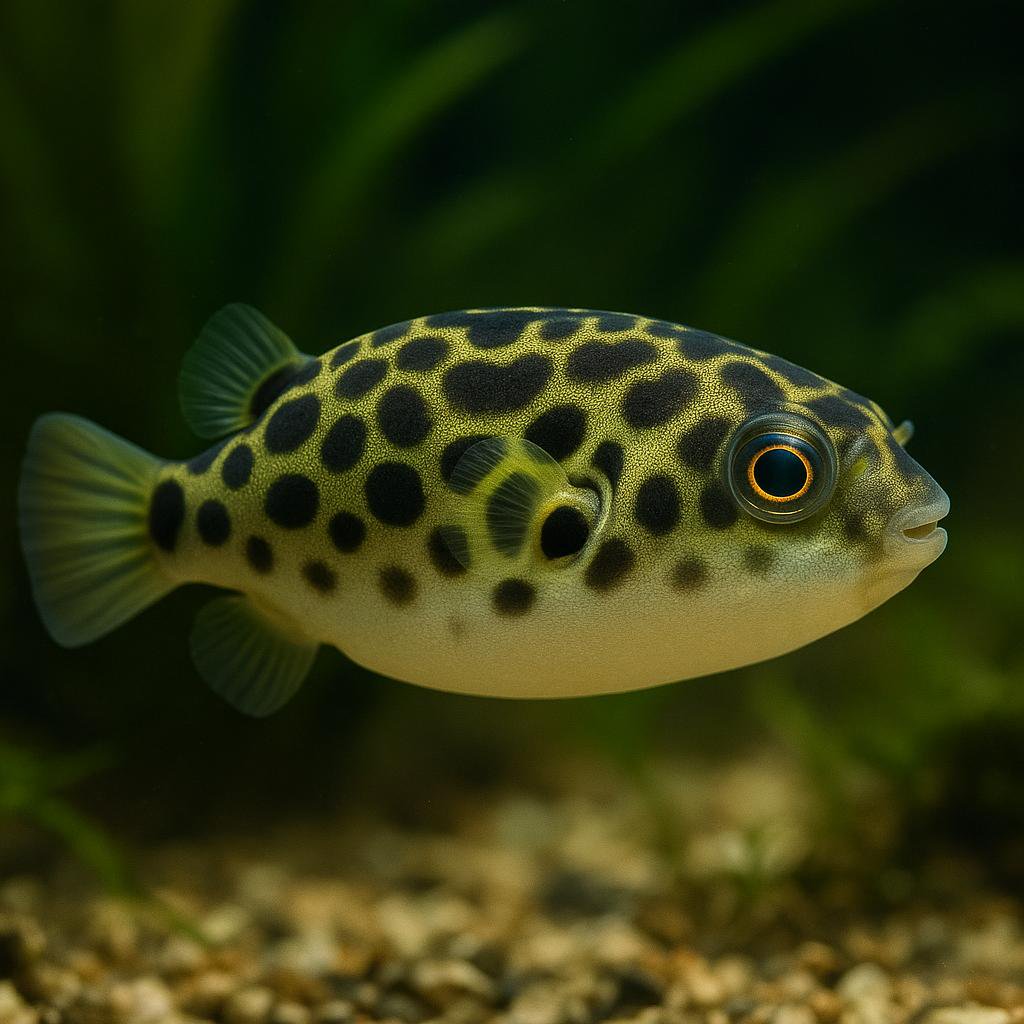
This is the little "figure-8" puffer with the yellow-green squiggles and the two bold eyespots near the tail-tons of personality in a small body. They're basically snail-hunting machines with a curious, interactive vibe, but they can be spicy with their own kind, so you plan the tank around that.
Feathered river-garfish
Zenarchopterus dispar
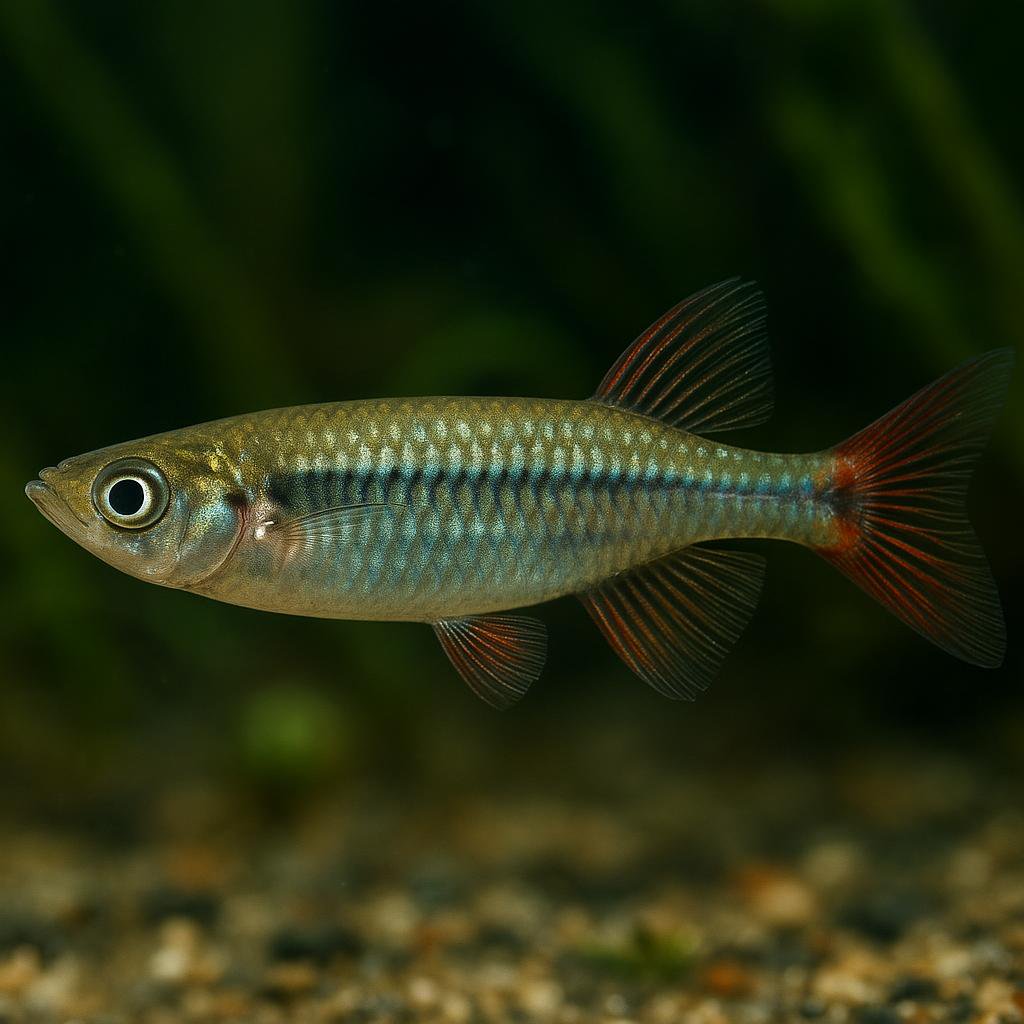
Zenarchopterus dispar is a surface-hanging halfbeak from mangroves and sheltered bays, with that classic long lower jaw for snapping up insects and other floaty foods. Males get those funky elongated fin rays (the "feathered" look), and they are livebearers, so once they settle in you can occasionally get surprise babies. Biggest thing with this fish is giving it calm water up top, room to cruise, and a tight lid because halfbeaks can rocket-jump.
-1771033122.jpg)
Figure 8 Puffer (Eyespot puffer)
Dichotomyctere ocellatus (syn. Tetraodon biocellatus)
This is the small "Figure 8"/eyespot puffer with two bold eyespots and a yellow-green maze-like pattern. They're interactive and can be fin-nippy and territorial, especially toward other puffers. Husbandry advice on salinity varies by source: FishBase lists it as a freshwater species, while many aquarium references recommend low-end brackish (often around SG ~1.005-1.008) for long-term keeping, with very clean, stable water.
Green Spotted Puffer
Tetraodon nigroviridis
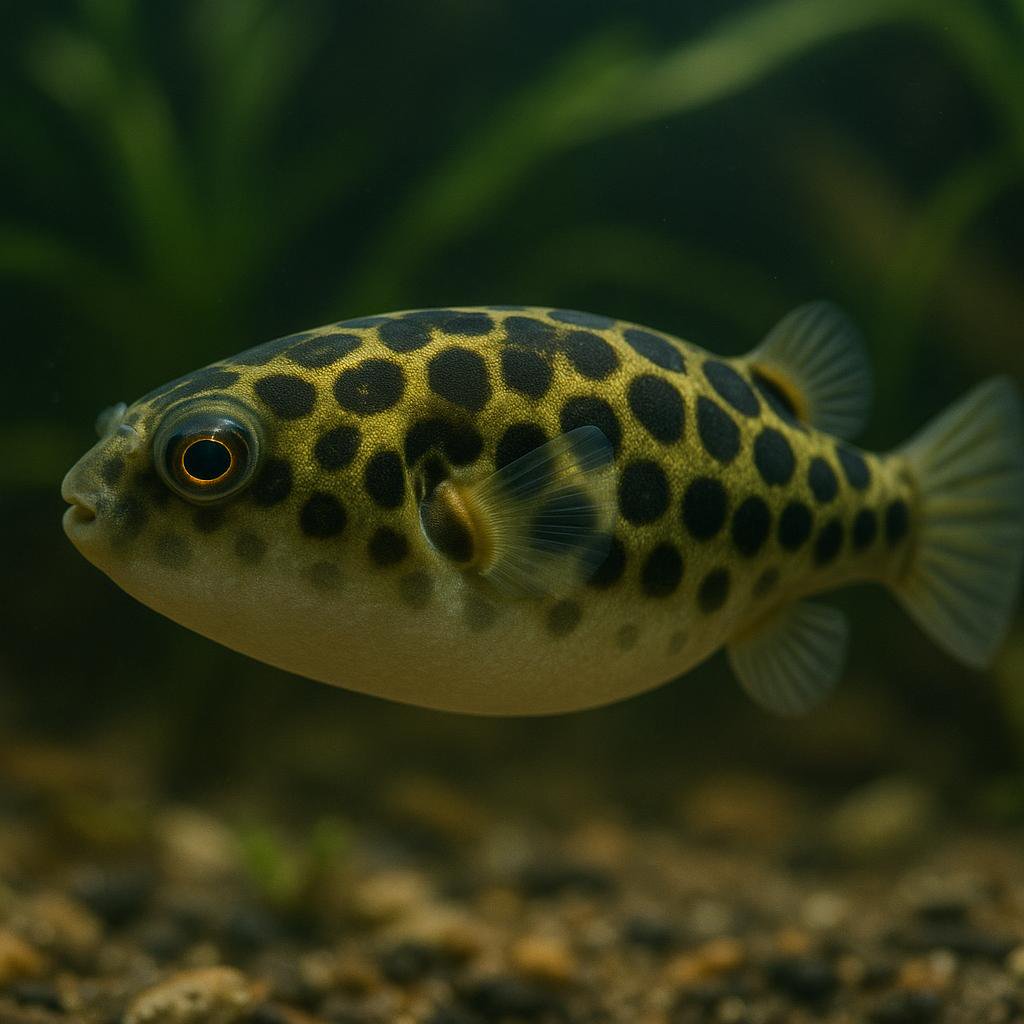
Green spotted puffers are little water puppies with fins-super curious, always watching you, and they'll beg like they've never been fed in their life. The bright green-and-black spotting stays eye-catching, and they've got that classic puffer "I'm plotting something" face. Just know they're not a true freshwater fish long-term, and they really do need crunchy foods to keep their teeth worn down.
Hairy pipefish
Urocampus carinirostris
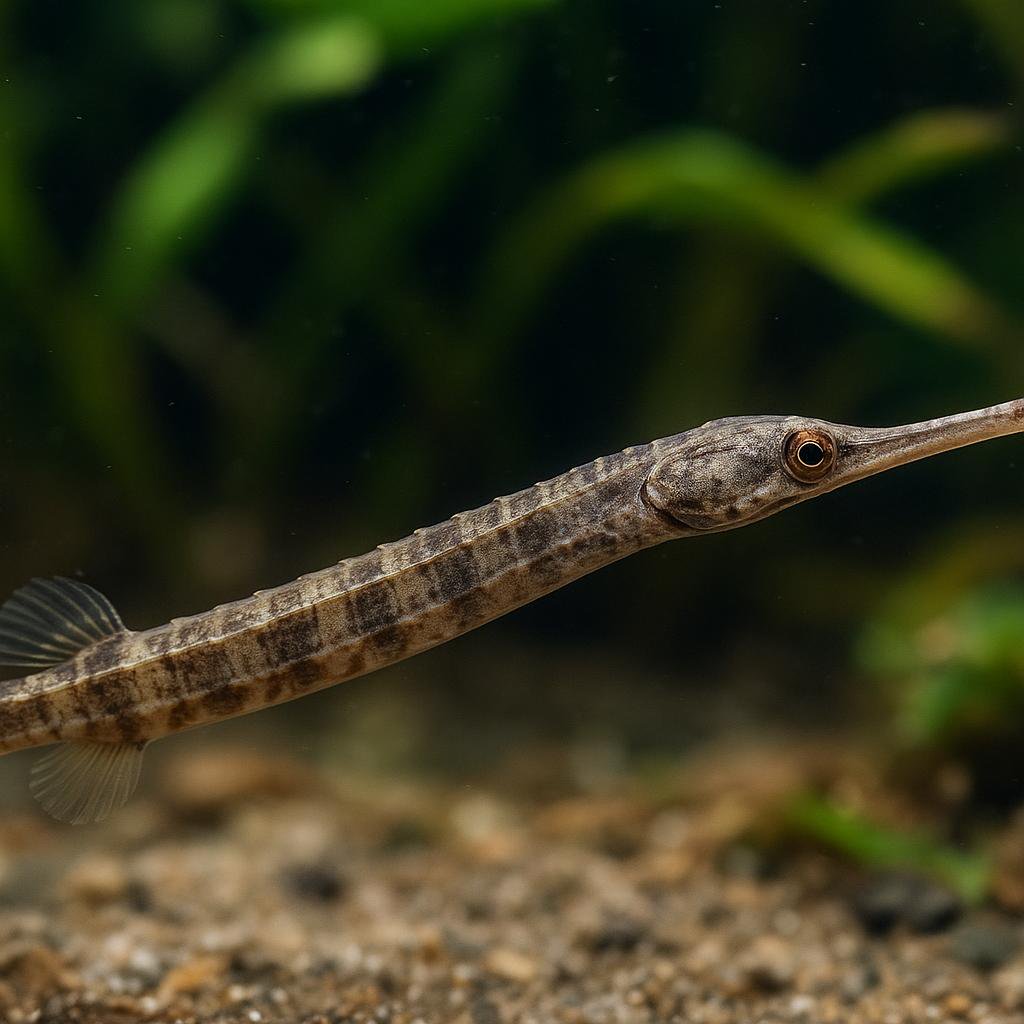
This is a tiny, stick-thin pipefish that lives in seagrass and algae beds and uses its prehensile tail to hang on like a little underwater chameleon. The coolest part is the "hairy" fringing (little filaments) all over the body that breaks up its outline, and like other syngnathids the male carries the eggs in a brood pouch under the tail.
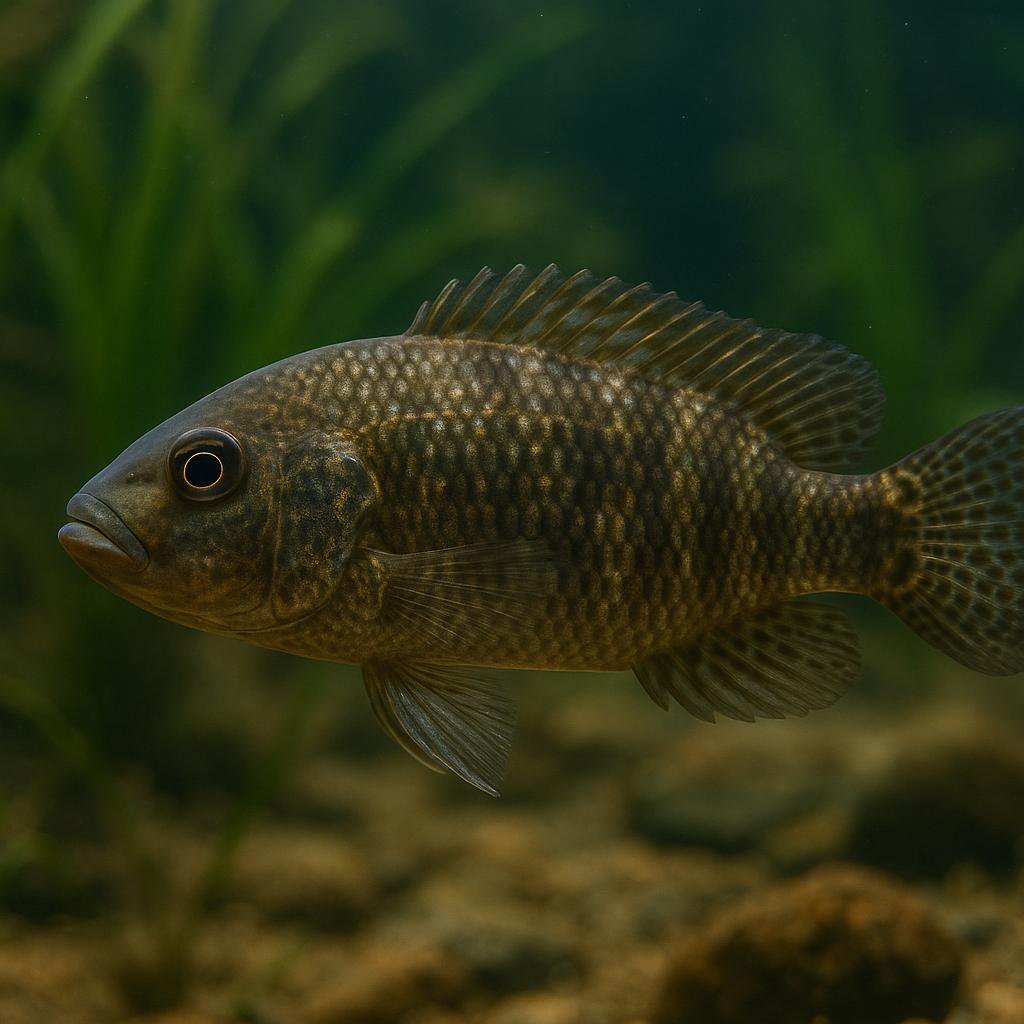
Iranian cichlid
Iranocichla hormuzensis
A tough little desert cichlid from southern Iran that lives in warm, slightly salty streams and oases. Males turn dark with speckles during breeding, and the females mouthbrood small clutches. It is fascinating to keep because it tolerates heat and brackish water that most freshwater fish would hate.
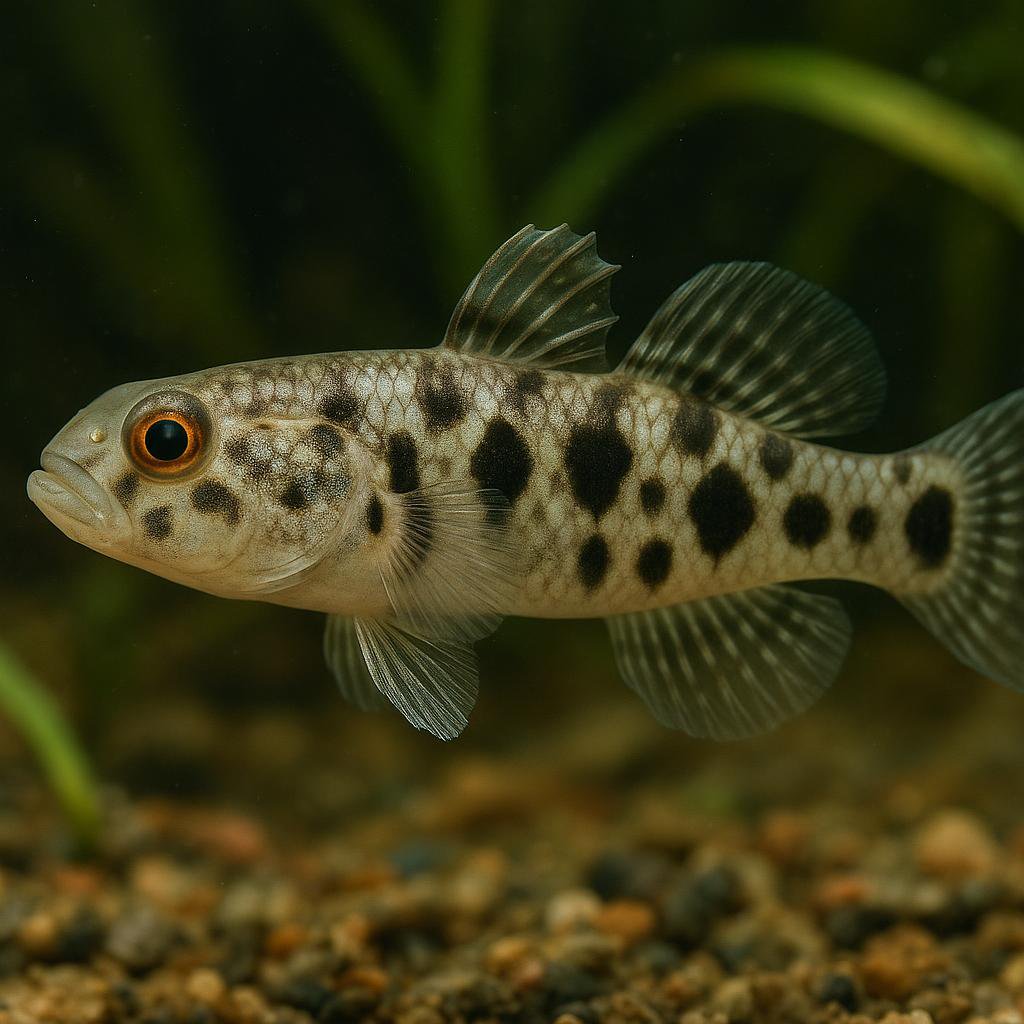
Knight Goby
Stigmatogobius sadanundio
Knight gobies are those chunky, spotty "estuary" gobies that perch on the bottom, scoot between caves, and then suddenly dash out like little predators. They're super fun to watch because they're territorial in a goby way (lots of posturing) and they'll even breed in caves when they're happy. They do best long-term when you treat them like an estuary fish: hard, alkaline water and (often) a bit of salt.
-1771297475.jpg)
Orange chromide
Pseudetroplus maculatus (syn. Etroplus maculatus)
This is that cute little Indian/Sri Lankan cichlid with the big black "shoulder" spot and a warm gold/orange glow when it's happy. It'll do the classic cichlid thing where it gets a bit pushy when breeding, but most of the time it's pretty chill-especially if you keep a small group. Super cool bonus: the parents actively tend the eggs and fry, and the babies even graze on the parents' skin mucus for a bit.