

Search Species
Search for fish species by common or scientific name, or use filters to browse by water type, size, temperament, and difficulty.
Found 541 species
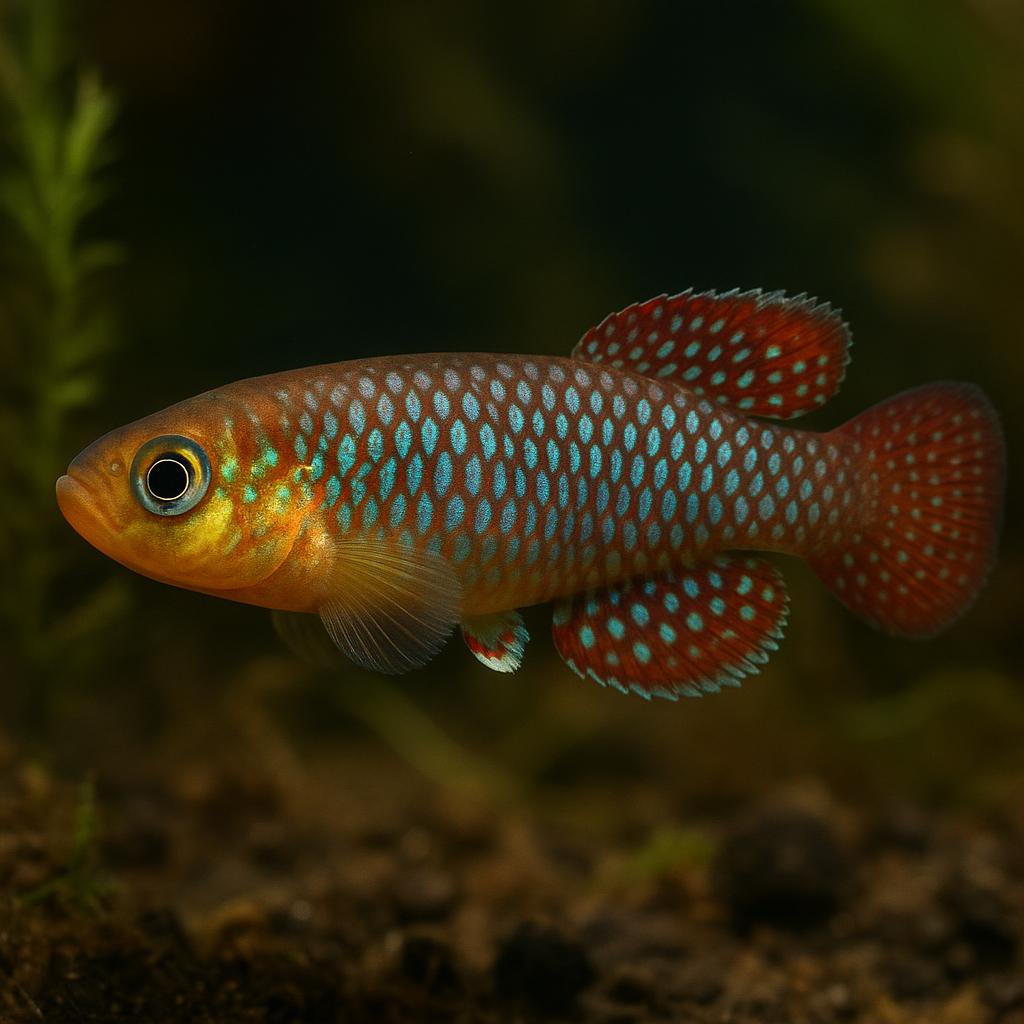
Foersch's killifish
Nothobranchius foerschi
Nothobranchius foerschi is an annual killifish from coastal Tanzania that lives in temporary pools, so it is basically built to grow up fast, spawn hard, and not hang around forever. The males are ridiculously colorful and do a lot of little sparring and display posturing, which is half the fun of keeping them in a species tank.
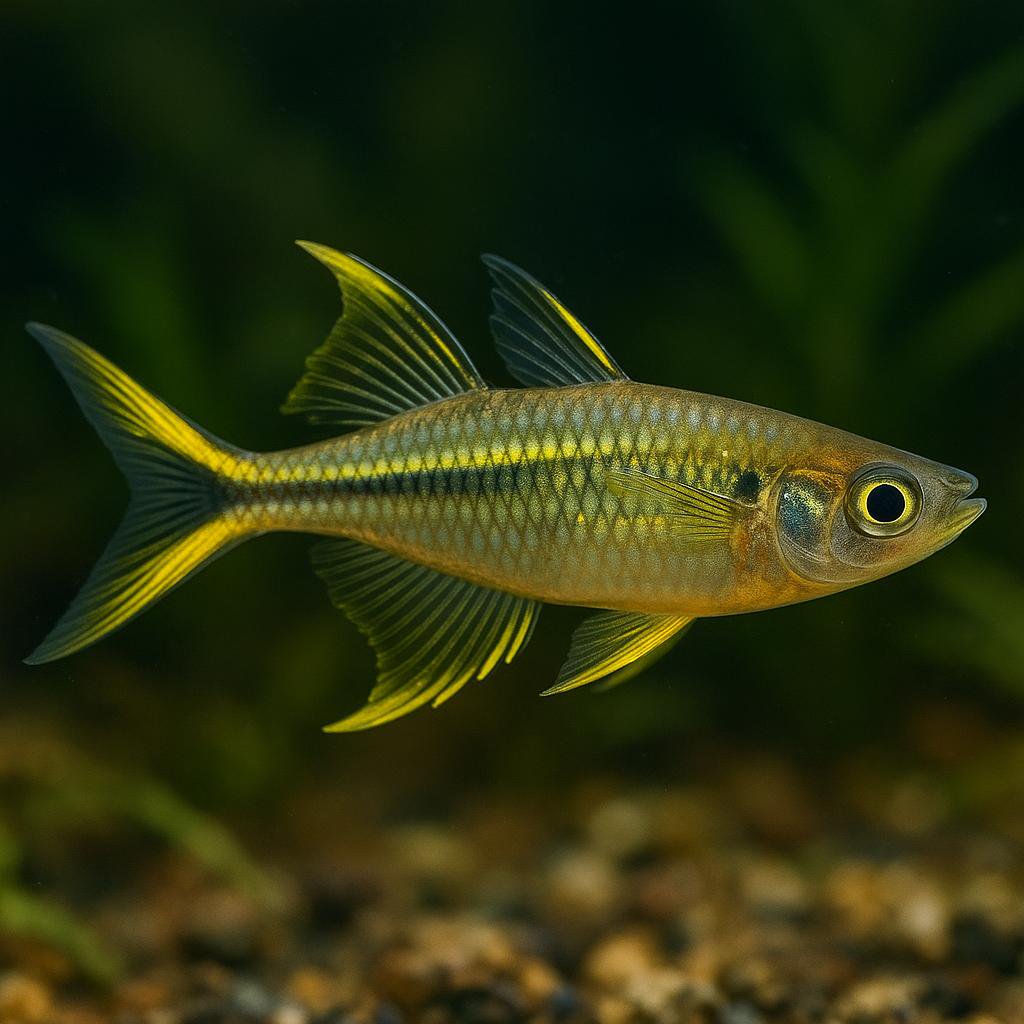
Forktail blue-eye (Forktail rainbowfish)
Pseudomugil furcatus
Pseudomugil furcatus is one of those little fish that never sits still-in a good way. When you keep a proper group, the males do these harmless fin-flaring "showdowns" and the forked tail + blue eyes really pop, especially in a planted tank with some open swimming room. It's a peaceful, small schooling fish from Papua New Guinea rainforest streams, and it's an easy way to add constant movement to a tank.
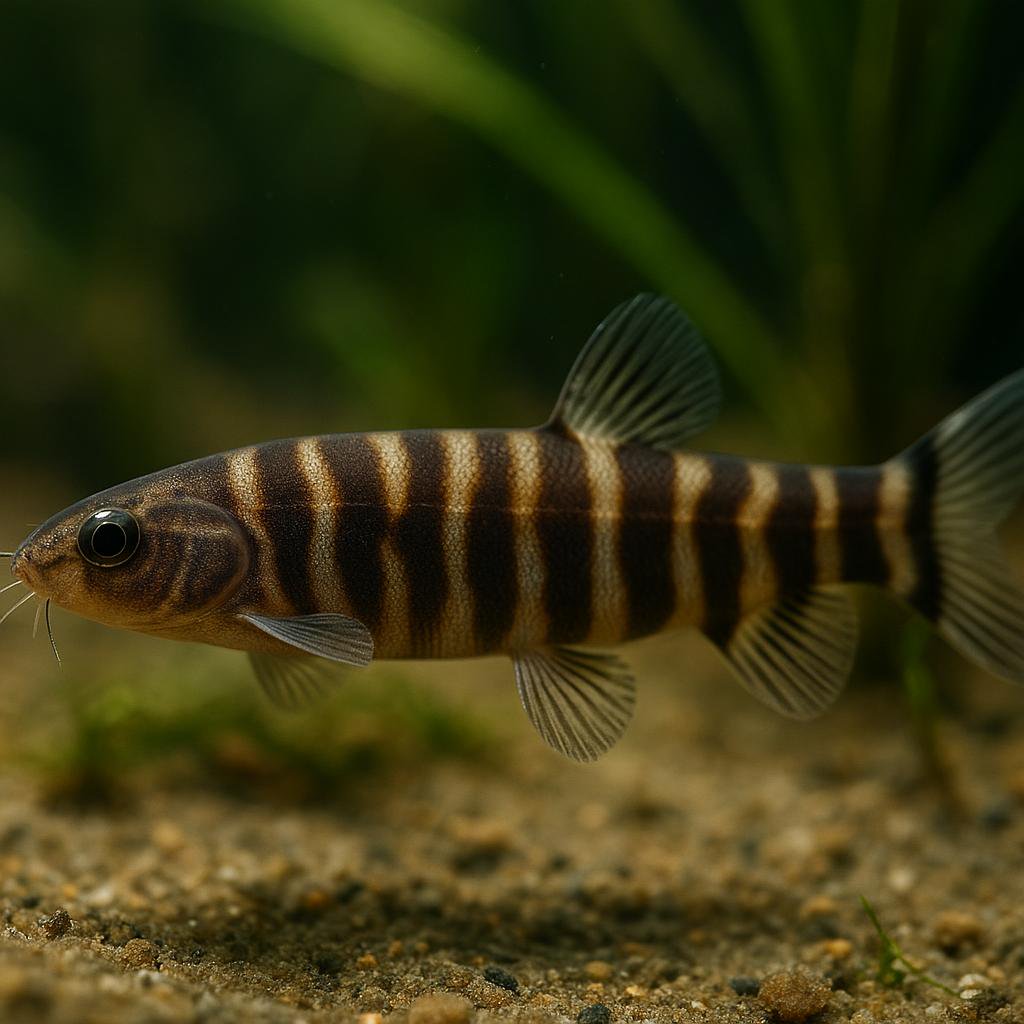
Fork-tailed loach
Vaillantella maassi
This is one of those weird, awesome loaches with a long sail-like dorsal fin and a deeply forked tail that looks way too fast for a bottom fish. It comes from dark, tannin-stained blackwater streams and tends to be shy by day but more active once the lights are low. Keep the lid tight because they can be serious escape artists when they get the loach wanderlust.
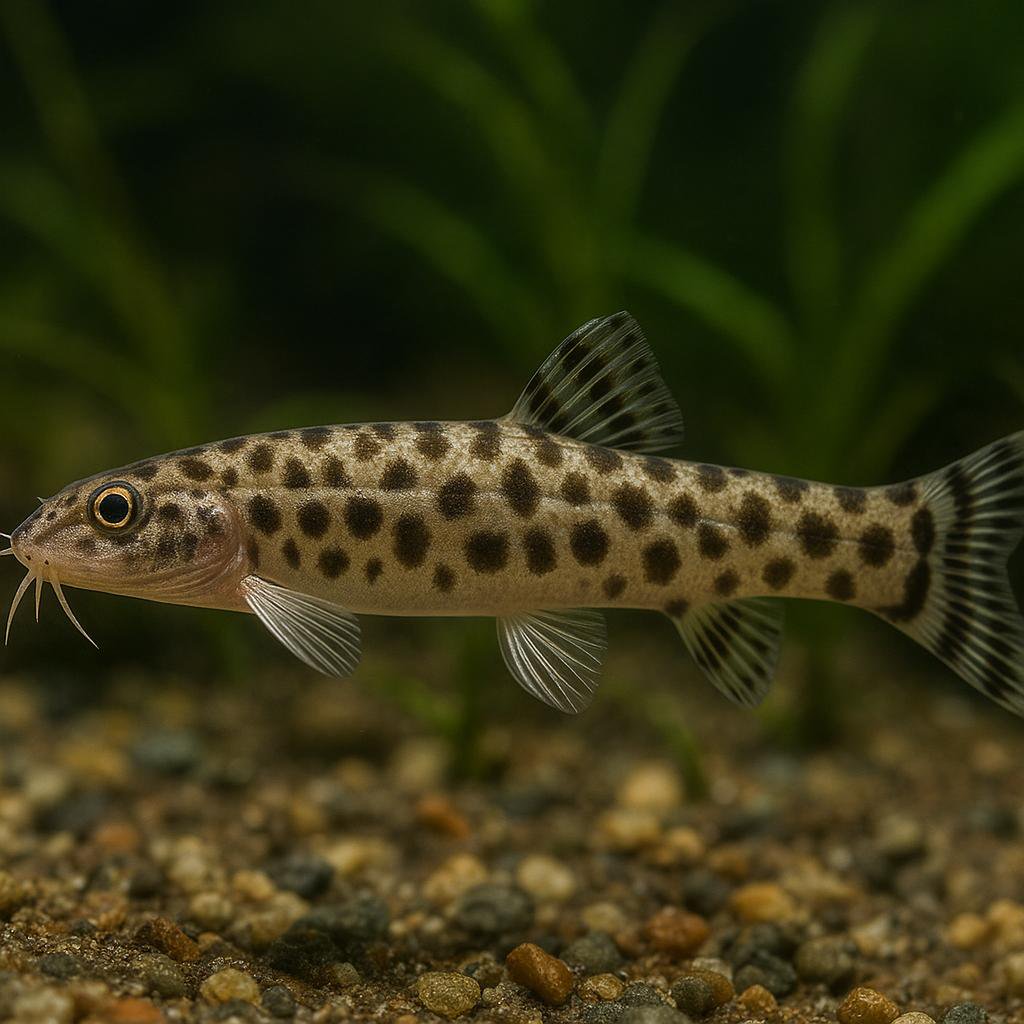
Fork-tailed Yunnan loach
Yunnanilus forkicaudalis
This is a tiny Chinese stone loach that sticks close to the bottom and cruises around like a little mouse, poking into sand and between small rocks. Its wild home is pretty localized in Yunnan, so its more of a "cool oddball" than something you will reliably see at every fish shop. Treat it like a small, peaceful stream/edge-of-lake loach and it will reward you with nonstop foraging behavior.
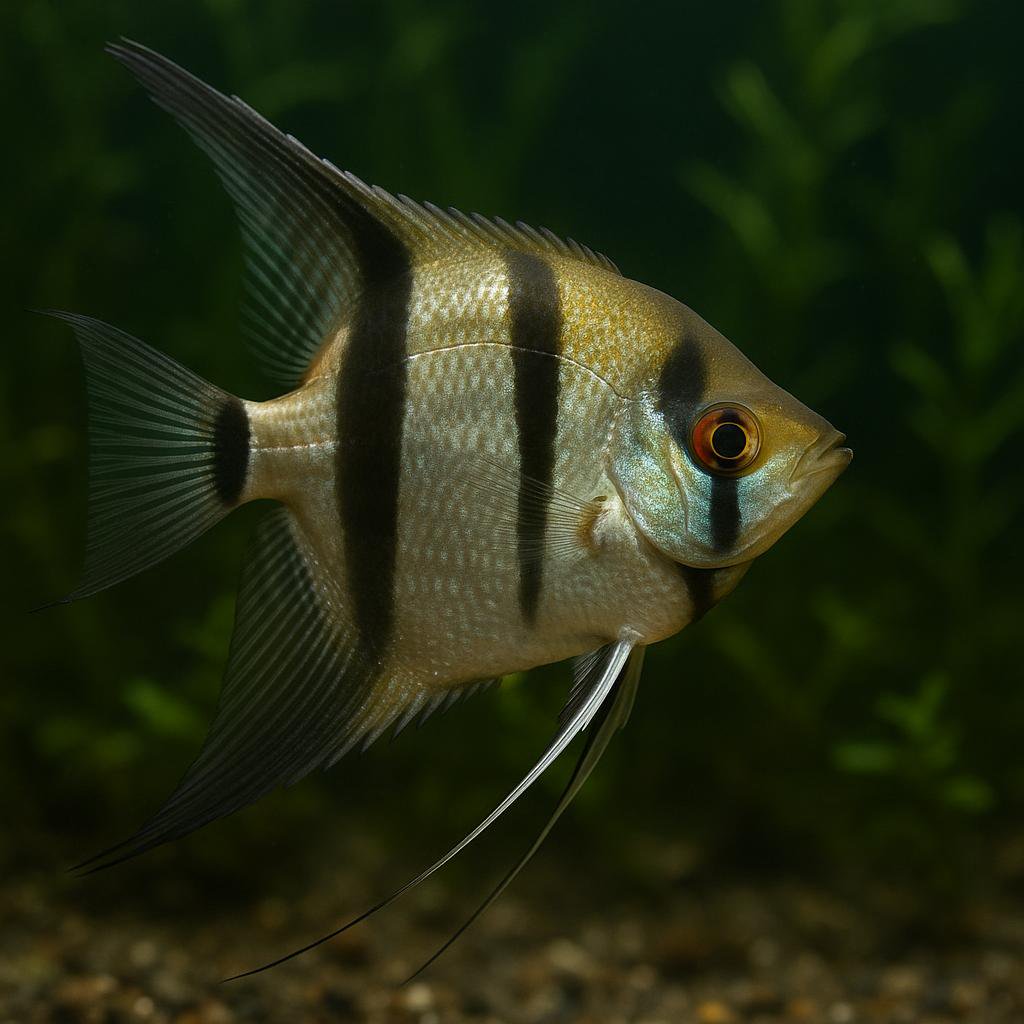
Freshwater angelfish
Pterophyllum scalare
Pterophyllum scalare is that classic tall, triangle-shaped cichlid that just glides around like it owns the midwater. Give it some vertical space, plants/wood to weave through, and it'll reward you with tons of personality-especially once a pair forms and starts guarding a spawn site.
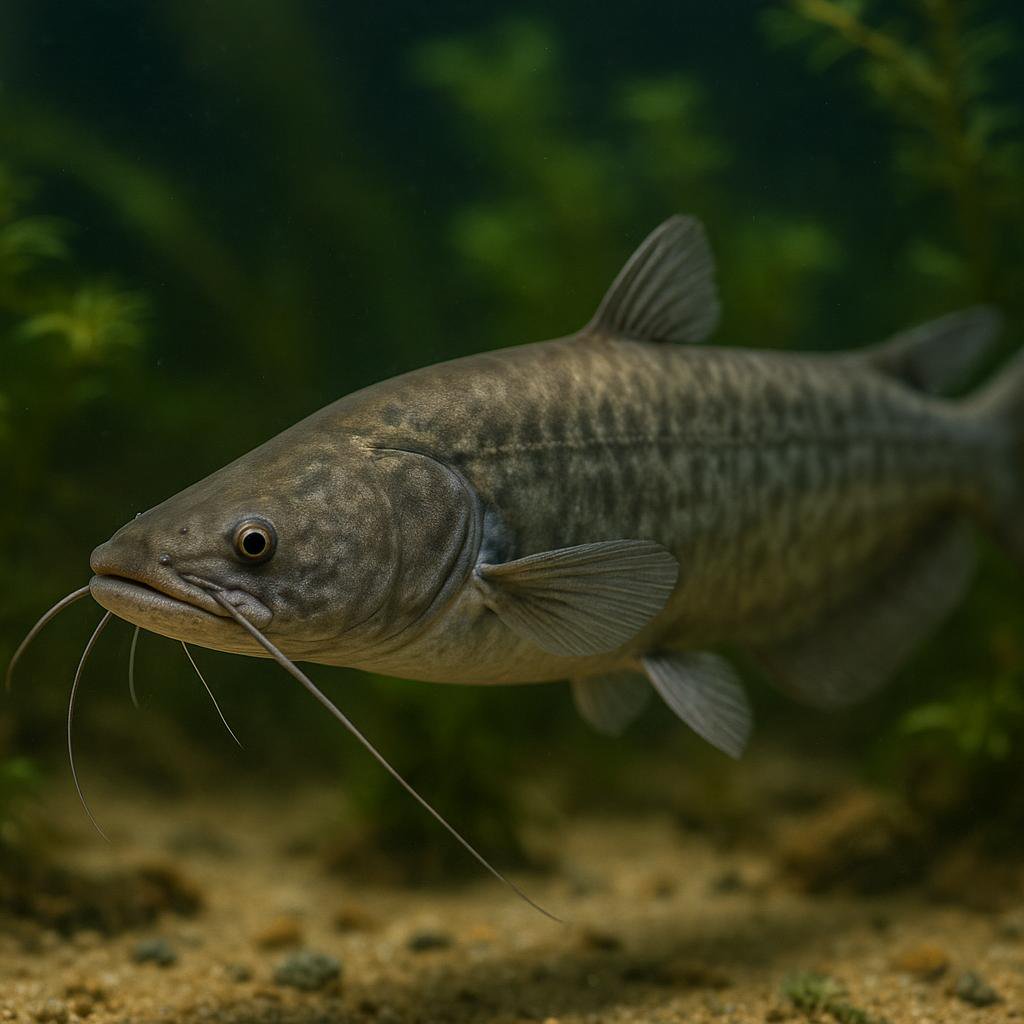
Freshwater shark
Wallago attu
Wallago attu is one of those true monster sheatfish - a long, compressed catfish with a ridiculously huge, deeply cleft mouth that makes it an absolute vacuum cleaner for anything it can catch. In the wild it hangs around deep, slower water over mud or silt and spends a lot of time tucked into holes and cover. In aquariums its main care requirement is simple but brutal: space (think indoor pond), because it gets enormous and anything smaller than it is food.
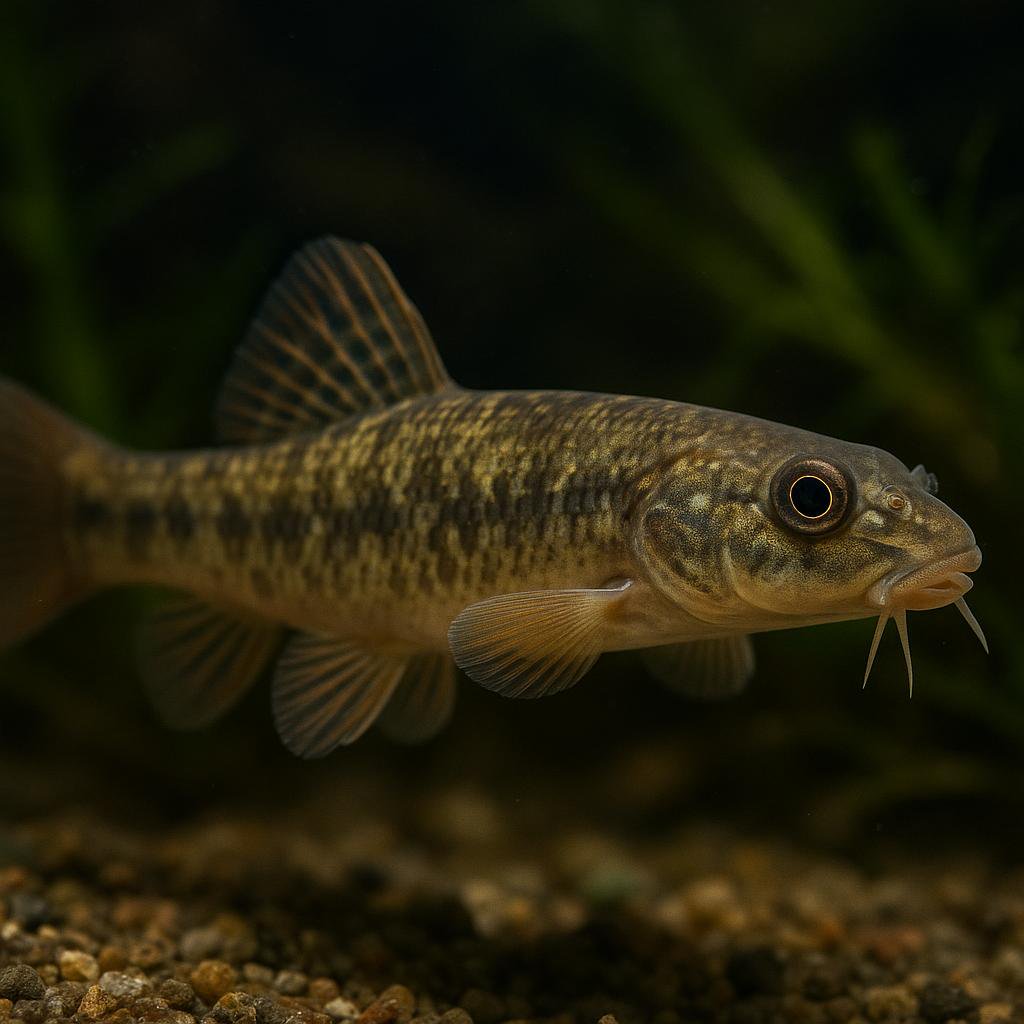
Fushun gudgeon
Gobio fushunensis
Gobio fushunensis is a little bottom-hugging gudgeon from China that spends its time nosing around the substrate for tiny foods. FishBase lists it topping out around 5.6 cm standard length, so think of it as a small, subtle stream fish rather than a flashy centerpiece.
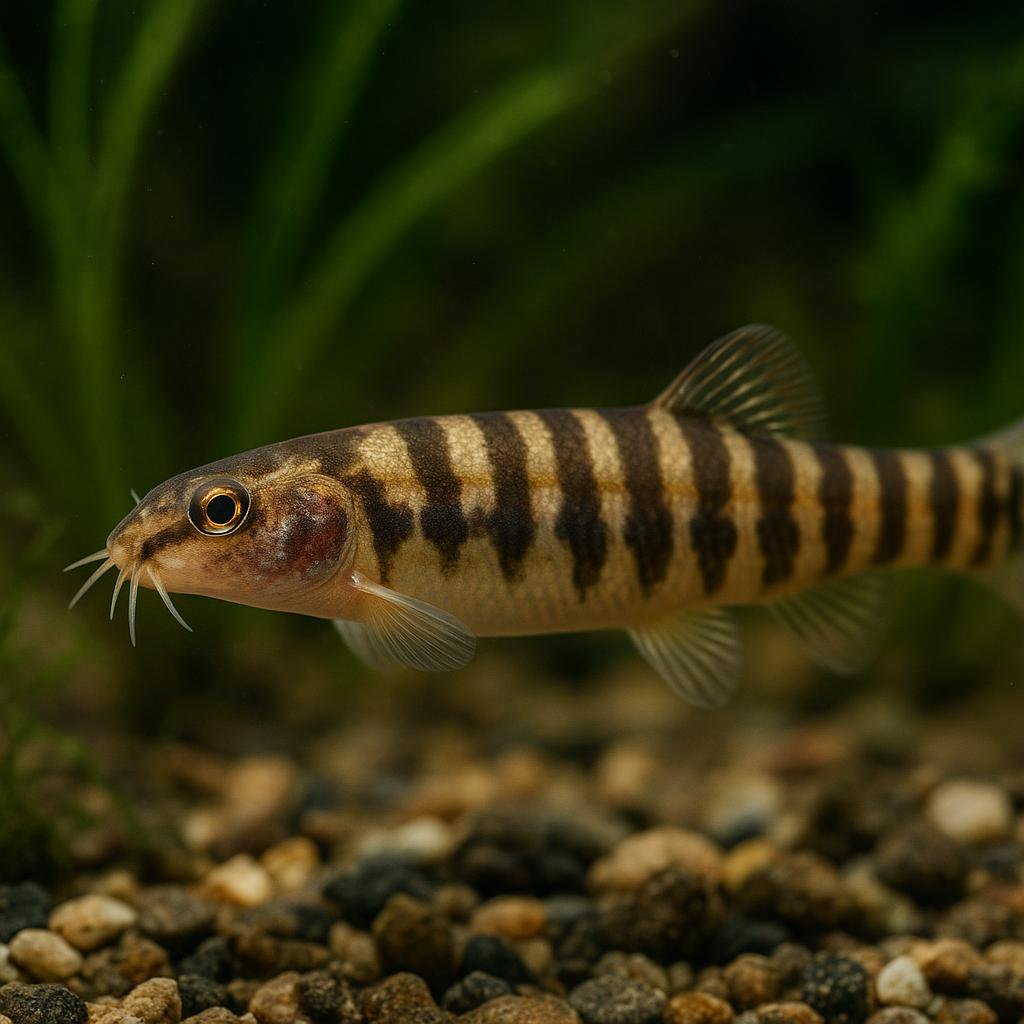
Ganhe Yunnan loach
Yunnanilus ganheensis
This is a tiny little stone loach from a single area in Yunnan, China (Ganhe, Xundian County). Its description mentions a neat pattern of square-ish dark spots along the sides, and like most small nemacheilid loaches it is basically a bottom-hugging, cover-loving micro-predator that will spend its time picking around the substrate and crevices.
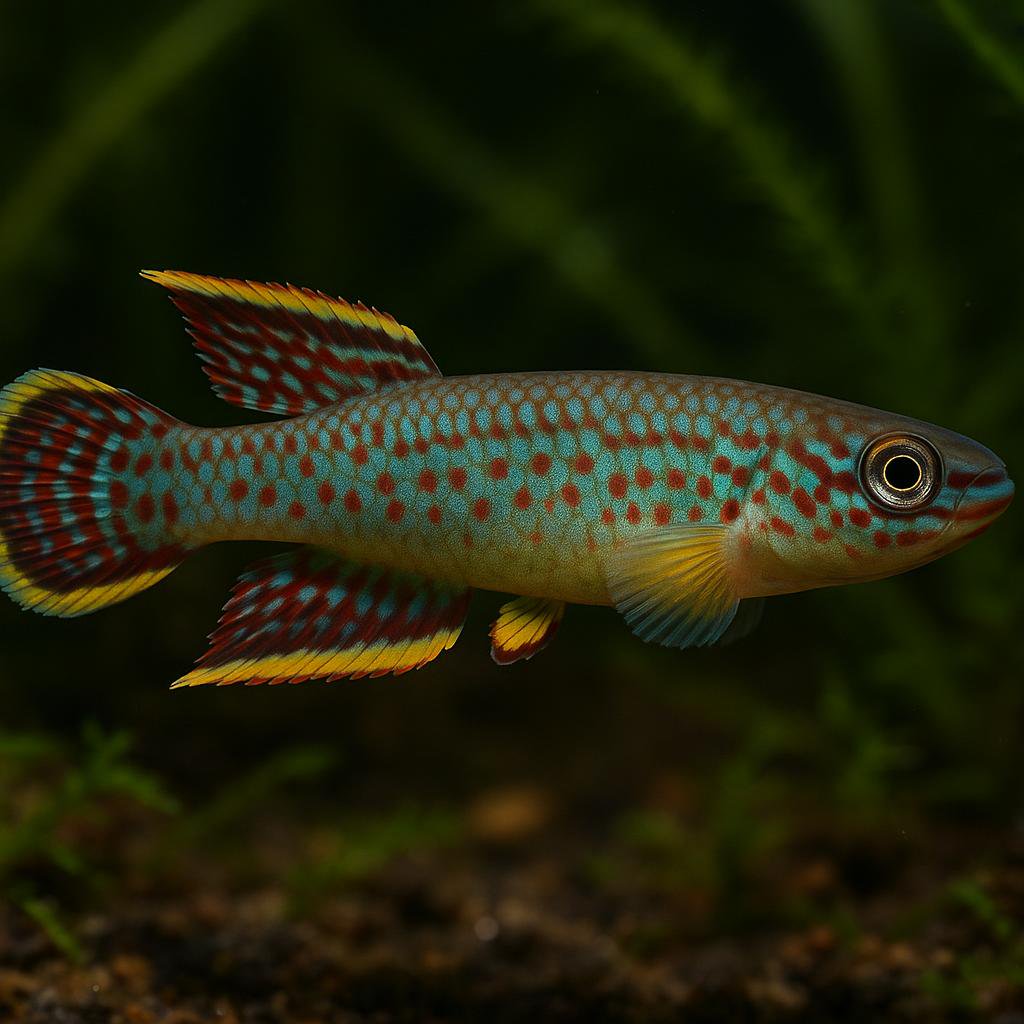
Gardner's killifish
Fundulopanchax gardneri
Gardneri are those little West African killies that look like someone painted neon speckles and flag-fins onto a 2-inch fish. The males will posture and flare at each other but its more drama than damage, and they will absolutely reward you with constant spawning if you give them mops or fine plants. Biggest things to know: keep a tight lid (they jump) and do not cook them warm - they do best in the low-to-mid 20s C.
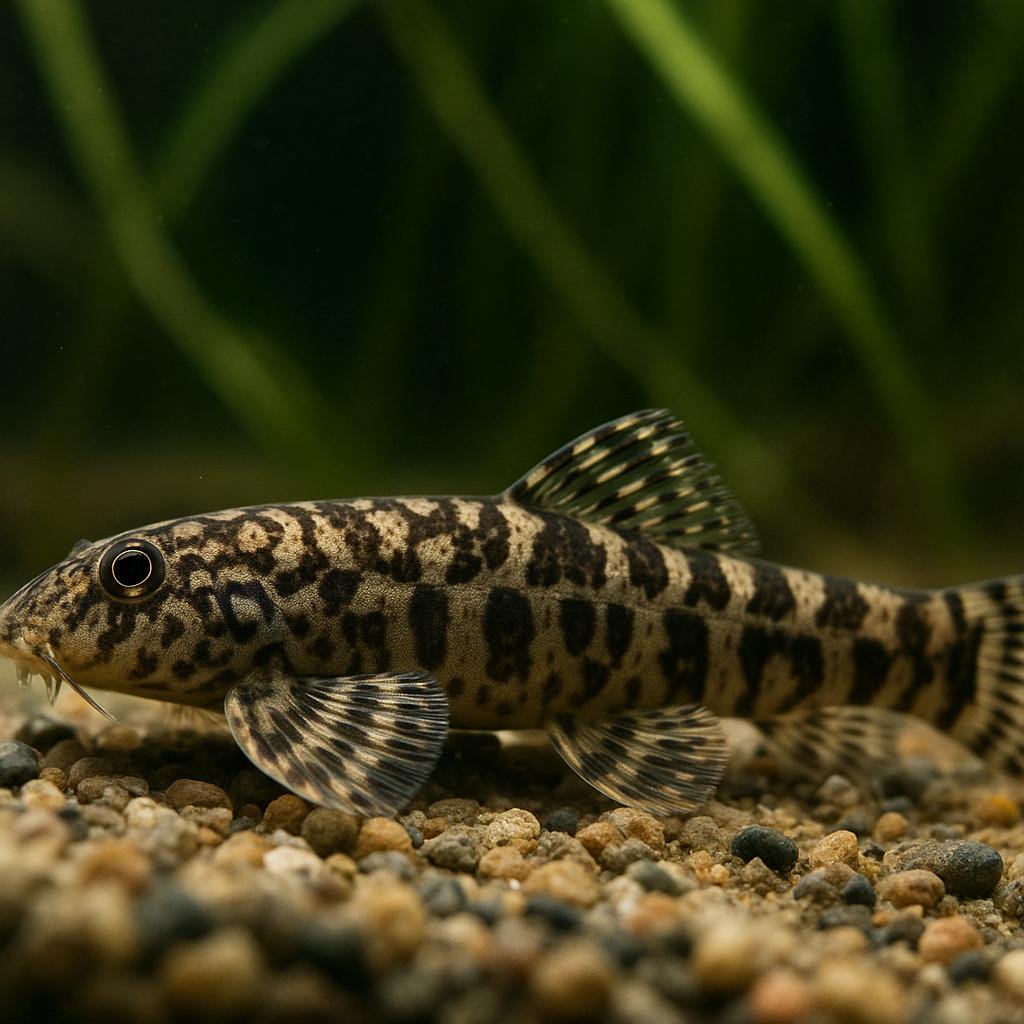
Gecko loach
Homaloptera confuzona
This is one of those hillstream-style loaches that looks and acts like a little underwater lizard, scooting and clinging over rocks in fast water. They stay fairly small but they are absolute oxygen junkies, so the tank setup matters way more than chasing perfect numbers. Also, they get mixed up with similar Homaloptera species a lot in the trade - the name confuzona is honestly pretty fitting.
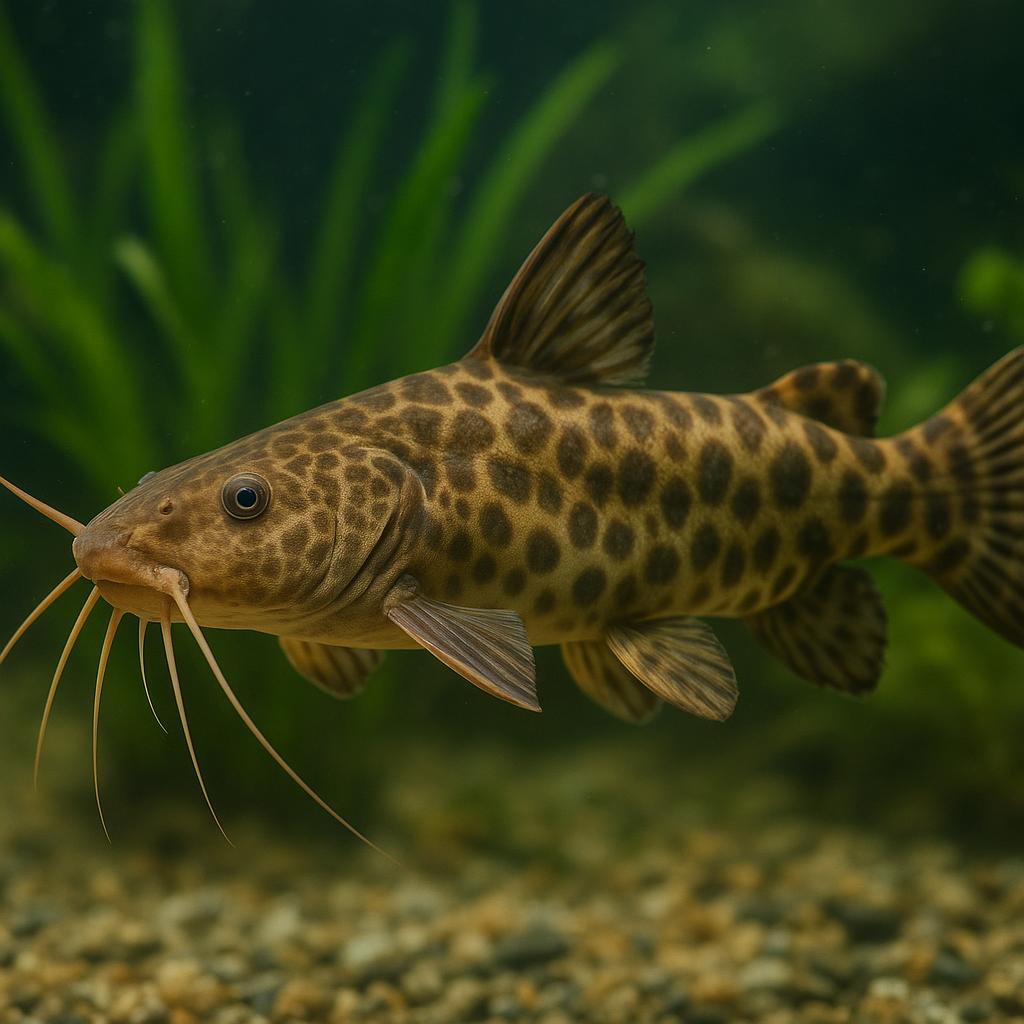
Giraffe catfish
Auchenoglanis occidentalis
This is the classic giraffe catfish - a big, chill African bottom-cruiser with that cool giraffe-like blotchy pattern. It spends a lot of time nosing around the substrate for food and gets way too large for most "monster fish" setups people try to cram it into. If you can actually give it the tank footprint and filtration it deserves, its a super fun, laid-back giant.
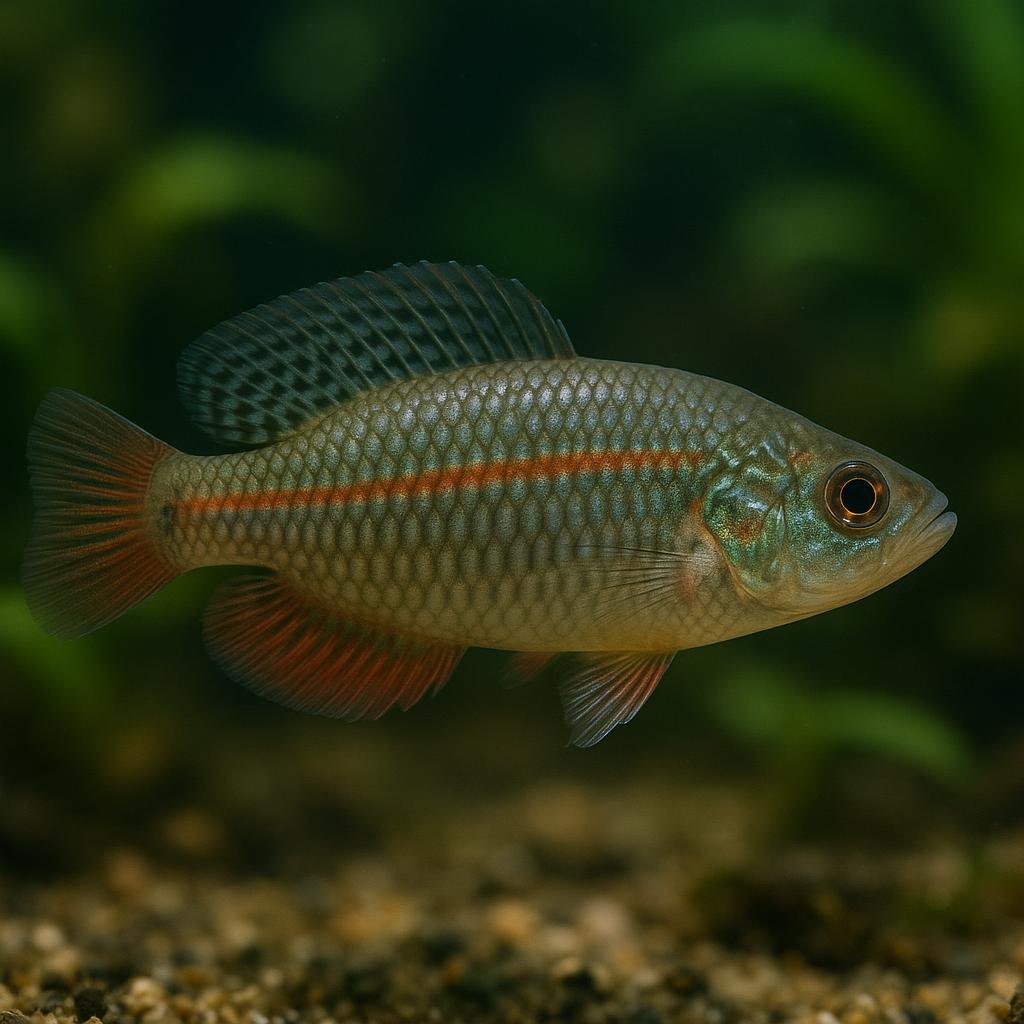
Gjellerup's snake eel
Yirrkala gjellerupi
This is a tiny little freshwater snake eel (worm eel family) that lives a pretty un-eel-like life, turning up in streams well away from the sea. It is one of those obscure oddballs you will mostly see in scientific papers rather than aquarium shops, and that rarity is honestly part of what makes it so interesting.