

Masked julie
Julidochromis transcriptus
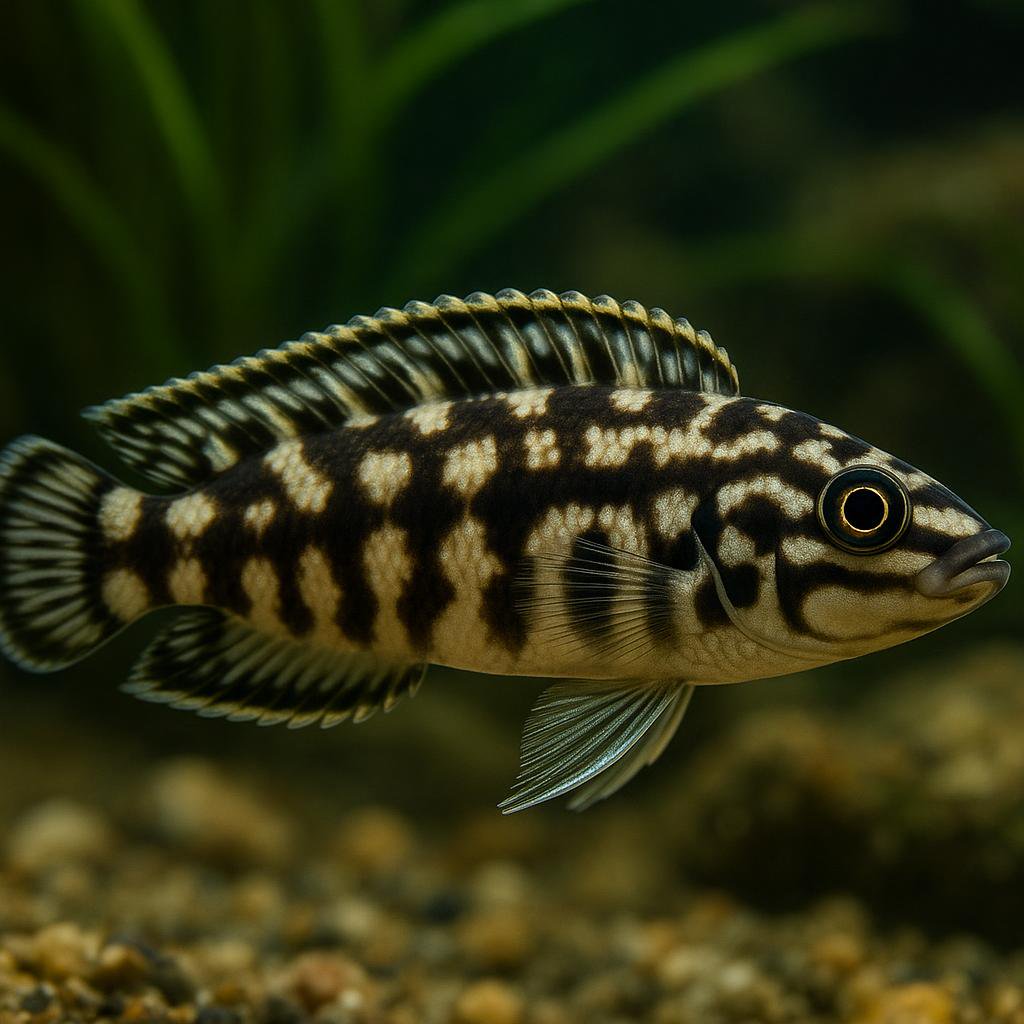
The Masked julie features a slender body with striking horizontal stripes and a distinctive mask-like marking around the eyes.
This page includes AI-generated images. Why am I seeing AI images?
About the Masked julie
This is a little Lake Tanganyika rock-dweller with bold black-and-white striping and that cool dark "masked" face. Give it a pile of rocks and tight caves and it will cruise around like it owns the place, especially once it pairs up. Small fish, big attitude - but in a manageable, "fun to watch" way if you plan the tank around territories.
Also known as
Quick Facts
Size
7 cm
Temperament
Semi-aggressive
Difficulty
Intermediate
Min Tank Size
30 gallons
Lifespan
6-8 years
Origin
East Africa (Lake Tanganyika)
Diet
Omnivore - small pellets/flakes plus frozen/live foods (insect larvae, small crustaceans)
Water Parameters
24-28°C
7.8-9
10-20 dGH
Need a heater for this species?
This species needs 24-28°C in a 30 gallon tank. Use our heater calculator to find the right wattage.
Calculate heater sizeCare Notes
- Give them a rock pile with lots of tight cracks and a couple little caves - they feel naked in open tanks and will get spicy without territory boundaries.
- They do best in hard, alkaline water: shoot for pH 7.8-9.0 and higher GH/KH, and keep nitrates low with steady water changes (they hate swings more than they hate numbers).
- Keep temps around 24-28°C (75-82°F) with stability; they can become more territorial during breeding and in cramped setups.
- Feed small, meaty stuff 1-2 times a day: quality cichlid pellets, frozen mysis/brine, and the occasional bloodworm; go easy on fatty foods because they can bloat.
- Best tankmates are other Tanganyika fish that hold their own and like rocks (shellies, smaller rock dwellers) - skip slow long-finned fish and avoid mixing with hyper-aggressive Mbuna.
- If you want a pair, buy a small group and let them sort it out, then remove extras; two random adults often turn into one adult.
- Breeding is cave-based: they lay eggs deep in a crack, and parents guard hard, so plan line-of-sight breaks or you'll have nonstop cornering of other fish; fry can take crushed flakes/powder food and baby brine.
Compatibility
Good Tankmates
- Other Tanganyika rock dwellers that can hold their own - stuff like Neolamprologus leleupi or Caudopunctatus. Give them lots of rock piles and line-of-sight breaks so nobody can lock down the whole tank.
- Shell dwellers like Neolamprologus multifasciatus or similis - they usually stick to their shell beds while the masked julies hang in the rocks. Keep shell zones and rock zones separated so they are not fighting over the same real estate.
- Open-water Tanganyika schooling fish like Cyprichromis (leptosoma types). They hang up top and midwater and mostly ignore the rock drama, which is perfect with julies.
- Synodontis catfish from Tanganyika (like Synodontis lucipinnis/petricola types). They are tough, fast, and mostly nocturnal so they do not take the julie attitude personally.
- Tanganyika sand sifters like Xenotilapia (only if the tank is big and the rocks are stable). They stay on sand, julies stay in caves, and it can work if territories are clear.
Avoid
- Other Julidochromis species (mixing Julidochromis often leads to territorial conflict and/or hybridization risk; attempt only with expert planning in very large, heavily structured tanks).
- Other cave-spawning, rock-territory bullies that want the same exact spots - especially Melanochromis (Mbuna) or similarly aggressive cichlids. Masked julies are scrappy but Mbuna-level chaos usually ends badly.
- Slow, peaceful community fish (angels, gouramis, bettas, fancy long-fins). The julies will rush them off caves all day and stress them out, plus the water needs are totally different from a Tanganyika setup.
- Nippy fin-biters and hyper stuff that never chills out - tiger barbs and similar. They will harass julies in the open and the julies will retaliate around the rocks, so everybody loses.
- Tiny snack-sized fish like small tetras, guppy fry, or micro rasboras. Even if the julie does not hunt nonstop, anything that wanders near the cave gets treated like food or an intruder.
Where they come from
Masked julies (Julidochromis transcriptus) come from Lake Tanganyika in Africa. Theyre a rock-dwelling cichlid that spends its life weaving through cracks, caves, and rubble piles along the shoreline. If you build the tank like a mini cliffside, they act way more natural and a lot less cranky.
Setting up their tank
Think rocks first, everything else second. These fish want a maze of tight spaces, not open water. I get the best behavior when there are multiple little territories so they can pick a home and feel secure.
- Tank size: 20 long can work for a single pair, but 30+ gallons makes life easier (less drama, more stable water).
- Hardscape: stacks of rock with lots of narrow gaps, plus a few caves. Give them more hiding spots than you think you need.
- Substrate: sand or fine gravel. Theyll dig a bit but theyre not bulldozers like some Malawi cichlids.
- Water: hard, alkaline Tanganyika-style. Aim for pH around 8-9 and steady temps around 76-80F.
- Filtration: strong and steady, but dont blast their caves directly with current. They like flow, just not a sandstorm in their living room.
- Lighting: moderate is fine. If its bright, add rock overhangs or darker corners so they can chill.
Stack rocks on the tank bottom (or on egg crate), not on top of sand. Julies dig and can undermine a rock pile. A shifted rock can crack glass or trap a fish.
Plants arent required. Most Tanganyika setups are rock and sand, and thats totally fine. If you want green, stick to tough stuff like Anubias attached to rocks, but dont be surprised if it gets shaded out by your rockwork.
What to feed them
Masked julies are small predators that pick at tiny crustaceans and insect larvae in the wild. In the aquarium, they do best on meaty foods sized for their mouths. Theyre not picky once settled, but they do appreciate variety.
- Staple: a quality small sinking cichlid pellet or granule (they like food that drops into the rocks).
- Frozen: brine shrimp, mysis, cyclops, daphnia. Rotate a couple through the week.
- Live (optional): baby brine shrimp is great, especially if youre conditioning a pair or raising fry.
- Treats: chopped krill or prawn very occasionally, but keep it small and not too often.
Feed small portions and watch where the food lands. If everything disappears into the rock pile and rots, youll be chasing nitrate and algae. I like feeding with pumps briefly turned down so the food drops into their territory instead of blowing into a corner.
Go easy on high-protein binge feeding. Julies can get bloated if you hammer them with rich foods. Variety and smaller meals beats giant feedings.
How they behave and who they get along with
Theyre classic Tanganyika cave cichlids: curious, a little nosy, and more territorial than their size suggests. A bonded pair will claim a rock pile and defend it like its a castle. Outside the territory, theyre usually pretty calm.
- Best kept as: a single pair, or a small group in a larger tank with lots of rockwork (groups can be tricky).
- Good tankmates: other Tanganyika species that use different zones, like shell dwellers (Neolamprologus multifasciatus/similis) or open-water fish like Cyprichromis in bigger tanks.
- Use caution with: other Julidochromis or similar rock cichlids in small tanks. Territory overlap turns into constant chasing.
- Avoid: aggressive bruisers and fin nippers, and anything tiny enough to be seen as food.
Sexing them is not straightforward. Males are often slightly larger and more elongated, but its not reliable. The easiest path is buying a small group of juveniles and letting a pair form, then rehoming extras.
Breeding tips
If you give them caves and stable water, theyll often breed without you trying too hard. Theyre cave spawners. The pair lays eggs deep in a crevice, and both parents usually guard the area. One fun thing with julies is youll sometimes see multiple sizes of fry hanging around the same rock pile.
- Give them a tight spawning site: a narrow cave, rock crack, or a small piece of PVC hidden under rocks.
- Condition with: frozen foods and small pellets, but dont overfeed.
- Leave the parents if the tank is calm: they often do a solid job guarding and herding fry.
- Feed fry: baby brine shrimp, finely crushed flakes/powder, and cyclops once they can take it.
If tankmates keep stealing fry, you can move a rock with the cave to a small grow-out tank (same water, same temp). Do it gently and keep the cave underwater during the move if you can.
Common problems to watch for
Most issues with masked julies come from either the wrong vibe (not enough rocks, too many similar cichlids) or water that swings around. Theyre tougher than people think, but they hate instability.
- Aggression in small tanks: a pair can bully tankmates hard if territories overlap. Add more rock cover or change stocking.
- Hiding nonstop: often a sign of too much open space, too much light, or tankmates that keep cruising their caves.
- Bloat/constipation: usually from overfeeding rich foods or not enough variety. Cut back, offer lighter foods like daphnia, and keep water clean.
- Ich or other parasites after purchase: Tanganyika fish can arrive stressed. Quarantine helps a lot if you can swing it.
- Rock pile detritus: food and waste collect in the caves. Vacuum around rock bases during water changes and keep flow moving through the scape.
Dont chase pH with quick chemical fixes. Stability beats chasing a perfect number. If your water is moderately hard and alkaline and you keep it consistent with regular water changes, julies usually settle in and behave.
Similar Species
Other freshwater semi-aggressive species you might be interested in.
American flagfish
Jordanella floridae
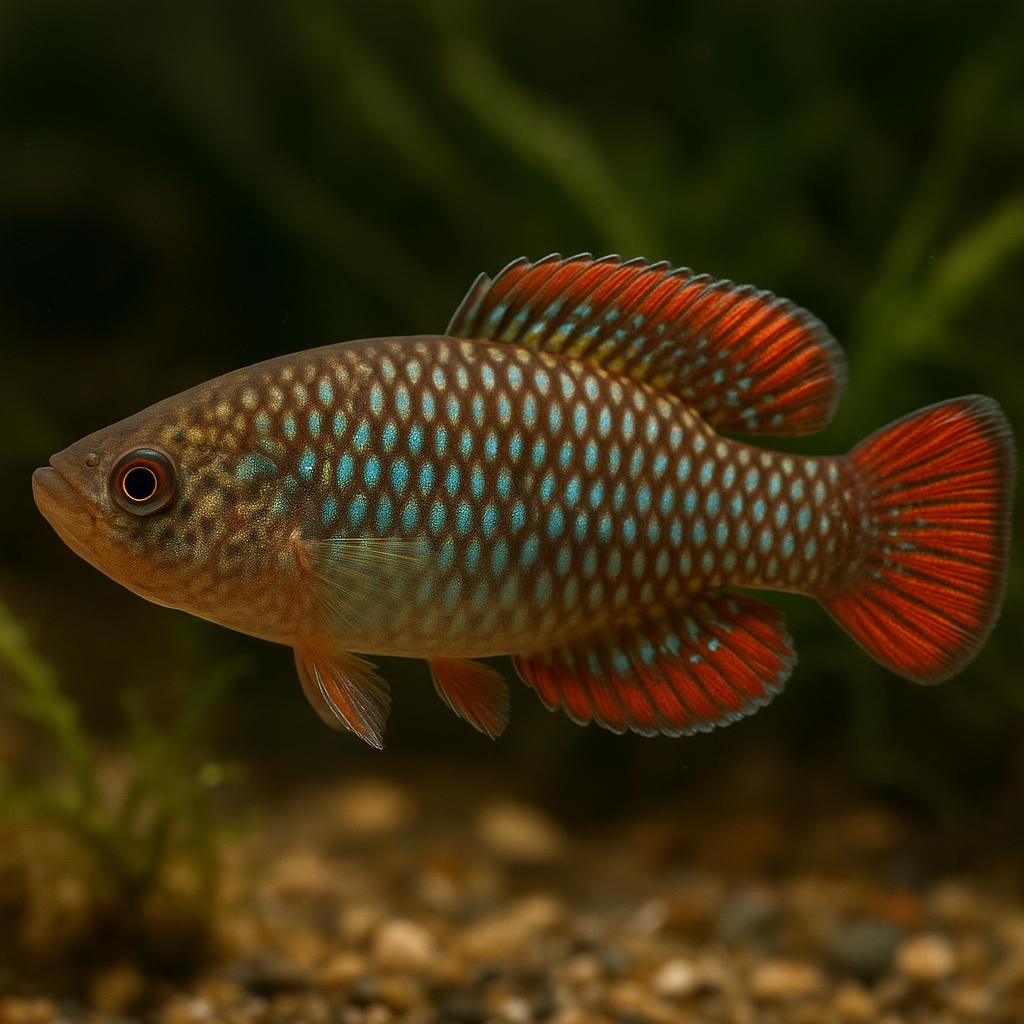
Jordanella floridae is that little Florida native with the red-and-cream striping that really does look like a tiny flag once a male colors up. They graze algae like champs (especially stringy/hair algae), but they have a bit of attitude - give them plants and space so the bossy behavior stays manageable. Bonus: the male guards the eggs and will actively fan them, which is pretty fun to watch.
Banded Leporinus
Leporinus fasciatus
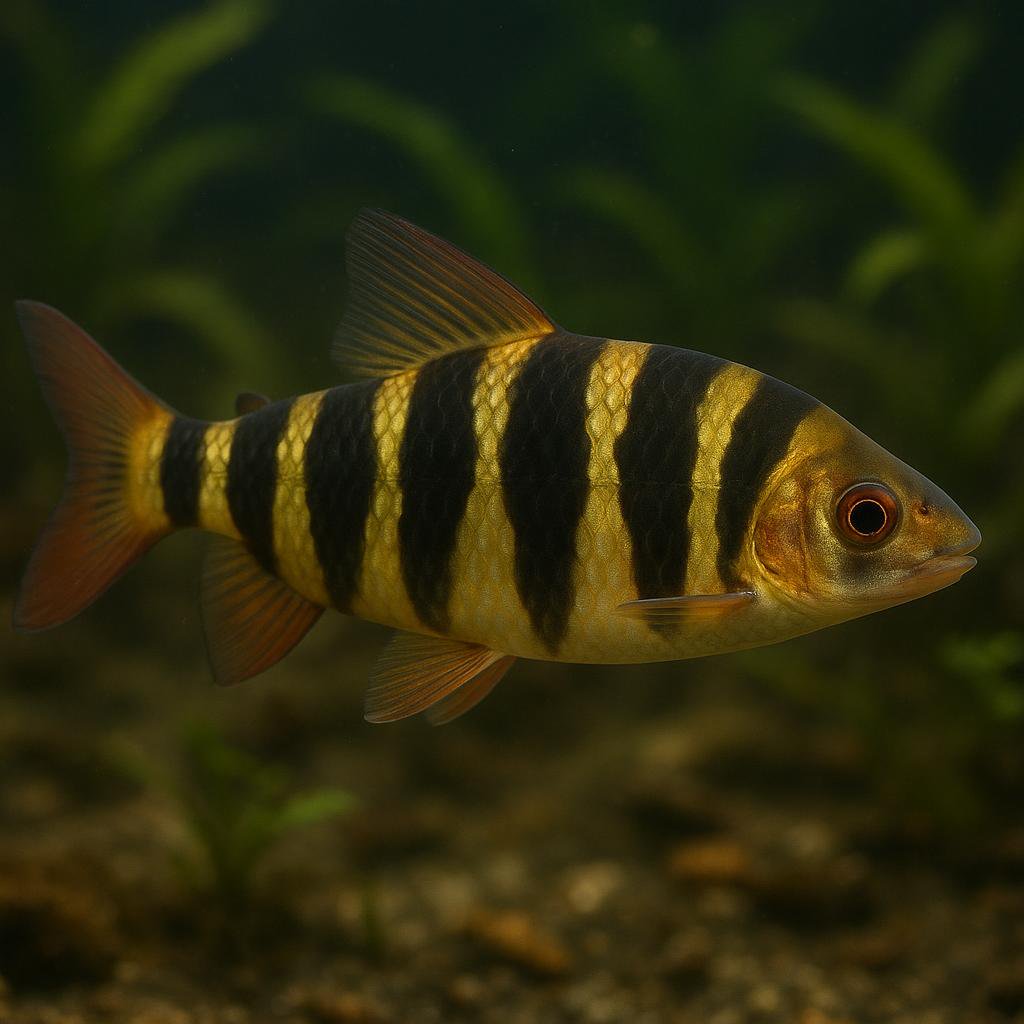
Banded Leporinus are those torpedo-shaped, black-and-yellow striped fish that look like they're wearing a little prison outfit-and they stay on the move. They've got a ton of personality and they're awesome to watch cruising and picking at stuff, but they're also the kind of fish that will redecorate your tank and "taste test" anything soft-looking.
Bandi cichlid
Wallaceochromis signatus
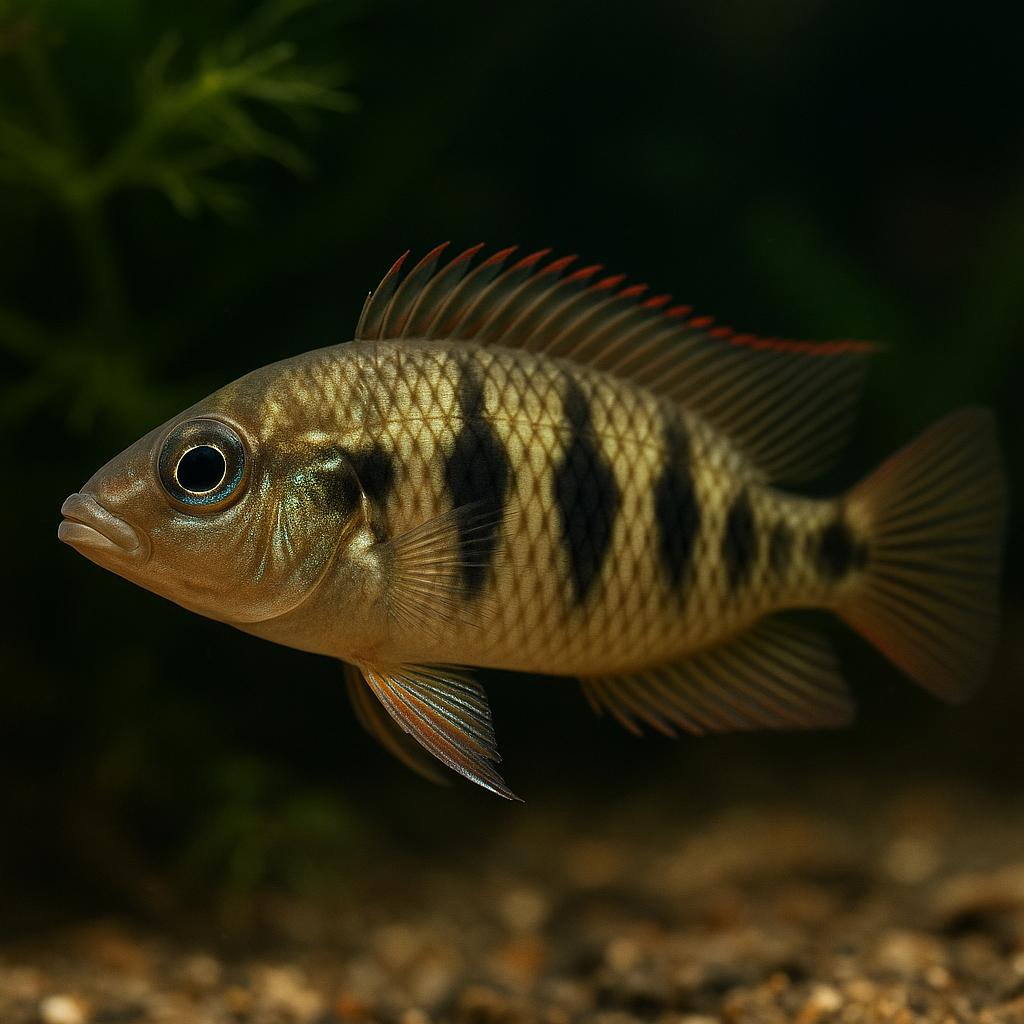
A West African dwarf cichlid from Guinea's Bandi River, this fish shows crisp vertical bars and spotted fins with red highlights. Females have a bold black spot at the base of the tail, and pairs guard eggs and fry in caves, which makes their parental behavior fun to watch.
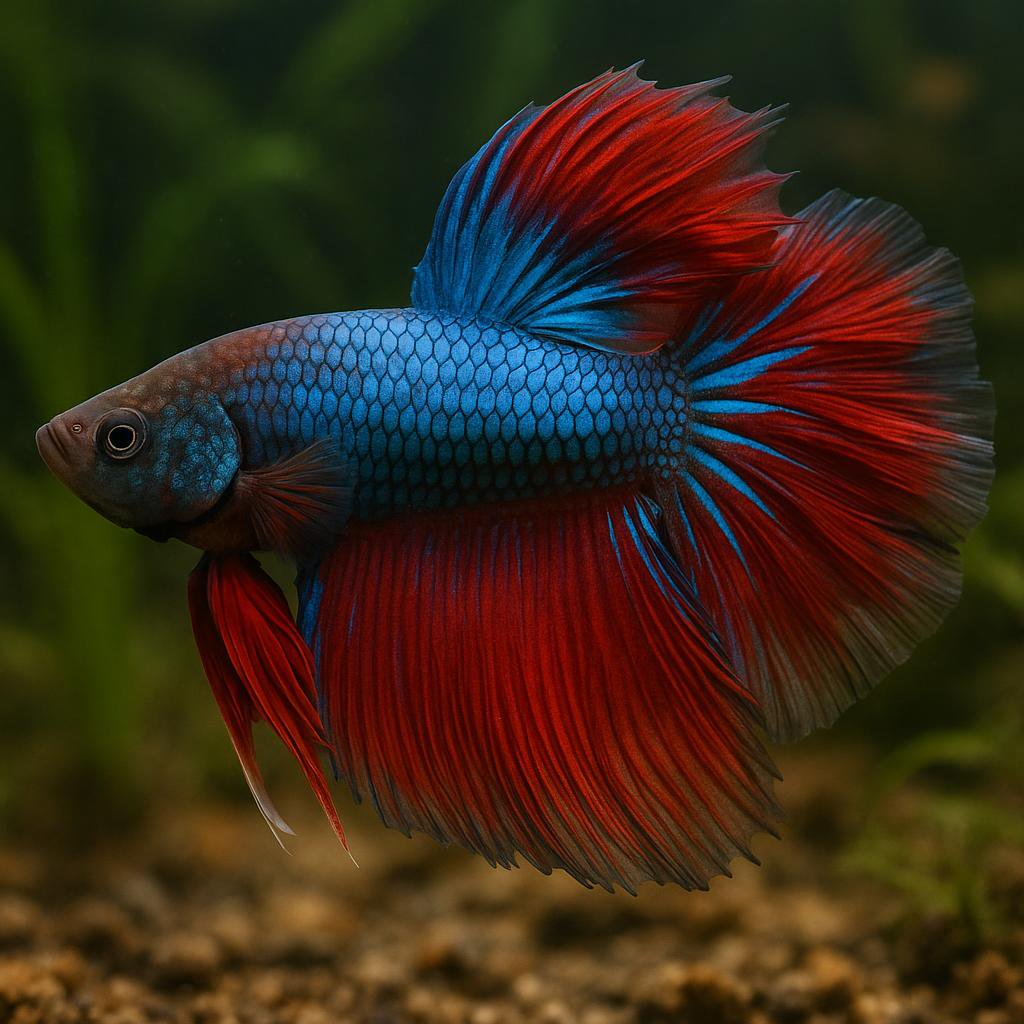
Betta
Betta splendens
Betta fish, also known as Siamese fighting fish, are popular for their striking colors and flowing fins. They are known for their territorial nature, especially males, which can display aggressive behavior towards each other.
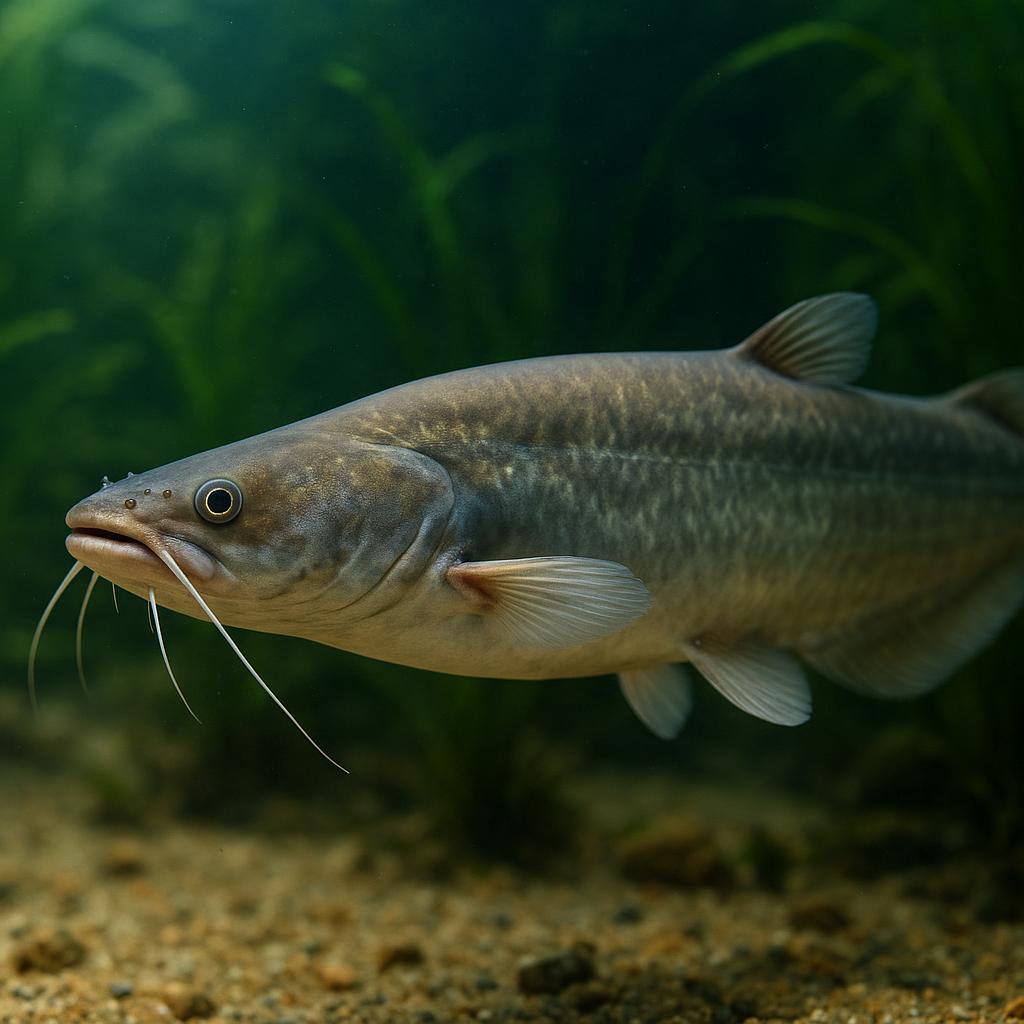
Blackhawk catfish
Wallagonia micropogon
Wallagonia micropogon is a giant Southeast Asian sheatfish with an eel-like body and a huge, scoop-like mouth for hunting other fish. It is native to the Mekong and middle Chao Phraya basins and was long confused with Wallagonia leerii, which makes IDs and care notes tricky. Stunning as a juvenile but it grows to true megafish size, so it is only realistic for expert keepers or public aquariums.
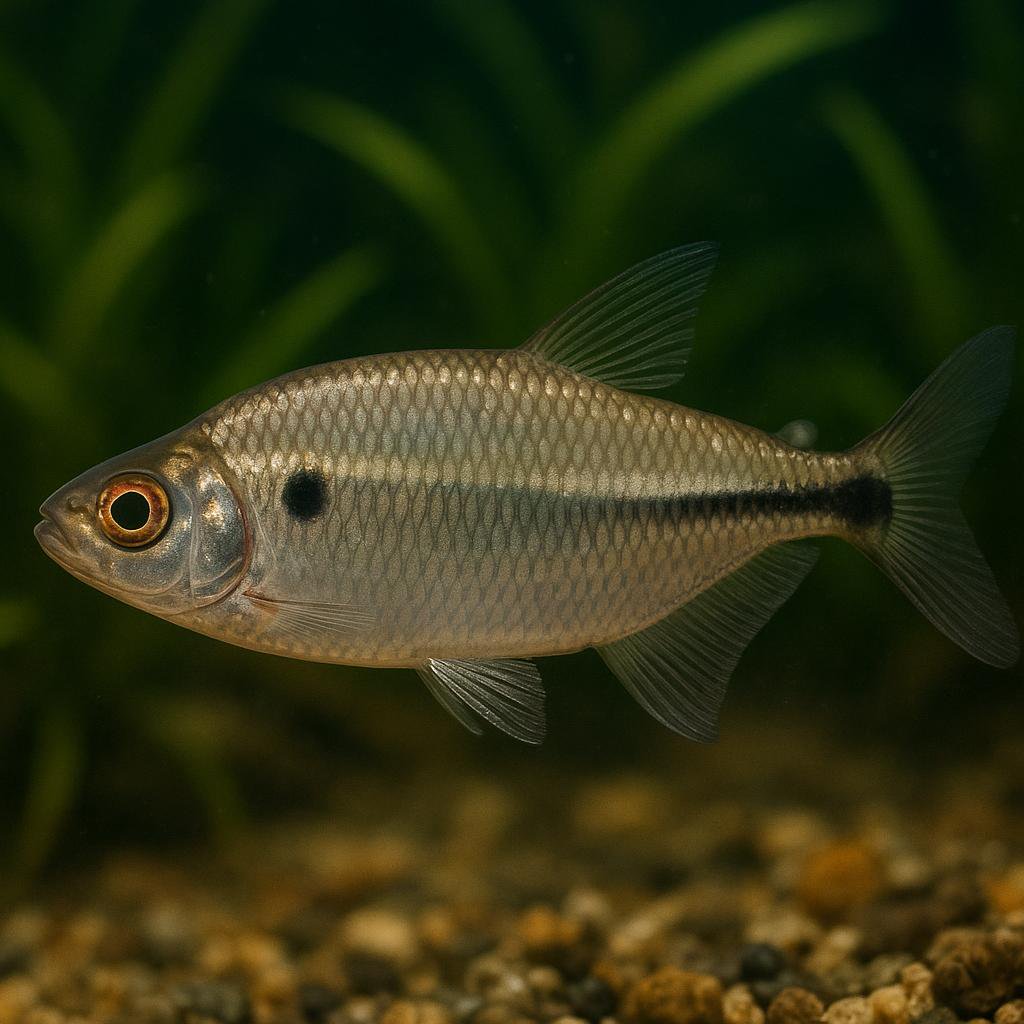
Boulenger's Featherfin Tetra
Bryconaethiops boulengeri
A big, fast African tetra from the Congo River basin, it cruises the mid-to-upper water in active groups and flashes a bold broken stripe along its flanks. In the wild it hunts insects at the surface and can leap, so aquariums need tight lids. Keep it with robust tankmates it cannot swallow.
More to Explore
Discover more freshwater species.
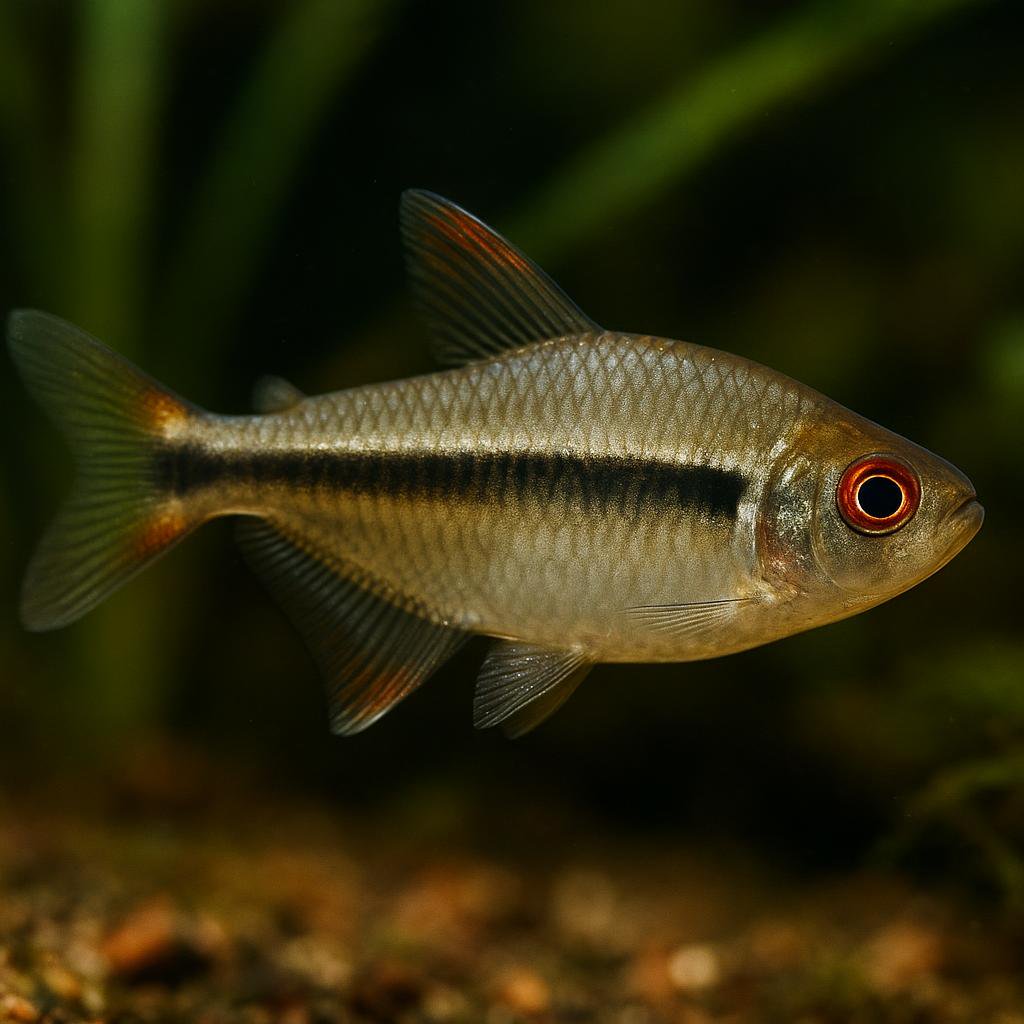
Amapa tetra
Hyphessobrycon amapaensis
This is a tiny, super sleek little tetra with a clean red stripe down the side that really pops once its settled in. It does best in a planted, slightly tinted "creek-style" setup and looks way cooler when you keep a proper group so they school and flash that line together. If you can give it soft, slightly acidic water and a calm community, its an easy fish to fall for.
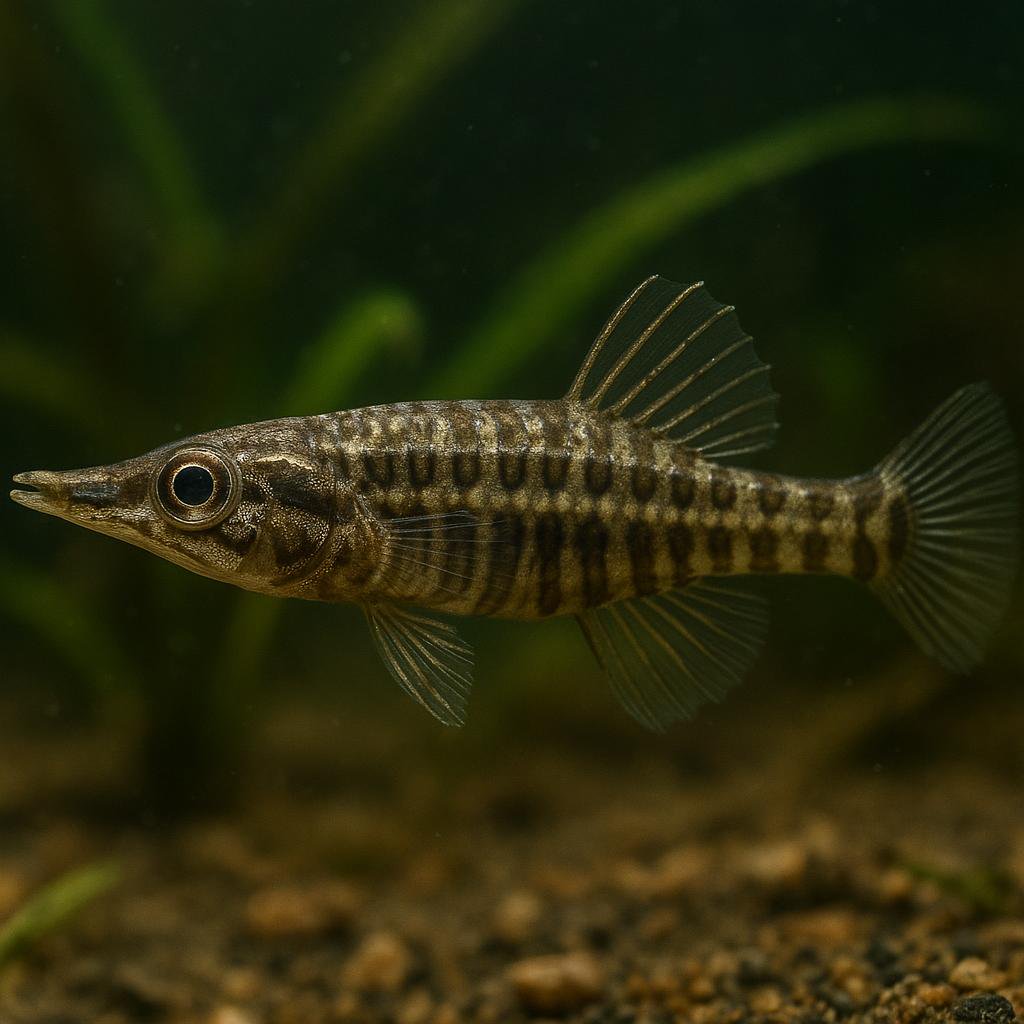
Armoured stickleback
Indostomus paradoxus
This is that goofy little "freshwater seahorse"-looking fish that just kind of perches and scoots around like a tiny armored twig. Its whole vibe is slow, sneaky micropredator - once its settled in, you will catch it stalking microfoods and doing these subtle little posture displays. The big trick is feeding: they do best when you can provide lots of small live foods in a calm, planted tank.
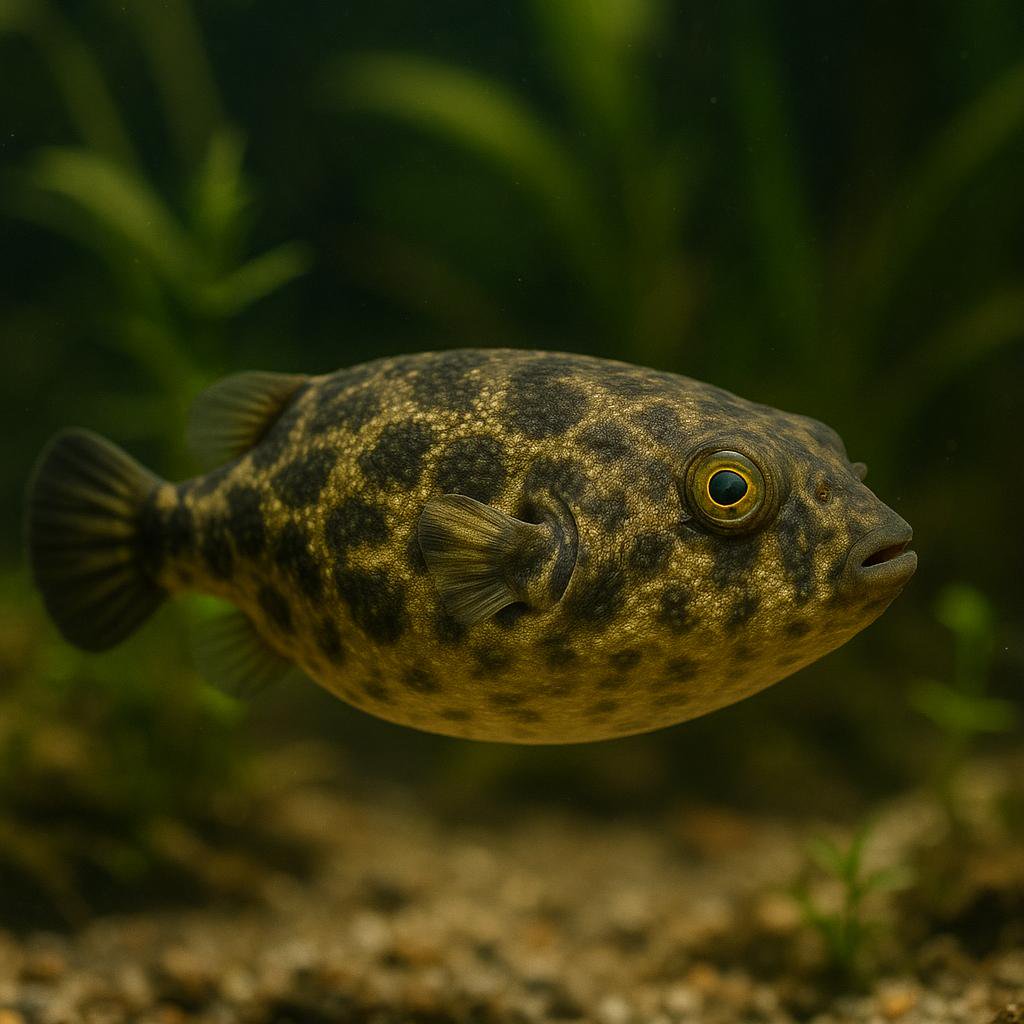
Arrowhead puffer
Pao suvattii
Pao suvattii is that sneaky Mekong puffer that likes to sit low and ambush food, and it has that super recognizable arrow/V pattern on its back. Gorgeous fish with tons of personality, but it is absolutely not a community guy - plan on a solo, species-only setup if you want everybody to stay in one piece.
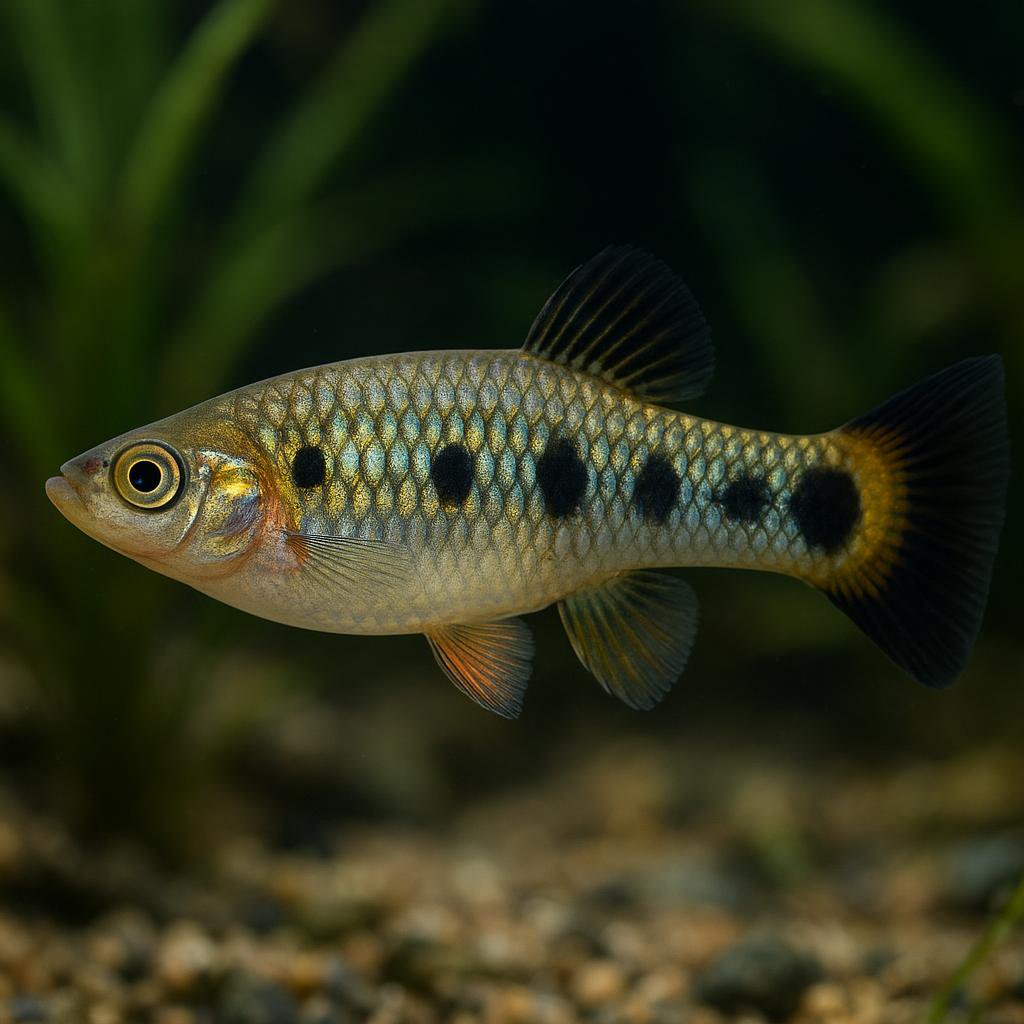
Bishop toothcarp
Brachyrhaphis episcopi
This is a tiny Panamanian livebearer that does best when you treat it more like a shy wild fish than a fancy guppy-lots of cover, calm vibes, and really clean water. The fun part is watching the males posture and spar while the females cruise around dropping fully-formed fry about once a month.
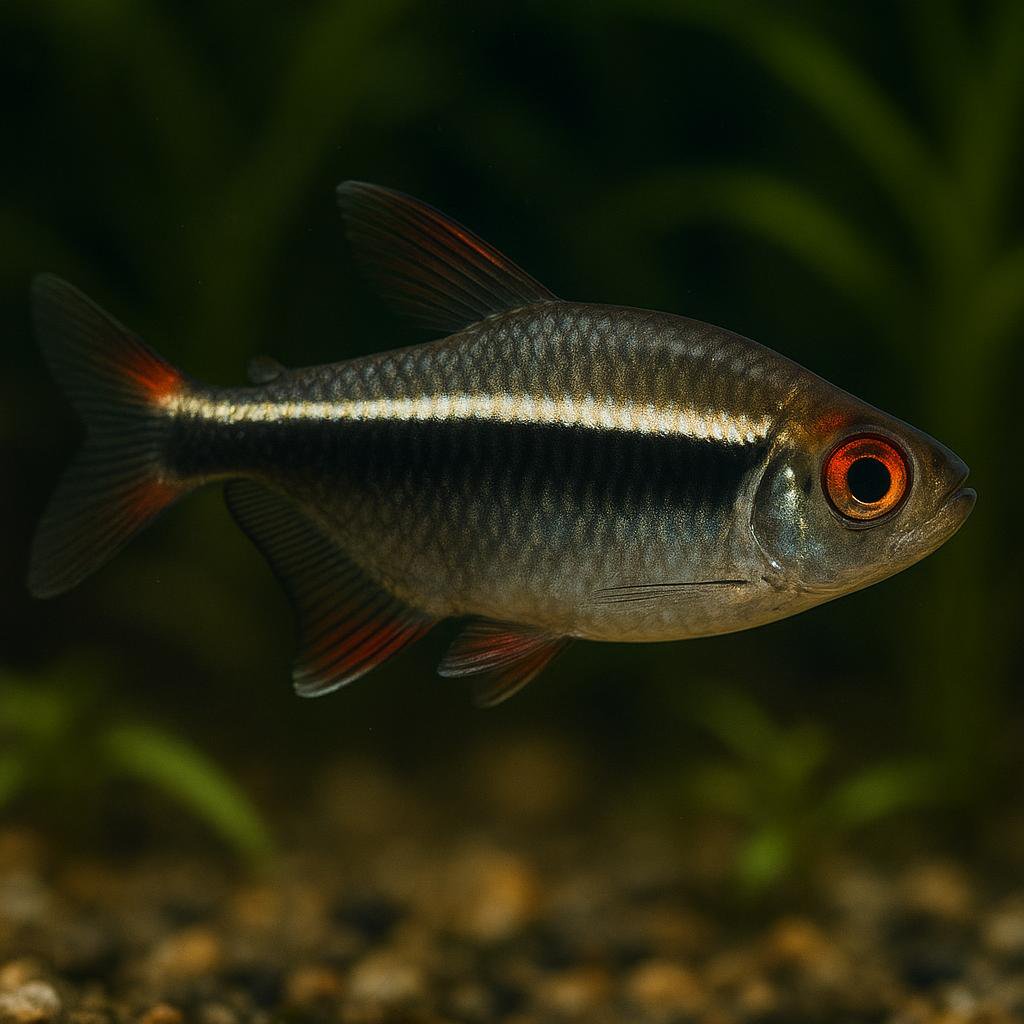
Black Neon Tetra
Hyphessobrycon herbertaxelrodi
Black neons are one of those little tetras that look kinda understated until the light hits them-then that bright stripe pops and they shimmer when the school turns together. They're super chill, always cruising mid-water, and they make a tank feel "alive" without being hectic. If you keep a nice group, they get bolder and you'll see way more of their personality.
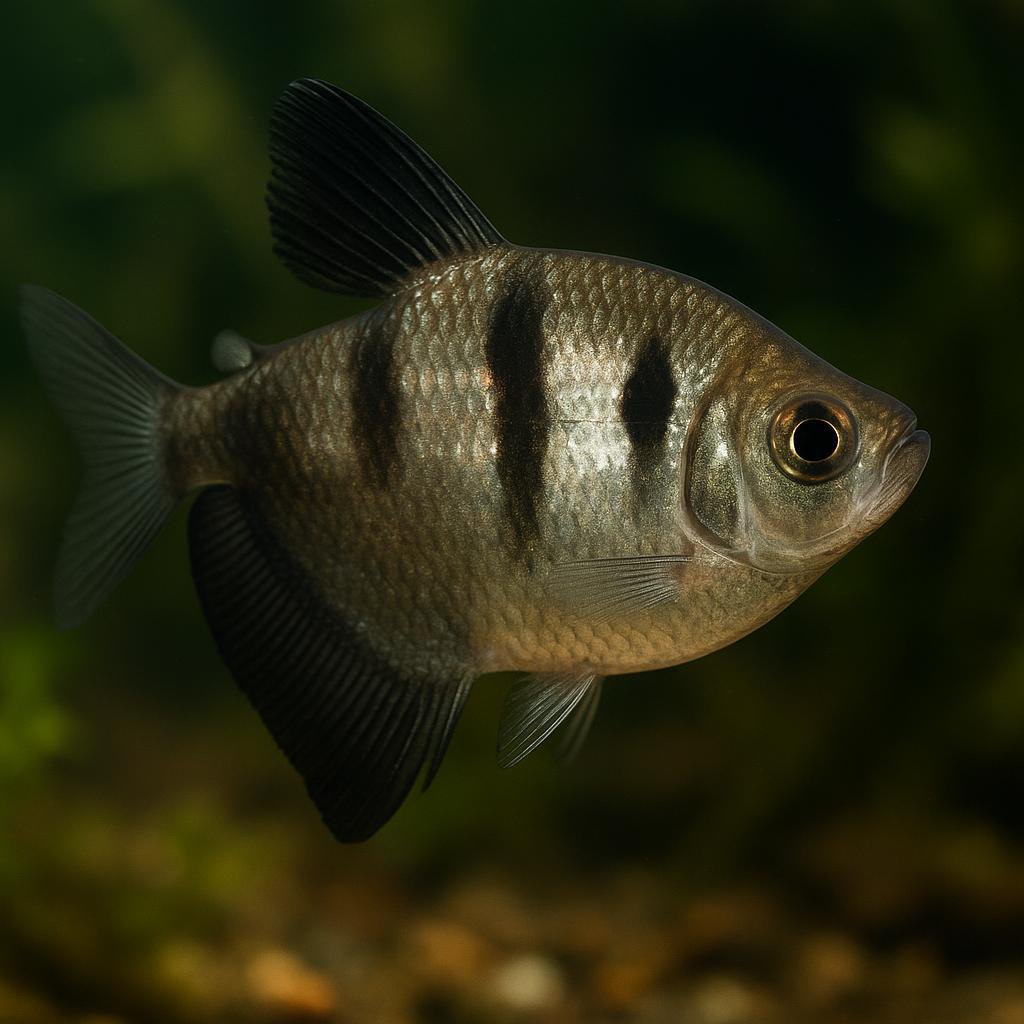
Black Skirt Tetra (Black Widow Tetra)
Gymnocorymbus ternetzi
Black skirts are those little "suit-and-tie" tetras with the dark bands and flowing fins that look way fancier than they should for how tough they are. They're super active midwater fish, and when you keep a proper group they do that tight, zippy schooling thing that makes the whole tank feel alive. Just give them enough buddies and finny tankmates they won't be tempted to nip.
Looking for other species?