

Mary River cod
Maccullochella mariensis
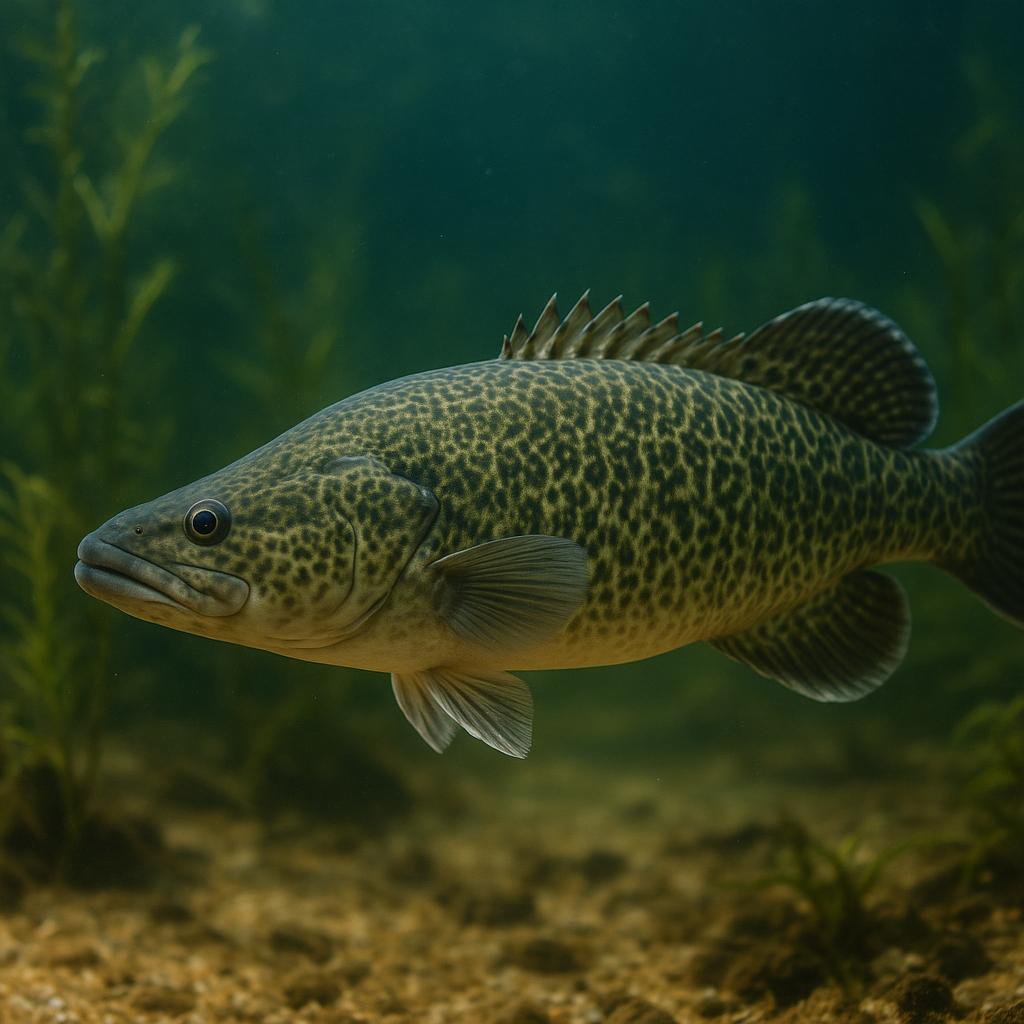
The Mary River cod features a robust body with dark green to brown coloration, adorned with distinct lighter mottling and large, rounded fins.
This page includes AI-generated images. Why am I seeing AI images?
About the Mary River cod
Mary River cod is a big, thick-bodied Australian freshwater predator with that awesome dark mottled patterning and white-edged fins. Its basically a sit-and-wait ambush fish that likes deep pools and heavy cover (snags, undercut banks), and it gets way too large for normal home aquariums.
Also known as
Quick Facts
Size
85 cm
Temperament
Semi-aggressive
Difficulty
Expert
Min Tank Size
300 gallons
Lifespan
20-40 years
Origin
Australia (Queensland - Mary River catchment)
Diet
Carnivore/piscivore - fish, freshwater crayfish and other aquatic animals (will also take meaty pellets in captivity)
Water Parameters
10-27°C
6.5-8
2-20 dGH
Need a heater for this species?
This species needs 10-27°C in a 300 gallon tank. Use our heater calculator to find the right wattage.
Calculate heater sizeCare Notes
- Plan for a monster: a juvenile can start in a big grow-out, but an adult Mary River cod wants a pond or a very large tank (think 8 ft plus) with serious filtration and lots of open floor space.
- They like it cool to mild, not tropical - aim roughly 18-24 C, keep pH around neutral (about 6.8-7.8), and keep ammonia/nitrite at 0 with nitrate kept low because they get grumpy fast in dirty water.
- Give them big structure: chunky driftwood, rock caves, and shaded zones, but make sure everything is locked down because they hit like a truck and will topple loose decor.
- Feeding is easy but you can mess it up - use quality sinking carnivore pellets as the staple, rotate in prawns, fish fillet, mussel, and earthworms, and skip feeder fish unless you want parasites and bad habits.
- They are ambush predators and will eat anything that fits in their mouth - only mix with large, tough natives that are too big to swallow, and avoid slow fish and fancy-finned stuff that gets shredded at night.
- Keep a tight lid and block any gaps around plumbing - they can launch on a spook, and big cod on the floor is a bad day.
- Watch for mouth and fin damage from smashing into glass or decor during feeding strikes, and for cloudy eyes/skin issues after water quality slips - they often look fine right up until they do not.
- Breeding at home is not casual: pairs want a big, dark cavity to spawn in and the male guards the eggs, but in most places the species is protected so check permits and source fish legally before you even think about it.
Compatibility
Good Tankmates
- Other big, tough Aussie natives like silver perch or sleepy cod - they hold their own, don-t panic when the cod throws its weight around, and they-re not finny targets
- Large rainbowfish (think bigger Melanotaenia species) in a proper sized tank - fast, confident midwater swimmers that usually stay out of the cod-s way
- Big, robust catfish/bottom types like eel-tailed catfish or tandanus (where legal) - they-re not easy to swallow and they don-t spend their life hovering in the cod-s face
- Brassy, no-nonsense schooling fish like large barbs (tinfoil barbs, etc.) - they school tight, move quick, and don-t act like prey
- Similar-sized, sturdy cichlids that aren-t total jerks (some people do okay with medium-large Americans) - as long as everyone has space and you avoid hyper-territorial breeders
- Non-aggressive larger plecos (common pleco types) - decent as long as you-ve got wood/hides and the cod isn-t the type that tries to mouth everything at lights-out
Avoid
- Small community fish like tetras, danios, guppies - basically anything that fits in the cod-s mouth is food sooner or later, even if it seems fine for a month
- Slow, fancy-finned fish like angelfish, fancy goldfish, long-fin varieties - they get ragged up, stressed, or just straight up chomped when the cod gets curious
- Nippy or super aggressive species like tiger barbs (small ones), some mbuna, or anything that lives to harass tankmates - they-ll pick at the cod, and the cod eventually ends the argument
Where they come from
Mary River cod are an Australian native from the Mary River system in southeast Queensland. They are a river predator that likes structure, current breaks, and clean water. In the wild they have had a rough run, so any fish you see in the hobby should be captive-bred and legally sourced.
These are a conservation species in Australia. Rules vary a lot by state and waterway, so check your local regs on purchase, keeping, transport, and breeding before you do anything.
Setting up their tank
This is one of those fish where the tank is the easy part and the total system is the hard part. They get big, they are powerful, and they make a mess when they eat. Think less "aquarium" and more "indoor pond with a viewing panel" if you plan to keep one long-term.
- Tank size: for juveniles you can start big (a few hundred liters), but adults quickly outgrow typical home tanks. Plan for a very large footprint and depth, with room to turn easily.
- Filtration: oversize everything. Big canister + sump, or a proper pond-style filtration setup. You want lots of mechanical removal and a ton of bio media.
- Flow and oxygen: moderate flow with calmer zones. Strong aeration is your friend, especially in warm weather.
- Temperature: they handle a range, but stability matters more than chasing a number. Avoid sudden swings.
- Substrate: sand or smooth gravel is easiest. They will bulldoze decor, so skip anything sharp.
- Cover and structure: big driftwood, rock piles that cannot shift, and cave-like retreats. Give them at least one "home" they can claim.
- Lid: tight-fitting. Cod can spook and launch, especially at night or during maintenance.
Every piece of hardscape needs to be locked down. A grown cod can shove rocks like they are toys. If something can tip, it will - usually when you are not home.
I like to build the layout around one or two main lairs and keep the rest open for cruising. If you stack rock, use egg crate or a solid base under it, and silicone or cable-tie where you can. Driftwood should be heavy enough that it cannot roll if the fish rams it.
If your filtration can handle it, a bare-bottom or very thin sand setup makes life easier. These fish produce big waste and uneaten chunks can foul water fast.
What to feed them
They are ambush predators. They will take pellets, which is the best thing you can train early, but they also love meaty foods. The trick is keeping them in good shape without turning the tank into a grease trap.
- Staple: high-quality sinking predator pellets (train this while they are small).
- Good supplements: prawn/shrimp, mussel, squid, white fish fillet, earthworms, insects.
- Occasional treats: whole freshwater cray (if legal), small chunks of lean meat.
- Avoid: feeder fish. They bring parasites and often lead to fatty, vitamin-poor diets.
- Avoid: too much oily fish (like salmon) - it can foul water and pack on fat quickly.
Feeding schedule depends on size. Little ones can eat small meals most days. Bigger fish do better with fewer, larger meals. If the belly is staying rounded for days, you are feeding too heavy.
Teach pellets by offering them first, right at lights-out or low light. Cod are bold in dim conditions, and once they connect pellets with food, your life gets way easier.
How they behave and who they get along with
Mary River cod are confident, territorial predators. Some are chill, some are absolute jerks, and they can switch moods as they grow. You will get the classic cod behavior: sitting in a hide, watching you, then exploding into motion at feeding time.
- Temperament: territorial, especially around their chosen cave/log.
- Tankmates: safest plan is species-only. If you try tankmates, they must be large, robust, and not shaped like food.
- Risk zones: anything that fits in their mouth is food, and anything that competes for the same space may get smashed.
- With other cod: only in very large systems, and even then expect aggression as they mature.
Do not trust "they have been fine for months". A cod can decide overnight that the other fish has to go, especially after a growth spurt or a tank rearrange.
If you insist on tankmates, build lots of line-of-sight breaks and multiple heavy hides. Feed in a way that spreads food out so one fish does not guard the whole meal. And have a backup plan and spare tank ready, because you may need to separate fast.
Breeding tips
Most hobbyists will not breed this species at home. They are big, seasonal, and pairing them safely takes space and planning. In Australia, breeding can also be regulated, so treat this as background rather than a weekend project.
- They are cavity spawners in nature, using hollow logs/undercut banks.
- Spawning is linked to seasonal cues (temperature and flow changes).
- Males typically guard eggs and the nesting site.
- If you ever attempt it, you are looking at a pond-scale setup, conditioned adults, and a plan for thousands of fry.
If your goal is conservation-minded keeping, focus on providing a long-term home and not pushing breeding unless you are working within legal, ethical programs.
Common problems to watch for
Most issues I have seen with big cod-type fish come down to water quality, injuries from decor, and diet. They are tough, but they do not tolerate chronic dirty water.
- Spikes in ammonia/nitrite: usually after a big feeding or filter disruption. These fish can overwhelm a marginal filter fast.
- High nitrate and dissolved organics: shows up as lethargy, poor appetite, and generally "off" behavior.
- Mouth injuries: from smashing into glass/decor during feeding or spooking.
- Fin damage and scrapes: from squeezing into tight hides or rough rock.
- Hole-in-the-head style pitting: can appear in large predators kept in dirty water or with poor diet variety.
- Parasites: more common if you use feeder fish or wild-caught food.
Keep a routine: big water changes, clean mechanical media often, and do not let uneaten chunks sit. A siphon and a prefilter sponge you can rinse every few days will save you headaches.
Watch their posture and breathing. A cod that is hovering in the open, clamping fins, or breathing hard is telling you something. Test the water before you guess, and do not underestimate how much one big feeding can swing your numbers in a closed system.
Similar Species
Other freshwater semi-aggressive species you might be interested in.
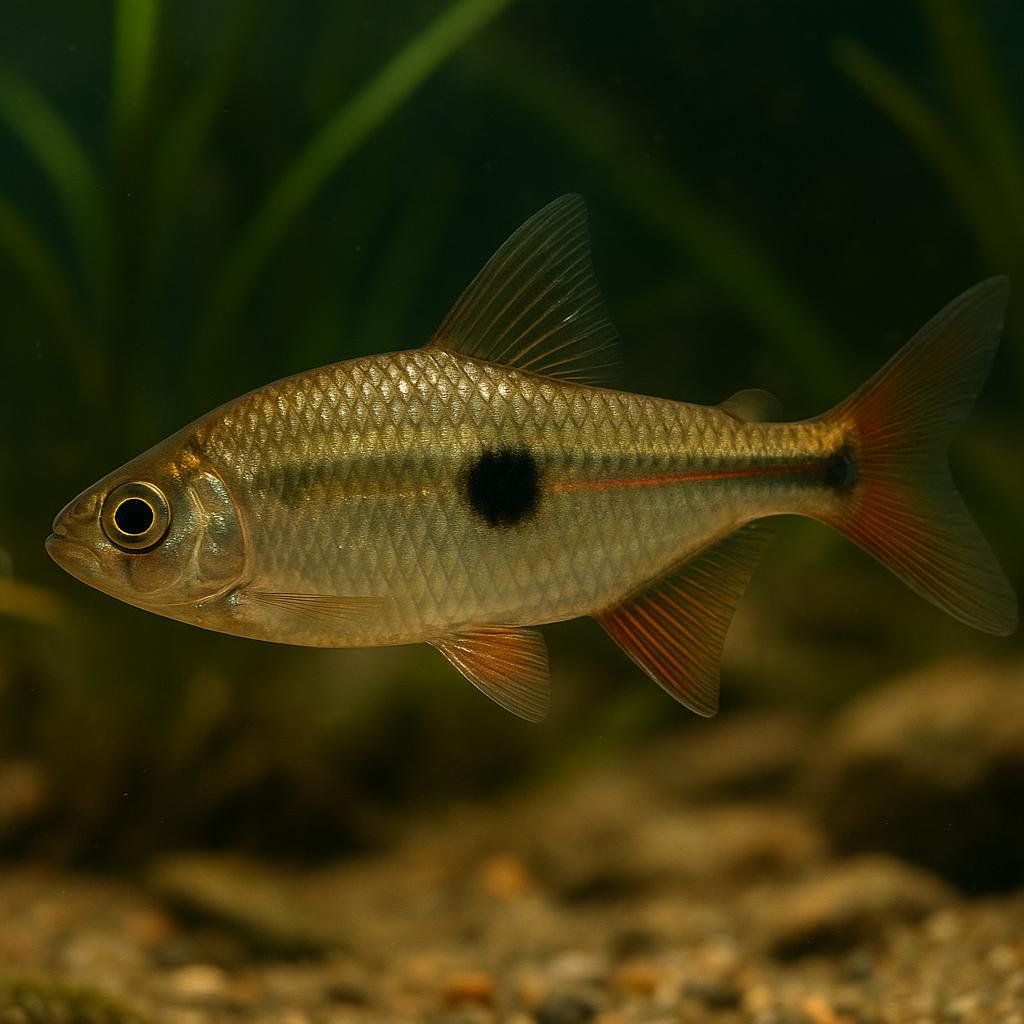
Jupiaba kurua
Small South American characin endemic to the upper rio Curuá (rio Xingu basin, Brazil). Reaches about 8.7 cm SL and inhabits clearwater rivers. Distinguished by dark dots on the bases of many lateral scales and a distinct dark caudal‑peduncle spot. Reported diet indicates omnivory, including aquatic insects, small fishes, and fragments of Podostemaceae and filamentous algae.
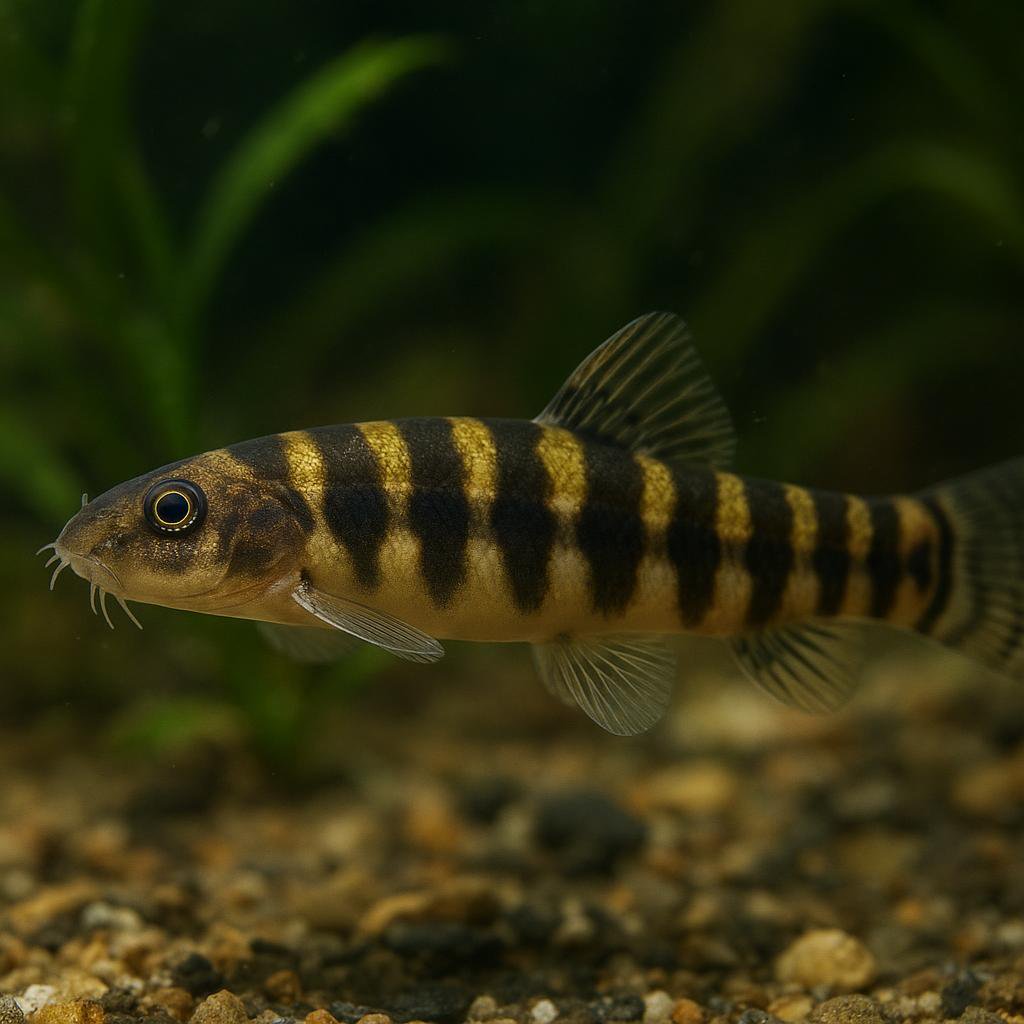
Altipedunculata stone loach
Schistura altipedunculata
Schistura altipedunculata is one of those little stream loaches that wants clean, well-oxygenated water and a bunch of rock nooks to claim as home. It is a bottom-hugger that will spend its day scooting from crevice to crevice, and it tends to get a bit spicy with its own kind if you do not give it enough hiding spots.
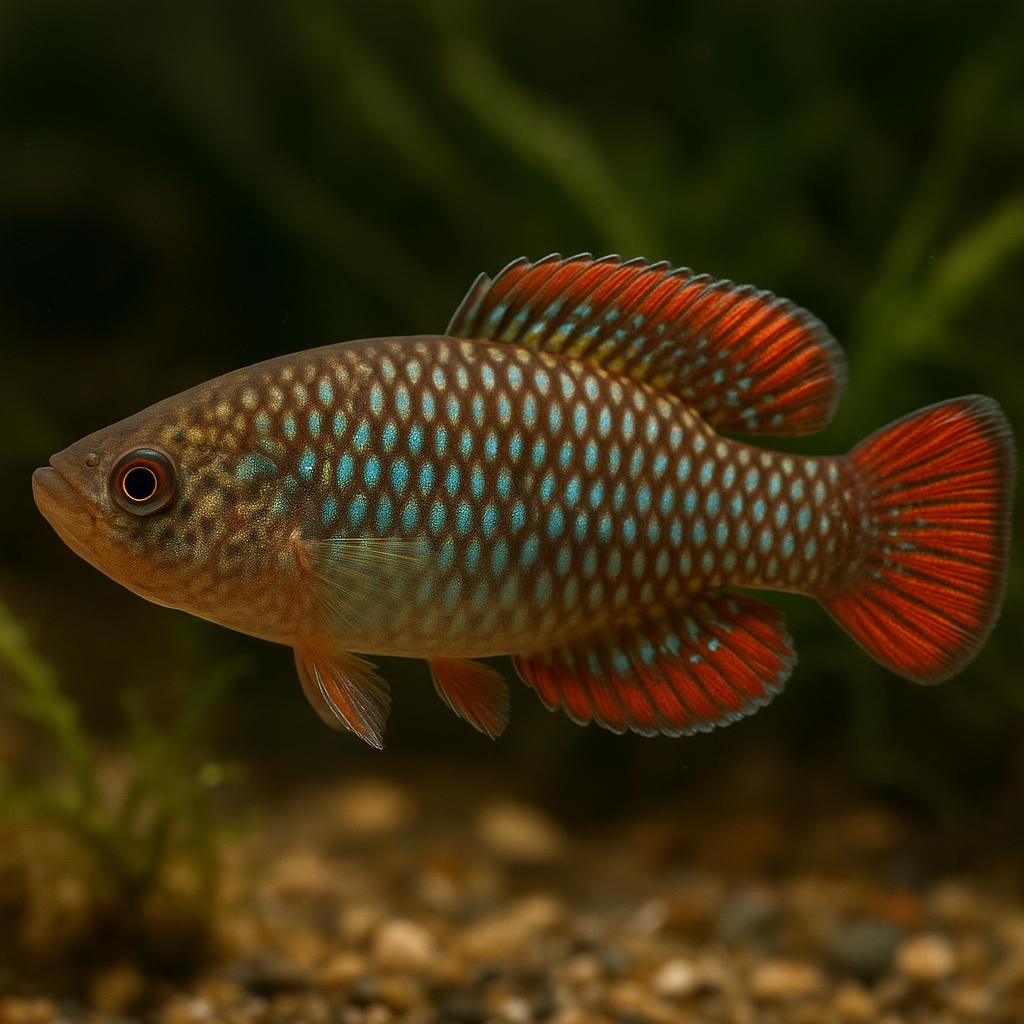
American flagfish
Jordanella floridae
Jordanella floridae is that little Florida native with the red-and-cream striping that really does look like a tiny flag once a male colors up. They graze algae like champs (especially stringy/hair algae), but they have a bit of attitude - give them plants and space so the bossy behavior stays manageable. Bonus: the male guards the eggs and will actively fan them, which is pretty fun to watch.
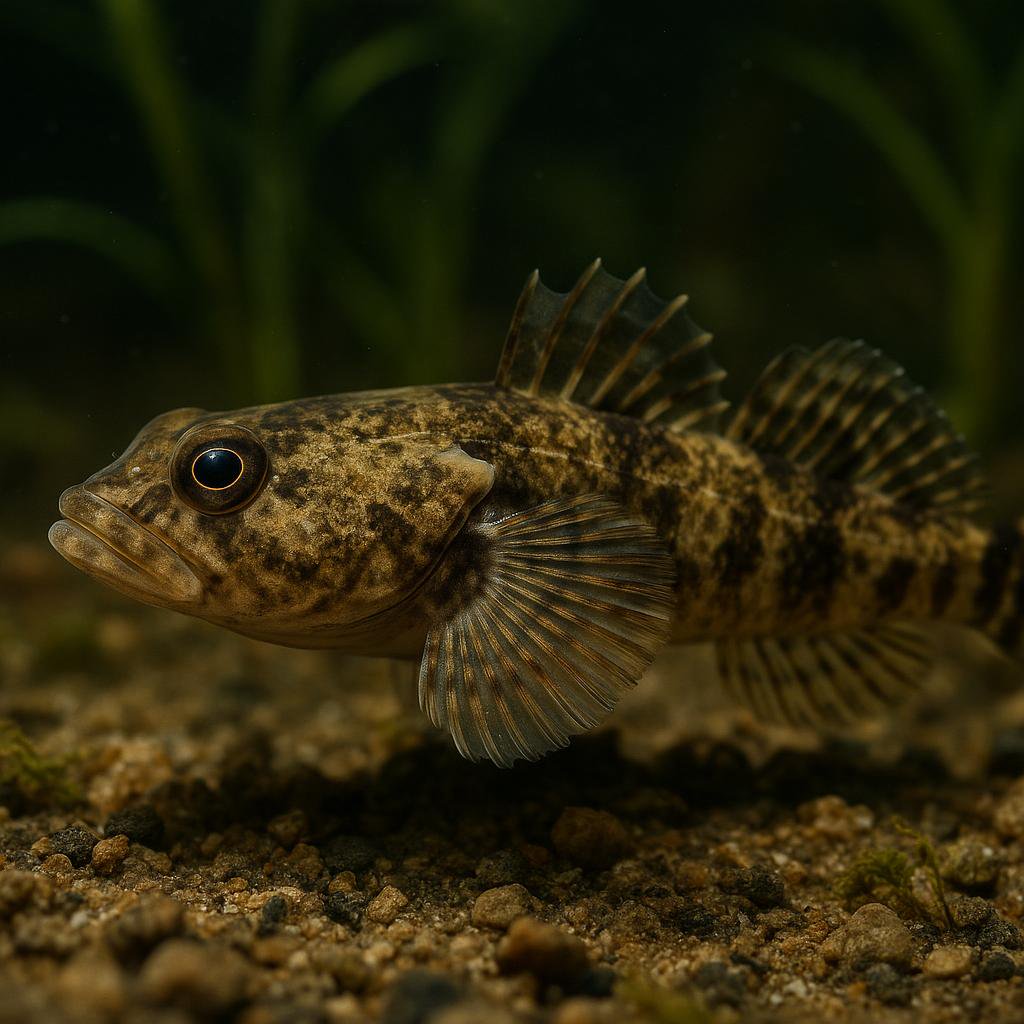
Amur sculpin
Alpinocottus szanaga
This is a little coldwater sculpin from the Amur drainage - a bottom-hugging, rock-and-gravel fish that spends its day wedged under stones and darting out to grab food. Super cool behavior and attitude, but it is absolutely not a warm tropical community fish - it wants chilly, fast, oxygen-rich water and will bicker with other bottom fish.
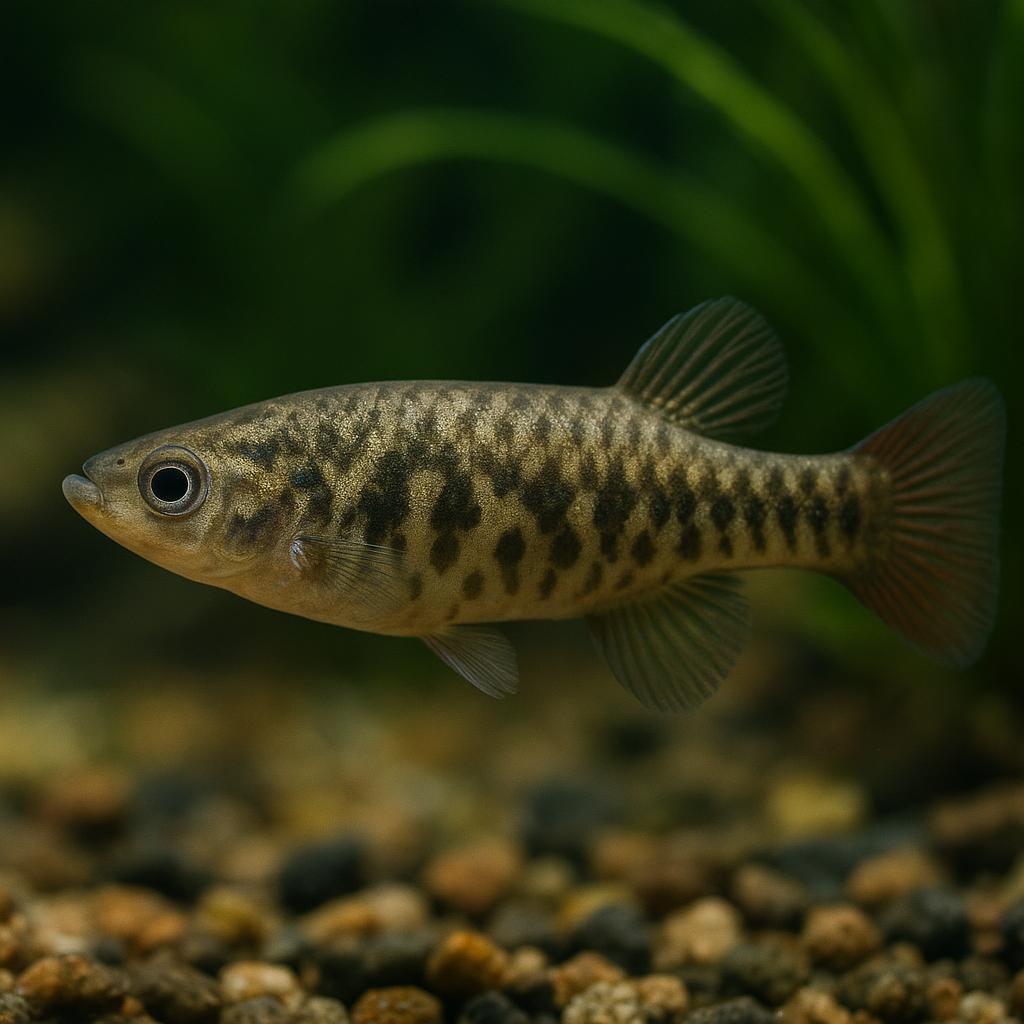
Anitápolis livebearer
Jenynsia weitzmani
Jenynsia weitzmani is a freshwater anablepid livebearer endemic to southern Brazil (currently known only from the type locality near Anitápolis, Santa Catarina). Like other Jenynsia (onesided livebearers), reproduction involves lateralized mating morphology/behavior; aquarium care guidance is not well-documented for this species specifically.
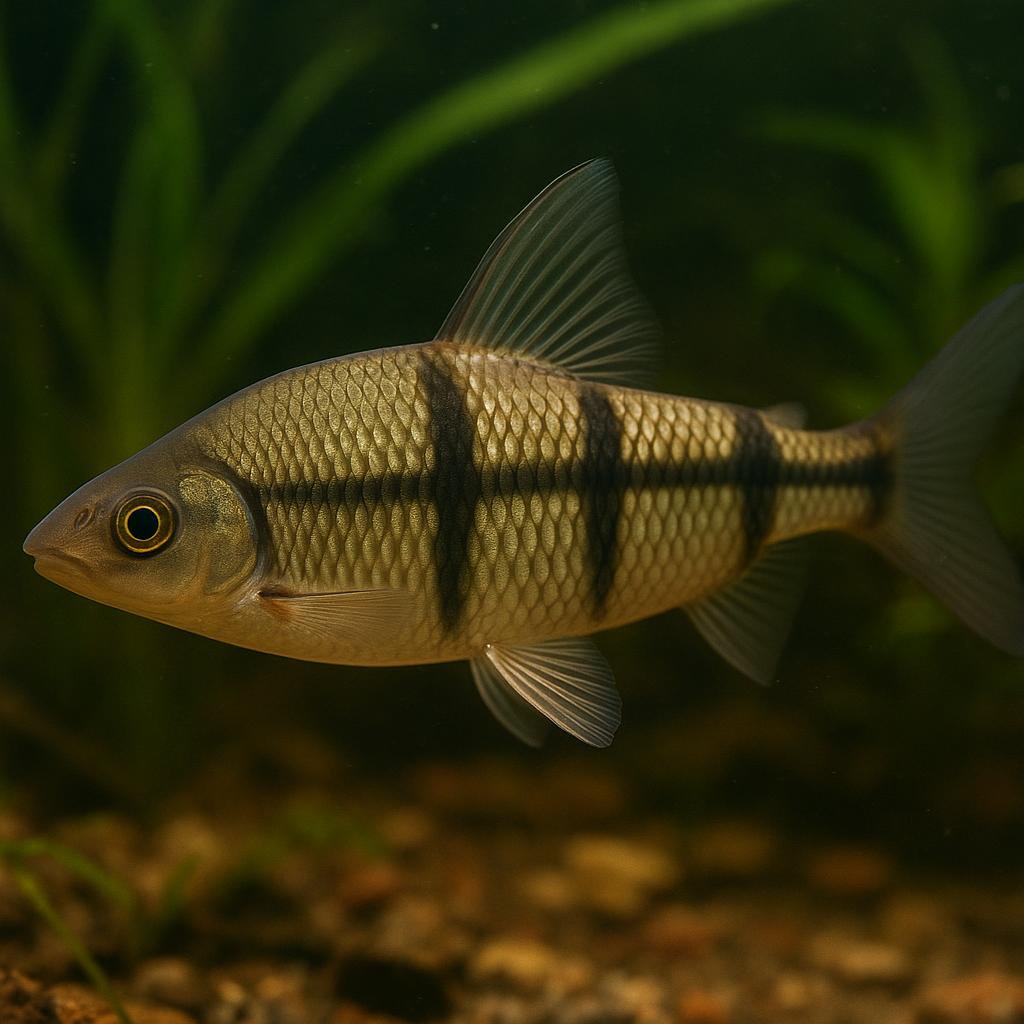
Aracu-comum
Schizodon vittatus
Schizodon vittatus is a large South American anostomid (family Anostomidae). Reported maximum size is about 35 cm standard length; it is harvested/consumed in parts of Brazil and is not commonly covered by mainstream aquarium husbandry references.
More to Explore
Discover more freshwater species.
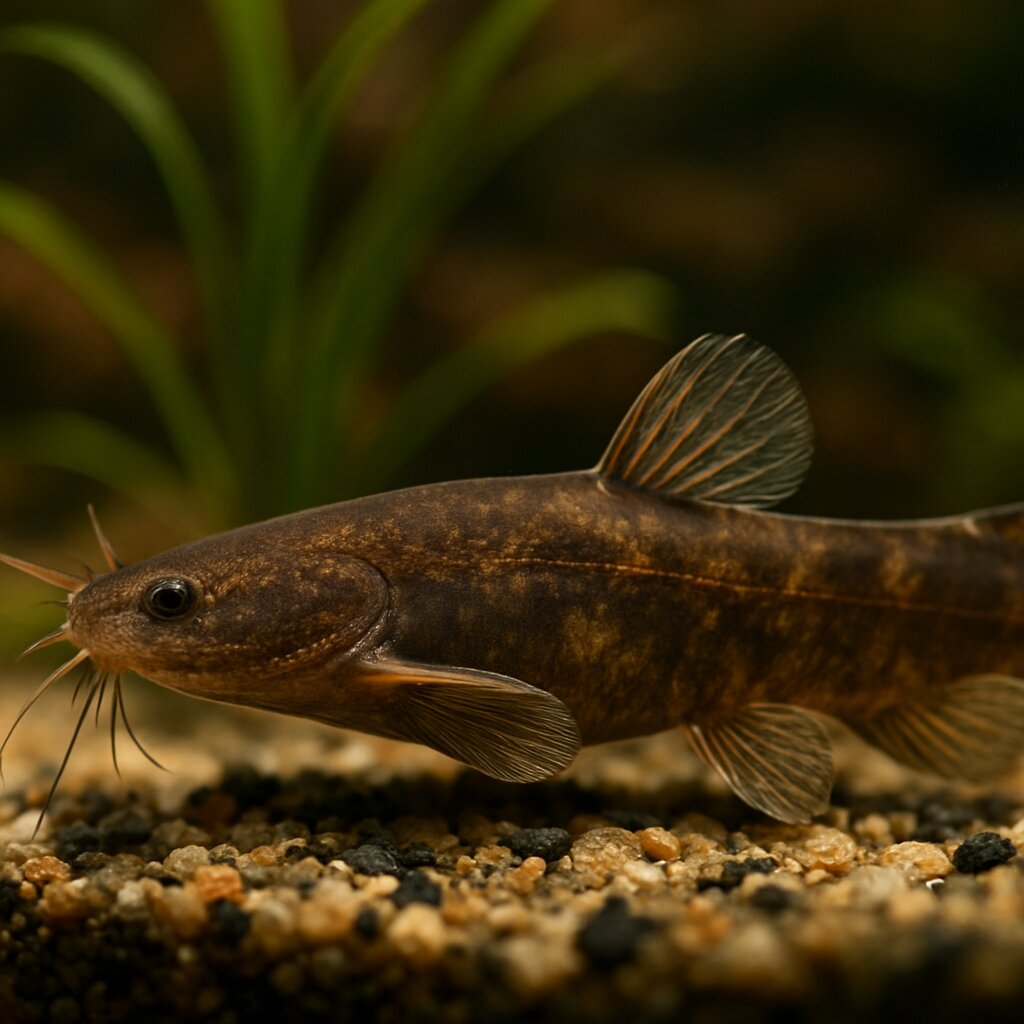
Amphilius dimonikensis
A small loach catfish endemic to the Mpoulou River in the Mayombe (Dimonika Biosphere Reserve), Republic of the Congo. Amphilius dimonikensis has a subtle banded pattern and inhabits fast, clear streams over rock and sand. In aquaria, prioritize strong, well-oxygenated flow with rounded stones and sand to mimic hillstream conditions.
Aboina barb
Enteromius aboinensis
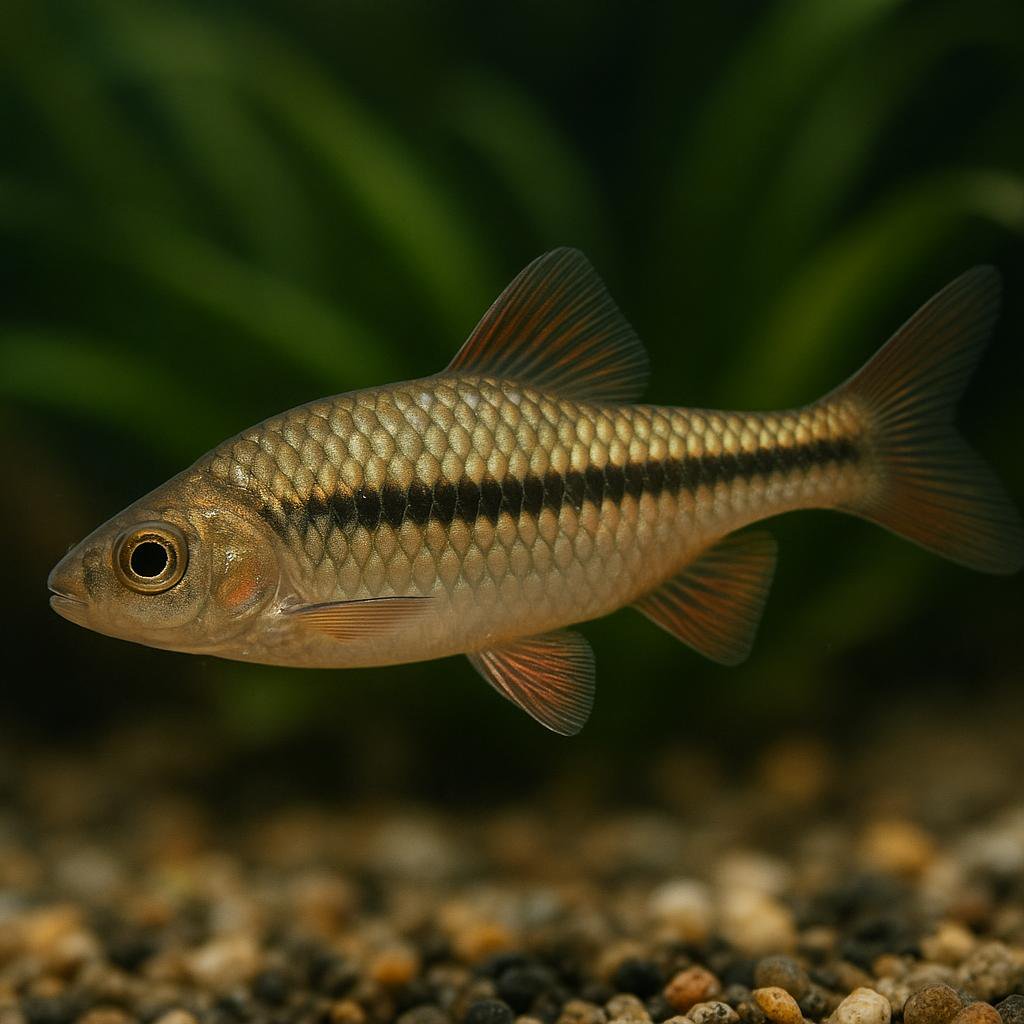
Enteromius aboinensis (the Aboina barb) is a small West African barb with a clean black midline stripe and a little spot right at the base of the tail. It does best when you treat it like a proper schooling fish - keep a decent group and give it plants around the edges with open swimming room in the middle.
Ajuricaba tetra
Jupiaba ajuricaba
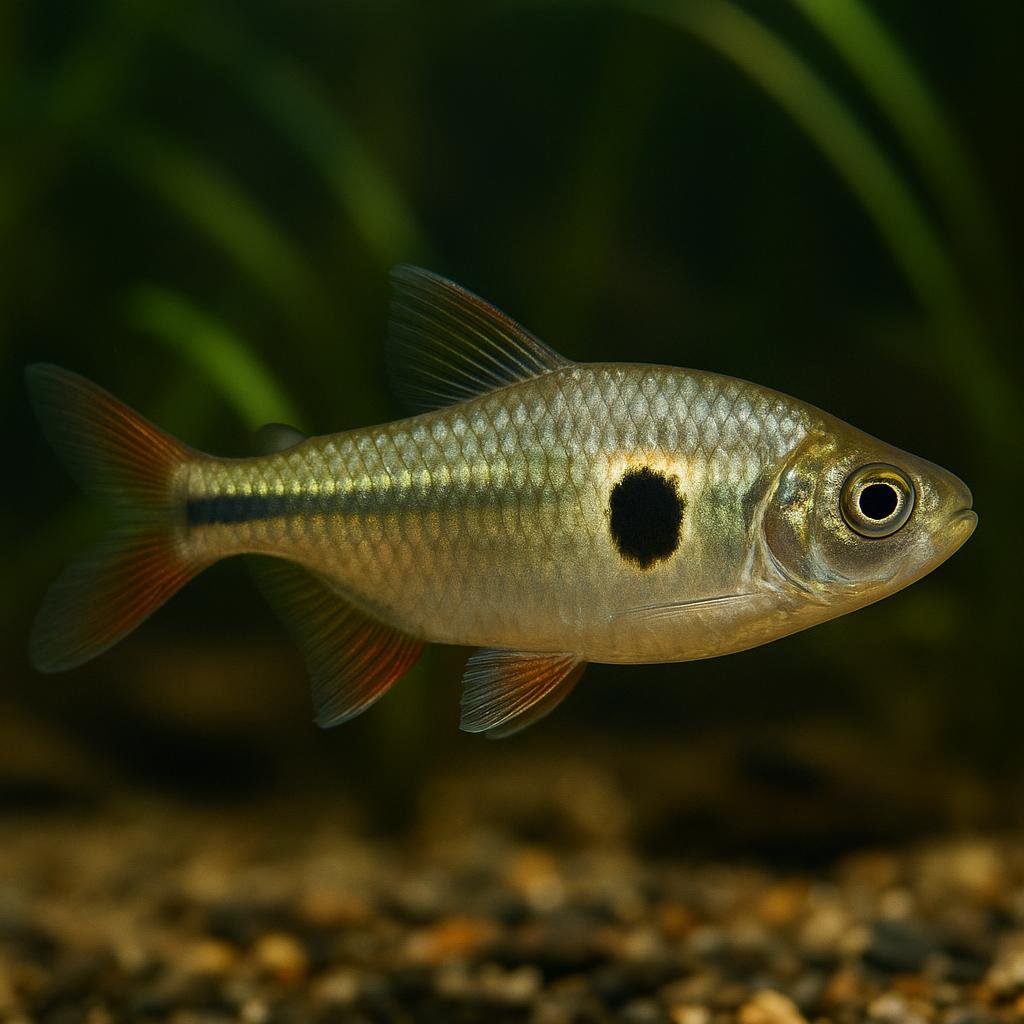
Jupiaba ajuricaba is a South American freshwater characin from the Amazon basin in Brazil (rio Negro, rio Solimões, and rio Tapajós basins). It reaches about 9.5 cm SL and is diagnosed by a narrow dark midlateral stripe, an elongated humeral spot, and an ocellated spot on the upper caudal-fin lobe. Wild specimens have been collected from blackwater forest streams and also oxbow-lake habitats.
Allen's river garfish
Zenarchopterus alleni
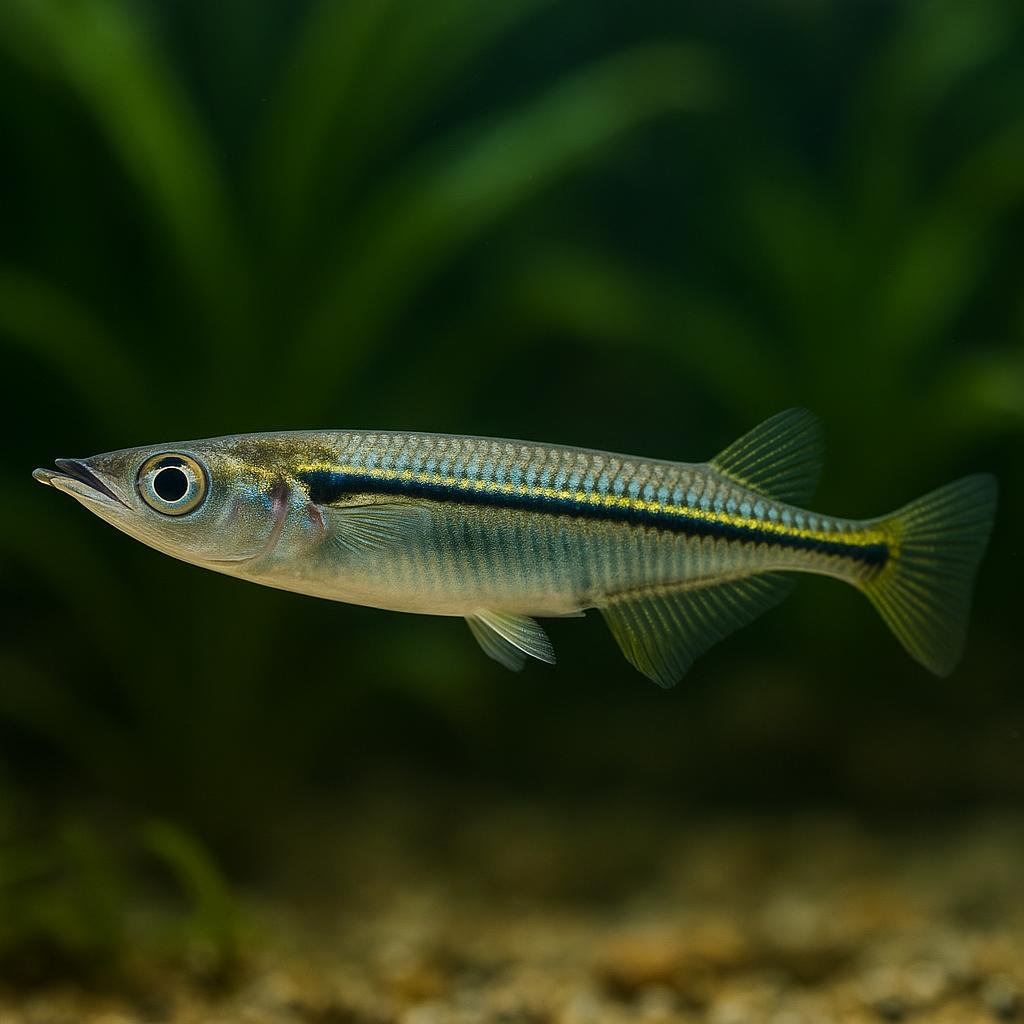
A poorly known freshwater halfbeak endemic to West Papua (Mamberamo River), described from a single specimen (~13 cm SL). Beyond basic habitat/occurrence, little is published about its ecology or aquarium suitability; assume it is a surface-oriented, jump-prone halfbeak only by analogy with related taxa.
Amapa tetra
Hyphessobrycon amapaensis
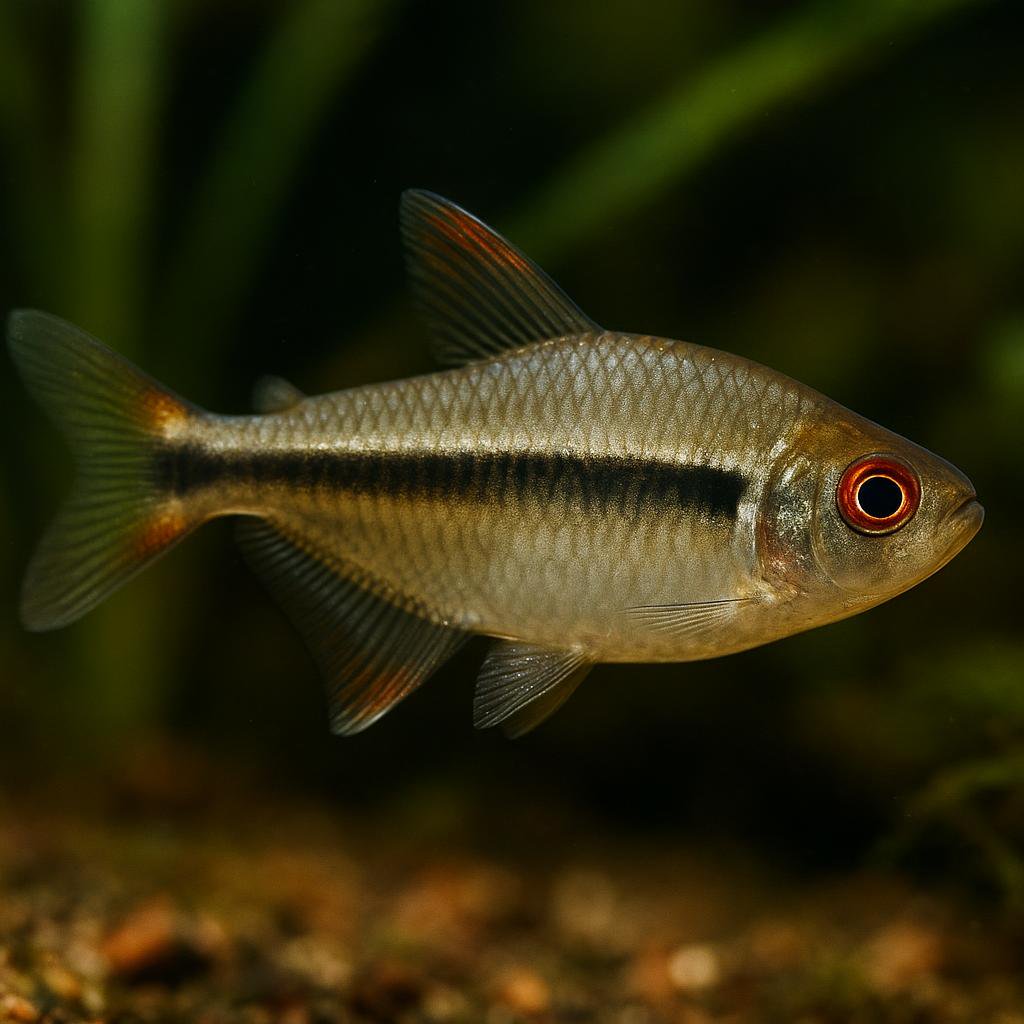
This is a tiny, super sleek little tetra with a clean red stripe down the side that really pops once its settled in. It does best in a planted, slightly tinted "creek-style" setup and looks way cooler when you keep a proper group so they school and flash that line together. If you can give it soft, slightly acidic water and a calm community, its an easy fish to fall for.
Amatlan chub
Yuriria amatlana
Yuriria amatlana (the Amatlan chub) is a little Mexican native minnow from the Ameca River basin. Its wild range is pretty limited and it is listed as Endangered, so its care info in the aquarium hobby is basically nonexistent and its availability is usually low. In the original species description, preserved fish show a dark lateral stripe with a darker patch on the caudal peduncle, and they can have tiny barbels at the mouth corners.
Looking for other species?