

Search Species
Search for fish species by common or scientific name, or use filters to browse by water type, size, temperament, and difficulty.
Found 541 species
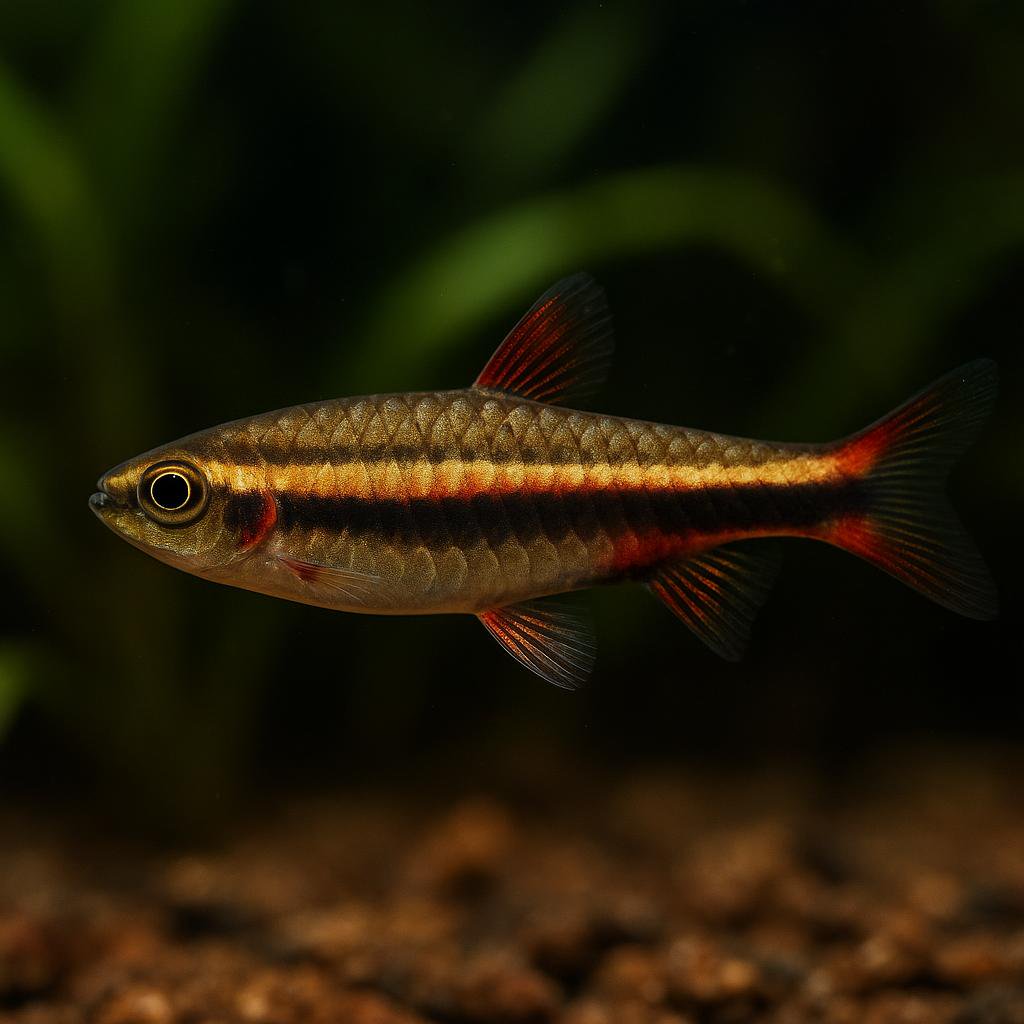
Golden pencilfish
Nannostomus beckfordi
Beckford's pencilfish is that sleek little "stick with fins" that likes to hang in the upper half of the tank at a slight angle and flash a crisp dark stripe. Keep a proper group and you'll see males do these tiny sparring/display moments (no real damage) and the whole school just looks super classy over dark substrate and plants.
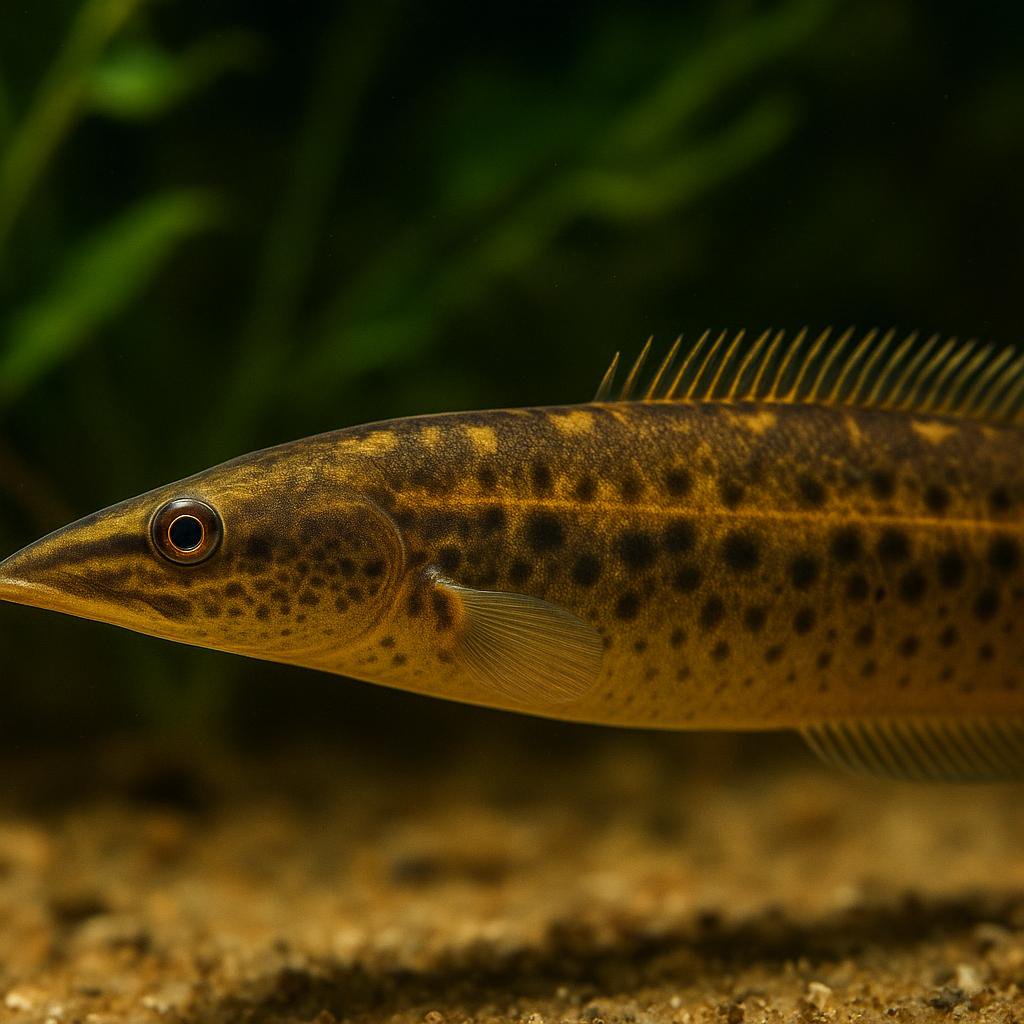
Golden spiny eel
Macrognathus aureus
This is a Myanmar spiny eel with those bold, white-edged dark blotches running along the back and sides - it looks like someone hand-painted it. Like most Macrognathus, it is a shy, burrowing little noodle that comes alive at dusk and will absolutely make you fall in love once it starts taking worms from tongs.
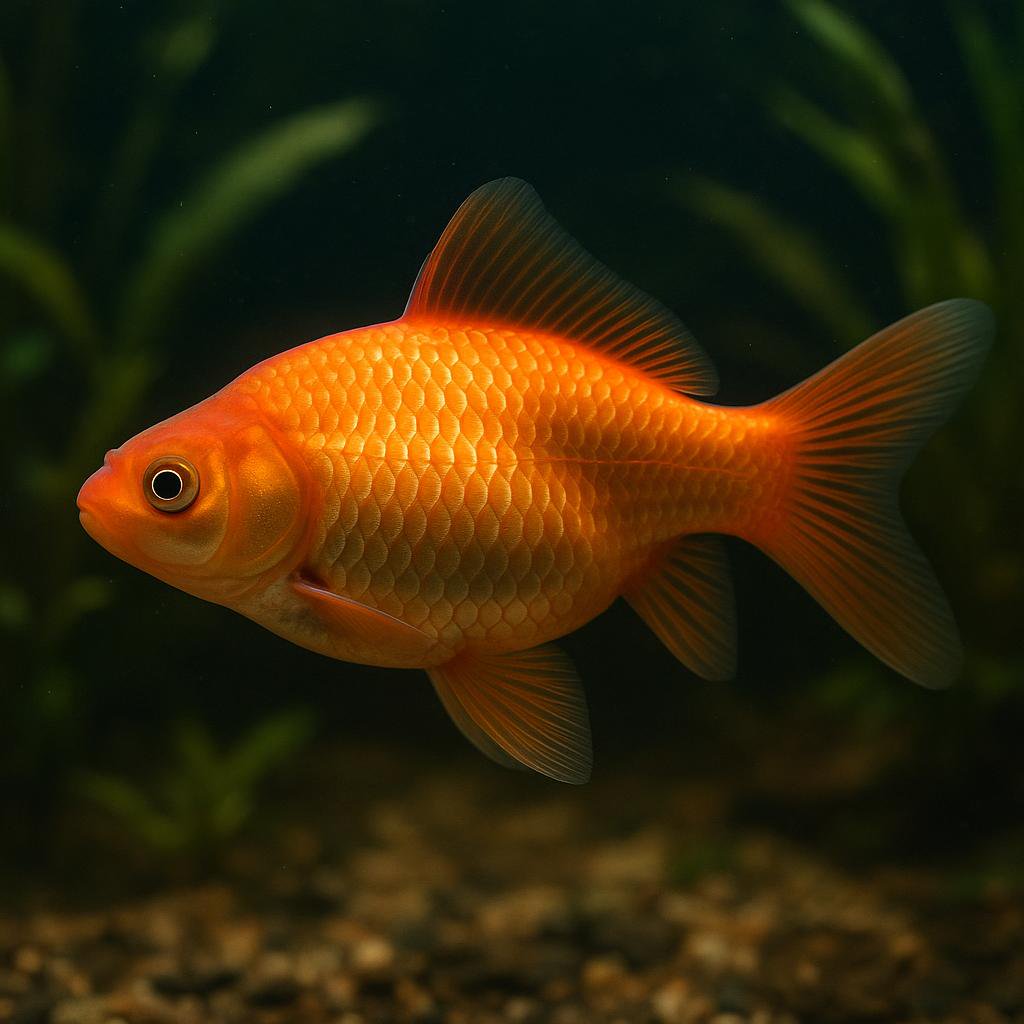
Goldfish
Carassius auratus
Goldfish are one of the most popular and recognizable freshwater fish in the aquarium hobby. They are known for their golden-orange coloration, although they can also appear in red, white, yellow, and black. Goldfish are highly adaptable and can thrive in a variety of conditions, making them a favorite among beginners.
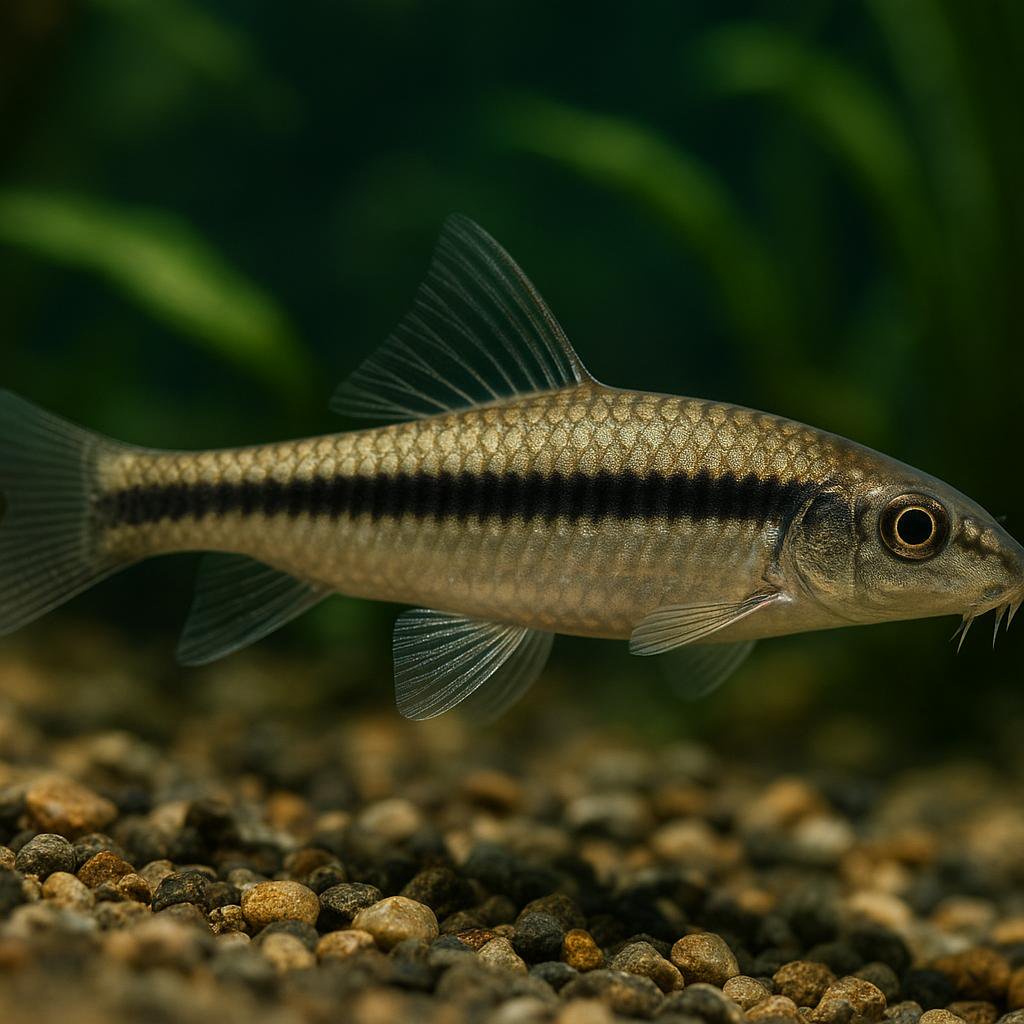
Goldstriped flying fox
Crossocheilus cobitis
Crossocheilus cobitis is one of those true river fish that spends its day cruising and grazing - algae, periphyton, and whatever micro-stuff it can rasp off hard surfaces. It gets a decent adult size (around 15 cm/6 in) and really appreciates a long, current-y tank with tons of oxygen and clean water. Also, it is a species that can be mixed up in the trade with other similar Crossocheilus, so ID matters.
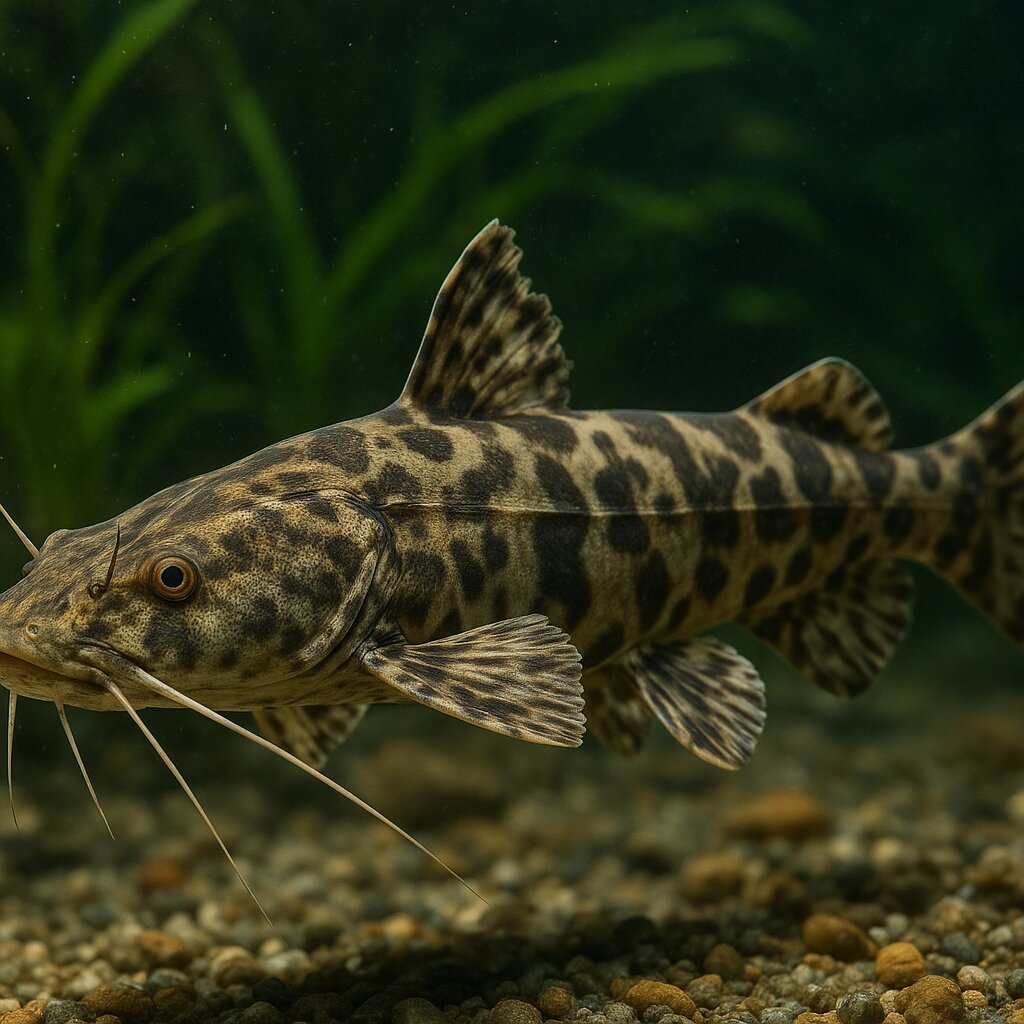
Goonch catfish
Bagarius bagarius
A true river monster with a shovel head and a mouth full of teeth, the goonch is built for blasting around boulder-strewn rapids. It is insanely strong, super predatory, and happiest in cool, fast, highly oxygenated water - think indoor-pond-with-a-river-flow setup, not a regular tank. If you love oddballs with attitude, this one is unforgettable, but it is for experts only.
Goulding's lampeye
Fluviphylax gouldingi
This is one of those truly tiny Rio Negro blackwater lampeyes - like, adult size is basically the length of a grain of rice. In the right light you can catch a little orange blotch on the face, and males have a neat filament on the pelvic fin. They do best in a calm, heavily planted (or leaf-litter) setup where micro-food is always available.
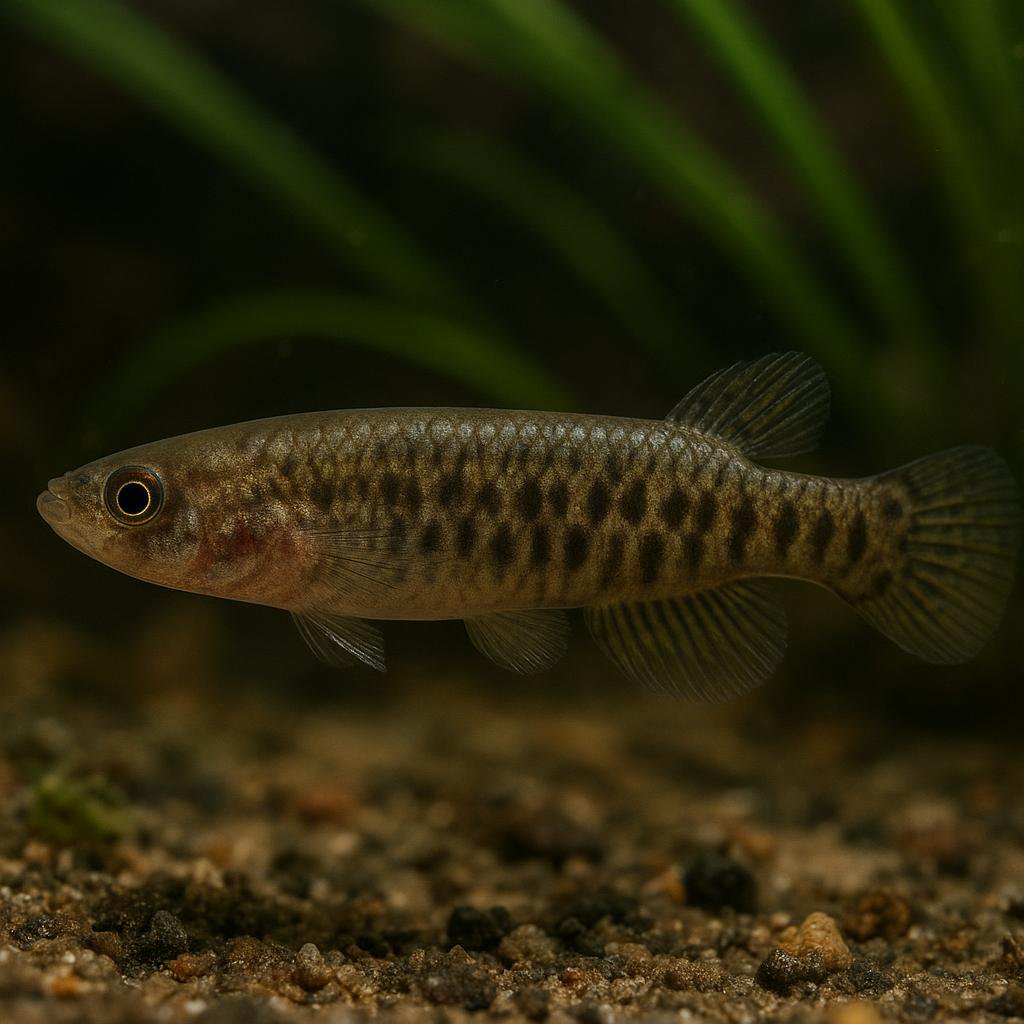
Gracile rivulus (Kryptolebias)
Kryptolebias gracilis
Kryptolebias gracilis is a very small Brazilian rivulid killifish from the Saquarema Lagoon basin (Rio de Janeiro State). It occurs in creeks and swamps in open vegetation, often in very shallow water (~5–10 cm), in both clear and tea-coloured water, and feeds mainly on small crustaceans (e.g., ostracods) and terrestrial arthropods.
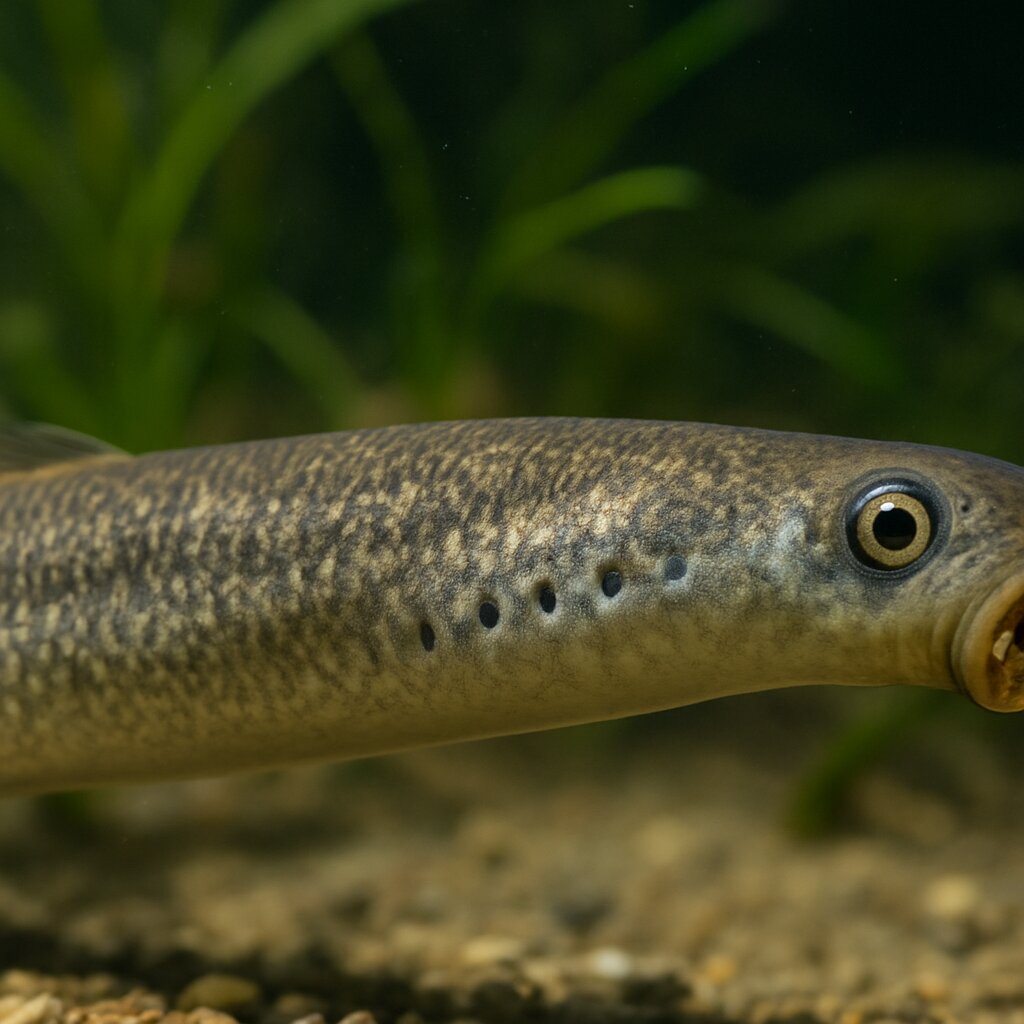
Greek lamprey
Caspiomyzon hellenicus
Wild little jawless oddball from cool Greek spring-fed streams. Larvae live buried in sand filtering microscopic food for years, then transform into short-lived, non-feeding adults that spawn and fade out. Super neat biology, but not a practical aquarium fish at all.
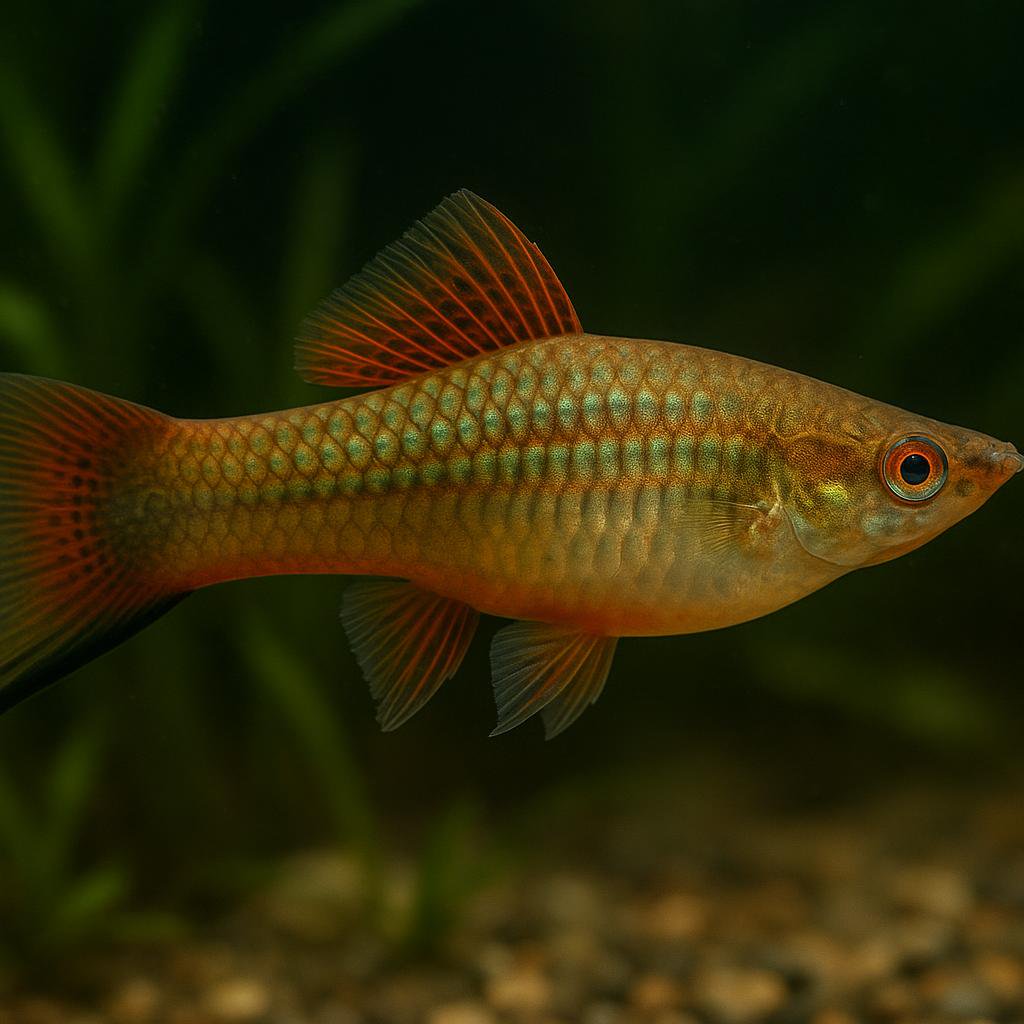
Green Swordtail
Xiphophorus hellerii
Swordtails are busy, always-on-the-move livebearers, and the males' "sword" tail extension is the whole show-lots of displaying and posturing in the open water. They're tough as nails in hard, slightly alkaline water, but in tight tanks the males will absolutely bicker and chase each other around.
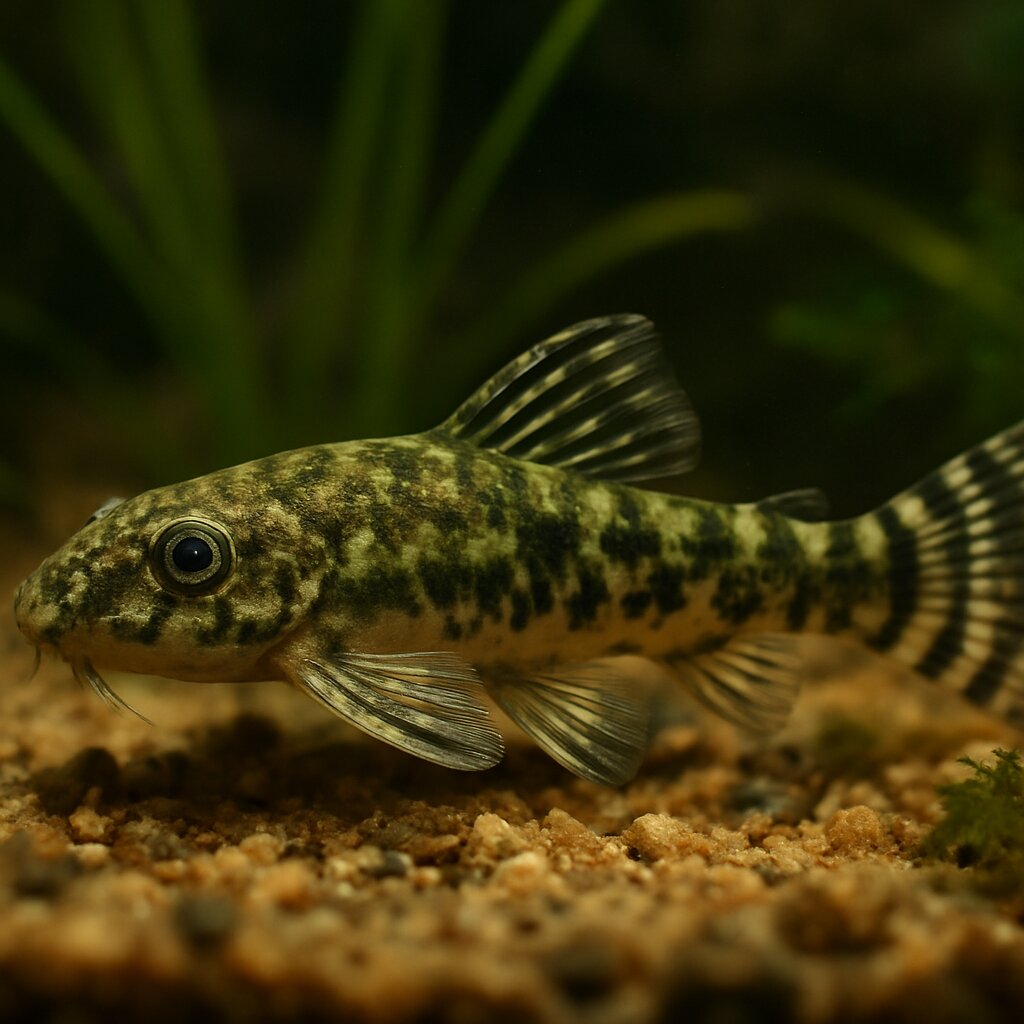
Green Uruguay Dwarf Pleco
Hisonotus ringueleti
A tiny, green-tinged sucker cat from the Uruguay River, Hisonotus ringueleti stays truly bite-sized and spends its day grazing leaves and glass. Give it cool, clean, well-oxygenated water and a planted tank with plenty of biofilm and it will cruise around in a group like little leaf-hoppers.
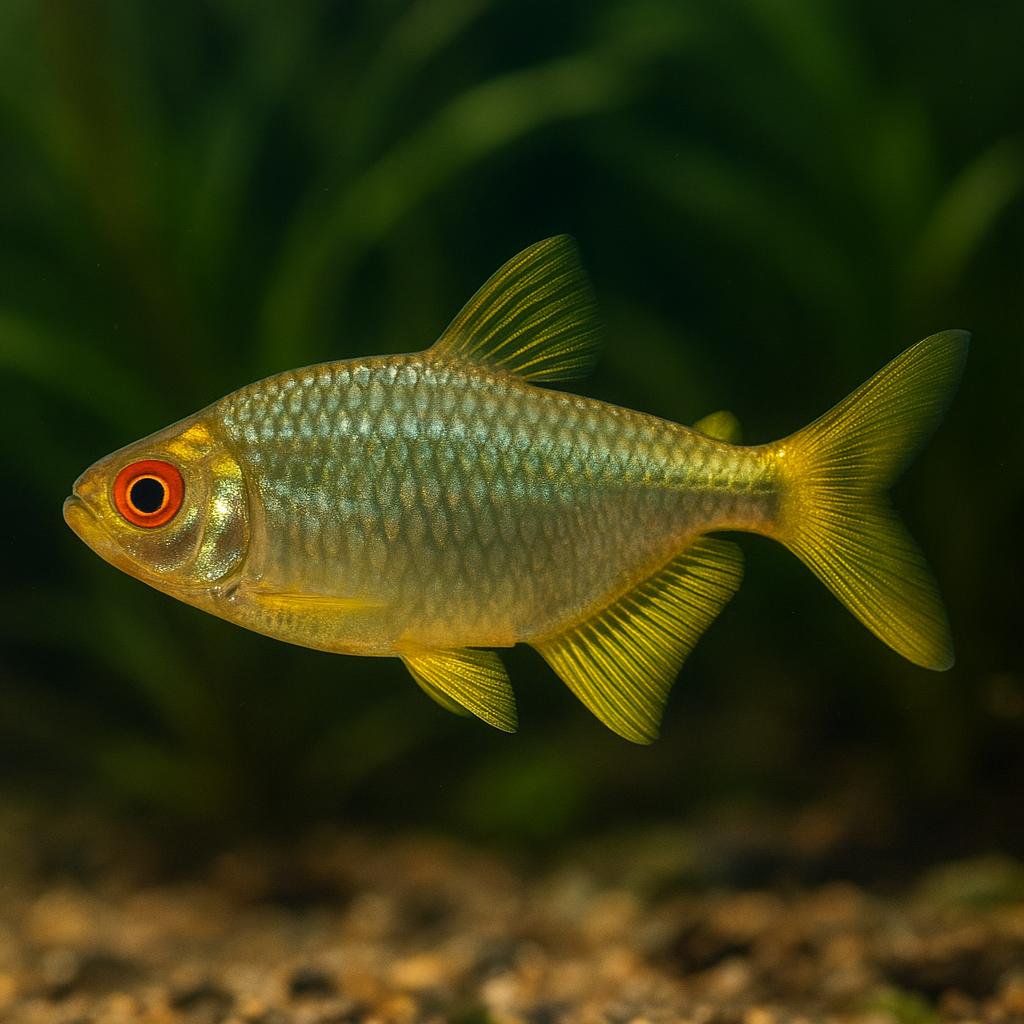
Guaruba moenkhausia (Guaruba tetra)
Moenkhausia guaruba
Moenkhausia guaruba is a newly described Brazilian characin from the upper rio Braco Norte (Tapajos system), and it gets pretty big for a Moenkhausia - think "chunky, fast tetra" vibes. Since its formal description is recent, real aquarium-specific info is still thin, so I'd treat it like a larger, riverine Moenkhausia: keep a proper group, give it current and open swimming room, and expect it to act like a confident midwater schooling fish.
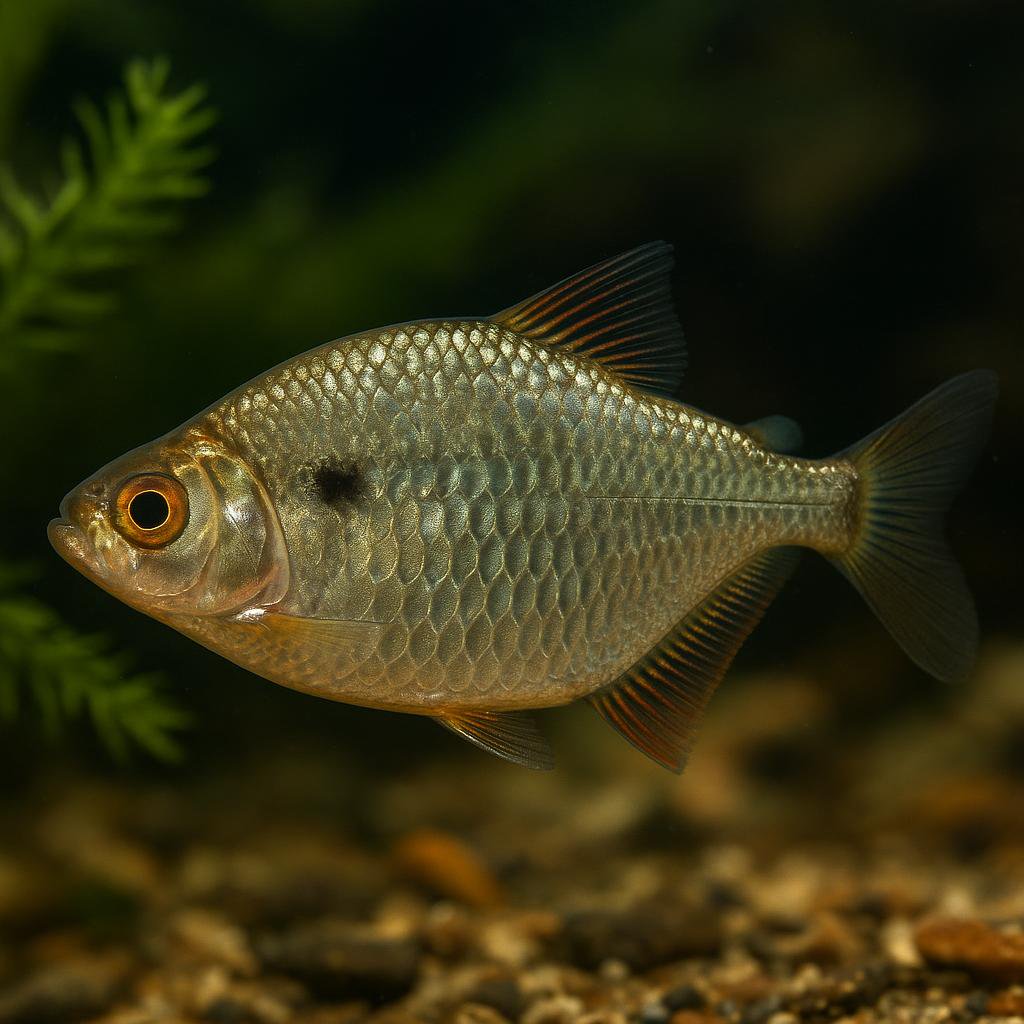
Guatemalan headstander
Roeboides guatemalensis
This is one of those oddball characins that gets lumped in with "predatory tetras" - it is built for nipping scales and mucus off other fish (lepidophagy), which is wild to watch in nature but a headache in a community tank. It is a super active, open-water swimmer, and in aquariums it usually does best treated like a specialty predator/oddity fish rather than a "tetra."