

Nine-bar Tropheops
Tropheops novemfasciatus
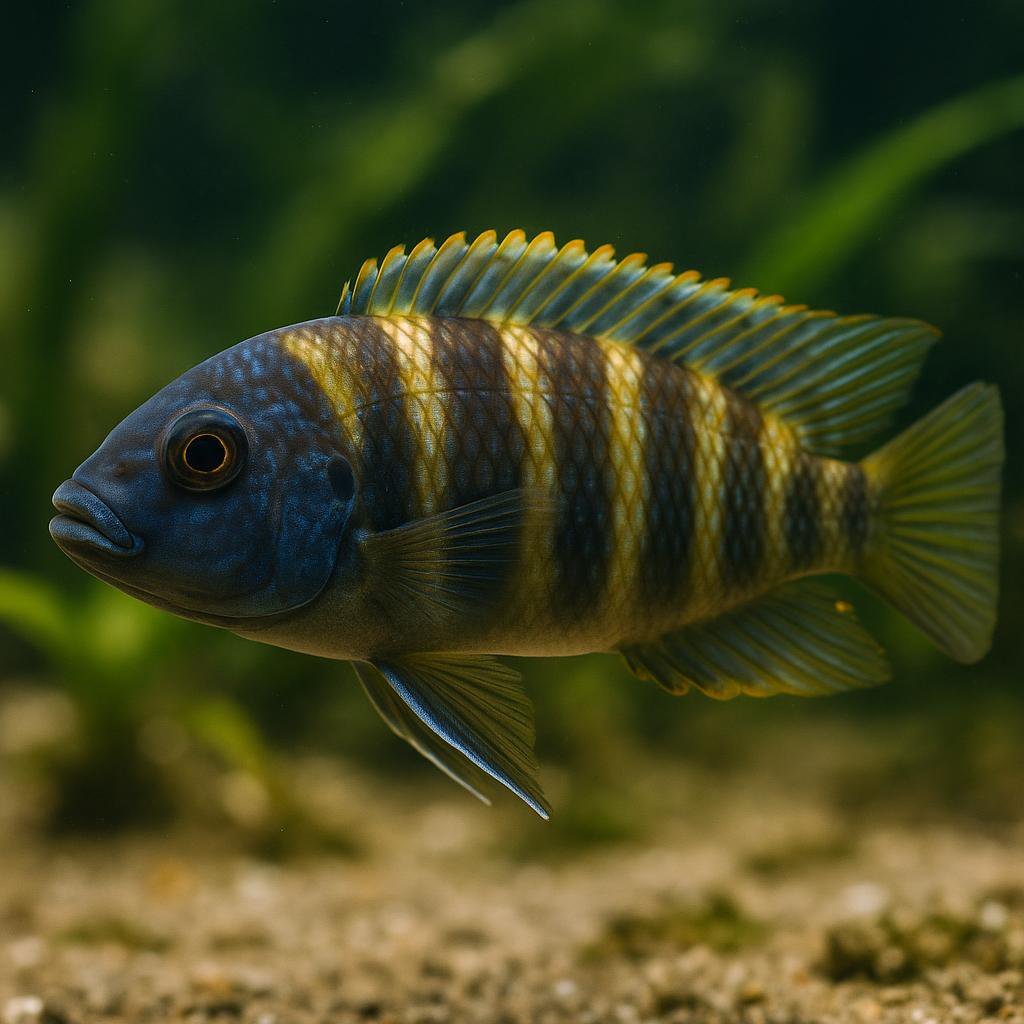
The Nine-bar Tropheops showcases vibrant blue and yellow stripes along its body, contrasting with its darker dorsal and anal fins.
This page includes AI-generated images. Why am I seeing AI images?
About the Nine-bar Tropheops
A rock-dwelling mbuna from Lake Malawi, this fish hugs shallow, sheltered bays and spends its day grazing algae from rocks and plant leaves. It is a maternal mouthbrooder with spirited territorial displays, especially around rocky hiding spots.
Quick Facts
Size
9 cm SL
Temperament
Semi-aggressive
Difficulty
Intermediate
Min Tank Size
80 gallons
Lifespan
5-10 years
Origin
East Africa - Lake Malawi
Diet
Herbivore - aufwuchs grazer; offer spirulina flakes, vegetable-based pellets, and occasional suitable frozen foods
Water Parameters
24-26°C
7.5-8.5
3-6 dGH
Need a heater for this species?
This species needs 24-26°C in a 80 gallon tank. Use our heater calculator to find the right wattage.
Calculate heater sizeCare Notes
- Start them in at least 80 gallons and build a rock-heavy scape with tight caves and broken sight lines, plus some open cruising space; this matches their rock-dwelling mbuna lifestyle despite their small adult size (about 9 cm SL).
- Hold water at 24–26 °C with pH ~7.5–8.5 and strong alkalinity (KH ~6–8 dKH). Note Lake Malawi’s GH is naturally low (~3–5 °dGH), so prioritize stable, well‑buffered alkalinity over pushing high GH.
- Feed like an aufwuchs grazer: spirulina flakes and vegetable-based pellets as staples, with only occasional suitable frozen foods; avoid protein-heavy diets to dodge bloat.
- Pair with other robust Lake Malawi mbuna that share a herbivorous diet; skip peaceful or long-finned fish, and avoid similar-looking Tropheops in tight quarters to reduce fights.
- Provide more rock shelters than fish so subdominant individuals can duck out; cramped or bare setups spike aggression in this semi-aggressive species.
- Let some green algae grow on the rocks so they can graze between meals; they spend much of the day picking at hard surfaces and plant leaves.
- Breeding is maternal mouthbrooding: offer rocky spawning spots, and if a female is holding, consider moving her to a quiet, rock-filled section; released fry take finely crushed vegetable-based foods well.
- Expect 5-8 years with steady conditions and a plant-based diet; sudden parameter swings and meaty foods are common pitfalls.
Compatibility
Good Tankmates
- Other medium-aggression Lake Malawi mbuna with contrasting patterns, such as Labidochromis caeruleus (Yellow Lab) or Iodotropheus sprengerae (Rusty cichlid) - similar size/temperament and suited to hard, alkaline water
- Pseudotropheus acei (acei) - relatively peaceful mbuna that helps diffuse aggression in large, rock-heavy setups
- Synodontis from the Malawi system (e.g., Synodontis njassae) or suitable Rift Synodontis in similar chemistry—armored, fast bottom dwellers that ignore mbuna territories
- Bristlenose plecos (Ancistrus spp.) only with caution—provide abundant caves, introduce carefully, and monitor; many sources advise avoiding mixing Ancistrus with aggressive mbuna due to harassment risk
- Its own species in a proper harem (1 male with 3-4 females); multiple males only in very large, rock-filled tanks to spread sight lines
Avoid
- Highly aggressive mbuna like Melanochromis auratus or Labeotropheus spp. that often outcompete and harass smaller Tropheops
- Non-mbuna Malawi cichlids such as Aulonocara (peacocks) and most Haps (e.g., Placidochromis, Protomelas) - too peaceful and stressed by mbuna aggression and herbivore diet
- Slow or long-finned fish (angelfish, gouramis, bettas) - wrong water chemistry and prone to fin damage
- Small community fish and invertebrates (tetras, rasboras, shrimp, small snails) - mismatched water and likely to be harassed or eaten
Nine-bar Tropheops (Tropheops novemfasciatus) is a small Lake Malawi mbuna that spends its days close to the rocks, picking at aufwuchs and algae. Expect spirited, territorial displays around favored crevices. It stays compact at about 9 cm SL but carries the attitude of a rock-dweller, with a lifespan of 5-8 years and an intermediate care level.
- Origin: East Africa - Lake Malawi
- Water: freshwater
- Max size: 9 cm SL
- Temperament: semi-aggressive
- Lifespan: 5-8 years
- Diet: herbivore (aufwuchs grazer)
- Temperature: 24-26 C
- pH: 7.5-8.5; Hardness: 5-15 dGH
- Minimum tank size: 80 US gallons
Origin and natural habitat
This species is a rock-dwelling mbuna from Lake Malawi. In the lake it hugs shallow, sheltered bays, browsing algae and micro-life from rock faces and even from the surfaces of tough leaves. The rocky terrain offers constant cover, short dashes between perches, and many small territories packed into a small area.
Aquarium setup and water
An 80-gallon tank or larger is recommended. Although the fish is small, it is territorial, and the extra footprint helps break up sightlines and reduce conflict. Build a secure rockscape with numerous caves and narrow crevices so multiple fish can claim their own spots. Allow some rock surfaces to develop algae and biofilm for natural grazing.
- Temperature: 24-26 C
- pH: 7.5-8.5
- Hardness: 5-15 dGH
- Stable, well-filtered water with good oxygenation
Expect them to pick at soft plants. If you use plants, choose hardy, tough-leaved species and protect roots among the rocks.
Diet and feeding
Nine-bar Tropheops is an herbivorous aufwuchs grazer. Offer a plant-focused diet and let them browse natural growth on the rocks between meals.
- Staples: spirulina flakes and quality vegetable-based pellets
- Occasional treats: small portions of suitable frozen foods
- Feed modest portions 1-2 times daily to prevent overeating
Avoid frequent, rich animal-protein foods. Herbivorous Lake Malawi cichlids are prone to digestive issues if fed heavy, meaty diets.
Behaviour and tankmates
Semi-aggressive with clear territorial instincts, especially around rocky hiding spots. Displays and short chases are normal as individuals hold small territories. It is a maternal mouthbrooder in nature; females carry eggs and developing young in the mouth.
- Provide numerous rock piles and broken sightlines to spread out territories.
- House with other robust Lake Malawi mbuna of similar size and temperament.
- Avoid very peaceful fish and long-finned species that cannot handle cichlid sparring.
Common problems and how to avoid them
- Aggression injuries: Use a larger tank (80+ gallons), dense rockwork, and multiple retreats to reduce line-of-sight and competition.
- Diet-related bloat: Keep the diet primarily plant-based; offer only occasional, modest portions of suitable frozen foods.
- pH and hardness drift: Maintain alkaline, moderately hard water within the listed ranges; sudden changes stress mbuna.
Similar Species
Other freshwater semi-aggressive species you might be interested in.
American flagfish
Jordanella floridae
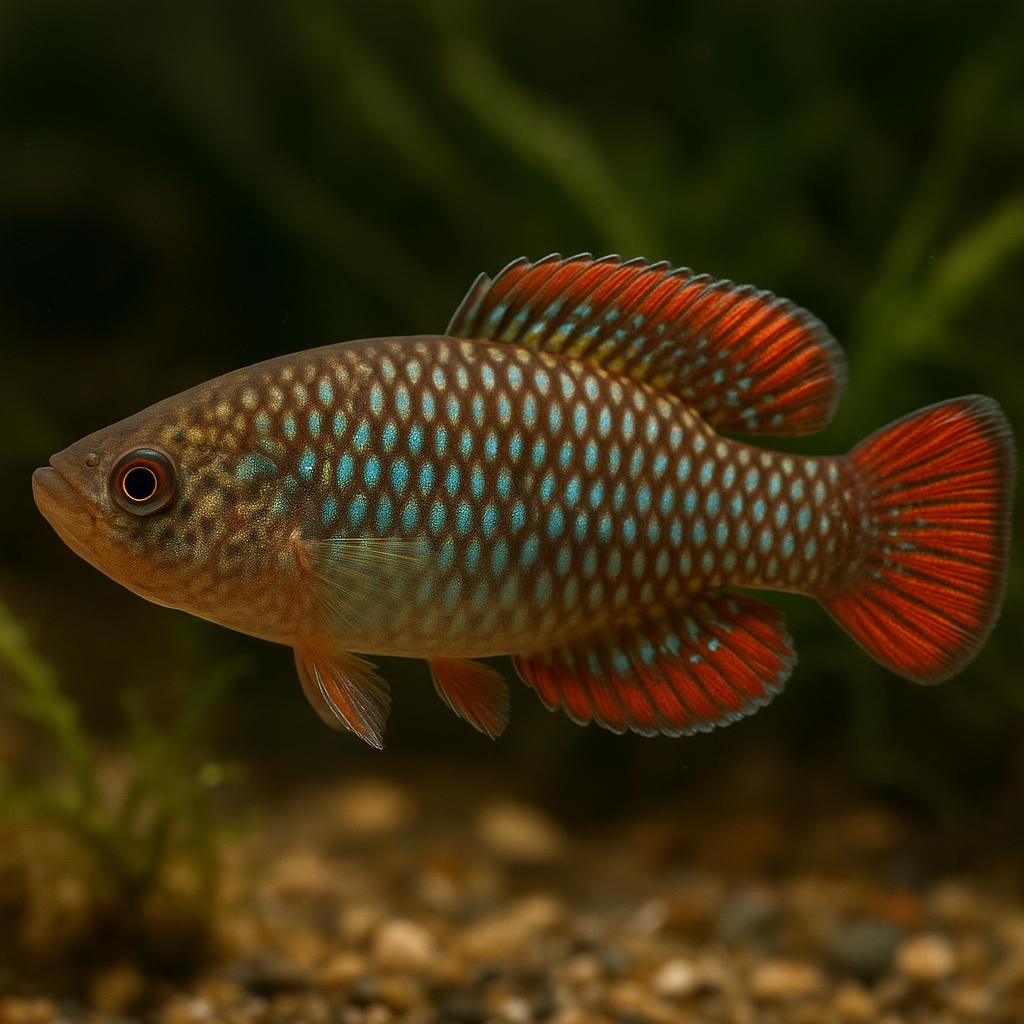
Jordanella floridae is that little Florida native with the red-and-cream striping that really does look like a tiny flag once a male colors up. They graze algae like champs (especially stringy/hair algae), but they have a bit of attitude - give them plants and space so the bossy behavior stays manageable. Bonus: the male guards the eggs and will actively fan them, which is pretty fun to watch.
Banded Leporinus
Leporinus fasciatus
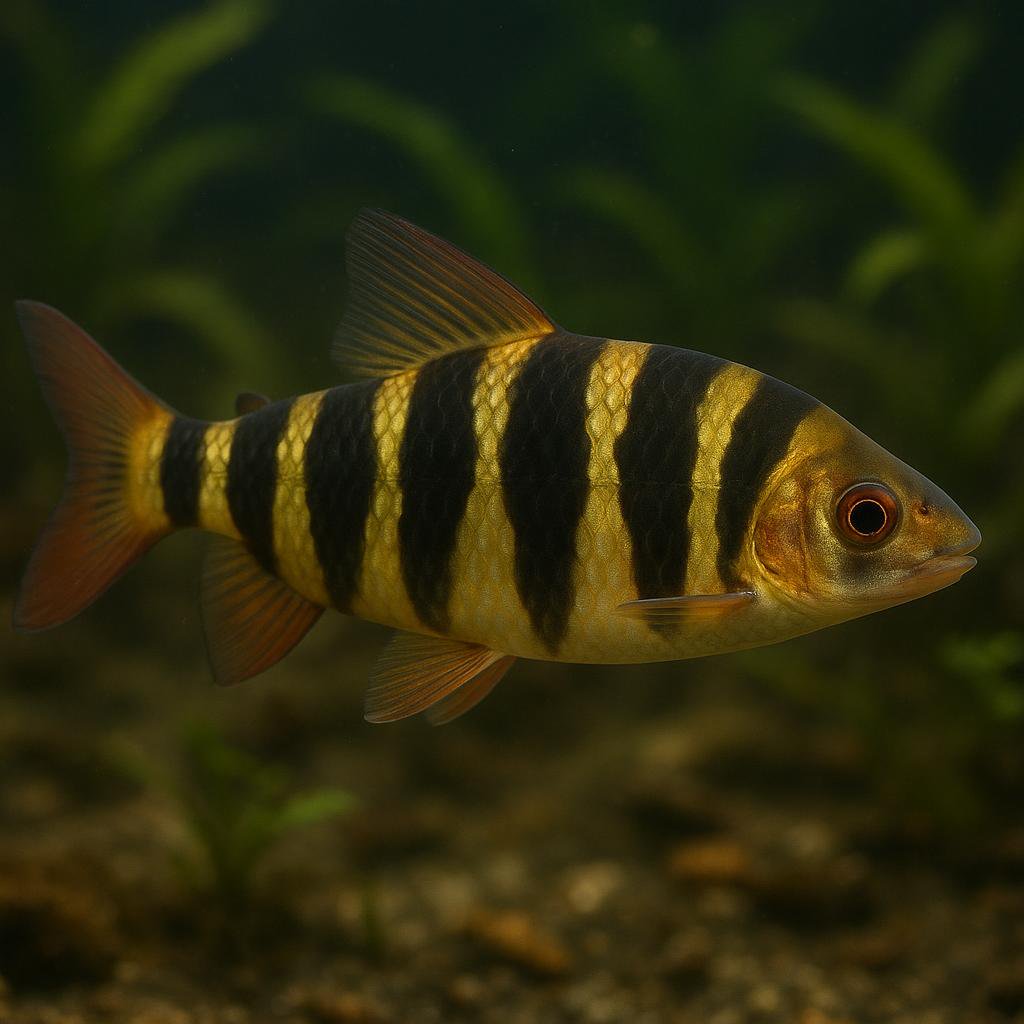
Banded Leporinus are those torpedo-shaped, black-and-yellow striped fish that look like they're wearing a little prison outfit-and they stay on the move. They've got a ton of personality and they're awesome to watch cruising and picking at stuff, but they're also the kind of fish that will redecorate your tank and "taste test" anything soft-looking.
Bandi cichlid
Wallaceochromis signatus
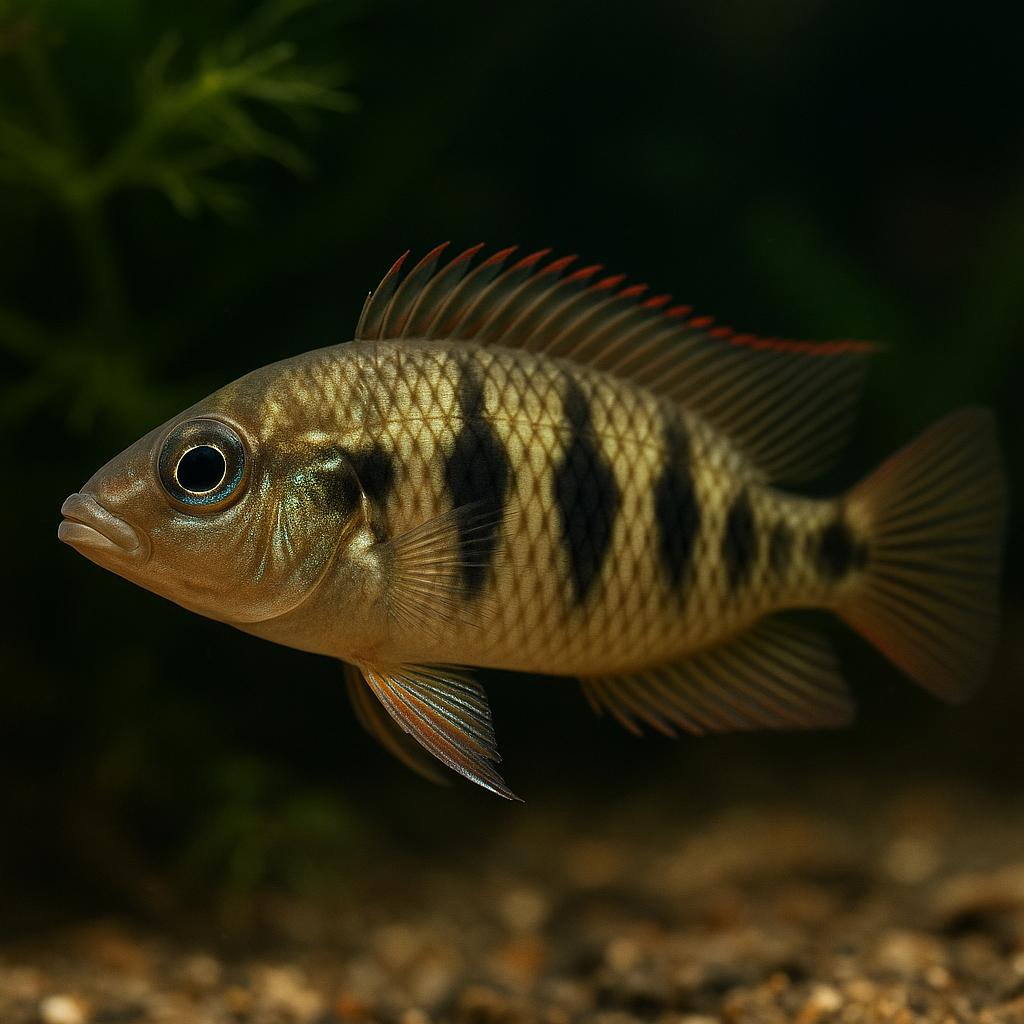
A West African dwarf cichlid from Guinea's Bandi River, this fish shows crisp vertical bars and spotted fins with red highlights. Females have a bold black spot at the base of the tail, and pairs guard eggs and fry in caves, which makes their parental behavior fun to watch.
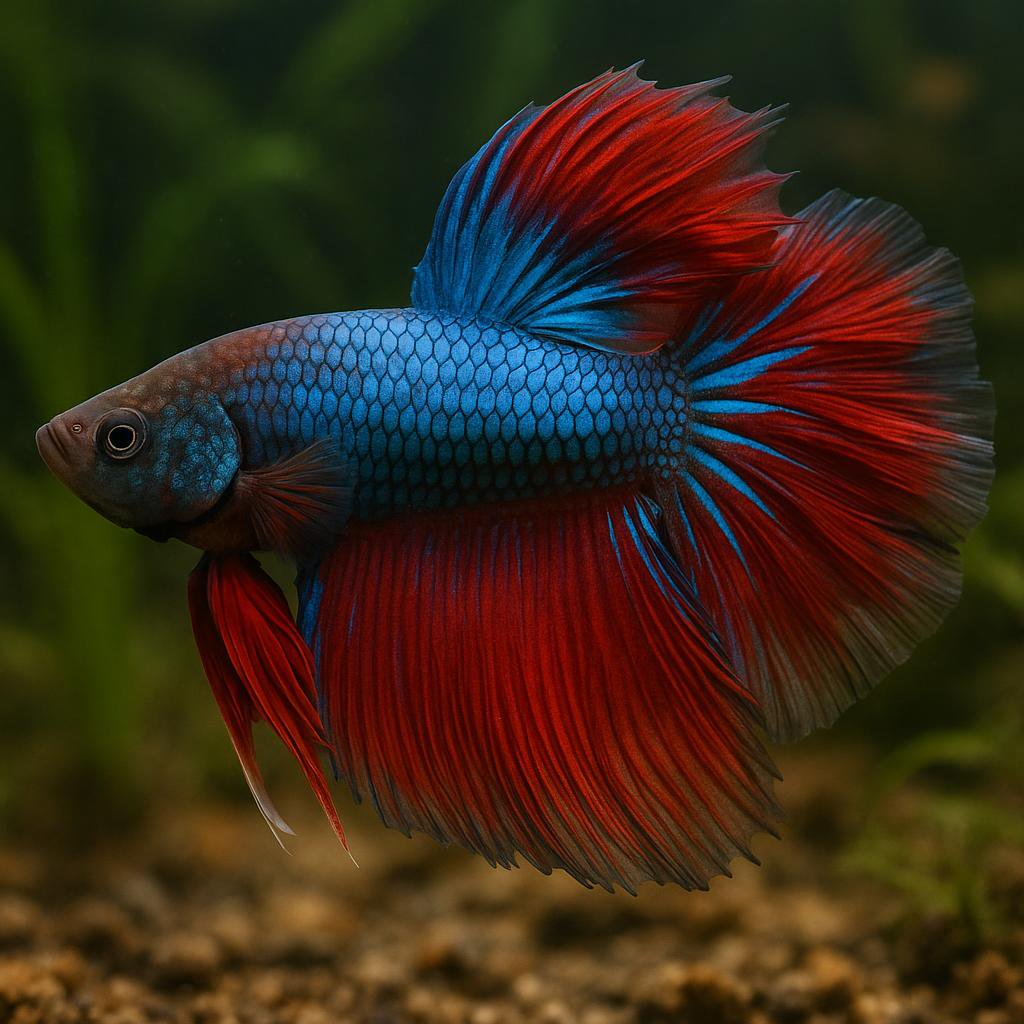
Betta
Betta splendens
Betta fish, also known as Siamese fighting fish, are popular for their striking colors and flowing fins. They are known for their territorial nature, especially males, which can display aggressive behavior towards each other.
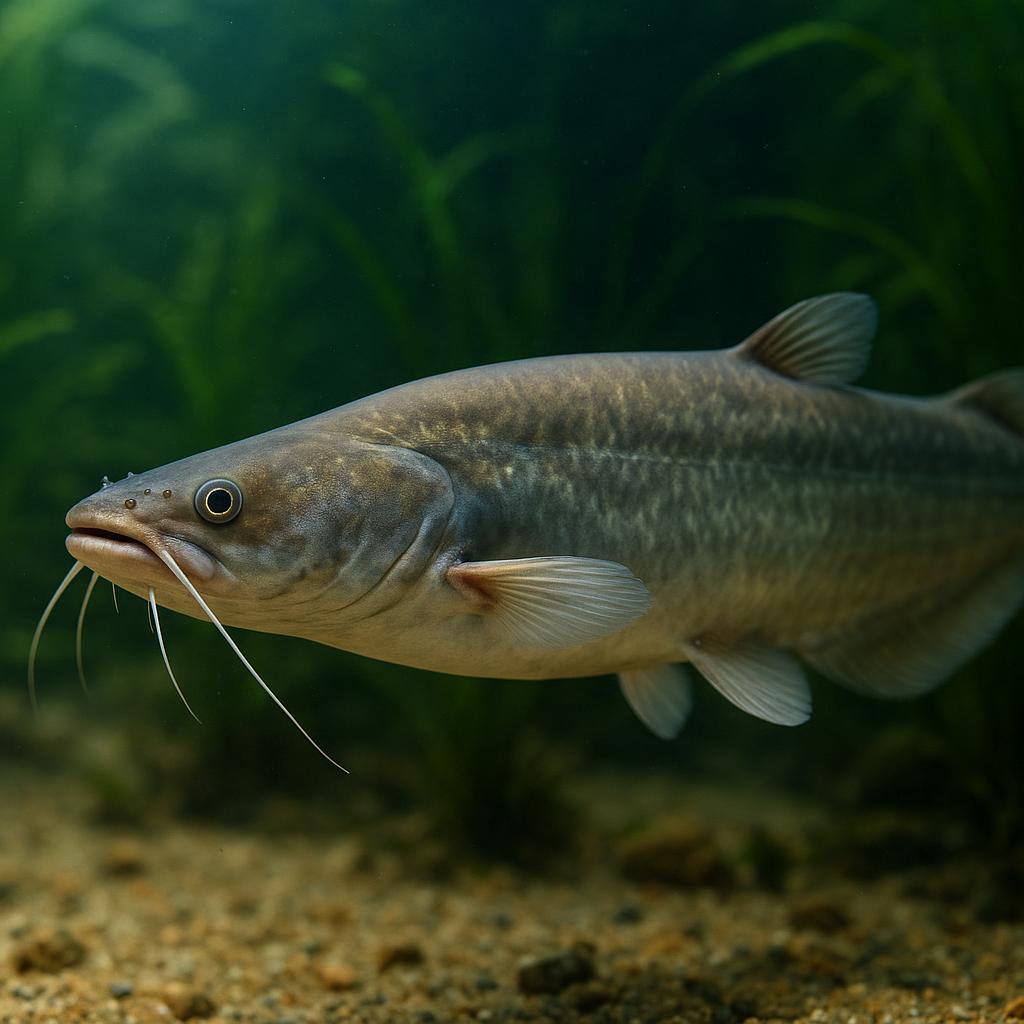
Blackhawk catfish
Wallagonia micropogon
Wallagonia micropogon is a giant Southeast Asian sheatfish with an eel-like body and a huge, scoop-like mouth for hunting other fish. It is native to the Mekong and middle Chao Phraya basins and was long confused with Wallagonia leerii, which makes IDs and care notes tricky. Stunning as a juvenile but it grows to true megafish size, so it is only realistic for expert keepers or public aquariums.
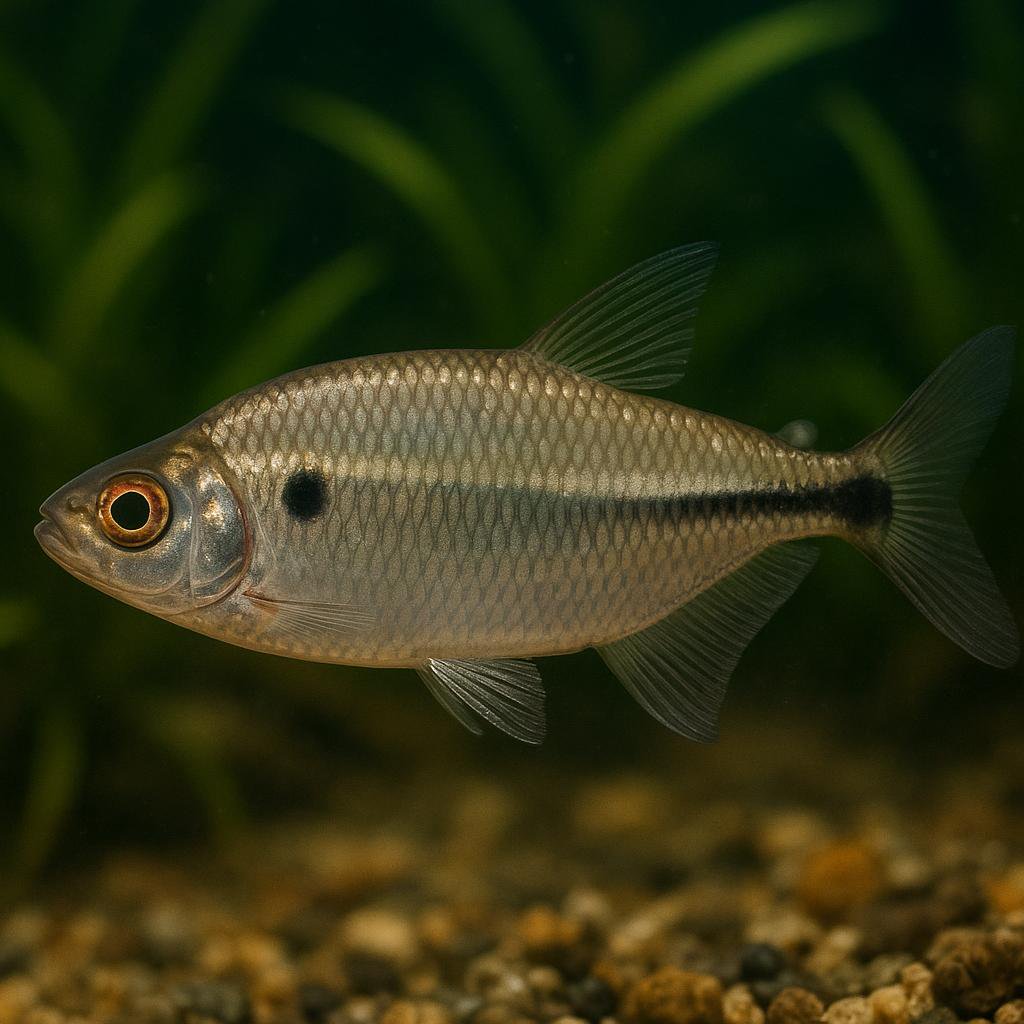
Boulenger's Featherfin Tetra
Bryconaethiops boulengeri
A big, fast African tetra from the Congo River basin, it cruises the mid-to-upper water in active groups and flashes a bold broken stripe along its flanks. In the wild it hunts insects at the surface and can leap, so aquariums need tight lids. Keep it with robust tankmates it cannot swallow.
More to Explore
Discover more freshwater species.
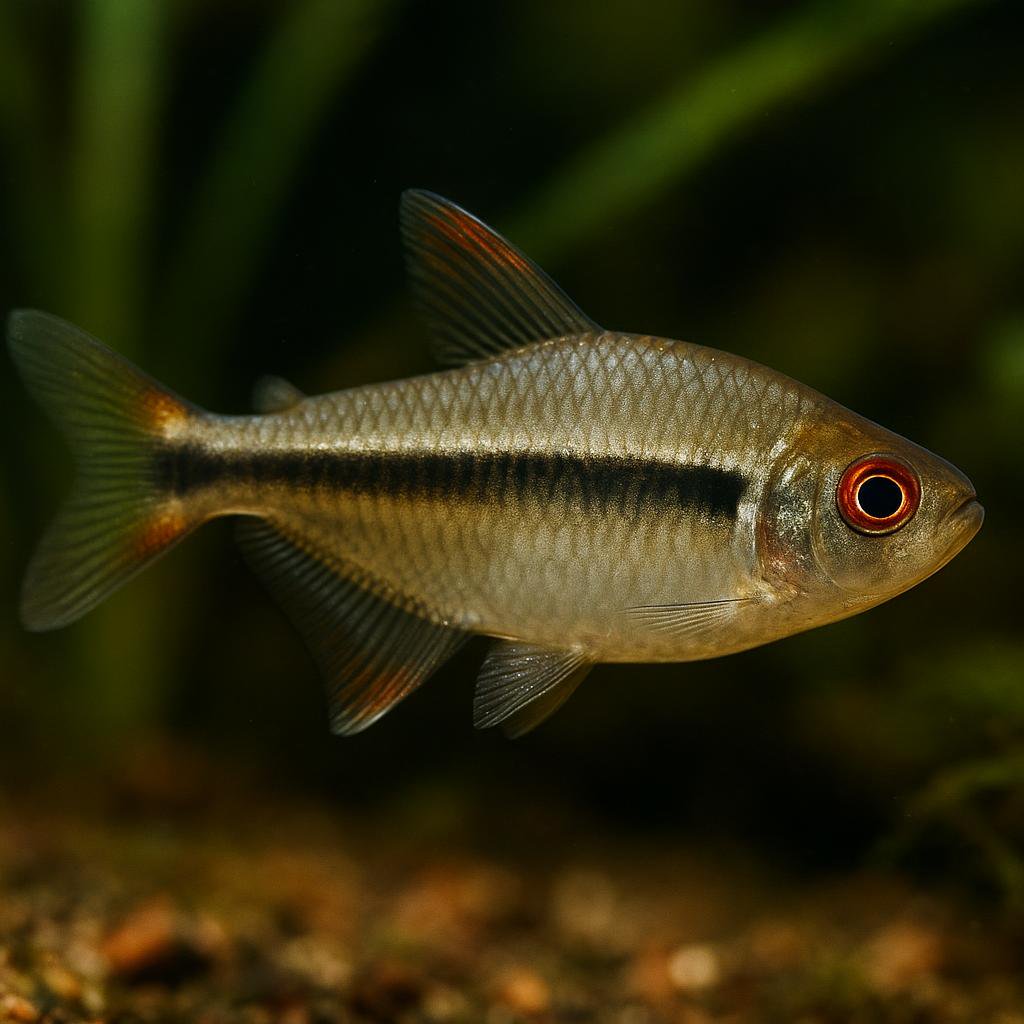
Amapa tetra
Hyphessobrycon amapaensis
This is a tiny, super sleek little tetra with a clean red stripe down the side that really pops once its settled in. It does best in a planted, slightly tinted "creek-style" setup and looks way cooler when you keep a proper group so they school and flash that line together. If you can give it soft, slightly acidic water and a calm community, its an easy fish to fall for.
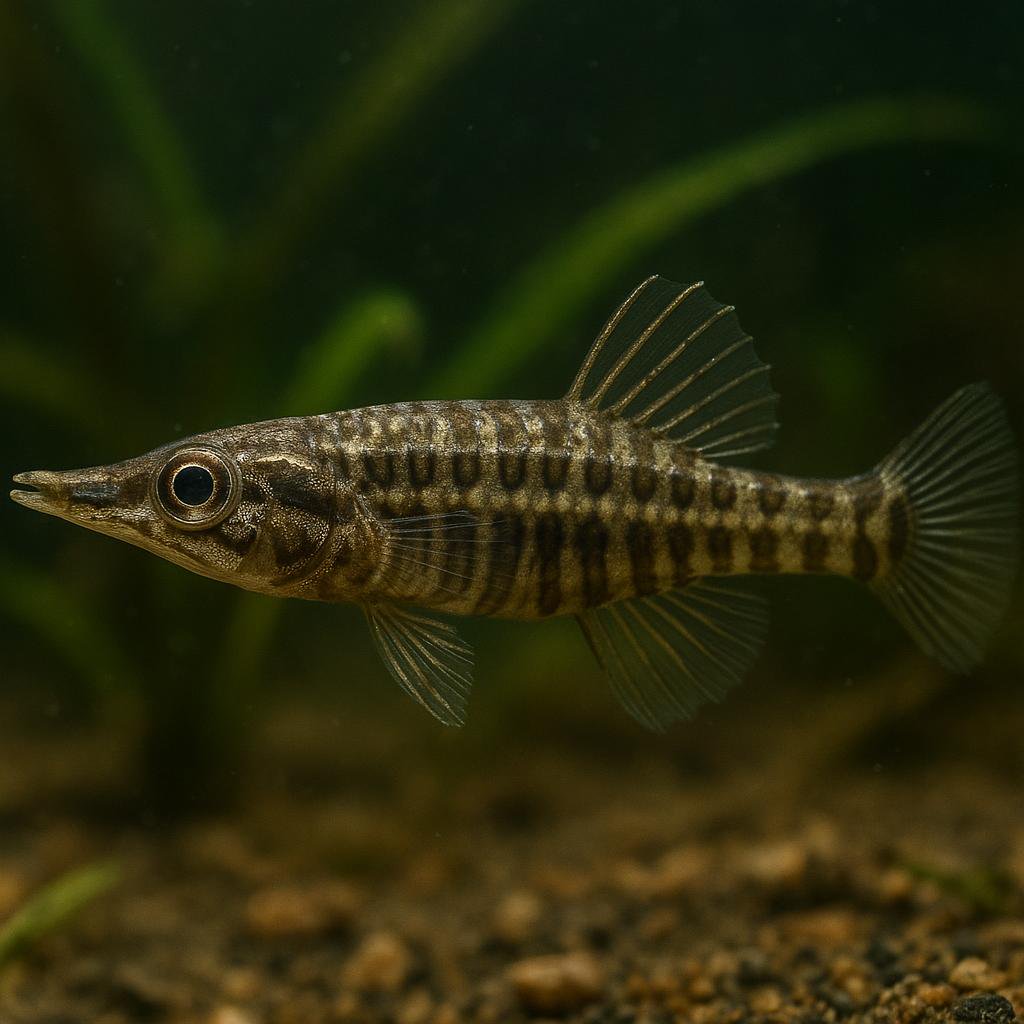
Armoured stickleback
Indostomus paradoxus
This is that goofy little "freshwater seahorse"-looking fish that just kind of perches and scoots around like a tiny armored twig. Its whole vibe is slow, sneaky micropredator - once its settled in, you will catch it stalking microfoods and doing these subtle little posture displays. The big trick is feeding: they do best when you can provide lots of small live foods in a calm, planted tank.
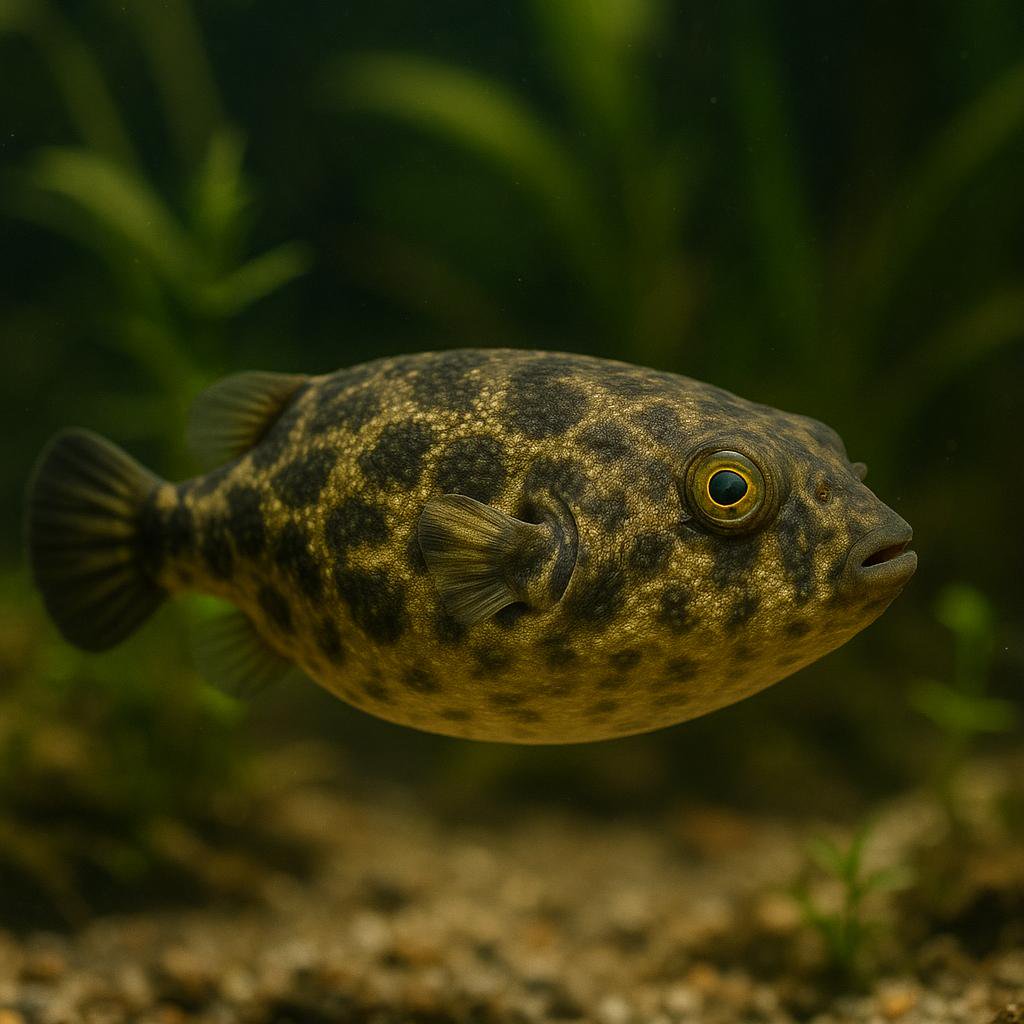
Arrowhead puffer
Pao suvattii
Pao suvattii is that sneaky Mekong puffer that likes to sit low and ambush food, and it has that super recognizable arrow/V pattern on its back. Gorgeous fish with tons of personality, but it is absolutely not a community guy - plan on a solo, species-only setup if you want everybody to stay in one piece.
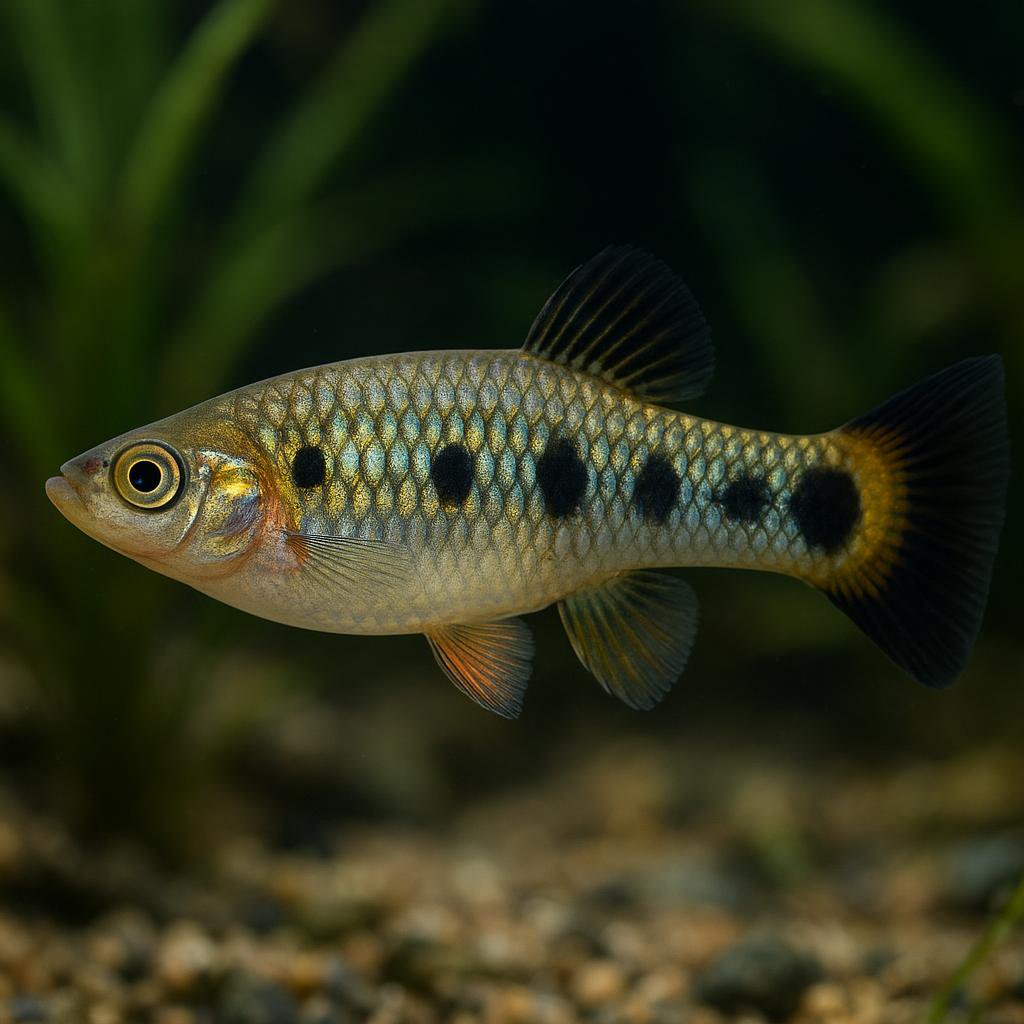
Bishop toothcarp
Brachyrhaphis episcopi
This is a tiny Panamanian livebearer that does best when you treat it more like a shy wild fish than a fancy guppy-lots of cover, calm vibes, and really clean water. The fun part is watching the males posture and spar while the females cruise around dropping fully-formed fry about once a month.
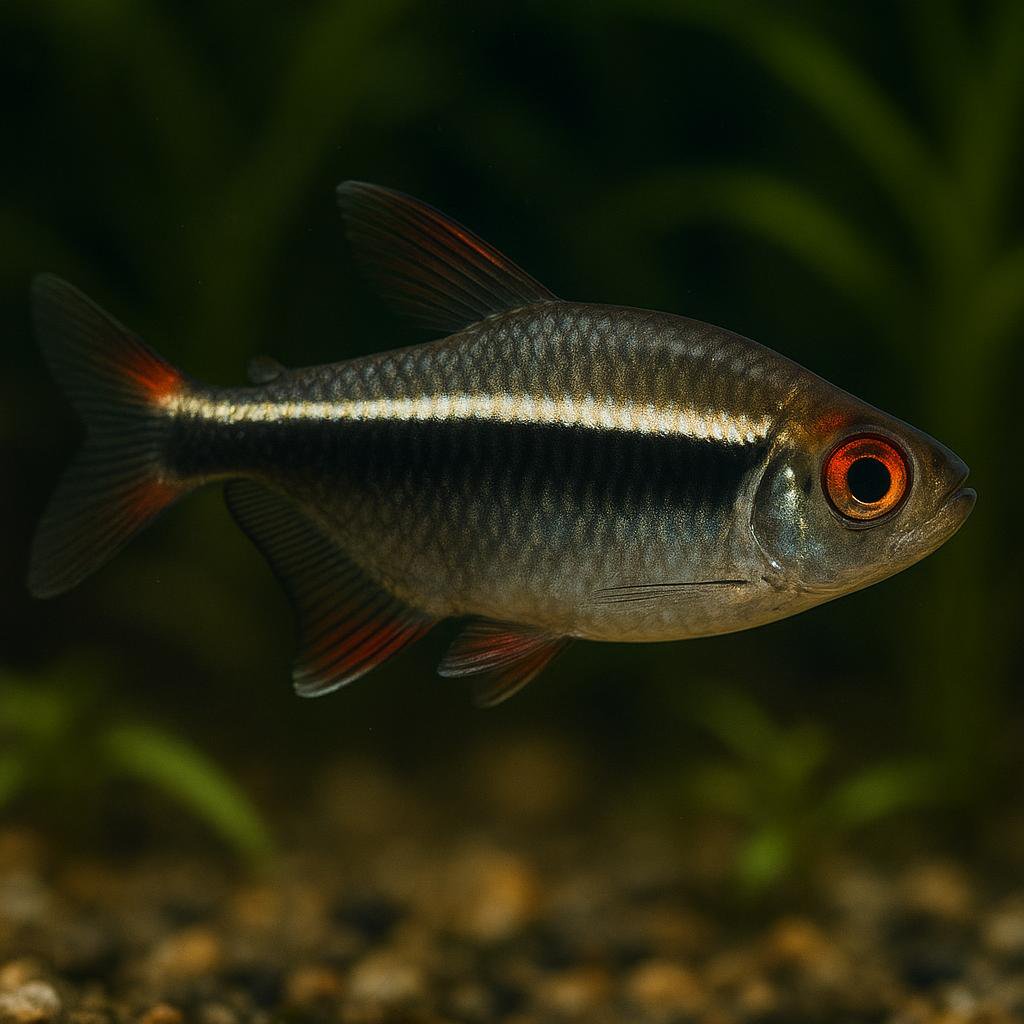
Black Neon Tetra
Hyphessobrycon herbertaxelrodi
Black neons are one of those little tetras that look kinda understated until the light hits them-then that bright stripe pops and they shimmer when the school turns together. They're super chill, always cruising mid-water, and they make a tank feel "alive" without being hectic. If you keep a nice group, they get bolder and you'll see way more of their personality.
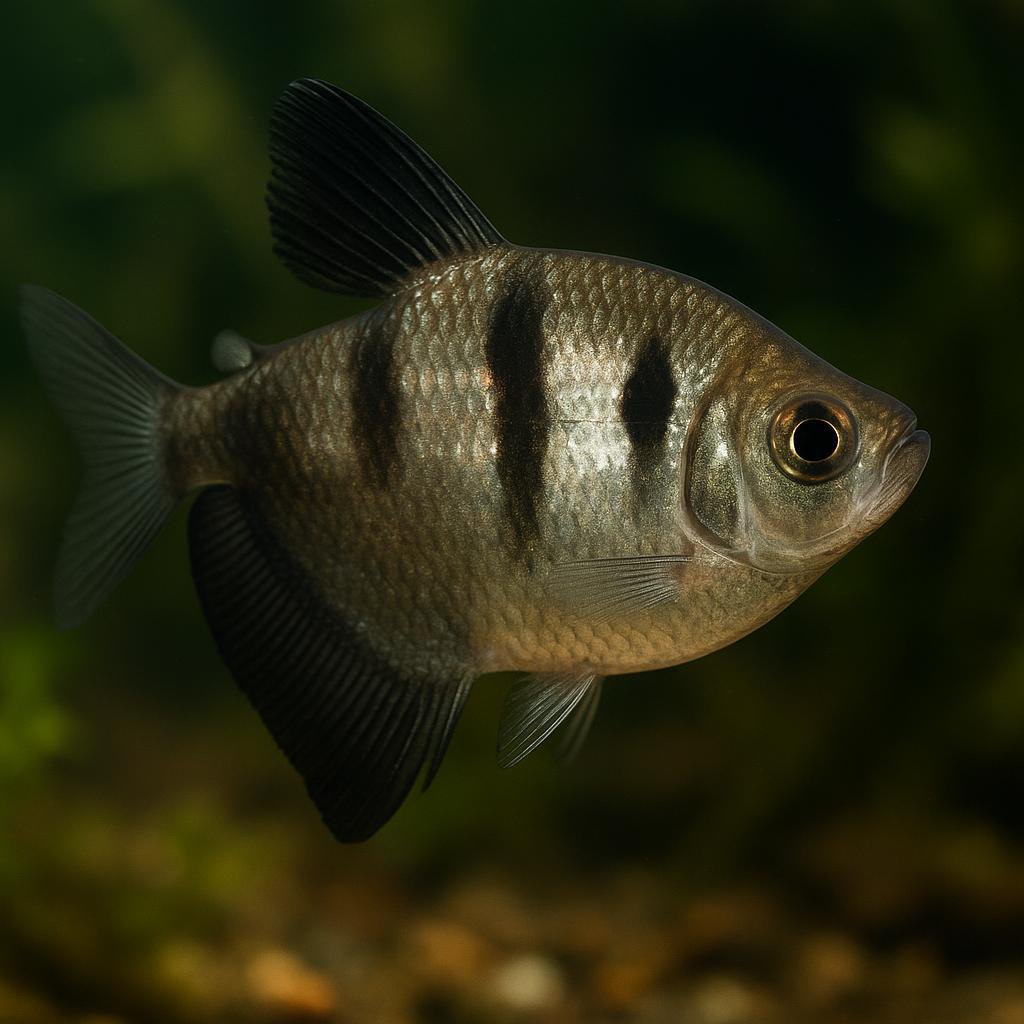
Black Skirt Tetra (Black Widow Tetra)
Gymnocorymbus ternetzi
Black skirts are those little "suit-and-tie" tetras with the dark bands and flowing fins that look way fancier than they should for how tough they are. They're super active midwater fish, and when you keep a proper group they do that tight, zippy schooling thing that makes the whole tank feel alive. Just give them enough buddies and finny tankmates they won't be tempted to nip.
Looking for other species?