

Northern blue melanochromis
Melanochromis kaskazini
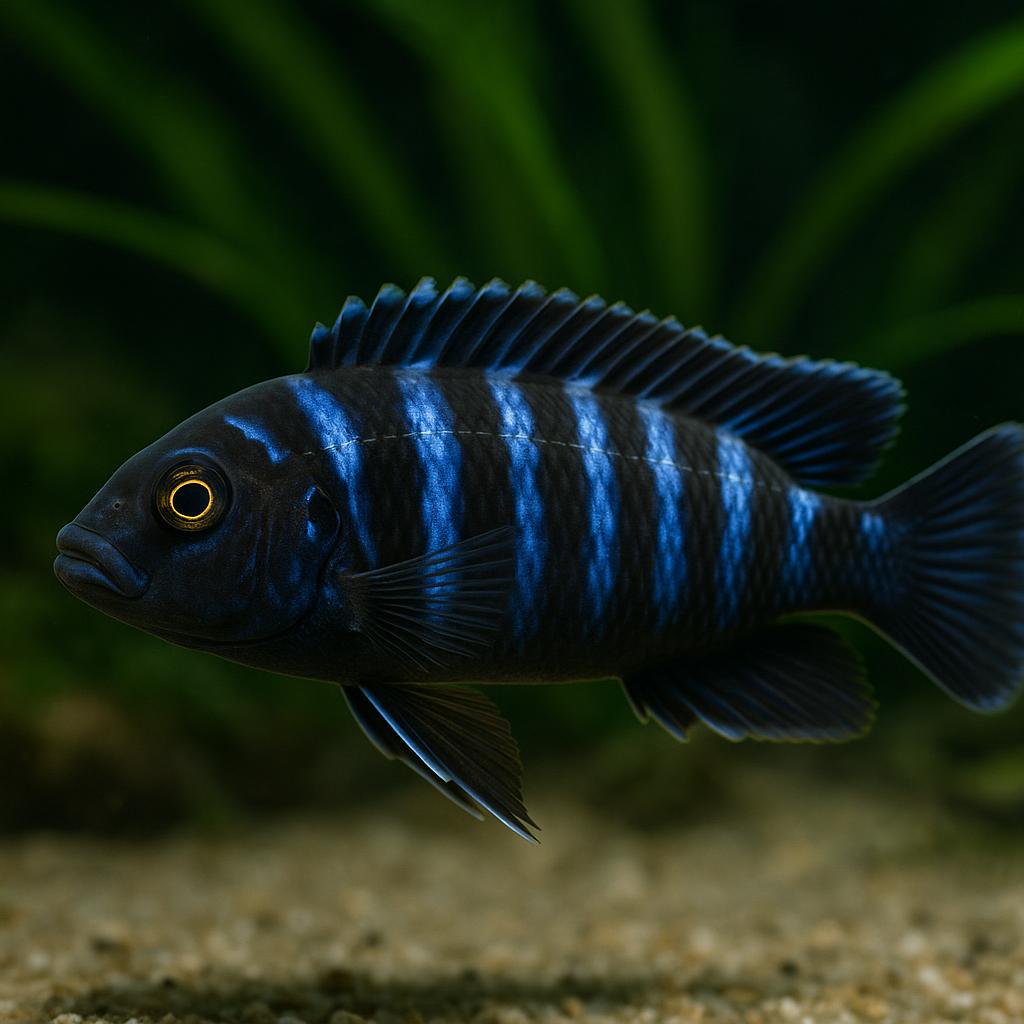
The Northern blue melanochromis exhibits a striking blue body with distinct black vertical bars, enhancing its vibrant coloration.
This page includes AI-generated images. Why am I seeing AI images?
About the Northern blue melanochromis
A roaming, cobalt-blue mbuna from the rocky-sandy transition of Lake Malawi, it hunts larger invertebrates and small fish instead of grazing algae. Males are solid deep blue, while females are white with black stripes and a yellow-orange anal fin, which makes pairs striking to watch.
Also known as
Quick Facts
Size
12.2 cm SL
Temperament
Aggressive
Difficulty
Advanced
Min Tank Size
143 gallons
Lifespan
6-10 years
Origin
East Africa - Lake Malawi (northeastern Tanzania shoreline)
Diet
Carnivore - larger invertebrates and small fishes; accepts meaty frozen foods (e.g., shrimp-based mixes) in aquaria
Water Parameters
23-28°C
7.5-8.5
Need a heater for this species?
This species needs 23-28°C in a 143 gallon tank. Use our heater calculator to find the right wattage.
Calculate heater sizeCare Notes
- Give it room: minimum 143 US gallons with a long footprint; scape a rocky-sandy transition with stable rock piles and open sand for roaming.
- Hold water at 23-28 C and pH 7.5-8.5; run strong filtration and surface agitation to keep oxygen high.
- Feed like a predator, not a grazer: offer meaty frozen foods, especially shrimp-based mixes, and skip algae-heavy herbivore formulas.
- Choose tankmates carefully: this fish is aggressive and will treat small fish as prey; stick to robust, similarly sized Malawi cichlids and avoid peaceful community species.
- Use rockwork to break sight lines so subdominant fish can get out of view, and build it securely so it will not topple during chases.
- Limit adult males unless the tank is truly huge; male-male combat in this species can be intense.
- Plan long term: with steady conditions and good husbandry, they commonly reach 6-10 years.
Compatibility
Good Tankmates
- A single male with several females of its own species (species harem) in a 143+ gal, rock-heavy Malawi setup to spread aggression
- Robust, similarly assertive Lake Malawi mbuna of different body shape and non-blue patterning (e.g., Metriaclima, Labeotropheus) in a very large, complex rockscape
- Sturdy Pseudotropheus/Tropheops mbuna that are not visually similar and can match its speed and attitude, stocked in groups to dilute aggression
- Lake Malawi Synodontis catfish (e.g., Synodontis njassae) as bottom dwellers that tolerate hard, alkaline water and cichlid bustle
Avoid
- Other Melanochromis species or blue/striped look-alikes (high cross-aggression and hybridization risk)
- Peaceful Malawi haps and peacocks (Aulonocara, Copadichromis) that will be bullied
- Slow or long-finned fish (angelfish, gouramis) and soft-water community species that cannot handle rift-lake hardness or aggression
- Small fish and ornamental invertebrates that fit in its mouth (it hunts small fish and larger invertebrates)
Northern blue melanochromis (Melanochromis kaskazini) is a medium mbuna cichlid from the rocky-sand transition zones of Lake Malawi along northeastern Tanzania. Males are a solid, deep cobalt blue. Females are white with black stripes and a yellow-orange anal fin, so the two sexes look dramatically different side by side. Unlike algae-grazing mbuna, this species is a roaming predator of larger invertebrates and small fishes. It is aggressive, long-lived (about 6-10 years), and suited to advanced keepers.
Origin and natural habitat
Endemic to Lake Malawi, along the northeastern Tanzanian shoreline, Melanochromis kaskazini patrols the interface where rocky outcrops give way to sand. In this mixed habitat it forages in open areas and around rock cover, hunting larger invertebrates and small fish rather than scraping algae like many other mbuna.
Aquarium setup and water
This is a powerful, wide-ranging fish. Plan a very large, open layout with substantial rock piles for line-of-sight breaks and territories, plus broad stretches of sand or fine gravel to mimic the rocky-sand transition it uses in the lake. Strong, reliable filtration helps handle the waste load from a meaty diet, and steady oxygenation is beneficial for active mbuna.
Minimum tank size: 143 US gallons. This species is aggressive and needs space to roam and to manage conflicts.
Keep water alkaline and stable: pH 7.5-8.5 and temperature 23-28 C. Consistency matters more than chasing a specific number within those ranges.
Diet and feeding
A carnivore by nature, M. kaskazini feeds on larger invertebrates and small fishes in the wild. In aquaria it accepts meaty frozen foods, including shrimp-based mixes. Offer modest portions once or twice daily and avoid feeder fish. This is not an algal grazer, so do not rely on algae-heavy diets.
Behavior and tankmates
Expect pronounced aggression. Males in particular are combative and can be intolerant of rivals. Because this species is predatory, any tankmate small enough to be swallowed may be hunted.
- Choose only robust, similarly sized Lake Malawi cichlids if you attempt a community.
- Avoid peaceful or undersized fish and avoid species with similar blue coloration that may trigger intense aggression.
- Sexes are strongly dimorphic: males are solid deep blue; females are white with black striping and a yellow-orange anal fin.
Common problems and how to avoid them
- Relentless aggression: Use a very large tank with substantial rock cover to break sight lines. Do not house it with small fish or very docile species.
- Water-quality decline from meaty foods: Maintain strong filtration and regular water changes; feed sparingly.
- Misidentification of sexes: Females look markedly different from males; know the sexual color forms to avoid accidental mixing based on appearance alone.
At a maximum of about 12.2 cm standard length, this is not the largest mbuna by size, but its roaming, predatory nature and aggression mean it calls for space and advanced handling.
Similar Species
Other freshwater aggressive species you might be interested in.
Arrowhead puffer
Pao suvattii
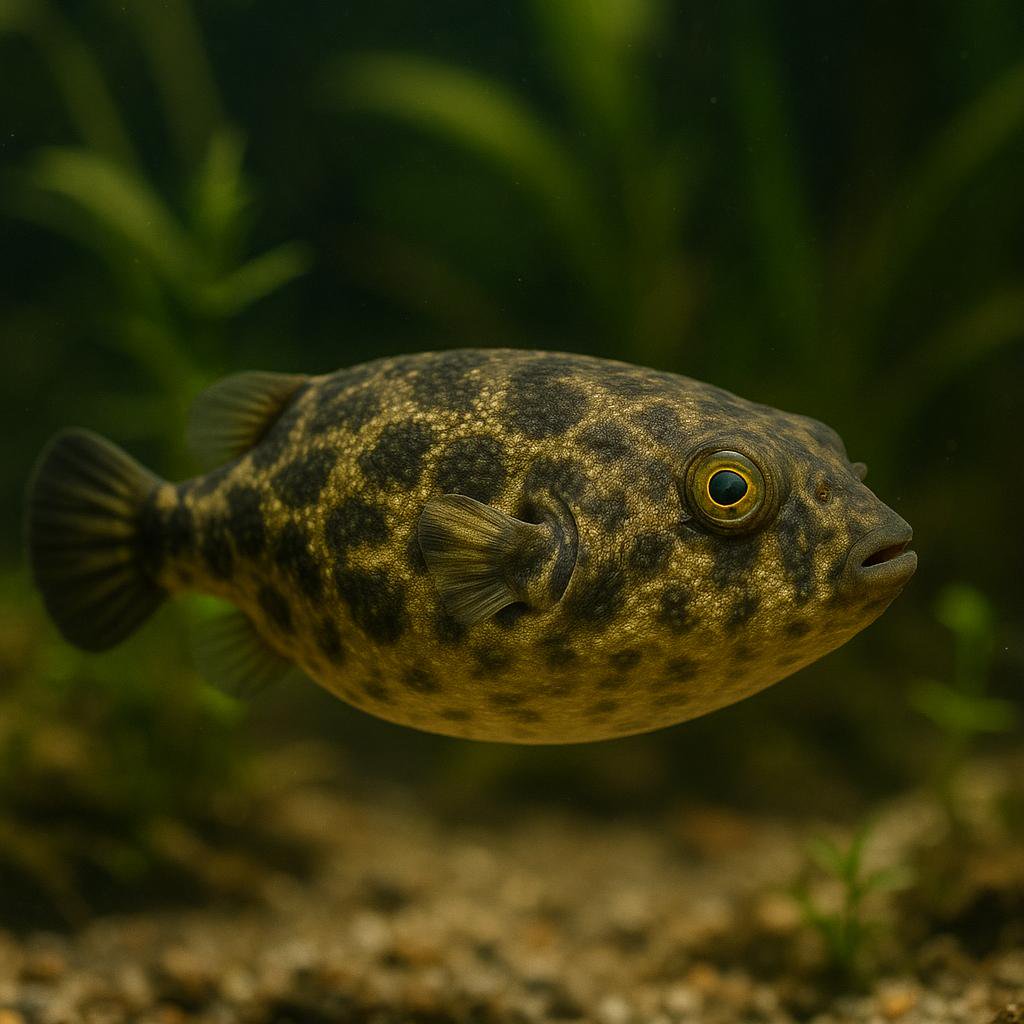
Pao suvattii is that sneaky Mekong puffer that likes to sit low and ambush food, and it has that super recognizable arrow/V pattern on its back. Gorgeous fish with tons of personality, but it is absolutely not a community guy - plan on a solo, species-only setup if you want everybody to stay in one piece.
Blue gularis
Fundulopanchax sjostedti
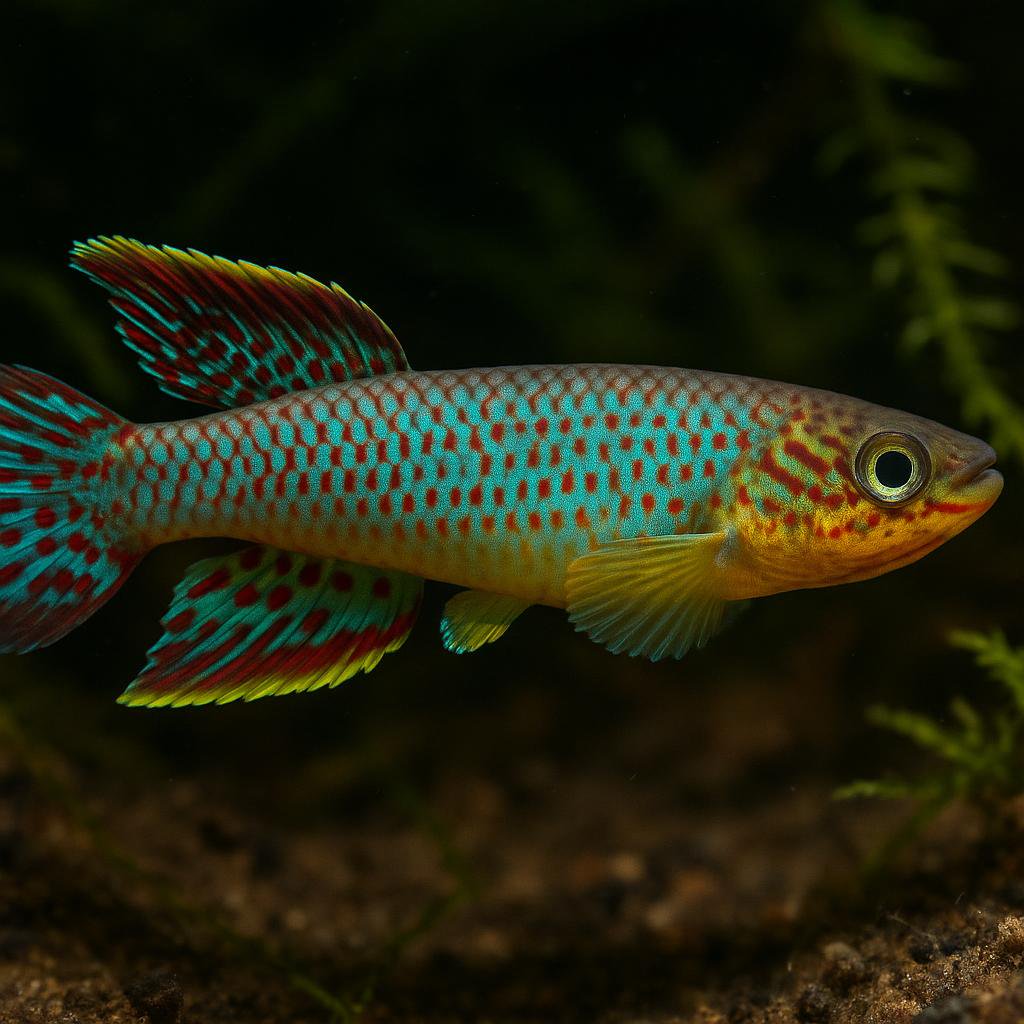
This is the big, flashy West African killifish with the ridiculous triple-point tail and electric blue-green body covered in red spotting. Males can be real attitude machines with each other, but if you give them room, cover, and a tight lid, they make an awesome centerpiece fish that will absolutely demolish live and frozen foods.
Hypsolebias trifasciatus
Hypsolebias trifasciatus
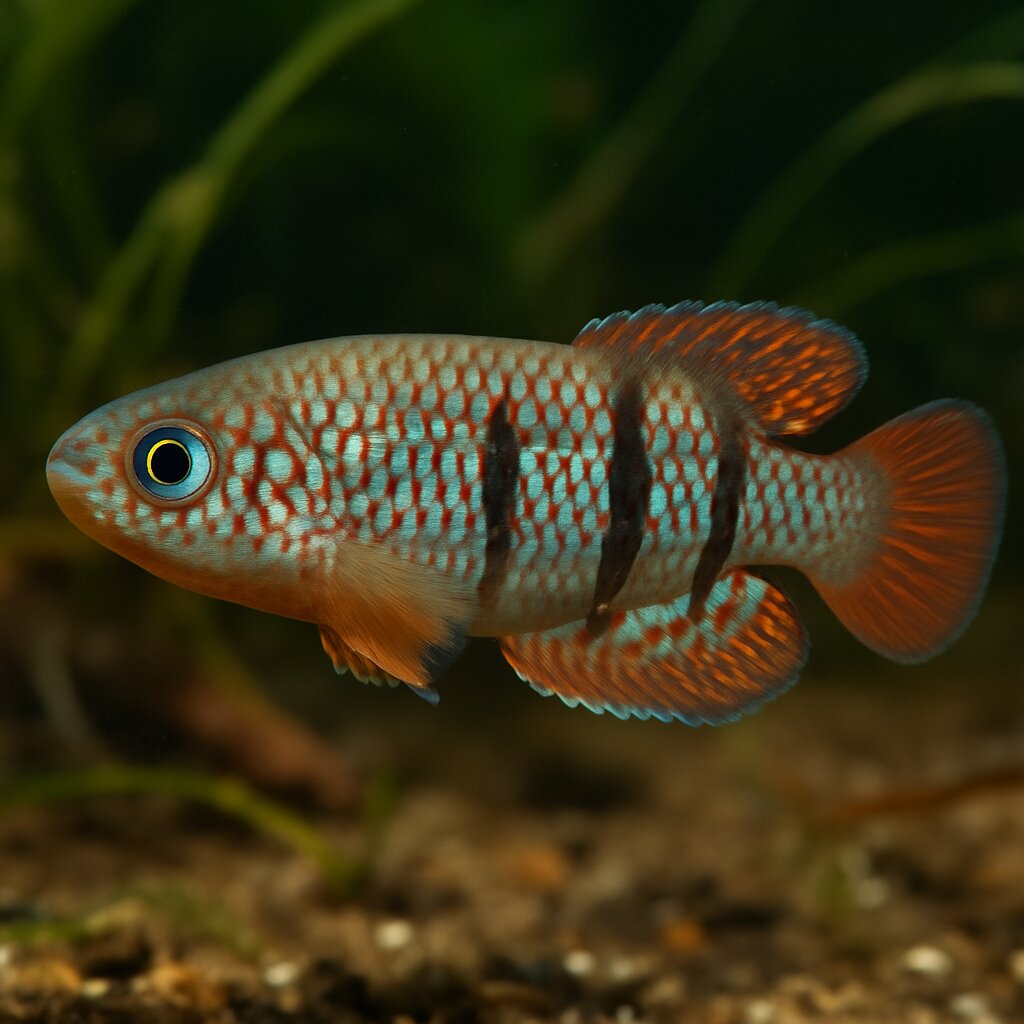
Tiny but flashy, this annual killi lights up with a blue body and bold yellow-and-black striping on the anal fin. It comes from shallow seasonal pools in northeastern Brazil, so it likes soft, warm water and will bury eggs in a peat or mud-like substrate. Males have big attitudes for such small fish, so plan for line-of-sight breaks or keep a single pair.
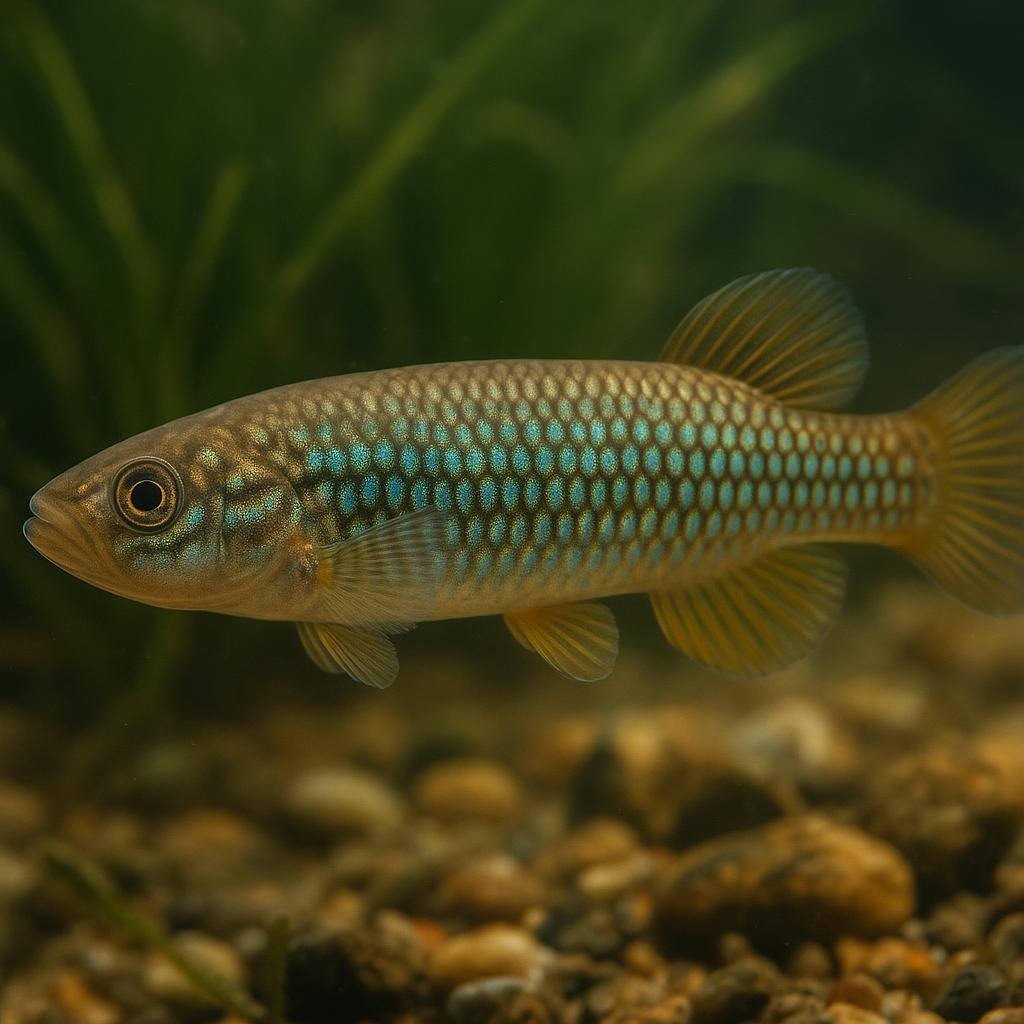
Northern studfish
Fundulus catenatus
A big North American killifish, males glow turquoise-blue with orange-edged tails and fine red lines in breeding dress. It rockets along the surface in clear, cool creeks and can be feisty and jumpy, so a tight lid and roomy quarters are a must.
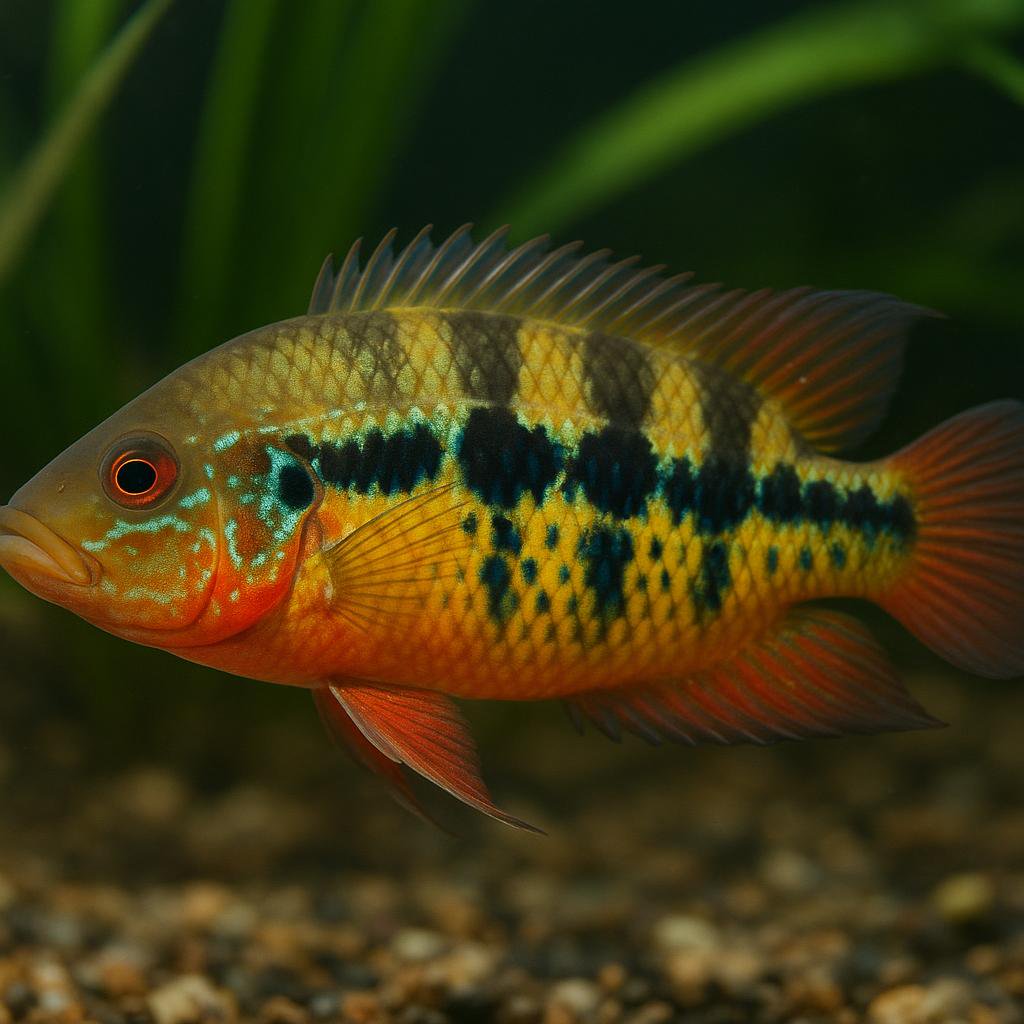
Salvini cichlid
Trichromis salvini
A flashy Central American cichlid with a bright yellow body, bold black bars, and blue spangles, salvini look like little hot rods. They are territorial predators that form pairs and put on intense parental-guarding displays. Best kept solo or with equally tough neighbors in a roomy tank.
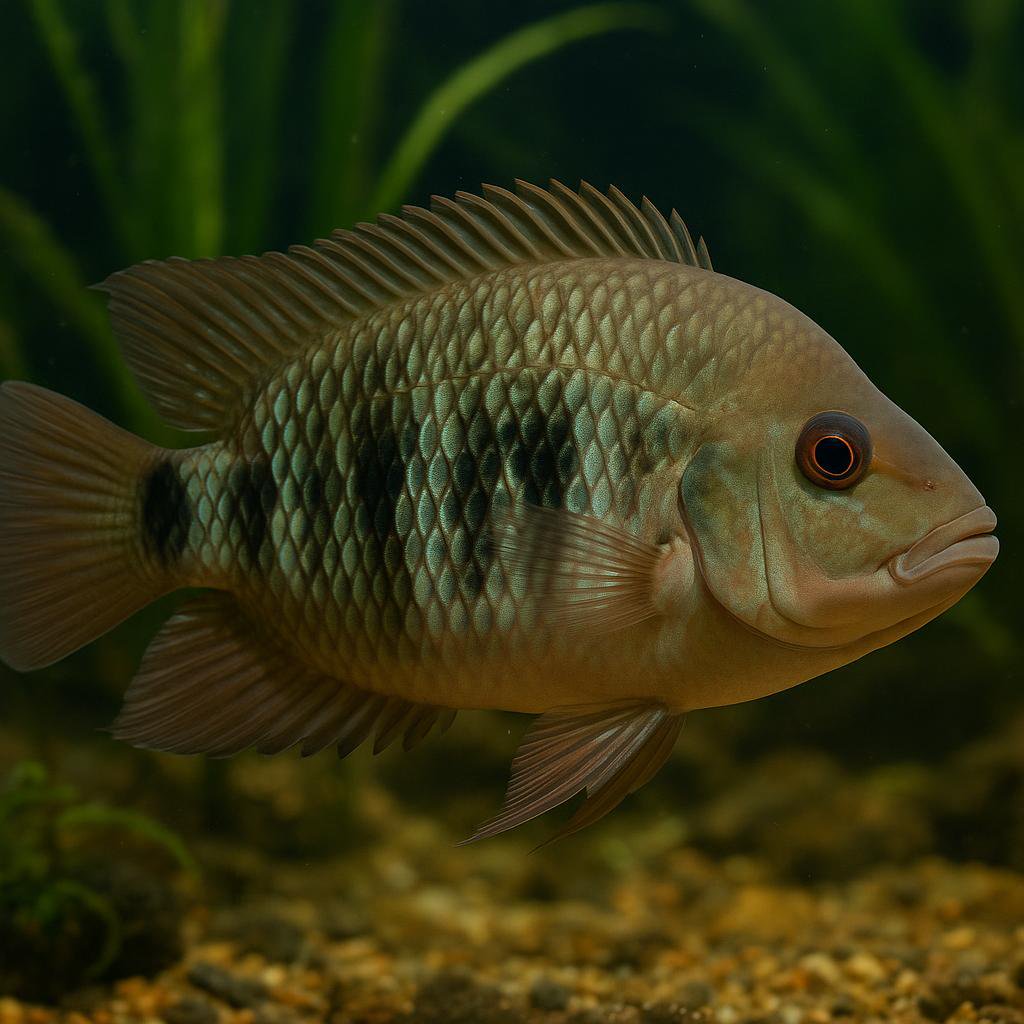
Window cichlid
Vieja fenestrata
A big, polychromatic Mexican cichlid with bold "window" bars that can show red on the head and fins in some populations. It grazes in lakes and slow rivers, then turns dramatic black-and-white while guarding eggs. Powerful and territorial, it needs serious space and filtration.
More to Explore
Discover more freshwater species.
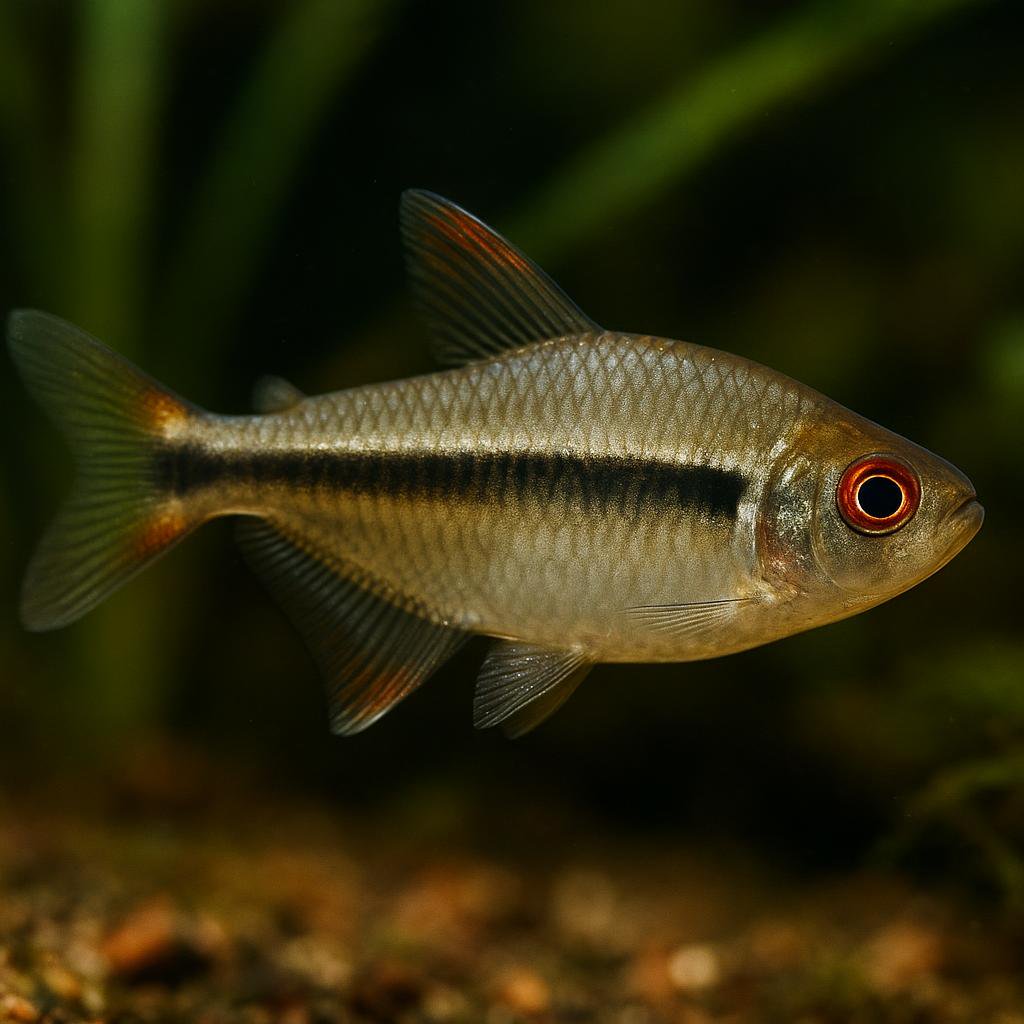
Amapa tetra
Hyphessobrycon amapaensis
This is a tiny, super sleek little tetra with a clean red stripe down the side that really pops once its settled in. It does best in a planted, slightly tinted "creek-style" setup and looks way cooler when you keep a proper group so they school and flash that line together. If you can give it soft, slightly acidic water and a calm community, its an easy fish to fall for.
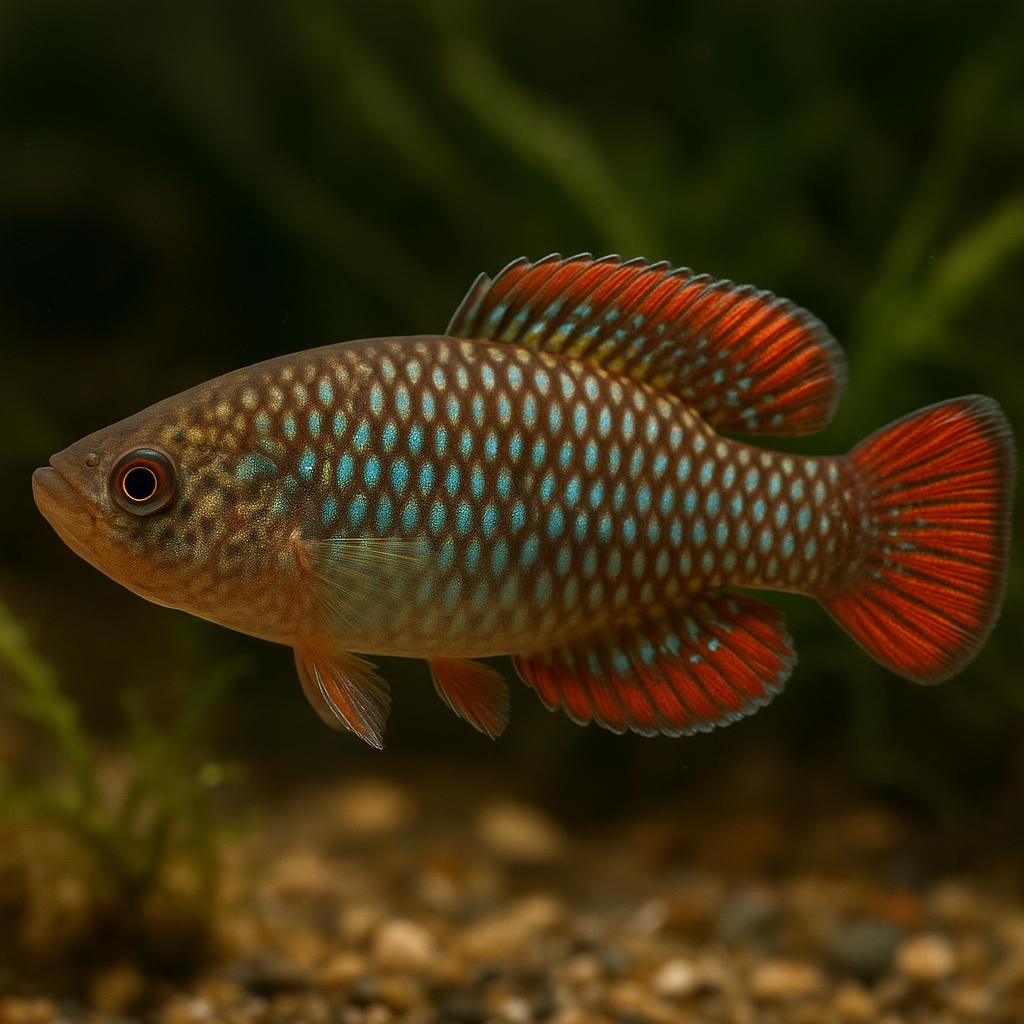
American flagfish
Jordanella floridae
Jordanella floridae is that little Florida native with the red-and-cream striping that really does look like a tiny flag once a male colors up. They graze algae like champs (especially stringy/hair algae), but they have a bit of attitude - give them plants and space so the bossy behavior stays manageable. Bonus: the male guards the eggs and will actively fan them, which is pretty fun to watch.
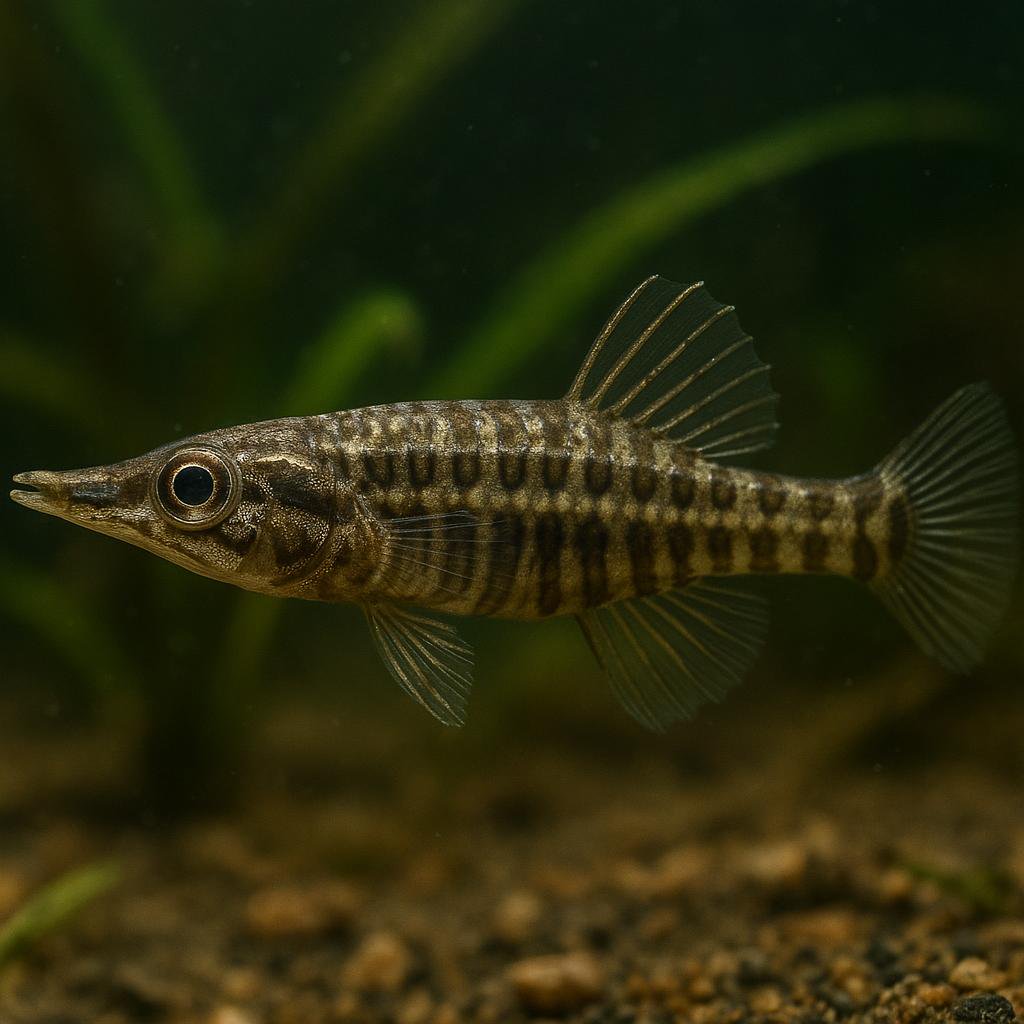
Armoured stickleback
Indostomus paradoxus
This is that goofy little "freshwater seahorse"-looking fish that just kind of perches and scoots around like a tiny armored twig. Its whole vibe is slow, sneaky micropredator - once its settled in, you will catch it stalking microfoods and doing these subtle little posture displays. The big trick is feeding: they do best when you can provide lots of small live foods in a calm, planted tank.
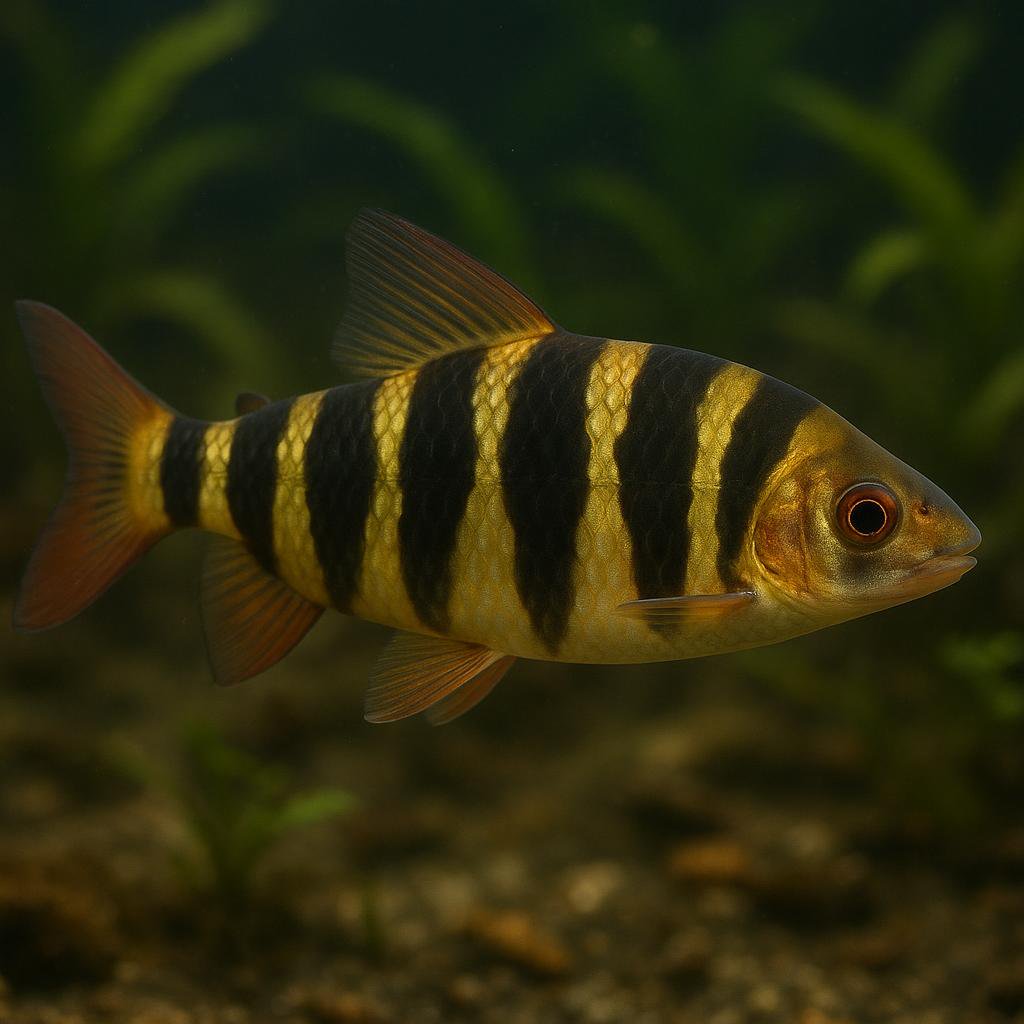
Banded Leporinus
Leporinus fasciatus
Banded Leporinus are those torpedo-shaped, black-and-yellow striped fish that look like they're wearing a little prison outfit-and they stay on the move. They've got a ton of personality and they're awesome to watch cruising and picking at stuff, but they're also the kind of fish that will redecorate your tank and "taste test" anything soft-looking.
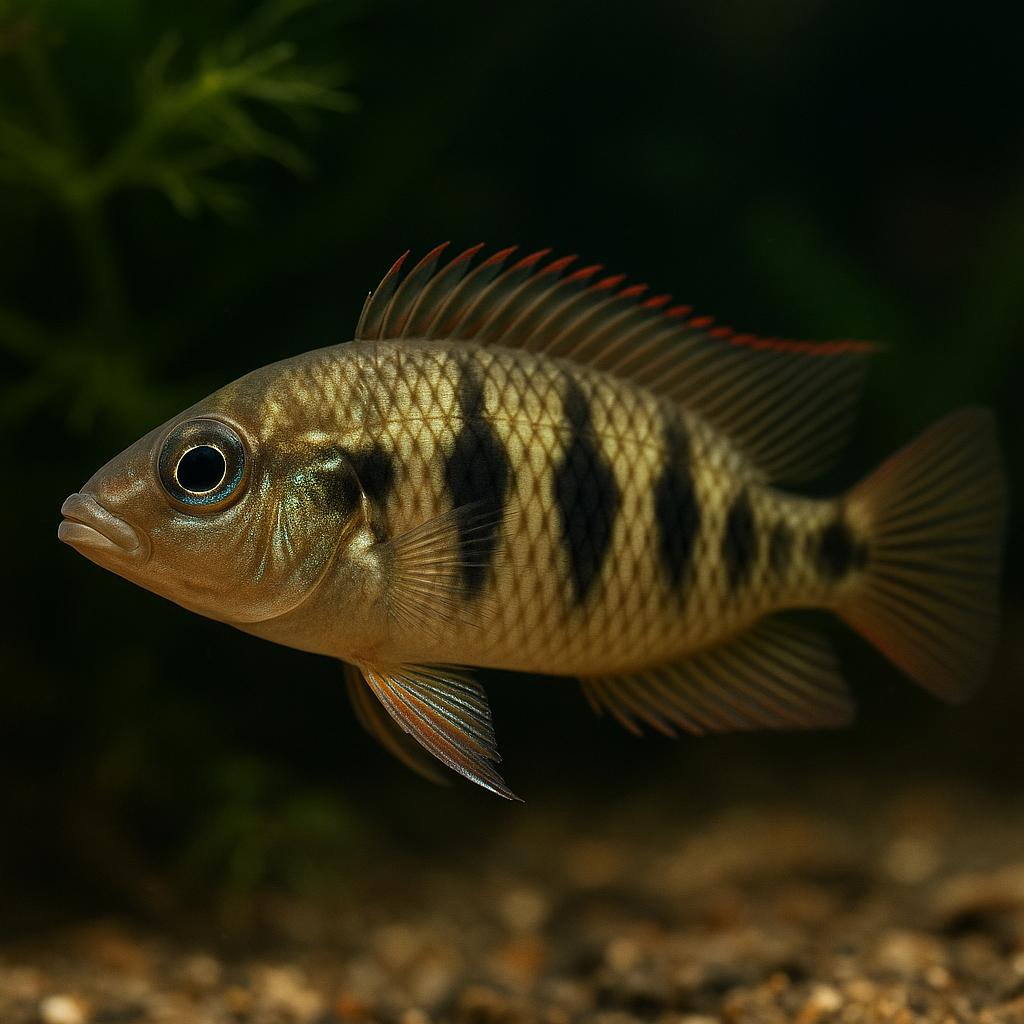
Bandi cichlid
Wallaceochromis signatus
A West African dwarf cichlid from Guinea's Bandi River, this fish shows crisp vertical bars and spotted fins with red highlights. Females have a bold black spot at the base of the tail, and pairs guard eggs and fry in caves, which makes their parental behavior fun to watch.
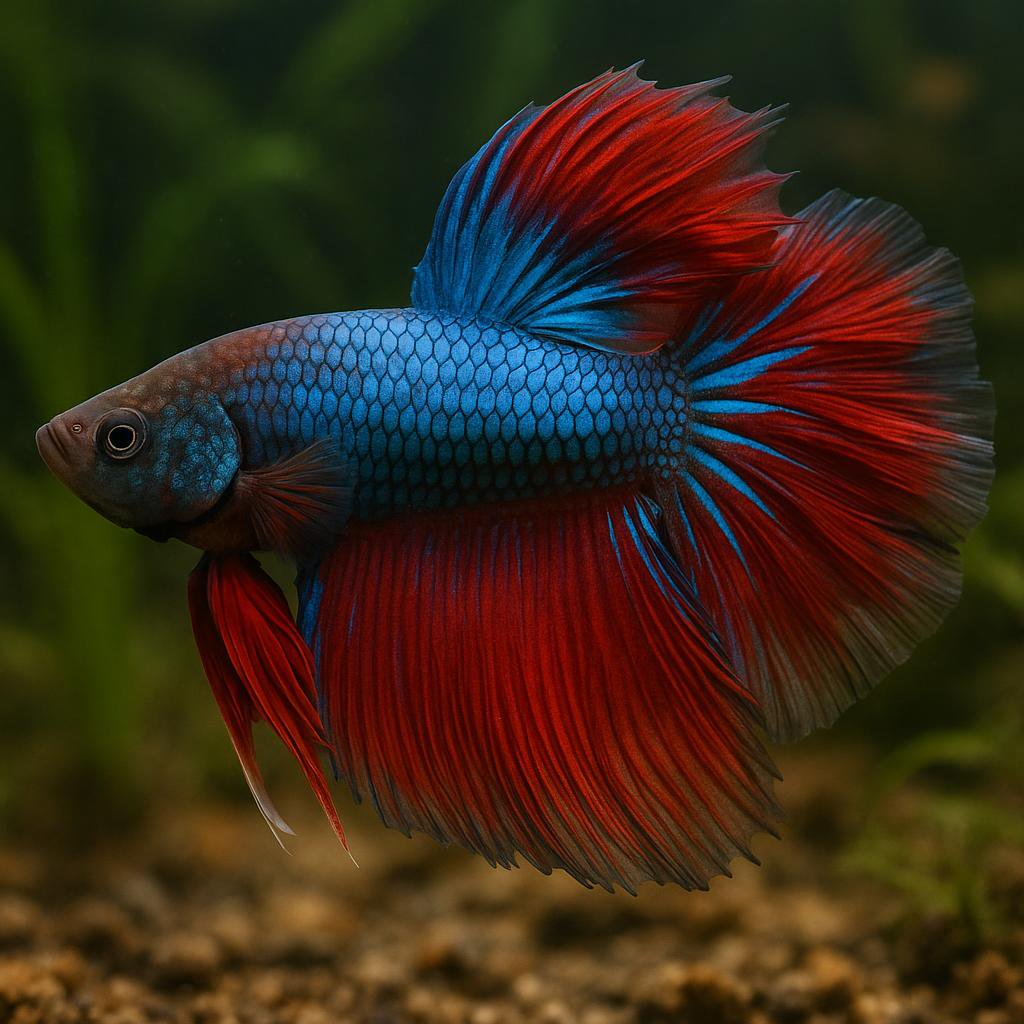
Betta
Betta splendens
Betta fish, also known as Siamese fighting fish, are popular for their striking colors and flowing fins. They are known for their territorial nature, especially males, which can display aggressive behavior towards each other.
Looking for other species?