

Search Species
Search for fish species by common or scientific name, or use filters to browse by water type, size, temperament, and difficulty.
Found 337 species
Pantanal eartheater
Satanoperca pappaterra
This is one of those classic sand-sifting cichlids that will constantly take mouthfuls of substrate, filter out snacks, and spit out little clouds of sand like a tiny bulldozer. In the wild it even feeds in small groups and takes turns being the lookout, which is just insanely cool behavior for a cichlid. Give it a soft sandy bottom and calm tankmates, and it settles into a really mellow, busy little routine.
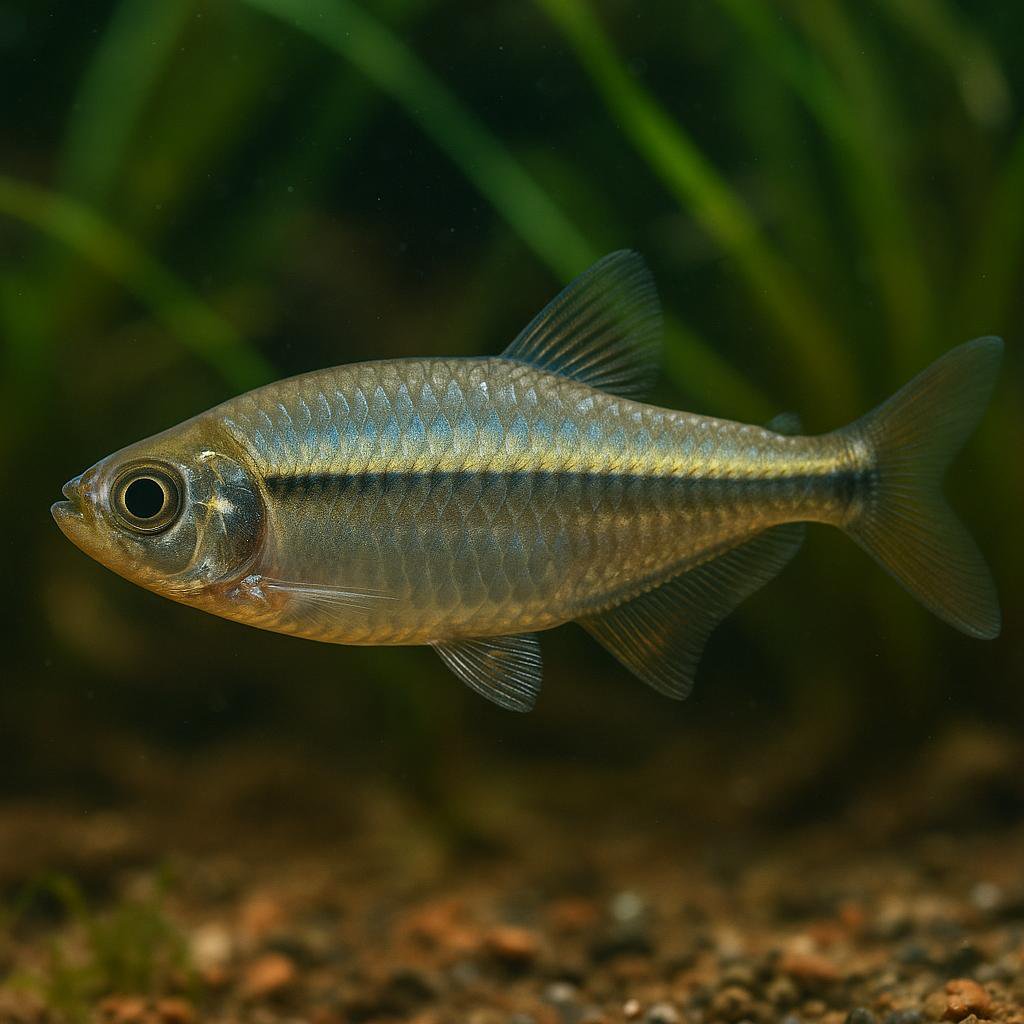
Pasca
Paragoniates alburnus
Paragoniates alburnus (often called the pasca) is a slim, silvery Amazon characin that tops out around 6-7 cm. Its vibe is very much "open-water, always on the move," so it does best in a roomy tank with a current and a group of its own kind.
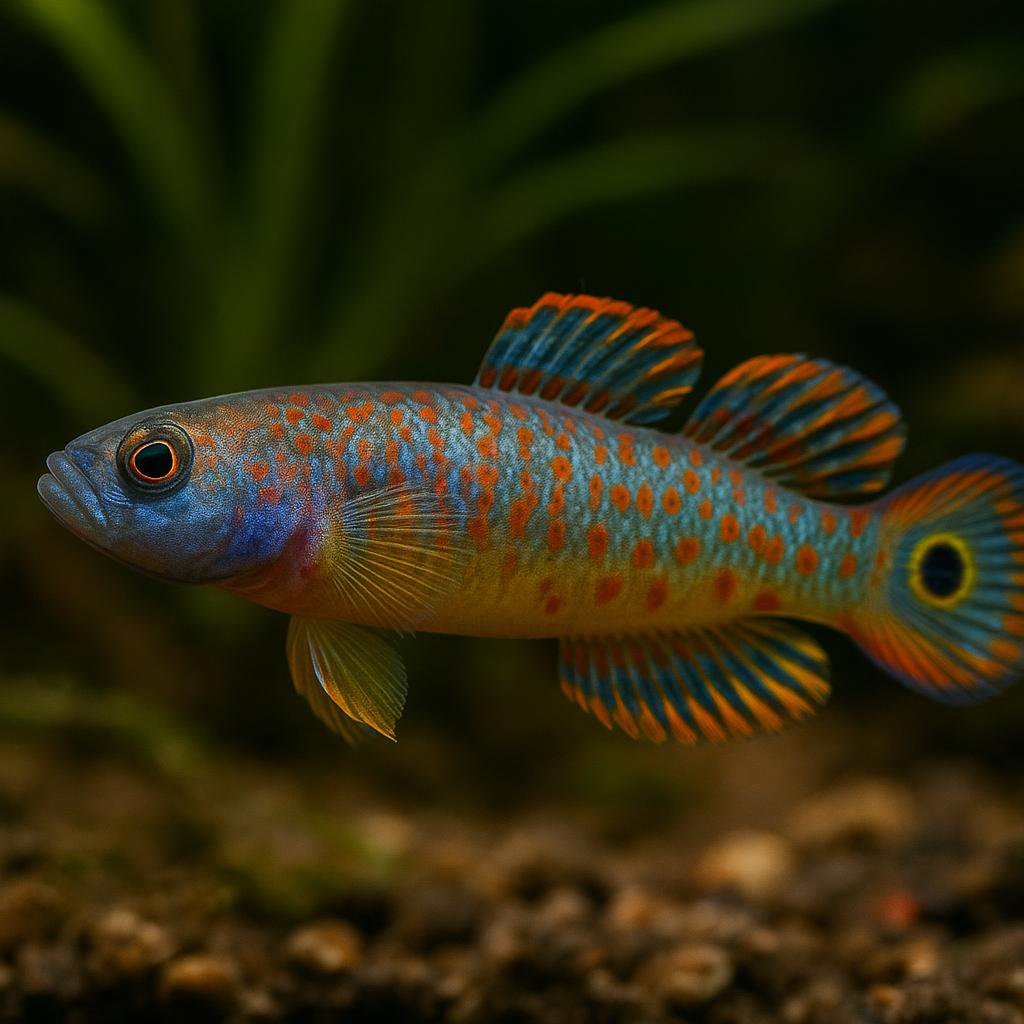
Peacock gudgeon
Tateurndina ocellicauda
Peacock gudgeons are little jewel-fish from eastern Papua New Guinea with that awesome "eye spot" on the tail and a ton of blue/yellow/red speckling. They're gentle most of the time, but the males get pretty into cave/crevice territory when they're thinking about spawning-and watching the male guard and fan eggs is seriously cool.
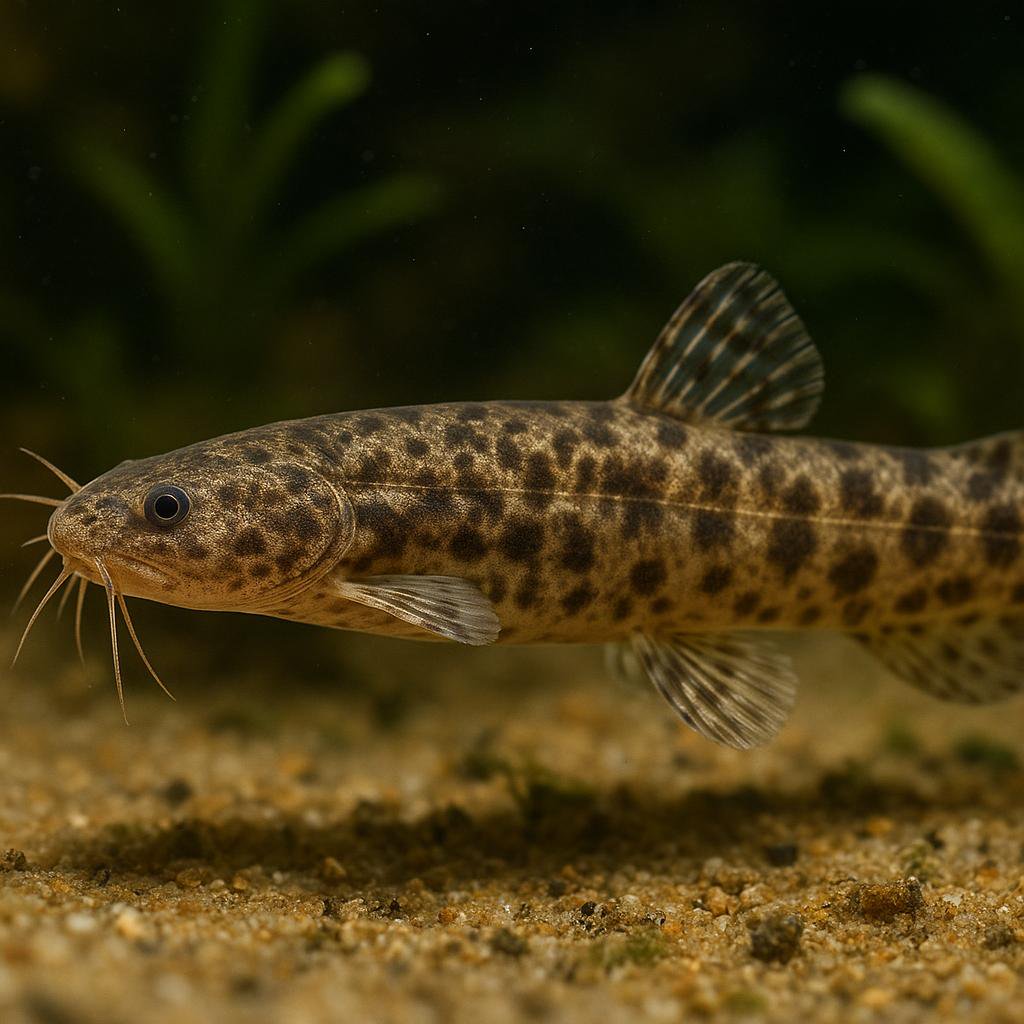
Pencil catfish
Ituglanis amphipotamus
This is a small, secretive trichomycterid catfish from southeastern Brazil that hugs the bottom and likes to wedge itself into tight spots. It comes from fast-flowing water over rock and sand, so it does best in a well-oxygenated setup with current and lots of little caves or crevices to vanish into.
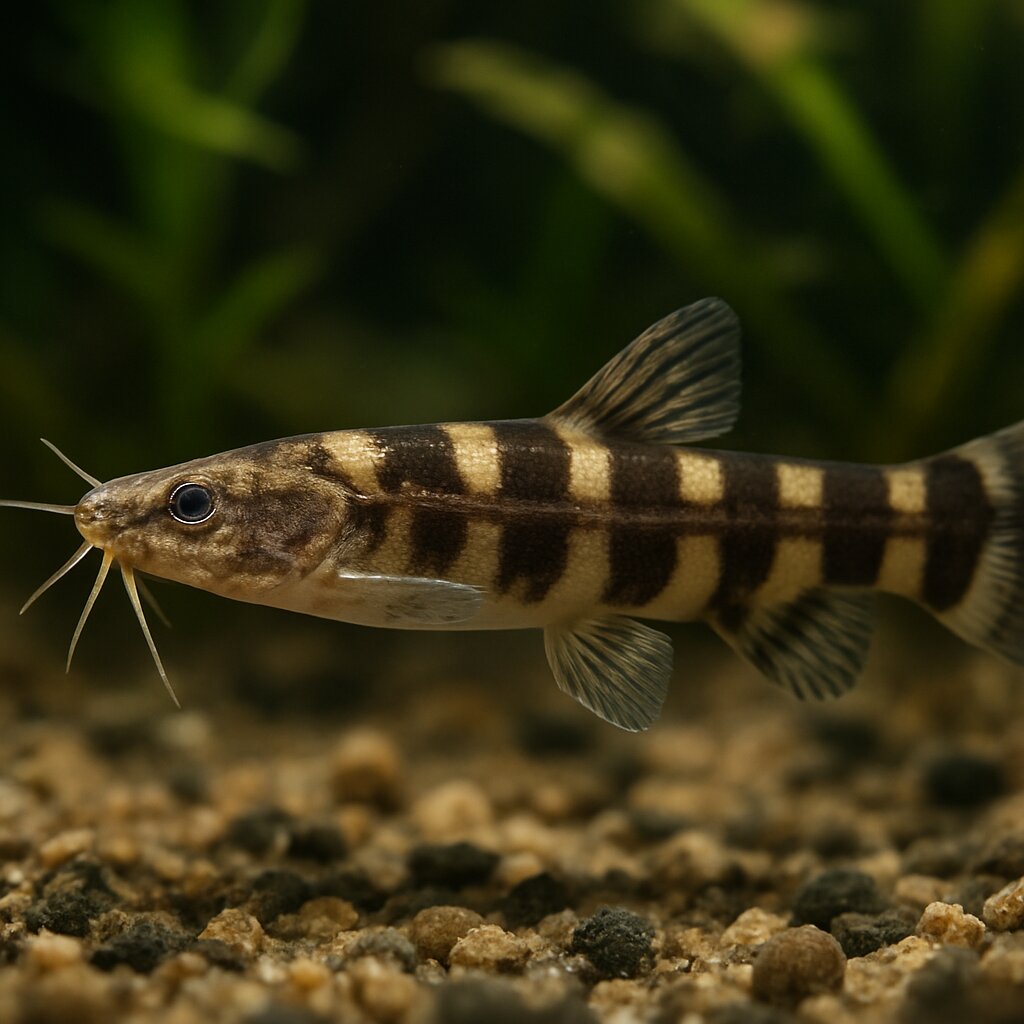
Pencil catfish
Cambeva zonata
A tiny riffle‑lover from southeastern Brazil, Cambeva zonata inhabits cool, fast, highly oxygenated streams in the Ribeira de Iguape basin (Betari and Iporanga sub‑basins). It bears an irregular mottled/blotched pattern that can align into bars, and forages diurnally on aquatic invertebrates over gravel and stones.
Peracuca
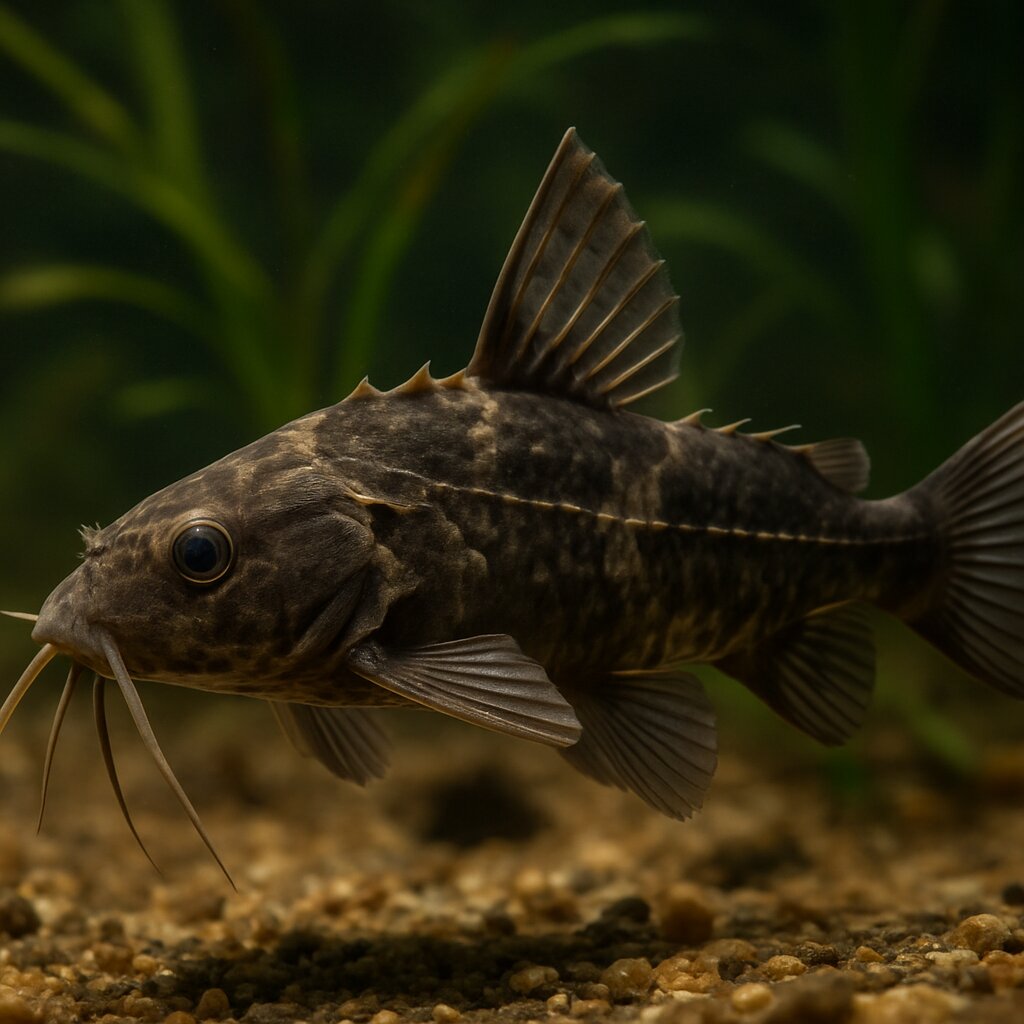
Kalyptodoras bahiensis
A chunky, armored doradid from Bahia, Brazil, this catfish cruises the bottom at night and uses those bony scutes like built‑in plating. It grows to about 10 inches and loves rooting around for crunchy inverts, so think sturdy decor and meaty sinking foods. Super cool if you are into rare, locality fish with a bit of mystery to their behavior.
Perak river sprat
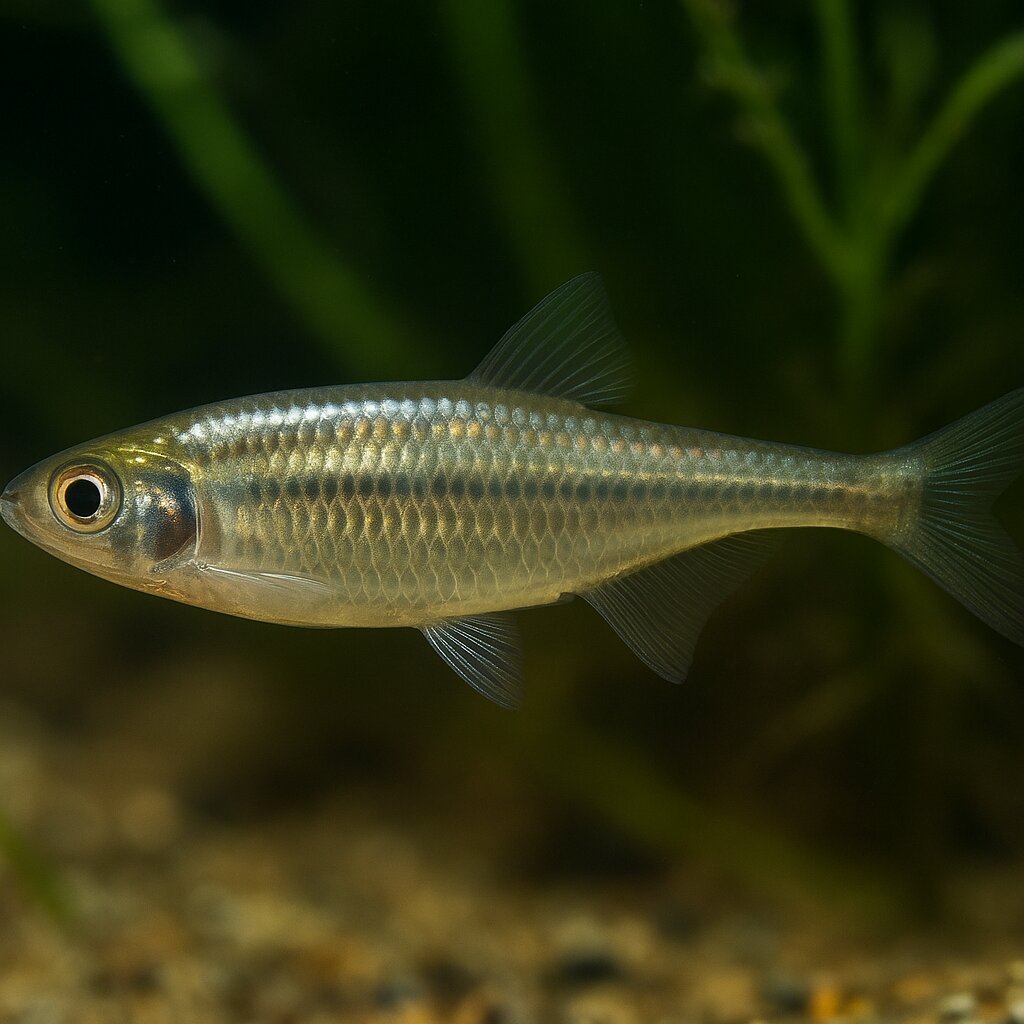
Clupeichthys perakensis
Tiny, silvery river sprats that zip around midwater in tight groups and pick at zooplankton all day. They come from the Perak River system (and nearby peat-stained tributaries), top out at about 4 cm, and do best in soft, slightly acidic, well-oxygenated water with plenty of open swimming space. They are rarely seen in the hobby and tend to do best in big, settled shoals with fine live foods.
Peridot tetra
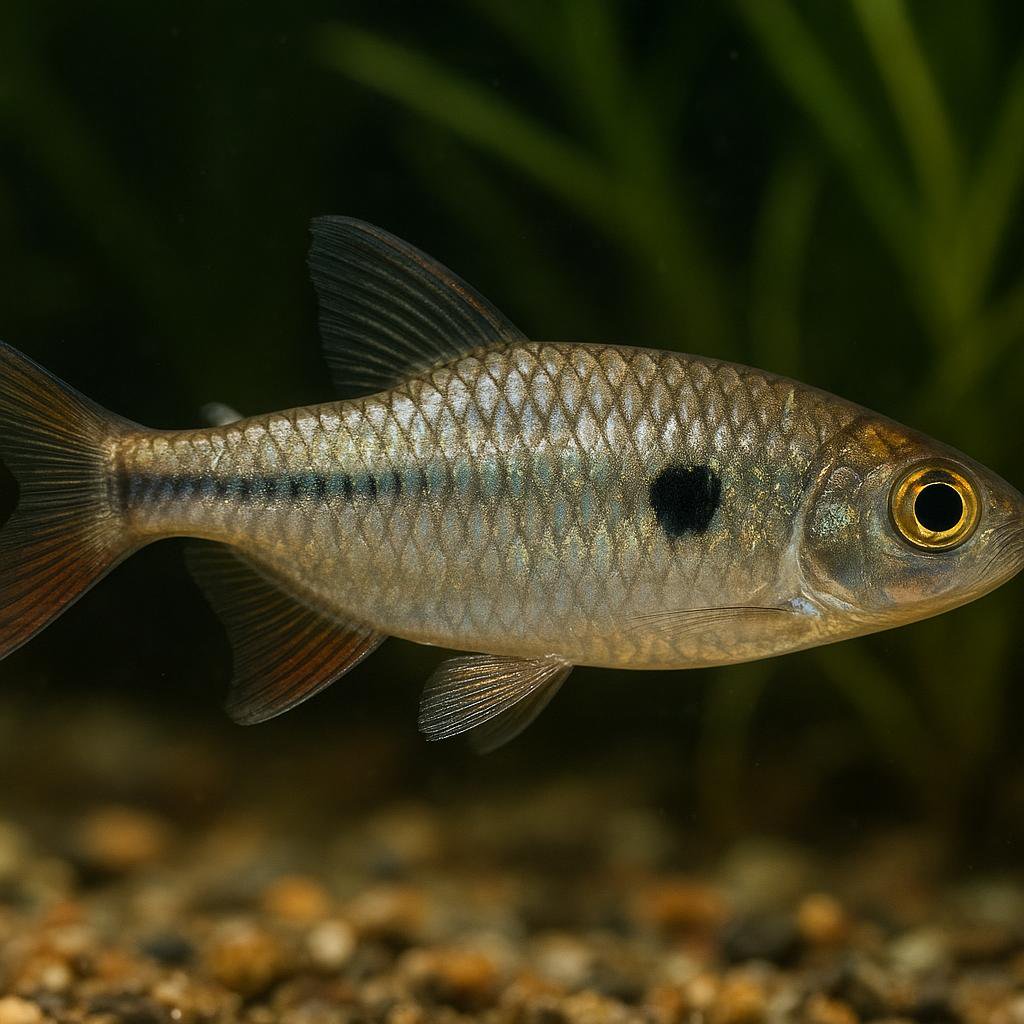
Jupiaba acanthogaster
This is a small South American characin that does its best work in a real group - once you have a bunch of them together they stay active and hang in the midwater like classic dither fish. The neat little twist with this species is the spine-like pelvic bones that can stick forward along the belly, which is where the name comes from.
Peruvian tetra
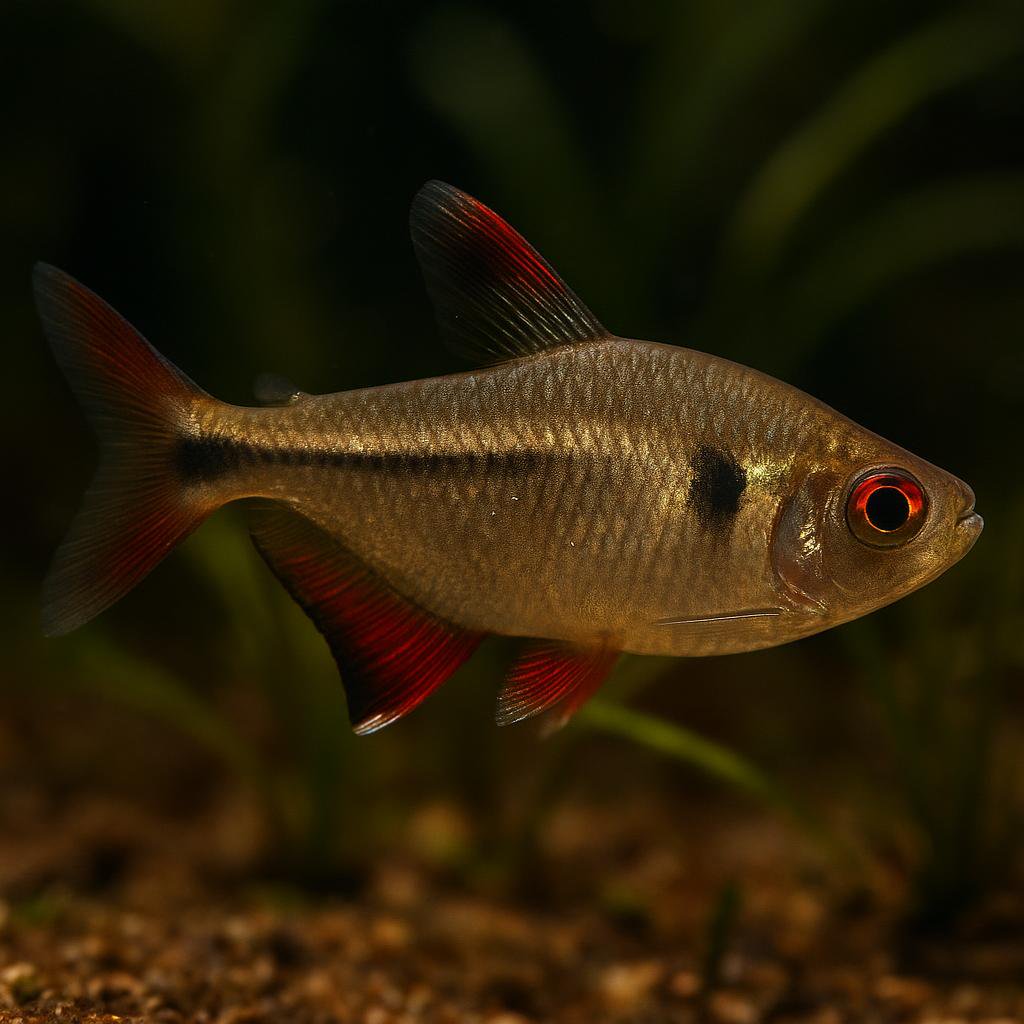
Hyphessobrycon peruvianus
Hyphessobrycon peruvianus is a small Upper Amazon tetra from Peru that really comes alive in a proper group - the shoaling is the whole point with this one. Keep it in soft-ish, slightly acidic water and it will stay active and calm, with that classic Hyphessobrycon vibe of always being in motion without being a jerk.
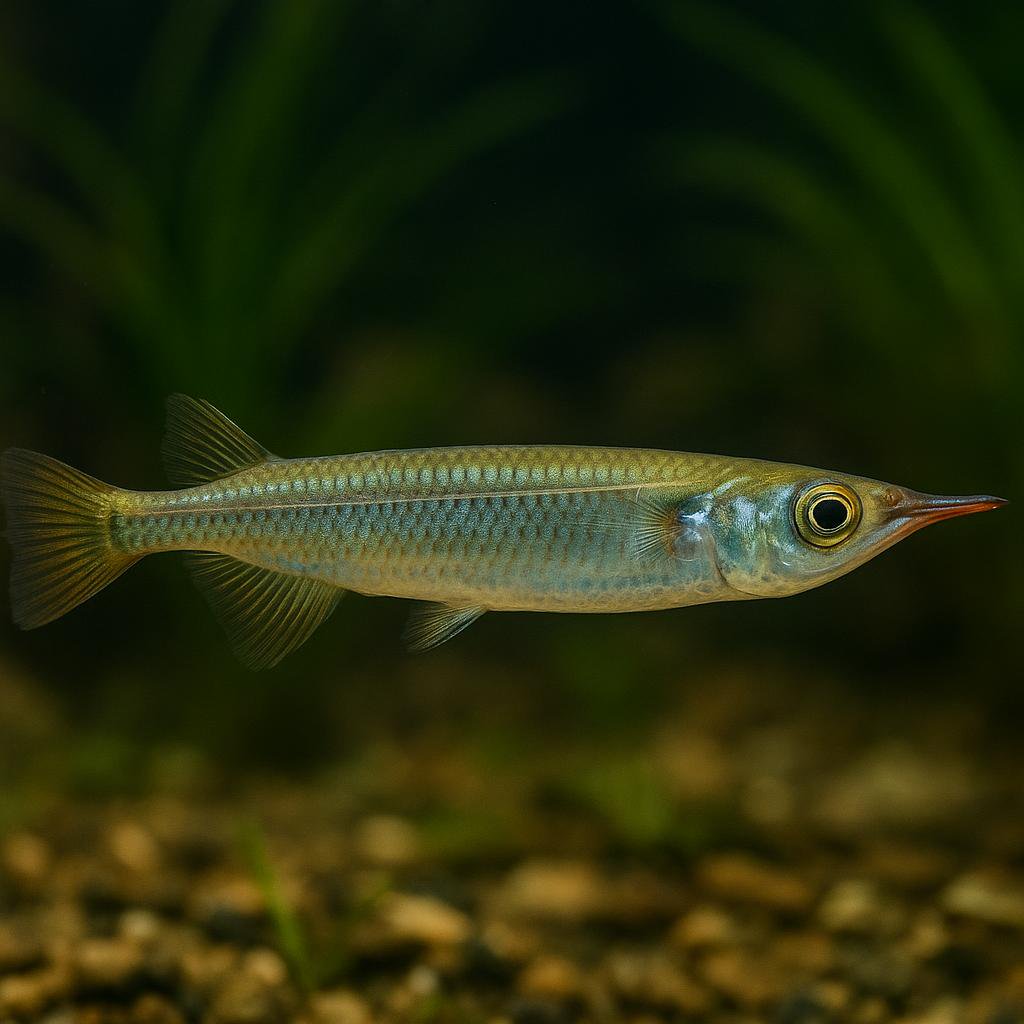
Philippine halfbeak
Zenarchopterus philippinus
This is a tiny little surface-dwelling halfbeak from the Philippines that spends its time cruising the top like a mini garfish. The really cool part is its halfbeak vibe and livebearer-style family traits (Zenarchopteridae), so you get that constant "topwater hunter" behavior in the tank. Give it calm water up top, a tight lid (they jump), and lots of open swimming room.
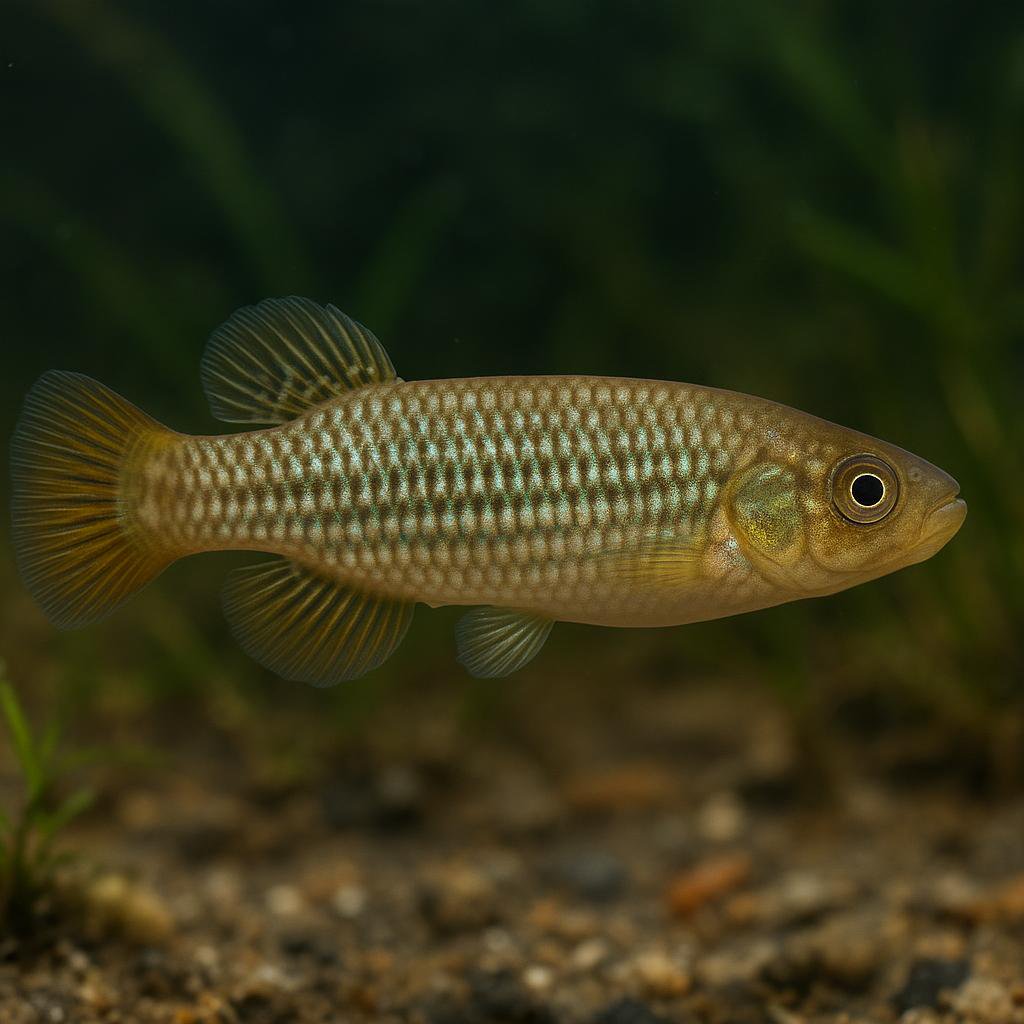
Plains topminnow
Fundulus sciadicus
This is a little North American topminnow that hangs out near the surface and loves weedy edges, spring runs, and calm backwaters. When males are in breeding mode they get some really pretty iridescent fin color, but otherwise they are kind of subtle and "wild" looking in a cool way. Its not a seasonal killifish, so you are not dealing with the whole dry-season egg thing.
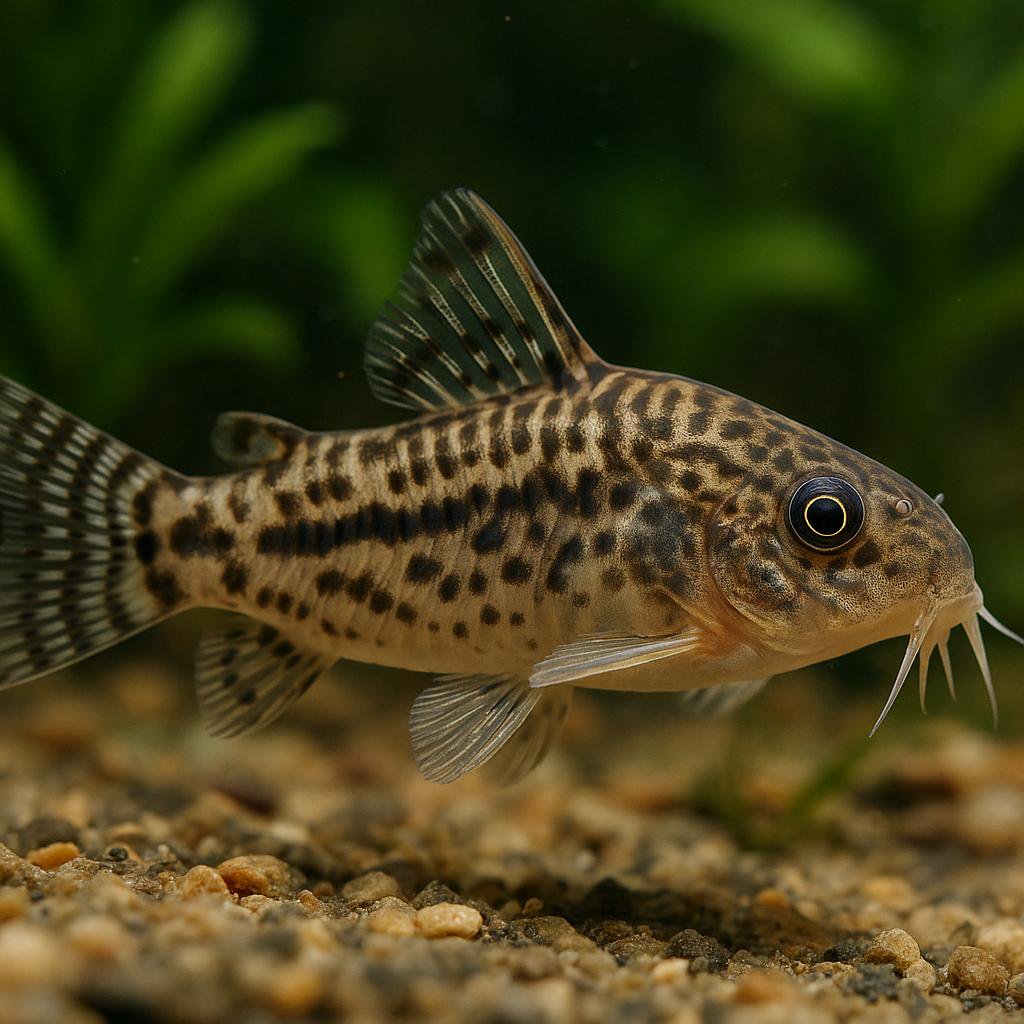
Point catfish
Aspidoras poecilus
Aspidoras microgalaeus is now treated as a junior synonym of Aspidoras poecilus, so care-wise you can think of it as that same tiny Aspidoras species. They are little bottom-scooters that do best in a group, and once they settle in you get that classic cory-style foraging and quick little dashy behavior over sand.