

Search Species
Search for fish species by common or scientific name, or use filters to browse by water type, size, temperament, and difficulty.
Found 541 species
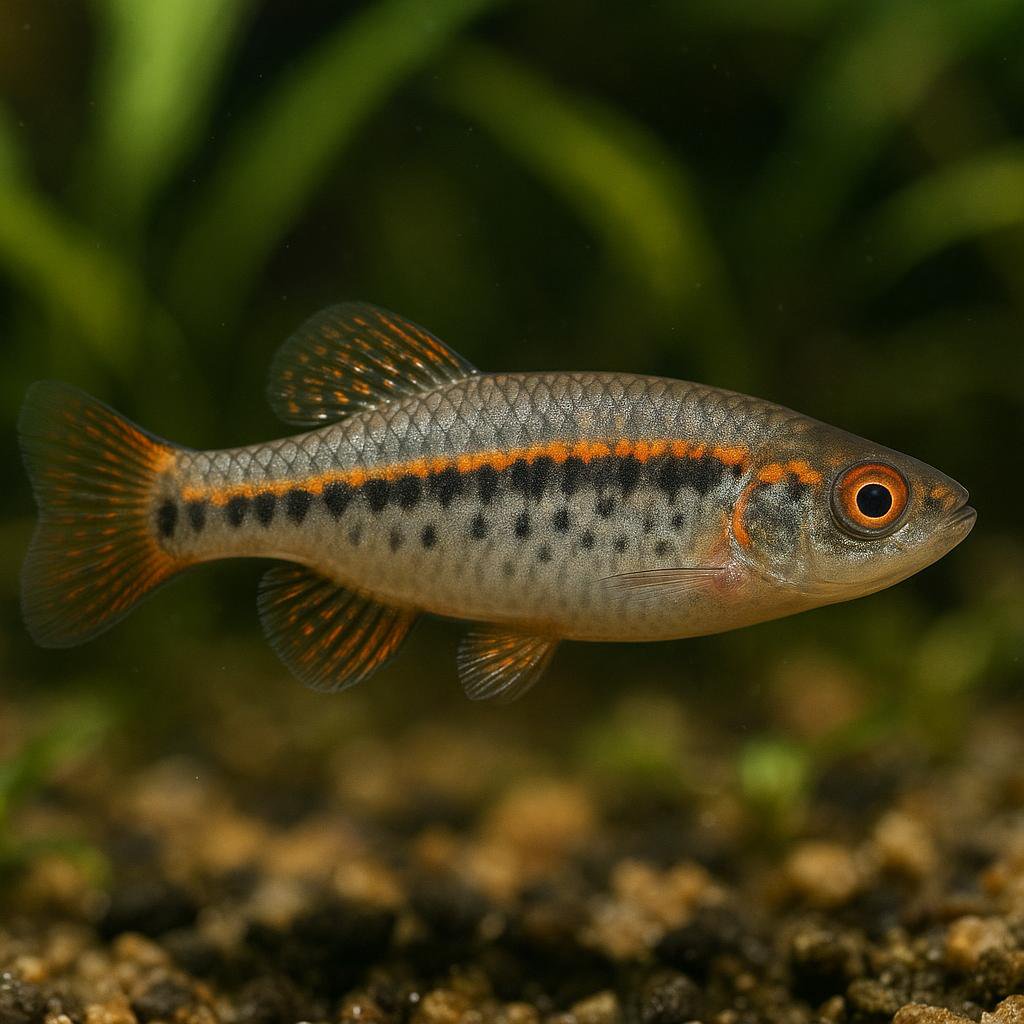
Jacunda
Wallaciia notophthalmus
This is a little dwarf pike cichlid from the Rio Negro area - small body, big attitude, and it loves to claim a cave. Males get those cool long, pointed first dorsal-fin rays, and when they pair up they do real cichlid-style parenting (cave spawning and guarding).
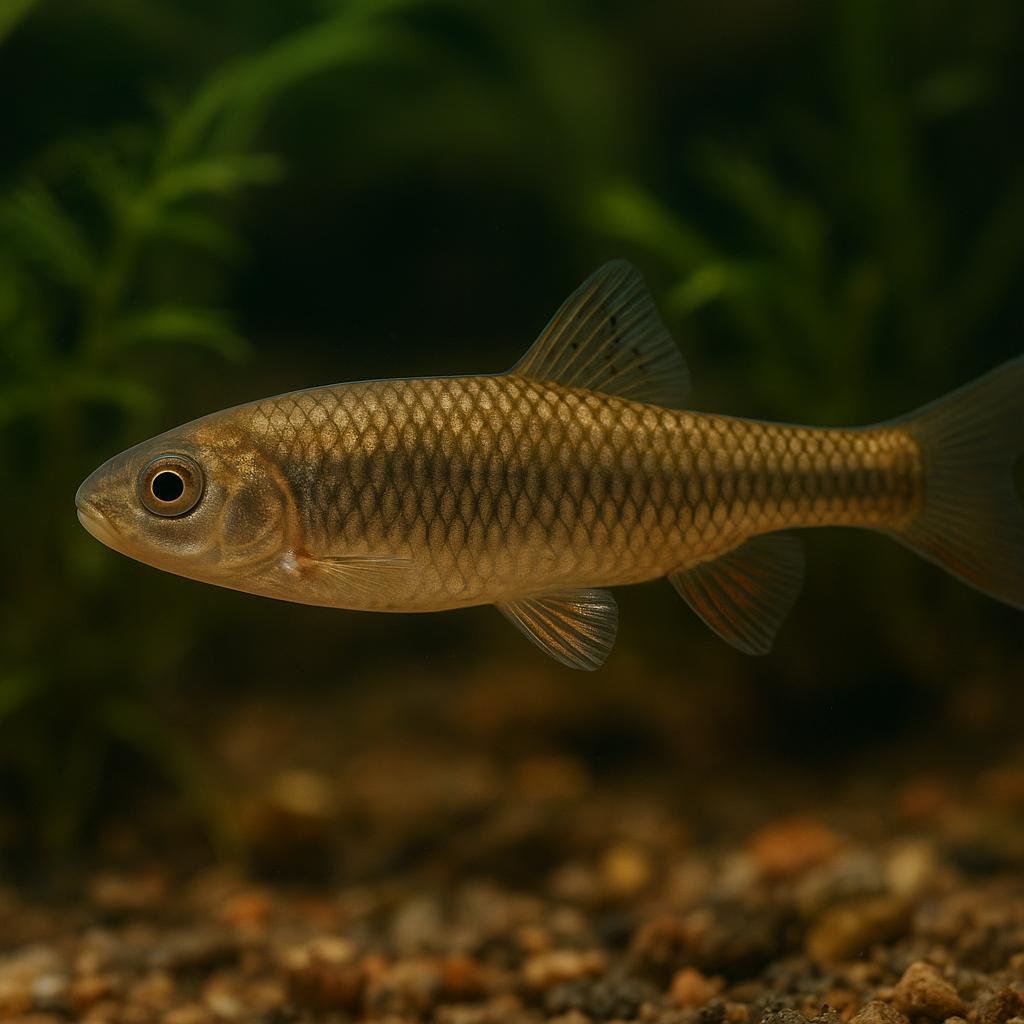
Jadova minnow
Delminichthys jadovensis
This is a tiny karst-stream minnow that lives in just a sliver of Croatia, and it actually ducks into subterranean waters (or hides in mud) when conditions get rough. Its whole life is tied to super clear, slow-flowing streams, so it is more of a conservation fish than something you will realistically see for sale.
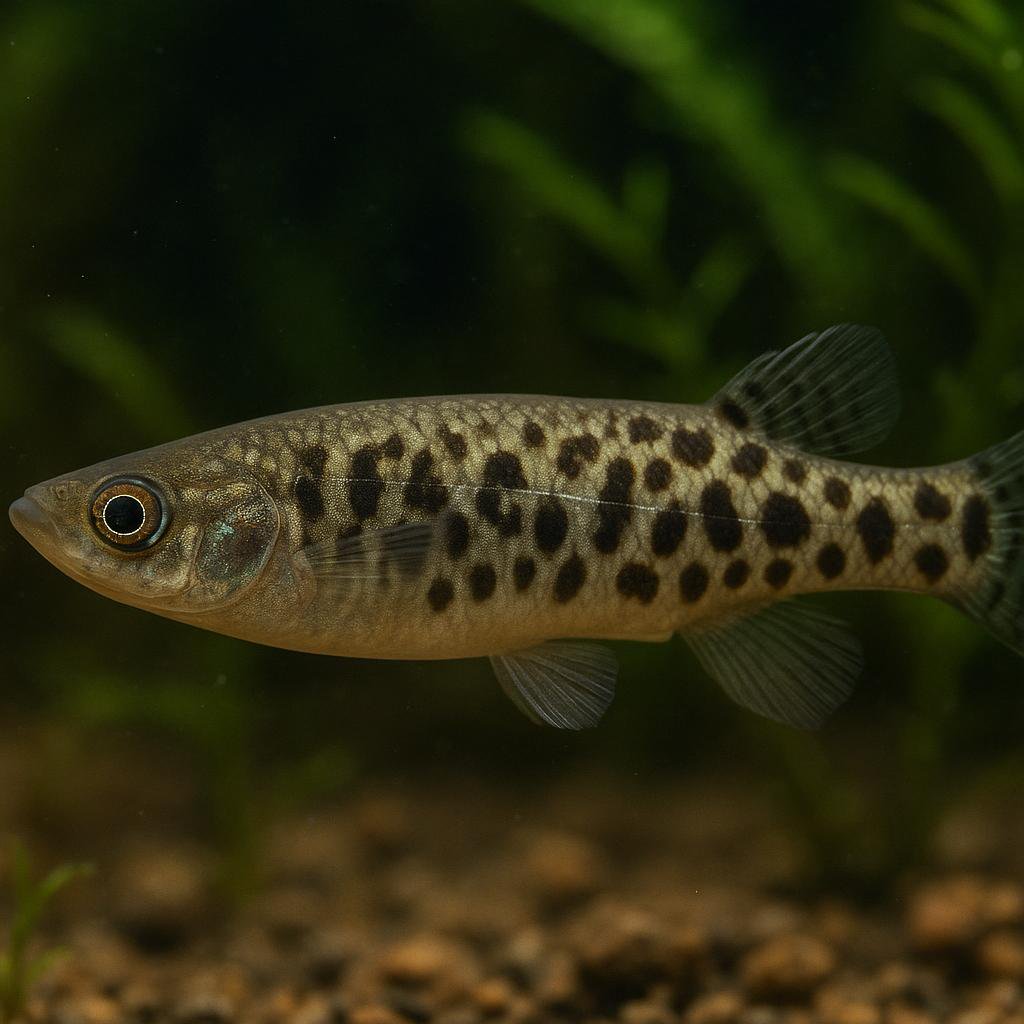
Jaguar livebearer
Jenynsia onca
Jenynsia onca is an unusual anablepid livebearer often called a one-sided livebearer; males have an asymmetrical gonopodium and mating may involve lateralized positioning (though some sources dispute strict left/right-only pairing). In aquaria they are active schooling fish that prefer cooler, well-oxygenated water and are best kept in groups.
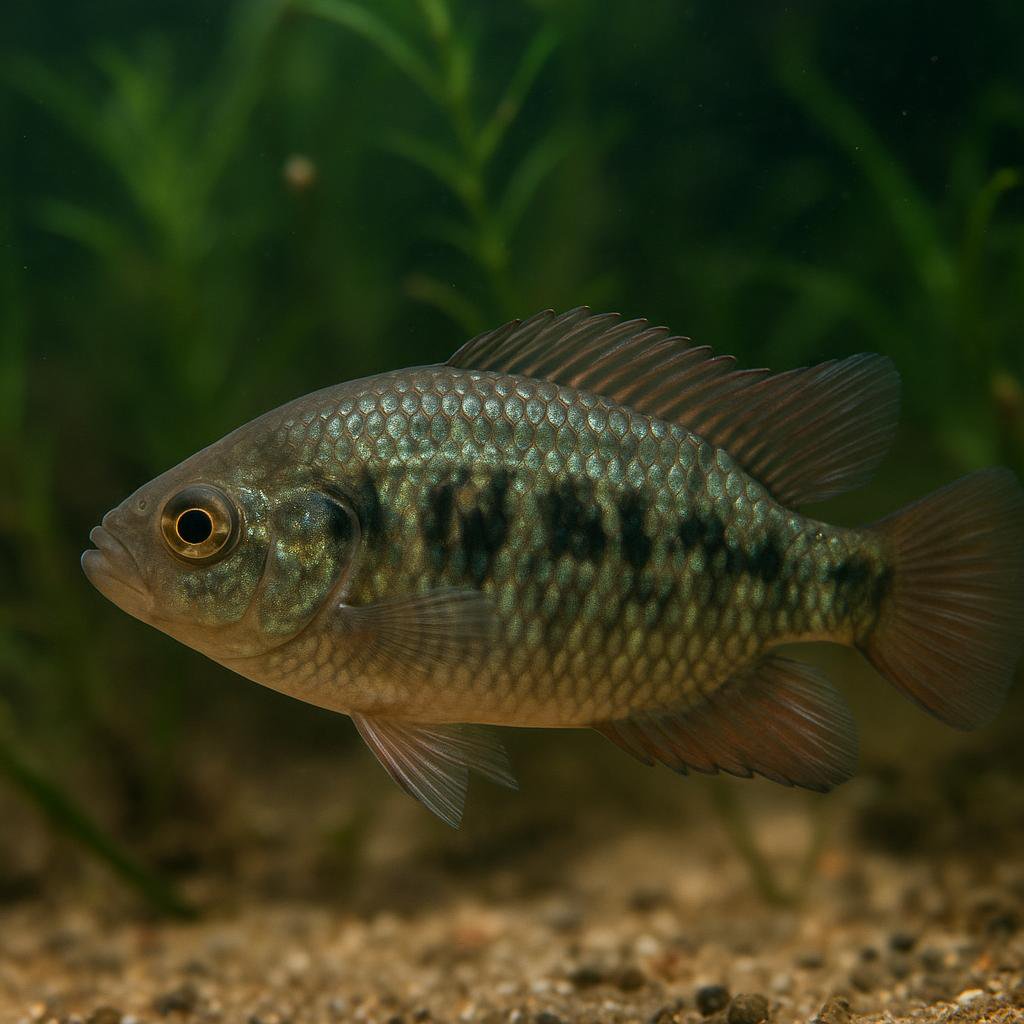
Jalisco chub
Yuriria alta
Yuriria alta is a Mexican freshwater chub endemic to central Mexican basins (including the Lerma–Chapala region) reaching about 18.2 cm SL. The species is listed as Endangered (IUCN), so collection/keeping may be restricted and it is more often of conservation/biotope interest than a mainstream aquarium fish.
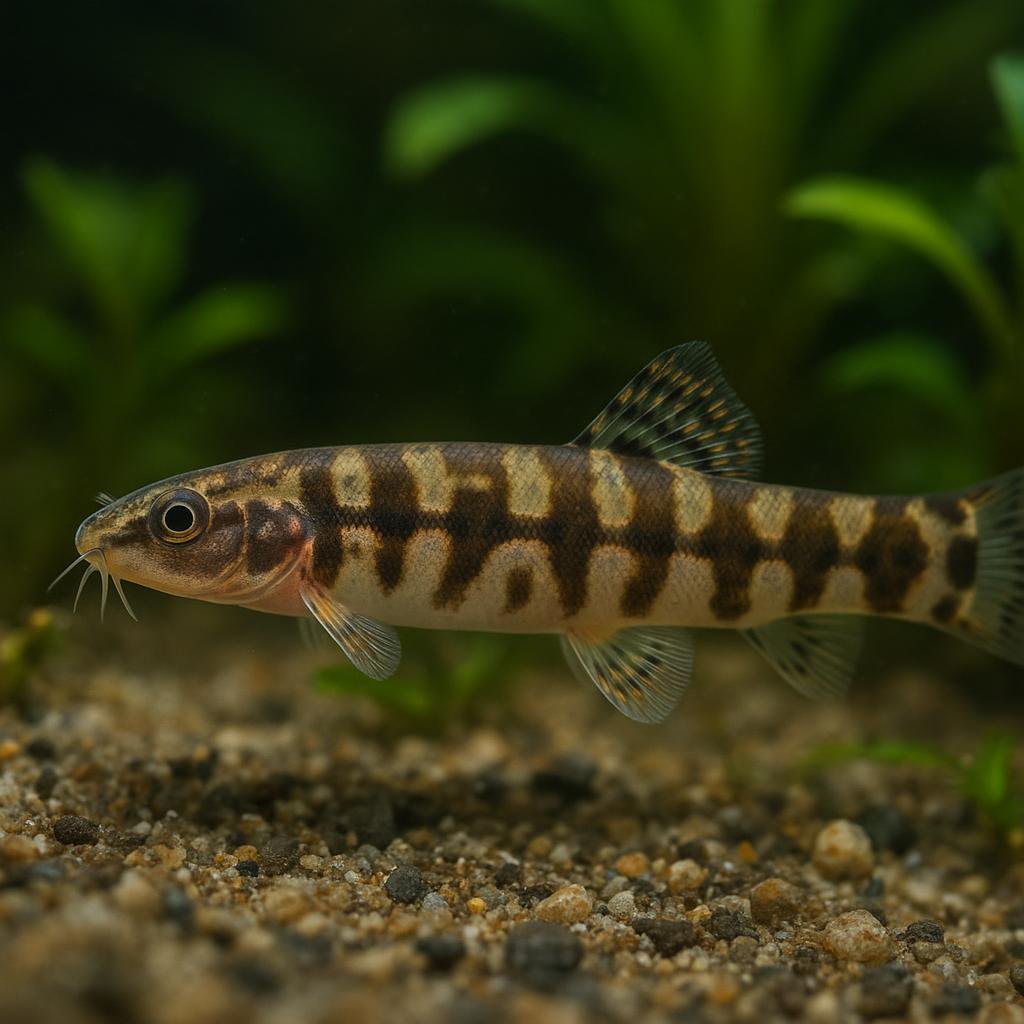
Jingxi Yunnan loach
Yunnanilus jinxiensis
This is a small Chinese stone loach from Guangxi, and its whole vibe is "hang out on the bottom and poke around". It comes from a pretty specific local area (Jingxi County), so you are not likely to see it in the regular aquarium trade. If you do run into one, think cool, clean, well-oxygenated water and lots of hiding spots like you would for other little nemacheilid loaches.
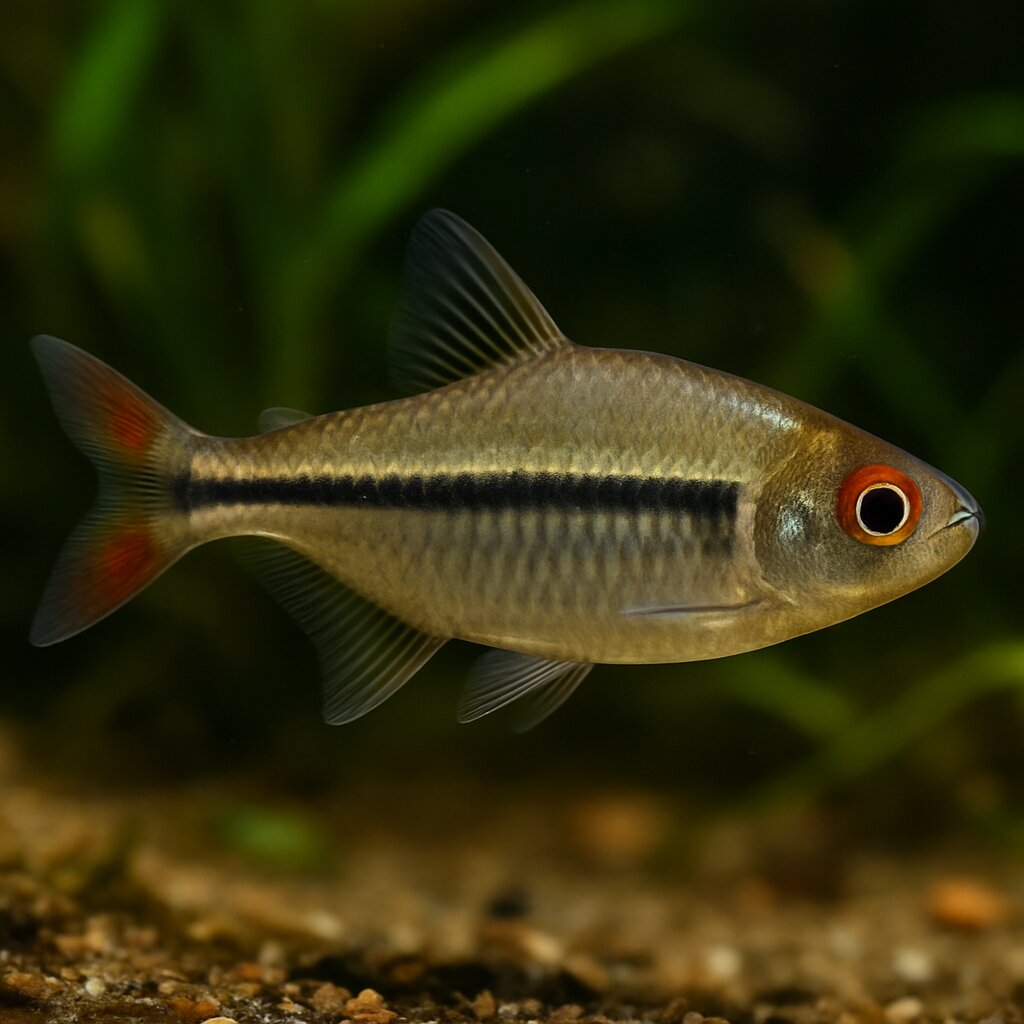
Jupiaba apenima
Jupiaba apenima
A tiny stream-loving tetra out of the upper Tapajos basin in Brazil, Jupiaba apenima is an active little shoaler that loves clean, moving water. It even has a neat forward-pointing pelvic spine, and there are Moenkhausia that mimic its look in the wild. Give it a soft, slightly acidic, well-oxygenated setup and a good-sized group and it will stay busy all day.
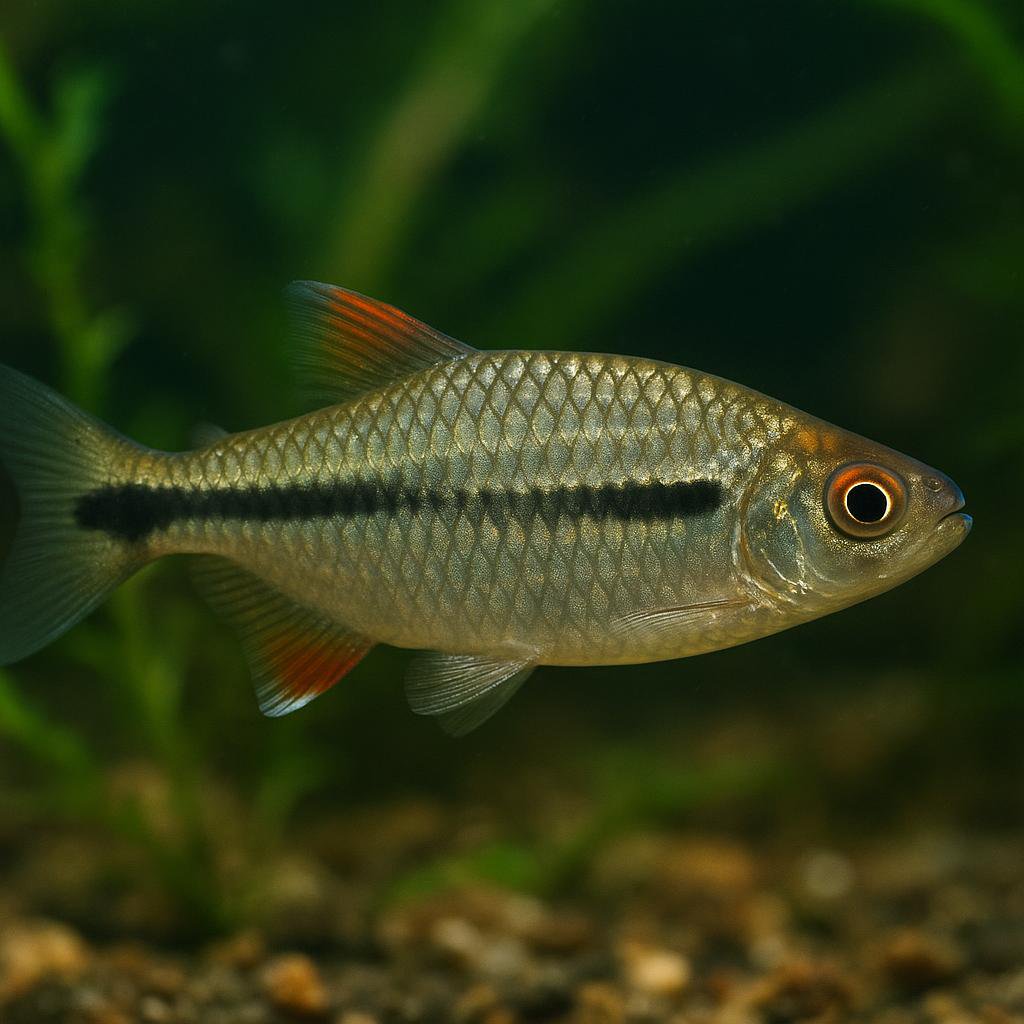
Jupiaba tetra
Jupiaba pinnata
Jupiaba pinnata is a small South American characin from the Guianas that stays around 5.8 cm standard length. Its vibe is very "tetra-like" - quick, active, and happiest when its kept in a proper group with open swimming space and some cover.
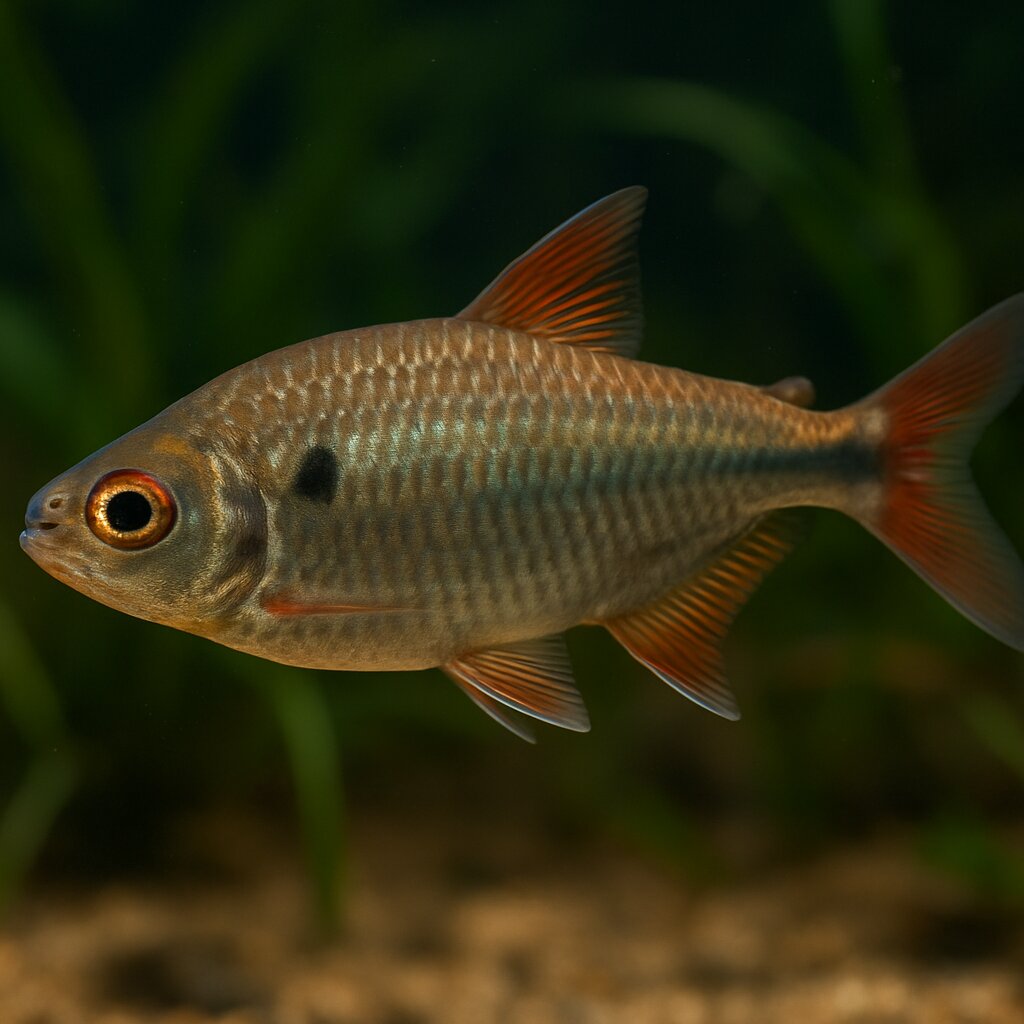
Jupiaba yarina
Jupiaba yarina
A small characin endemic to Brazil’s Tapajós River drainage (type locality: Rio Arinos) that reaches about 7.7 cm SL. It inhabits clearwater streams with low conductivity and slightly acidic pH (about 6.0–6.8); keep in clean, well‑oxygenated water and a group to encourage schooling behavior.
Jurubida ghost knifefish
Apteronotus jurubidae
Apteronotus jurubidae is a little Colombian ghost knifefish that cruises around using a weak electric field to "see" in the dark, and it can back up as easily as it goes forward. It is not something you will typically see in the aquarium trade, but it should behave a lot like other Apteronotus: shy by day, way more active at feeding time, and obsessed with having tight hiding spots.
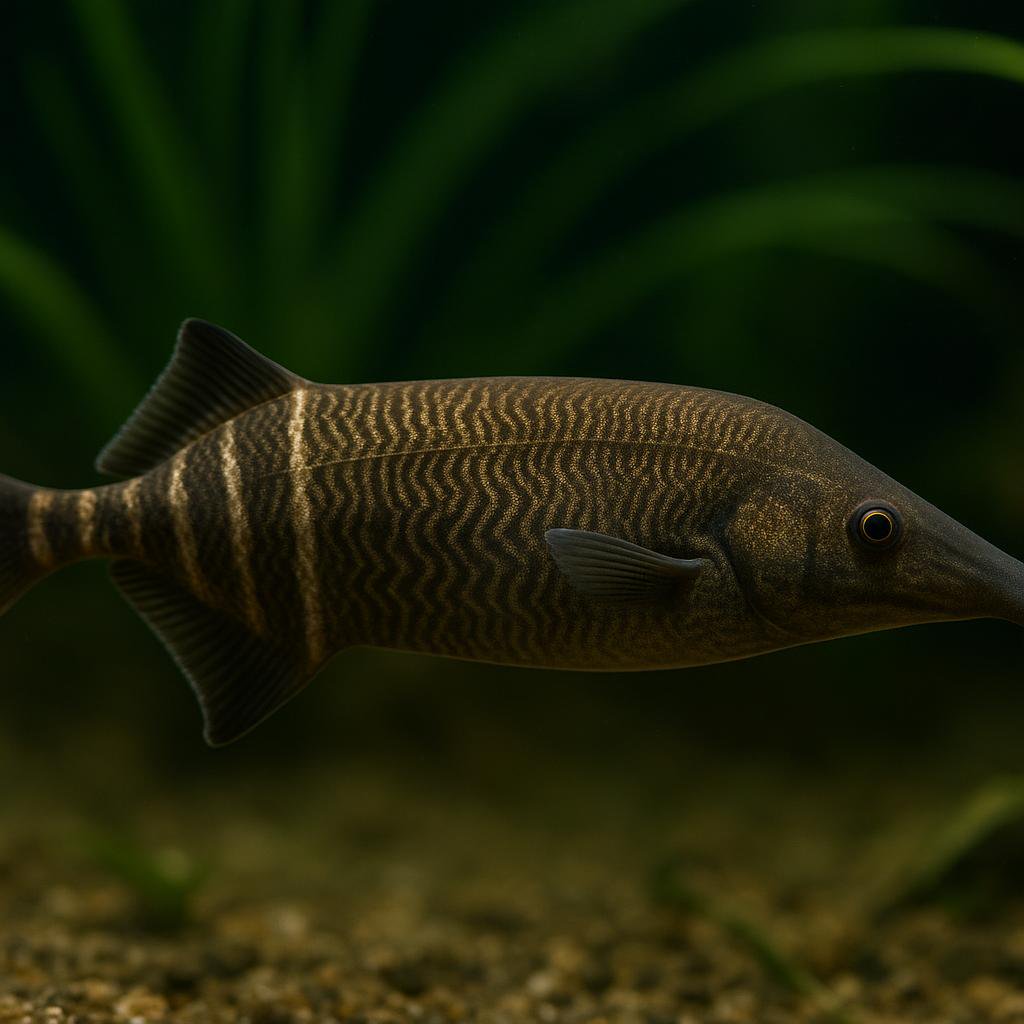
Kabunda elephantfish
Campylomormyrus luapulaensis
This is one of those super-weird, super-cool African elephantfish (a weakly electric mormyrid) from the Luapula River system. It cruises around using electricity to "see" in the dark and probe the bottom with that long snout, so it really shines in a dim, sandy, hiding-spot-heavy tank where it can act natural.
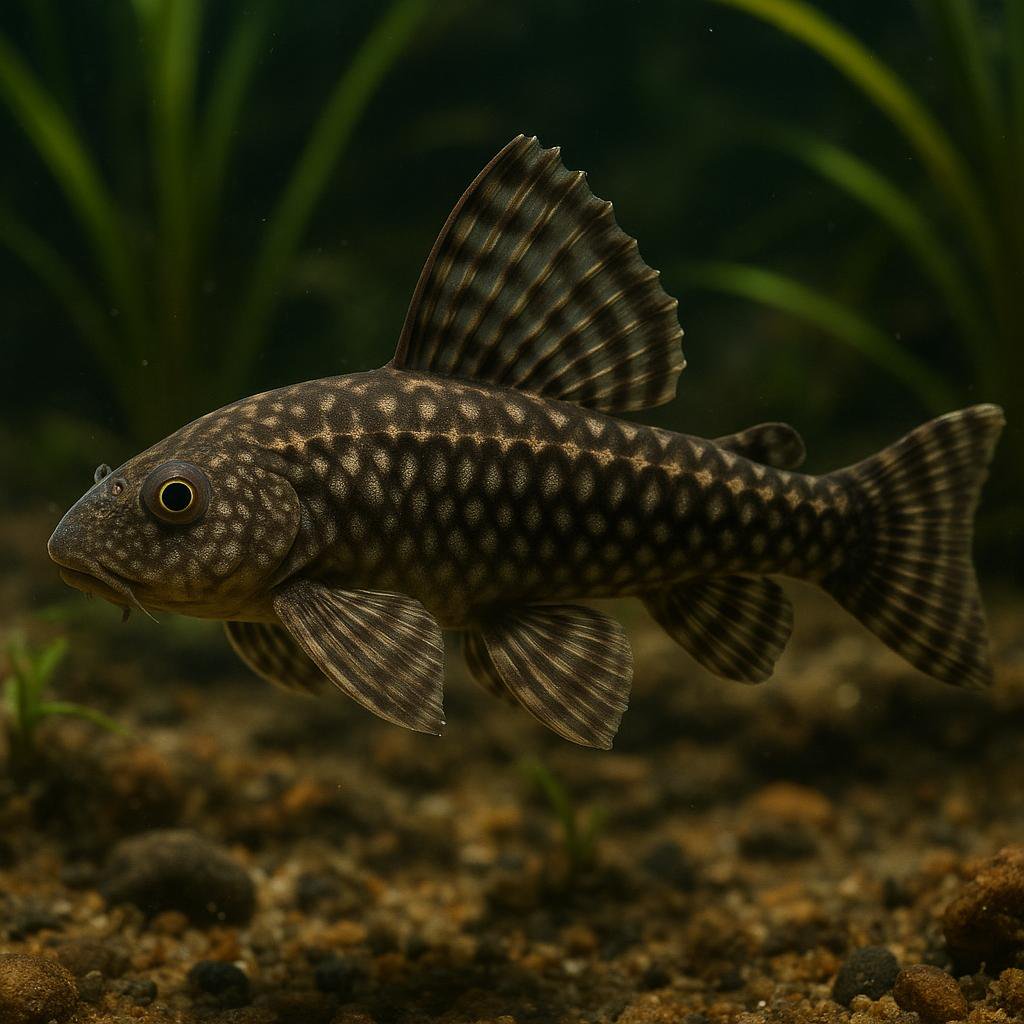
Kaie's shield pleco
Corymbophanes kaiei
Small loricariid catfish from the Upper Potaro (Potaro River drainage above Kaieteur Falls) in Guyana; described as having distinct alternating light/dark bands on the caudal fin and diagnostic armored-pleco morphology.
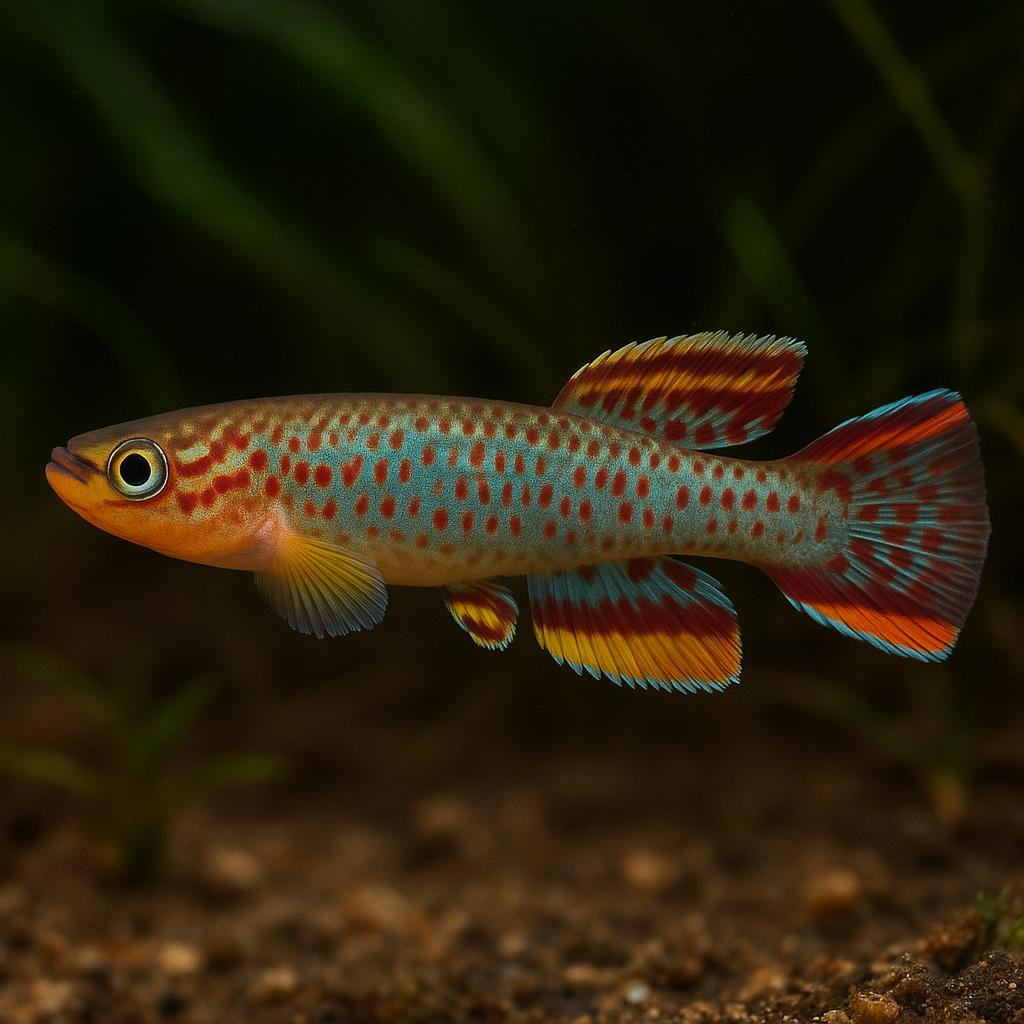
Kamdem's killifish
Fundulopanchax kamdemi
This is a rainforest Fundulopanchax from western Cameroon, found in shallow swampy pools and tiny forest creeks. Males get a really striking red band along the belly area and are classic "surface killi" escape artists, so a tight lid is non-negotiable. It's not a hard fish once settled, but it appreciates very soft, acidic-leaning water and some cover so the female can get breaks from a pushy male.