

Sanaga elephantnose (elephantfish)
Campylomormyrus phantasticus
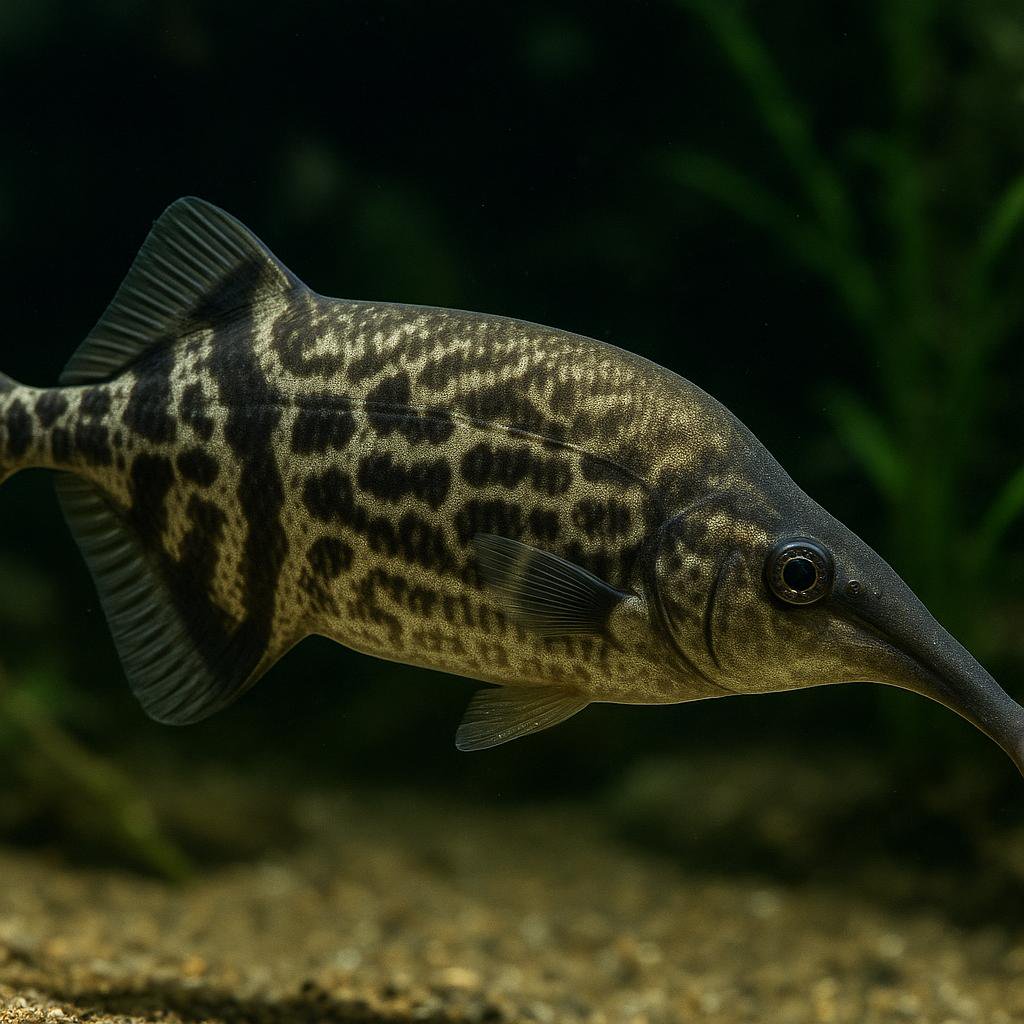
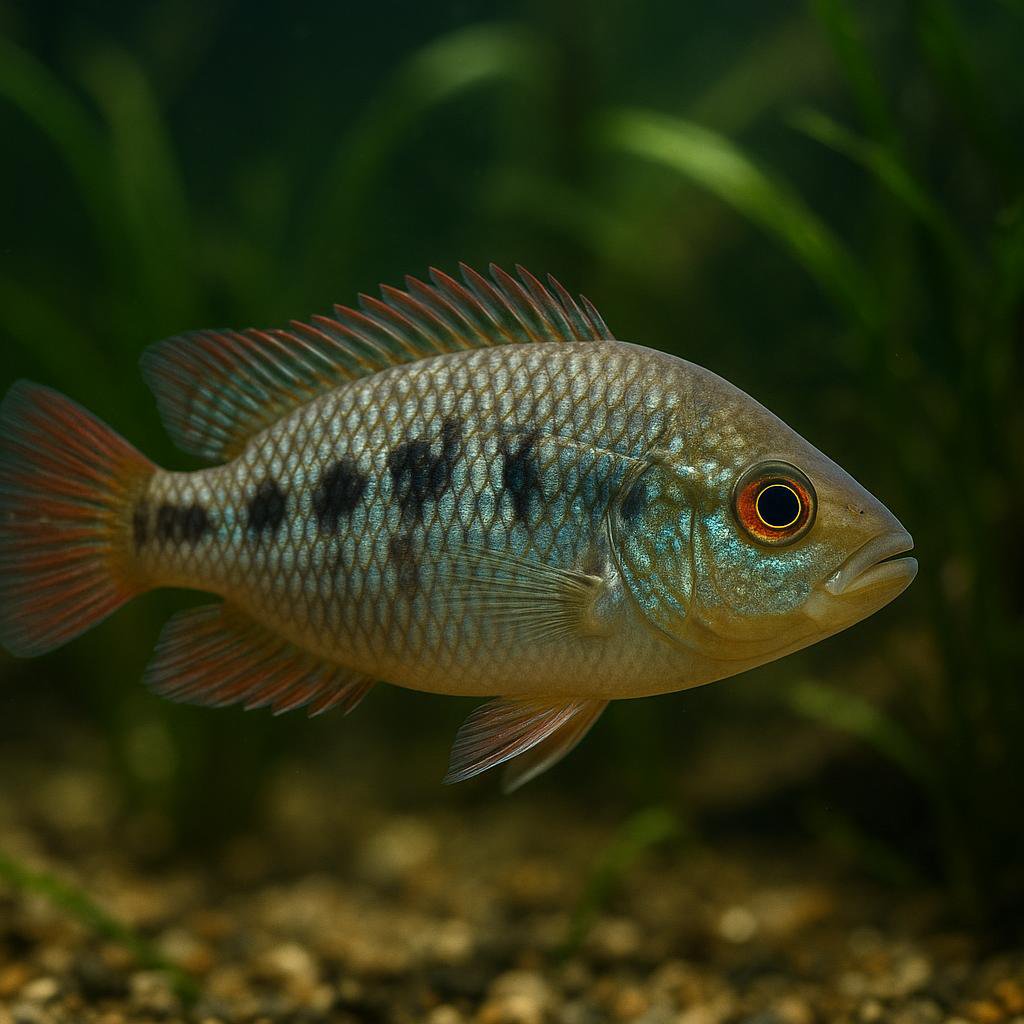
The Sanaga elephantnose features a long, trunk-like snout and a mottled gray body adorned with distinct dark spots for camouflage.
This page includes AI-generated images. Why am I seeing AI images?
About the Sanaga elephantnose (elephantfish)
This is a big, oddball elephantnose from Cameroon's Sanaga River, and it lives in that dim, sandy-bottom world where it uses a weak electric field to "see" and hunt. The long downturned snout is not just for looks - it is basically a living metal detector for worms and tiny critters in the substrate. Plan around its size and nighttime feeding habits, and it becomes one of those fish you can watch for hours.
Also known as
Quick Facts
Size
37 cm
Temperament
Semi-aggressive
Difficulty
Expert
Min Tank Size
180 gallons
Lifespan
8-15 years
Origin
Central Africa (Cameroon - Sanaga River basin)
Diet
Micropredator/invertivore - worms, insect larvae, small crustaceans; best on frozen/live foods (bloodworms, blackworms, tubifex, mysis) and meaty sinking foods
Water Parameters
23-28°C
5.5-7.2
1-10 dGH
Need a heater for this species?
This species needs 23-28°C in a 180 gallon tank. Use our heater calculator to find the right wattage.
Calculate heater sizeCare Notes
- Give them a long tank with a big sand area - they like to cruise and probe the bottom, and sharp gravel will wreck that snout fast.
- Run low light with lots of cover (roots, PVC caves, leaf litter) and keep the flow moderate; they get jumpy in bright tanks and will launch if spooked, so use a tight lid.
- They hate swings more than they hate a specific number: keep temps around 25-28 C (77-82 F), pH roughly 6.0-7.2, soft to medium hardness, and don not let nitrate creep up - fresh, clean water makes them way less moody.
- Feed after lights-out and target feed with tongs or a turkey baster; they are slow and get outcompeted, and mine did best on live/frozen blackworms, bloodworms, tubifex, chopped earthworms, and small shrimp bits.
- Skip tiny tankmates and fin-nippers - anything that can fit in their mouth can disappear, and fast, aggressive feeders will starve them without you noticing.
- Best companions are calm, non-competitive fish that do not live on the bottom (think larger tetras, peaceful barbs, Congo-type fish, mellow cichlids); avoid other mormyrids unless the tank is huge and you have multiple hides because they can get electrical-territorial.
- Watch for mysterious weight loss even when you feed - that is usually food competition, parasites, or the fish refusing dry food; also be careful with meds and copper since scaleless fish can react badly.
Compatibility
Good Tankmates
- Medium-to-large, calm African cichlids like Congo-leaning haps or gentle peacocks (think fish that mind their own business and are not fin-nippers). They can handle the elephantnose's night shifts and occasional attitude.
- Congo tetras (big schools). They stay midwater, are fast enough to avoid drama, and they do not pick at the elephantnose. Plus they look great together in that dim, tannin-ish setup.
- African butterflyfish (Pantodon) up top. They mostly hang at the surface and ignore the elephantnose completely, so there is not much overlap or competition.
- Synodontis catfish (like S. eupterus or S. nigrita) as sturdy bottom buddies. They are armored, active after lights-out, and usually do fine as long as you feed enough so nobody fights over food.
- Bushfish/leopard ctenopoma (Ctenopoma acutirostre). Slow-ish but tough and not flashy-finned, and they tend to do the 'ignore everyone' thing which works well with elephantnose.
- Smaller group of larger barbs like tinfoil barbs in a big tank. They are quick, boisterous midwater fish that do not let the elephantnose push them around, and they rarely bother it if well fed.
Avoid
- Other elephantnose/weakly electric fish, especially same species. They can get really territorial and stressed from electric 'noise' and constant jousting. Unless you have a big footprint tank with lots of cover, it usually turns into a grudge match.
- Nippy fin-biters like tiger barbs (in small groups) or serpae tetras. They will harass it when it cruises at dusk and the elephantnose will eventually snap back. Bad vibe all around.
- Super aggressive cichlids like many mbuna or anything that claims the whole bottom as 'their' territory. Elephantnose wants the bottom and caves too, so it turns into constant chasing and stress.
- Tiny shrimp, tiny tetras, or small bottom fish that cannot compete for food. Elephantnose is a slow, picky feeder and hunts by smell/electric sense, so the little guys either become snacks or the elephantnose gets outcompeted and wastes away.
Where they come from
Sanaga elephantnose (Campylomormyrus phantasticus) comes from the Sanaga River system in Cameroon. Think warm, tannin-stained water, lots of leaf litter, roots, and quiet margins where they can poke around after dark.
They are part of the mormyrids (elephantfish) - the electric fish that use a weak electric field to navigate and hunt. That little "trunk" is more like a sensitive probe for finding food in the substrate.
Setting up their tank
This is one of those fish where the tank setup makes or breaks the experience. If you give them a calm, dim, soft-bottomed home, they act like a completely different animal than in a bright, bare tank.
- Tank size: I would not do less than 55 gallons for a single adult, and bigger is better if you want tankmates. They use more floor space than you expect.
- Layout: open sand areas to forage, plus tight cover like root tangles, driftwood caves, and clumps of plants (real or fake).
- Substrate: fine sand is the move. Gravel can scrape their snout and makes feeding harder.
- Light: keep it subdued. Floating plants, tannins, and a shaded scape go a long way.
- Flow: moderate at most. They like calm zones where food can settle.
Skip "hospital-style" bare bottoms with these guys unless its an emergency. They get stressed, stop feeding, and you will think you bought a dud. Give them sand and cover from day one.
Water-wise, aim for warm and clean. I keep mine around 78-82F. Soft to moderate hardness has been easiest, and they tend to settle faster in slightly acidic water with some tannins. What they really react to is unstable water, so keep your maintenance steady and your filter mature.
- Use a mature biofilter before the fish arrives. They do not handle cycling stress well.
- Keep nitrate low with regular water changes. I do smaller, more frequent changes rather than big swings.
- Cover the tank. They can spook and jump, especially during lights-on moments.
If you run a heater with a guard, do it. A startled mormyrid can wedge itself into dumb places, and direct contact burns are real.
What to feed them
They are picky in a very specific way: they want real, meaty, sink-to-the-bottom foods, and they want it on their schedule. Mine basically acted like the tank was empty in the daytime, then turned into a vacuum cleaner after lights out.
- Best staples: live or frozen blackworms, bloodworms, tubifex (from a trusted source), chopped earthworms, and frozen brine shrimp as a treat.
- Good options: sinking carnivore pellets, but only after they are settled and you have them feeding confidently on frozen/live.
- Feeding time: dim the lights and feed after dusk. Target feeding with a turkey baster or long pipette helps a lot.
I like to feed in the same corner every time. They learn the routine, and it keeps food from getting scattered everywhere and rotting under wood.
Watch the belly and the behavior, not just whether you see it eat. A settled elephantnose will cruise slowly, probe the sand, and take food with confidence. A stressed one hides constantly and does those quick dart-and-freeze moves.
How they behave and who they get along with
They are peaceful in the "not looking for a fight" sense, but they are not community fish in the usual way. They are easily outcompeted, and they do not like chaos.
- Good tankmates: calm, non-nippy fish that do not swarm food. Think mellow midwater fish and peaceful bottom dwellers that will not harass them.
- Avoid: fin nippers, hyperactive schoolers that rush food, aggressive cichlids, and anything that will pick at their snout.
- Also avoid: other mormyrids unless you really know what you are doing and have lots of space and hiding spots. They can get electric-stressy with each other and bicker.
Do not pair them with fish that need heavy feeding or create constant motion at the bottom (like big, busy loaches). Your elephantnose will lose the food race and slowly waste away.
They are mostly nocturnal, and that is normal. You will get more "daytime" activity if the tank is dim and you keep traffic low around the aquarium. Once they trust you, they will come out for the feeding baster like clockwork.
Breeding tips
Breeding Campylomormyrus phantasticus in the home aquarium is rare. Most of what you see available is wild-caught, and the species does not hand you obvious male/female differences like some fish do.
If you want to take a swing at it, think seasonal river cues: heavier feeding for conditioning, then a period of cooler or slightly drier routine, followed by larger, more frequent water changes with slightly cooler water to mimic rain. Lots of cover helps, and you would likely need a group and a big tank to even have a shot.
If you ever see chasing that looks more like coordinated circling than bullying, pay attention. That is the kind of behavior people report around spawning attempts in some mormyrids.
Common problems to watch for
- Not eating after purchase: super common. Dim the tank, add more cover, feed after dark, and start with live/frozen worms. Do not keep blasting them with bright light and daytime feeding.
- Starvation by competition: they can look "fine" for weeks while slowly losing weight. If tankmates rush food, you need to target feed or rethink the stocking.
- Snout damage: rough substrate, sharp decor, or aggressive tankmates can mess up their sensitive snout. Use sand and smooth hardscape edges.
- Hidden water quality issues: they react badly to ammonia/nitrite and do not love big parameter swings. A mature filter and steady water change routine makes life easier.
- Skin parasites and import stress: wild fish can come in with hitchhikers. Quarantine if you can, but keep quarantine calm and covered with a soft bottom or at least a sand tray.
Be careful with medications and salts. Mormyrids can be touchy, and salt-based "treat everything" approaches can backfire. If you have to medicate, research the exact drug and dose for weakly electric fish and go slow.
The biggest giveaway that something is off is behavior. If your elephantnose is suddenly out in full light, breathing hard, or wedged behind the filter intake, assume stress and check water and tankmate issues first. With this species, fixing the environment usually fixes the fish.
Similar Species
Other freshwater semi-aggressive species you might be interested in.
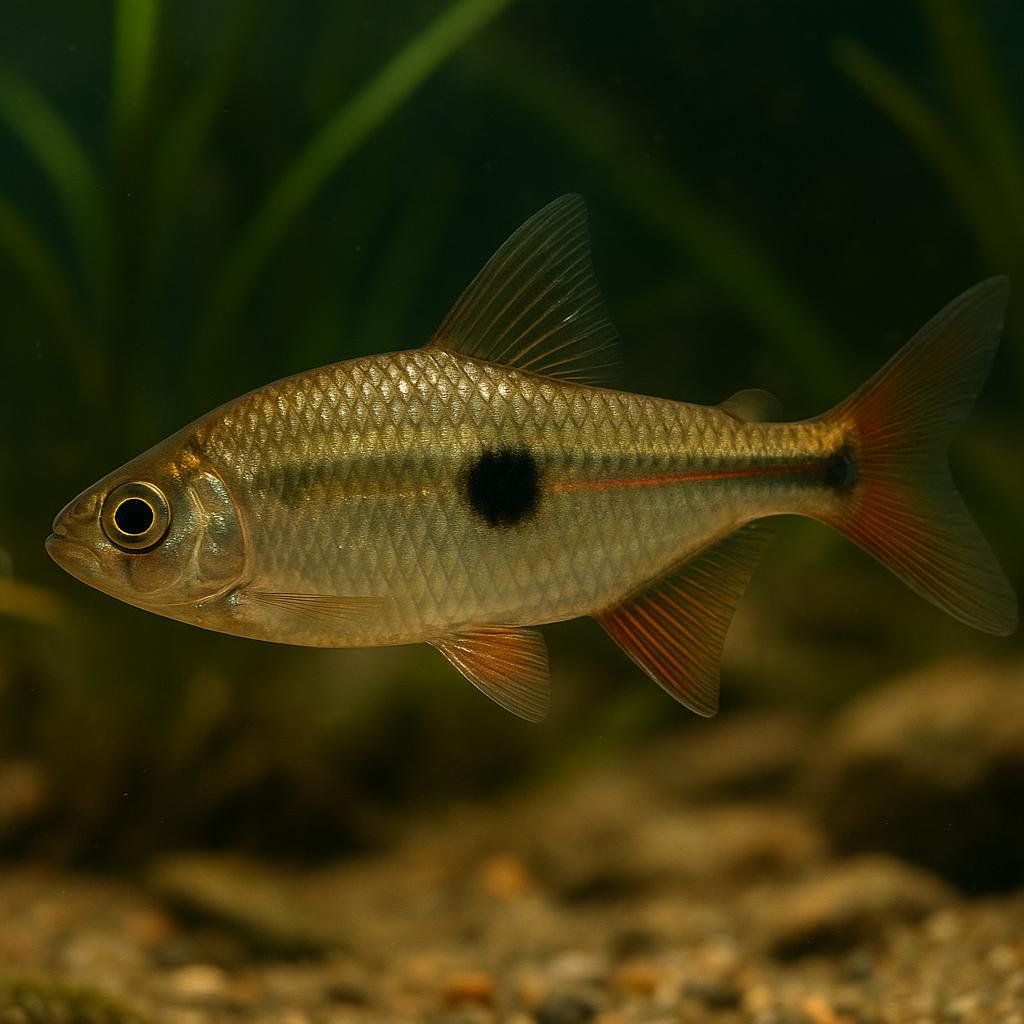
Jupiaba kurua
Small South American characin endemic to the upper rio Curuá (rio Xingu basin, Brazil). Reaches about 8.7 cm SL and inhabits clearwater rivers. Distinguished by dark dots on the bases of many lateral scales and a distinct dark caudal‑peduncle spot. Reported diet indicates omnivory, including aquatic insects, small fishes, and fragments of Podostemaceae and filamentous algae.
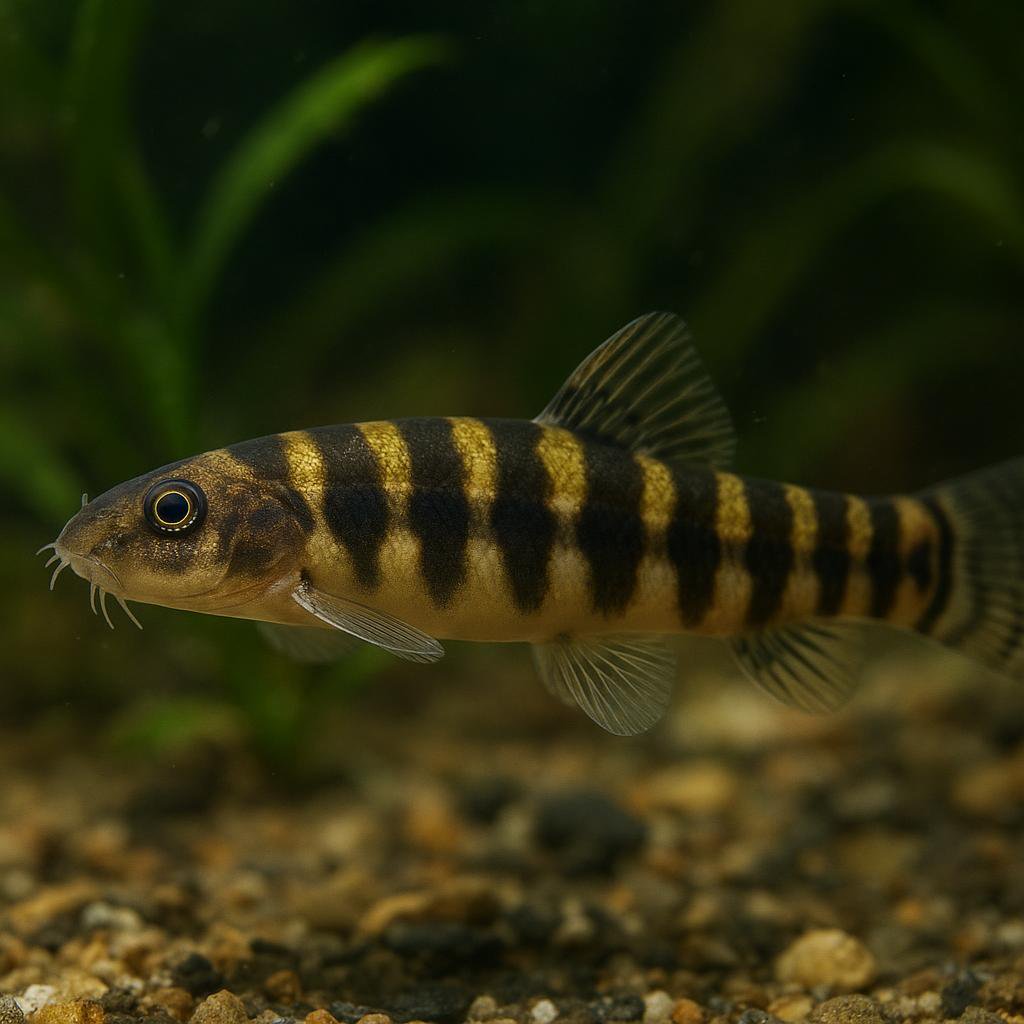
Altipedunculata stone loach
Schistura altipedunculata
Schistura altipedunculata is one of those little stream loaches that wants clean, well-oxygenated water and a bunch of rock nooks to claim as home. It is a bottom-hugger that will spend its day scooting from crevice to crevice, and it tends to get a bit spicy with its own kind if you do not give it enough hiding spots.
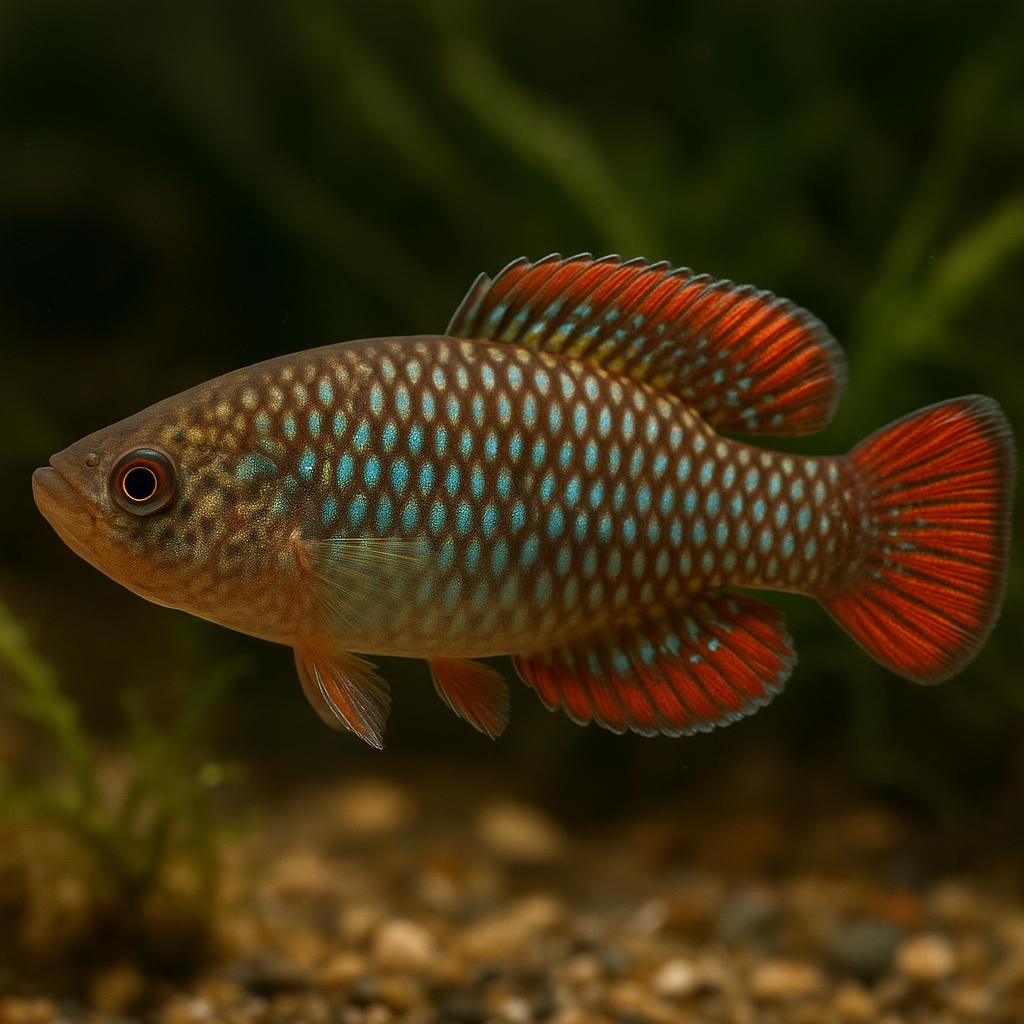
American flagfish
Jordanella floridae
Jordanella floridae is that little Florida native with the red-and-cream striping that really does look like a tiny flag once a male colors up. They graze algae like champs (especially stringy/hair algae), but they have a bit of attitude - give them plants and space so the bossy behavior stays manageable. Bonus: the male guards the eggs and will actively fan them, which is pretty fun to watch.
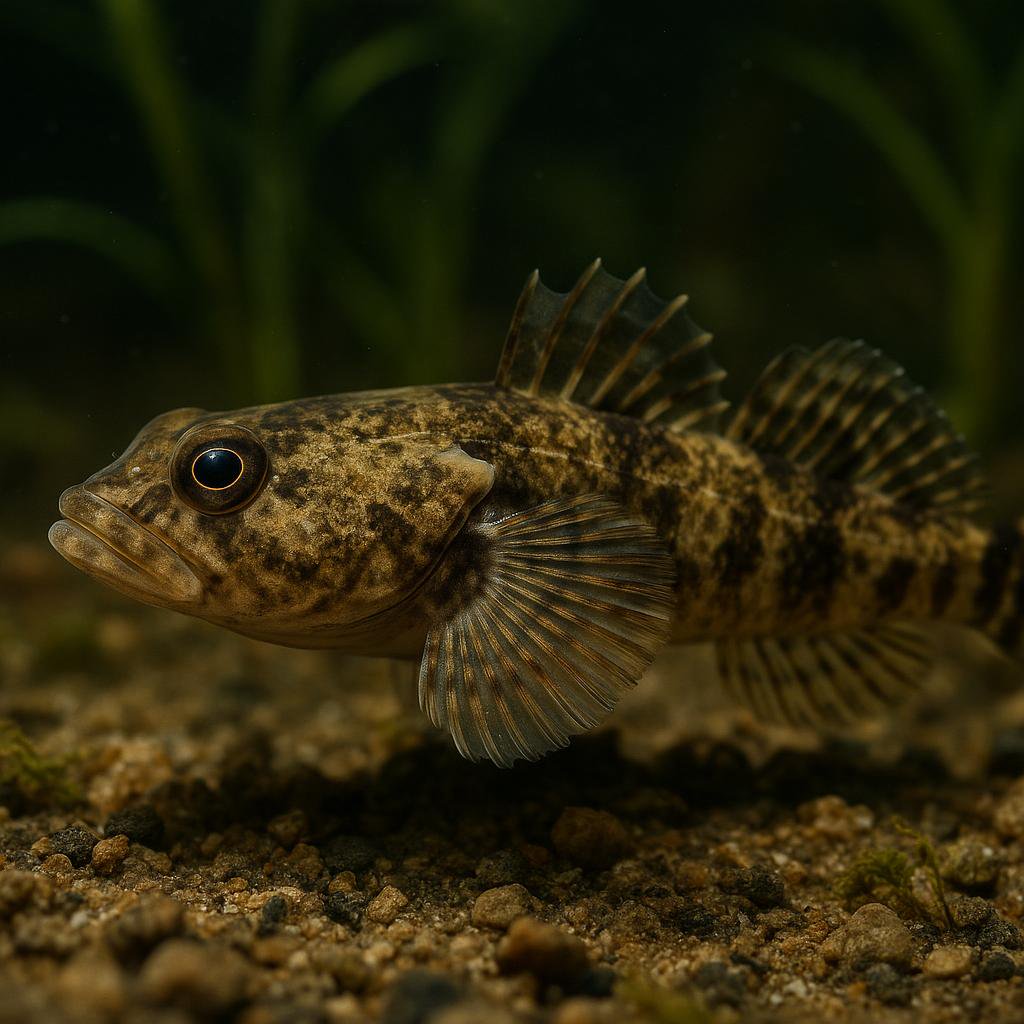
Amur sculpin
Alpinocottus szanaga
This is a little coldwater sculpin from the Amur drainage - a bottom-hugging, rock-and-gravel fish that spends its day wedged under stones and darting out to grab food. Super cool behavior and attitude, but it is absolutely not a warm tropical community fish - it wants chilly, fast, oxygen-rich water and will bicker with other bottom fish.
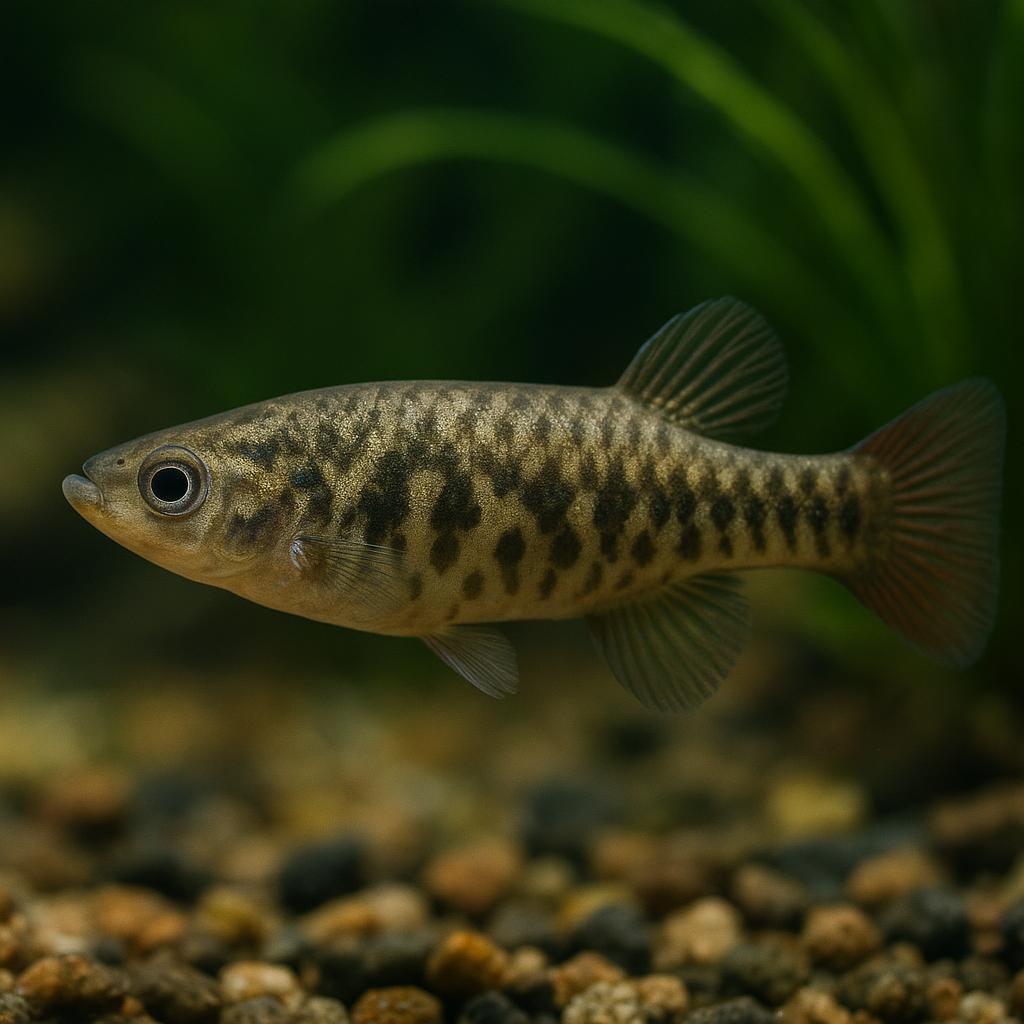
Anitápolis livebearer
Jenynsia weitzmani
Jenynsia weitzmani is a freshwater anablepid livebearer endemic to southern Brazil (currently known only from the type locality near Anitápolis, Santa Catarina). Like other Jenynsia (onesided livebearers), reproduction involves lateralized mating morphology/behavior; aquarium care guidance is not well-documented for this species specifically.
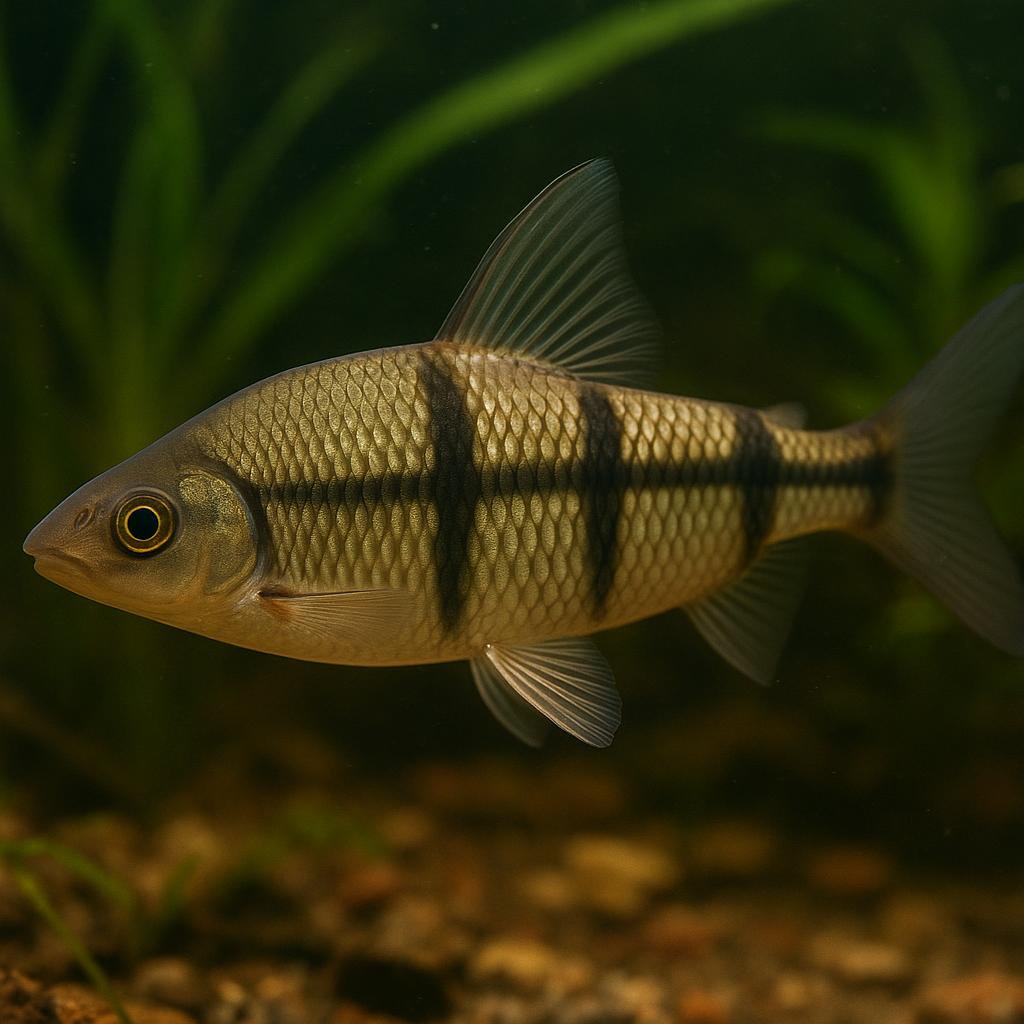
Aracu-comum
Schizodon vittatus
Schizodon vittatus is a large South American anostomid (family Anostomidae). Reported maximum size is about 35 cm standard length; it is harvested/consumed in parts of Brazil and is not commonly covered by mainstream aquarium husbandry references.
More to Explore
Discover more freshwater species.
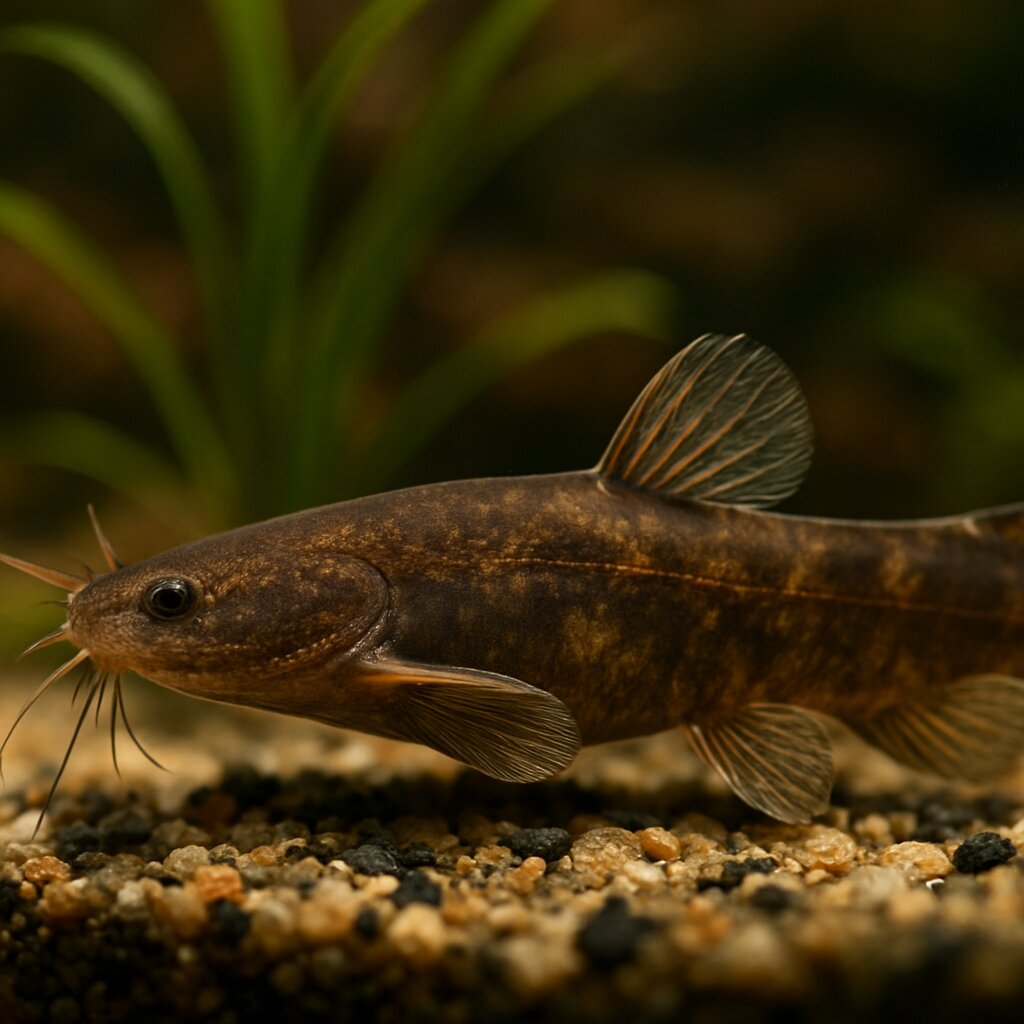
Amphilius dimonikensis
A small loach catfish endemic to the Mpoulou River in the Mayombe (Dimonika Biosphere Reserve), Republic of the Congo. Amphilius dimonikensis has a subtle banded pattern and inhabits fast, clear streams over rock and sand. In aquaria, prioritize strong, well-oxygenated flow with rounded stones and sand to mimic hillstream conditions.
Aboina barb
Enteromius aboinensis
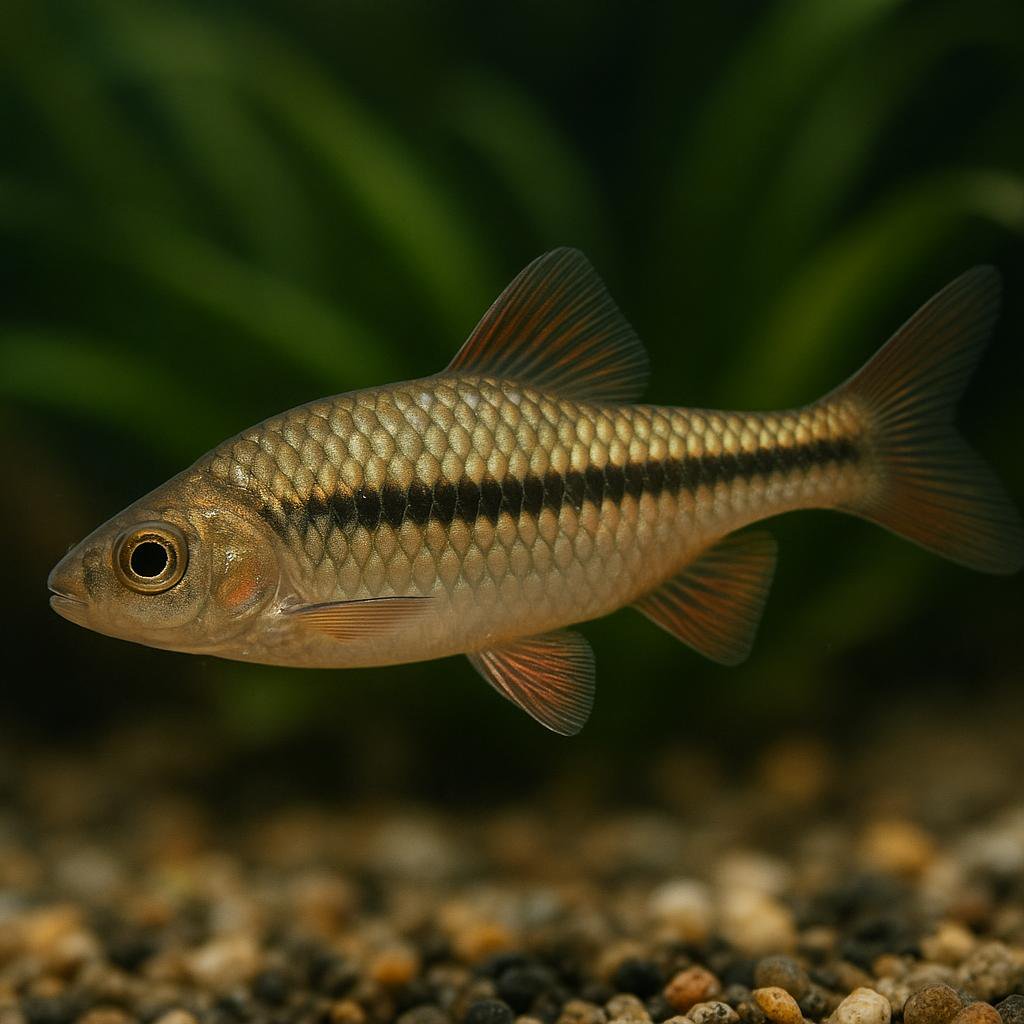
Enteromius aboinensis (the Aboina barb) is a small West African barb with a clean black midline stripe and a little spot right at the base of the tail. It does best when you treat it like a proper schooling fish - keep a decent group and give it plants around the edges with open swimming room in the middle.
Ajuricaba tetra
Jupiaba ajuricaba
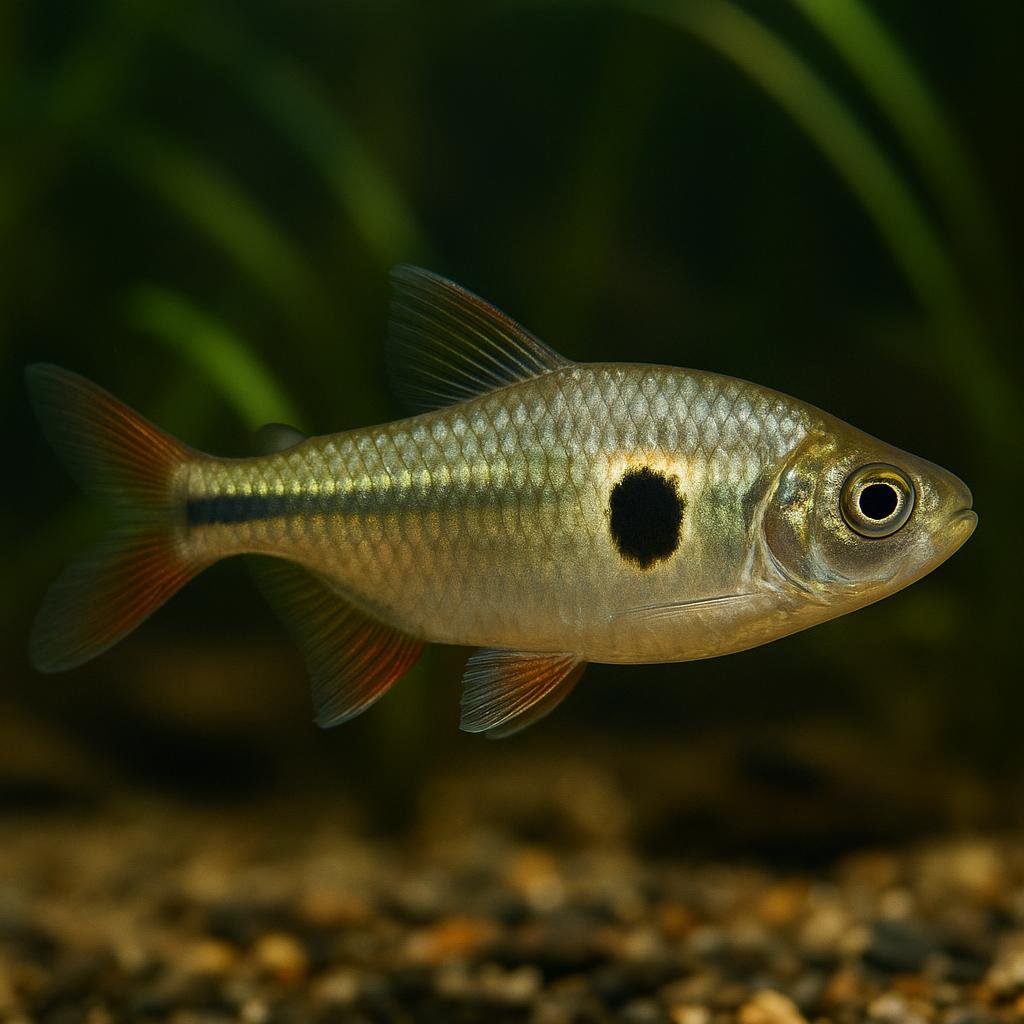
Jupiaba ajuricaba is a South American freshwater characin from the Amazon basin in Brazil (rio Negro, rio Solimões, and rio Tapajós basins). It reaches about 9.5 cm SL and is diagnosed by a narrow dark midlateral stripe, an elongated humeral spot, and an ocellated spot on the upper caudal-fin lobe. Wild specimens have been collected from blackwater forest streams and also oxbow-lake habitats.
Allen's river garfish
Zenarchopterus alleni
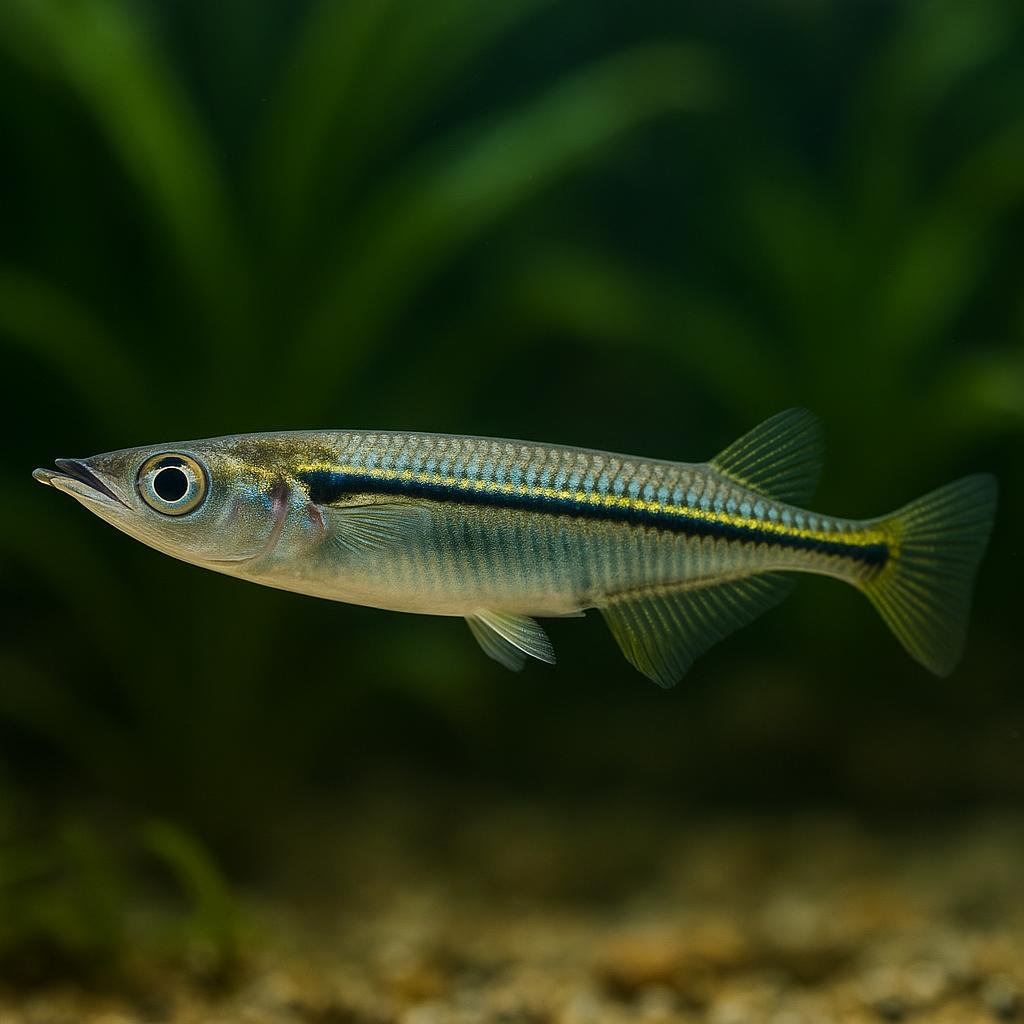
A poorly known freshwater halfbeak endemic to West Papua (Mamberamo River), described from a single specimen (~13 cm SL). Beyond basic habitat/occurrence, little is published about its ecology or aquarium suitability; assume it is a surface-oriented, jump-prone halfbeak only by analogy with related taxa.
Amapa tetra
Hyphessobrycon amapaensis
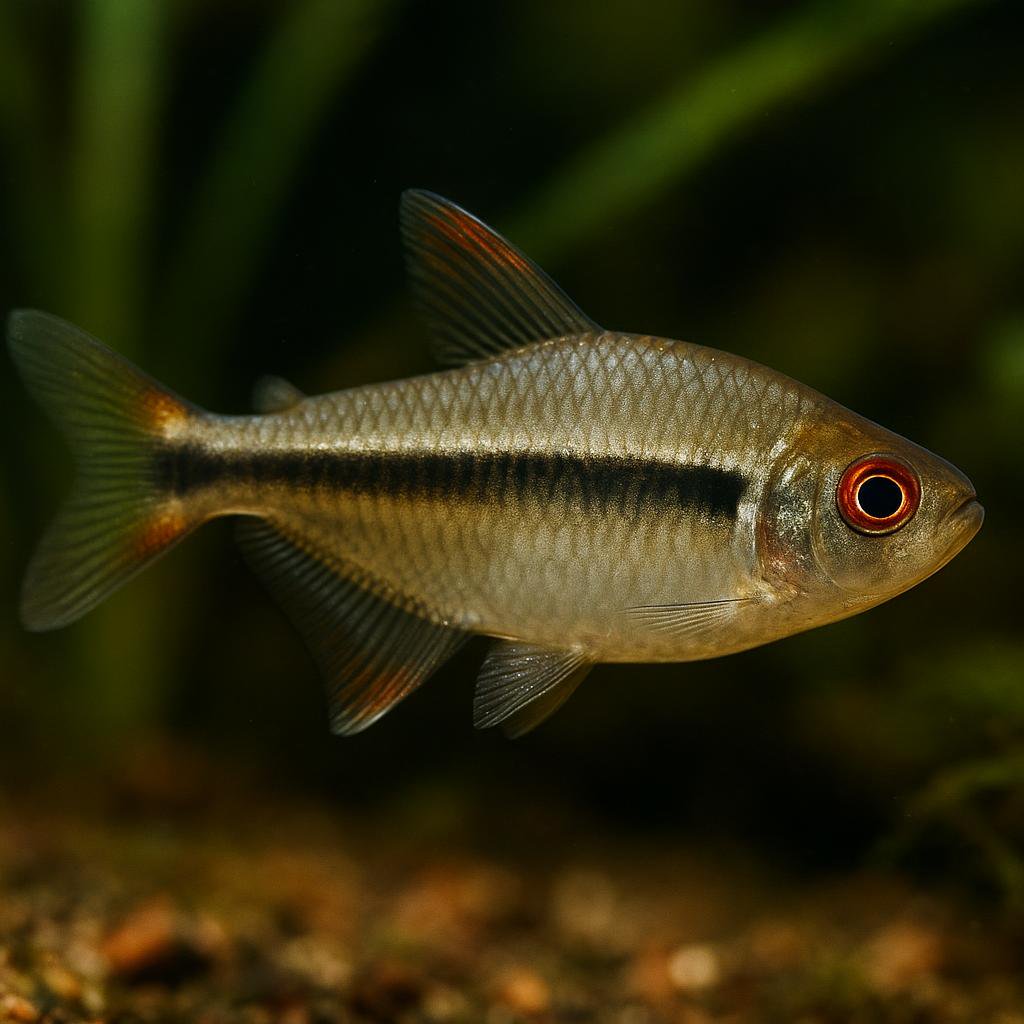
This is a tiny, super sleek little tetra with a clean red stripe down the side that really pops once its settled in. It does best in a planted, slightly tinted "creek-style" setup and looks way cooler when you keep a proper group so they school and flash that line together. If you can give it soft, slightly acidic water and a calm community, its an easy fish to fall for.
Amatlan chub
Yuriria amatlana
Yuriria amatlana (the Amatlan chub) is a little Mexican native minnow from the Ameca River basin. Its wild range is pretty limited and it is listed as Endangered, so its care info in the aquarium hobby is basically nonexistent and its availability is usually low. In the original species description, preserved fish show a dark lateral stripe with a darker patch on the caudal peduncle, and they can have tiny barbels at the mouth corners.
Looking for other species?