

Search Species
Search for fish species by common or scientific name, or use filters to browse by water type, size, temperament, and difficulty.
Found 541 species
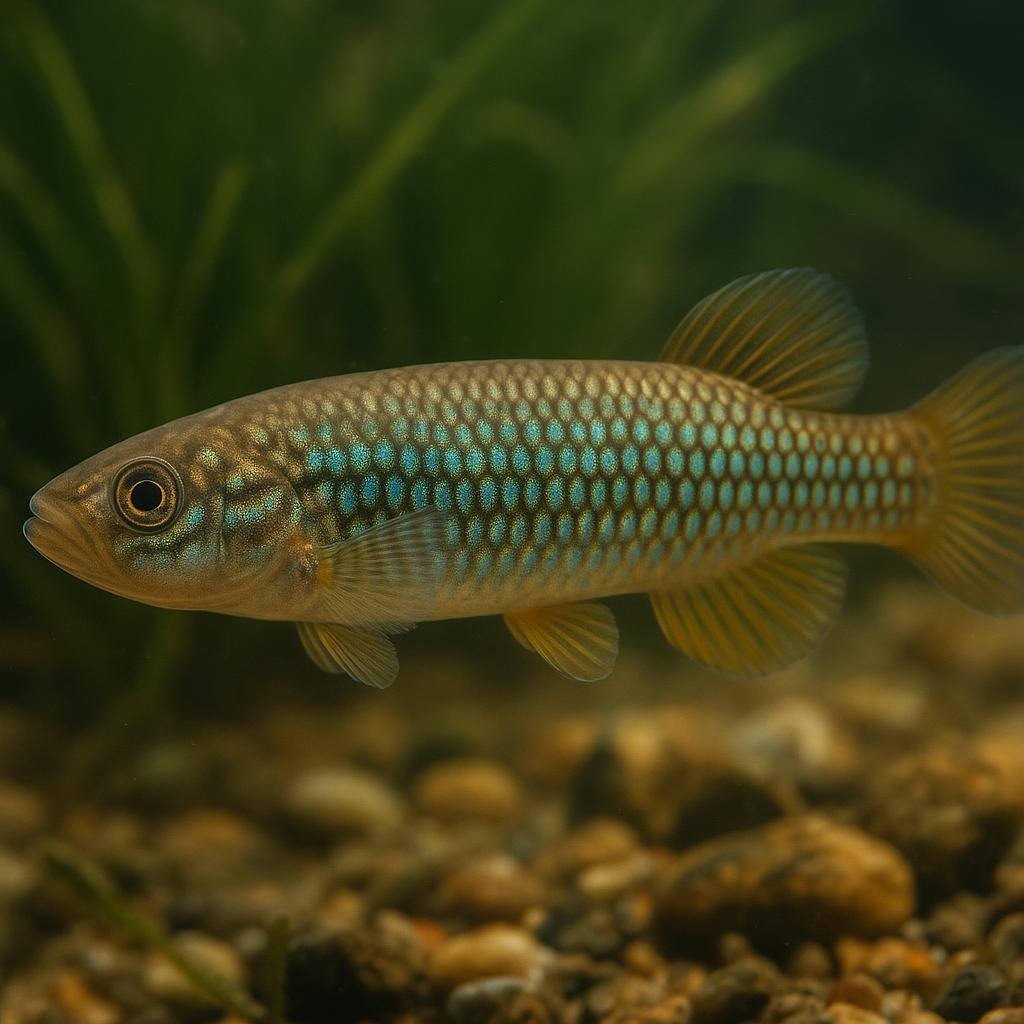
Northern studfish
Fundulus catenatus
Northern studfish are big, tough native killifish from clear creeks and rivers in the southcentral US, and the males get absolutely wild colors when they're in breeding mode. They cruise the midwater and surface like little torpedoes, but they are still stream fish at heart - clean, well-oxygenated water and room to swim makes all the difference. If you like active fish with real personality (and a bit of attitude), this one is a blast.
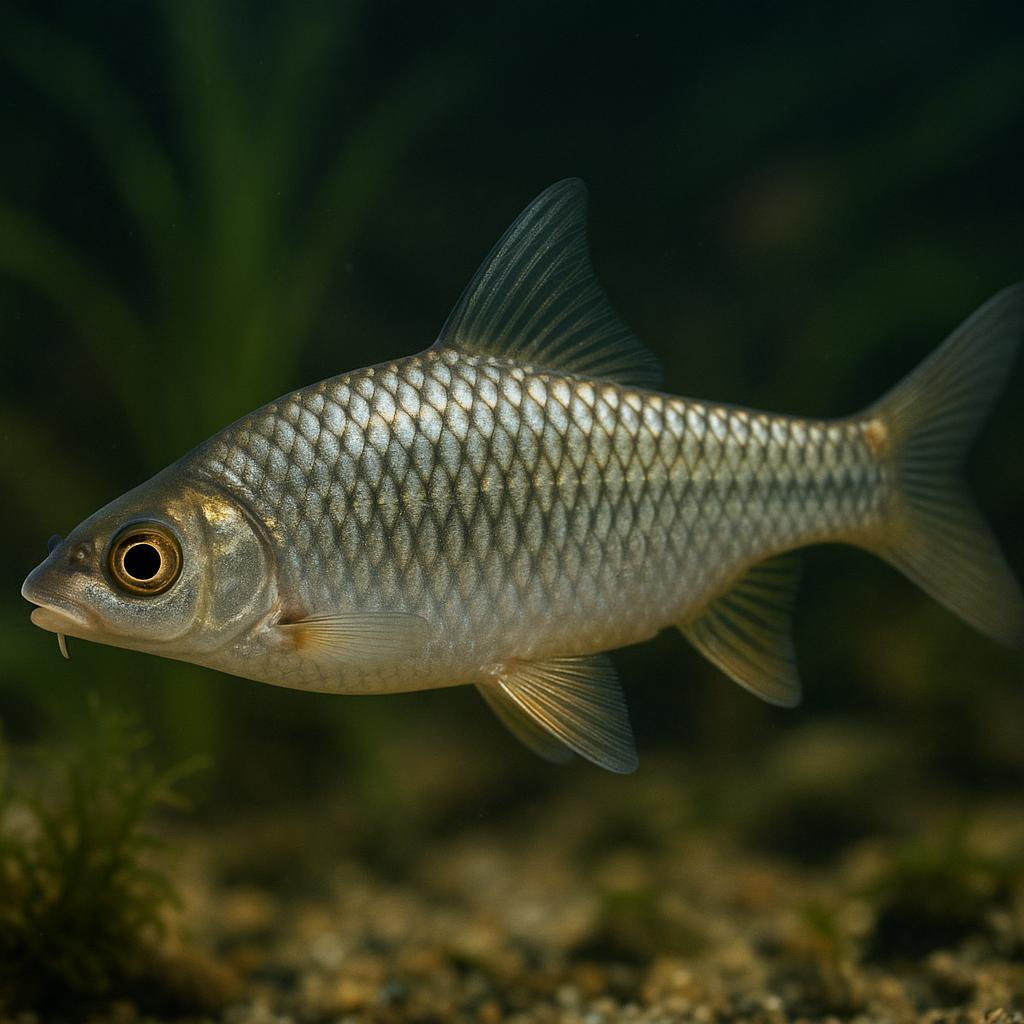
Notched mud carp
Henicorhynchus entmema
This is a small river carp from the Mekong region that spends its life on the move - huge seasonal migrations, with the school basically "taking turns" leading as they push upstream. In the wild it is super important as forage for bigger fish, and it does best in a roomy tank with lots of swimming space and good oxygenation rather than a tiny community setup.
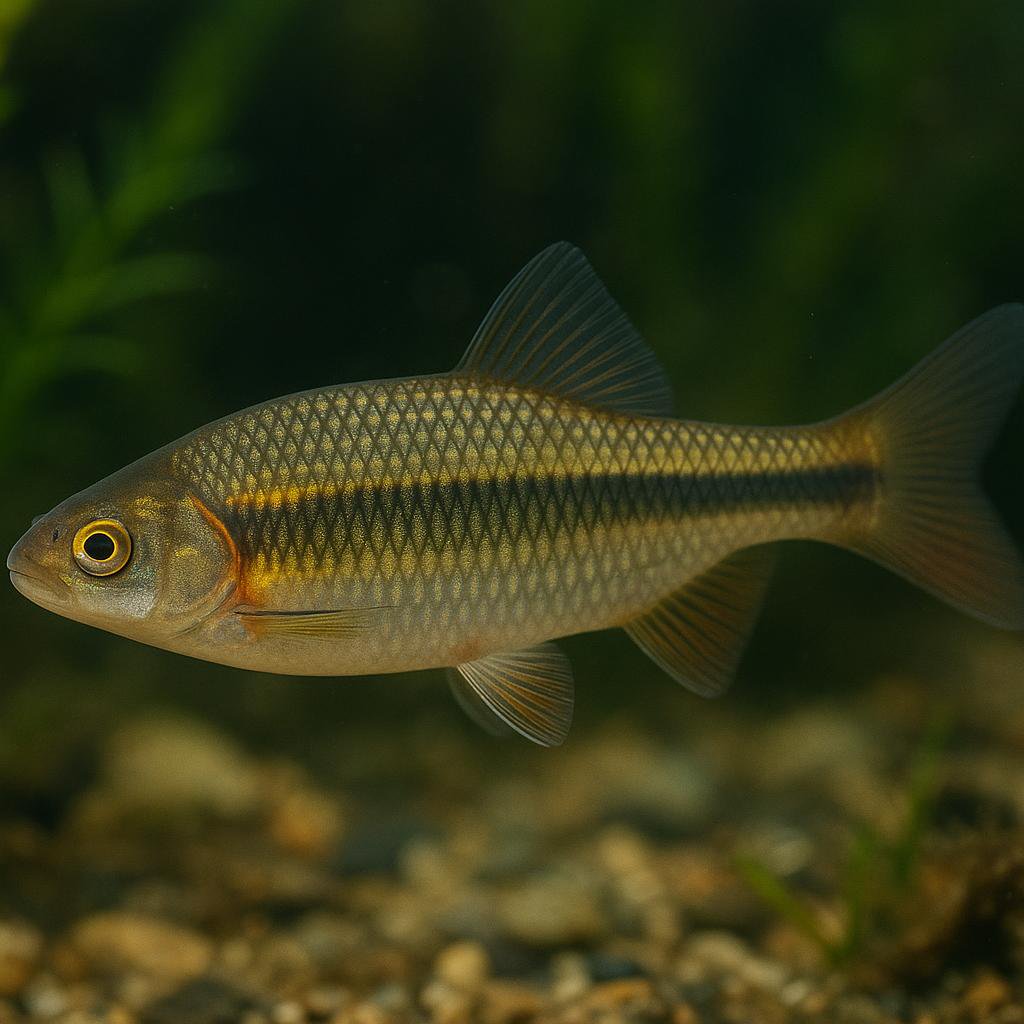
Numamutsu
Nipponocypris sieboldii
Nipponocypris sieboldii (Numamutsu) is a Japanese native minnow-type fish that likes calmer water than a lot of stream cyprinids, but it is still a strong, active swimmer. Give it room and some current, and it really comes into its own in a group with lots of open swimming space.
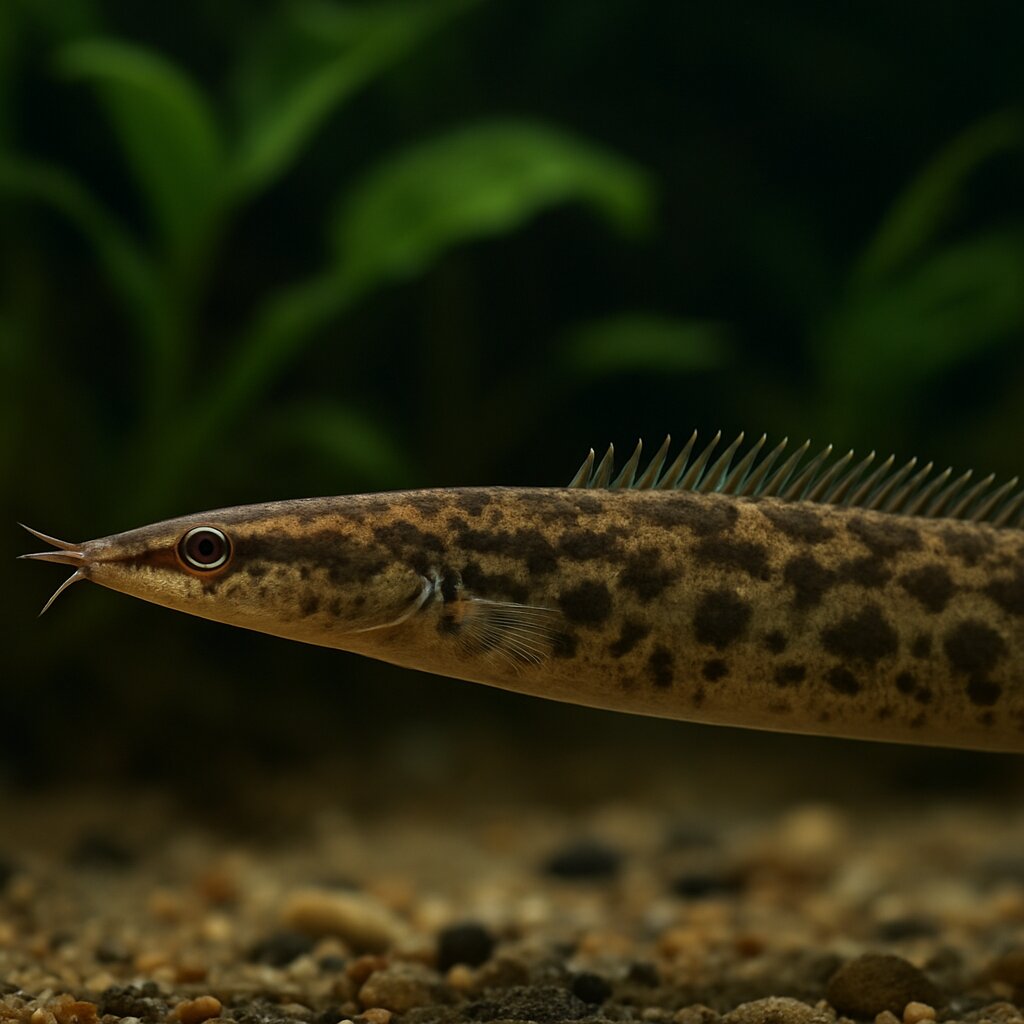
Obscure spiny eel
Macrognathus obscurus
A shy little spiny eel from northern Myanmar, it stays around 13.5 cm and spends a lot of time buried in sand with just the snout peeking out. Give it soft sand, plenty of hides, and meaty foods like worms and insect larvae and it will reward you with goofy dusk-time foraging and gentle, curious behavior. ([fishbase.se](https://www.fishbase.se/summary/Macrognathus-obscurus))
Onesided livebearer
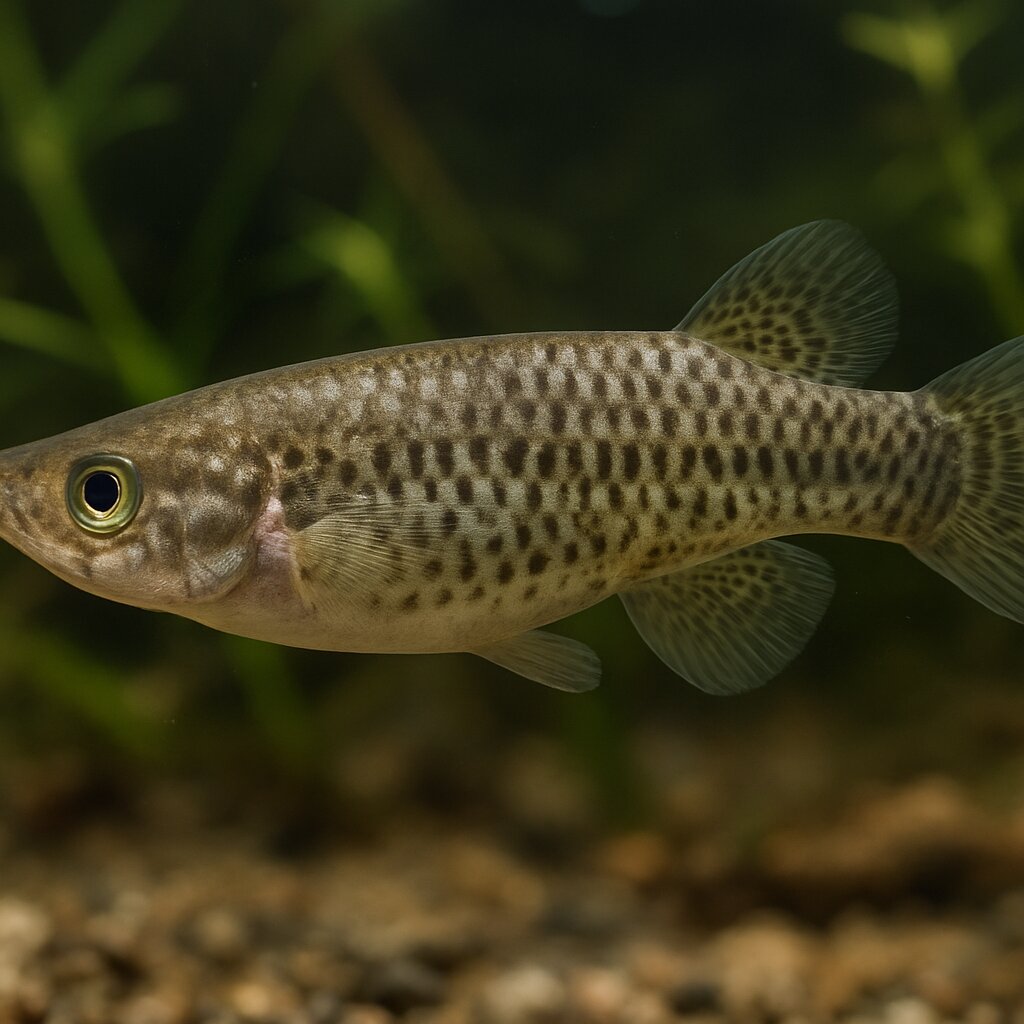
Jenynsia lineata
A quirky South American livebearer that hugs the mid-to-top of the tank and shows off broken stripe patterns. Females get much bigger than the little males, and their odd one-sided mating gear is a fun bit of fish trivia to share. Give them cooler, clean water and a small group and they settle in nicely.
One-spot Jupiaba tetra
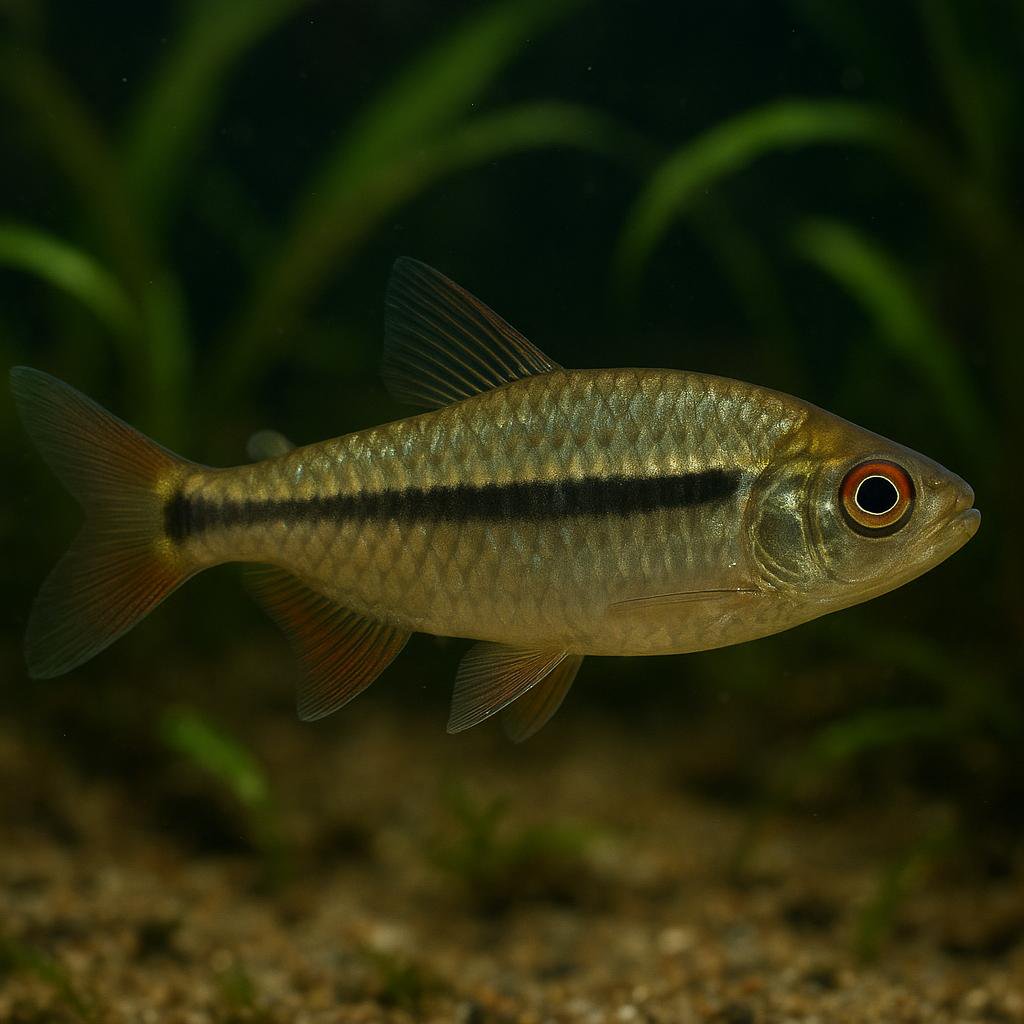
Jupiaba mucronata
Jupiaba mucronata is a little Guyana characin that tops out around 4 cm SL, and it fits that classic "busy, always on the move" tetra vibe. Its claim to fame in a lot of checklists is the single prominent shoulder (humeral) spot, and it does best when you lean into a roomy, current-friendly setup and keep it in a proper group.
Onestriped livebearer
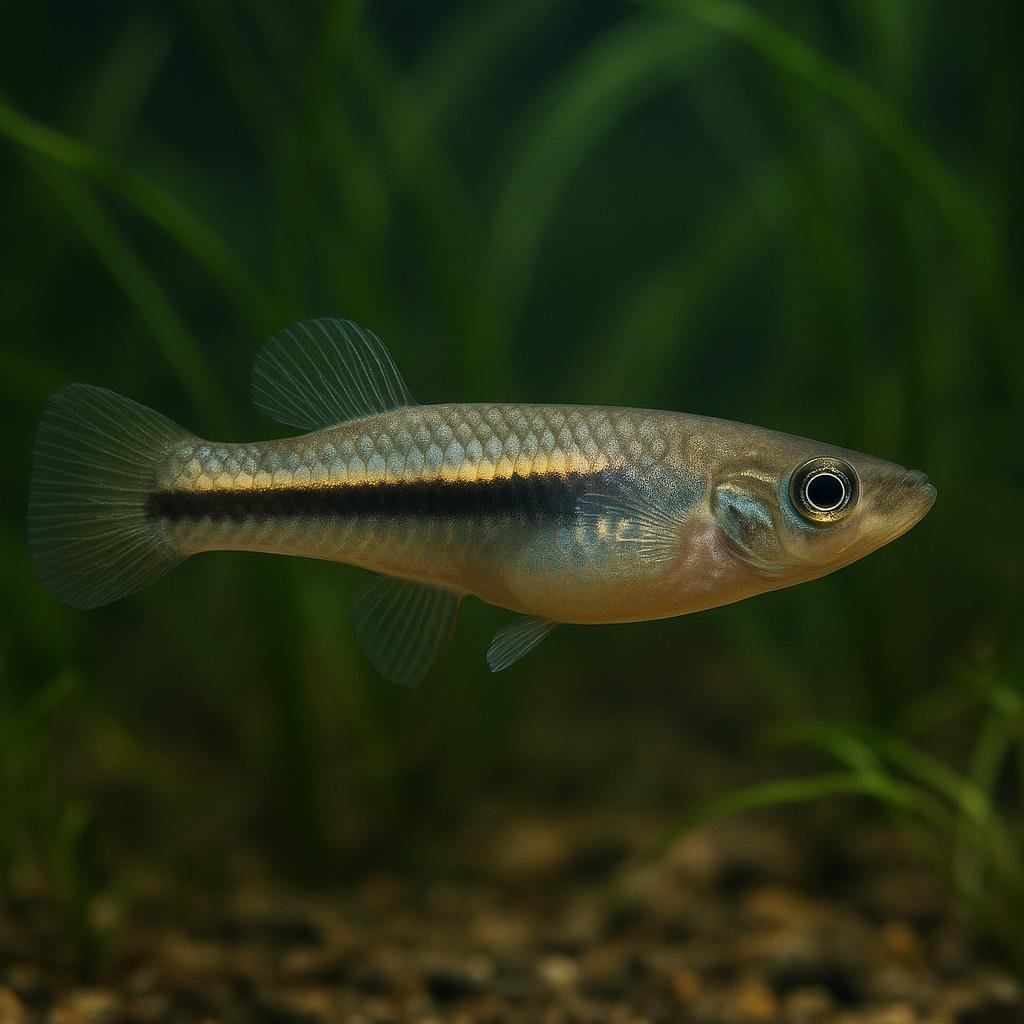
Jenynsia unitaenia
Jenynsia unitaenia is a small freshwater onesided livebearer from coastal rivers/streams in southern Brazil (Santa Catarina and northeastern Rio Grande do Sul). It is identified by a single midlateral stripe.
Orestias ctenolepis
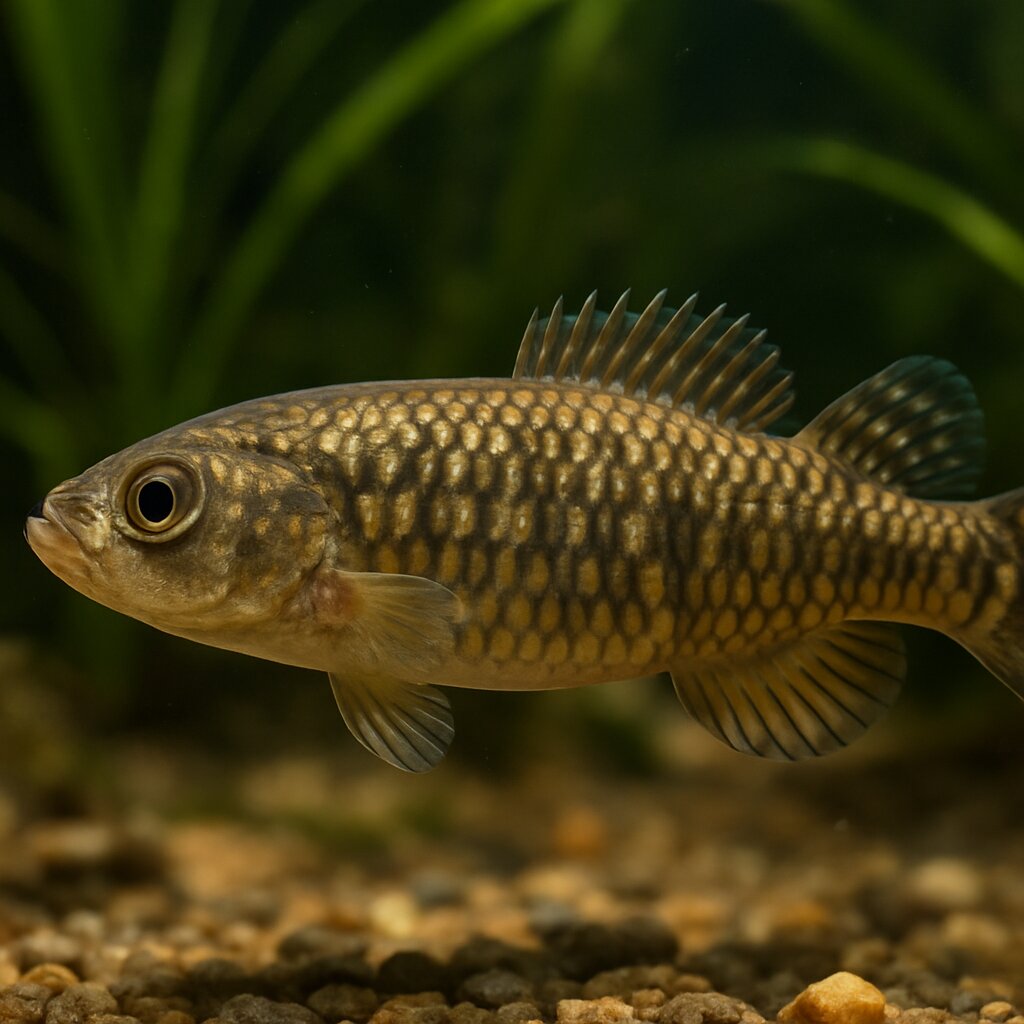
Orestias ctenolepis
A small Andean killifish that lives in the chilly, high-altitude waters of Lake Titicaca. It prefers hard, alkaline water and genuinely cool temps, so it is more of a specialist project than a community fish. If you like oddball fish with a wild backstory, this little pupfish is pretty neat.
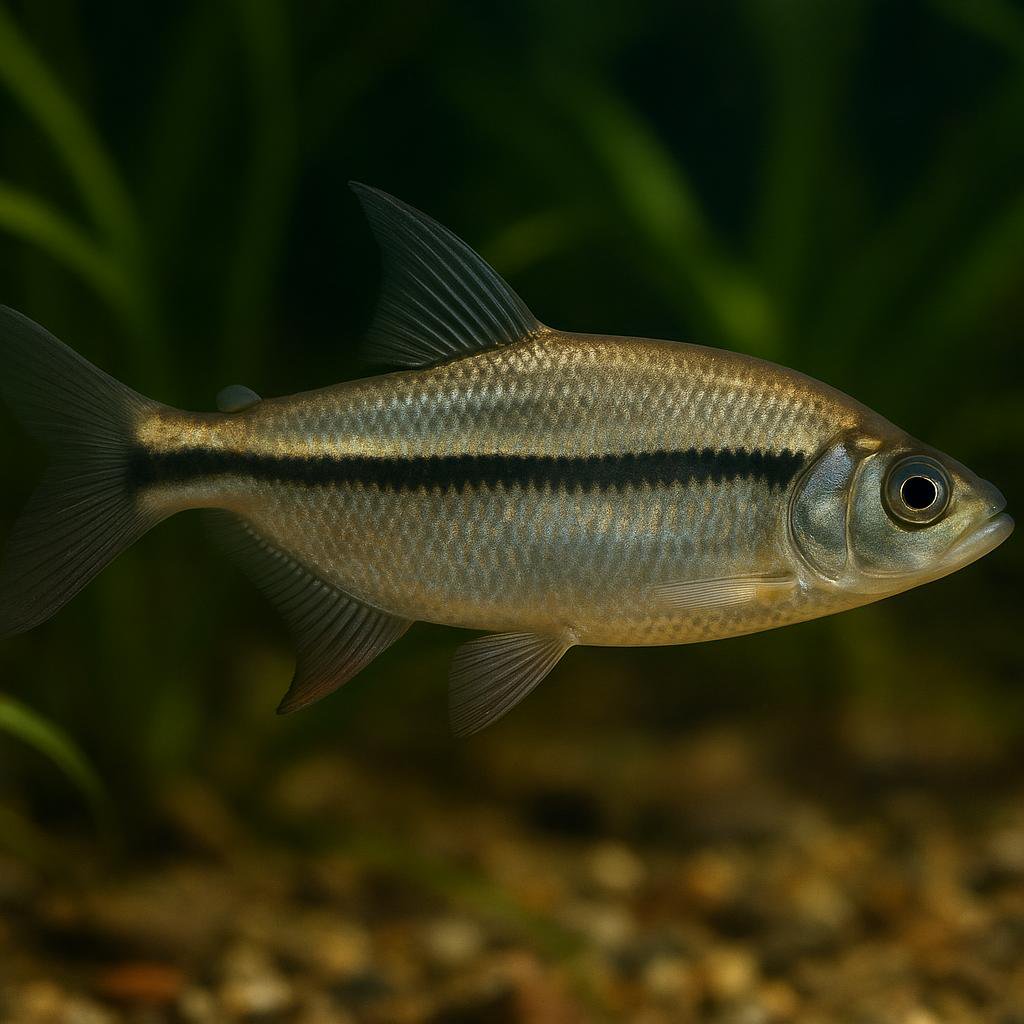
Ornate fin nipper
Ichthyborus ornatus
This is one of those Congo oddball characins that looks like it should be a fin-nipper, but it is actually built to hunt and swallow smaller fish whole. The bold tail pattern is super distinctive, and it is a really cool pick if you like predator tanks and want something different than the usual cichlids.
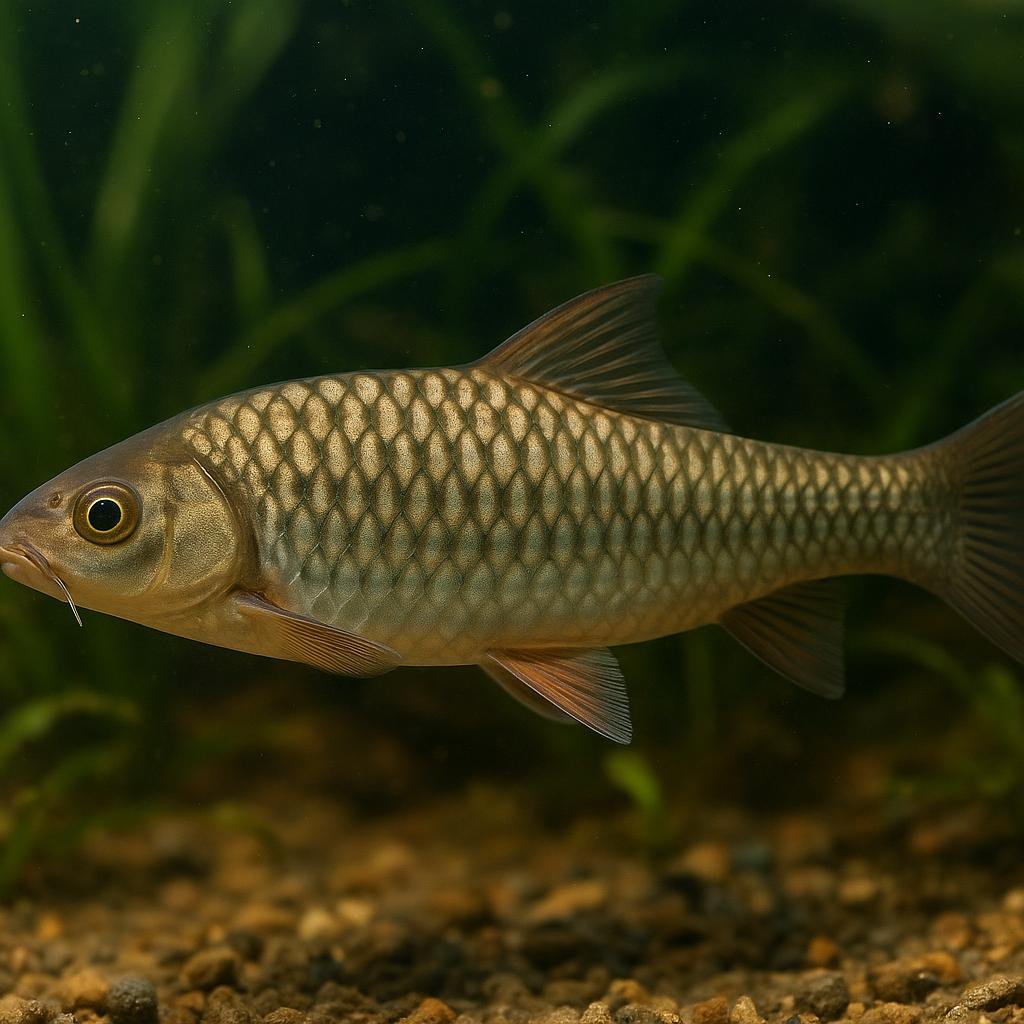
Osteochilus kerinciensis
Osteochilus kerinciensis
This is a mid-sized Southeast Asian cyprinid from Sumatra, and its whole world basically revolves around the Batang Hari drainage (including highland lakes like Lake Kerinci). Its wild range is pretty tight, and there is basically no solid aquarium-specific info out there for it, so if you ever see one in the trade its best to treat it like a riverine labeonin barb: clean water, lots of oxygen, and a calmer community setup with room to cruise.
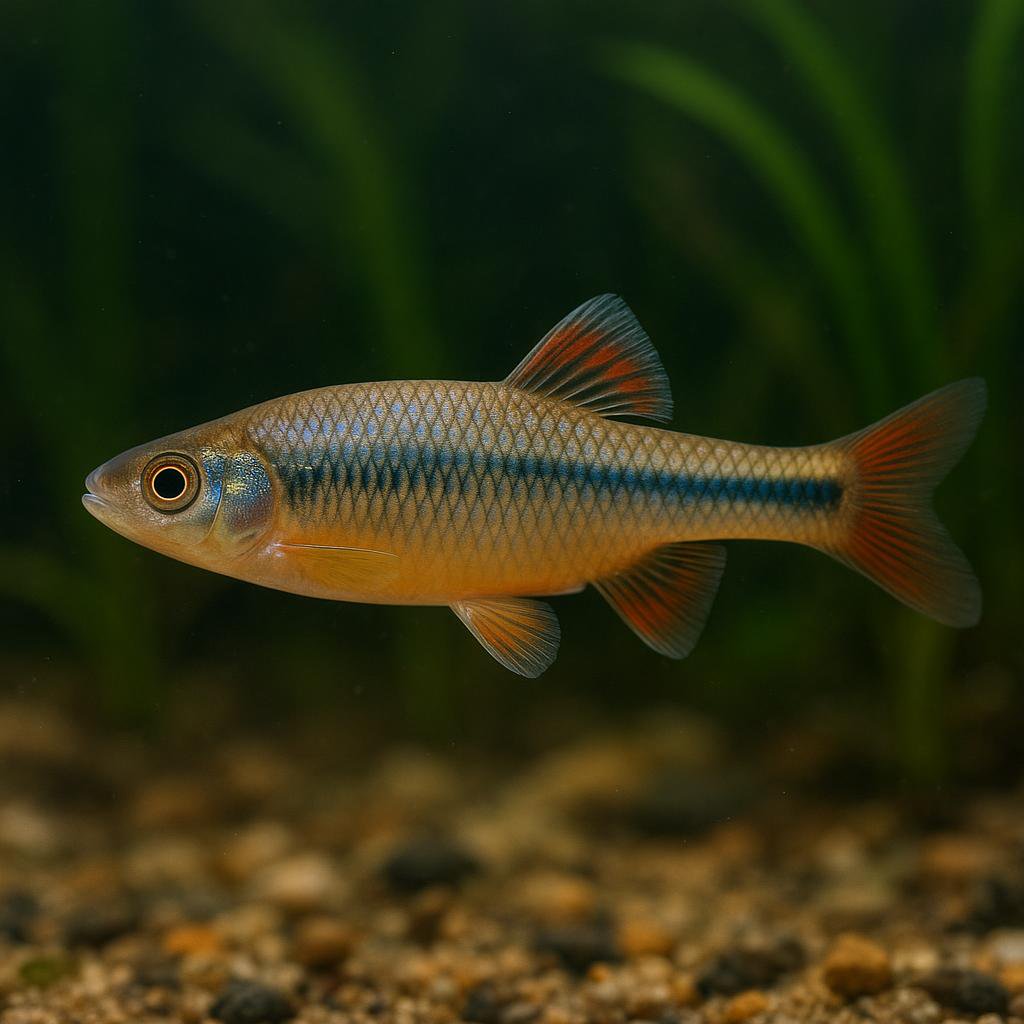
Ouachita shiner
Lythrurus snelsoni
This is a little Ouachita Mountains native shiner that stays genuinely small (around 2 inches max), so its all about a tight school and lots of open swimming room. Like other Lythrurus, it can really color up when its happy and settled, especially if you keep it cool, clean, and in a group. Its not a hard fish once established, but its way less forgiving of warm, low-oxygen, dirty conditions than most beginner tropicals.
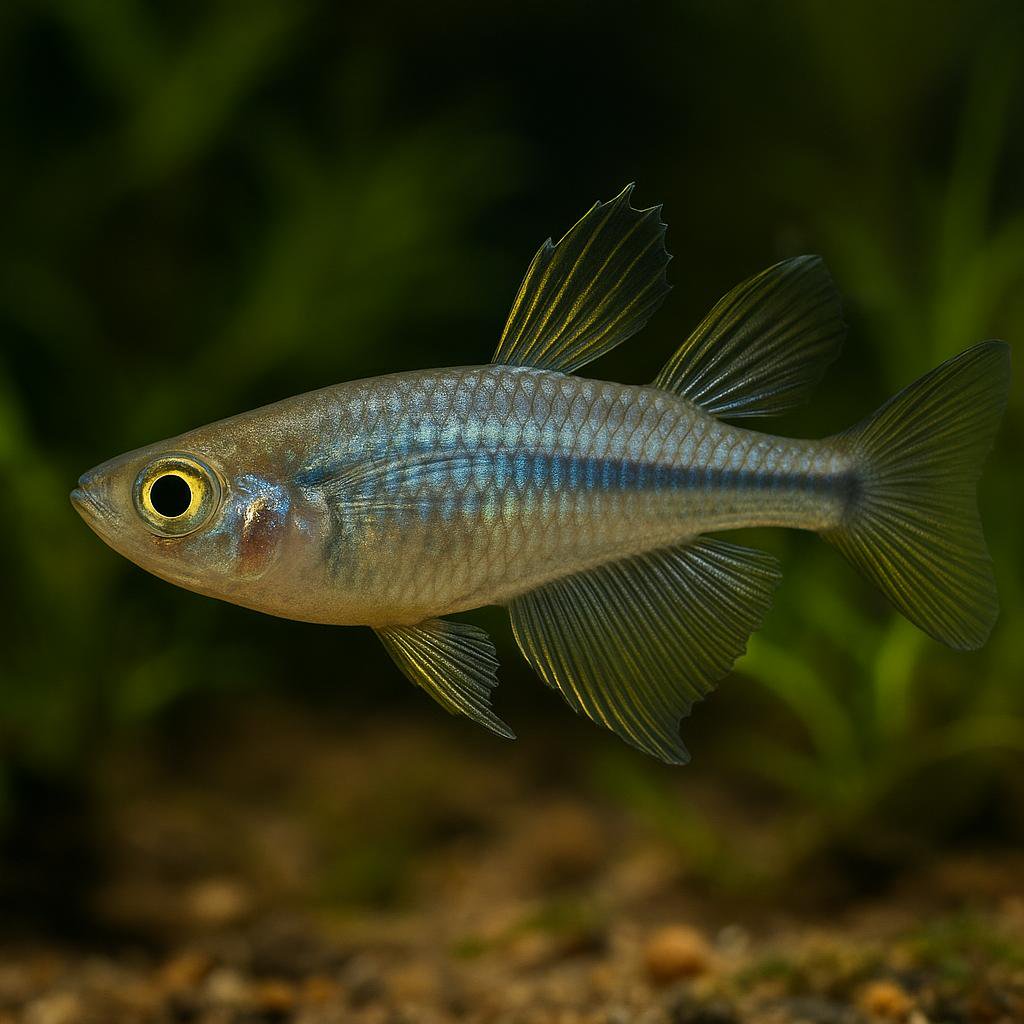
Pacific blue-eye
Pseudomugil signifer
Pacific blue-eyes are tiny Aussie "blue-eye" fish with those unreal electric-blue eyes and a nice little shimmer when they're in a group. Give them plants, gentle flow, and a proper shoal, and the males will posture and flare at each other in this super cool, non-lethal (usually) displayy way. They'll also tolerate a bit of salt (brackish), which is handy if you're doing an estuary-style setup.