

Ornate fin nipper
Ichthyborus ornatus
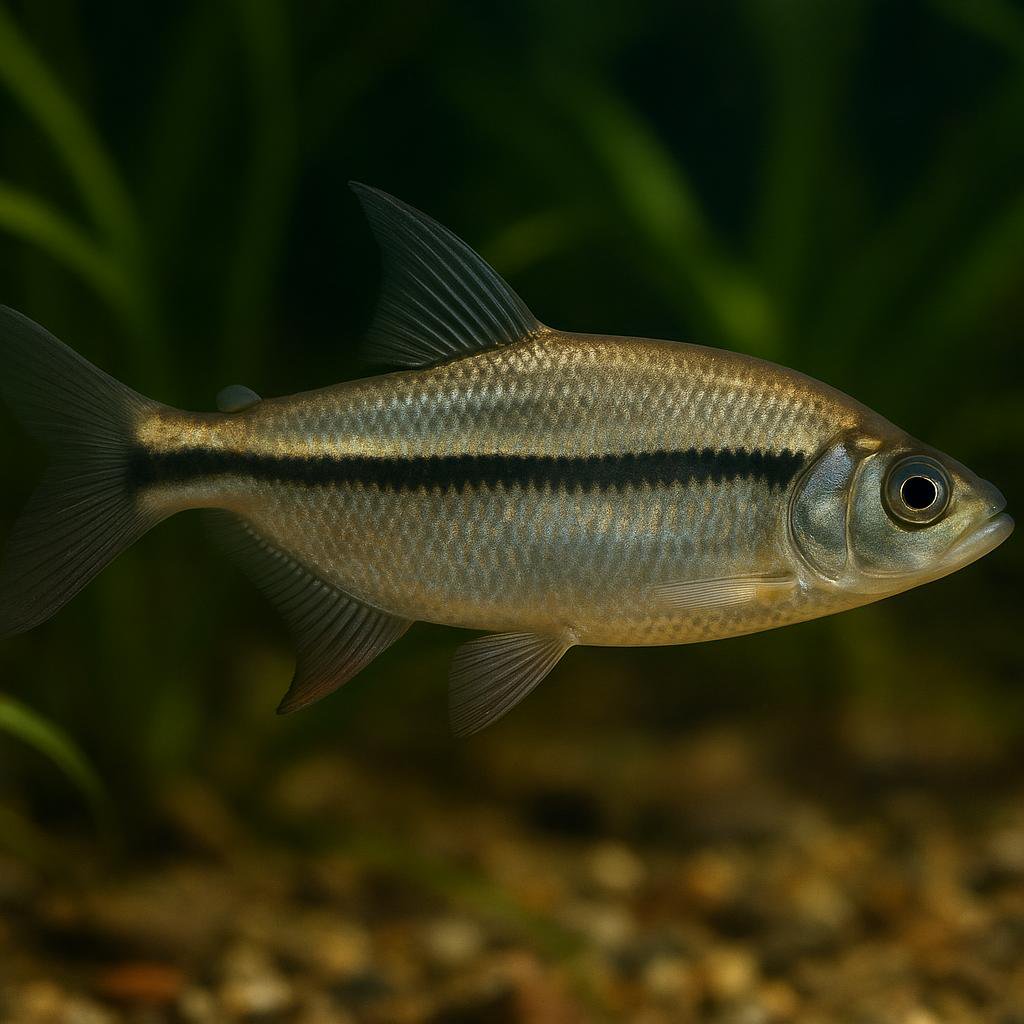
The Ornate fin nipper showcases a vibrant pattern of yellow and blue with elongated, filamentous fins, enhancing its striking appearance.
This page includes AI-generated images. Why am I seeing AI images?
About the Ornate fin nipper
This is one of those Congo oddball characins that looks like it should be a fin-nipper, but it is actually built to hunt and swallow smaller fish whole. The bold tail pattern is super distinctive, and it is a really cool pick if you like predator tanks and want something different than the usual cichlids.
Also known as
Quick Facts
Size
18 cm (7.1 inches)
Temperament
Aggressive
Difficulty
Advanced
Min Tank Size
75 gallons
Lifespan
5-10 years
Origin
Central Africa (Congo River basin)
Diet
Piscivore - meaty foods (fish, shrimp, worms); will take frozen once settled
Water Parameters
22-26°C
5.8-7
1-15 dGH
Need a heater for this species?
This species needs 22-26°C in a 75 gallon tank. Use our heater calculator to find the right wattage.
Calculate heater sizeCare Notes
- Give them space and current - think long tank with strong flow and tons of oxygen (river-tank style). A powerhead plus extra aeration makes a big difference in how settled they act.
- Keep them in the mid-70s to low-80s F (about 24-28 C) and don’t let ammonia/nitrite ever show up. They hate dirty water and will get twitchy and aggressive fast when the tank gets stale.
- Hardscape matters: pile in rounded rocks, driftwood, and sight-breaks so they can duck out of each other’s line of fire. Open swimming lanes in the front, rougher cover in the back works well.
- Do not keep a single one or a pair unless you like drama - either go with a proper group (6+ if the tank is big) or keep one as a lone “problem fish” in a species-ish setup. In small numbers they fixate and start shredding fins.
- Feeding: they’re micro-predators, so mix in frozen foods (bloodworms, brine shrimp, daphnia, chopped krill) and high-protein sinking pellets. Feed small amounts 2 times a day so they don’t go into “hunt the tankmates” mode.
- Tankmates: pick fast, tough fish that won’t panic (bigger barbs/danios, robust African tetras, some Synodontis-type cats). Avoid slow fish and anything with fancy fins (angels, gouramis, bettas) because they will test those fins.
- Watch for fin-nipping starting at dusk and after big maintenance - they can get weird for a day when the pecking order resets. If one turns into a nonstop bully, move it out; rearranging decor only buys you a little time.
- Breeding is not a casual project: they usually scatter eggs and adults will eat them. If you want to try, condition heavily on live/frozen foods and use a separate spawning tank with a mesh or marbles so the eggs fall out of reach.
Compatibility
Good Tankmates
- Fast, tough midwater fish like larger barbs (tiger barbs, rosy barbs) - they are quick enough to dodge the nipping, and they do better in a boisterous tank than slow community fish
- Rainbowfish (Boesemani, turquoise, etc.) - active swimmers that do not just sit there and take it, and they usually hold their own as long as the tank has lots of open swimming room
- Robust African cichlids (medium Malawi types) - similar attitude and they are not easily bullied, just do not mix if you are trying to run a soft-water setup
- Big, armored bottom crew like Synodontis catfish - they mostly mind their business, and the ornate fin nipper cannot do much to them besides annoy them
- Loaches that are built for chaos (clown loach, yo-yo loach) - quick, social, and not delicate, plus they spend a lot of time on the bottom and in cover
- Bigger plecos (common pleco, sailfin pleco) - heavy armor and they stick to wood and glass, so they are not waving fins around inviting trouble
Avoid
- Slow fish with fancy fins like bettas, guppies, angelfish - this is basically a fin buffet and you will end up with shredded tails
- Chill community fish like neon tetras, harlequin rasboras, small danios - they get harassed nonstop and just melt away from stress
- Other fin-nippers and hyper-territorial bruisers (some barbs in small groups, some cichlids) - the tank turns into an ongoing fight club and somebody loses scales
Where they come from
Ichthyborus ornatus is a little African oddball from Central/West African river systems. Think moving water, lots of submerged roots and woody tangles, and a steady supply of tiny critters drifting by. They are not a "pretty community fish" from a calm pond - they are built for current, hunting, and mischief.
The common name "ornate fin nipper" is not a joke. If you like slow, flowy-finned fish, this is not the species to pair with them.
Setting up their tank
Give them space and flow. I have the best luck treating them more like small river predators than like tetras. A longer tank beats a tall one, because they like to cruise and spar.
- Tank size: 30 gallons minimum for a small group, 55+ gallons is where they get way easier to manage
- Flow and oxygen: strong filtration, noticeable current, and plenty of surface agitation
- Layout: open swimming lanes plus heavy cover (wood, roots, rock piles) to break line of sight
- Substrate: sand or smooth gravel - they will dive and dart a lot, so skip anything sharp
- Lighting: moderate is fine; floating plants can calm them down a bit
Line-of-sight breaks are your secret weapon. If they can see each other (or tankmates) all the time, the chasing and fin-checking ramps up fast.
Water-wise, keep it clean and stable. They handle a range as long as you are not swinging parameters around. I ran mine in mid-70s F with neutral-ish water and frequent water changes, and they colored up and stayed active.
- Temperature: 74-78 F (23-26 C) is a solid target
- pH: roughly 6.5-7.5 works for most kept specimens
- Hardness: soft to moderately hard is fine; stability matters more than chasing a number
- Maintenance: big weekly water changes and a filter you can trust
What to feed them
They are micropredators and opportunists. If you feed like you would for peaceful community fish (a little flake once a day), they get crankier and start sampling fins more. Feed them like hunters and they behave a lot better.
- Staples: quality small pellets and frozen foods (bloodworms, brine shrimp, daphnia, mysis)
- Best "behavior hack" foods: daphnia and other small, busy foods that get them hunting
- Occasional: chopped earthworms or insect-based foods
- Avoid relying on: only flakes, or only one frozen food - variety keeps weight and aggression more even
Do not use feeder fish. Besides disease risk, it trains the wrong habits and can make fin nipping worse.
I like two smaller feedings instead of one big dump. They stay engaged, and the dominant fish has less chance to hog everything in one go. Just watch your nitrates - they are messy when you feed them well.
How they behave and who they get along with
They are bold, fast, and way too interested in other fish's fins. In a group they also posture and chase each other, which can be entertaining if the tank is set up for it and stressful if it is not.
- Group size: 5-8 spreads aggression better than a pair or trio
- Best tankmates: robust, fast fish that do not have long fins (think barbs, some African tetras, sturdy danios in cooler setups, and larger bottom fish)
- Use caution with: anything slow or "floaty" (angels, gouramis, bettas, fancy guppies)
- Bottom dwellers: generally fine with tough catfish/loaches, but watch at feeding time so everyone eats
Long fins are a magnet. Even if they seem fine for weeks, one day you will notice shredded tails and it usually does not get better from there.
If you want the least drama, give them their own species tank. If you insist on a community, pick tankmates that can take a little attitude and can move. And keep the fish well-fed.
Breeding tips
Breeding in home aquariums is not something you will casually stumble into. They do not behave like easy egg scatterers, and most hobbyists keep them for their looks and personality rather than breeding projects.
If you do want to try, start with a bigger group and let pairs form naturally. Conditioning with heavy live/frozen foods and giving them secluded structure (root tangles, dense plants, rock crevices) is the direction I would go.
If you see courtship or guarding behavior, be ready to separate adults from eggs/fry fast. With fin nippers, "leave it in the tank" usually turns into "it got eaten."
Common problems to watch for
Most issues I have seen come from three things: cramped tanks, not enough cover, and underfeeding. Fix those and you prevent a lot of headaches.
- Fin damage on tankmates: the classic problem - either change tankmates or move the Ichthyborus
- Bullying within the group: add more line-of-sight breaks, increase group size, or rehome the worst offender
- Thin fish / hollow bellies: usually not getting enough meaty food or losing out to dominant fish at feeding time
- Stress/ich after new arrivals: quarantine if you can; they do not handle sudden changes calmly
- Water quality spirals: they push you into heavier feeding, so keep up with water changes and filter maintenance
If aggression suddenly spikes, check your basics first: did a hiding spot get removed, did flow drop because the filter clogged, did you miss a couple water changes, or did feeding get lighter? With this species, small changes show up as big behavior swings.
Similar Species
Other freshwater aggressive species you might be interested in.
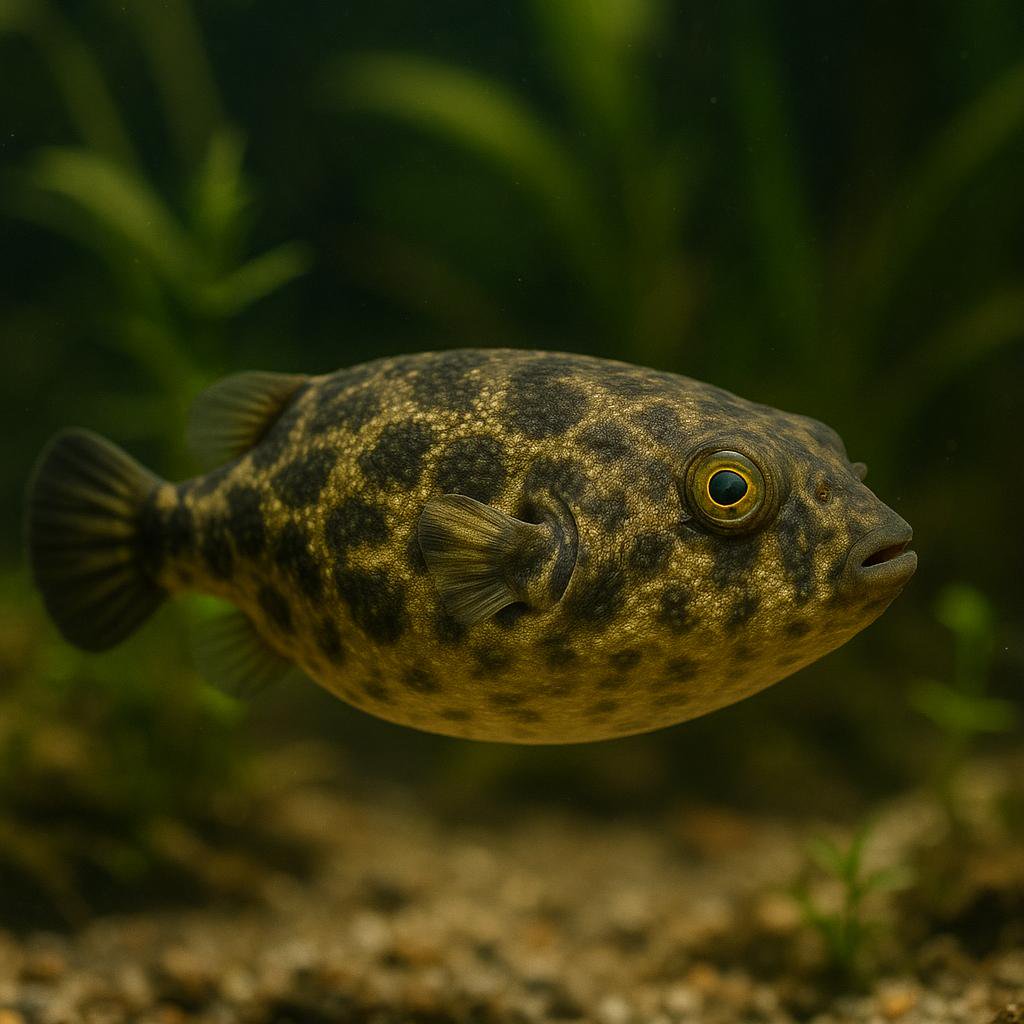
Arrowhead puffer
Pao suvattii
Pao suvattii is that sneaky Mekong puffer that likes to sit low and ambush food, and it has that super recognizable arrow/V pattern on its back. Gorgeous fish with tons of personality, but it is absolutely not a community guy - plan on a solo, species-only setup if you want everybody to stay in one piece.
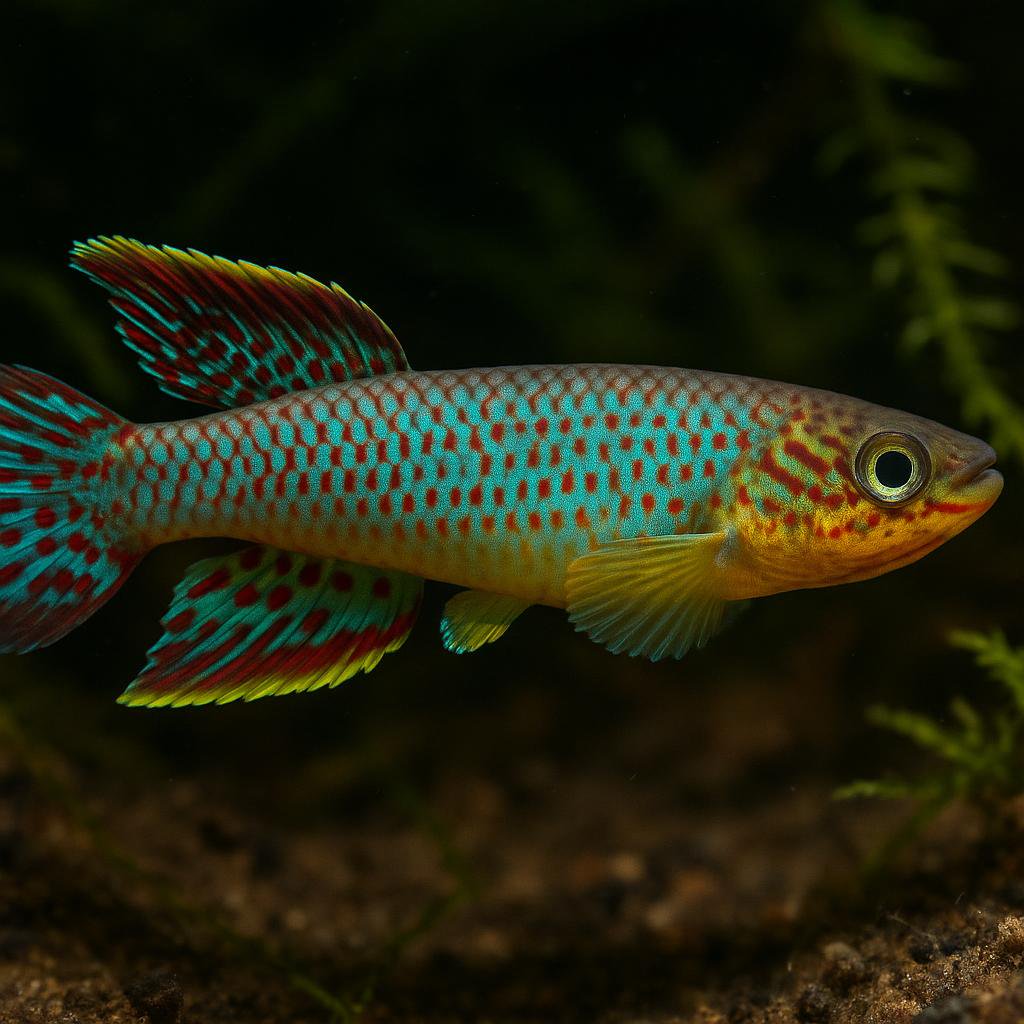
Blue gularis
Fundulopanchax sjostedti
This is the big, flashy West African killifish with the ridiculous triple-point tail and electric blue-green body covered in red spotting. Males can be real attitude machines with each other, but if you give them room, cover, and a tight lid, they make an awesome centerpiece fish that will absolutely demolish live and frozen foods.
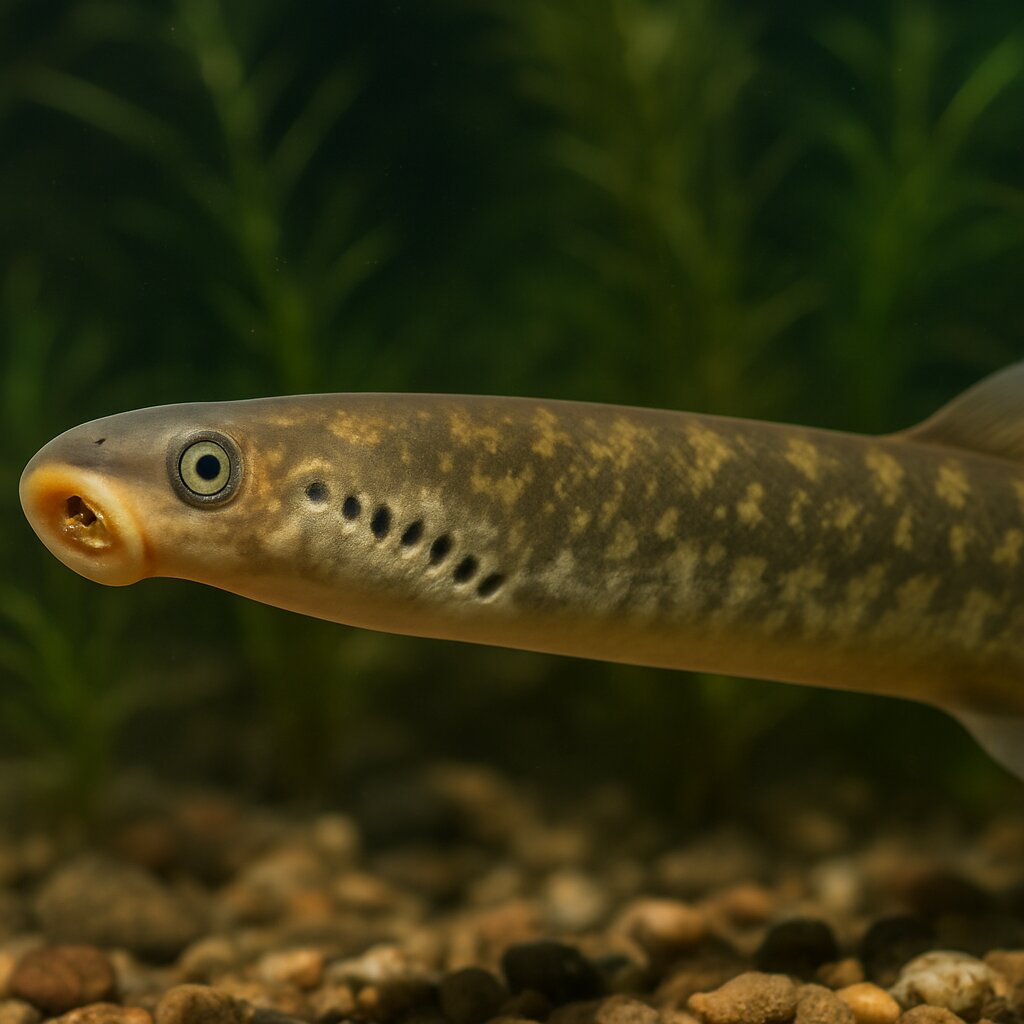
Chestnut lamprey
Ichthyomyzon castaneus
A native North American lamprey that spends 5–7 years as a burrowed, filter‑feeding larva before metamorphosing into a parasitic adult that attaches to fishes and feeds on blood and bodily fluids; adults spawn in spring and die shortly after. It inhabits flowing rivers and some lakes with cool, well‑oxygenated water and is not suitable for community aquaria.
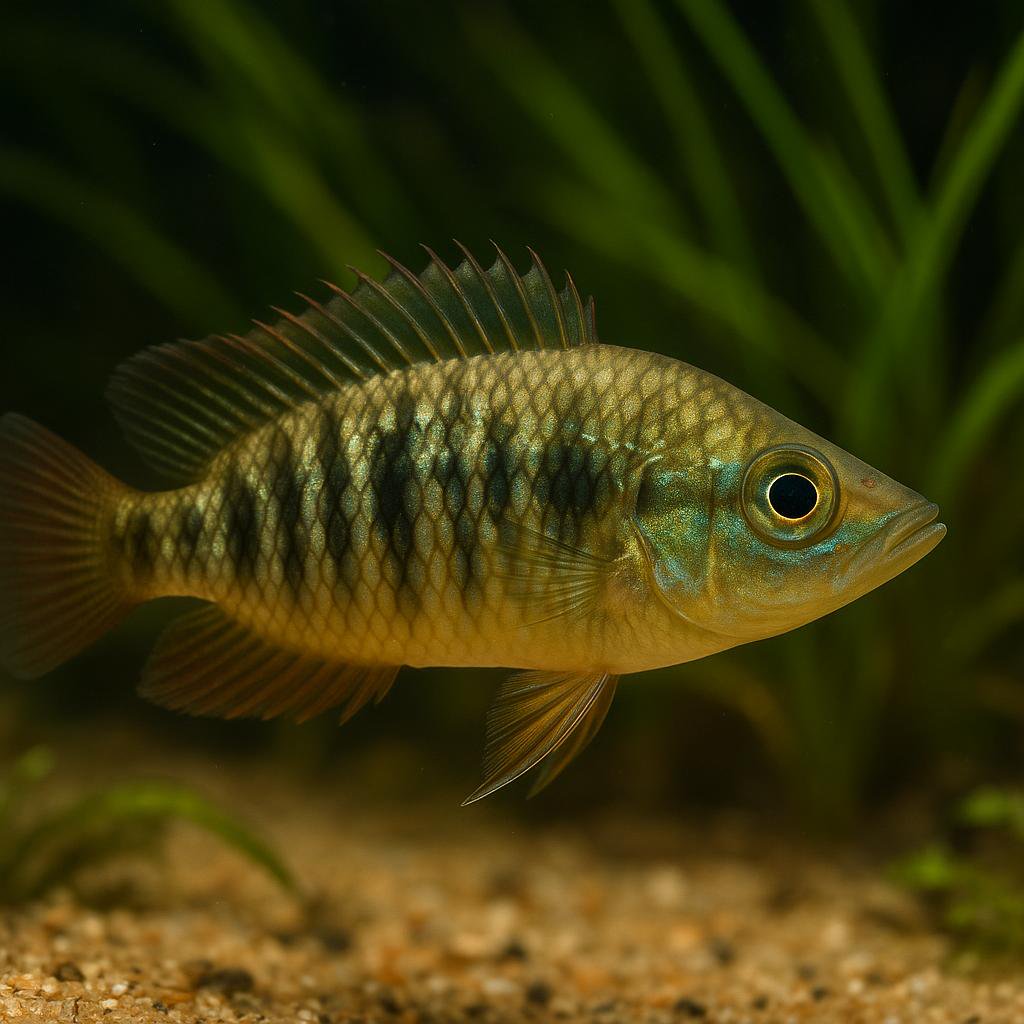
Compressiceps dwarf pike cichlid
Wallaciia compressiceps
This is one of those tiny pike cichlids that looks cute until you watch it start running the tank like a little biting terrier. It stays small, but it is a real predator with a ton of attitude, and it gets especially spicy with its own kind when pairs form.
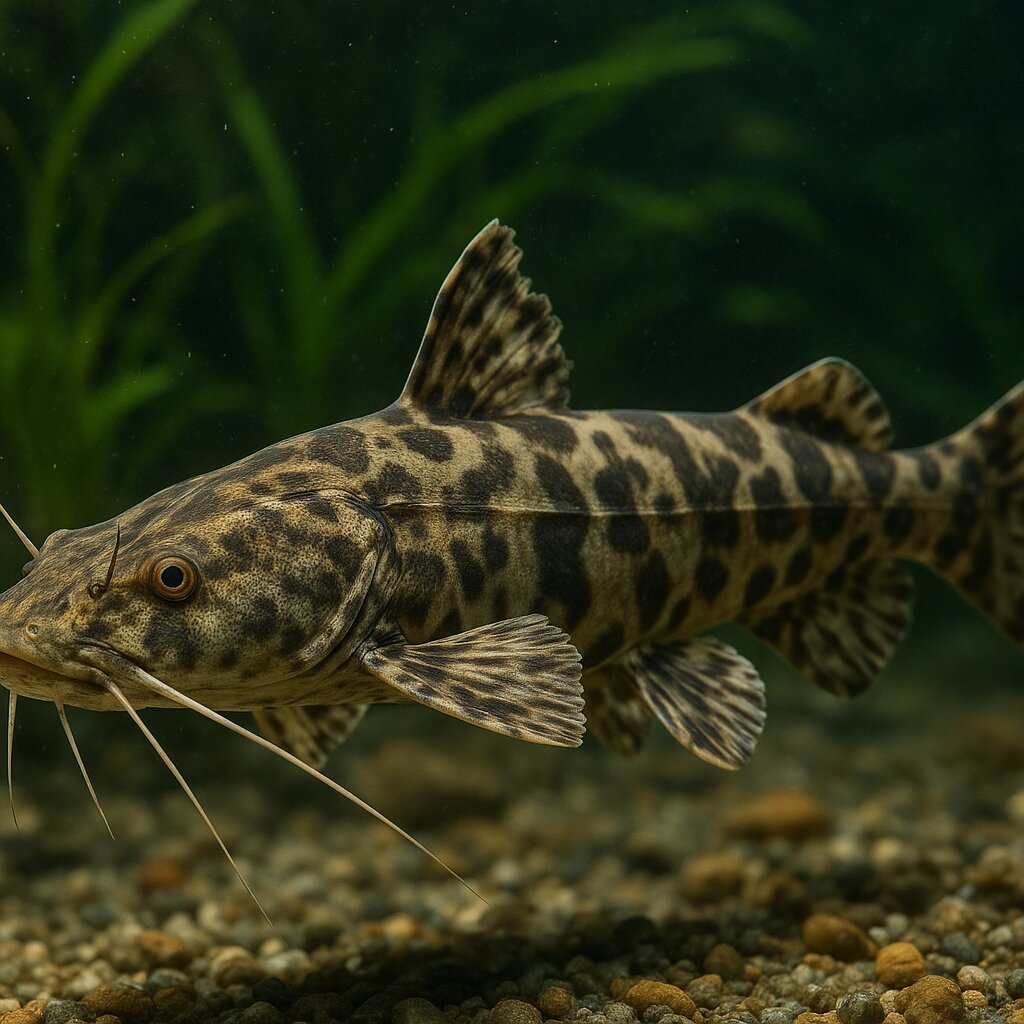
Goonch catfish
Bagarius bagarius
A true river monster with a shovel head and a mouth full of teeth, the goonch is built for blasting around boulder-strewn rapids. It is insanely strong, super predatory, and happiest in cool, fast, highly oxygenated water - think indoor-pond-with-a-river-flow setup, not a regular tank. If you love oddballs with attitude, this one is unforgettable, but it is for experts only.
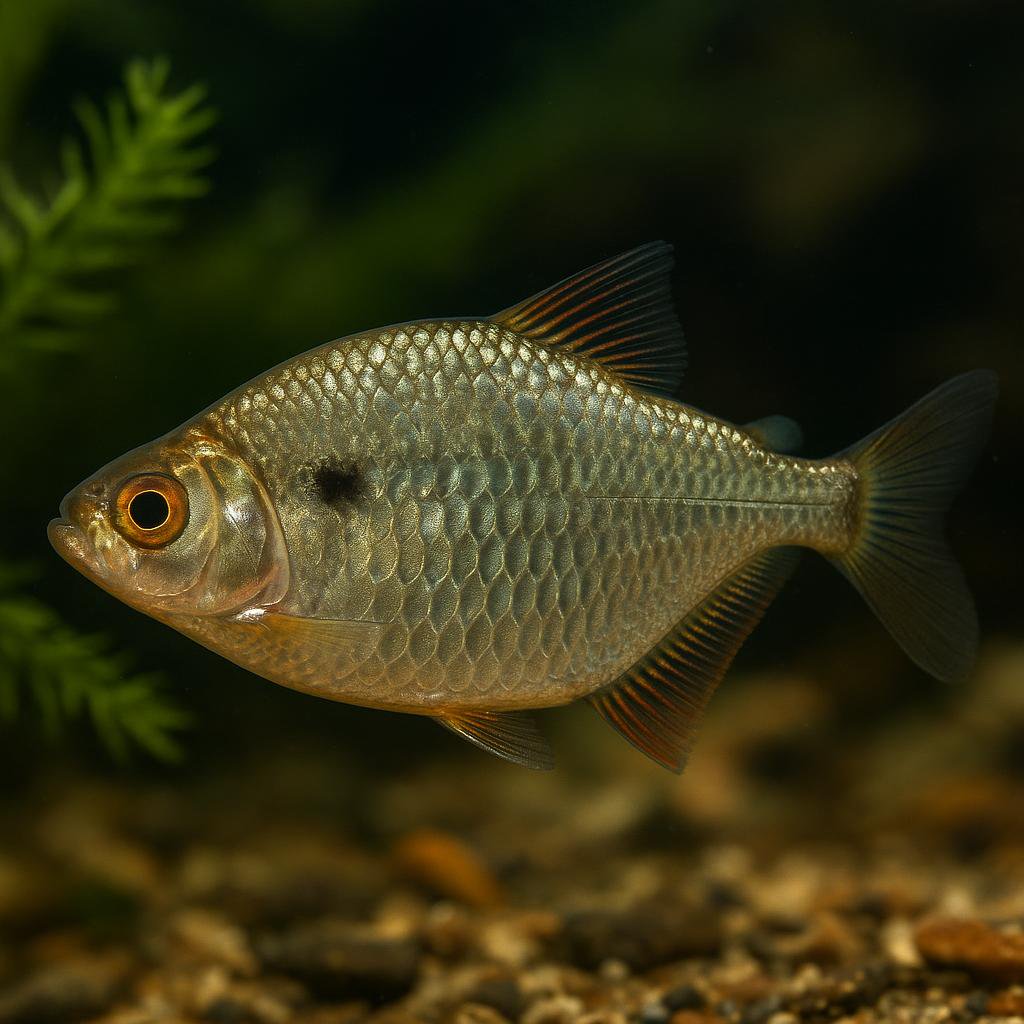
Guatemalan headstander
Roeboides guatemalensis
This is one of those oddball characins that gets lumped in with "predatory tetras" - it is built for nipping scales and mucus off other fish (lepidophagy), which is wild to watch in nature but a headache in a community tank. It is a super active, open-water swimmer, and in aquariums it usually does best treated like a specialty predator/oddity fish rather than a "tetra."
More to Explore
Discover more freshwater species.
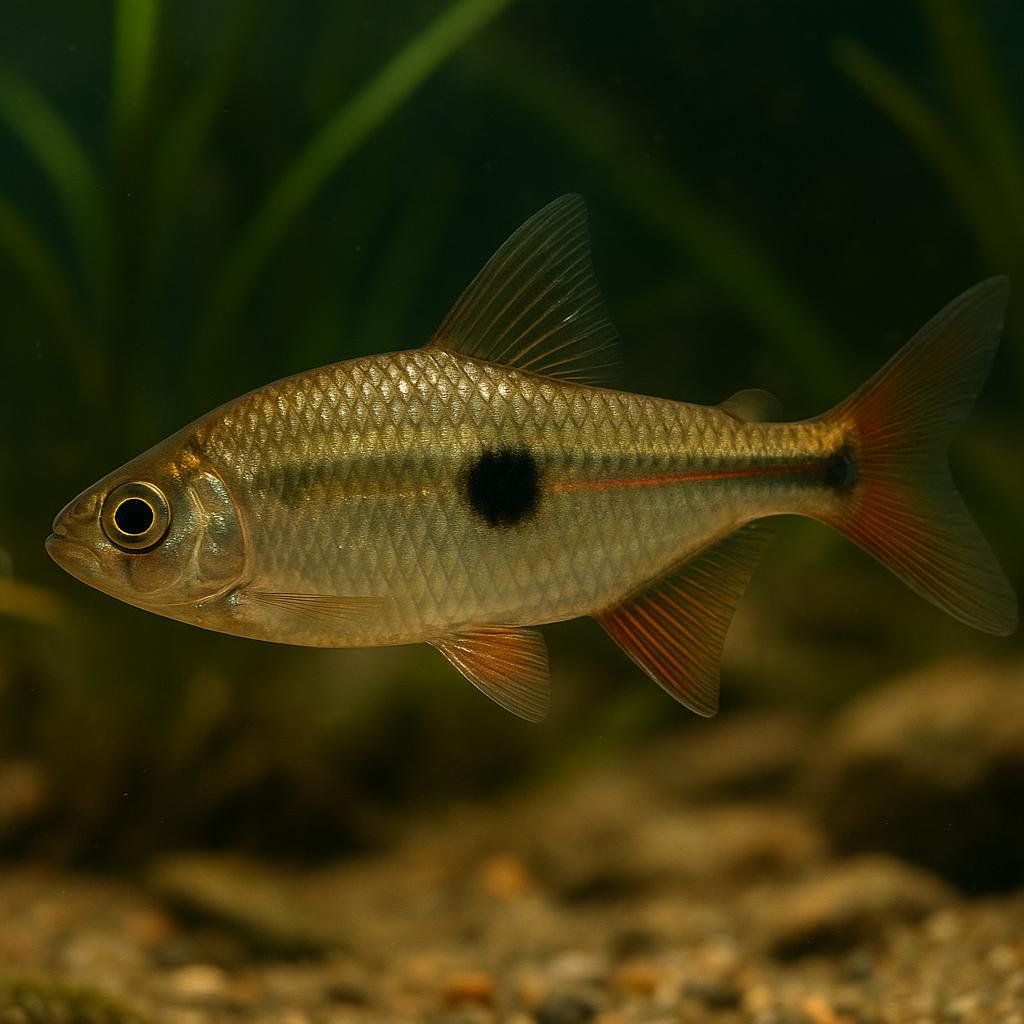
Jupiaba kurua
Small South American characin endemic to the upper rio Curuá (rio Xingu basin, Brazil). Reaches about 8.7 cm SL and inhabits clearwater rivers. Distinguished by dark dots on the bases of many lateral scales and a distinct dark caudal‑peduncle spot. Reported diet indicates omnivory, including aquatic insects, small fishes, and fragments of Podostemaceae and filamentous algae.
Amphilius dimonikensis
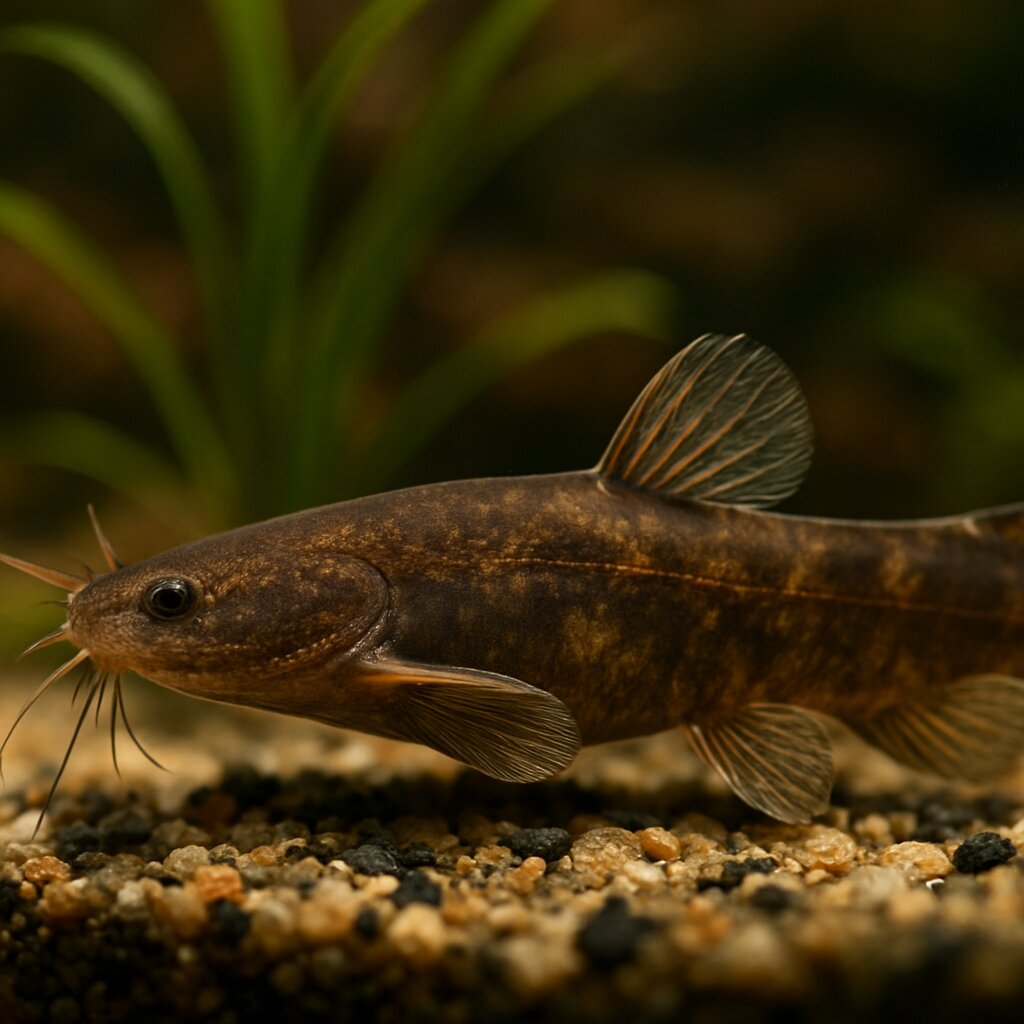
A small loach catfish endemic to the Mpoulou River in the Mayombe (Dimonika Biosphere Reserve), Republic of the Congo. Amphilius dimonikensis has a subtle banded pattern and inhabits fast, clear streams over rock and sand. In aquaria, prioritize strong, well-oxygenated flow with rounded stones and sand to mimic hillstream conditions.
Aboina barb
Enteromius aboinensis
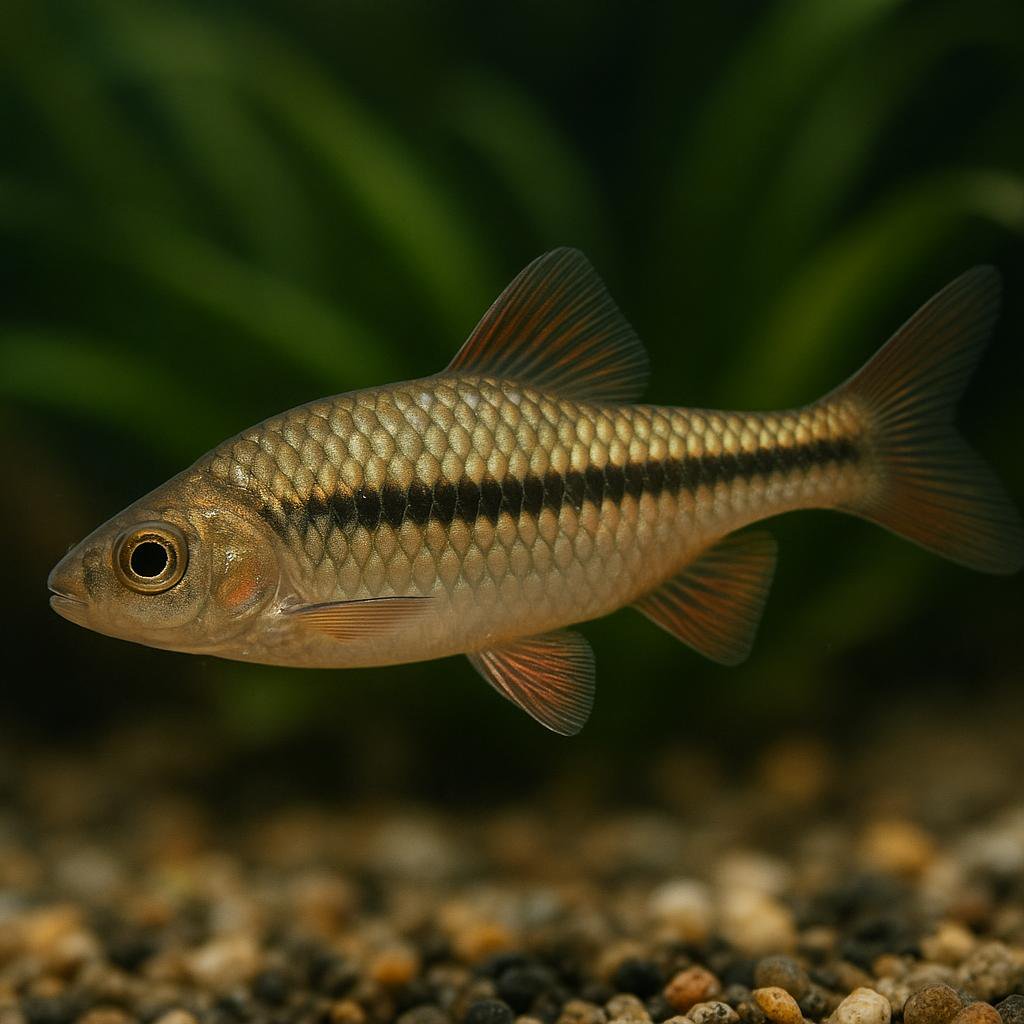
Enteromius aboinensis (the Aboina barb) is a small West African barb with a clean black midline stripe and a little spot right at the base of the tail. It does best when you treat it like a proper schooling fish - keep a decent group and give it plants around the edges with open swimming room in the middle.
Ajuricaba tetra
Jupiaba ajuricaba
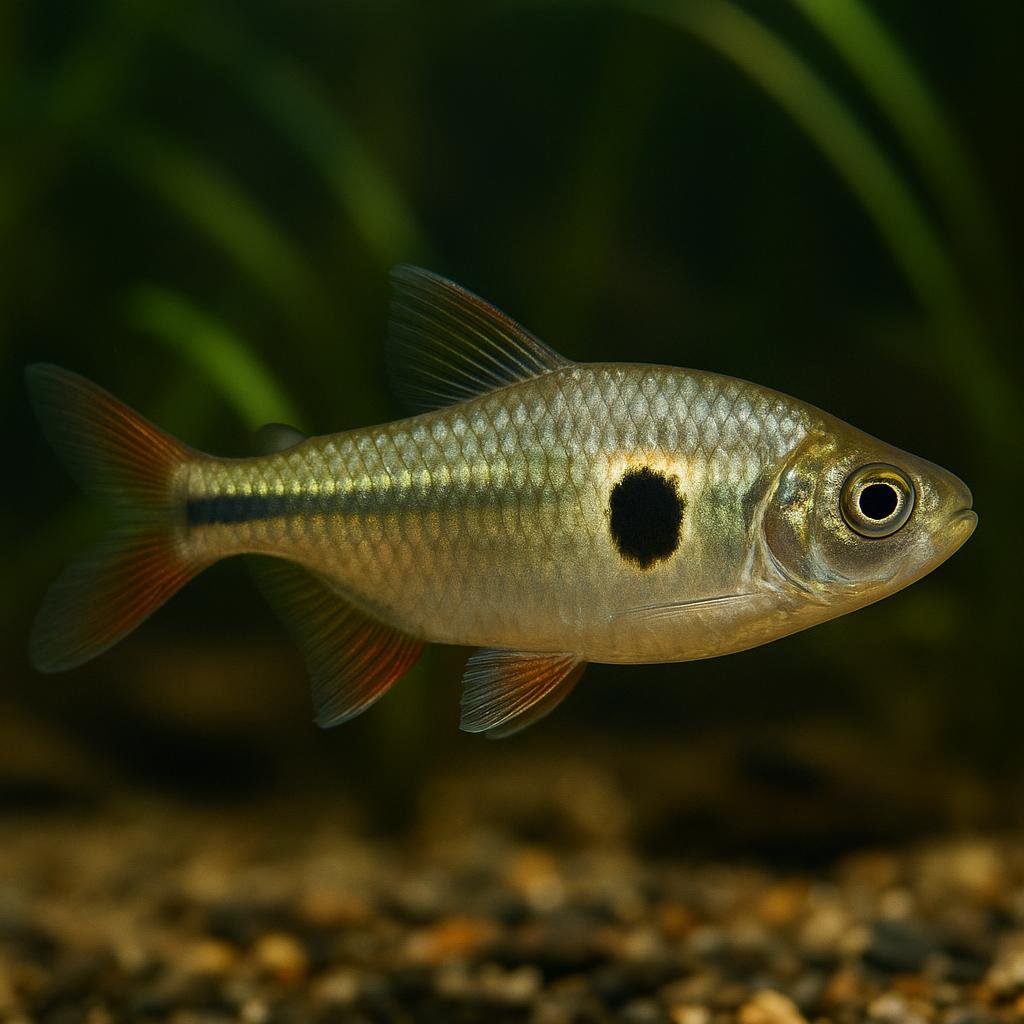
Jupiaba ajuricaba is a South American freshwater characin from the Amazon basin in Brazil (rio Negro, rio Solimões, and rio Tapajós basins). It reaches about 9.5 cm SL and is diagnosed by a narrow dark midlateral stripe, an elongated humeral spot, and an ocellated spot on the upper caudal-fin lobe. Wild specimens have been collected from blackwater forest streams and also oxbow-lake habitats.
Allen's river garfish
Zenarchopterus alleni
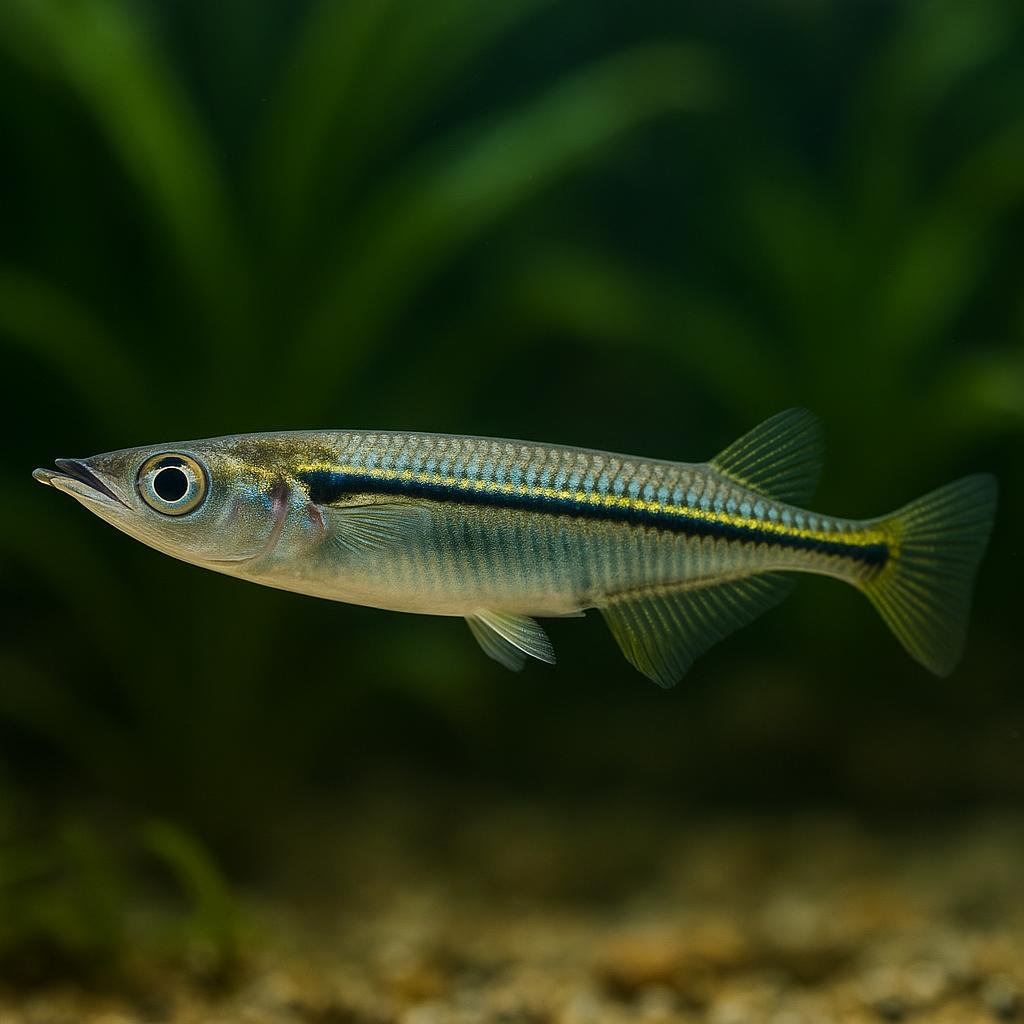
A poorly known freshwater halfbeak endemic to West Papua (Mamberamo River), described from a single specimen (~13 cm SL). Beyond basic habitat/occurrence, little is published about its ecology or aquarium suitability; assume it is a surface-oriented, jump-prone halfbeak only by analogy with related taxa.
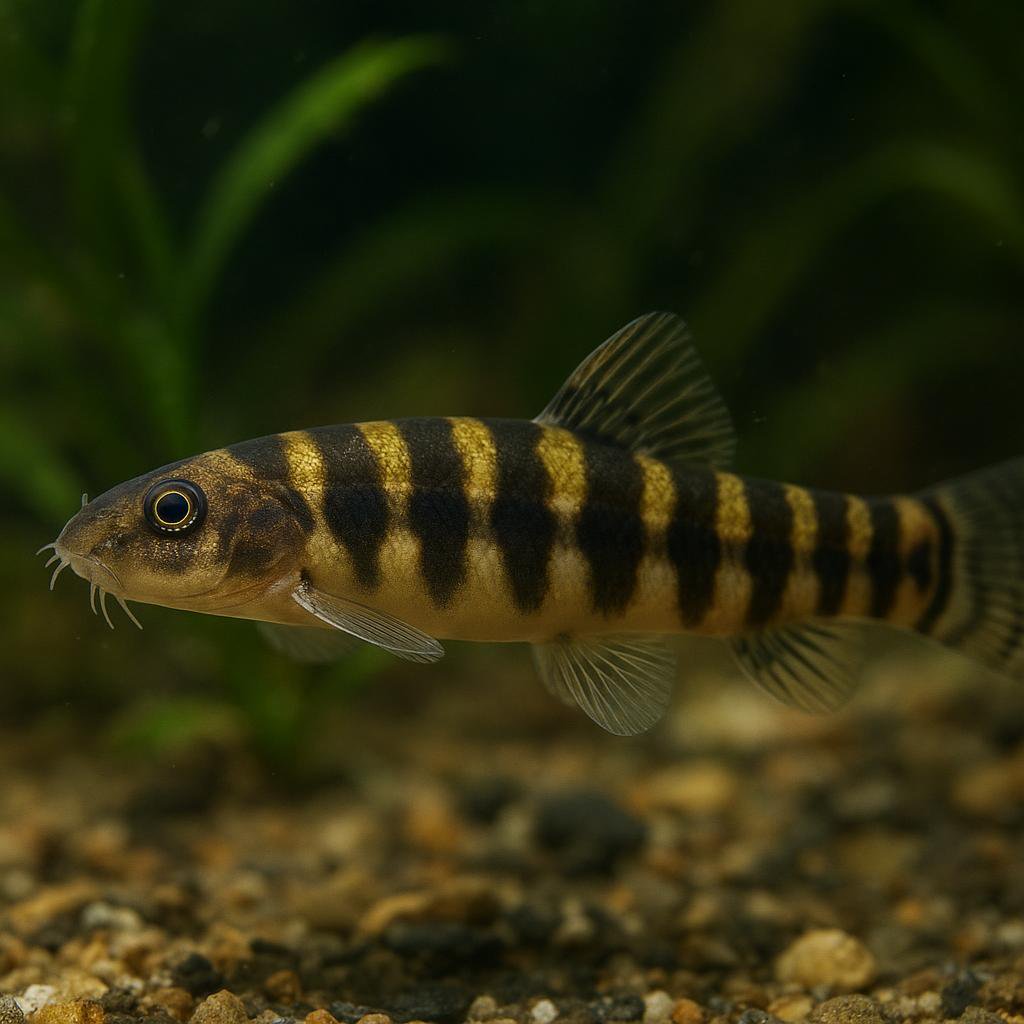
Altipedunculata stone loach
Schistura altipedunculata
Schistura altipedunculata is one of those little stream loaches that wants clean, well-oxygenated water and a bunch of rock nooks to claim as home. It is a bottom-hugger that will spend its day scooting from crevice to crevice, and it tends to get a bit spicy with its own kind if you do not give it enough hiding spots.
Looking for other species?