

Orestias ctenolepis
Orestias ctenolepis
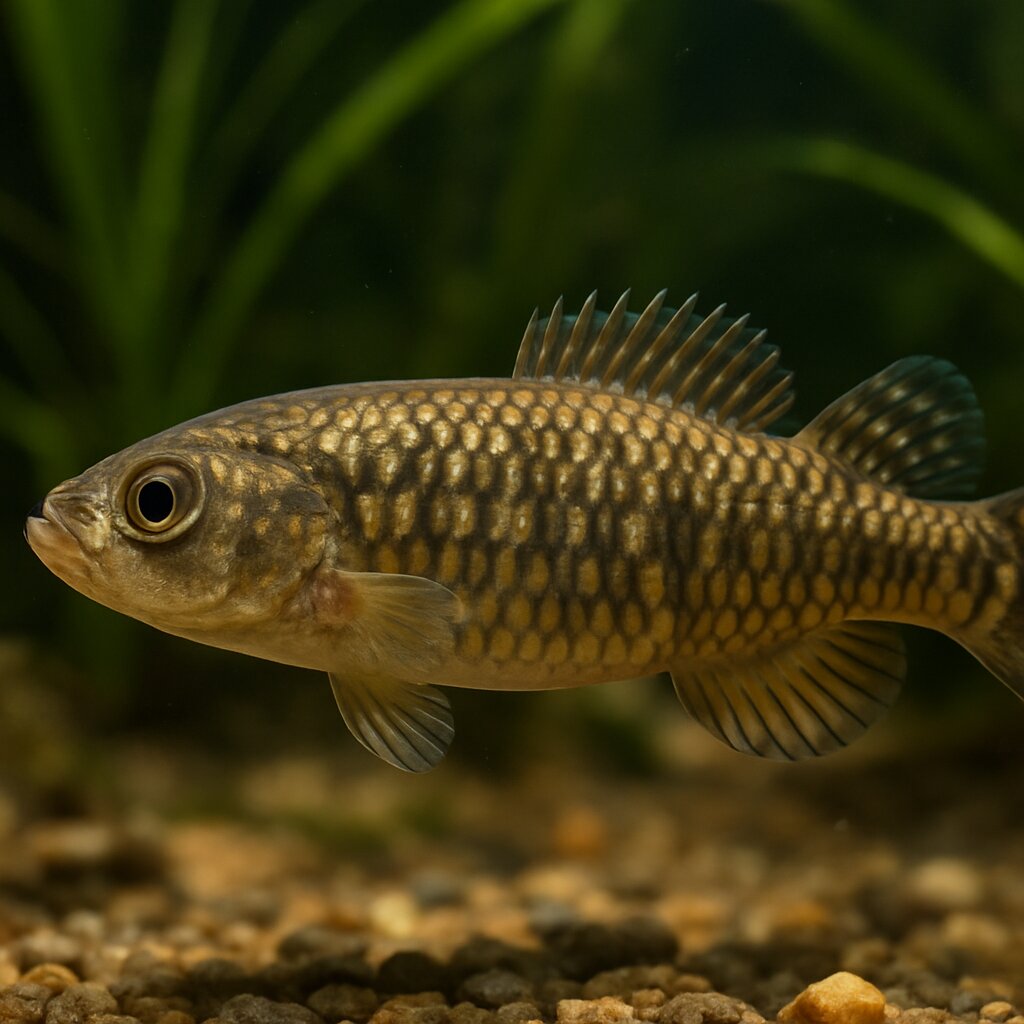
Orestias ctenolepis features a streamlined body with distinctively elongated dorsal and anal fins, displaying shimmering silver to olive-green coloration.
This page includes AI-generated images. Why am I seeing AI images?
About the Orestias ctenolepis
A small Andean killifish that lives in the chilly, high-altitude waters of Lake Titicaca. It prefers hard, alkaline water and genuinely cool temps, so it is more of a specialist project than a community fish. If you like oddball fish with a wild backstory, this little pupfish is pretty neat.
Quick Facts
Size
8 cm
Temperament
Peaceful
Difficulty
Advanced
Min Tank Size
20 gallons
Lifespan
2-5 years
Origin
South America
Diet
Omnivore - small invertebrates and algae; readily takes live and frozen foods like daphnia, brine shrimp, and bloodworms
Water Parameters
10-16°C
8.2-8.7
10-13 dGH
Need a heater for this species?
This species needs 10-16°C in a 20 gallon tank. Use our heater calculator to find the right wattage.
Calculate heater sizeCare Notes
- Give them a cool setup: 20-30 gallon long for a group of 6-10, tight lid (they jump), sand/rocks, and hardy cold-tolerant plants like hornwort or elodea.
- Keep it cold and hard: 10-16 C year-round, never let it creep past 20 C; pH 7.8-9.0 with high KH, use crushed coral or aragonite to keep minerals steady.
- Load up oxygen: big sponge filter plus strong aeration or a spray bar, and have the tank fully cycled before they arrive.
- They want live foods first: daphnia, cyclops, baby brine, blackworms, and bloodworms; once settled, blend in soft micro pellets with frozen to wean them.
- Feed small portions 2-3 times a day and siphon leftovers quickly; at cold temps waste lingers and nukes water quality.
- Skip community tanks; they do best species-only, get outcompeted by fast fish, and will eat tiny shrimp and fry.
- Breeding is egg-scatter style: use spawning mops or fine plants, do a cool mineral-heavy water change, then move eggs; at 12-15 C they hatch in about 10-20 days and fry start on infusoria then baby brine.
- Big gotchas: summer heat spikes, dropping KH, and rough acclimation; use a chiller or cool room, test KH weekly, and drip acclimate 60-90 minutes, especially with wild-caught fish.
Compatibility
Good Tankmates
- Cool-water schoolers like white cloud mountain minnows - same vibe and temp, they mind their own business
- Medaka ricefish (Oryzias latipes) - easygoing top dwellers that do great in cooler, hard-ish water
- Peppered corydoras and other cool-tolerant corys - peaceful bottom crew that wont bug them
- Zebra danios and other small, gentle danios - active but not pushy if you give them room
- Hillstream loaches (Sewellia/Gastromyzon) - love the same cool, oxygen-rich setup; just keep flowy zones for them
- Amano shrimp and nerite snails - solid cleanup crew; the fish ignore adults but might pick off baby shrimp
Avoid
- Nippy barbs and rough tetras (tiger barbs, serpae, Buenos Aires) - theyll shred fins and stress them
- Goldfish and big bulldozers like weather loaches - outcompete them at feeding and bump them around
- Territorial labyrinths and showy long-fins (bettas, paradise fish) - wrong vibe and temp, plus fin drama
- Big or predatory cichlids (convicts, jack dempsey, oscars) - obvious no, theyll see them as snacks
Where they come from
Orestias ctenolepis is an Andean pupfish from the high-altitude lakes and streams of the Altiplano around the Titicaca basin. Think clear, cold, wind-churned water with a lot of dissolved minerals and a bright, high-elevation sun. They spend their days picking at tiny crustaceans and algae on rocks and aquatic plants.
This is an advanced species. The two big asks are cool water year-round and mineral-rich, alkaline conditions. If your room regularly sits above 72 F (22 C), plan ahead.
Setting up their tank
Give them space to cruise and graze. A long tank is better than a tall one, with clean flow and plenty of oxygen.
- Tank: 24-30 in long footprint. A 20-long works for a group; 30-40 gallons is nicer.
- Group: 8-12+ to spread out any chasing.
- Temperature: 50-64 F (10-18 C). Short spikes to 68-70 F (20-21 C) are OK, not sustained.
- pH: 7.6-9.0. Hardness: GH 8-20 dGH, KH 6-12 dKH.
- Filtration: strong aeration and surface movement. Sponge + hang-on-back or canister with spraybar.
- Substrate/scape: fine sand with rounded stones, cobble, and patches of hardy, cool-tolerant plants (elodea, hornwort). Leave open lanes for swimming.
- Lighting: moderate to bright to grow periphyton (their snack bar).
- Lid: tight-fitting. They jump, especially at dusk and during courtship.
I run an air stone or open spraybar all the time. A small fan or chiller keeps temps in the sweet spot through summer. If your tap is soft or acidic, you will need to add buffering.
Easiest buffering combo: a bag of crushed coral or aragonite in the filter plus a limestone rock in the scape. Test KH weekly at first and aim for steady numbers.
Heat is the fish killer here. Above 72 F (22 C), oxygen drops and they stress fast. If you see them hanging at the surface or breathing hard, cool the tank and boost aeration immediately.
What to feed them
They are micropredators that also graze. Live and frozen foods get the best response, but mine learned some dry foods after a few weeks.
- Live: daphnia, baby brine shrimp, cyclops, mosquito larvae, small blackworms.
- Frozen: daphnia, cyclops, mysis, finely chopped bloodworm.
- Dry (once trained): small high-protein pellets or quality flake mixed with spirulina.
- Supplemental grazing: let some algae and biofilm grow on rocks.
Feed small portions 2-3 times a day. They are nibblers, not binge eaters. Skip one day a week if they are getting hefty.
To teach them dry food, mix a pinch into thawed frozen, then slowly reduce the frozen over a week. Keep water clean during this period since they will spit and taste-test a lot.
How they behave and who they get along with
Active, curious, and busy. In a group they form loose shoals, pick at surfaces, and do short dashes. Males display with little flares and chases, but real damage is rare if the group is big and the tank has sight breaks.
I strongly prefer a species-only setup. Matching their cool temps and high pH narrows options, and they are quick at feeding time. If you must mix, try a small group of robust, cool-tolerant fish like white cloud mountain minnows and watch for food competition. No flowy fins, no tiny shrimp. Snails are fine.
They jump. Cover gaps around hoses and use a lid with clips. Courtship evenings are the riskiest.
Breeding tips
They scatter adhesive eggs in fine plants and algae. No parental care. You can get spawns in a community setup, but you will raise more fry if you collect eggs or dedicate a breeding tank.
- Sex ratio: 1 male to 2-3 females works well.
- Triggers: heavy feeding with live foods, a series of small cooler water changes, and a slightly longer photoperiod.
- Spawning media: yarn mops near the surface and a clump of fine plants or moss on the bottom.
- Collect mops every few days and hatch eggs in a shallow container with tank water and a gentle airstone.
- Incubation: roughly 10-18 days at 57-62 F (14-17 C).
Fry are tiny. Start with infusoria or rotifers for a couple of days, then move to newly hatched brine shrimp and microworms. Keep the rearing water mineral-rich and very clean with small daily changes.
Eggs can fungus. Good airflow over the eggs and promptly removing any white eggs helps. Some keepers use methylene blue; follow the product label if you go that route.
Common problems to watch for
- Overheating and low oxygen in summer. Have a fan, chiller, or frozen water bottles ready.
- pH or KH crashes in soft water. Buffer and test regularly.
- Refusal to eat dry foods. Offer live/frozen first and train slowly.
- Wild-caught parasites. Quarantine new fish for 4-6 weeks and observe.
- Fin nipping of slow, long-finned tankmates.
- Jumping during stress or courtship.
Plan for heatwaves. A cheap clip-on fan across the surface can drop water a few degrees fast. Top off with pre-treated, mineral-matched water.
Source responsibly and check local regulations. Some Andean fishes are protected or regionally restricted. Quarantine everything before it meets your display.
Similar Species
Other freshwater peaceful species you might be interested in.
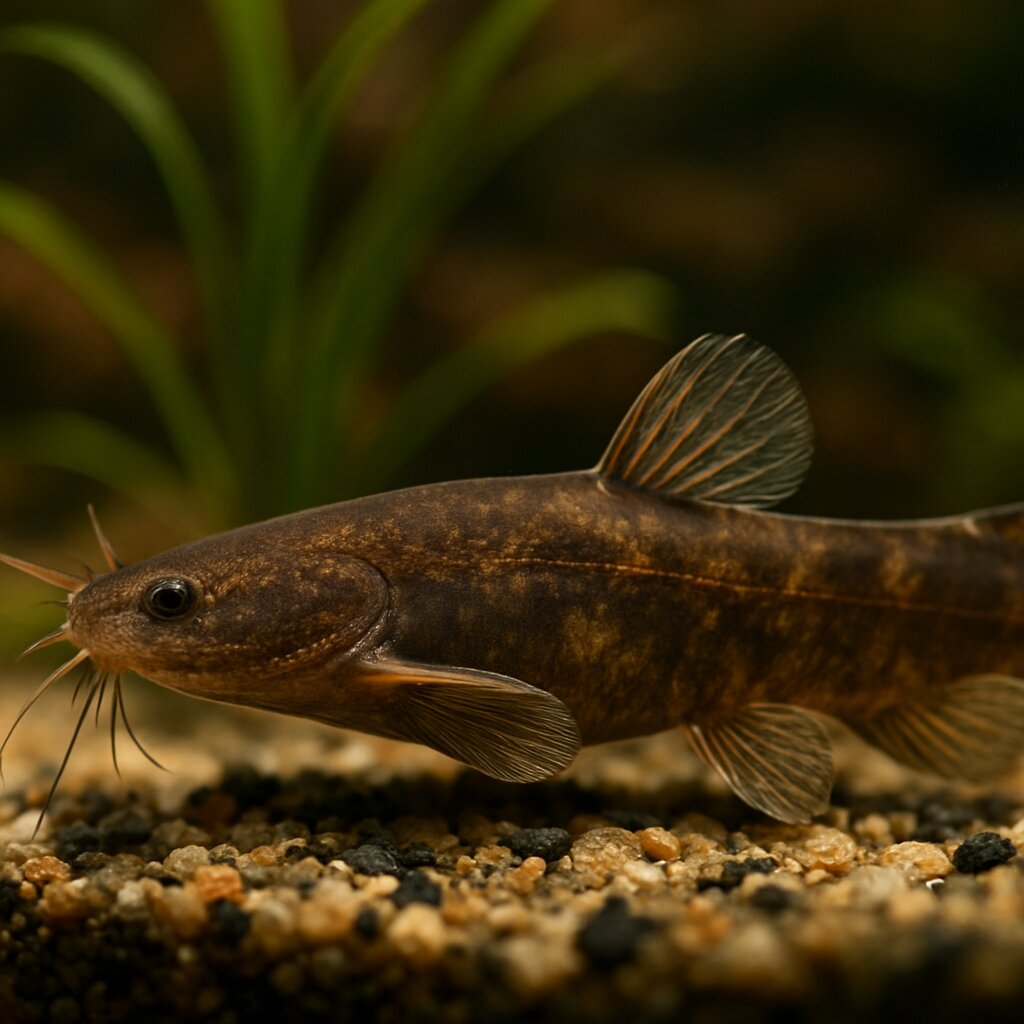
Amphilius dimonikensis
A small loach catfish endemic to the Mpoulou River in the Mayombe (Dimonika Biosphere Reserve), Republic of the Congo. Amphilius dimonikensis has a subtle banded pattern and inhabits fast, clear streams over rock and sand. In aquaria, prioritize strong, well-oxygenated flow with rounded stones and sand to mimic hillstream conditions.
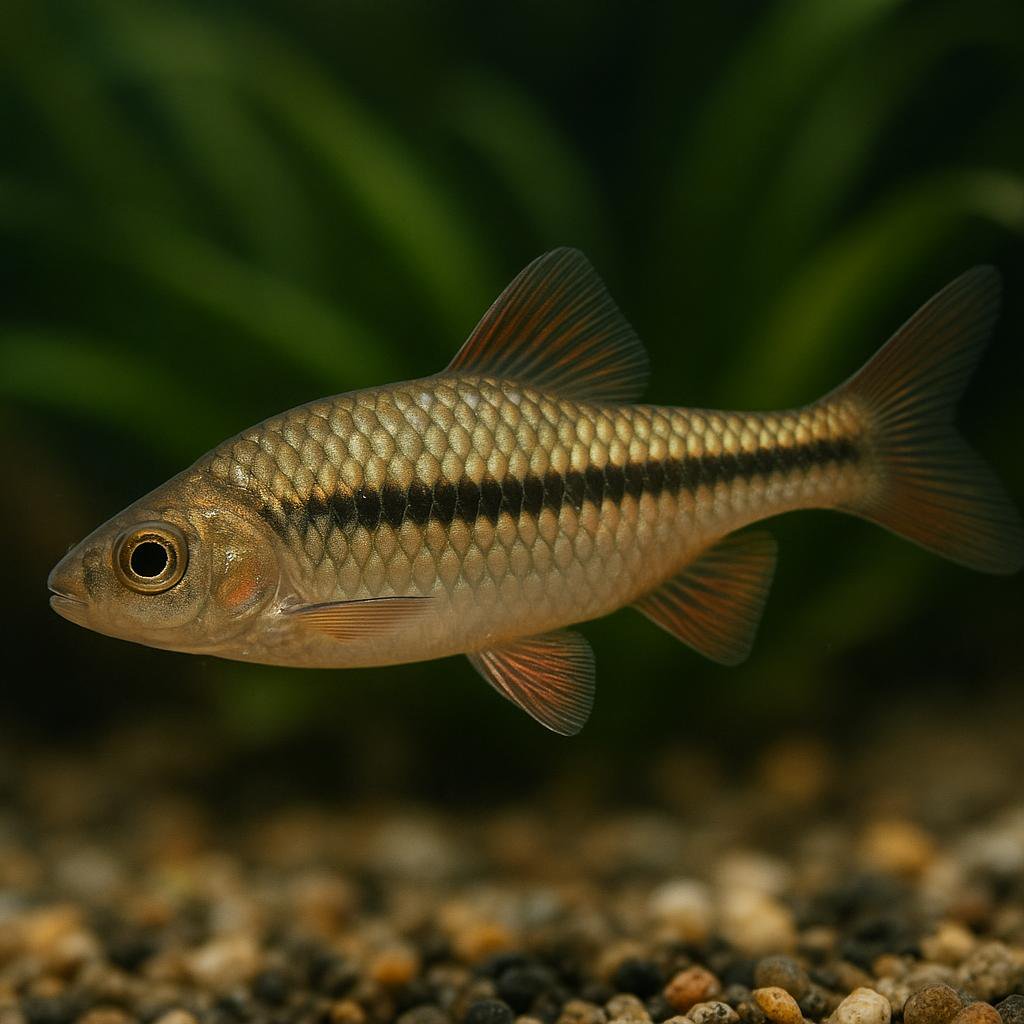
Aboina barb
Enteromius aboinensis
Enteromius aboinensis (the Aboina barb) is a small West African barb with a clean black midline stripe and a little spot right at the base of the tail. It does best when you treat it like a proper schooling fish - keep a decent group and give it plants around the edges with open swimming room in the middle.
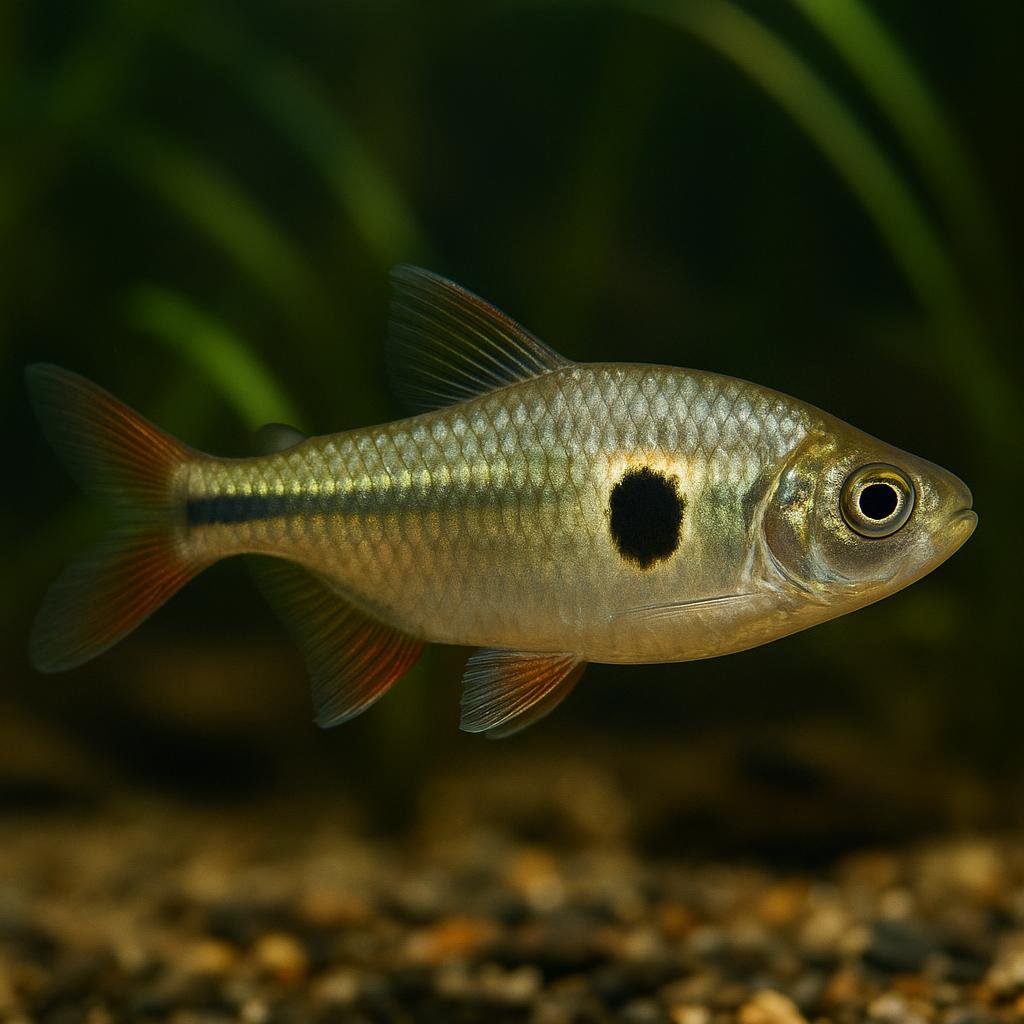
Ajuricaba tetra
Jupiaba ajuricaba
Jupiaba ajuricaba is a South American freshwater characin from the Amazon basin in Brazil (rio Negro, rio Solimões, and rio Tapajós basins). It reaches about 9.5 cm SL and is diagnosed by a narrow dark midlateral stripe, an elongated humeral spot, and an ocellated spot on the upper caudal-fin lobe. Wild specimens have been collected from blackwater forest streams and also oxbow-lake habitats.
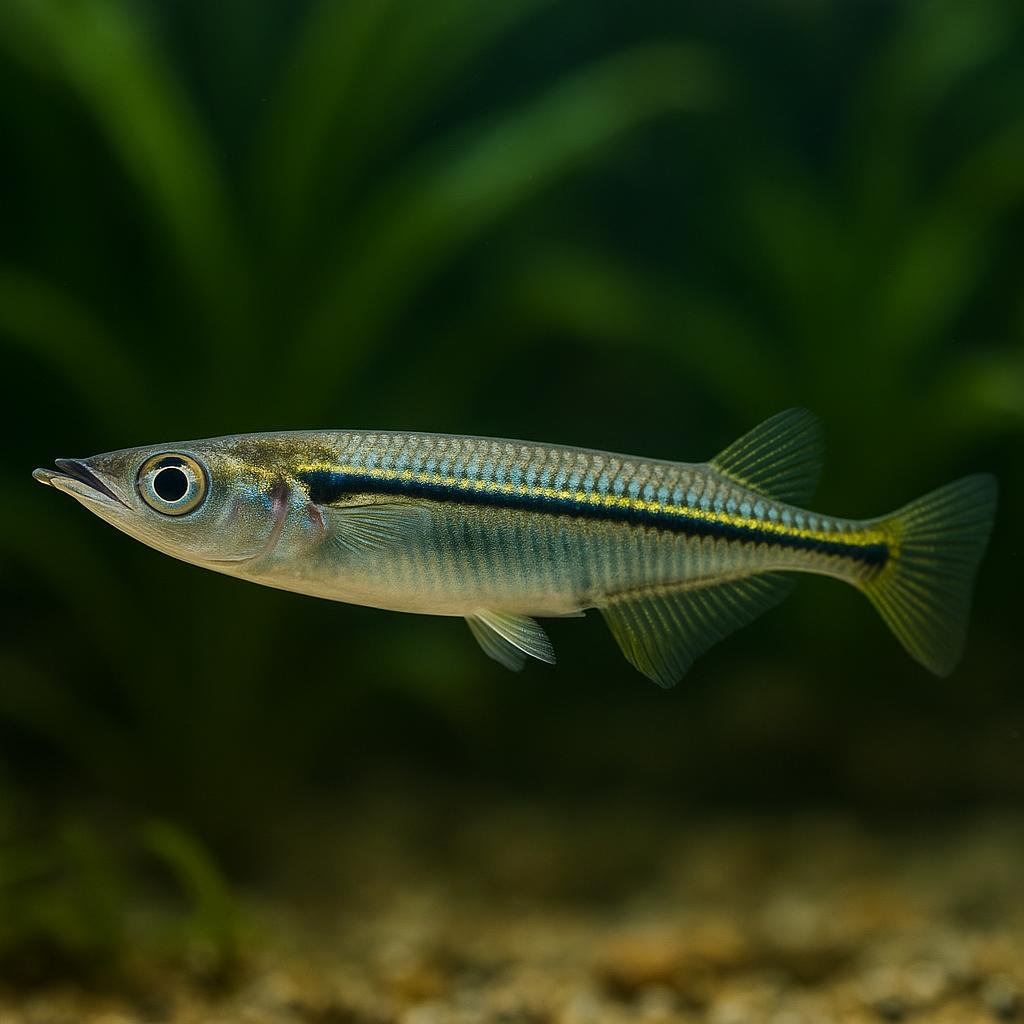
Allen's river garfish
Zenarchopterus alleni
A poorly known freshwater halfbeak endemic to West Papua (Mamberamo River), described from a single specimen (~13 cm SL). Beyond basic habitat/occurrence, little is published about its ecology or aquarium suitability; assume it is a surface-oriented, jump-prone halfbeak only by analogy with related taxa.
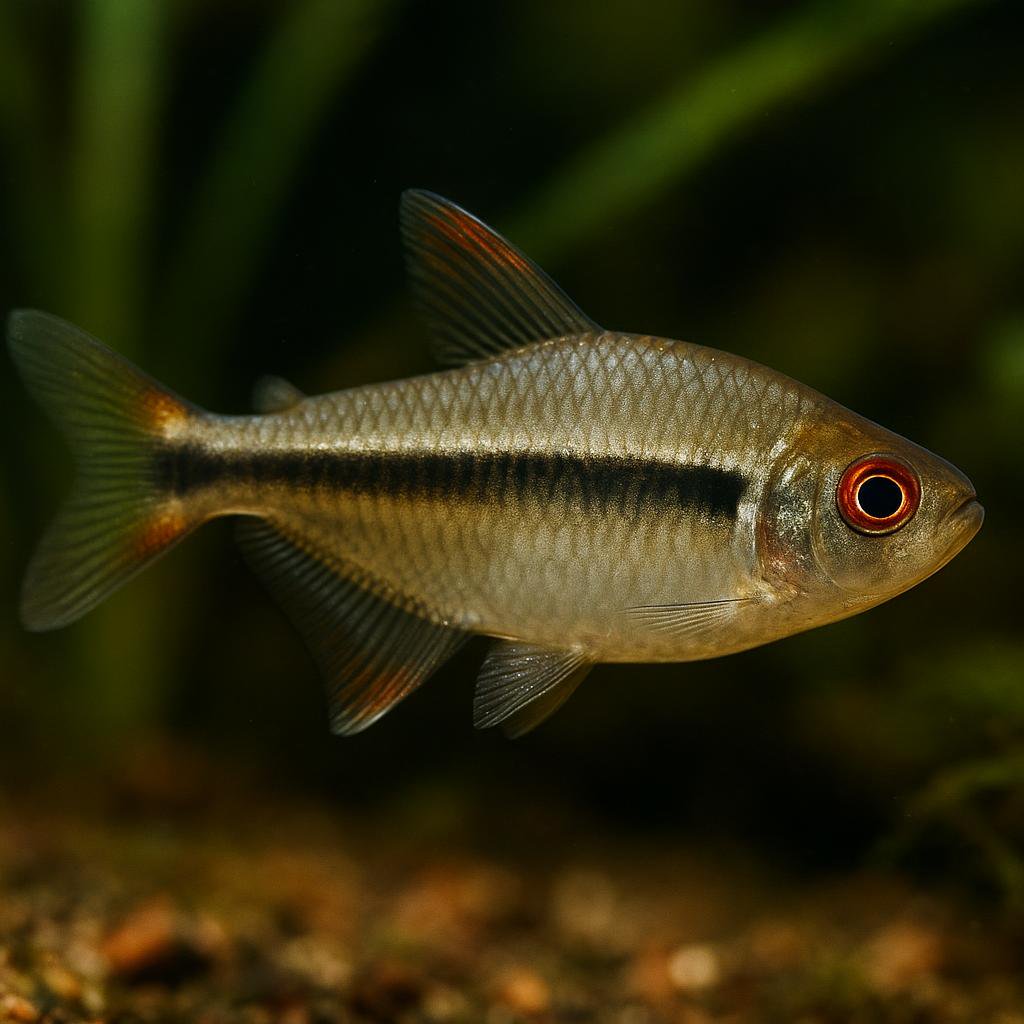
Amapa tetra
Hyphessobrycon amapaensis
This is a tiny, super sleek little tetra with a clean red stripe down the side that really pops once its settled in. It does best in a planted, slightly tinted "creek-style" setup and looks way cooler when you keep a proper group so they school and flash that line together. If you can give it soft, slightly acidic water and a calm community, its an easy fish to fall for.
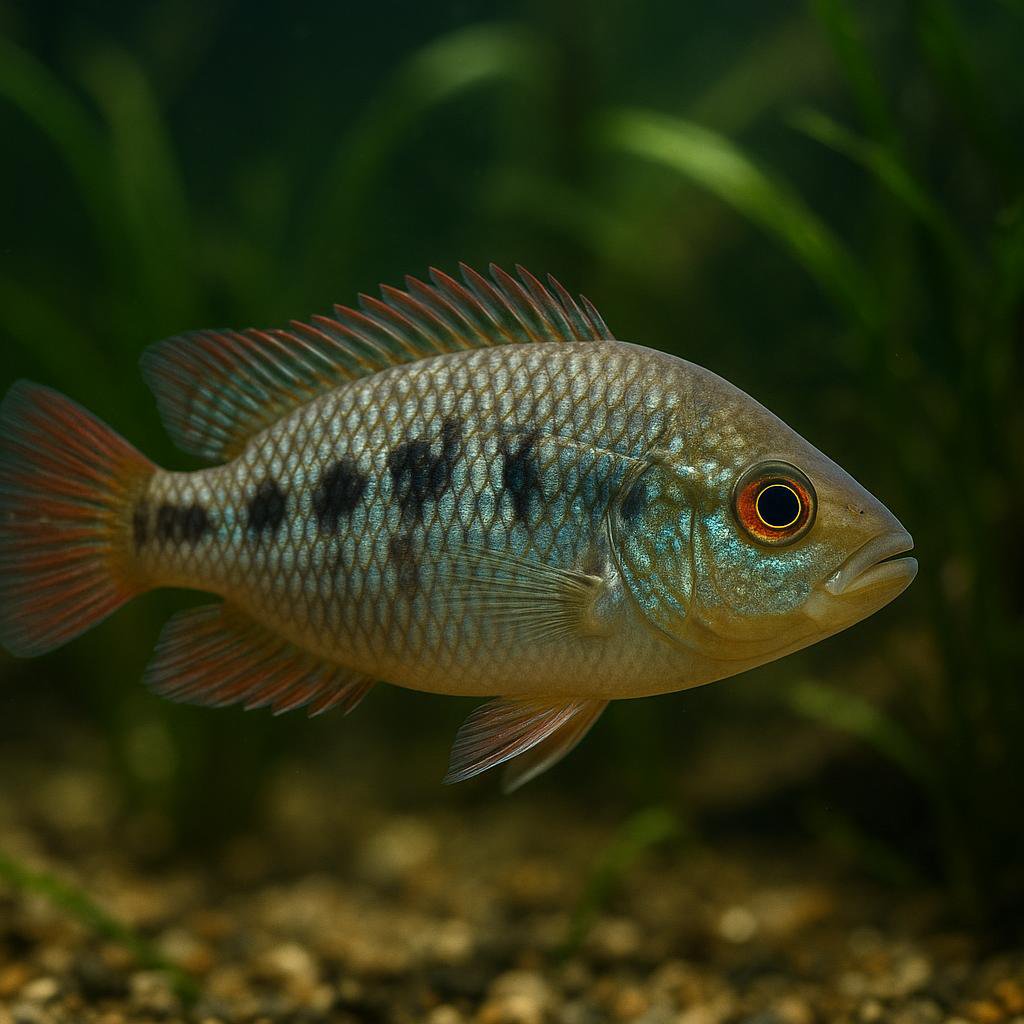
Amatlan chub
Yuriria amatlana
Yuriria amatlana (the Amatlan chub) is a little Mexican native minnow from the Ameca River basin. Its wild range is pretty limited and it is listed as Endangered, so its care info in the aquarium hobby is basically nonexistent and its availability is usually low. In the original species description, preserved fish show a dark lateral stripe with a darker patch on the caudal peduncle, and they can have tiny barbels at the mouth corners.
More to Explore
Discover more freshwater species.
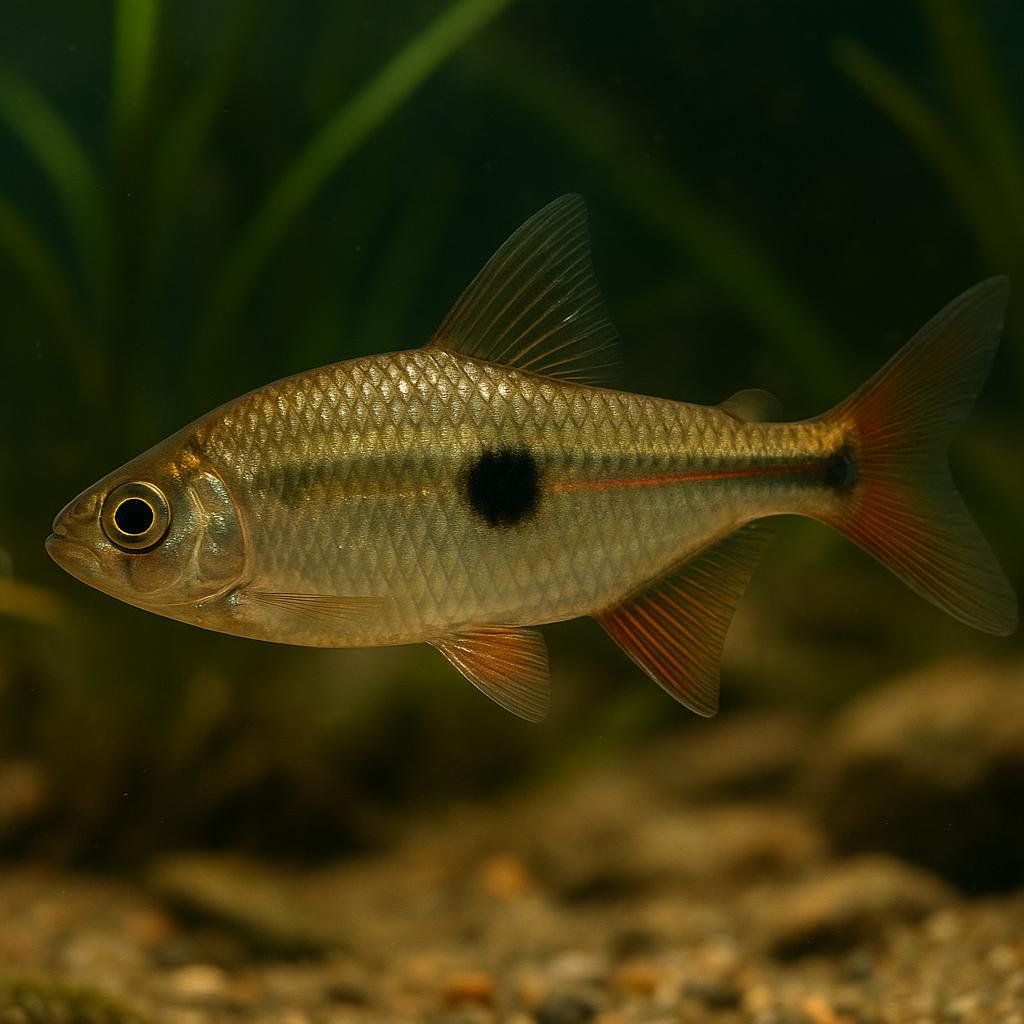
Jupiaba kurua
Small South American characin endemic to the upper rio Curuá (rio Xingu basin, Brazil). Reaches about 8.7 cm SL and inhabits clearwater rivers. Distinguished by dark dots on the bases of many lateral scales and a distinct dark caudal‑peduncle spot. Reported diet indicates omnivory, including aquatic insects, small fishes, and fragments of Podostemaceae and filamentous algae.
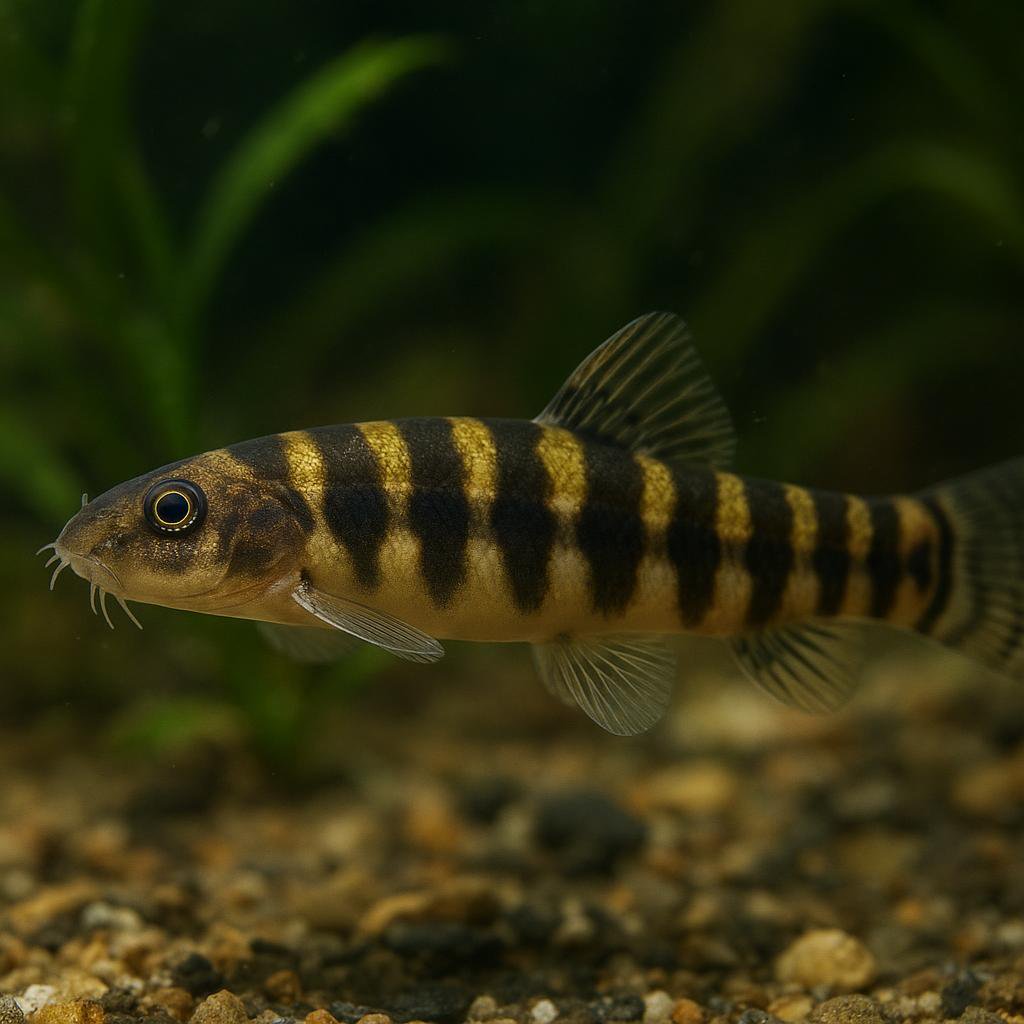
Altipedunculata stone loach
Schistura altipedunculata
Schistura altipedunculata is one of those little stream loaches that wants clean, well-oxygenated water and a bunch of rock nooks to claim as home. It is a bottom-hugger that will spend its day scooting from crevice to crevice, and it tends to get a bit spicy with its own kind if you do not give it enough hiding spots.
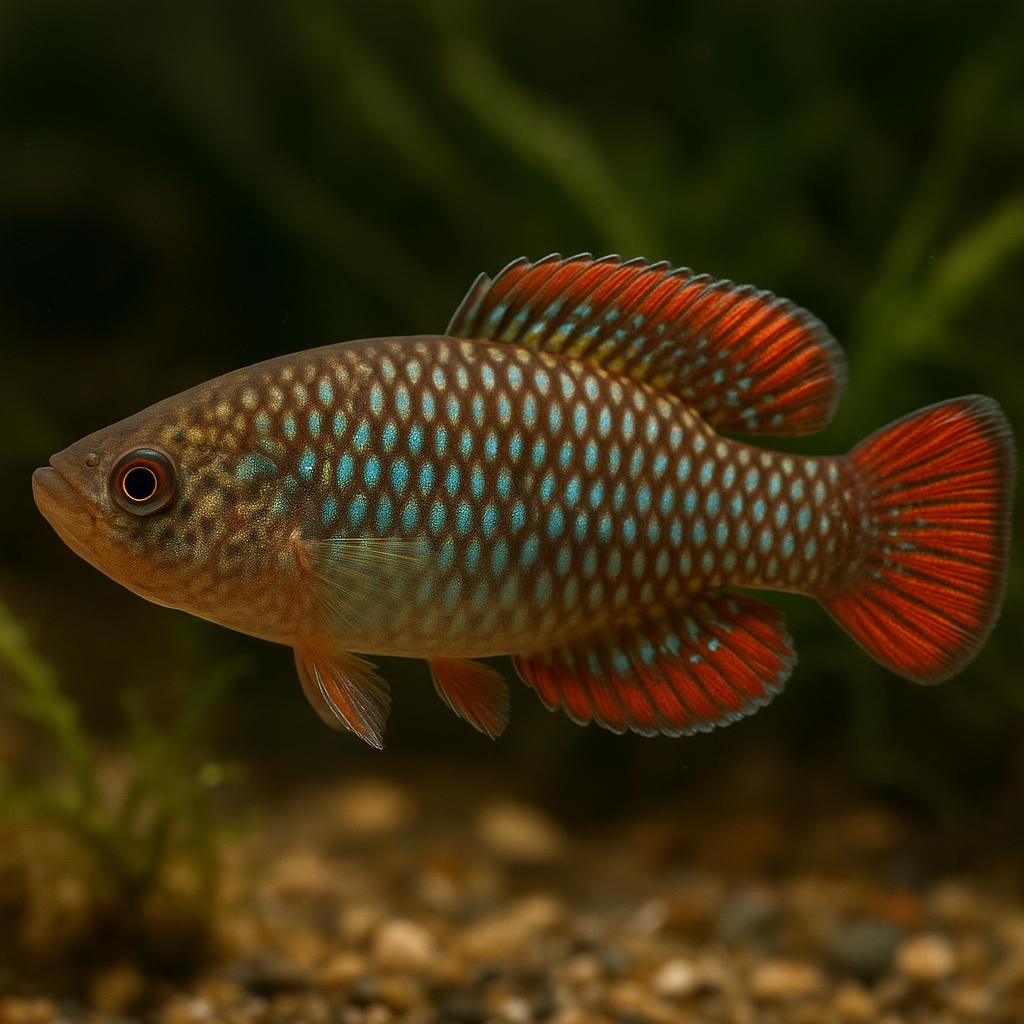
American flagfish
Jordanella floridae
Jordanella floridae is that little Florida native with the red-and-cream striping that really does look like a tiny flag once a male colors up. They graze algae like champs (especially stringy/hair algae), but they have a bit of attitude - give them plants and space so the bossy behavior stays manageable. Bonus: the male guards the eggs and will actively fan them, which is pretty fun to watch.
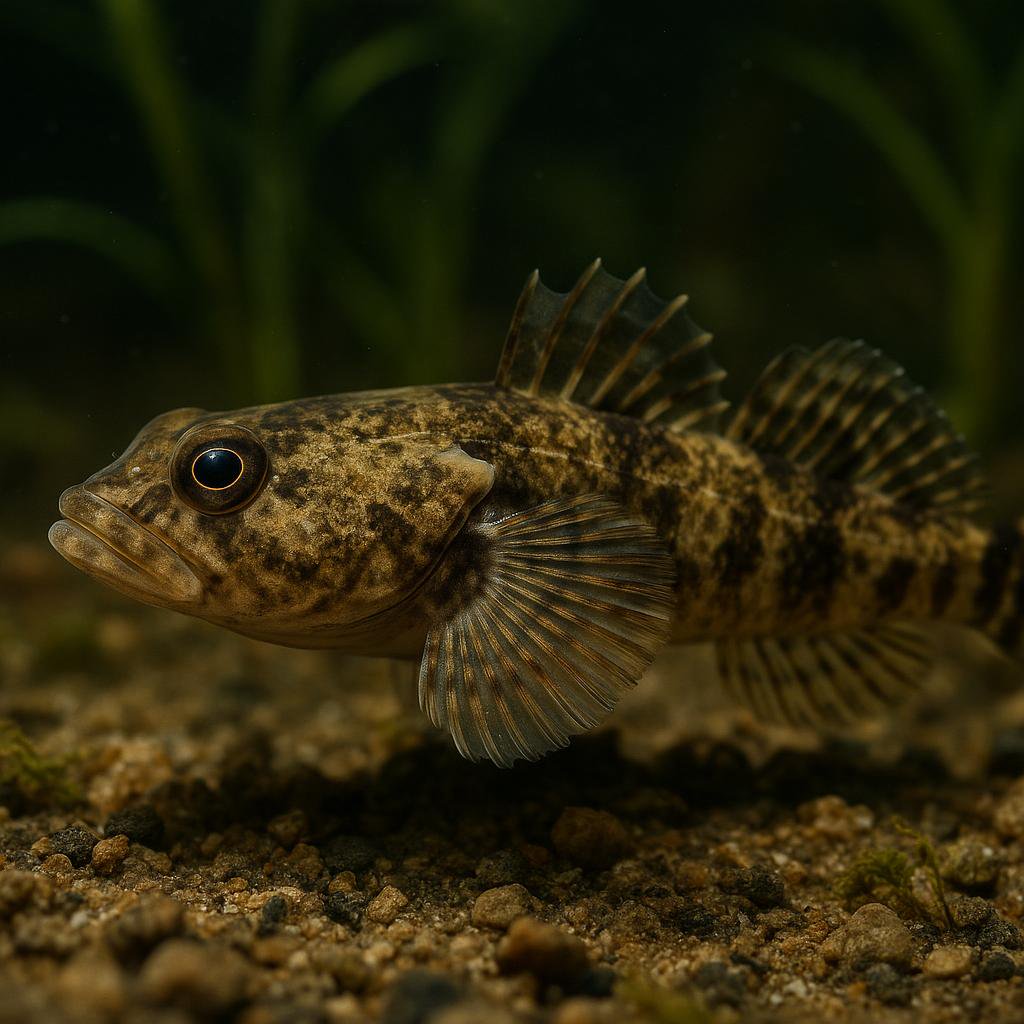
Amur sculpin
Alpinocottus szanaga
This is a little coldwater sculpin from the Amur drainage - a bottom-hugging, rock-and-gravel fish that spends its day wedged under stones and darting out to grab food. Super cool behavior and attitude, but it is absolutely not a warm tropical community fish - it wants chilly, fast, oxygen-rich water and will bicker with other bottom fish.
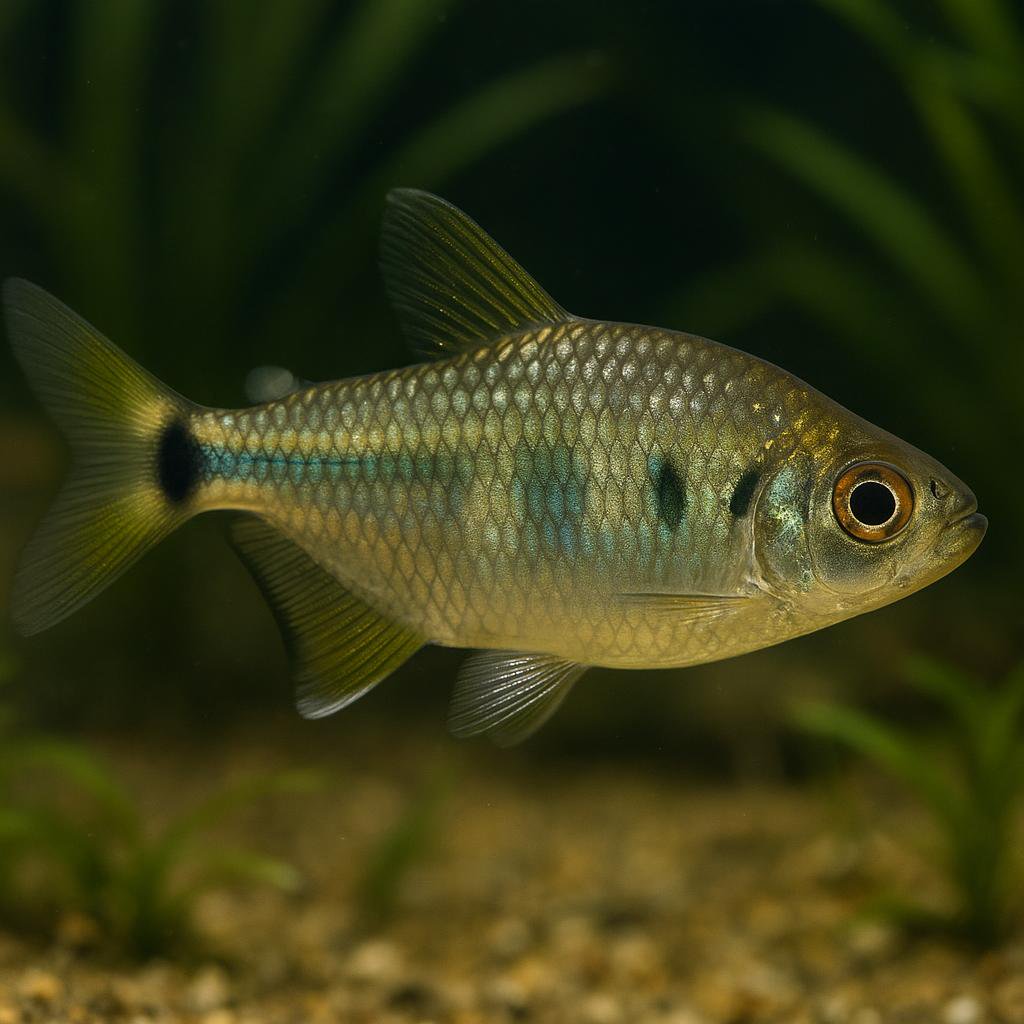
Andrica moenkhausia
Moenkhausia andrica
Moenkhausia andrica is a little Brazilian characin from the Tapajos system that tops out around 7 cm (about 2.8 inches) standard length. It has a neat netted (reticulated) scale pattern plus a dark spot on the caudal peduncle, and the really wild part is that mature females can have tiny fin hooklets too, which is usually a male-only thing in a lot of characins.
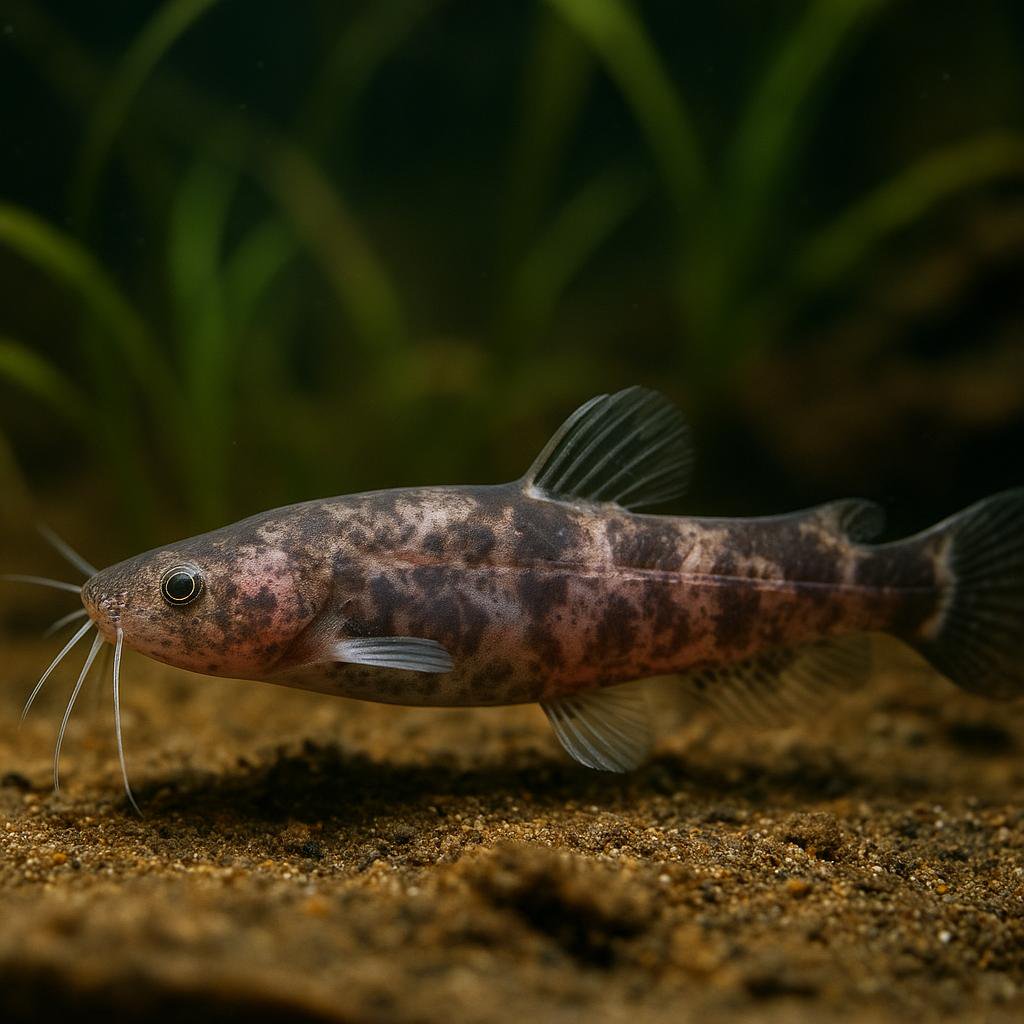
Anhanga pygmy pencil catfish
Potamoglanis anhanga
This is a truly tiny Amazonian trichomycterid catfish - like 1.3 cm max - so it is more of a micro-predator oddball than a typical community catfish. It is the kind of fish that disappears into sand, leaf litter, and plant roots, and you will spend way more time setting up the right micro-habitat than you will actually seeing it.
Looking for other species?