

Search Species
Search for fish species by common or scientific name, or use filters to browse by water type, size, temperament, and difficulty.
Found 541 species
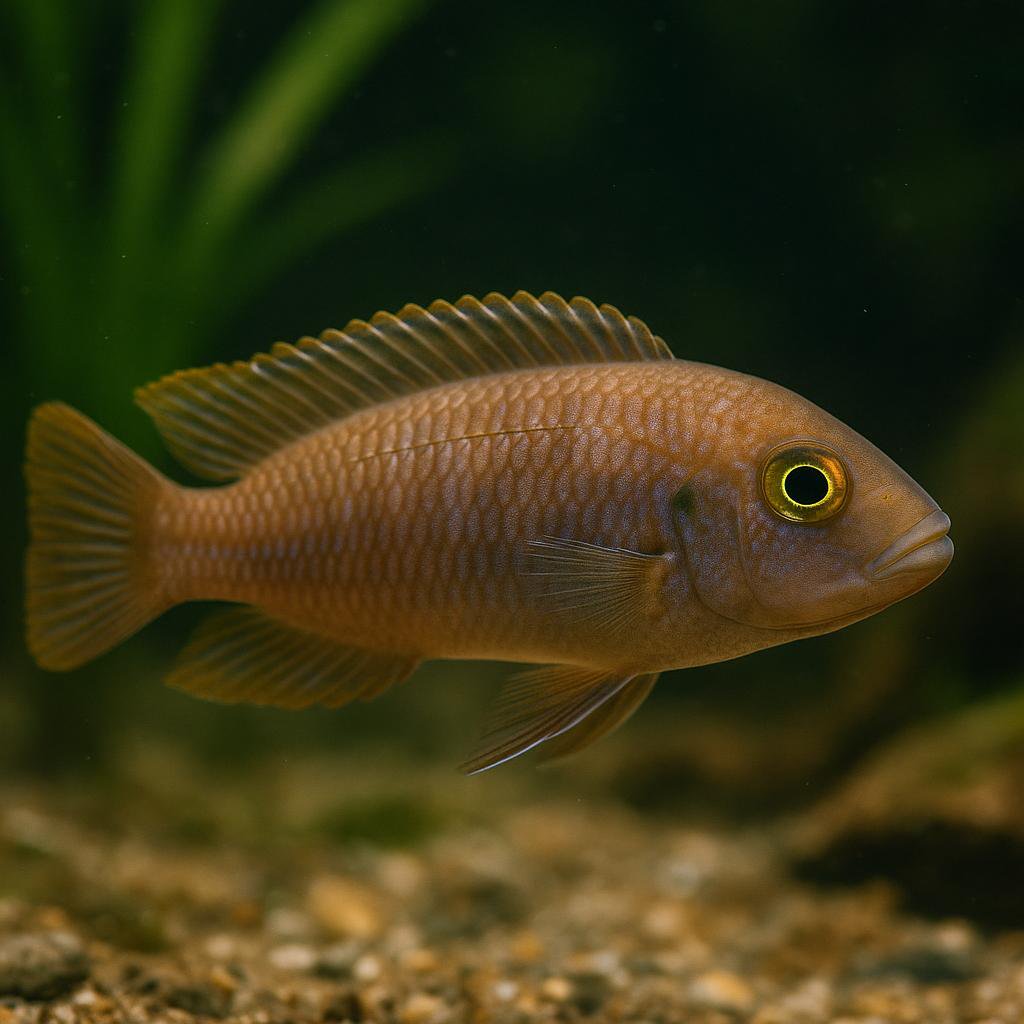
Rusty cichlid
Iodotropheus sprengerae
This is the classic "rusty" mbuna from Lake Malawi - females and juveniles stay that warm rusty-brown, and grown males often pick up a really nice lavender-purple sheen. Compared to a lot of mbuna, they are pretty chill, but they still do the cichlid thing with little territories and lots of attitude around rocks. They are maternal mouthbrooders too, so watching a holding female is always fun.
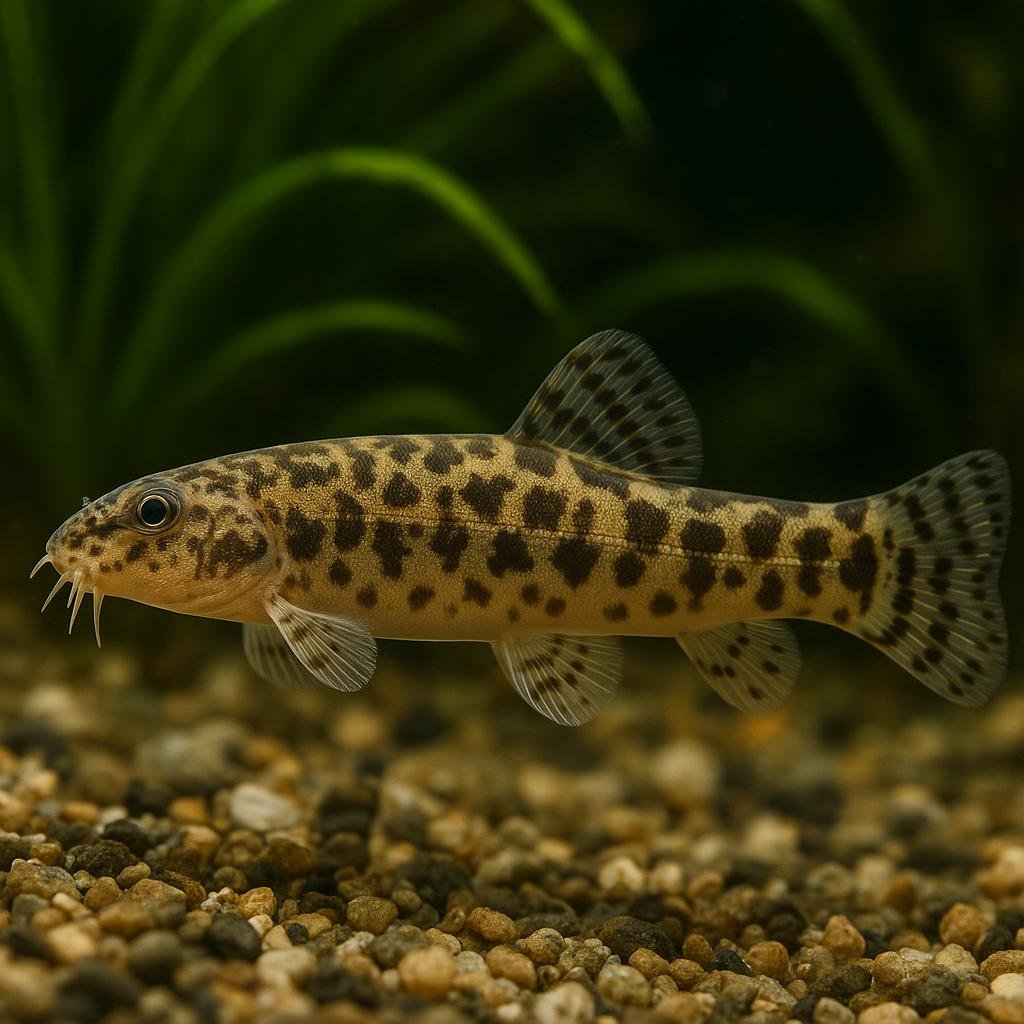
Saadi dwarf stone loach
Turcinoemacheilus saadii
This is a little Iranian stone loach that lives glued to the bottom in fast, rocky streams, kinda like a tiny current-loving goby-but its a loach. The body has 7-9 dark saddle-shaped bands instead of a solid stripe, and it is built for scooting around coarse gravel and boulders in strong flow. Its not really an aquarium trade fish, but if you ever did keep one, you would set it up like a mini river tank with tons of oxygen and current.
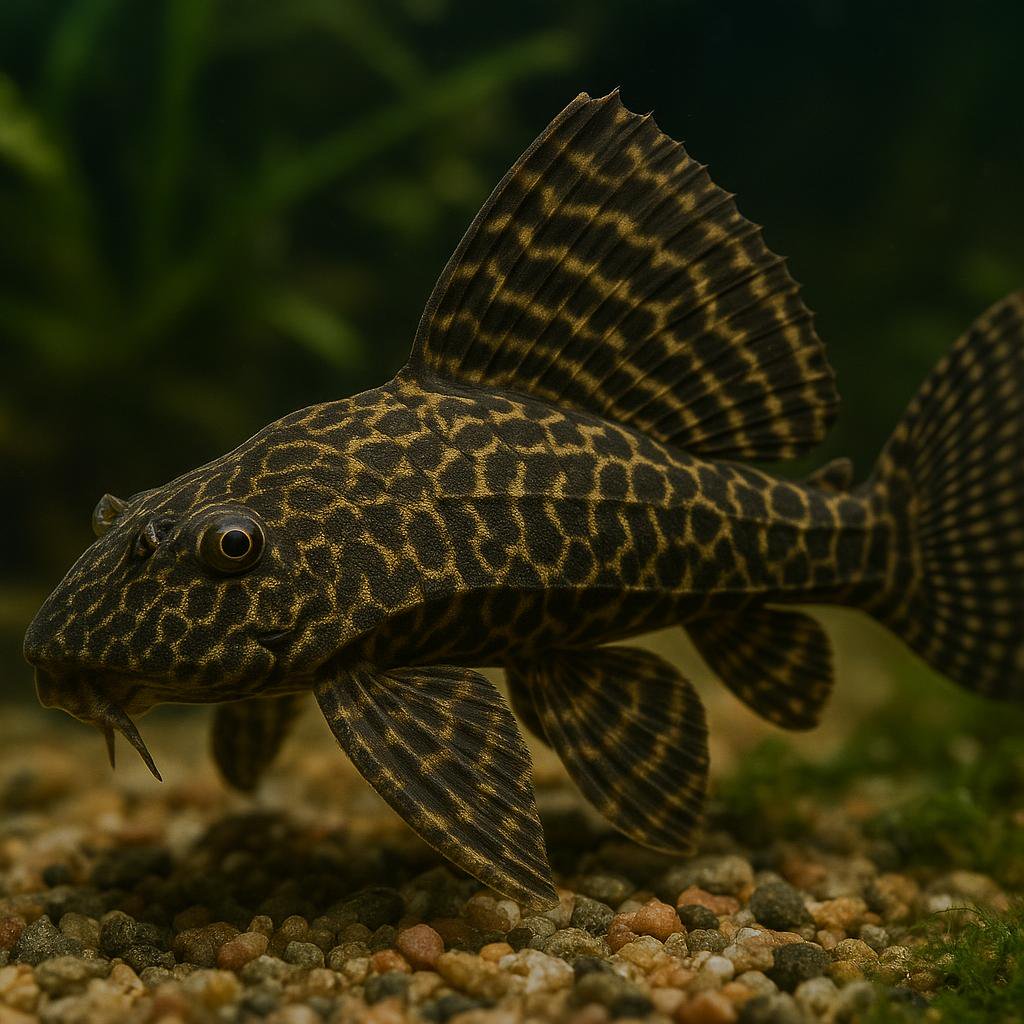
Sailfin Pleco
Pterygoplichthys gibbiceps
The Sailfin Pleco is a large armored catfish from South America, recognizable by its tall, sail-like dorsal fin and the leopard-like pattern on its dark body. It is a hardy algae grazer when young but quickly becomes a very large, heavy-bodied fish that produces significant waste and requires substantial filtration and space.
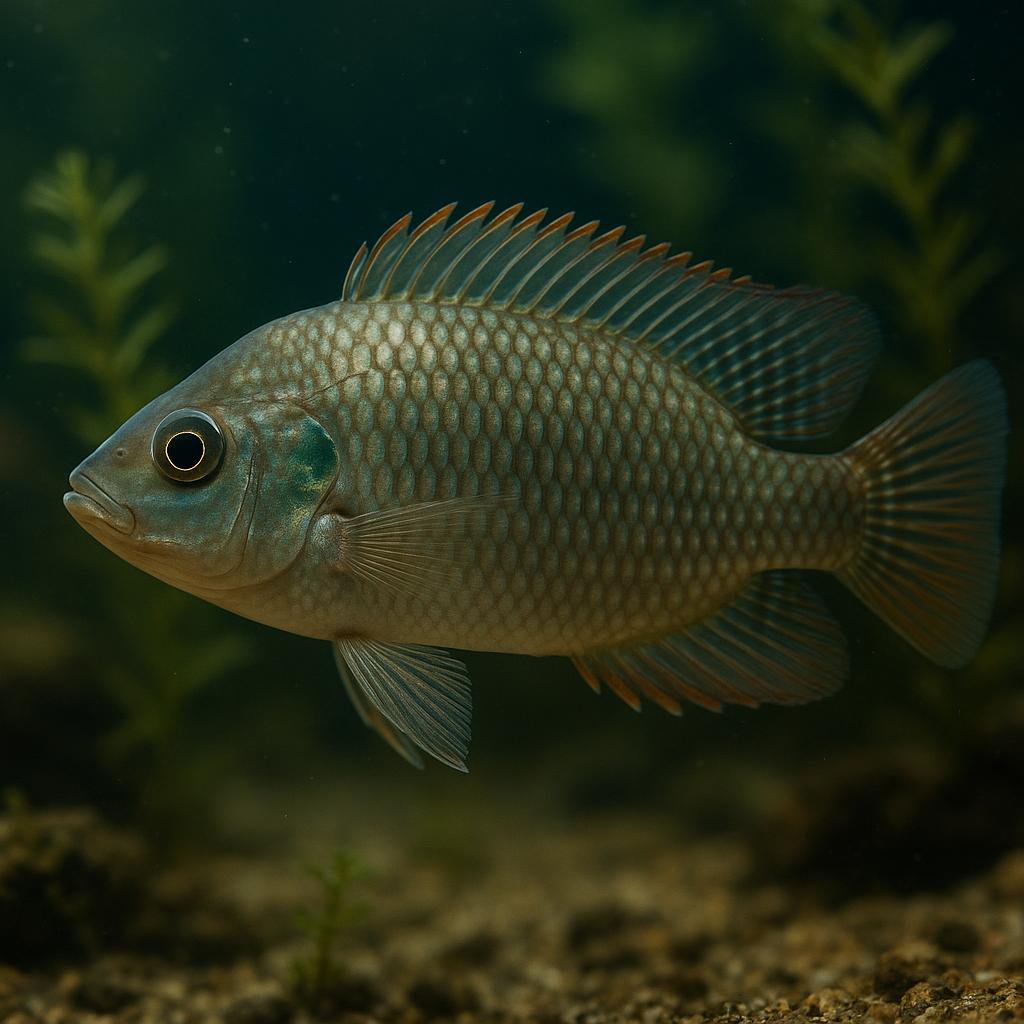
Saka
Oreochromis saka
Oreochromis saka is a big Lake Malawi tilapia (one of the "chambo" group) that hangs around shallow, weedy shorelines and spends a lot of its time grazing diatoms and picking at bottom debris. Breeding males go very dark and the fish form breeding colonies off reedy shores, so they are way more "cichlid-y" in behavior than people expect from a tilapia. Taxonomy note: some references argue it may actually be the same species as Oreochromis karongae, so you will sometimes see that debate pop up when you research it.
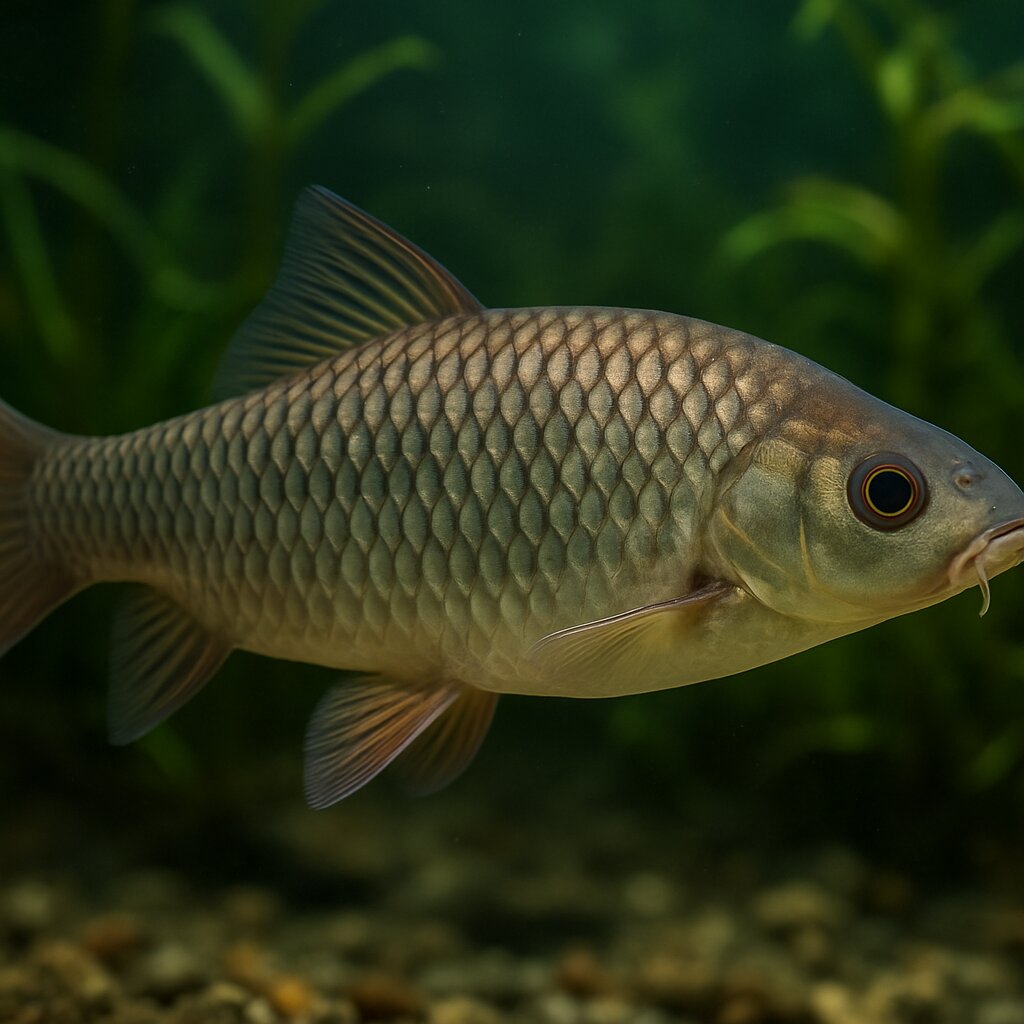
Salsbury's osteochilus
Osteochilus salsburyi
Think of this one as a sleek silver river barb with a subtle mid-body stripe from Laos, northern Vietnam, and southern China. It spends its day rasping algae and biofilm off rocks and wood, so it appreciates good flow and clean water. It gets close to 8 inches, so plan real swimming room and ideally keep a small group.
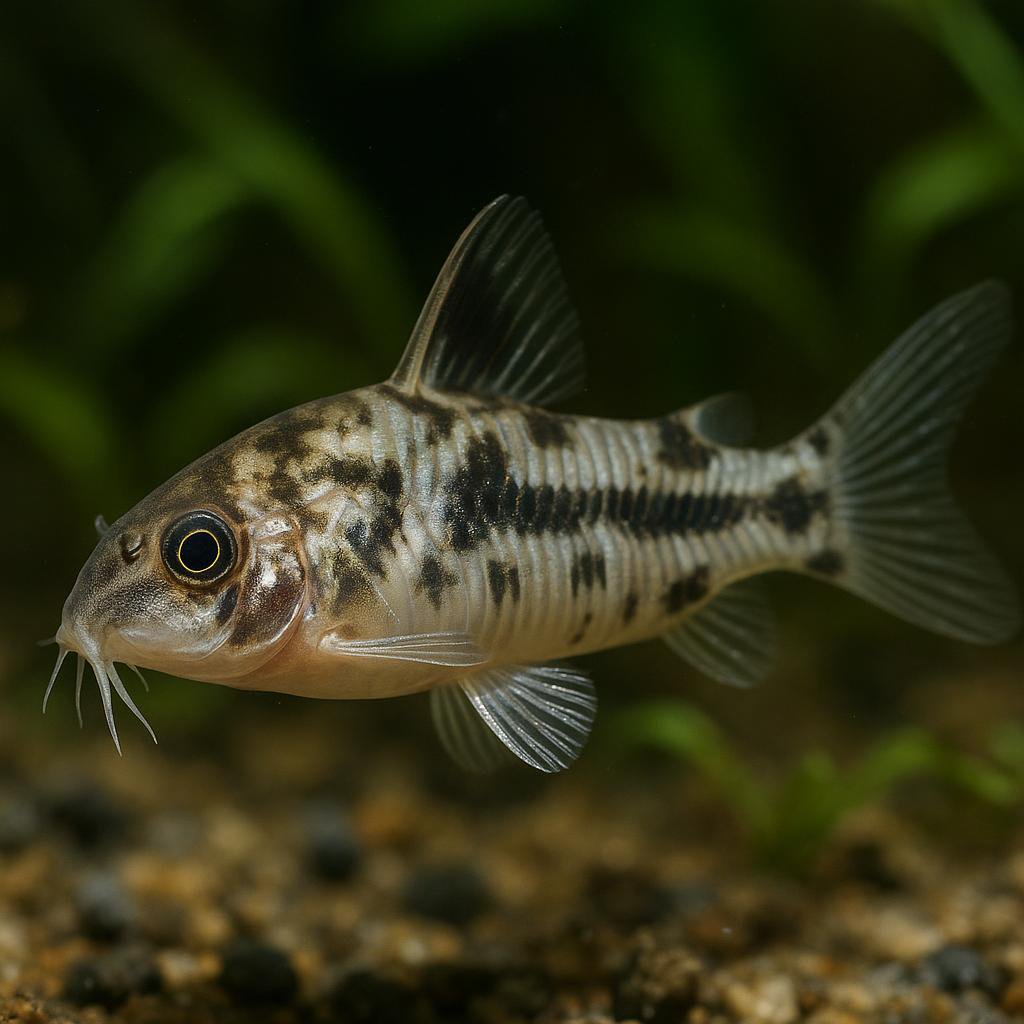
Salt and pepper cory (Habrosus cory)
Corydoras habrosus
This is the tiny "salt and pepper" cory that scoots around the bottom like a little wind-up toy, constantly sifting and picking through the sand. Keep them in a real group and they get way bolder-lots of quick little dashes, little pauses, and then back to foraging. They're also one of those fish that really rewards a soft sandy bottom and calm tankmates.
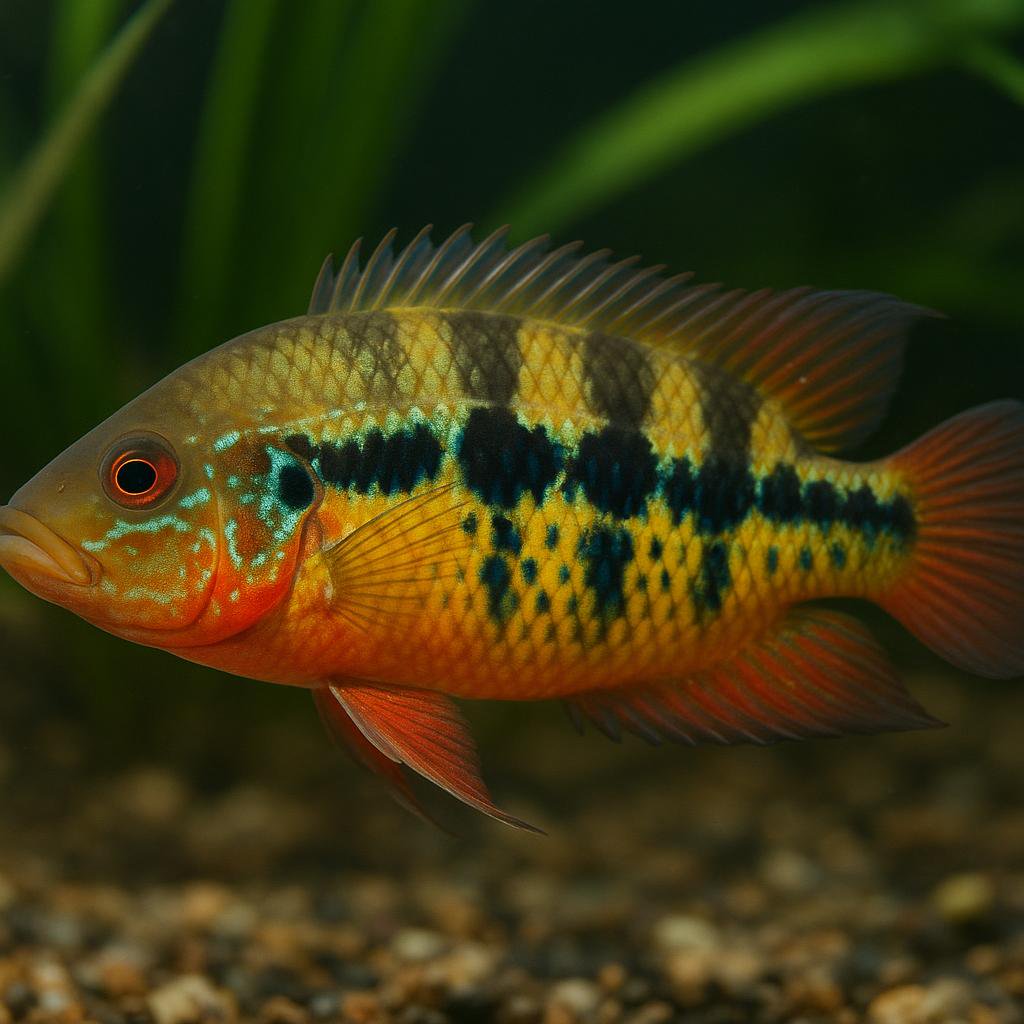
Salvin's cichlid
Trichromis salvini
Trichromis salvini is that loud, high-contrast Central American cichlid that goes from kind of plain as a juvenile to straight-up neon yellow with blue spangling and a black spot-stripe as it matures. Its attitude ramps up hard once it pairs off, and it will absolutely claim a chunk of the tank like it owns the lease.
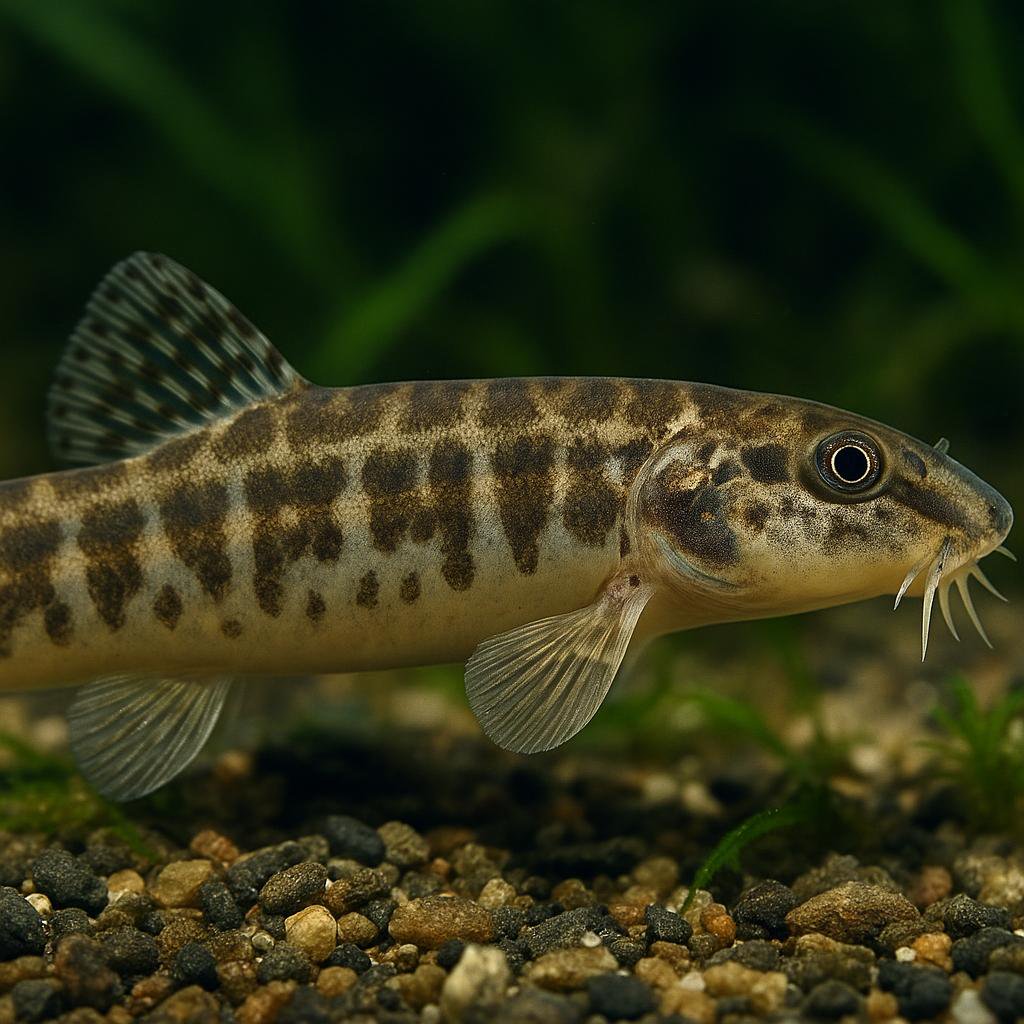
Samanti loach
Oxynoemacheilus seyhanensis
Oxynoemacheilus seyhanensis is a small Turkish brook loach from the Seyhan river system area - a bottom-hugger that wants clean, oxygen-rich water and lots of cover down low. In the wild it is a river fish and it's listed as Critically Endangered, so its real "cool factor" is more about being a rare, localized species than something you'll reliably see for sale.
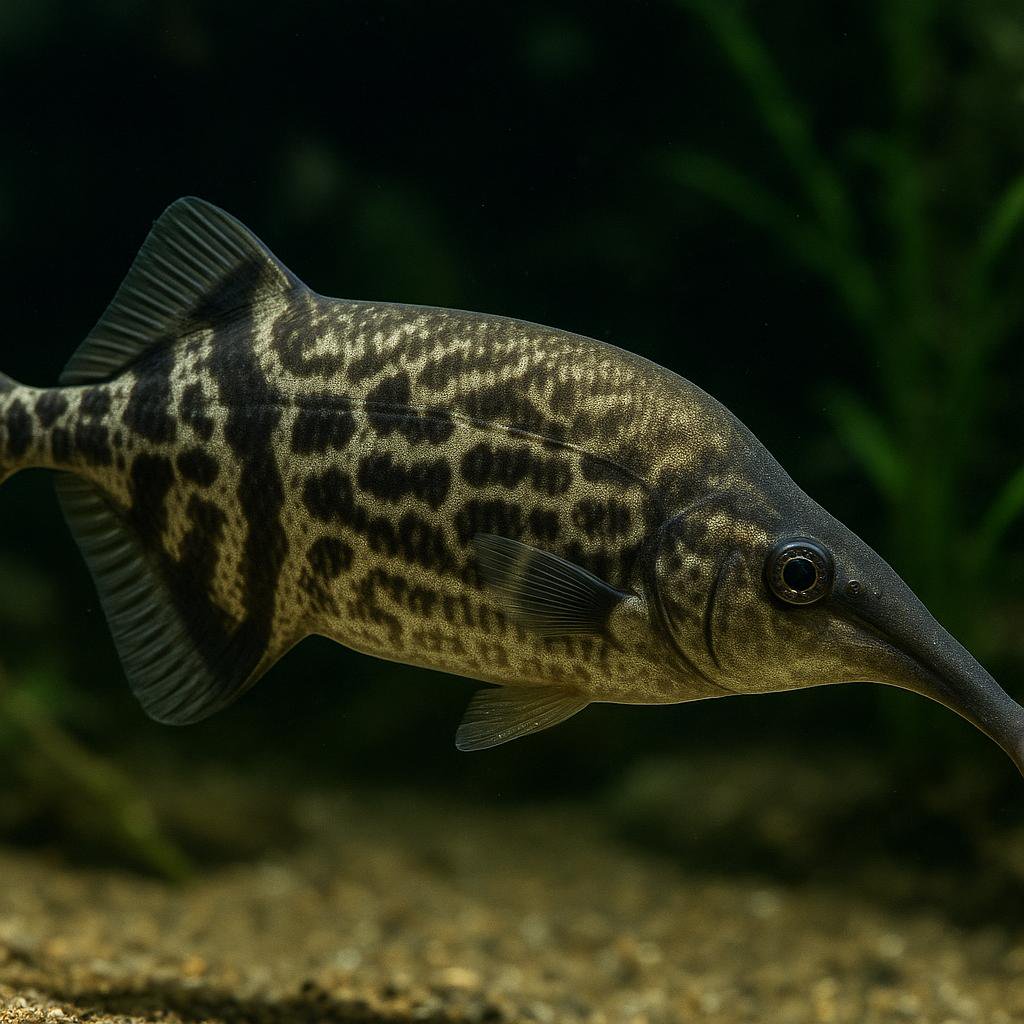
Sanaga elephantnose (elephantfish)
Campylomormyrus phantasticus
This is a big, oddball elephantnose from Cameroon's Sanaga River, and it lives in that dim, sandy-bottom world where it uses a weak electric field to "see" and hunt. The long downturned snout is not just for looks - it is basically a living metal detector for worms and tiny critters in the substrate. Plan around its size and nighttime feeding habits, and it becomes one of those fish you can watch for hours.
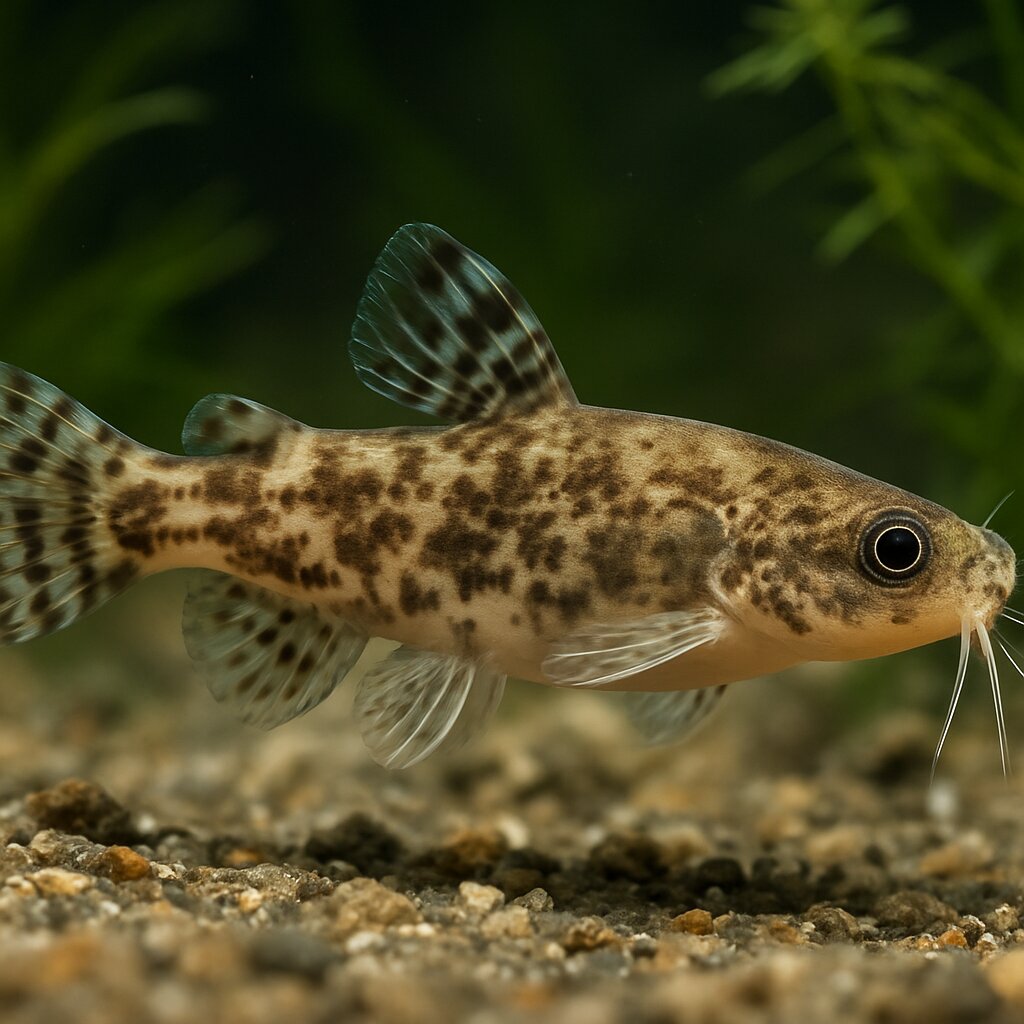
Sand catlet
Zaireichthys wamiensis
A tiny sand-burying catfish from Tanzanias Wami River, this little guy tops out around an inch. It likes to vanish into fine sand with just its eyes showing, then dart out for micro-foods. Set it up with smooth sand, gentle flow, and small meaty foods and it will show off its quirky periscope routine.
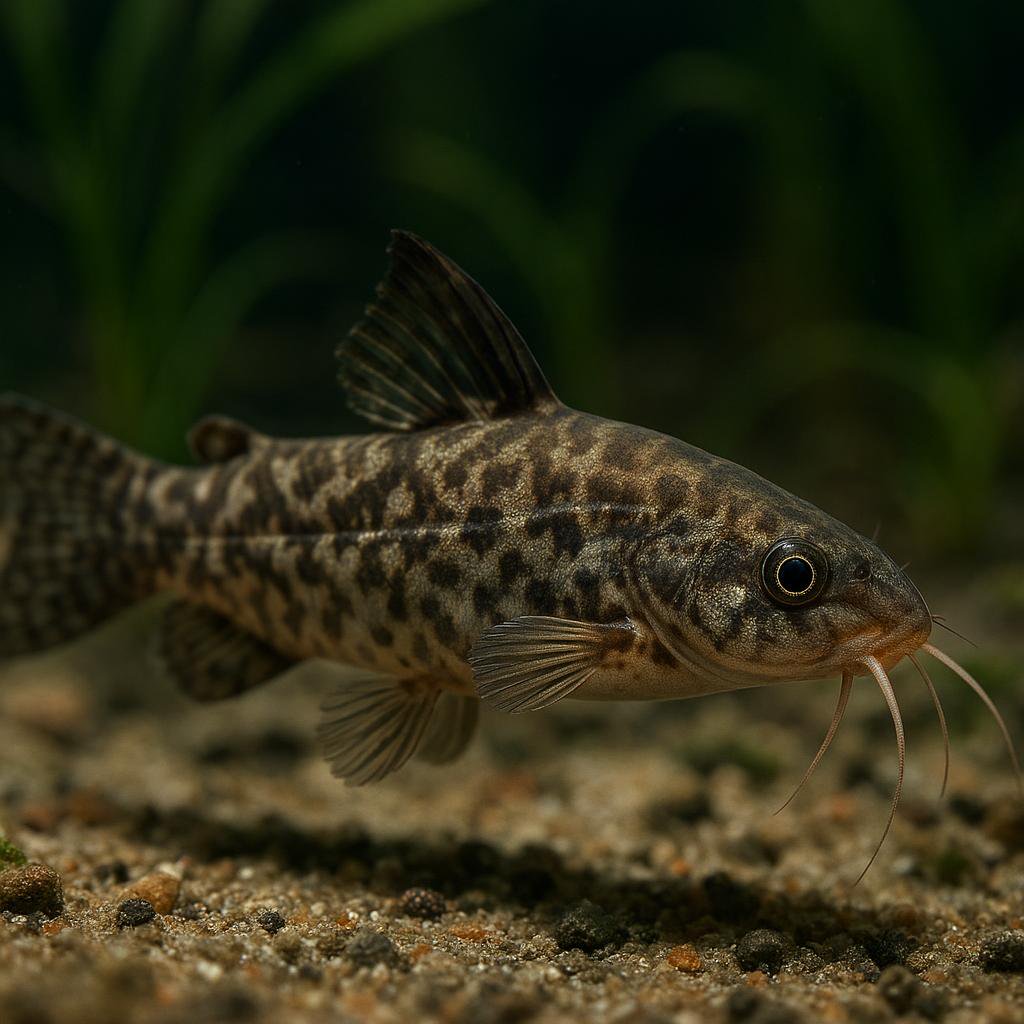
Sangha rough catfish
Trachyglanis sanghensis
Trachyglanis sanghensis is a small African loach catfish (family Amphiliidae) known from the Sangha River near Ouesso in the Congo Basin (Republic of the Congo). Reported maximum size is about 5 cm TL.
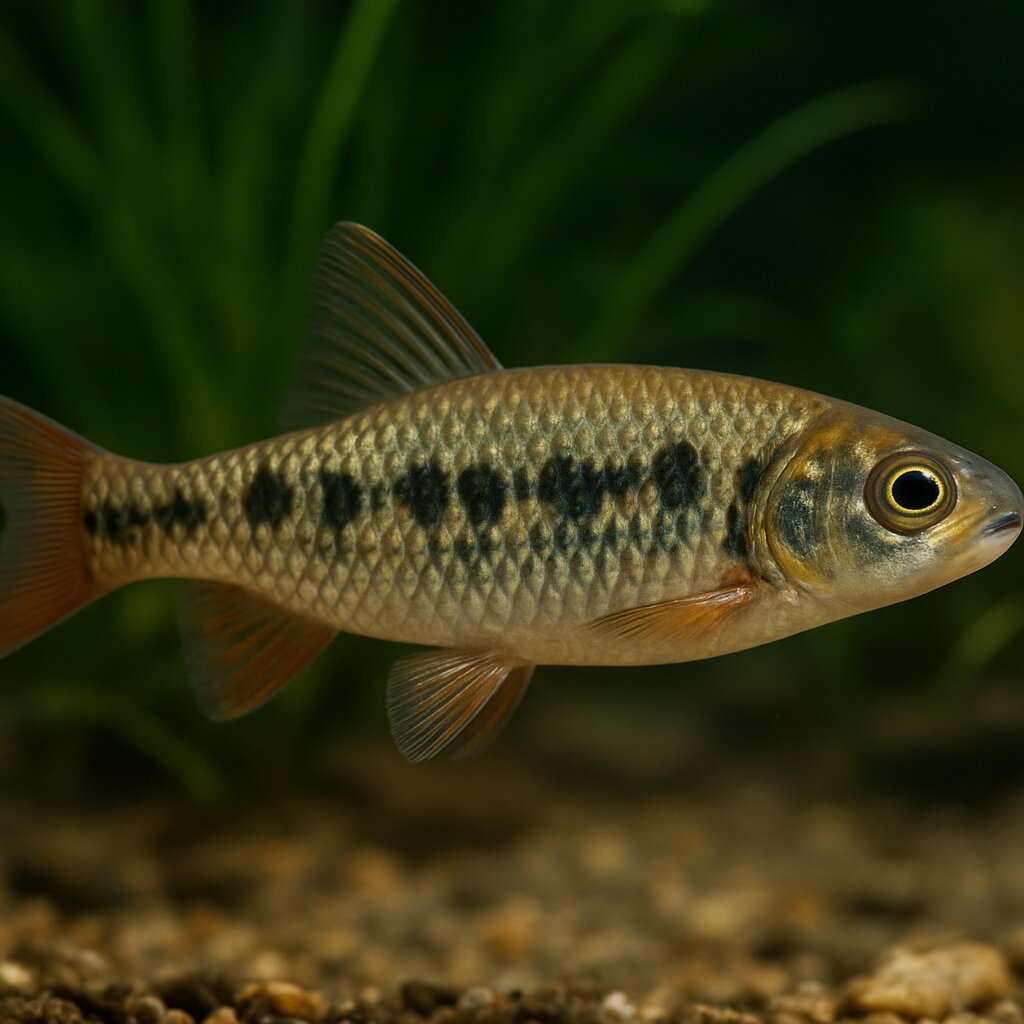
Sanjika
Opsaridium microcephalum
Sanjika (Opsaridium microcephalum) is a sleek, fast-swimming Malawi cyprinid that preys on small fish such as the lake sardine Engraulicypris sardella. It is primarily a lake fish that migrates into rivers to breed (potamodromous), so provide long open swimming space, strong aeration/surface agitation, and stable alkaline Malawi-style water (high pH, good buffering).