

Sanjika
Opsaridium microcephalum
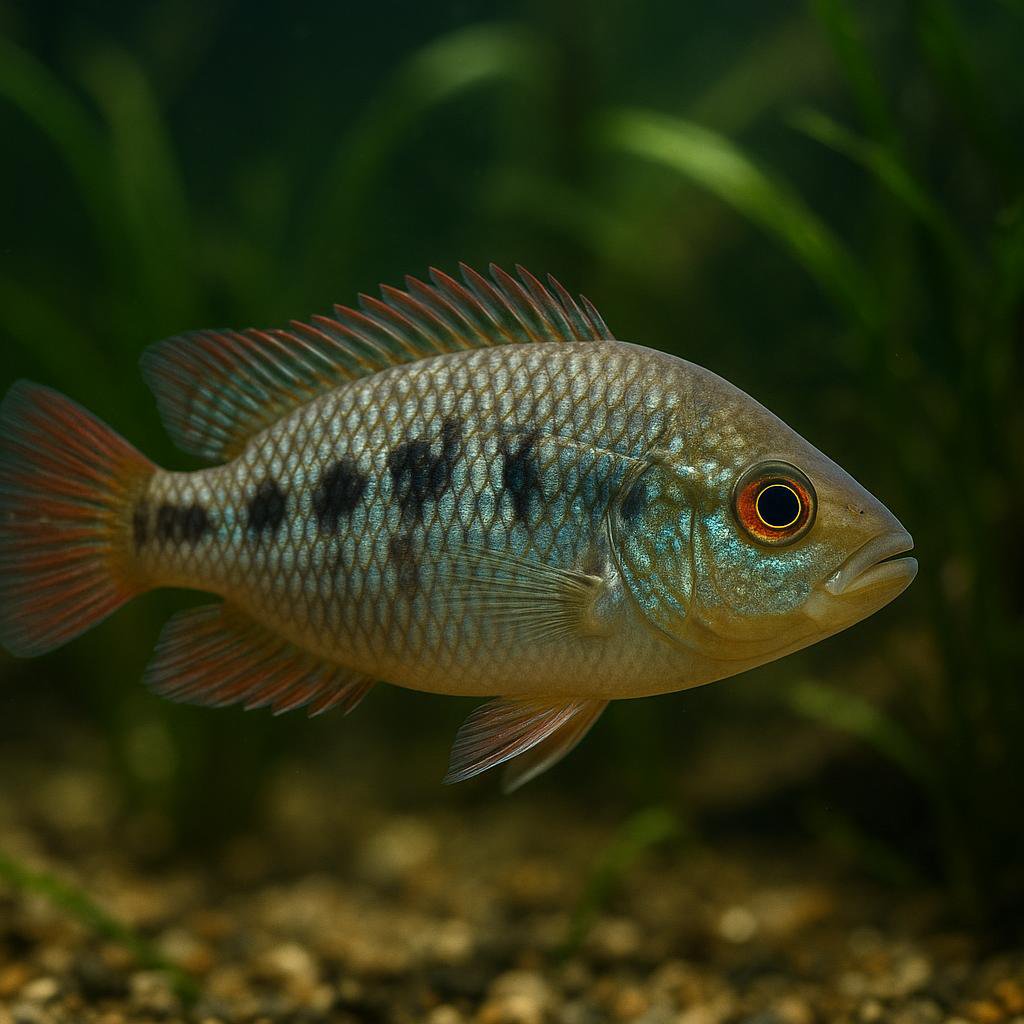
Sanjika showcases a slender body with a distinctive elongated dorsal fin and striking, shimmering blue-green scales across its flanks.
This page includes AI-generated images. Why am I seeing AI images?
About the Sanjika
Sanjika (Opsaridium microcephalum) is a sleek, fast-swimming Malawi cyprinid that preys on small fish such as the lake sardine Engraulicypris sardella. It is primarily a lake fish that migrates into rivers to breed (potamodromous), so provide long open swimming space, strong aeration/surface agitation, and stable alkaline Malawi-style water (high pH, good buffering).
Also known as
Quick Facts
Size
34 cm
Temperament
Semi-aggressive
Difficulty
Advanced
Min Tank Size
125 gallons
Lifespan
6-10 years
Origin
East Africa - Lake Malawi and upper Shire River
Diet
Carnivore - primarily small fish (e.g., Engraulicypris sardella); accepts meaty frozen foods in captivity
Water Parameters
24-29°C
7.7-8.6
6-16 dGH
Need a heater for this species?
This species needs 24-29°C in a 125 gallon tank. Use our heater calculator to find the right wattage.
Calculate heater sizeCare Notes
- Think pelagic predator, not community fish — give it a very long tank (the larger the better), strong aeration/surface agitation, and a rock‑solid, tight lid.
- Keep it clean and well-oxygenated: 75–81 F (24–27 C), pH 7.8–8.6 with good buffering; maintain low nitrate via large regular water changes.
- Layout should be long open lanes for sprinting, rounded gravel or sand, and big smooth rocks to split the current; dim the lights and add a background to cut panic.
- Feed like a trout: chopped fish fillet, prawns, earthworms, crickets, and quality high-protein pellets or sticks; skip feeder fish and fatty mammal meat.
- Juveniles eat small portions daily; adults 3-4 times per week with a weekly fast day to avoid gut issues.
- Tankmates need to be large, fast, and river-tough (big barbs, robust African characins, large Synodontis); anything under one-third of its length is food, and pairs tend to bicker unless you keep a big group in a huge tank.
- Low oxygen and heat wipe them out fast, so crank surface agitation and keep a backup air pump; quarantine 4-6 weeks and deworm wild-caught fish with praziquantel then levamisole.
- They are missile-grade jumpers and spookers - use tight-fitting lids with weights and soft nets for handling; cover side glass if you see glass-surfing.
Compatibility
Good Tankmates
- Big, fast schooling fish like Brycinus-type African tetras that do not fit in their mouth
- Rugged bottom crew like Synodontis catfish and big plecos that ignore the chaos and are too tough to bother
- Large rainbowfish in a tight group - quick, confident, and happy in strong current
- Bala sharks or tinfoil barbs, same tempo swimmers if you have the room and good flow
- Stout, armored oddballs like adult bichirs with plenty of hides so they are not buzzed nonstop
Avoid
- Anything bite-sized - guppies, small tetras, danios, juvenile fish will just become snacks
- Slow or fancy-finned fish like angels, gouramis, or bettas that get spooked and nipped by fast passes
- Territorial rock cichlids like mbuna or jewel cichlids that will turn the tank into a nonstop brawl
- Ultra-aggressive predators like tiger fish or African pike characin that outgun or maul tankmates
Where they come from
Sanjika are fast-water cyprinids from southern Africa, showing up in rivers and lake outlets around the Lake Malawi and Zambezi systems. Think long runs, broken rock, and a ton of flow. They are migratory, they chase smaller fish and insects in open water, and they cover ground like crazy.
They get big and they are built for speed. Plan for an adult in the 30-40 cm range, sometimes more, with the attitude to match.
Setting up their tank
Give them length, current, and oxygen. Height is secondary. A bare-bones recipe that has worked for me is a long tank with a powerful river-style flow, rounded substrate, and wide open swimming lanes.
- Size: single adult 180-240 cm x 60 cm footprint (6-8 ft x 2 ft), 500-700 L+. Group of 4-6 needs 8-10 ft and 1000 L+.
- Flow: aim for 10-15x turnover with canisters and powerheads; point outlets to create a one-way run.
- Oxygen: keep surface agitation roaring. These fish crash fast if O2 dips.
- Substrate: sand or smooth rounded gravel. Sharp edges chew up their snouts.
- Hardscape: big rounded boulders to break line of sight at the ends, but leave the middle open.
- Lid: tight and heavy. They will find any gap. Tape or mesh off cable holes.
A river manifold (PVC under the substrate with powerheads pulling water through sponge intakes) keeps debris down and gives steady laminar flow they love.
Water is pretty forgiving as long as it is clean and steady. I keep them at:
- Temperature: 22-26 C (72-79 F)
- pH: 7.2-8.2
- Hardness: mid to hard (8-20 dGH, KH 6-12)
- Nitrogen: ammonia and nitrite 0, nitrate under 20 mg/L
- Water changes: 30-50% weekly, more with heavy feeding
Cover filter inlets with coarse foam. These fish pinball when spooked and can wedge into intakes.
What to feed them
They are predators, but you do not have to run a feeder-fish operation. I start new Sanjika on movement to trigger a strike and then switch to non-live foods fast.
- Good staples: strips of tilapia or pollock, raw prawns/shrimp, nightcrawlers, crickets, BSF larvae.
- Pellets: large sinking or slow-sinking carnivore pellets. Pre-soak so they do not gulp air.
- Treats: river shrimp, silversides in moderation.
Skip feeder goldfish/rosies. Parasites, thiaminase, and fatty liver are not worth it.
Feeding rhythm that works for me: juveniles twice a day in small portions; adults once a day or every other day. Let the current carry food past their lane and use tongs so you are not dropping chunks on the bottom for the catfish to bloat on. Add a vitamin soak once or twice a week if you feed lots of frozen.
How they behave and who they get along with
Juveniles school loosely and feel braver in a group. Adults get more territorial in open water and may spar, but they are mostly about food and space. They spook at sudden movement, then learn the feeding routine and start pacing the front like puppies.
- Best plan: species tank or a group of Sanjika in a very large river setup.
- If you must mix: choose equally fast, similarly sized, non-nippy fish that like current (large Brycinus/Alestes tetras, robust barbs, big Synodontis as bottom help).
- Avoid: anything bitey (Distichodus with an attitude), slow/long-finned fish, or small fish that become lunch.
- One big adult can work solo if the tank is not big enough for a group.
Dimmer light and a dark background calm them down. They smack glass less if they cannot see through the ends.
Breeding tips
This is a long-shot project. In the wild they run upstream with the rains and broadcast eggs over gravel riffles. I have not seen a confirmed home spawn. If you want to experiment, here is what people try:
- Group of 6+ with obvious size mix in a very long, high-flow tank.
- Seasonal cues: heavy water changes with slightly cooler water, ramped-up flow, big live-food feedings, extended photoperiod then a stormy dark period.
- Riffle zone: rounded gravel with egg grate or marbles so eggs drop out of reach.
- Pull adults after a spawning chase; they will eat eggs and fry.
Sexing is subtle. Females get deeper-bodied when full of roe; males often show more chasing and tubercles during season. Do not expect clear color differences.
Common problems to watch for
- Jumping and glass strikes: use a tight lid, reduce reflections, and add current to occupy them.
- Low oxygen at night: keep air and surface chop 24/7, especially after big meals.
- Parasites on new imports: quarantine 4-6 weeks; I deworm with praziquantel and levamisole and treat external flukes if needed.
- Refusing non-live food: start with motion (tongs, current), then mix in dead items; do not cave to goldfish.
- Mouth and snout abrasions: smooth decor and avoid frantic feeding frenzies.
- Bacterial fuzz after scrapes: keep water pristine; have a broad-spectrum antibacterial on hand if wounds sour.
Big water changes are your friend with fish like this. They eat protein, they dump waste, and they look 10x better in fresh, cool, fast water.
Similar Species
Other freshwater semi-aggressive species you might be interested in.
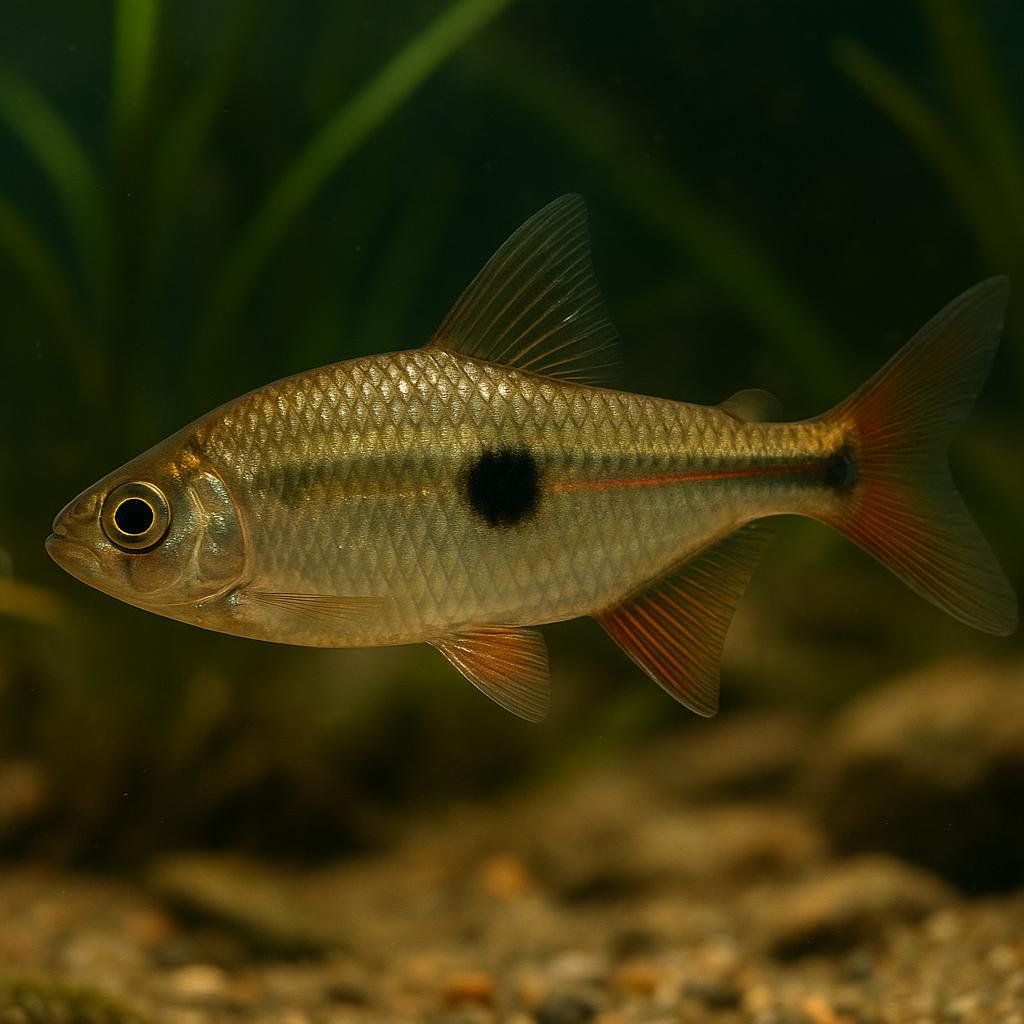
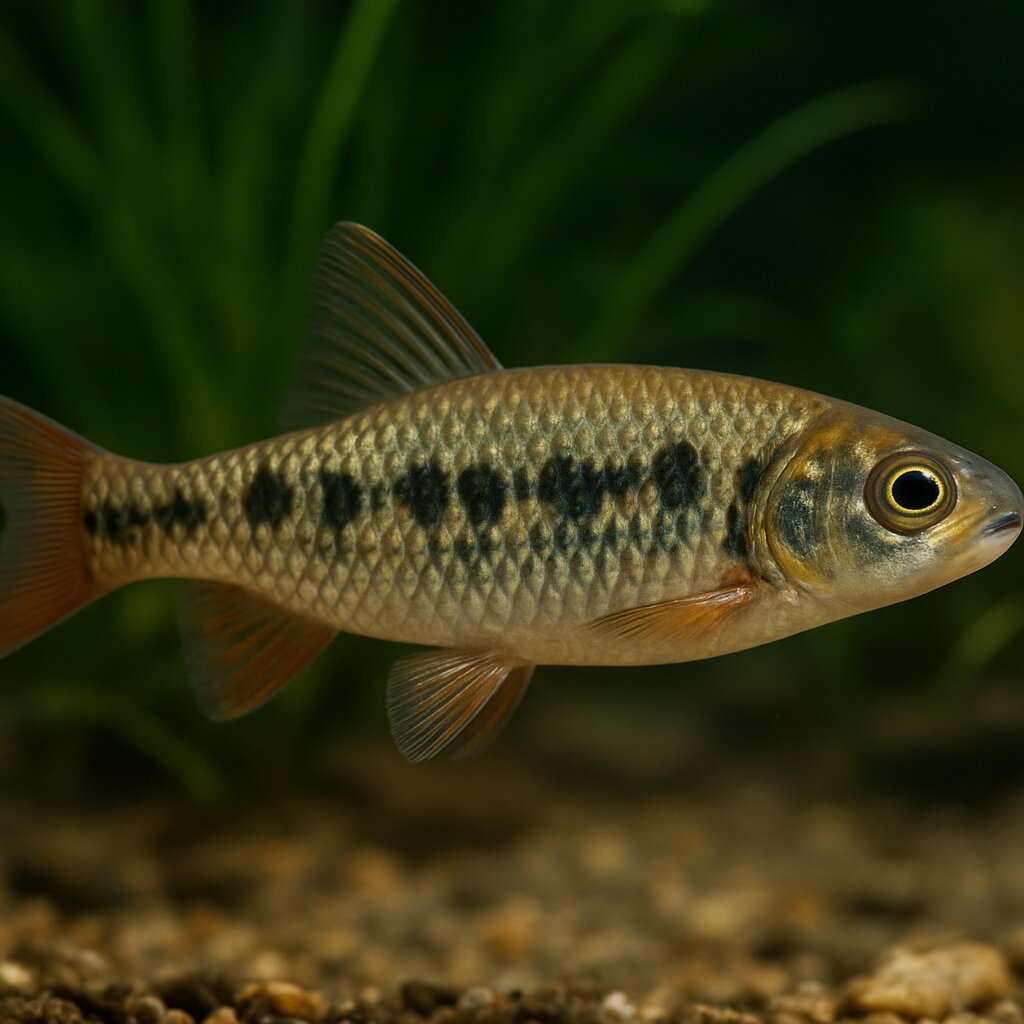
Jupiaba kurua
Small South American characin endemic to the upper rio Curuá (rio Xingu basin, Brazil). Reaches about 8.7 cm SL and inhabits clearwater rivers. Distinguished by dark dots on the bases of many lateral scales and a distinct dark caudal‑peduncle spot. Reported diet indicates omnivory, including aquatic insects, small fishes, and fragments of Podostemaceae and filamentous algae.
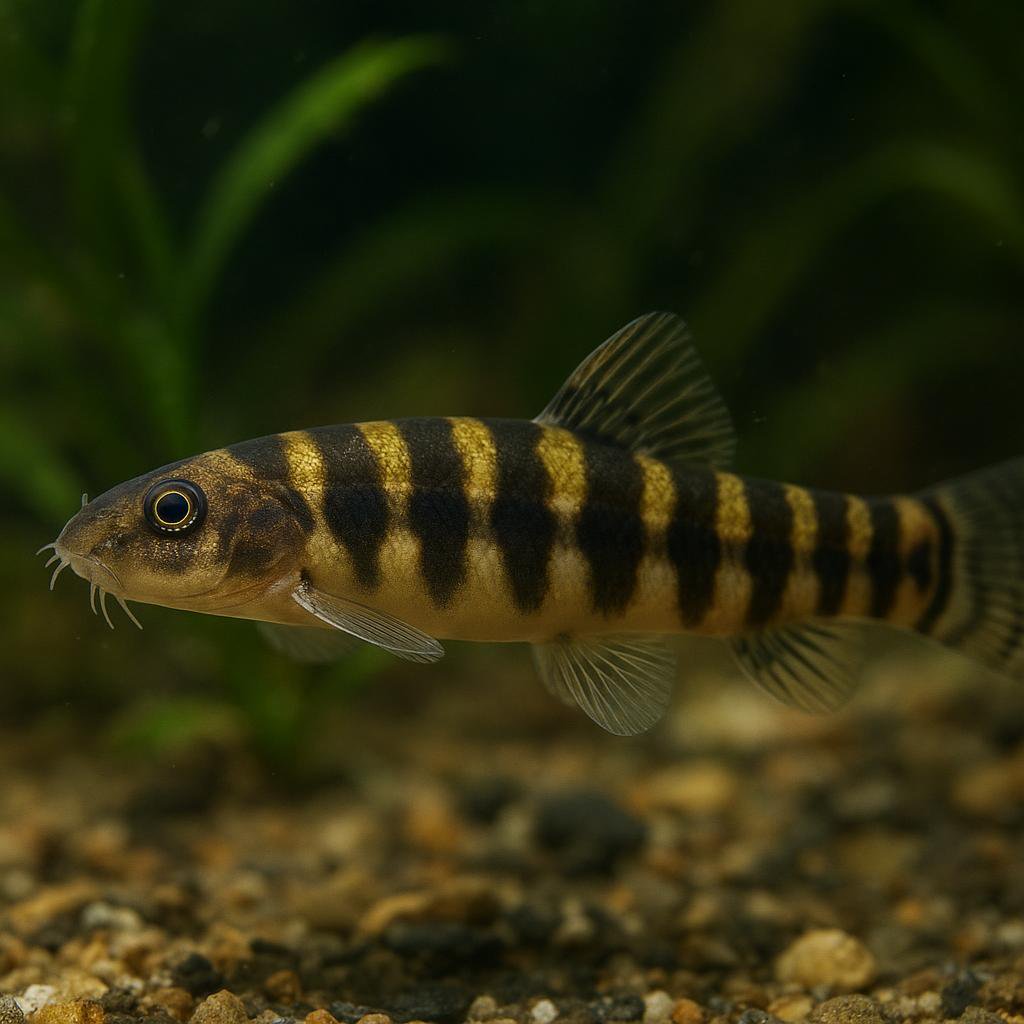
Altipedunculata stone loach
Schistura altipedunculata
Schistura altipedunculata is one of those little stream loaches that wants clean, well-oxygenated water and a bunch of rock nooks to claim as home. It is a bottom-hugger that will spend its day scooting from crevice to crevice, and it tends to get a bit spicy with its own kind if you do not give it enough hiding spots.
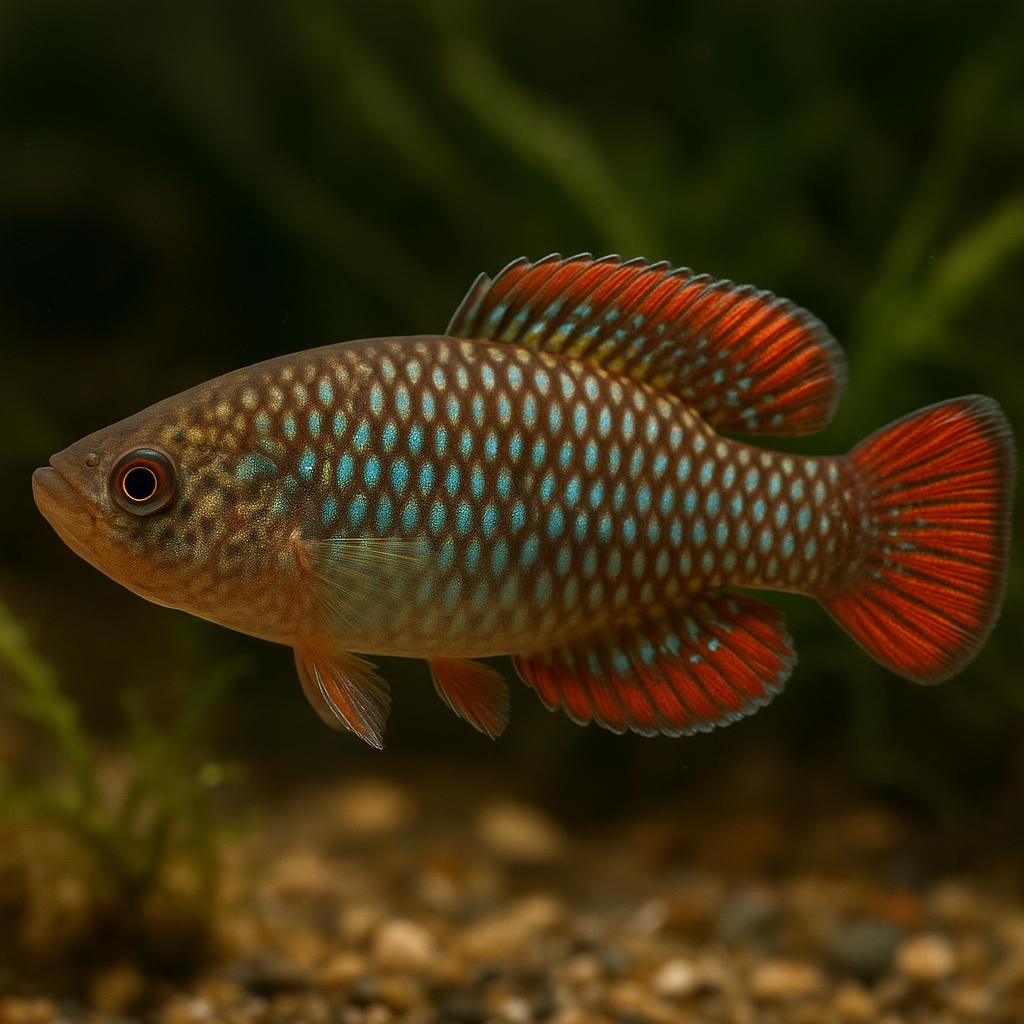
American flagfish
Jordanella floridae
Jordanella floridae is that little Florida native with the red-and-cream striping that really does look like a tiny flag once a male colors up. They graze algae like champs (especially stringy/hair algae), but they have a bit of attitude - give them plants and space so the bossy behavior stays manageable. Bonus: the male guards the eggs and will actively fan them, which is pretty fun to watch.
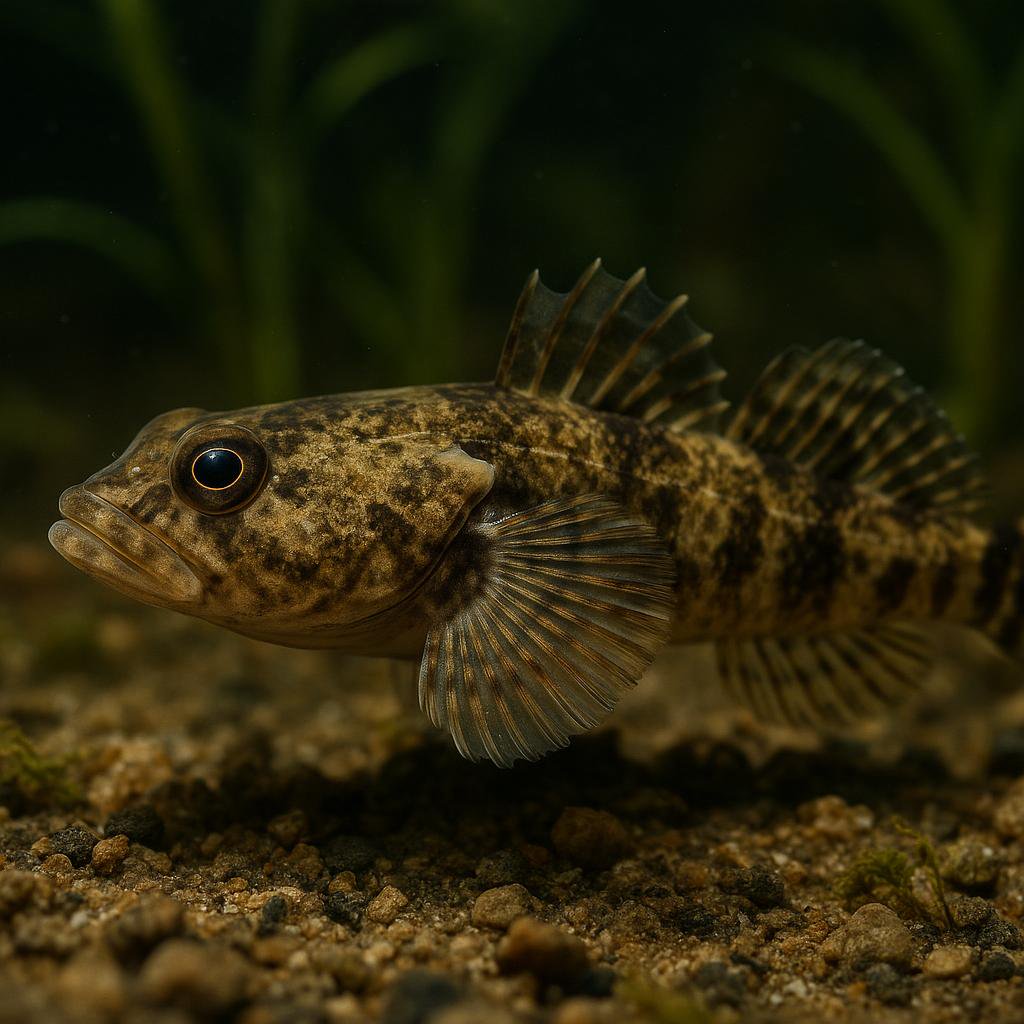
Amur sculpin
Alpinocottus szanaga
This is a little coldwater sculpin from the Amur drainage - a bottom-hugging, rock-and-gravel fish that spends its day wedged under stones and darting out to grab food. Super cool behavior and attitude, but it is absolutely not a warm tropical community fish - it wants chilly, fast, oxygen-rich water and will bicker with other bottom fish.
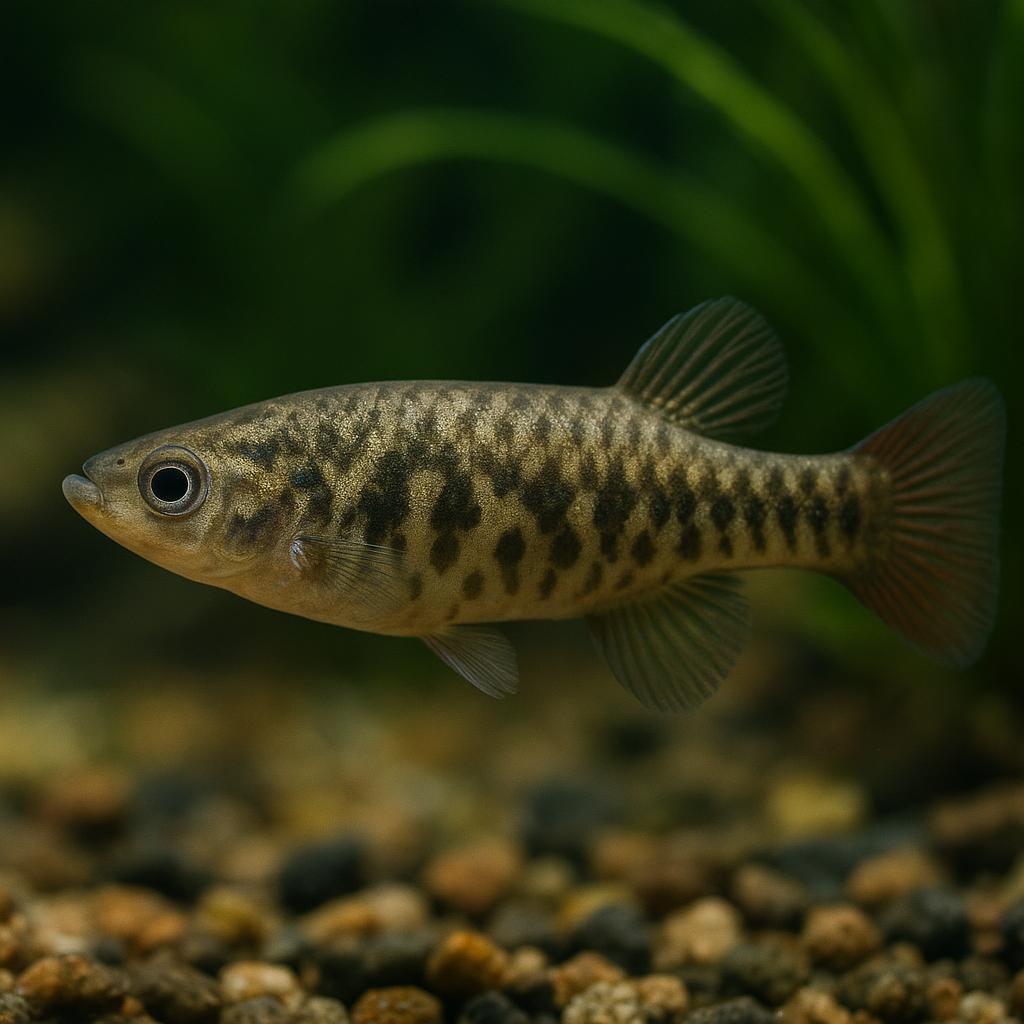
Anitápolis livebearer
Jenynsia weitzmani
Jenynsia weitzmani is a freshwater anablepid livebearer endemic to southern Brazil (currently known only from the type locality near Anitápolis, Santa Catarina). Like other Jenynsia (onesided livebearers), reproduction involves lateralized mating morphology/behavior; aquarium care guidance is not well-documented for this species specifically.
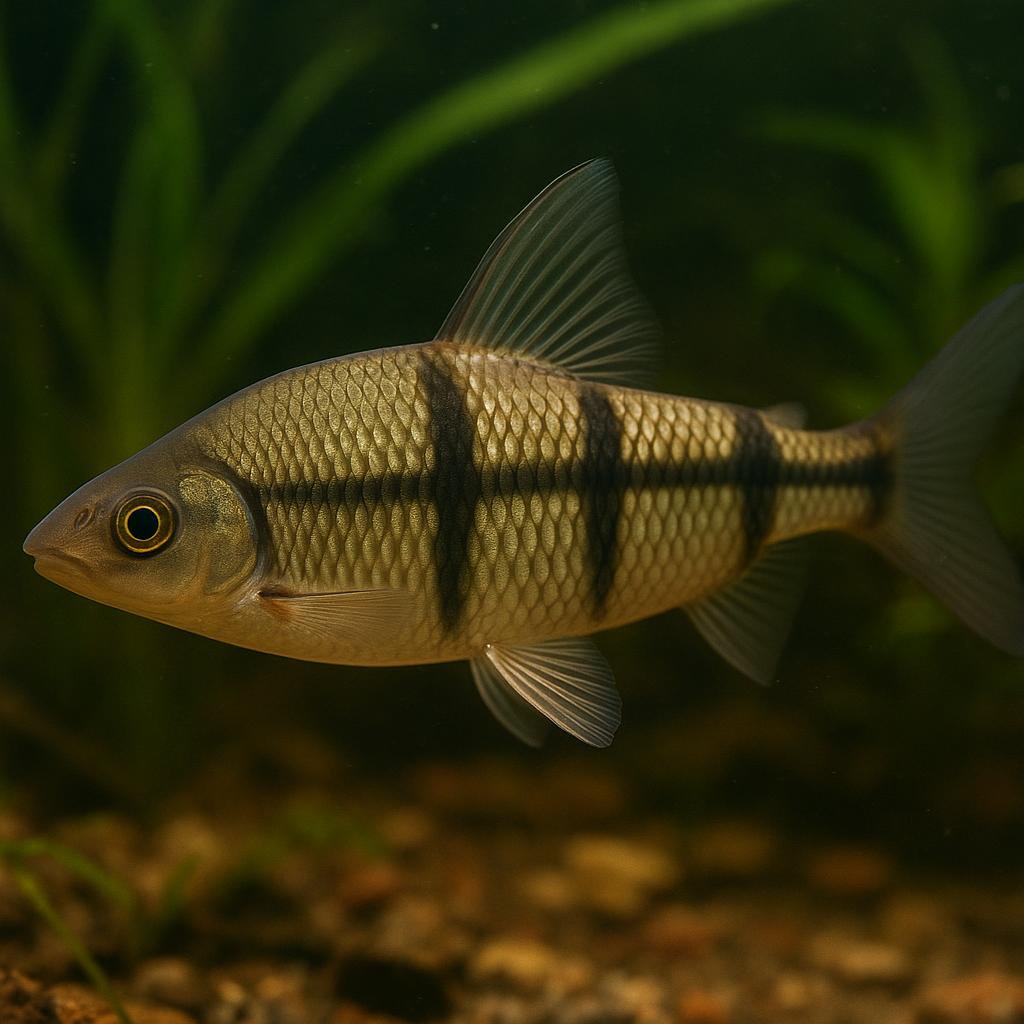
Aracu-comum
Schizodon vittatus
Schizodon vittatus is a large South American anostomid (family Anostomidae). Reported maximum size is about 35 cm standard length; it is harvested/consumed in parts of Brazil and is not commonly covered by mainstream aquarium husbandry references.
More to Explore
Discover more freshwater species.
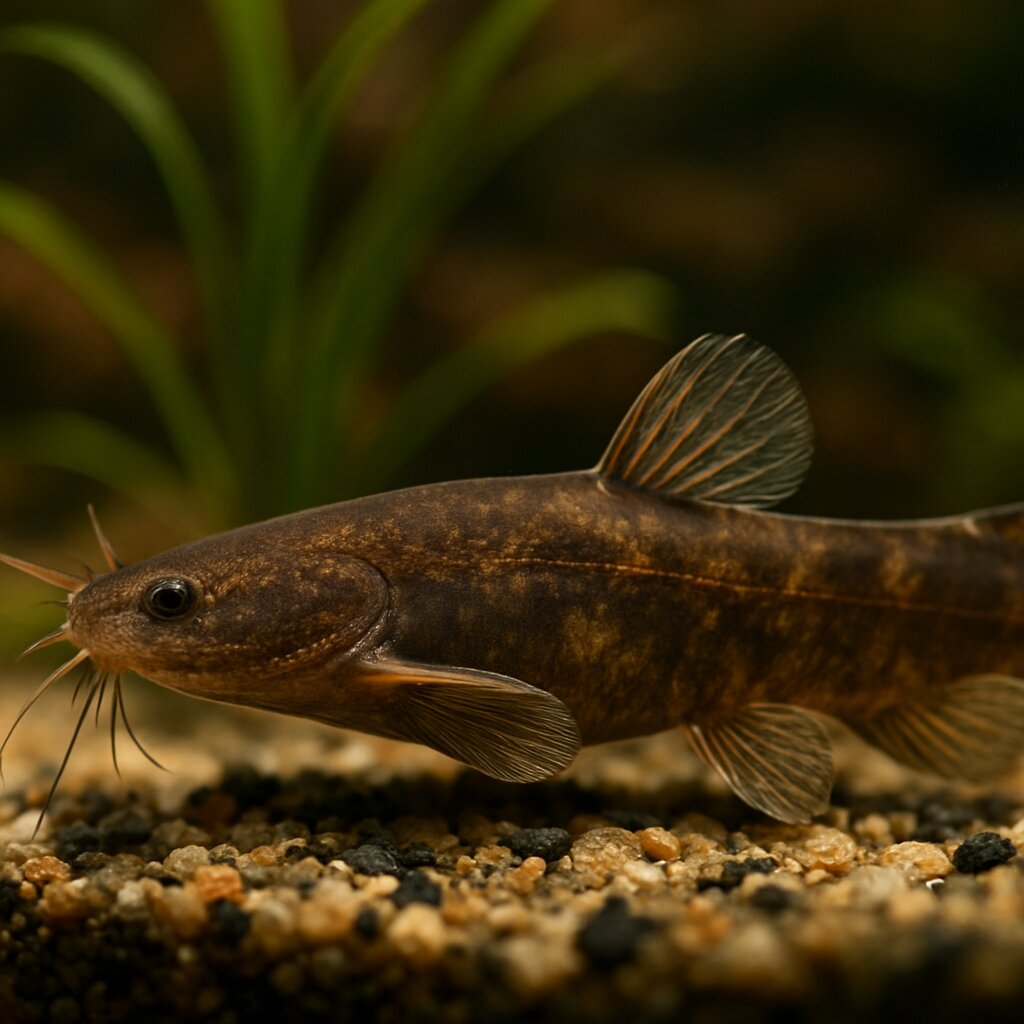
Amphilius dimonikensis
A small loach catfish endemic to the Mpoulou River in the Mayombe (Dimonika Biosphere Reserve), Republic of the Congo. Amphilius dimonikensis has a subtle banded pattern and inhabits fast, clear streams over rock and sand. In aquaria, prioritize strong, well-oxygenated flow with rounded stones and sand to mimic hillstream conditions.
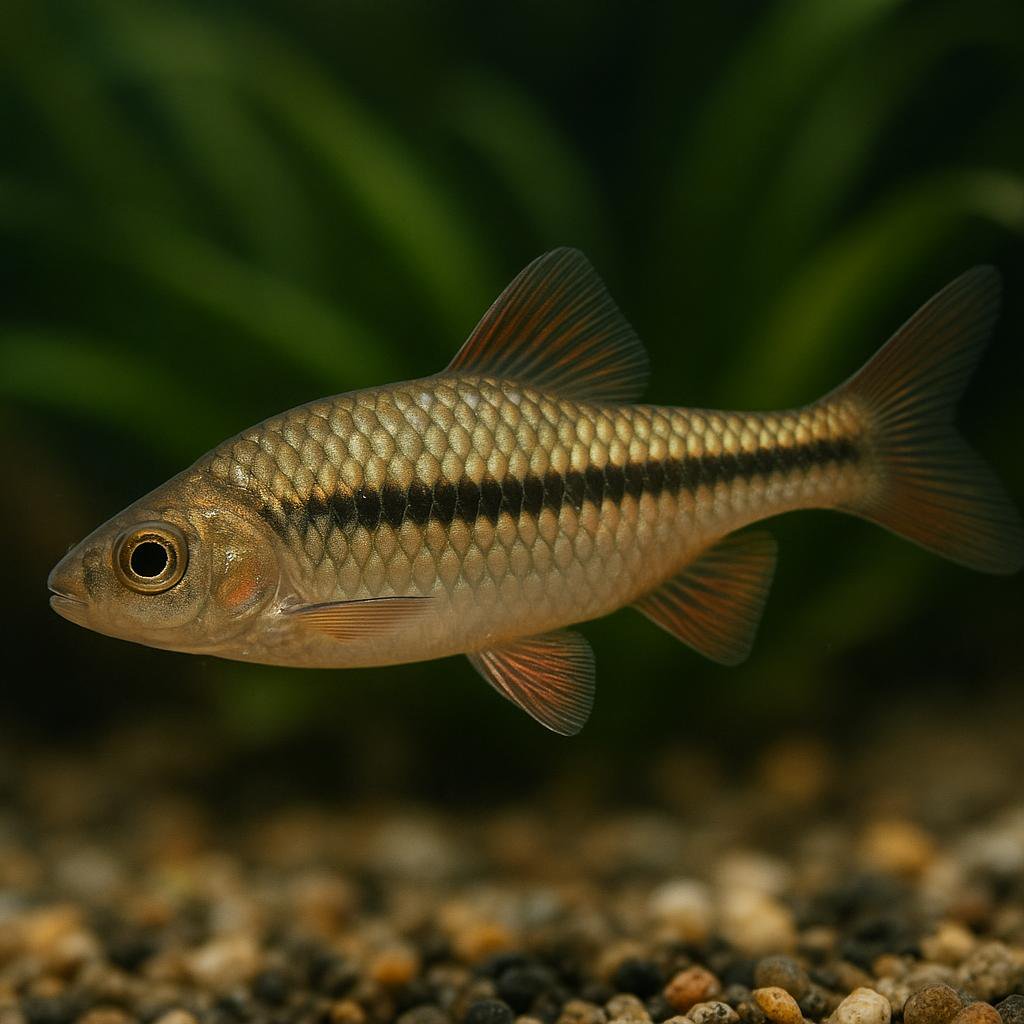
Aboina barb
Enteromius aboinensis
Enteromius aboinensis (the Aboina barb) is a small West African barb with a clean black midline stripe and a little spot right at the base of the tail. It does best when you treat it like a proper schooling fish - keep a decent group and give it plants around the edges with open swimming room in the middle.
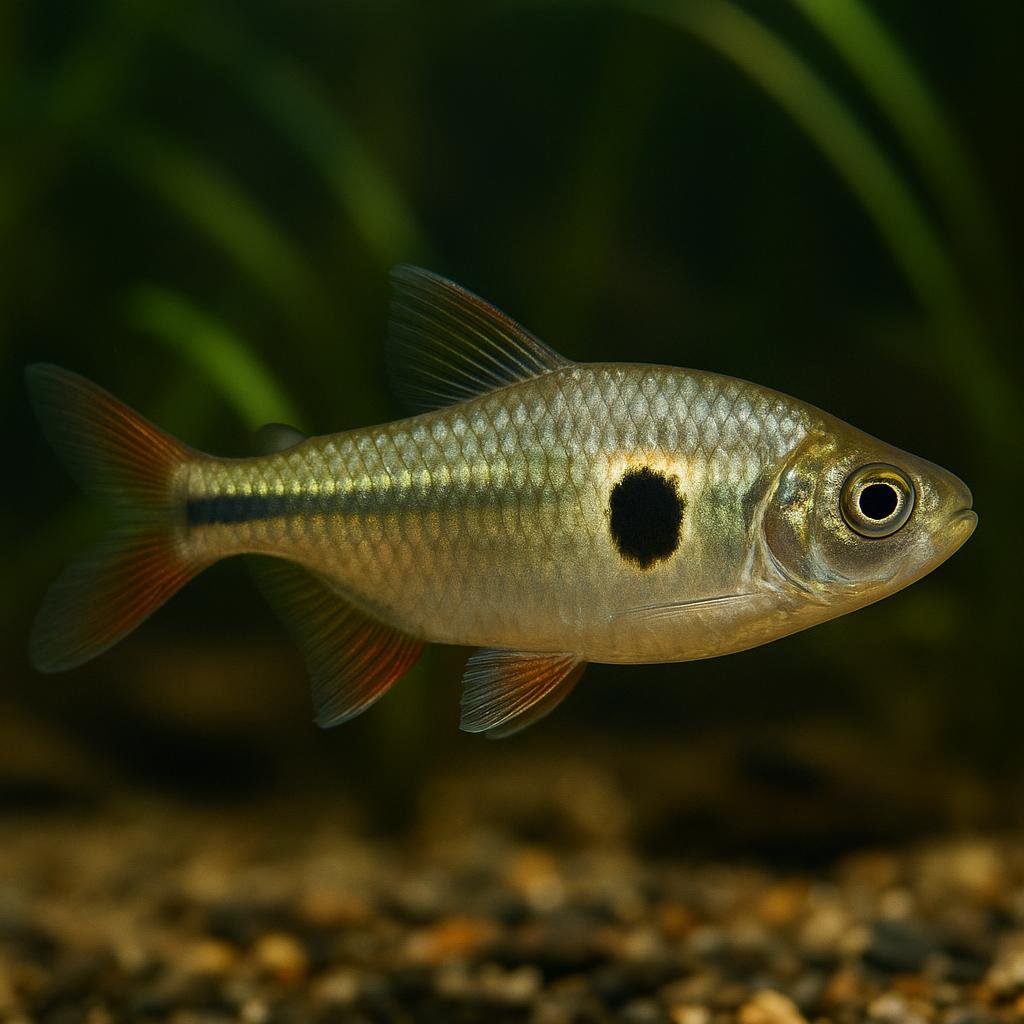
Ajuricaba tetra
Jupiaba ajuricaba
Jupiaba ajuricaba is a South American freshwater characin from the Amazon basin in Brazil (rio Negro, rio Solimões, and rio Tapajós basins). It reaches about 9.5 cm SL and is diagnosed by a narrow dark midlateral stripe, an elongated humeral spot, and an ocellated spot on the upper caudal-fin lobe. Wild specimens have been collected from blackwater forest streams and also oxbow-lake habitats.
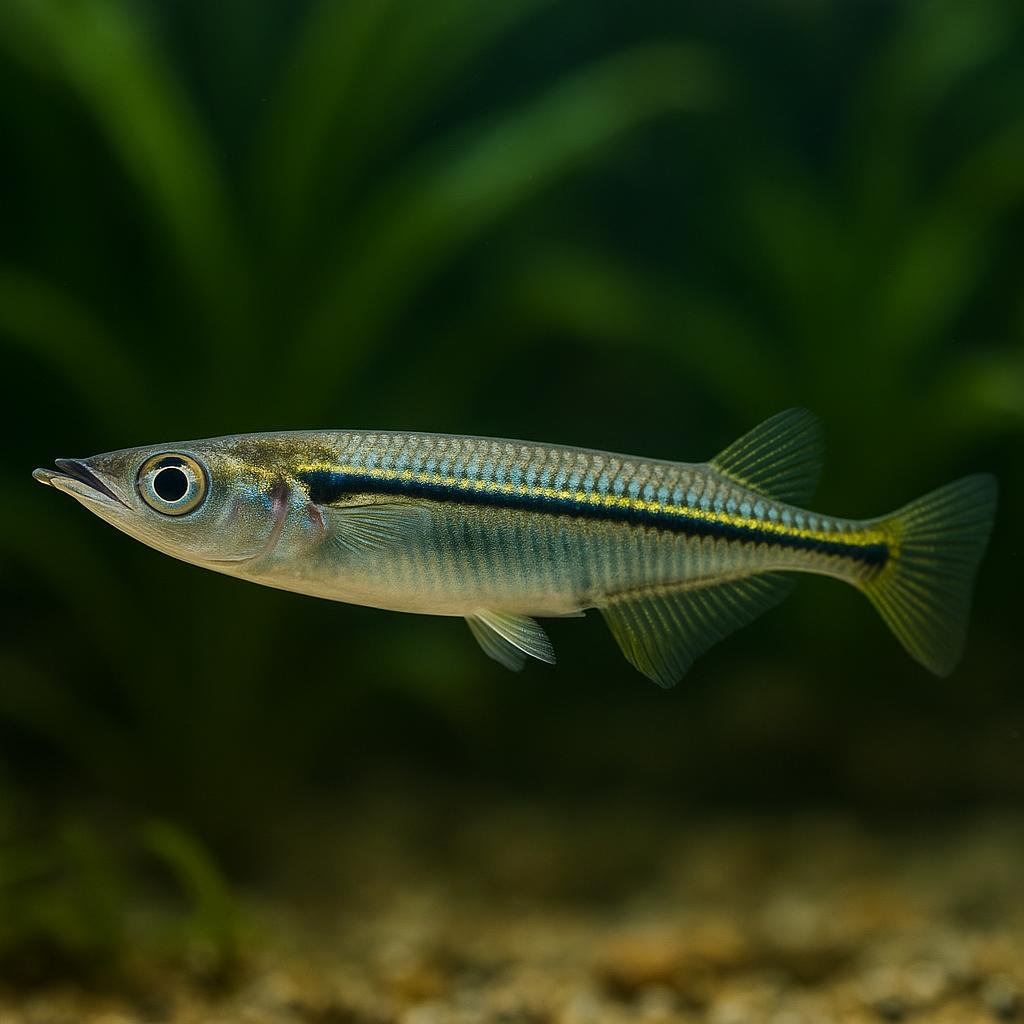
Allen's river garfish
Zenarchopterus alleni
A poorly known freshwater halfbeak endemic to West Papua (Mamberamo River), described from a single specimen (~13 cm SL). Beyond basic habitat/occurrence, little is published about its ecology or aquarium suitability; assume it is a surface-oriented, jump-prone halfbeak only by analogy with related taxa.
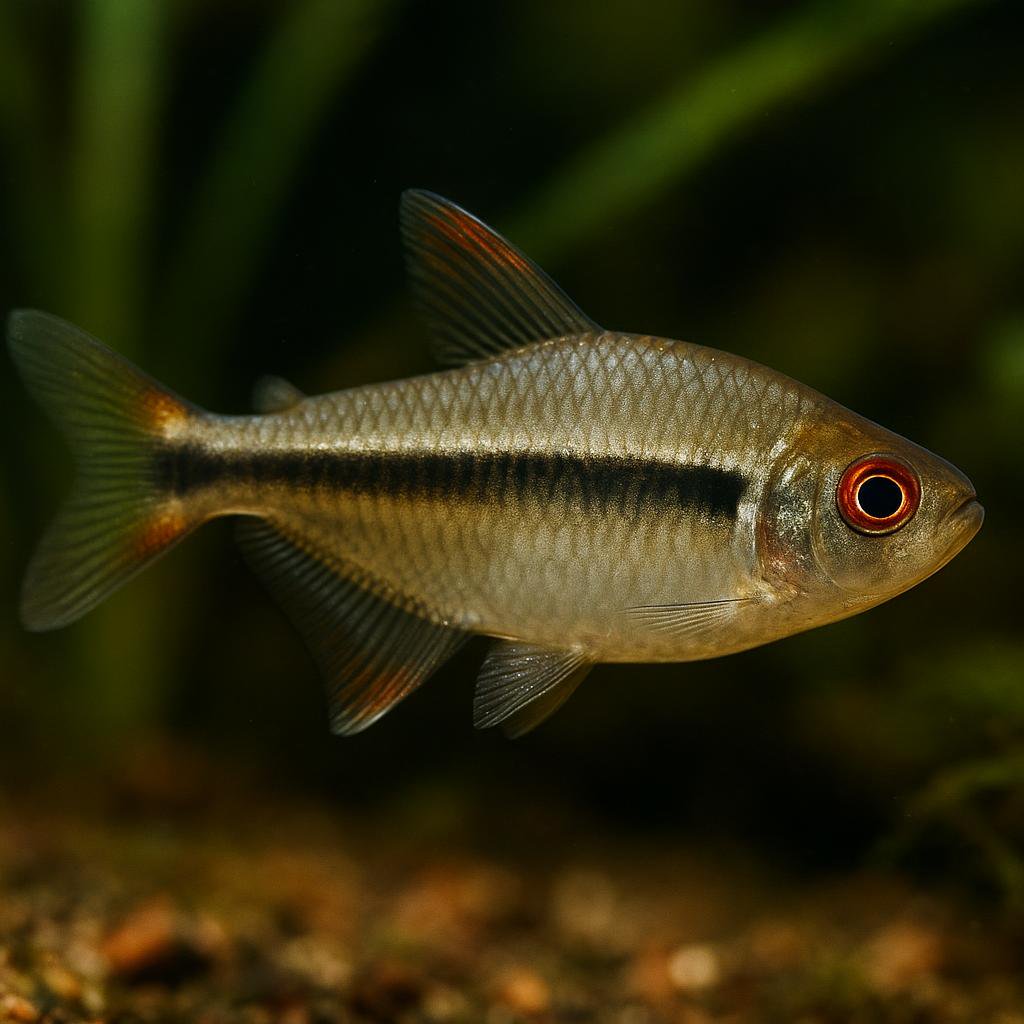
Amapa tetra
Hyphessobrycon amapaensis
This is a tiny, super sleek little tetra with a clean red stripe down the side that really pops once its settled in. It does best in a planted, slightly tinted "creek-style" setup and looks way cooler when you keep a proper group so they school and flash that line together. If you can give it soft, slightly acidic water and a calm community, its an easy fish to fall for.
Amatlan chub
Yuriria amatlana
Yuriria amatlana (the Amatlan chub) is a little Mexican native minnow from the Ameca River basin. Its wild range is pretty limited and it is listed as Endangered, so its care info in the aquarium hobby is basically nonexistent and its availability is usually low. In the original species description, preserved fish show a dark lateral stripe with a darker patch on the caudal peduncle, and they can have tiny barbels at the mouth corners.
Looking for other species?