

Search Species
Search for fish species by common or scientific name, or use filters to browse by water type, size, temperament, and difficulty.
Found 654 species
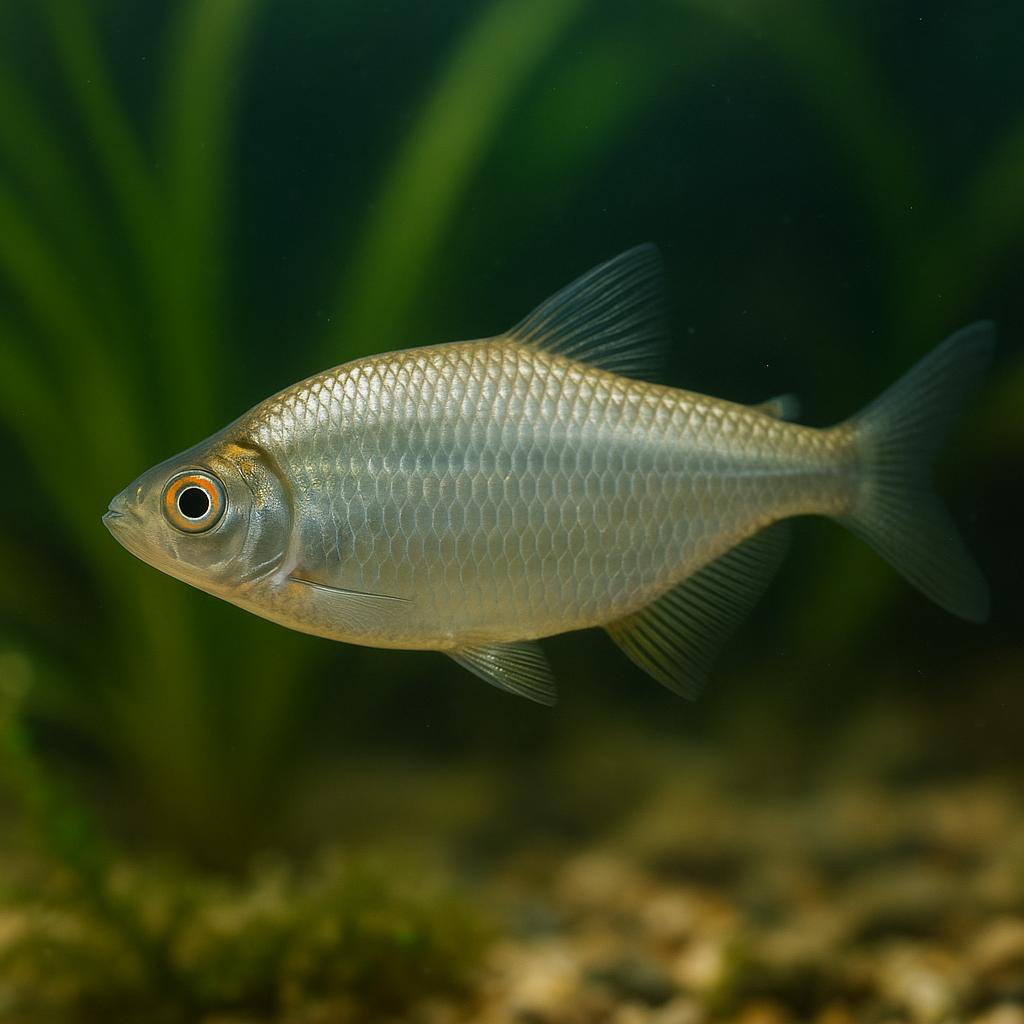
Panamanian lightfish
Yarrella argenteola
Yarrella argenteola is a deep-water lightfish from the Panama Gulf, living way down in the bathypelagic zone. Its whole deal is being a midwater, deep-sea predator-ish micronekton fish with light-organ family vibes - super cool biologically, but basically never an aquarium species because it comes from hundreds of meters down.
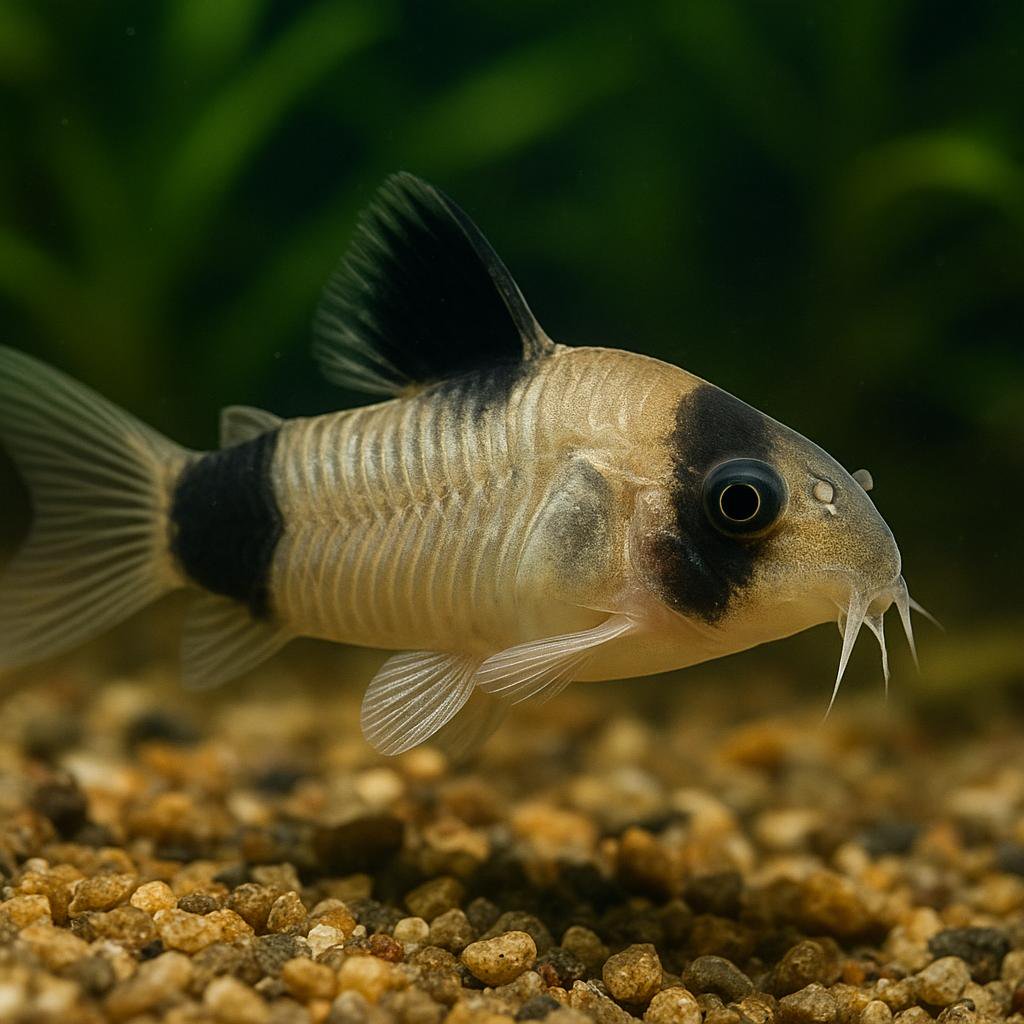
Panda Corydoras (Panda Cory)
Corydoras panda
Corydoras panda is a small, bottom-dwelling catfish known for its pale body with distinctive black patches over the eyes and near the tail, resembling a panda's markings. It is a peaceful, social schooling species that does best in groups and appreciates soft substrate and clean, well-oxygenated water. Like other corydoras, it forages constantly and should be offered sinking foods rather than relying on leftovers.
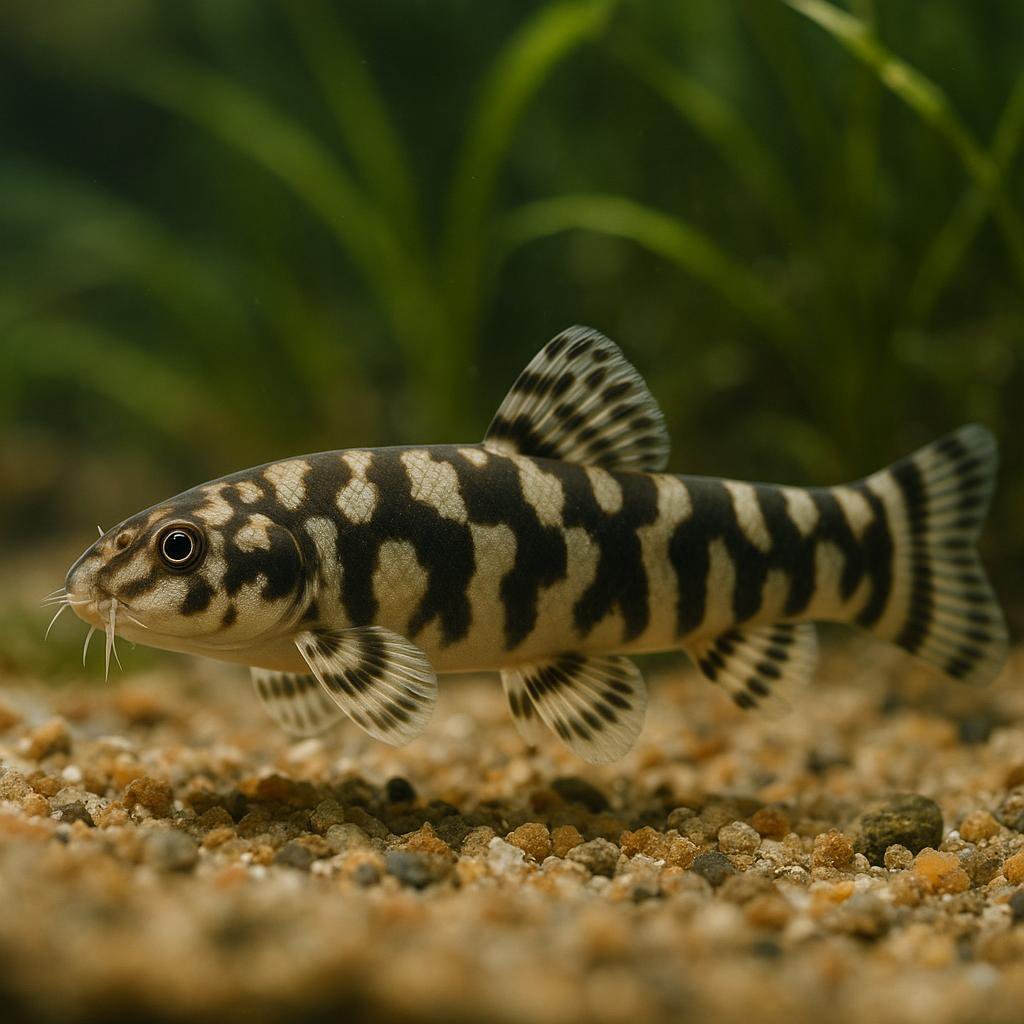
Panda loach
Yaoshania pachychilus
Hillstream loach from fast, highly oxygenated mountain streams; thrives in a mature, algae/biofilm-rich river-style aquarium with strong flow and smooth rocks. Peaceful but social, and best kept in groups where they become more active and confident.
Pantanal eartheater
Satanoperca pappaterra
This is one of those classic sand-sifting cichlids that will constantly take mouthfuls of substrate, filter out snacks, and spit out little clouds of sand like a tiny bulldozer. In the wild it even feeds in small groups and takes turns being the lookout, which is just insanely cool behavior for a cichlid. Give it a soft sandy bottom and calm tankmates, and it settles into a really mellow, busy little routine.
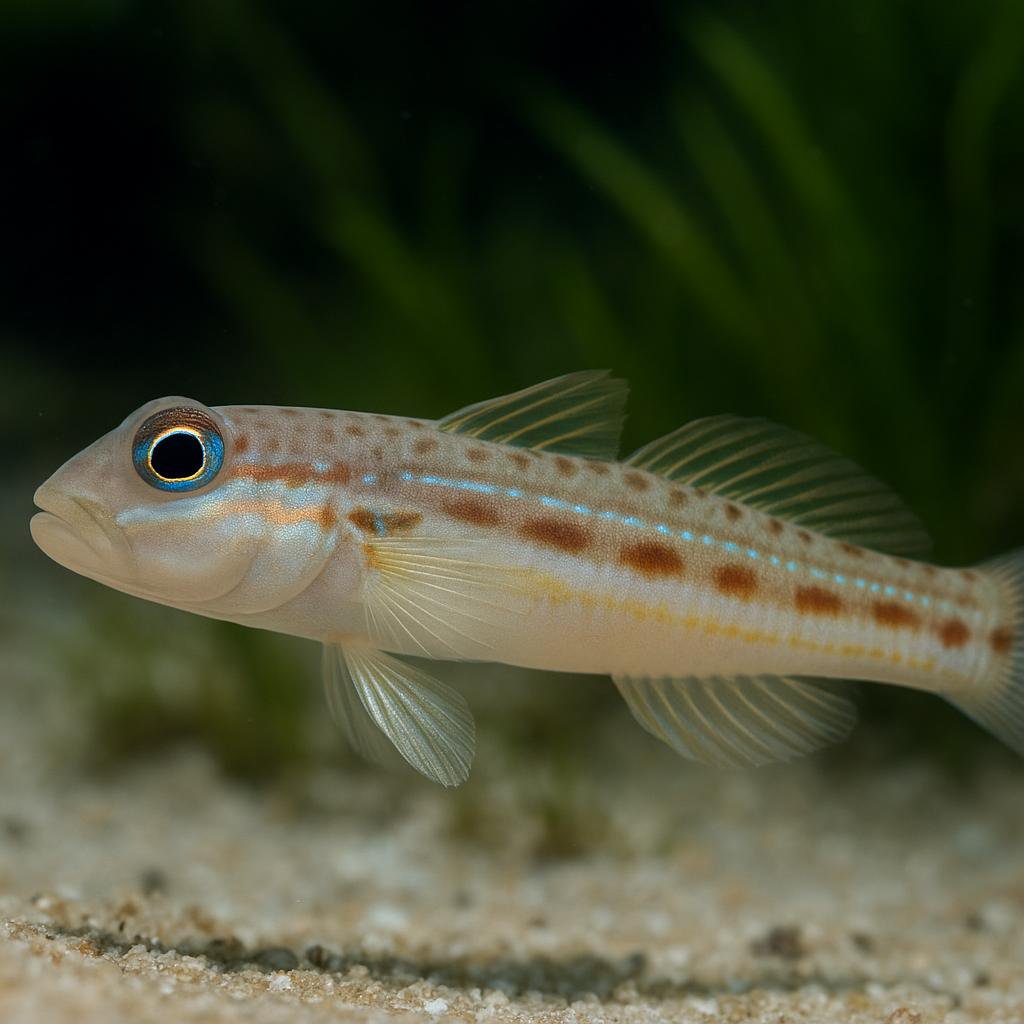
Parva goby
Valenciennea parva
Valenciennea parva is a little sand-flat sleeper goby (a Valenciennea "glidergoby") that hangs around clean sand patches near reefs, often as a bonded pair. In the wild it uses burrows and does this neat rocking/back-and-forth motion near the burrow, plus it will constantly sift and inspect the sand for tiny food.
Pasca
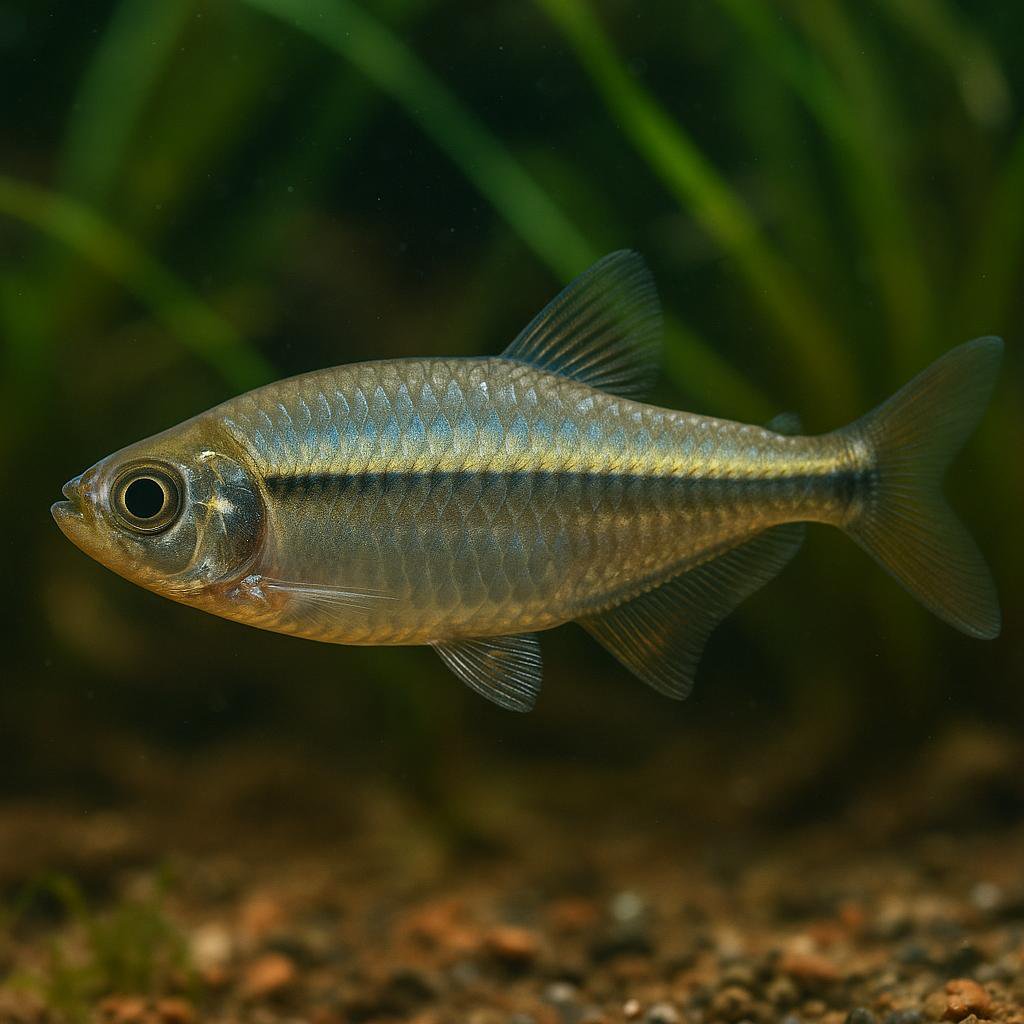
Paragoniates alburnus
Paragoniates alburnus (often called the pasca) is a slim, silvery Amazon characin that tops out around 6-7 cm. Its vibe is very much "open-water, always on the move," so it does best in a roomy tank with a current and a group of its own kind.
Paxton's slickhead
Conocara paxtoni
Conocara paxtoni is a deep-sea slickhead from the Tasman Sea, and its whole vibe is pure "mystery fish" - its known record is from a single specimen taken around 2450 m deep. It's a fairly big, streamlined bathypelagic/benthopelagic fish (for a slickhead), but it is absolutely not an aquarium species (deepwater pressure/temperature requirements make that a no-go).
Peacock gudgeon
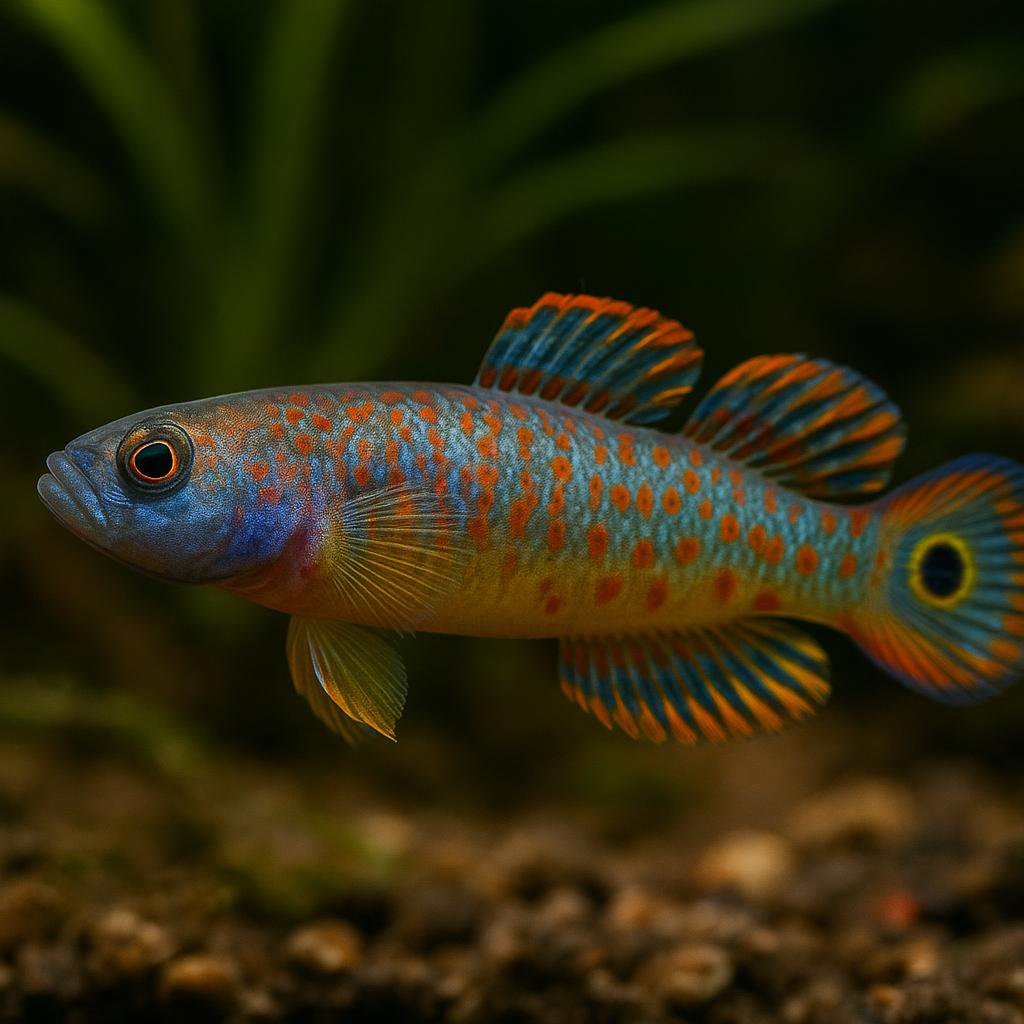
Tateurndina ocellicauda
Peacock gudgeons are little jewel-fish from eastern Papua New Guinea with that awesome "eye spot" on the tail and a ton of blue/yellow/red speckling. They're gentle most of the time, but the males get pretty into cave/crevice territory when they're thinking about spawning-and watching the male guard and fan eggs is seriously cool.
Pearly-finned cardinalfish
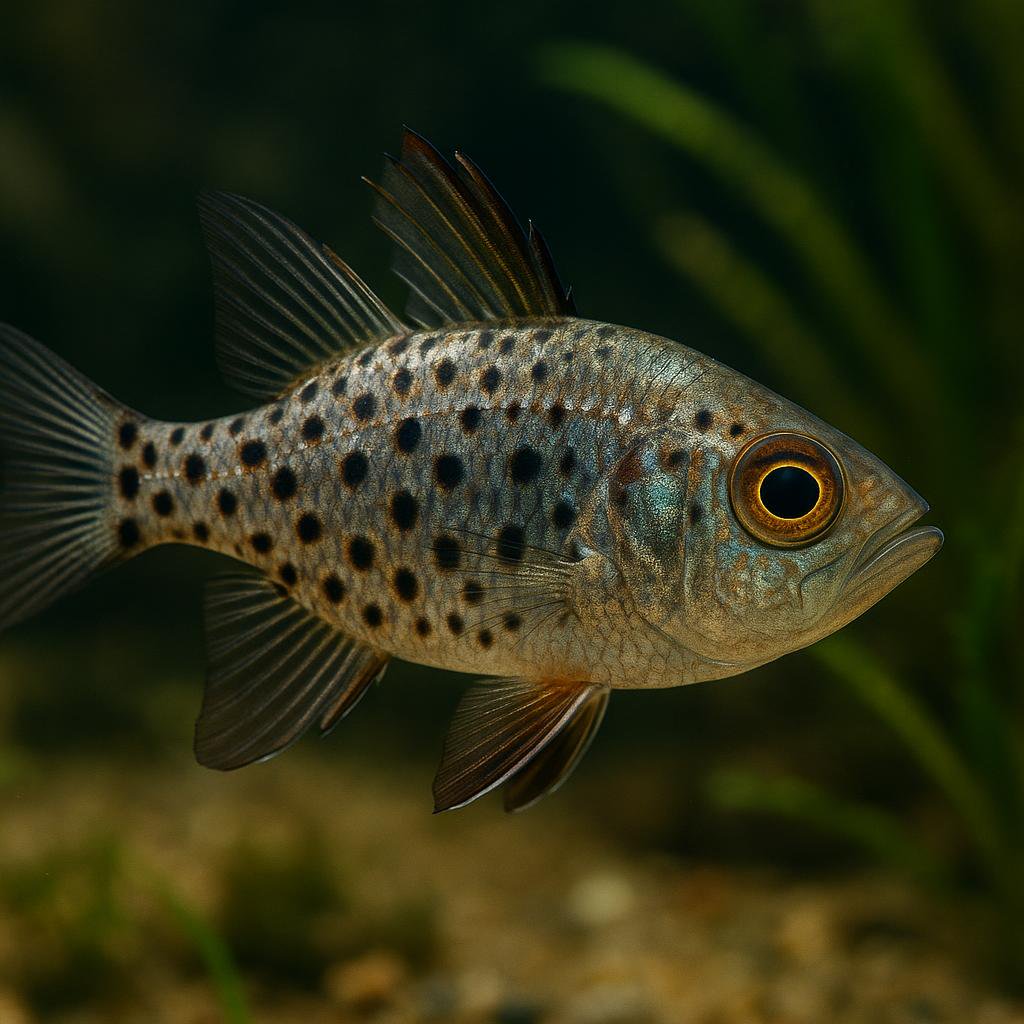
Jaydia poeciloptera
This is a nocturnal Indo-West Pacific cardinalfish that spends the day tucked away (even hiding in holes in soft mud) and comes out at night to feed. The really cool part is the breeding style - they pair up, and the male mouthbroods the eggs like a little floating nursery.
Pencil catfish
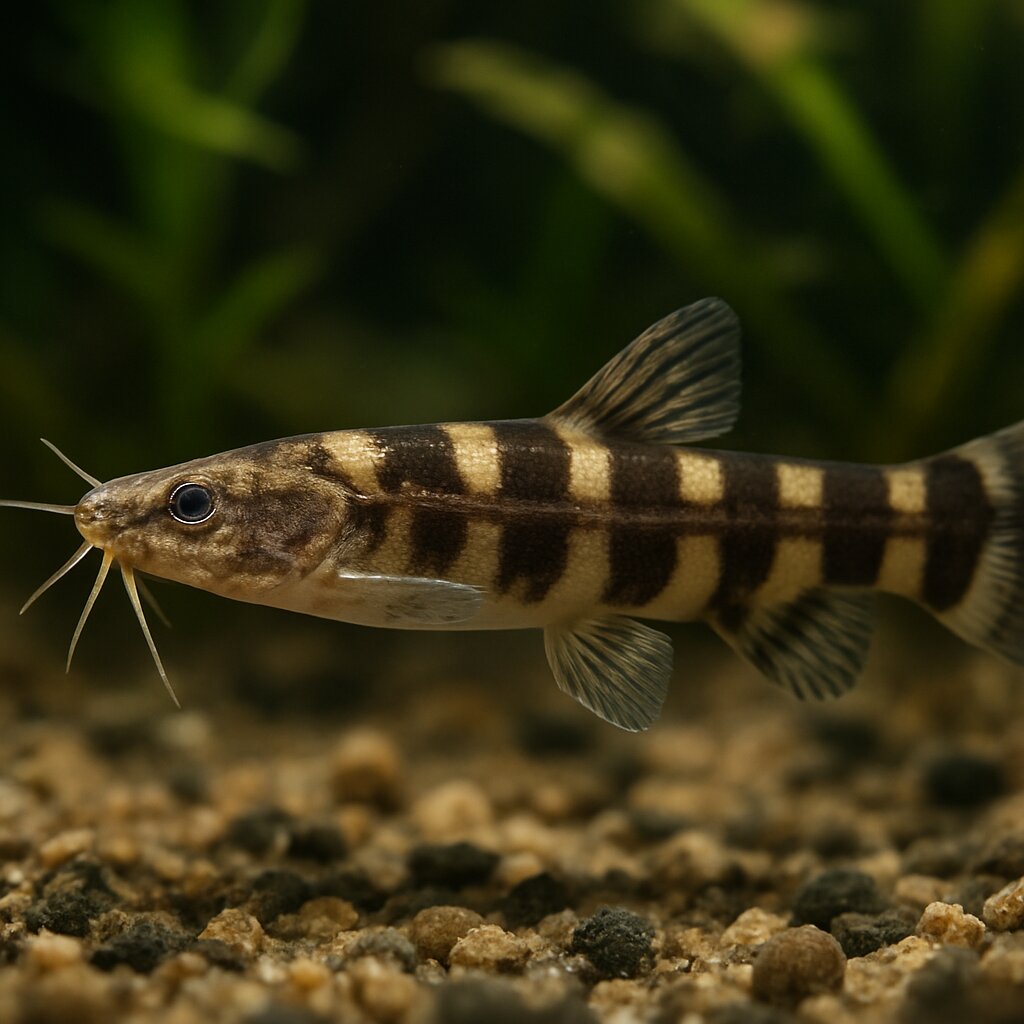
Cambeva zonata
A tiny riffle‑lover from southeastern Brazil, Cambeva zonata inhabits cool, fast, highly oxygenated streams in the Ribeira de Iguape basin (Betari and Iporanga sub‑basins). It bears an irregular mottled/blotched pattern that can align into bars, and forages diurnally on aquatic invertebrates over gravel and stones.
Pencil catfish
Ituglanis amphipotamus
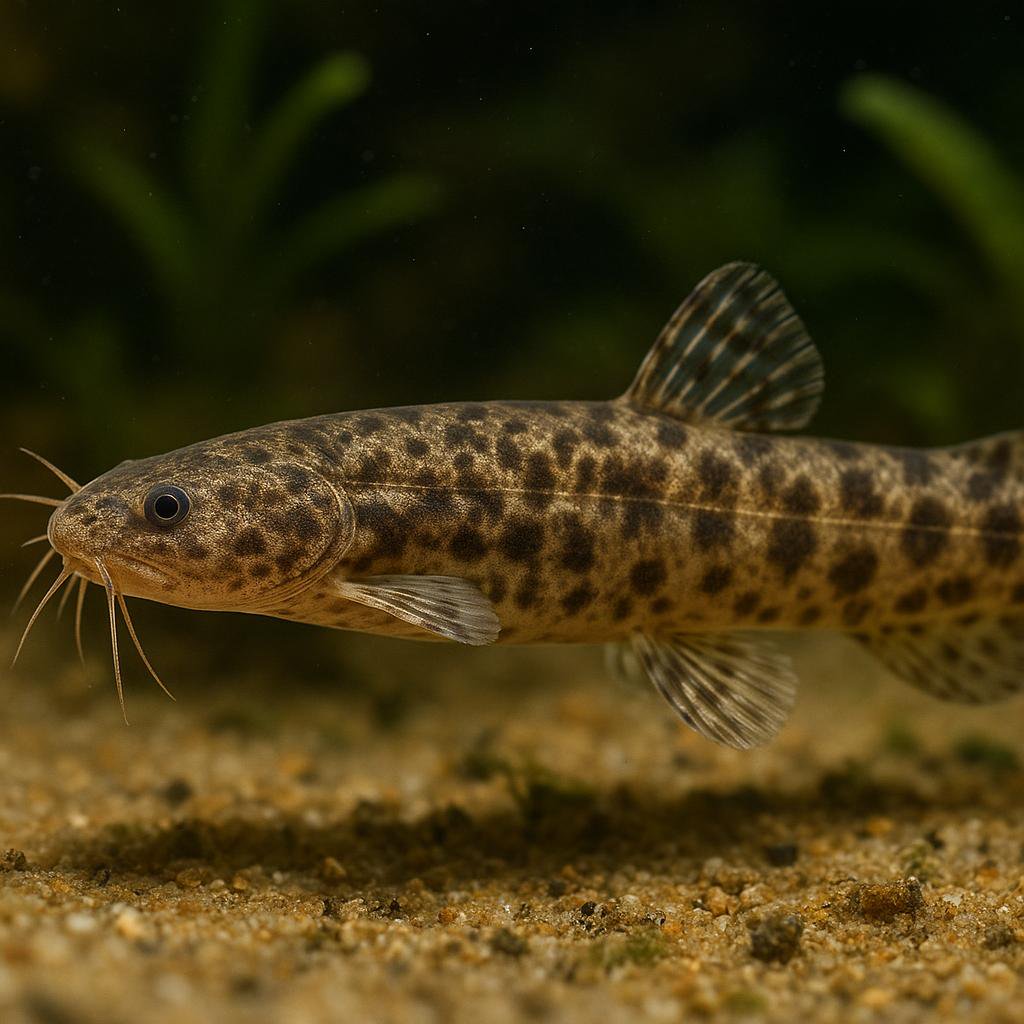
This is a small, secretive trichomycterid catfish from southeastern Brazil that hugs the bottom and likes to wedge itself into tight spots. It comes from fast-flowing water over rock and sand, so it does best in a well-oxygenated setup with current and lots of little caves or crevices to vanish into.
Peppered catshark
Galeus piperatus
This is a little deepwater catshark from the northern Gulf of California with a cool "peppered" look - fine black dots all over a gray body. It lives way down on the slope (hundreds to over a thousand meters deep), so its real-world conditions are cold, dark, and high pressure, which is why its not an aquarium fish in any normal sense.