

Search Species
Search for fish species by common or scientific name, or use filters to browse by water type, size, temperament, and difficulty.
Found 119 species
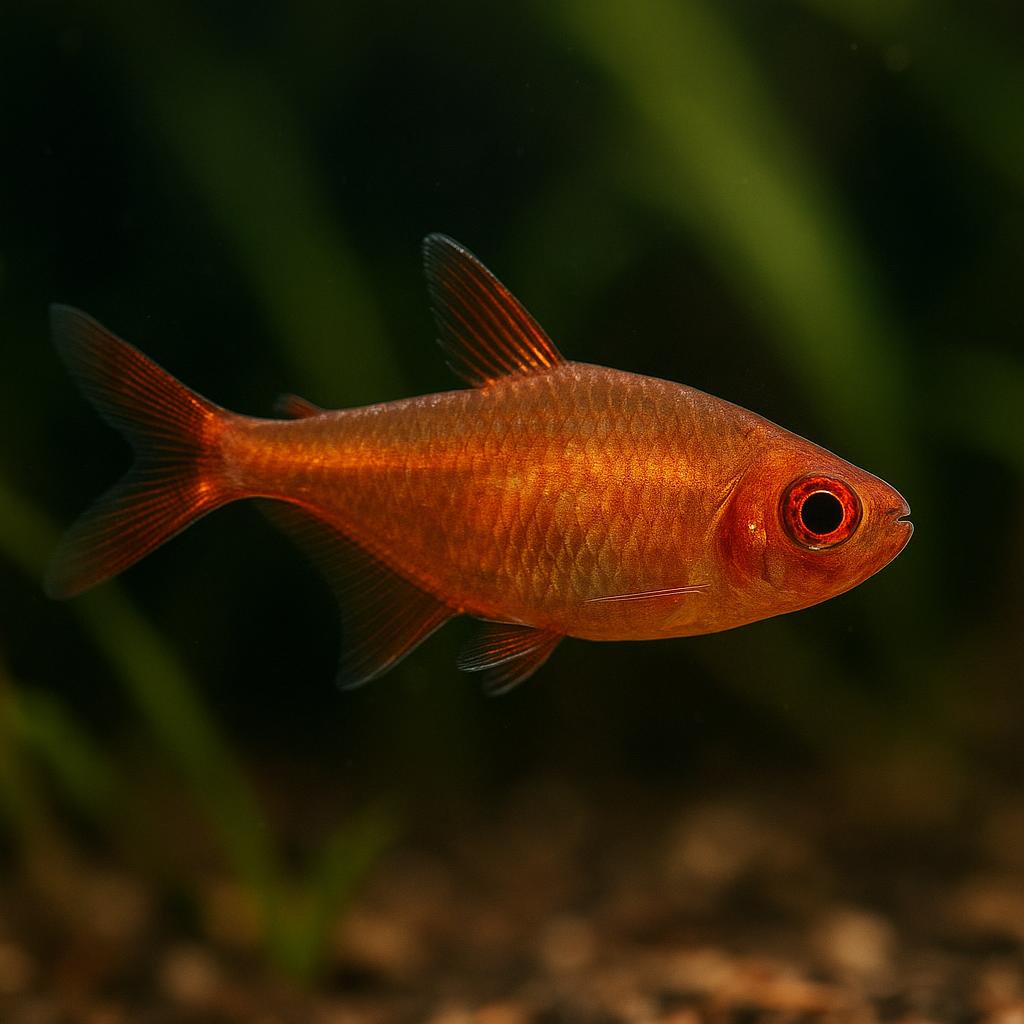
Ember tetra
Hyphessobrycon amandae
Ember tetras are tiny little orange "glow fish" tetras that look insanely good over a dark substrate with plants and a bit of leaf litter. They're happiest in a proper little gang, and when they settle in and feel safe the whole school starts moving like one warm, flickery cloud.
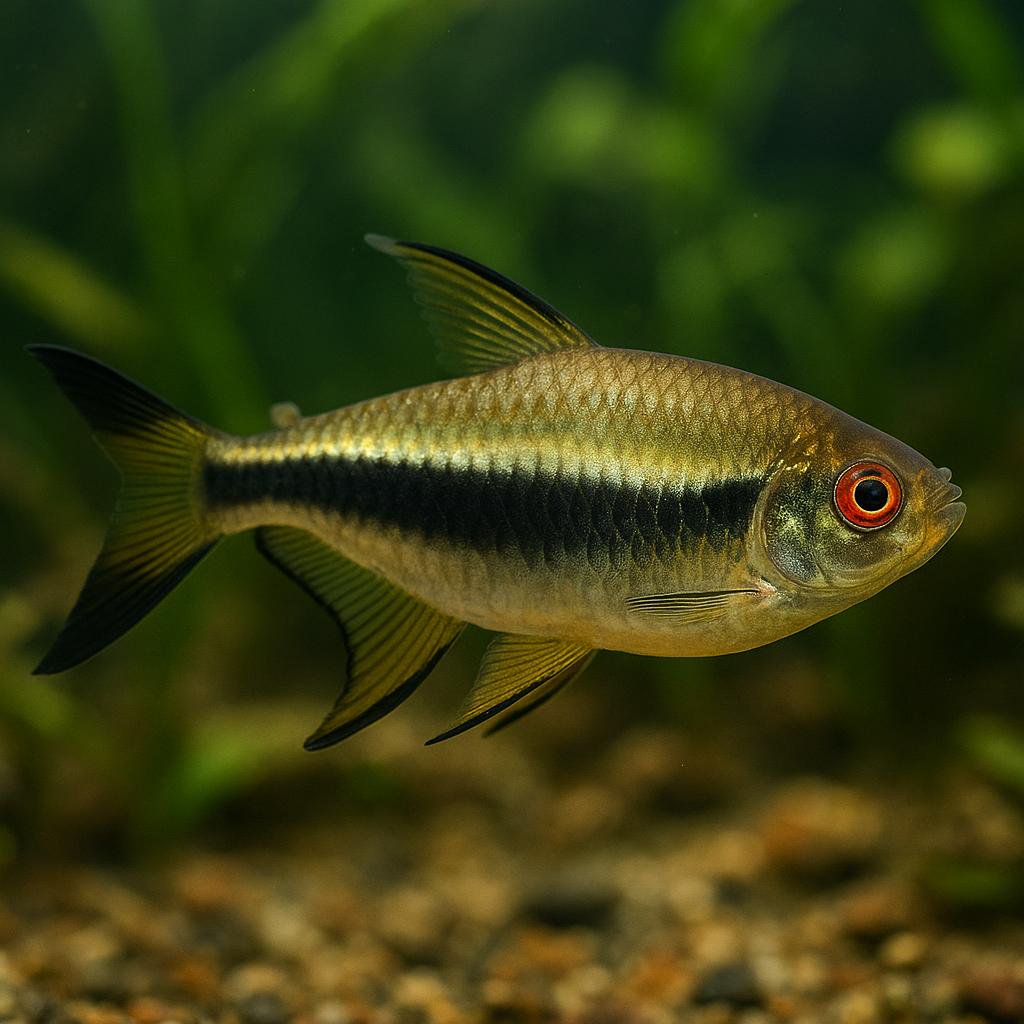
Emperor tetra
Nematobrycon palmeri
Emperor tetras are those classy little Colombian characins with the dark horizontal stripe and the males' awesome trident/lyretail look. Keep a decent-sized group and you'll see the males do their little posturing displays without really hurting each other, especially in a planted tank with some shade.
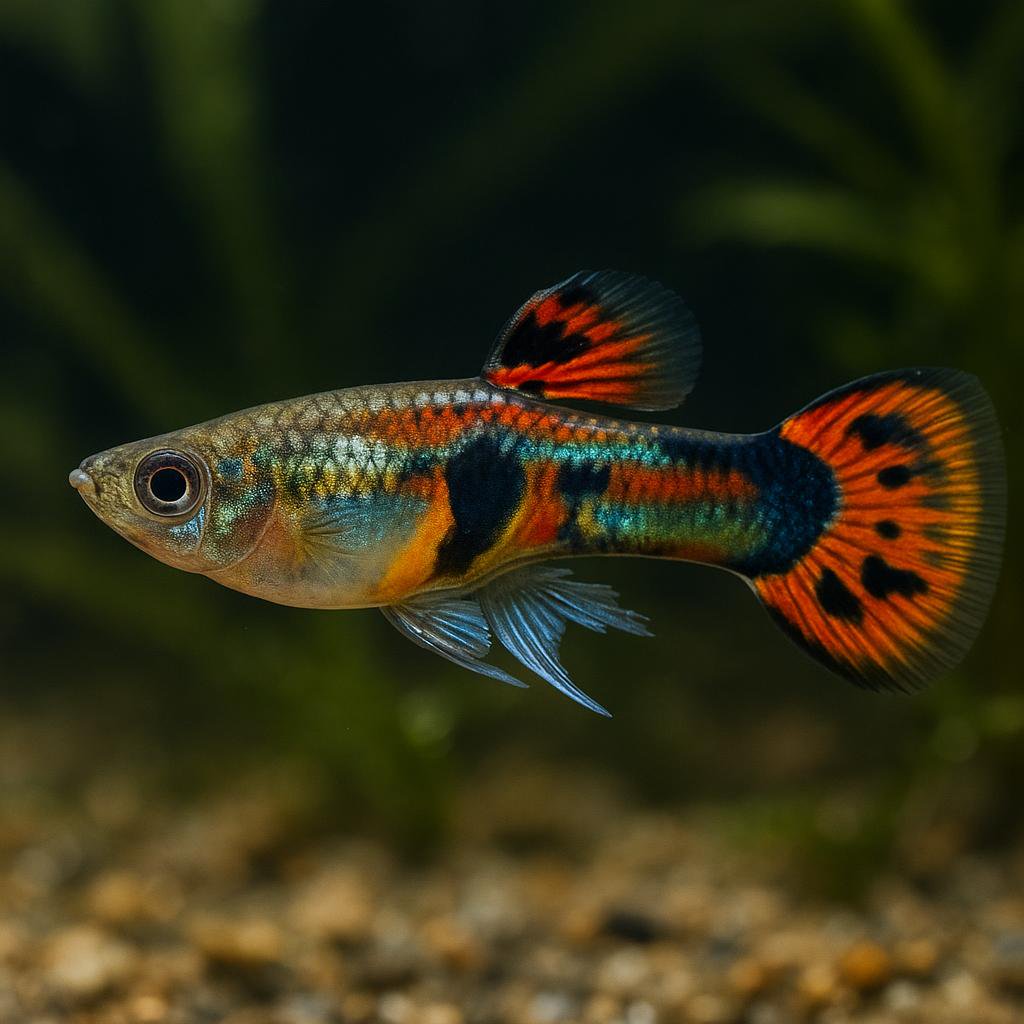
Endler's livebearer
Poecilia wingei
Endlers are basically tiny little firecrackers-males stay small but flash a ton of neon color and never stop cruising the tank. They're super social and active, and if you keep males and females together you'll have babies before you've even finished tweaking the aquascape.
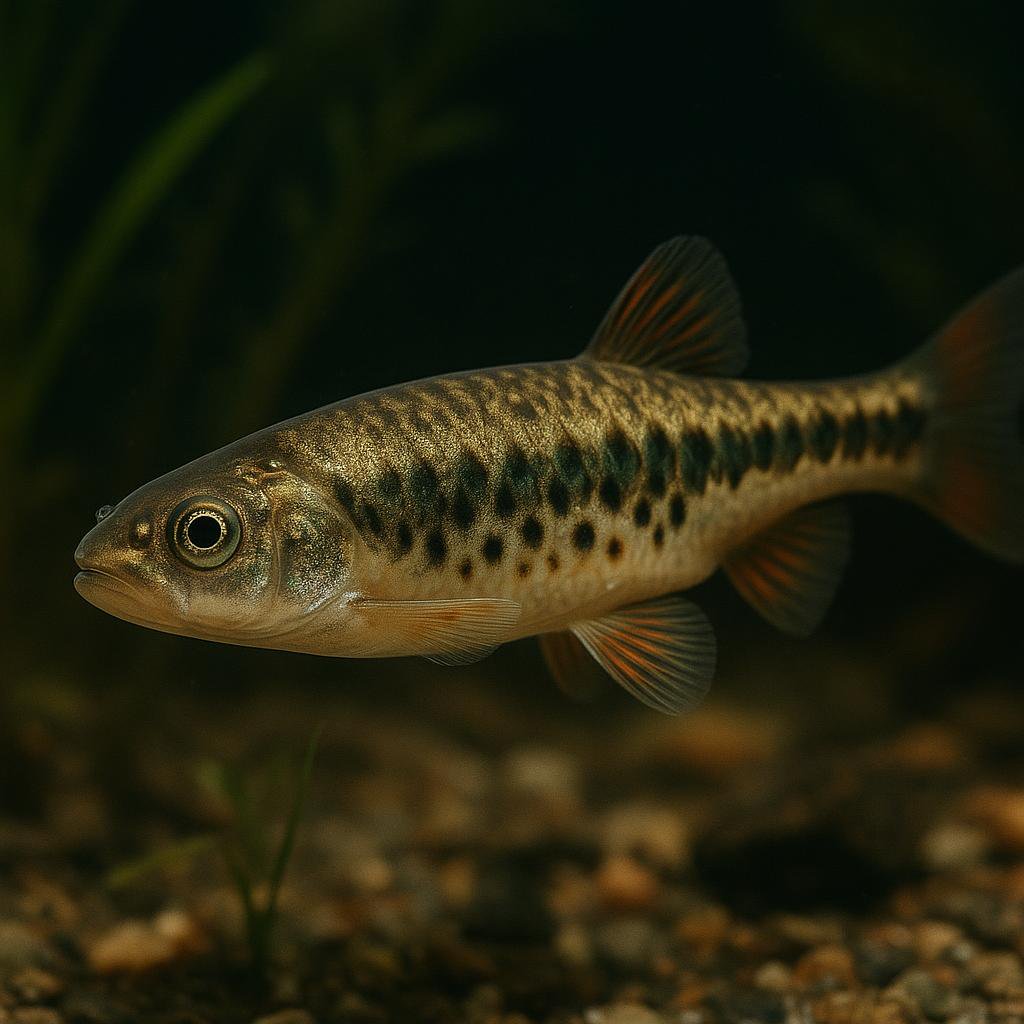
Eurasian Minnow (Common Minnow)
Phoxinus phoxinus
Phoxinus phoxinus is a small, fast-swimming minnow associated with cool, well-oxygenated waters. It is a gregarious shoaling fish; males intensify in colour during breeding. Note: the name P. phoxinus has historically been applied broadly across Eurasia, but the group is now treated as a species complex in which true P. phoxinus may be restricted to parts of Western Europe.
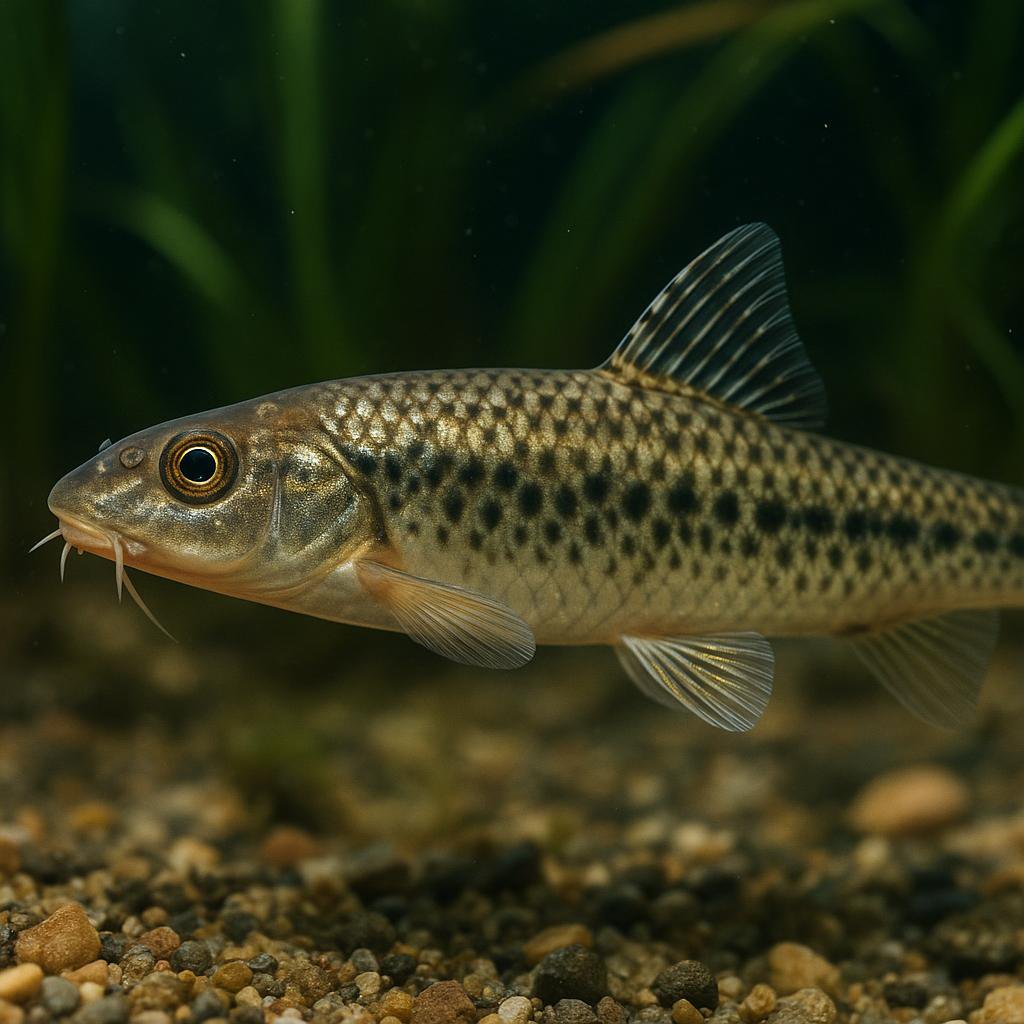
European gudgeon
Gobio gobio
The European gudgeon is a small bottom-dwelling cyprinid with a slender body, sandy-brown mottling, and distinct barbels at the corners of the mouth used to locate food in the substrate. It is an active schooling fish that prefers well-oxygenated water and a sand or fine-gravel bottom, often resting on the substrate between foraging bouts. Best kept in cool, river-style aquariums with moderate flow rather than warm tropical setups.
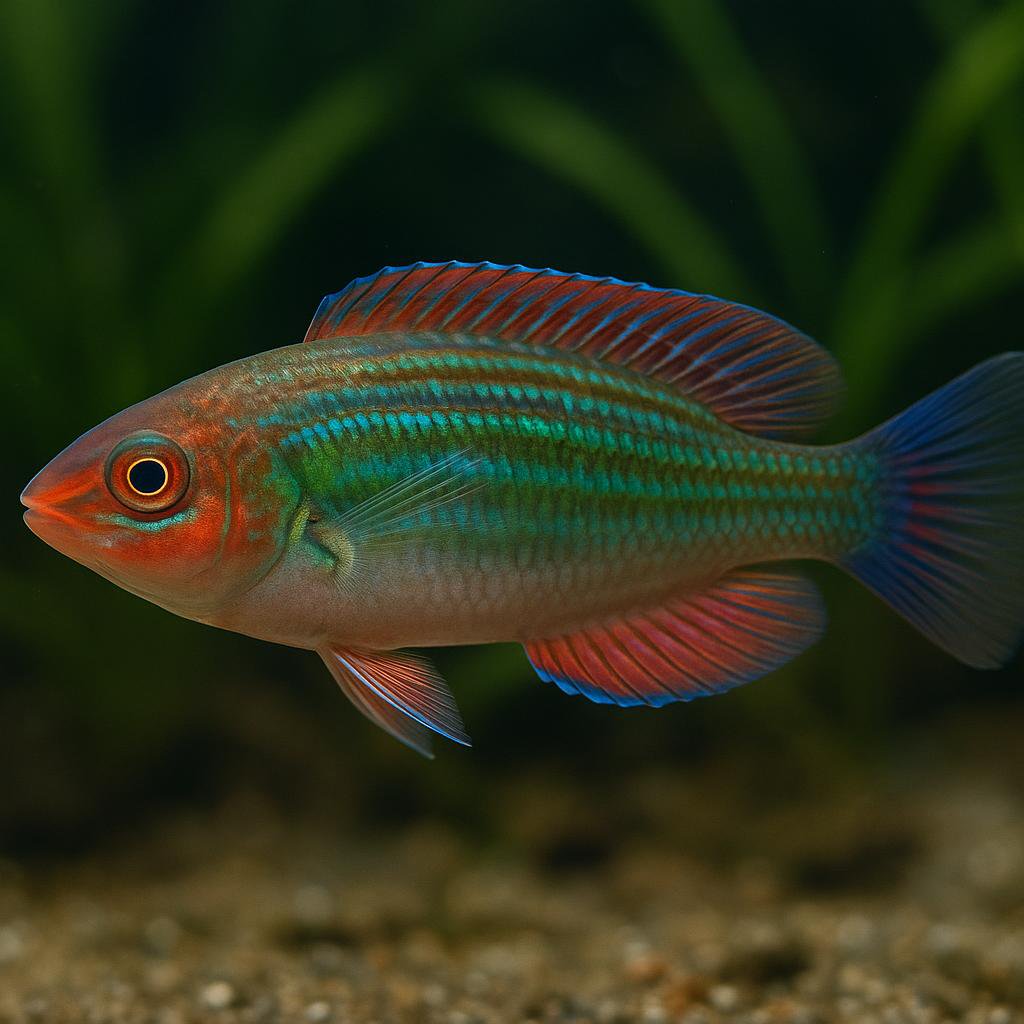
Exquisite wrasse
Cirrhilabrus exquisitus
This is one of those fairy wrasses that looks like it was painted with highlighters - males can shift through greens, reds, blues, and purples depending on mood and whether they are showing off. In a reef tank its usually out and cruising the water column, grabbing tiny meaty foods, and doing little display flare-ups at its own reflection or other wrasses. Biggest real-world gotcha is they are jumpers, so a tight lid or mesh top is basically mandatory.
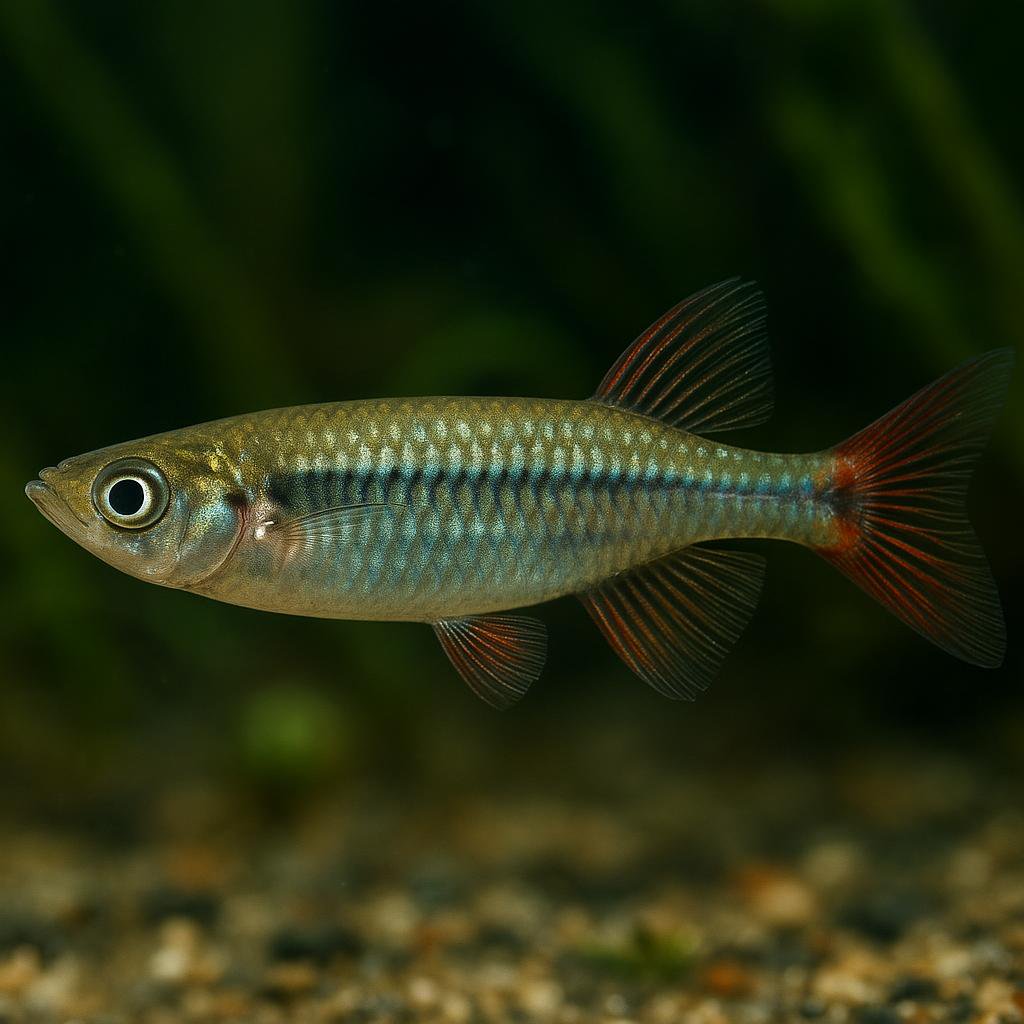
Feathered river-garfish
Zenarchopterus dispar
Zenarchopterus dispar is a surface-hanging halfbeak from mangroves and sheltered bays, with that classic long lower jaw for snapping up insects and other floaty foods. Males get those funky elongated fin rays (the "feathered" look), and they are livebearers, so once they settle in you can occasionally get surprise babies. Biggest thing with this fish is giving it calm water up top, room to cruise, and a tight lid because halfbeaks can rocket-jump.
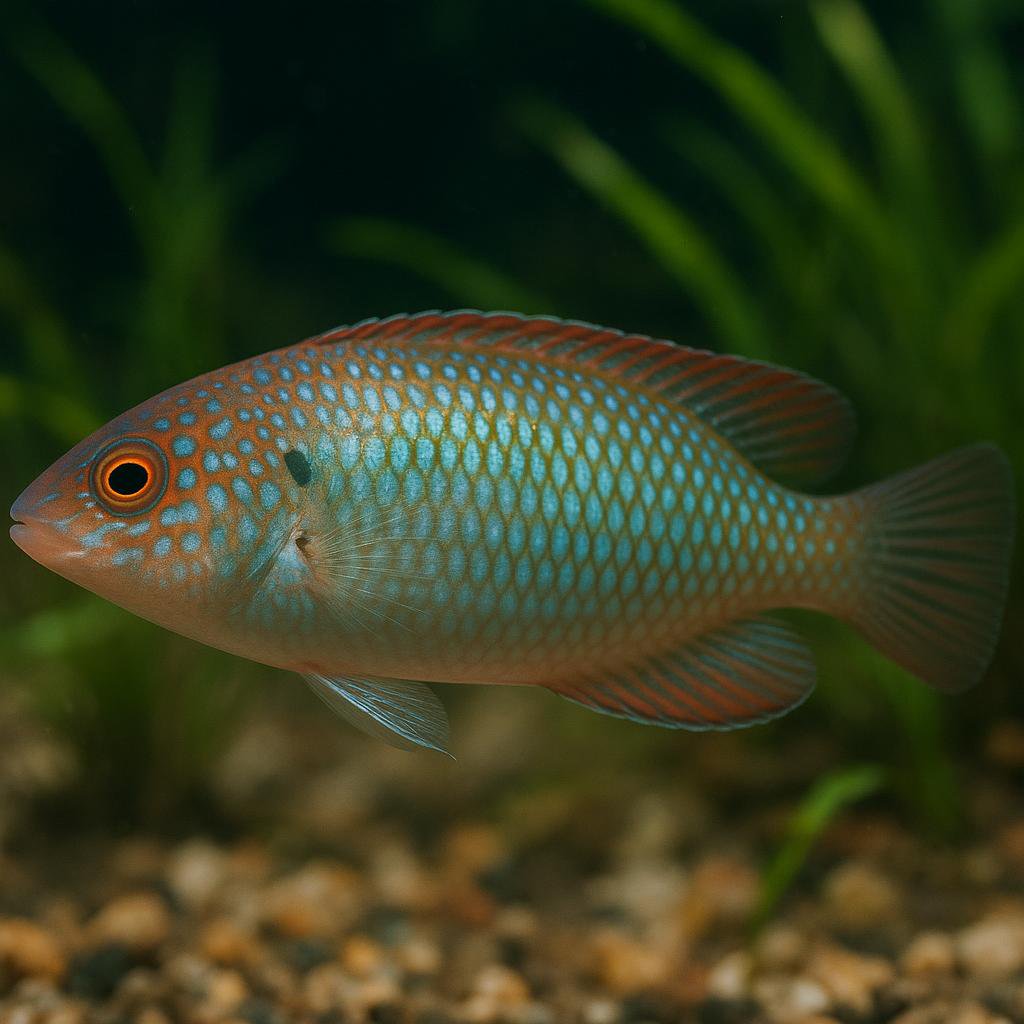
Finspot wrasse
Xenojulis margaritacea
This is a small Western Pacific wrasse that cruises shallow weedy and rubble zones, then dives into sand to sleep. Males get a burgundy body with green head striping and little spots on the fins, and it spends the day picking tiny invertebrates off macroalgae. In a tank it appreciates a deep sand bed and a tight lid.
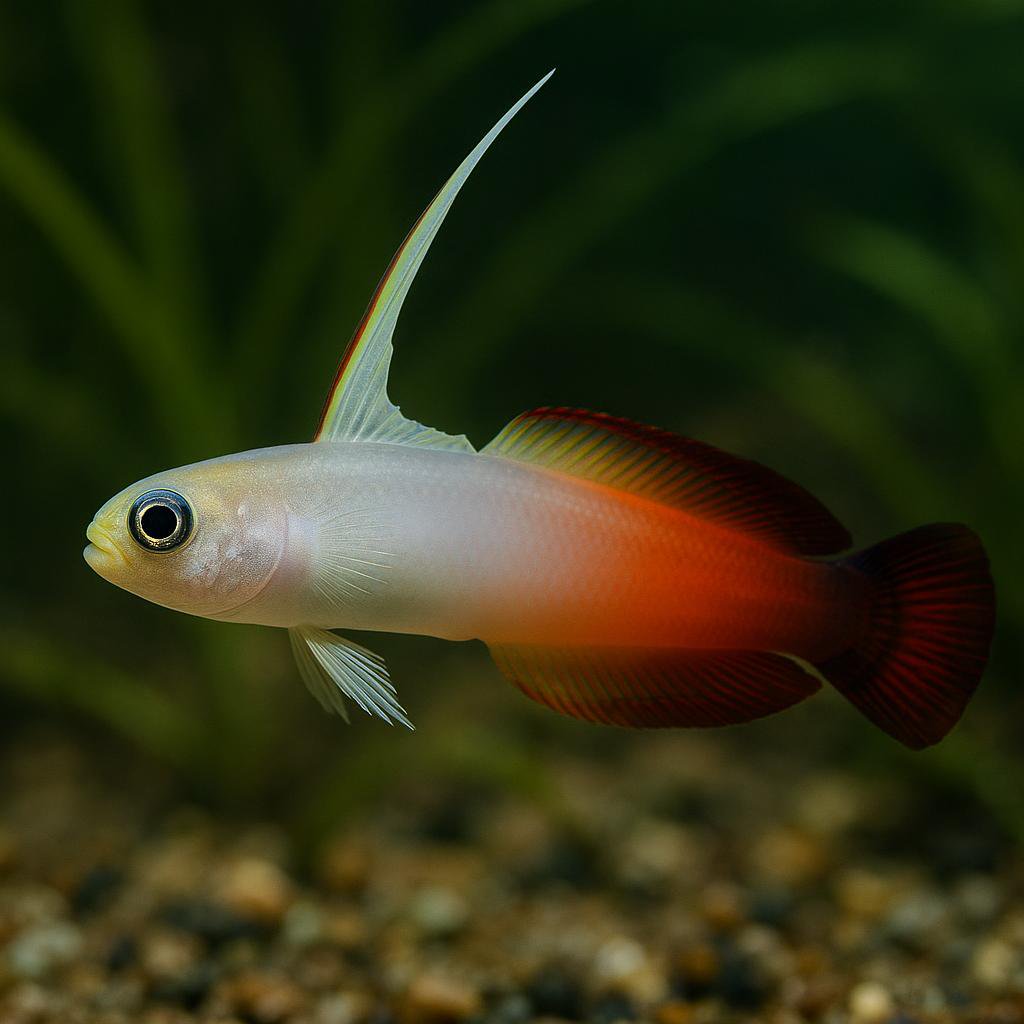
Firefish (Fire Goby / Fire Dartfish)
Nemateleotris magnifica
This is that little "hover-and-dart" reef fish with the yellow face and the white-to-red fade that looks like it was airbrushed on. It'll pick a bolt-hole in the rockwork, hang in the water column facing the current, and do that cute little flag-flick with the tall first dorsal fin when it's feeling bold.
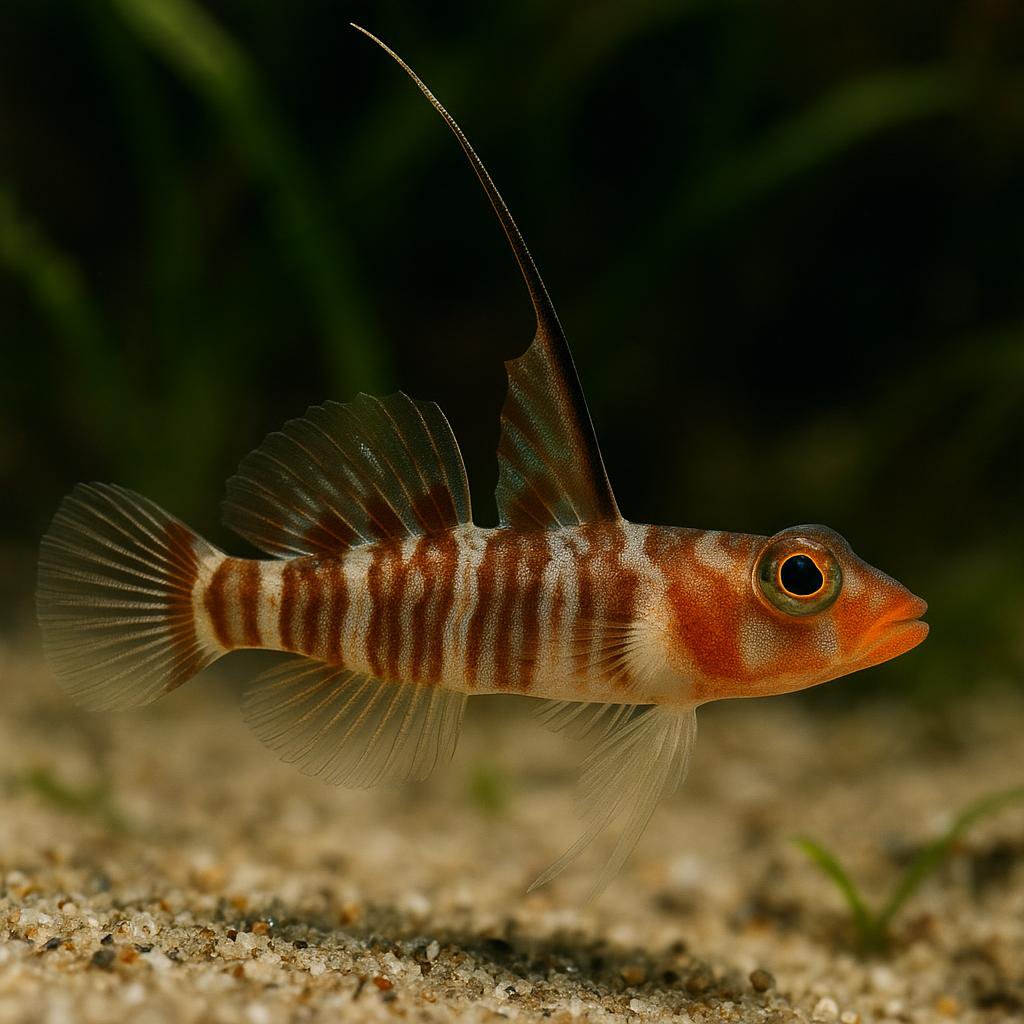
Flaming Prawn Goby
Discordipinna griessingeri
This tiny reef goby flashes long orange fins as it shuffles between rock crevices, so you usually spot it in quick cameos. At barely 3 cm long, its crisp white-and-orange striping and spiky fin displays look wild for such a small fish.
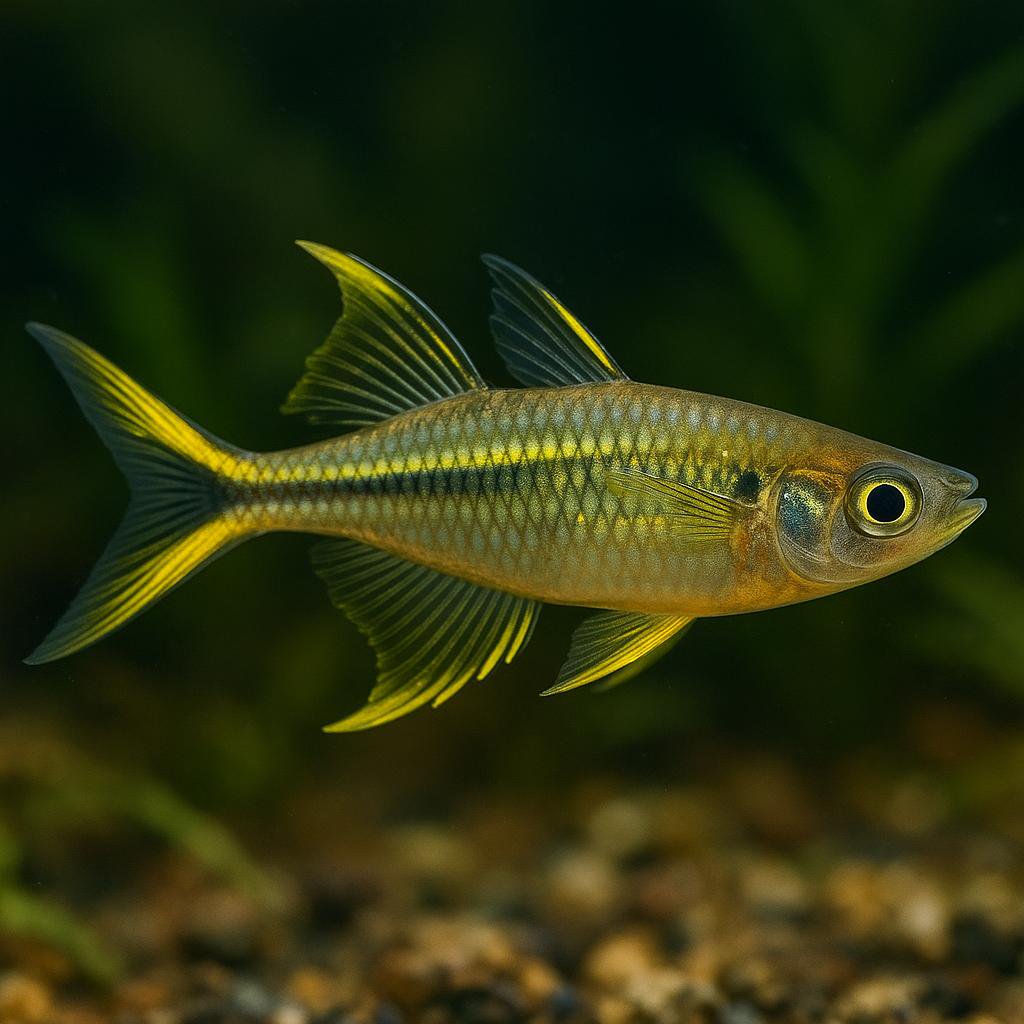
Forktail blue-eye (Forktail rainbowfish)
Pseudomugil furcatus
Pseudomugil furcatus is one of those little fish that never sits still-in a good way. When you keep a proper group, the males do these harmless fin-flaring "showdowns" and the forked tail + blue eyes really pop, especially in a planted tank with some open swimming room. It's a peaceful, small schooling fish from Papua New Guinea rainforest streams, and it's an easy way to add constant movement to a tank.
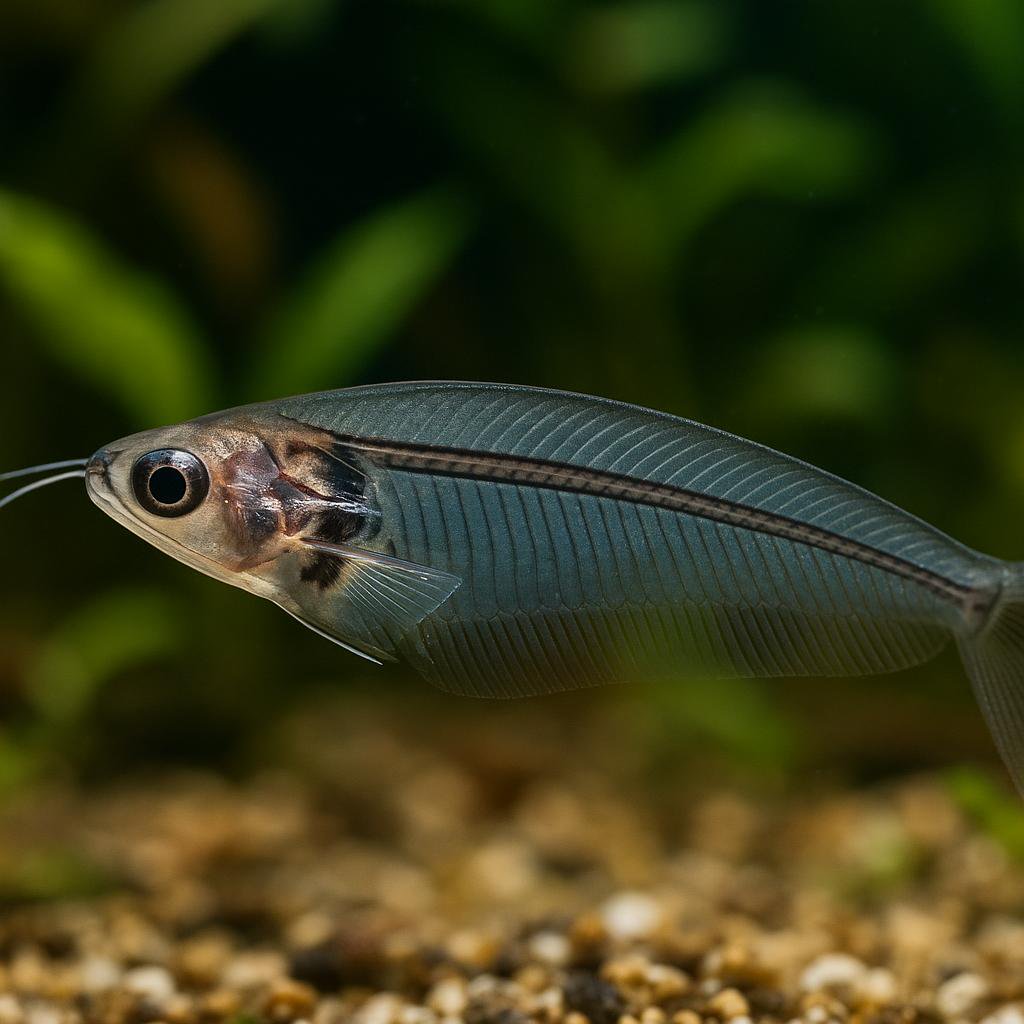
Glass catfish
Kryptopterus vitreolus
This is the truly transparent "glass" catfish from Thailand - you can literally see the spine and organs when its happy and settled in. The big trick is keeping them in a proper group and giving them calmer, dimmer conditions; once they feel secure, they cruise around together and look unreal in the water column.