

Black carp
Mylopharyngodon piceus
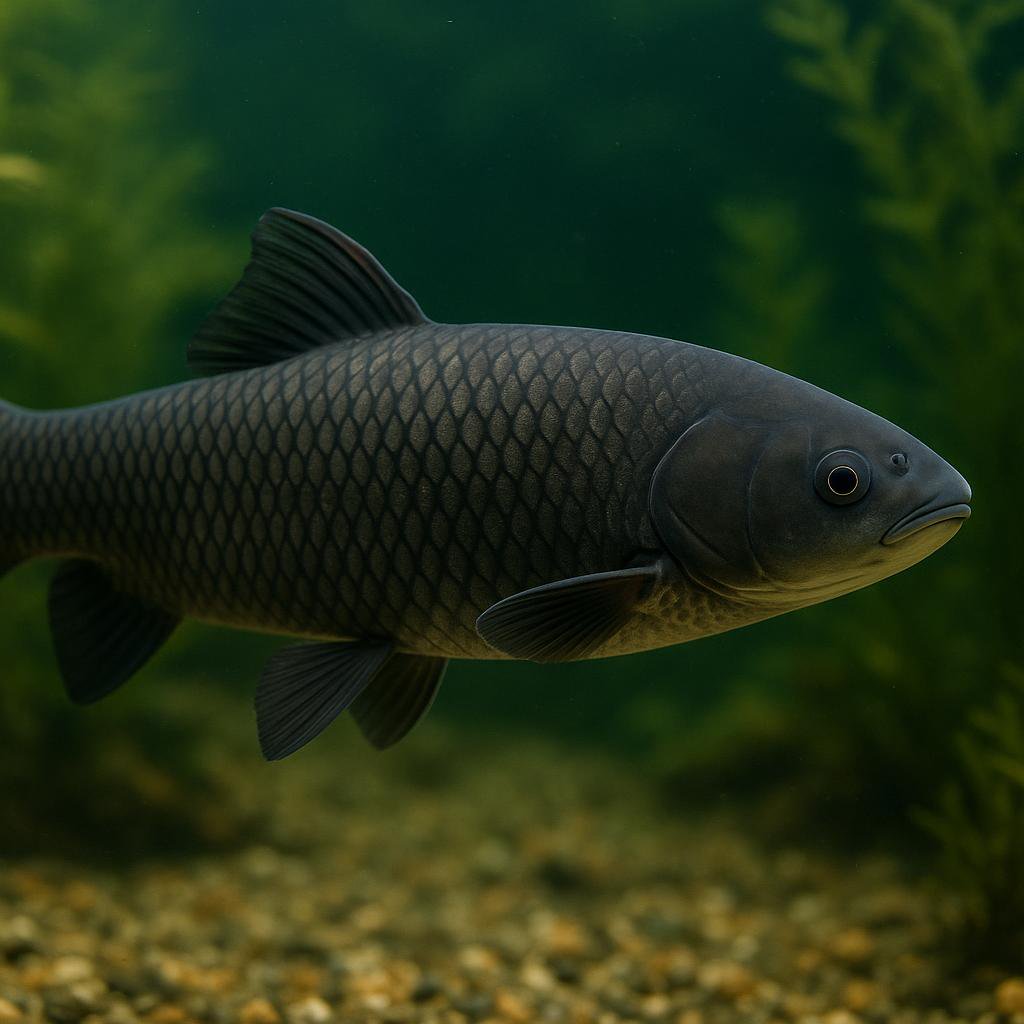
The Black carp features a long, streamlined body with dark green to black scales and a distinctive, pointed snout.
This page includes AI-generated images. Why am I seeing AI images?
About the Black carp
This is the big mollusk-crushing carp with the crazy pharyngeal teeth - once it hits juvenile size it starts hunting snails and clams and, as an adult, it is basically built to eat shells. It gets absolutely enormous (think pond/lake fish, not aquarium fish), and it tends to cruise low and feed near the bottom.
Also known as
Quick Facts
Size
180 cm
Temperament
Peaceful
Difficulty
Expert
Min Tank Size
1000 gallons
Lifespan
13-15+ years
Origin
East Asia
Diet
Molluscivore/carnivore - snails and clams (juveniles start with small molluscs; adults mostly molluscs)
Water Parameters
4-35°C
7.5-8.5
Need a heater for this species?
This species needs 4-35°C in a 1000 gallon tank. Use our heater calculator to find the right wattage.
Calculate heater sizeCare Notes
- Do not even think "tank" - you need a pond or a huge indoor system (thousands of gallons). They get massive, are built like torpedoes, and will bulldoze decor and smash glass if cramped or spooked.
- Run serious filtration and flow: big mechanical pre-filter plus heavy bio, and strong aeration. Keep ammonia and nitrite at 0 and nitrates low, because a big carp makes a ridiculous amount of waste.
- Temperature: broadly temperate; avoid extremes. Sources commonly summarize black carp water chemistry at pH 7.5–8.5. Treat as a large pond/river fish rather than a heated-tropical aquarium species.
- Feeding is mostly hard-shelled stuff: snails, clams, mussels, crayfish, and other crunchy inverts - they are literally built to crush shells. Mix in high-quality sinking pellets for big omnivores/cyprinids so they do not end up on an all-snack diet.
- Quarantine any live snails or mussels before feeding, or you will import parasites fast. Also watch for sharp shell fragments - I prefer offering whole clams/mussels and letting them crush, rather than dumping loose shards in the system.
- Tankmates: only with other large, tough pond fish that cannot fit in its mouth and can handle the same cooler freshwater. Avoid small fish and anything snail-like you actually want to keep, because it will get eaten.
- Breeding at home is basically a no-go: they are river spawners that need current, space, and seasonal cues, and most captive breeding is done with hormone induction. If someone is selling you a "breeding pair" for a normal setup, walk away.
- Watch for mouth injuries and broken pharyngeal teeth signs (spitting food, refusing crunchy items) after hard feeding sessions. Also cover the pond well - they can launch when startled, especially during netting or storms.
Compatibility
Good Tankmates
- Other big, calm pond-type fish like grass carp or silver carp - they cruise around, dont pick fights, and handle the same cooler, well-oxygenated freshwater setup
- Large koi or common goldfish in a roomy pond - black carp usually ignore them, but only if theres tons of space and good filtration (they get huge and eat a lot)
- Big, peaceful catfish like channel catfish or large Synodontis (in very large systems) - they do their own thing and arent trying to spar all day
- Large plecos (common or sailfin) - decent match because they stick to surfaces and can handle themselves, just watch that the pleco doesnt rasp slime on slow fish at night
Avoid
- Small fish like guppies, minnows, danios, and tiny tetras - not because black carp are mean, but because a big carp will absolutely Hoover up anything bite-sized
- Snails, clams, mussels, and other shelled inverts - black carp are basically built to crush and eat them, so dont expect your cleanup crew to survive
- Nippy or aggressive fish like tiger barbs (in cramped tanks), red-tailed sharks, or nasty cichlids - they stress the carp and can chew fins, then everyone is miserable
- Slow, fancy-finned fish like fancy goldfish or longfin varieties in tighter quarters - they get outcompeted at feeding time and can get bumped around by a big, hungry carp
Where they come from
Black carp (Mylopharyngodon piceus) are big river fish from East Asia, especially the major river systems in China. Theyre built for current, space, and crunching hard-shelled food. In the hobby world they show up more as a curiosity or pond fish than a normal aquarium resident, and theres a reason for that: they get huge and they eat like a woodchipper.
Before you even think about getting one, check your local laws. Black carp are restricted or outright illegal in a lot of places because they can become invasive and hammer native snails and mussels.
Setting up their tank
Honestly, a typical home aquarium is not the right container for a black carp long-term. A juvenile might look fine in a large tank for a while, but they outgrow it fast. If you dont have a serious indoor vat setup or a pond, its better to admire them from afar.
If you are committed and legal, think like a riverkeeper: lots of swimming room, heavy filtration, and flow. They are strong fish and they act like it. Anything flimsy will get rearranged.
- Tank size: as big as you can manage, and then bigger. Realistically youre talking pond or several-hundred-gallon system minimum for a youngster, with a plan for adult size.
- Footprint matters more than height. Long and wide beats tall every time.
- Filtration: oversized and redundant. Big canister plus sump, or multiple large filters. They produce a lot of waste.
- Flow and oxygen: strong circulation and high aeration. They handle current well and it helps keep them active.
- Substrate: sand or smooth gravel. Skip sharp stuff - they cruise and spook fast.
- Decor: keep it simple. Large rounded rocks and sturdy driftwood only if its anchored. They can smash into things when startled.
- Lid: tight-fitting. Big carp can jump, especially during spooks or feeding frenzies.
Build the setup around maintenance. Wide access, easy drain/fill, and a way to move a giant fish if you ever have to. Netting a big black carp in a cramped room is a nightmare.
Water parameters are the easy part. Theyre not delicate about pH as long as its stable, but they hate dirty water. Think cool to moderate temps, good oxygen, and steady water changes. The bigger the fish, the more you feel it if you slack off.
What to feed them
In nature they specialize in snails, clams, and other hard-shelled critters. That crushing throat-teeth setup is their whole thing. In captivity, you can feed them a broader menu, but youll get the best growth and body condition when you include shell foods and high-quality sinking foods.
- Staples: high-quality sinking pellets for large omnivores/carp.
- Shell foods: pond snails, ramshorn snails, Malaysian trumpet snails, freshwater clams or mussels (only from safe, clean sources).
- Meaty add-ons: shrimp, krill, earthworms, chopped fish fillet occasionally.
- Vegetable matter: theyre not a grass carp, but some will pick at greens or veggie-based pellets.
Do not use wild-collected snails or mussels unless you really know what youre doing. Parasites, pesticides, and heavy metals are a real risk. I only use home-cultured snails or trusted food-grade sources.
Feeding style matters. If you dump a ton of food in, theyll bulldoze it and your water will pay the price. I like smaller portions more often, and I watch the belly line. A black carp can look like it always wants more.
How they behave and who they get along with
Theyre not typically fin-nippers, but they are powerful, fast, and food-driven. Most of the trouble comes from size mismatch: anything that can fit in their mouth is a snack, and anything slow that competes at feeding time gets shoved around.
- Temperament: generally calm cruising fish until food shows up, then they turn into a vacuum with a motor.
- Tankmate rule: only with large, robust fish that can handle the same volume, flow, and feeding intensity.
- Good fits (in very large systems): other big cyprinids, large catfish, big cichlids that arent delicate, depending on space and temperament.
- Avoid: small fish, fancy slow fish, anything you care about that might get bumped, and basically all snails (they will be hunted).
If your goal is a planted tank or a snail-cleanup-crew, pick a different fish. Black carp are a snail eradication machine, and their size and movement make most aquascapes temporary.
They can be surprisingly skittish for such a tank. Sudden lights, banging doors, or people rushing past the glass can trigger panic runs. Give them cover breaks (like big rock piles or a dark background) and keep the lighting transitions gentle if you can.
Breeding tips
Breeding black carp in home aquariums is basically a non-starter. In the wild theyre river spawners that use seasonal cues, long swims, and current to trigger spawning, and the eggs drift. Most breeding you hear about is in aquaculture with huge ponds, controlled conditioning, and sometimes hormone induction.
If you end up with more than one, dont count on babies. Focus on giving them space and stable water instead of trying to force breeding behavior in a tank.
Common problems to watch for
Most issues I see with black carp come down to people underestimating three things: adult size, waste output, and how hard they hit objects when they spook.
- Stunting and deformation from cramped quarters: they might survive, but the body shape and long-term health take a hit.
- Chronic water quality problems: high nitrate, low oxygen, and mulm buildup from heavy feeding.
- Injuries from panic runs: scraped snout, missing scales, damaged fins from slamming decor or tank walls.
- Bloat/constipation: happens if you feed too many dry pellets without variety. Shell foods and a varied diet help.
- Parasites from live foods: especially if you use wild snails or untrusted sources.
- Transport stress: big fish dont ship well. They can arrive battered or oxygen-starved.
If you notice them spooking a lot, dim the lights, add a background, reduce sudden movement around the tank, and remove any sharp decor. A calm black carp is a safer black carp.
Similar Species
Other freshwater peaceful species you might be interested in.
Amphilius dimonikensis
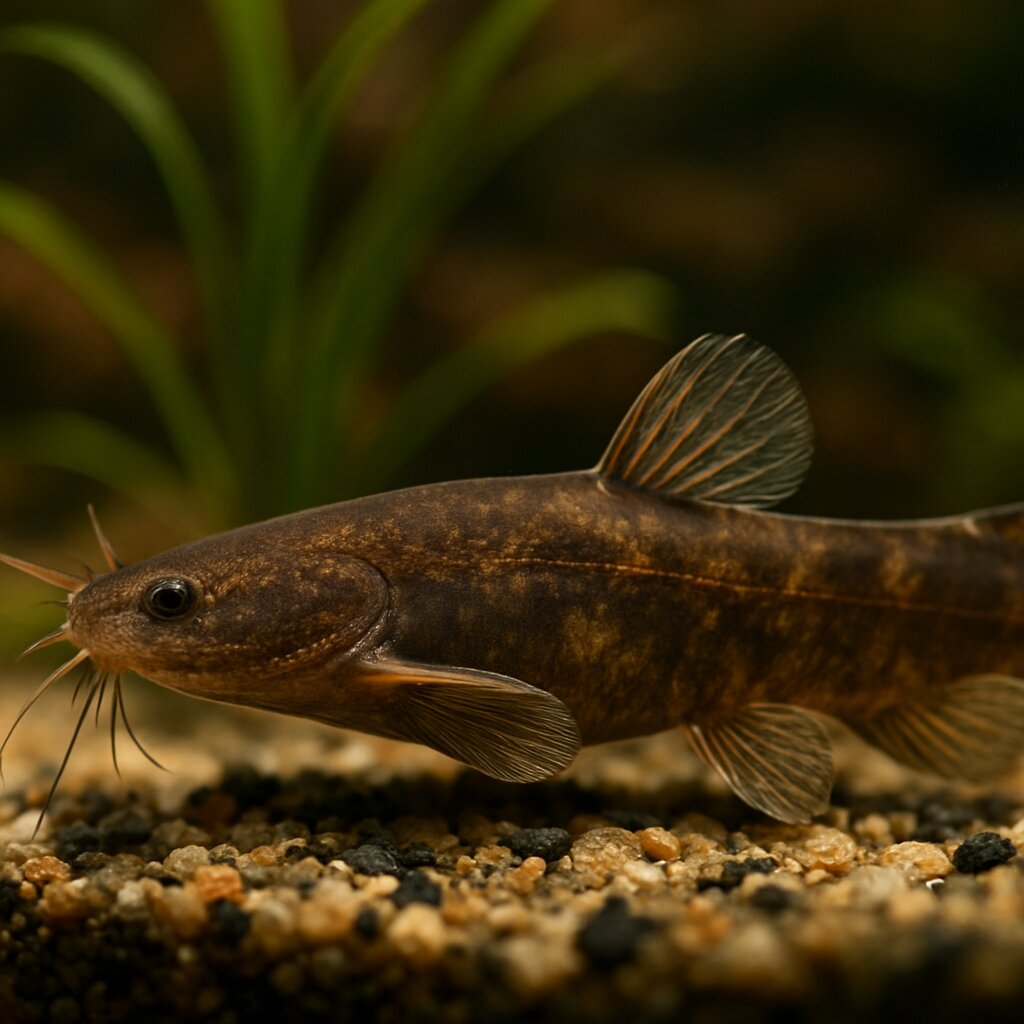
A small loach catfish endemic to the Mpoulou River in the Mayombe (Dimonika Biosphere Reserve), Republic of the Congo. Amphilius dimonikensis has a subtle banded pattern and inhabits fast, clear streams over rock and sand. In aquaria, prioritize strong, well-oxygenated flow with rounded stones and sand to mimic hillstream conditions.
Aboina barb
Enteromius aboinensis
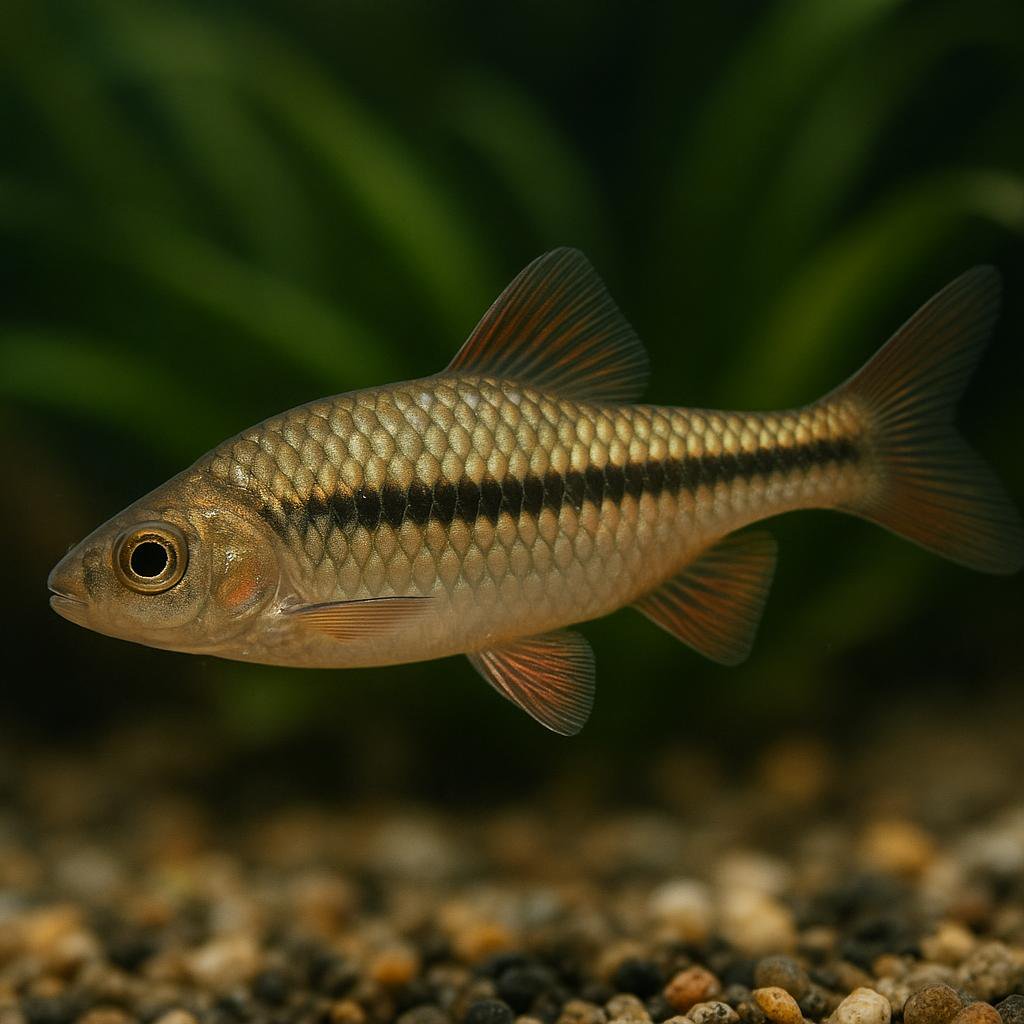
Enteromius aboinensis (the Aboina barb) is a small West African barb with a clean black midline stripe and a little spot right at the base of the tail. It does best when you treat it like a proper schooling fish - keep a decent group and give it plants around the edges with open swimming room in the middle.
Ajuricaba tetra
Jupiaba ajuricaba
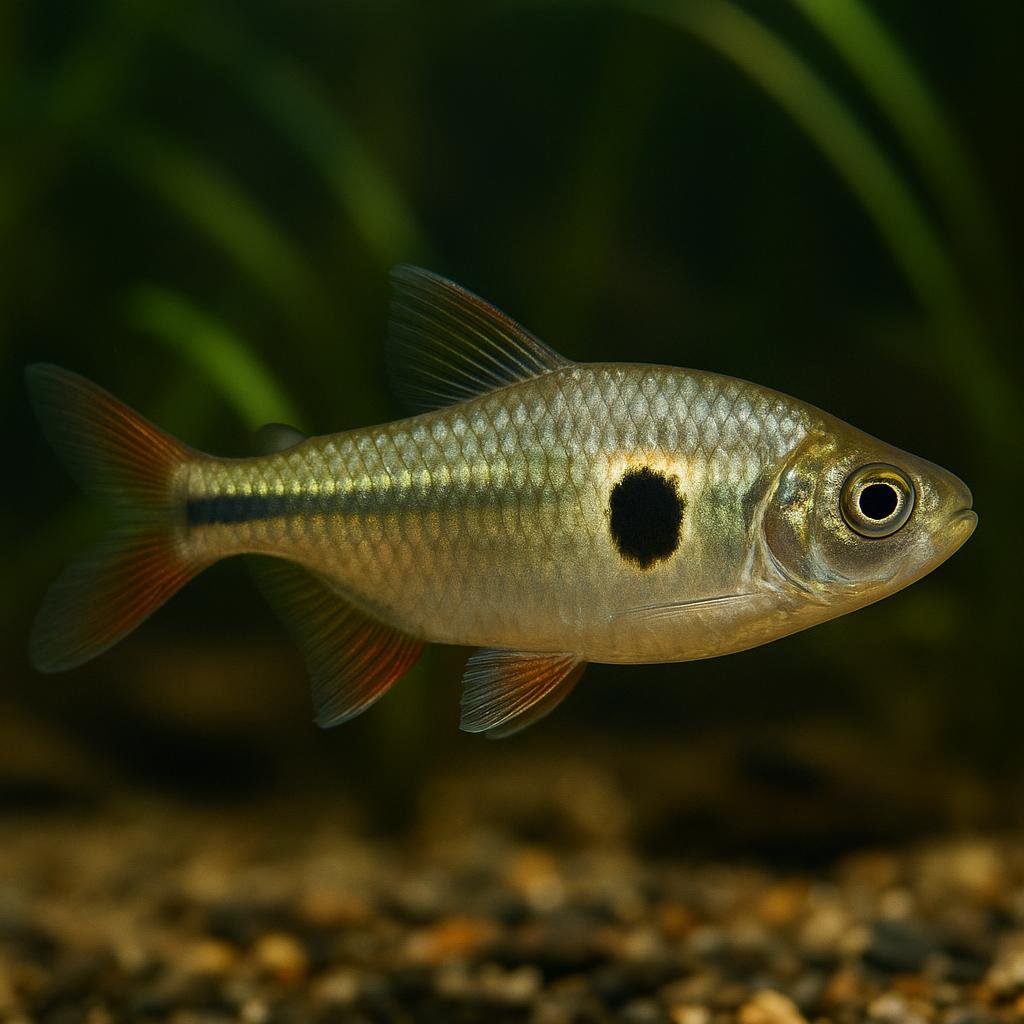
Jupiaba ajuricaba is a South American freshwater characin from the Amazon basin in Brazil (rio Negro, rio Solimões, and rio Tapajós basins). It reaches about 9.5 cm SL and is diagnosed by a narrow dark midlateral stripe, an elongated humeral spot, and an ocellated spot on the upper caudal-fin lobe. Wild specimens have been collected from blackwater forest streams and also oxbow-lake habitats.
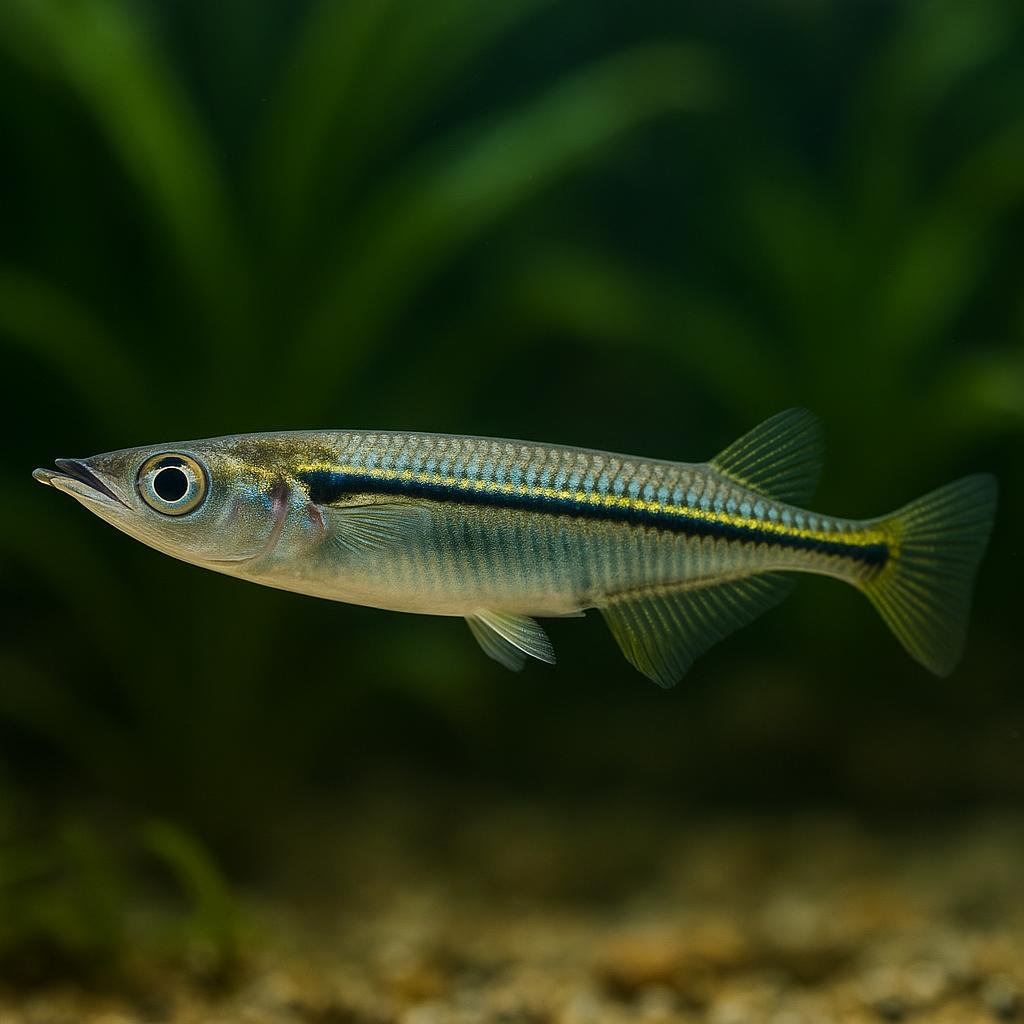
Allen's river garfish
Zenarchopterus alleni
A poorly known freshwater halfbeak endemic to West Papua (Mamberamo River), described from a single specimen (~13 cm SL). Beyond basic habitat/occurrence, little is published about its ecology or aquarium suitability; assume it is a surface-oriented, jump-prone halfbeak only by analogy with related taxa.
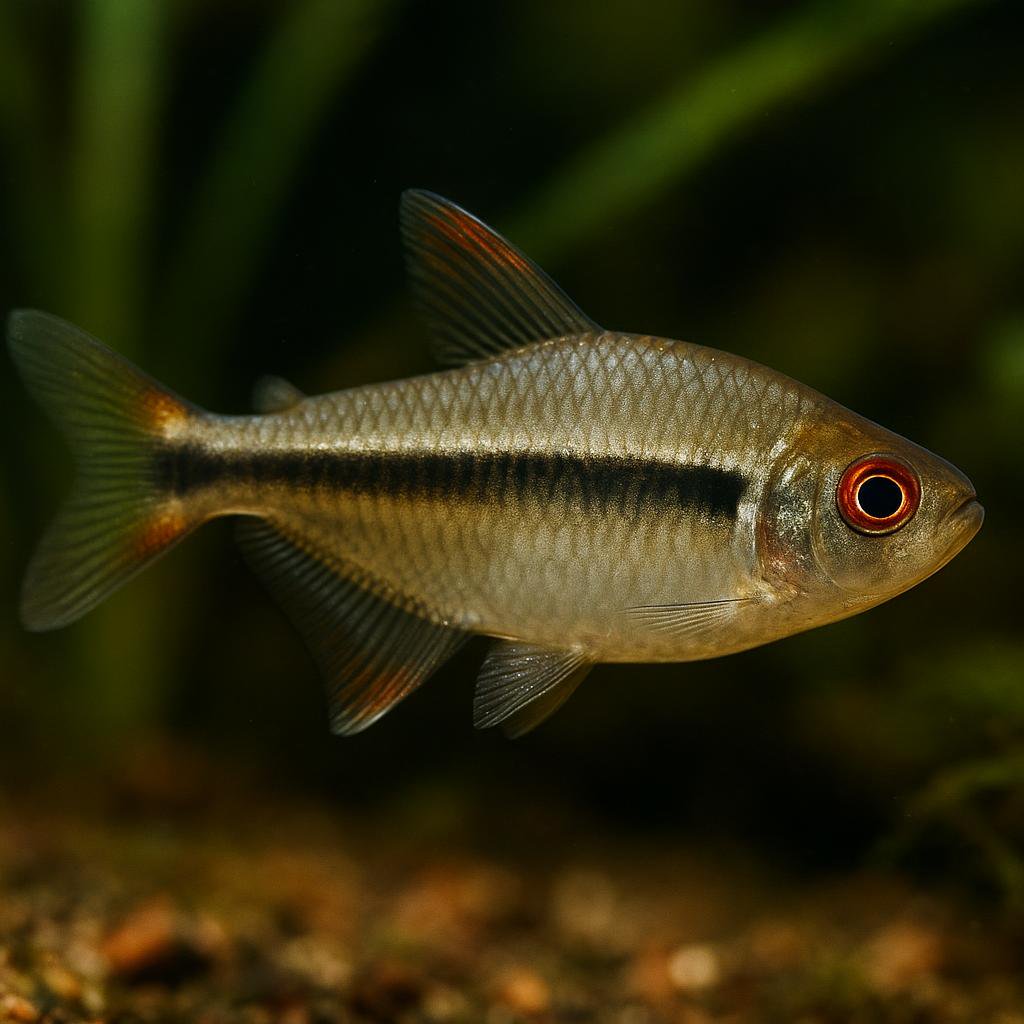
Amapa tetra
Hyphessobrycon amapaensis
This is a tiny, super sleek little tetra with a clean red stripe down the side that really pops once its settled in. It does best in a planted, slightly tinted "creek-style" setup and looks way cooler when you keep a proper group so they school and flash that line together. If you can give it soft, slightly acidic water and a calm community, its an easy fish to fall for.
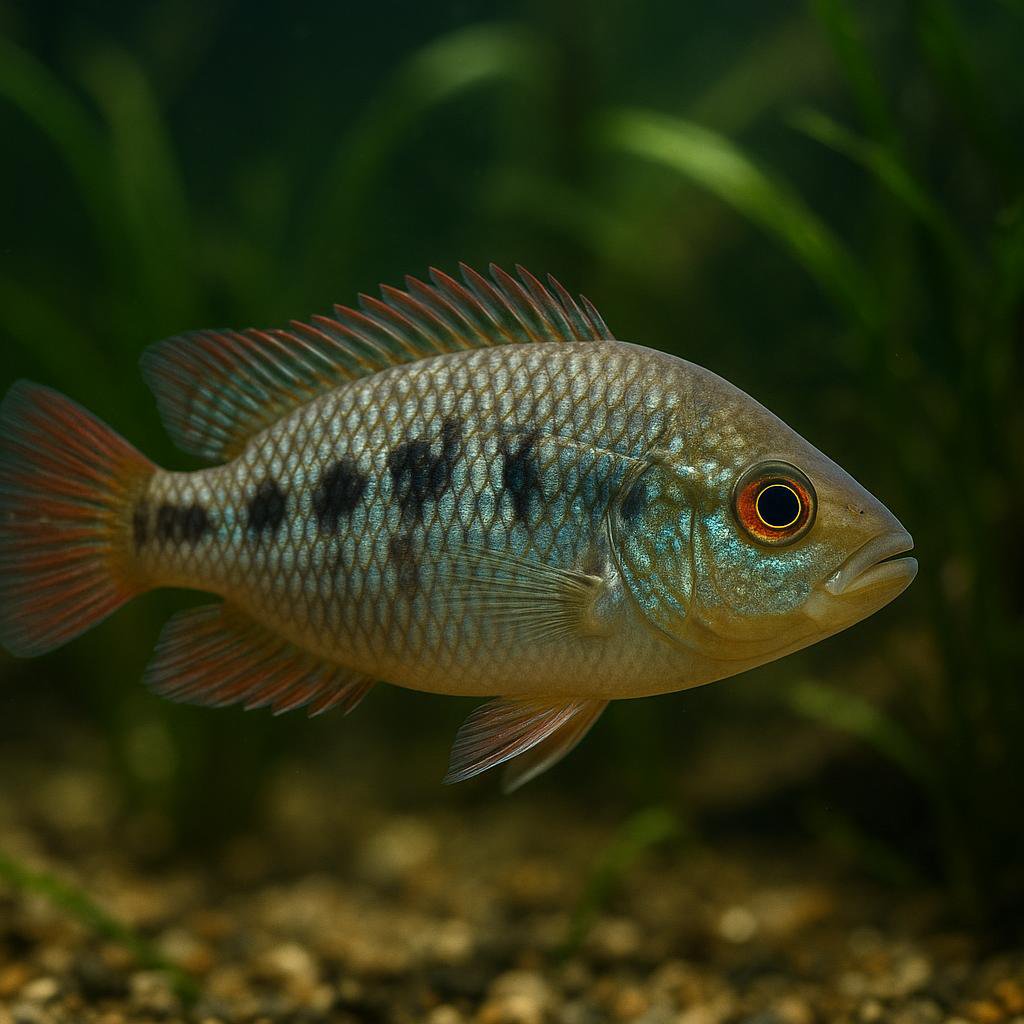
Amatlan chub
Yuriria amatlana
Yuriria amatlana (the Amatlan chub) is a little Mexican native minnow from the Ameca River basin. Its wild range is pretty limited and it is listed as Endangered, so its care info in the aquarium hobby is basically nonexistent and its availability is usually low. In the original species description, preserved fish show a dark lateral stripe with a darker patch on the caudal peduncle, and they can have tiny barbels at the mouth corners.
More to Explore
Discover more freshwater species.
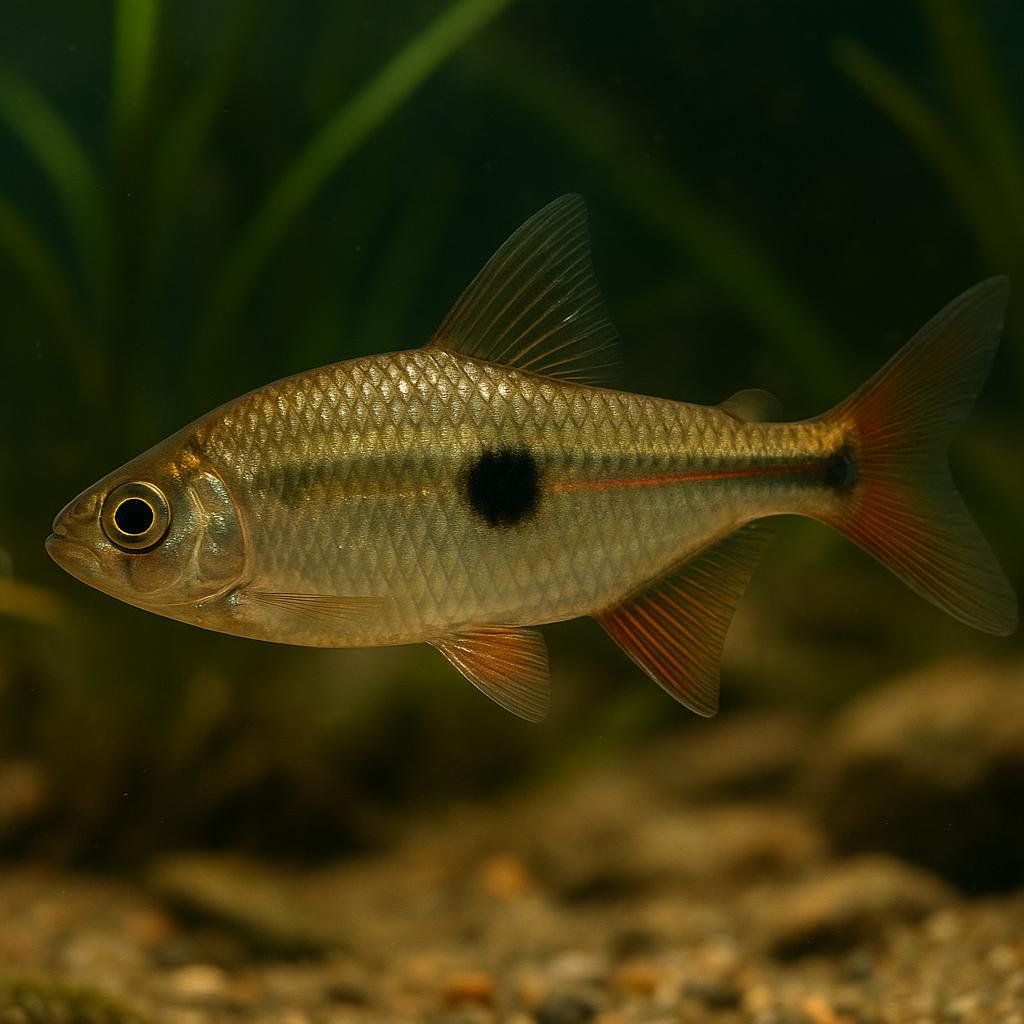
Jupiaba kurua
Small South American characin endemic to the upper rio Curuá (rio Xingu basin, Brazil). Reaches about 8.7 cm SL and inhabits clearwater rivers. Distinguished by dark dots on the bases of many lateral scales and a distinct dark caudal‑peduncle spot. Reported diet indicates omnivory, including aquatic insects, small fishes, and fragments of Podostemaceae and filamentous algae.
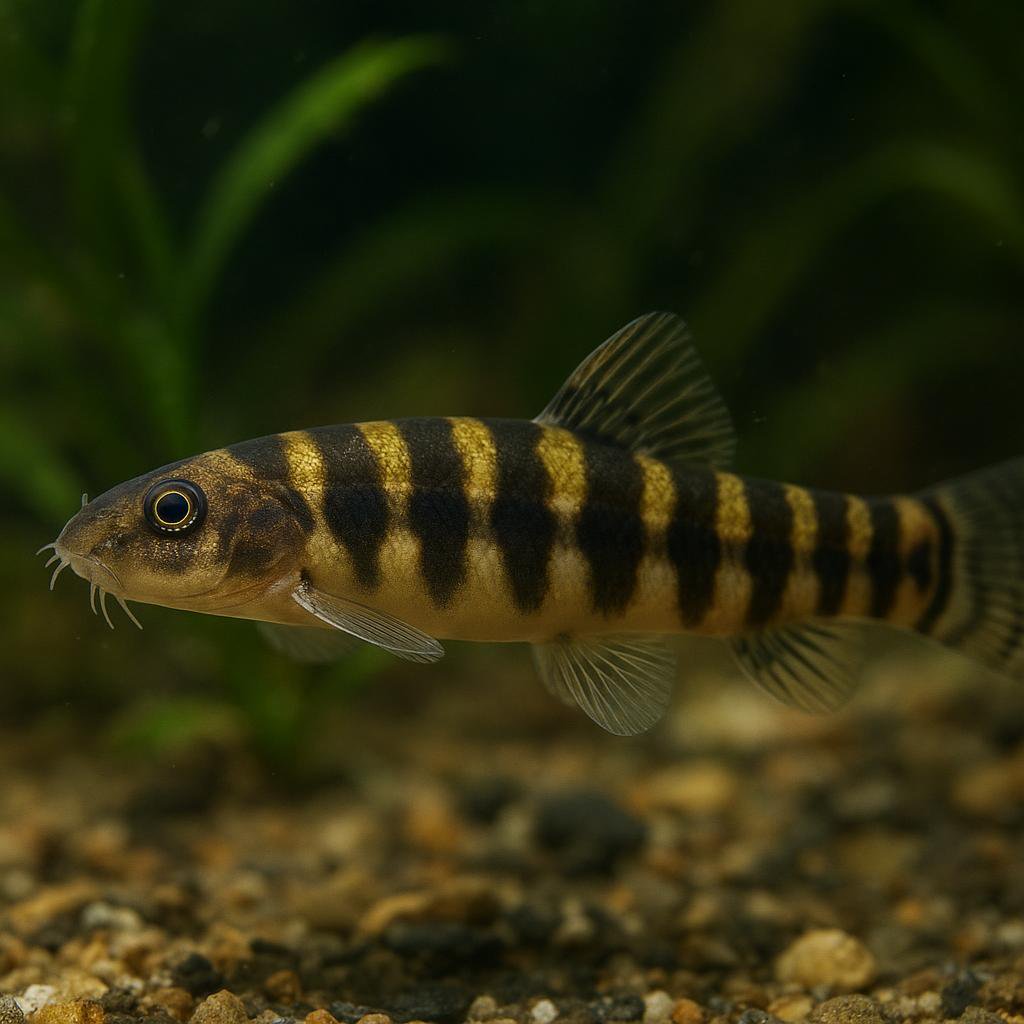
Altipedunculata stone loach
Schistura altipedunculata
Schistura altipedunculata is one of those little stream loaches that wants clean, well-oxygenated water and a bunch of rock nooks to claim as home. It is a bottom-hugger that will spend its day scooting from crevice to crevice, and it tends to get a bit spicy with its own kind if you do not give it enough hiding spots.
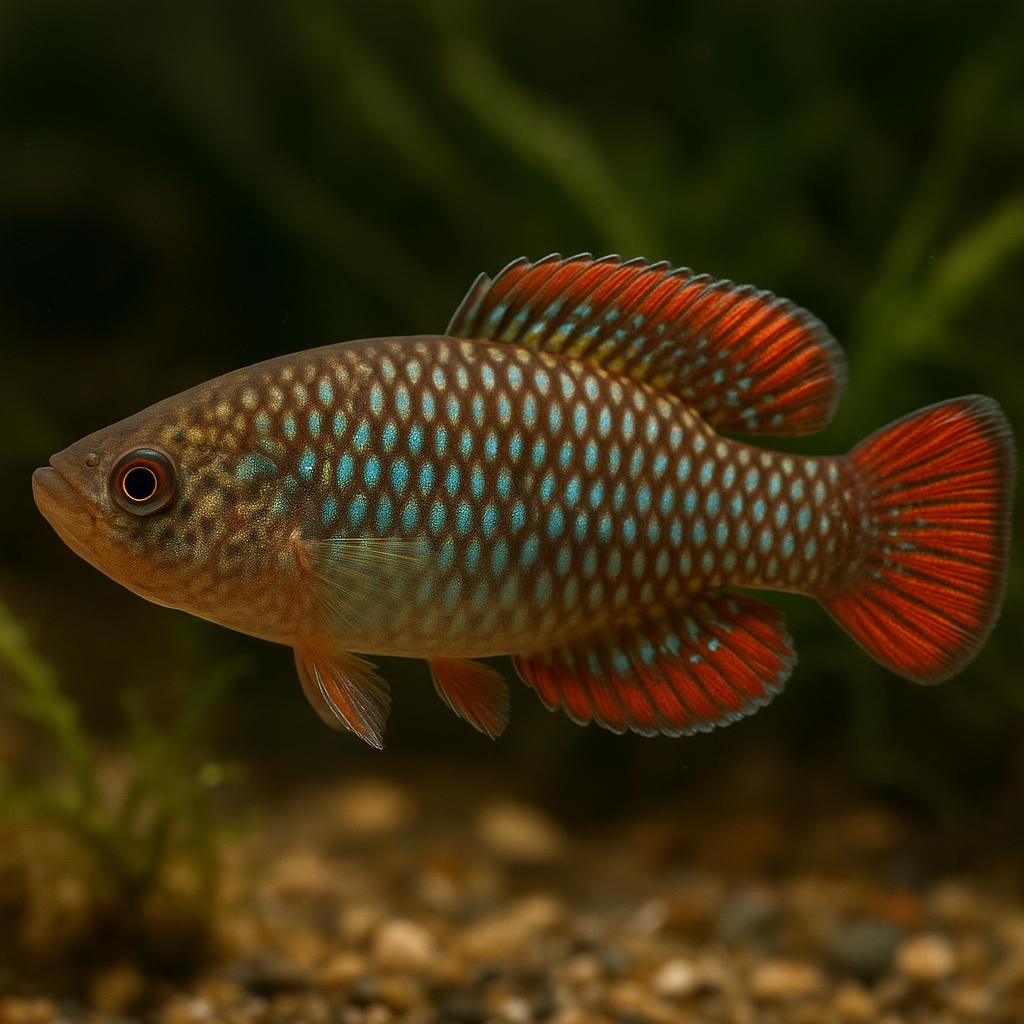
American flagfish
Jordanella floridae
Jordanella floridae is that little Florida native with the red-and-cream striping that really does look like a tiny flag once a male colors up. They graze algae like champs (especially stringy/hair algae), but they have a bit of attitude - give them plants and space so the bossy behavior stays manageable. Bonus: the male guards the eggs and will actively fan them, which is pretty fun to watch.
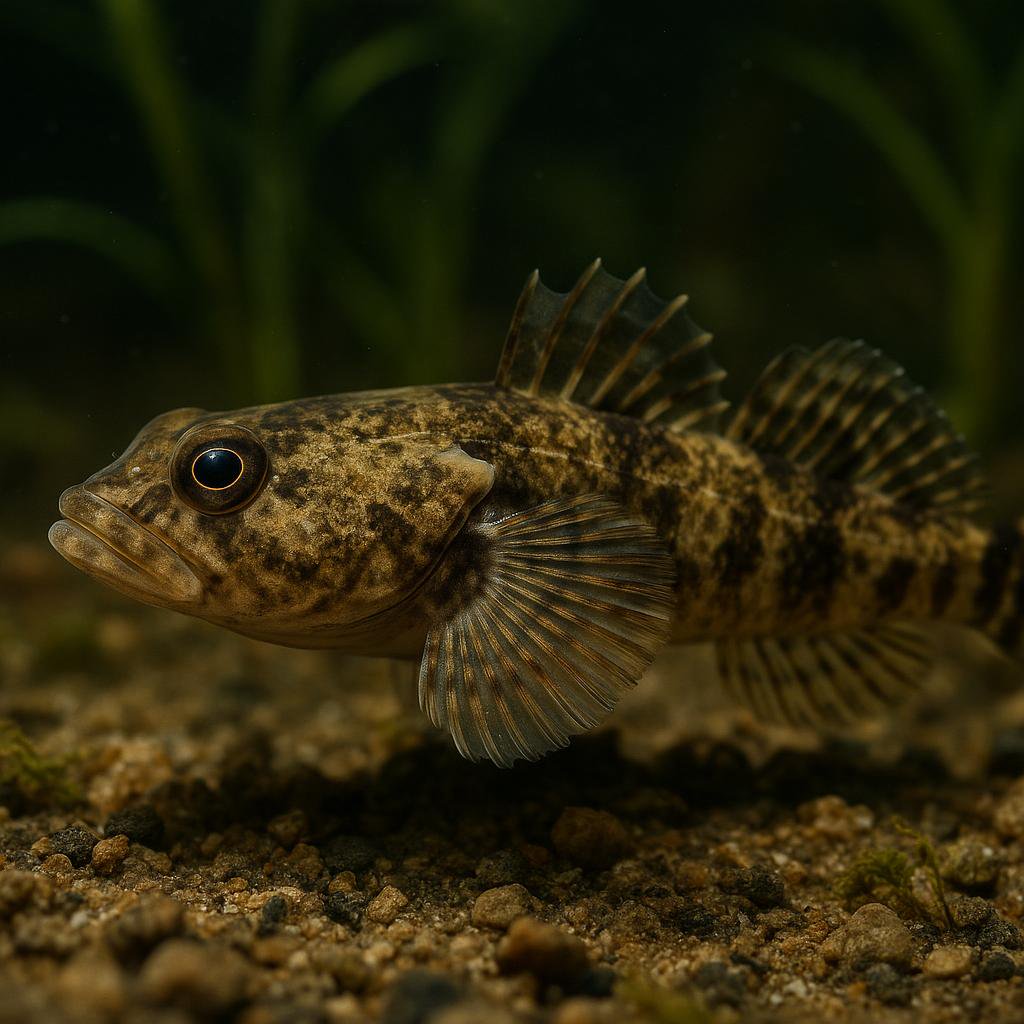
Amur sculpin
Alpinocottus szanaga
This is a little coldwater sculpin from the Amur drainage - a bottom-hugging, rock-and-gravel fish that spends its day wedged under stones and darting out to grab food. Super cool behavior and attitude, but it is absolutely not a warm tropical community fish - it wants chilly, fast, oxygen-rich water and will bicker with other bottom fish.
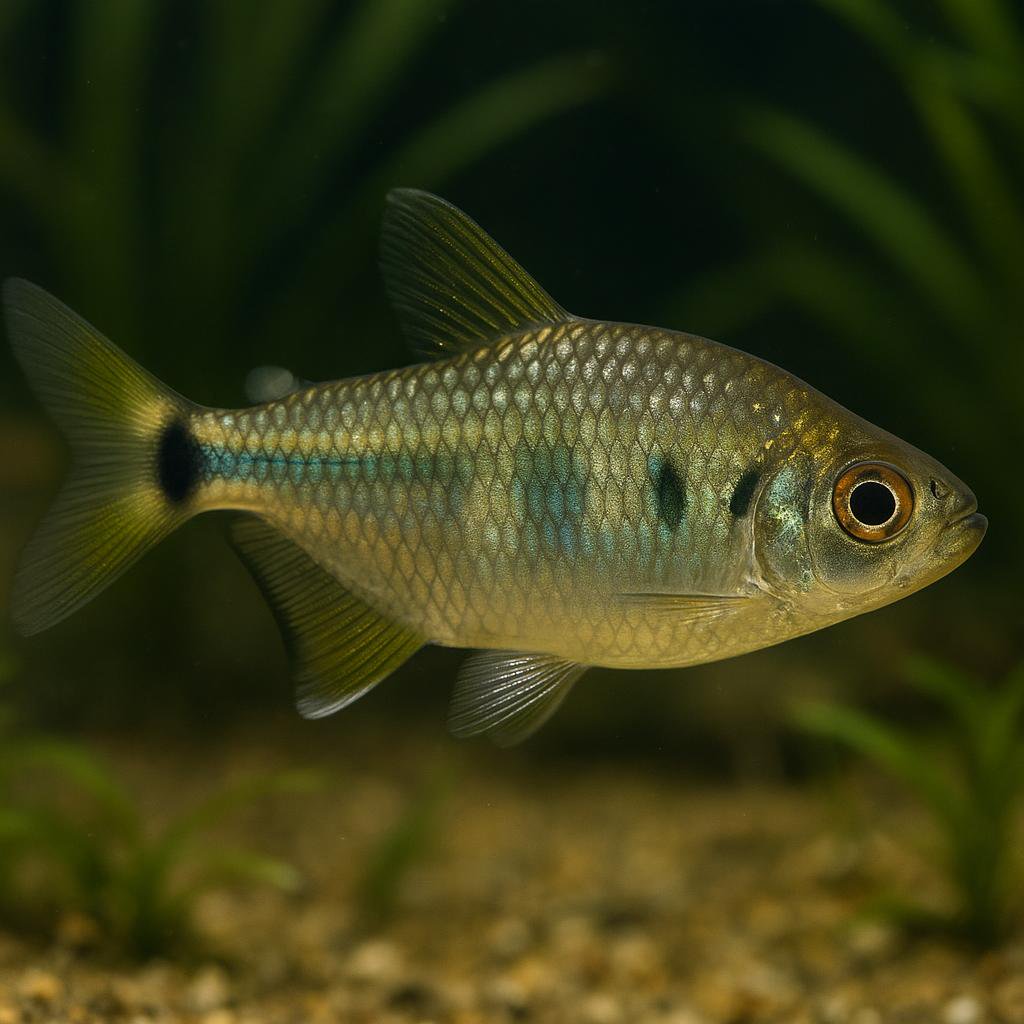
Andrica moenkhausia
Moenkhausia andrica
Moenkhausia andrica is a little Brazilian characin from the Tapajos system that tops out around 7 cm (about 2.8 inches) standard length. It has a neat netted (reticulated) scale pattern plus a dark spot on the caudal peduncle, and the really wild part is that mature females can have tiny fin hooklets too, which is usually a male-only thing in a lot of characins.
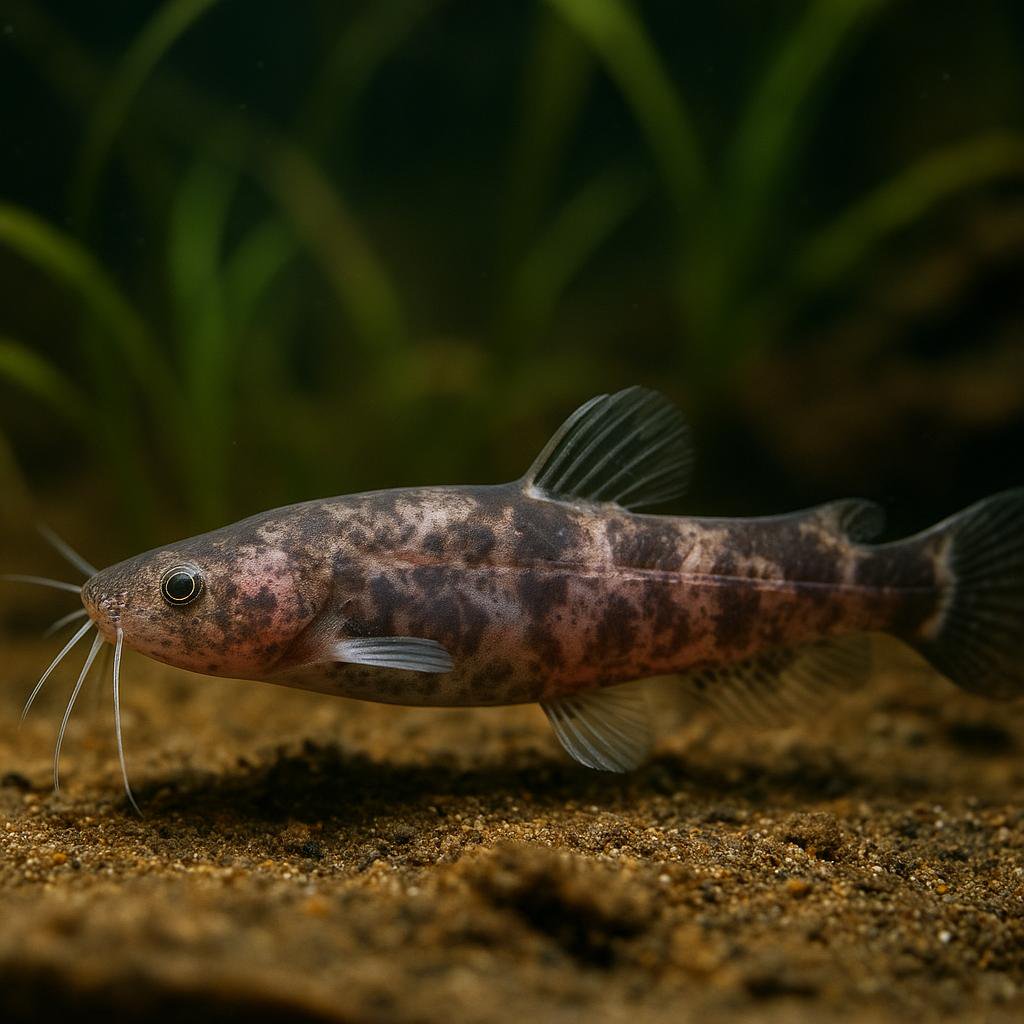
Anhanga pygmy pencil catfish
Potamoglanis anhanga
This is a truly tiny Amazonian trichomycterid catfish - like 1.3 cm max - so it is more of a micro-predator oddball than a typical community catfish. It is the kind of fish that disappears into sand, leaf litter, and plant roots, and you will spend way more time setting up the right micro-habitat than you will actually seeing it.
Looking for other species?