

Black redhorse
Moxostoma duquesnei
About the Black redhorse
Black redhorse are sleek river suckers that really come alive in clean, fast-flowing runs and riffles - they are basically a living indicator that the water quality is good. They cruise the bottom in little groups and pick at insect larvae and tiny crustaceans, and in spring the males can show pink and dark striping when they are in spawning mode.
Also known as
Quick Facts
Size
51 cm (20 inches) TL
Temperament
Peaceful
Difficulty
Expert
Min Tank Size
150 gallons
Lifespan
8-17 years
Origin
North America
Diet
Benthic invertivore/omnivore - small aquatic invertebrates (insect larvae, microcrustaceans), will also take algae/detritus
Water Parameters
15-21°C
6.5-8
4-18 dGH
Need a heater for this species?
This species needs 15-21°C in a 150 gallon tank. Use our heater calculator to find the right wattage.
Calculate heater sizeCare Notes
- Give them a long tank with current - think 125+ gallons for an adult, a big powerhead or river manifold, and lots of oxygen. They cruise and sift, so floor space matters way more than height.
- They do best in cool, clean water: roughly 55-72F, pH around 7.0-8.2, and moderate hardness is fine. Keep nitrate low (try to stay under ~20 ppm) because they act off fast when the water gets stale.
- Substrate should be smooth sand or fine rounded gravel so they can root around without shredding their mouth. Add scattered fist-size rocks and open runs; skip sharp slate and jagged lava rock.
- Feeding is bottom-focused: sinking pellets plus frozen foods like bloodworms, brine shrimp, chopped earthworms, and the occasional live blackworms if you can source them clean. Target feed with a tube or baster if tankmates are fast, because redhorses are polite eaters and will get outcompeted.
- Good tankmates are other coolwater river fish that are tough but not nippy - dace, shiners, some darters, and smallmouth-friendly species that like flow. Avoid fin-nippers (barbs, some sunfish) and anything that will bully them off food or pick at their fins.
- Watch for mouth wear and barb damage from rough substrate, and for skinny bellies from competition at feeding time. They also spook hard, so use a tight lid and keep the tank in a low-traffic spot to cut down on panic dashes.
- Breeding in a home tank is a long shot: they want seasonal cues (winter cool-down, then spring warm-up) and a big gravel riffle with strong flow to scatter eggs. If you try, run them in a group and be ready to pull adults after spawning because eggs and fry are easy snacks.
Compatibility
Good Tankmates
- Other mellow river suckers like white sucker or a similarly sized redhorse - they mostly just cruise and vacuum the bottom, no drama as long as the tank is big and you have smooth sand
- Darters (rainbow, johnny, etc.) - they stick to the rocks and do their own thing, and the redhorse is not a predator, so its a nice natural mix
- Shiners that like current (rosyface shiner, spotfin shiner, emerald shiner) - fast, tough, and they use the open water while the redhorse works the bottom
- Stonerollers or other grazing minnows - they pick at algae and biofilm while the redhorse sifts sand, so they are not really competing if you feed properly
- Sculpins (if your setup is cool, rocky, and well oxygenated) - they hold territories under rocks and dont hassle a redhorse, just make sure everyone gets food
- Hillstream-type algae grazers (sewellia/gastromyzon) in a high-flow tank - similar vibe, they handle current and dont mess with the redhorse
Avoid
- Big aggressive predators like largemouth bass or pike - once they size up a redhorse as food or start throwing their weight around, its game over
- Nippy, pushy fish like tiger barbs or most cichlids - redhorse are chill and can get stressed and beat up, plus they will lose out at feeding time
- Hardcore fin and slime pickers like some catfish that get weird (certain pimelodids) or loaches that bully - a resting redhorse can get harassed at night
- Anything that cannot handle cool, high-oxygen, high-flow river conditions (most warmwater community fish) - they wont match the setup a black redhorse actually thrives in
Where they come from
Black redhorse are North American suckers from the Great Lakes and Mississippi River drainage. Think cool rivers with steady current, gravel and cobble bottoms, and lots of drifting insect life. They are built for cruising and picking food off the bottom, not sitting in a glass box doing nothing.
Most black redhorse in the hobby are wild-caught. That means they can show up stressed, skinny, or carrying hitchhikers. Quarantine is not optional with this species.
Setting up their tank
This is an expert fish mostly because of space and water movement. A young one will use every inch you give it, and adults are big, powerful swimmers. If you are thinking standard 55-gallon, skip it. You will just watch it bang its nose and slowly lose weight.
- Tank size: I would not keep one long-term in under 180 gallons, and bigger is honestly better. Length matters more than height.
- Footprint: long and wide, like a river run. Stock tanks and big custom builds work great.
- Flow: strong. Use big canisters or sump, plus powerheads to create a directional current.
- Oxygen: high. Agitation and flow do more than extra gadgets.
- Substrate: smooth gravel, rounded river rock, and sand patches. Avoid sharp gravel - they spend a lot of time nosing around.
- Decor: keep the middle open. Pile rocks to make breaks in the current and a few calm spots.
- Lighting: moderate. They do not need bright reef-style lighting, but you want enough to grow a little algae and biofilm on rocks.
I like to build a "river lane": one end has the powerheads and most of the current, the other end is calmer. The fish will cruise the lane, then rest in the slack water.
Watch intake protection. These fish investigate everything with their mouth. Cover intakes with sponges or guards or you will eventually have a bad day.
Water numbers are the easy part compared to habitat. Neutral to slightly basic is fine, and they appreciate it on the cooler side. What really makes them look good is clean water with low nitrate and lots of dissolved oxygen. If your tank ever smells "fishy," you are already behind.
What to feed them
Black redhorse are bottom foragers. In the wild they eat insect larvae, small crustaceans, snails, and whatever they can vacuum off the substrate. In a tank, the big challenge is getting steady calories into them without turning the tank into a nutrient soup.
- Staples: sinking carnivore pellets, high-quality bottom-feeder wafers, and gel foods that sink.
- Frozen: bloodworms, mysis, brine shrimp, chopped krill, and especially blackworms if you can get them.
- Fresh/live treats: earthworms (rinsed), live blackworms, small snails, and occasional river shrimp if you culture them.
- Plant matter: not a vegetarian, but they will pick at algae and biofilm. That is a bonus, not the diet.
Feed after lights out sometimes. They get bolder in dim light, and you will see them forage more naturally. Just do not overdo it - remove leftovers the next day.
Do not rely on flake or floating food. You can keep them alive that way for a while, but they slowly get that pinched, hollow look. They need sinking, meaty food they can work for.
I aim for smaller meals more often rather than one huge dump. They graze. If you only feed once a day, make it count and make it sink fast so tankmates do not steal everything.
How they behave and who they get along with
Temperament-wise they are peaceful, but they are not delicate. They are strong, fast, and always on the move. Most issues people have are not aggression problems - they are "wrong tankmates" problems (food competition, stress from crowding, or fish that cannot handle the flow).
- Good tankmates: other cool-water river fish that like current, like darters, larger shiners/minnows, some dace, and similar-sized suckers if the tank is huge.
- Use caution: small fish that sleep on the bottom (they can get bullied off food), slow fish, long-finned fish, and warmwater species that hate high flow.
- Avoid: nippy fish (they have big fins that get shredded), anything that needs calm water, and tiny fish you cannot afford to lose during feeding frenzies.
They are social-ish. A single fish can do fine, but a small group in a big tank tends to act more natural. Just remember: a group means you need a monster tank and monster filtration.
Expect a lot of cruising, nosing, and occasional bursts of speed. Give them clear runways. If you see pacing, glass surfing, or constant startle reactions, your setup is probably too small or too still.
Breeding tips
Breeding black redhorse in home aquariums is rare. In nature they spawn in spring over clean gravel in flowing water, often in groups. The triggers are seasonal: rising day length, temperature swings, and big water movement.
- If you want to try: think pond or very large indoor river system, not a living room aquarium.
- Simulate spring: cool winter period, then gradual warming and heavier feeding.
- Big current over gravel: they need a place where eggs will fall into crevices and not get eaten instantly.
- Expect egg predation: adults and tankmates will snack on eggs if given a chance.
Realistically, most hobbyists will never see a successful spawn. If your goal is breeding, pick an easier native species first and build skills (and infrastructure) from there.
Common problems to watch for
- Weight loss and "pinched belly": usually not enough sinking food, too much competition, or stress from cramped space.
- Damaged mouth or snout: often from sharp substrate, rough decor, or panic dashes in small tanks.
- Parasites from wild fish: flukes, ich, and internal worms are common. Quarantine and treat based on symptoms, not guesswork.
- Low oxygen stress: gulping at the surface, lethargy, hanging in the highest-flow area constantly. Fix flow and surface agitation first.
- Nitrate creep: they are messy eaters and big-bodied fish. If nitrates climb, you will see dull color and sluggishness.
Newly acquired black redhorse can crash fast if they arrive already starved or parasite-loaded. Quarantine in a big, oxygen-rich tank, get them eating sinking foods early, and do not "wait and see" if they are losing weight.
If you do the big-tank, big-flow, clean-water thing and keep food on the bottom, they are actually pretty hardy. Most failures come from treating them like a generic community fish instead of a river athlete with a serious metabolism.
Similar Species
Other freshwater peaceful species you might be interested in.
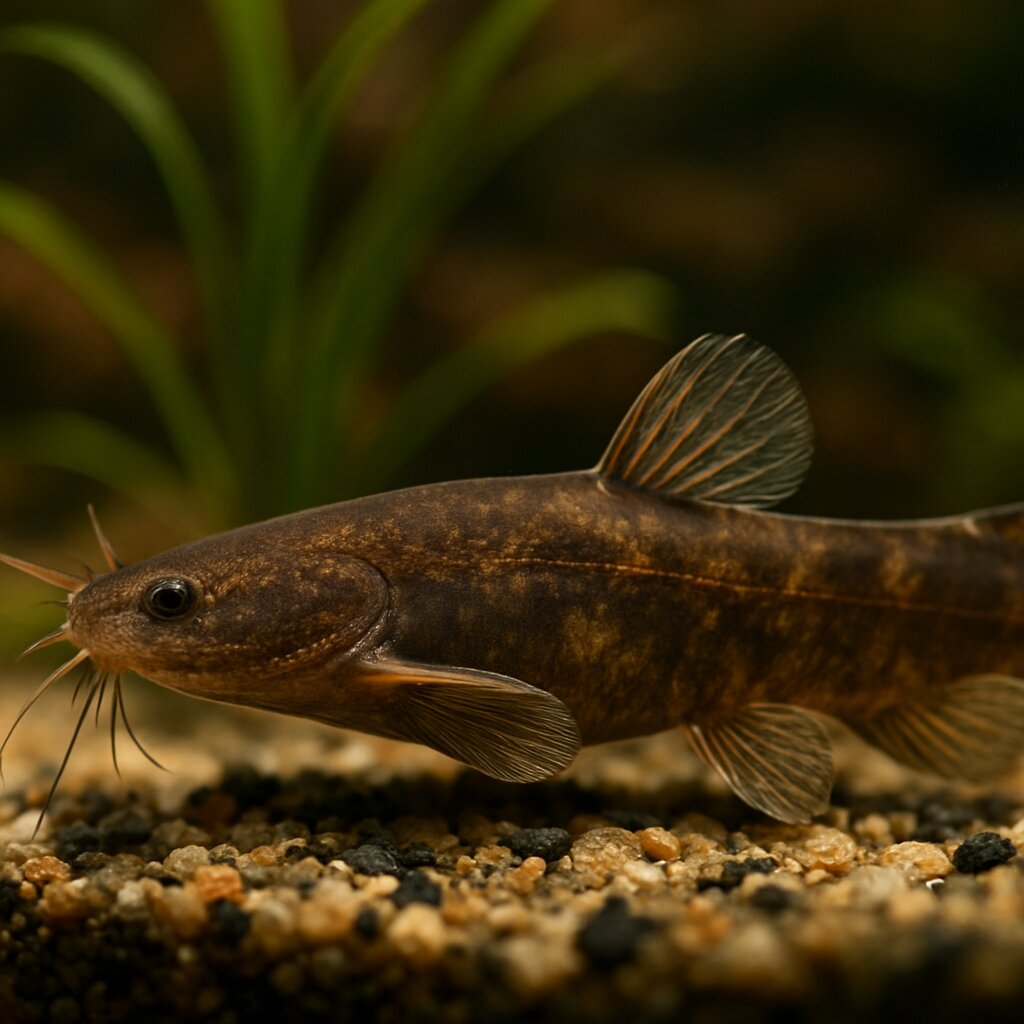
Amphilius dimonikensis
A small loach catfish endemic to the Mpoulou River in the Mayombe (Dimonika Biosphere Reserve), Republic of the Congo. Amphilius dimonikensis has a subtle banded pattern and inhabits fast, clear streams over rock and sand. In aquaria, prioritize strong, well-oxygenated flow with rounded stones and sand to mimic hillstream conditions.
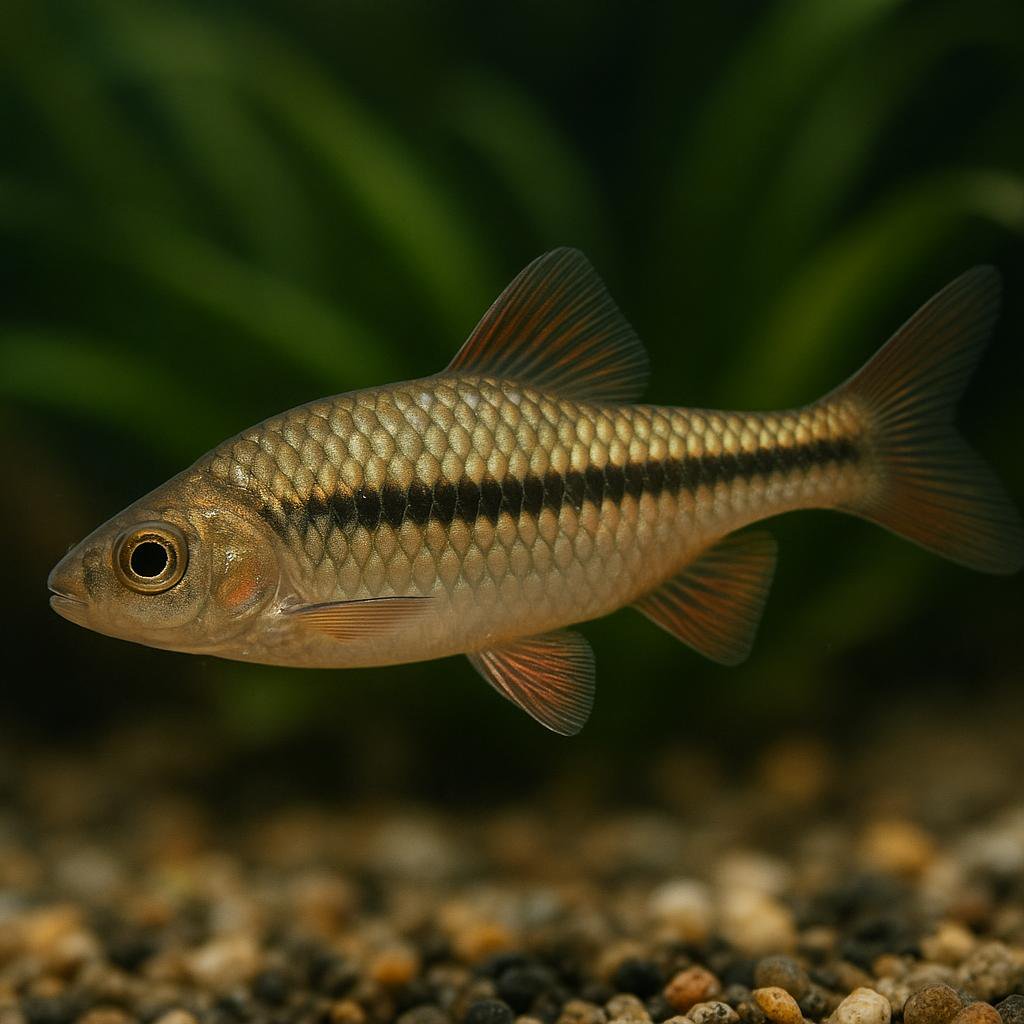
Aboina barb
Enteromius aboinensis
Enteromius aboinensis (the Aboina barb) is a small West African barb with a clean black midline stripe and a little spot right at the base of the tail. It does best when you treat it like a proper schooling fish - keep a decent group and give it plants around the edges with open swimming room in the middle.
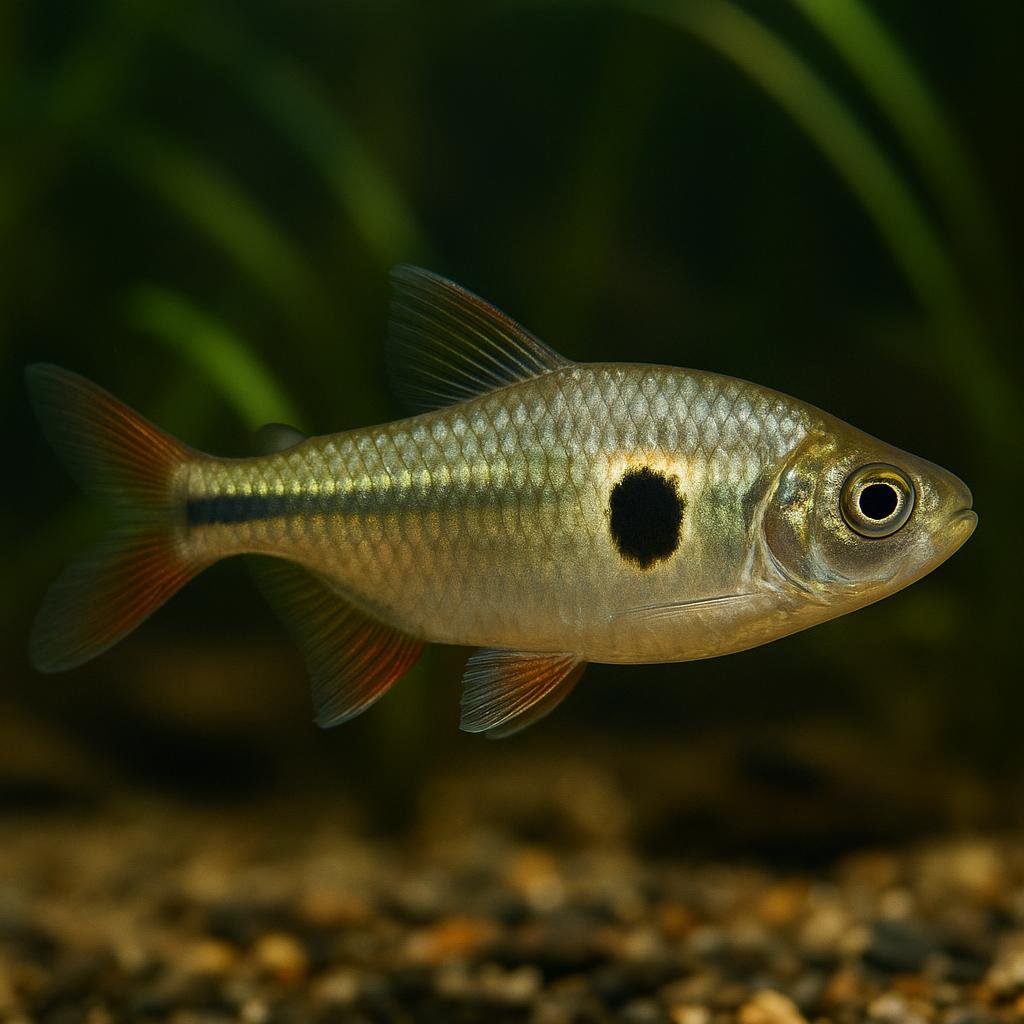
Ajuricaba tetra
Jupiaba ajuricaba
Jupiaba ajuricaba is a South American freshwater characin from the Amazon basin in Brazil (rio Negro, rio Solimões, and rio Tapajós basins). It reaches about 9.5 cm SL and is diagnosed by a narrow dark midlateral stripe, an elongated humeral spot, and an ocellated spot on the upper caudal-fin lobe. Wild specimens have been collected from blackwater forest streams and also oxbow-lake habitats.
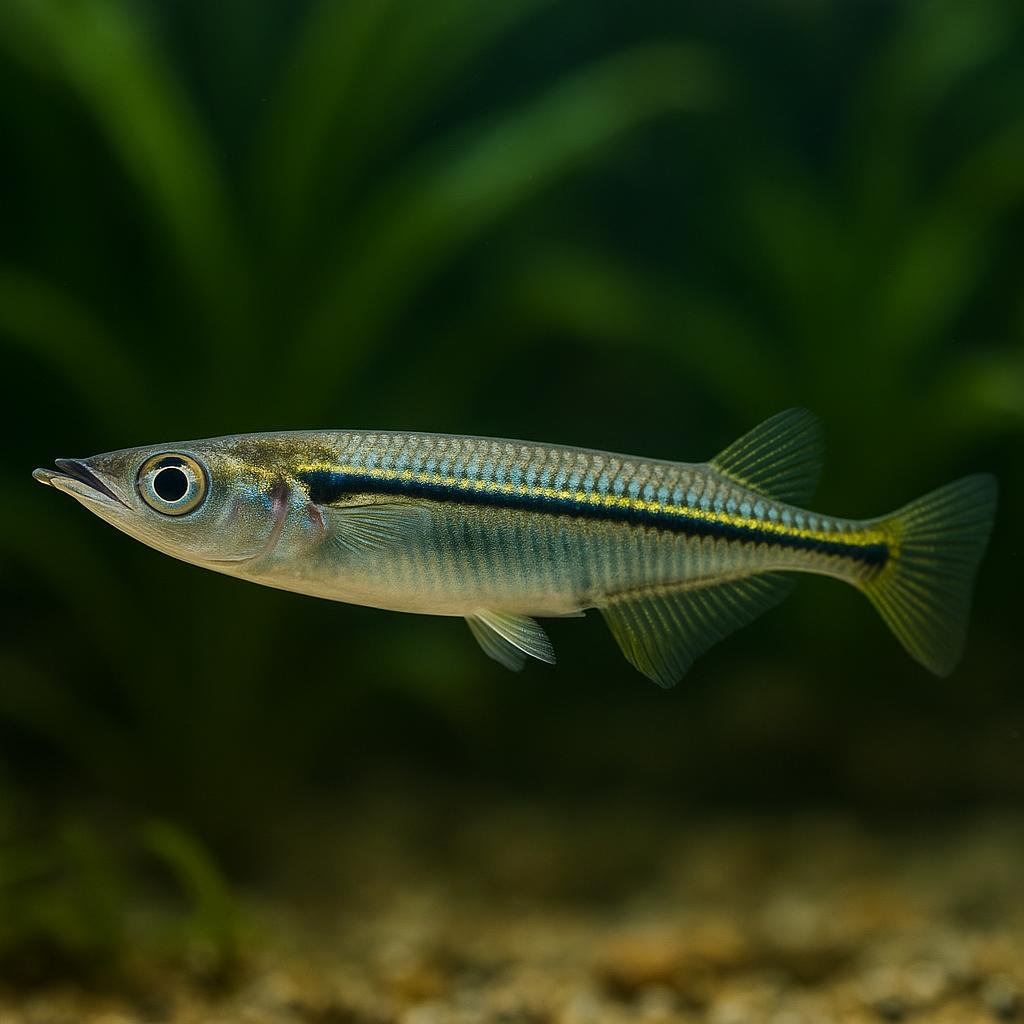
Allen's river garfish
Zenarchopterus alleni
A poorly known freshwater halfbeak endemic to West Papua (Mamberamo River), described from a single specimen (~13 cm SL). Beyond basic habitat/occurrence, little is published about its ecology or aquarium suitability; assume it is a surface-oriented, jump-prone halfbeak only by analogy with related taxa.
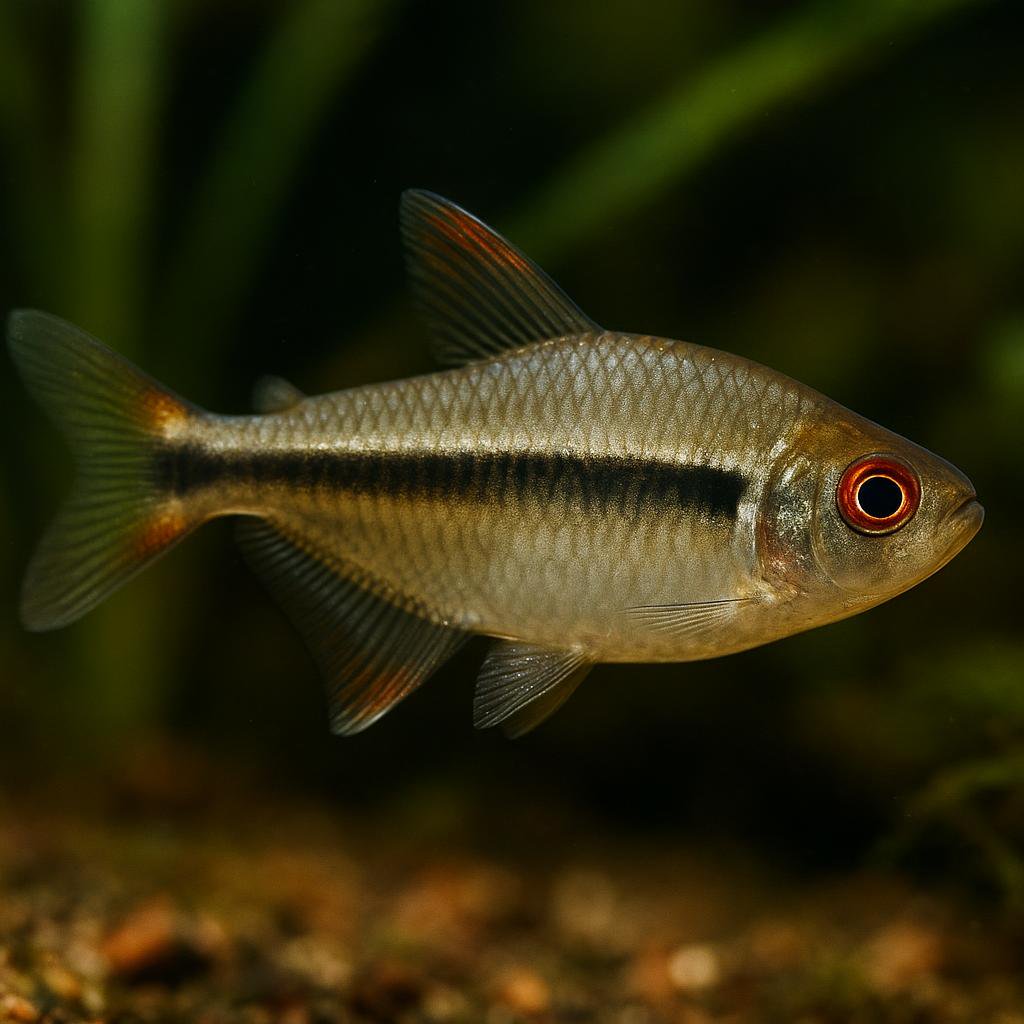
Amapa tetra
Hyphessobrycon amapaensis
This is a tiny, super sleek little tetra with a clean red stripe down the side that really pops once its settled in. It does best in a planted, slightly tinted "creek-style" setup and looks way cooler when you keep a proper group so they school and flash that line together. If you can give it soft, slightly acidic water and a calm community, its an easy fish to fall for.
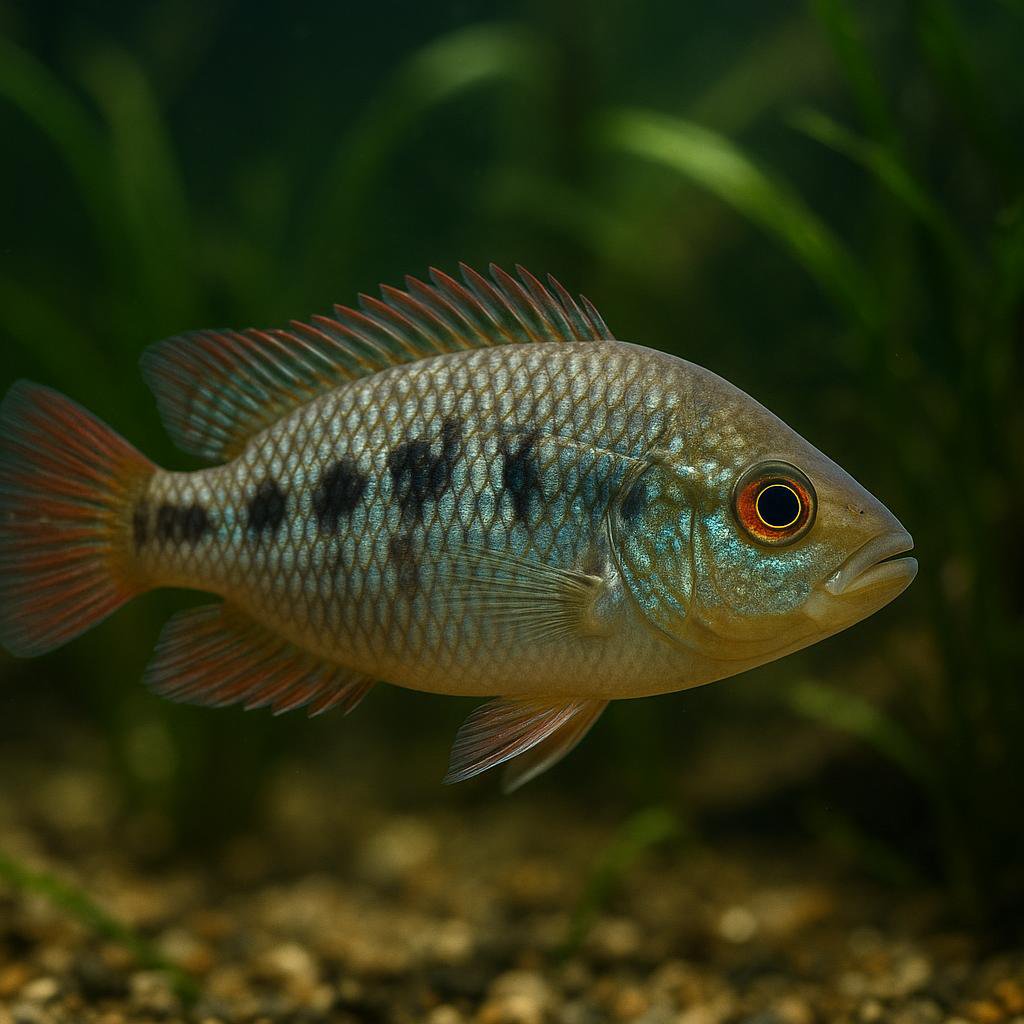
Amatlan chub
Yuriria amatlana
Yuriria amatlana (the Amatlan chub) is a little Mexican native minnow from the Ameca River basin. Its wild range is pretty limited and it is listed as Endangered, so its care info in the aquarium hobby is basically nonexistent and its availability is usually low. In the original species description, preserved fish show a dark lateral stripe with a darker patch on the caudal peduncle, and they can have tiny barbels at the mouth corners.
More to Explore
Discover more freshwater species.
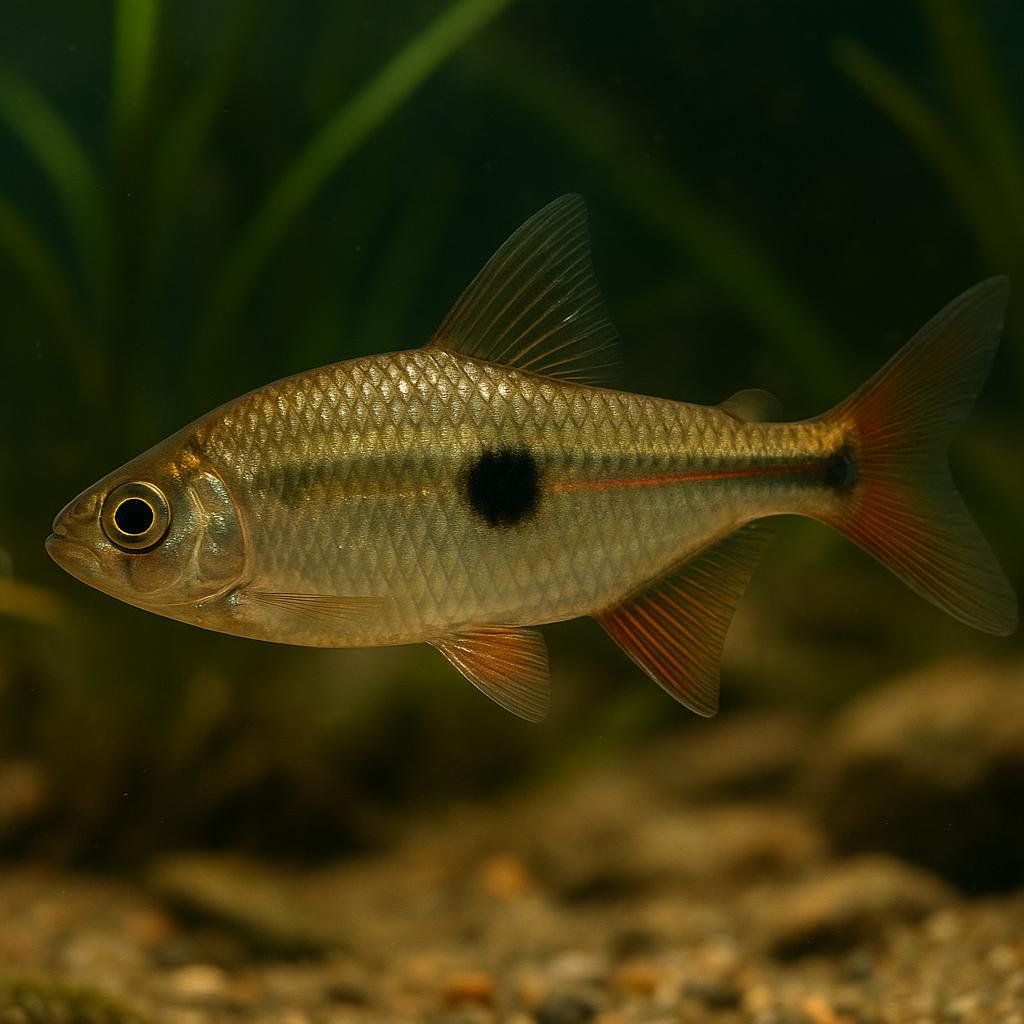
Jupiaba kurua
Small South American characin endemic to the upper rio Curuá (rio Xingu basin, Brazil). Reaches about 8.7 cm SL and inhabits clearwater rivers. Distinguished by dark dots on the bases of many lateral scales and a distinct dark caudal‑peduncle spot. Reported diet indicates omnivory, including aquatic insects, small fishes, and fragments of Podostemaceae and filamentous algae.
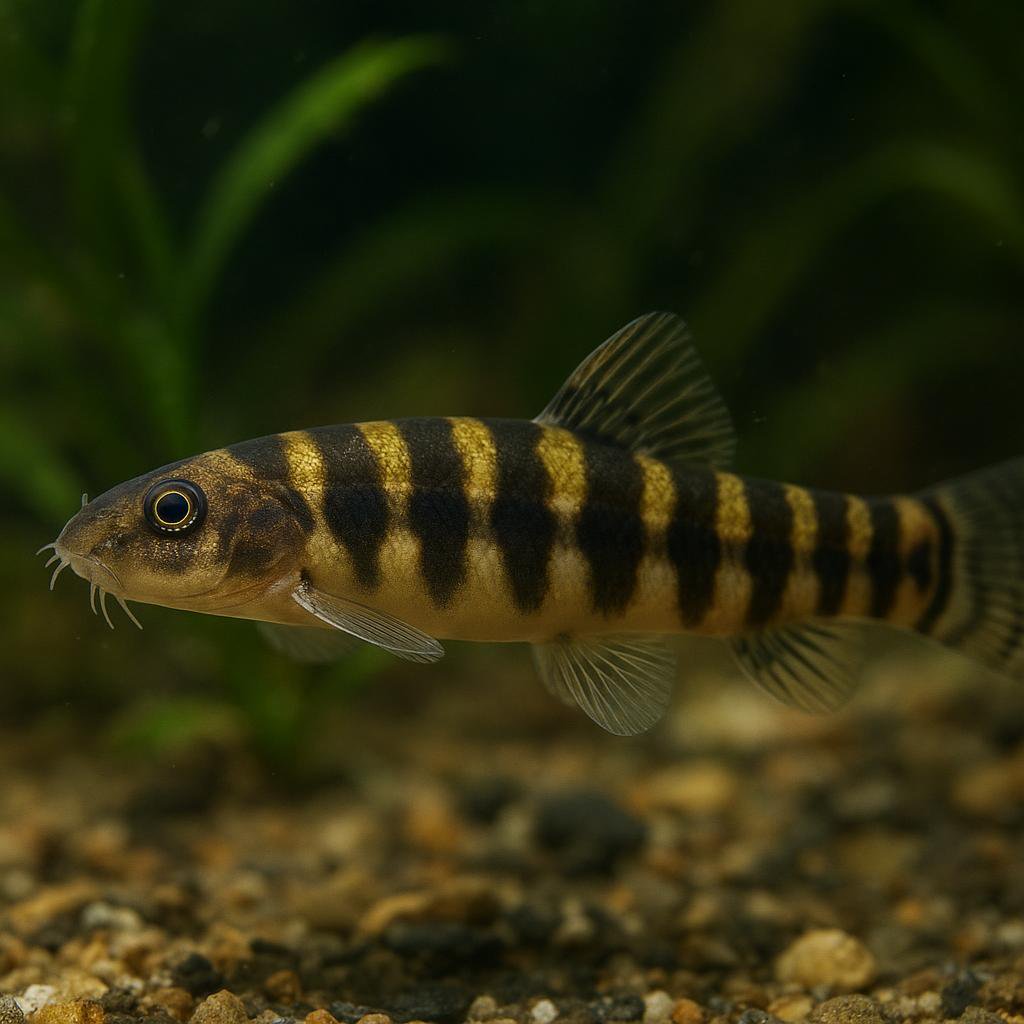
Altipedunculata stone loach
Schistura altipedunculata
Schistura altipedunculata is one of those little stream loaches that wants clean, well-oxygenated water and a bunch of rock nooks to claim as home. It is a bottom-hugger that will spend its day scooting from crevice to crevice, and it tends to get a bit spicy with its own kind if you do not give it enough hiding spots.
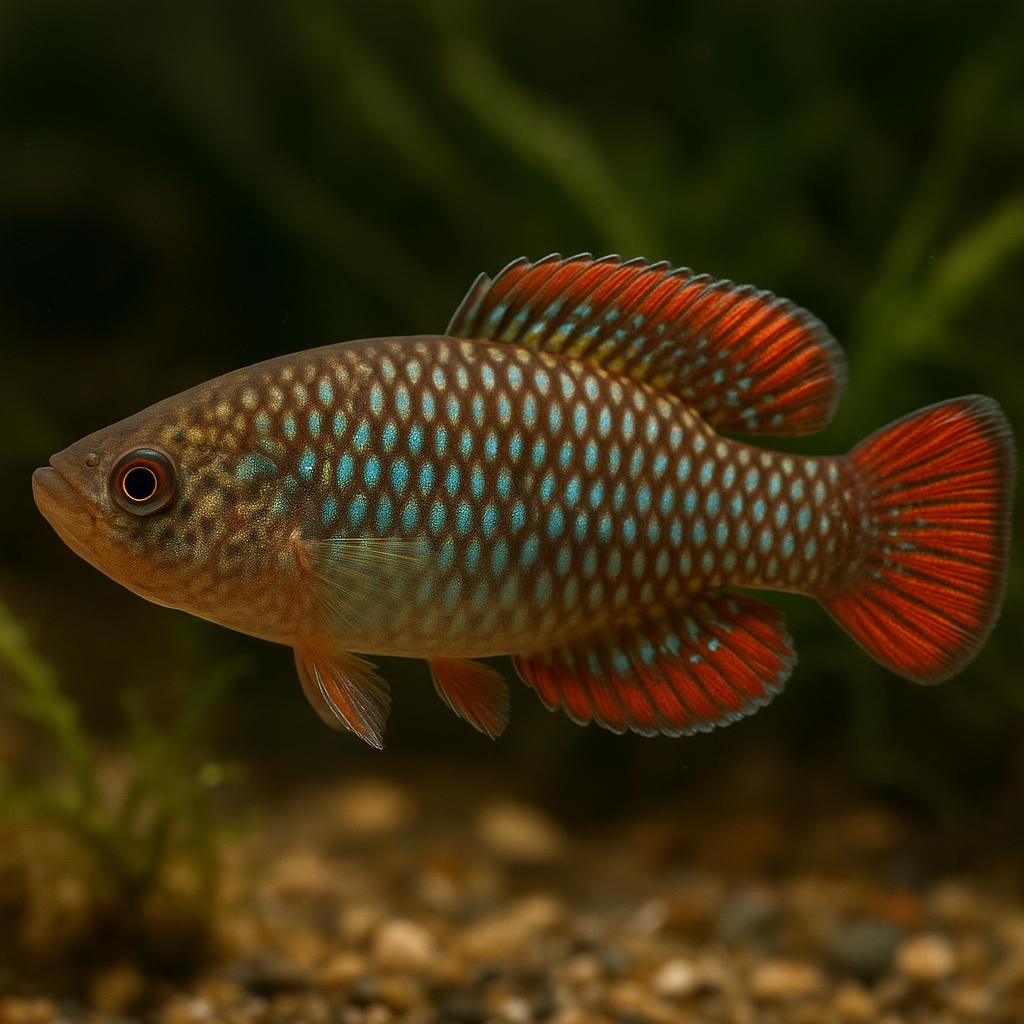
American flagfish
Jordanella floridae
Jordanella floridae is that little Florida native with the red-and-cream striping that really does look like a tiny flag once a male colors up. They graze algae like champs (especially stringy/hair algae), but they have a bit of attitude - give them plants and space so the bossy behavior stays manageable. Bonus: the male guards the eggs and will actively fan them, which is pretty fun to watch.
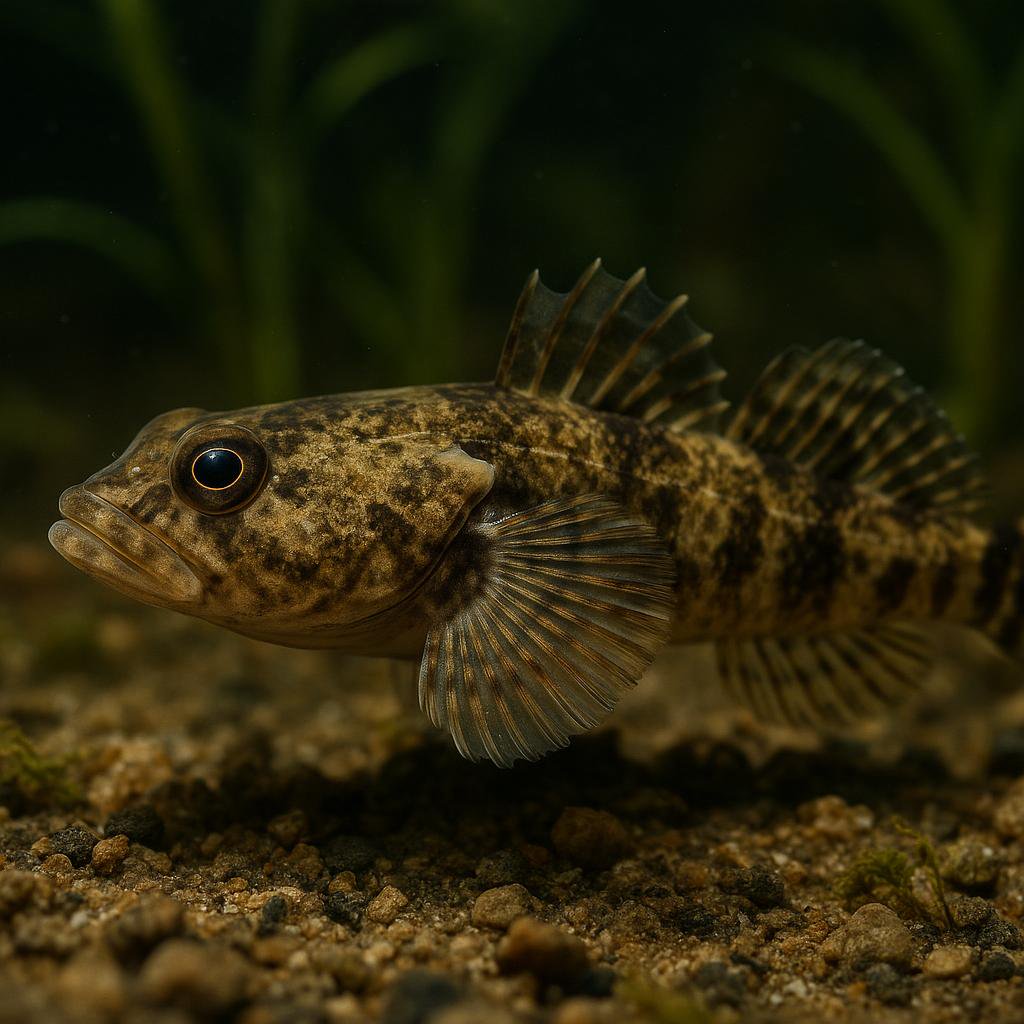
Amur sculpin
Alpinocottus szanaga
This is a little coldwater sculpin from the Amur drainage - a bottom-hugging, rock-and-gravel fish that spends its day wedged under stones and darting out to grab food. Super cool behavior and attitude, but it is absolutely not a warm tropical community fish - it wants chilly, fast, oxygen-rich water and will bicker with other bottom fish.
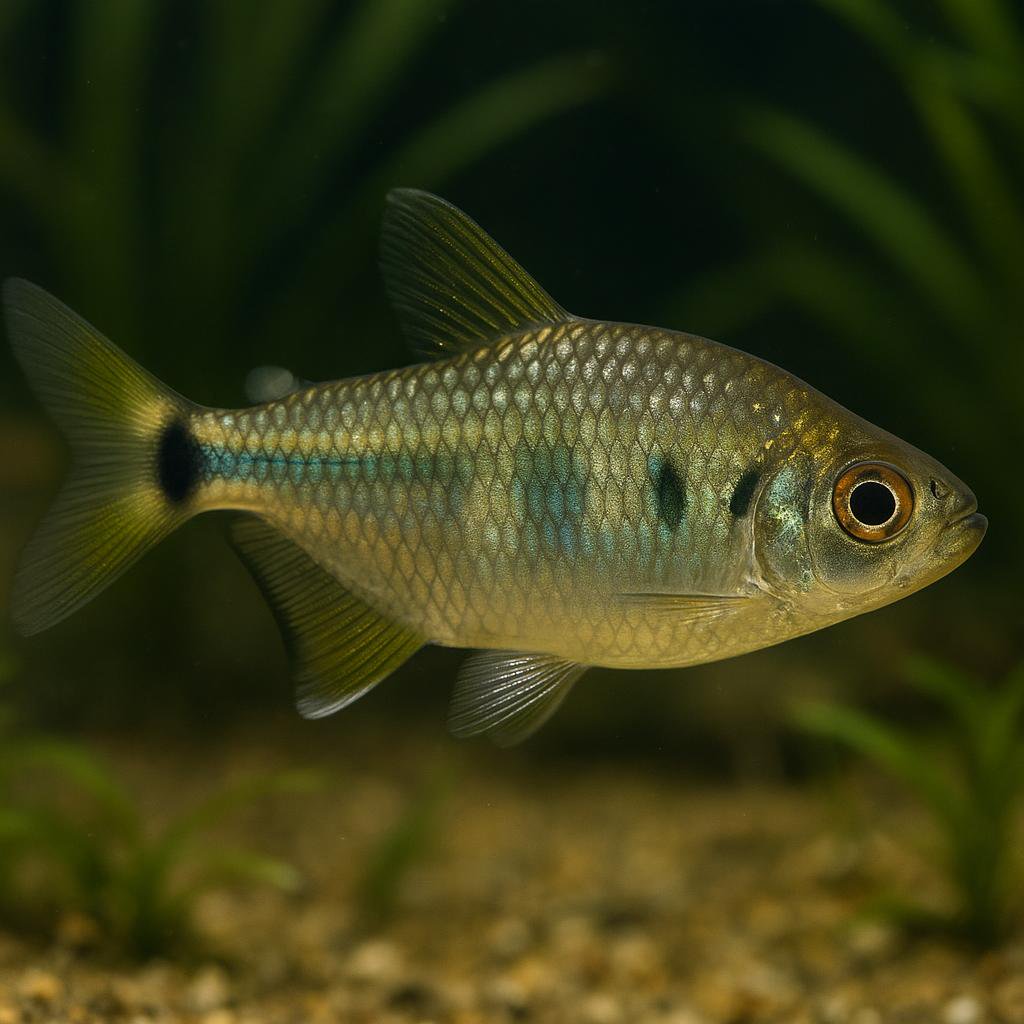
Andrica moenkhausia
Moenkhausia andrica
Moenkhausia andrica is a little Brazilian characin from the Tapajos system that tops out around 7 cm (about 2.8 inches) standard length. It has a neat netted (reticulated) scale pattern plus a dark spot on the caudal peduncle, and the really wild part is that mature females can have tiny fin hooklets too, which is usually a male-only thing in a lot of characins.
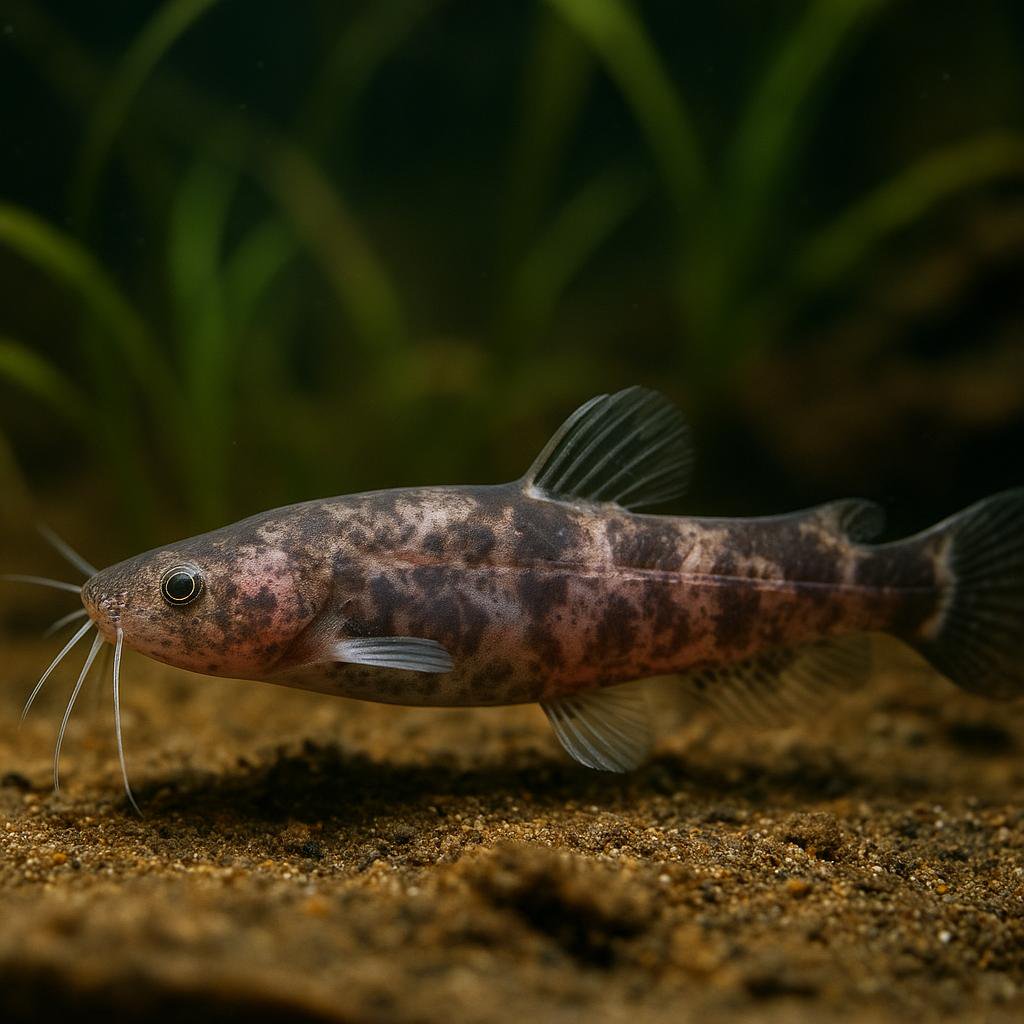
Anhanga pygmy pencil catfish
Potamoglanis anhanga
This is a truly tiny Amazonian trichomycterid catfish - like 1.3 cm max - so it is more of a micro-predator oddball than a typical community catfish. It is the kind of fish that disappears into sand, leaf litter, and plant roots, and you will spend way more time setting up the right micro-habitat than you will actually seeing it.
Looking for other species?