

Search Species
Search for fish species by common or scientific name, or use filters to browse by water type, size, temperament, and difficulty.
Found 79 species
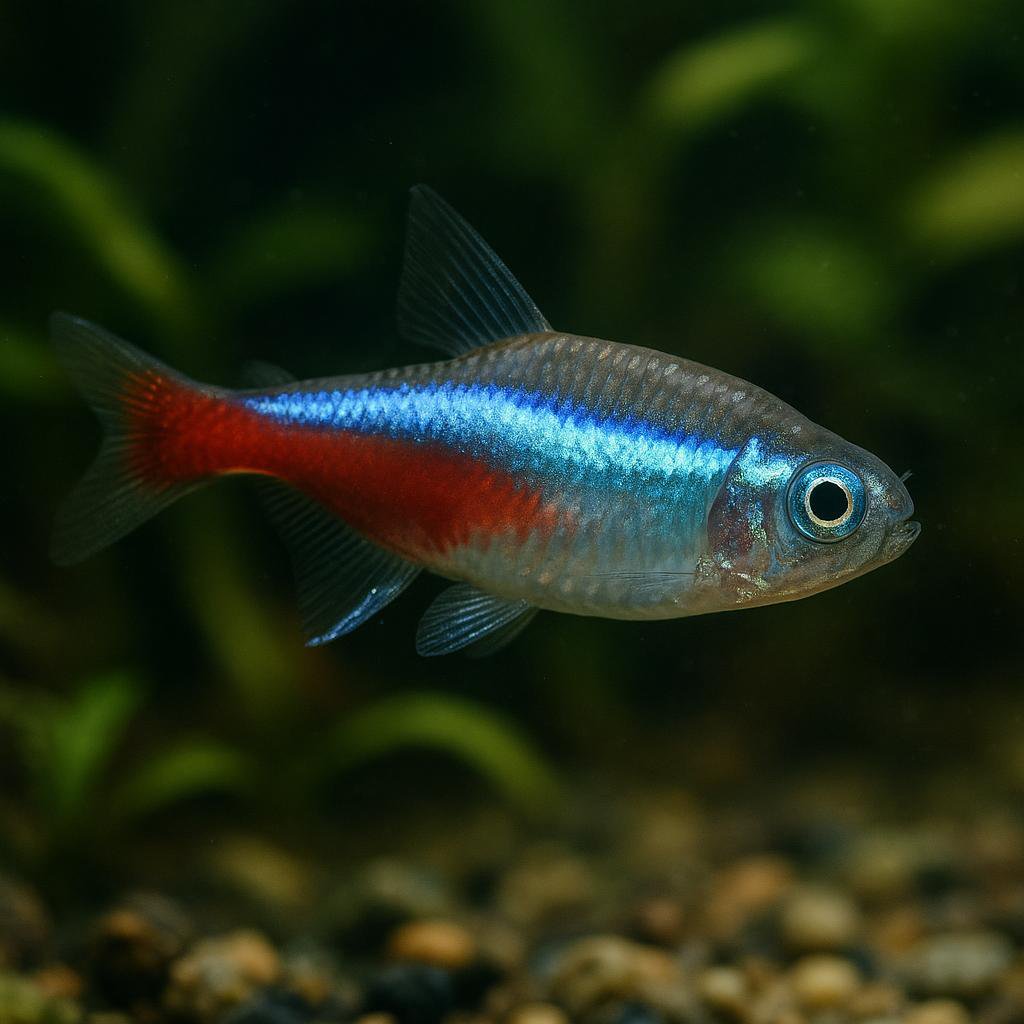
Neon Tetra
Paracheirodon innesi
The Neon Tetra is a small, brightly colored fish known for its vibrant blue and red stripes that run the length of its body. It is a favorite among aquarists due to its striking appearance and peaceful nature. Neon Tetras are schooling fish that thrive in groups, adding a lively and colorful presence to any aquarium.
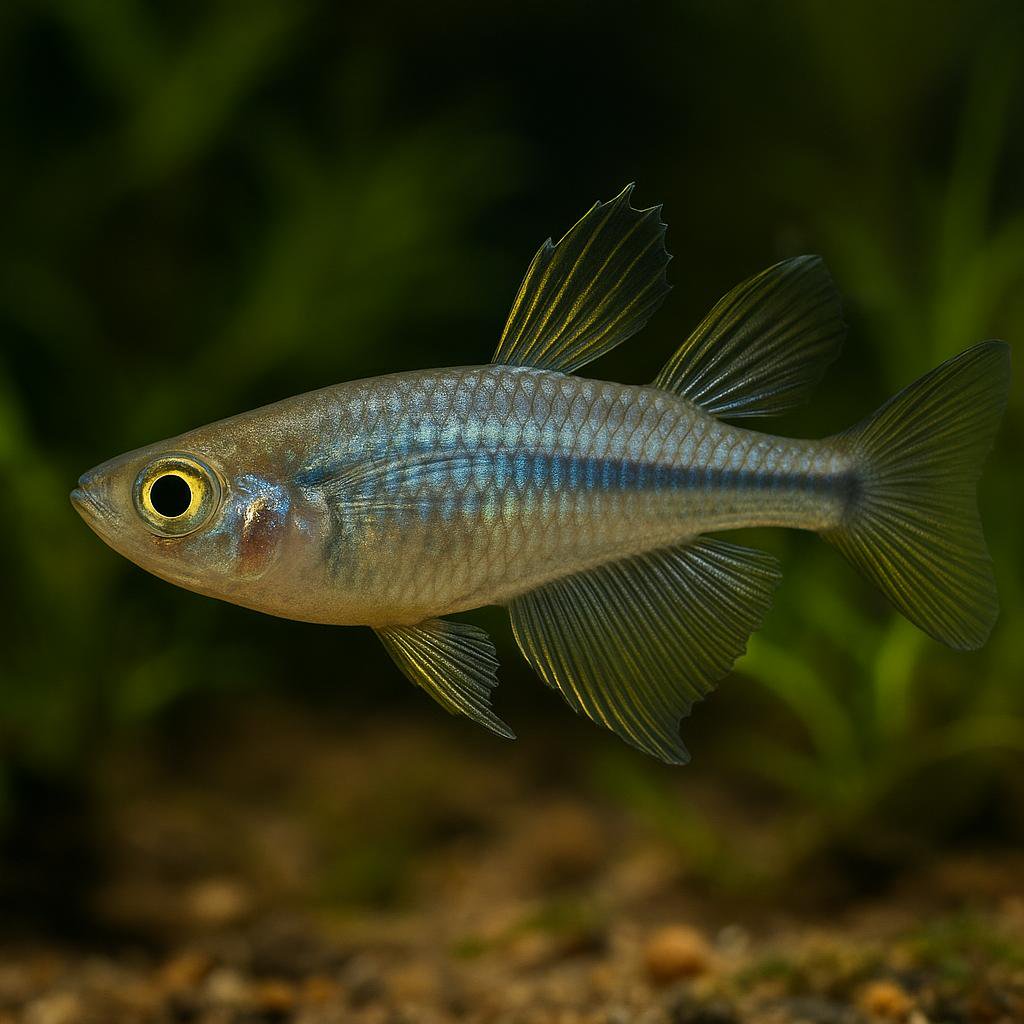
Pacific blue-eye
Pseudomugil signifer
Pacific blue-eyes are tiny Aussie "blue-eye" fish with those unreal electric-blue eyes and a nice little shimmer when they're in a group. Give them plants, gentle flow, and a proper shoal, and the males will posture and flare at each other in this super cool, non-lethal (usually) displayy way. They'll also tolerate a bit of salt (brackish), which is handy if you're doing an estuary-style setup.
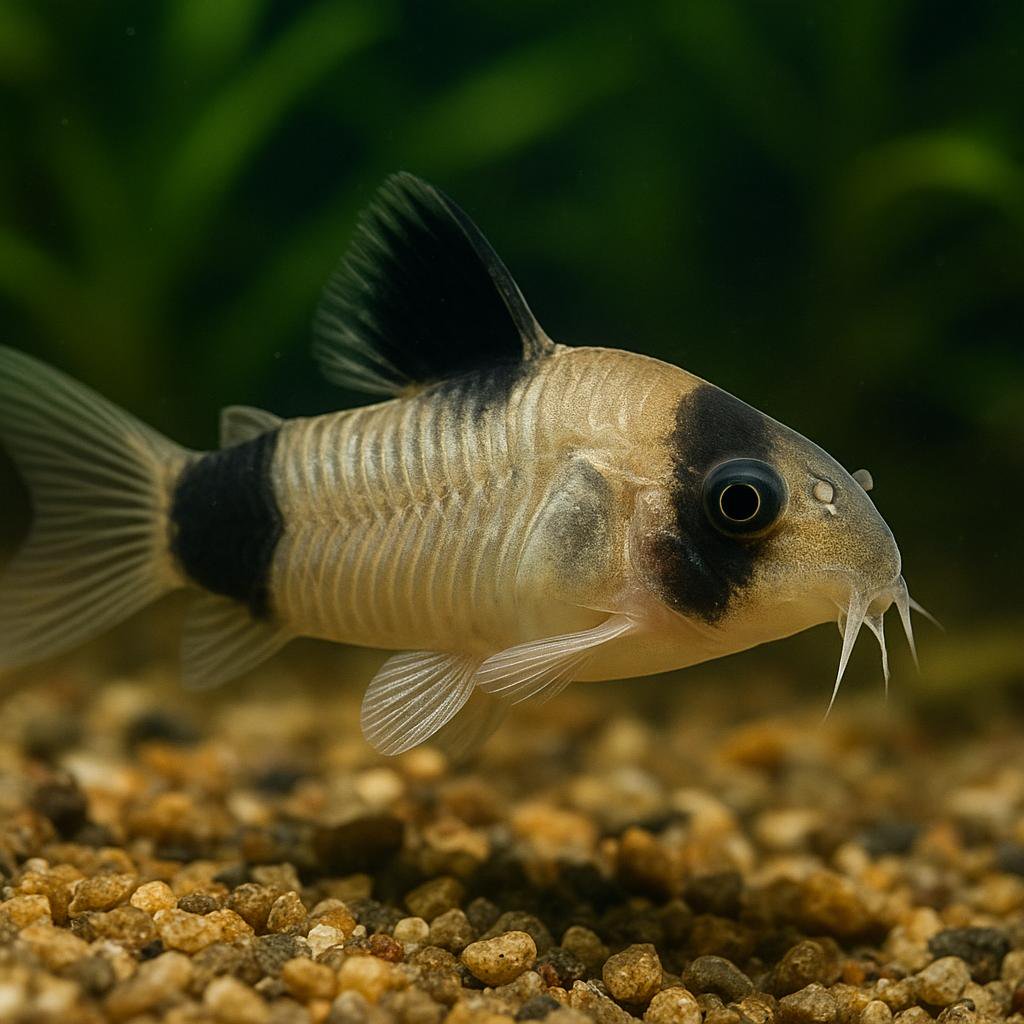
Panda Corydoras (Panda Cory)
Corydoras panda
Corydoras panda is a small, bottom-dwelling catfish known for its pale body with distinctive black patches over the eyes and near the tail, resembling a panda's markings. It is a peaceful, social schooling species that does best in groups and appreciates soft substrate and clean, well-oxygenated water. Like other corydoras, it forages constantly and should be offered sinking foods rather than relying on leftovers.
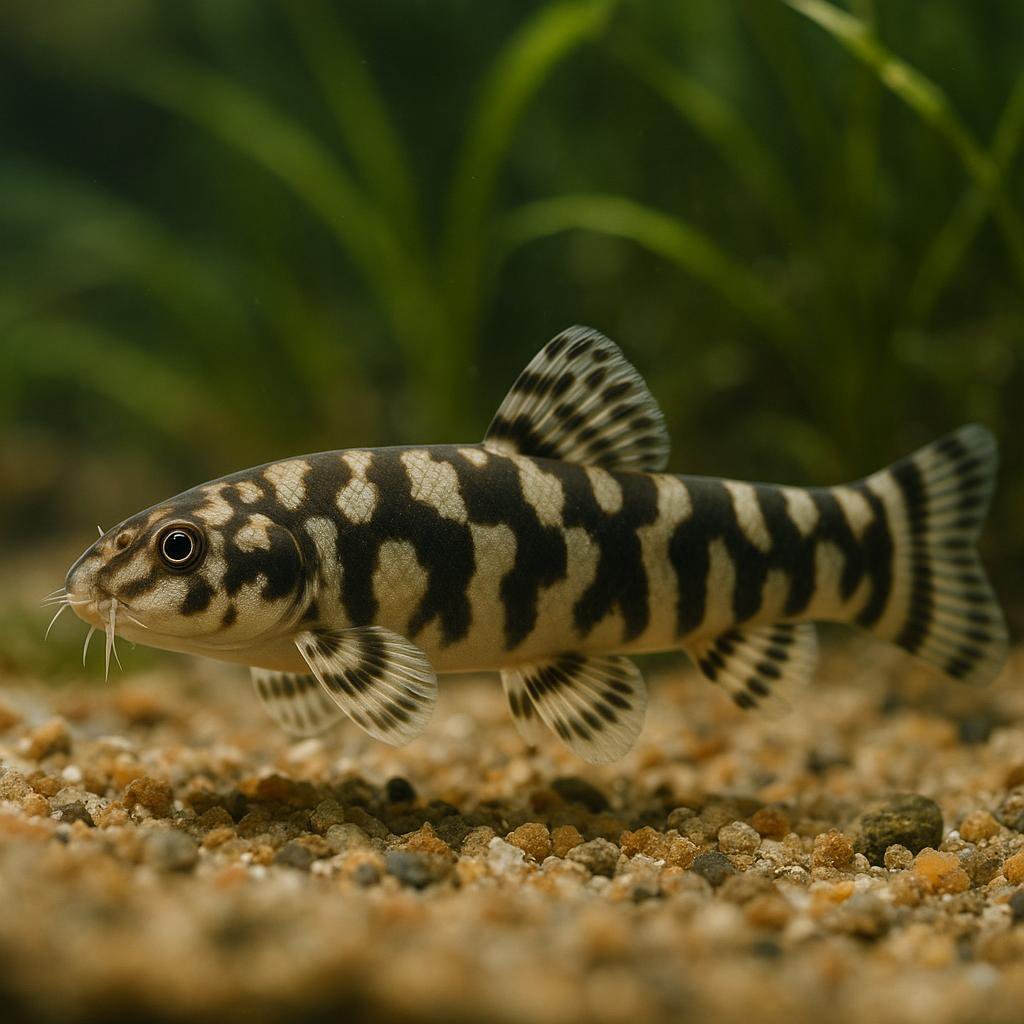
Panda loach
Yaoshania pachychilus
Hillstream loach from fast, highly oxygenated mountain streams; thrives in a mature, algae/biofilm-rich river-style aquarium with strong flow and smooth rocks. Peaceful but social, and best kept in groups where they become more active and confident.
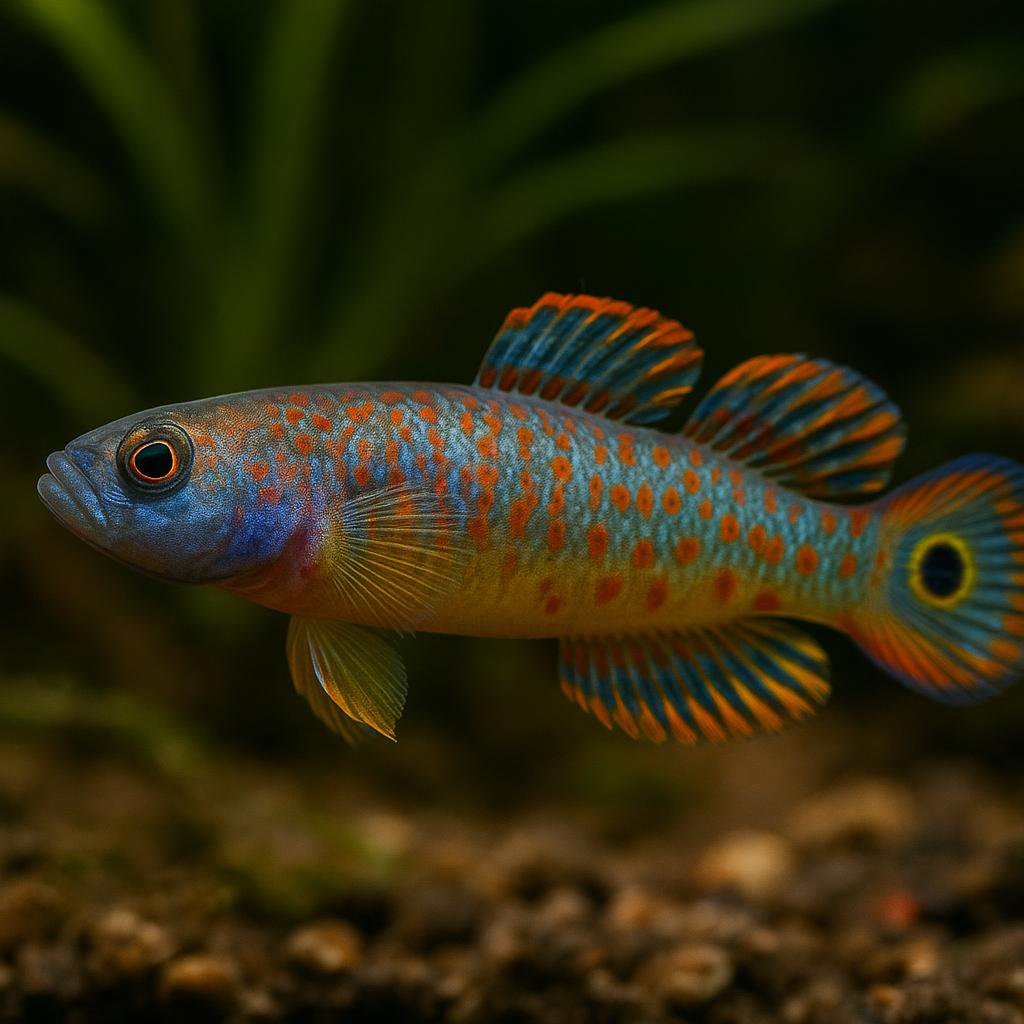
Peacock gudgeon
Tateurndina ocellicauda
Peacock gudgeons are little jewel-fish from eastern Papua New Guinea with that awesome "eye spot" on the tail and a ton of blue/yellow/red speckling. They're gentle most of the time, but the males get pretty into cave/crevice territory when they're thinking about spawning-and watching the male guard and fan eggs is seriously cool.
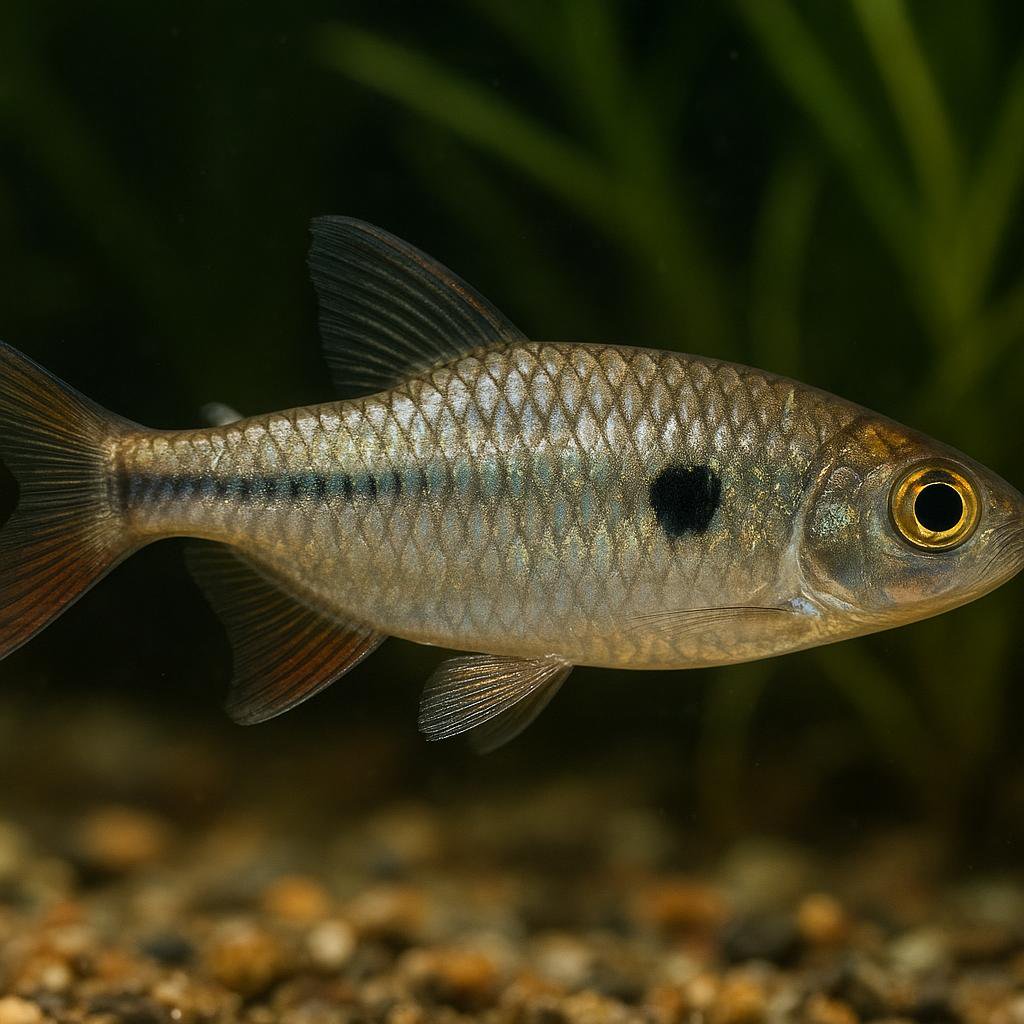
Peridot tetra
Jupiaba acanthogaster
A small South American characin that flashes a subtle green-gold sheen, which is where the peridot name comes from. In the wild it often forages in groups and will opportunistically follow larger bottom-disturbing fishes to pick off exposed morsels.
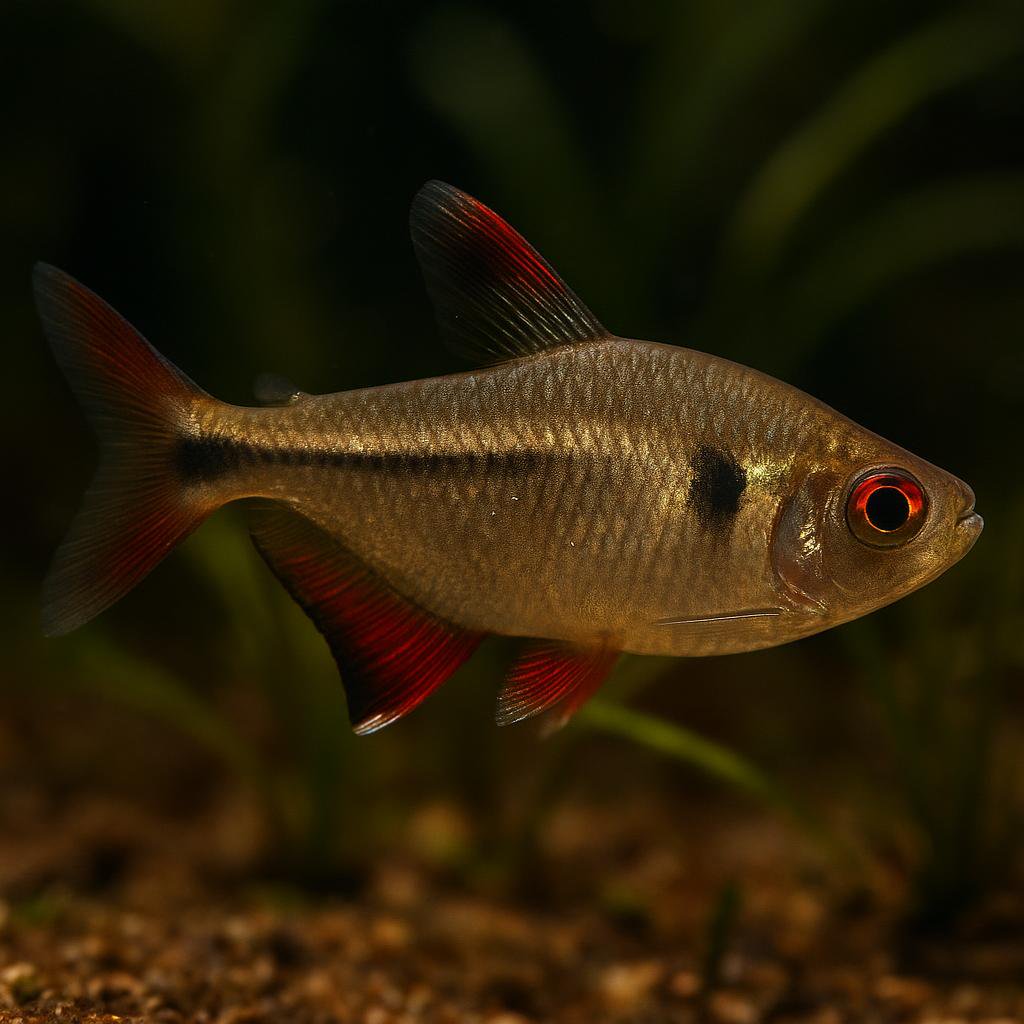
Peruvian tetra
Hyphessobrycon peruvianus
A tiny tetra from the upper Amazon, this fish shows a clean white lateral stripe over a dark lower body with a subtle blue sheen. Keep it in a good-sized shoal and you will see tight midwater schooling and quick color flashes when the group turns.
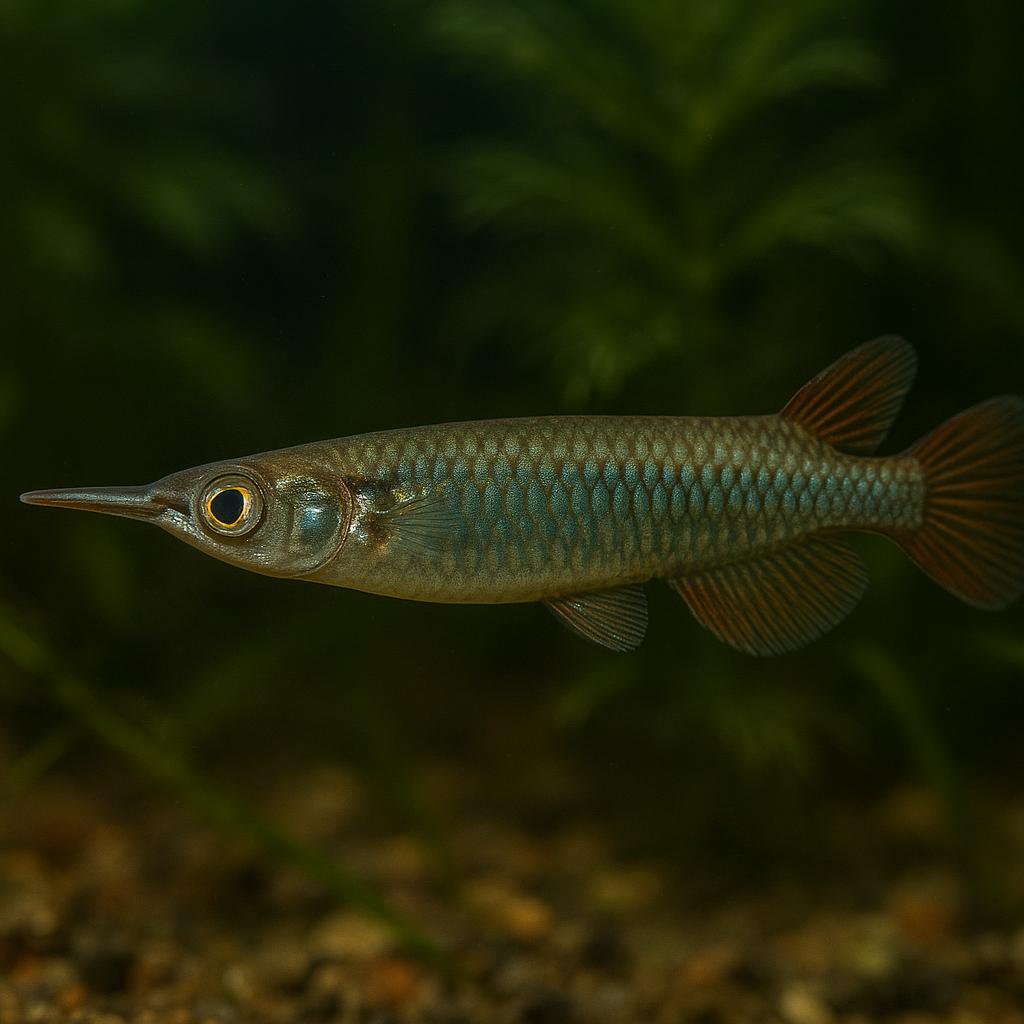
Poso halfbeak
Nomorhamphus celebensis
This is a cool little Sulawesi halfbeak that spends most of its time cruising the surface and picking food right off the top. They do best in a small group with lots of surface cover (floating plants are perfect), and they really reward you if you keep the water clean and stable. Also worth knowing: a lot of info online mixes up their exact habitat, and that can lead people to keep them too warm.
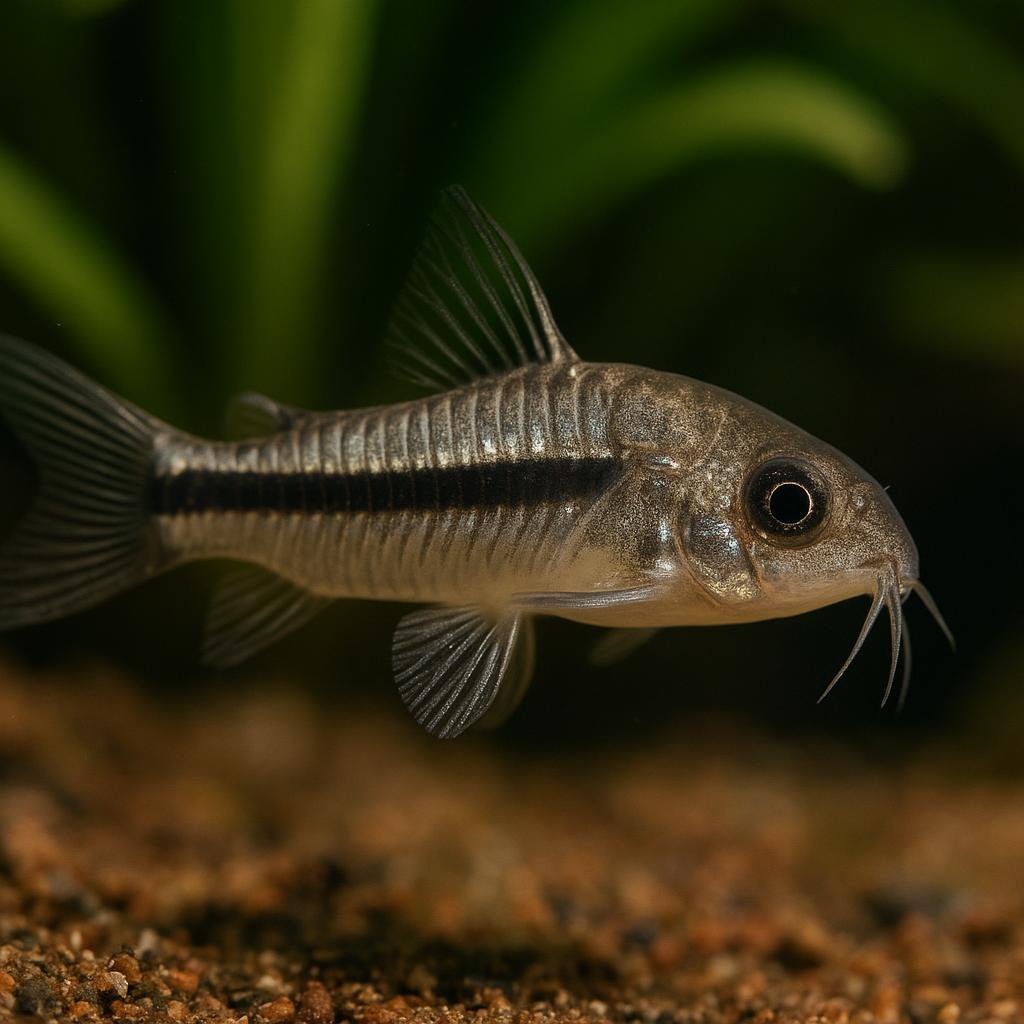
Pygmy corydoras
Corydoras pygmaeus
Pygmy cories are tiny little armored catfish that do this super-cool thing most cories don't: they'll cruise around in the midwater in a loose school instead of just shuffling along the bottom. Give them a soft sandy substrate, lots of plants to weave through, and a proper group, and they turn into nonstop little busybodies.
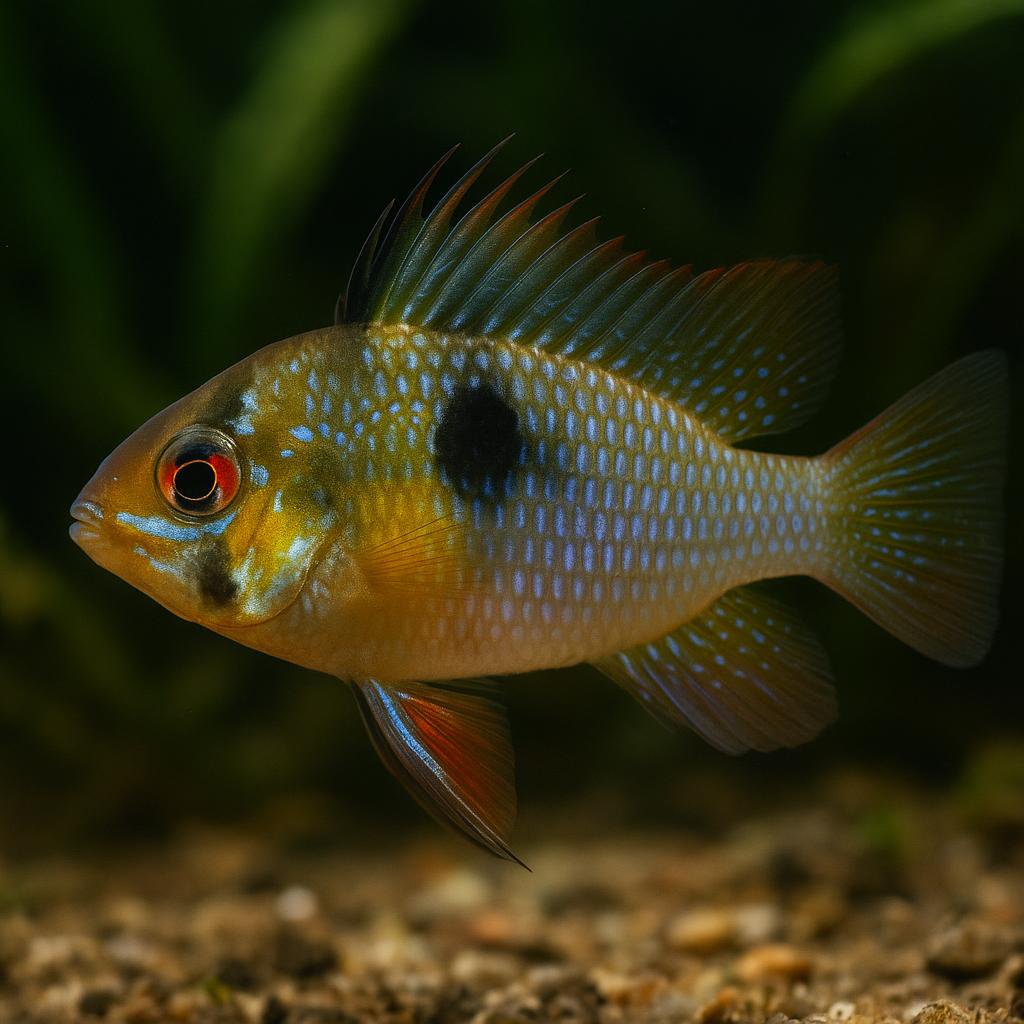
Ram cichlid (German blue ram / butterfly cichlid)
Mikrogeophagus ramirezi
Rams are tiny little cichlids with big-time attitude (in the cutest way) and insane sparkle-those blues, yellows, and that black face bar really pop when they're happy. They're also one of the warmer-water dwarf cichlids, and they'll show off pair behavior and even spawn on flat stones if you keep the tank clean and calm.
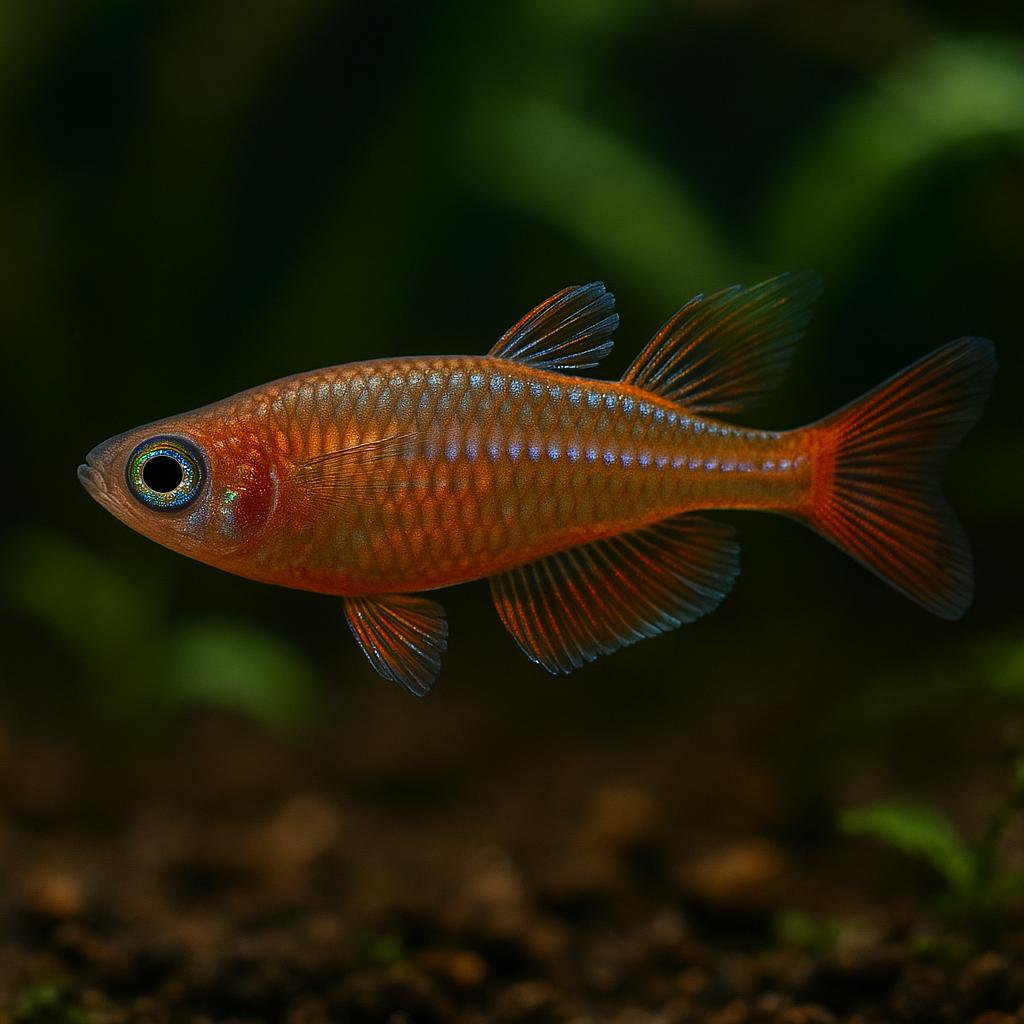
Red Neon Blue-eye
Pseudomugil luminatus
This little blue-eye is basically a tiny fireworks show-males flash electric blue eyes and red/orange fins and spend half the day showing off to each other. Keep them in a nice-sized group and you'll see constant "dancing" and fin-flaring in the open water, especially over dark substrate and plants.
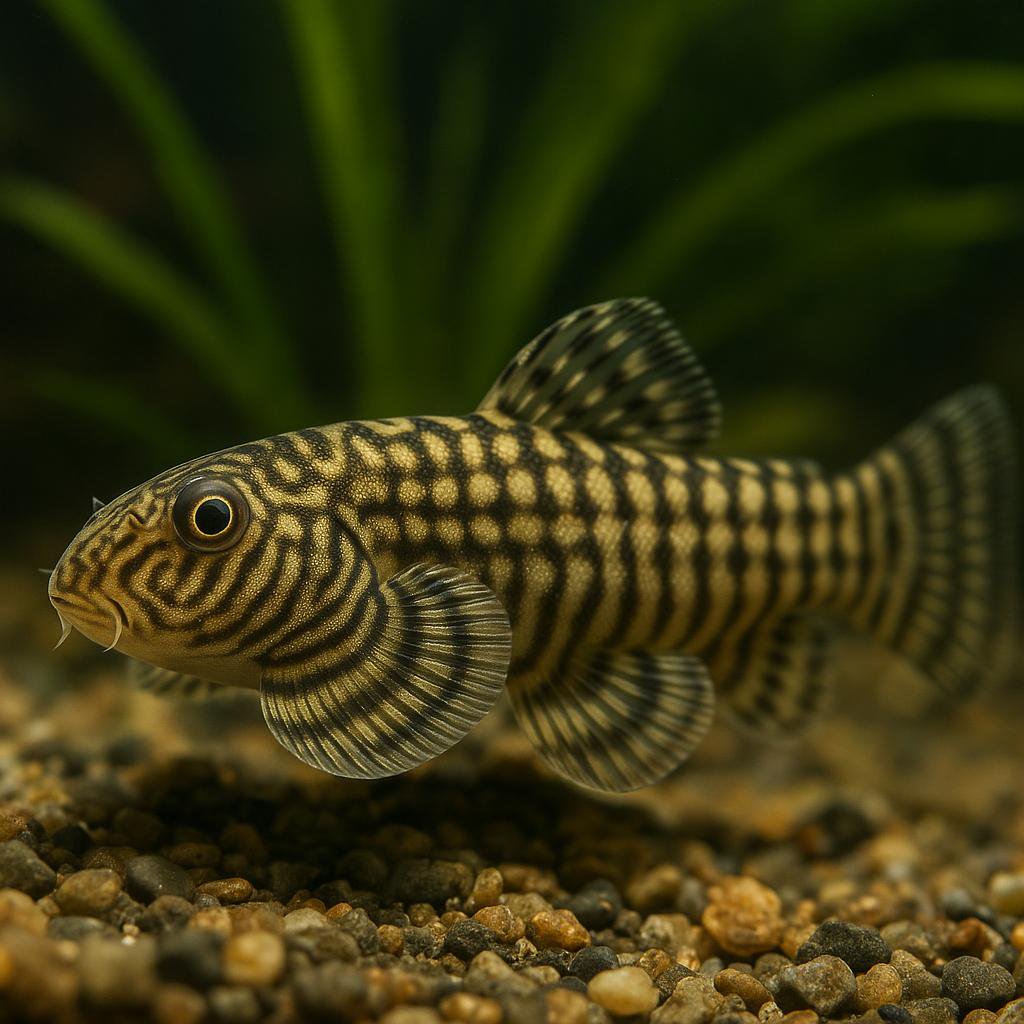
Reticulated hillstream loach
Sewellia lineolata
This is the little "stingray-shaped" loach that parks itself on rocks and glass like it's magnetized, then cruises around in the current like a tiny river skate. Give it cool, super-oxygenated, fast-moving water and lots of smooth stones with biofilm, and it'll spend all day grazing and doing hilarious little dominance shuffles with its own kind.