

Cahita sucker
Catostomus cahita
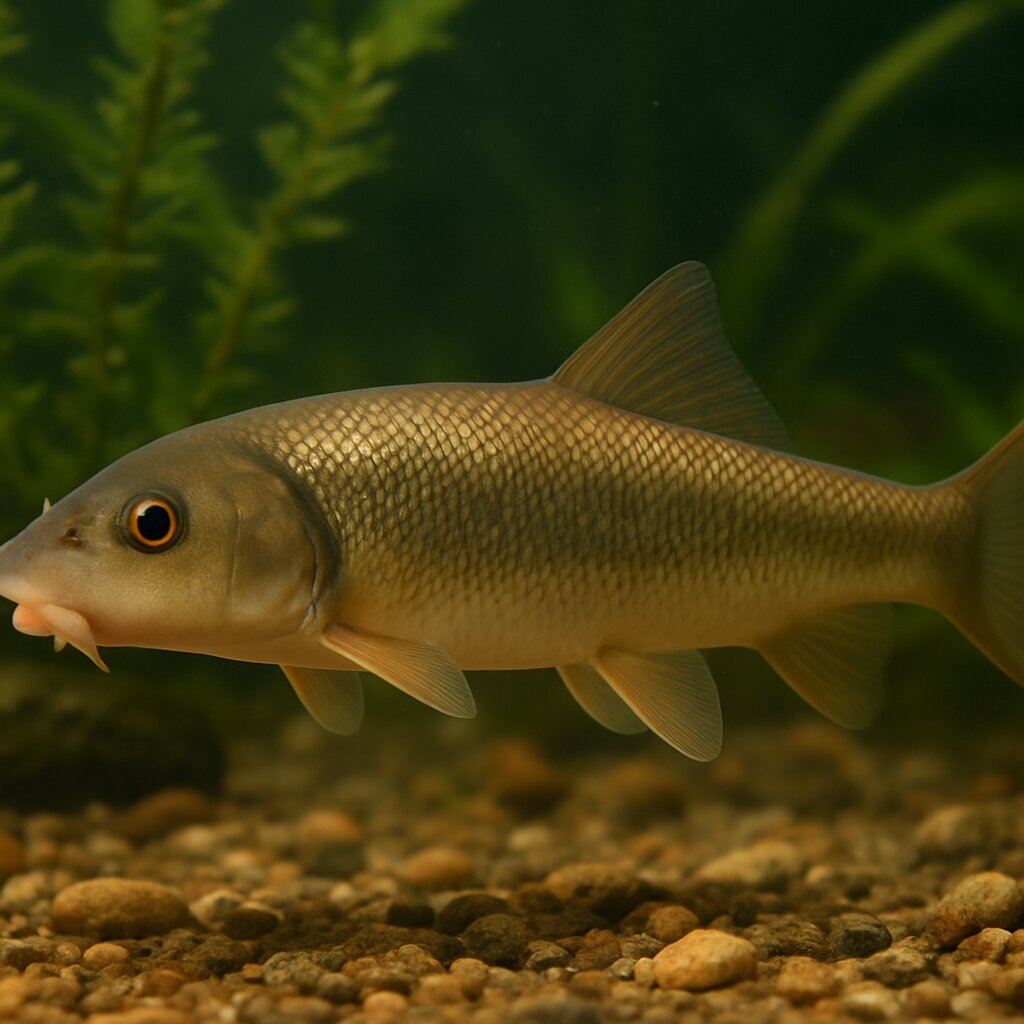
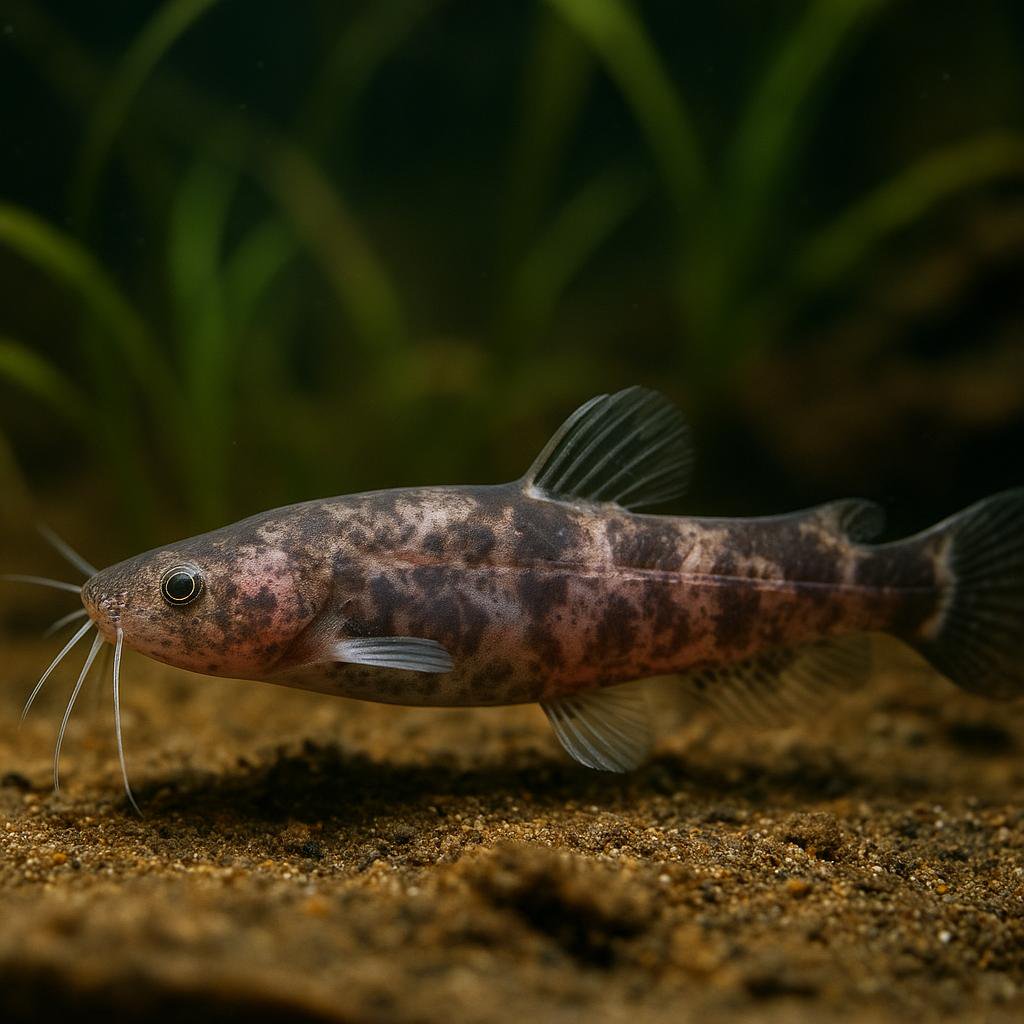
The Cahita sucker features a robust body, typically olive-brown to gray in color, with a distinctive sucker-like mouth adapted for feeding on algae.
This page includes AI-generated images. Why am I seeing AI images?
About the Cahita sucker
A river sucker from northwestern Mexico, it spends its days rooting through gravel for insect larvae and algae and hanging out in steady current. Not flashy, but it is a sturdy, torpedo-shaped fish with a neat downturned mouth and lots of personality once it settles in. It gets too big for most tanks and really appreciates cool, clean, well-oxygenated water.
Also known as
Quick Facts
Size
16 inches (40 cm)
Temperament
Peaceful
Difficulty
Advanced
Min Tank Size
75 gallons
Lifespan
8-15 years
Origin
North America (northwestern Mexico)
Diet
Omnivore - grazes algae, detritus, and small invertebrates
Water Parameters
16-24°C
7-8.2
5-20 dGH
Need a heater for this species?
This species needs 16-24°C in a 75 gallon tank. Use our heater calculator to find the right wattage.
Calculate heater sizeCare Notes
- Think long, fast-flow river tank: 6 ft and 100+ gal, 8-10x turnover with powerheads, big airstones, and a tight lid.
- Fine sand or rounded gravel with smooth river rocks; sharp stuff will shred their sucker lips when they root.
- Keep it cool and oxygen-rich: 60-72 F (16-22 C), pH 7.0-8.0, moderate hardness; use a fan or chiller if your room runs hot.
- They are biofilm grazers, so feed Repashy green gels, algae wafers, and blanched zucchini or spinach daily, with frozen mysis or bloodworms 1-2x per week; pre-grow algae on spare rocks and rotate them in.
- Pair with cool, fast-water fish that ignore them like dace, shiners, or small madtoms; skip cichlids, sunfish, big plecos, or fin nippers.
- Keep one or a group of 3-5 and give multiple flow lanes and feeding spots so one fish does not hog the bottom.
- They are messy and nitrate-sensitive, so do 30-50% weekly water changes and vacuum between rocks; keep filters clean so flow stays strong.
- Breeding is tough; try a 6-8 week winter at 50-55 F, then a spring bump to 60-68 F with strong flow over clean pea gravel, and expect egg scattering in riffles.
Compatibility
Good Tankmates
- Fast, coolwater schooling minnows like shiners and dace that enjoy current and will not nip
- Active danios and white clouds as midwater dithers to keep the sucker confident without crowding the bottom
- Peaceful bottom dwellers like darters and hillstream loaches that hug rocks and can handle strong flow
- Dojo/weather loaches and other mellow river loaches that like cooler water and will not compete too hard for biofilm
- Robust, non-nippy livebearers that prefer harder, cooler water, like many goodeids
- Other peaceful suckers of similar size, if the tank has a big footprint and plenty of grazing space
Avoid
- Anything nippy or territorial like cichlids, big barbs, or sunfish that will harass a calm grazer
- Warm-water algae eaters like common plecos or SAE that compete for food and can shove them around
- Slow fish with fancy fins or that hate current, like fancy goldfish, longfin bettas, or angels
Where they come from
Cahita suckers are river fish from northwestern Mexico. Think clear to lightly turbid foothill rivers with steady current, riffles over gravel and cobble, and lots of oxygen. They spend their days nosing along rocks and sand, grazing on the film that grows there.
They are not common in the hobby and may be subject to collection or transport restrictions. Try to source captive-bred fish and double-check local regulations.
Setting up their tank
Give them space and current. A single adult needs a big footprint; a group is really the way to go, and that means a 5- or 6-foot tank. Think 75-120 gallons for a small group.
- Flow and oxygen: Aim for brisk, river-like flow. Powerheads with sponge prefilters, a river-manifold setup, and lots of surface agitation. They sulk and go off food in sluggish water.
- Temperature: 64-72 F (18-22 C) is a sweet spot. Short swings are fine, but try to keep summer peaks under 75 F (24 C).
- Water chemistry: Neutral to slightly alkaline, moderate-hard water (pH 7.0-8.2; 6-15 dGH) works well.
- Substrate: Mix fine sand and rounded pea-to-small gravel. Add smooth cobbles for grazing. Avoid sharp edges that can tear their mouths.
- Scape: Build long riffles with rock piles and open lanes. They appreciate line-of-sight breaks. Plants are optional; tough rooted Vallisneria or potted swords can work, but they may be uprooted in strong flow.
- Lighting: Moderate. Let some algae grow on a few dedicated stones and the back glass for natural grazing.
- Filtration and maintenance: Big biofilter, heavy aeration, and 30-50% weekly water changes. Vacuum lightly so you do not strip all the biofilm they like to graze.
Use a tight lid. They spook fast and can launch themselves during netting or water changes.
Hot climate? A fan blowing across the surface can drop temps a couple degrees. If your room gets to the high 70s, budget for a chiller.
What to feed them
They are grazers first and foremost. Think periphyton, algae, diatoms, and a lot of fine organic bits. In a tank, they do well on a plant-heavy diet with some protein as a side dish, not the main course.
- Staples: Spirulina and algae wafers, high-fiber sinking pellets, and gel foods like Repashy Soilent Green or Super Green.
- Veggies: Blanched zucchini, cucumber, green beans, and spinach. Clip or skewer them so they do not blow around.
- Extras: Frozen daphnia, mysis, or bloodworms once or twice a week. Keep animal protein modest.
- DIY graze stones: Put a few cobbles in a bucket of tank water under a sunny window or an LED for a week, then rotate them into the tank for natural grazing.
Too much meaty food can make them fat and sluggish. Long term, it leads to health issues. Keep the greens and biofilm coming.
How they behave and who they get along with
Peaceful, busy, and a bit skittish under bright lights. They work the bottom and mid-bottom zones, especially in the fastest parts of the tank. In a group of 4-6 they settle better and spend more time out in the open.
- Good tankmates: Fast, current-loving fish that ignore the bottom. Cool to temperate minnows and dace, rainbow shiners, or similar river fish do well. Keep sizes compatible.
- Use caution: Hillstream loaches and plecos compete for the same food. It can work in bigger tanks if you feed heavy and provide multiple graze zones.
- Avoid: Aggressive cichlids, large predators, fin-nippers, and slow fish that hate current.
Dim the room lights before turning on tank lights. They spook less and you will see a lot more natural behavior.
Breeding tips
Spawning is doable but not simple. In the wild, suckers migrate into shallow, fast gravel in spring. You need that seasonal cue and the right structure.
- Seasonal cycle: Cool them to 55-60 F (13-16 C) for 6-8 weeks in winter, then raise gradually to 64-68 F (18-20 C) while increasing flow and photoperiod.
- Spawning site: A long riffle of clean pea-to-small gravel with strong current. Keep it debris-free so eggs can fall between stones.
- Group: One female with 2-3 males works. Males may develop small breeding tubercles and get more active.
- Egg care: No parental care. Use a mesh over the gravel or a slotted tray so eggs drop out of reach. High oxygen is non-negotiable.
- Raising fry: They are tiny. Start with green water, powdered spirulina, and infusoria, then move to freshly hatched brine shrimp. Keep flow gentle but well aerated in the fry tank.
People report better success in outdoor stock tanks with a pump-driven stream channel. Sunlight grows the right kind of food for the fry.
Common problems to watch for
- Heat and low oxygen: Above mid-70s F they start breathing hard and go off food. Crank up aeration and cool the water.
- Mouth damage: Sharp gravel and rough rock can split their lips. Use smooth stones and rounded substrates.
- Starvation in clean tanks: If you polish the tank spotless, they run out of things to graze. Always keep a few algae stones cycling.
- Digestive issues: Diets heavy on bloodworms or high-protein pellets can cause bloat and long-term organ problems.
- Parasites: Wild-caught fish often carry flukes or nematodes. Quarantine 4-6 weeks and deworm if needed (praziquantel/levamisole as appropriate).
- Water quality swings: They eat and poop a lot. Ammonia spikes happen fast in new setups. Mature biofilter and big, regular water changes are your friends.
Do not combine strong current, bright light, and zero cover in a new environment. They will panic, crash into glass, and injure themselves. Give them flow, but also shade and structure.
Similar Species
Other freshwater peaceful species you might be interested in.
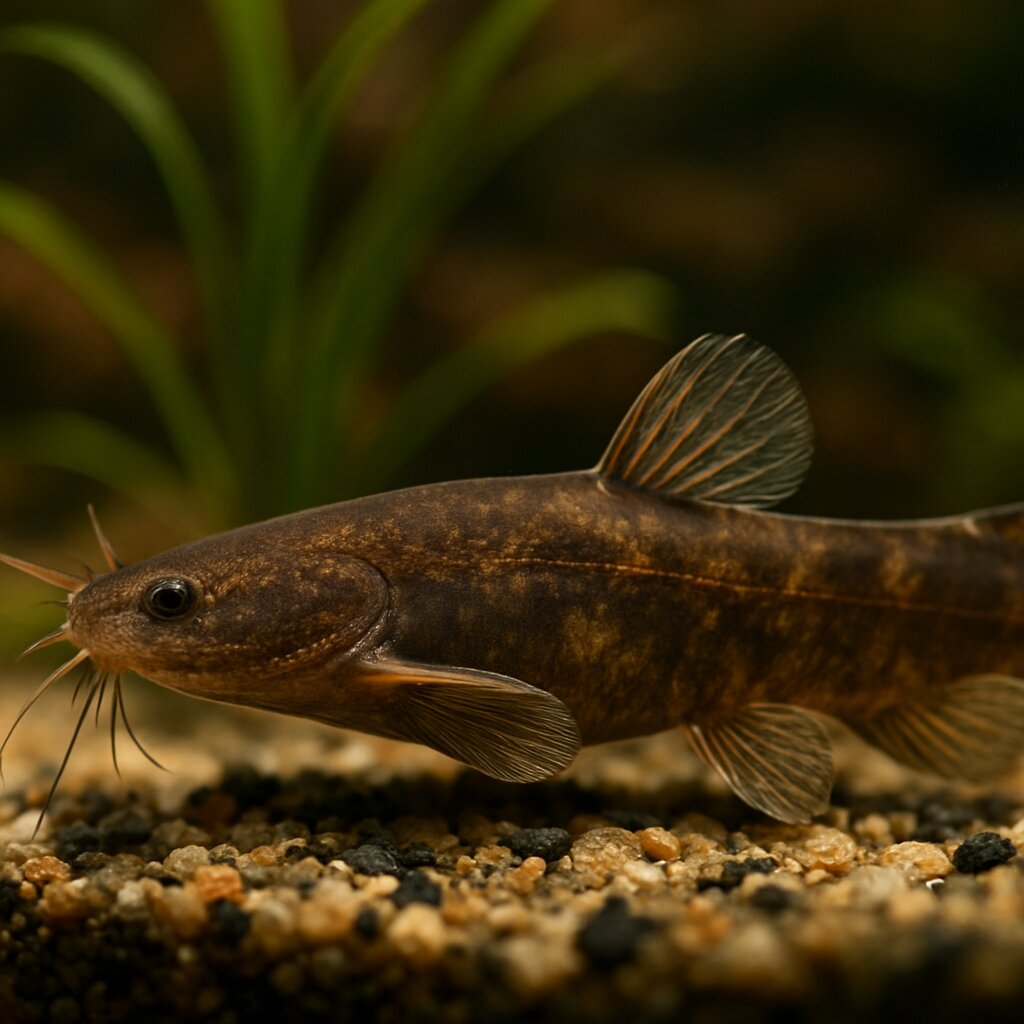
Amphilius dimonikensis
A small loach catfish endemic to the Mpoulou River in the Mayombe (Dimonika Biosphere Reserve), Republic of the Congo. Amphilius dimonikensis has a subtle banded pattern and inhabits fast, clear streams over rock and sand. In aquaria, prioritize strong, well-oxygenated flow with rounded stones and sand to mimic hillstream conditions.
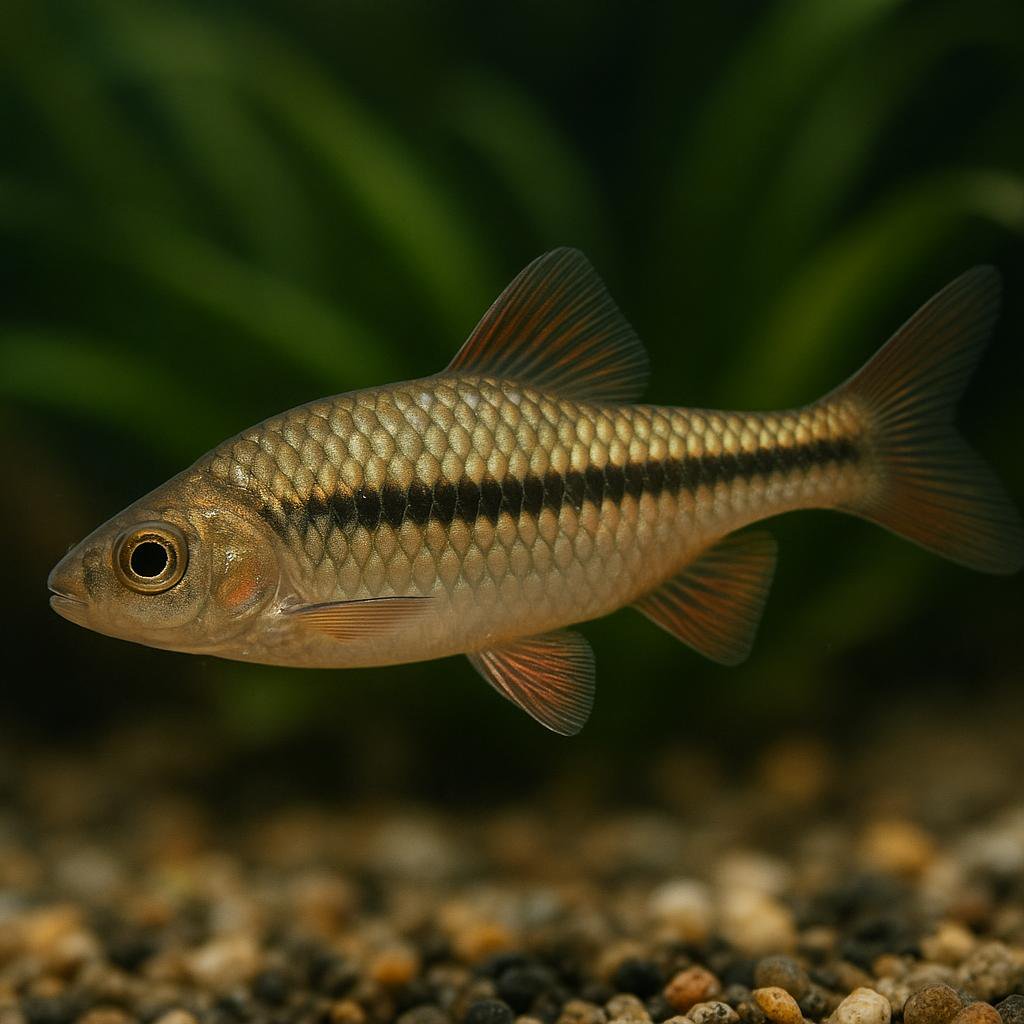
Aboina barb
Enteromius aboinensis
Enteromius aboinensis (the Aboina barb) is a small West African barb with a clean black midline stripe and a little spot right at the base of the tail. It does best when you treat it like a proper schooling fish - keep a decent group and give it plants around the edges with open swimming room in the middle.
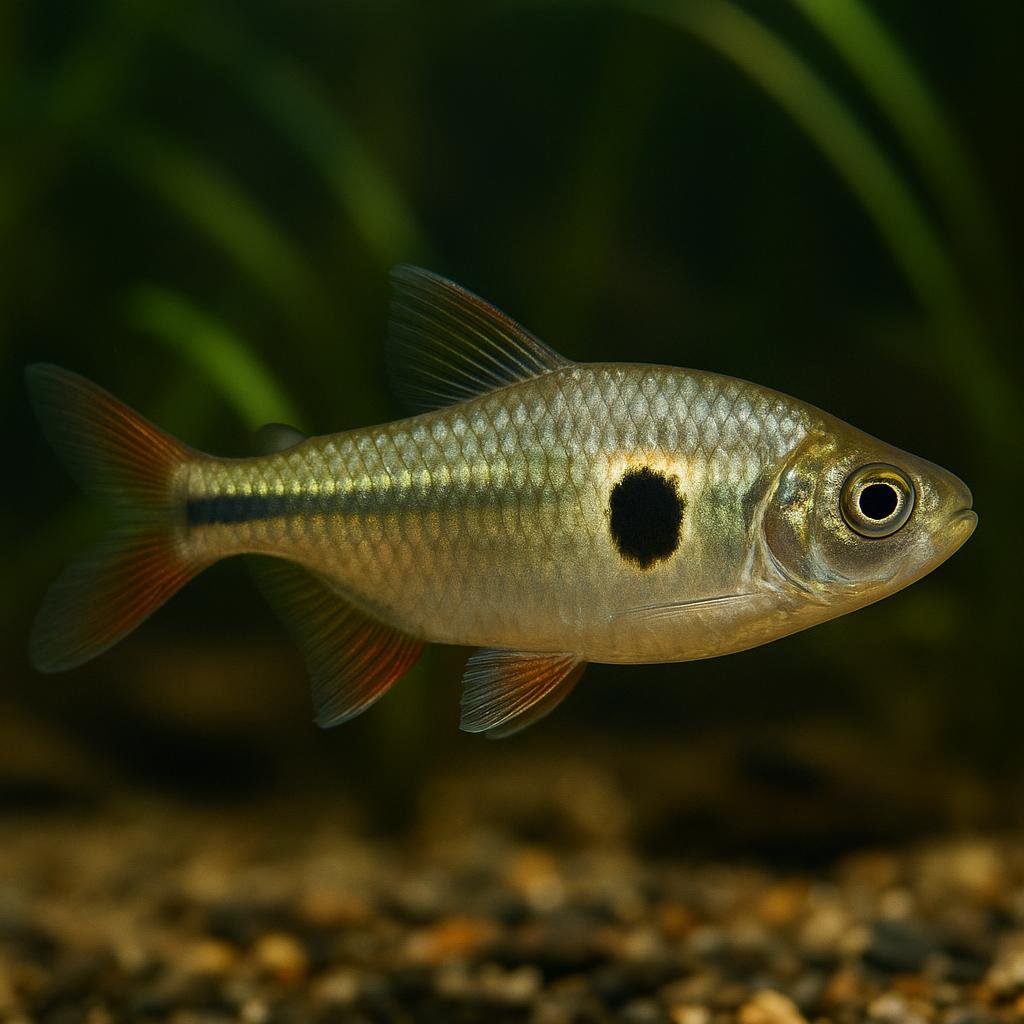
Ajuricaba tetra
Jupiaba ajuricaba
Jupiaba ajuricaba is a South American freshwater characin from the Amazon basin in Brazil (rio Negro, rio Solimões, and rio Tapajós basins). It reaches about 9.5 cm SL and is diagnosed by a narrow dark midlateral stripe, an elongated humeral spot, and an ocellated spot on the upper caudal-fin lobe. Wild specimens have been collected from blackwater forest streams and also oxbow-lake habitats.
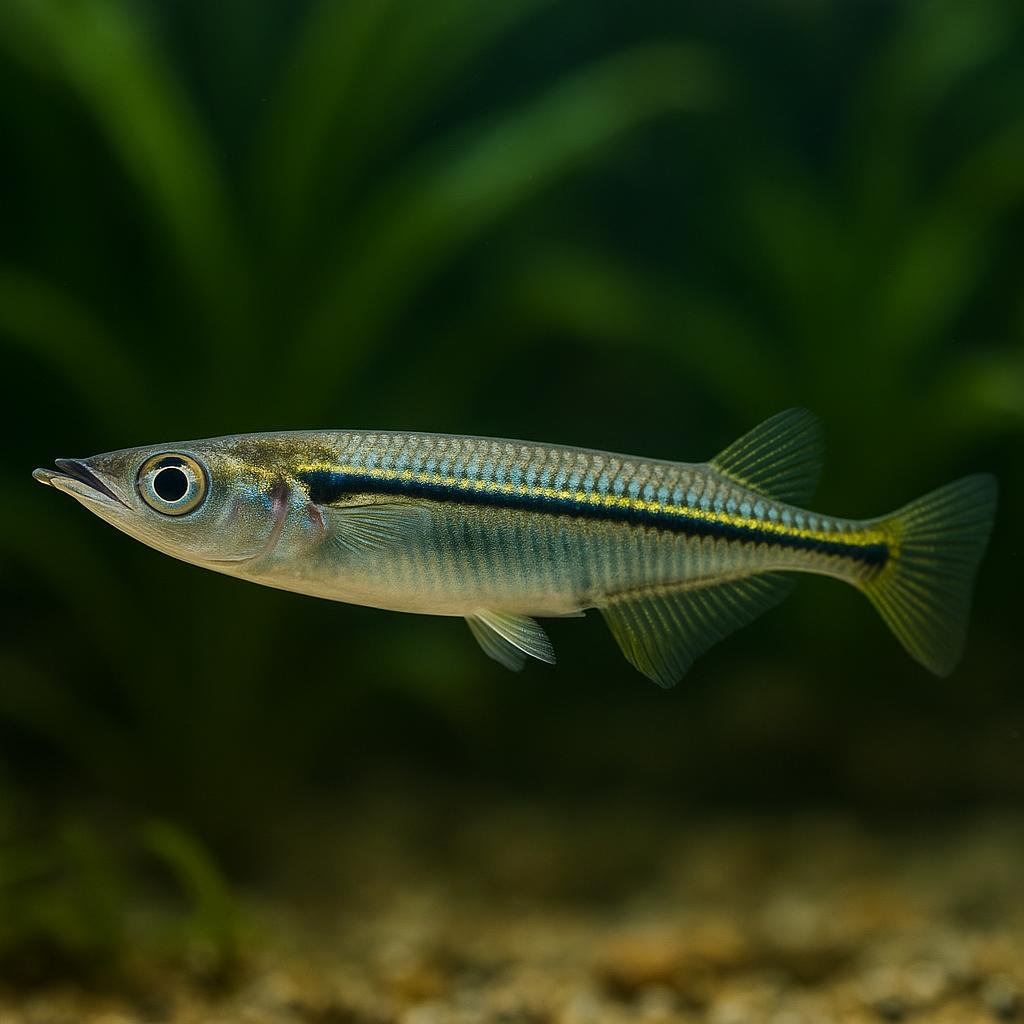
Allen's river garfish
Zenarchopterus alleni
A poorly known freshwater halfbeak endemic to West Papua (Mamberamo River), described from a single specimen (~13 cm SL). Beyond basic habitat/occurrence, little is published about its ecology or aquarium suitability; assume it is a surface-oriented, jump-prone halfbeak only by analogy with related taxa.
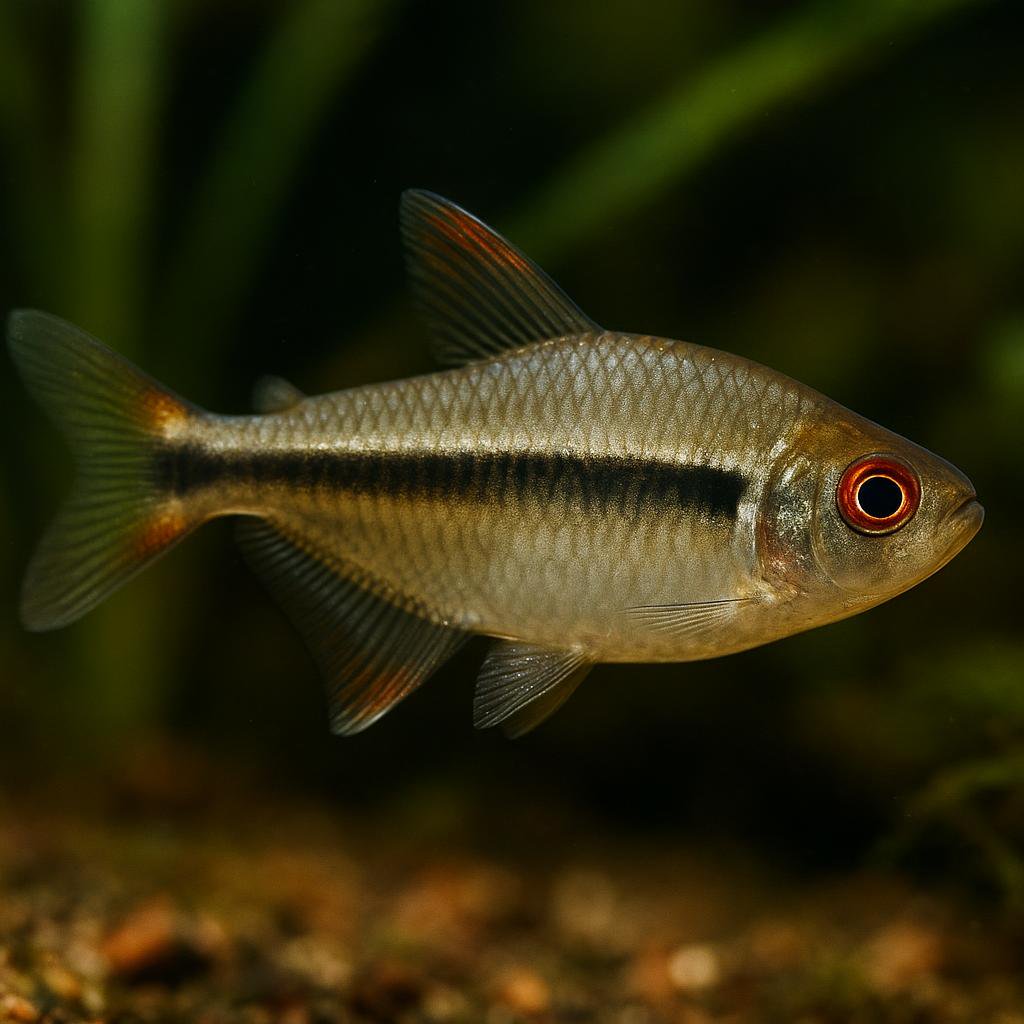
Amapa tetra
Hyphessobrycon amapaensis
This is a tiny, super sleek little tetra with a clean red stripe down the side that really pops once its settled in. It does best in a planted, slightly tinted "creek-style" setup and looks way cooler when you keep a proper group so they school and flash that line together. If you can give it soft, slightly acidic water and a calm community, its an easy fish to fall for.
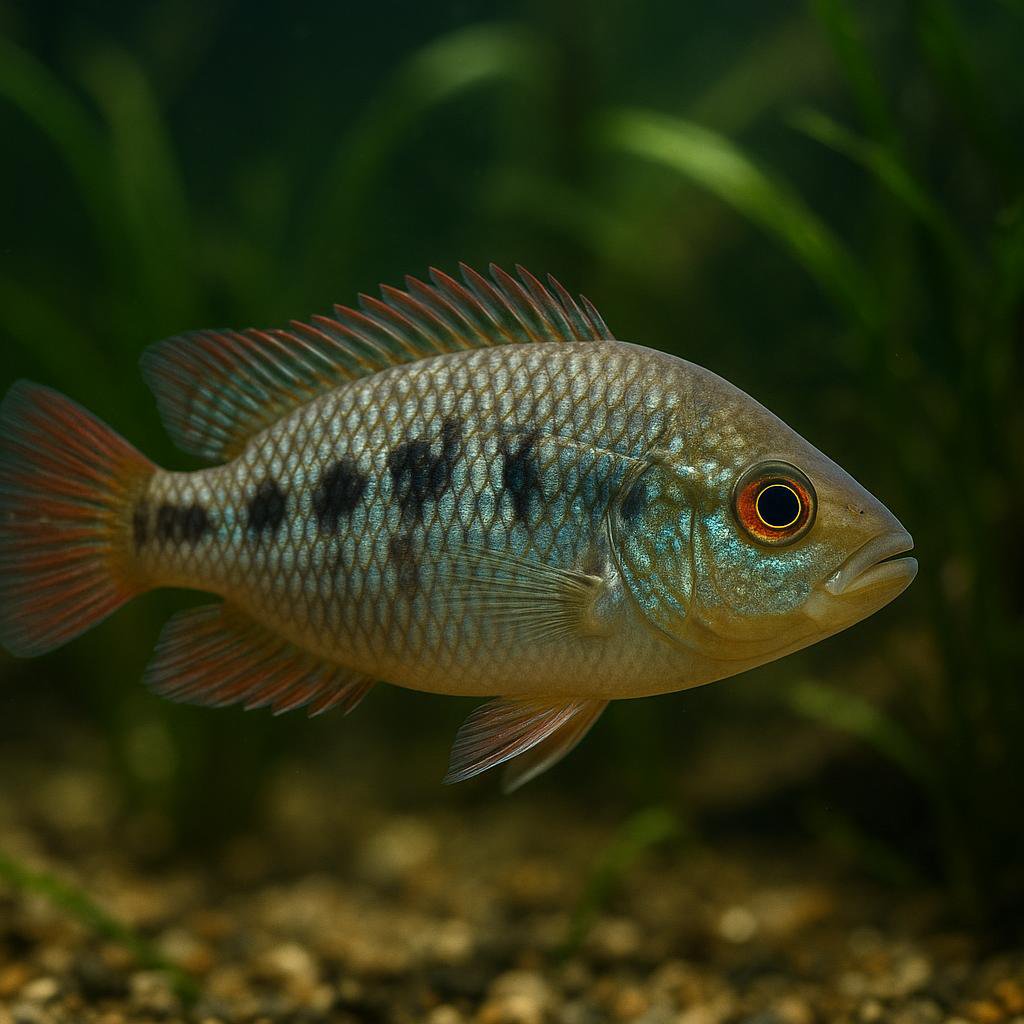
Amatlan chub
Yuriria amatlana
Yuriria amatlana (the Amatlan chub) is a little Mexican native minnow from the Ameca River basin. Its wild range is pretty limited and it is listed as Endangered, so its care info in the aquarium hobby is basically nonexistent and its availability is usually low. In the original species description, preserved fish show a dark lateral stripe with a darker patch on the caudal peduncle, and they can have tiny barbels at the mouth corners.
More to Explore
Discover more freshwater species.
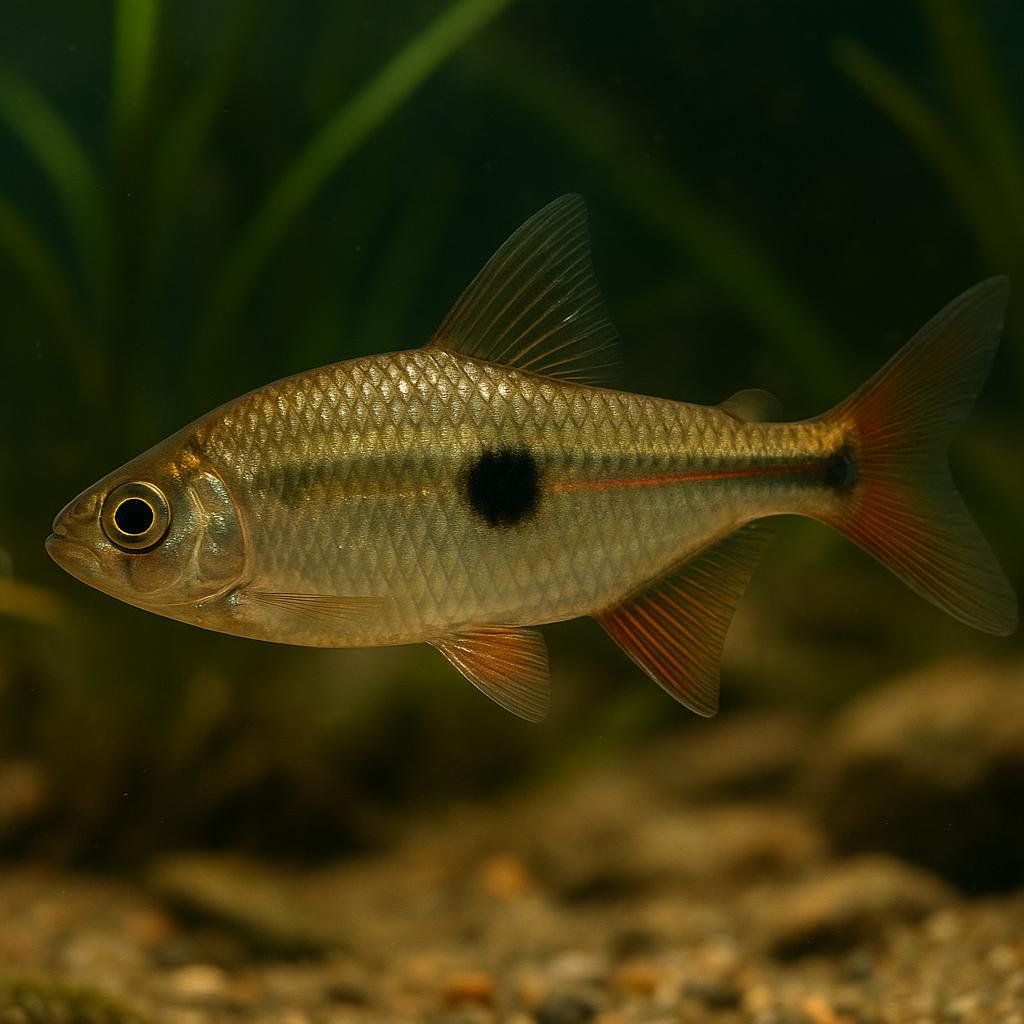
Jupiaba kurua
Small South American characin endemic to the upper rio Curuá (rio Xingu basin, Brazil). Reaches about 8.7 cm SL and inhabits clearwater rivers. Distinguished by dark dots on the bases of many lateral scales and a distinct dark caudal‑peduncle spot. Reported diet indicates omnivory, including aquatic insects, small fishes, and fragments of Podostemaceae and filamentous algae.
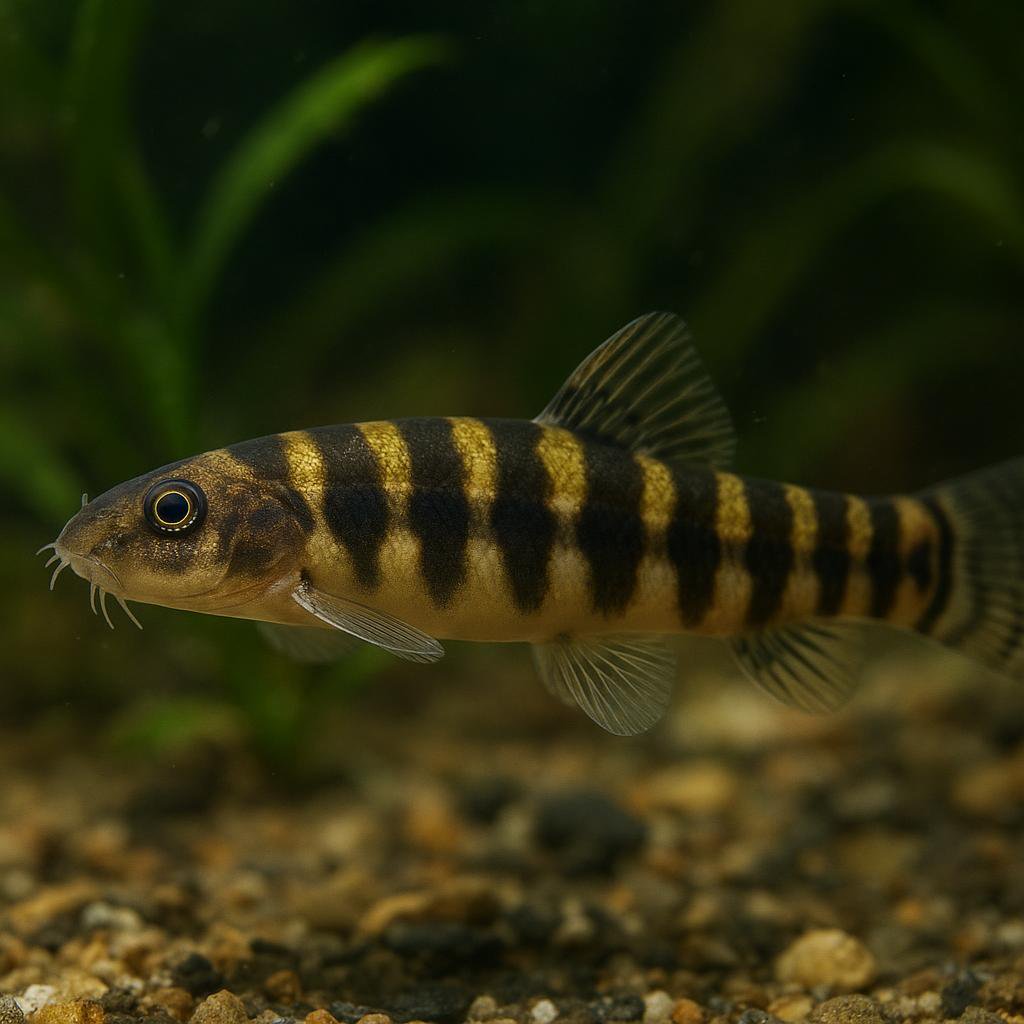
Altipedunculata stone loach
Schistura altipedunculata
Schistura altipedunculata is one of those little stream loaches that wants clean, well-oxygenated water and a bunch of rock nooks to claim as home. It is a bottom-hugger that will spend its day scooting from crevice to crevice, and it tends to get a bit spicy with its own kind if you do not give it enough hiding spots.
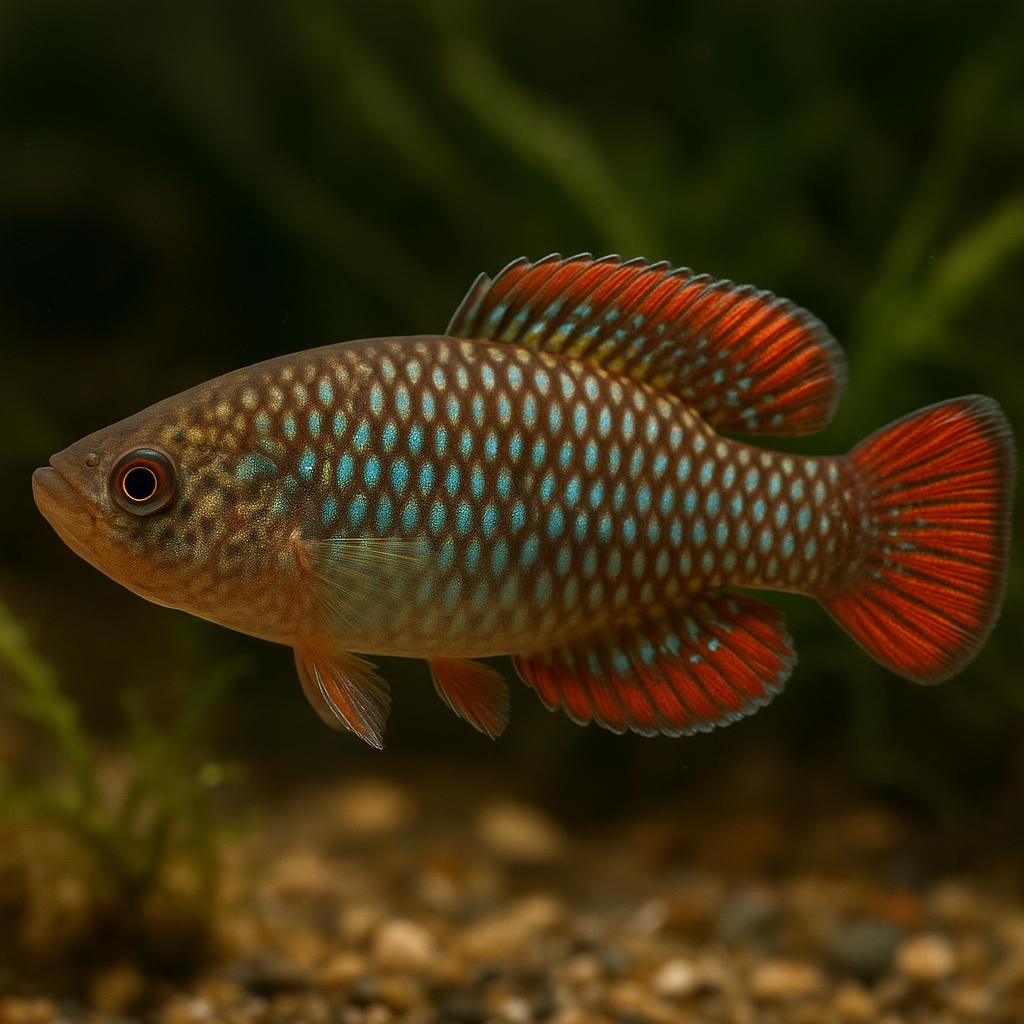
American flagfish
Jordanella floridae
Jordanella floridae is that little Florida native with the red-and-cream striping that really does look like a tiny flag once a male colors up. They graze algae like champs (especially stringy/hair algae), but they have a bit of attitude - give them plants and space so the bossy behavior stays manageable. Bonus: the male guards the eggs and will actively fan them, which is pretty fun to watch.
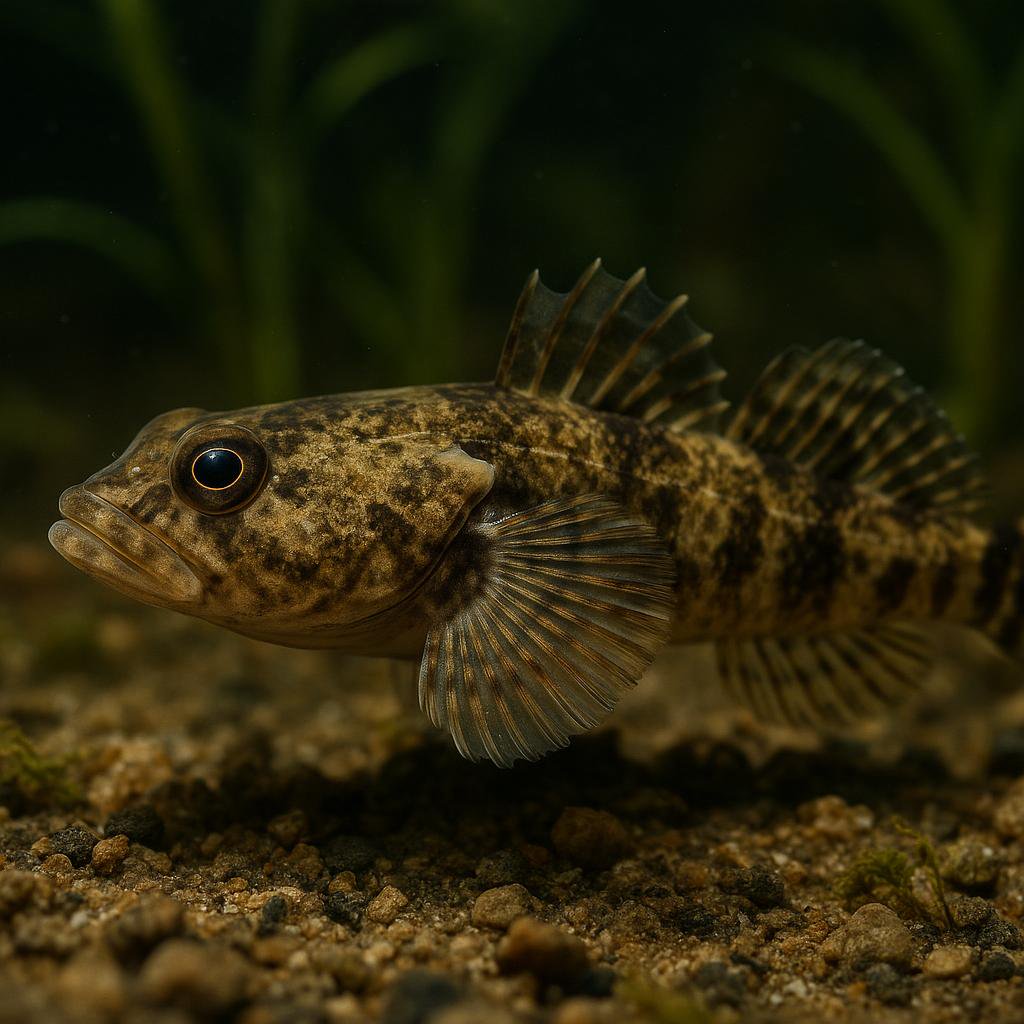
Amur sculpin
Alpinocottus szanaga
This is a little coldwater sculpin from the Amur drainage - a bottom-hugging, rock-and-gravel fish that spends its day wedged under stones and darting out to grab food. Super cool behavior and attitude, but it is absolutely not a warm tropical community fish - it wants chilly, fast, oxygen-rich water and will bicker with other bottom fish.
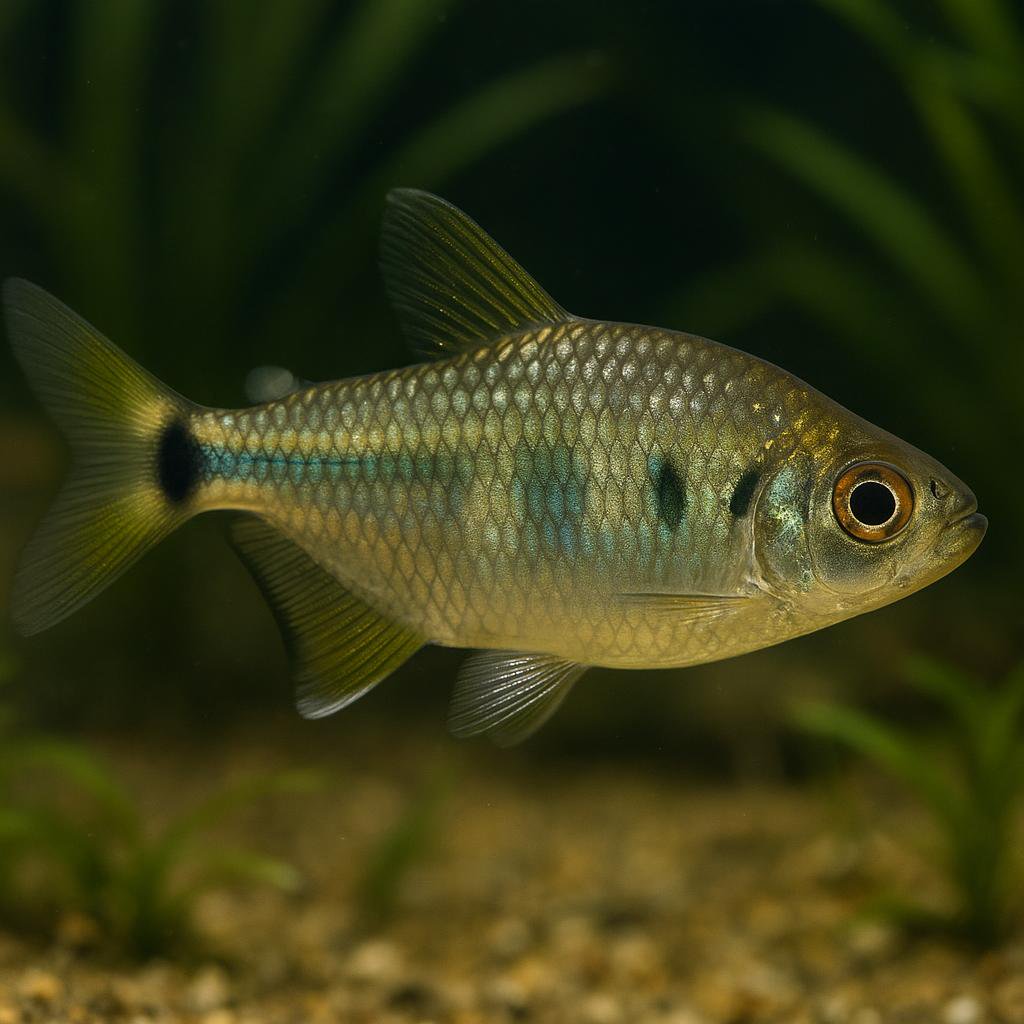
Andrica moenkhausia
Moenkhausia andrica
Moenkhausia andrica is a little Brazilian characin from the Tapajos system that tops out around 7 cm (about 2.8 inches) standard length. It has a neat netted (reticulated) scale pattern plus a dark spot on the caudal peduncle, and the really wild part is that mature females can have tiny fin hooklets too, which is usually a male-only thing in a lot of characins.
Anhanga pygmy pencil catfish
Potamoglanis anhanga
This is a truly tiny Amazonian trichomycterid catfish - like 1.3 cm max - so it is more of a micro-predator oddball than a typical community catfish. It is the kind of fish that disappears into sand, leaf litter, and plant roots, and you will spend way more time setting up the right micro-habitat than you will actually seeing it.
Looking for other species?