

Search Species
Search for fish species by common or scientific name, or use filters to browse by water type, size, temperament, and difficulty.
Found 119 species
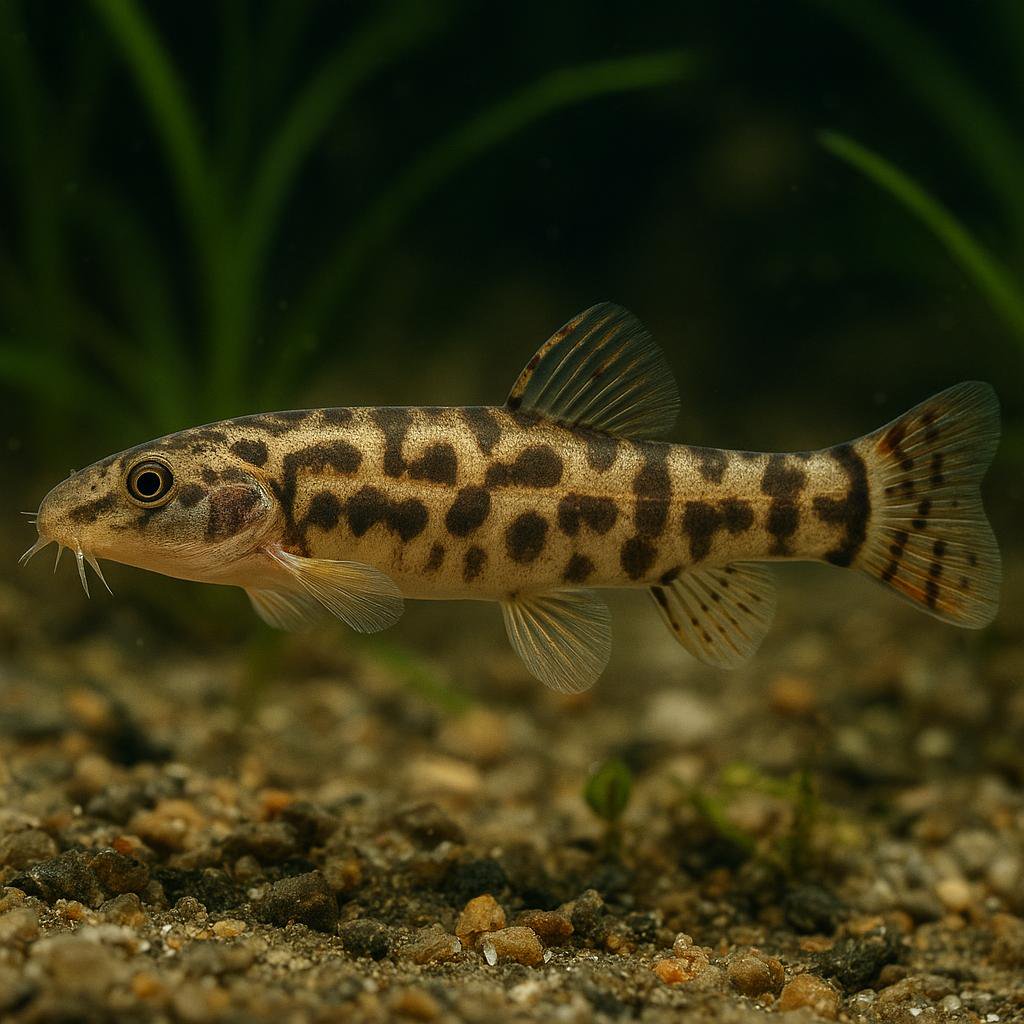
Spindle Yunnan loach
Yunnanilus elakatis
Yunnanilus elakatis is a nemacheilid (stone loach) endemic to Yunnan, China (type locality: Yiliang County). Aquarium-specific husbandry data for this exact species is scarce in major references; when kept, it should be maintained like other small stream-associated stone loaches: high water quality, good oxygenation, and a fine, smooth substrate with cover.
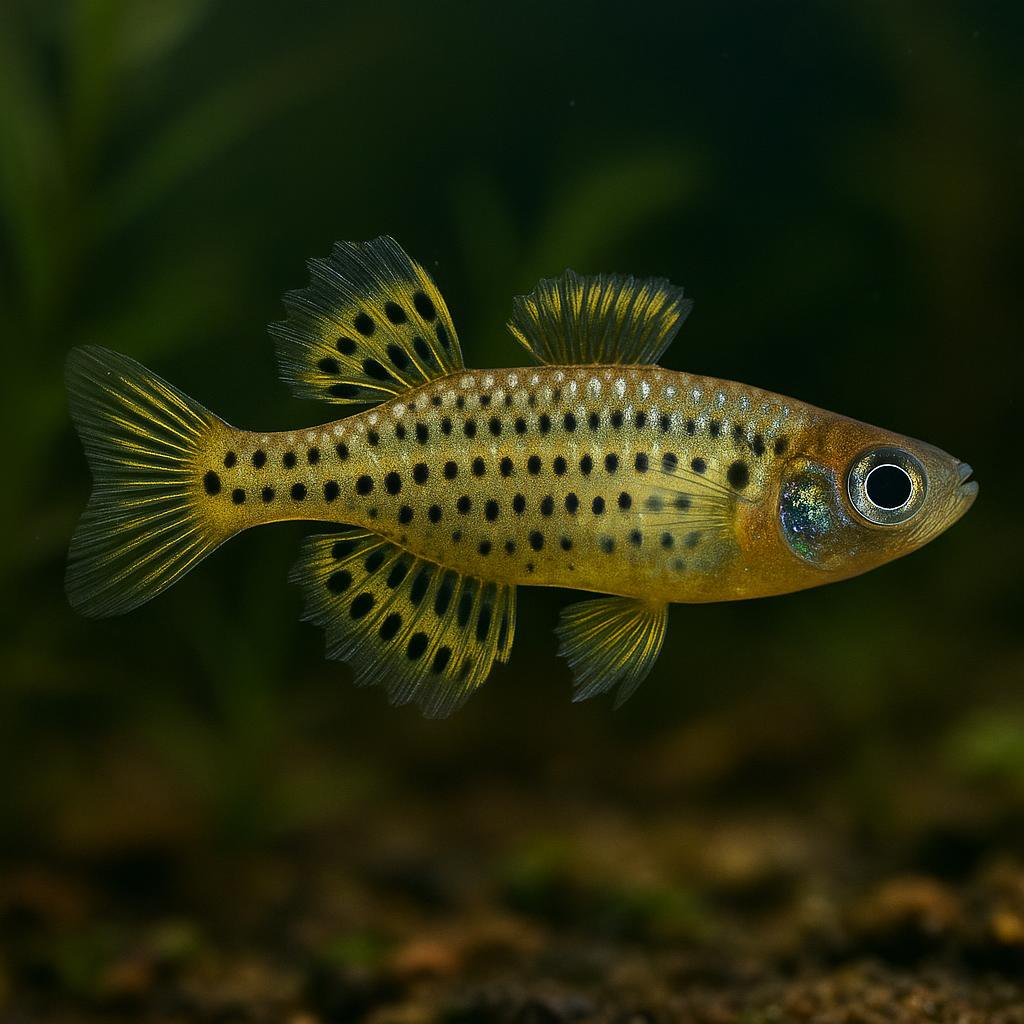
Spotted blue-eye
Pseudomugil gertrudae
This little blue-eye is one of those fish that looks "cute" at first glance, then you notice the electric-blue eyes and the males flashing those spotted fins at each other all day. They're happiest in a planted, kind of shady tank with gentle flow, where they'll cruise in a loose group and do constant mini courtship displays.
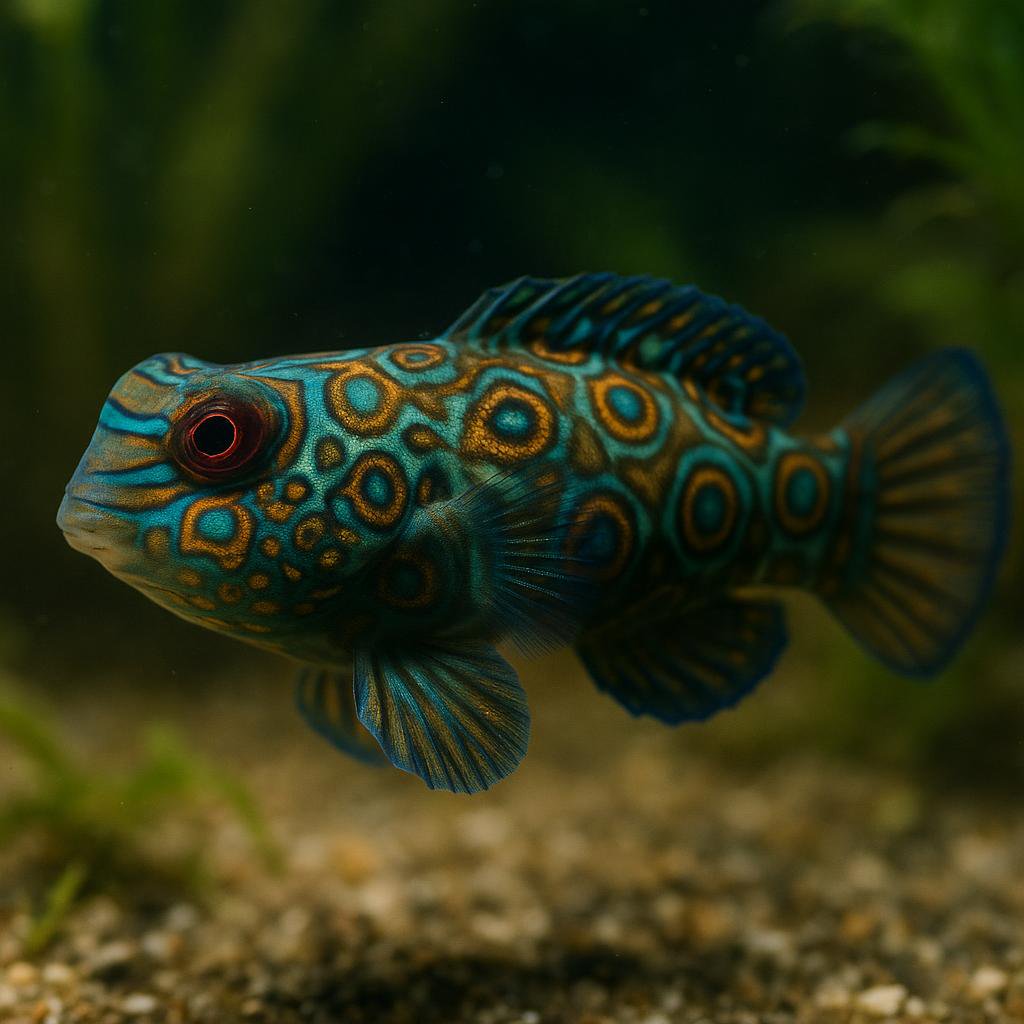
Spotted Mandarin Dragonet (Picturesque/Psychedelic Mandarin)
Synchiropus picturatus
This little dragonet is basically a living piece of reef art-chunky fins, goofy "hovering" swimming, and those crazy psychedelic spots that look painted on. The big thing with them is they're constant pickers, cruising rockwork all day hunting tiny critters, so they're happiest in a mature tank with tons of pods (or a keeper who's ready to meet them halfway on food). If you like chill fish with tons of personality that don't bother anyone, mandarin time is hard to beat.
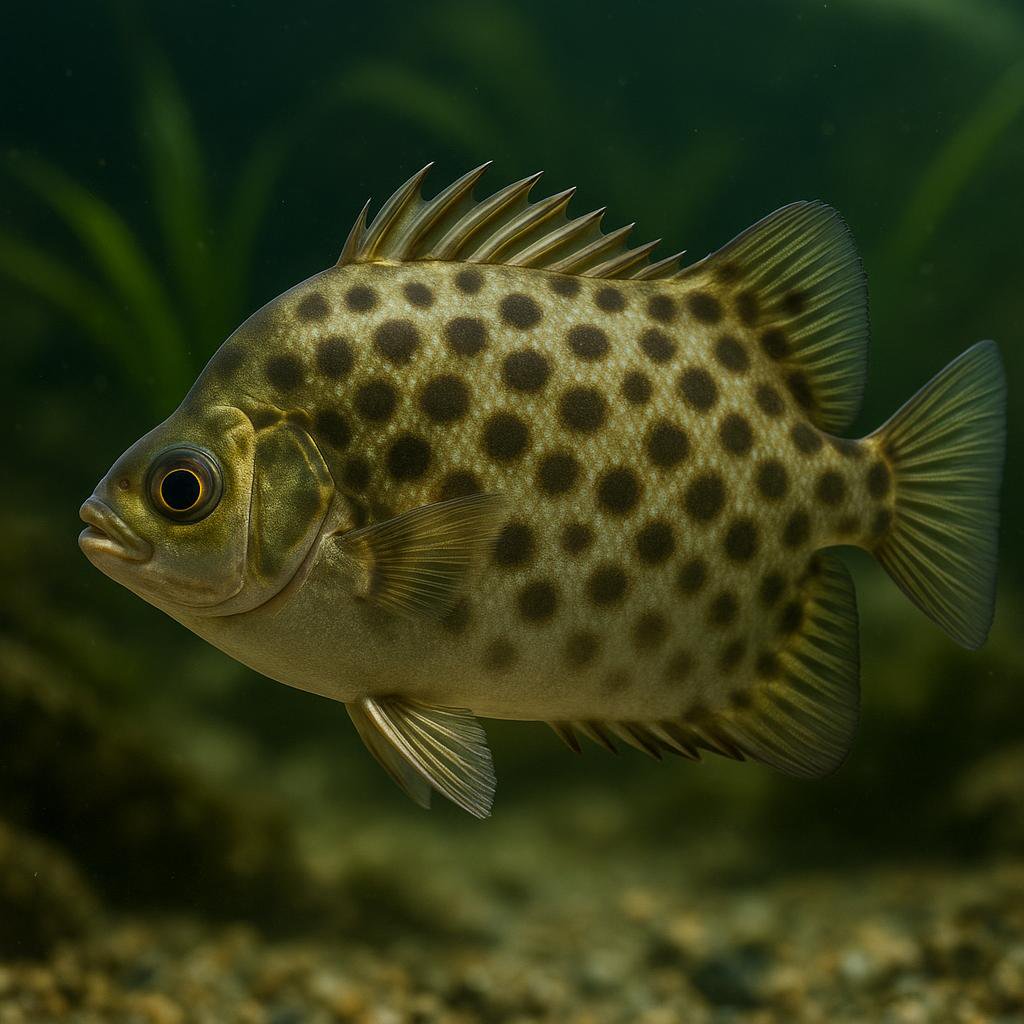
Spotted scat
Scatophagus argus
Spotted scats are those chunky, disc-shaped brackish fish with the peppered "polka dot" pattern that changes a lot as they grow. They cruise around in groups, eat basically anything you offer, and they're tough as nails-just don't fall into the super common trap of keeping them in straight freshwater long-term.
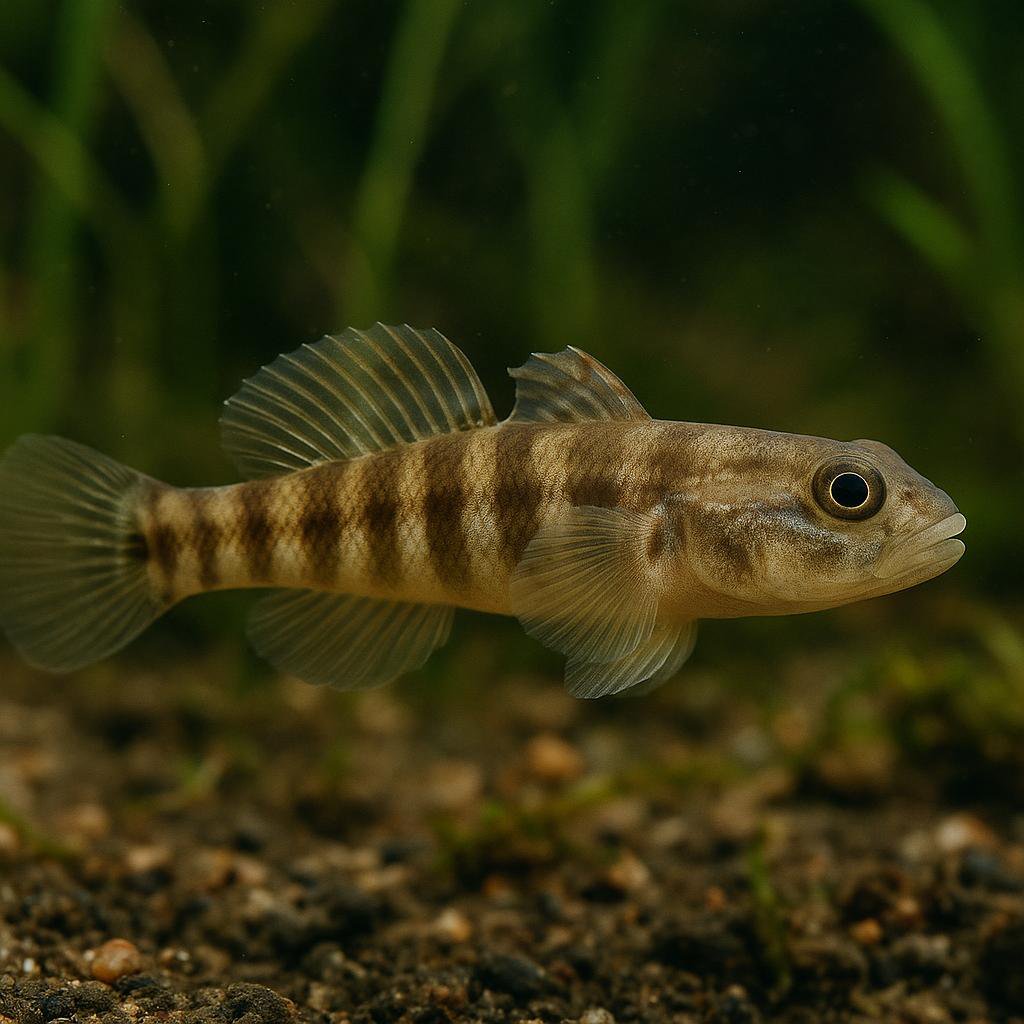
Striped goby
Gobius vittatus
A small Mediterranean goby that patrols pink coralline-algae bottoms and picks at tiny crustaceans and worms. It tops out around 2.3 inches and spends most of its time close to the substrate. Researchers have aged females to about 4 years, and there is even work suggesting it mimics a little blenny's look.
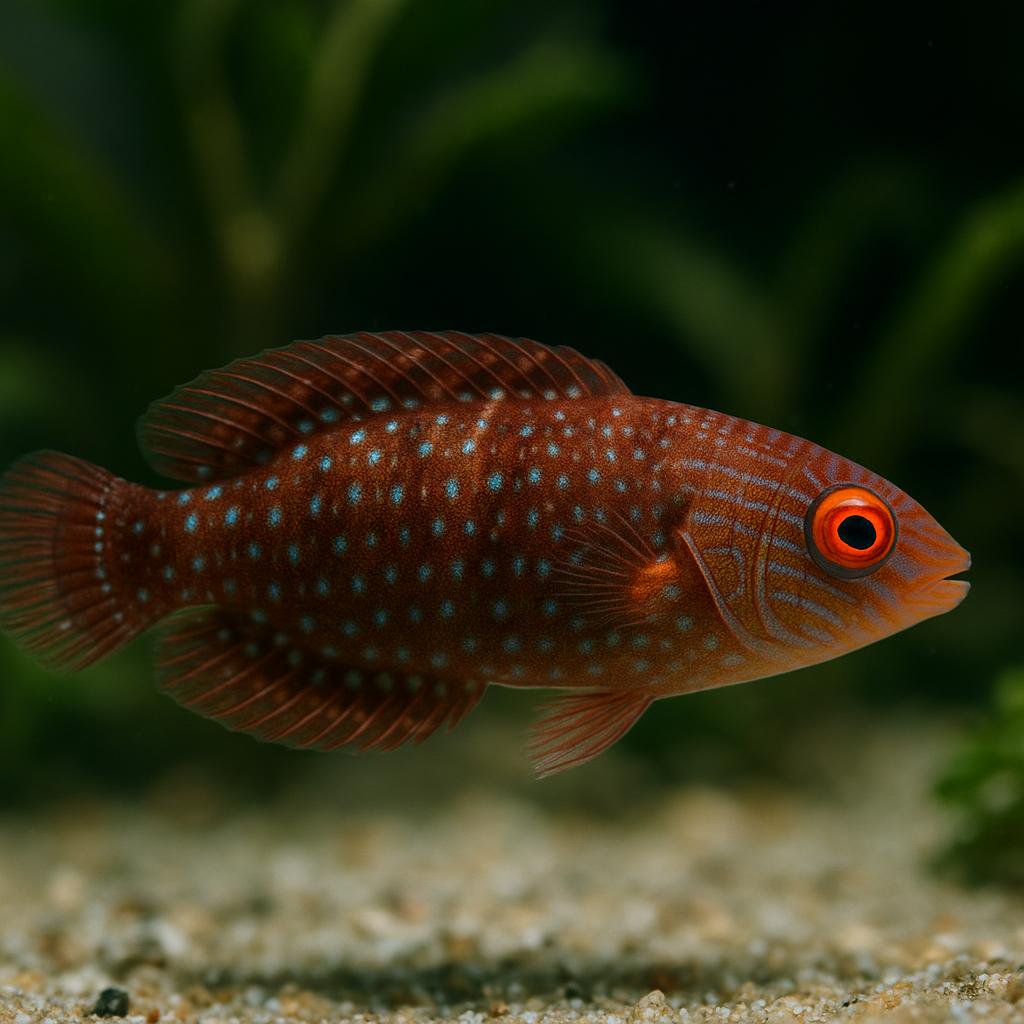
Tanaka's possum wrasse
Wetmorella tanakai
A tiny, secretive reef wrasse that slips through rockwork and picks at micro-crustaceans, Tanaka's possum wrasse brightens a tank with sharp white bars and bold false eyespots. It stays small and is very gentle, but it does best in a calm, mature reef with lots of caves and food-rich nooks.
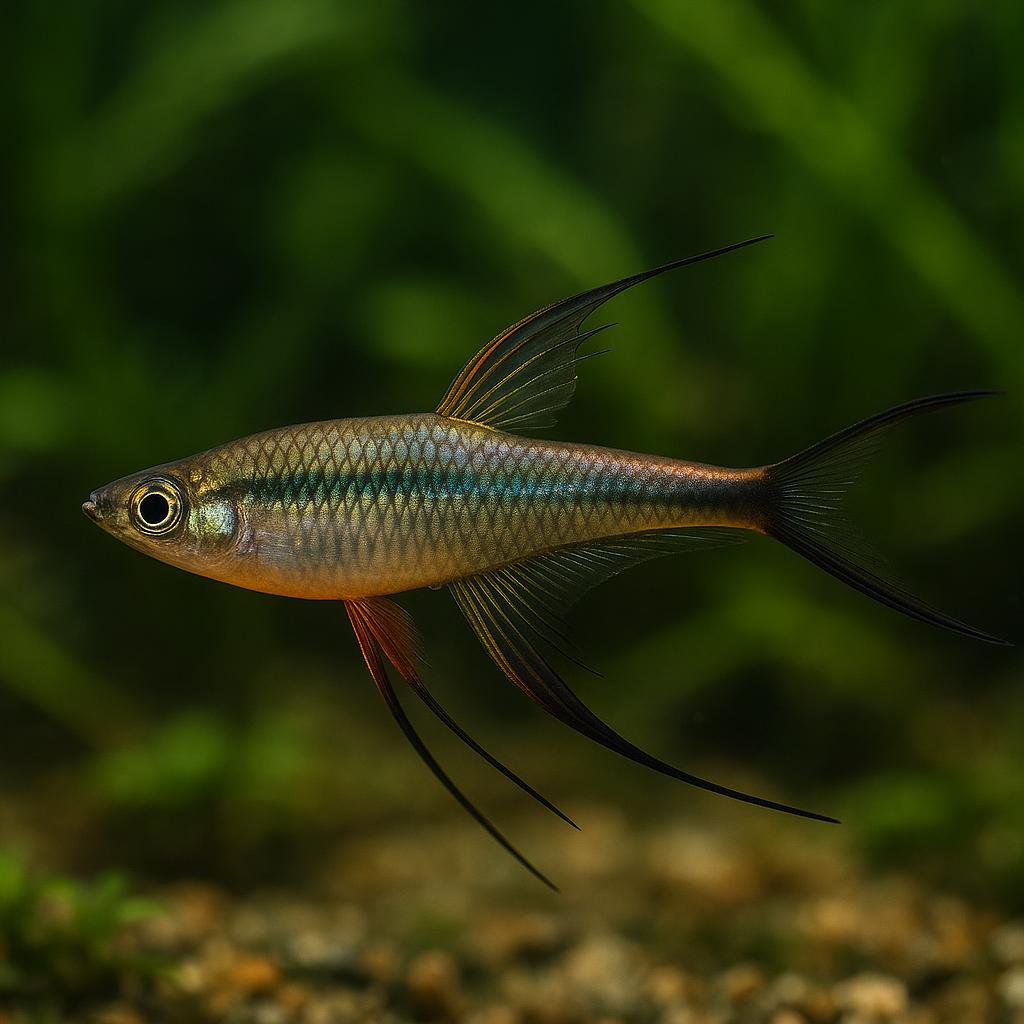
Threadfin rainbowfish
Iriatherina werneri
This is the little rainbowfish with the ridiculous, delicate streamers - especially on the males, who love to posture and "dance" at each other in a calm planted tank. Keep them in a real group and they get way braver, cruising the top/midwater under floaters and showing off those thread-like fins. They are peaceful, but they really hate fast flow and rough tankmates that shred fins or outcompete them at feeding time.
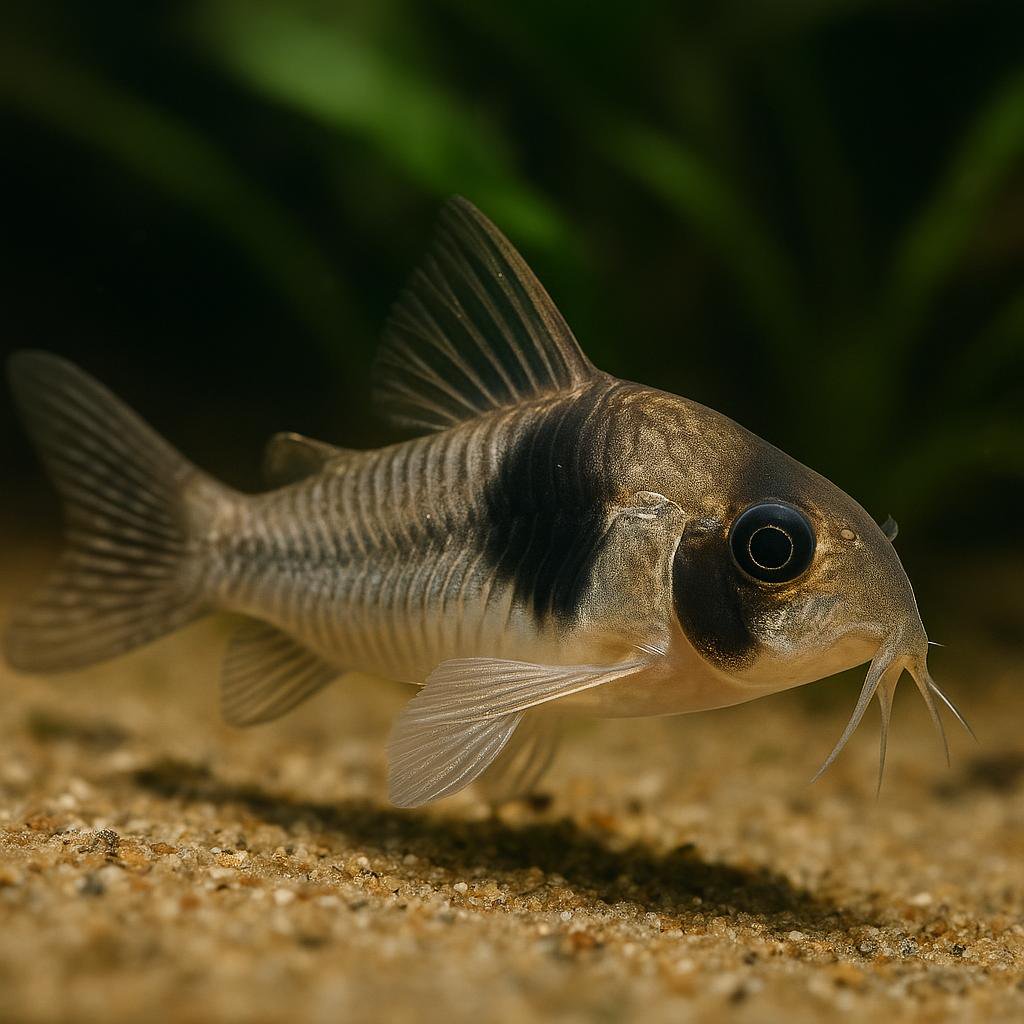
Twosaddle Corydoras
Corydoras weitzmani
Weitzman's cory is one of those super sleek Corydoras that looks like it's wearing a little mask-clean lines, subtle patterning, and that classic cory "busy little vacuum" vibe. The best part is watching a whole group cruise the bottom together, then suddenly zip to the surface for a gulp of air like tiny torpedoes.
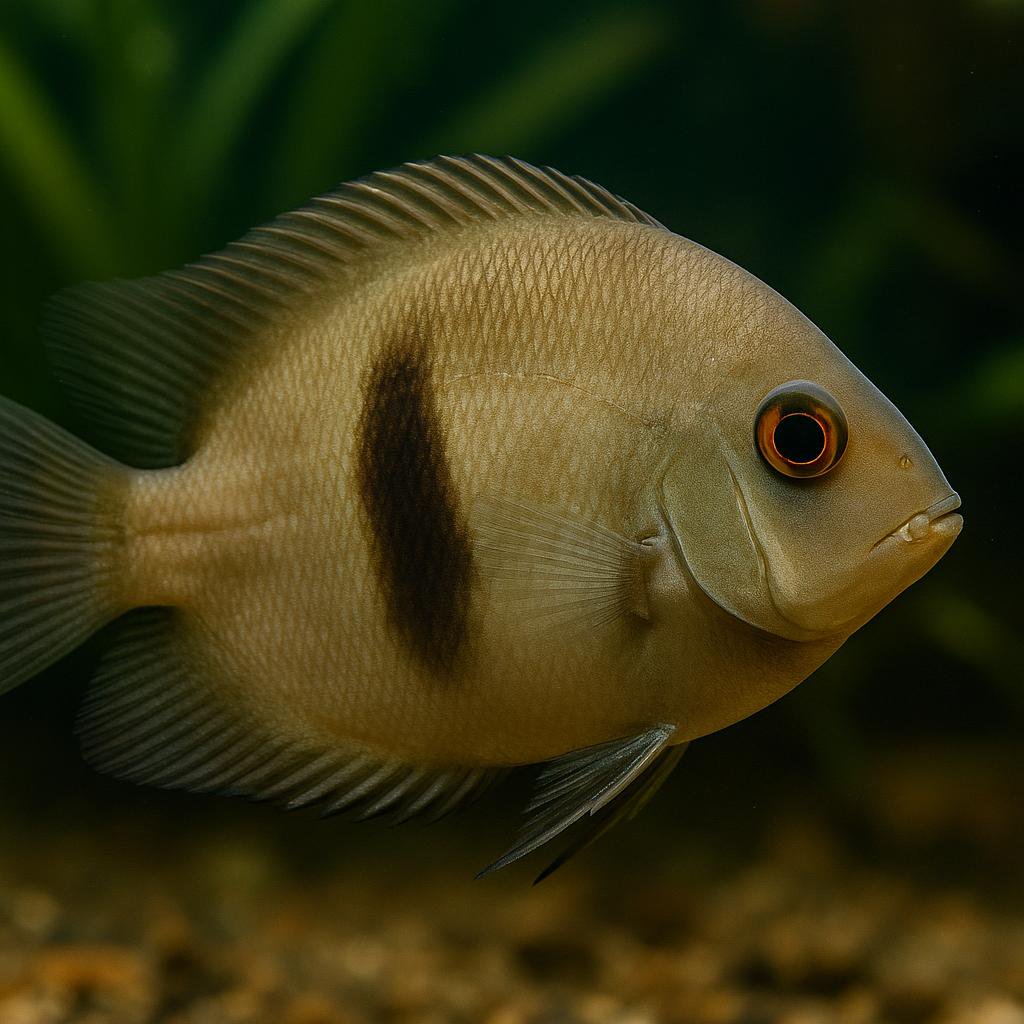
Uaru (Triangle cichlid)
Uaru amphiacanthoides
Uaru are big, mellow Amazon cichlids with that neat disc-and-triangle body shape and a surprisingly "gentle giant" vibe. They graze and pick at food all day, act super social when kept in a group, and they are famous for serious parent duty when they breed (both parents guard and tend the young).
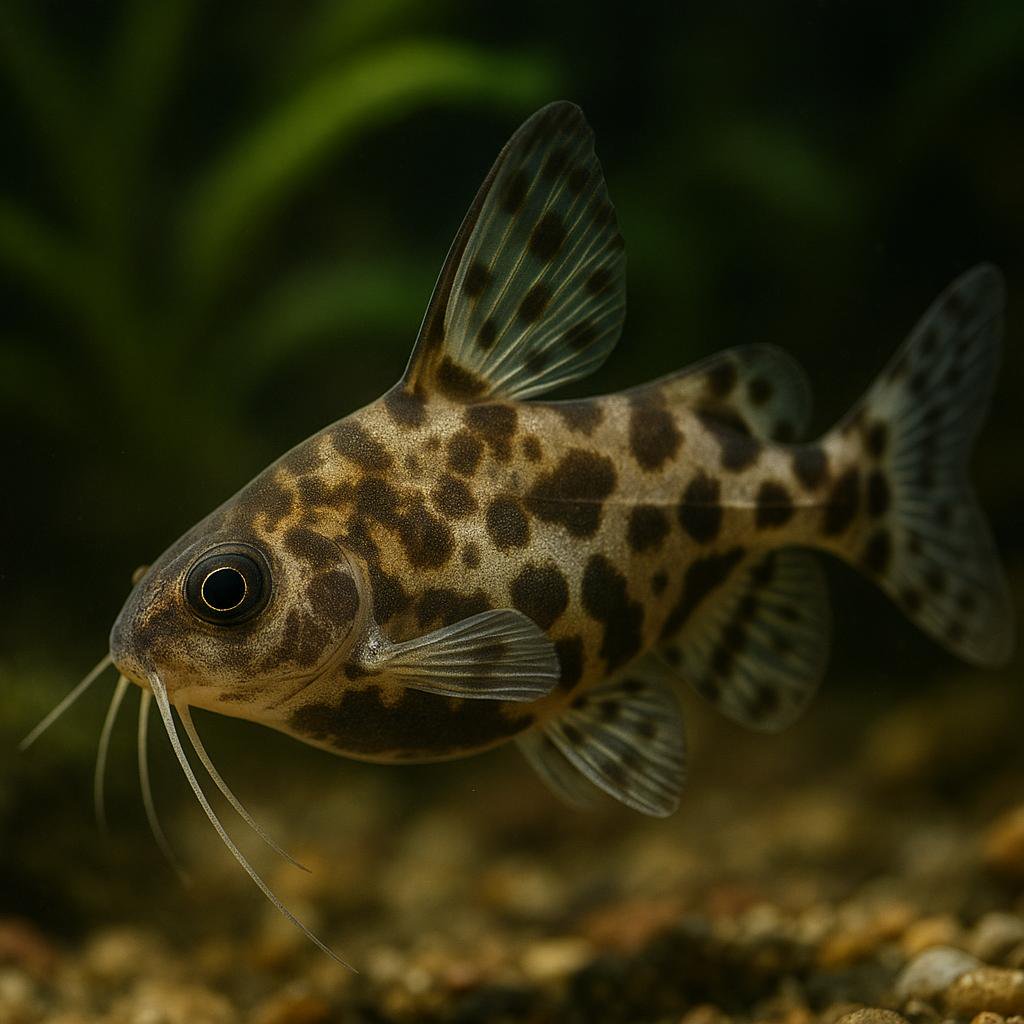
Upside-down Catfish
Synodontis nigriventris
The upside-down catfish is a small African mochokid catfish famous for swimming and feeding belly-up, especially under cover and along the water's surface. It has a light belly (often with darker spotting), a darker back, and prominent barbels, and it is most active at dusk and night. Peaceful overall, it does best in groups with plenty of hiding places like driftwood and caves.
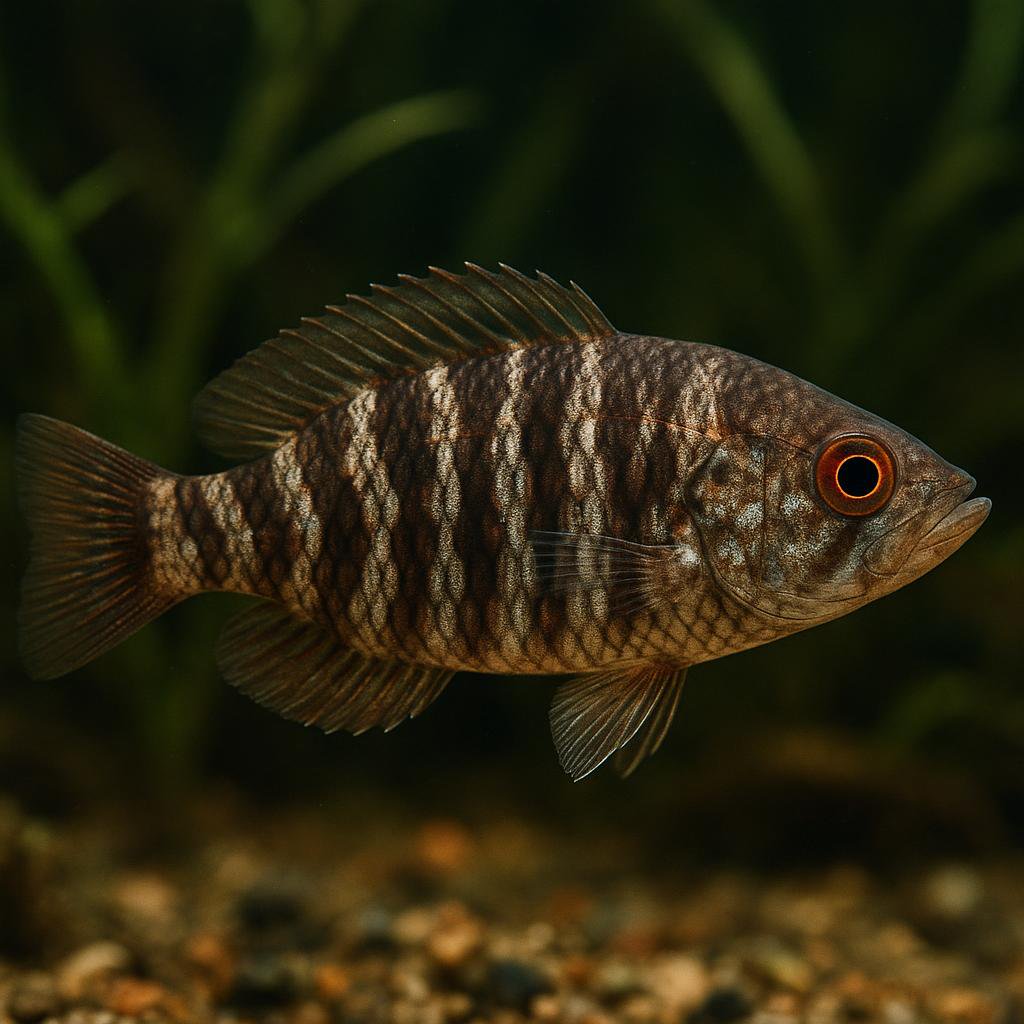
Variegated cardinalfish
Fowleria variegata
A small Indo‑West Pacific cardinalfish with a mottled, peppered red‑brown body and a rounded caudal fin. It shelters by day in seagrass beds, shallow lagoons and reef rubble, emerging at night to feed on zooplankton and small crustaceans. Males produce grunt and “hoot” calls associated with interactions and courtship. Rare in the aquarium trade; provide ample shaded cover.
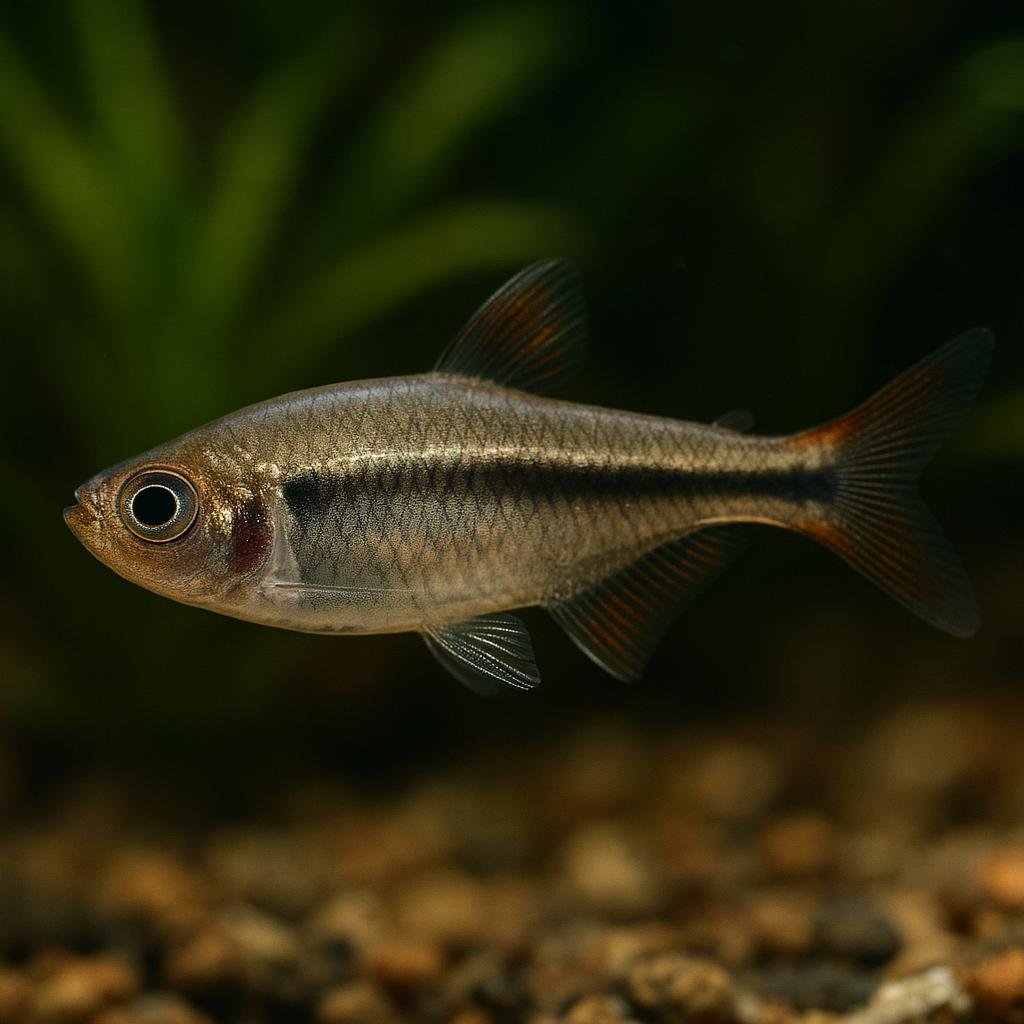
Veilfin tetra
Hyphessobrycon elachys
This is one of those tiny Paraguay-basin tetras that looks kind of understated until the males mature and start throwing those longer, flowy fins - then it gets really classy. Keep them in a proper little group and theyll spend the whole day hovering and cruising the midwater, looking extra sharp over dark substrate and plants.