

Flabby sculpin
Zesticelus profundorum
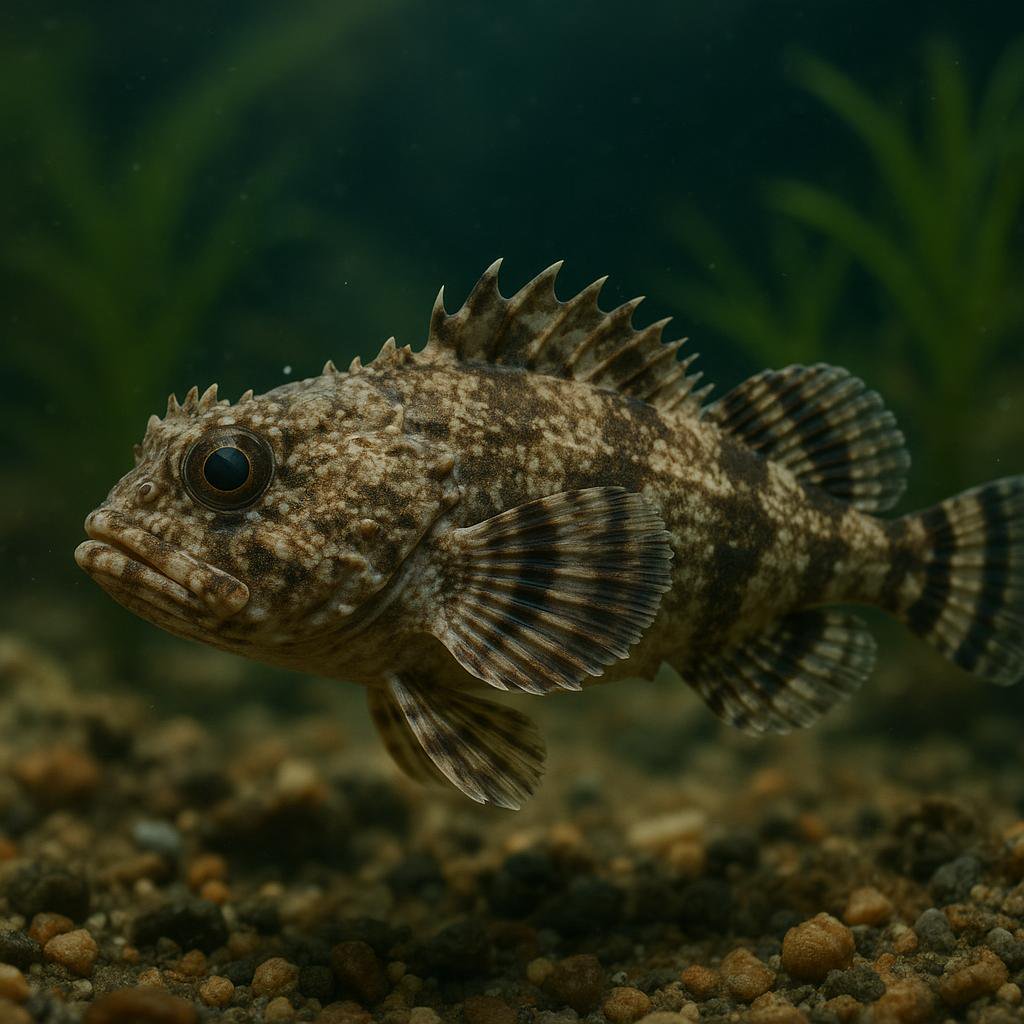
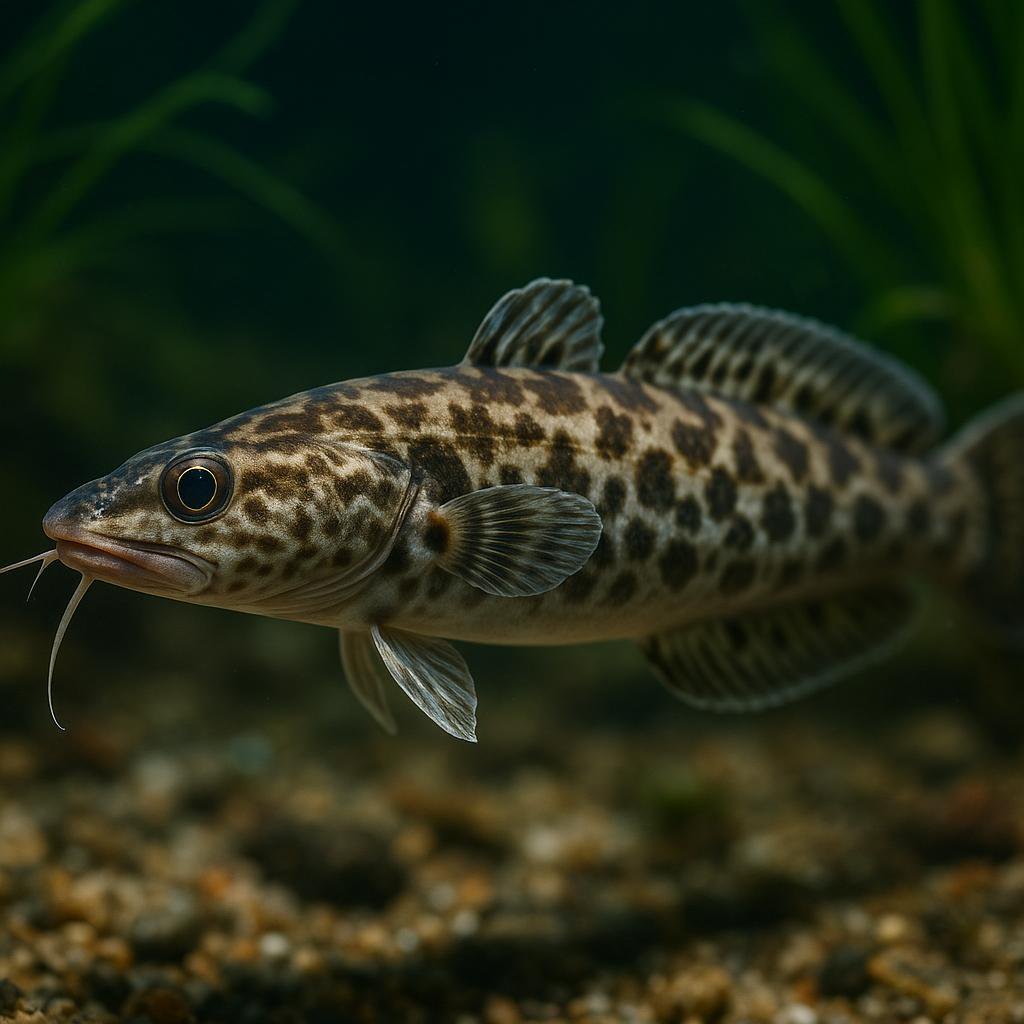
Flabby sculpins possess broad, flattened bodies and exhibit mottled brown and tan coloration, adapted for camouflage in their deep-water habitat.
This page includes AI-generated images. Why am I seeing AI images?
About the Flabby sculpin
This is a tiny deepwater sculpin from the North Pacific that lives way down on the bottom, not cruising around the reefs like typical “aquarium marines”. The wild habitat is cold, dark, and high-pressure (down to around 2580 m), so it is basically a “look up in a museum database” fish rather than something you can realistically keep at home.
Quick Facts
Size
6.4 cm
Temperament
Peaceful
Difficulty
Expert
Min Tank Size
0 gallons
Lifespan
unknown
Origin
North Pacific (Bering Sea to northern Baja California, Mexico)
Diet
Carnivore (likely small bottom-dwelling invertebrates); specific aquarium diet not established
Water Parameters
0.2-5.2°C
7.8-8.4
8-12 dGH
Care Notes
- This is a deepwater sculpin - keep it cold. Shoot for 38-45F (3-7C) with a real chiller, and run high O2 with strong surface agitation because warm, stale water wrecks them fast.
- Salinity: keep it steady around 1.024-1.026 and don't let pH swing (8.0-8.3 is a good target). They handle less drama than reef fish when it comes to light, but they do not forgive sloppy ammonia or nitrite - zero means zero.
- Set the tank up like a rocky, low-light rubble zone: lots of caves and overhangs, sand or fine gravel, and nothing sharp they can scrape their belly on. Moderate flow is fine, but give them slack areas to park since they are basically living paperweights.
- Feeding is the main game - they do best on meaty frozen like mysis, chopped shrimp, clam, and small pieces of fish. Target feed with tongs or a feeding stick at dusk, and expect them to ignore flakes and pellets.
- Go easy on tankmates: avoid anything fast and nippy (wrasses, damsels) and anything big enough to treat it like a snack. Slow, coldwater-compatible fish and inverts are the safer bet, but watch crabs and big shrimp around a resting sculpin.
- They are ambush predators, so don't stock tiny fish you care about. If it fits in the mouth, it is on the menu, especially at night.
- Common failure modes: heat creep, low oxygen, and starvation because they are shy and get outcompeted. Keep a log of temps and feeding, and quarantine since they can show up with parasites that explode in a warm QT if you do not chill it too.
Compatibility
Good Tankmates
- Other small, chill coldwater bottom fish - think harmless sculpins and blennies that mind their own business and are not big enough to bully or eat it.
- Peaceful gobies (watchman-type, sand gobies, similar mellow gobies) - they share the bottom without constantly picking fights, just give everyone a few hides so they are not piled on top of each other.
- Small, non-nippy coldwater schooling fish that stay midwater like juvenile smelts or sand lances - they do their thing up top and do not hassle the sculpin on the rocks.
- Pipefish or seahorse-style setups ONLY if you are already doing a cold, calm tank with gentle flow and easy feeding - the flabby sculpin is pretty peaceful, but you have to make sure nobody is outcompeting the slowpokes at mealtime.
- Peaceful inverts in a cold marine tank - small crabs that are not grabby, shrimp, and snails usually coexist fine, as long as the sculpin is well fed and the shrimp are not tiny bite-size ones.
- Non-aggressive rockfish (the smaller, mellow kinds) can work in big tanks - but only if the rockfish is not the type that views anything sculpin-sized as a snack.
Avoid
- Big predators like lingcod, bigger rockfish, or anything grouper-like - if it can fit a flabby sculpin in its mouth, it will eventually try, peaceful or not.
- Territorial, bitey bottom fish like larger sculpins, aggressive blennies, or cranky damsel-type fish - constant pecking and fin-nipping keeps sculpins stressed and hiding.
- Fast, food-competitive fish like wrasses or hyperactive feeders - they will vacuum up the food before the sculpin even notices, and then the sculpin slowly wastes away.
Where they come from
Flabby sculpins (Zesticelus profundorum) are a deep, cold-water sculpin from the North Pacific. You are basically dealing with a fish built for dark, high-pressure, low-temp life on soft bottoms. That background explains almost every challenge in captivity: temperature, oxygen, and feeding are the whole game.
If you have only kept reef fish, this one feels like a different hobby. Think "coldwater specialty system" more than "marine aquarium".
Setting up their tank
These sculpins are benthic ambush fish. They want a stable, chilly tank with gentle flow near the bottom and lots of places to sit and feel hidden. Fancy aquascapes do not impress them. A sculpin that feels exposed is a sculpin that stops eating.
- Temperature: cold. Realistically you are looking at a chiller-driven system. Aim for the single digits to low teens C (high 40s to mid 50s F), depending on what you can reliably hold steady.
- Tank size: bigger than you think for stability. I would not bother under 40-55 gallons, even if the fish is not huge.
- Oxygen: high. Coldwater holds more O2, but they still appreciate strong gas exchange and clean water.
- Substrate: sand or fine mixed bottom. They like to rest on it and will look awkward on bare glass.
- Hiding: low rock piles, caves, and overhangs that reach the bottom. PVC elbows work and are easy to clean.
- Flow: moderate overall, but avoid blasting the bottom where they park. Give them calm zones.
- Lighting: dim is fine. You can keep it subdued and still enjoy the fish. Bright lights can keep them pinned in hiding.
Do not try to "acclimate" them to warm water long-term. They are not a temperate tidepool fish. Chronic warm temps usually show up as heavy breathing, poor appetite, and a slow fade.
Filtration wise, treat it like a messy predator tank. Oversize the biological filtration and plan for easy mechanical cleanup. I like a sump with a big skimmer rated for more than the system volume, plus filter socks you can swap often. Coldwater predators still produce warmwater amounts of waste.
What to feed them
This is where most people either win or give up. Flabby sculpins are sit-and-wait hunters and many come in only recognizing live prey. You want to get them onto frozen as soon as you can, but you may have to start with live to get that first strong feeding response.
- Best staple foods: thawed marine meaty stuff like mysis, chopped shrimp, chopped clam, squid, and pieces of marine fish (not freshwater feeders).
- Live foods (use sparingly): live grass shrimp, small marine crustaceans, or live ghost shrimp that have been gut-loaded with marine foods. Live can be a bridge, not the long-term plan.
- How to offer: feeding tongs or a turkey baster near their face works well. They often will not chase food across the tank.
- Schedule: small meals 2-3x per week beats dumping a big pile once a week. They are not hyperactive, but they do better with steady intake.
- Vitamins: I soak frozen foods occasionally (especially if the diet is heavy on one item) and rotate foods a lot.
If they ignore frozen, try this: offer a live shrimp first to get them "switched on," then immediately sneak in a thawed mysis or chopped shrimp on tongs right after. Once they take a few non-live bites, it usually gets easier fast.
Avoid feeder goldfish/rosy reds. Besides disease risk, the fatty acid profile is wrong for marine predators and it catches up with them.
How they behave and who they get along with
They are pretty sedentary and spend a lot of time perched. The attitude is classic sculpin: not "aggressive" in the chasing sense, but anything that fits in the mouth is food. And they have bigger mouths than people expect.
- Temperament: calm, ambush predator.
- Tankmates: coldwater, non-nippy, and too large to be swallowed. Avoid anything that picks at fins or eyes.
- Risky choices: small fish, small crabs, and shrimp. Most will eventually get eaten.
- Best kept: alone, or with a carefully chosen, similarly coldwater, non-competitive bottom setup (and plenty of space).
Feeding time can look peaceful until it suddenly is not. A sculpin that has been ignoring tankmates for weeks can still decide one day that a fish is now "bite-sized." Plan around that, not around what you hope happens.
Breeding tips
Breeding in home aquaria is not common with this species. Deepwater fish often have seasonal cues (temperature shifts, photoperiod changes, and sometimes pressure-related factors) that we do not replicate well. If you ever see courtship or egg deposition, your best move is to document everything and be ready to pull eggs to a separate cold, well-oxygenated system with gentle flow.
If you want to try anyway: the most realistic path is a dedicated species tank, long-term conditioning on varied foods, and gradual seasonal temp/light adjustments while keeping water quality pristine.
Common problems to watch for
Most issues with flabby sculpins are husbandry problems that show up as "mystery" behavior changes: not eating, breathing hard, or hiding constantly. With this fish, those are your early warning alarms.
- Temperature creep: the number one killer. Watch your chiller and have a plan for heat waves and power outages.
- Low oxygen / poor gas exchange: heavy breathing, hanging near high-flow areas, or gulping at the surface.
- Starvation after import: they may arrive thin and stressed and refuse prepared foods. Get them feeding quickly, even if you have to use live as a step.
- Ammonia spikes: predators plus heavy feeding can overwhelm a new system. Mature biofilter only.
- Injuries from rockwork: they wedge into tight spots. Keep caves smooth and stable so nothing shifts or scrapes them.
- Parasites/infections from live food: quarantine live feeders when possible, and do not over-rely on them.
Watch the fish, not just the test kits. If a sculpin that normally perches in the open suddenly stays wedged in a corner and breathes fast, I check temperature and oxygen first, then ammonia.
Quarantine is extra worth it here. Coldwater systems can be slow to "bounce back" from meds and crashes, and many common reef medications are not a great fit for chilled setups or scaleless/bottom fish.
Similar Species
Other marine peaceful species you might be interested in.
Abe's eelpout
Japonolycodes abei
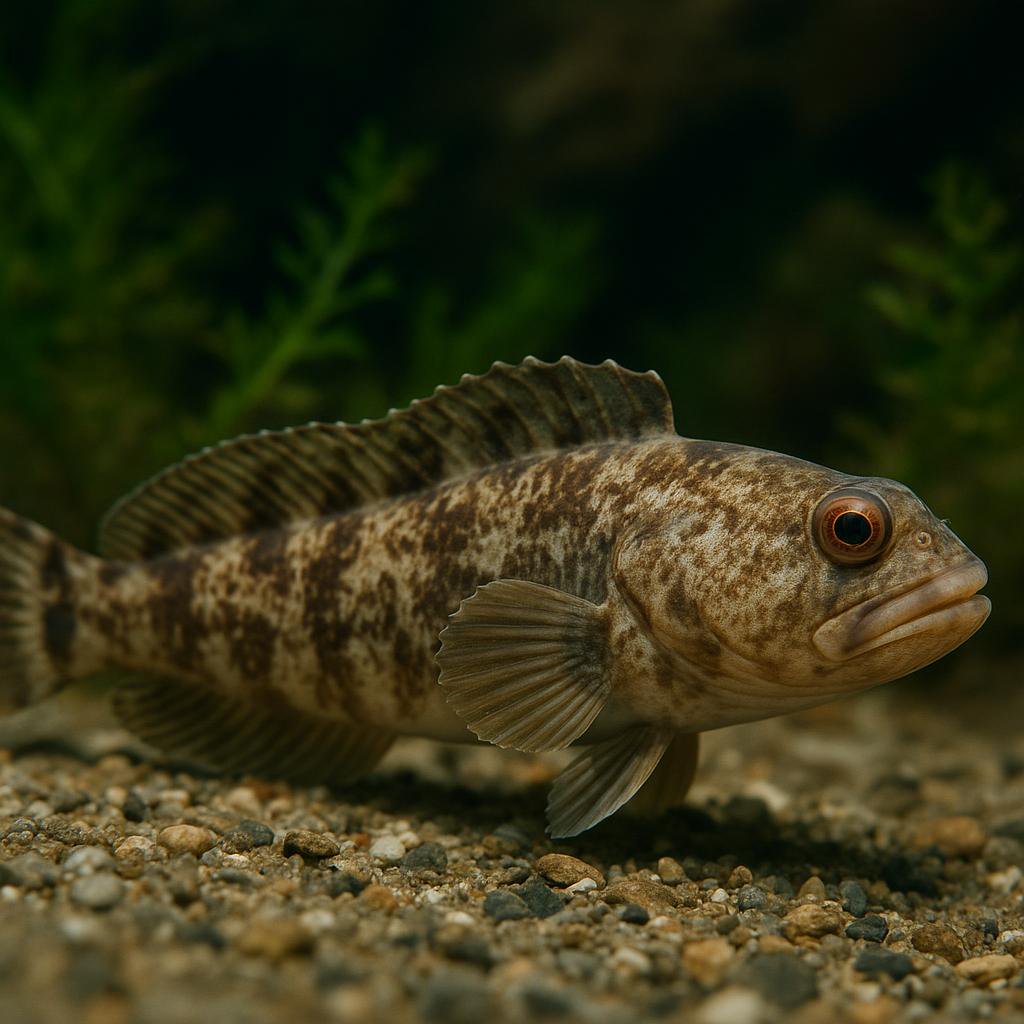
Japonolycodes abei is a temperate, deepwater demersal eelpout (family Zoarcidae) endemic to Japan (Kumano-nada Sea reported; other sources also report Sagami Bay and Tosa Bay). It is the only species in the genus Japonolycodes and occurs roughly 40-300 m depth, making it an uncommon/atypical aquarium species.
Affinis blind cusk-eel
Barathronus affinis
Barathronus affinis is a tiny, super-weird deep-sea blind cusk-eel from the western-central Indian Ocean. It is one of those gelatinous, loose-skinned brotula-type fishes that live way down in the dark and are basically never seen alive, so almost everything we know comes from preserved specimens and taxonomic work.
Allis shad
Alosa alosa
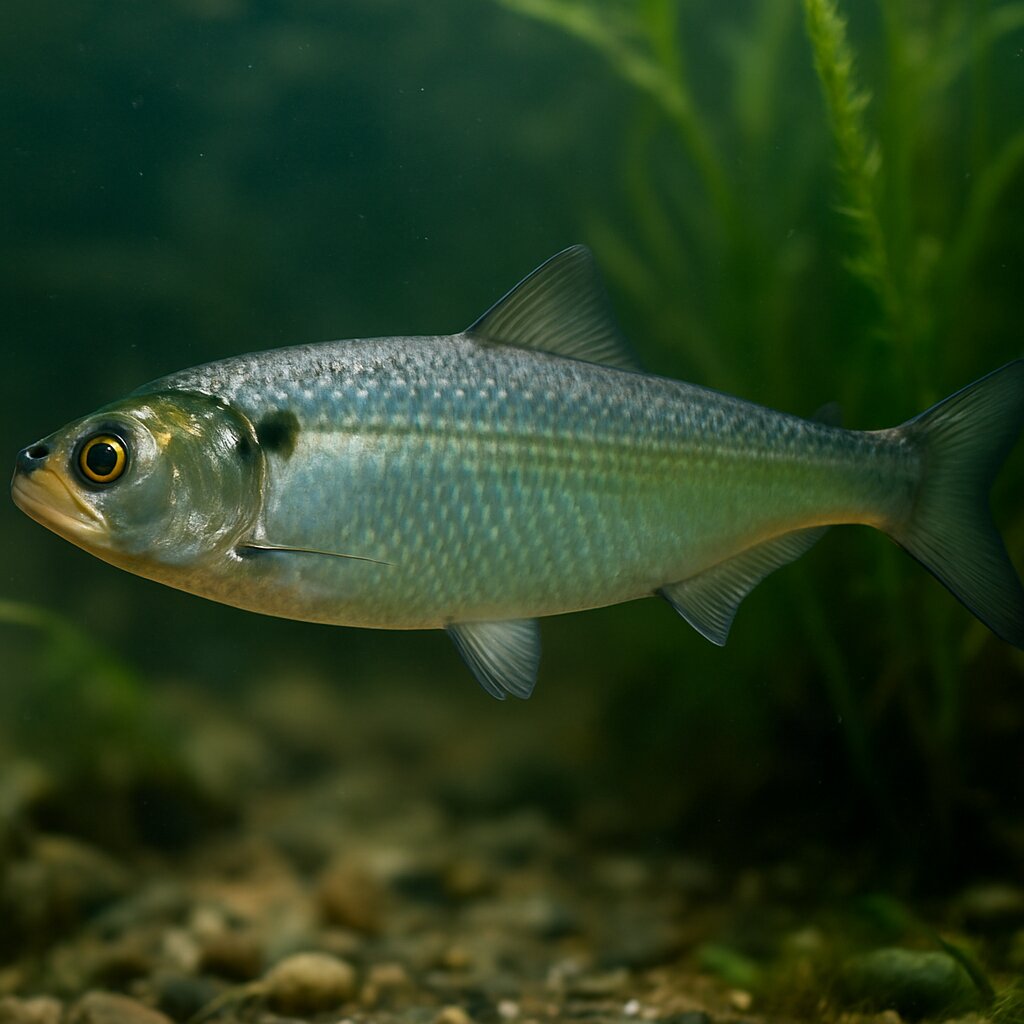
Gorgeous silver, fast-swimming shad that spends most of its life in the sea and then surges up big rivers in noisy, surface-spawning schools. It grows huge for a herring-type fish and needs cool, ultra-oxygenated water and tons of open space, so it is a public-aquarium species rather than a home tank fish.
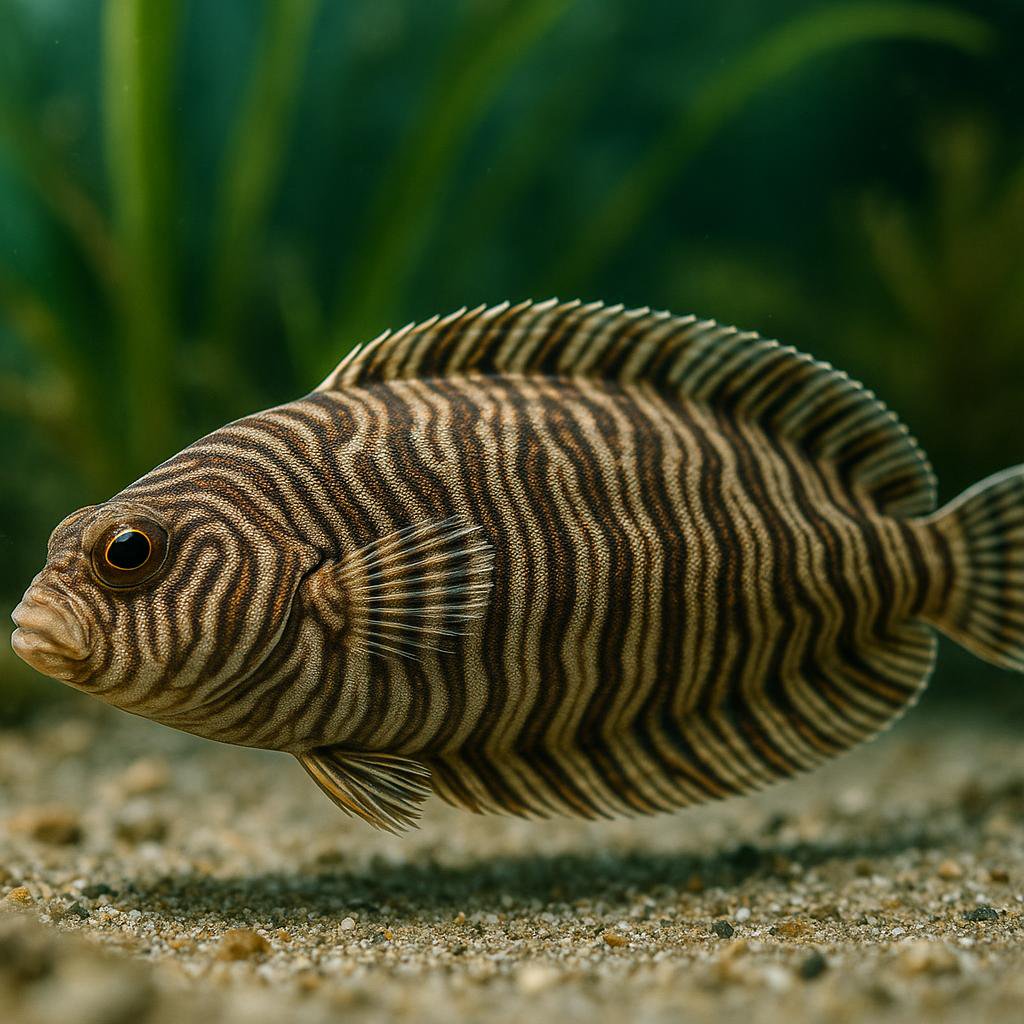
Annandale's zebra sole
Zebrias annandalei
Zebrias annandalei is a small demersal sole from coastal India that inhabits sandy or muddy bottoms and buries for camouflage. It is rarely kept in home aquaria and would require a specialized marine sand-bottom setup and appropriate feeding.
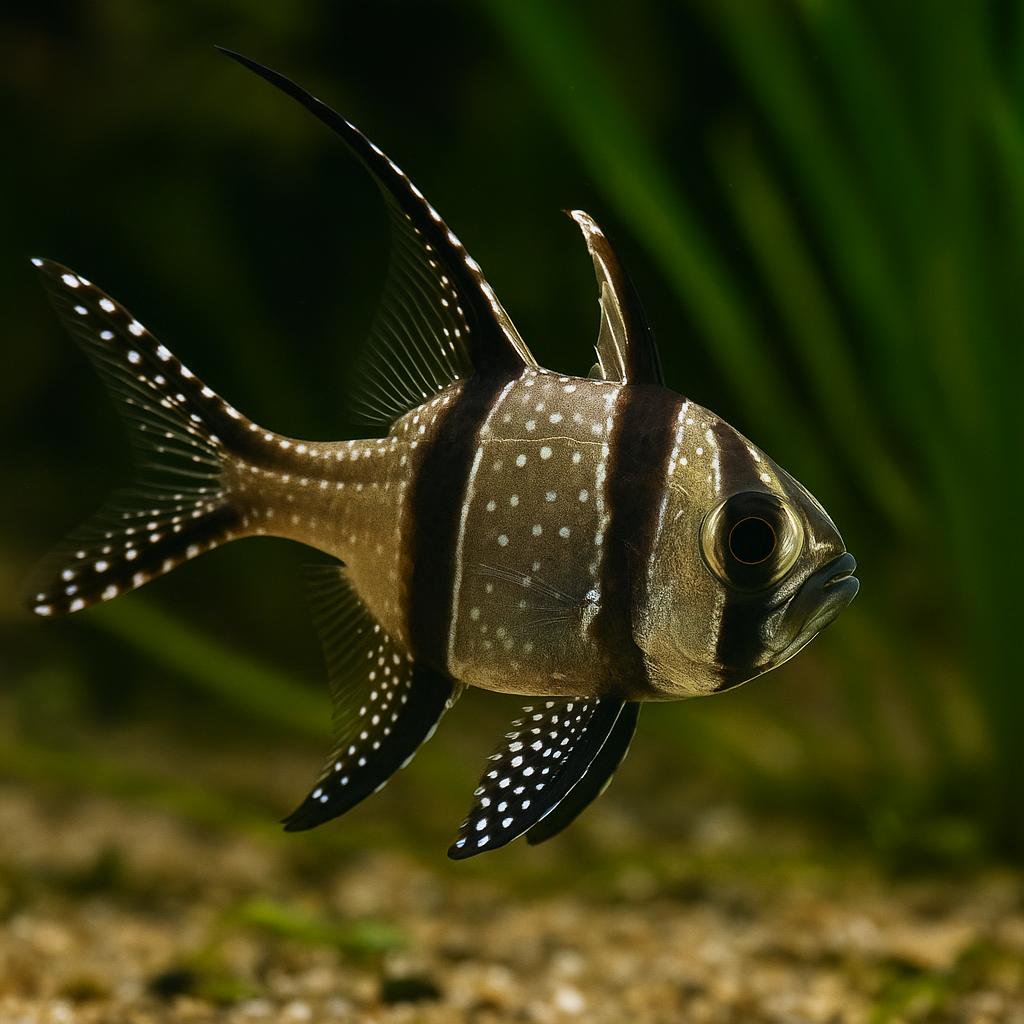
Banggai Cardinalfish
Pterapogon kauderni
Banggai cardinals just sort of hover like little underwater satellites, and the bold black bars with those long, polka-dotted fins look unreal under reef lighting. They're super chill most of the time, but once a pair forms you'll see real "fish drama," and the male will even mouthbrood the babies like a champ.
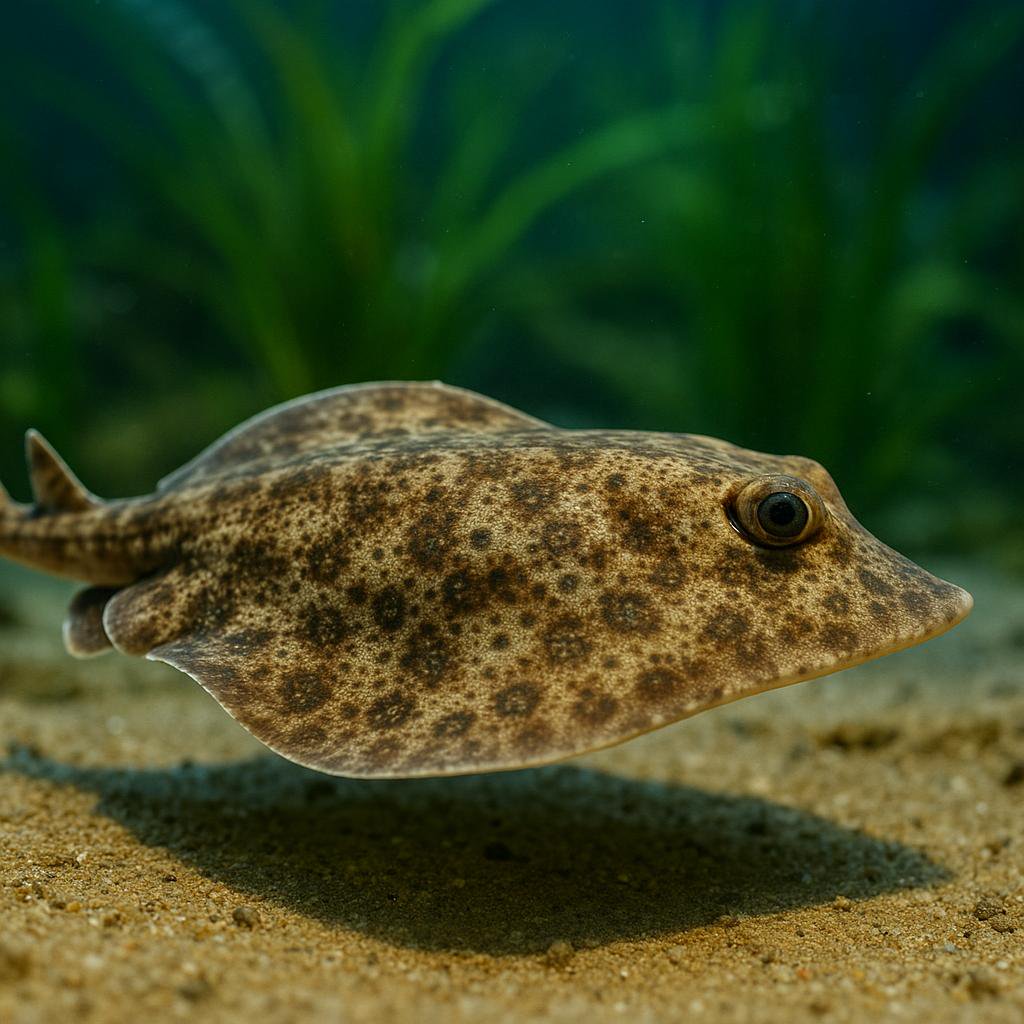
Barbedwire-tailed skate
Notoraja martinezi
Notoraja martinezi is a deepwater skate from the eastern Pacific (Costa Rica down to Ecuador) that lives way down on soft bottoms. The tail is the giveaway - it is lined with strong, hooked thorns that really do look like barbed wire. This is absolutely not an aquarium fish; it is a cold, high-pressure deep-sea animal with basically no practical home care info because it is not kept in the hobby.
More to Explore
Discover more marine species.
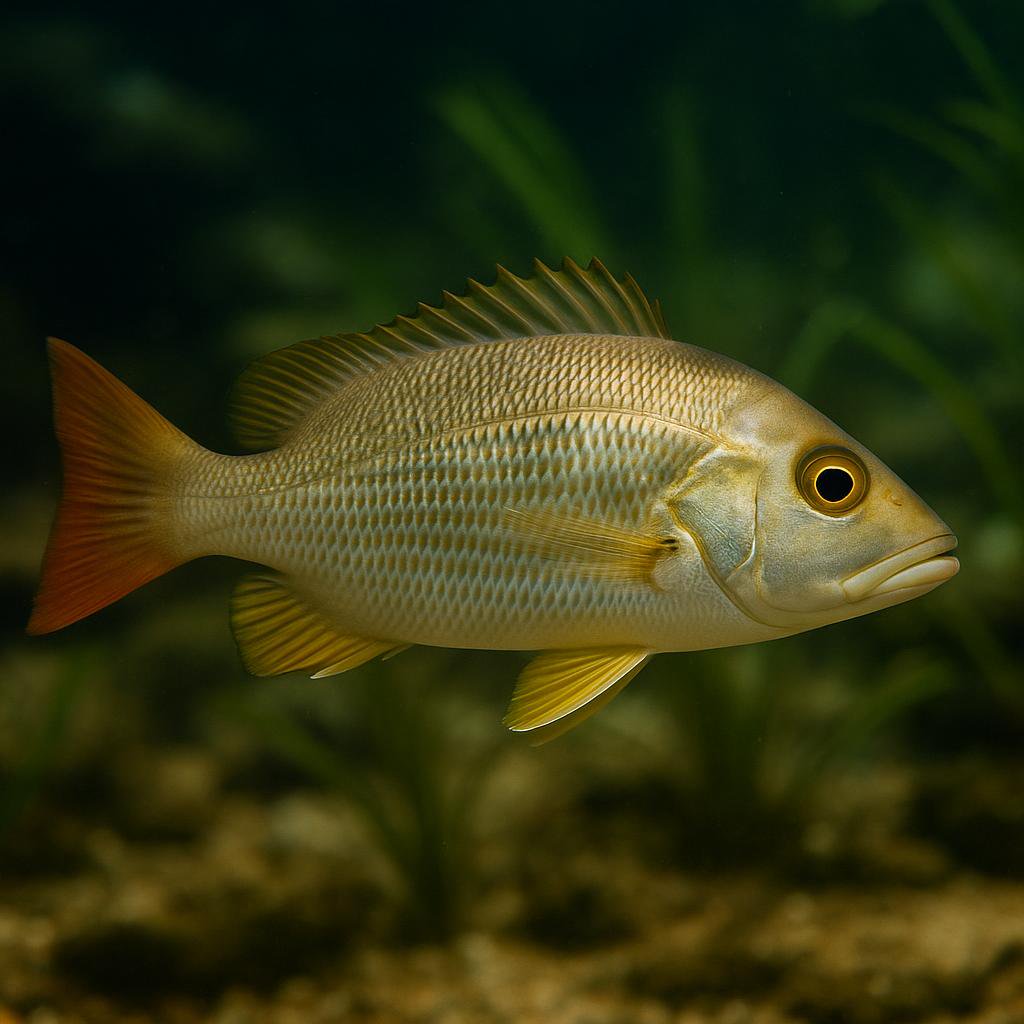
African red snapper
Lutjanus agennes
This is a true snapper from West Africa - a big, fast-growing predator that goes from coastal reefs to brackish lagoons and estuaries (especially as a juvenile). Super cool fish in the wild, but it gets absolutely huge and will eat smaller tankmates once it has the mouth for it, so its really more of a public-aquarium scale animal than a home-aquarium fish.
Aleutian skate
Bathyraja aleutica
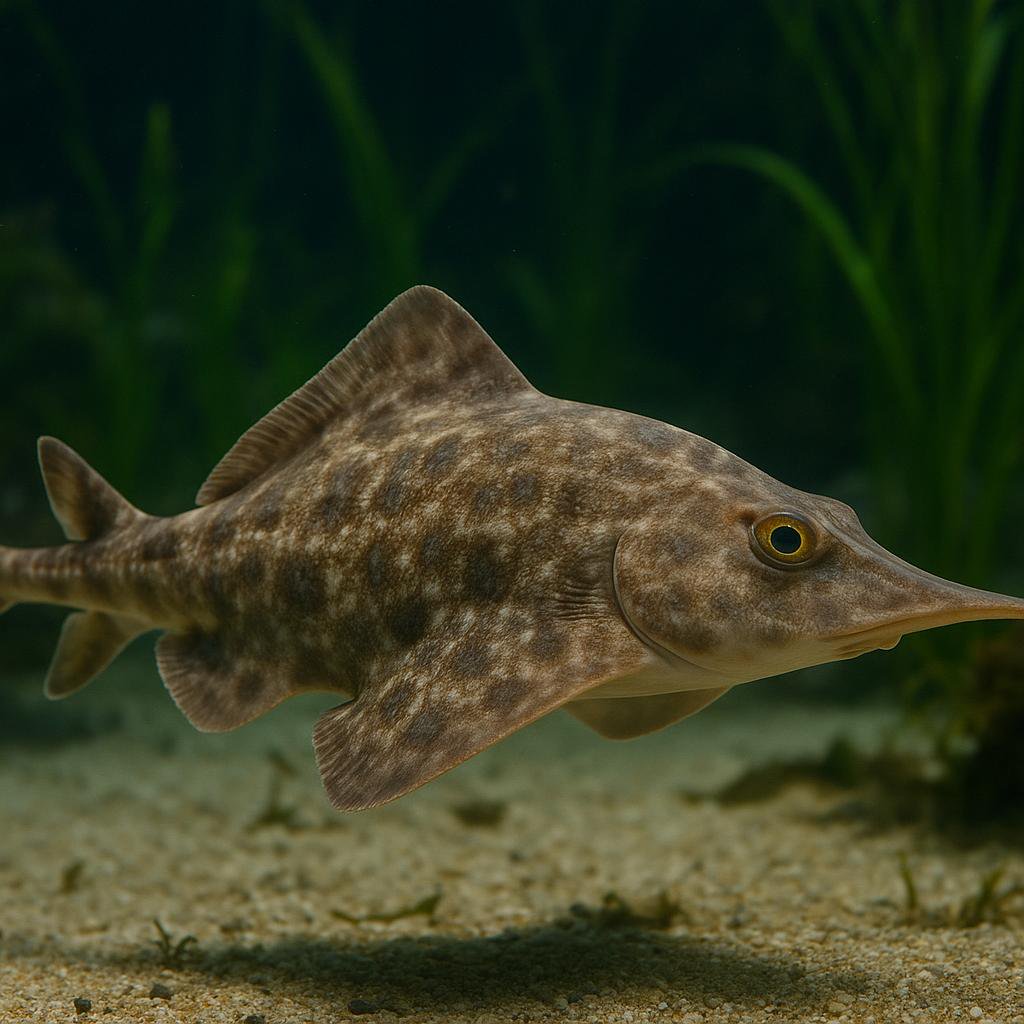
This is a big, cold-water deep-slope skate from the North Pacific that cruises muddy bottoms and eats chunky benthic prey like crabs and shrimp. The really cool bit is its egg-laying skate life - it does distinct pairing (the classic skate "embrace") and drops those tough egg cases on the seafloor. Not an aquarium fish at all unless you're basically running a public-aquarium-style chilled system.
Antarctic dragonfish
Vomeridens infuscipinnis
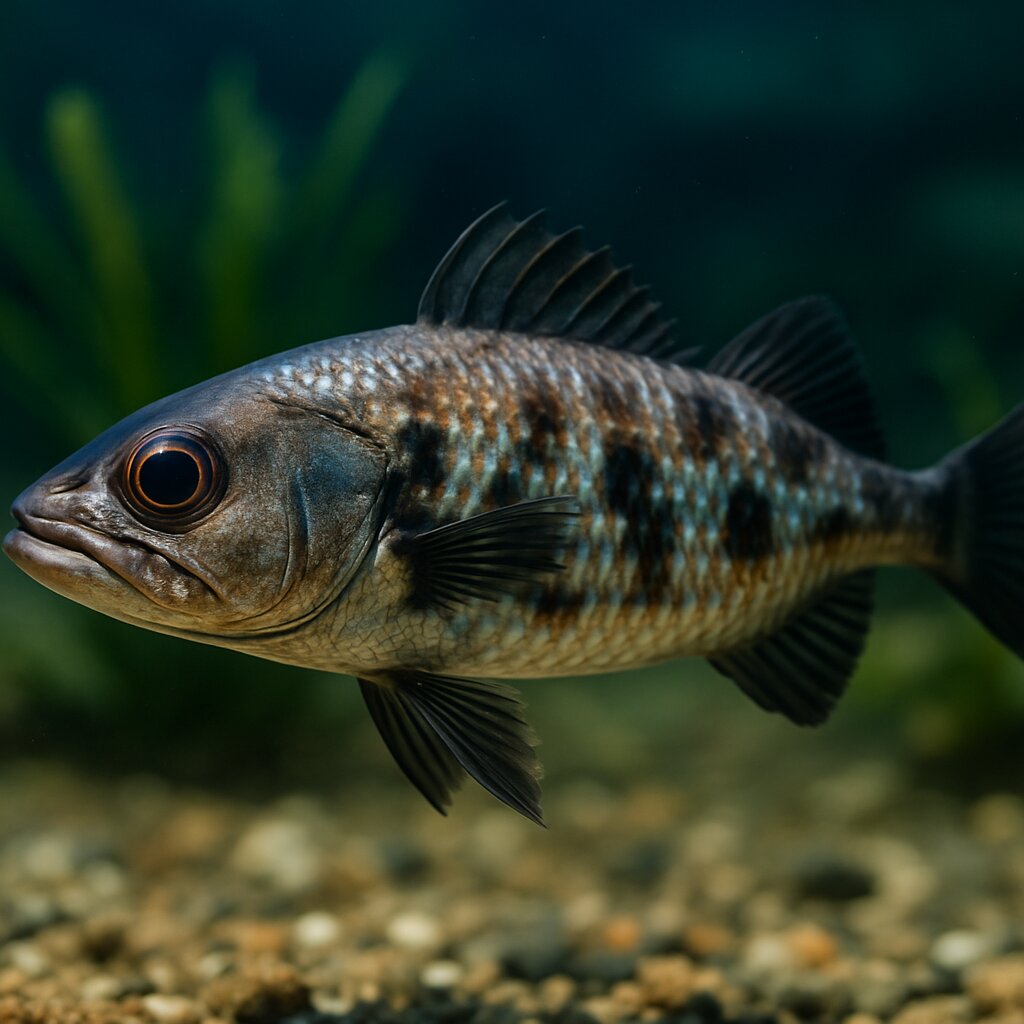
Deep down around Antarctica, this sleek dragonfish cruises the water column like a little submarine, nearly neutrally buoyant so it can hover above the seafloor. It munches almost exclusively on Antarctic krill and lives in near-freezing water 500-800 m down, so it is a cool species to read about, not one for home tanks.
Arabian demoiselle
Neopomacentrus sindensis
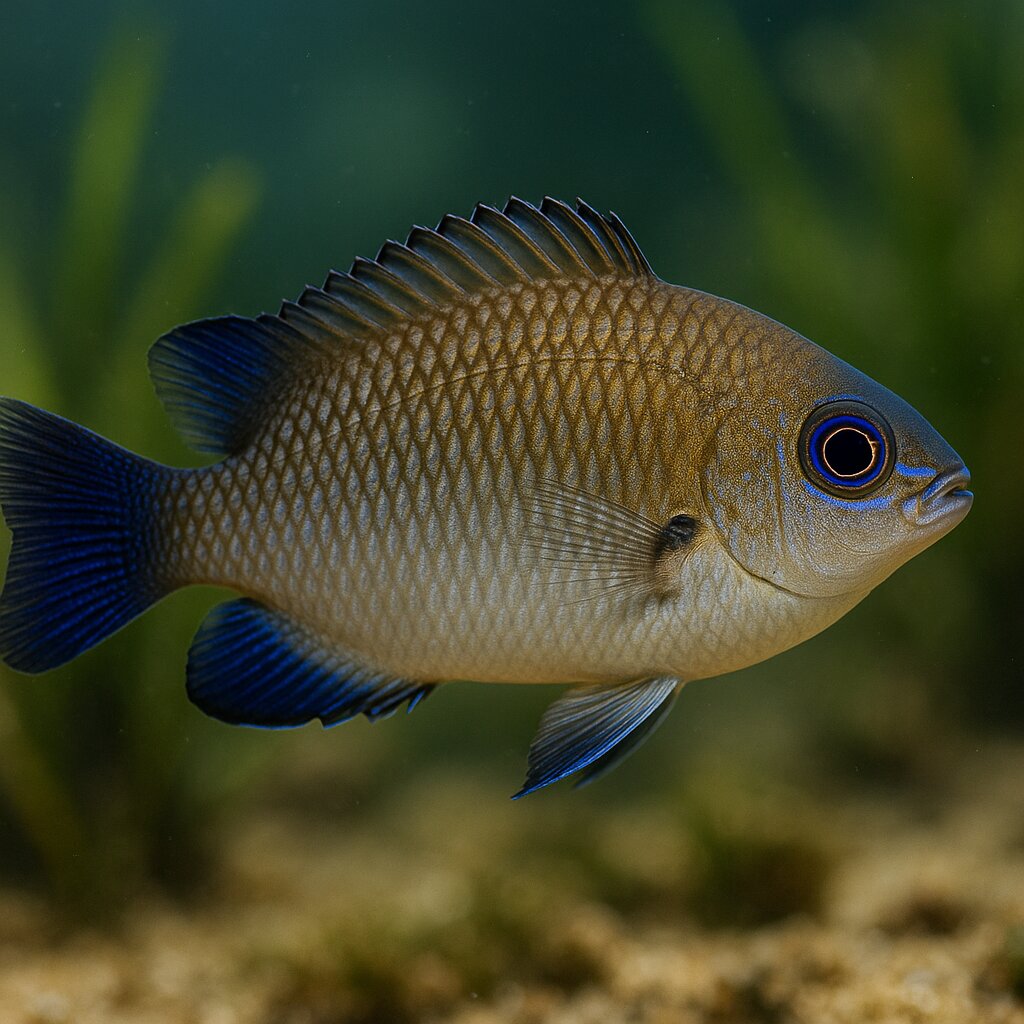
A small lyretail damsel from the Persian Gulf and Arabian Sea, it hangs in loose groups around coral heads, rocks, and even pier pilings picking zooplankton from the flow. Think classic damsel toughness with a slightly milder attitude than the real bruisers, plus subtle yellow tail accents. Males clean a patch, get a mate to lay eggs there, and then stand guard fanning the clutch.
Arabian spiny eel
Notacanthus indicus
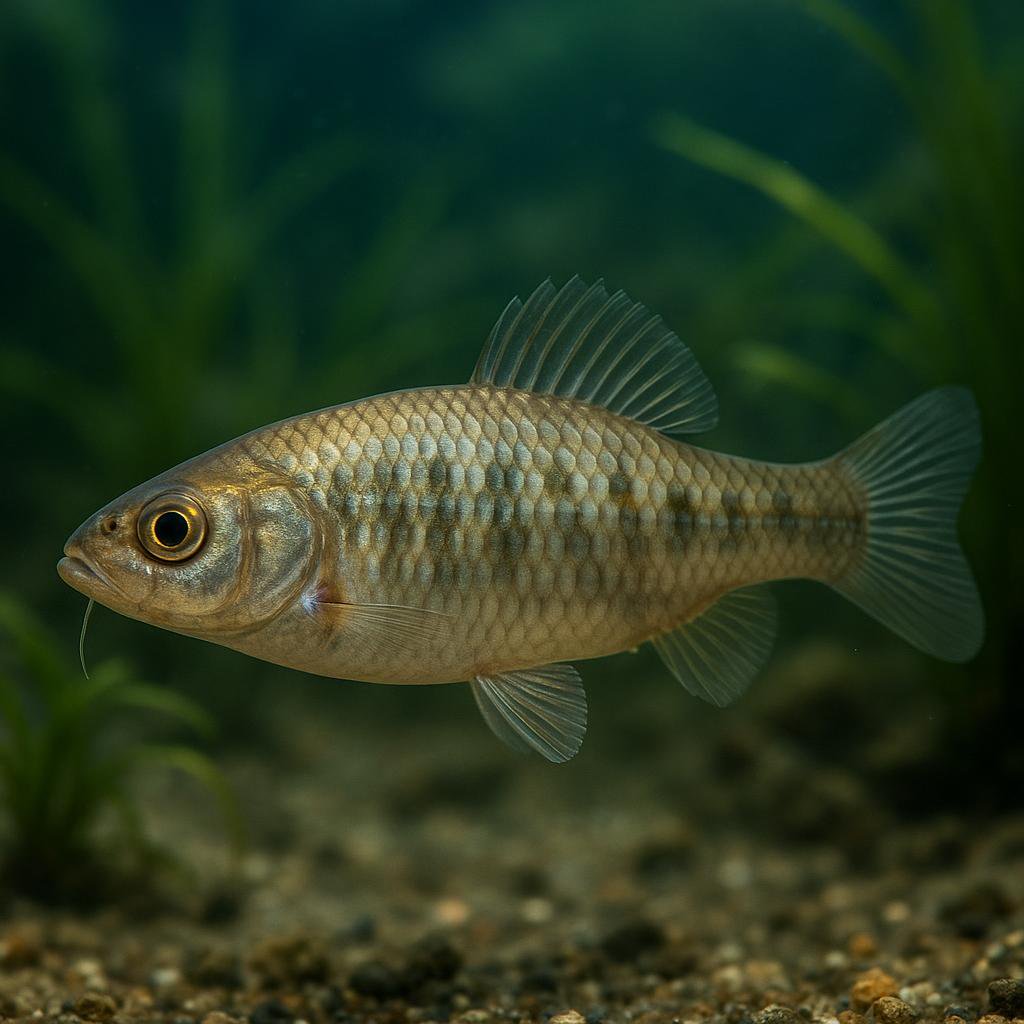
Notacanthus indicus is a deep-sea spiny eel (family Notacanthidae; not a true eel) known from the Arabian Sea on the continental slope at roughly ~960–1,046 m depth, with reported maximum length around 20 cm TL; it is a deep-water bycatch species and not established in the aquarium trade.
Arctic rockling
Gaidropsarus argentatus
This is a deepwater North Atlantic rockling (a cod relative) that hangs out on soft bottoms way down the slope. It is a cold-water, bottom-hugging predator that snoots around for crustaceans and will also take small fish when it gets the chance.
Looking for other species?