

Kaie's shield pleco
Corymbophanes kaiei
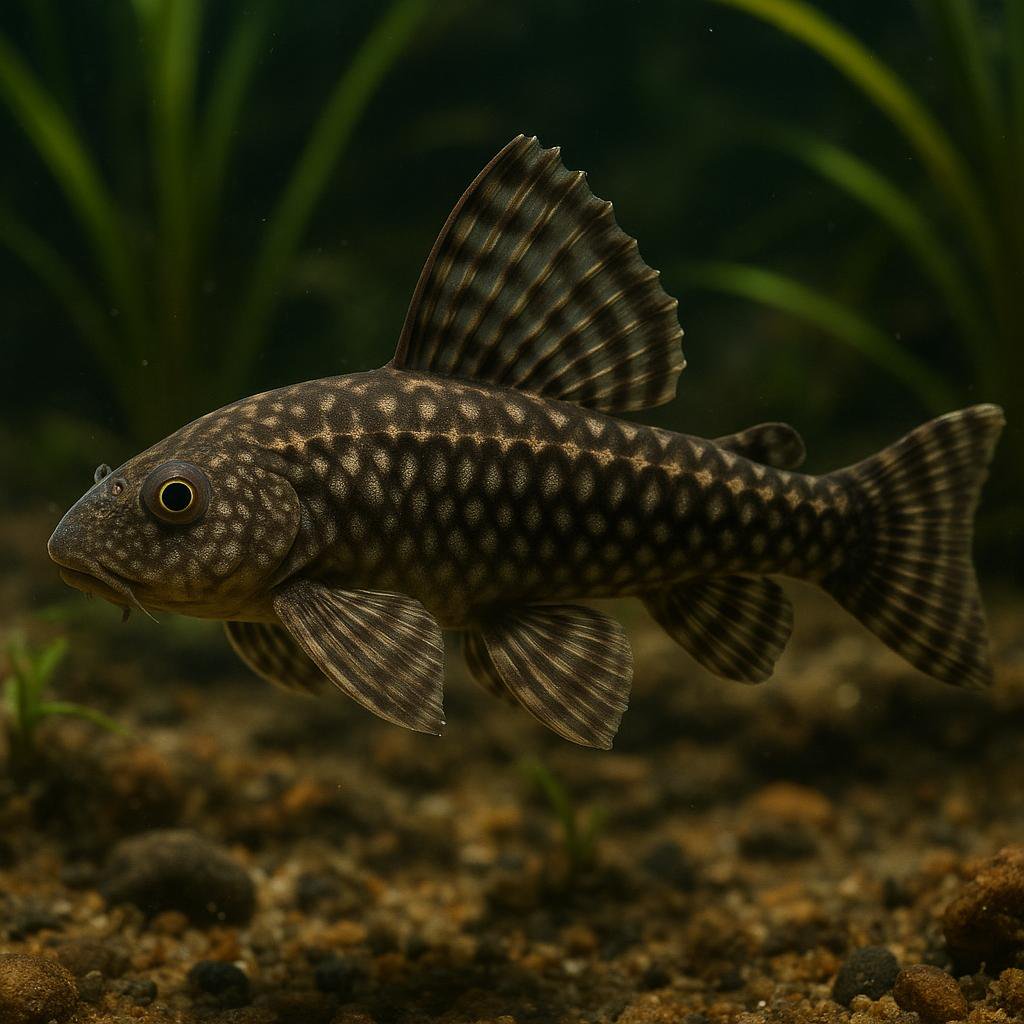
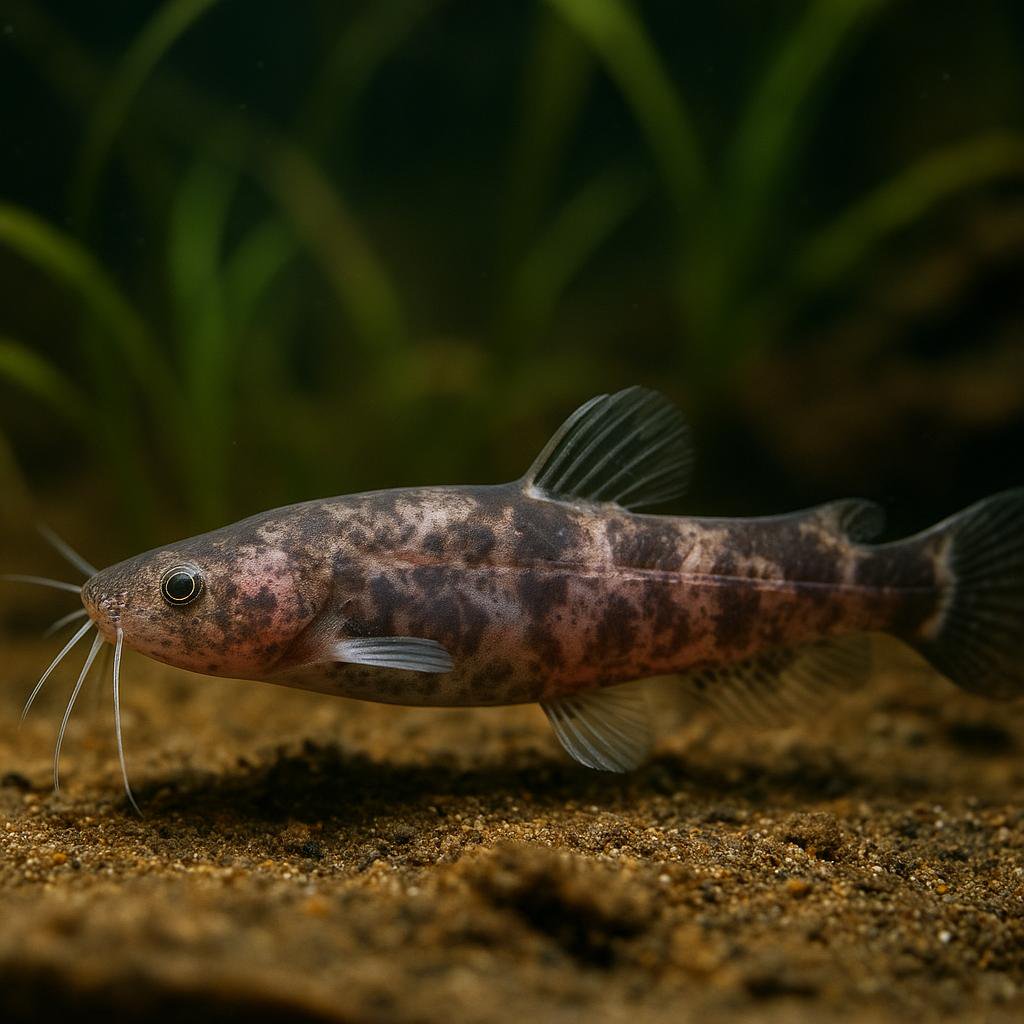
Kaie's shield pleco features a distinctively flattened body with dark brown to black coloration and prominent white spots along its flanks.
This page includes AI-generated images. Why am I seeing AI images?
About the Kaie's shield pleco
Small loricariid catfish from the Upper Potaro (Potaro River drainage above Kaieteur Falls) in Guyana; described as having distinct alternating light/dark bands on the caudal fin and diagnostic armored-pleco morphology.
Also known as
Quick Facts
Size
6.6 cm SL
Temperament
Peaceful
Difficulty
Advanced
Min Tank Size
20 gallons
Lifespan
5-8 years
Origin
South America (Guyana - Potaro River drainage above Kaieteur Falls)
Diet
Omnivore/grazer - aufwuchs and algae, quality sinking wafers, frozen foods (bloodworms, brine shrimp), occasional veg
Water Parameters
22-26°C
6-7.5
2-12 dGH
Need a heater for this species?
This species needs 22-26°C in a 20 gallon tank. Use our heater calculator to find the right wattage.
Calculate heater sizeCare Notes
- Give them a big footprint tank and real structure - piles of smooth rocks, tight caves, and branches; they want to wedge themselves in and will sulk in bare tanks.
- Provide excellent oxygenation and strong circulation; species is from the Upper Potaro drainage above Kaieteur Falls in Guyana. Use temperature based on a species-specific reference if available rather than asserting 78–82°F as a requirement.
- They do best in soft to moderately hard water and a stable pH around 6.2-7.4; stability beats chasing numbers, but spikes in nitrate hit them fast, so aim to keep NO3 under ~20 ppm.
- Feed like a picky omnivore, not a generic algae-pleco: sinking carnivore wafers, Repashy-style gels, and meaty frozen (bloodworms, blackworms, brine shrimp) 3-5 nights a week, plus some veg tabs now and then.
- They are shy at meals - drop food after lights-out and scatter it near their hideouts, or faster fish will vacuum everything before the pleco even leaves the cave.
- Tankmates: calm midwater fish (tetras, hatchetfish, peaceful cichlids) are fine; avoid big aggressive cichlids and any fin-nippy, hyper stuff that keeps them pinned in hiding all day.
- Watch for territorial beef with other plecos: one Kaie's shield pleco per tank is easiest, or go with a very large tank and multiple caves so they can claim separate spots.
- Breeding is cave-spawn territory like many loricariids - males will guard eggs in a tight tube; heavy feeding and big coolish water changes often trigger it, but they will drop spawns if the cave gets disturbed.
Compatibility
Good Tankmates
- Chill schooling tetras (cardinals, rummynose, lemons) - they stay midwater, dont bother the pleco, and the pleco just does its wall-hugging, driftwood-licking thing
- Peaceful community fish (species-specific compatibility not well-documented; avoid aggressive/nippy fish).
- Corydoras catfish - peaceful bottom buddies. Just make sure theres enough floor space and multiple feeding spots so the cories dont outcompete the pleco at dinner
- Apistogramma and other dwarf cichlids that are on the calmer side - usually fine since the pleco keeps to itself, but give caves and line-of-sight breaks so nobody argues over real estate
- Hatchetfish or other topwater hangers (marbled hatchets, pencilfish) - they live in a totally different zone, so its basically zero conflict
- Smaller peaceful loricariids like an Ancistrus bristlenose - can work if the tank has lots of wood and hides. If you cram the tank, they start bickering over the same favorite cave
Avoid
- Anything nippy or hyper like tiger barbs or serpae tetras - theyll pester, stress the pleco, and can chew on fins when the pleco is parked and resting
- Big aggressive cichlids (green terrors, jacks, oscars) - they bulldoze the bottom, steal all the food, and can straight-up harass a peaceful pleco
- Other territorial bottom bruisers in tight tanks (large plecos, big synodontis, some loaches) - not because Kaies shield pleco is mean, but because it gets pushed off food and hides
Where they come from
Kaie's shield pleco (Corymbophanes kaiei) is one of those oddball Loricariids that shows up from fast, clean tributaries in the Guianas (Guyana/Suriname area). Think shaded forest streams with current, lots of wood and leaf litter, and water that stays pretty stable. They're not a "pond pleco" at all - they're built for flowing water and tight hiding spots.
Setting up their tank
If you treat this fish like a generic pleco and toss it in a warm, slow community tank, it usually goes downhill. Give it flow, oxygen, and places to wedge itself, and it settles in fast.
- Tank size: I would start at 30-40 gallons for one adult, bigger if you want tankmates or multiple plecos.
- Filtration and flow: strong filter plus a powerhead or wavemaker. You want visible current and surface agitation.
- Oxygen: keep it high. An airstone is not "old school" here, it helps.
- Substrate: sand or smooth fine gravel. They will sit on the bottom a lot and you don't want sharp stuff.
- Hardscape: lots of driftwood, root tangles, rounded rock piles, and at least 2-3 tight caves.
- Plants: optional. If you use them, pick tough stuff (Anubias, Java fern) tied to wood/rock.
- Light: they appreciate dimmer light or at least shaded zones.
Make at least one hiding spot that is a real squeeze - a narrow cave or a wood crevice where only the pleco can fit. Mine were noticeably calmer once they had a "this is mine" bolt-hole.
Water numbers matter less than consistency and cleanliness, but I aim for soft to moderately hard water and a slightly acidic to neutral pH. Temperature-wise, mid-70s F is a comfortable range for most setups. What they really react to is stale water and low oxygen, so stay on top of maintenance.
These plecos do not like neglected filters. If your filter output drops and the current dies off for a few days, they'll often stop eating and hide nonstop. Keep flow steady and clean the filter before it becomes a trickle.
Feeding
They're not algae lawnmowers. They will graze surfaces, but in my tanks they did best when I fed them like a wood-and-biofilm pleco that also wants meaty food. The trick is getting food to them after lights out and making sure they actually get their share.
- Staples: sinking wafers and quality pleco pellets that hold together in current.
- Meaty foods (2-4x/week): frozen bloodworms, blackworms, brine shrimp, chopped prawn, or a good carnivore pellet.
- Veggies (occasionally): zucchini, cucumber, green bean, spinach. Don't overdo it if they ignore it.
- Wood: always. They rasp it constantly and it seems to help digestion.
- Feeding time: evening or lights-out. Daytime feedings often get stolen by faster fish.
If you have busy tankmates, use feeding tongs to drop a wafer right at the cave entrance after dark. I also like to wedge food under a piece of wood so it doesn't tumble around in the flow.
How they behave and who they get along with
Most of the time they're secretive and pretty chill, but they can be stubborn about personal space. The spiky, armored look matches their attitude around favorite caves - they won't start wars, but they also won't back down easily if another bottom fish crowds them.
- Activity: mostly dusk and night, with short "patrol" trips during the day once settled.
- Territory: cave-focused. Expect posturing and shoving if two want the same hideout.
- Good tankmates: midwater schooling fish (tetras, pencilfish), peaceful cichlids that stay off the bottom, hatchetfish, small characins that like flow.
- Use caution with: other plecos, big Corydoras groups that constantly bump caves, and boisterous bottom dwellers like large loaches.
- Avoid: aggressive cichlids, fin-nippers that harass it in the open, and anything that will outcompete it for sinking food every night.
If you want more than one, plan the tank around it: lots of broken sight lines, lots of caves, and don't keep them in a cramped footprint. "More hides" actually works with this species.
Breeding tips
Breeding Corymbophanes in home tanks is not common, so don't feel bad if it doesn't happen. That said, if you like a challenge, you can stack the odds in your favor by leaning into their natural pattern: high oxygen, strong current, heavy feeding, then a cool-water change to mimic rain.
- Start with a well-fed group if you can (sexing is not straightforward until mature).
- Provide multiple tight caves/tubes in different flow zones.
- Run the tank very clean with frequent water changes and strong aeration.
- Condition with meaty foods for a few weeks.
- Trigger attempt: a larger water change with slightly cooler water and a bump in flow for a day or two.
- If you ever see a fish guarding a cave and refusing to leave, back off and stop rearranging anything.
If you get a guarding fish, don't shine a flashlight in the cave every night. It sounds obvious, but curiosity has ruined more spawns than bad water ever has.
Common problems to watch for
Most issues I see with this pleco trace back to three things: not enough oxygen/flow, not enough food reaching it, or injuries from rough decor and tankmates. Catch problems early and they usually bounce back.
- Sunken belly or pinched look: usually not getting food. Feed after lights-out and target feed at the cave.
- Hiding nonstop and refusing food: check oxygen and flow first, then ammonia/nitrite, then temperature swings.
- Ragged fins or scraped armor plates: look for sharp rocks, tight decor with rough edges, or bullying at the cave.
- White stringy poop and weight loss: often internal parasites in wild fish. Quarantine new arrivals and be ready to treat if it persists.
- Rapid breathing: a big red flag for low oxygen or gill irritation. Add aeration immediately and test water.
This species does not handle "new tank funk" well. If the tank is still cycling or you get mini-spikes after heavy cleaning, they can crash fast. Mature biofiltration and steady maintenance make a huge difference.
Similar Species
Other freshwater peaceful species you might be interested in.
Amphilius dimonikensis
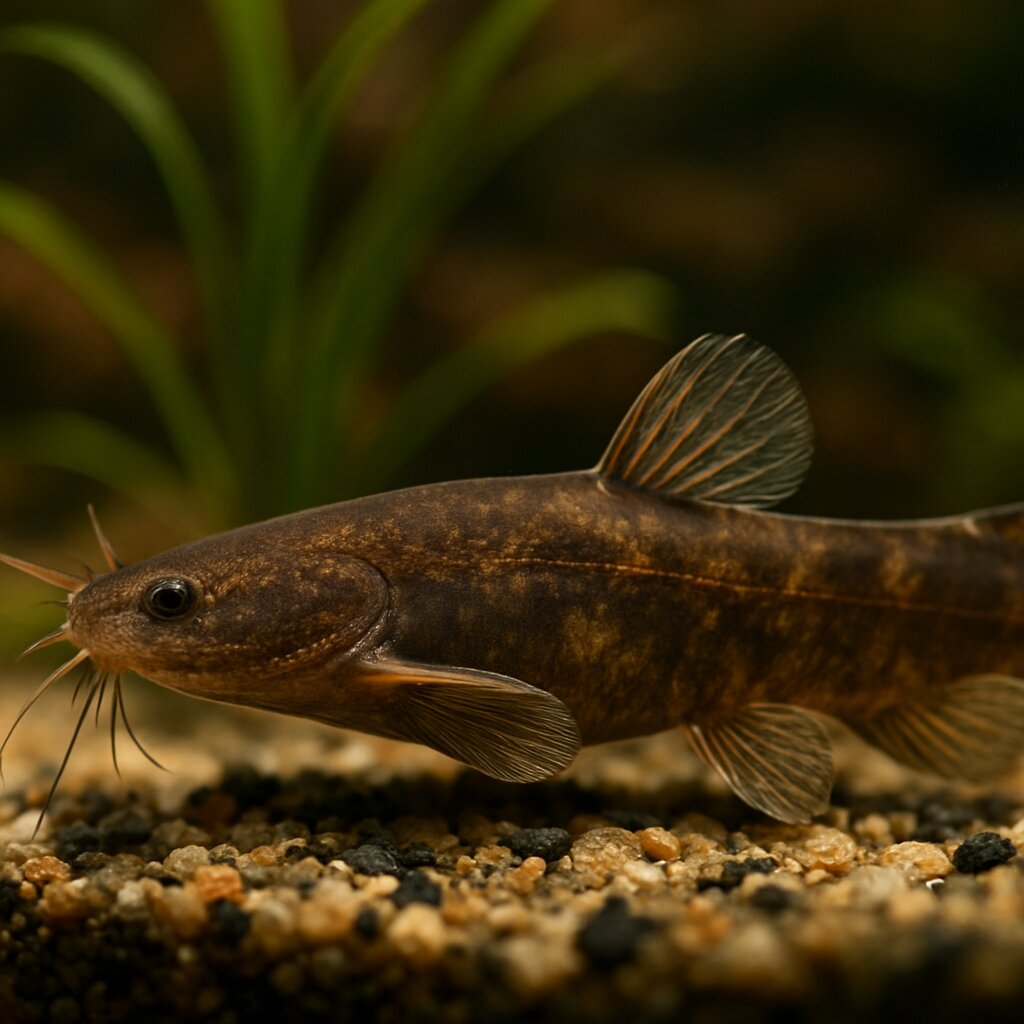
A small loach catfish endemic to the Mpoulou River in the Mayombe (Dimonika Biosphere Reserve), Republic of the Congo. Amphilius dimonikensis has a subtle banded pattern and inhabits fast, clear streams over rock and sand. In aquaria, prioritize strong, well-oxygenated flow with rounded stones and sand to mimic hillstream conditions.
Aboina barb
Enteromius aboinensis
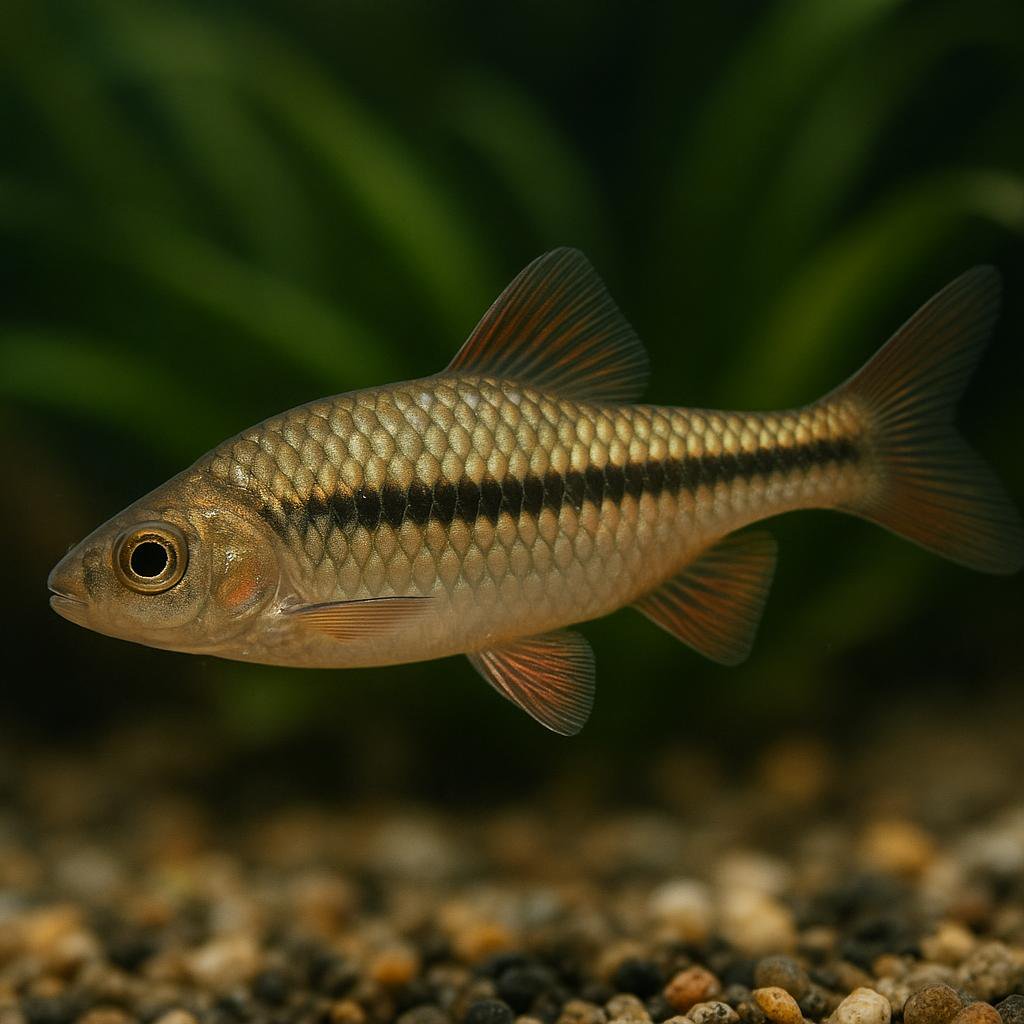
Enteromius aboinensis (the Aboina barb) is a small West African barb with a clean black midline stripe and a little spot right at the base of the tail. It does best when you treat it like a proper schooling fish - keep a decent group and give it plants around the edges with open swimming room in the middle.
Ajuricaba tetra
Jupiaba ajuricaba
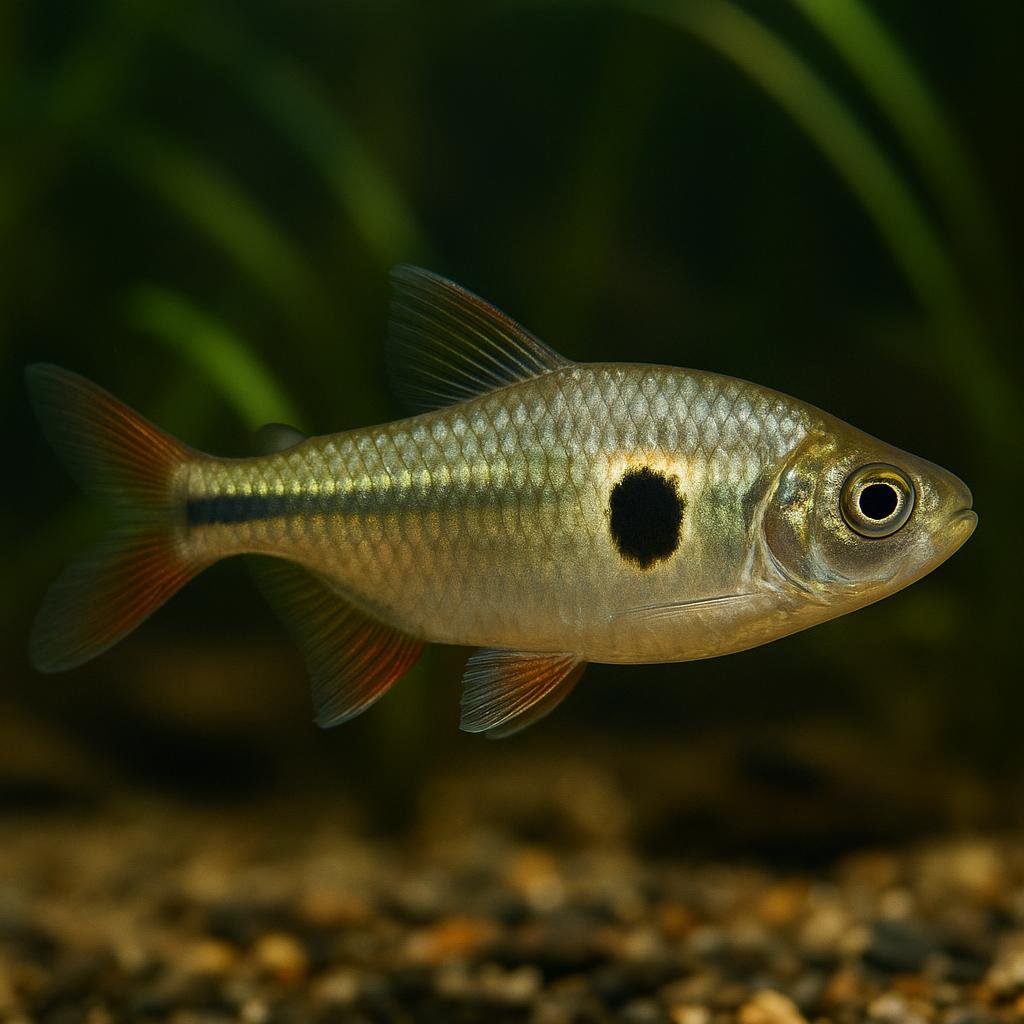
Jupiaba ajuricaba is a South American freshwater characin from the Amazon basin in Brazil (rio Negro, rio Solimões, and rio Tapajós basins). It reaches about 9.5 cm SL and is diagnosed by a narrow dark midlateral stripe, an elongated humeral spot, and an ocellated spot on the upper caudal-fin lobe. Wild specimens have been collected from blackwater forest streams and also oxbow-lake habitats.
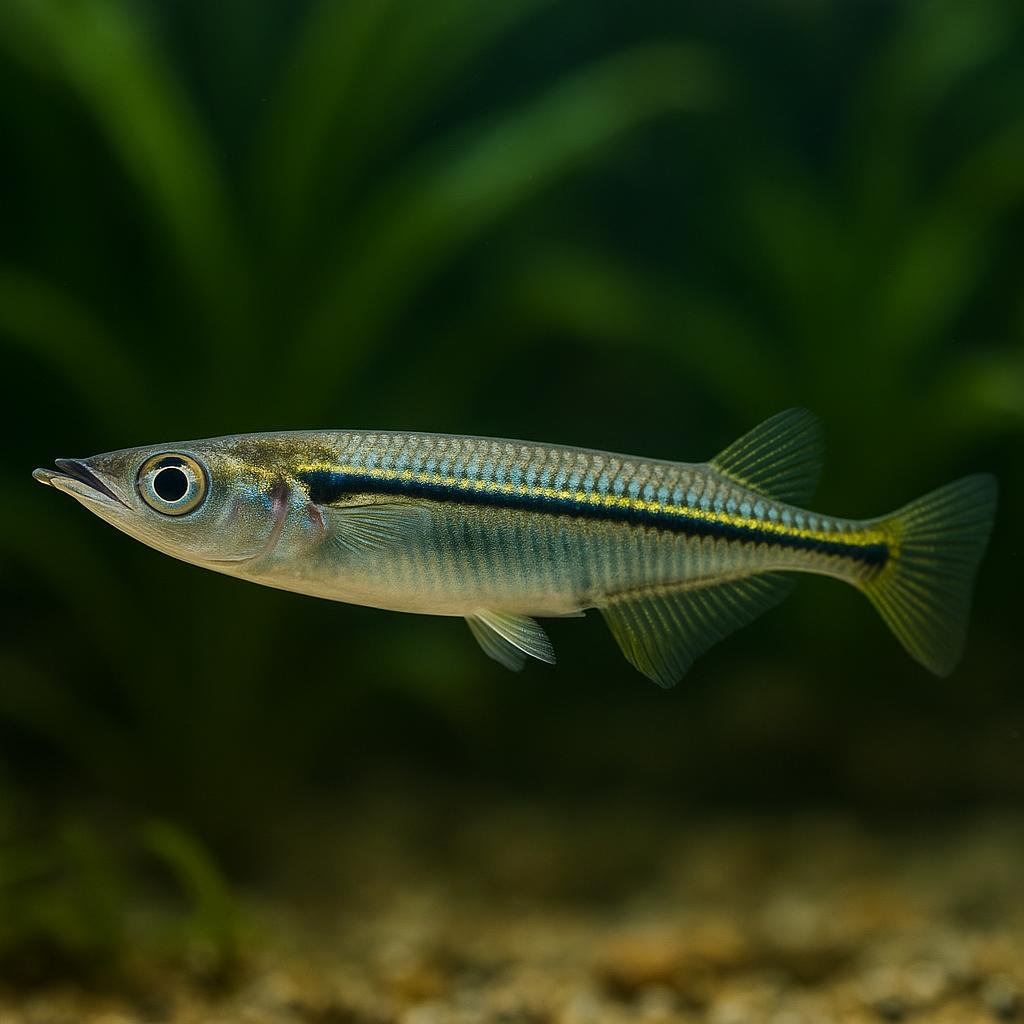
Allen's river garfish
Zenarchopterus alleni
A poorly known freshwater halfbeak endemic to West Papua (Mamberamo River), described from a single specimen (~13 cm SL). Beyond basic habitat/occurrence, little is published about its ecology or aquarium suitability; assume it is a surface-oriented, jump-prone halfbeak only by analogy with related taxa.
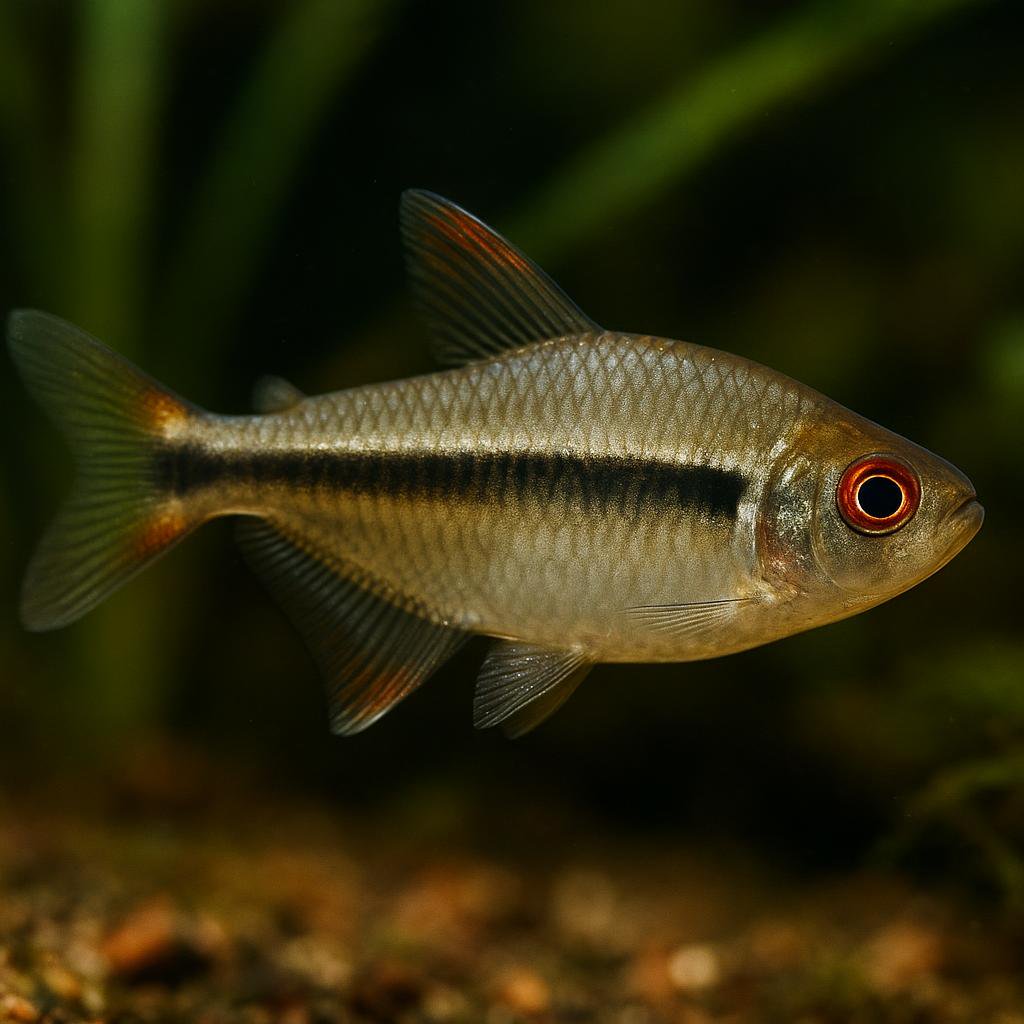
Amapa tetra
Hyphessobrycon amapaensis
This is a tiny, super sleek little tetra with a clean red stripe down the side that really pops once its settled in. It does best in a planted, slightly tinted "creek-style" setup and looks way cooler when you keep a proper group so they school and flash that line together. If you can give it soft, slightly acidic water and a calm community, its an easy fish to fall for.
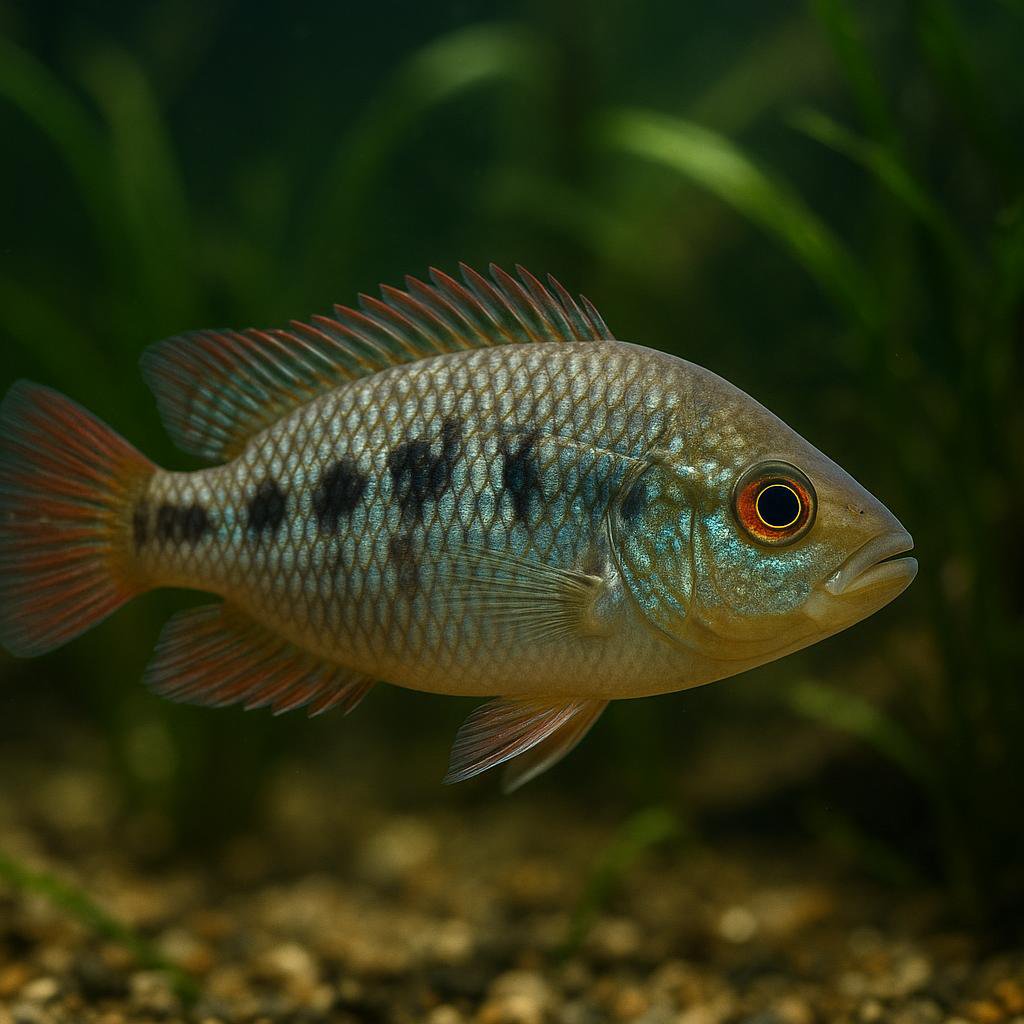
Amatlan chub
Yuriria amatlana
Yuriria amatlana (the Amatlan chub) is a little Mexican native minnow from the Ameca River basin. Its wild range is pretty limited and it is listed as Endangered, so its care info in the aquarium hobby is basically nonexistent and its availability is usually low. In the original species description, preserved fish show a dark lateral stripe with a darker patch on the caudal peduncle, and they can have tiny barbels at the mouth corners.
More to Explore
Discover more freshwater species.
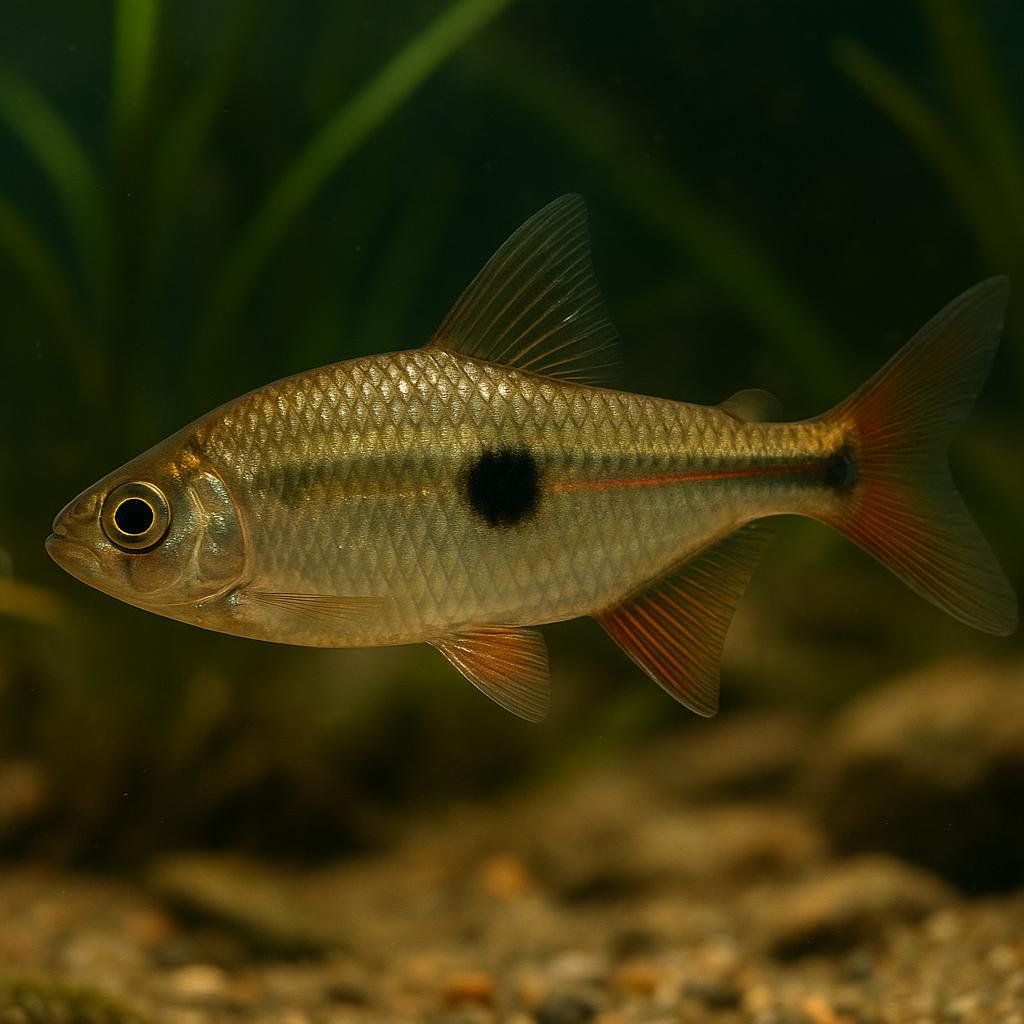
Jupiaba kurua
Small South American characin endemic to the upper rio Curuá (rio Xingu basin, Brazil). Reaches about 8.7 cm SL and inhabits clearwater rivers. Distinguished by dark dots on the bases of many lateral scales and a distinct dark caudal‑peduncle spot. Reported diet indicates omnivory, including aquatic insects, small fishes, and fragments of Podostemaceae and filamentous algae.
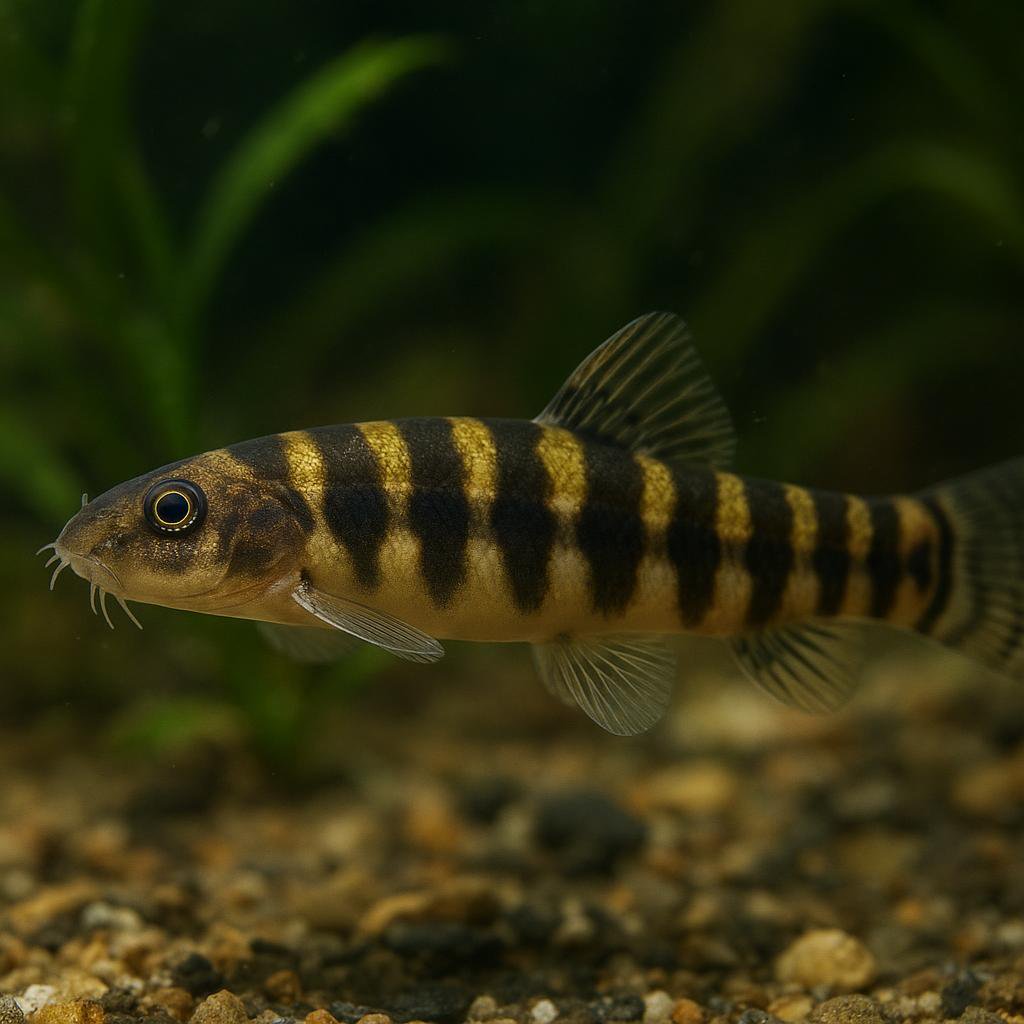
Altipedunculata stone loach
Schistura altipedunculata
Schistura altipedunculata is one of those little stream loaches that wants clean, well-oxygenated water and a bunch of rock nooks to claim as home. It is a bottom-hugger that will spend its day scooting from crevice to crevice, and it tends to get a bit spicy with its own kind if you do not give it enough hiding spots.
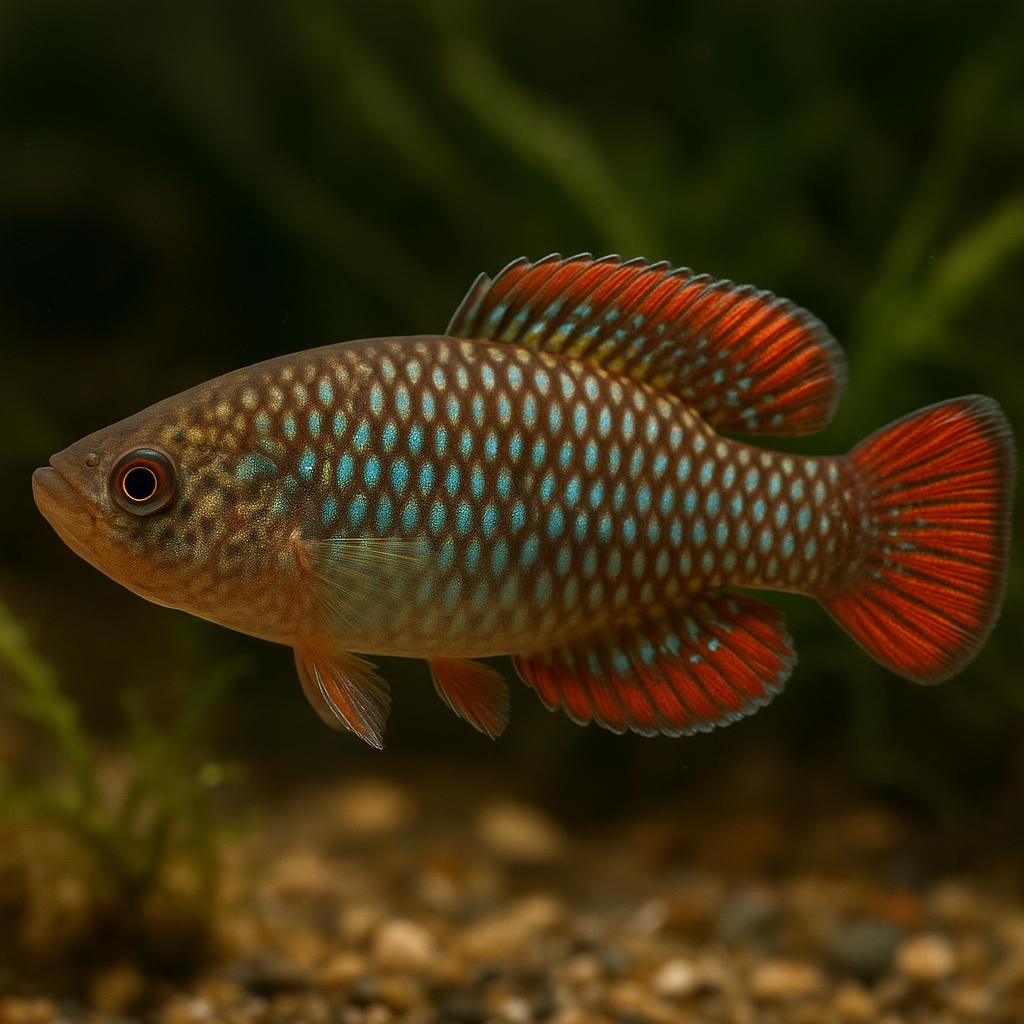
American flagfish
Jordanella floridae
Jordanella floridae is that little Florida native with the red-and-cream striping that really does look like a tiny flag once a male colors up. They graze algae like champs (especially stringy/hair algae), but they have a bit of attitude - give them plants and space so the bossy behavior stays manageable. Bonus: the male guards the eggs and will actively fan them, which is pretty fun to watch.
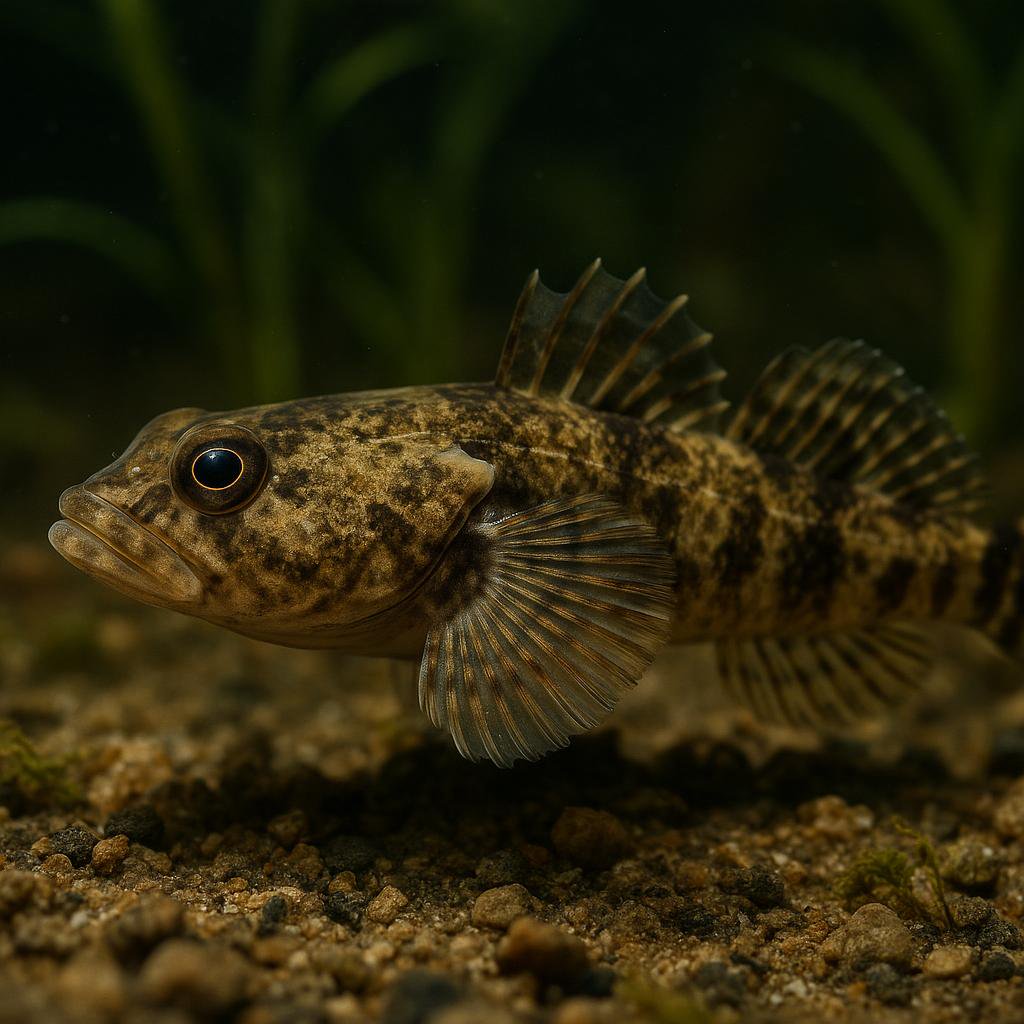
Amur sculpin
Alpinocottus szanaga
This is a little coldwater sculpin from the Amur drainage - a bottom-hugging, rock-and-gravel fish that spends its day wedged under stones and darting out to grab food. Super cool behavior and attitude, but it is absolutely not a warm tropical community fish - it wants chilly, fast, oxygen-rich water and will bicker with other bottom fish.
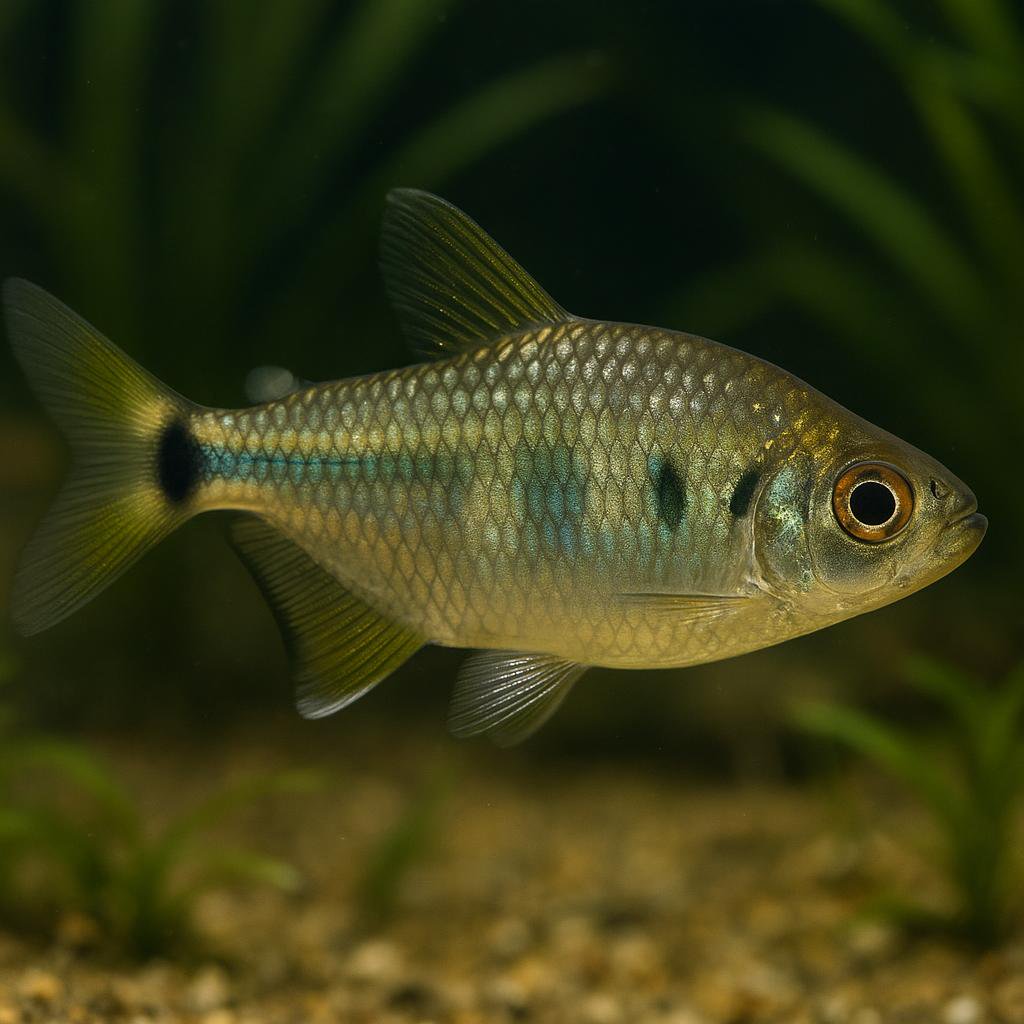
Andrica moenkhausia
Moenkhausia andrica
Moenkhausia andrica is a little Brazilian characin from the Tapajos system that tops out around 7 cm (about 2.8 inches) standard length. It has a neat netted (reticulated) scale pattern plus a dark spot on the caudal peduncle, and the really wild part is that mature females can have tiny fin hooklets too, which is usually a male-only thing in a lot of characins.
Anhanga pygmy pencil catfish
Potamoglanis anhanga
This is a truly tiny Amazonian trichomycterid catfish - like 1.3 cm max - so it is more of a micro-predator oddball than a typical community catfish. It is the kind of fish that disappears into sand, leaf litter, and plant roots, and you will spend way more time setting up the right micro-habitat than you will actually seeing it.
Looking for other species?