

Altipedunculata stone loach
Schistura altipedunculata
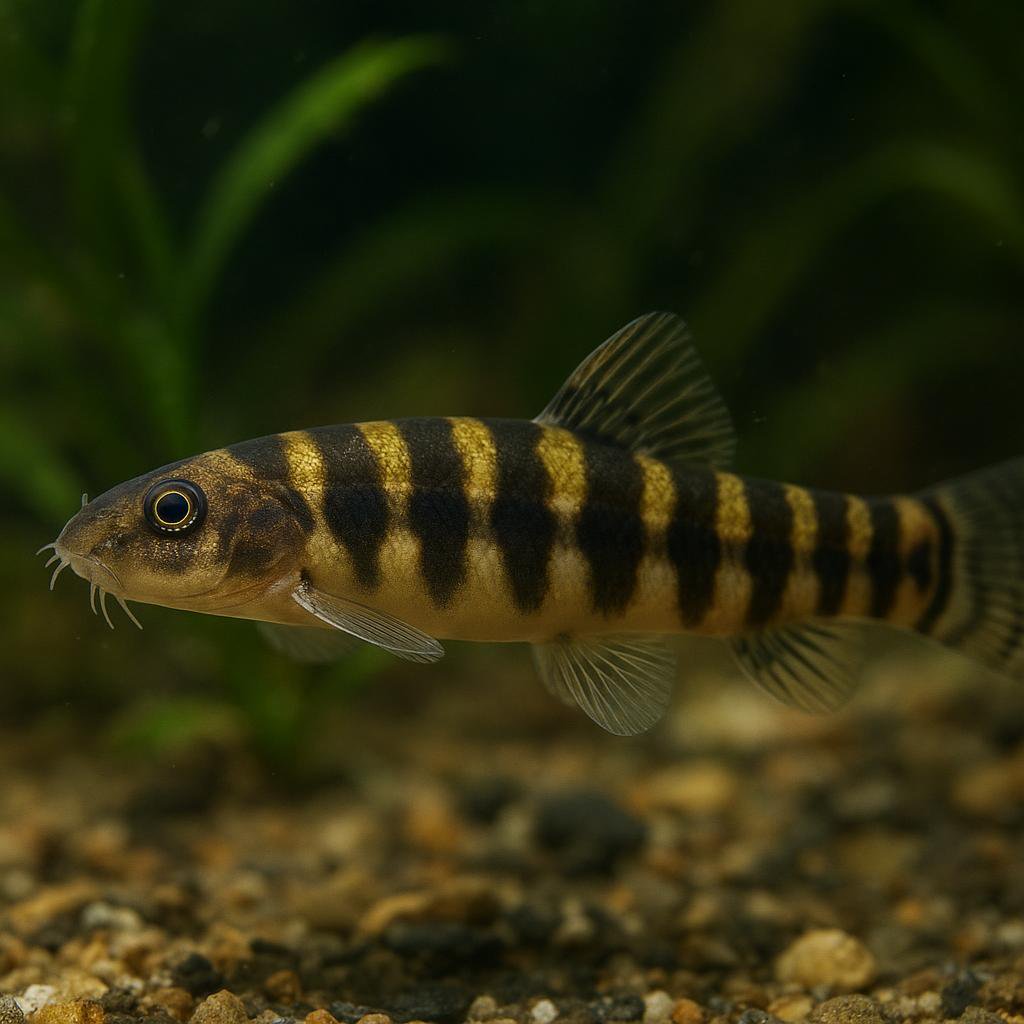
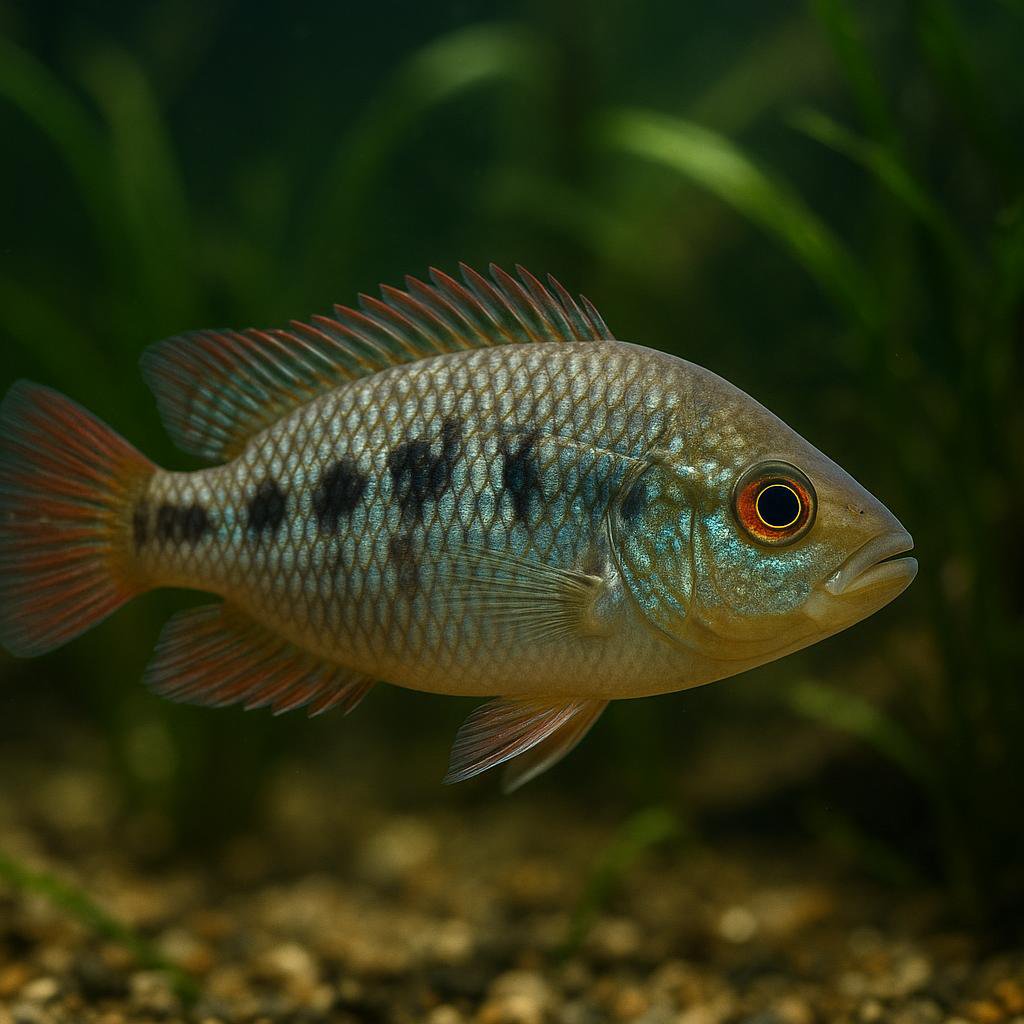
Altipedunculata stone loach features a slender body with a distinctive pattern of dark spots on a light tan background, and elongated pectoral fins.
This page includes AI-generated images. Why am I seeing AI images?
About the Altipedunculata stone loach
Schistura altipedunculata is one of those little stream loaches that wants clean, well-oxygenated water and a bunch of rock nooks to claim as home. It is a bottom-hugger that will spend its day scooting from crevice to crevice, and it tends to get a bit spicy with its own kind if you do not give it enough hiding spots.
Also known as
Quick Facts
Size
9.1 cm SL
Temperament
Semi-aggressive
Difficulty
Advanced
Min Tank Size
20 gallons
Lifespan
5-8 years
Origin
South Asia (India)
Diet
Omnivore leaning carnivore - insect larvae, small worms/crustaceans, quality sinking foods; will graze some biofilm
Water Parameters
20-26°C
6.5-7.5
2-12 dGH
Need a heater for this species?
This species needs 20-26°C in a 20 gallon tank. Use our heater calculator to find the right wattage.
Calculate heater sizeCare Notes
- Give them a long tank with real current - a powerhead or strong filter return plus lots of oxygen, or they get listless fast.
- Keep it cool and clean: aim around 68-74F, pH roughly 6.5-7.5, and low nitrate; they hate warm, stale water way more than slightly off pH.
- Do sand or smooth fine gravel with piles of rounded rocks and tight crevices; they want to wedge themselves in, and sharp decor will shred their belly and fins.
- Feed like a bottom hunter: sinking micro-pellets, frozen bloodworms/daphnia/brine, and small live foods; scatter it across the flow so the bolder fish do not steal everything.
- Tankmates should be other stream fish that like current (danios, white cloud type fish, hillstream loaches); skip slow fancy fish and anything that likes warm, still water.
- They can be spicy with their own kind in small setups - either keep one, or a group in a bigger tank with lots of sight breaks so one fish cannot bully the whole place.
- Watch for skinny-belly syndrome from not getting enough food, and for barbel wear or red patches if the substrate is rough or the tank is getting dirty.
- Breeding in home tanks is rare unless you run a seasonal cooldown and then a big water-change warmup; even then, expect eggs to vanish unless you move the adults or use a spawning mesh.
Compatibility
Good Tankmates
- Fast midwater schooling fish like danios (zebra, pearl, giant) - they are quick enough to ignore the loach's little territory spats and they like the same cooler, high-oxygen vibe
- White Cloud Mountain minnows - tough, speedy, and they do great in the same kind of currenty setup these Schistura appreciate
- Hardy barbs that are not finny and not too pushy (checker barbs, rosy barbs in a big tank) - they stay active up top and do not get bullied easily
- Hillstream loaches (Sewellia, Gastromyzon) - solid match in a river tank, they mostly keep to their own surfaces and the stone loach usually just does bluff-chasing around its favorite cave
- Rheophilic cyprinids like some Devario or Rasbora that like flow (harlequins are ok if the loach is not in a tiny tank) - give the loach lots of rocks and breaks in line-of-sight
- Small, peaceful suckermouth algae eaters like Otocinclus - usually fine if the tank is mature and you keep the stone loach well-fed so it is not cranky at feeding time
Avoid
- Slow fish with fancy fins (bettas, guppies, longfin gouramis) - the stone loach is a fin-nipper and a chaser when it claims a spot, and slow fish cannot get out of the way
- Other bottom-territory fish that want the same caves (most Corydoras groups in smaller tanks, dwarf cichlids, many gobies) - you will see constant shoving matches and stress at feeding time
- Big aggressive/nippy stuff (tiger barbs in small groups, many cichlids, larger loaches like clown loaches) - either they get bullied or they bully the Schistura, and it turns into nonstop drama
Where they come from
Schistura altipedunculata is one of those hillstream-type stone loaches that comes out of fast, clear upland streams in South and Southeast Asia. Think rocky runs, leaf litter tucked in eddies, and water that stays well-oxygenated because its always moving.
That origin story matters because they act like a fish that grew up in current. If the tank is a warm, still box of water, they just never look comfortable.
Setting up their tank
If youre trying this species, build the tank around flow and oxygen first, then decorate it. A long tank is better than a tall one. Mine really started showing natural behavior once I gave them a strong current lane and a bunch of broken-up sightlines with rocks.
- Tank size: I would not bother under 20 gallons long for a small group. More footprint beats more height.
- Flow: strong, directional flow. A powerhead or strong canister return aimed down the length works well.
- Oxygen: surface agitation is your friend. If you can hear the water a little, youre probably close.
- Substrate: smooth sand or fine gravel, with rounded river stones and cobbles. Skip sharp gravel - they belly-slide a lot.
- Hardscape: lots of rock piles and crevices, plus a few pieces of wood and leaf litter in calmer corners.
- Plants: optional. Tough stuff like Java fern, Anubias, Bolbitis, or moss tied to rocks tends to survive in the current.
I like to set up a "fast lane" and a "rest area". Aim the flow along one side, then use rocks to create calmer pockets behind them. The loaches will bounce between the two all day.
They are not forgiving of dirty, low-oxygen water. If youre the kind of keeper who stretches water changes, this is not the species to learn on.
Temperature-wise, I keep Schistura best on the cooler side of tropical. Stable matters more than chasing a specific number, but I avoid letting them sit hot for long stretches. Clean, moving water beats chasing magic parameters.
What to feed them
These are bottom-focused micropredators and pickers. Theyll eat prepared foods, but they really come alive on meaty, sinking stuff. In a new tank they can be shy feeders, so give them multiple drop points and feed after the lights dim a bit.
- Staples: sinking micro pellets, small sinking wafers broken into pieces
- Frozen: bloodworms, daphnia, brine shrimp, cyclops, chopped blackworms
- Live (if you can): blackworms, grindal worms, small insect larvae
- Extras: occasional repashy-style gel foods pressed into crevices so they can graze
If you only drop one big food pile, the boldest loach owns it. I scatter food across the current so it tumbles into different pockets. Everyone eats, and the tank looks more natural.
Dont expect them to live off algae. Theyll pick at biofilm, but they are not a cleanup crew. If you underfeed, they get skinny fast and start bickering more.
How they behave and who they get along with
Schistura are personable, nosy little fish, but they are not pushovers. In groups they do a lot of posturing: head-down standoffs, quick darts, and short chases. Most of it is noise, especially if you give them enough hidey-holes.
- Best kept: a small group, with more shelters than loaches
- Temperament: semi-territorial on the bottom, especially around favorite caves
- Activity: most active with current and during feeding, often more confident in subdued lighting
Tankmates should like similar water: cooler, high-flow, high-oxygen setups. Ive had good luck with other stream fish that hold their own and dont need warm, still water. Avoid slow, long-finned fish - they get stressed by the current and can get nipped during loach squabbles.
If one fish is constantly pinned in a corner or missing meals, the group dynamic is off. More rockwork, more line-of-sight breaks, and sometimes simply adding 1-2 more loaches (with enough space) calms things down.
Breeding tips
Breeding Schistura altipedunculata in home tanks is possible but not something most people stumble into accidentally. They dont tend to be "easy spawners" like some barbs or livebearers. If you want to try, treat it like a project.
- Start with a group and let them sort out pairs naturally
- Give them seasonal cues: heavier water changes with cooler water and stronger feeding for a few weeks
- Add spawning structure: tight rock cracks, small caves, and coarse gravel patches downstream of the main flow
- Keep the tank very clean during conditioning - high protein diets foul water quickly
If they do spawn, assume eggs and fry are on their own. Adults may snack opportunistically. A dedicated breeding tank or moving eggs (if you can find them) gives you a real shot.
Common problems to watch for
Most issues Ive seen with this species come from the tank being too warm, too stagnant, or too dirty. Theyre stream fish. They show you fast when something is off.
- Thin belly or pinched look: often underfeeding, bullying at feeding time, or internal parasites in new imports
- Hiding all the time: weak oxygenation, not enough cover, or too much bright light with no shade
- Frayed fins and scrapes: rough decor or constant fighting in a tank with too few territories
- Gasping at the surface: low oxygen, not just "needs an air stone" - fix flow and surface movement
- Sudden losses after purchase: shipping stress plus warm, low-oxygen quarantine setups
Quarantine is tricky with this species because the typical bare, still quarantine tub is basically the opposite of what they want. If you quarantine them (you should), give them a seeded sponge filter plus extra aeration and some fake plants or smooth rock for cover. Keep it clean and keep the water moving.
Also watch medication choices. Many loaches are touchier with harsh treatments and overdosing. I go gentle, increase oxygen, and pick targeted meds rather than nuking the tank. Clean water and time fix a lot with these guys.
Similar Species
Other freshwater semi-aggressive species you might be interested in.
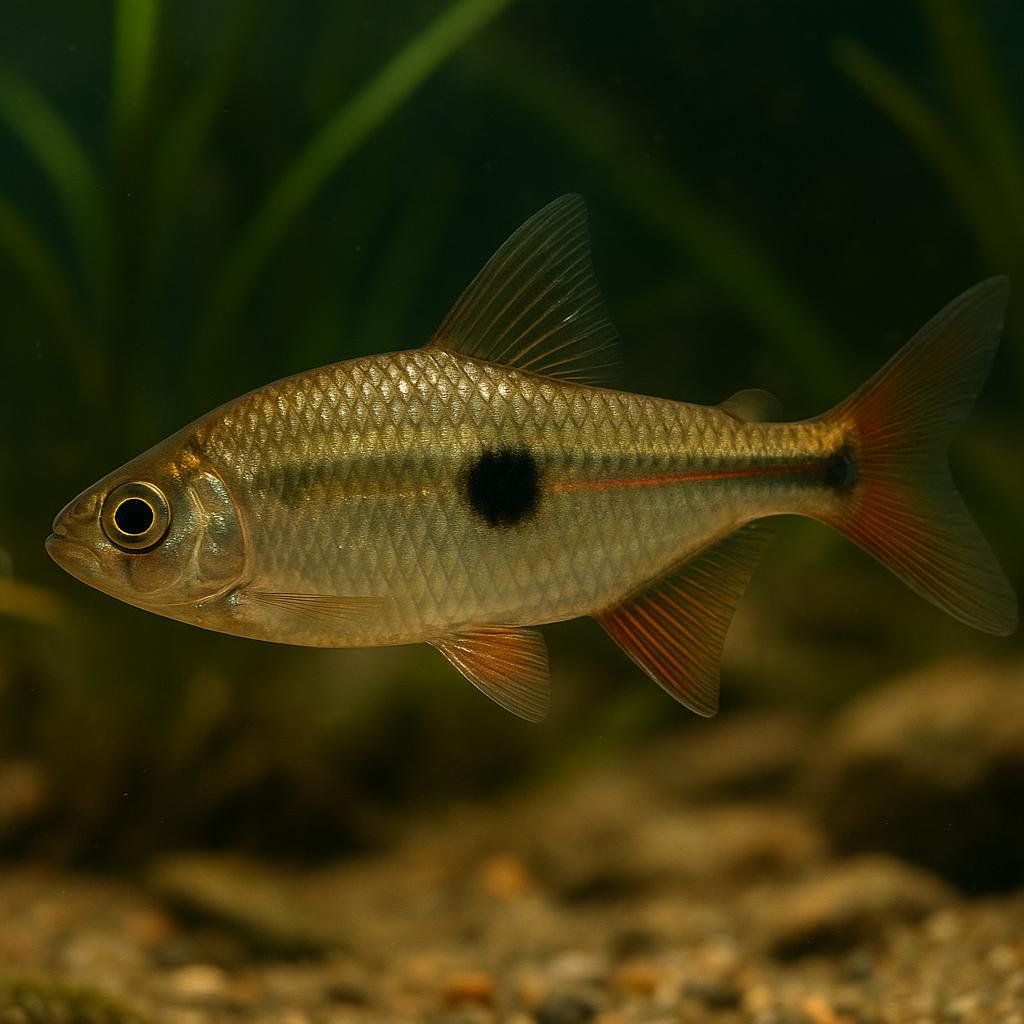
Jupiaba kurua
Small South American characin endemic to the upper rio Curuá (rio Xingu basin, Brazil). Reaches about 8.7 cm SL and inhabits clearwater rivers. Distinguished by dark dots on the bases of many lateral scales and a distinct dark caudal‑peduncle spot. Reported diet indicates omnivory, including aquatic insects, small fishes, and fragments of Podostemaceae and filamentous algae.
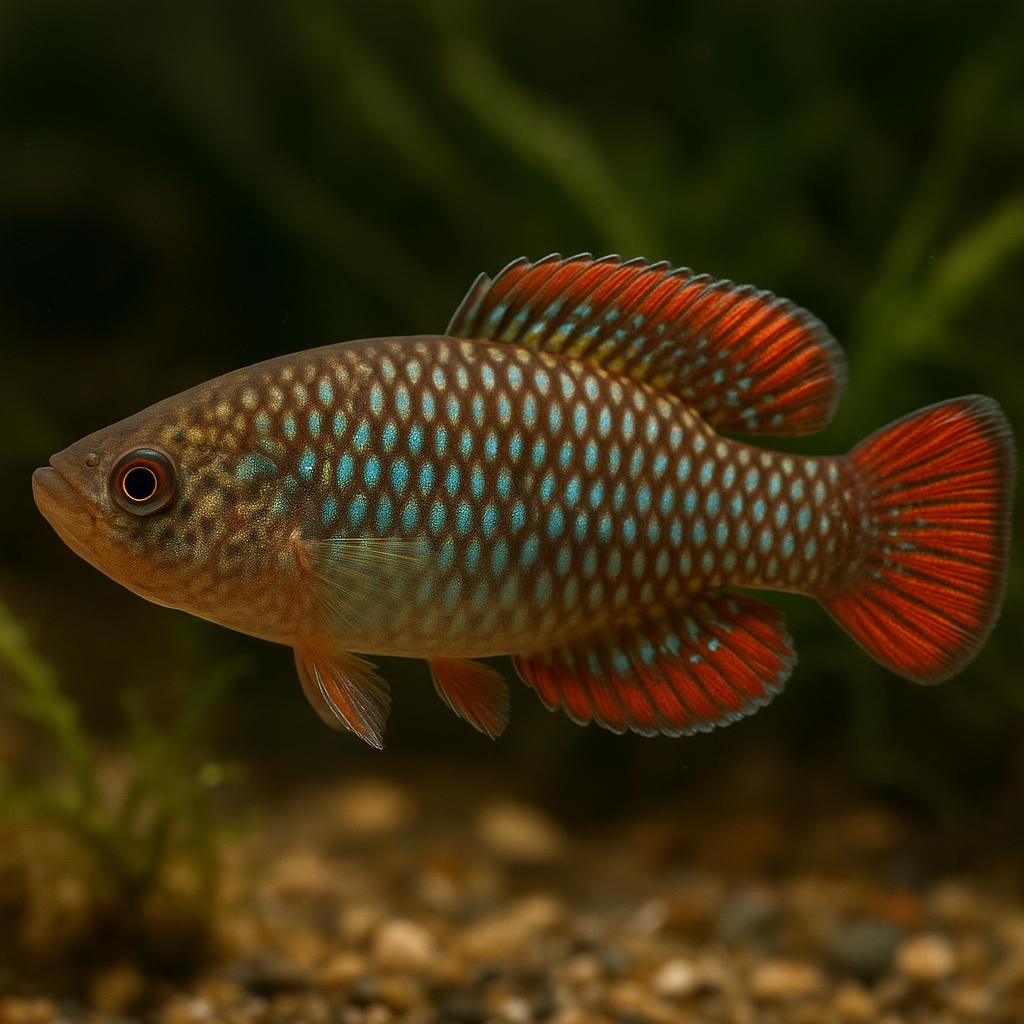
American flagfish
Jordanella floridae
Jordanella floridae is that little Florida native with the red-and-cream striping that really does look like a tiny flag once a male colors up. They graze algae like champs (especially stringy/hair algae), but they have a bit of attitude - give them plants and space so the bossy behavior stays manageable. Bonus: the male guards the eggs and will actively fan them, which is pretty fun to watch.
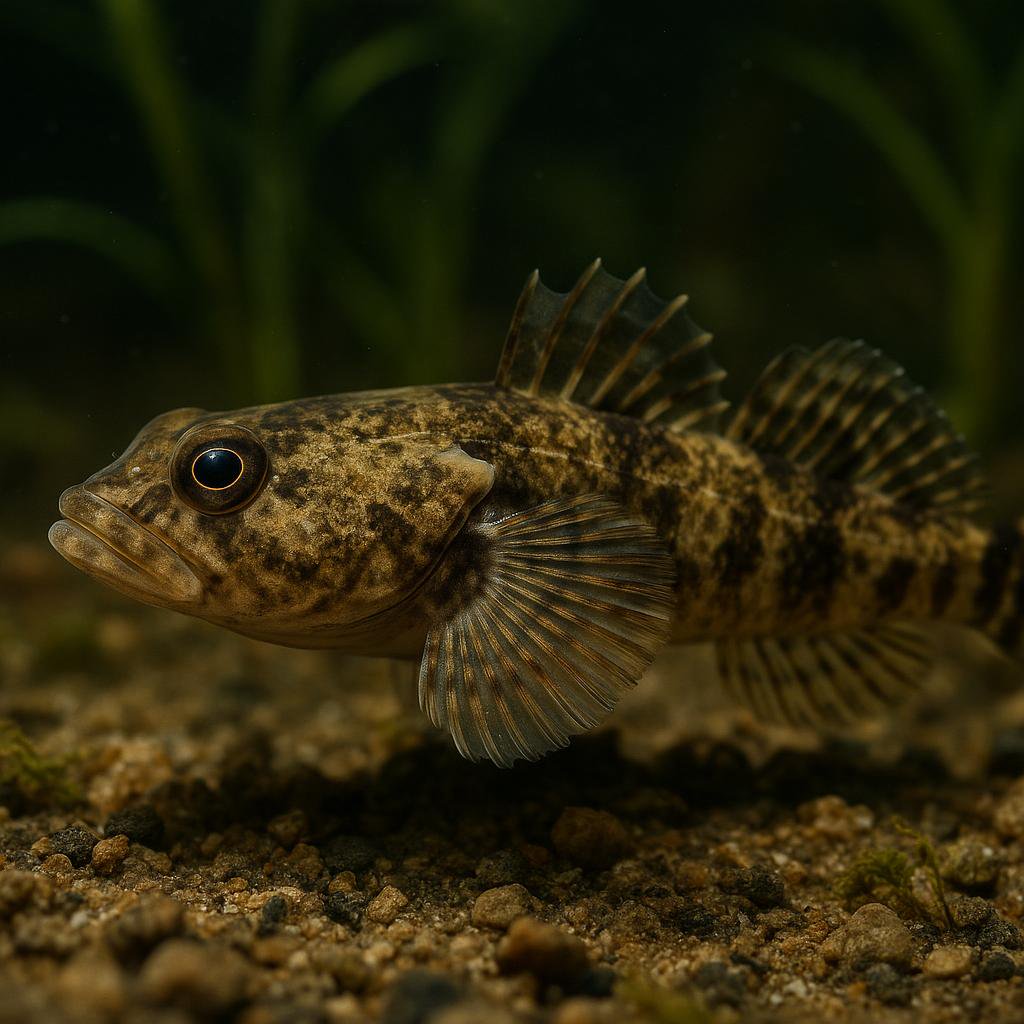
Amur sculpin
Alpinocottus szanaga
This is a little coldwater sculpin from the Amur drainage - a bottom-hugging, rock-and-gravel fish that spends its day wedged under stones and darting out to grab food. Super cool behavior and attitude, but it is absolutely not a warm tropical community fish - it wants chilly, fast, oxygen-rich water and will bicker with other bottom fish.
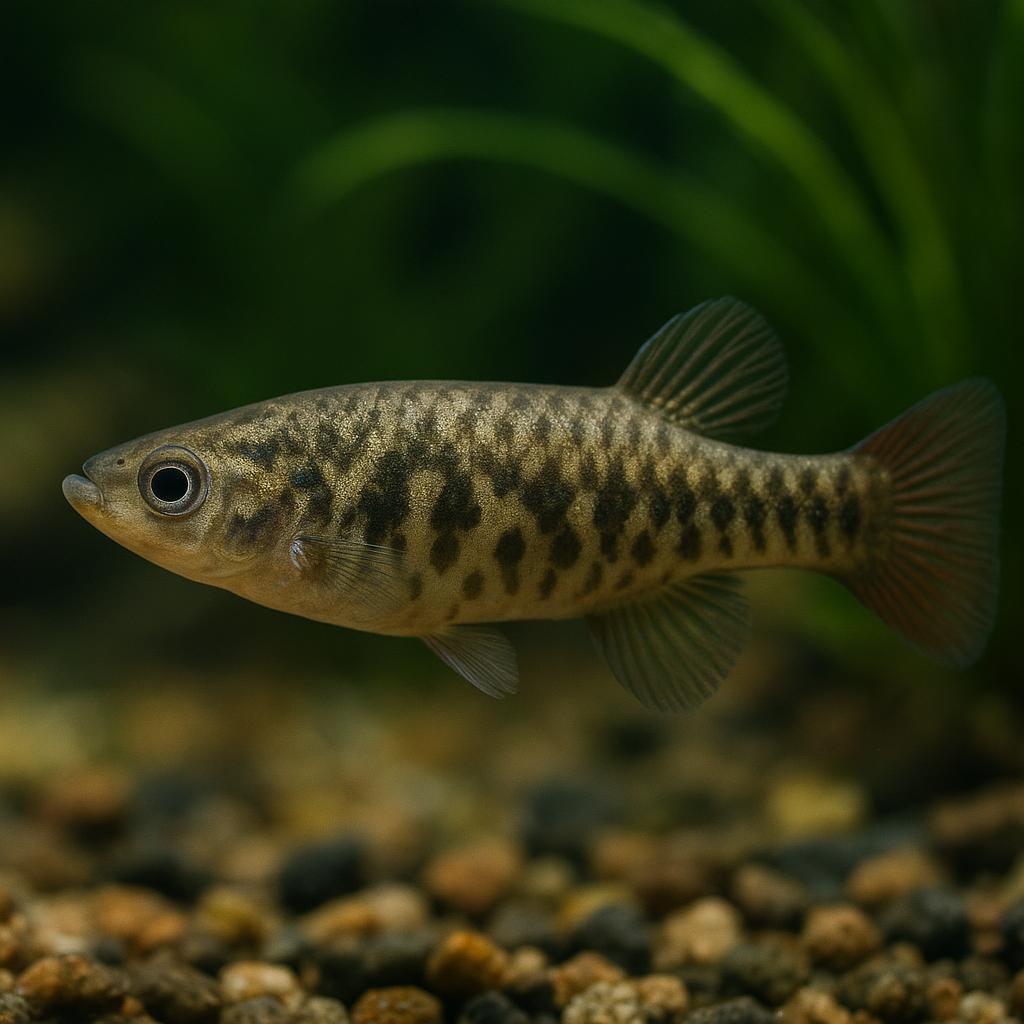
Anitápolis livebearer
Jenynsia weitzmani
Jenynsia weitzmani is a freshwater anablepid livebearer endemic to southern Brazil (currently known only from the type locality near Anitápolis, Santa Catarina). Like other Jenynsia (onesided livebearers), reproduction involves lateralized mating morphology/behavior; aquarium care guidance is not well-documented for this species specifically.
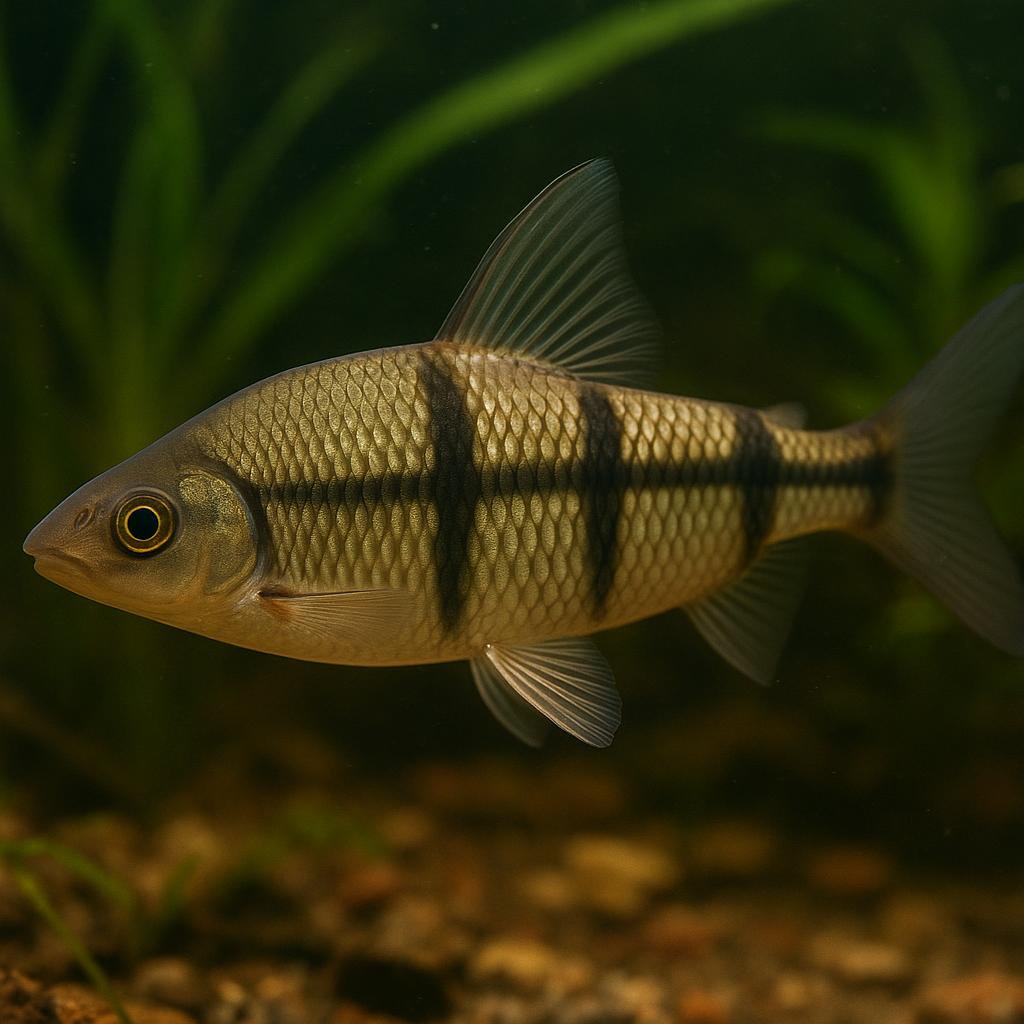
Aracu-comum
Schizodon vittatus
Schizodon vittatus is a large South American anostomid (family Anostomidae). Reported maximum size is about 35 cm standard length; it is harvested/consumed in parts of Brazil and is not commonly covered by mainstream aquarium husbandry references.
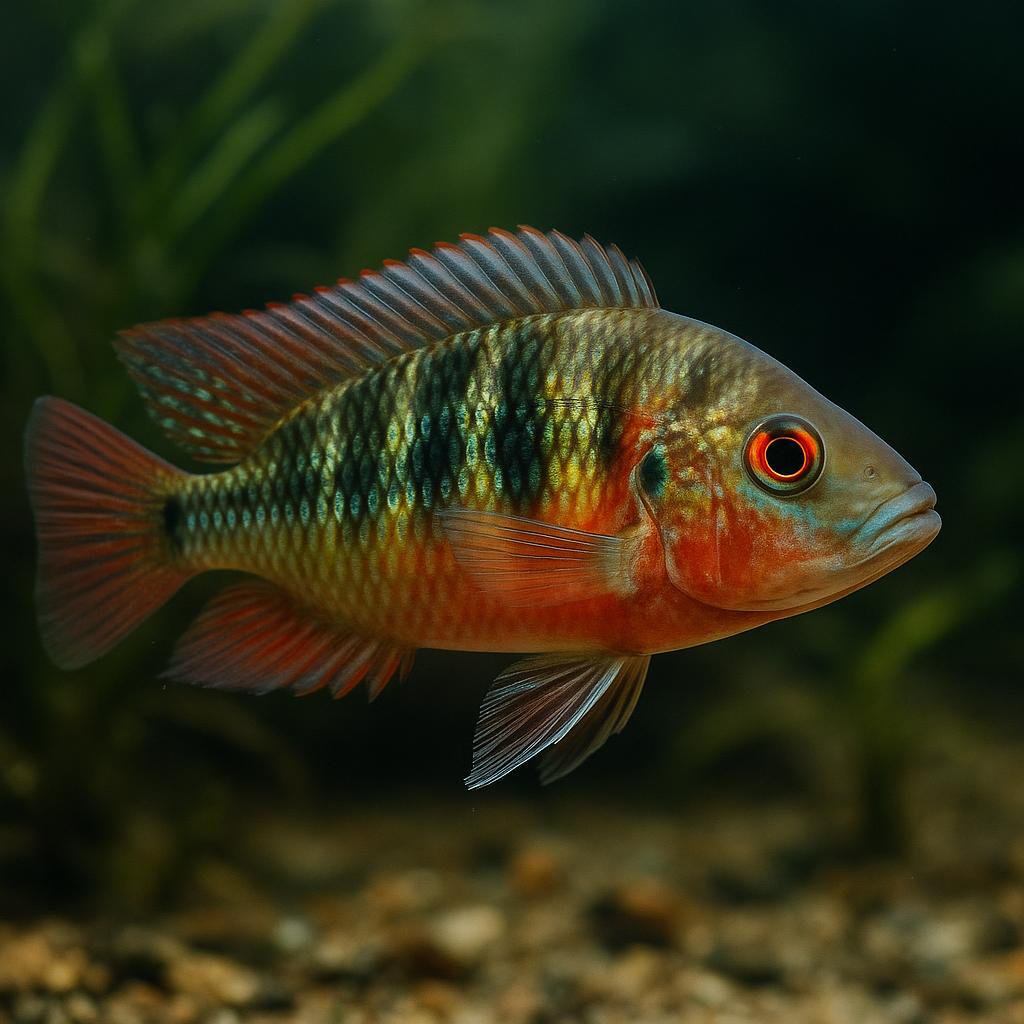
Bakongo cichlid
Thoracochromis bakongo
Thoracochromis bakongo is a small riverine haplochromine cichlid from the lower Congo/Kasai systems in DR Congo, reaching about 10.8 cm TL (~4.3 in). Aquarium breeding behavior for this specific species is not consistently documented in major references, so avoid stating confirmed maternal mouthbrooding unless you can cite a species-level source.
More to Explore
Discover more freshwater species.
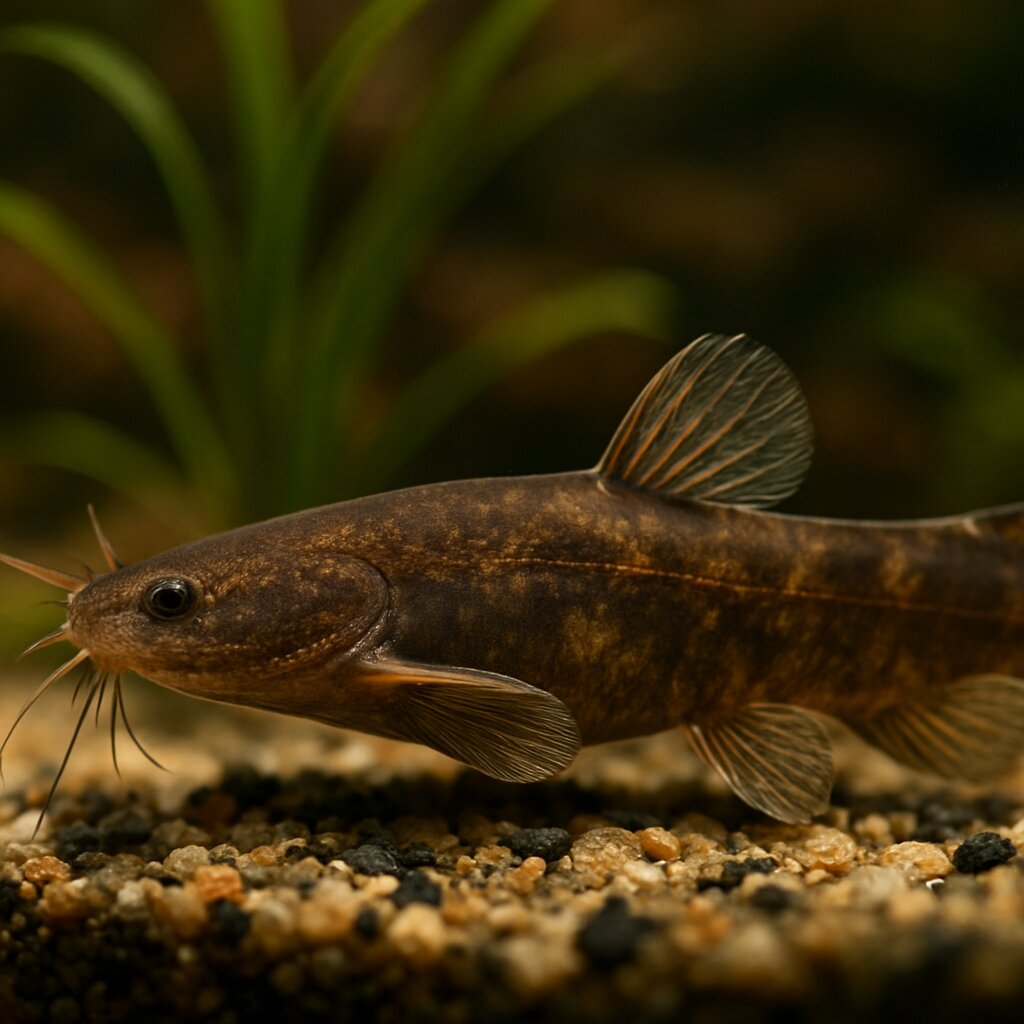
Amphilius dimonikensis
A small loach catfish endemic to the Mpoulou River in the Mayombe (Dimonika Biosphere Reserve), Republic of the Congo. Amphilius dimonikensis has a subtle banded pattern and inhabits fast, clear streams over rock and sand. In aquaria, prioritize strong, well-oxygenated flow with rounded stones and sand to mimic hillstream conditions.
Aboina barb
Enteromius aboinensis
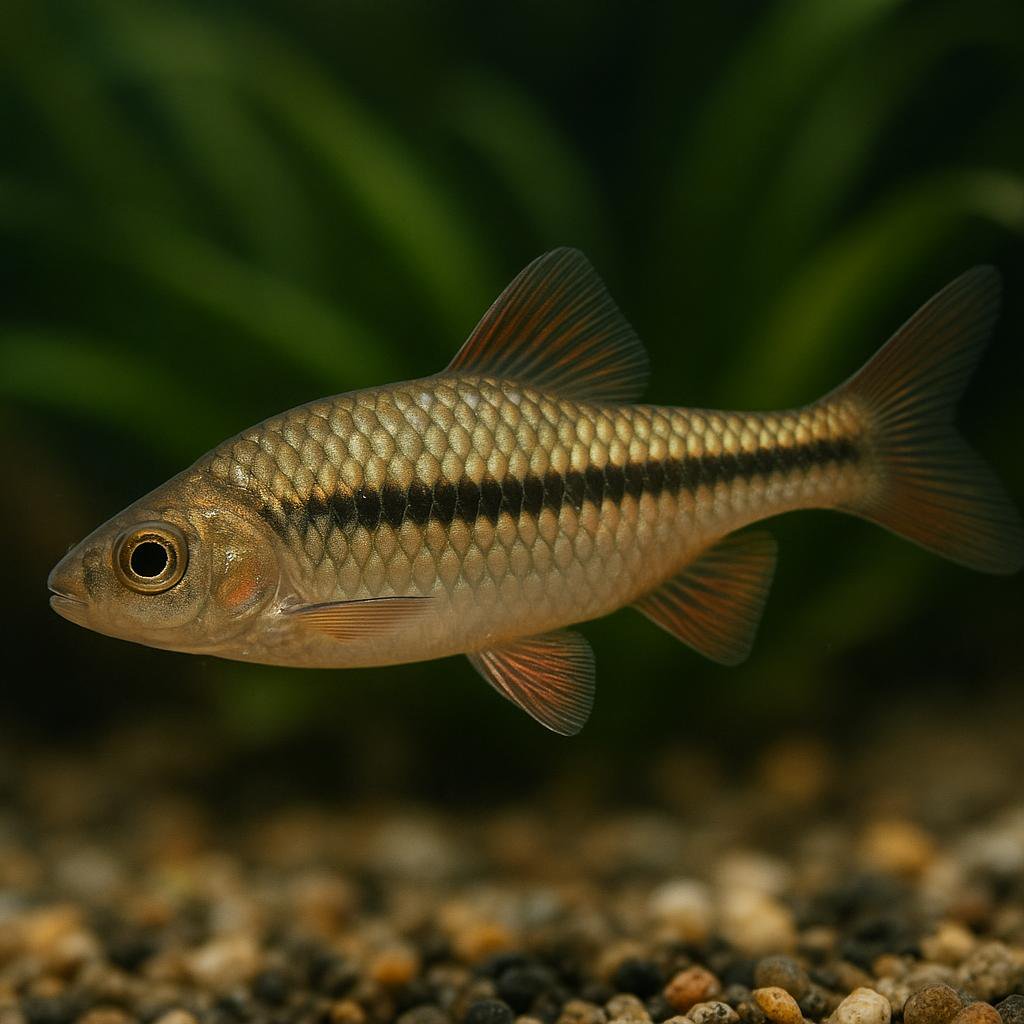
Enteromius aboinensis (the Aboina barb) is a small West African barb with a clean black midline stripe and a little spot right at the base of the tail. It does best when you treat it like a proper schooling fish - keep a decent group and give it plants around the edges with open swimming room in the middle.
Ajuricaba tetra
Jupiaba ajuricaba
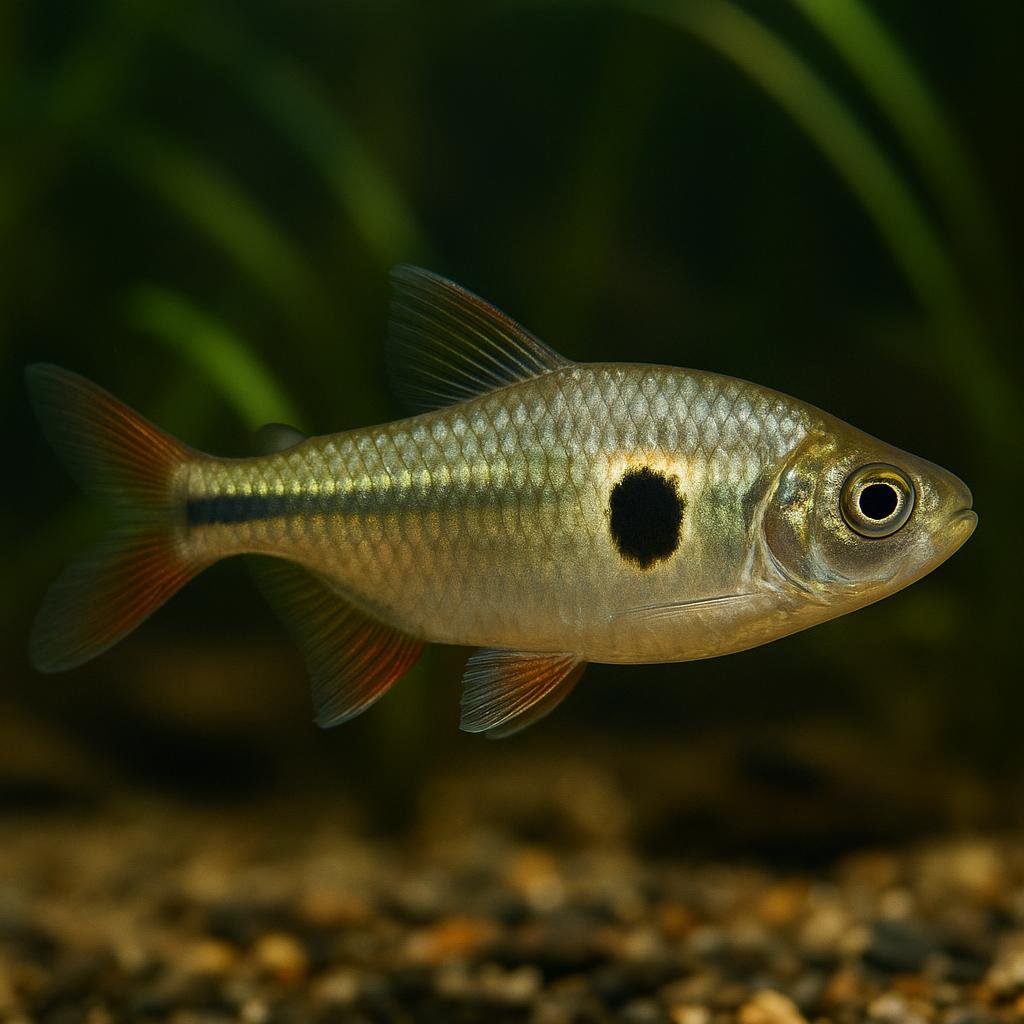
Jupiaba ajuricaba is a South American freshwater characin from the Amazon basin in Brazil (rio Negro, rio Solimões, and rio Tapajós basins). It reaches about 9.5 cm SL and is diagnosed by a narrow dark midlateral stripe, an elongated humeral spot, and an ocellated spot on the upper caudal-fin lobe. Wild specimens have been collected from blackwater forest streams and also oxbow-lake habitats.
Allen's river garfish
Zenarchopterus alleni
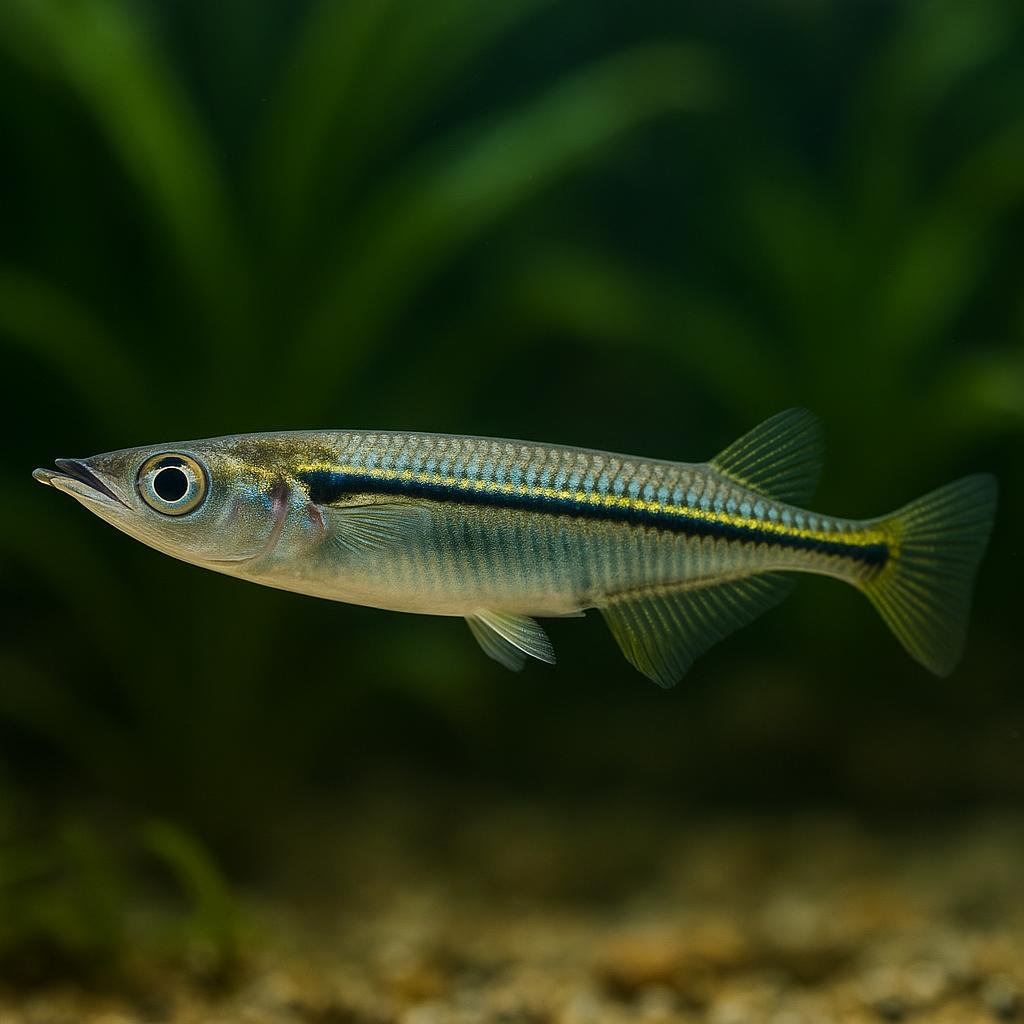
A poorly known freshwater halfbeak endemic to West Papua (Mamberamo River), described from a single specimen (~13 cm SL). Beyond basic habitat/occurrence, little is published about its ecology or aquarium suitability; assume it is a surface-oriented, jump-prone halfbeak only by analogy with related taxa.
Amapa tetra
Hyphessobrycon amapaensis
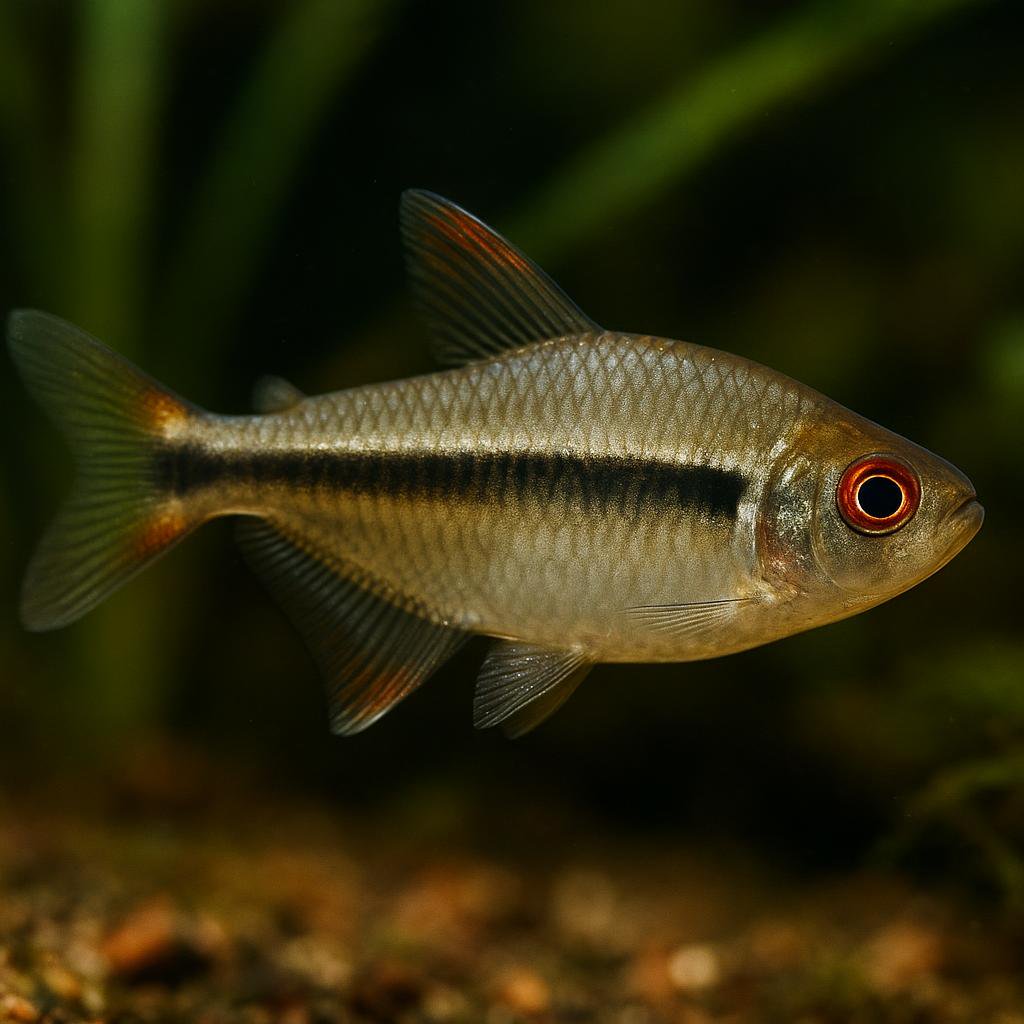
This is a tiny, super sleek little tetra with a clean red stripe down the side that really pops once its settled in. It does best in a planted, slightly tinted "creek-style" setup and looks way cooler when you keep a proper group so they school and flash that line together. If you can give it soft, slightly acidic water and a calm community, its an easy fish to fall for.
Amatlan chub
Yuriria amatlana
Yuriria amatlana (the Amatlan chub) is a little Mexican native minnow from the Ameca River basin. Its wild range is pretty limited and it is listed as Endangered, so its care info in the aquarium hobby is basically nonexistent and its availability is usually low. In the original species description, preserved fish show a dark lateral stripe with a darker patch on the caudal peduncle, and they can have tiny barbels at the mouth corners.
Looking for other species?