

Spinach pipefish
Microphis spinachioides
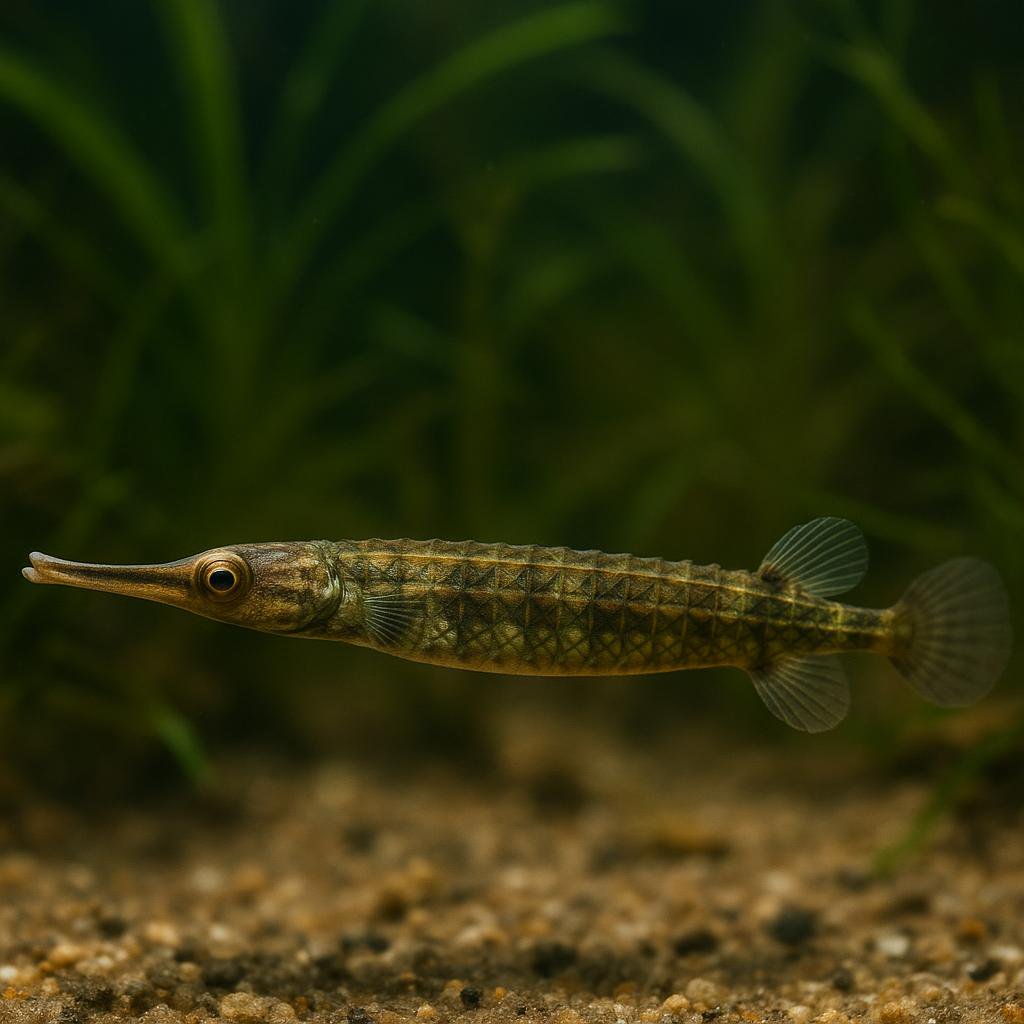
The Spinach pipefish exhibits a long, slender body with greenish-brown color and distinctive, elongated snout, blending well with seagrass habitats.
This page includes AI-generated images. Why am I seeing AI images?
About the Spinach pipefish
This is a freshwater pipefish from Papua New Guinea - basically a tiny river cousin of seahorses with that stiff, armored "stick" body and a little tube snout for picking off micro-crustaceans. The really wild part is the males brood the eggs, and the species is so rarely seen in the wild that a lot of info we normally lean on for aquarium care just straight-up is not documented.
Also known as
Quick Facts
Size
15 cm SL
Temperament
Peaceful
Difficulty
Expert
Min Tank Size
20 gallons
Lifespan
2-5 years
Origin
Oceania (Papua New Guinea)
Diet
Carnivore (micropredator) - live/frozen micro-crustaceans like copepods, daphnia, baby brine, small shrimp
Water Parameters
24-28°C
6.5-7.5
2-12 dGH
Need a heater for this species?
This species needs 24-28°C in a 20 gallon tank. Use our heater calculator to find the right wattage.
Calculate heater sizeCare Notes
- Give them abundant structure/cover and gentle flow; species-specific tank-size and flow requirements for Microphis spinachioides are not well documented, so avoid presenting exact gallon minimums as established facts.
- Maintain stable, high-quality tropical freshwater conditions; exact temperature/pH targets and nitrate thresholds for Microphis spinachioides are not well documented in authoritative species-specific sources, so avoid presenting these precise numbers as established facts without citations.
- Feeding is the make-or-break: live foods like copepods, daphnia, baby/juvenile shrimp, and blackworms get the best response, and you will need to offer food multiple times a day.
- Most wont take dry food; if you want to train them, start with live, then mix in frozen cyclops/mysis and target feed with a pipette right in front of their snout.
- Avoid fast or nippy tankmates (tetras that peck, barbs, gouramis, cichlids) and anything that will outcompete them at feeding time. Good company is tiny, calm stuff like small rasboras or better yet a species tank with shrimp and snails.
- Cover every intake with a sponge and block tight gaps - they love getting into corners and will get sucked in or scraped up. A dark, quiet tank with lots of cover makes them way less flighty.
- Watch for skinny bellies and weak hunting behavior - that usually means they are not getting enough live food, not that they are sick. Also keep an eye out for snout damage and fungus after they bump decor or get harassed.
- Breeding is cool: the male carries the eggs, but you will only get fry if you can supply clouds of tiny live foods (copepod nauplii, rotifers, baby brine as they size up). Fry are basically microscopic vacuum cleaners that starve fast if the tank is not crawling with food.
Compatibility
Good Tankmates
- Not well documented for Microphis spinachioides; if attempted, choose very peaceful tankmates that do not outcompete for small live foods and will not harass or nip.
- Tiny rasboras that are mellow and not bitey - chili rasboras, harlequin rasboras, lambchop rasboras. Good midwater neighbors as long as you keep the flow reasonable and feed the pipefish first.
- Peaceful bottom crew that will not hassle them - Corydoras (pygmy or regular), small Otocinclus groups. They do their own thing and do not compete too hard at the surface.
- Not well documented for Microphis spinachioides; avoid tankmates requiring very different flow/temperature regimes unless you can meet both species' needs reliably.
- Small, non-territorial livebearers in calmer setups - Endler-type livebearers can work if they are not in crazy high numbers. Keep it light so the pipefish is not constantly outcompeted at feeding time.
Avoid
- Anything nippy - tiger barbs, serpae tetras, many danios in a hyper mood. Pipefish get stressed fast when stuff is constantly zipping and pecking around them.
- Fin and body pickers like many gouramis (especially more territorial ones) and bettas - they can decide that long skinny pipefish are a target and start harassing them.
- Big mouths or pushy cichlids - angels when grown, convicts, most Africans, even 'peaceful' midsize cichlids. If it can fit a pipefish or bully it off food, it is a no.
Where they come from
Spinach pipefish (Microphis spinachioides) show up in slow freshwater and lowland waterways in Southeast Asia. Think weedy margins, submerged grass, roots, and leaf litter - places where you can barely see them until they move. They are basically freshwater seahorse cousins, just longer, faster, and way more shy.
If you have only ever kept "regular" community fish, pipefish feel like they are from a different hobby. They do not compete well for food, they stress easily, and they punish sloppy maintenance.
Setting up their tank
Give them a calm, planted tank with lots of vertical structure. I have had the best luck in taller setups where they can cruise and hover without being forced into tight turns. Long tanks work too, but avoid busy hardscape that makes them constantly dodge.
Flow should be gentle to moderate, not a river. You want enough circulation that food does not rot in dead spots, but not so much that the fish spend all day fighting current. Sponge filters and a spray bar are your friends here.
- Tank size: I would not bother under 20 gallons, and 30+ gallons makes life easier (more stable and more feeding room).
- Aquascape: dense plants (real or high quality artificial), fine-leaf stuff, floating cover, and lots of "tangle" like roots or branching wood.
- Substrate: sand or fine gravel so uneaten food is easy to siphon.
- Lighting: moderate with shaded areas. They act braver with floaters.
- Lid: tight. They can jump when startled.
Add "hitching" spots even though they do not always use them like seahorses. Clumps of moss, guppy grass, or a bundle of plastic plants give them a place to pause and feel hidden.
Water-wise, stability beats chasing a magic number. Neutral-ish pH is fine, slightly acidic is fine, but big swings are not. Keep it clean, keep it oxygenated, and keep nitrate low. I do small, frequent water changes rather than big ones, because sudden shifts can spook them into not eating.
Do not toss them into a brand new tank. They do way better in a tank that has been running a while with a mature biofilter and a healthy microfauna population.
What to feed them
Feeding is the whole game with spinach pipefish. They are visual, picky micro-predators that want small moving prey. Mine ignored flakes and most pellets like they were rocks. If you cannot commit to live and frozen foods (and the extra cleanup), this species will make you miserable.
- Best starters: live baby brine shrimp (BBS), live daphnia, live copepods, live blackworms (use carefully).
- Frozen that often works once they settle: cyclops, baby brine shrimp, chopped mysis (tiny pieces), finely chopped bloodworms (not as a staple).
- Foods that usually fail: flakes, big pellets, and chunky frozen foods.
I get the best feeding response by target-feeding with a turkey baster or pipette. Turn off the filter for 10-15 minutes, squirt a small cloud near their favorite plant clump, and let them pick. If you broadcast feed in a community tank, faster fish will steal everything and the pipefish will slowly fade.
Watch body condition. A pipefish can look "fine" right up until it is too late. You want a gently rounded belly after meals, not a pinched look along the abdomen. If they are not eating with enthusiasm, treat that like an emergency.
How they behave and who they get along with
They are peaceful, shy, and easily intimidated. Most of the day they glide around plants and pick at tiny prey. They do not want to spar, they do not want to compete, and they definitely do not want a tankmate that mistakes them for a snack.
- Good tankmates: calm nano fish that do not outcompete at feeding time (small rasboras can work), tiny peaceful catfish, snails, and shrimp (though small shrimp may become snacks).
- Bad tankmates: anything nippy (barbs, many tetras), boisterous feeders, cichlids, gouramis that like to investigate, and anything big enough to mouth them.
- Best setup: species-only, or a very carefully chosen quiet community with a dedicated feeding plan.
If you really want tankmates, feed the other fish first at one end, then target-feed the pipefish at the other end with the pumps off. It is extra work, but it is the difference between "they survived" and "they actually eat."
Breeding tips
Pipefish are in the same weird club as seahorses: the male carries the eggs. If you get a settled pair and you are feeding heavy live foods, courtship can happen without you doing anything fancy. You will see more following behavior, tighter side-by-side swimming, and the male getting noticeably "full" in the brooding area.
Raising the young is where most attempts crash. The fry are tiny and need tiny live food basically on tap. If you have not already raised fussy fry (or run rotifers/copepods cultures), plan on learning fast.
- Conditioning: lots of small live feedings daily beats one big meal.
- Cover: dense plants and calm flow reduce stress during courtship.
- Fry food: copepods and newly hatched brine shrimp are the usual starting point; have cultures ready before you see pregnancy.
- Separation: consider a fry tank or at least a heavily planted "safe zone" because adults and tankmates will pick off babies.
Do not move a heavily pregnant male unless you have to. In my experience they can drop or lose the brood if they get stressed during transfers.
Common problems to watch for
Most losses come from slow starvation, shipping stress, or secondary infections after small injuries. They do not have much margin for error, and they do not bounce back like a hardy tetra.
- Not eating: the big one. Often caused by stress, too much competition, or offering the wrong size food.
- Snout issues: scraped snouts from hitting glass or hardscape can turn into infections fast.
- Internal parasites: wild-caught fish can come in thin and never gain weight even if they "eat."
- Bacterial infections: fin/body sores after stress or poor water quality.
- Gas bubble problems: can show up if water quality is poor or if they are chronically stressed (also seen in other syngnathids).
Quarantine is worth the hassle with pipefish. I keep QT calm: dim light, lots of fake plants, mature sponge filter, and I focus on getting them eating first before I start throwing meds around.
One more practical thing: clean up after feedings. Live and frozen microfoods foul water quickly, especially in planted tanks where you cannot see every corner. I do a quick siphon of the "feeding zone" and rinse prefilters often. That small routine keeps them from going downhill for no obvious reason.
Similar Species
Other freshwater peaceful species you might be interested in.
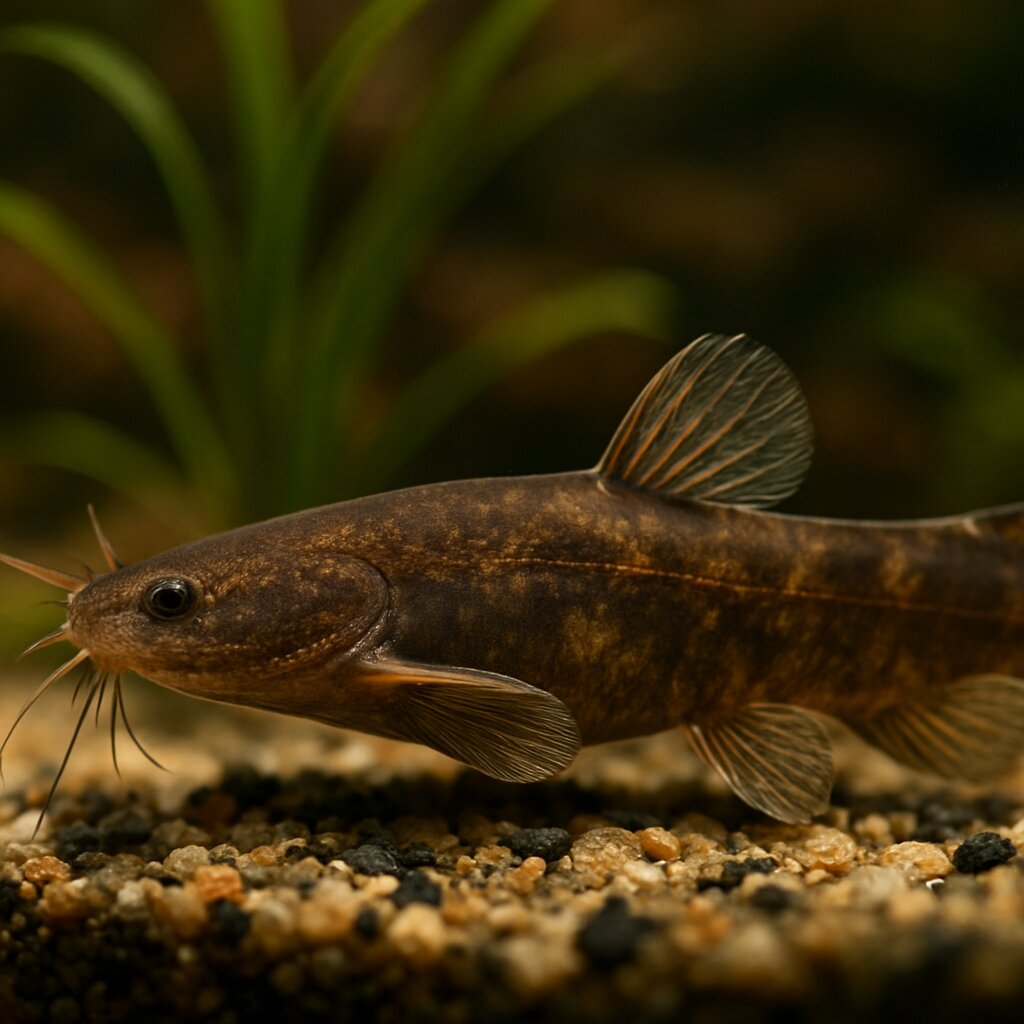
Amphilius dimonikensis
A small loach catfish endemic to the Mpoulou River in the Mayombe (Dimonika Biosphere Reserve), Republic of the Congo. Amphilius dimonikensis has a subtle banded pattern and inhabits fast, clear streams over rock and sand. In aquaria, prioritize strong, well-oxygenated flow with rounded stones and sand to mimic hillstream conditions.
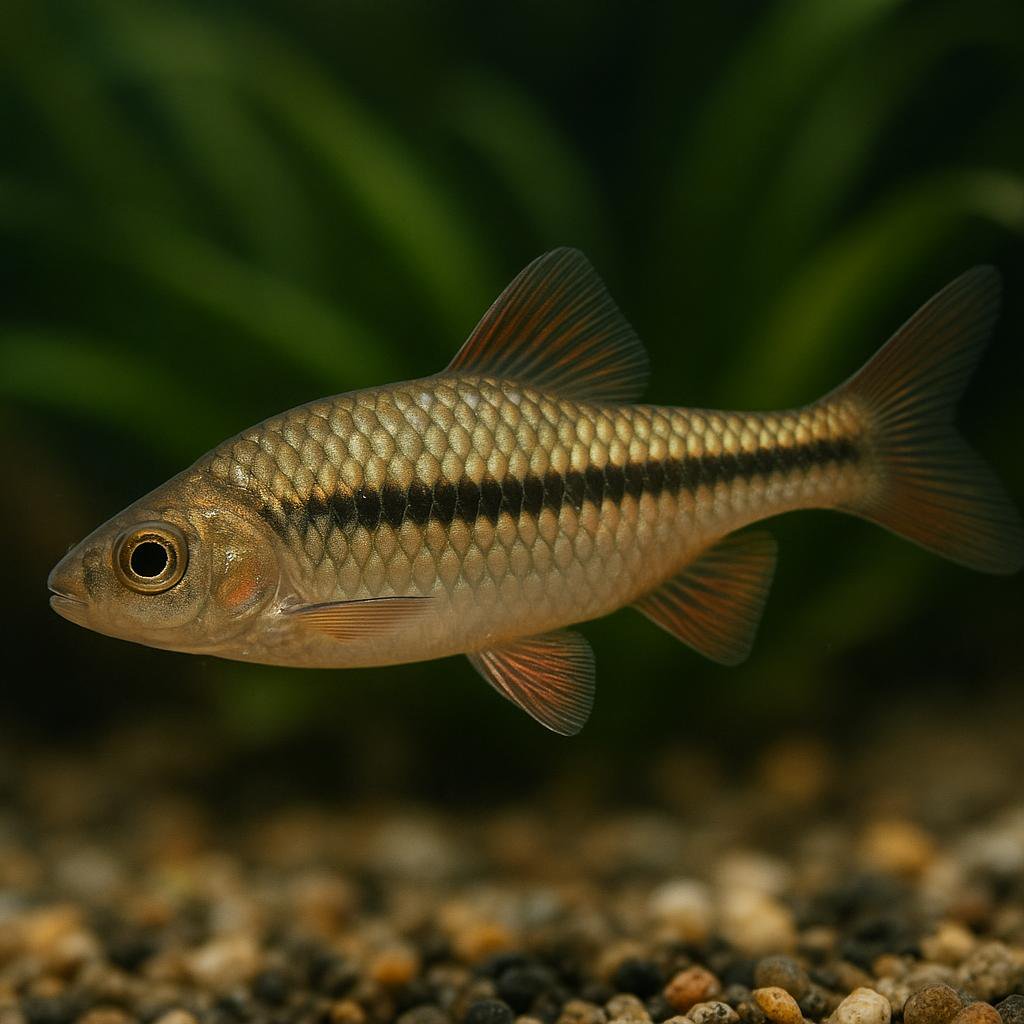
Aboina barb
Enteromius aboinensis
Enteromius aboinensis (the Aboina barb) is a small West African barb with a clean black midline stripe and a little spot right at the base of the tail. It does best when you treat it like a proper schooling fish - keep a decent group and give it plants around the edges with open swimming room in the middle.
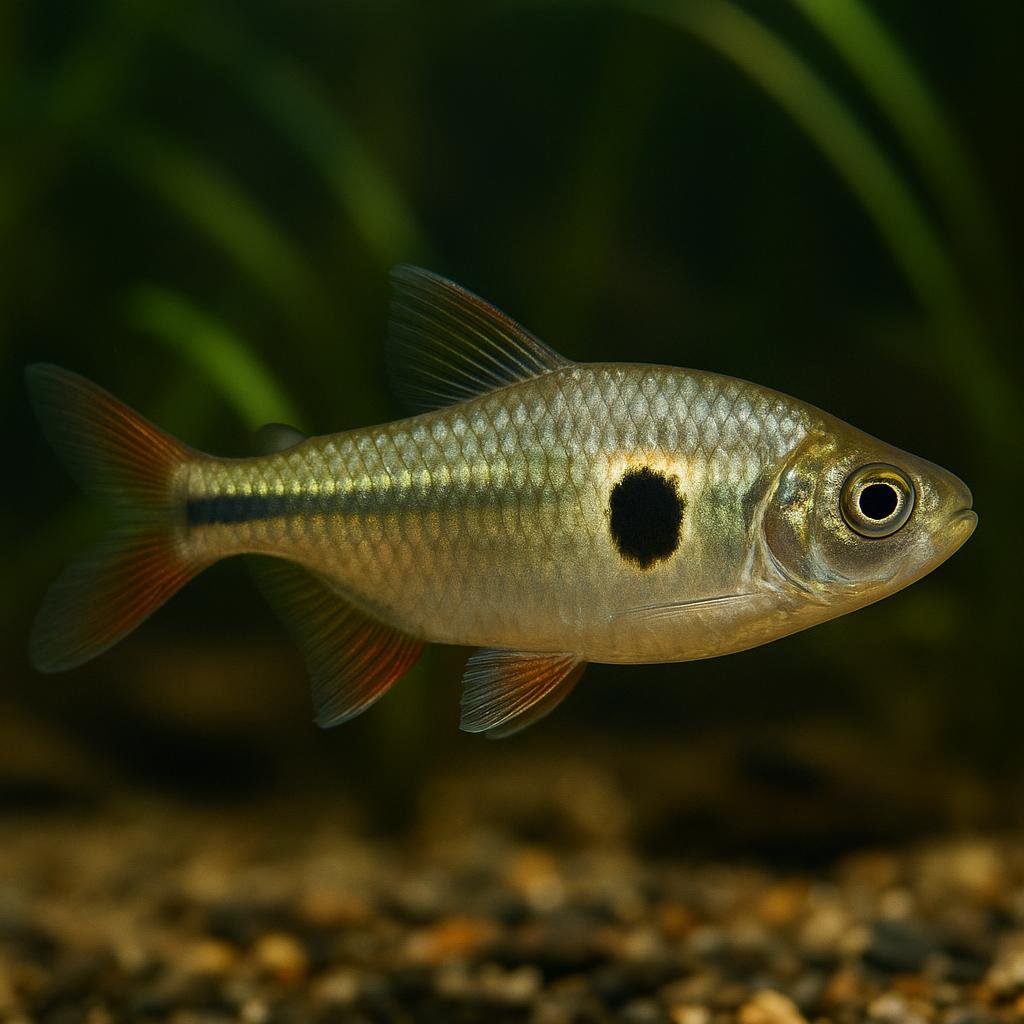
Ajuricaba tetra
Jupiaba ajuricaba
Jupiaba ajuricaba is a South American freshwater characin from the Amazon basin in Brazil (rio Negro, rio Solimões, and rio Tapajós basins). It reaches about 9.5 cm SL and is diagnosed by a narrow dark midlateral stripe, an elongated humeral spot, and an ocellated spot on the upper caudal-fin lobe. Wild specimens have been collected from blackwater forest streams and also oxbow-lake habitats.
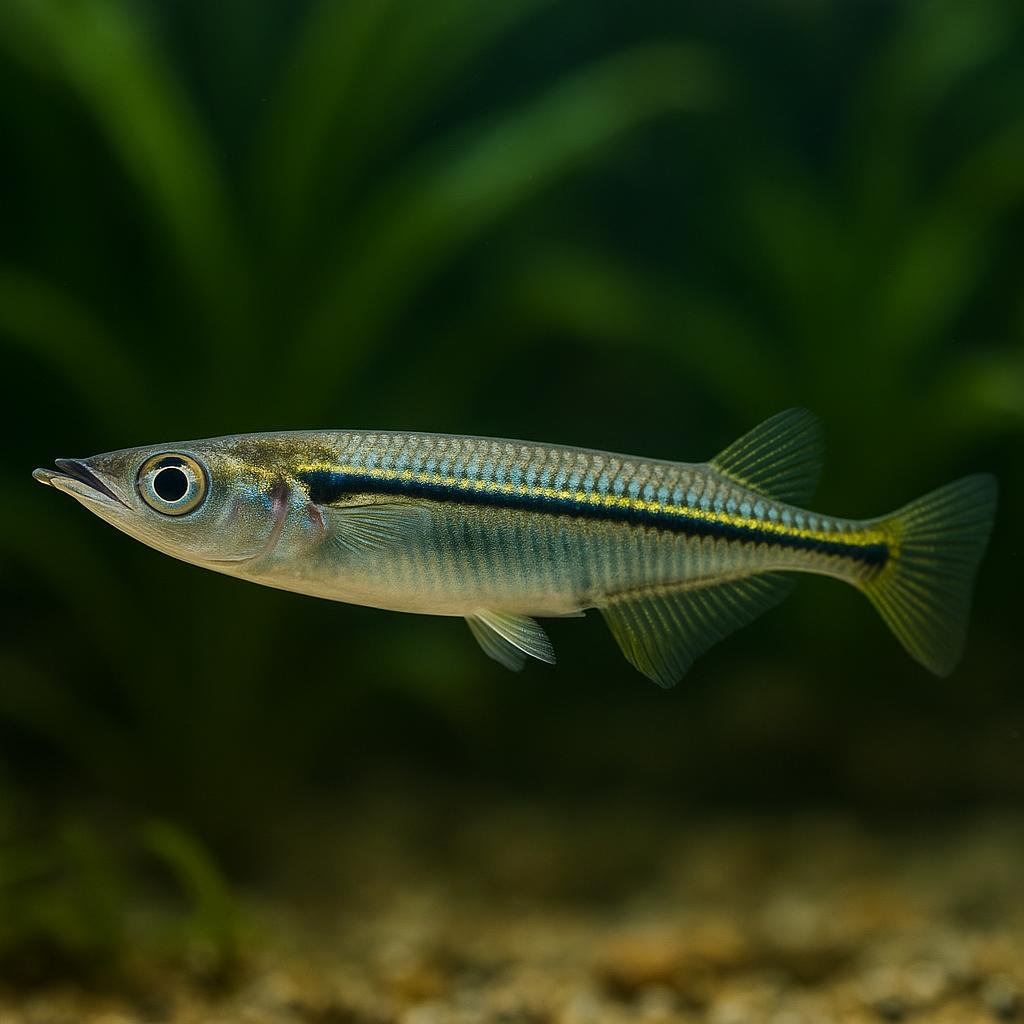
Allen's river garfish
Zenarchopterus alleni
A poorly known freshwater halfbeak endemic to West Papua (Mamberamo River), described from a single specimen (~13 cm SL). Beyond basic habitat/occurrence, little is published about its ecology or aquarium suitability; assume it is a surface-oriented, jump-prone halfbeak only by analogy with related taxa.
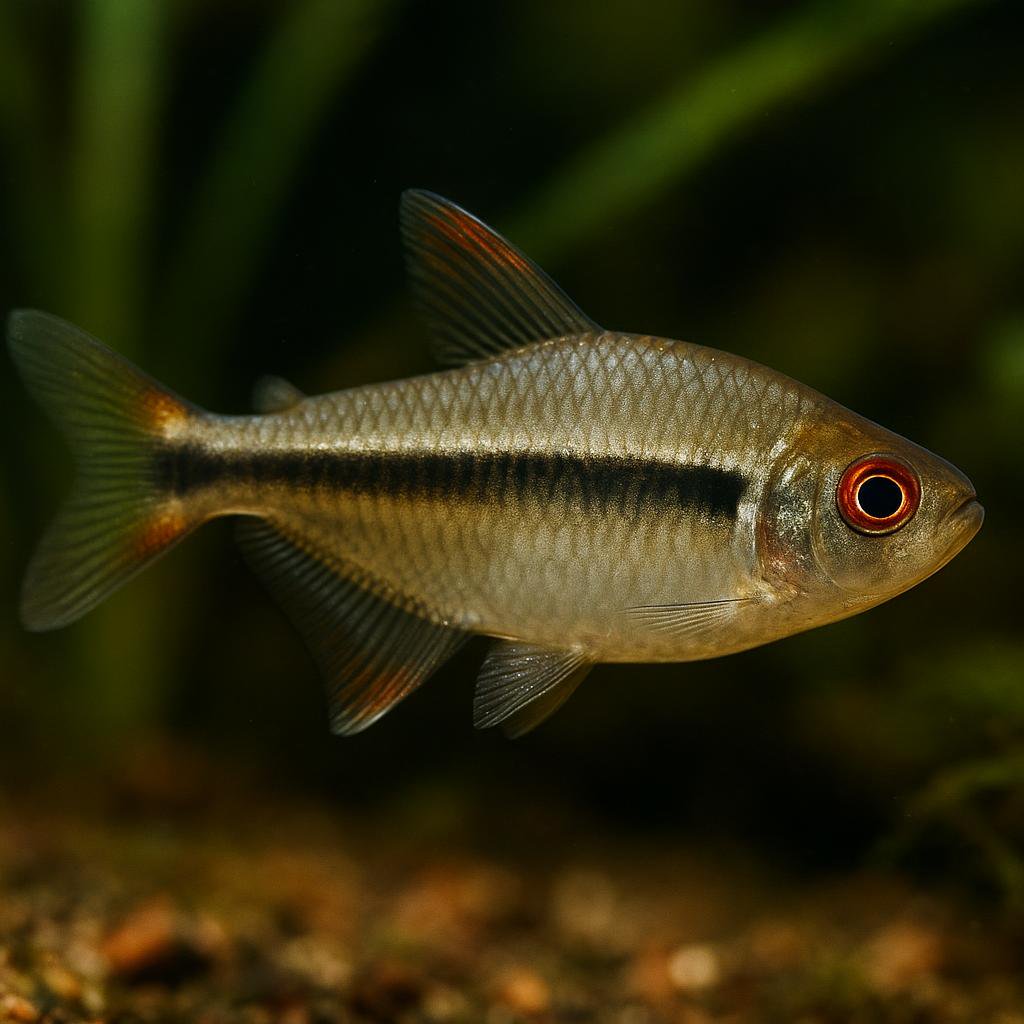
Amapa tetra
Hyphessobrycon amapaensis
This is a tiny, super sleek little tetra with a clean red stripe down the side that really pops once its settled in. It does best in a planted, slightly tinted "creek-style" setup and looks way cooler when you keep a proper group so they school and flash that line together. If you can give it soft, slightly acidic water and a calm community, its an easy fish to fall for.
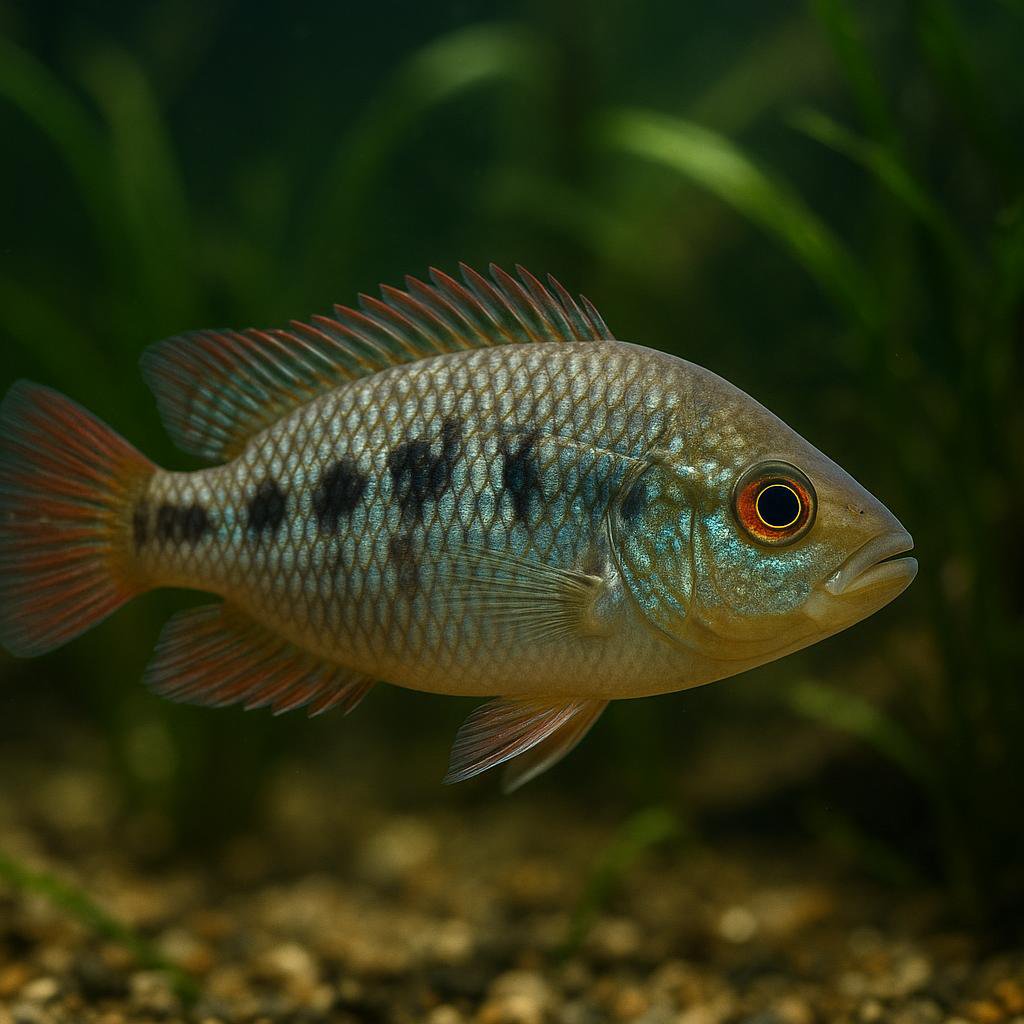
Amatlan chub
Yuriria amatlana
Yuriria amatlana (the Amatlan chub) is a little Mexican native minnow from the Ameca River basin. Its wild range is pretty limited and it is listed as Endangered, so its care info in the aquarium hobby is basically nonexistent and its availability is usually low. In the original species description, preserved fish show a dark lateral stripe with a darker patch on the caudal peduncle, and they can have tiny barbels at the mouth corners.
More to Explore
Discover more freshwater species.
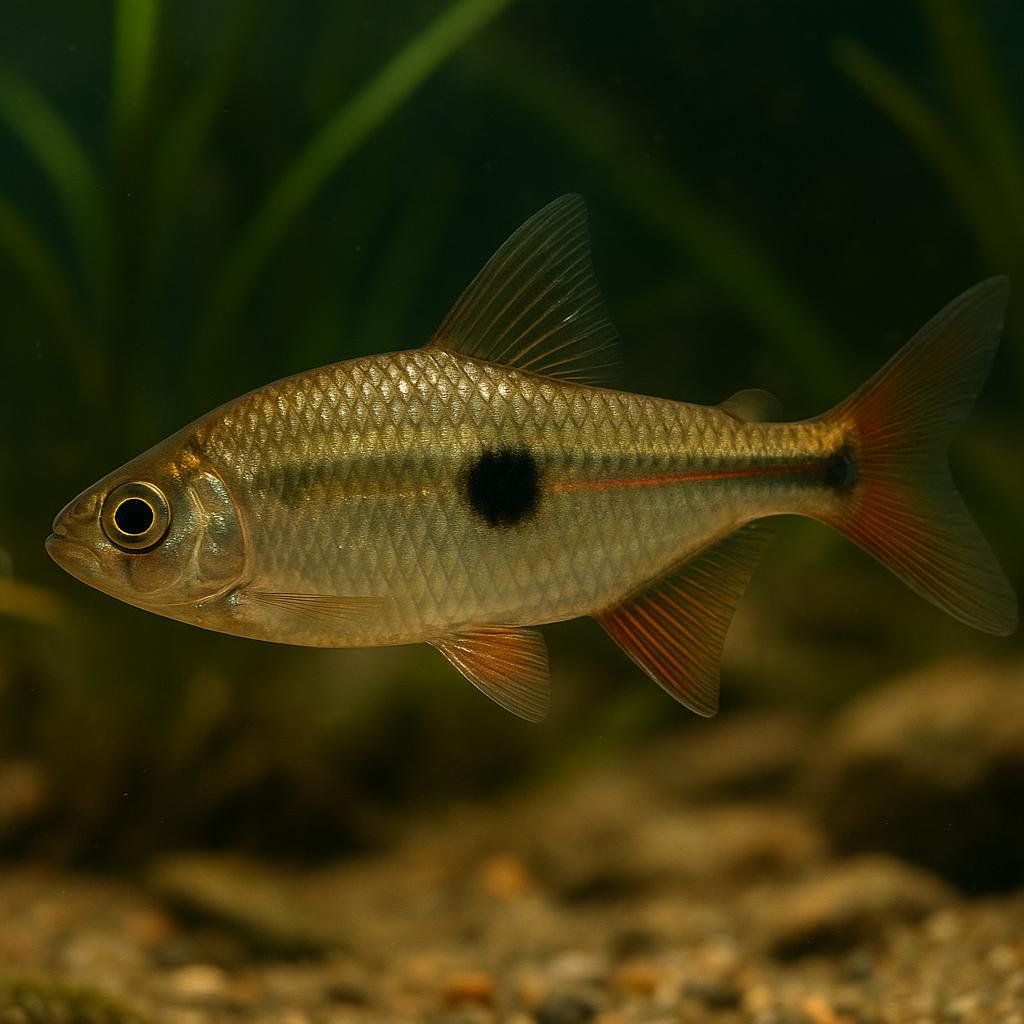
Jupiaba kurua
Small South American characin endemic to the upper rio Curuá (rio Xingu basin, Brazil). Reaches about 8.7 cm SL and inhabits clearwater rivers. Distinguished by dark dots on the bases of many lateral scales and a distinct dark caudal‑peduncle spot. Reported diet indicates omnivory, including aquatic insects, small fishes, and fragments of Podostemaceae and filamentous algae.
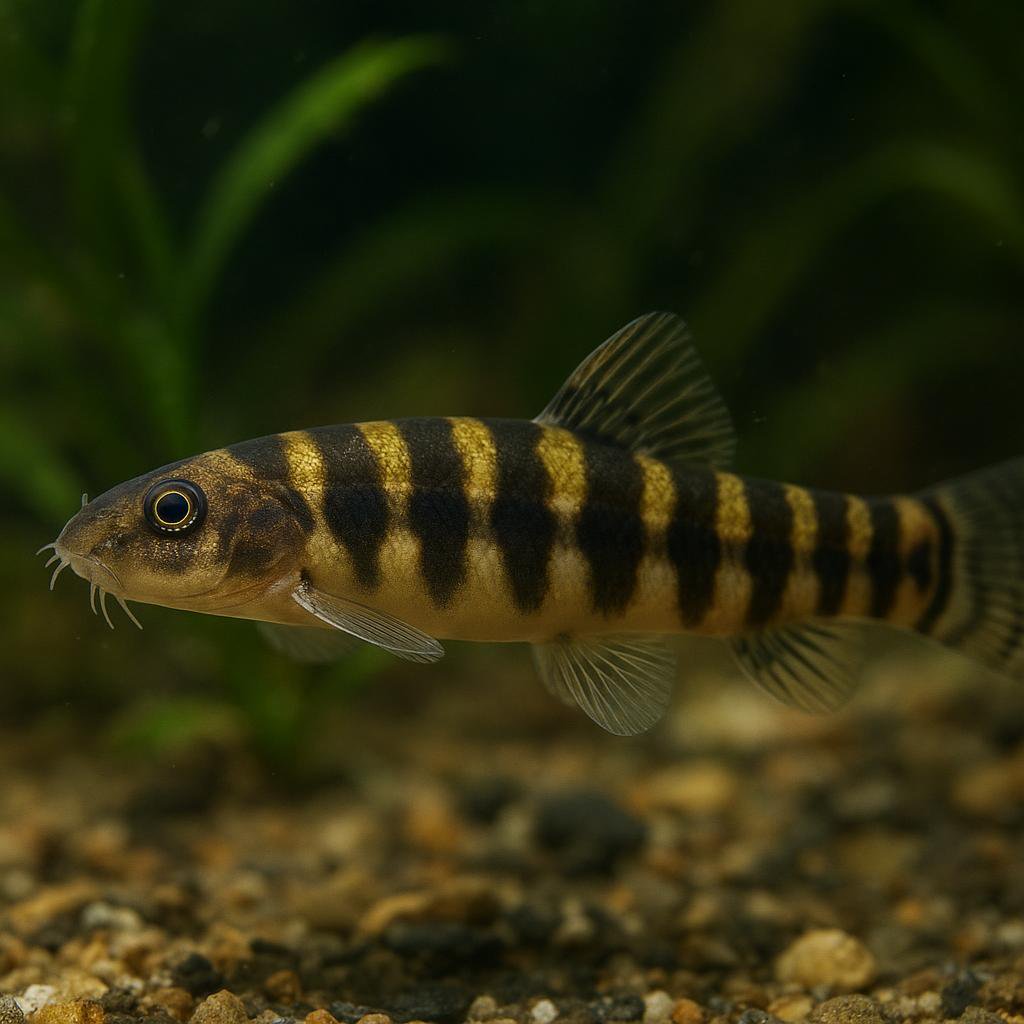
Altipedunculata stone loach
Schistura altipedunculata
Schistura altipedunculata is one of those little stream loaches that wants clean, well-oxygenated water and a bunch of rock nooks to claim as home. It is a bottom-hugger that will spend its day scooting from crevice to crevice, and it tends to get a bit spicy with its own kind if you do not give it enough hiding spots.
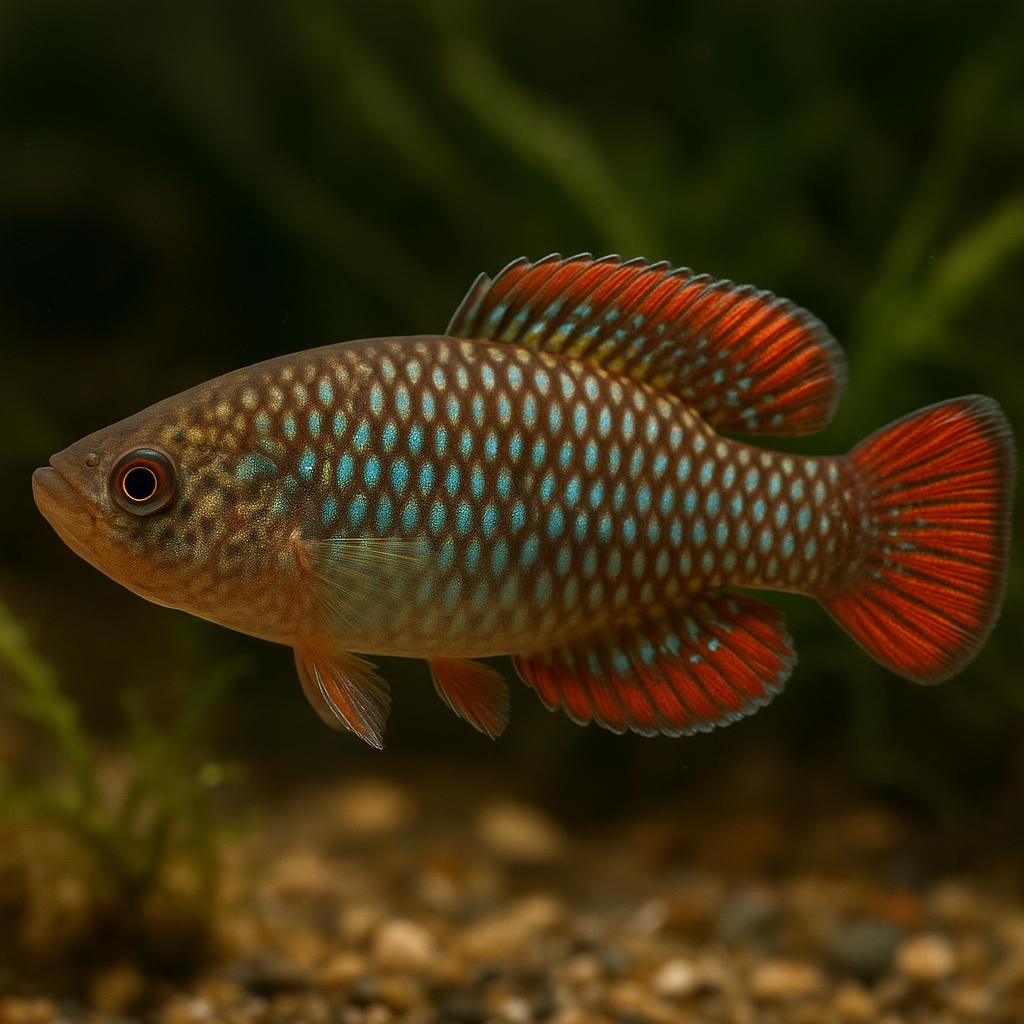
American flagfish
Jordanella floridae
Jordanella floridae is that little Florida native with the red-and-cream striping that really does look like a tiny flag once a male colors up. They graze algae like champs (especially stringy/hair algae), but they have a bit of attitude - give them plants and space so the bossy behavior stays manageable. Bonus: the male guards the eggs and will actively fan them, which is pretty fun to watch.
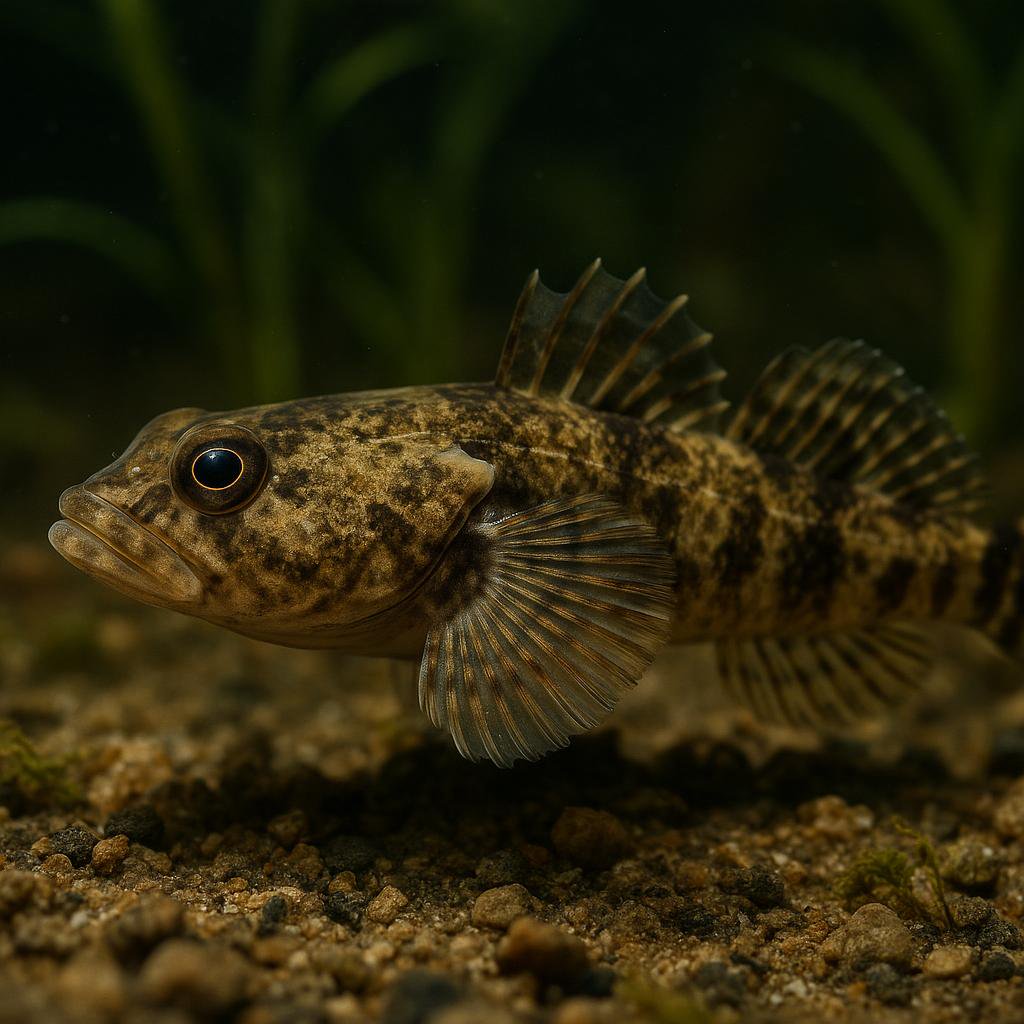
Amur sculpin
Alpinocottus szanaga
This is a little coldwater sculpin from the Amur drainage - a bottom-hugging, rock-and-gravel fish that spends its day wedged under stones and darting out to grab food. Super cool behavior and attitude, but it is absolutely not a warm tropical community fish - it wants chilly, fast, oxygen-rich water and will bicker with other bottom fish.
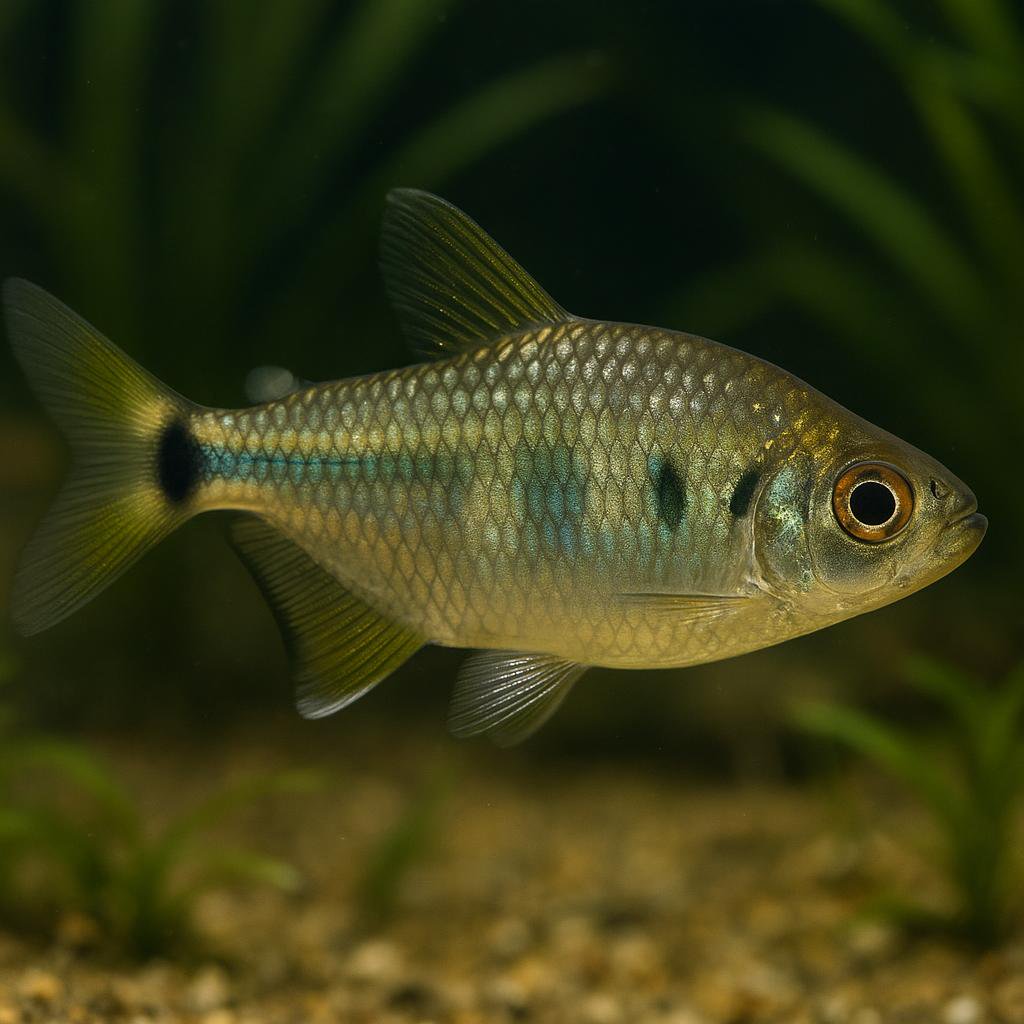
Andrica moenkhausia
Moenkhausia andrica
Moenkhausia andrica is a little Brazilian characin from the Tapajos system that tops out around 7 cm (about 2.8 inches) standard length. It has a neat netted (reticulated) scale pattern plus a dark spot on the caudal peduncle, and the really wild part is that mature females can have tiny fin hooklets too, which is usually a male-only thing in a lot of characins.
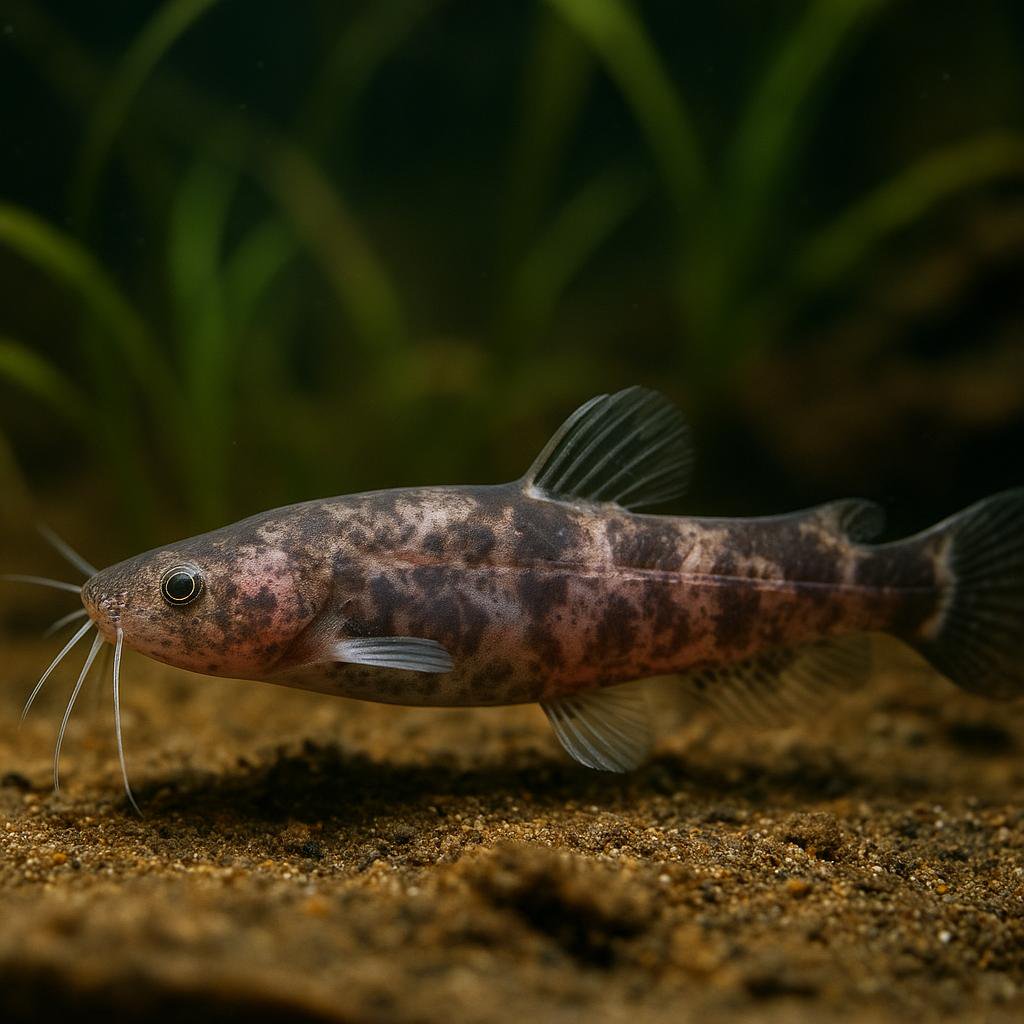
Anhanga pygmy pencil catfish
Potamoglanis anhanga
This is a truly tiny Amazonian trichomycterid catfish - like 1.3 cm max - so it is more of a micro-predator oddball than a typical community catfish. It is the kind of fish that disappears into sand, leaf litter, and plant roots, and you will spend way more time setting up the right micro-habitat than you will actually seeing it.
Looking for other species?