

Six-bar Lamprologus
Neolamprologus sexfasciatus
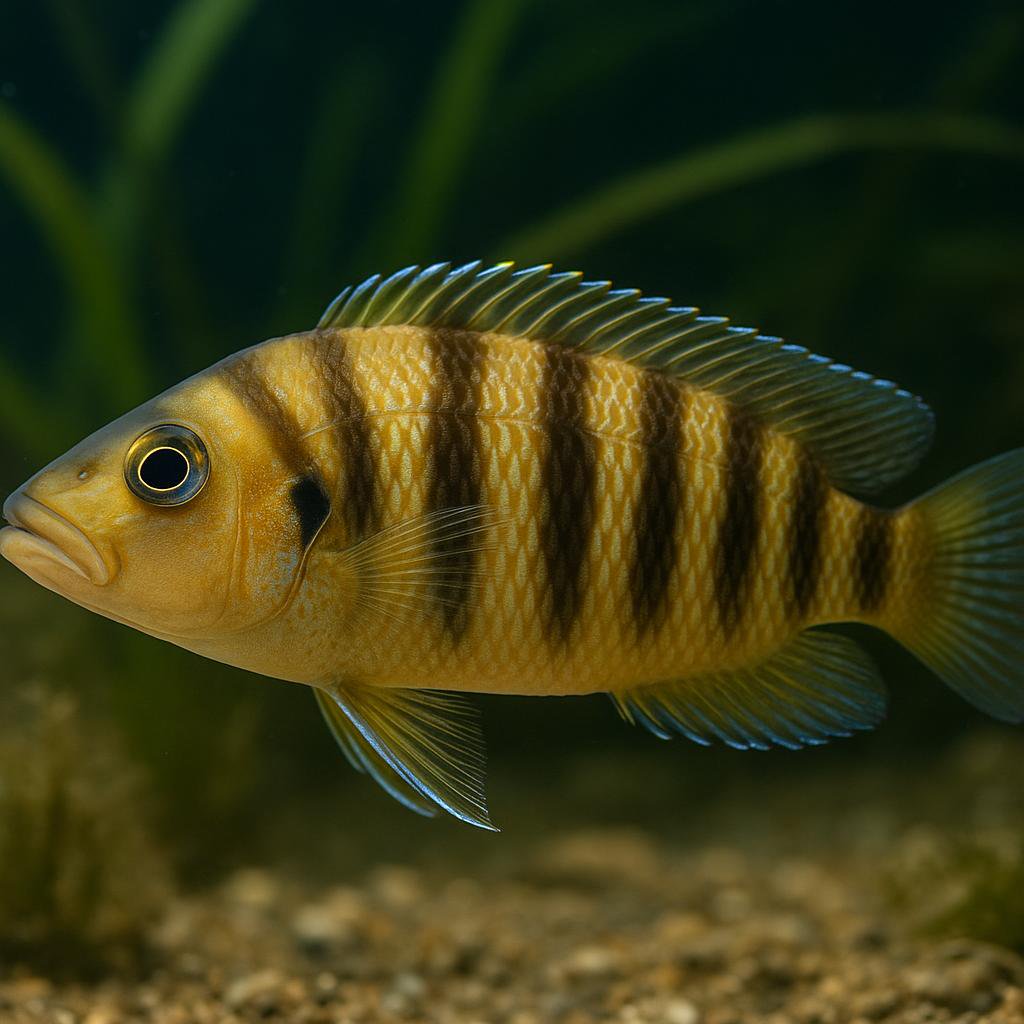
The Six-bar lamprologus features a slender body with six distinctive vertical black bars and vibrant yellow to orange hues on its fins.
This page includes AI-generated images. Why am I seeing AI images?
About the Six-bar Lamprologus
This Tanganyikan cichlid wears six bold bars over a pale body, with some locales showing striking gold or white morphs. It prowls the rock-sand intermediate zone and uses powerful throat jaws to crunch snails, so it appreciates hard-alkaline water and solid rockwork with room to establish territory.
Also known as
Quick Facts
Size
6 inches
Temperament
Semi-aggressive
Difficulty
Intermediate
Min Tank Size
53 gallons
Lifespan
8 years
Origin
East Africa (Lake Tanganyika)
Diet
Carnivore - snails and small fish; takes pellets, flakes, and frozen foods
Water Parameters
23-26°C
8-9
15-25 dGH
Need a heater for this species?
This species needs 23-26°C in a 53 gallon tank. Use our heater calculator to find the right wattage.
Calculate heater sizeCare Notes
- Give this 6-inch Tanganyikan cichlid at least 53 gallons with stacked, stable rock piles over sand plus some open lanes to patrol; secure rocks so a charge does not topple the scape.
- Hold hard, alkaline water: 23-26 C, pH 8-9, and 15-25 dGH; aragonite, crushed coral, or a Tanganyika buffer helps keep those values steady.
- Carnivore that crunches snails and small fish in the lake; in the tank it takes quality carnivore pellets, flakes, and frozen foods like mysis, krill, and chopped shrimp.
- It will eat ornamental snails and bite-size tankmates, so skip shrimp, snails, and small fish.
- Tankmates work best when they are robust Lake Tanganyika cichlids of similar size that use different niches; expect semi-aggressive chasing, so break sightlines with rockwork.
- Give each adult a clear territory; crowding ramps up aggression and stress.
- Prioritize stability over chasing exact numbers at every test; avoid sudden pH or hardness swings during water changes.
- Well kept, it can reach about 8 years, so plan the scape and stocking with the long haul in mind.
Compatibility
Good Tankmates
- Julidochromis species of similar size (e.g., J. marlieri, J. regani) - rock-dwelling Tanganyikans that hold narrow territories; provide stacked rockwork to break lines of sight.
- Altolamprologus calvus/compressiceps (similar-sized adults) - slow but sturdy crevice cichlids that do well among vertical rock faces; avoid big size mismatches.
- Neolamprologus leleupi - assertive rock dweller that coexists if each species gets its own cave system and clear territory boundaries.
- Adult Cyprichromis or Paracyprichromis (shoal in a 4 ft+ tank) - midwater dithers that stay out of the rocks; use adults only, as juveniles may be picked off.
- Tanganyikan Synodontis catfish (e.g., S. lucipinnis/'petricola'; S. multipunctatus in larger tanks) - hardy, armored bottom dwellers that ignore cichlid posturing.
- Telmatochromis species (e.g., T. vittatus, T. temporalis) - tough mid-sized Tanganyikan rock/shell associates that hold their own with ample caves.
Avoid
- Small shell dwellers and tiny Tanganyikan species (e.g., N. multifasciatus, N. similis, Lamprologus ocellatus) - likely to be harassed or eaten.
- Ornamental snails and shrimp - prime prey for a snail-crunching carnivore; will be hunted.
- Peaceful community or soft-water fish (tetras, rasboras, gouramis, Apistogramma) - wrong water chemistry and risk of predation/stress.
- Hyper-aggressive African cichlids like Tropheus, Petrochromis, Malawi mbuna, or combative lookalikes such as N. tretocephalus - diet/temperament clashes and escalated territorial fighting.
Neolamprologus sexfasciatus, the Six-bar Lamprologus, is a medium Tanganyikan cichlid reaching about 6 inches. It wears six bold vertical bars on a pale body; some local forms show striking gold or white. Built to crunch snails with powerful throat jaws, it is a semi-aggressive predator suited to hard, alkaline water and solid rockwork. Lifespan is around 8 years with attentive care.
Origin and natural habitat
Endemic to Lake Tanganyika in East Africa, Six-bar Lamprologus patrols the interface between rocky outcrops and open sand. It hunts among crevices and at the base of boulders, taking snails and small fishes. The lake is famously stable, very hard, and alkaline, with high oxygen and clear water.
Replicate the rock-sand transition: stack sturdy caves and ledges, but leave open sand for cruising and territorial displays.
Aquarium setup and water conditions
Give this fish room and rock. A tank of at least 53 US gallons suits a single adult; larger volumes make territory disputes easier to manage if you add other robust Tanganyikan cichlids. Build stable piles of holey rock or similar to create multiple caves and sight breaks, with a base of fine sand or small rounded gravel.
- Temperature: 23-26 C
- pH: 8-9
- Hardness: 15-25 dGH
- Minimum tank size: 53 US gallons
Strong filtration and steady, well-oxygenated water suit this species. Aim for stable chemistry rather than chasing exact numbers. Avoid very soft or acidic conditions.
Secure your rockwork. Territorial chases and digging near cave entrances can topple unstable stacks.
Diet and feeding
A carnivore by nature, Six-bar Lamprologus specializes in snails and will take small fish. In the aquarium it readily accepts high-quality carnivore pellets and cichlid flakes, plus frozen or prepared items.
- Staples: quality carnivore pellets/sticks, cichlid flakes
- Frozen foods: mysis, krill, chopped shrimp, similar meaty items
- Occasional: small snails (it will also consume any pest snails in the tank)
Avoid feeder fish. They add disease risk and poor nutrition. Offer varied prepared and frozen foods instead.
Behaviour and tankmates
This is a semi-aggressive, territorial cichlid that stakes out a cave and the surrounding rock. Expect chasing around boundaries, especially between similarly sized or shaped cichlids. More than one male in limited space tends to escalate conflict.
Choose tankmates from other medium Tanganyikan species of comparable temperament and body size. Avoid bite-sized fishes and invertebrates, which are viewed as food. Very docile or delicate species also fare poorly alongside it.
Predatory by design: small fish and all types of snails are at risk.
Common problems and how to avoid them
- Unstable or soft water: Tanganyikan cichlids react poorly to low hardness or sudden pH swings. Keep it hard and alkaline, and make changes gradually.
- Rockwork injuries: Build on the tank bottom, not on shifting sand, and lock pieces together to prevent collapses.
- Oxygen deficits: Maintain strong surface agitation and avoid letting waste accumulate.
- Mismatched tankmates: Do not mix with small fish or inverts; provide space and multiple caves to diffuse aggression.
Similar Species
Other freshwater semi-aggressive species you might be interested in.
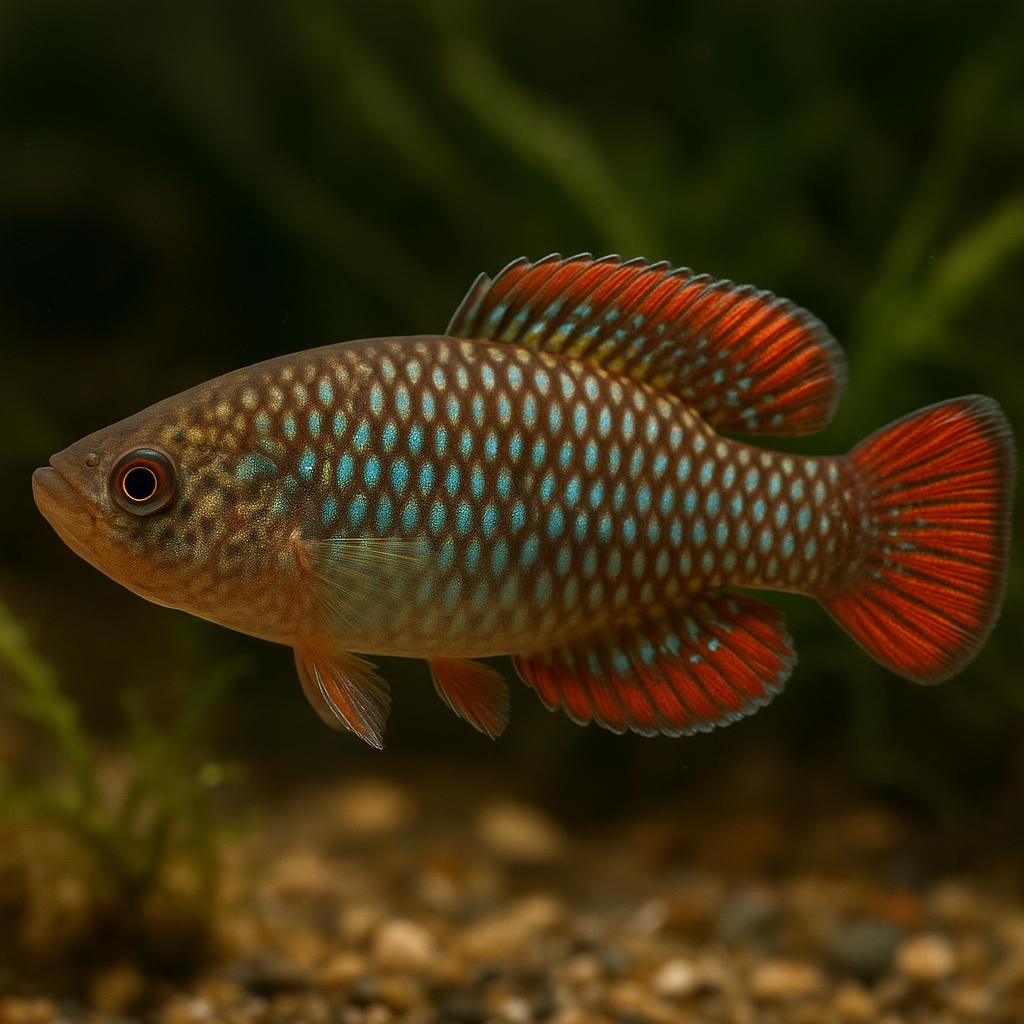
American flagfish
Jordanella floridae
Jordanella floridae is that little Florida native with the red-and-cream striping that really does look like a tiny flag once a male colors up. They graze algae like champs (especially stringy/hair algae), but they have a bit of attitude - give them plants and space so the bossy behavior stays manageable. Bonus: the male guards the eggs and will actively fan them, which is pretty fun to watch.
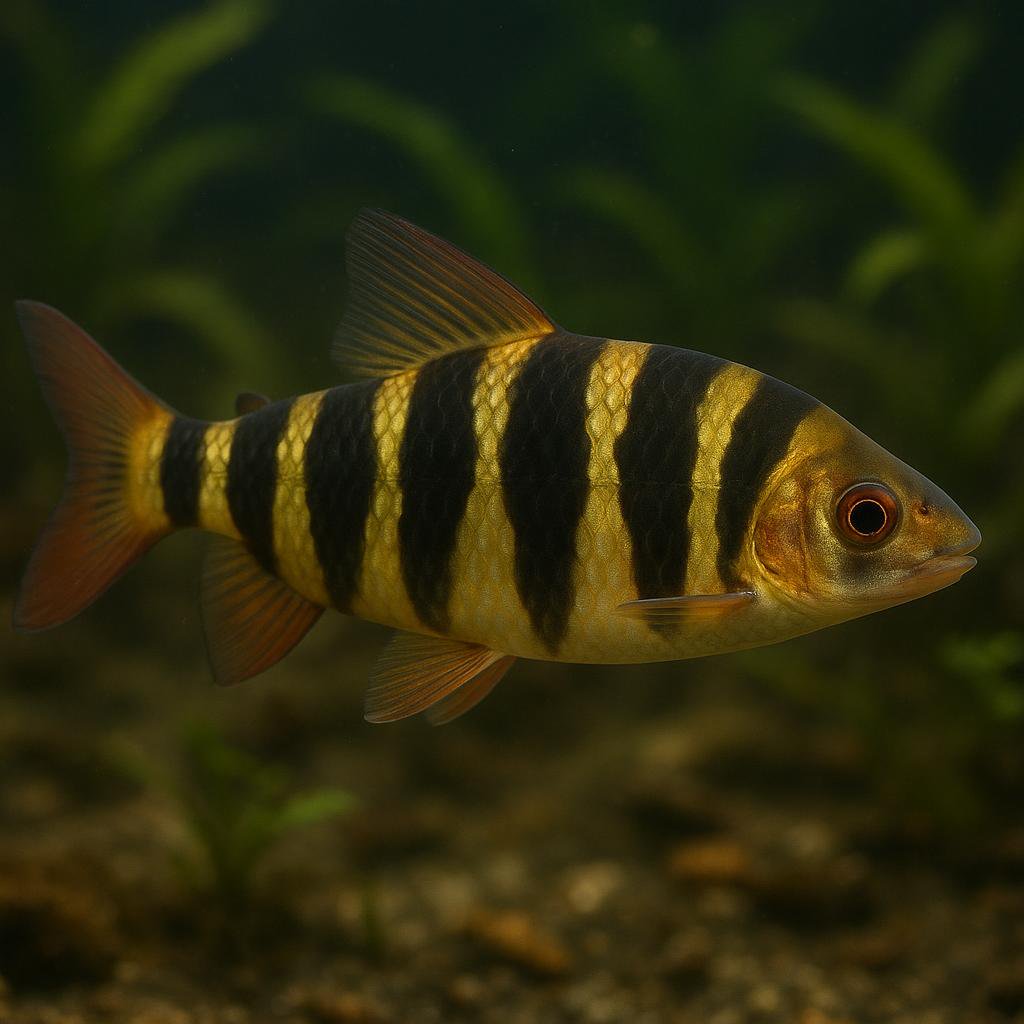
Banded Leporinus
Leporinus fasciatus
Banded Leporinus are those torpedo-shaped, black-and-yellow striped fish that look like they're wearing a little prison outfit-and they stay on the move. They've got a ton of personality and they're awesome to watch cruising and picking at stuff, but they're also the kind of fish that will redecorate your tank and "taste test" anything soft-looking.
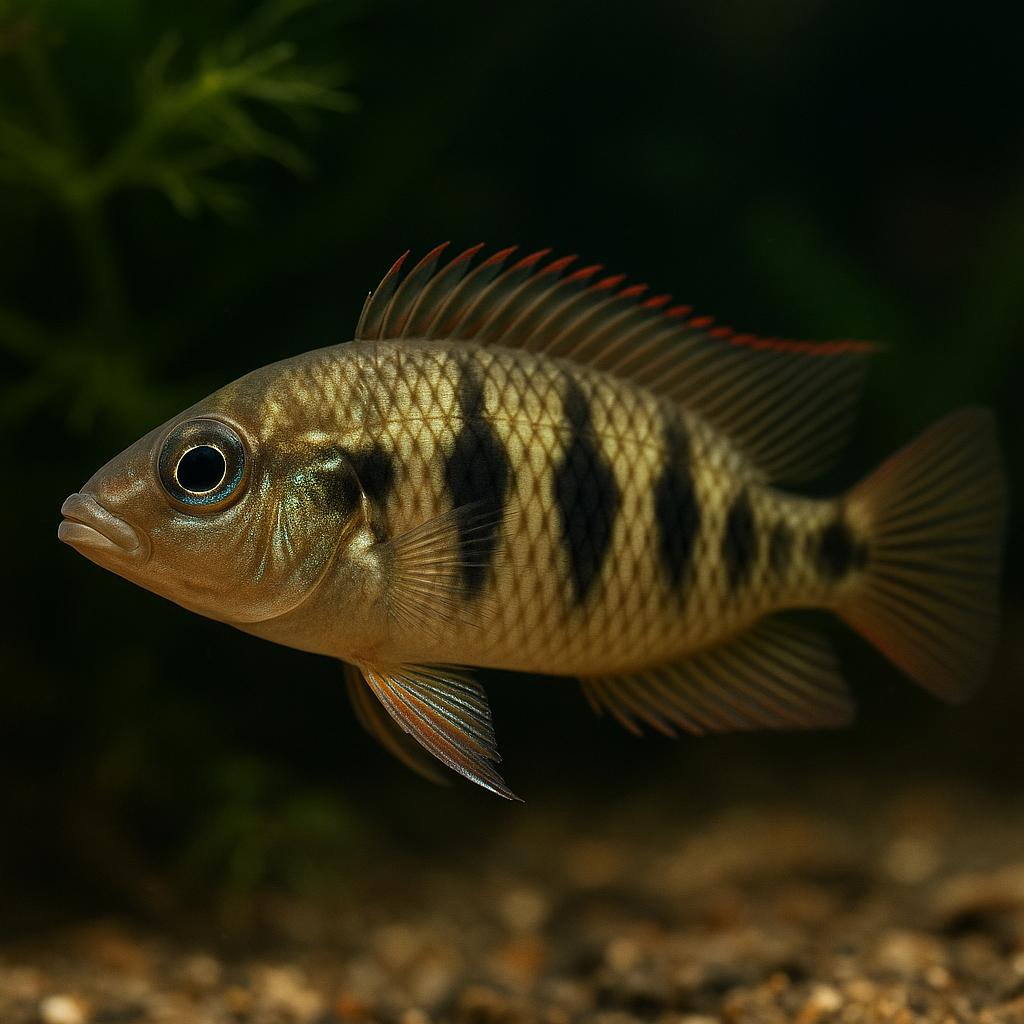
Bandi cichlid
Wallaceochromis signatus
A West African dwarf cichlid from Guinea's Bandi River, this fish shows crisp vertical bars and spotted fins with red highlights. Females have a bold black spot at the base of the tail, and pairs guard eggs and fry in caves, which makes their parental behavior fun to watch.
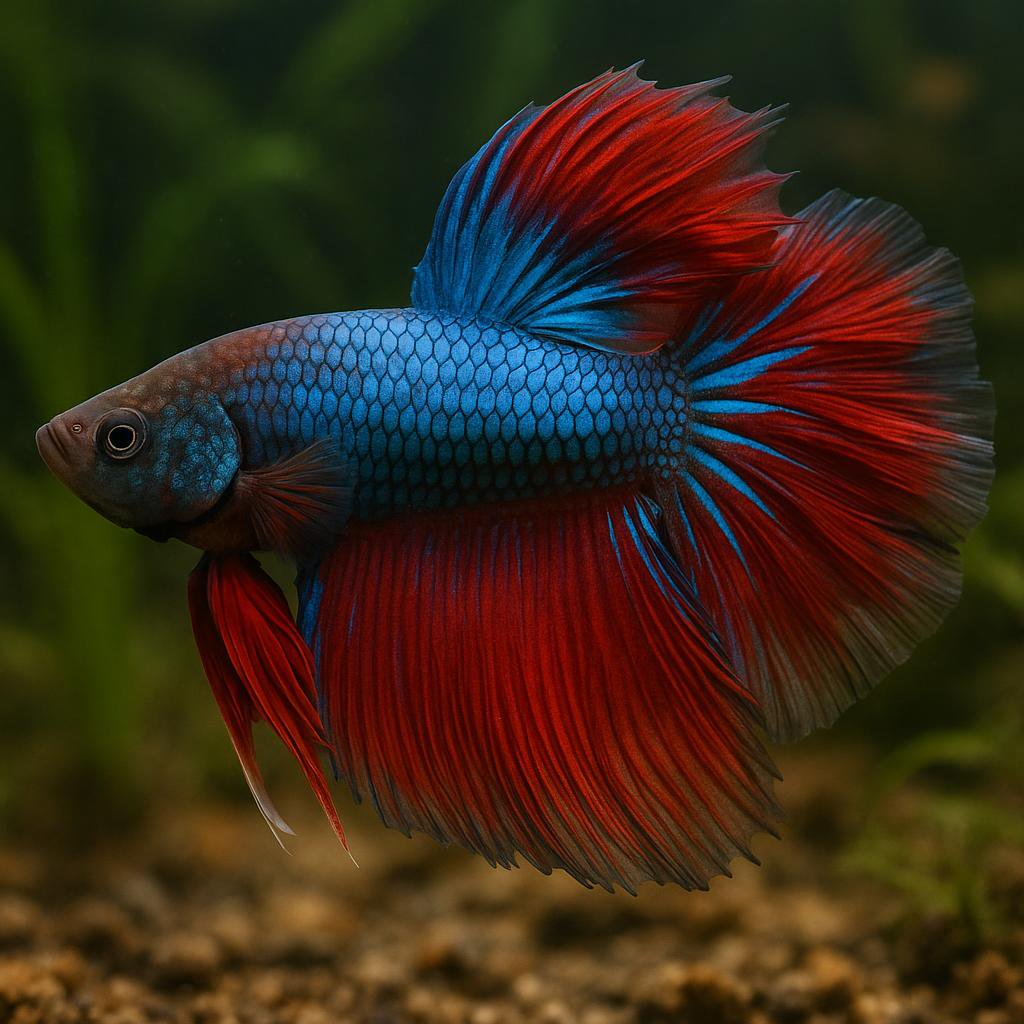
Betta
Betta splendens
Betta fish, also known as Siamese fighting fish, are popular for their striking colors and flowing fins. They are known for their territorial nature, especially males, which can display aggressive behavior towards each other.
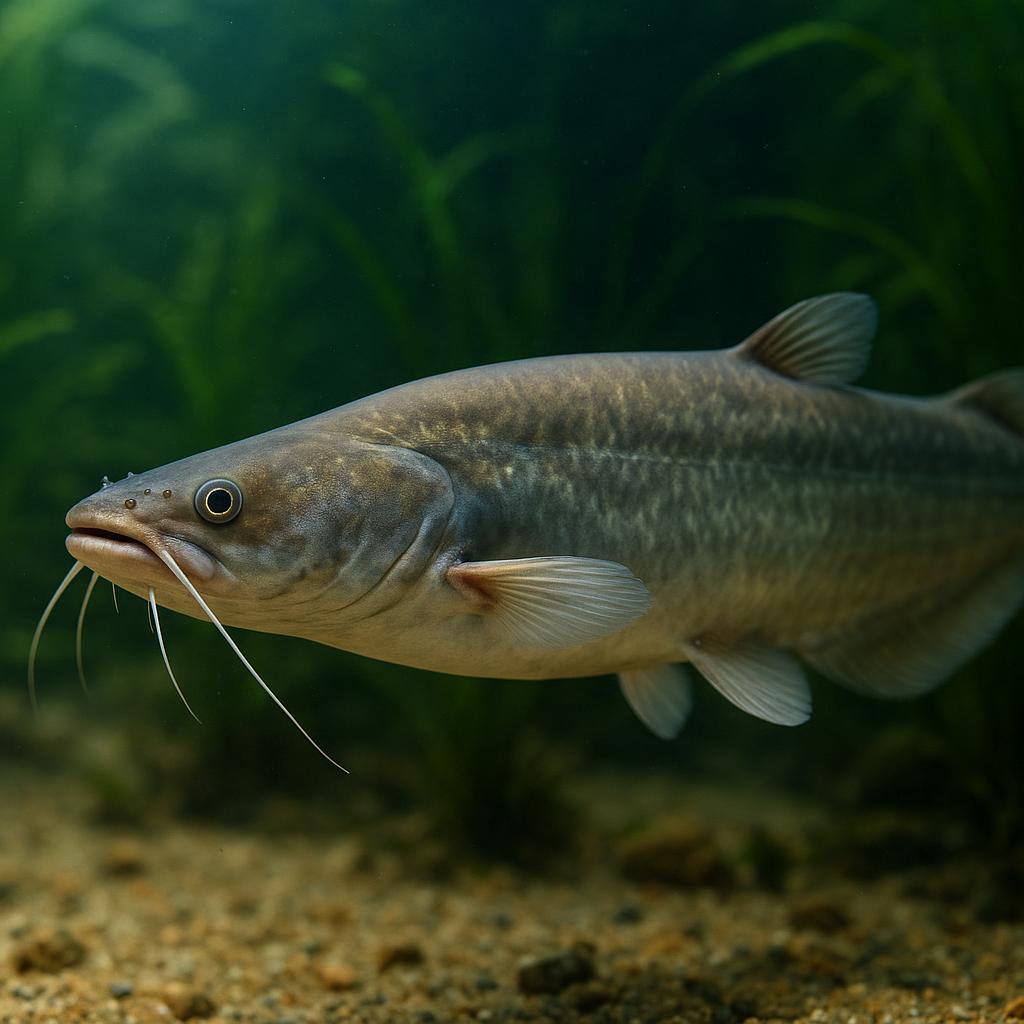
Blackhawk catfish
Wallagonia micropogon
Wallagonia micropogon is a giant Southeast Asian sheatfish with an eel-like body and a huge, scoop-like mouth for hunting other fish. It is native to the Mekong and middle Chao Phraya basins and was long confused with Wallagonia leerii, which makes IDs and care notes tricky. Stunning as a juvenile but it grows to true megafish size, so it is only realistic for expert keepers or public aquariums.
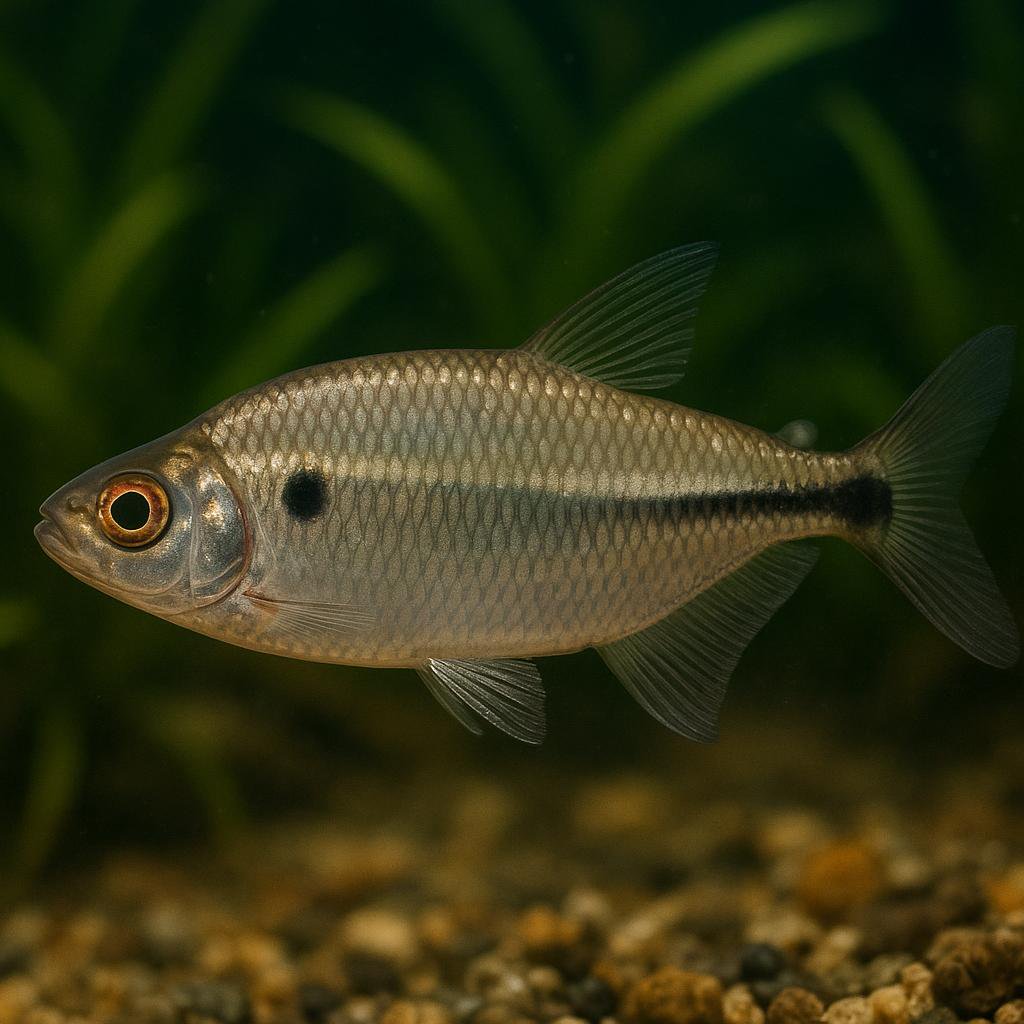
Boulenger's Featherfin Tetra
Bryconaethiops boulengeri
A big, fast African tetra from the Congo River basin, it cruises the mid-to-upper water in active groups and flashes a bold broken stripe along its flanks. In the wild it hunts insects at the surface and can leap, so aquariums need tight lids. Keep it with robust tankmates it cannot swallow.
More to Explore
Discover more freshwater species.
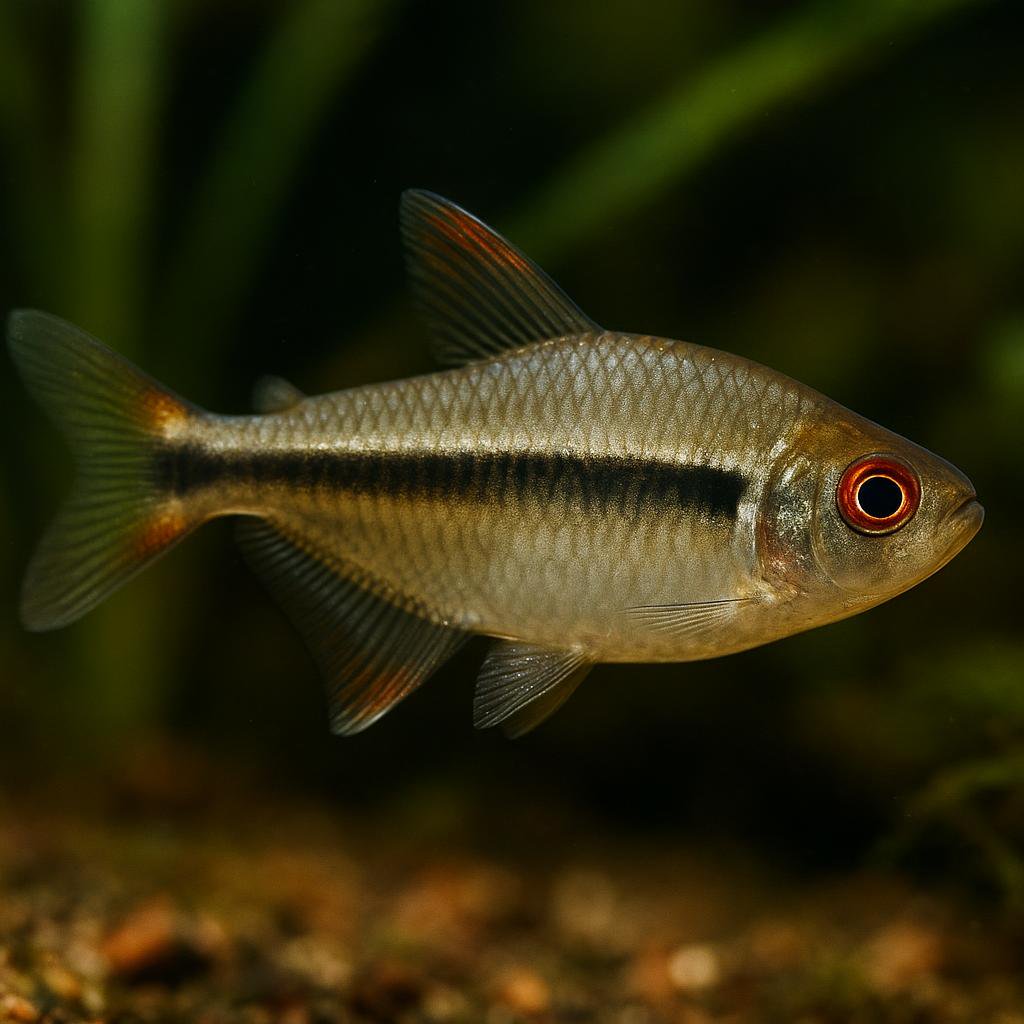
Amapa tetra
Hyphessobrycon amapaensis
This is a tiny, super sleek little tetra with a clean red stripe down the side that really pops once its settled in. It does best in a planted, slightly tinted "creek-style" setup and looks way cooler when you keep a proper group so they school and flash that line together. If you can give it soft, slightly acidic water and a calm community, its an easy fish to fall for.
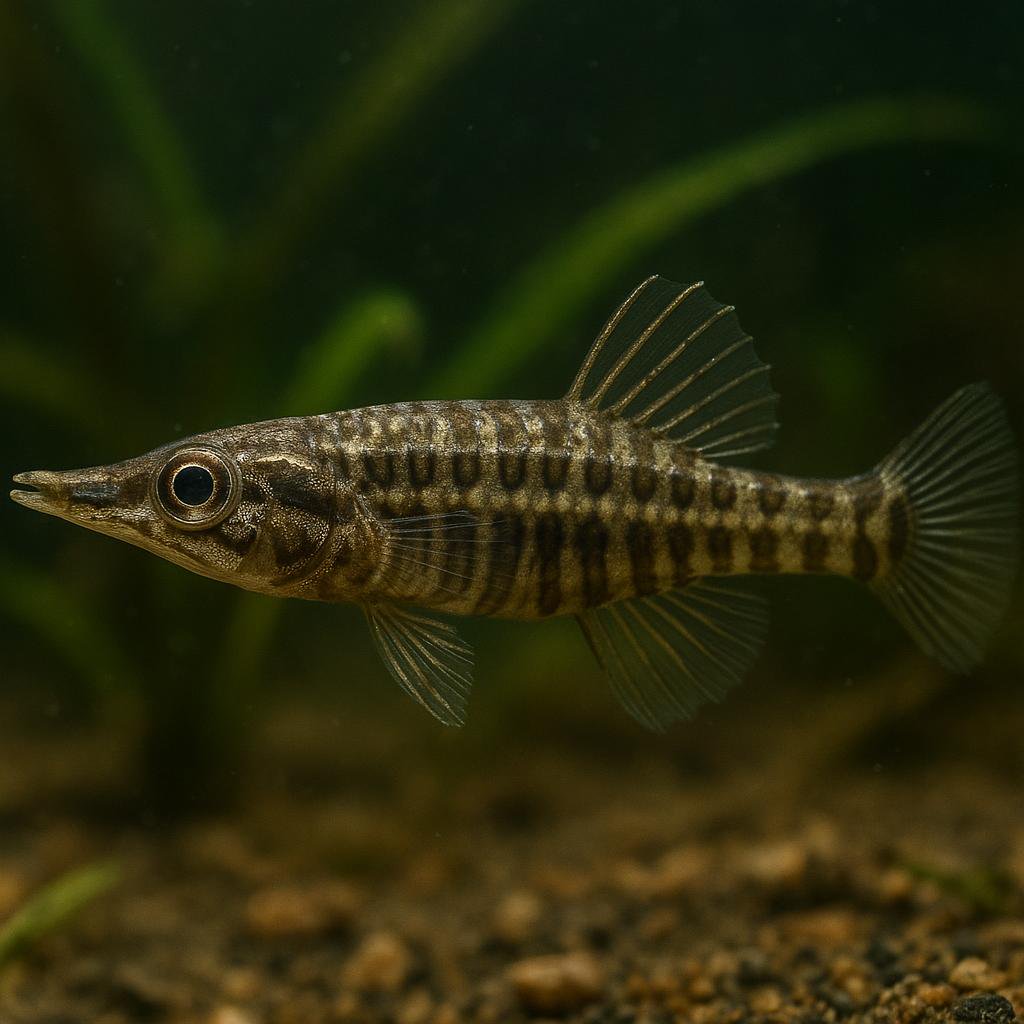
Armoured stickleback
Indostomus paradoxus
This is that goofy little "freshwater seahorse"-looking fish that just kind of perches and scoots around like a tiny armored twig. Its whole vibe is slow, sneaky micropredator - once its settled in, you will catch it stalking microfoods and doing these subtle little posture displays. The big trick is feeding: they do best when you can provide lots of small live foods in a calm, planted tank.
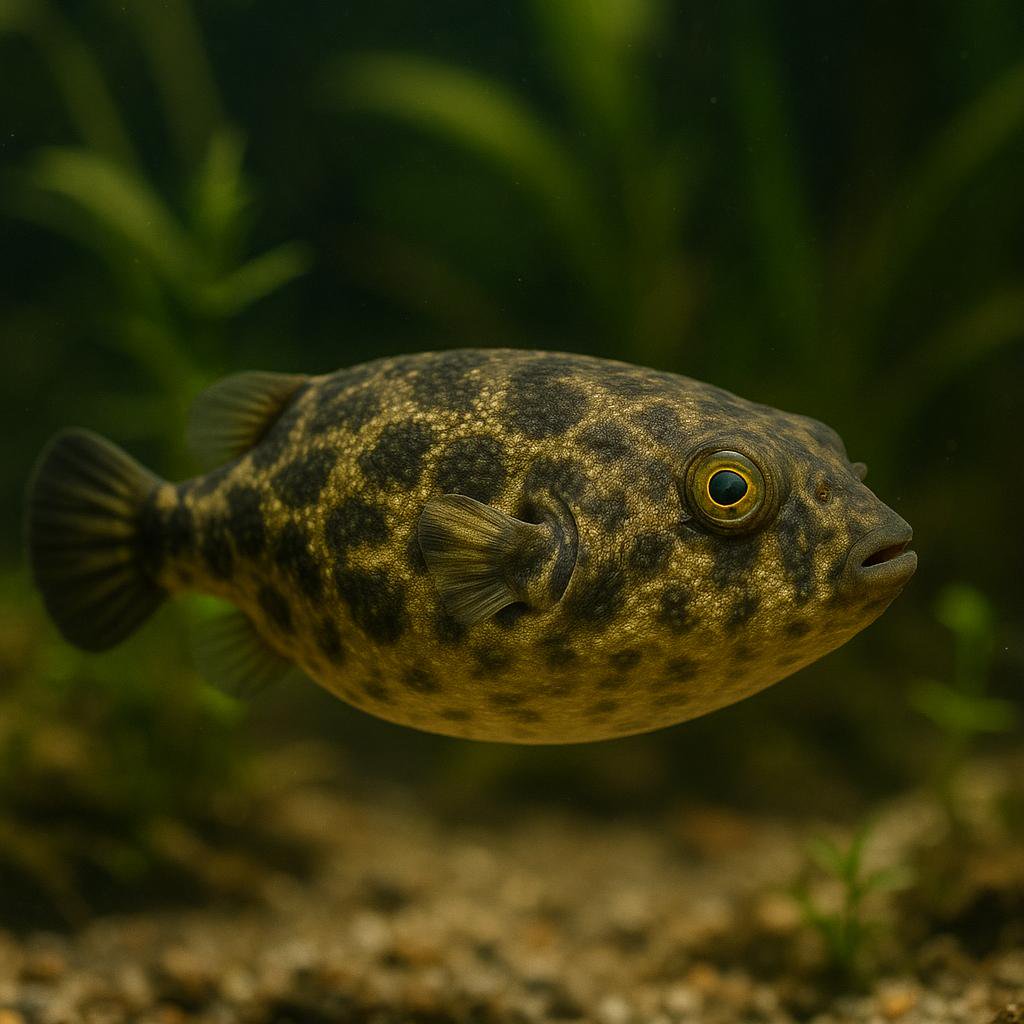
Arrowhead puffer
Pao suvattii
Pao suvattii is that sneaky Mekong puffer that likes to sit low and ambush food, and it has that super recognizable arrow/V pattern on its back. Gorgeous fish with tons of personality, but it is absolutely not a community guy - plan on a solo, species-only setup if you want everybody to stay in one piece.
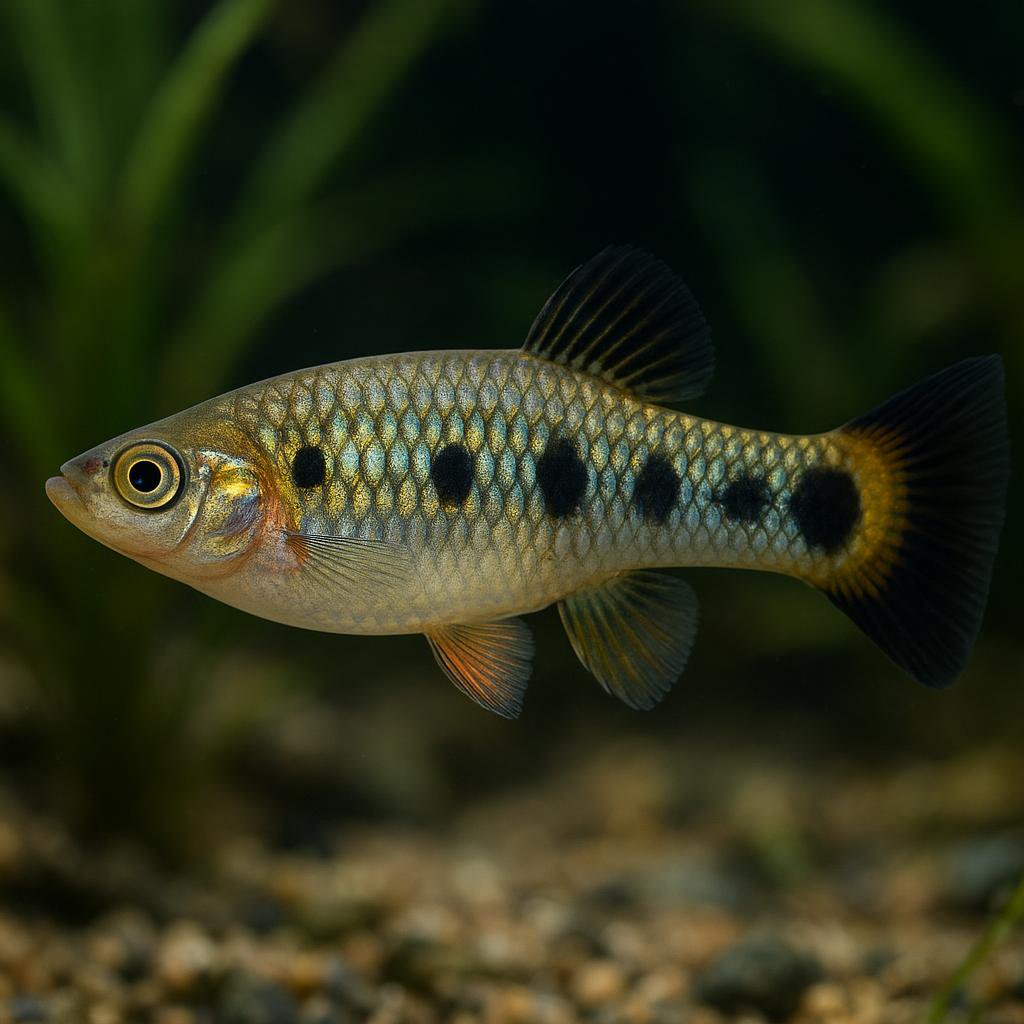
Bishop toothcarp
Brachyrhaphis episcopi
This is a tiny Panamanian livebearer that does best when you treat it more like a shy wild fish than a fancy guppy-lots of cover, calm vibes, and really clean water. The fun part is watching the males posture and spar while the females cruise around dropping fully-formed fry about once a month.
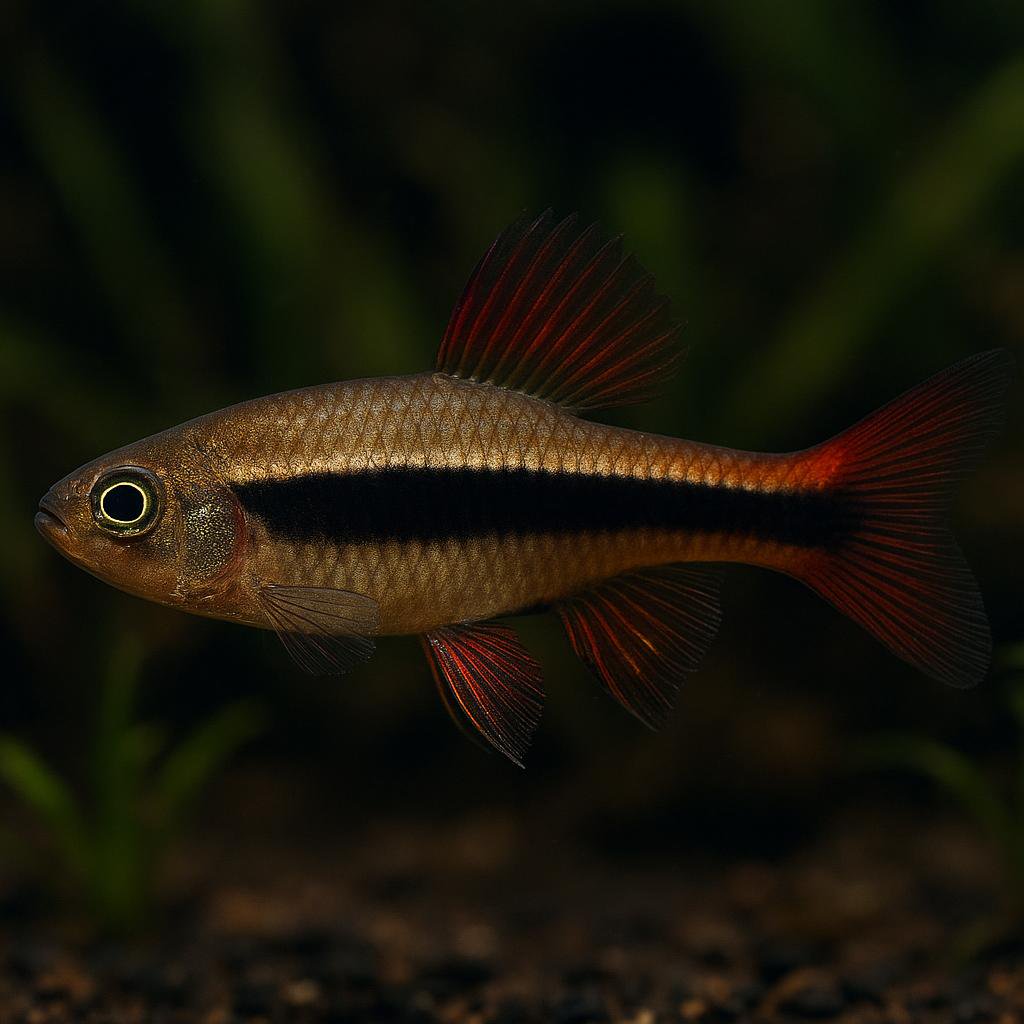
Black morpho tetra
Poecilocharax weitzmani
Poecilocharax weitzmani is one of those tiny blackwater oddballs that acts more like a little darter than a typical tetra - it hangs low, darts between cover, and the males can get pretty showy with fin-flares. The really cool part is they are cave breeders with male brood care, which is not what most people expect from a small characin. Give them very soft, acidic, super-clean water and lots of leaf litter and hidey holes, and they settle in and start showing their best colors.
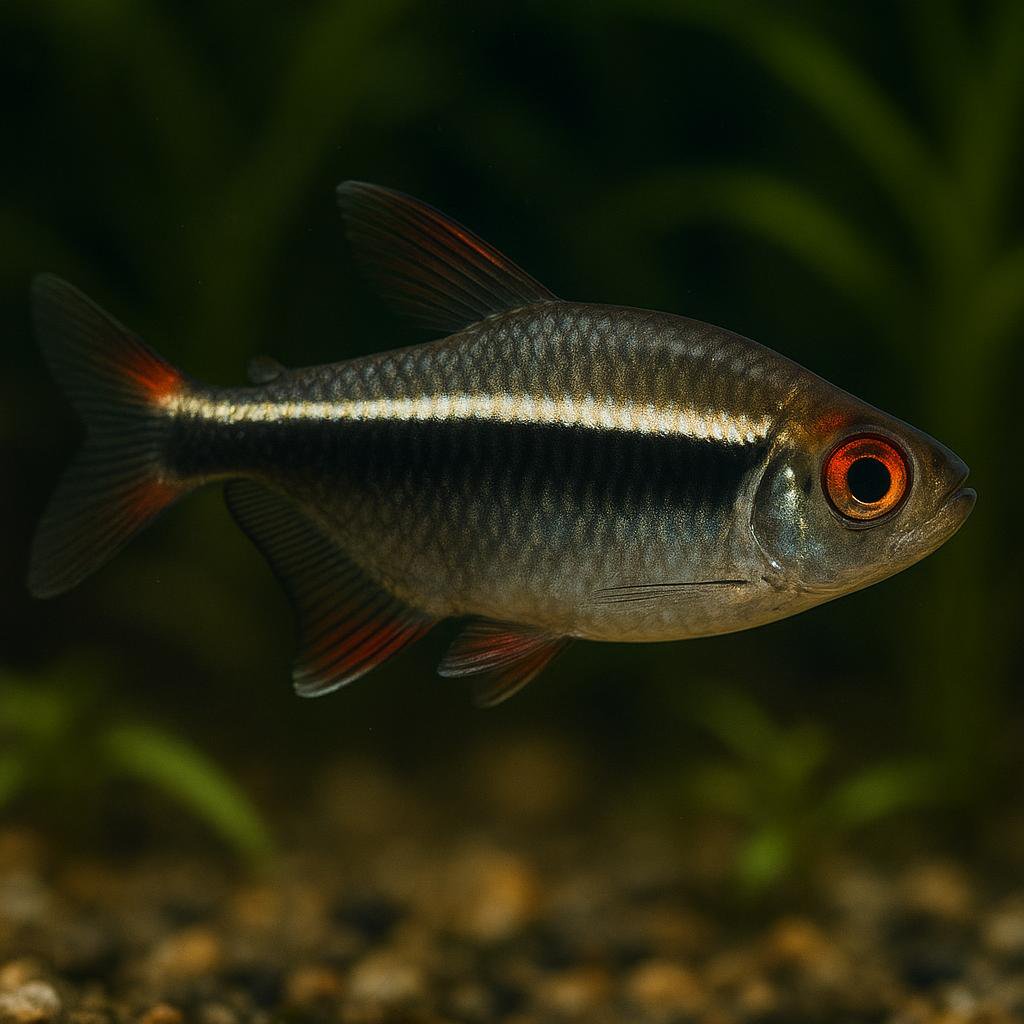
Black Neon Tetra
Hyphessobrycon herbertaxelrodi
Black neons are one of those little tetras that look kinda understated until the light hits them-then that bright stripe pops and they shimmer when the school turns together. They're super chill, always cruising mid-water, and they make a tank feel "alive" without being hectic. If you keep a nice group, they get bolder and you'll see way more of their personality.
Looking for other species?