

Copper mahseer
Neolissochilus hexagonolepis
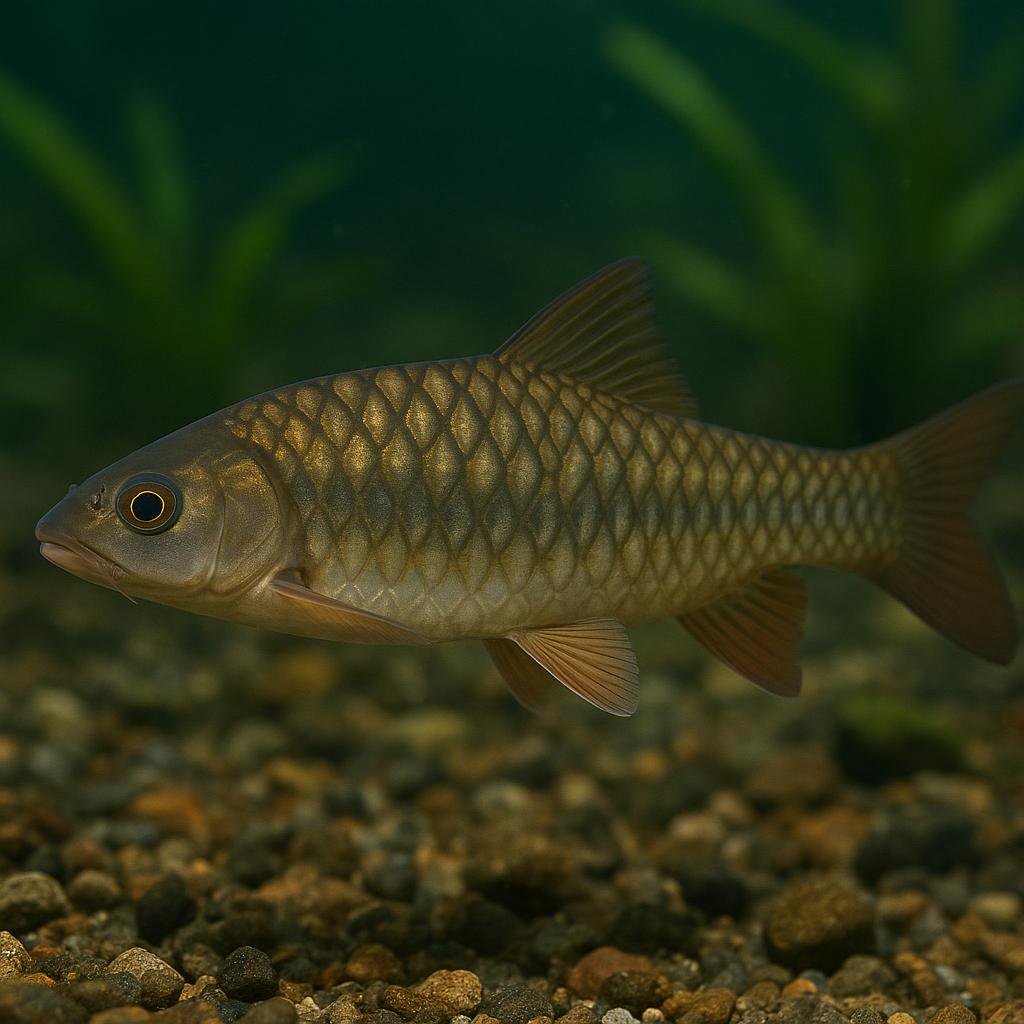
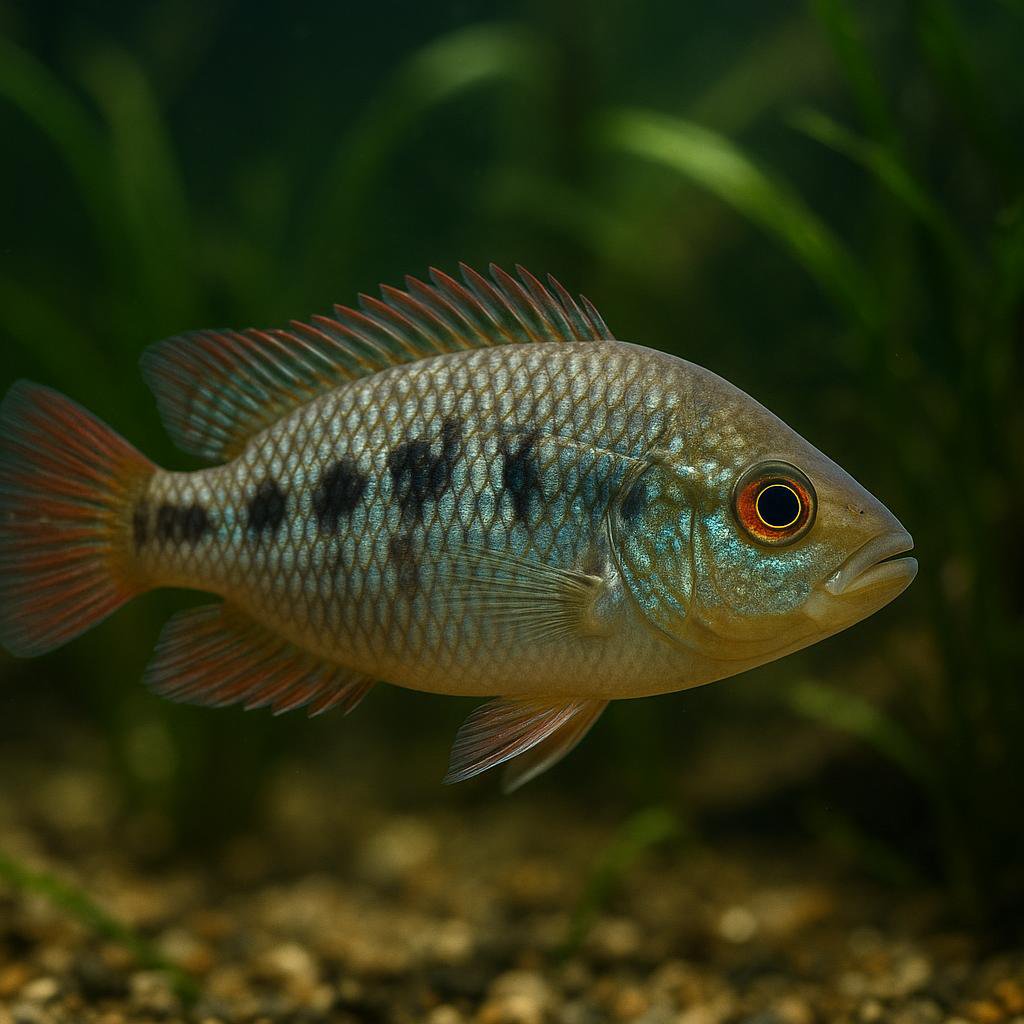
The Copper mahseer has a streamlined body, featuring striking copper-orange to golden hues with prominent dark vertical bands.
This page includes AI-generated images. Why am I seeing AI images?
About the Copper mahseer
A large mahseer (torinine cyprinid) from fast, rocky rivers of South and Southeast Asia. Adults can reach ~120 cm TL, and the species favours cool, highly‑oxygenated, strong‑current habitats—conditions that require very large aquaria or ponds; it is generally unsuitable for typical home aquariums.
Also known as
Quick Facts
Size
120 cm
Temperament
Semi-aggressive
Difficulty
Expert
Min Tank Size
300 gallons
Lifespan
10-20 years
Origin
South and Southeast Asia
Diet
Omnivore - algae/plant matter plus insects and small invertebrates; in captivity use quality pellets plus veg and frozen foods
Water Parameters
20-27°C
6.5-7.8
3-15 dGH
Need a heater for this species?
This species needs 20-27°C in a 300 gallon tank. Use our heater calculator to find the right wattage.
Calculate heater sizeCare Notes
- Plan for an 8+ ft aquarium or (preferably) a pond with strong directional flow and high oxygen. Adults can approach 120 cm TL and naturally inhabit fast, rocky rivers; typical home aquaria are inadequate long‑term.
- Provide cool, highly‑oxygenated, fast‑flowing water. Wild hill streams are often ~20–24°C (pH ~6.9–7.5), and culture systems commonly use ~23–27°C; design for vigorous current and aeration.
- They hate dirty water more than most cyprinids - big wet/dry or oversized canister, and heavy weekly water changes are non-negotiable. Nitrates creeping up is when you start seeing frayed fins and random stress behavior.
- Offer a varied omnivorous diet: quality sinking pellets with plant matter/algae content, plus invertebrates (e.g., insect larvae, crustaceans, mollusks). Feed smaller meals 2–3× daily to support growth without degrading water quality.
- Tankmates need to be fast, tough, and not tiny - big barbs, large danios, other large river fish. Skip fancy slow stuff, long fins, or anything that can fit in their mouth once they size up.
- Cover the tank like you mean it and leave open swimming lanes - they spook and launch. Smooth river rocks and big wood are great, but secure everything because they bulldoze when they get excited.
- Breeding in home aquariums is basically a long shot - they are seasonal river spawners that want a lot of space, current, and temperature/rain cues. If you ever try, think pond, simulated monsoon water changes, and expect eggs/fry to get eaten unless you separate them fast.
Compatibility
Good Tankmates
- Other big, fast river fish that can handle the same cool, high-flow setup - think larger barbs or hardy danios (kept in a group so they spread out any chasing)
- Robust loaches that like current and stay out of the mahseer's face - yoyo loach, zebra loach, or other sturdy Botia-type loaches (give lots of caves so they can duck in and out)
- Fast, deep-bodied schooling fish like larger rainbowfish (Boesemani-type) - they are quick enough to avoid trouble and do well in active tanks
Avoid
- Common pleco and other large Loricariids prone to rasping on tankmates’ slime coats; additionally, many prefer warmer, calmer water than a high‑flow mahseer setup.
- Three-spot/blue gourami (Trichopodus trichopterus) and other slow-water labyrinth fish; they prefer calm, low-flow habitats and are stressed by strong riverine current.
- Anything tiny and snack-sized - neons, small rasboras, guppy fry, etc. If it fits in the mouth, it will eventually test the theory
- Slow fish with fancy fins - angelfish, bettas, fancy goldfish. The mahseer is a busy, pushy eater and those guys get stressed or nipped up
- Nippy or aggressive brawlers - tiger barbs in a too-small group, cichlids with attitude, or anything that wants to claim a territory. It turns into nonstop sparring
Where they come from
Copper mahseer (Neolissochilus hexagonolepis) come from fast, cool-to-warm rivers and hill streams across parts of South and Southeast Asia. Think rocky runs, high oxygen, seasonal floods, and a lot of current. That background explains basically everything about them in aquariums: they want space, flow, and really clean water.
If you have only kept typical community fish, mahseer feel more like keeping a river sport fish than an aquarium fish. Plan around their adult size and activity level, not how cute they look at 3 inches.
Setting up their tank
These are powerful, constantly-moving swimmers. Give them length more than height. For juveniles you can start smaller, but if you are serious about keeping them long-term, you're really looking at pond-sized thinking or a very large indoor system.
- Tank size: for growing juveniles, 6 ft tanks work; for adults, bigger is always better (8 ft+ is where it starts feeling reasonable).
- Flow: strong, river-style turnover with powerheads or a manifold. They perk up in current and get restless without it.
- Filtration: over-filter on purpose. Big canisters or a sump with lots of bio media, plus aggressive mechanical filtration for their waste.
- Oxygen: aim for lots of surface agitation and/or air stones. They come from oxygen-rich water and act stressed in stale water.
- Temperature: mid-70s F works for many keepers, but stability matters more than chasing a number. Avoid hot, stagnant setups.
- Substrate and decor: smooth river stones, rounded gravel, and big driftwood/rock to break line of sight. Skip sharp stuff - they can spook and slam into things.
- Lighting: not picky. Moderate light with tough plants (or no plants) is fine. In heavy flow, plants can be a pain.
Cover the tank like you mean it. Mahseer can spook and jump, and a big one hitting a lid is no joke. Use tight-fitting lids and block gaps around plumbing.
I like to set them up like a river run: open swimming lane down the middle, rocks and wood pushed to the sides, and flow aimed along the length of the tank. If debris collects in dead spots, tweak the flow until the whole tank slowly circulates.
What to feed them
They eat like athletes. Juveniles are usually eager, and adults can be absolute pigs. In the wild they take a mix of insects, crustaceans, plant matter, and whatever the river delivers, so you want a varied diet with a strong staple.
- Staple: high-quality sinking pellets for large omnivores/cyprinids (they learn pellets fast).
- Frozen foods: prawns/shrimp, krill, mussel, bloodworms (better for smaller fish), chopped fish fillet occasionally.
- Fresh add-ons: blanched spinach, peas, zucchini, and leafy greens clipped to the glass.
- Treats: earthworms and insect-based foods are a hit and bring out strong feeding response.
Feed smaller portions more often with juveniles, but do not turn the tank into a soup. With mahseer, water quality is the real limiter, not their appetite.
Avoid fatty feeder fish habits. Besides the parasite risk, it just makes them messy and pushes water quality downhill fast. If you want fast growth, focus on consistent meals, clean water, and lots of oxygen.
How they behave and who they get along with
Copper mahseer are active, curious, and strong. They are not usually mean in the way cichlids can be, but they are dominant, boisterous feeders and they will outcompete shy fish. Small tankmates can also become accidental snacks once the mahseer are big enough.
- Best kept: in a group of their own if the tank is large enough, or with other robust river fish that can handle flow and fast feeding.
- Tankmates that often work: larger barbs, some larger danios, sturdy loaches, and other big, tough cyprinids (size-matched).
- Tankmates to avoid: slow fish, long-finned fish, tiny community fish, and anything that hates current or warmer, low-oxygen water.
Most aggression I have seen with mahseer is really food aggression plus cramped quarters. In tight tanks they get pushy and frantic, and injuries start happening from collisions.
They can be skittish if the tank is bare or if people are constantly startling them. A few big pieces of wood or rock to break things up helps a lot. Once settled, they learn your routine and will charge the front like wet torpedoes at feeding time.
Breeding tips
Breeding copper mahseer in home aquariums is rare. In nature they are seasonal spawners tied to changes in flow, temperature, and rainfall, and they want long stretches of river to migrate and spawn. Most successful breeding I have heard of happens in ponds, large raceway-style systems, or with very serious setups.
- If you want to try: think pond or large indoor raceway, not a typical display tank.
- Mimic seasons: a cooler, lower-flow period followed by a big 'monsoon' change (more flow, big water changes, slightly warmer water) is the general idea.
- Spawning habitat: smooth gravel and rounded stones with strong flow and high oxygen.
- Fry rearing: plan separate rearing space, fine foods, and spotless water. Adults will not babysit.
A lot of stock in the hobby is wild-caught or farm-raised for food/fisheries. If you get a fish that refuses prepared foods or comes in beat up, it is not you - it is the supply chain. Quarantine and patience help.
Common problems to watch for
Most mahseer problems trace back to three things: not enough space, not enough oxygen/flow, or water quality slipping because they are heavy feeders. They can look fine right up until they do not.
- Scrapes and split fins from spooking and smashing into hard decor or lids (common in cramped tanks).
- Chronic stress signs: clamped fins, hiding, refusing food, hanging near the surface where oxygen is higher.
- White spot/ich outbreaks after temperature swings or transport stress.
- Internal parasites in new fish (weight loss despite eating, stringy feces).
- Hole-in-the-head type issues are not classic for them, but long-term poor water and diet can cause weird erosion and lateral line problems.
Do not skip quarantine. Big river fish can bring in parasites, and treating a massive display tank (or a pond) is a headache. A separate QT with strong aeration saves you a lot of grief.
One practical routine that helps: pre-filter sponges you can rinse often, a big mechanical stage you clean weekly, and a habit of checking flow rates. If your filter output is slowing down, your mahseer are basically telling you they will be stressed soon.
Similar Species
Other freshwater semi-aggressive species you might be interested in.
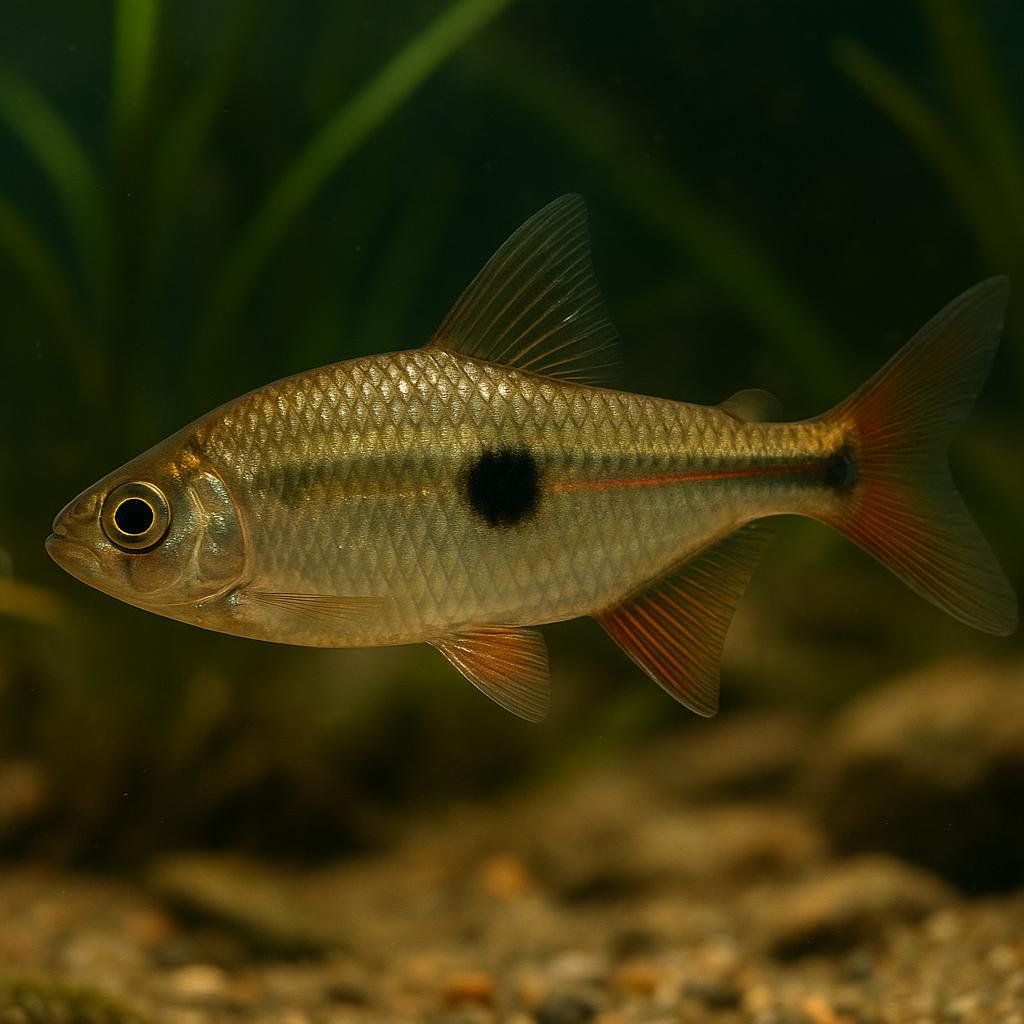
Jupiaba kurua
Small South American characin endemic to the upper rio Curuá (rio Xingu basin, Brazil). Reaches about 8.7 cm SL and inhabits clearwater rivers. Distinguished by dark dots on the bases of many lateral scales and a distinct dark caudal‑peduncle spot. Reported diet indicates omnivory, including aquatic insects, small fishes, and fragments of Podostemaceae and filamentous algae.
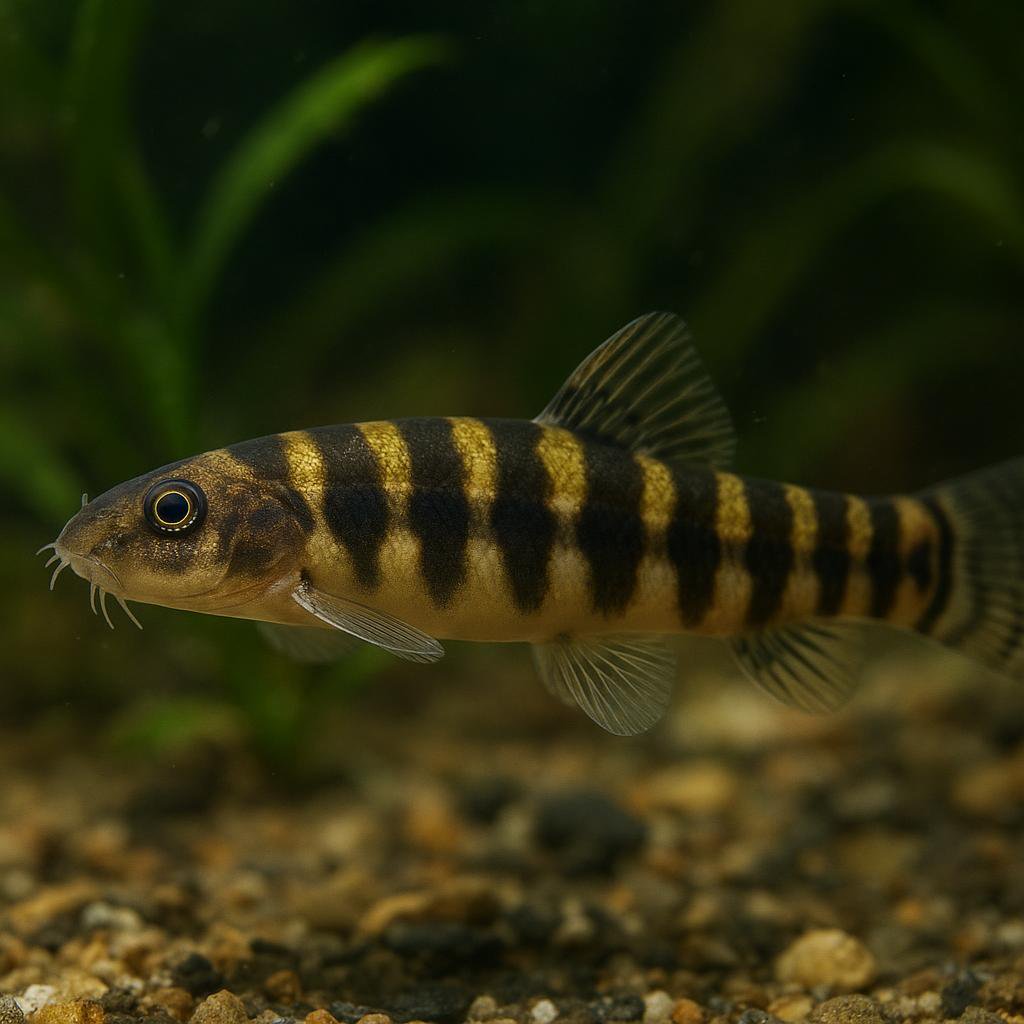
Altipedunculata stone loach
Schistura altipedunculata
Schistura altipedunculata is one of those little stream loaches that wants clean, well-oxygenated water and a bunch of rock nooks to claim as home. It is a bottom-hugger that will spend its day scooting from crevice to crevice, and it tends to get a bit spicy with its own kind if you do not give it enough hiding spots.
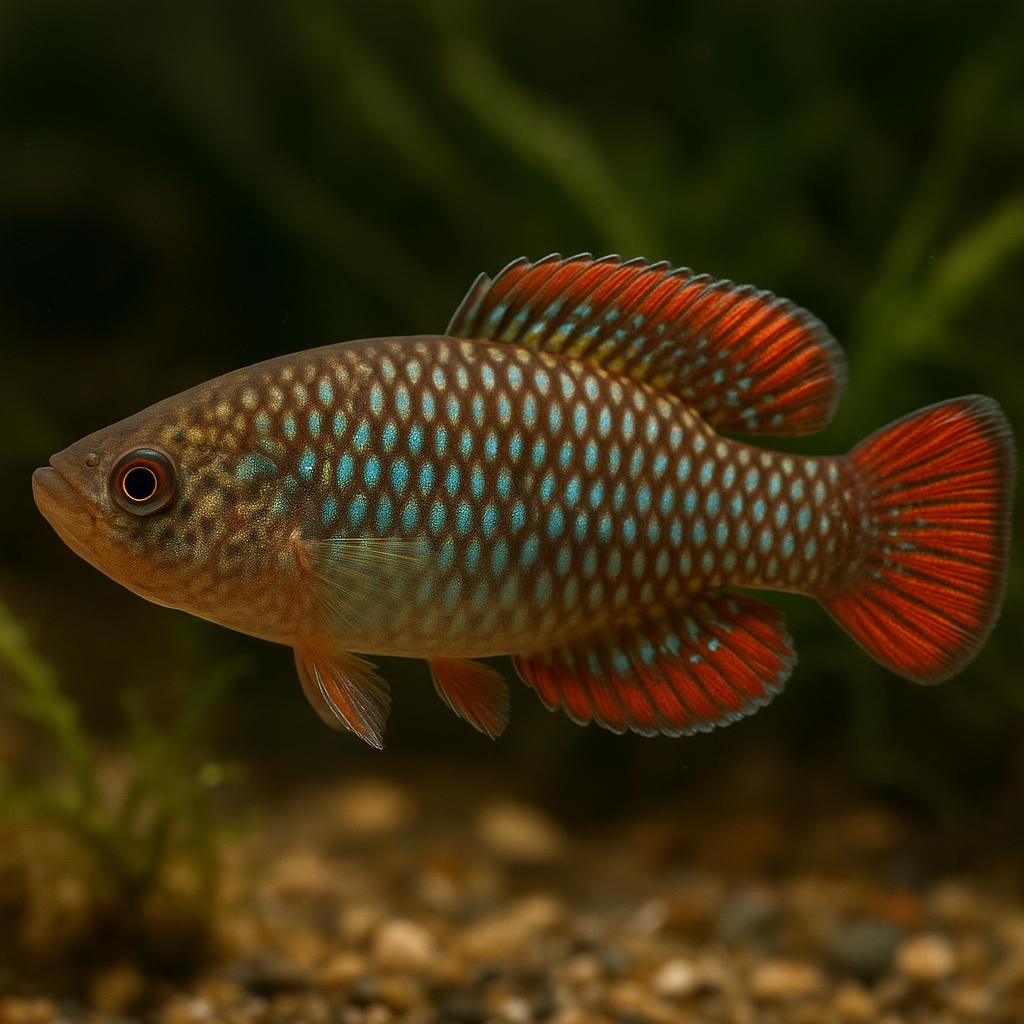
American flagfish
Jordanella floridae
Jordanella floridae is that little Florida native with the red-and-cream striping that really does look like a tiny flag once a male colors up. They graze algae like champs (especially stringy/hair algae), but they have a bit of attitude - give them plants and space so the bossy behavior stays manageable. Bonus: the male guards the eggs and will actively fan them, which is pretty fun to watch.
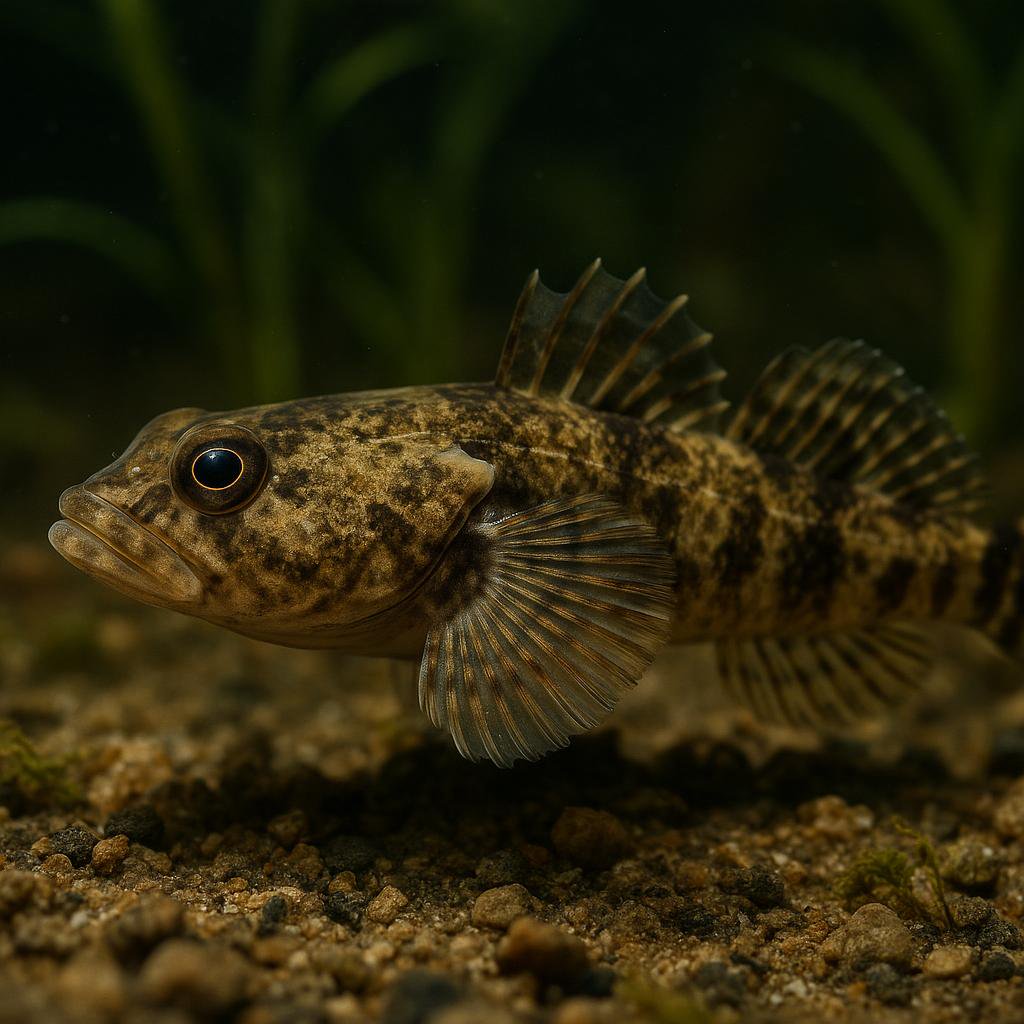
Amur sculpin
Alpinocottus szanaga
This is a little coldwater sculpin from the Amur drainage - a bottom-hugging, rock-and-gravel fish that spends its day wedged under stones and darting out to grab food. Super cool behavior and attitude, but it is absolutely not a warm tropical community fish - it wants chilly, fast, oxygen-rich water and will bicker with other bottom fish.
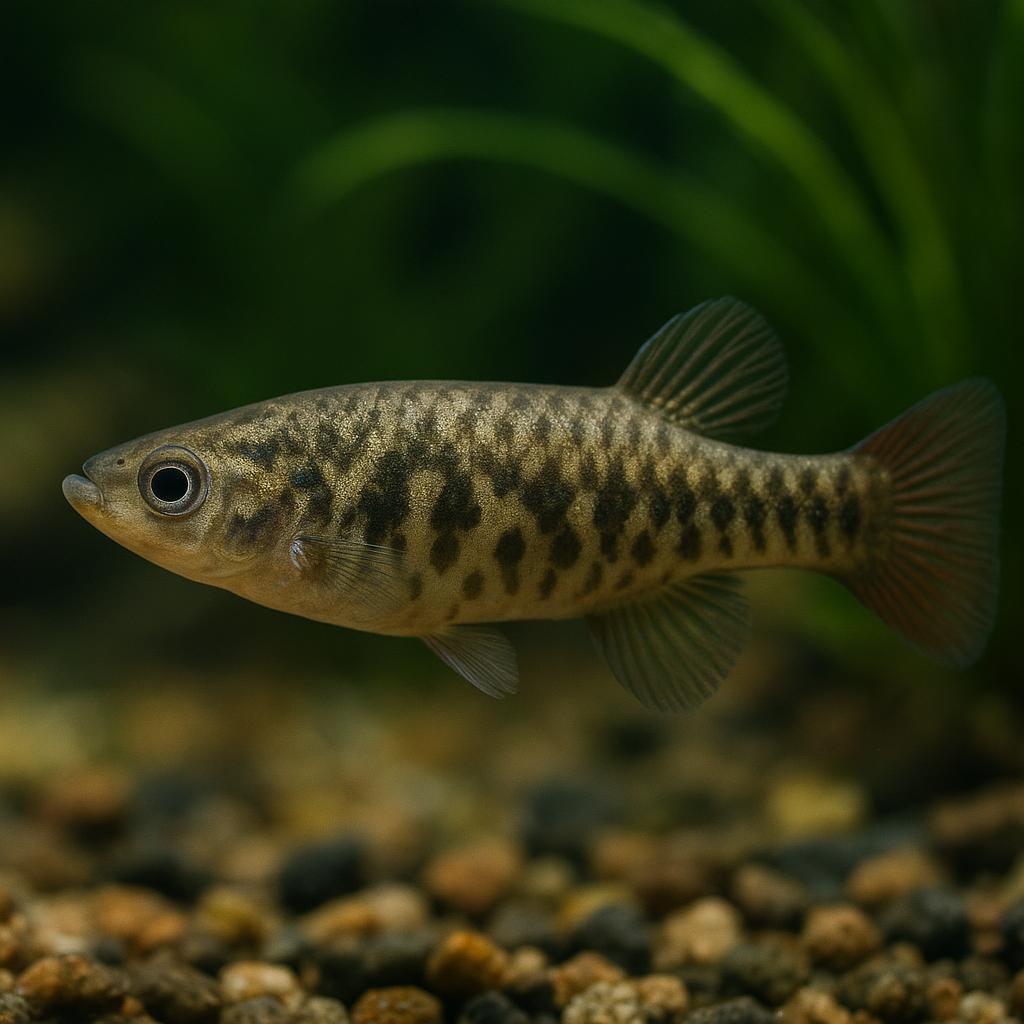
Anitápolis livebearer
Jenynsia weitzmani
Jenynsia weitzmani is a freshwater anablepid livebearer endemic to southern Brazil (currently known only from the type locality near Anitápolis, Santa Catarina). Like other Jenynsia (onesided livebearers), reproduction involves lateralized mating morphology/behavior; aquarium care guidance is not well-documented for this species specifically.
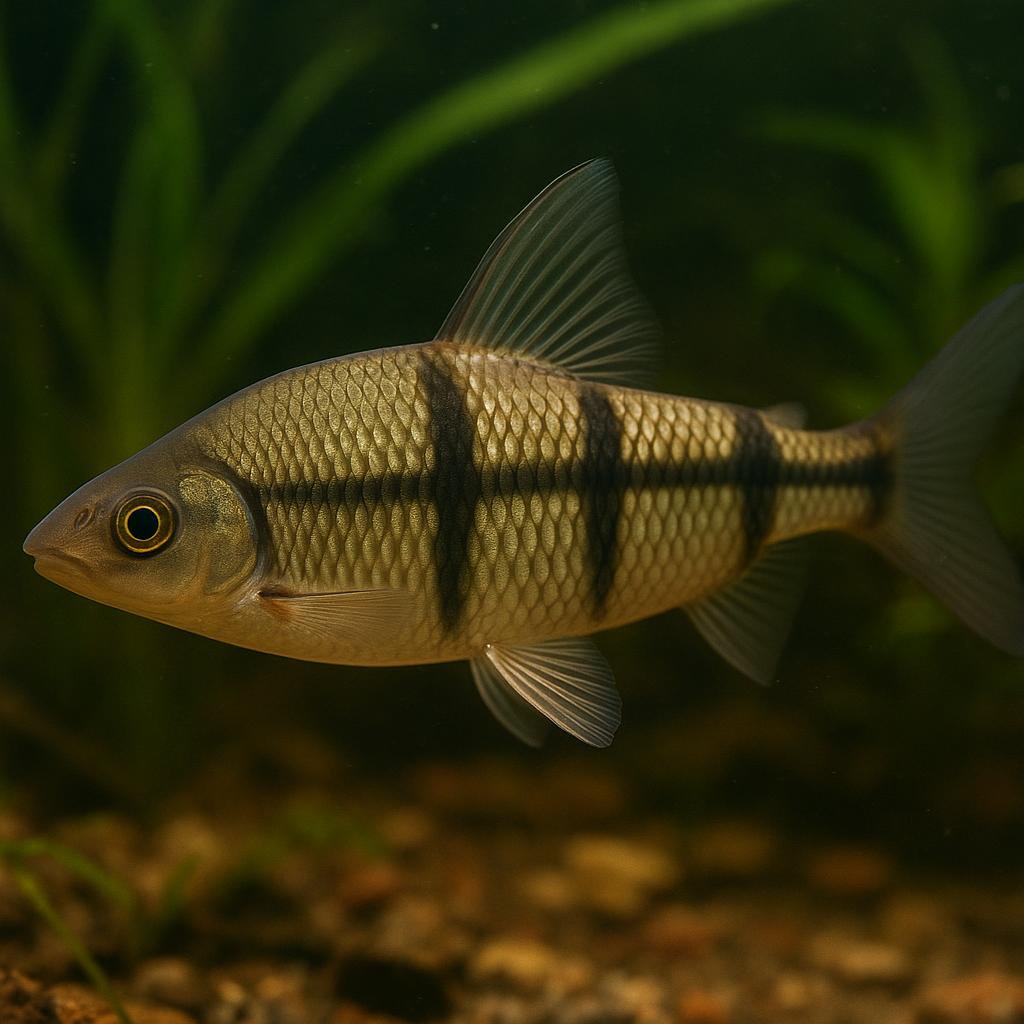
Aracu-comum
Schizodon vittatus
Schizodon vittatus is a large South American anostomid (family Anostomidae). Reported maximum size is about 35 cm standard length; it is harvested/consumed in parts of Brazil and is not commonly covered by mainstream aquarium husbandry references.
More to Explore
Discover more freshwater species.
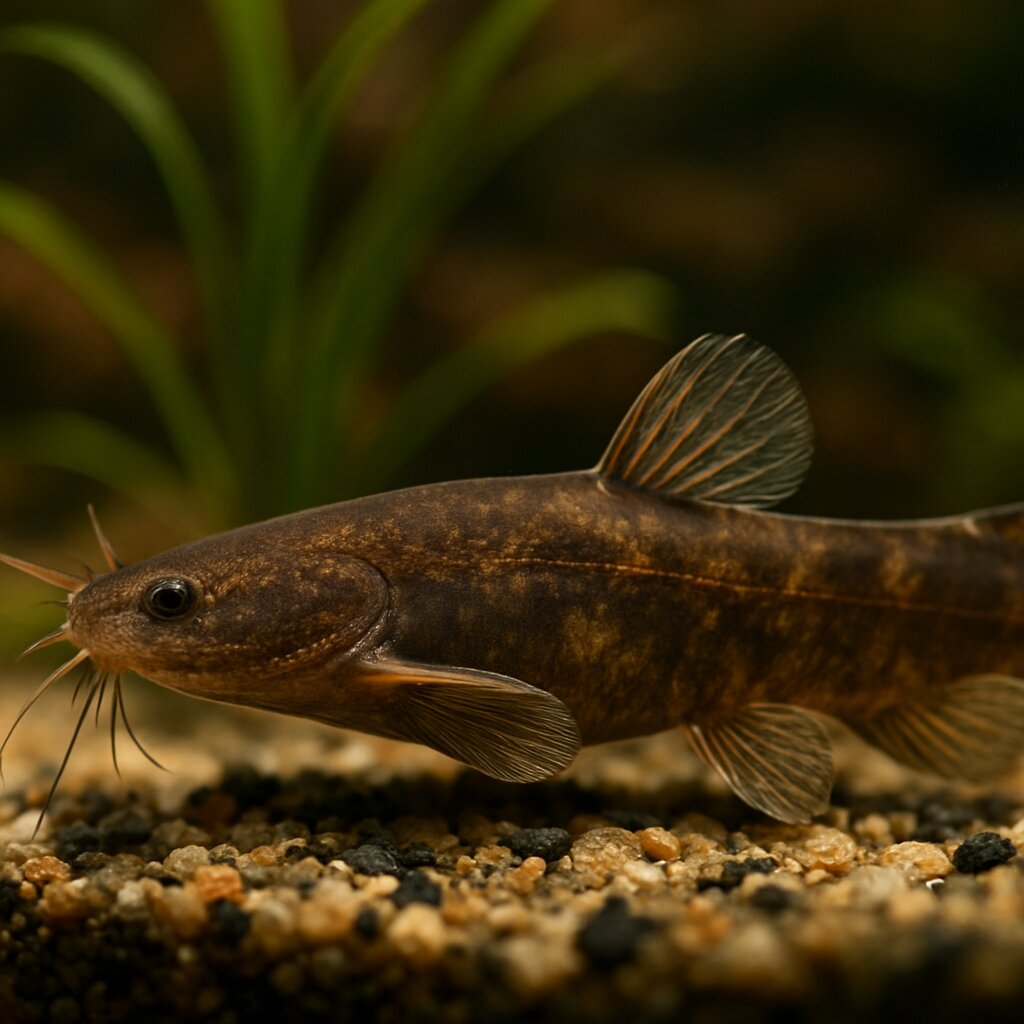
Amphilius dimonikensis
A small loach catfish endemic to the Mpoulou River in the Mayombe (Dimonika Biosphere Reserve), Republic of the Congo. Amphilius dimonikensis has a subtle banded pattern and inhabits fast, clear streams over rock and sand. In aquaria, prioritize strong, well-oxygenated flow with rounded stones and sand to mimic hillstream conditions.
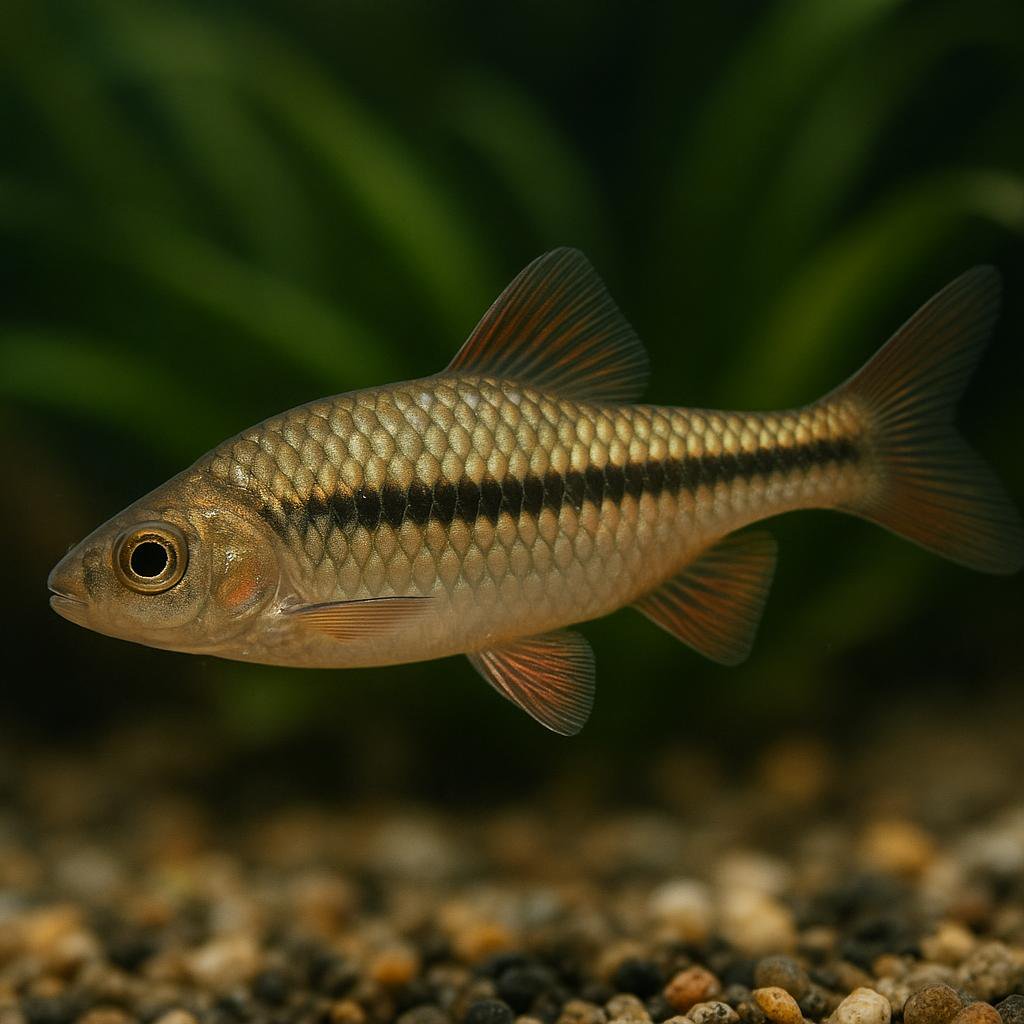
Aboina barb
Enteromius aboinensis
Enteromius aboinensis (the Aboina barb) is a small West African barb with a clean black midline stripe and a little spot right at the base of the tail. It does best when you treat it like a proper schooling fish - keep a decent group and give it plants around the edges with open swimming room in the middle.
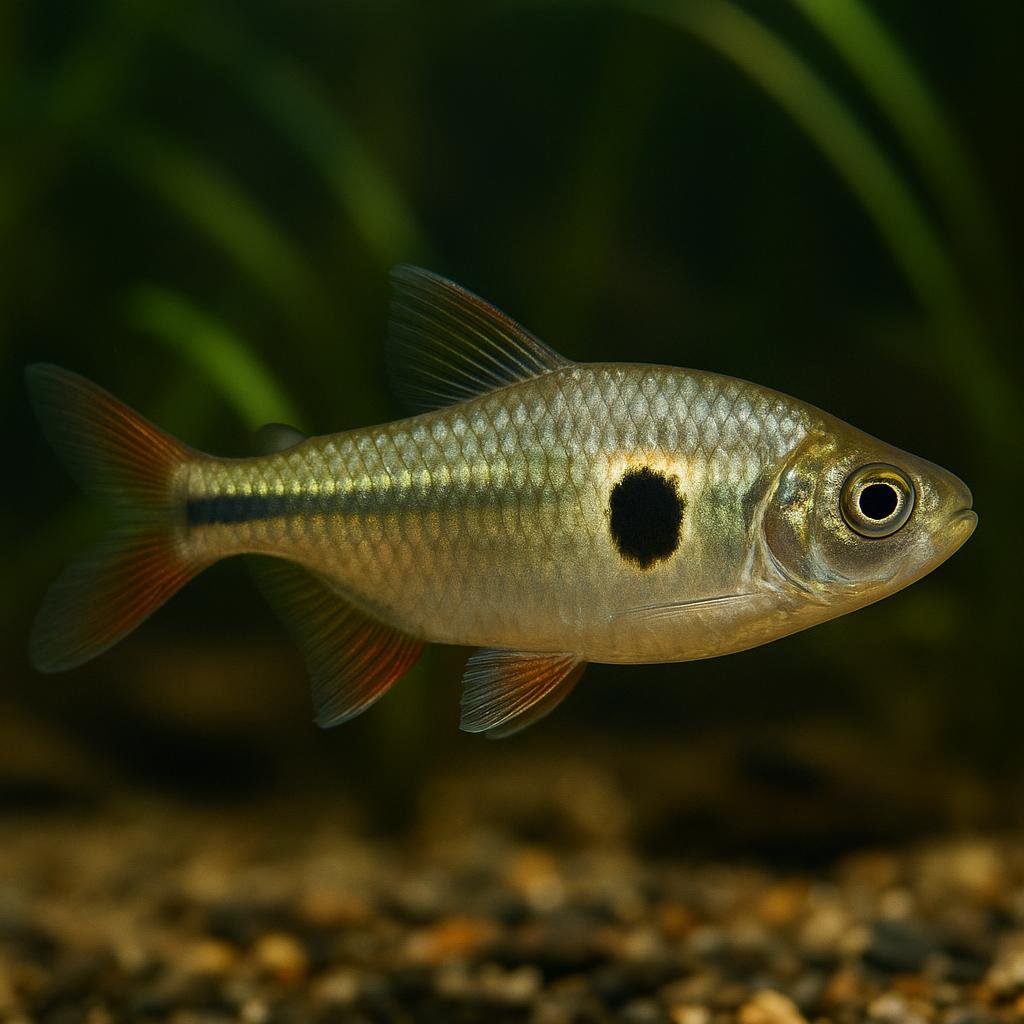
Ajuricaba tetra
Jupiaba ajuricaba
Jupiaba ajuricaba is a South American freshwater characin from the Amazon basin in Brazil (rio Negro, rio Solimões, and rio Tapajós basins). It reaches about 9.5 cm SL and is diagnosed by a narrow dark midlateral stripe, an elongated humeral spot, and an ocellated spot on the upper caudal-fin lobe. Wild specimens have been collected from blackwater forest streams and also oxbow-lake habitats.
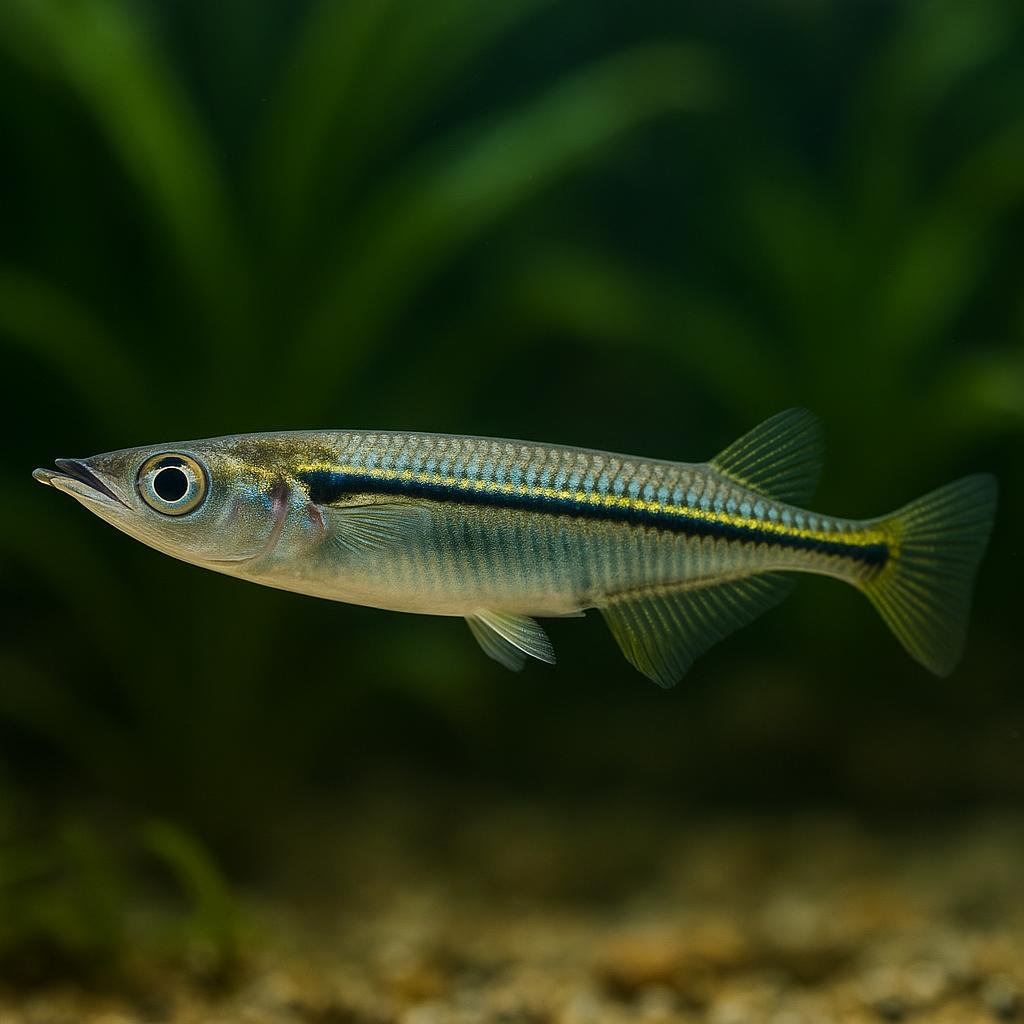
Allen's river garfish
Zenarchopterus alleni
A poorly known freshwater halfbeak endemic to West Papua (Mamberamo River), described from a single specimen (~13 cm SL). Beyond basic habitat/occurrence, little is published about its ecology or aquarium suitability; assume it is a surface-oriented, jump-prone halfbeak only by analogy with related taxa.
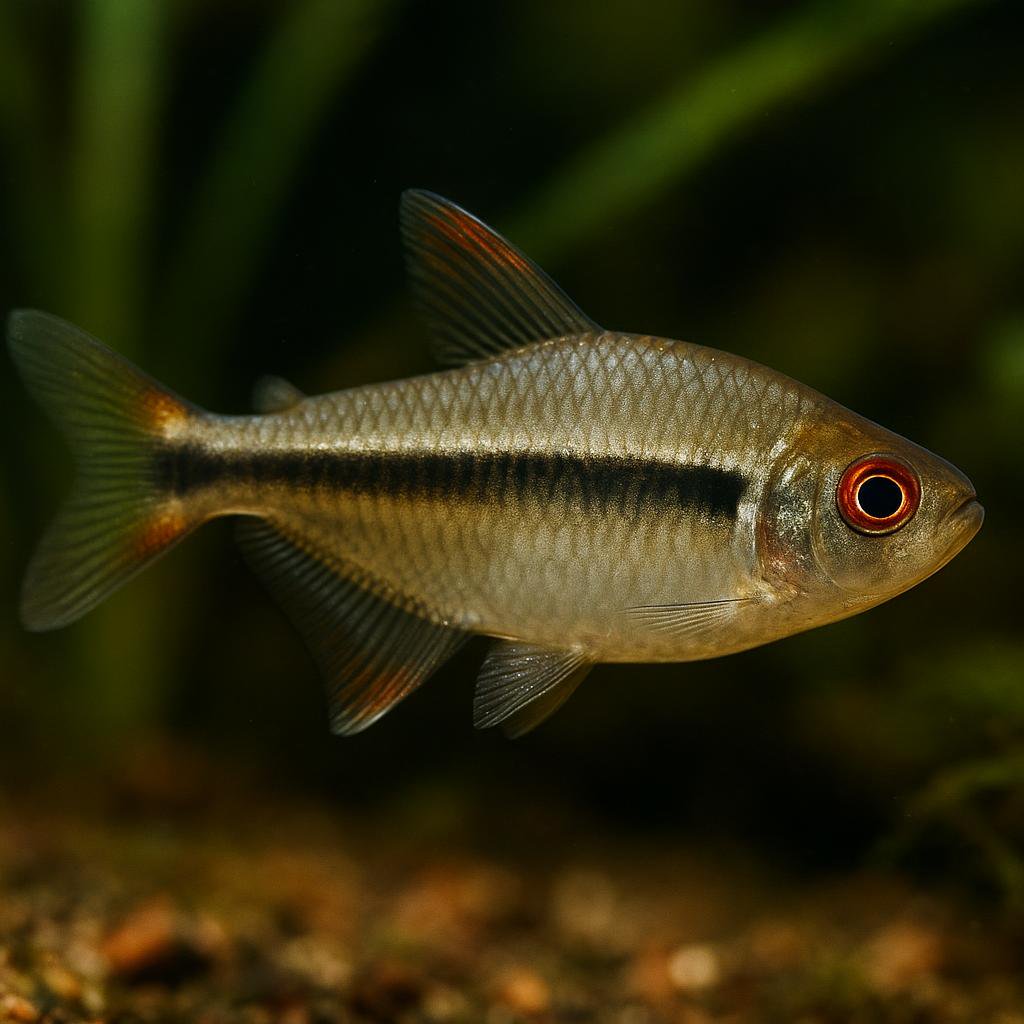
Amapa tetra
Hyphessobrycon amapaensis
This is a tiny, super sleek little tetra with a clean red stripe down the side that really pops once its settled in. It does best in a planted, slightly tinted "creek-style" setup and looks way cooler when you keep a proper group so they school and flash that line together. If you can give it soft, slightly acidic water and a calm community, its an easy fish to fall for.
Amatlan chub
Yuriria amatlana
Yuriria amatlana (the Amatlan chub) is a little Mexican native minnow from the Ameca River basin. Its wild range is pretty limited and it is listed as Endangered, so its care info in the aquarium hobby is basically nonexistent and its availability is usually low. In the original species description, preserved fish show a dark lateral stripe with a darker patch on the caudal peduncle, and they can have tiny barbels at the mouth corners.
Looking for other species?