

Green Swordtail (Swordtail)
Xiphophorus hellerii
Also known as: Swordtail, Green swordtail
This is the classic livebearer swordtail-the males grow that long tail "sword" and spend half their day showing off and chasing each other around. They're super active, always grazing and cruising, and they'll absolutely fill your tank with babies if you keep males and females together. Give them room to swim, hard-ish water, and some plants for cover and they're basically in their happy place.
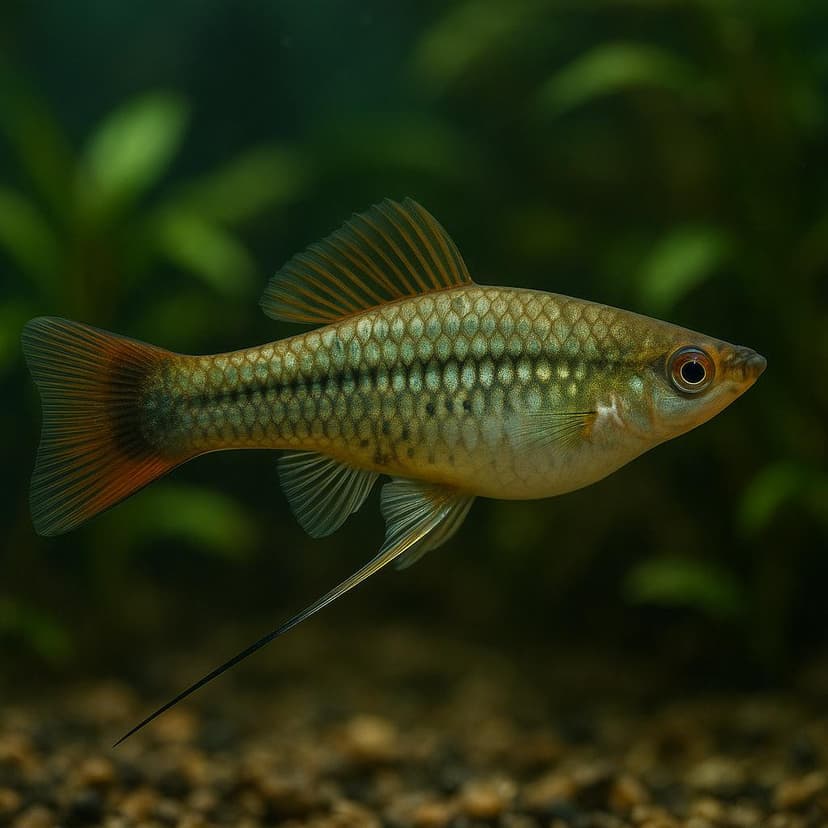
The Green Swordtail exhibits vibrant green body coloration, with a distinctive elongated, filamentous extension on the male's tail fin.
This page includes AI-generated images. Why am I seeing AI images?
Quick Facts
Size
16 cm
Temperament
Peaceful
Difficulty
Beginner
Min Tank Size
20 gallons
Lifespan
3-5 years
Origin
Central America (Mexico to Honduras)
Diet
Omnivore - quality flakes/pellets plus frozen/live foods; will graze plant matter/algae
Water Parameters
18-28°C
7-8.2
12-30 dGH
Need a heater for this species?
This species needs 18-28°C in a 20 gallon tank. Use our heater calculator to find the right wattage.
Calculate heater sizeCare Notes
- Give them space to cruise-20 gallons is a comfy start for a small group, and they love long tanks more than tall ones; add plants (real or fake) so weaker fish can duck out of view.
- They generally prefer slightly alkaline, harder water (about pH 7.0-8.0/8.2 depending on source) and moderate-to-hard GH; a commonly recommended temperature band is roughly 72-82°F (22-28°C), with stability more important than chasing exact numbers.
- They're fast eaters and will beg like crazy-feed small amounts 1-2x a day and rotate flakes/pellets with veggie stuff (spirulina, blanched zucchini) plus the occasional frozen brine shrimp/daphnia.
- Keep more females than males (like 2-3 females per male) or the male will nonstop pester them; if you only want one, a single male is usually the least drama.
- Good tankmates are other peaceful community fish that like similar water-platies, mollies, peaceful tetras, corys; skip fin-nippers (some barbs) and super-aggressive fish that will bully them.
- They jump when spooked, especially in new tanks-use a lid and don't leave big gaps around filters or airlines.
- Breeding happens whether you plan it or not: females can store sperm and drop fry every month, so either have a plan (lots of plant cover) or keep only one sex to avoid a population boom.
- Watch for clamped fins, shimmying, and ragged tails-these are usually 'something's off' signs (stress, poor water, fin-nippers); regular water changes and not overstocking saves you headaches.
Compatibility
Good Tankmates
- Other livebearers like platies and mollies (same vibe, similar water needs, and they can handle the swordtail's constant cruising)
- Guppies (especially short-finned types) if the tank isn't cramped-generally works, just keep an eye on any male swordtail that wants to posture
- Chill community tetras like black neon tetras, lemon tetras, or rummynose (fast enough to ignore swordtail antics, and they stick to midwater)
- Peaceful bottom dwellers like Corydoras (they mind their own business and help keep things active on the bottom)
- Bristlenose pleco or other mellow small plecos (good algae buddies, usually totally unbothered by swordtails)
- Non-nippy small rasboras like harlequins (calm schoolers that don't compete too hard or start fin drama)
Avoid
- Fin nippers like tiger barbs (they'll treat that swordtail 'sword' like a chew toy, and it turns into stress city)
- Aggressive/territorial fish (e.g., convicts, jewel cichlids, and other rough cichlids) that may bully or stress swordtails
- Slow fancy-finned fish like bettas or fancy guppies/longfin varieties (swordtails are busy and can end up harassing or outcompeting them)
- Big predatory fish like oscars, large catfish, or anything that can fit a swordtail in its mouth (it'll be a snack sooner or later)
1. Where they come from
Green swordtails (Xiphophorus hellerii) come from Central America—Mexico down into Guatemala/Honduras—where they hang out in rivers, streams, and weedy edges. They’re used to moving water, lots of plants, and a steady buffet of algae and tiny critters.
That “green” look is often a metallic olive/bronze sheen that pops more under good lighting and against plants. Stress and poor diet can wash the color out fast.
2. Setting up their tank
Swordtails are active. They don’t just hover like guppies—they cruise. A longer tank makes them look and act way better than a tall one.
- Tank size: 20 gallons long for a small group; 29+ gallons is even nicer if you want multiple males or plan for babies
- Temp: ~72–78°F (22–26°C). They don’t need it super warm
- pH/hardness: they’re happiest in neutral-to-alkaline water with some hardness (think “livebearer water”)
- Filter: any decent filter works; moderate flow is fine and they handle current well
- Plants/cover: give them plant thickets (real or fake) and some open swimming room up front
- Lid: they jump. Yes, even the calm ones
If your water is very soft/acidic, swordtails can look a bit off and get fin issues easier. I’ve had the best luck with them in harder tap water setups—no fancy chasing numbers, just stable and clean.
Decor-wise, I like a “two-zone” layout: dense plants or wood on one side (breaks line-of-sight and gives females a breather), open lane on the other for their constant laps.
3. What to feed them
They’ll eat basically anything you drop in, but they color up and hold better body shape with a mix of plant-based stuff and protein. If you only feed one flake forever, they’ll still live… but they won’t look their best.
- Staple: a good quality flake or small pellet (I like one that includes spirulina/veg content)
- 2–3x per week: frozen or live foods like brine shrimp, daphnia, bloodworms (go easy on bloodworms—treat, not the main meal)
- Veg add-ons: blanched zucchini/spinach, or an algae wafer broken up
- Tiny fry foods (if you have babies): crushed flakes, baby brine shrimp, powdered fry food
Feed smaller amounts more often if you can. Swordtails are enthusiastic eaters and will beg like dogs, but bloating and stringy poop show up fast if you overdo rich foods.
4. Behavior and tankmates
They’re friendly community fish, but males can be pushy. The “sword” isn’t just for show—males posture and chase, especially in tighter tanks or if there are too many males.
- Best group: 1 male with 2–3+ females (spreads out the male attention)
- Good tankmates: other peaceful community fish that like similar water—platies, mollies, many tetras, rasboras, corydoras, bristlenose plecos
- Use caution with: long-finned slow fish (some males will nip), and very tiny shrimp (babies may get picked off)
- Avoid: aggressive/territorial fish that will harass them, or fin-nippers that will shred the sword
Male swordtails can absolutely stress females out if the ratio is off. If you see nonstop chasing and females hiding in a corner, add more cover or change the male/female balance.
5. Breeding tips (if you want babies)
If you keep males and females together, you’ll probably get fry sooner or later. They’re livebearers, so females give birth to free-swimming babies. The adults will snack on fry whenever they get the chance—especially in bare tanks.
- Give fry a chance: thick floating plants (guppy grass, hornwort, water sprite) are the easiest “fry saver”
- If you want to raise numbers: move a pregnant female to a separate tank right before birth, then move her back after
- Feed heavy but keep water clean: small frequent meals for fry, plus extra water changes
- Don’t be surprised by repeat pregnancies: females can store sperm and drop multiple broods
Skip the tiny breeding traps if you can. They stress females out and you often end up with weaker fry. A small planted nursery tank is way kinder and easier.
6. Common problems to watch for
Most swordtail problems I’ve seen come down to three things: cramped tanks, dirty water, and social stress. Fix those and they’re pretty forgiving.
- Fin nipping / shredded sword: usually tankmate issues or too many males—add space, add cover, rethink tankmates
- Ich after a new fish: quarantine helps a lot; sudden temp swings can trigger it too
- Bloating/constipation: cut back, add veggie foods, try daphnia, and check you’re not overfeeding rich frozen foods
- Clamped fins / hiding: often stress (bullying) or water quality—test, water change, and watch interactions
- Stringy poop / weight loss: can be internal parasites—common in new stock; quarantine and treat if it persists
- Random deaths in “new” swordtails: some store fish are already worn down—buy active fish with full fins and good body shape
Swordtails are tougher than they get credit for, but they don’t handle ammonia/nitrite. If something seems “off,” test the water first before you start tossing meds in.
Similar Species
Other freshwater peaceful species you might be interested in.
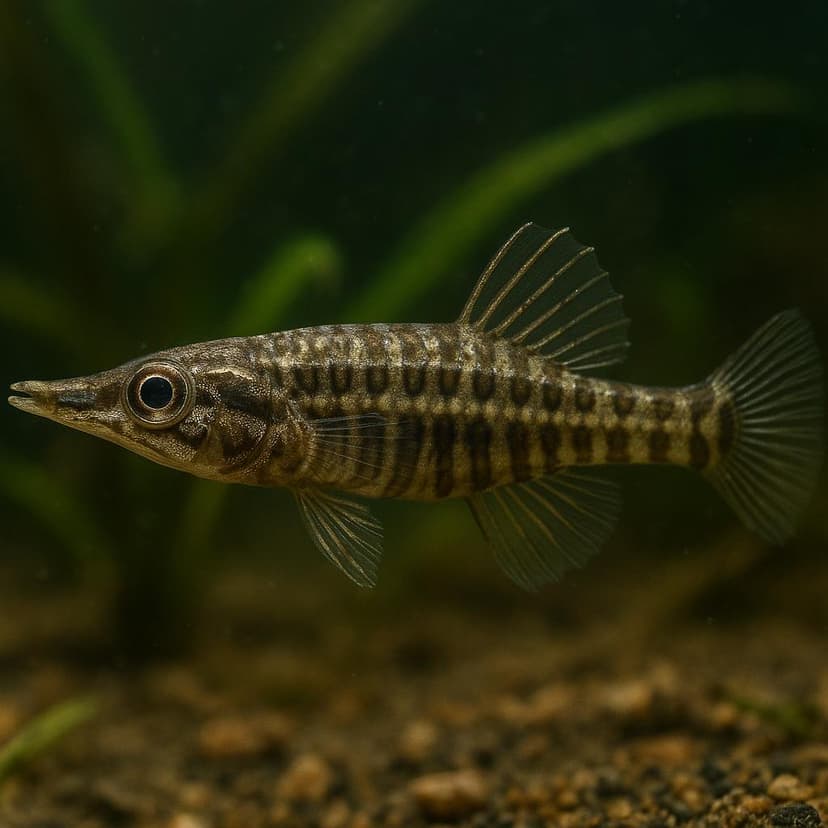
Armoured stickleback
Indostomus paradoxus
This is that goofy little "freshwater seahorse"-looking fish that just kind of perches and scoots around like a tiny armored twig. Its whole vibe is slow, sneaky micropredator - once its settled in, you will catch it stalking microfoods and doing these subtle little posture displays. The big trick is feeding: they do best when you can provide lots of small live foods in a calm, planted tank.
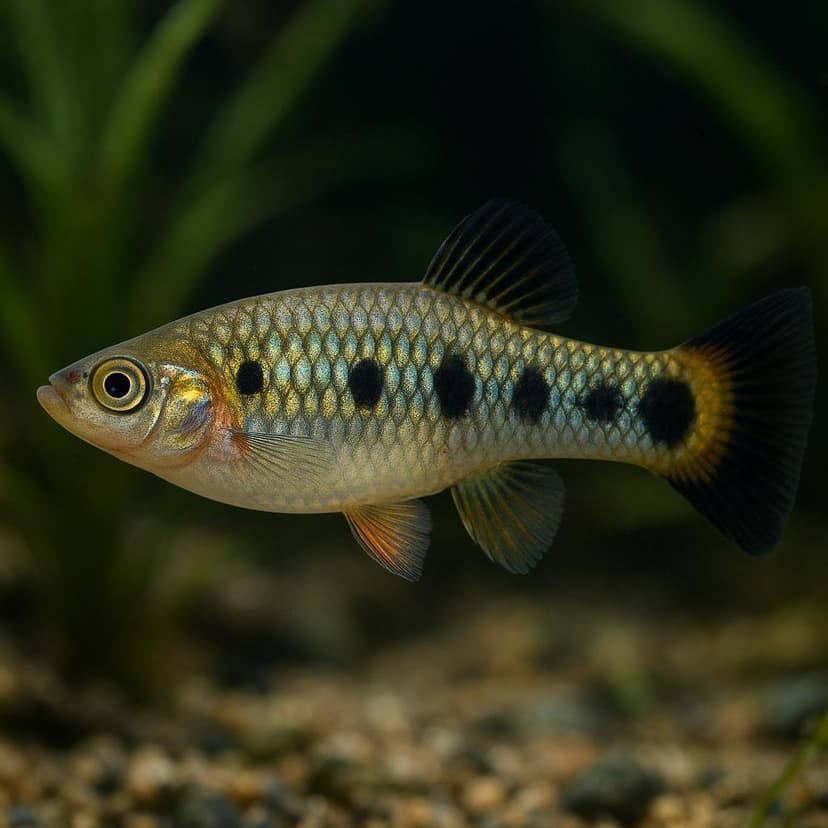
Bishop toothcarp
Brachyrhaphis episcopi
This is a tiny Panamanian livebearer that does best when you treat it more like a shy wild fish than a fancy guppy-lots of cover, calm vibes, and really clean water. The fun part is watching the males posture and spar while the females cruise around dropping fully-formed fry about once a month.
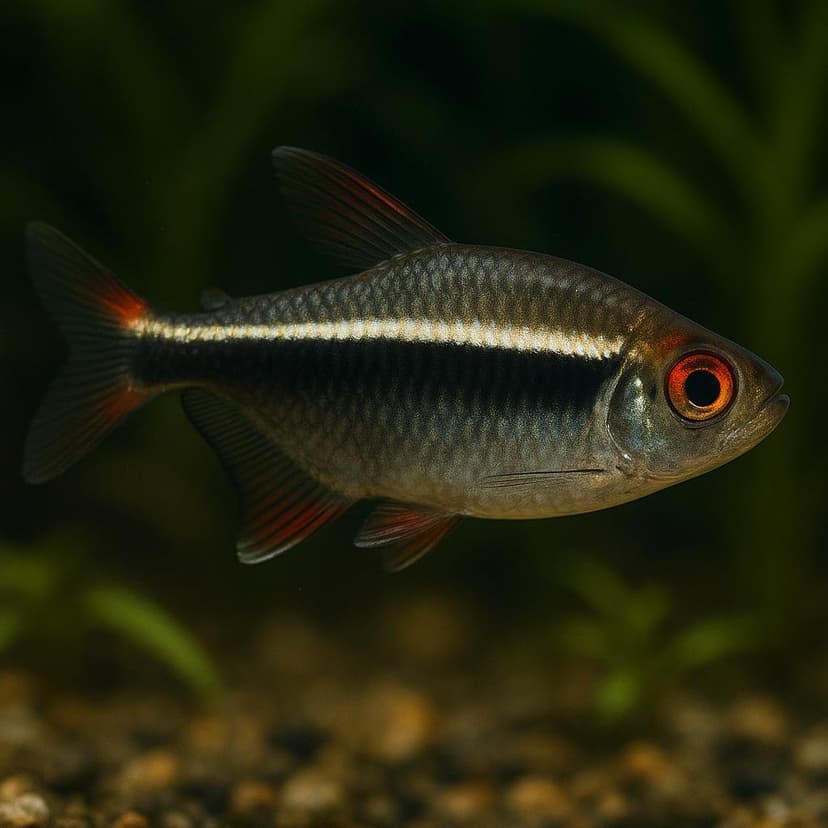
Black Neon Tetra
Hyphessobrycon herbertaxelrodi
Black neons are one of those little tetras that look kinda understated until the light hits them-then that bright stripe pops and they shimmer when the school turns together. They're super chill, always cruising mid-water, and they make a tank feel "alive" without being hectic. If you keep a nice group, they get bolder and you'll see way more of their personality.
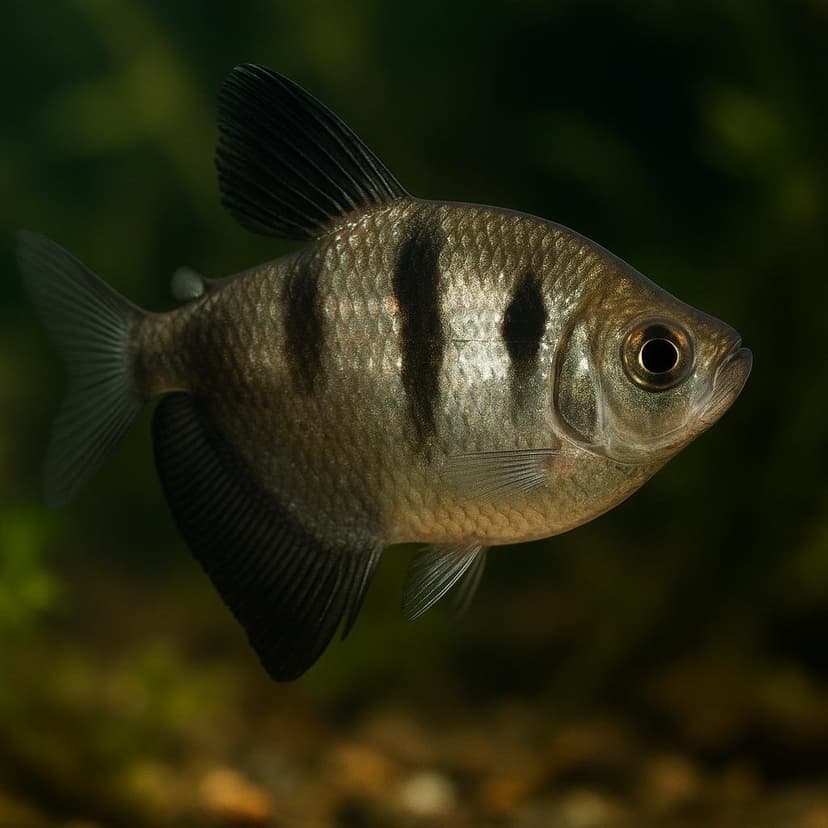
Black Skirt Tetra (Black Widow Tetra)
Gymnocorymbus ternetzi
Black skirts are those little "suit-and-tie" tetras with the dark bands and flowing fins that look way fancier than they should for how tough they are. They're super active midwater fish, and when you keep a proper group they do that tight, zippy schooling thing that makes the whole tank feel alive. Just give them enough buddies and finny tankmates they won't be tempted to nip.
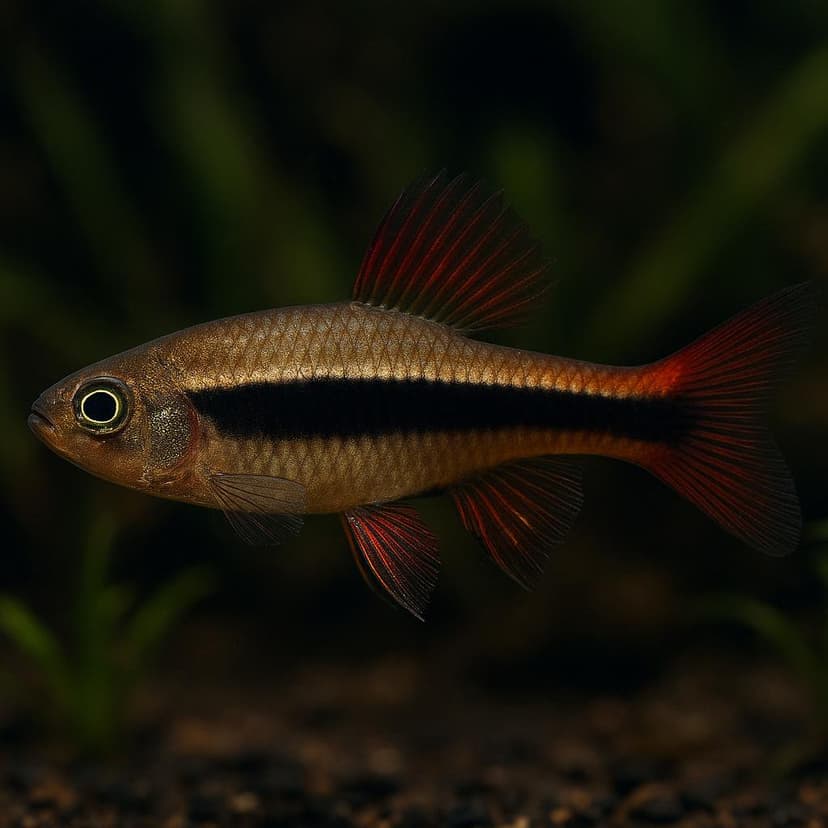
Black morpho tetra
Poecilocharax weitzmani
Poecilocharax weitzmani is one of those tiny blackwater oddballs that acts more like a little darter than a typical tetra - it hangs low, darts between cover, and the males can get pretty showy with fin-flares. The really cool part is they are cave breeders with male brood care, which is not what most people expect from a small characin. Give them very soft, acidic, super-clean water and lots of leaf litter and hidey holes, and they settle in and start showing their best colors.
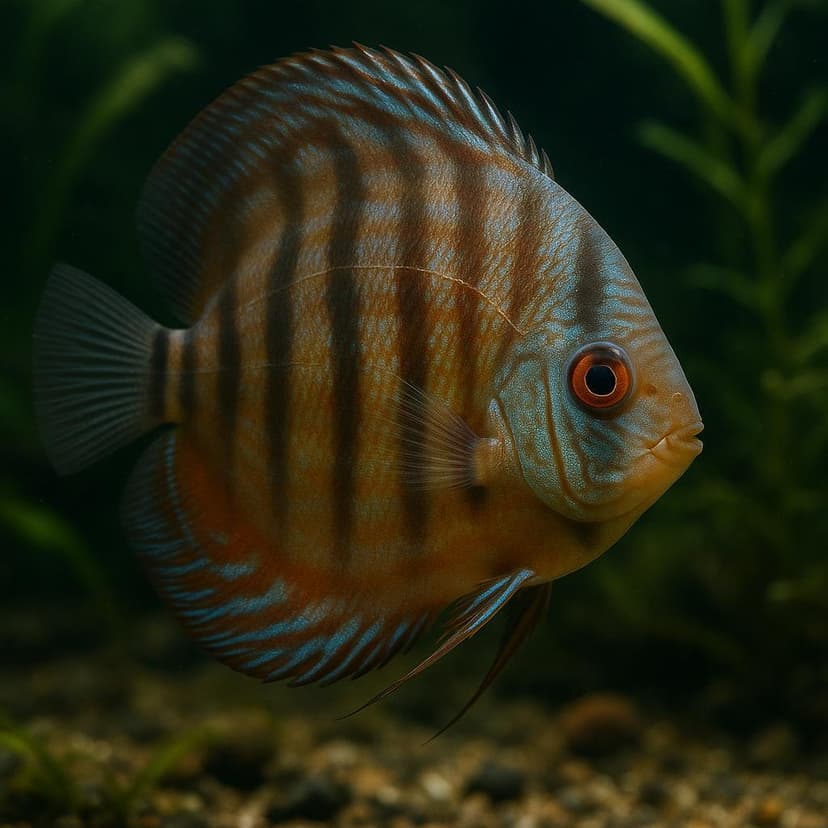
Blue discus
Symphysodon aequifasciatus
This is one of the classic wild discus from the Amazon-big, round, and super "cichlid-smart," but way more chill than most cichlids. The coolest part to me is the parenting: the fry actually feed off a mucus layer from the parents' skin for a while, which is just wild to see if you ever breed them.
More to Explore
Discover more freshwater species.
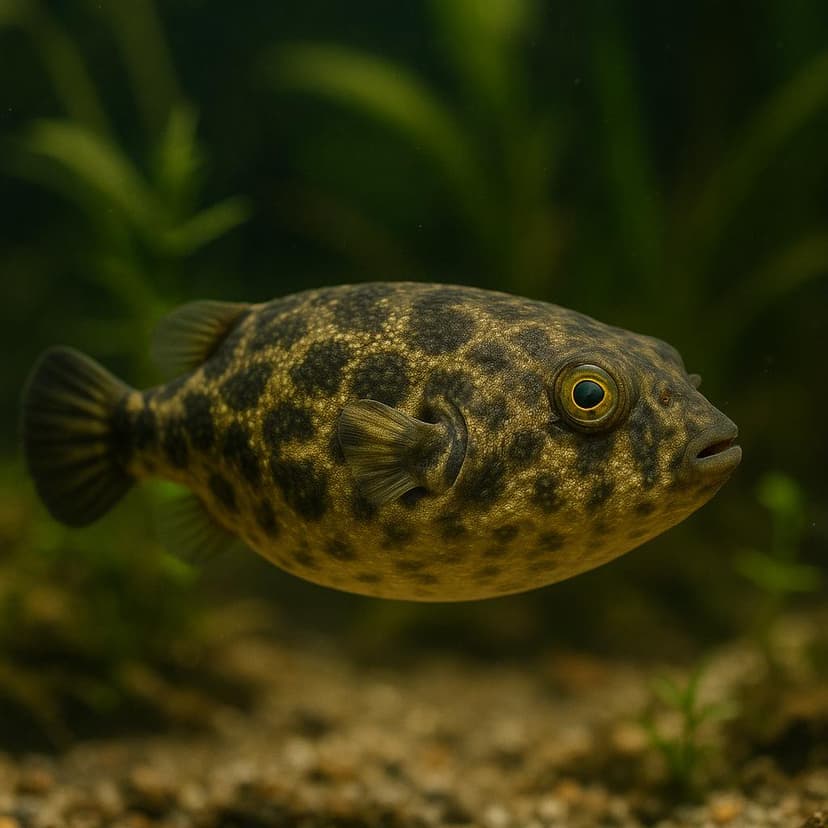
Arrowhead puffer
Pao suvattii
Pao suvattii is that sneaky Mekong puffer that likes to sit low and ambush food, and it has that super recognizable arrow/V pattern on its back. Gorgeous fish with tons of personality, but it is absolutely not a community guy - plan on a solo, species-only setup if you want everybody to stay in one piece.
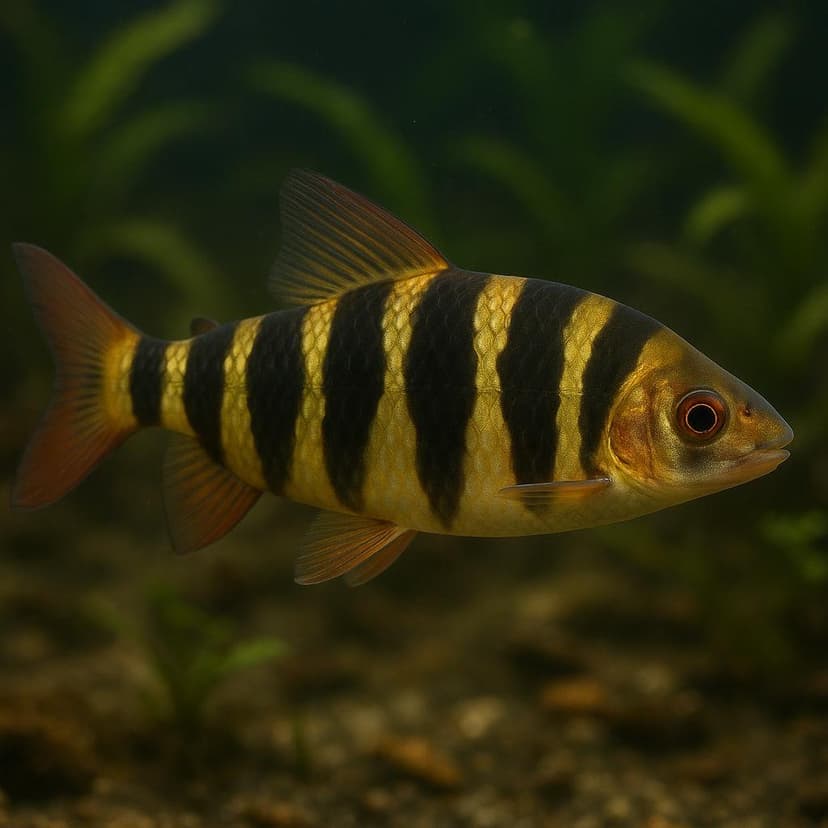
Banded Leporinus
Leporinus fasciatus
Banded Leporinus are those torpedo-shaped, black-and-yellow striped fish that look like they're wearing a little prison outfit-and they stay on the move. They've got a ton of personality and they're awesome to watch cruising and picking at stuff, but they're also the kind of fish that will redecorate your tank and "taste test" anything soft-looking.
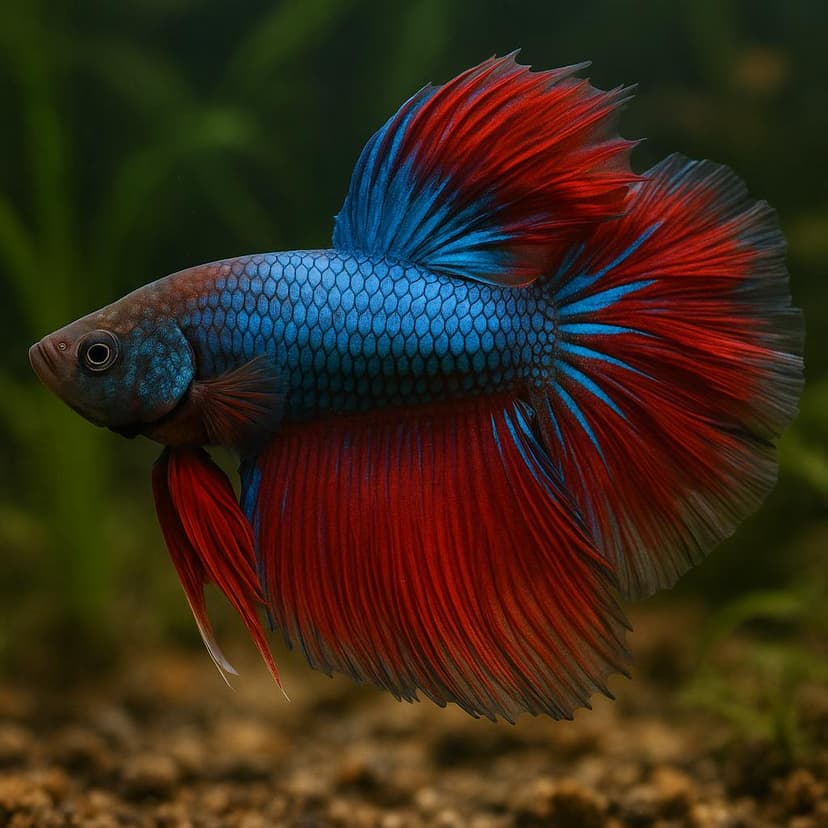
Betta
Betta splendens
Betta fish, also known as Siamese fighting fish, are popular for their striking colors and flowing fins. They are known for their territorial nature, especially males, which can display aggressive behavior towards each other.
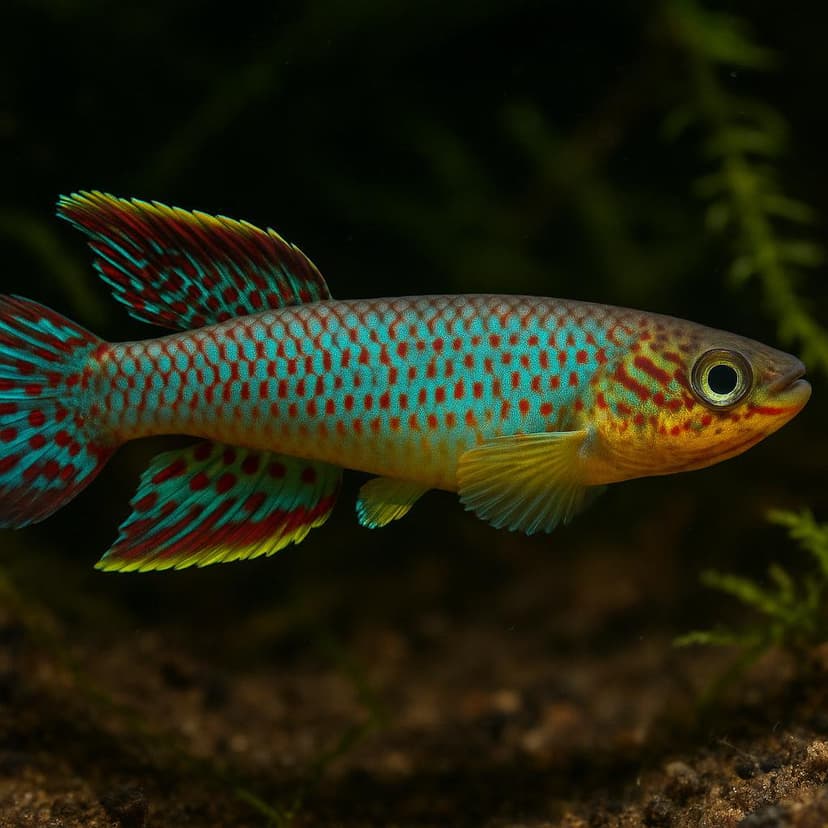
Blue gularis
Fundulopanchax sjostedti
This is the big, flashy West African killifish with the ridiculous triple-point tail and electric blue-green body covered in red spotting. Males can be real attitude machines with each other, but if you give them room, cover, and a tight lid, they make an awesome centerpiece fish that will absolutely demolish live and frozen foods.
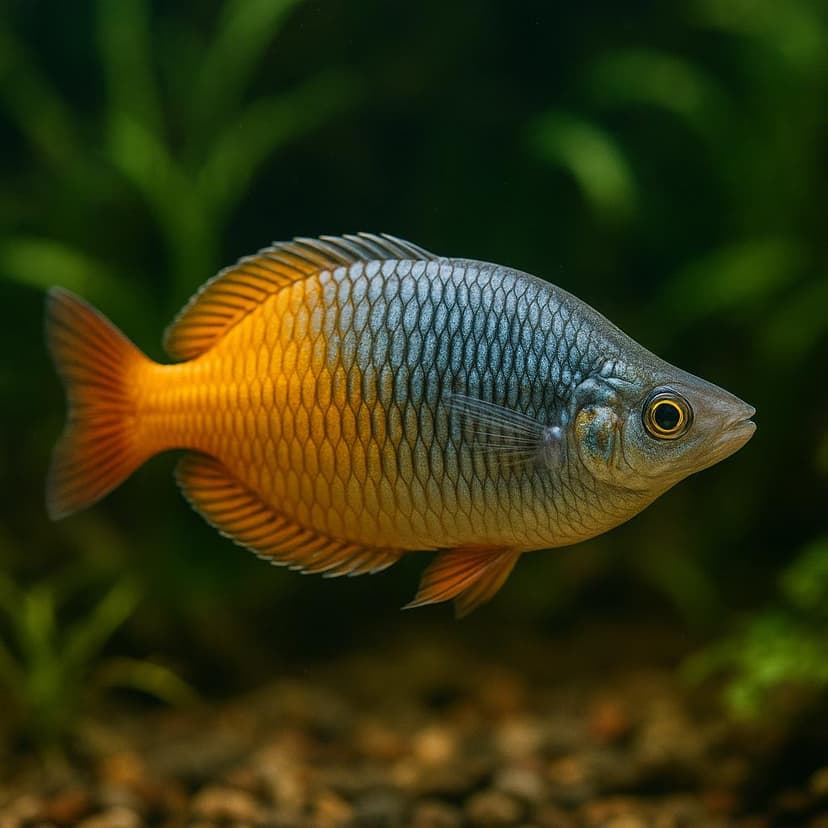
Boeseman's rainbowfish
Melanotaenia boesemani
Boesemani rainbows are basically little swimming fireworks once they settle in-males get that wild split-color look (blue up front, orange in back) and they'll flash and posture at each other all day. They're super active and way happier in a real group with a long tank to cruise, not a cramped setup where they can't stretch out.
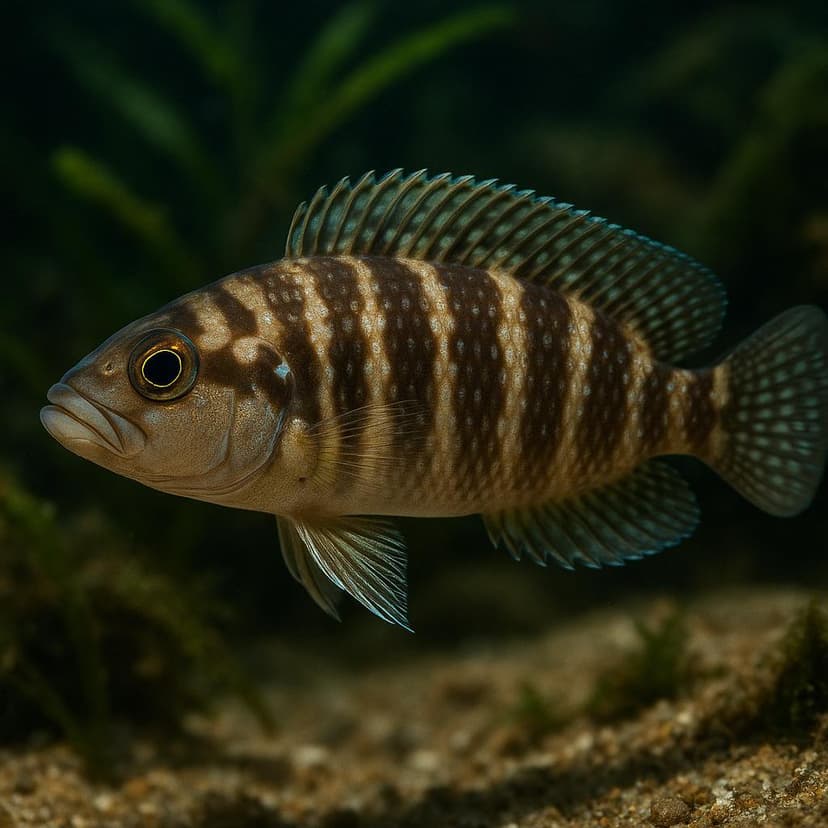
Boulenger's lamprologine (shell-dwelling Tanganyika cichlid)
Lepidiolamprologus boulengeri
This is one of those really fun Lake Tanganyika shell-and-sand lamprologines that lives as a pair, digs a little pit, and then the female hangs out in snail shells like its a tiny fortress. Give them fine sand and a pile of shells and you will get to watch legit, purposeful cichlid home-building and territory behavior in a small-bodied fish.
Looking for other species?