

Boulenger's lamprologine (shell-dwelling Tanganyika cichlid)
Lepidiolamprologus boulengeri
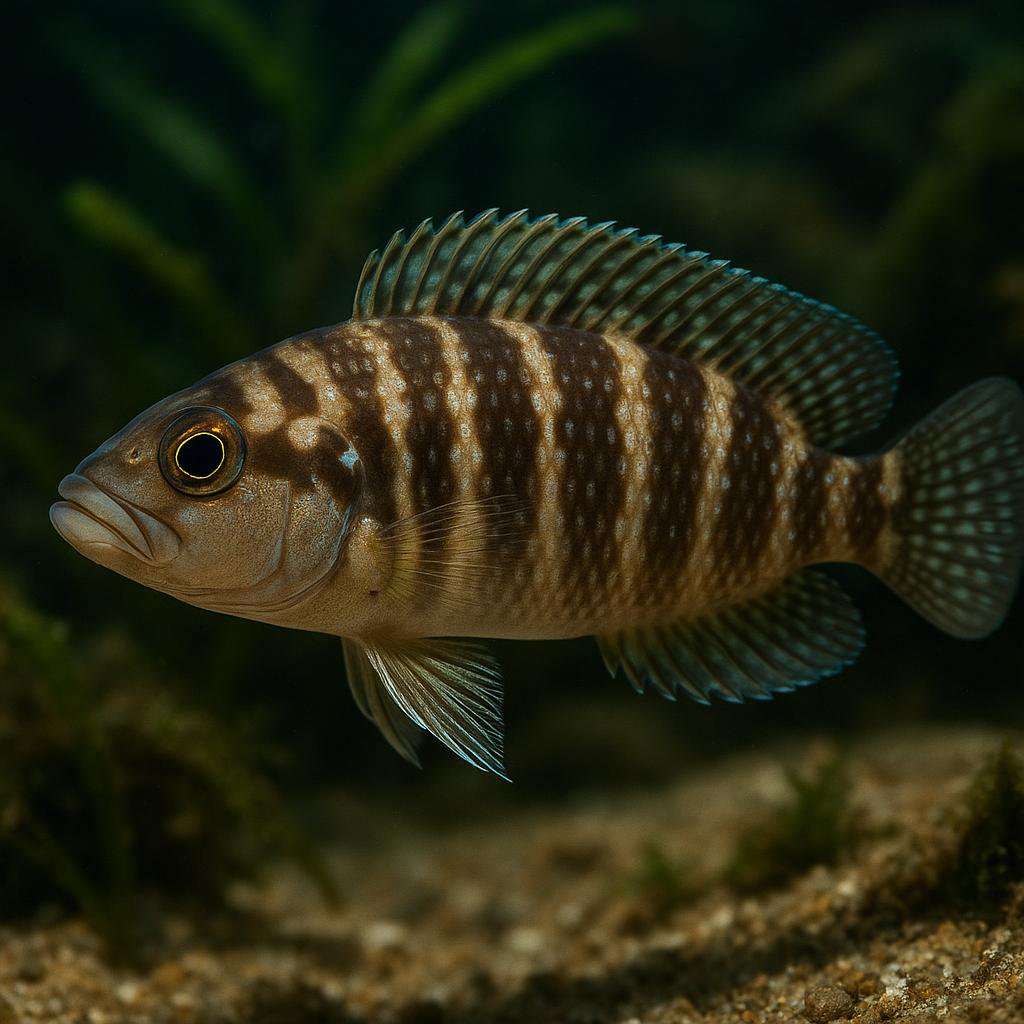
Boulenger's lamprologine exhibits a slender body with yellowish-brown coloration and distinctive blue spots along its flanks.
This page includes AI-generated images. Why am I seeing AI images?
About the Boulenger's lamprologine (shell-dwelling Tanganyika cichlid)
This is one of those really fun Lake Tanganyika shell-and-sand lamprologines that lives as a pair, digs a little pit, and then the female hangs out in snail shells like its a tiny fortress. Give them fine sand and a pile of shells and you will get to watch legit, purposeful cichlid home-building and territory behavior in a small-bodied fish.
Also known as
Quick Facts
Size
6.2 cm
Temperament
Semi-aggressive
Difficulty
Intermediate
Min Tank Size
20 gallons
Lifespan
5-8 years
Origin
Africa - Lake Tanganyika (Tanzania, north of Kigoma)
Diet
Carnivore/invertivore - small meaty foods like brine shrimp, mysis, daphnia, copepods; will take quality pellets once trained
Care Notes
- Give them a sandy bottom with a tight cluster of shells (escargot shells work) plus a few rock piles to break line-of-sight - they dig and redecorate nonstop.
- They do best in hard, alkaline Tanganyika-style water: aim around pH 8.0-9.0, high KH/GH, and temps about 75-79F; sudden swings stress them out fast.
- Keep them in a species tank or with other Tanganyika fish that mind their own business; avoid mbuna, big Central/South American cichlids, and anything slow/long-finned that will get nipped.
- Feed small meaty stuff: quality pellets, frozen mysis/brine, and occasional live foods; go easy on fatty foods like bloodworms because they can bloat up.
- They are shell bullies around their home turf, so more shells than fish helps spread aggression - I do at least 2-3 shells per fish, more if you have a group.
- Breeding is classic shell-dweller style: female lays in the shell, male guards the area; keep shells with small openings so fry can hide and adults cannot harass them as easily.
- Watch for them burying shells against the glass or under rocks - secure rocks on the tank bottom first, or they will undermine the pile and you will get a collapse.
Compatibility
Good Tankmates
- Other Tanganyika shellies in the same vibe - Neolamprologus multifasciatus or N. similis. They can work in bigger tanks with multiple shell piles and broken lines of sight, but watch the boulengeri because they like to throw their weight around and can evict neighbors if its cramped.
- Julidochromis (like transcriptus or ornatus) on a separate rock pile. They stick to rocks, shellies stick to shells - different real estate helps a ton. Give lots of caves and keep the shell bed on one side so everyone has a 'zone'.
- Small to mid Tanganyika midwater schoolers - Cyprichromis or Paracyprichromis. They hang up in the water column and usually ignore the shell drama as long as you are not trying to breed the shellies in a tiny tank.
- A calm Tanganyika sand-sifter as a 'background fish' - Xenotilapia or Enantiopus, if the tank is big and the shell area is protected. They are generally chill, but you want enough footprint so they are not constantly cruising over the shell territory.
- Synodontis catfish from Tanganyika (like S. lucipinnis or S. petricola). Tough enough to handle cichlid attitude and mostly do their own thing. Just know they will absolutely snack on eggs or fry if they can get in there.
- Calm, not-too-pushy Tanganyika lamprologines that live in rocks, like Altolamprologus compressiceps (smaller individuals) - only if you have space. Keep them well fed and give separate structure, because boulengeri will still defend the shell zone hard.
Avoid
- Big aggressive Tanganyika bruisers - Tropheus, Petrochromis, big aggressive Mbuna-style personalities. Too much nonstop pressure and they will keep the boulengeri pinned down or constantly stressed.
- Other territorial bottom cichlids that want the same sand-and-cave real estate, especially more dominant Lamprologus types in tight quarters. Territory overlap is where the real fights start with boulengeri.
- Fin-nippers or hyperactive fish (barbs, many rainbowfish in smaller tanks). Shellies hate being buzzed, and they will respond with chasing and biting - it turns into a constant war zone.
- Slow, fancy-finned fish and typical community stuff (bettas, guppies, angelfish). Wrong water vibe and they get bullied. Boulengeri are not 'community cichlids' - they do best with Tanganyika neighbors that understand cichlid rules.
Where they come from
Lepidiolamprologus boulengeri is a Lake Tanganyika shell-dwelling lamprologine. They come from rocky-sandy shoreline zones where empty snail shells collect in pockets. The lake is old, mineral-rich, and very stable, which explains why these fish act a little offended when your water swings around.
If you have kept Neolamprologus multifasciatus or ocellatus, you will recognize the shell obsession right away. Boulengeri just brings more attitude and a bit more bite.
Setting up their tank
Give them floor space and shells before you worry about fancy decor. They live on the bottom, they dig, and they will redesign whatever you do anyway. I have had the best luck with a longer tank (not tall), a sand bottom, and a clear shell bed where you can actually see what is going on.
- Tank size: I would start a pair in 20 gallons long or bigger. For a small group/colony-style setup, 30-40+ gallons makes life easier.
- Substrate: fine sand. They shovel it constantly and it is easier on their mouths than sharp gravel.
- Shells: more than you think. A good starting point is 3-5 shells per fish, spread in clusters so subdominant fish can claim a spot.
- Hardscape: a few rock piles to break lines of sight, but leave open sand around the shell zones.
- Filtration: steady and a little oversized. Tanganyikans hate dirty water, and shell beds trap debris.
- Water: hard, alkaline Tanganyika-style (high KH/GH, pH on the high side) and stable temperature in the mid- to upper-70s F.
Put the shells down first, then pour sand around them so the openings are not buried. They will bury and unbury them to taste, but starting with visible entrances reduces day-one chaos.
They appreciate calm flow along the bottom. If your filter outlet blasts across the sand, they will dig craters and you will get sandstorms. I usually aim flow along the back wall and let the bottom stay relatively gentle.
What to feed them
These are meaty little cichlids. In my tanks they do best on small, protein-heavy foods, but not huge portions. They are enthusiastic eaters and will act like they are starving even when they are not.
- Staples: quality small pellets (cichlid or carnivore formulas) and small sinking granules
- Frozen: mysis, brine shrimp, finely chopped krill, cyclops
- Live (optional): baby brine shrimp, daphnia - great for conditioning breeders
- Avoid as a routine: fatty, messy foods in big amounts (it fouls shell beds fast)
Feed a little, wait a minute, feed a little again. If you dump it all at once, the dominant fish camps the food and the shy ones never get a fair shot.
How they behave and who they get along with
Boulengeri is a shell-dweller, but do not expect the peaceful, bustling shell colony vibe you get from multies. These can be pushy, especially once they pick a shell and decide it is theirs. The drama is mostly about territory on the sand - they are not usually open-water bullies.
You will see lots of posturing at shell entrances, quick darts, and sand-spraying. That is normal. What is not normal is one fish being pinned in a corner with shredded fins because it cannot find a shell it is allowed to use.
- Good tankmates: other Tanganyika species that use different zones (calmer rock-dwellers up in the rocks, or midwater schooling fish like cyprichromis in a big tank)
- Avoid: other shell-dwellers in the same footprint unless the tank is large and you are prepared to separate fish
- Avoid: slow, long-finned fish and most community fish - wrong water and they will get harassed
- Best grouping: a bonded pair, or a small group of juveniles and let a pair form (be ready to rehome extras)
Shell beds make it look like there are a million hiding spots, but territories still overlap. Too few shells or too small a tank is the fastest way to turn squabbling into real damage.
Breeding tips
If they are happy, they will breed without you doing anything fancy. The female usually claims a shell, lays inside, and the male patrols and guards the area. You might not even notice until you see tiny fry peeking out like little commas in the sand.
- Start with a group of 5-8 juveniles if you can, then keep the best pair and move the rest (less hit-or-miss than buying a "pair")
- Keep the shell opening facing slightly upward or sideways so the female can work inside without the entrance collapsing under sand
- Condition with frozen foods and small frequent feedings
- First foods for fry: baby brine shrimp, crushed flakes, powdered fry food (they grow faster on BBS)
- If you want more fry to make it, run the tank as a species setup or use tankmates that ignore the shell zone
If a pair is spawning but you never see fry survive, look at your cleanup crew. Nocturnal shell snoopers (some catfish, some loaches) can pick off babies at night.
Common problems to watch for
Most issues with this species come down to three things: unstable water, a dirty shell bed, or social pressure. Fix those and they are pretty tough fish.
- Aggression spikes: usually from too few shells, no line-of-sight breaks, or a pair forming and claiming half the tank
- Bloat/intestinal issues: often from overfeeding rich foods or poor water - cut back, do water changes, and keep food small and clean
- Frayed fins: can be fighting, but also check for ammonia/nitrite or a neglected filter
- Sandstorms and cloudy water: caused by strong flow across the substrate or fish digging into piles of debris
- Fry disappearing: predation from tankmates, or the adults are stressed and abandon the spawn
Do not medicate blindly in a Tanganyika tank. Many meds and salt-heavy approaches can swing water chemistry or stress these fish. Test your water first, then treat the actual cause.
My routine that keeps them looking sharp is simple: weekly water changes, vacuum lightly around (not through) the shell clusters, rinse prefilters often, and keep feeding controlled. If you do that and give them shells they can claim, they will reward you with great behavior and constant activity right on the front glass.
Similar Species
Other freshwater semi-aggressive species you might be interested in.
American flagfish
Jordanella floridae
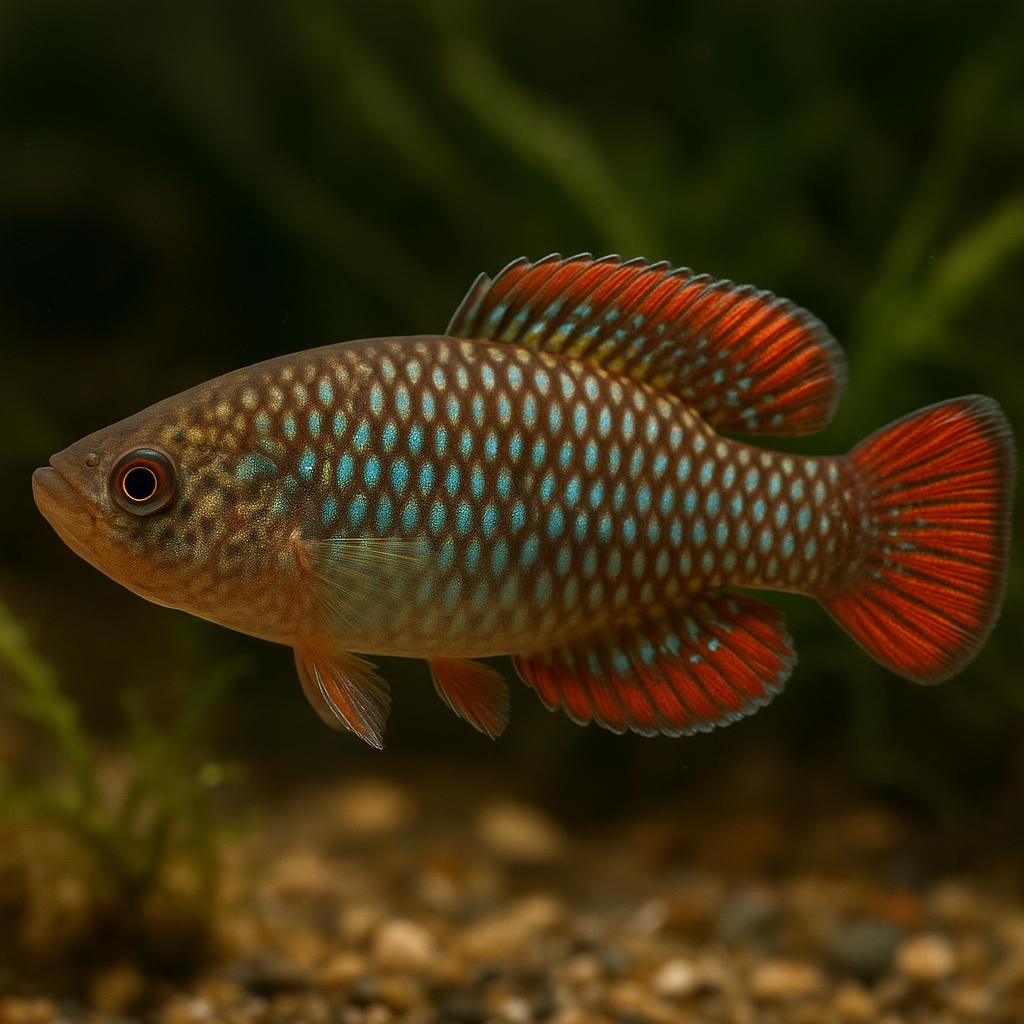
Jordanella floridae is that little Florida native with the red-and-cream striping that really does look like a tiny flag once a male colors up. They graze algae like champs (especially stringy/hair algae), but they have a bit of attitude - give them plants and space so the bossy behavior stays manageable. Bonus: the male guards the eggs and will actively fan them, which is pretty fun to watch.
Banded Leporinus
Leporinus fasciatus
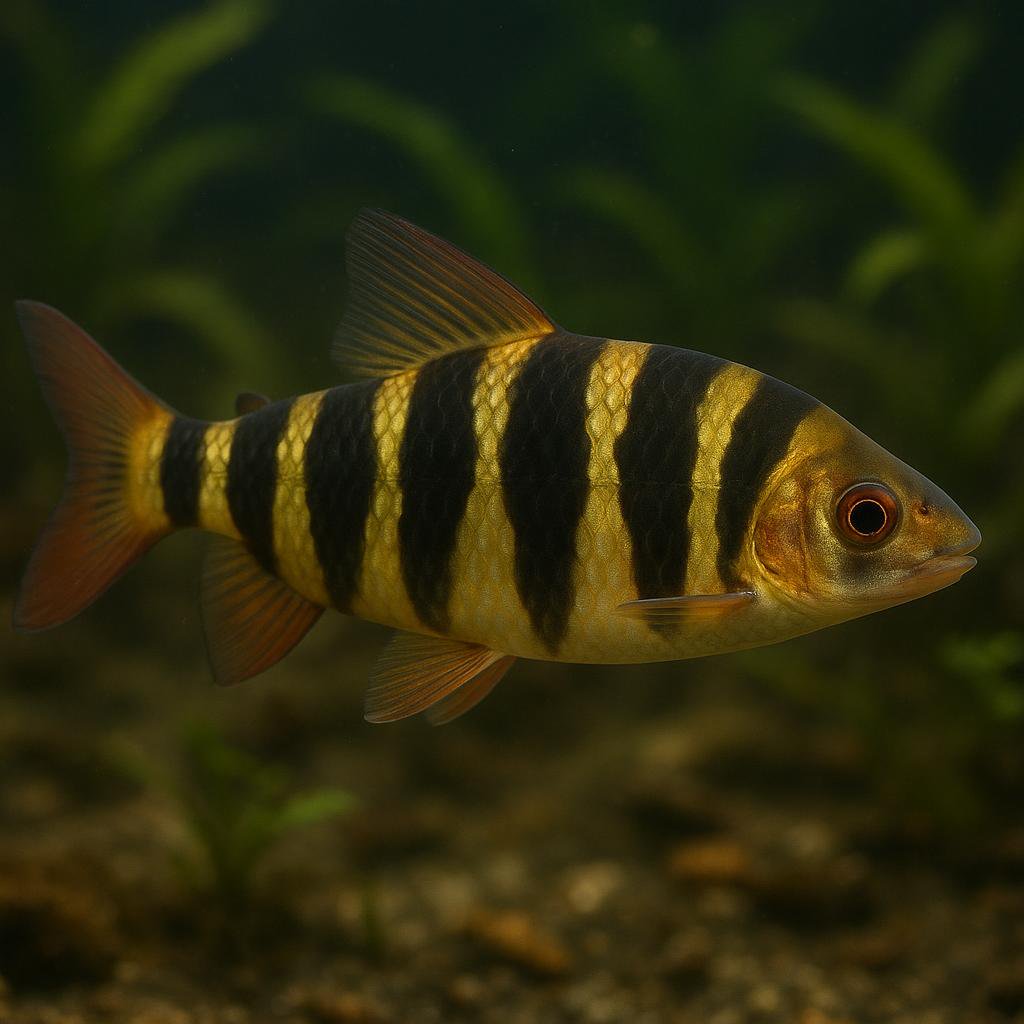
Banded Leporinus are those torpedo-shaped, black-and-yellow striped fish that look like they're wearing a little prison outfit-and they stay on the move. They've got a ton of personality and they're awesome to watch cruising and picking at stuff, but they're also the kind of fish that will redecorate your tank and "taste test" anything soft-looking.
Bandi cichlid
Wallaceochromis signatus
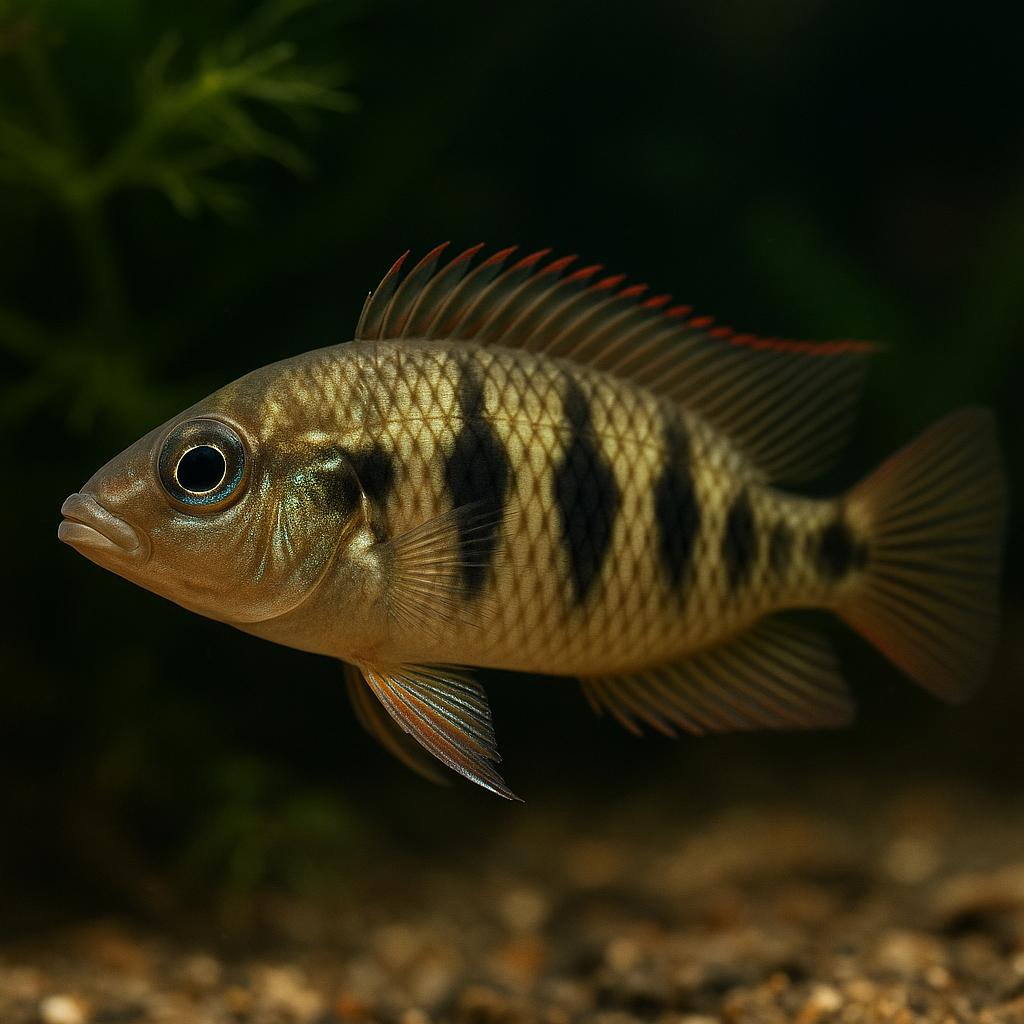
A West African dwarf cichlid from Guinea's Bandi River, this fish shows crisp vertical bars and spotted fins with red highlights. Females have a bold black spot at the base of the tail, and pairs guard eggs and fry in caves, which makes their parental behavior fun to watch.
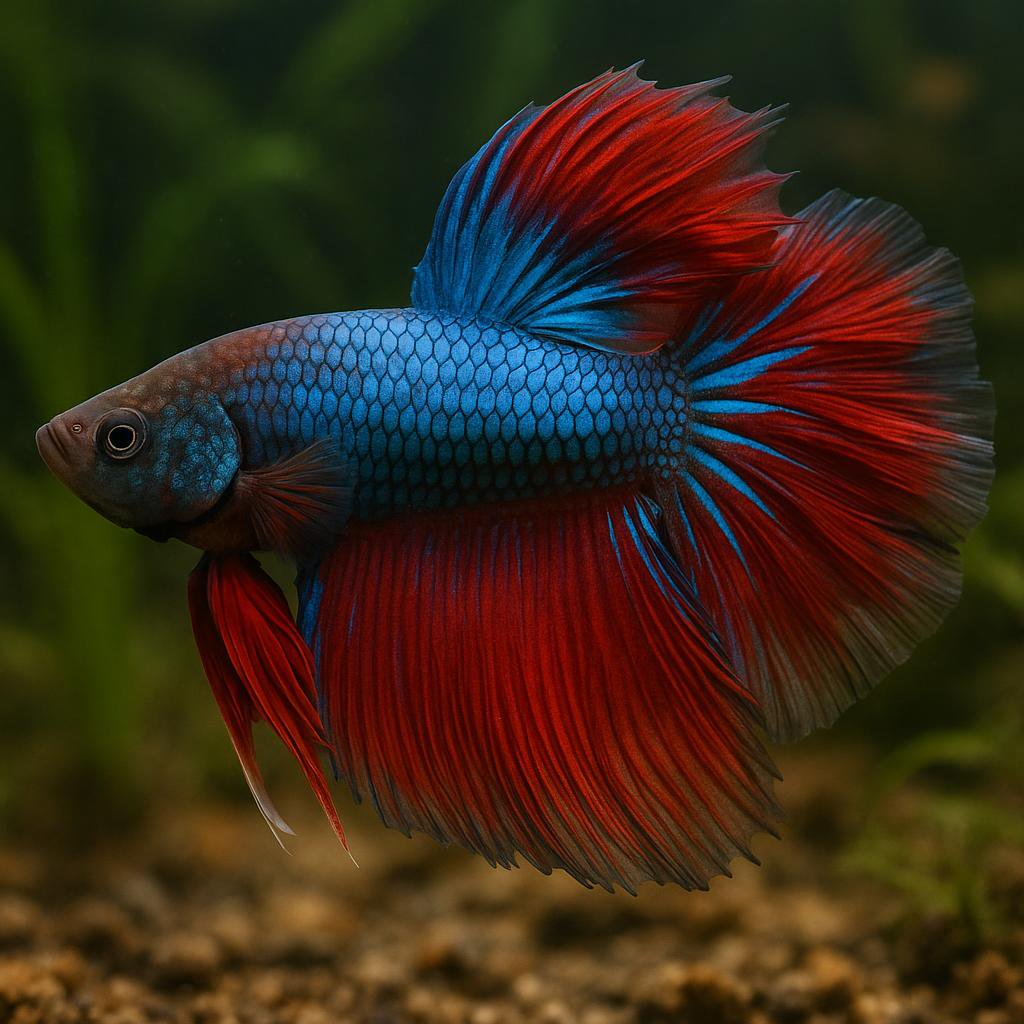
Betta
Betta splendens
Betta fish, also known as Siamese fighting fish, are popular for their striking colors and flowing fins. They are known for their territorial nature, especially males, which can display aggressive behavior towards each other.
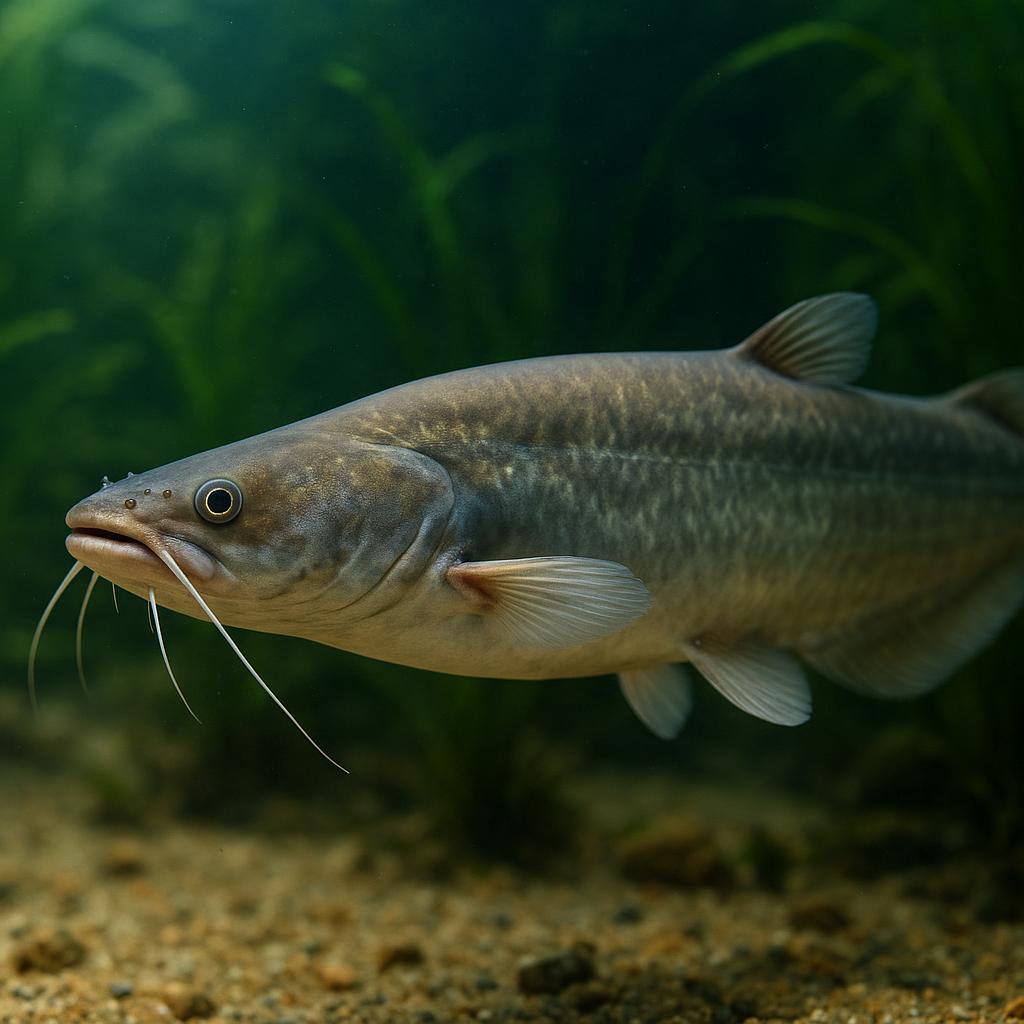
Blackhawk catfish
Wallagonia micropogon
Wallagonia micropogon is a giant Southeast Asian sheatfish with an eel-like body and a huge, scoop-like mouth for hunting other fish. It is native to the Mekong and middle Chao Phraya basins and was long confused with Wallagonia leerii, which makes IDs and care notes tricky. Stunning as a juvenile but it grows to true megafish size, so it is only realistic for expert keepers or public aquariums.
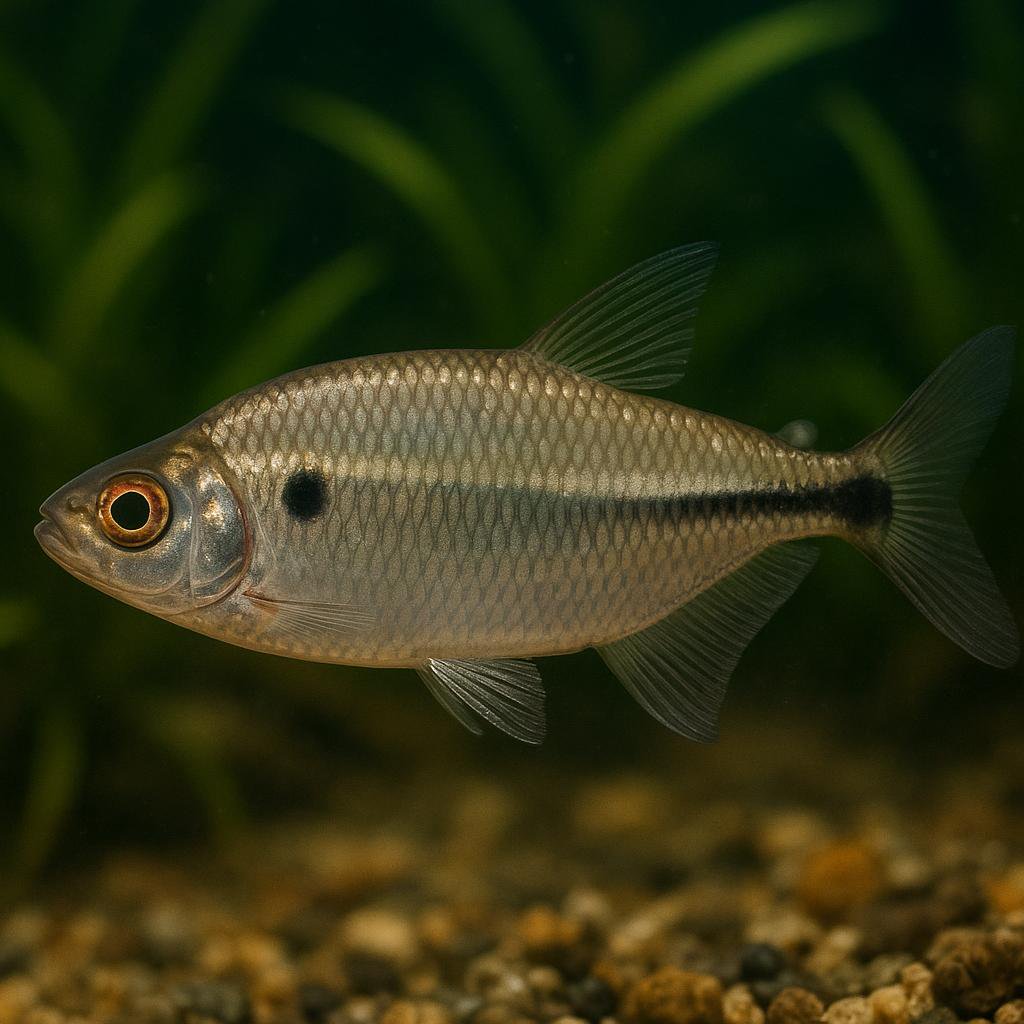
Boulenger's Featherfin Tetra
Bryconaethiops boulengeri
A big, fast African tetra from the Congo River basin, it cruises the mid-to-upper water in active groups and flashes a bold broken stripe along its flanks. In the wild it hunts insects at the surface and can leap, so aquariums need tight lids. Keep it with robust tankmates it cannot swallow.
More to Explore
Discover more freshwater species.
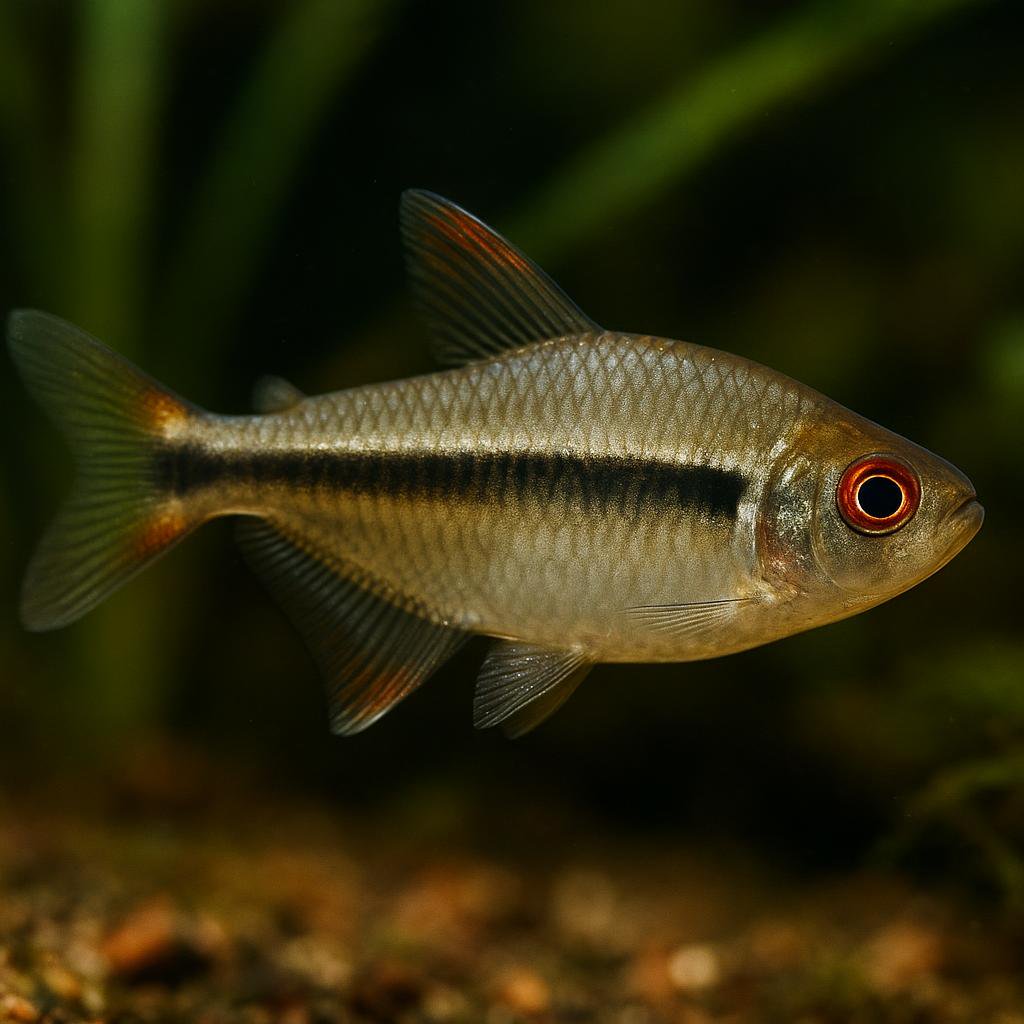
Amapa tetra
Hyphessobrycon amapaensis
This is a tiny, super sleek little tetra with a clean red stripe down the side that really pops once its settled in. It does best in a planted, slightly tinted "creek-style" setup and looks way cooler when you keep a proper group so they school and flash that line together. If you can give it soft, slightly acidic water and a calm community, its an easy fish to fall for.
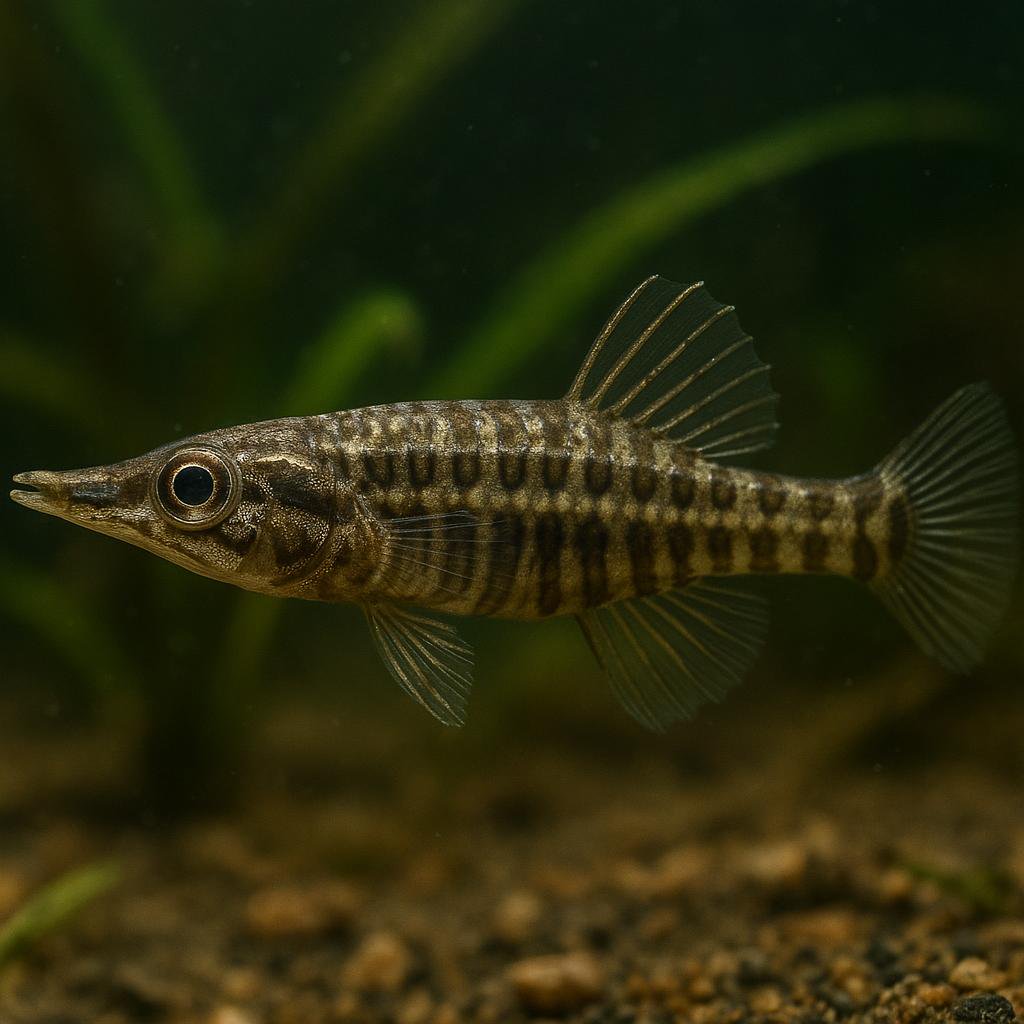
Armoured stickleback
Indostomus paradoxus
This is that goofy little "freshwater seahorse"-looking fish that just kind of perches and scoots around like a tiny armored twig. Its whole vibe is slow, sneaky micropredator - once its settled in, you will catch it stalking microfoods and doing these subtle little posture displays. The big trick is feeding: they do best when you can provide lots of small live foods in a calm, planted tank.
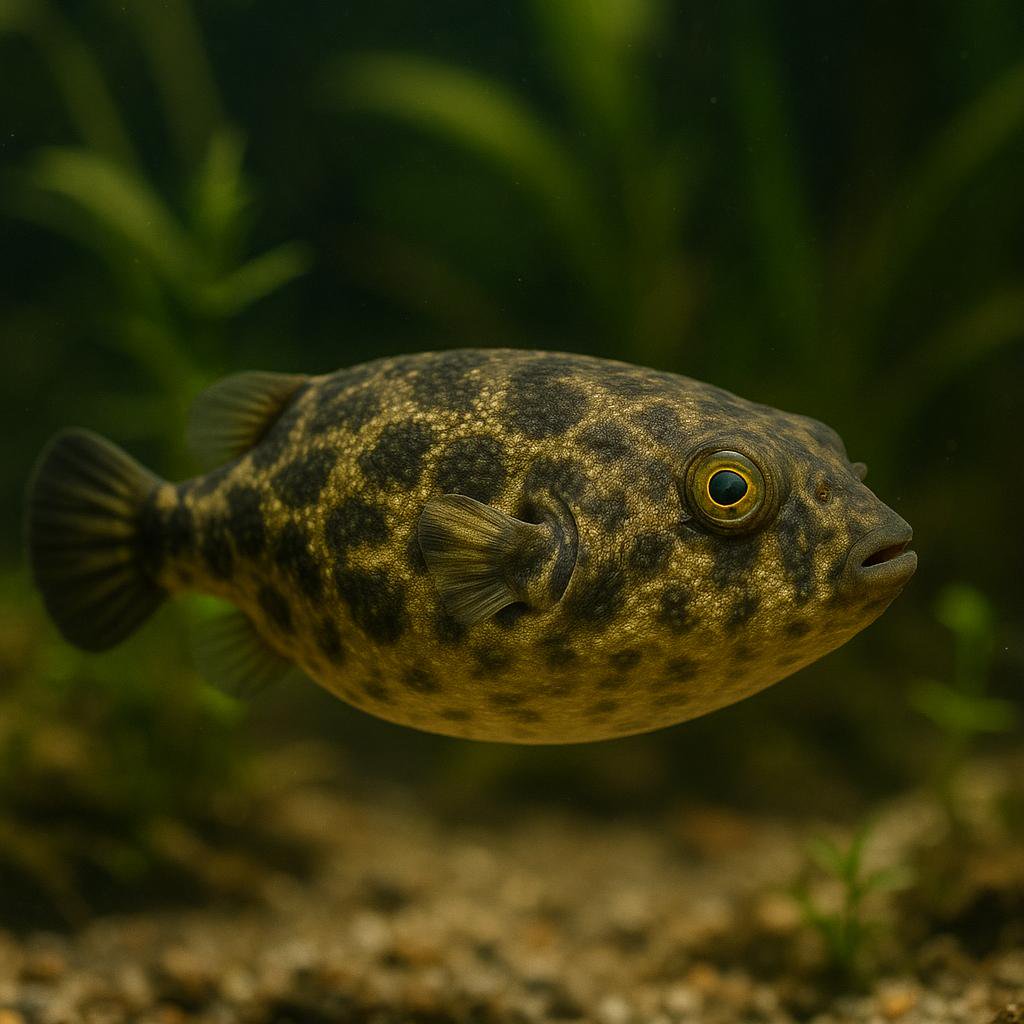
Arrowhead puffer
Pao suvattii
Pao suvattii is that sneaky Mekong puffer that likes to sit low and ambush food, and it has that super recognizable arrow/V pattern on its back. Gorgeous fish with tons of personality, but it is absolutely not a community guy - plan on a solo, species-only setup if you want everybody to stay in one piece.
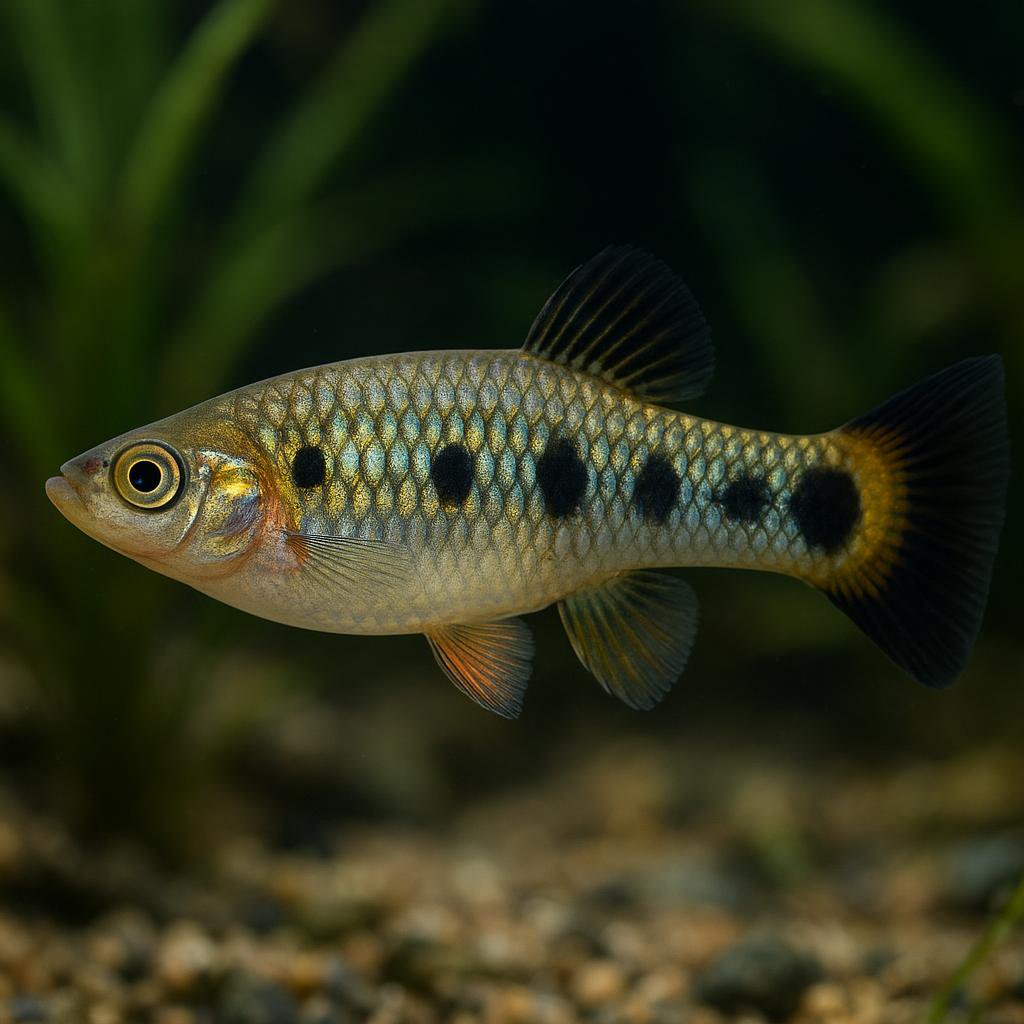
Bishop toothcarp
Brachyrhaphis episcopi
This is a tiny Panamanian livebearer that does best when you treat it more like a shy wild fish than a fancy guppy-lots of cover, calm vibes, and really clean water. The fun part is watching the males posture and spar while the females cruise around dropping fully-formed fry about once a month.
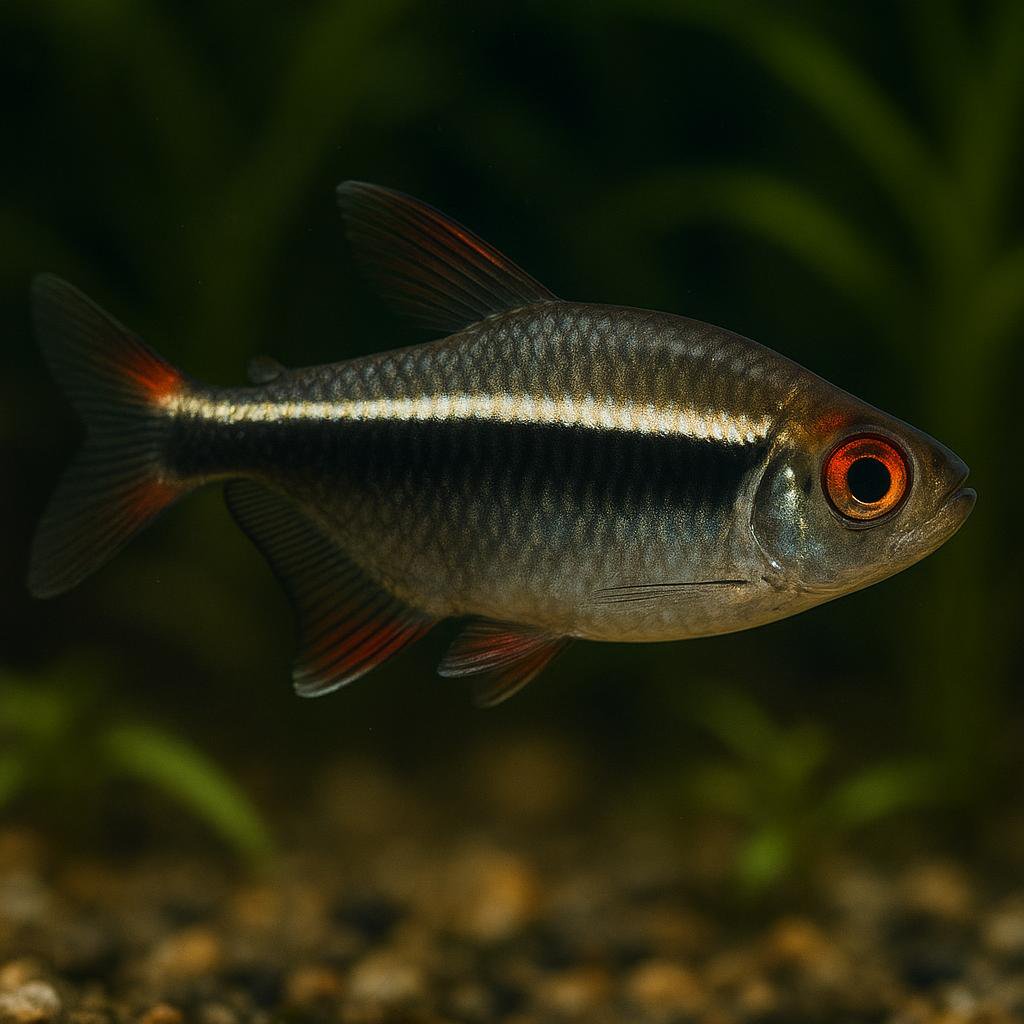
Black Neon Tetra
Hyphessobrycon herbertaxelrodi
Black neons are one of those little tetras that look kinda understated until the light hits them-then that bright stripe pops and they shimmer when the school turns together. They're super chill, always cruising mid-water, and they make a tank feel "alive" without being hectic. If you keep a nice group, they get bolder and you'll see way more of their personality.
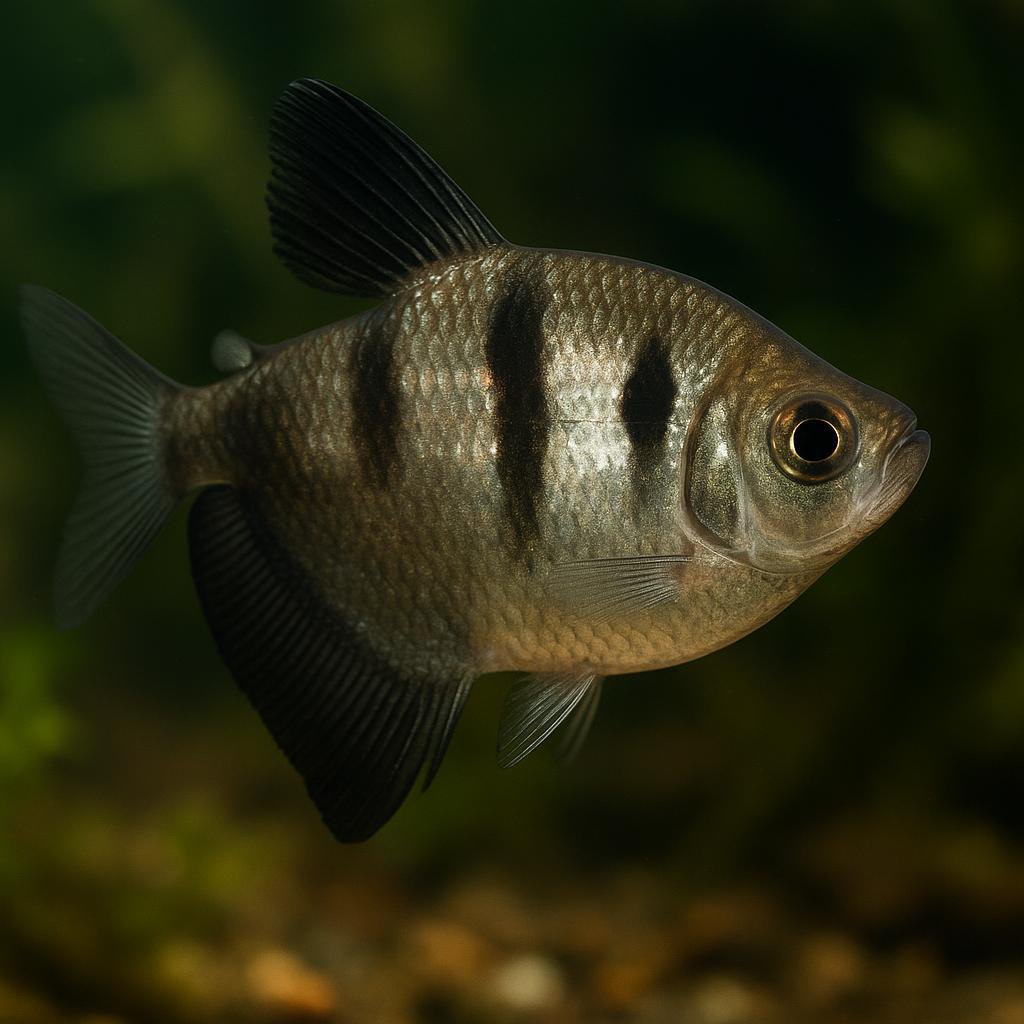
Black Skirt Tetra (Black Widow Tetra)
Gymnocorymbus ternetzi
Black skirts are those little "suit-and-tie" tetras with the dark bands and flowing fins that look way fancier than they should for how tough they are. They're super active midwater fish, and when you keep a proper group they do that tight, zippy schooling thing that makes the whole tank feel alive. Just give them enough buddies and finny tankmates they won't be tempted to nip.
Looking for other species?