

Vardar streber
Zingel balcanicus
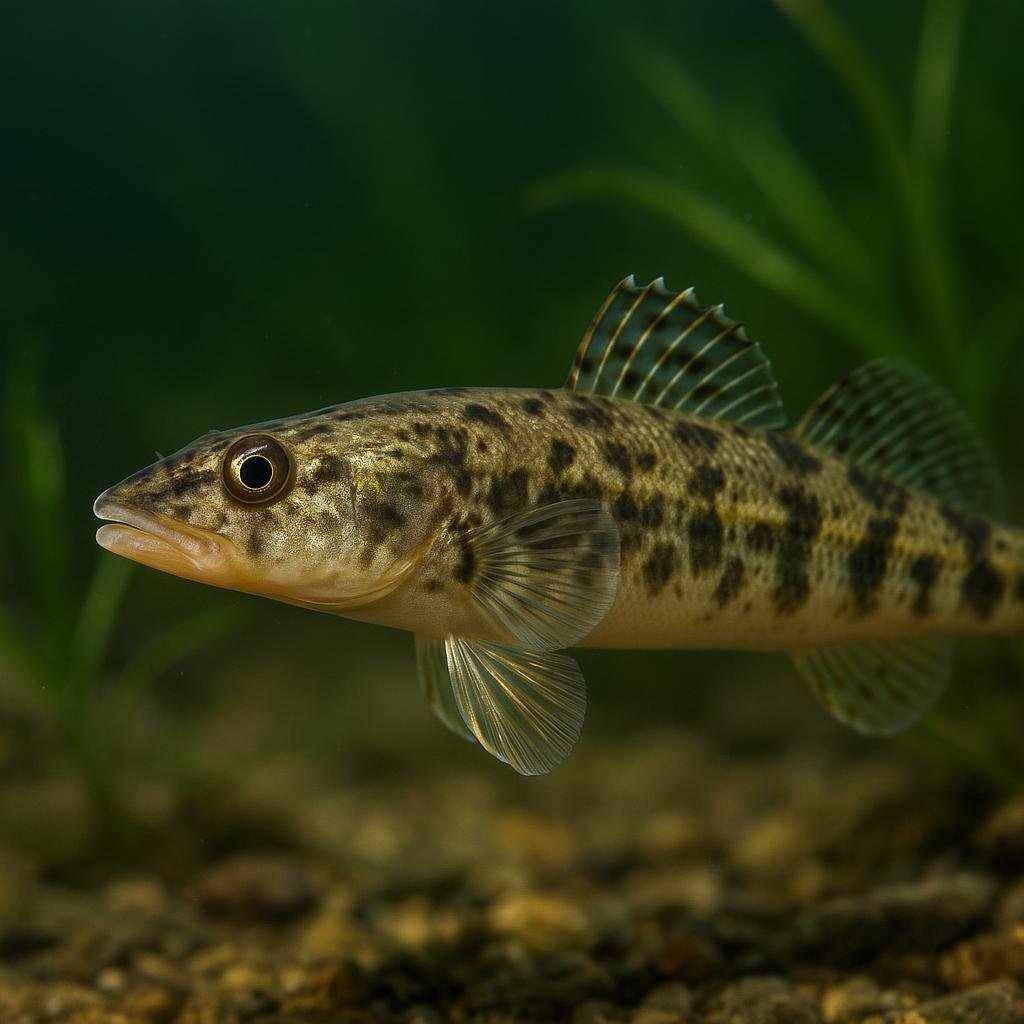
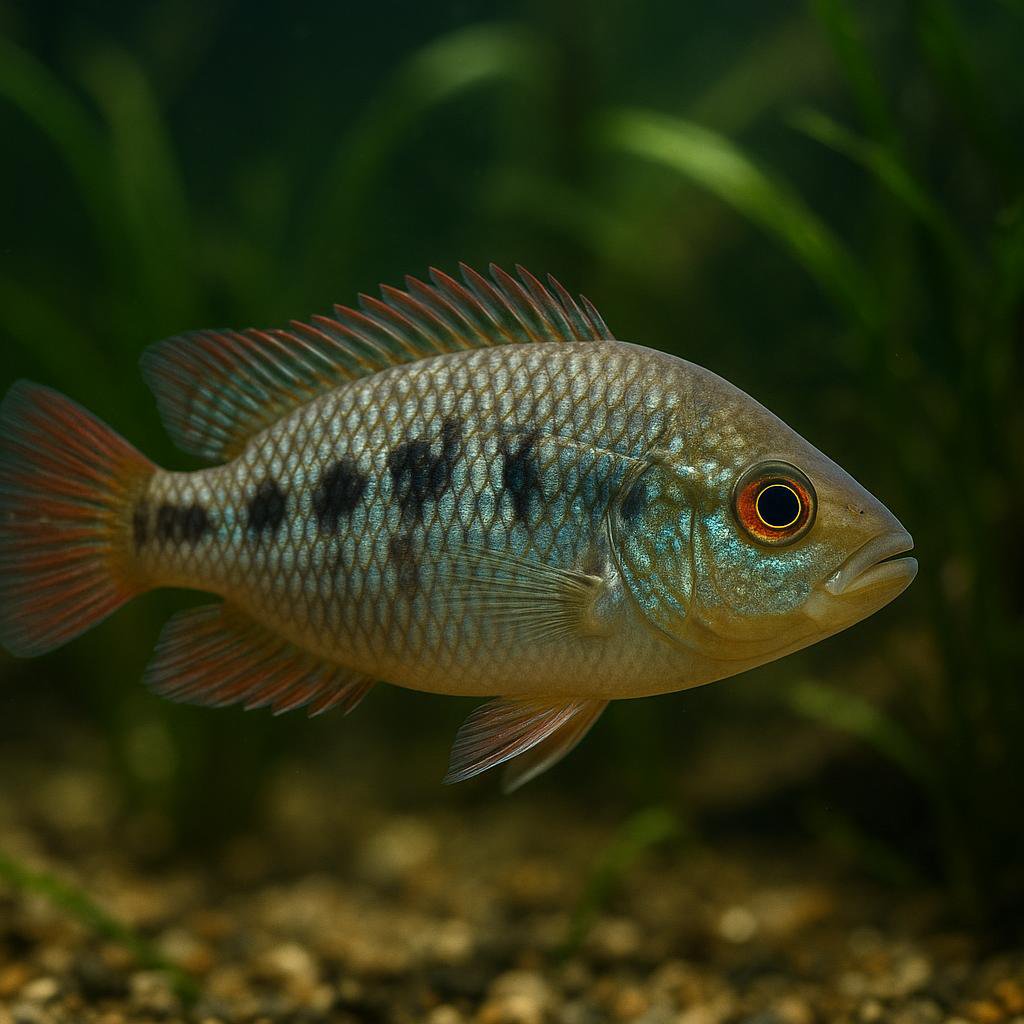
The Vardar streber has a streamlined body with a silvery lateral line and distinct dark vertical stripes, often exhibiting a blue-green sheen.
This page includes AI-generated images. Why am I seeing AI images?
About the Vardar streber
This is a super niche Balkan river perch relative that lives right down on the bottom in fast, well-oxygenated current. It is a gravel-and-boulder stream fish that hunts small bottom critters, and its tiny natural range is a big part of why it is so imperiled in the wild.
Also known as
Quick Facts
Size
15.5 cm SL
Temperament
Semi-aggressive
Difficulty
Expert
Min Tank Size
55 gallons
Lifespan
5-8 years
Origin
Europe (Balkans - Vardar/Axios River basin)
Diet
Carnivore/invertivore - benthic invertebrates; in captivity would need meaty frozen/live foods
Water Parameters
10-18°C
7-8.2
6-20 dGH
Need a heater for this species?
This species needs 10-18°C in a 55 gallon tank. Use our heater calculator to find the right wattage.
Calculate heater sizeCare Notes
- Give it a long, river-style tank with hard current - think powerheads aimed down the length, lots of oxygen, and a tight lid (they can bolt when spooked).
- Bottom should be rounded gravel to small cobble with a few flat rocks and crevices; skip fine sand and soft plants because they want to sit on rock and the flow will shred most greenery anyway.
- Keep the water cool and clean: mid-to-high teens C up to low 20s C, steady pH around neutral, and nitrates kept low; they get cranky fast in warm, stale water.
- Feed like a benthic predator: live/frozen river foods (gammarus, bloodworms, blackworms, chopped earthworms, small shrimp) and sink it right in front of them with tongs or a baster because they will not chase flakes.
- Tankmates need to be tough, current-loving fish that will not harass them - think larger dace/barbel types; avoid fin-nippers, aggressive cichlids, and anything small enough to fit in their mouth at night.
- They stake out a favorite rock and will bully similar bottom perch-like fish, so do not mix with other Zingel/percid bottom sitters unless the tank is huge with lots of broken sightlines.
- Breeding is seasonal and tied to cool temps and strong flow; if you try, mimic spring with a gradual warm-up and a rocky riffle zone, then expect eggs tucked into crevices where you will not easily see them.
- Watch for scraped bellies and damaged fins from rough decor and panic-dashing, and keep an eye on rapid breathing - it usually means low oxygen or the flow has dead spots.
Compatibility
Good Tankmates
- Fast, midwater schooling fish like dace/minnows (think European-style white cloud vibe) - they stay out of the bottom zone and can handle a little attitude
- Rheophilic barbs and danios (zebra danios, hill-stream type barbs) - quick, current-loving fish that do not get bullied easily
- Stream loaches (Schistura-type) - tough little bottom fish that like the same flow and rocks, just give lots of hiding spots so everyone can claim a crevice
- Hillstream loaches (Sewellia, Gastromyzon) - they cling to rocks, mostly ignore the zingels, and do great in the high-oxygen setup these guys want
- Robust gobies that like current (rhinogobius-type) - can work if the tank is big with broken sight lines, since both are bottom-oriented and can bicker
- Smaller, non-predatory catfish like stone catfish or small Synodontis-style that do not freak out in flow - fine if they are not slow and you feed the bottom well
Avoid
- Slow, fancy-finned fish (bettas, fancy guppies, angelfish) - the zingel is a nippy, ambushy little predator and those trailing fins are basically a target
- Tiny fish that fit in its mouth (newborn livebearers, micro-rasboras, small tetras) - if it can swallow it, it will eventually try, especially at dusk
- Other bottom bullies and territory hogs (big cichlids, red tail sharks, mature bristlenose in tight quarters) - too much pushing and shoving on the same real estate
Where they come from
Vardar streber (Zingel balcanicus) is one of those fish that makes you realize how tame most "river fish" setups actually are. This is a Balkan river perch relative from fast, cool, oxygen-rich stretches of the Vardar/Axios drainage and nearby systems. Think hard current, clean gravel, and lots of seasonal flow changes.
If you are expecting a typical community fish experience, this one will surprise you. They are specialized for life in moving water, and they act like it.
Setting up their tank
Start with footprint, not gallons. You want length and floor space because they are benthic and like to sit on the bottom facing into flow. A long tank (4-6 ft) is where I would even consider them. Tall tanks waste space for this species.
The whole game is flow and oxygen. You are basically building a river run: strong directional current, lots of gas exchange, and zero dead spots where mulm can rot.
- Tank: long footprint, tight lid (they can spook and launch)
- Substrate: smooth gravel and rounded stones; a few sand patches are fine
- Hardscape: rock runs, small boulder fields, and breaks in current (they need resting spots)
- Filtration: oversized canister or sump plus extra circulation pumps/powerheads for river-like flow
- Oxygen: surface agitation and/or venturi; cool water holds more O2 but you still need movement
- Lighting: moderate is fine; you are not building a plant scape here
Avoid sharp gravel. These fish spend their lives on the bottom and can scrape themselves up surprisingly fast on abrasive substrate.
Water wise, I treat them like a cold to cool-temperate river fish. Mid to high teens C is where they look most comfortable long term, with seasonal swings if you are trying for breeding. Warm, stagnant "tropical" water and weak circulation is a slow-motion failure.
Build current like a river: strong flow on one side, calmer eddies behind rocks. If the whole tank is a washing machine, they will stress. If the whole tank is calm, they will sulk and get sick.
What to feed them
They are predators, but not flashy surface feeders. In my experience they do best when you lean into what they are built for: picking off invertebrates and small fish along the bottom in moving water.
- Staples: live or frozen river-style foods like blackworms, bloodworms, mysis, chopped krill, chopped earthworms
- Occasional: small pieces of prawn/shrimp, quality carnivore pellets that sink fast (if they will take them)
- For conditioning: a heavier rotation of worms and crustacean-based foods
Getting them onto prepared food can take time. Offer food after lights dim a bit, and make sure it actually reaches the bottom without blasting into the filter intake. I like using a feeding tube or dropping food into a calmer pocket behind a rock so it settles where they sit.
Do not let leftover meaty food rot in a high-flow tank. It gets shredded and spread everywhere, and your water quality can crater overnight. Feed small, watch them eat, then siphon misses.
How they behave and who they get along with
Vardar streber are alert, a bit secretive, and very "position" oriented. They pick a favorite stone or trough and face into the current. Once settled, they are not constant roamers, but they will absolutely nail anything that fits in their mouth.
Tankmates are tricky because the same flow and temperature that suits them knocks out most typical community fish. Also, small fish are food and slow bottom fish get bullied or outcompeted.
- Good candidates: other cool-water river fish that like current and can handle themselves (think larger rheophilic minnows/barbels), but only if the tank is big
- Avoid: small fish (they disappear), delicate bottom sitters, fancy goldfish-type slow swimmers, most tropical community fish
- Best practice: species tank or very carefully chosen river community in a large setup
Mixing them with warm-water species is a common trap. You can keep the other fish alive, or you can keep the streber healthy. Trying to split the difference usually goes poorly.
Breeding tips
Breeding in home aquaria is rare and, honestly, not something I would promise anyone. In the wild they cue off seasonal temperature shifts and flow changes. If you want to try, you need to think like a river: winter cooling, spring warm-up, and a big uptick in flow and oxygen.
- Run a seasonal cycle: cooler winter period, then a gradual warm-up into spring
- Increase flow and do large, frequent water changes with cool, well-oxygenated water during the "spring" phase
- Provide lots of clean gravel and small stones for spawning sites
- Feed heavy on live/frozen foods for conditioning, then back off slightly once courtship starts to keep water pristine
If you ever see clear pairing behavior or guarding, resist the urge to poke around. River spawners can abandon if they feel exposed.
Common problems to watch for
Most issues with this species trace back to the same two things: not enough oxygen/flow, and water quality sliding because of heavy meaty feeding.
- Rapid gill movement or hanging in the highest-flow area: usually oxygen debt or too-warm water
- Clamped fins and hiding all day: often stress from inadequate flow structure, bullying, or unstable parameters
- Belly getting pinched in: not eating, internal parasites, or food not reaching the bottom
- Frayed fins or red scrapes on the belly: abrasive substrate or getting pinned against hard edges in heavy current
- Sudden deaths after a big feed: bacterial bloom and ammonia spike from uneaten food
A quick habit that saves headaches: run a flashlight check 30-60 minutes after feeding. If you see bits of food stuck behind rocks, siphon them out right then. That one habit keeps these fish alive long term.
If you are set on keeping Vardar streber, treat the tank like a piece of river habitat that happens to be made of glass. Strong current, cool clean water, and a bottom layout that gives them choice. Get those right and they stop being a mystery fish and start acting like they own the place.
Similar Species
Other freshwater semi-aggressive species you might be interested in.
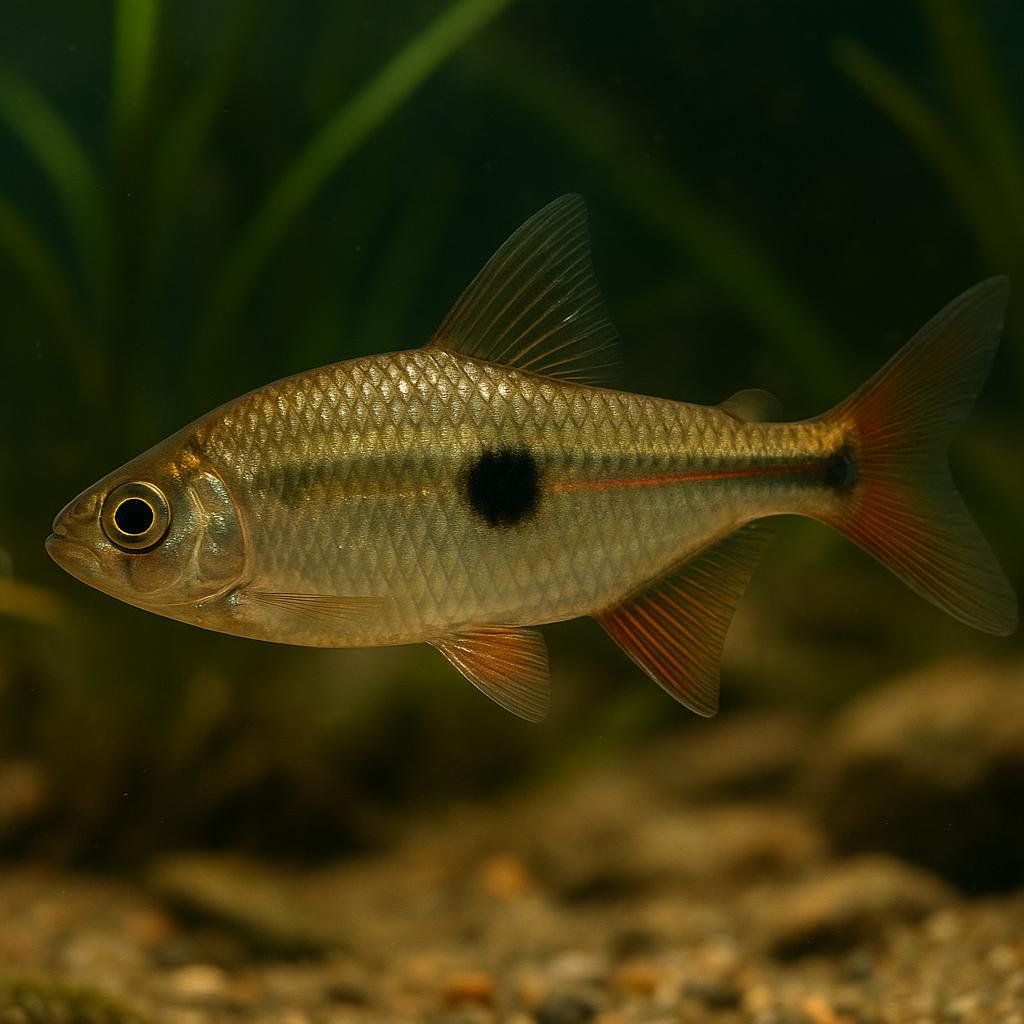
Jupiaba kurua
Small South American characin endemic to the upper rio Curuá (rio Xingu basin, Brazil). Reaches about 8.7 cm SL and inhabits clearwater rivers. Distinguished by dark dots on the bases of many lateral scales and a distinct dark caudal‑peduncle spot. Reported diet indicates omnivory, including aquatic insects, small fishes, and fragments of Podostemaceae and filamentous algae.
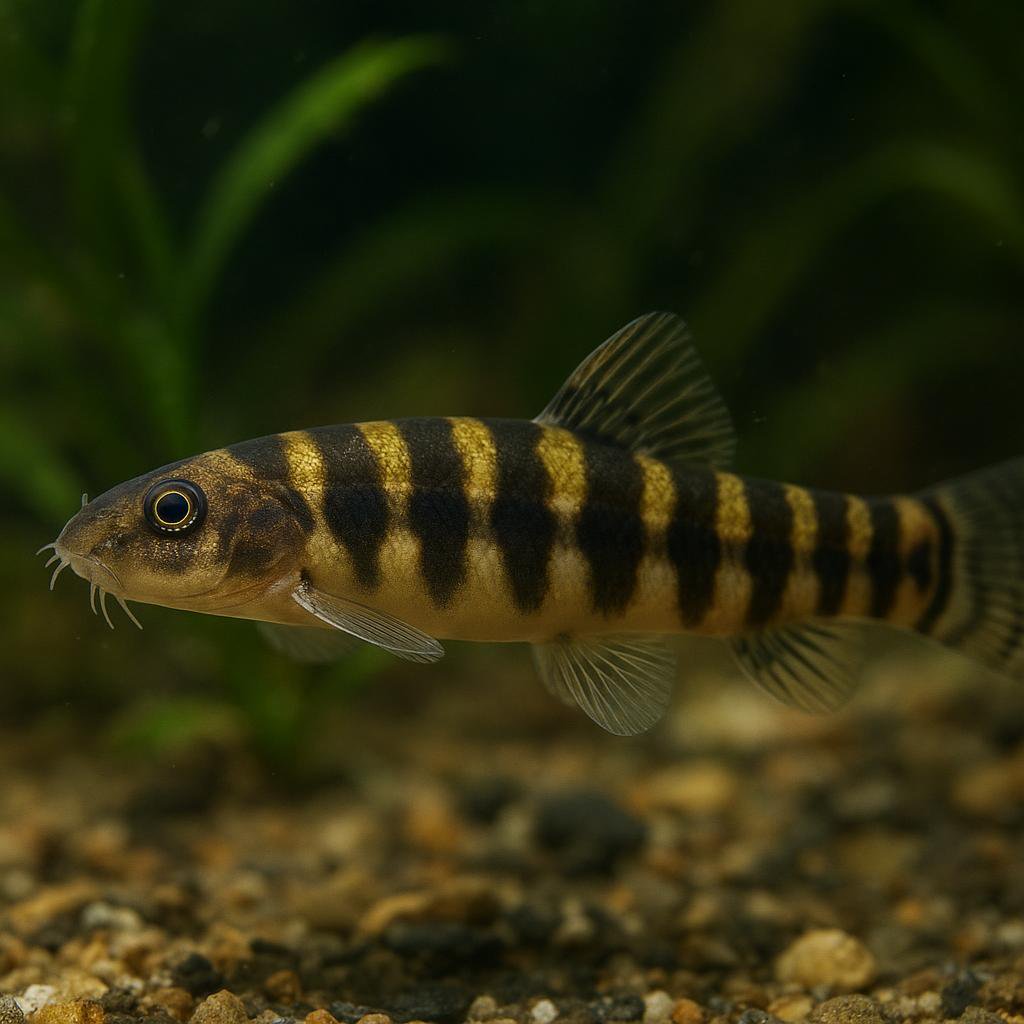
Altipedunculata stone loach
Schistura altipedunculata
Schistura altipedunculata is one of those little stream loaches that wants clean, well-oxygenated water and a bunch of rock nooks to claim as home. It is a bottom-hugger that will spend its day scooting from crevice to crevice, and it tends to get a bit spicy with its own kind if you do not give it enough hiding spots.
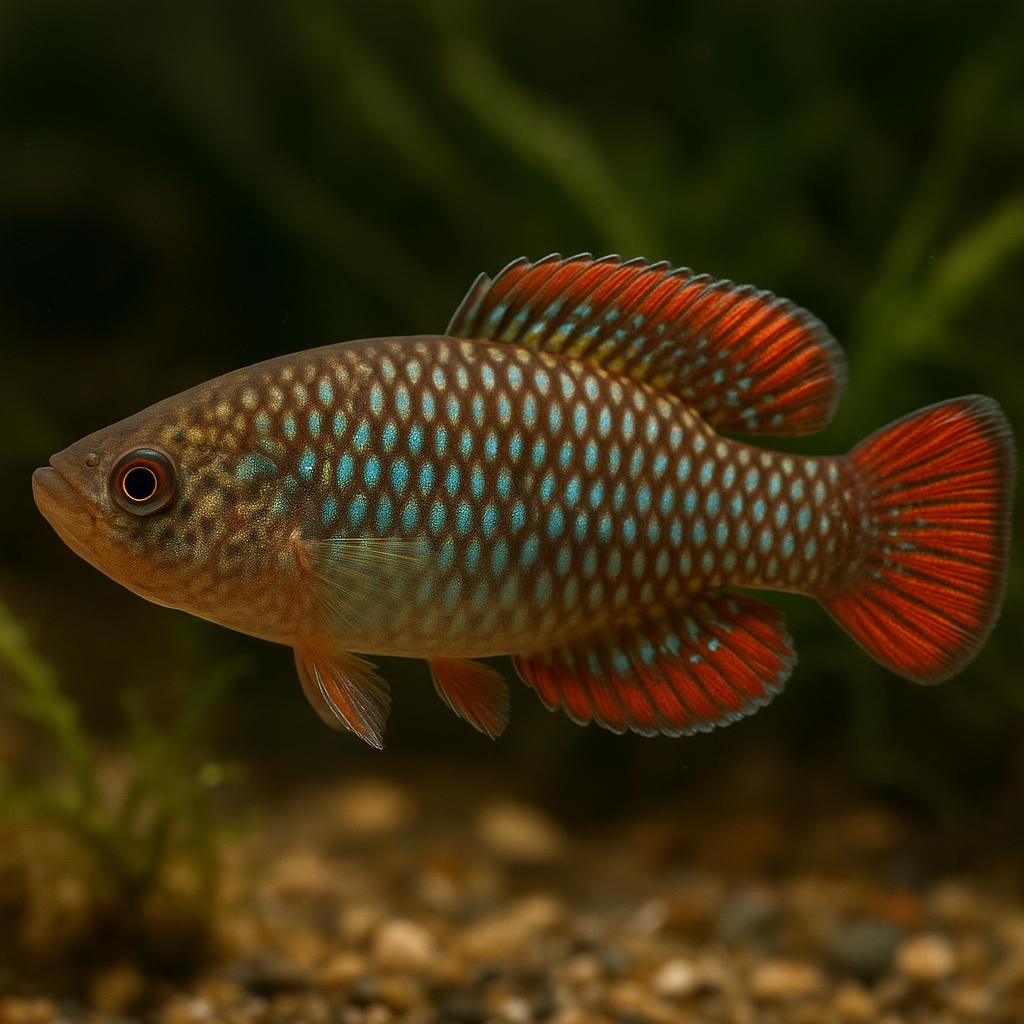
American flagfish
Jordanella floridae
Jordanella floridae is that little Florida native with the red-and-cream striping that really does look like a tiny flag once a male colors up. They graze algae like champs (especially stringy/hair algae), but they have a bit of attitude - give them plants and space so the bossy behavior stays manageable. Bonus: the male guards the eggs and will actively fan them, which is pretty fun to watch.
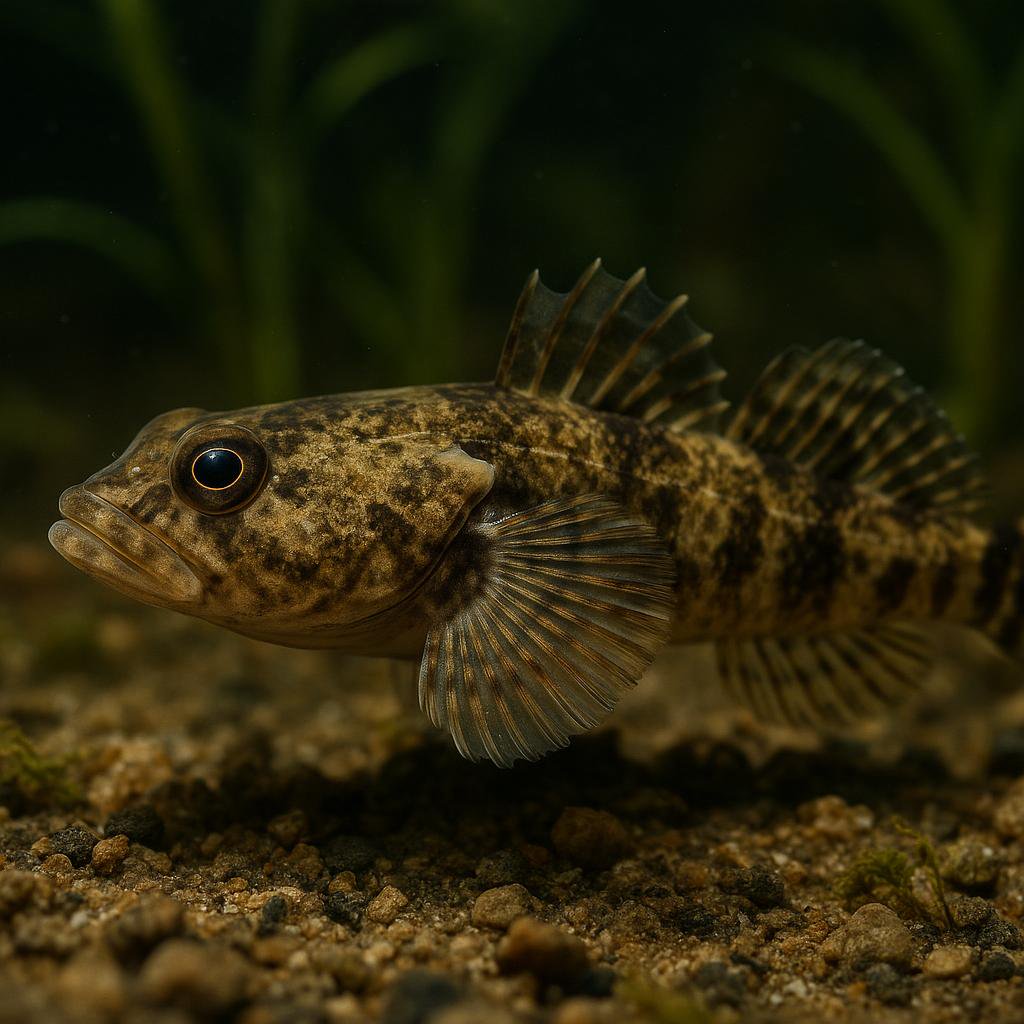
Amur sculpin
Alpinocottus szanaga
This is a little coldwater sculpin from the Amur drainage - a bottom-hugging, rock-and-gravel fish that spends its day wedged under stones and darting out to grab food. Super cool behavior and attitude, but it is absolutely not a warm tropical community fish - it wants chilly, fast, oxygen-rich water and will bicker with other bottom fish.
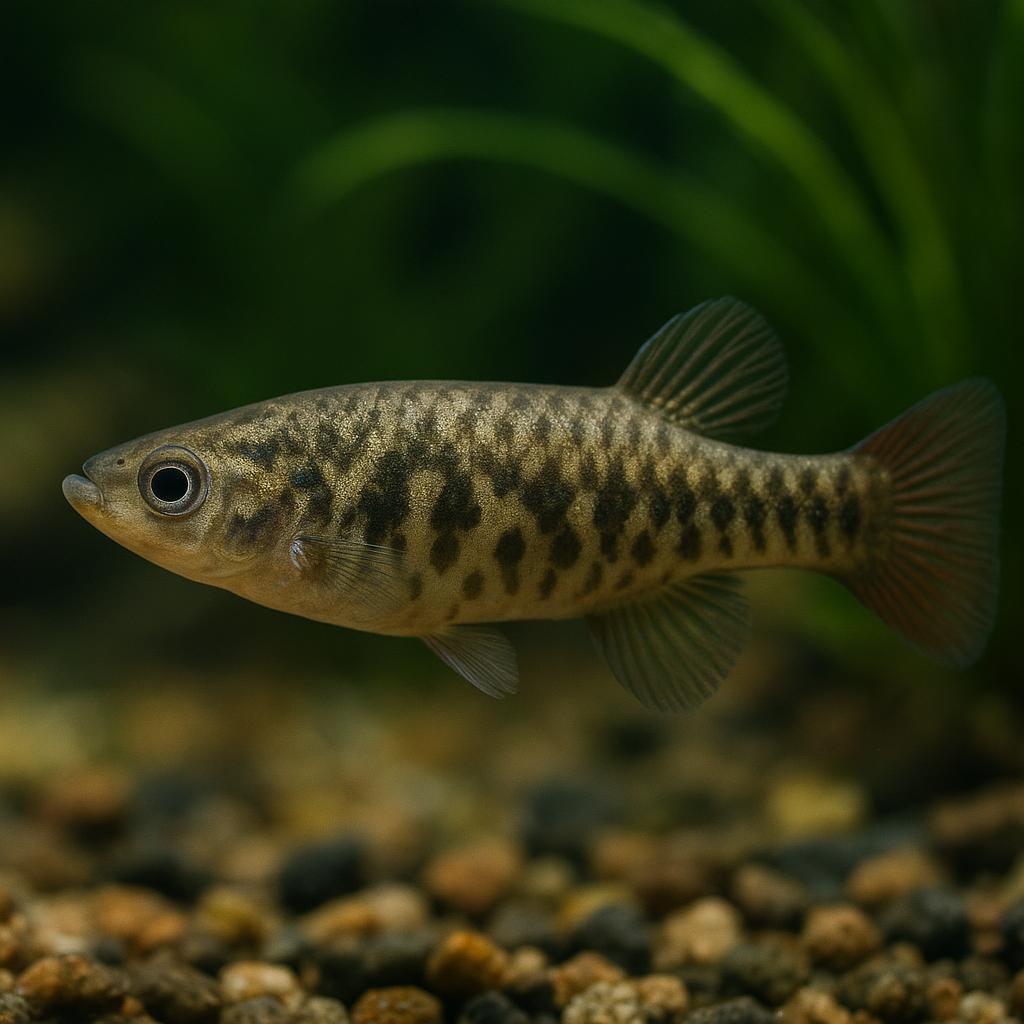
Anitápolis livebearer
Jenynsia weitzmani
Jenynsia weitzmani is a freshwater anablepid livebearer endemic to southern Brazil (currently known only from the type locality near Anitápolis, Santa Catarina). Like other Jenynsia (onesided livebearers), reproduction involves lateralized mating morphology/behavior; aquarium care guidance is not well-documented for this species specifically.
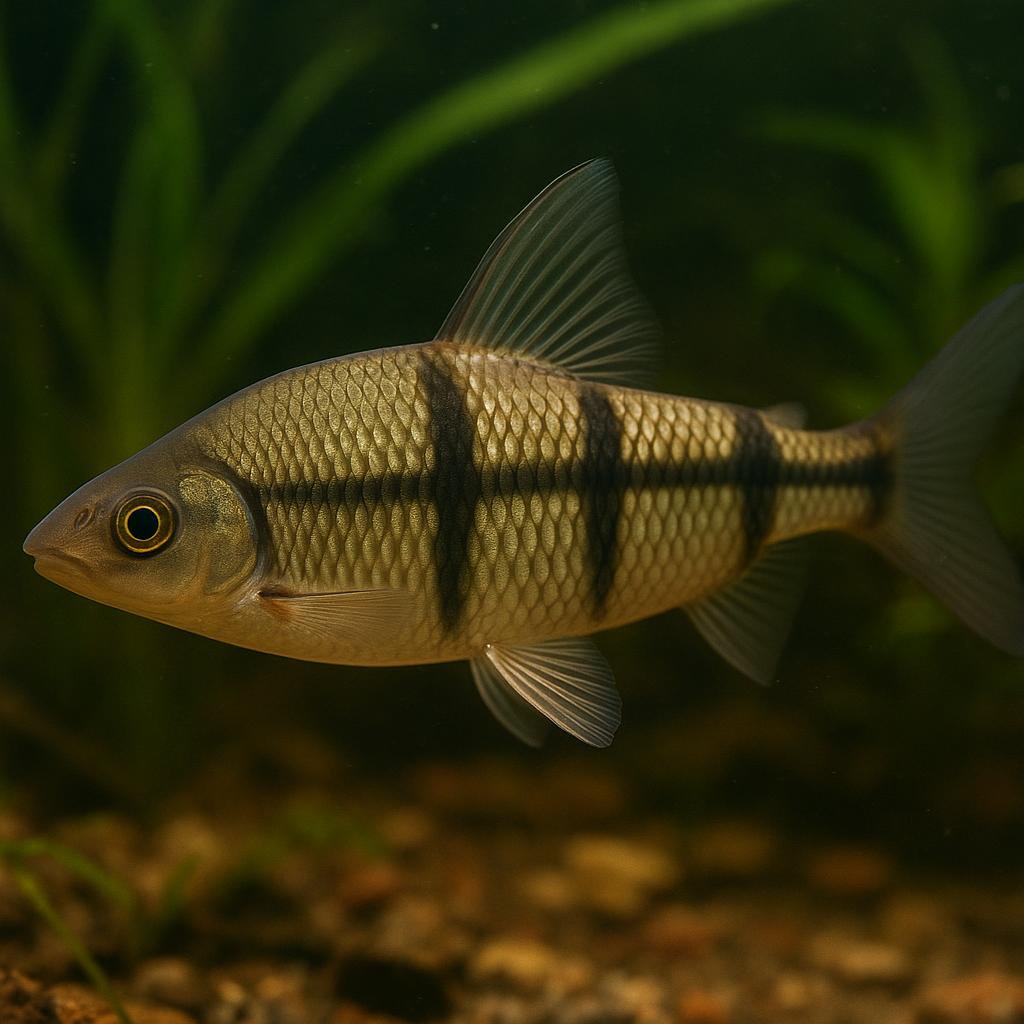
Aracu-comum
Schizodon vittatus
Schizodon vittatus is a large South American anostomid (family Anostomidae). Reported maximum size is about 35 cm standard length; it is harvested/consumed in parts of Brazil and is not commonly covered by mainstream aquarium husbandry references.
More to Explore
Discover more freshwater species.
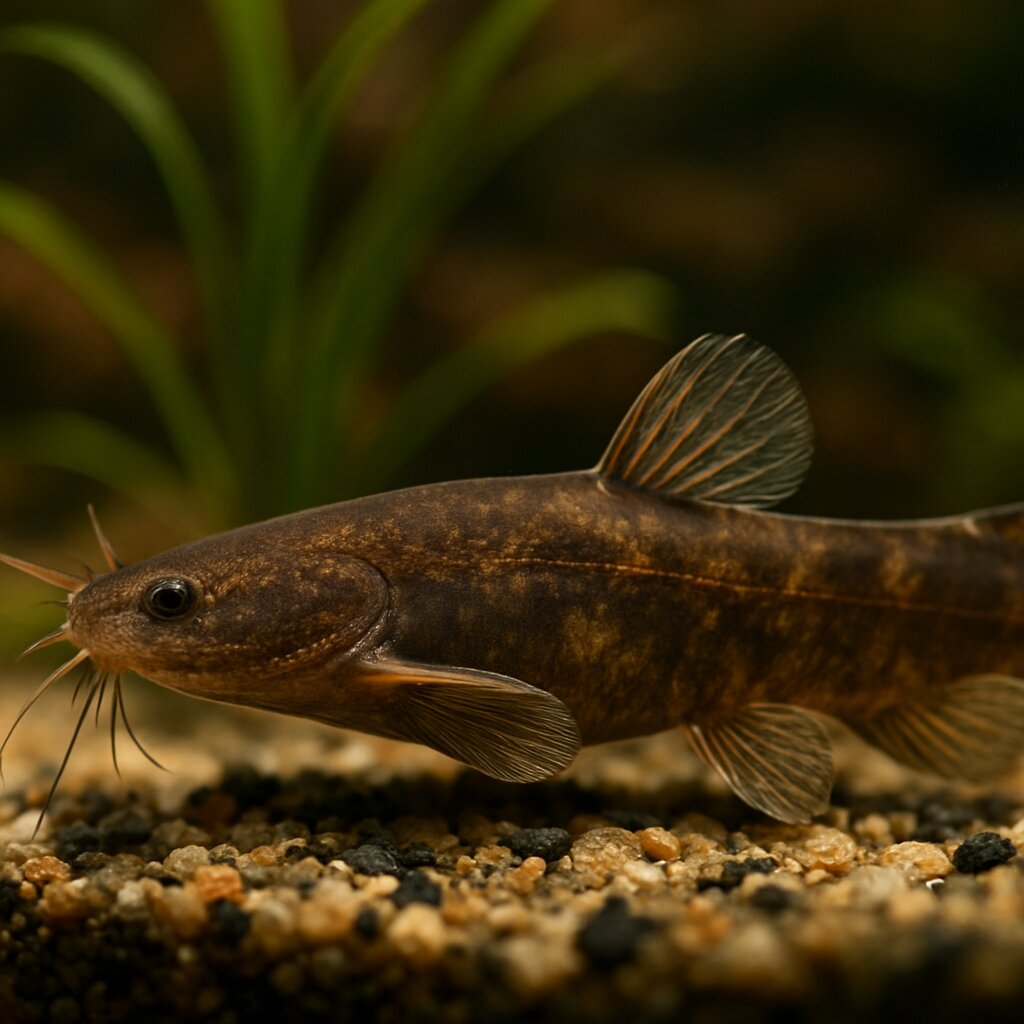
Amphilius dimonikensis
A small loach catfish endemic to the Mpoulou River in the Mayombe (Dimonika Biosphere Reserve), Republic of the Congo. Amphilius dimonikensis has a subtle banded pattern and inhabits fast, clear streams over rock and sand. In aquaria, prioritize strong, well-oxygenated flow with rounded stones and sand to mimic hillstream conditions.
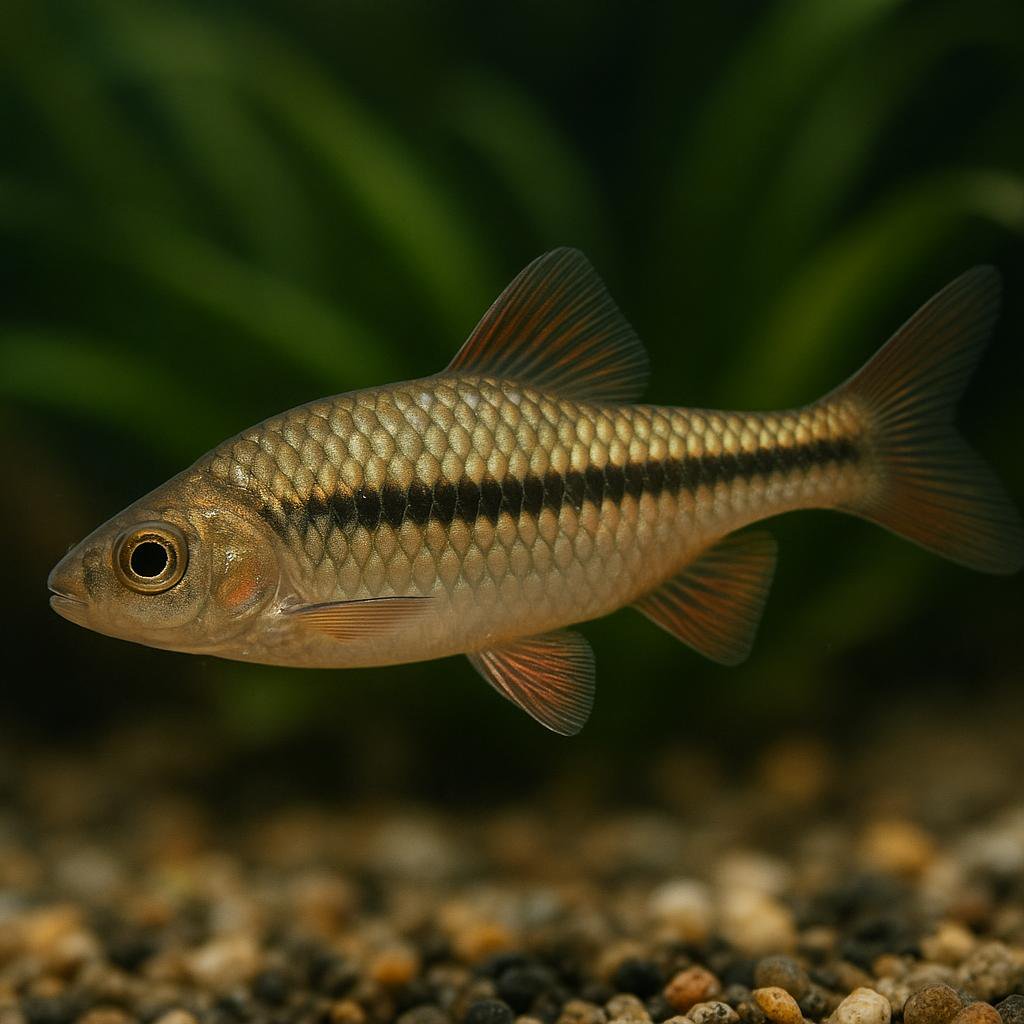
Aboina barb
Enteromius aboinensis
Enteromius aboinensis (the Aboina barb) is a small West African barb with a clean black midline stripe and a little spot right at the base of the tail. It does best when you treat it like a proper schooling fish - keep a decent group and give it plants around the edges with open swimming room in the middle.
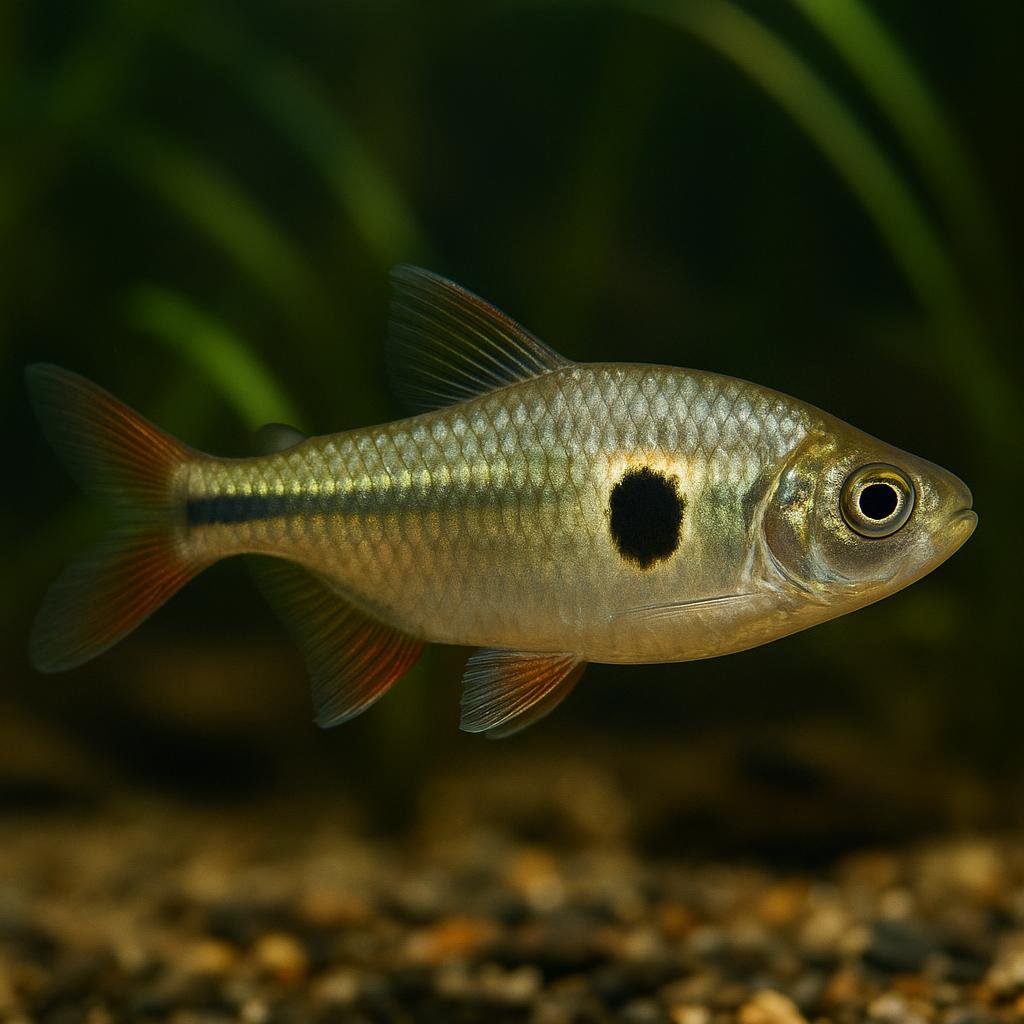
Ajuricaba tetra
Jupiaba ajuricaba
Jupiaba ajuricaba is a South American freshwater characin from the Amazon basin in Brazil (rio Negro, rio Solimões, and rio Tapajós basins). It reaches about 9.5 cm SL and is diagnosed by a narrow dark midlateral stripe, an elongated humeral spot, and an ocellated spot on the upper caudal-fin lobe. Wild specimens have been collected from blackwater forest streams and also oxbow-lake habitats.
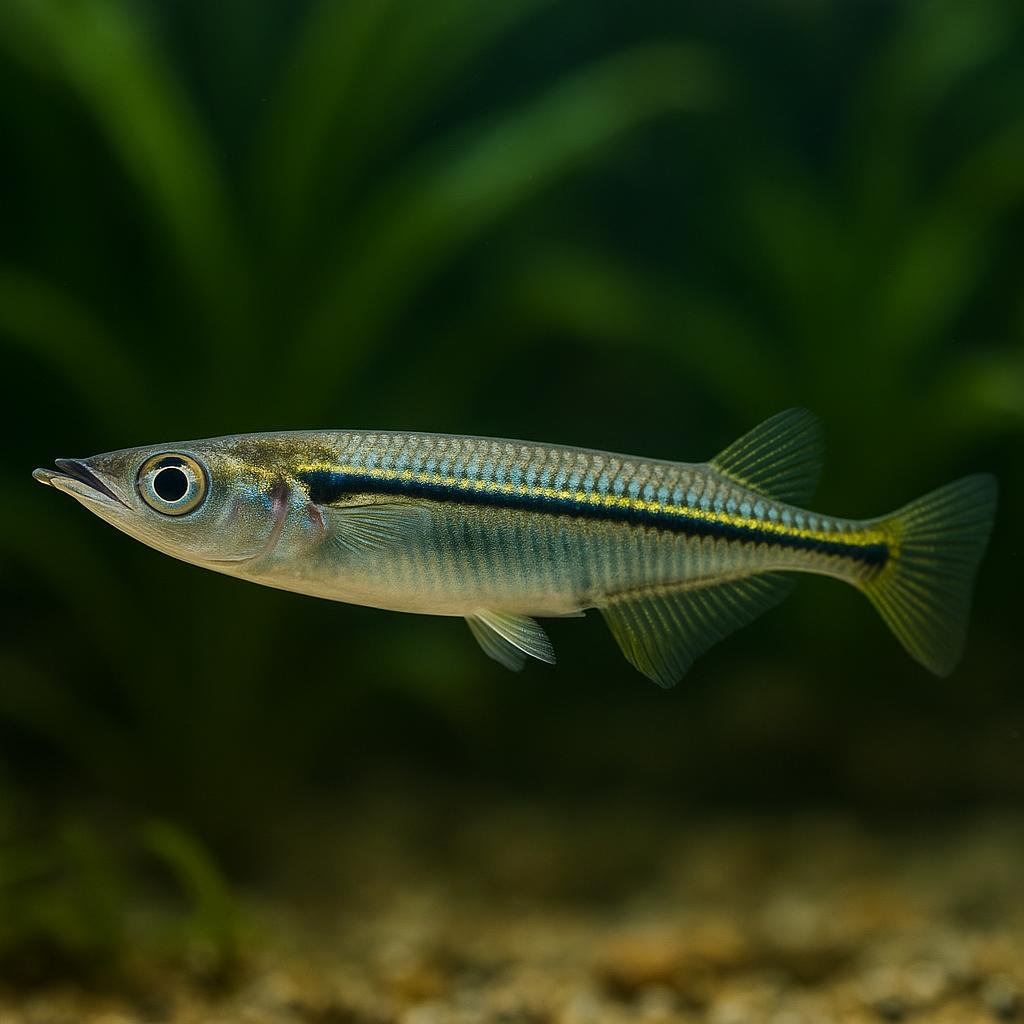
Allen's river garfish
Zenarchopterus alleni
A poorly known freshwater halfbeak endemic to West Papua (Mamberamo River), described from a single specimen (~13 cm SL). Beyond basic habitat/occurrence, little is published about its ecology or aquarium suitability; assume it is a surface-oriented, jump-prone halfbeak only by analogy with related taxa.
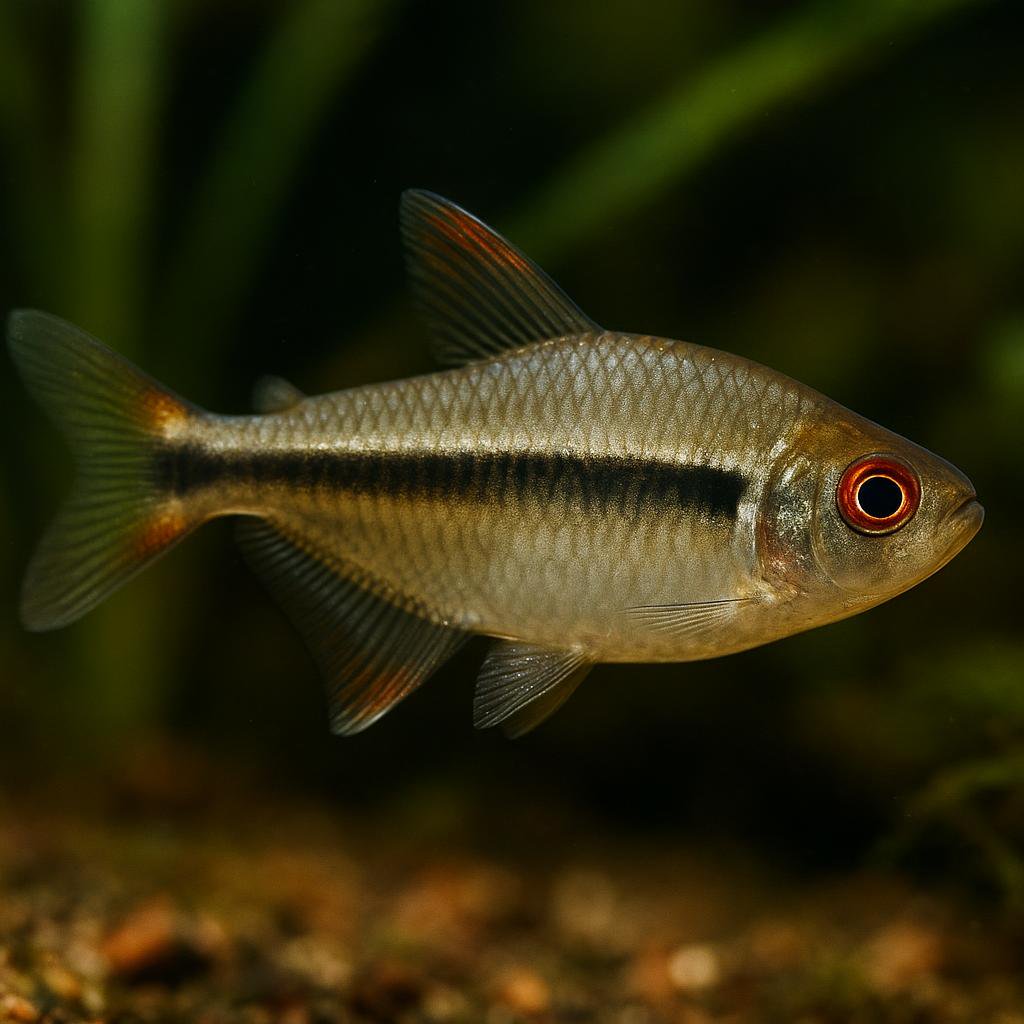
Amapa tetra
Hyphessobrycon amapaensis
This is a tiny, super sleek little tetra with a clean red stripe down the side that really pops once its settled in. It does best in a planted, slightly tinted "creek-style" setup and looks way cooler when you keep a proper group so they school and flash that line together. If you can give it soft, slightly acidic water and a calm community, its an easy fish to fall for.
Amatlan chub
Yuriria amatlana
Yuriria amatlana (the Amatlan chub) is a little Mexican native minnow from the Ameca River basin. Its wild range is pretty limited and it is listed as Endangered, so its care info in the aquarium hobby is basically nonexistent and its availability is usually low. In the original species description, preserved fish show a dark lateral stripe with a darker patch on the caudal peduncle, and they can have tiny barbels at the mouth corners.
Looking for other species?