

Search Species
Search for fish species by common or scientific name, or use filters to browse by water type, size, temperament, and difficulty.
Found 665 species
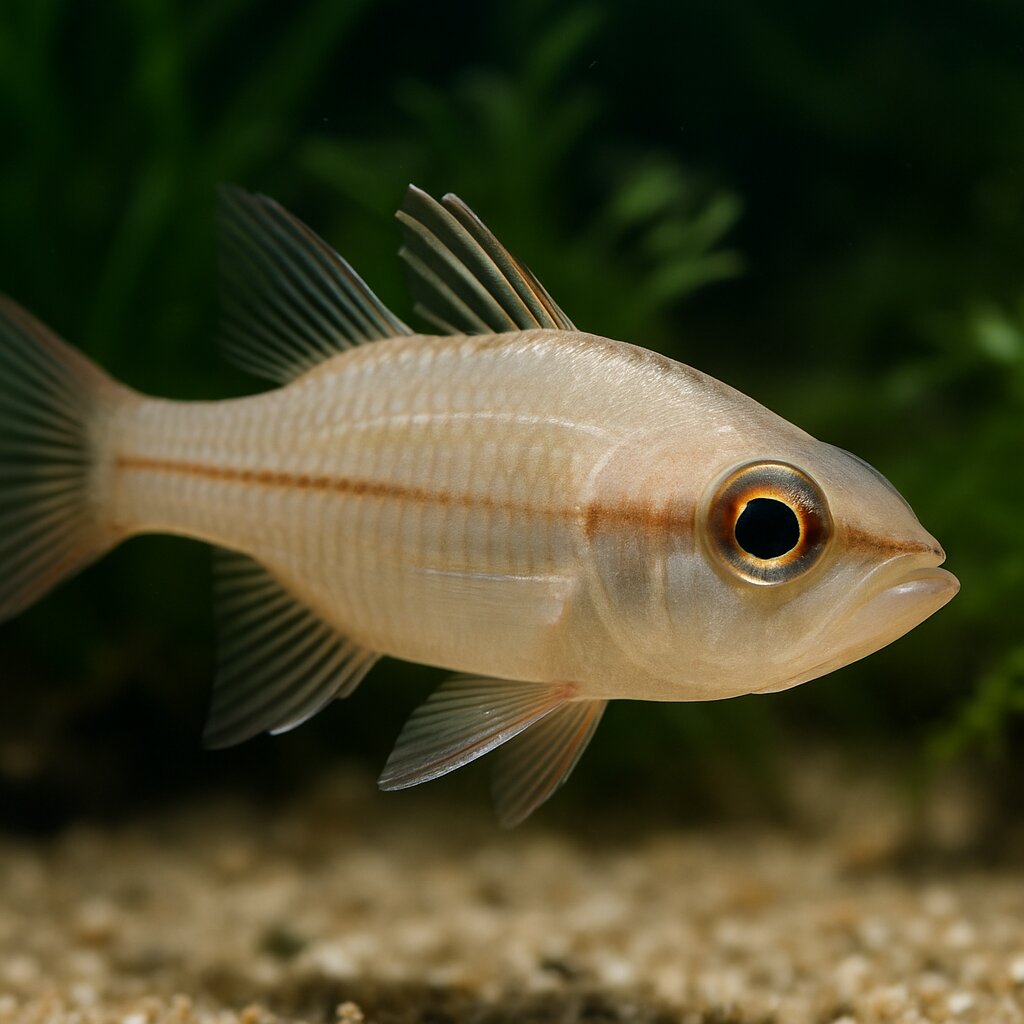
Pale cardinalfish
Taeniamia pallida
Tiny reef cardinal from Oman that hangs in loose groups under ledges and comes out to snack after lights-out. The dads mouthbrood the eggs, which is always cool to watch in this family. Think subtle silver-pale body with a little dark spot near the tail and easygoing vibes.
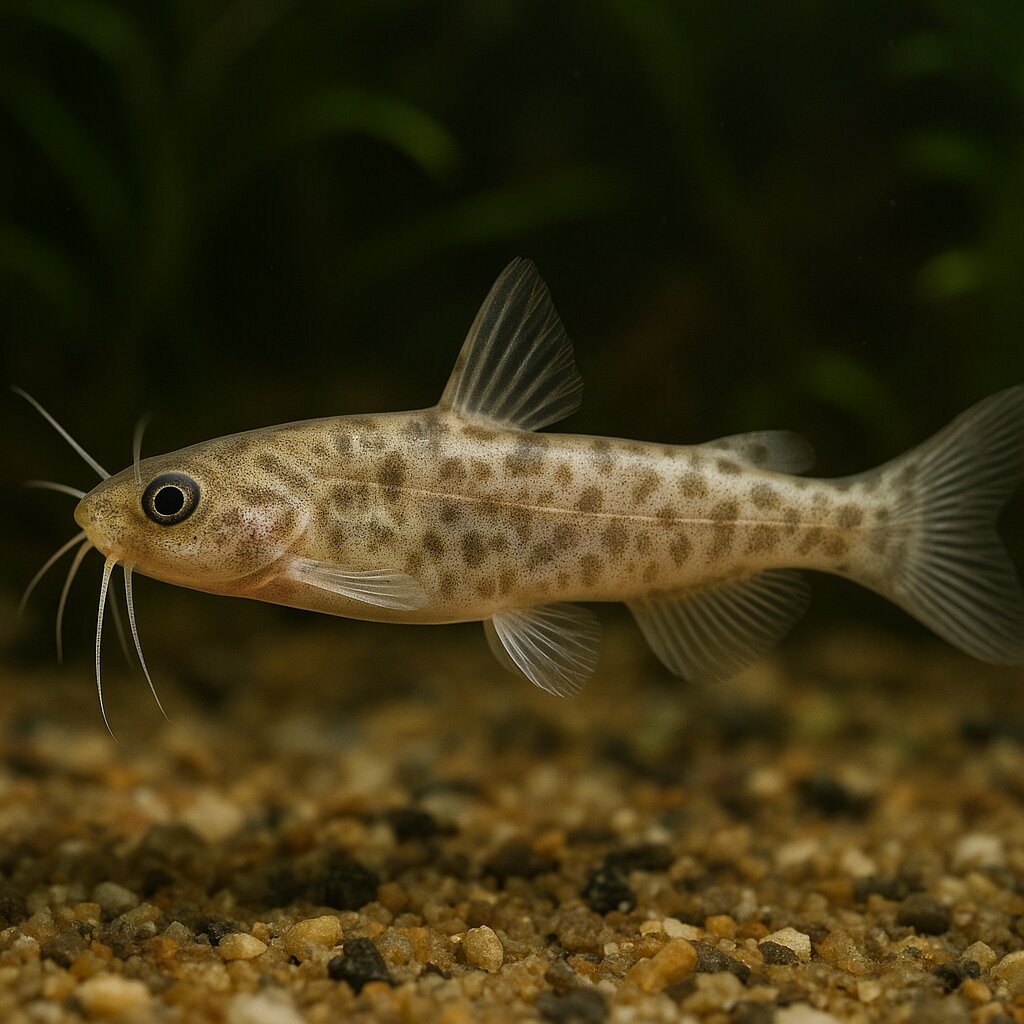
Pale sand catlet
Zaireichthys pallidus
Think of a teeny African catfish that vanishes into fine sand - that is the pale sand catlet. It spends its time right in the sandy shallows and will pop up to grab tiny bugs, so a soft sand bed and gentle flow really let it act like its wild self.
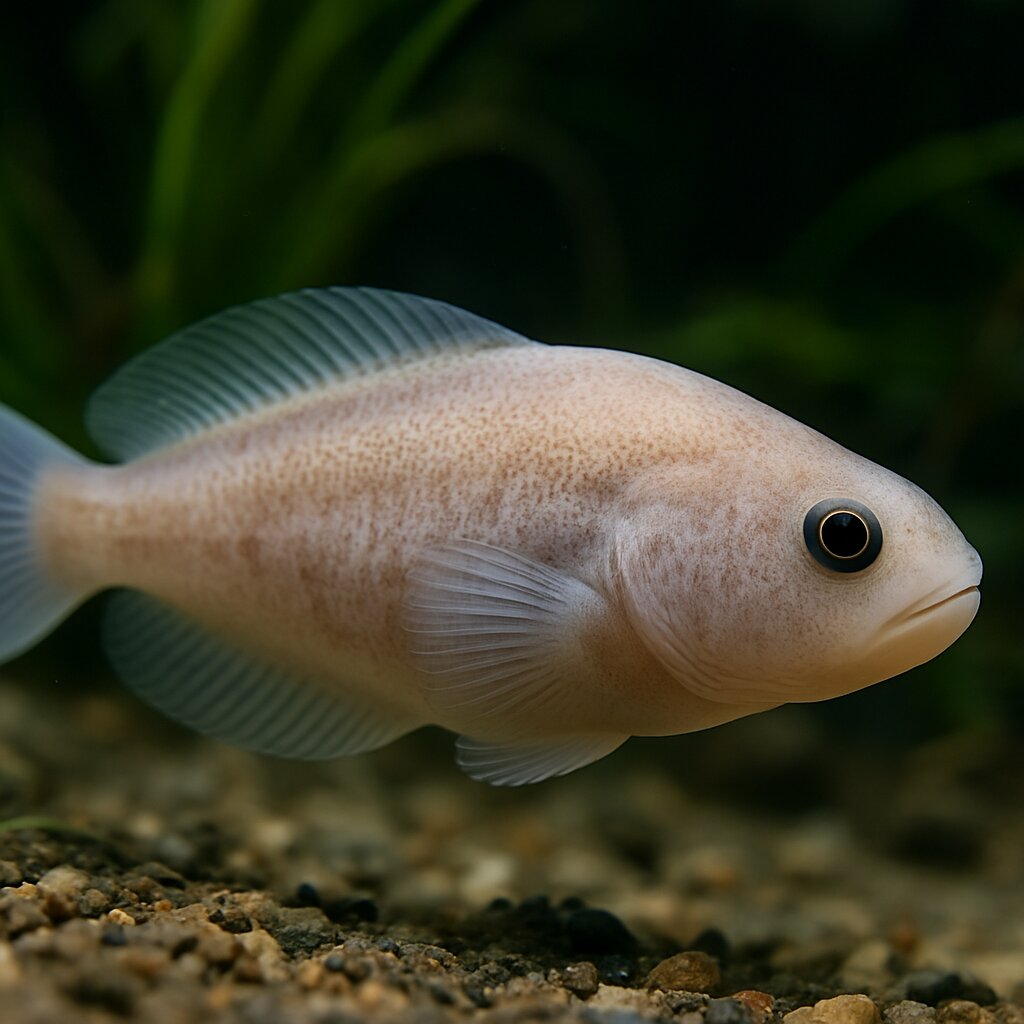
Pale Snailfish
Careproctus pallidus
Tiny orange snailfish from the kelp-y shallows of far southern Chile, topping out around 7 cm and clinging to rocks and kelp with its little suction disk. It is a coldwater marine oddball that you almost never see in home aquariums, but it is neat to know it bucks the deep-sea trend most snailfish follow. Reported from Tierra del Fuego and Chilean kelp beds at just a few meters depth, with modeled temps roughly 7-16 C. ([mapress.com](https://www.mapress.com/zootaxa/2005f/zt01019p025.pdf))
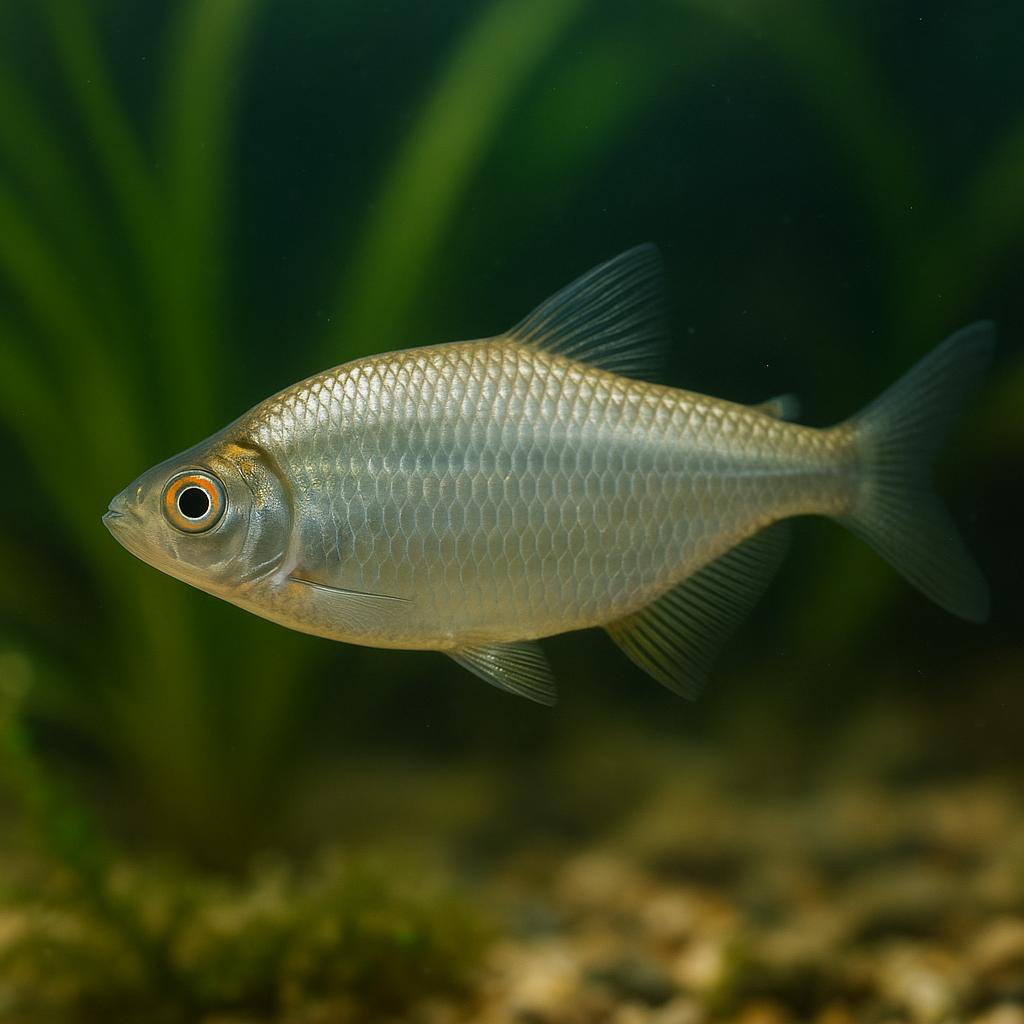
Panamanian lightfish
Yarrella argenteola
Yarrella argenteola is a deep-water lightfish from the Panama Gulf, living way down in the bathypelagic zone. Its whole deal is being a midwater, deep-sea predator-ish micronekton fish with light-organ family vibes - super cool biologically, but basically never an aquarium species because it comes from hundreds of meters down.
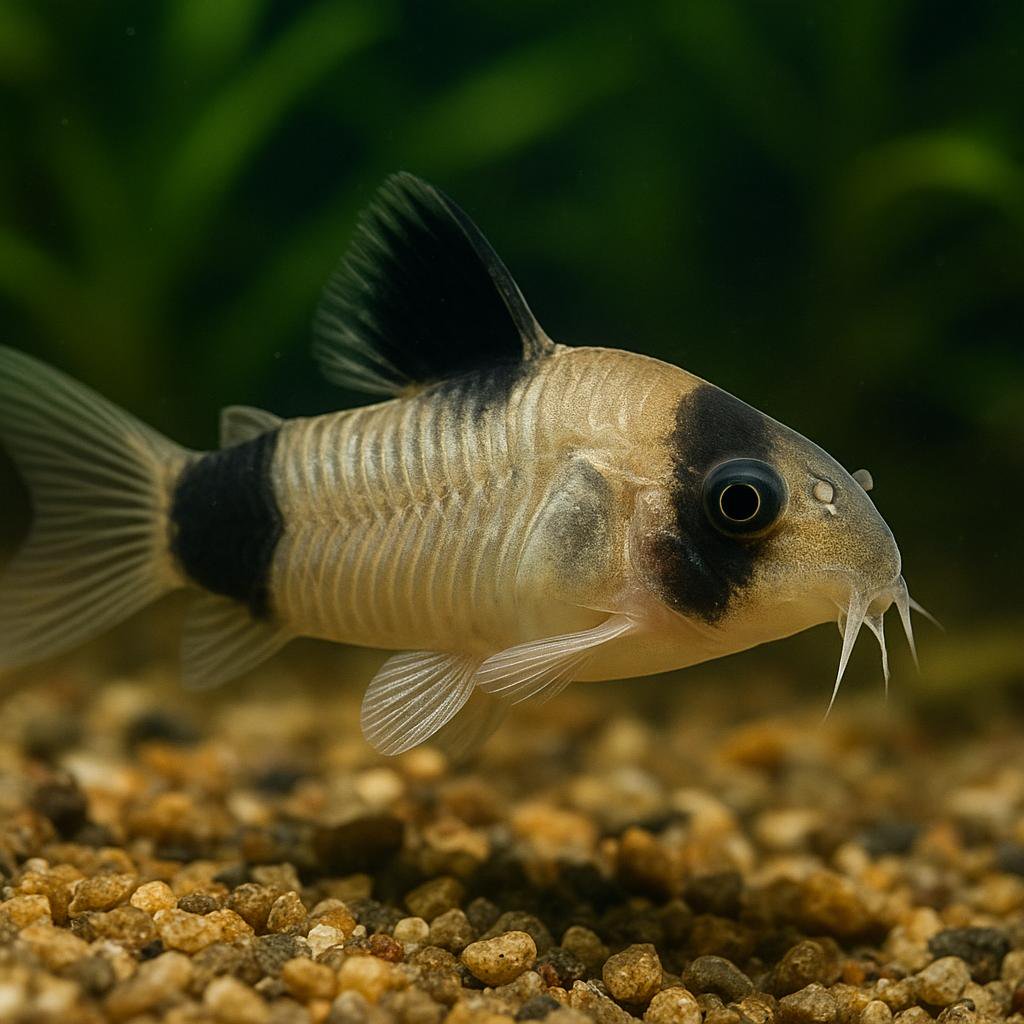
Panda Corydoras (Panda Cory)
Corydoras panda
Corydoras panda is a small, bottom-dwelling catfish known for its pale body with distinctive black patches over the eyes and near the tail, resembling a panda's markings. It is a peaceful, social schooling species that does best in groups and appreciates soft substrate and clean, well-oxygenated water. Like other corydoras, it forages constantly and should be offered sinking foods rather than relying on leftovers.
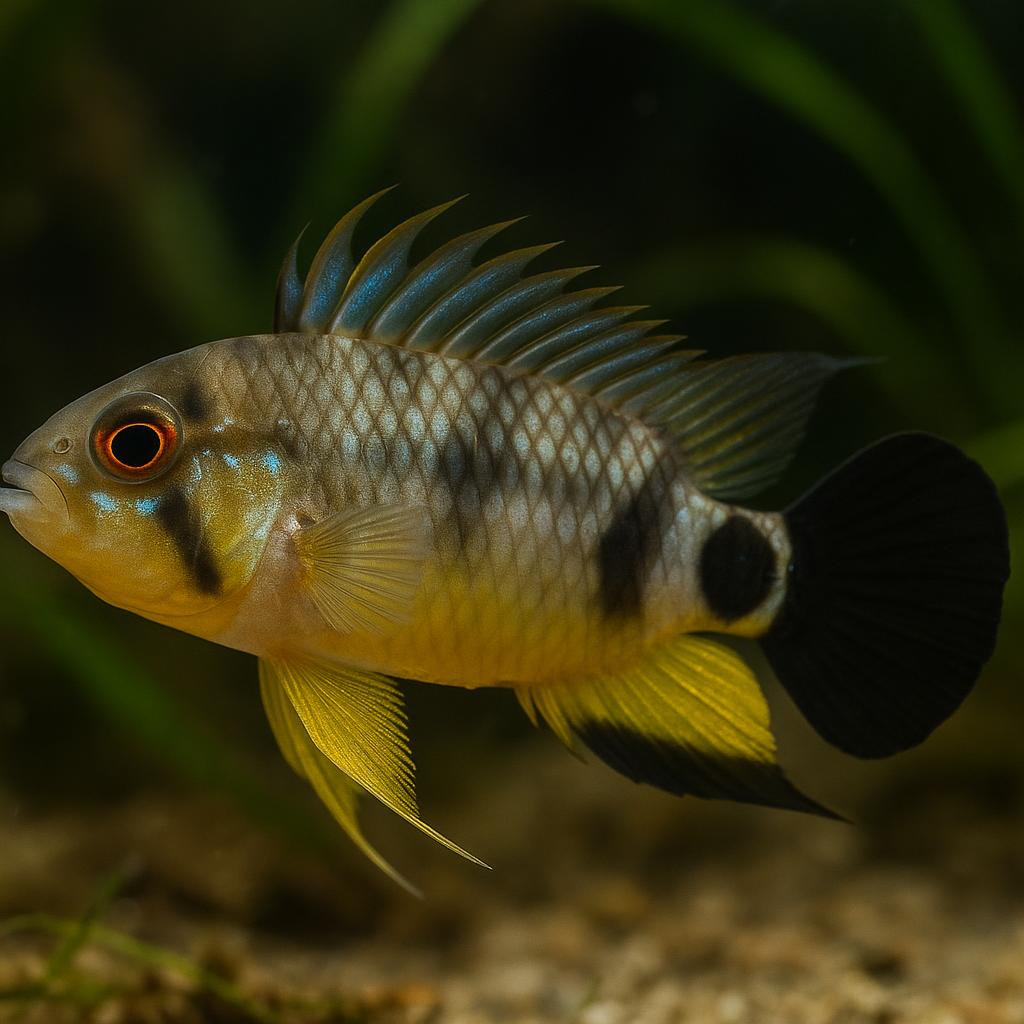
Panda dwarf cichlid
Apistogramma nijsseni
A. nijsseni is one of those apistos that looks like it has face paint on - especially the females when they are fired up and guarding a cave. Give them leaf litter, little hidey-holes, and calm tankmates and they will show off tons of personality, with the female doing most of the up-close fry care while the male patrols the territory.
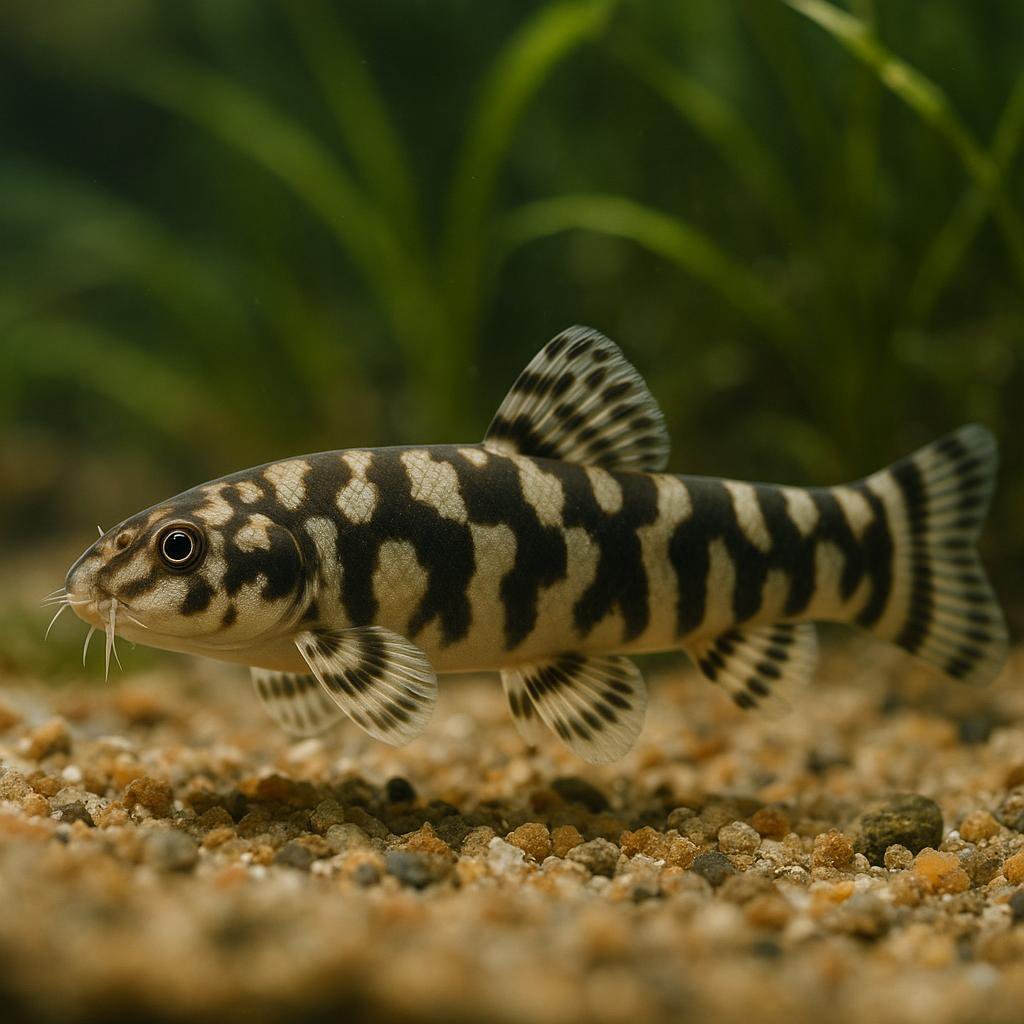
Panda loach
Yaoshania pachychilus
Hillstream loach from fast, highly oxygenated mountain streams; thrives in a mature, algae/biofilm-rich river-style aquarium with strong flow and smooth rocks. Peaceful but social, and best kept in groups where they become more active and confident.
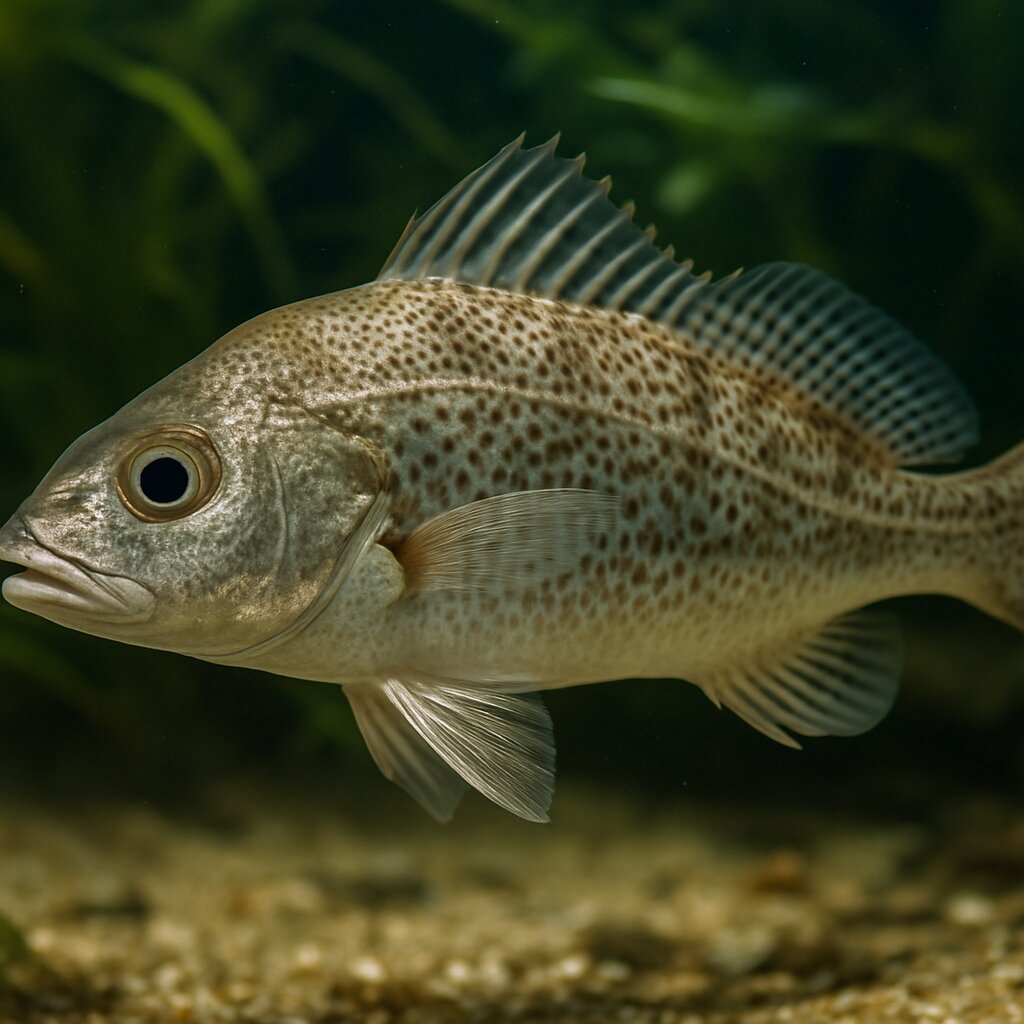
Paperhead croaker
Johnius novaeguineae
Paperhead croaker is a tiny Indo-Pacific croaker from New Guinea and northern Australia that cruises estuaries and even lower rivers, so it really prefers brackish to full marine water. ([fishbase.se](https://fishbase.se/summary/15436)) Adults top out around 9 cm and behave like little predators, picking at shrimp and worms, and they can even "croak" like other sciaenids. ([fishbase.se](https://fishbase.se/summary/15436)) If you ever spot one for sale, treat it as a brackish estuary fish rather than freshwater and keep the water warm and mineral-rich. ([aqueon.com](https://www.aqueon.com/resources/care-guides/brackish?utm_source=openai))
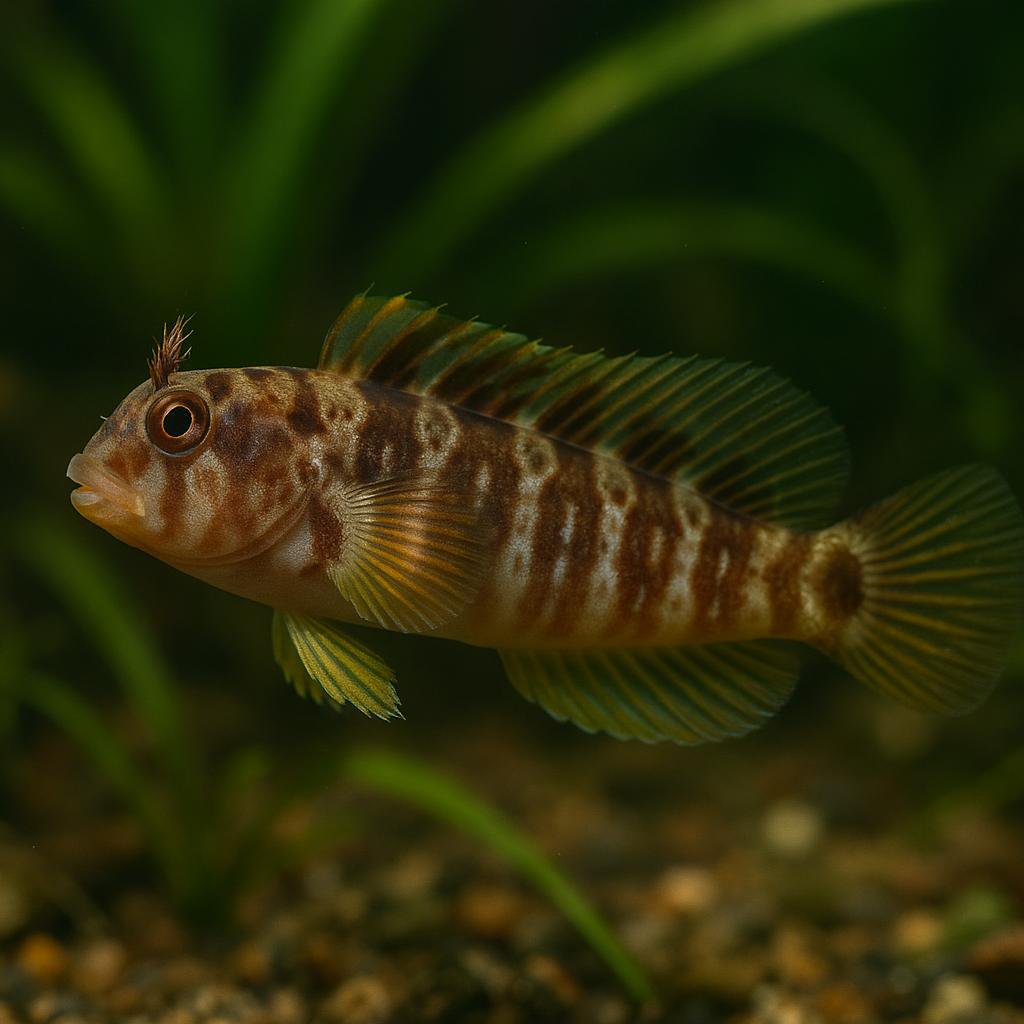
Papuan blenny
Rhabdoblennius papuensis
This is a tiny little combtooth blenny from the wave-smacked, super-shallow shoreline around Papua New Guinea. It is the kind of fish that spends its time glued to rocks, picking at film algae and micro-stuff, and wedging itself into tight crevices when it feels like it. Cool pick for a saltwater nano if you can actually source one and give it the right rocky, high-oxygen setup.
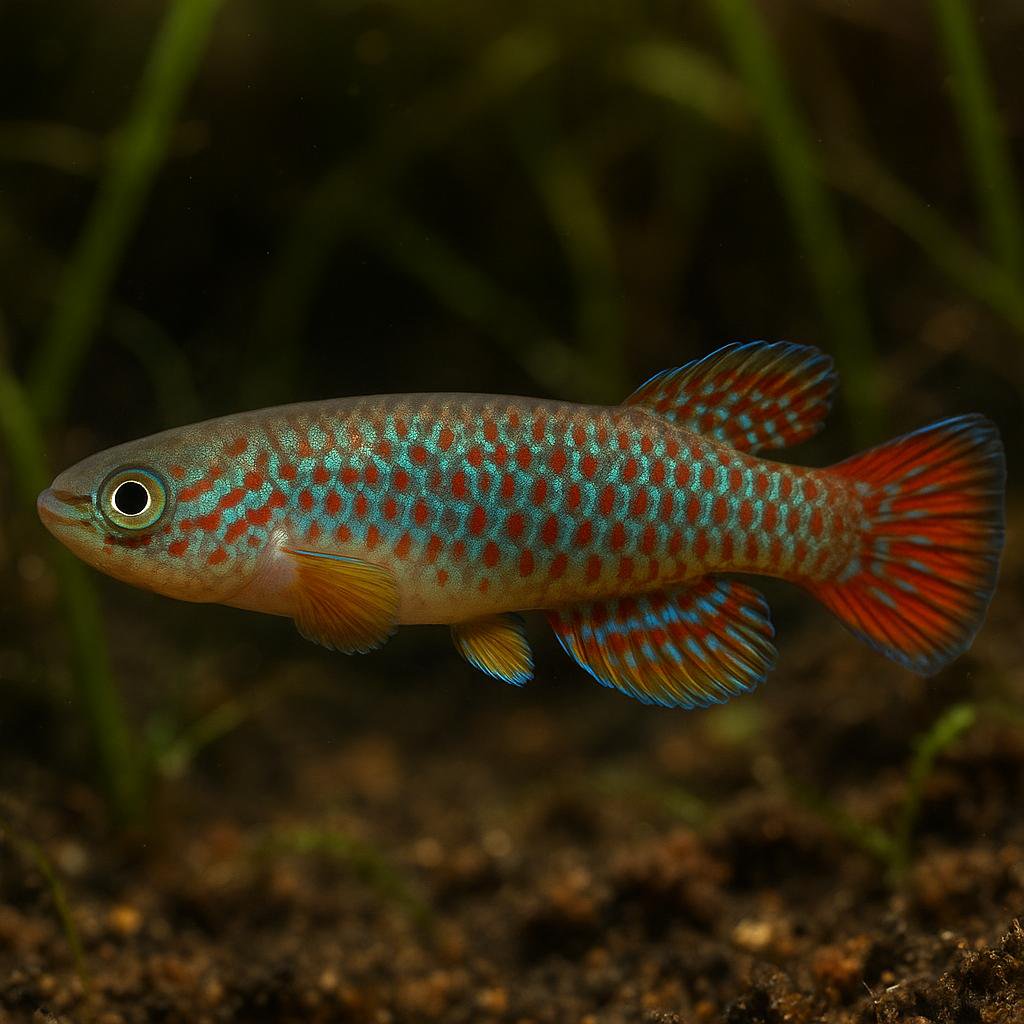
Paracatu rivulus (killifish)
Melanorivulus paracatuensis
This is a little Brazilian rivulus-type killifish from the rio Paracatu floodplains in the Sao Francisco basin. Like most Melanorivulus, it is a curious, surface-to-midwater cruiser that really shines in a planted, leafy setup with a tight lid because they can jump. It is not a big bruiser, but males can be spicy with each other in small tanks, so giving them space and cover makes a huge difference.
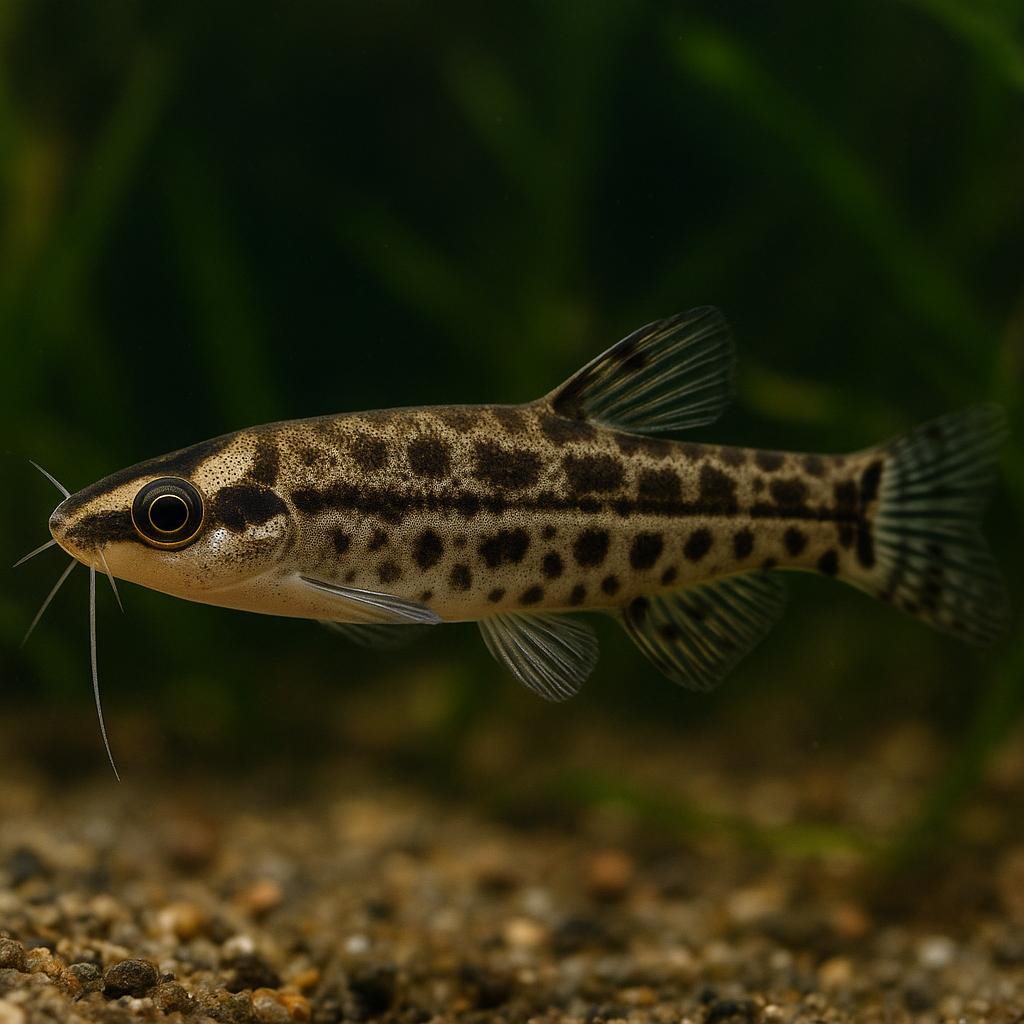
Parasitic catfish
Ochmacanthus alternus
This is a tiny South American stegophiline parasitic catfish that latches onto other fish and feeds mainly on their mucus. Super weird little specialist - more of a scientific-curiosity fish than an aquarium pet, because keeping it humanely basically means providing suitable host fish and accepting some damage to them.
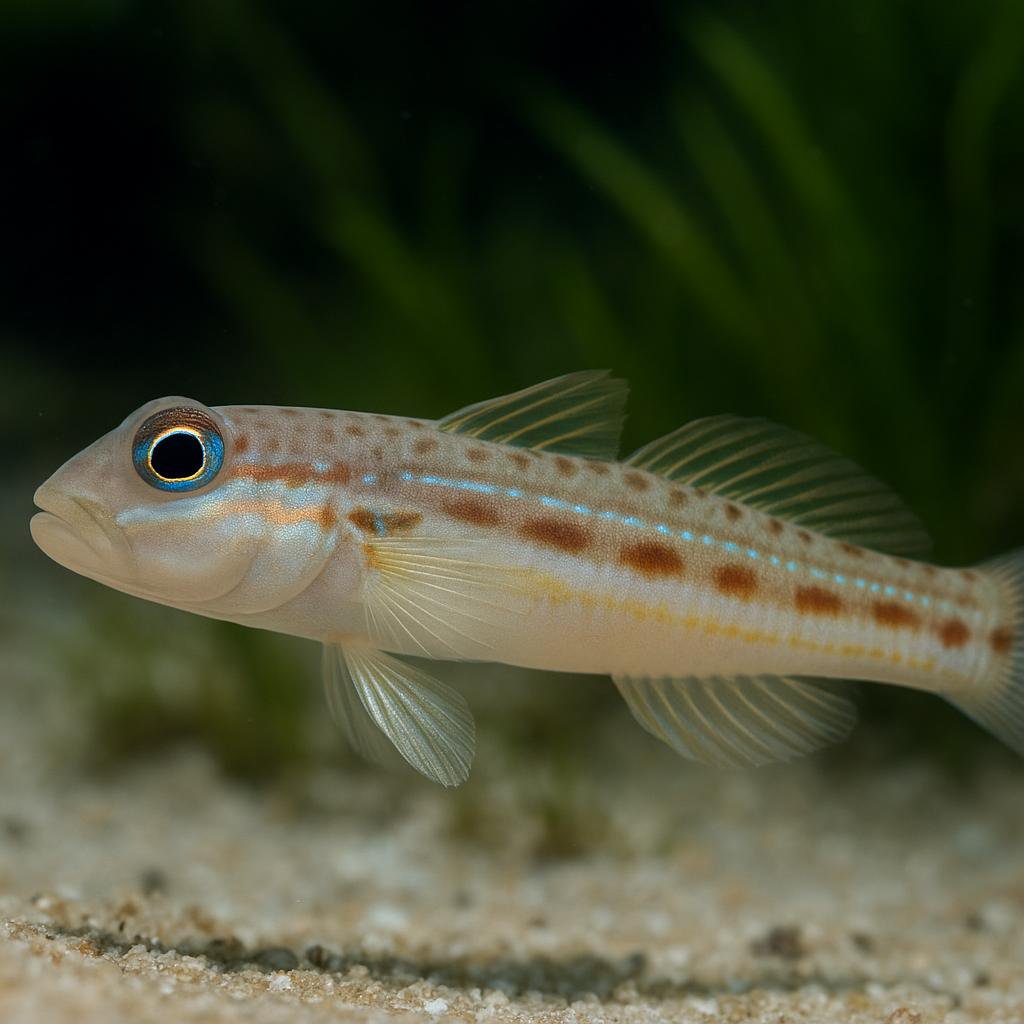
Parva goby
Valenciennea parva
Valenciennea parva is a little sand-flat sleeper goby (a Valenciennea "glidergoby") that hangs around clean sand patches near reefs, often as a bonded pair. In the wild it uses burrows and does this neat rocking/back-and-forth motion near the burrow, plus it will constantly sift and inspect the sand for tiny food.