

Pale Snailfish
Careproctus pallidus
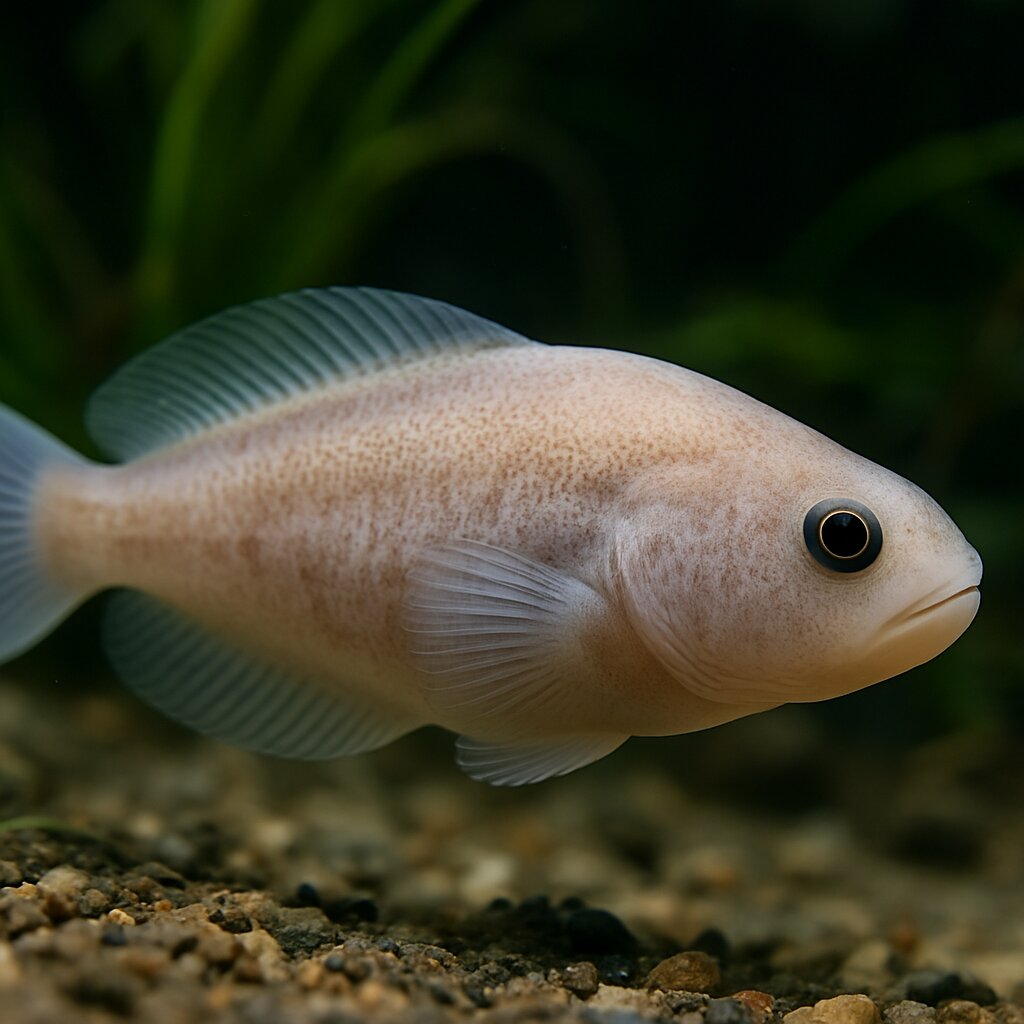
Pale Snailfish exhibits a translucent, pale body with a rounded snout and small, absent scales, adapted for deep-sea environments.
This page includes AI-generated images. Why am I seeing AI images?
About the Pale Snailfish
Tiny orange snailfish from the kelp-y shallows of far southern Chile, topping out around 7 cm and clinging to rocks and kelp with its little suction disk. It is a coldwater marine oddball that you almost never see in home aquariums, but it is neat to know it bucks the deep-sea trend most snailfish follow. Reported from Tierra del Fuego and Chilean kelp beds at just a few meters depth, with modeled temps roughly 7-16 C. ([mapress.com](https://www.mapress.com/zootaxa/2005f/zt01019p025.pdf))
Also known as
Quick Facts
Size
6.8 cm SL (about 2.7 inches)
Temperament
Peaceful
Difficulty
Expert
Min Tank Size
0 gallons
Lifespan
unknown
Origin
Southern South America
Diet
Carnivore - small crustaceans and worms
Water Parameters
7-16°C
7.8-8.4
20-35 dGH
Care Notes
- Run a serious chiller and keep it cold: 1-6 C (34-43 F), dim lighting, and lots of caves/rubble; guard every intake because they stick to stuff with that suction disc.
- Hold salinity around 33-35 ppt (SG ~1.024-1.026) and keep oxygen high with strong surface agitation; sudden warmups or power cuts to the chiller are what wipe these out.
- Feed like a benthic picker: start with live mysids/amphipods to get it going, then target-feed chopped prawn, clam, krill, or fish roe on a tile/dish so the food sits right in front of it.
- Small, infrequent meals work best at these temps; think 3-4 times a week, and remove leftovers fast since they foul cold tanks quietly.
- Tankmates are basically a gamble; go species-only or pair with very mellow coldwater fish that wont outcompete it, and skip crabs, shrimp, anemones, and anything grabby.
- Acclimate fast and cold in low light; skip long warm drip acclimations and get it into pre-chilled, oxygenated water quickly.
- Give gentle flow with slack zones on the bottom so it can park without getting blown around; sponge or mesh every pump and overflow.
- Breeding is a no-go at home; many Careproctus glue eggs to host crabs in the wild, so dont expect spawning in a tank.
Compatibility
Good Tankmates
- Other snailfish of similar size - super chill, just give each one its own hidey-hole
- Small, slow coldwater perchers like dwarf lumpsuckers - they bob around the rocks and ignore everybody
- Temperate clingfish that stick to glass and rock - calm neighbors and not nippy
- Little temperate gobies kept cool (Catalina-type) - peaceful and easygoing if you target feed so the snailfish eats
- Very small, non-predatory tidepool sculpins that cant fit a snailfish in their mouth
Avoid
- Big or hungry predators like larger sculpins, greenlings, or lingcod - a soft-bodied snailfish is a snack
- Nippy or gear-grinding fish like wrasses, triggers, damsels, or puffers - they pick and stress slow fish
- Fast, competitive feeders (anthias, chromis, active schooling stuff) - they outcompete a shy snailfish at mealtime
- Anything that needs warm tropical water - temp mismatch alone makes it a non-starter for a coldwater snailfish
Where they come from
Pale Snailfish are cold-water bottom dwellers from the North Pacific and nearby Arctic-influenced shelves and slopes. Think deep, dim habitats with soft mud, scattered rocks, and plenty of small crustaceans crawling around. Most of the ones that show up in aquaria come in as accidental bycatch from chilled northern waters.
This is an expert-only coldwater marine fish. If you cannot keep a stable 4-8 C with ocean-level salinity and rock-solid oxygenation, skip this species.
Setting up their tank
I kept mine in a 120-gallon acrylic system with a 1/2 hp titanium chiller, set at 6 C. Acrylic helps hold the cold. The chiller lived in a ventilated room to dump heat away from the tank.
- Tank size: 75 gallons is the floor for a single, 100+ gallons is kinder. Cold water is stable in larger volumes.
- Temperature: 4-8 C. I had the fewest issues at 5-6 C.
- Salinity: 34-35 ppt (natural seawater). pH 8.0-8.3.
- Oxygen: near saturation. Run strong gas exchange (skimmer plus surface agitation).
- Flow: gentle but steady. Create quiet eddies. They do not like blasting powerheads.
- Lighting: very dim. Blue-tinted evening light works well. Bright light keeps them hidden all day.
Aquascape for perching and hiding. Fine sand (1-2 cm) with smooth cobbles, big shells, and low caves. PVC elbows half-buried in sand work great. Avoid sharp rock and coarse rubble that can scuff their soft skin.
Filtration needs to be oversized. Cold water slows your biofilter at first, so seed it heavily and let it mature before adding the fish. I run a big skimmer, a packed biomedia chamber, and a UV unit to keep the water clean at low temps.
Use tight lids. Cold tanks sweat. Insulate your sump lines, and aim a small fan at the lids to push condensation away from lights.
You do not need a pressure tank. Individuals that arrive in good shape handle surface pressure fine. Temperature stability is the real hurdle.
What to feed them
They are slow, deliberate predators. In the wild they pick off polychaete worms, amphipods, small shrimp, and little fish. In a tank they rarely compete well for broadcast food, so target feeding is the way.
- Starter foods: live mysids, live amphipods, small shore shrimp. Offer at dusk with pumps off.
- Transition foods: frozen mysis, chopped prawn, chopped clam, small pieces of squid, finely cut silverside.
- Feeding style: use tongs or a feeding stick. Hold the piece near the snout and be patient. They sniff, then suck.
- Schedule: small portions 1-2 times daily. Pull leftovers within 5-10 minutes to protect water quality.
- Supplements: soak a couple meals per week in a marine vitamin mix; coldwater fish can be picky and under-eat.
Red light helps. They accept food more confidently under a dim red or blue light. Keep flow off during feeding so the food does not tumble away.
How they behave and who they get along with
Expect a shy, bottom-hugging fish that spends a lot of time parked on a rock or wedged in a nook. They have a little suction disk and will stick to smooth surfaces. Activity picks up at dusk. They are not aggressive, but they will gulp bite-sized fish if given the chance.
- Best setup: species-only or with very calm coldwater neighbors that do not outcompete them for food.
- Tankmate ideas (from public cold displays): small lumpsuckers, tiny poachers, or slow sculpins. Even then, feed the snailfish first.
- Avoid: crabs (pinchers), fast swimmers, anemones with a big sting, and anything that hammers the food dish.
Watch the breathing rate. If gill beats climb or they start cruising the glass in bright light, something is off (usually temperature creeping up or oxygen dropping).
Breeding tips
Captive breeding of Careproctus is rare to nonexistent in home aquaria. Many species in this genus lay eggs in hidden spots, and some even use the gill chambers of lithodid crabs as egg shelters. Without those hosts and deep-cold seasonality, it is not realistic.
- Sexing: subtle and unreliable externally for most individuals.
- Courtship: not documented in hobby tanks.
- If eggs ever appear: very gentle flow over the site and zero disturbance. Expect long development times in cold water.
If your goal is breeding coldwater fishes, start with lumpsuckers or sticklebacks first. Snailfish are a dead-end for now in private setups.
Common problems to watch for
- Heat creep: the silent killer. Above ~8-9 C they go off food; at 10+ C they can crash quickly.
- Low oxygen: they like near-saturation O2. Add surface agitation and keep the skimmer on.
- Feeding strikes: new arrivals often need live mysids for a week or two. Keep trying small, smelly pieces and reduce light.
- Skin scuffs: their skin is delicate. Smooth decor and gentle nets only. Do not chase them.
- Water fouling: they eat slowly. Leftover meaty food rots fast at any temperature. Siphon leftovers promptly.
- Decompression/shipping damage: if one arrives bloated, spinning, or with cloudy eyes, outcomes are poor. Source only from collectors who decompress properly.
- Crab nips: any crab, even small ones, will test that soft skin. Skip crabs.
Power outages are high risk with cold tanks. Run the chiller on a dedicated circuit and have a backup plan (generator or battery for circulation plus a bin of frozen bottles to float in the sump).
These fish often arrive as bycatch. Check local regulations and be sure the specimen was legally collected. Quarantine at the same cold temperature you plan to run long-term; do not warm them to 'speed up' QT.
Similar Species
Other marine peaceful species you might be interested in.
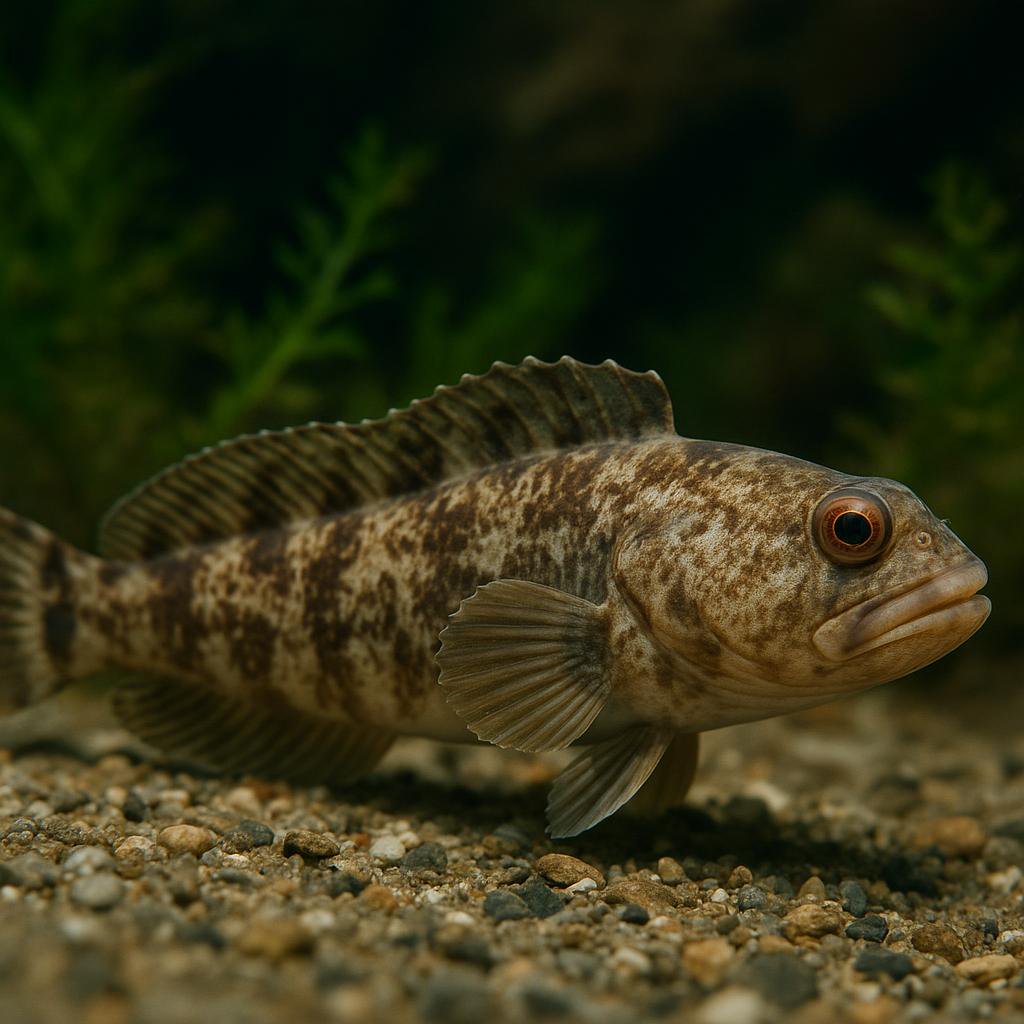
Abe's eelpout
Japonolycodes abei
Japonolycodes abei is a temperate, deepwater demersal eelpout (family Zoarcidae) endemic to Japan (Kumano-nada Sea reported; other sources also report Sagami Bay and Tosa Bay). It is the only species in the genus Japonolycodes and occurs roughly 40-300 m depth, making it an uncommon/atypical aquarium species.
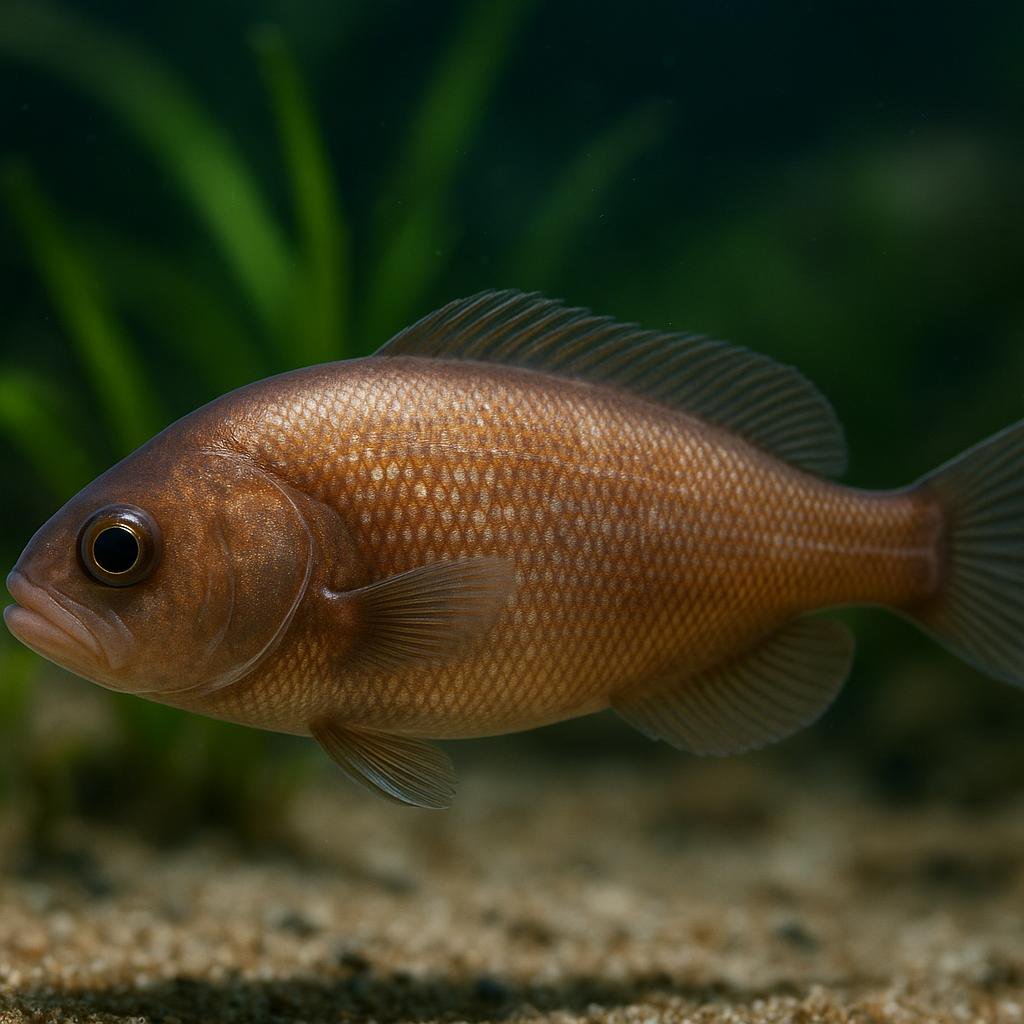
Affinis blind cusk-eel
Barathronus affinis
Barathronus affinis is a tiny, super-weird deep-sea blind cusk-eel from the western-central Indian Ocean. It is one of those gelatinous, loose-skinned brotula-type fishes that live way down in the dark and are basically never seen alive, so almost everything we know comes from preserved specimens and taxonomic work.
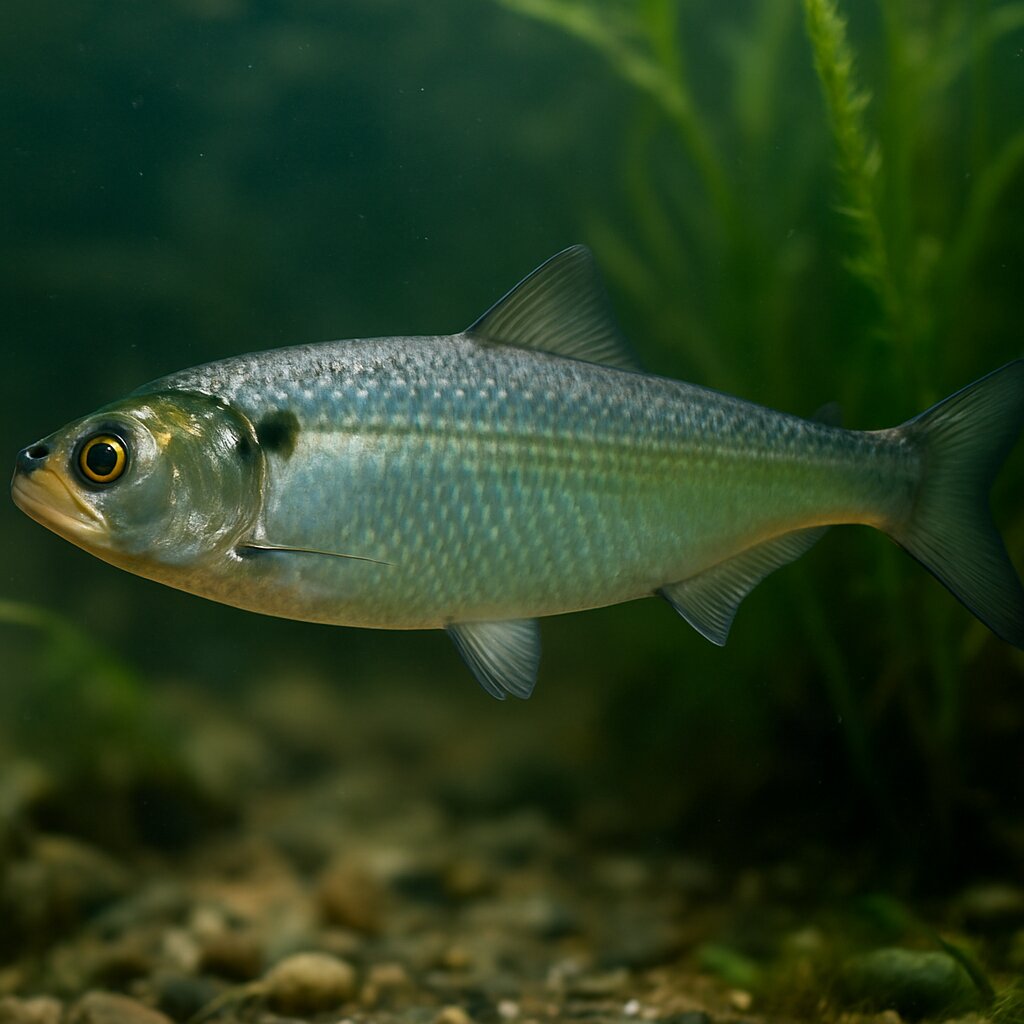
Allis shad
Alosa alosa
Gorgeous silver, fast-swimming shad that spends most of its life in the sea and then surges up big rivers in noisy, surface-spawning schools. It grows huge for a herring-type fish and needs cool, ultra-oxygenated water and tons of open space, so it is a public-aquarium species rather than a home tank fish.
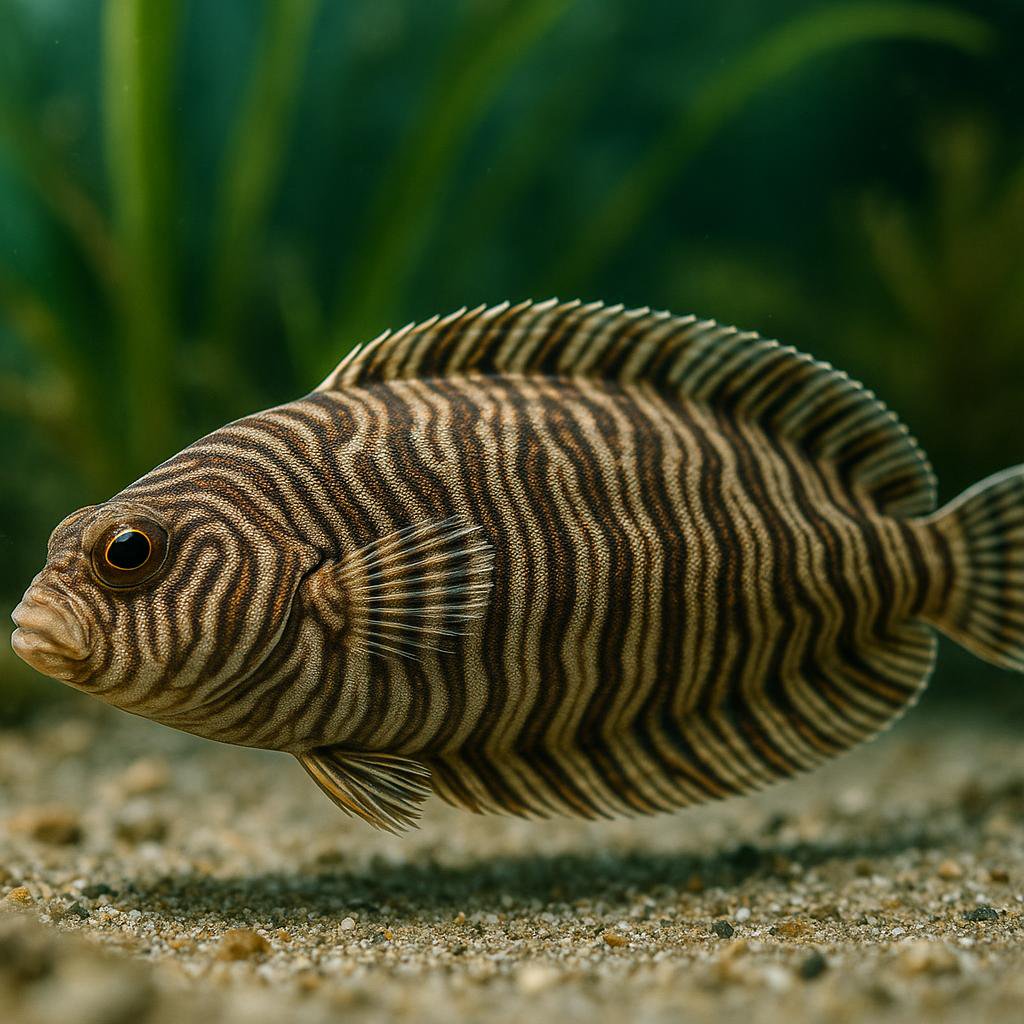
Annandale's zebra sole
Zebrias annandalei
Zebrias annandalei is a small demersal sole from coastal India that inhabits sandy or muddy bottoms and buries for camouflage. It is rarely kept in home aquaria and would require a specialized marine sand-bottom setup and appropriate feeding.
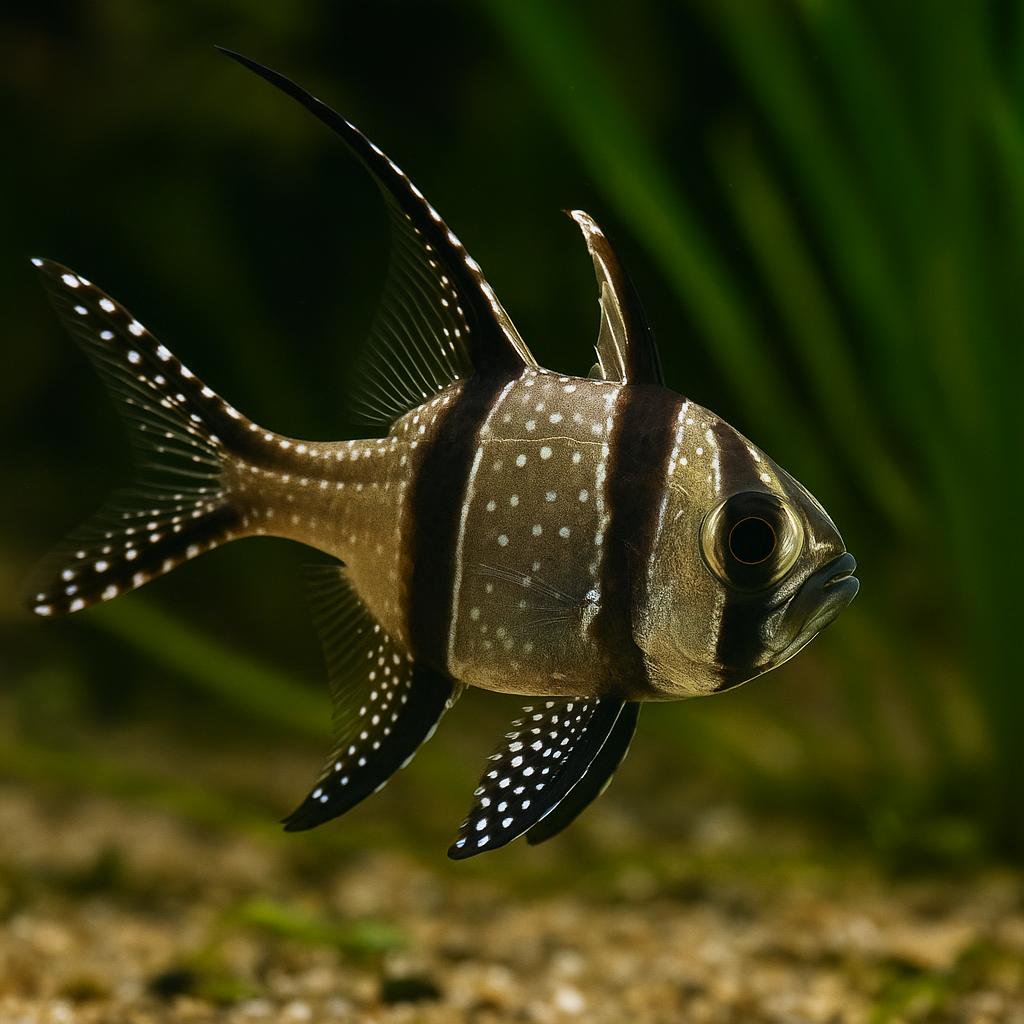
Banggai Cardinalfish
Pterapogon kauderni
Banggai cardinals just sort of hover like little underwater satellites, and the bold black bars with those long, polka-dotted fins look unreal under reef lighting. They're super chill most of the time, but once a pair forms you'll see real "fish drama," and the male will even mouthbrood the babies like a champ.
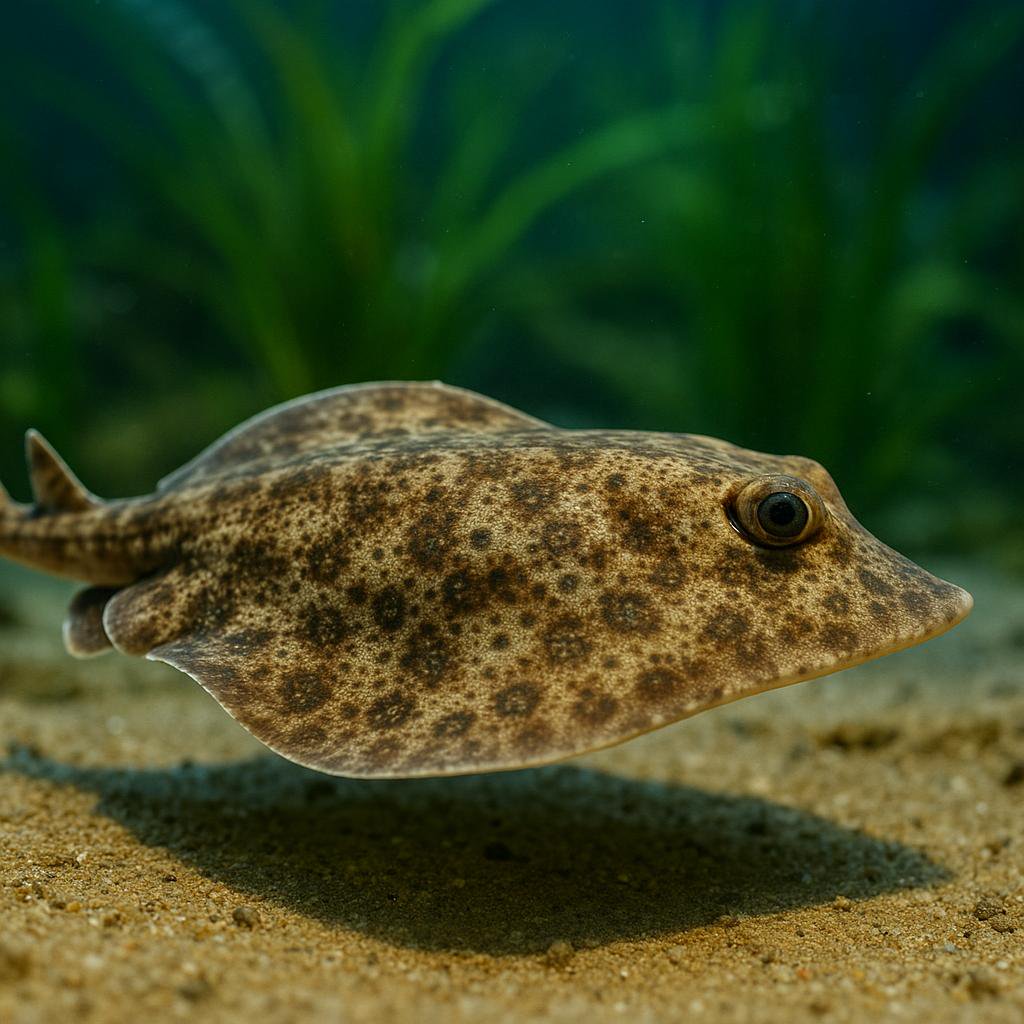
Barbedwire-tailed skate
Notoraja martinezi
Notoraja martinezi is a deepwater skate from the eastern Pacific (Costa Rica down to Ecuador) that lives way down on soft bottoms. The tail is the giveaway - it is lined with strong, hooked thorns that really do look like barbed wire. This is absolutely not an aquarium fish; it is a cold, high-pressure deep-sea animal with basically no practical home care info because it is not kept in the hobby.
More to Explore
Discover more marine species.
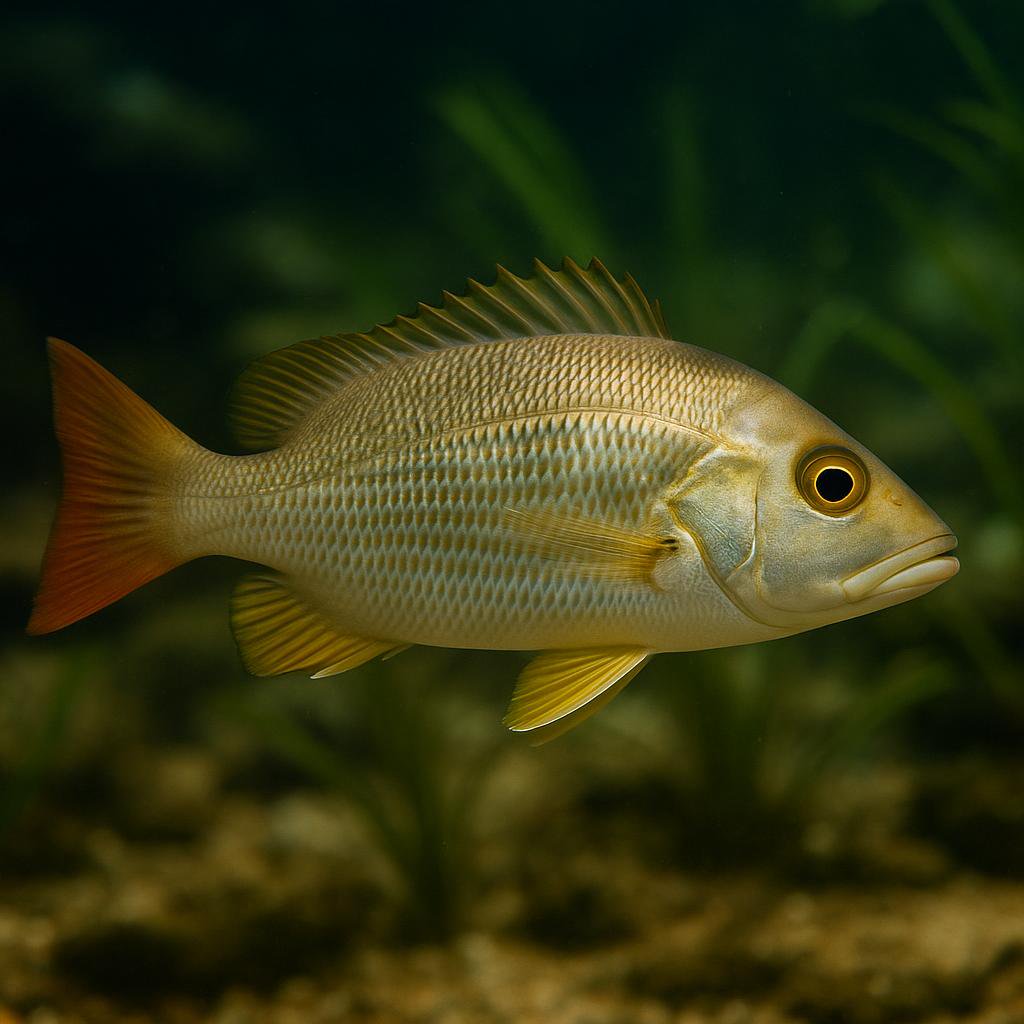
African red snapper
Lutjanus agennes
This is a true snapper from West Africa - a big, fast-growing predator that goes from coastal reefs to brackish lagoons and estuaries (especially as a juvenile). Super cool fish in the wild, but it gets absolutely huge and will eat smaller tankmates once it has the mouth for it, so its really more of a public-aquarium scale animal than a home-aquarium fish.
Aleutian skate
Bathyraja aleutica
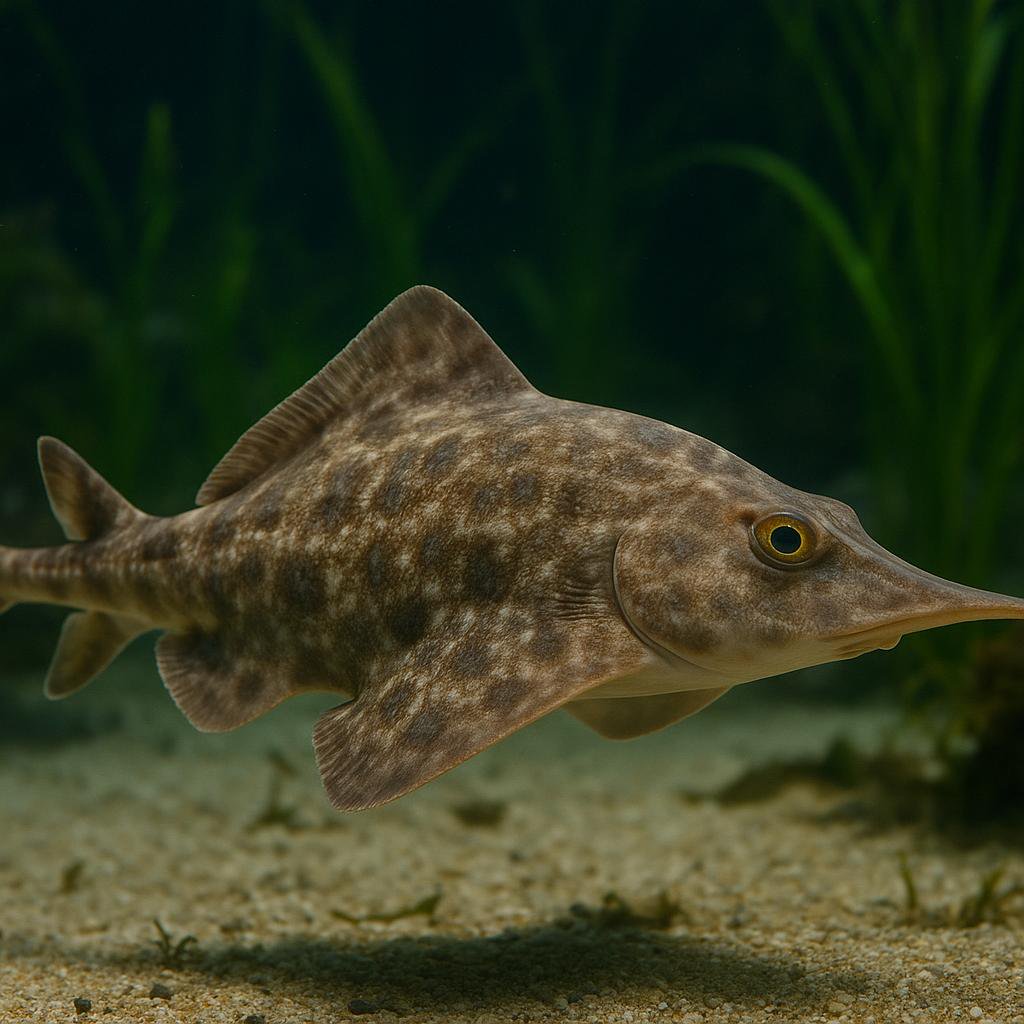
This is a big, cold-water deep-slope skate from the North Pacific that cruises muddy bottoms and eats chunky benthic prey like crabs and shrimp. The really cool bit is its egg-laying skate life - it does distinct pairing (the classic skate "embrace") and drops those tough egg cases on the seafloor. Not an aquarium fish at all unless you're basically running a public-aquarium-style chilled system.
Antarctic dragonfish
Vomeridens infuscipinnis
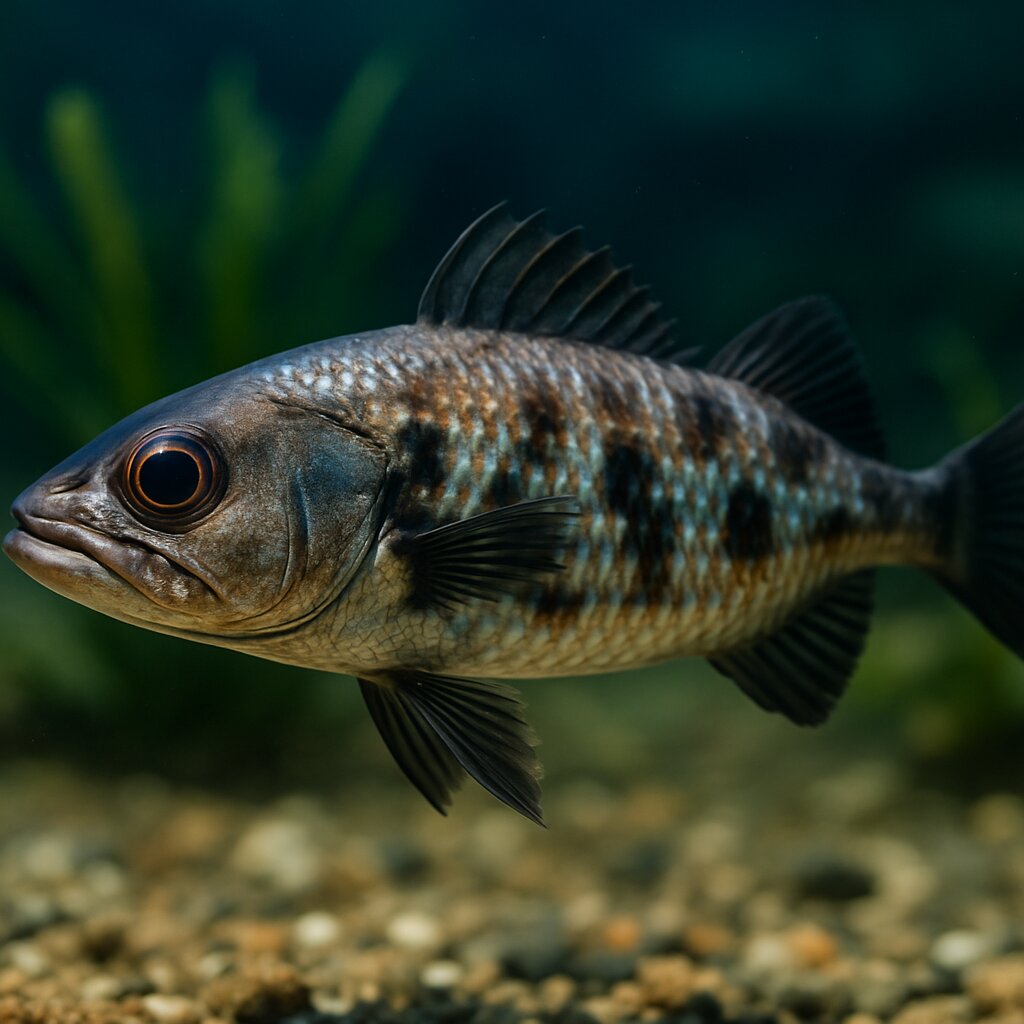
Deep down around Antarctica, this sleek dragonfish cruises the water column like a little submarine, nearly neutrally buoyant so it can hover above the seafloor. It munches almost exclusively on Antarctic krill and lives in near-freezing water 500-800 m down, so it is a cool species to read about, not one for home tanks.
Arabian demoiselle
Neopomacentrus sindensis
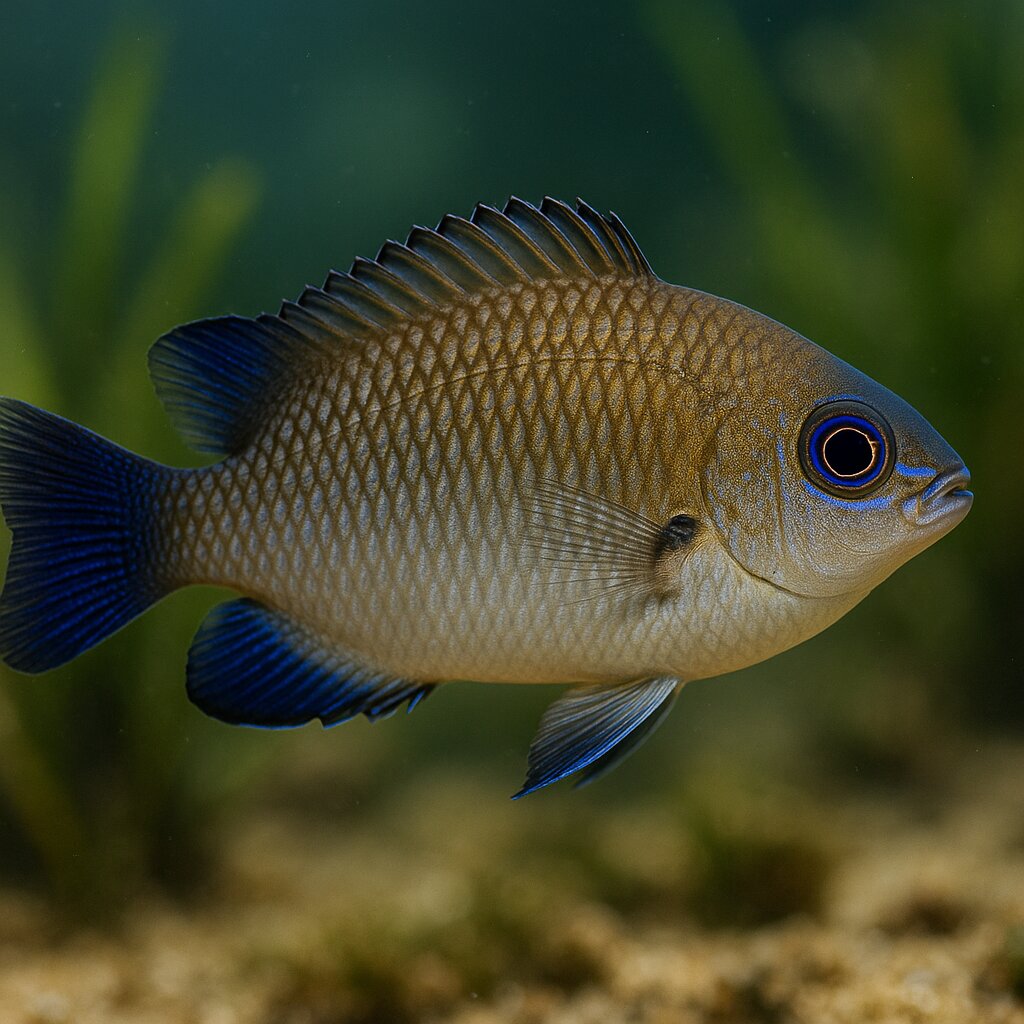
A small lyretail damsel from the Persian Gulf and Arabian Sea, it hangs in loose groups around coral heads, rocks, and even pier pilings picking zooplankton from the flow. Think classic damsel toughness with a slightly milder attitude than the real bruisers, plus subtle yellow tail accents. Males clean a patch, get a mate to lay eggs there, and then stand guard fanning the clutch.
Arabian spiny eel
Notacanthus indicus
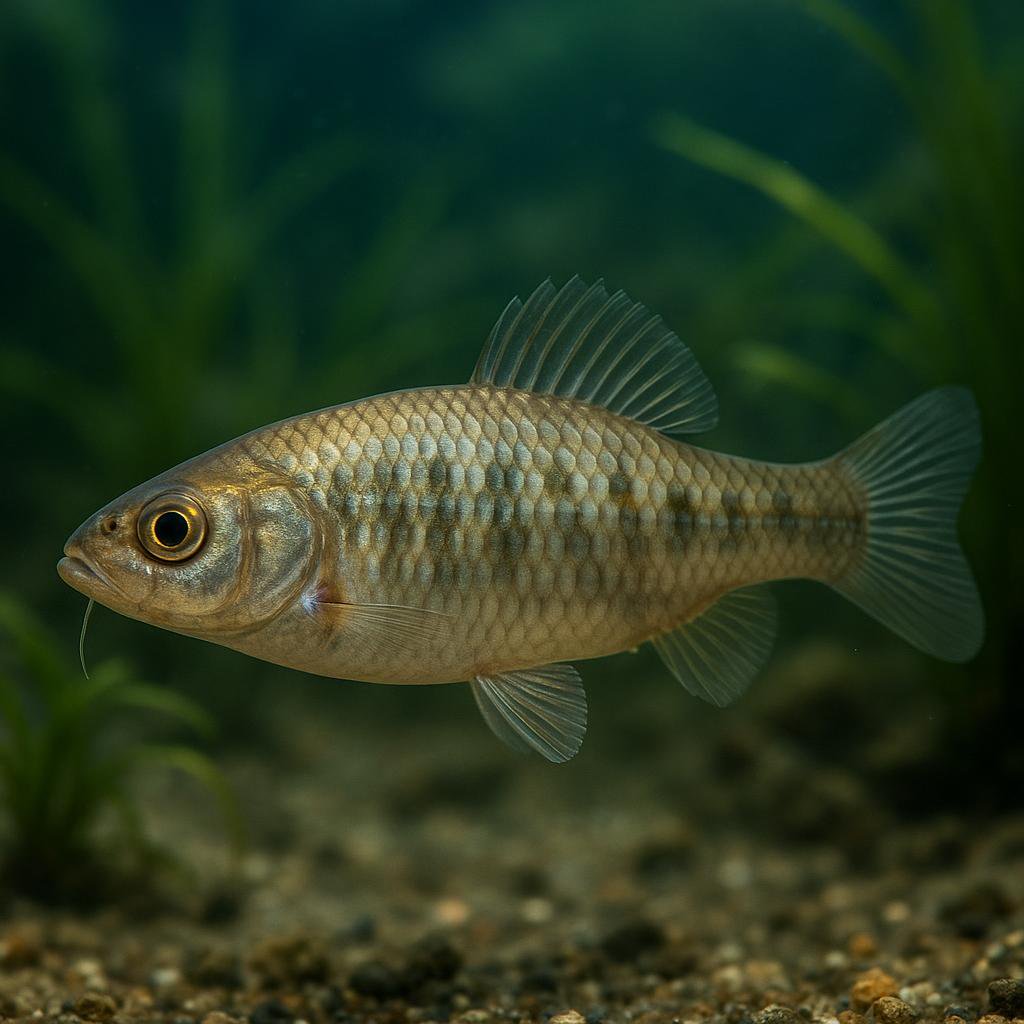
Notacanthus indicus is a deep-sea spiny eel (family Notacanthidae; not a true eel) known from the Arabian Sea on the continental slope at roughly ~960–1,046 m depth, with reported maximum length around 20 cm TL; it is a deep-water bycatch species and not established in the aquarium trade.
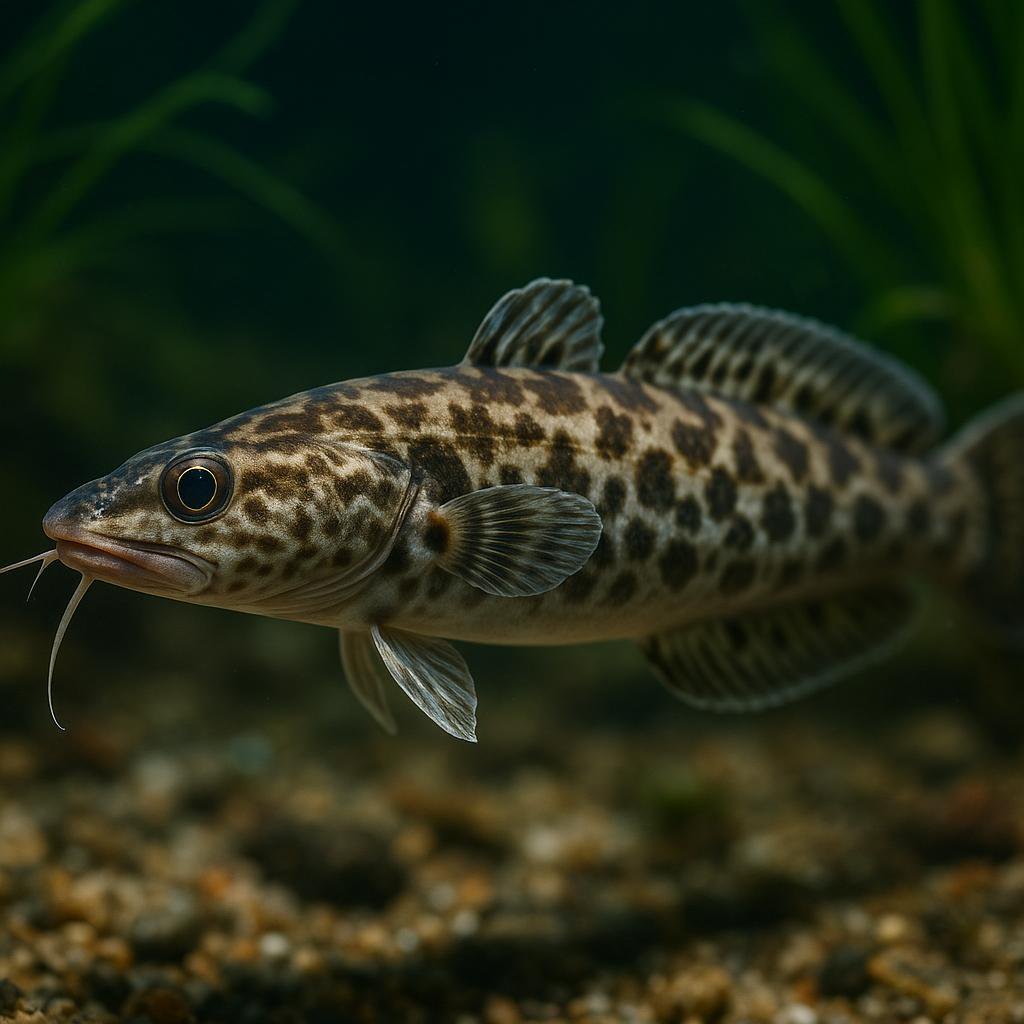
Arctic rockling
Gaidropsarus argentatus
This is a deepwater North Atlantic rockling (a cod relative) that hangs out on soft bottoms way down the slope. It is a cold-water, bottom-hugging predator that snoots around for crustaceans and will also take small fish when it gets the chance.
Looking for other species?