

Parasitic catfish
Ochmacanthus alternus
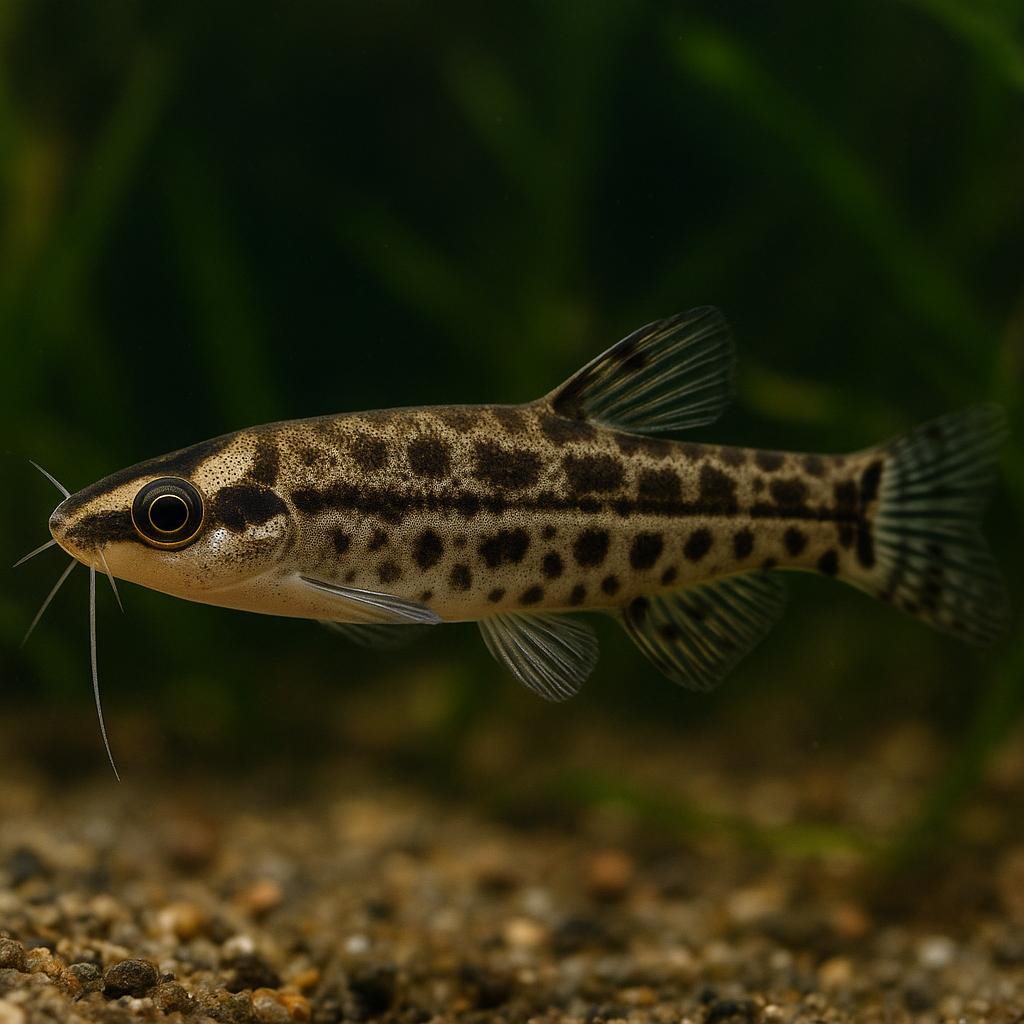
Ochmacanthus alternus features a streamlined body, olive-brown coloration, and a distinctively elongated dorsal fin, adapted for parasitic feeding.
This page includes AI-generated images. Why am I seeing AI images?
About the Parasitic catfish
This is a tiny South American stegophiline parasitic catfish that latches onto other fish and feeds mainly on their mucus. Super weird little specialist - more of a scientific-curiosity fish than an aquarium pet, because keeping it humanely basically means providing suitable host fish and accepting some damage to them.
Also known as
Quick Facts
Size
4.2 cm SL
Temperament
Aggressive
Difficulty
Expert
Min Tank Size
20 gallons
Lifespan
unknown
Origin
South America (Rio Negro and Orinoco basins - Brazil and Venezuela)
Diet
Parasitic mucivore - attaches to other fish and feeds on mucus (will also opportunistically take tiny inverts/meaty foods in captivity in some reports, but do not count on it)
Water Parameters
24-28°C
5-7.5
1-12 dGH
Need a heater for this species?
This species needs 24-28°C in a 20 gallon tank. Use our heater calculator to find the right wattage.
Calculate heater sizeCare Notes
- This is a parasitic candiru-type catfish - do not put it in a community tank unless you are cool with it attaching to other fish and ripping up fins/gills. I keep mine in a species tank or with only tough, non-fishy tankmates (snails/shrimp usually still get harassed, so expect losses).
- Give it sand, leaf litter, and tight hiding spots (PVC elbows, rock cracks, wood tunnels) because it spends a lot of time wedged in cover. Low light helps it stay calm and out, and a lid is non-negotiable since they can launch when spooked.
- Water: aim for warm, soft-ish Amazon-style water - roughly 75-82F (24-28C), pH about 5.5-7.0, and low to moderate hardness. Keep nitrate low because stressed candiru get nasty skin issues fast and you will not notice until it is already going downhill.
- Feeding is the hard part: many only take fresh meaty stuff at first (bloodworms, chopped earthworms, prawn, fish flesh), and some refuse anything unless it is moving. Use feeding tongs at lights-out and train it onto frozen by mixing with live and slowly fading the live out.
- Do not keep it with slow, deep-bodied fish or anything you actually like - it will latch and you will be dealing with infections and torn tissue. If you insist on tankmates, think fast, armored fish that can handle scraps, but even then expect casualties.
- Watch for sudden weight loss, red sores, or a fish hiding constantly with clamped fins - these show up fast when it is not eating or the water is dirty. Quarantine is a pain with this species, so I run extra aeration and over-filter the main tank to avoid medication adventures.
- Breeding in home tanks is basically a lottery; most reports are accidental and tied to big rainy-season style water changes and heavy feeding. If you see chasing or pairing, add more caves and keep the tank quiet because they spook easily and stop eating for days.
Compatibility
Good Tankmates
- Big, tough cichlids (Oscar-sized stuff, big severums) that can take some attitude and are not easy to latch onto
- Large, armored catfish like adult plecos (common/sailfin types) - thick skin and plates help, and they usually do their own thing
- Hardy, deep-bodied characins like adult silver dollars - fast, strong swimmers that do not sit still long enough to get bothered much
- Big, sturdy barbs/danios (think tinfoils or other larger, bulletproof schooling fish) that stay in the midwater and keep moving
- Other robust, predatory-ish midwater fish like larger piranha-lookalikes/characins that are not delicate (basically anything that is not shy or slow)
Avoid
- Small schooling fish like tetras, rasboras, and livebearers - they are basically snack-sized targets and get stressed to death even if not eaten
- Slow fish with fancy fins (angelfish, bettas, gouramis) - easy for a parasitic catfish to latch onto and rough up
- Bottom dwellers that sit still a lot (corydoras, kuhli loaches, small plecos) - they get harassed nonstop and can get injured
- Anything very aggressive and bitey (some big African cichlids, redtail sharks, piranhas) - you end up with a constant brawl and shredded fins
Where they come from
Ochmacanthus alternus is one of the candiru-type parasitic catfish from South America. Youre looking at a fish that naturally hangs around big river systems (think Amazon and its tributaries), hiding in structure and keying in on other fish by smell and movement. In the wild theyre built for quick hit-and-run feeding, not cruising around looking for flakes.
Most losses with this species happen because people try to keep it like a normal catfish. Its not. Treat it more like a specialized predator/parasite with very specific needs.
Setting up their tank
If you try to display this fish like a community oddball, youll probably just end up with a stressed, skinny candiru and a bunch of battered tankmates. I had the best results treating the tank like a quiet holding system: stable water, lots of cover, low drama.
- Tank size: bigger is easier, but not for swimming room - for dilution and stability. Id call 30-40 gallons a bare minimum for a single specimen, more if youre also keeping host fish.
- Filtration: strong and reliable, with gentle flow areas. They dont need a river blast, but they do need clean water because youre usually feeding heavy/protein-rich foods.
- Layout: piles of rounded wood, leaf litter, caves, and shaded spots. Give them places to wedge into and disappear.
- Substrate: sand or fine gravel. Theyre not big diggers, but sand is easier on them when they dart and scrape around.
- Lighting: dim. Bright tanks keep them edgy and hiding nonstop.
- Cover: tight lid. They can bolt when spooked, especially during netting and water changes.
Use a pre-filter sponge on intakes. Theyre skinny, fast, and weirdly good at finding gaps you thought were impossible.
Water-wise, youre aiming for warm, soft-ish, and clean. I kept them in the mid-70s to low-80s F and they handled it well. The exact pH number matters less than keeping it steady and not letting waste build up. Frequent partial water changes beat big, infrequent ones with this fish.
What to feed them
This is the part that makes them expert-level. In nature, Ochmacanthus alternus feeds by attaching to other fish and taking mucus/tissue/blood. In an aquarium, getting them to eat non-living foods can be hit or miss, and a lot of individuals just dont make the switch.
Do not buy one unless you have a realistic plan for feeding. Many starve slowly because they refuse frozen foods and the keeper wont (or cant) provide appropriate host situations.
If you do want to try, start with the most tempting, meaty options and feed at lights-out. I had the best response with fresh or thawed items that have a strong scent. Some individuals will learn to take food from tongs, but plenty never do.
- Try first: live blackworms, chopped earthworms, live shrimp, or very fresh/thawed bloodworms (not the dusty old cube).
- Also try: strips of fish flesh (tilapia-type), raw shrimp bits, and other high-protein marine/fresh seafood pieces.
- How to offer: long tweezers near their hiding spot after dark, or place food in a shallow dish so it doesnt vanish into the substrate.
- Frequency: small offerings more often. Big dumps just foul the water and stress the tank.
- Watch the belly: a constantly pinched-in abdomen is your early warning sign.
Feeding by letting them parasitize tankmates is a moral and practical minefield. Youll see damaged fish, infections, and deaths. If you go down that road, youre basically running a host system and accepting losses.
How they behave and who they get along with
Theyre sneaky, mostly nocturnal, and they dont act like a typical catfish. Daytime youll barely see them. At night they get bold and start cruising low and fast, testing anything that looks like a meal.
Tankmates are tricky because their whole strategy is attaching to other fish. Even if theyre ignoring everyone today, that can change the moment theyre hungry or stressed.
- Best option: species-only or a dedicated setup built around their needs.
- If you keep other fish: expect risk. Larger, tough-bodied fish are less likely to be killed quickly, but they can still be wounded and infected.
- Avoid: slow fish, scaleless fish (loaches, many catfish), fancy fins, and anything you cant stand to lose.
- Do not mix with: small fish. Theyre not safe and may end up as targets or stressed into disease.
If you must keep a host-type fish in the same system for acclimation or feeding attempts, quarantine it separately afterward. The bite sites can look small at first, then bloom into bacterial/fungal problems.
Breeding tips
Real talk: breeding Ochmacanthus alternus in home aquariums is basically undocumented and not something most hobbyists pull off. Theyre not like Corydoras where you can condition them and trigger a spawn with a cool water change.
If you ever wanted to experiment, Id focus on long-term stability, lots of hiding spots, and keeping a small group in a large, mature system. But the bigger barrier is usually keeping them feeding well enough for long enough to even reach a point where breeding is on the table.
If you see two interacting, chasing, or staying close under cover, dont assume its breeding behavior. A lot of that is just territory, stress, or investigating each other.
Common problems to watch for
Most problems come from two things: starvation and secondary infections (either on the candiru or on the fish it damages). Because theyre small and secretive, people miss the early signs.
- Starvation: pinched belly, lethargy at night, losing that quick darting movement.
- Water quality crashes: cloudy water, sour smell, sudden hiding and rapid breathing. Heavy meaty feeding can overwhelm a tank fast.
- Injuries from netting: they tangle and wedge into mesh. Use a container to move them if you can.
- Parasites/bacteria: wild-caught individuals can arrive with baggage. Quarantine is not optional.
- Host fish infections: red sores, fuzzy patches, or rapid decline after a suspected attachment event.
Dont try to medicate blindly in the display. These fish are sensitive, and a lot of meds reduce oxygen or stress the biofilter. If you need treatment, a separate, well-aerated hospital tank is the safer move.
If you take anything from this: plan the feeding and the ethics first, then build the tank around stability and cover. Theyre fascinating little nightmares, but theyre not forgiving, and theyre not a project you wing as you go.
Similar Species
Other freshwater aggressive species you might be interested in.
Arrowhead puffer
Pao suvattii
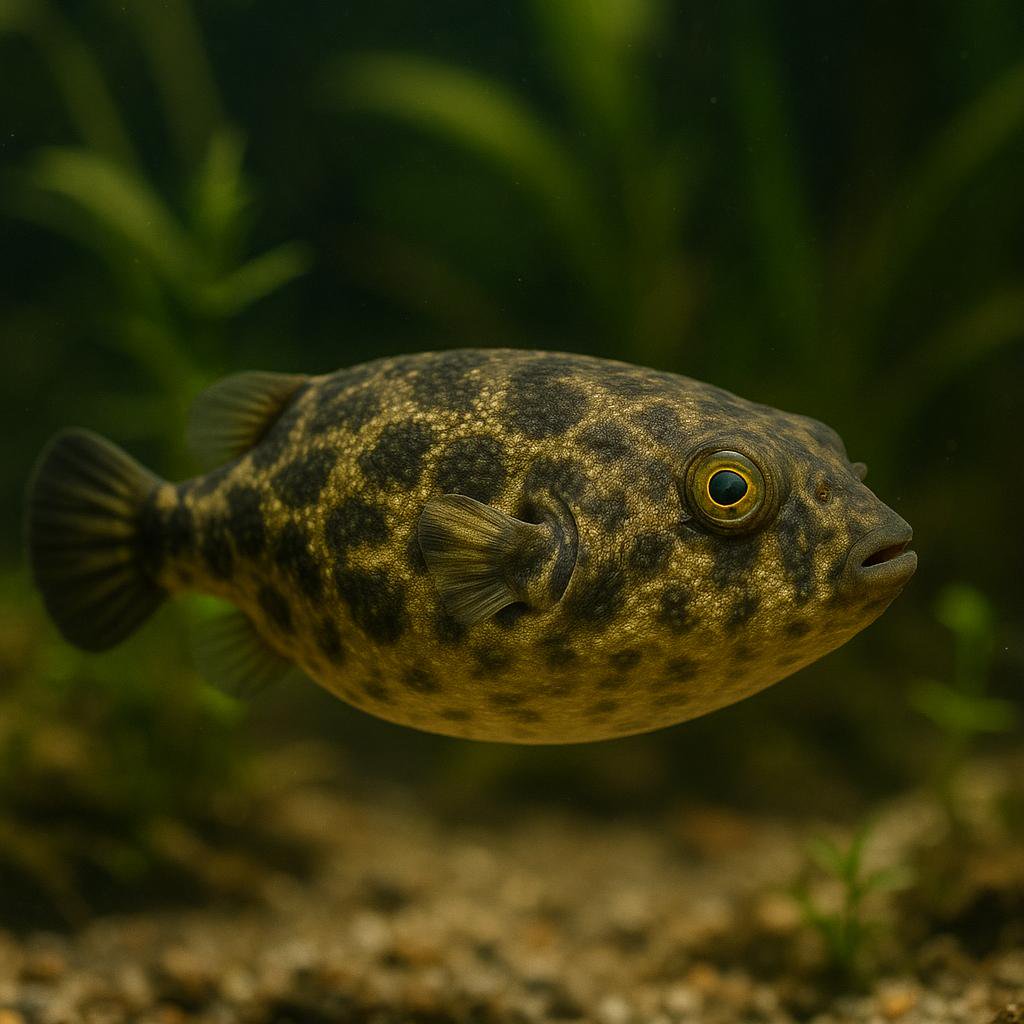
Pao suvattii is that sneaky Mekong puffer that likes to sit low and ambush food, and it has that super recognizable arrow/V pattern on its back. Gorgeous fish with tons of personality, but it is absolutely not a community guy - plan on a solo, species-only setup if you want everybody to stay in one piece.
Blue gularis
Fundulopanchax sjostedti
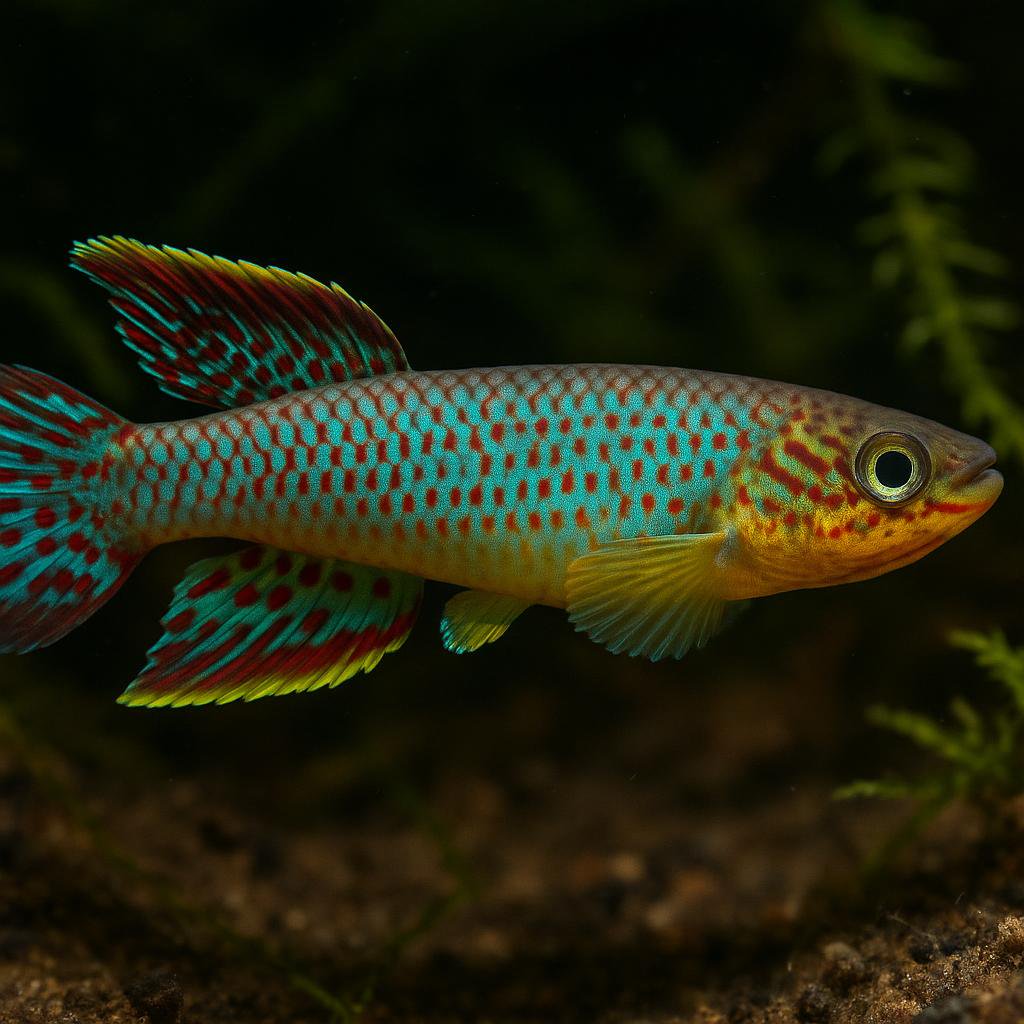
This is the big, flashy West African killifish with the ridiculous triple-point tail and electric blue-green body covered in red spotting. Males can be real attitude machines with each other, but if you give them room, cover, and a tight lid, they make an awesome centerpiece fish that will absolutely demolish live and frozen foods.
Chestnut lamprey
Ichthyomyzon castaneus
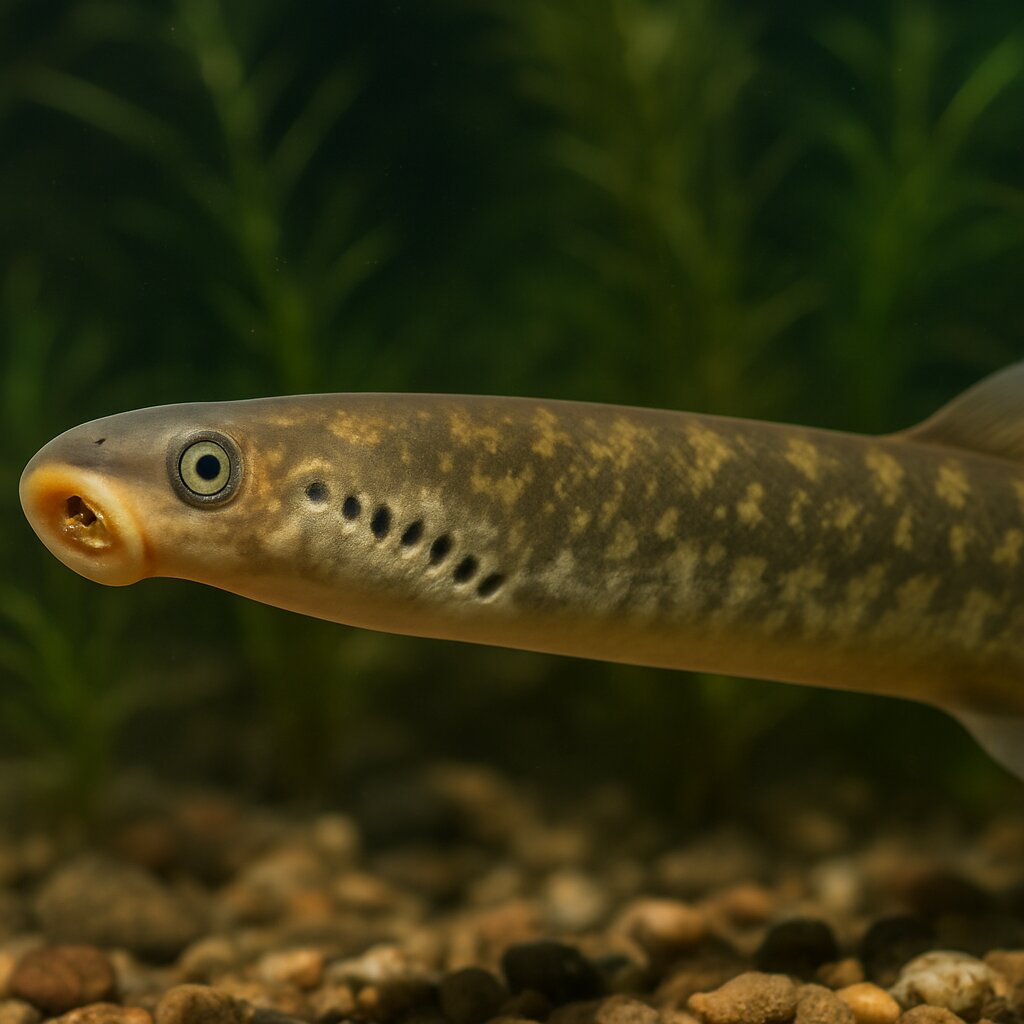
A native North American lamprey that spends 5–7 years as a burrowed, filter‑feeding larva before metamorphosing into a parasitic adult that attaches to fishes and feeds on blood and bodily fluids; adults spawn in spring and die shortly after. It inhabits flowing rivers and some lakes with cool, well‑oxygenated water and is not suitable for community aquaria.
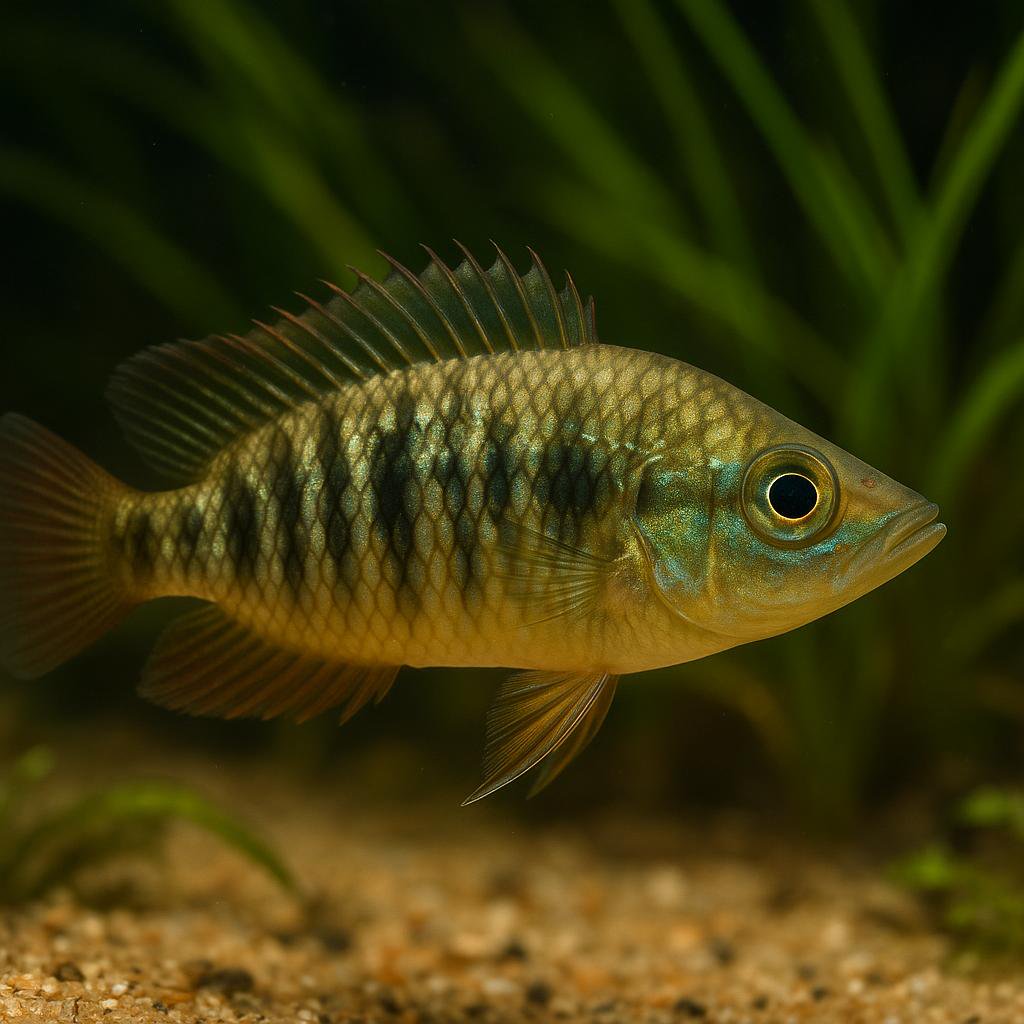
Compressiceps dwarf pike cichlid
Wallaciia compressiceps
This is one of those tiny pike cichlids that looks cute until you watch it start running the tank like a little biting terrier. It stays small, but it is a real predator with a ton of attitude, and it gets especially spicy with its own kind when pairs form.
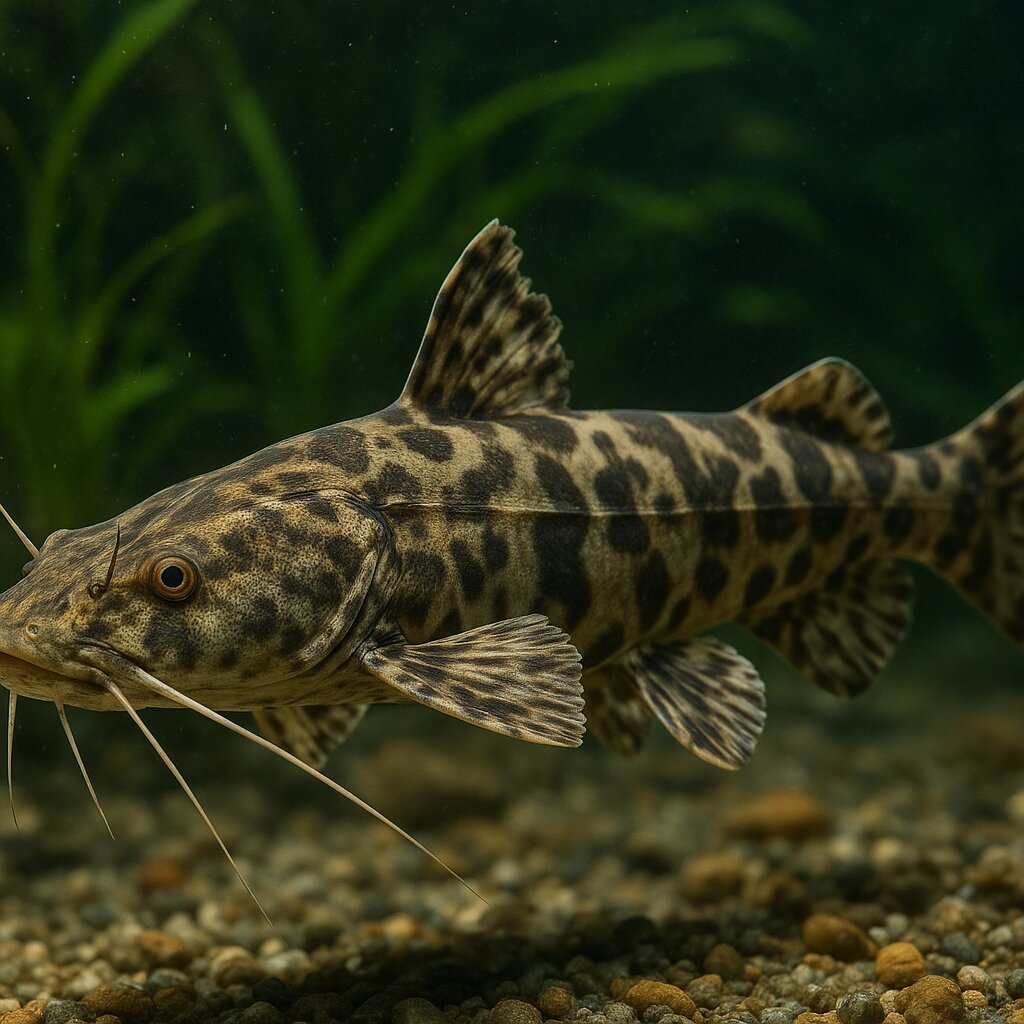
Goonch catfish
Bagarius bagarius
A true river monster with a shovel head and a mouth full of teeth, the goonch is built for blasting around boulder-strewn rapids. It is insanely strong, super predatory, and happiest in cool, fast, highly oxygenated water - think indoor-pond-with-a-river-flow setup, not a regular tank. If you love oddballs with attitude, this one is unforgettable, but it is for experts only.
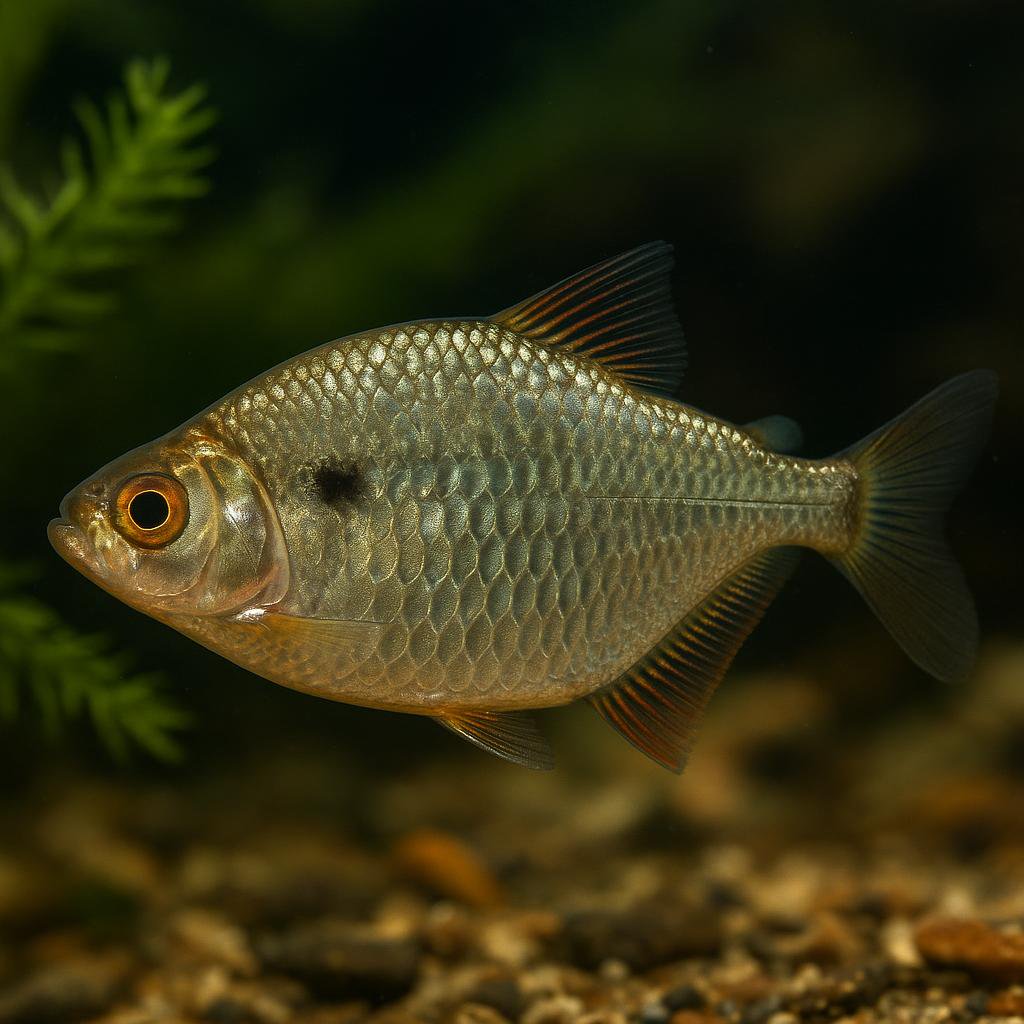
Guatemalan headstander
Roeboides guatemalensis
This is one of those oddball characins that gets lumped in with "predatory tetras" - it is built for nipping scales and mucus off other fish (lepidophagy), which is wild to watch in nature but a headache in a community tank. It is a super active, open-water swimmer, and in aquariums it usually does best treated like a specialty predator/oddity fish rather than a "tetra."
More to Explore
Discover more freshwater species.
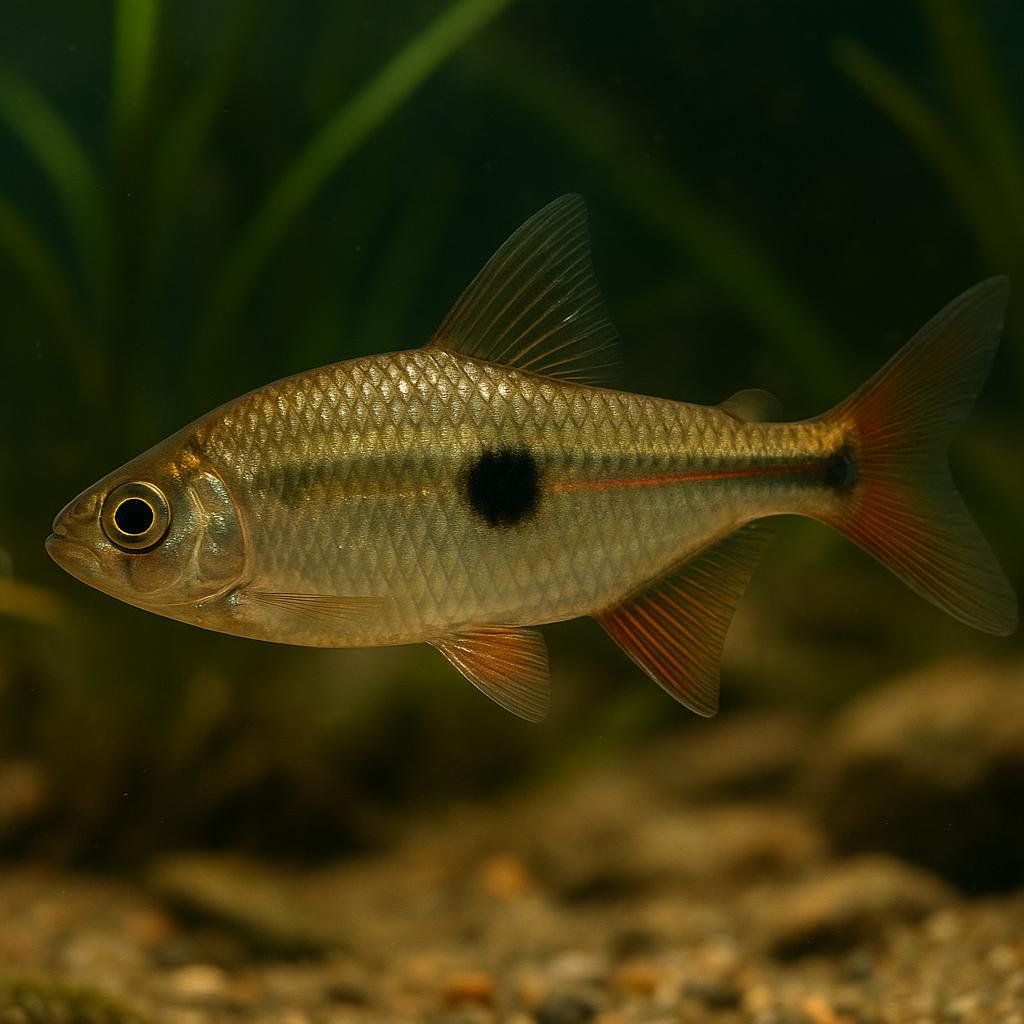
Jupiaba kurua
Small South American characin endemic to the upper rio Curuá (rio Xingu basin, Brazil). Reaches about 8.7 cm SL and inhabits clearwater rivers. Distinguished by dark dots on the bases of many lateral scales and a distinct dark caudal‑peduncle spot. Reported diet indicates omnivory, including aquatic insects, small fishes, and fragments of Podostemaceae and filamentous algae.
Amphilius dimonikensis
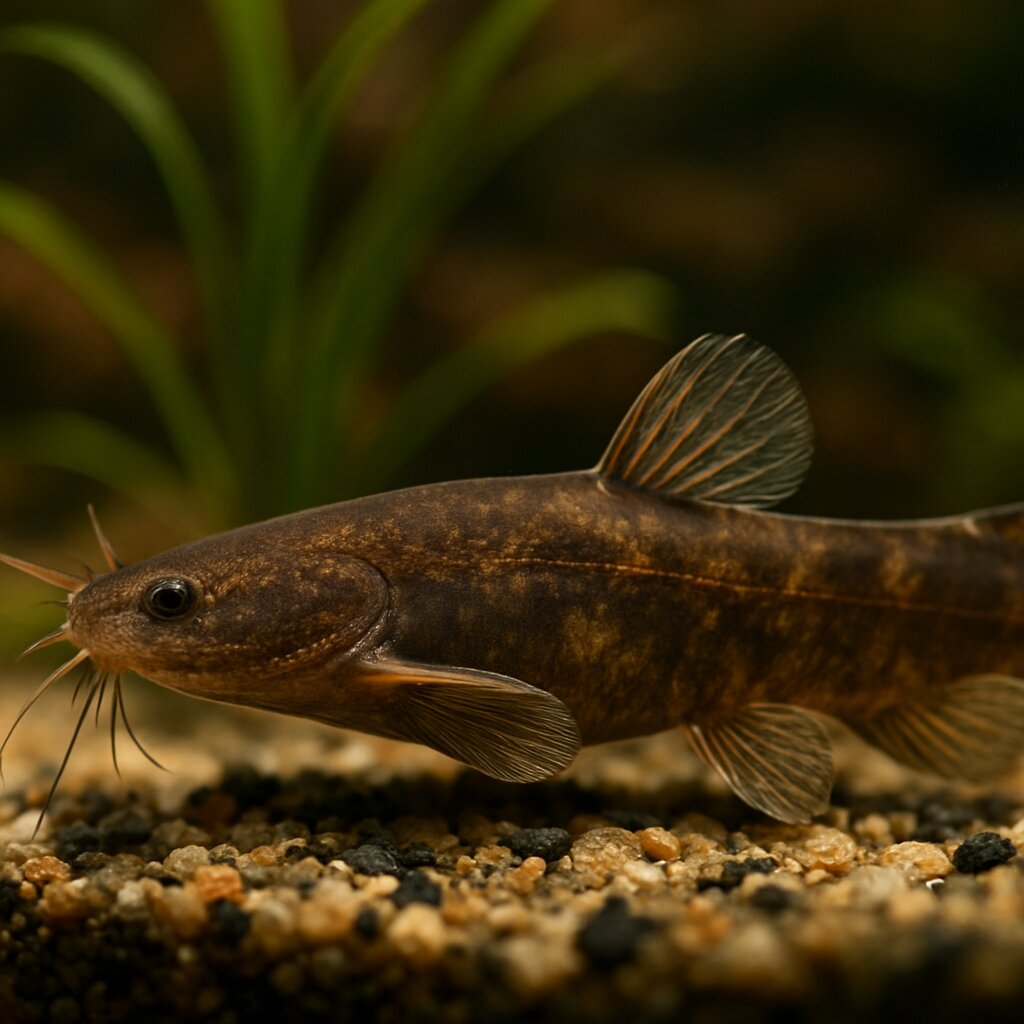
A small loach catfish endemic to the Mpoulou River in the Mayombe (Dimonika Biosphere Reserve), Republic of the Congo. Amphilius dimonikensis has a subtle banded pattern and inhabits fast, clear streams over rock and sand. In aquaria, prioritize strong, well-oxygenated flow with rounded stones and sand to mimic hillstream conditions.
Aboina barb
Enteromius aboinensis
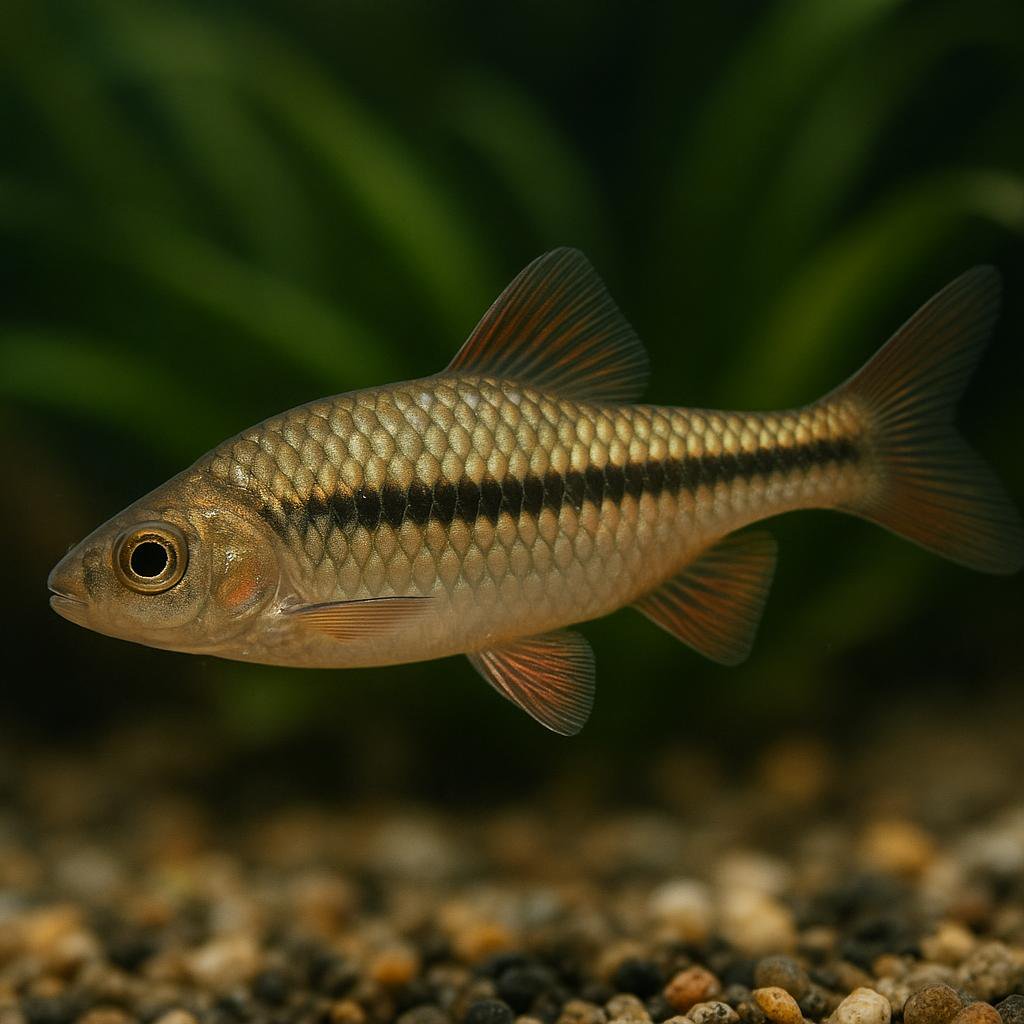
Enteromius aboinensis (the Aboina barb) is a small West African barb with a clean black midline stripe and a little spot right at the base of the tail. It does best when you treat it like a proper schooling fish - keep a decent group and give it plants around the edges with open swimming room in the middle.
Ajuricaba tetra
Jupiaba ajuricaba
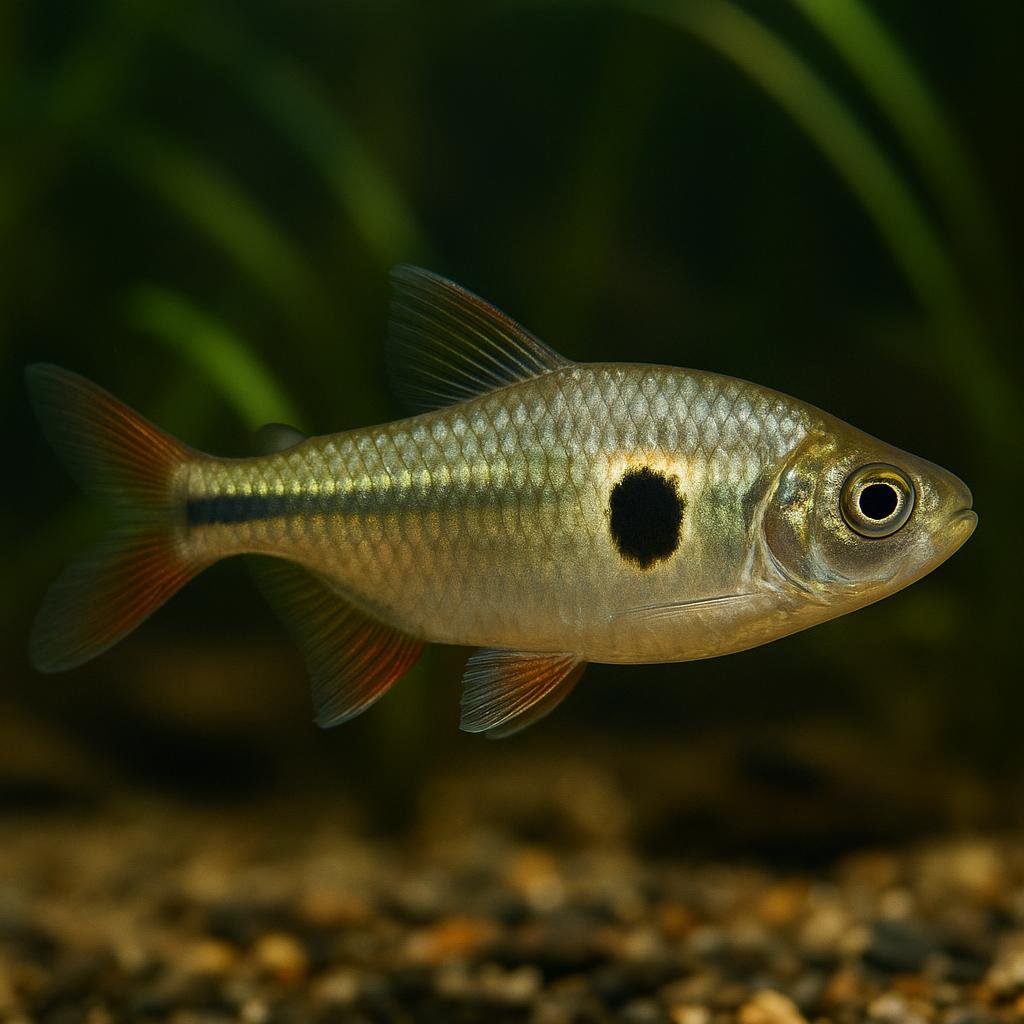
Jupiaba ajuricaba is a South American freshwater characin from the Amazon basin in Brazil (rio Negro, rio Solimões, and rio Tapajós basins). It reaches about 9.5 cm SL and is diagnosed by a narrow dark midlateral stripe, an elongated humeral spot, and an ocellated spot on the upper caudal-fin lobe. Wild specimens have been collected from blackwater forest streams and also oxbow-lake habitats.
Allen's river garfish
Zenarchopterus alleni
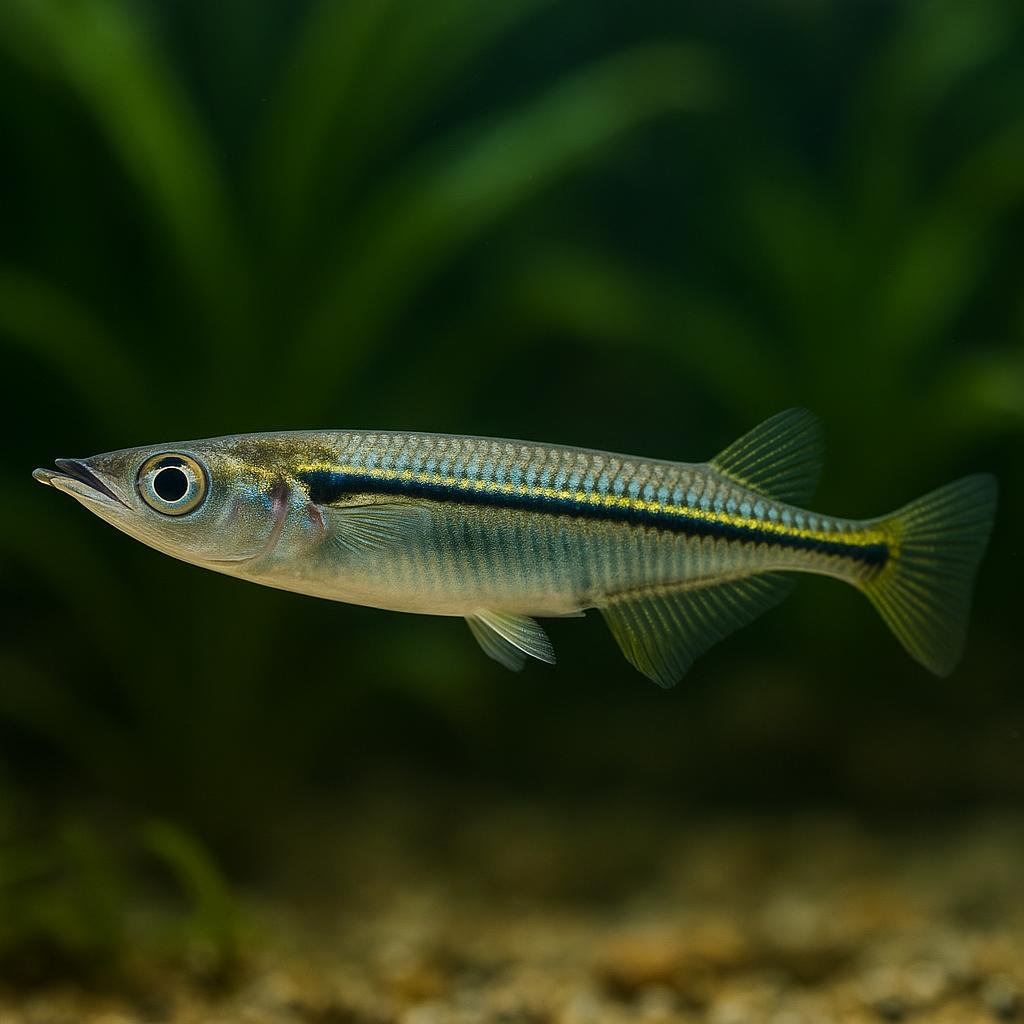
A poorly known freshwater halfbeak endemic to West Papua (Mamberamo River), described from a single specimen (~13 cm SL). Beyond basic habitat/occurrence, little is published about its ecology or aquarium suitability; assume it is a surface-oriented, jump-prone halfbeak only by analogy with related taxa.
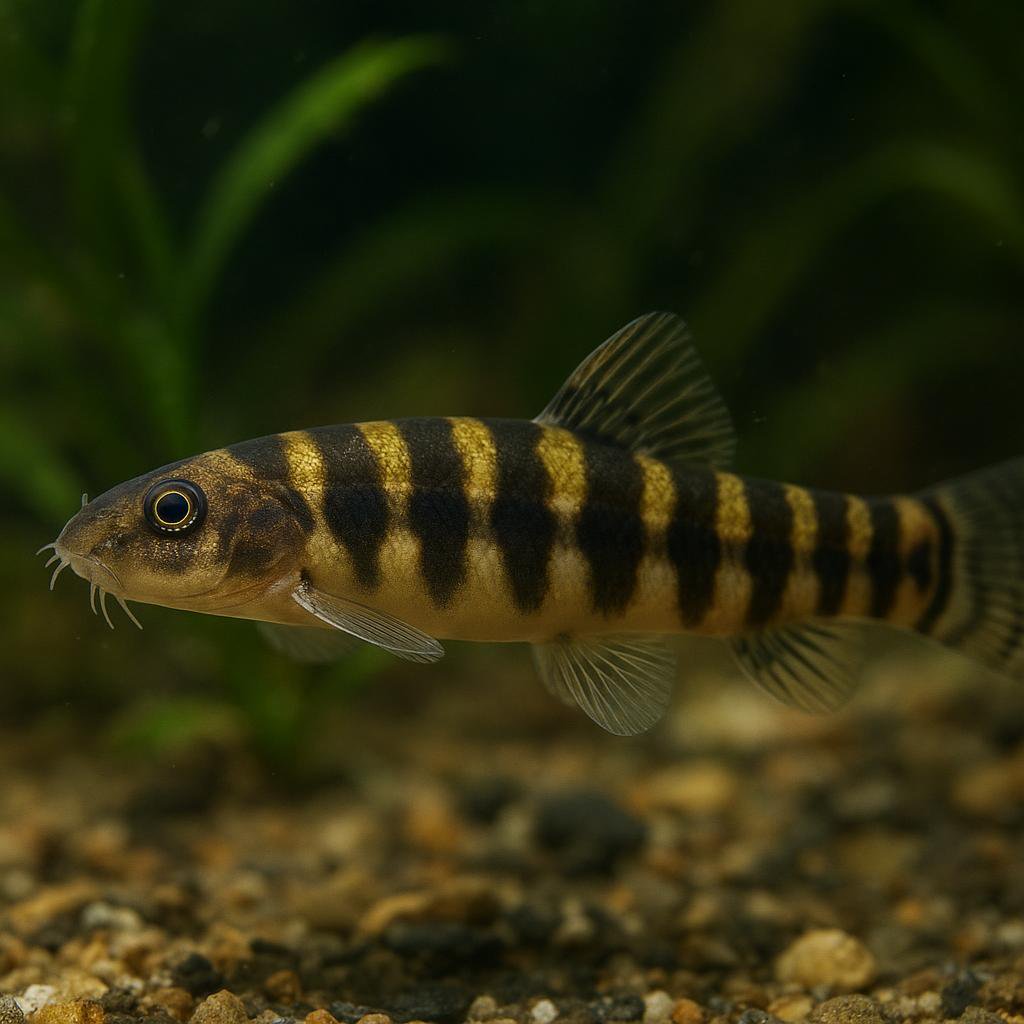
Altipedunculata stone loach
Schistura altipedunculata
Schistura altipedunculata is one of those little stream loaches that wants clean, well-oxygenated water and a bunch of rock nooks to claim as home. It is a bottom-hugger that will spend its day scooting from crevice to crevice, and it tends to get a bit spicy with its own kind if you do not give it enough hiding spots.
Looking for other species?