

Search Species
Search for fish species by common or scientific name, or use filters to browse by water type, size, temperament, and difficulty.
Found 159 species
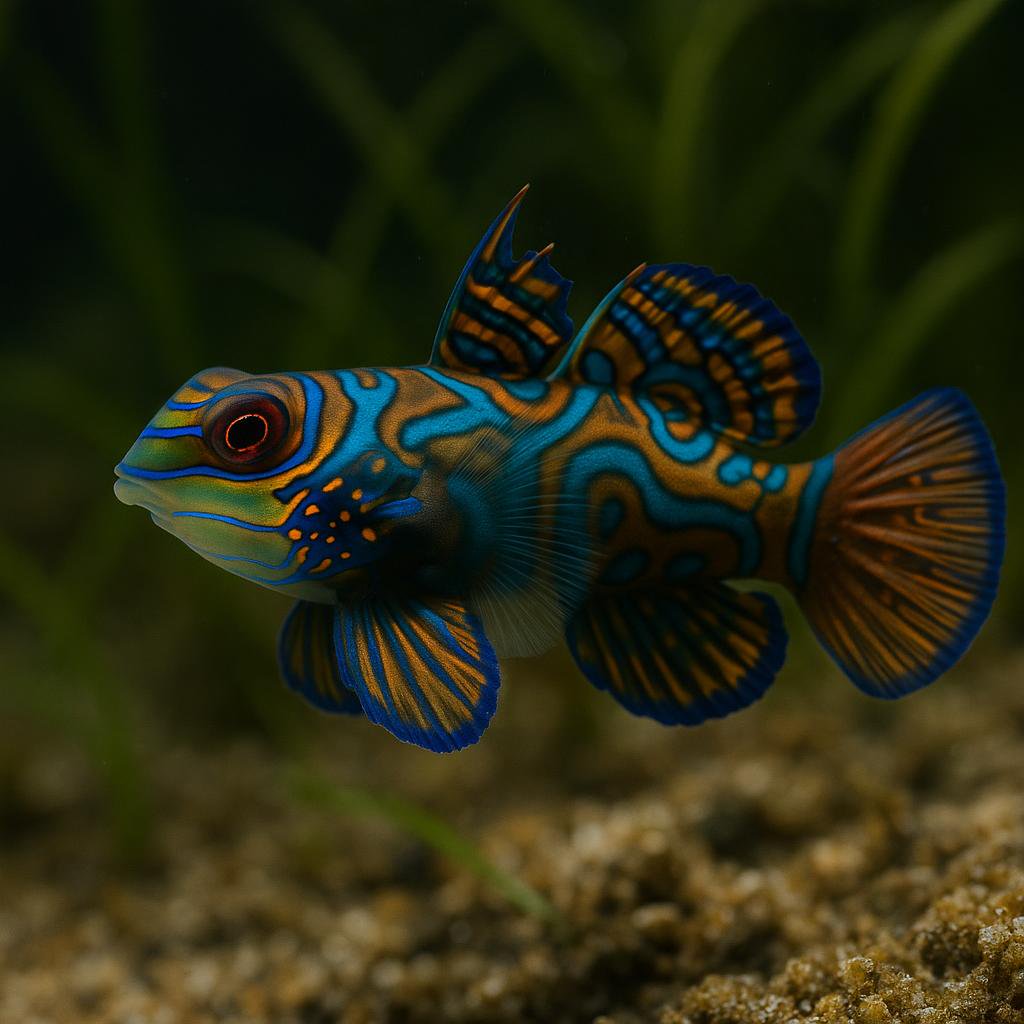
Mandarinfish
Synchiropus splendidus
This is the classic mandarin dragonet-the little reef crawler that looks like someone hand-painted neon blue and orange squiggles onto a fish. It spends basically all day pecking at live rock for tiny pods, and at dusk you can sometimes catch the pair-spawning "rise" if you keep a bonded male/female. Absolutely reef-safe, but it's one of those fish that does amazing only when the tank is truly mature and full of microfauna.
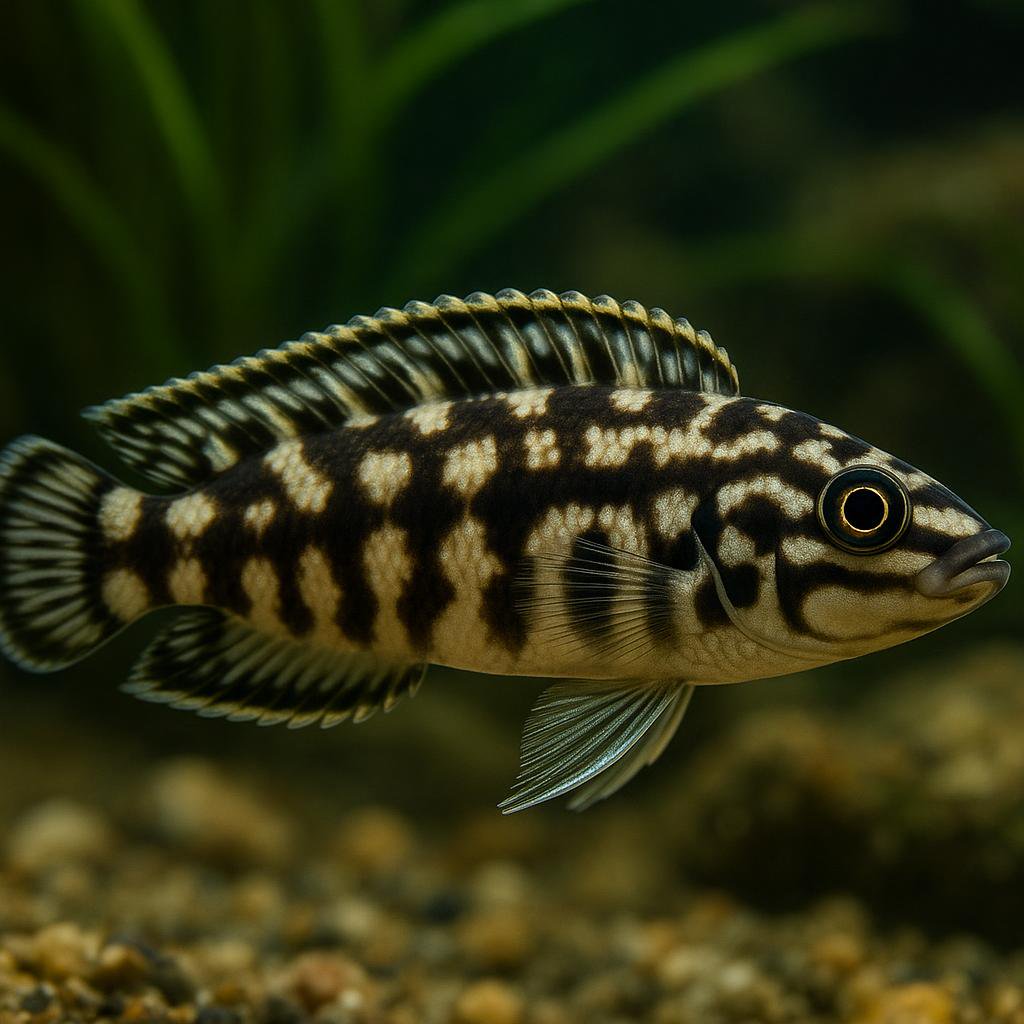
Masked julie
Julidochromis transcriptus
This is a little Lake Tanganyika rock-dweller with bold black-and-white striping and that cool dark "masked" face. Give it a pile of rocks and tight caves and it will cruise around like it owns the place, especially once it pairs up. Small fish, big attitude - but in a manageable, "fun to watch" way if you plan the tank around territories.
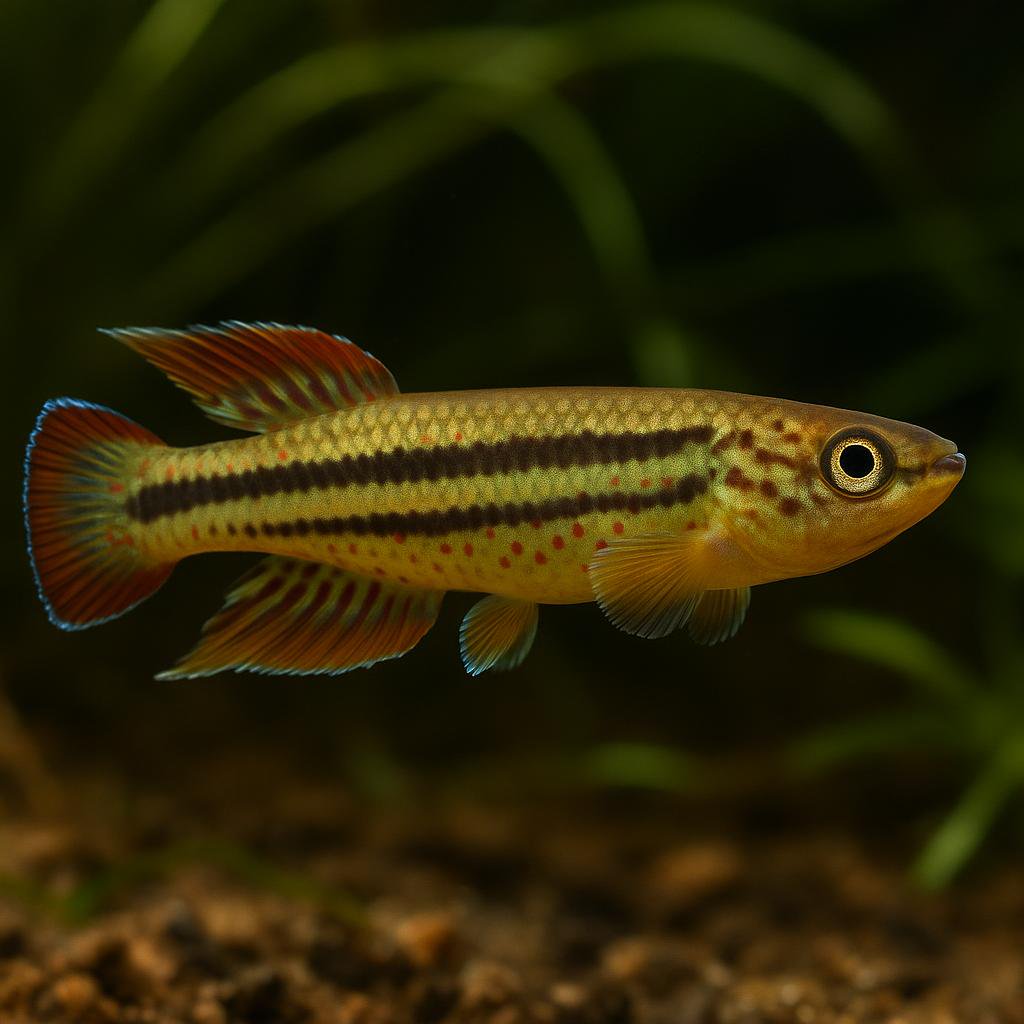
Meinken's lyretail
Fundulopanchax oeseri
Fundulopanchax oeseri is a small West African lyretail killifish endemic to Bioko (Equatorial Guinea). Aphyosemion trilineatum (often misspelled “trilineatus”) is a junior synonym of this species; other historical names include Aphyosemion meinkeni and Aphyosemion santaisabellae. Males show blue‑green flanks with fine red lines, and this expert jumper prefers cool, very soft, acidic water.
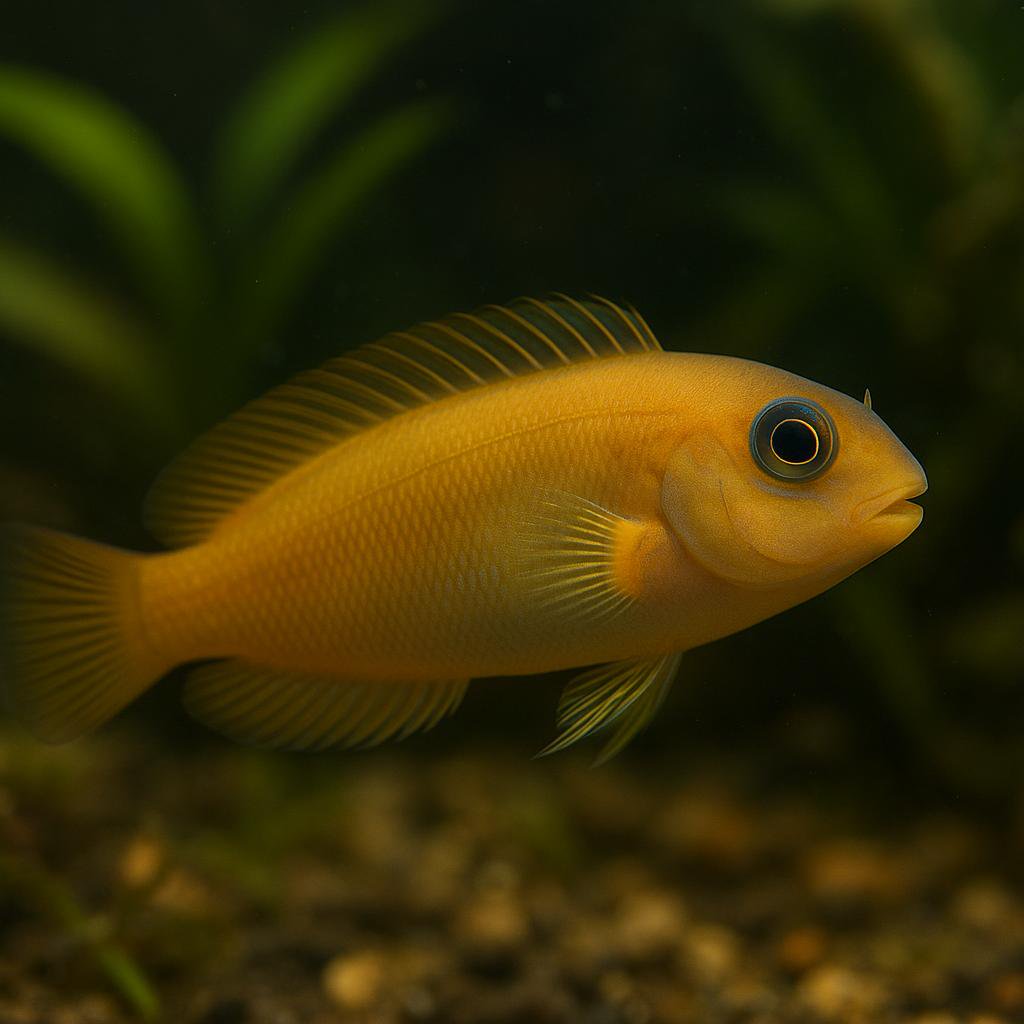
Midas blenny
Ecsenius midas
Midas blennies are those weirdly "blenny-but-also-open-water" fish that zip around the tank like a tiny golden torpedo, then duck into a hole like nothing happened. They'll even color-shift and loosely school with anthias in the wild, which is honestly one of the coolest behaviors you'll see in a reef fish.
Moensis killifish
Fundulopanchax moensis
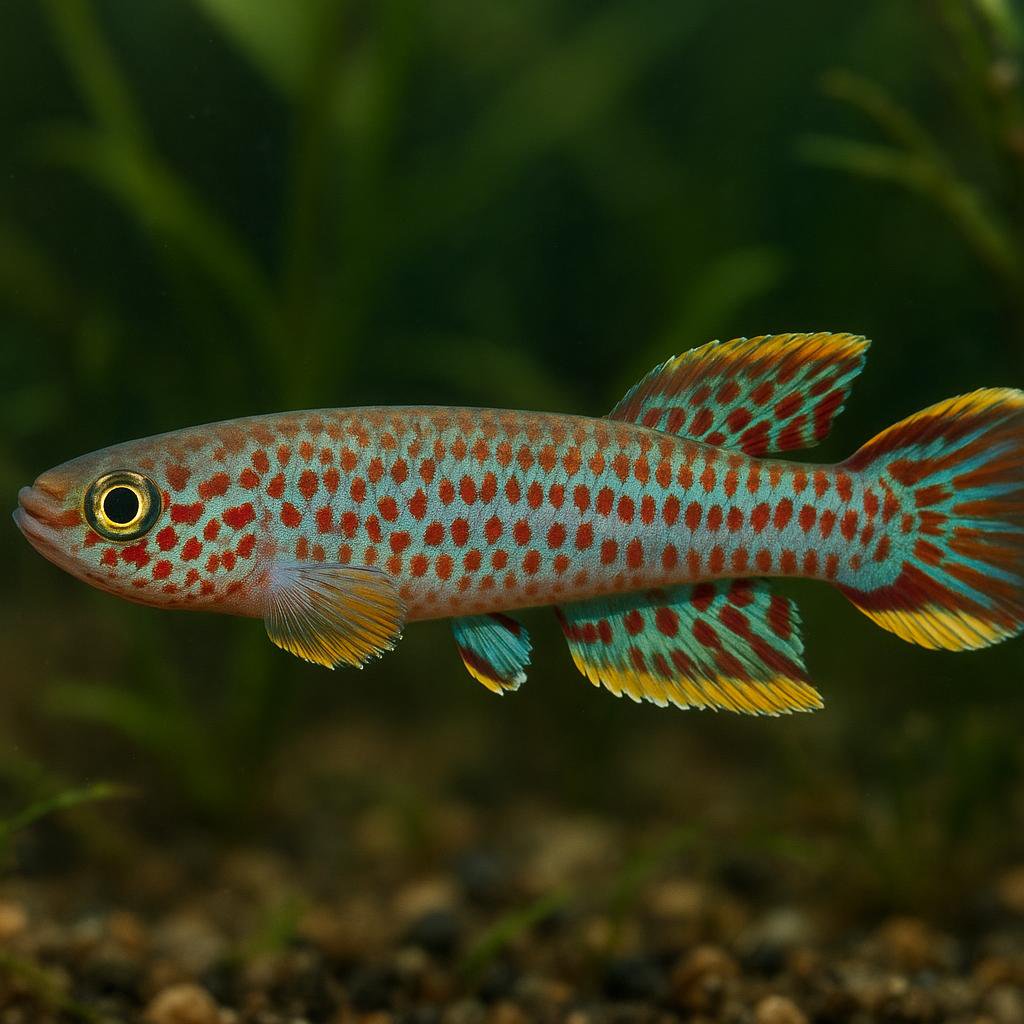
A small West-Central African killifish from rainforest streams in Cameroon's Cross River system. Males show bright blue with red spotting and colorful fins, and they court actively and place eggs in fine plants or peat. It is rarely seen in shops but has a following among killifish specialists.
Needlespine coral goby
Gobiodon acicularis
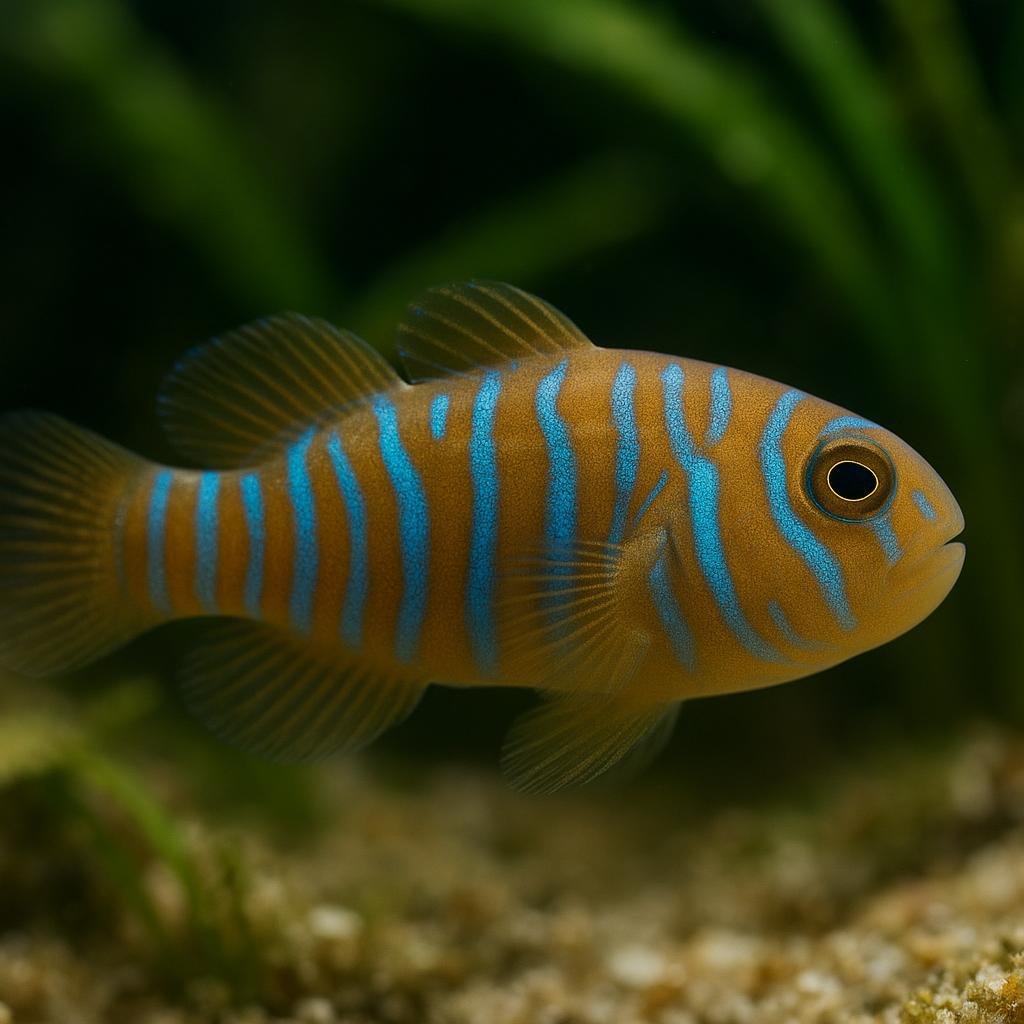
A tiny coral-dwelling goby that perches among branching SPS corals and can be nearly jet-black to brown. It is the only Gobiodon with a filament-like first dorsal spine, which looks wild when it flicks it while displaying.
Neon Green Rasbora
Microdevario kubotai
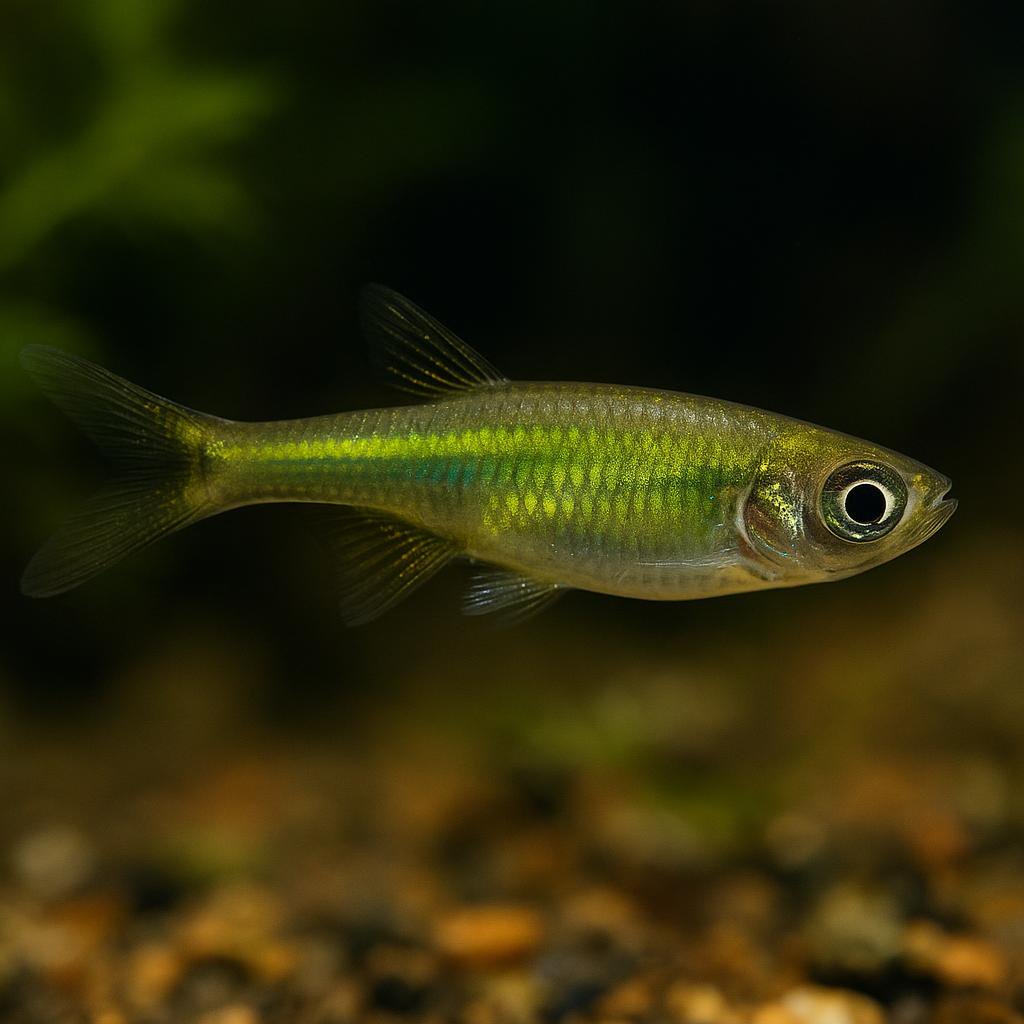
This is that tiny, glassy-yellow fish that turns into a little green highlighter once it settles into an aquarium-especially over a dark substrate and under decent lighting. They're super active mid-water shoalers, and the whole group "flashing" that neon stripe together is the main event. Keep them in a proper group and they get way bolder and look a lot more intense.
Neon Tetra
Paracheirodon innesi
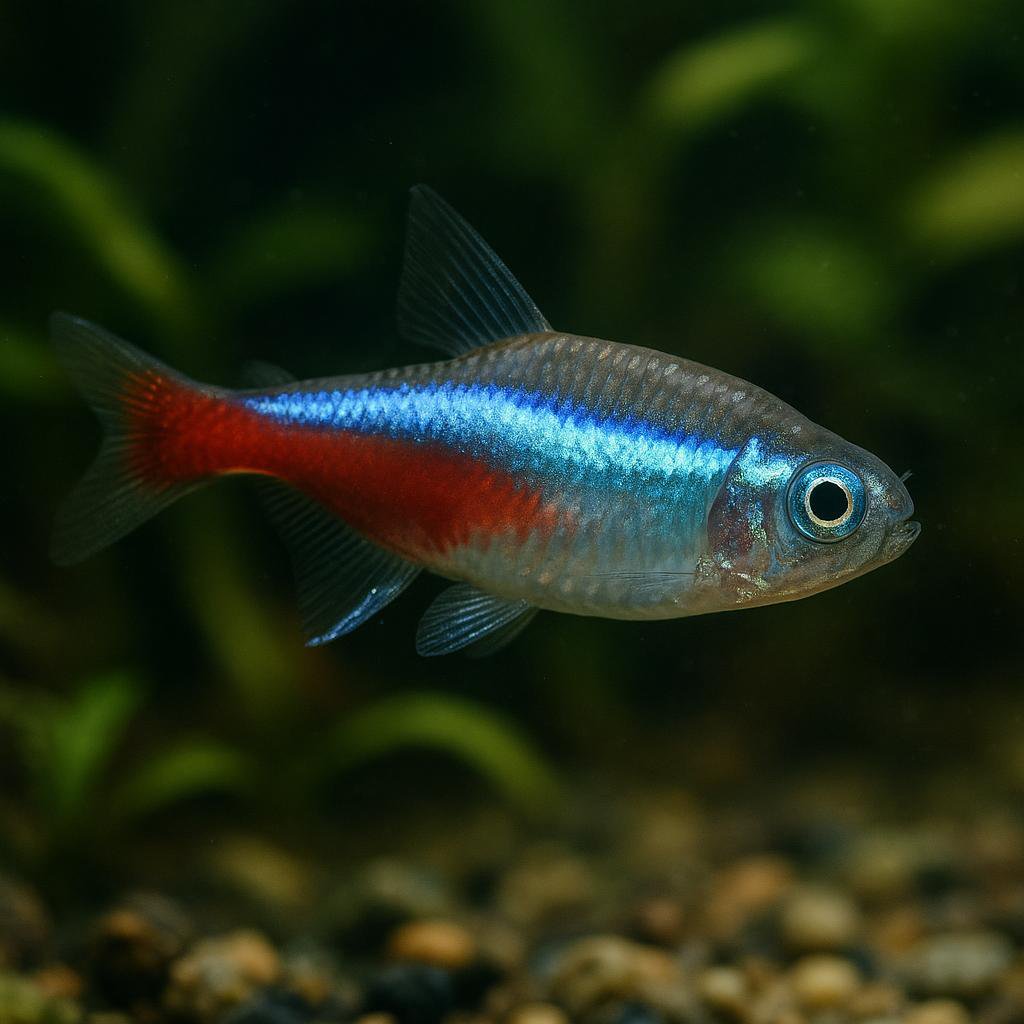
The Neon Tetra is a small, brightly colored fish known for its vibrant blue and red stripes that run the length of its body. It is a favorite among aquarists due to its striking appearance and peaceful nature. Neon Tetras are schooling fish that thrive in groups, adding a lively and colorful presence to any aquarium.
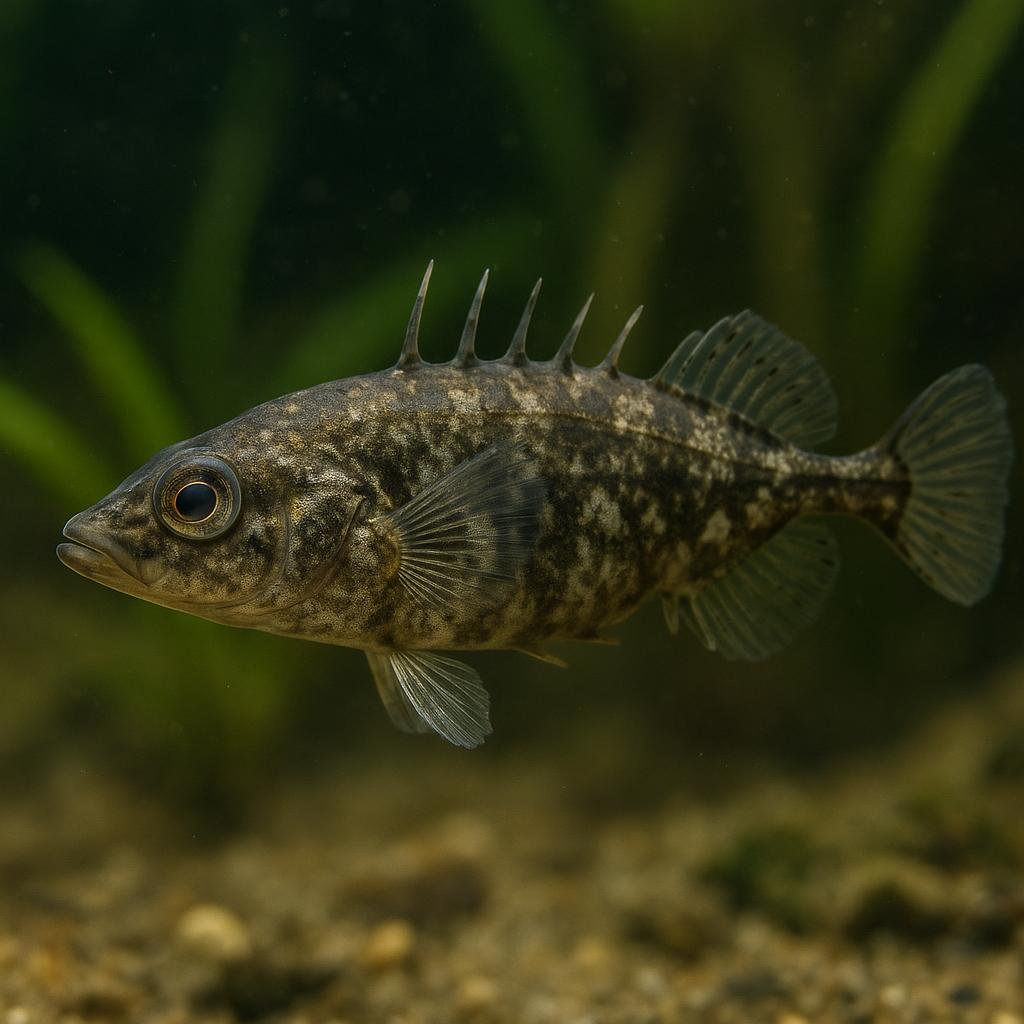
Ninespine Stickleback
Pungitius pungitius
The ninespine stickleback is a small, slender stickleback with multiple short dorsal spines and a silvery to brownish body that often shows subtle mottling. Males can develop darker coloration and enhanced contrast during breeding and may become more territorial while guarding a nest. It is adaptable to cool, well-oxygenated water and is best kept with similarly temperate species rather than tropical community fish.
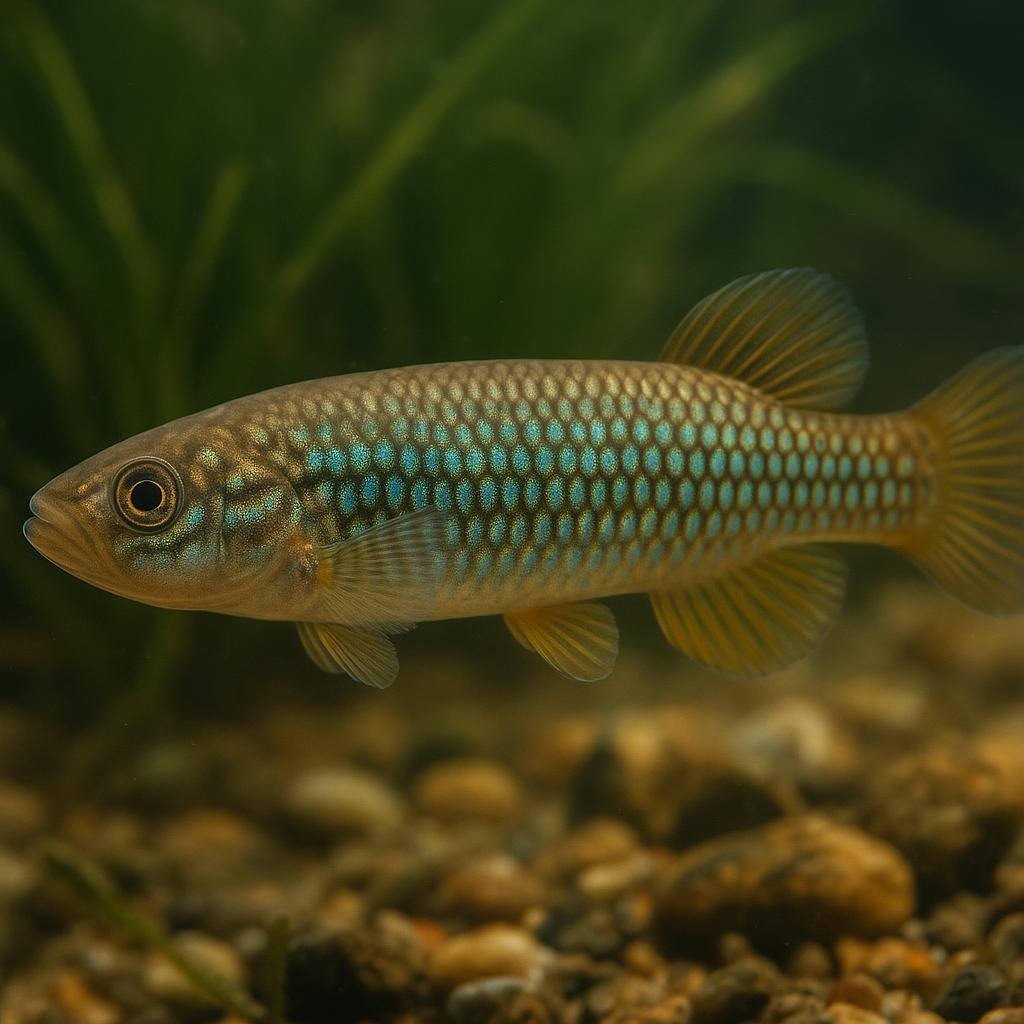
Northern studfish
Fundulus catenatus
A big North American killifish, males glow turquoise-blue with orange-edged tails and fine red lines in breeding dress. It rockets along the surface in clear, cool creeks and can be feisty and jumpy, so a tight lid and roomy quarters are a must.
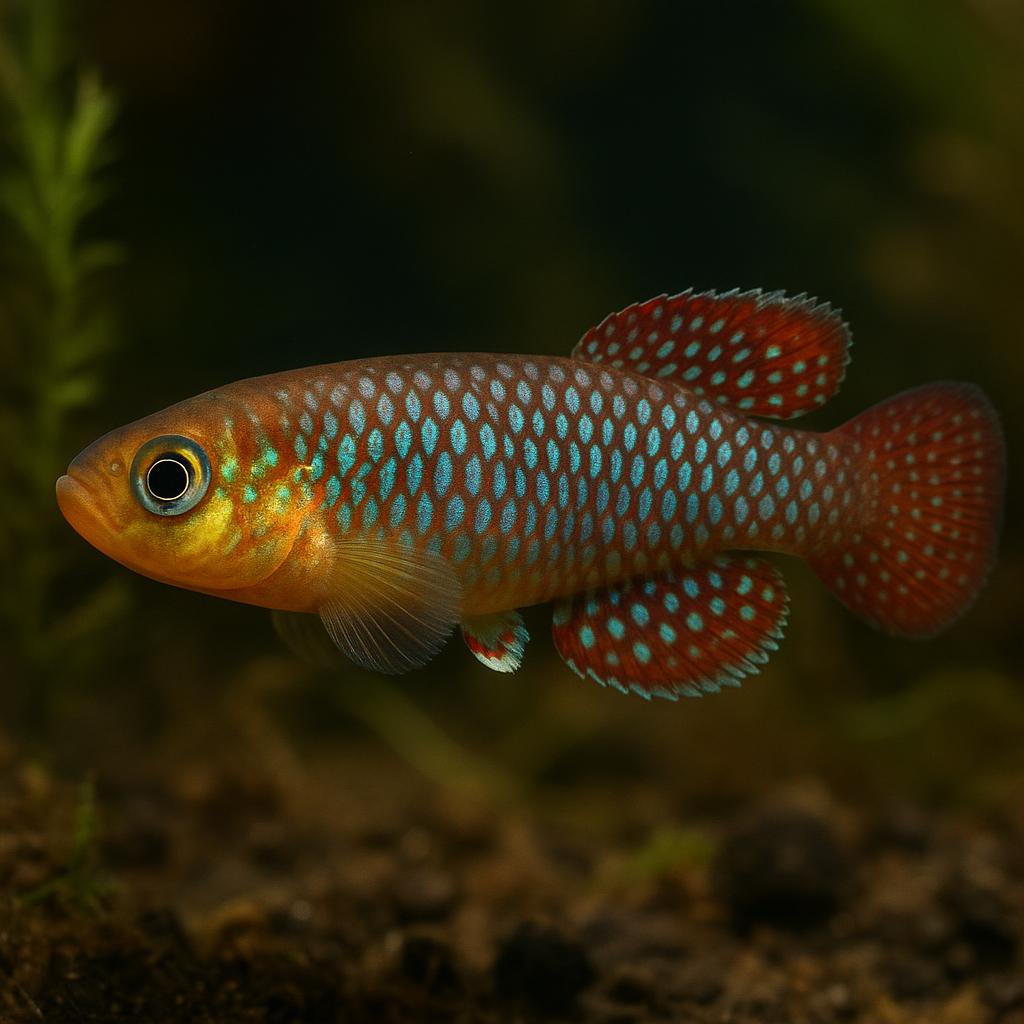
Nothobranchius foerschi
Nothobranchius foerschi
A small annual killifish from coastal Tanzania, males glow with green-blue bodies, red-reticulated scales and a bright red tail. It lives in seasonal pools and lays eggs that can pause development in dry peat, which makes its life cycle fascinating to watch.
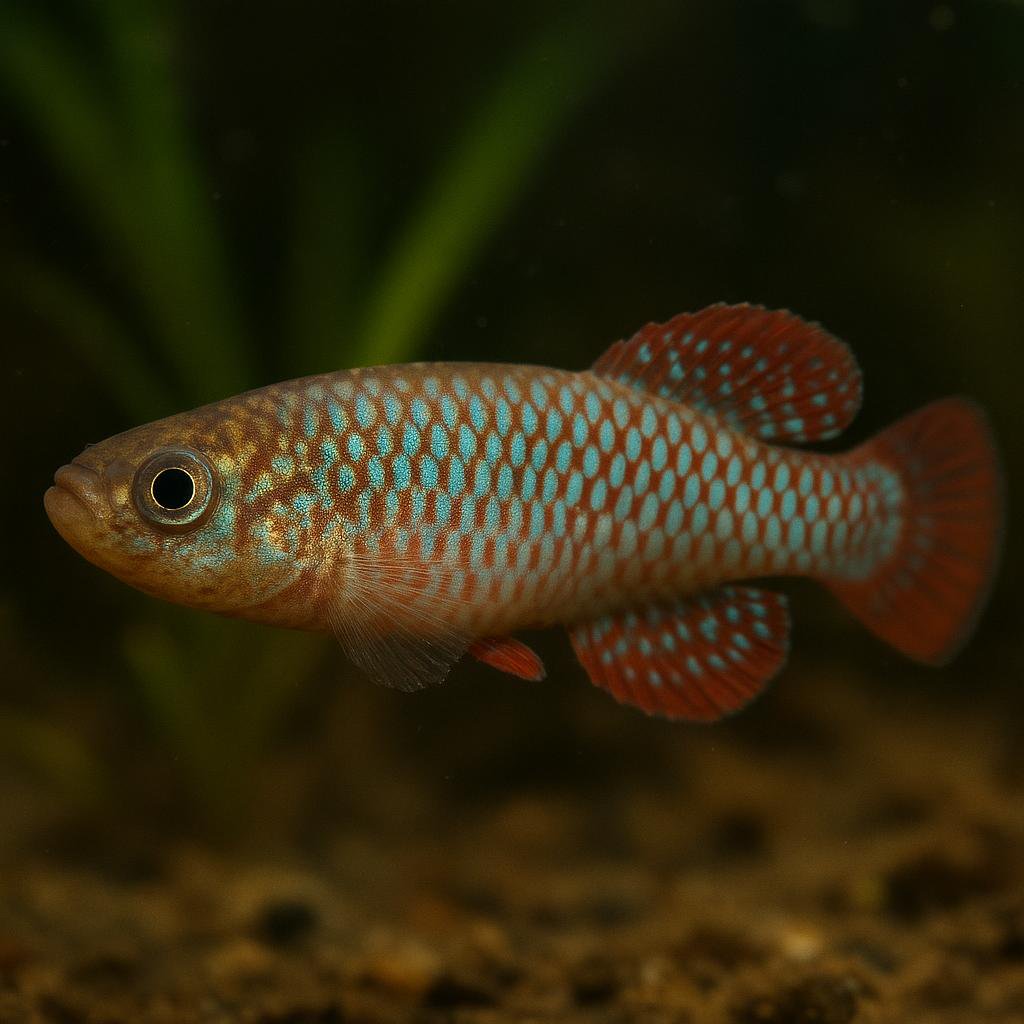
Nothobranchius rungwaensis
Nothobranchius rungwaensis
A tiny annual killifish from seasonal pools in the Rungwa River system of western Tanzania, males glow blue-green with yellow-and-black fin bands. It grows fast, reaches maturity in a few weeks, and its eggs develop dry in peat, which is part of the fun for dedicated keepers.