

East-Pacific ventbrotula
Ventichthys biospeedoi
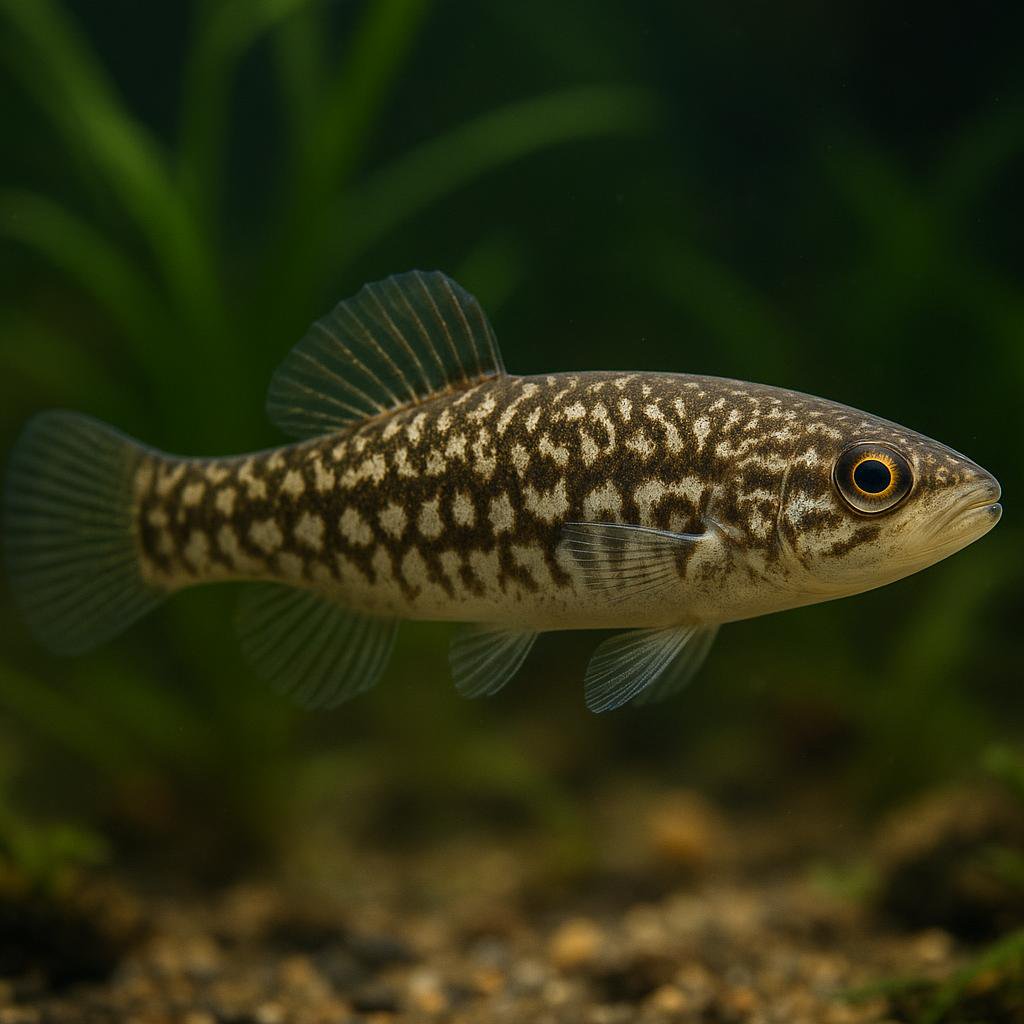
The East-Pacific ventbrotula features a slender, elongated body with a pale, sandy coloration and distinctive, large, protruding eyes.
This page includes AI-generated images. Why am I seeing AI images?
About the East-Pacific ventbrotula
This is a deep-sea cusk-eel that lives right around hydrothermal vents on the Southeast Pacific Rise - basically the fish equivalent of hanging out next to an underwater volcano. Its thick skin and other oddball body features are thought to be adaptations for that extreme vent neighborhood, and it seems to be a scavenger/predator on small stuff down on the bottom.
Quick Facts
Size
28.2 cm SL
Temperament
Semi-aggressive
Difficulty
Expert
Min Tank Size
0 gallons
Lifespan
unknown
Origin
Southeast Pacific
Diet
Carnivore/scavenger - likely small prey items and carrion (baited trap captures suggest necrophagy)
Water Parameters
2-7°C
Care Notes
- This is a deep-vent fish, so a normal reef tank is basically the wrong planet - you need a chilled, dark setup (think 2-6 C / 36-43 F) and steady pressure simulation if you want it to last more than a short stint.
- Run marine salinity like natural seawater (around 1.025-1.026 SG) but keep oxygen very high with hard turnover and redundant aeration - cold water holds O2 well, but these fish crash fast if flow stalls.
- Skip bright lights and open rockscapes; give it tight caves and PVC burrows and keep the whole tank dim, or it will stay stressed, hide constantly, and refuse food.
- Feed small meaty stuff: enriched mysis, finely chopped shrimp, clam, and live or freshly thawed amphipods/copepods; target feed with a tube at dusk because it is a shy, slow picker.
- Avoid pushy tankmates (dottybacks, aggressive wrasses, triggerfish) and even most 'peaceful' reef fish will outcompete it; think coldwater, low-energy companions only, or species-only.
- Watch for barotrauma signs (buoyancy issues, bloating, weird floating) and temperature spikes - either one can spiral quickly, so keep a chiller alarm and backup power like you actually mean it.
- Breeding in captivity is basically a science project: they are livebearers (brood the young), and getting a stable pair and the right cold/pressure cues is the whole game, not some 'add a cave and wait' thing.
Compatibility
Good Tankmates
- Other sturdy, semi-chill deepwater-type fish that mind their own business (think small-to-medium slope basslets or similar cryptic perchy fish). They do fine as long as everybody has a cave and you do not cram them in.
- Tough gobies that stay on the sand and keep to a burrow (watchman-type gobies, shrimp gobies). The ventbrotula mostly cares about its own hide, so the goby doing goby things is usually ignored.
- Hawkfish that are not oversized (flame or longnose, not a monster one). Similar attitude level - a little spicy, but usually not a nonstop brawler if the tank has structure and line-of-sight breaks.
- Smaller tangs or bristletooth tangs in a big enough tank. They are fast, confident, and they do not hover around caves where the ventbrotula gets cranky.
- Medium wrasses that are always on the move (fairy and flasher types, some halichoeres if the tank is big). They are quick enough to avoid a lunge and do not try to steal the cave.
- Rabbitfish (foxface-type) if the tank is roomy. They are calm but not pushovers, and the venomous spines make most semi-aggressive fish think twice about starting something.
Avoid
- Tiny timid fish that hover near rock and sleep in little holes (small firefish, tiny assessors, small cardinals). The ventbrotula will treat them like snacks or bully them off the good hiding spots, especially at lights-out.
- Other cave bullies and ambush types that want the same real estate (dottybacks, big pseudochromis, bigger basslets, aggressive blennies). This turns into a 'who owns the hole' situation fast.
- Slow fancy-fin fish and anything that perches and chills in reach (some scorpionfish, lionfish, long-fin stuff). Either they get harassed or you end up with a mouth-sized 'oops' moment.
- Really aggressive bruisers (larger triggers, nasty damsels, mean hawks, big groupers). They will either pin the ventbrotula in a corner or start ripping fins and stressing everything out.
Where they come from
East-Pacific ventbrotulas are deep-sea, vent-adjacent fish from the eastern Pacific. Think cold, dark water, heavy pressure, low light, and a steady rain of meaty bits rather than algae and sunshine. They are not a "reef fish" in any normal sense, and that difference drives pretty much every decision you make with them.
Real talk: this is an expert-only animal because the hard part is not just keeping water clean. It is replicating cold, stable, low-stress conditions and getting them feeding without slowly wasting away.
Setting up their tank
If you are picturing live rock, bright LEDs, and a bustling community, flip that idea around. I had the best results treating them like a cold-water, low-light ambush fish that hates surprises.
- Temperature: cold-water system. Aim for the low-to-mid 40s F (around 6-8 C) if you are trying to match the vibe they are built for. Warmer tends to look fine for a bit, then they go downhill.
- Light: dim. If you want to view them, use very low output and plenty of shaded areas.
- Tank size: bigger than you think because stability matters. I would not bother under 75 gallons, and 120+ is more forgiving.
- Flow: moderate, not blasting. You want good gas exchange and turnover, but they should be able to sit in calm pockets.
- Filtration: oversized skimming and aggressive mechanical filtration. Feed is messy and you will be feeding meaty foods.
- Oxygen: high. Cold water holds more O2, but do not get complacent - use strong aeration and surface agitation.
- Hiding: lots of caves, overhangs, and tight crevices. Give them multiple "parking spots" so they do not feel cornered.
- Substrate: sand or fine rubble is fine. Skip sharp decor. Deep-sea fish get beat up easily in cramped rock piles.
Build the rockwork like a series of shaded tunnels and dead-end caves. Mine settled way faster once there were several dark retreats where no other fish could pester them.
Stability is the name of the game. These fish do not forgive big swings in salinity, pH, or temperature. I ran an auto top-off, logged temp daily, and did smaller, more frequent water changes instead of big ones.
Avoid "new tank syndrome" at all costs. Let the system run mature for months, not weeks, before adding one. They do badly in tanks that are still cycling through ugly phases.
What to feed them
They are carnivores, and they like real food. The trick is getting them to recognize it and getting enough calories into them without fouling the tank.
- Start foods: thawed mysis, chopped shrimp, chopped squid, small pieces of clam, enriched brine (as a transition, not a staple).
- Best long-term staples: a rotation of marine-origin crustacean and mollusk flesh. Variety helps keep them from getting skinny.
- Target feeding: use feeding tongs or a long pipette and place food right in front of their face, especially at first.
- Schedule: small feedings more often beats one big dump. I had better body weight with 4-6 small offerings per week than with "feast days."
Feed after lights-out or in very low light. Mine ignored food in brighter conditions, but would snap at it once the tank was dim and quiet.
Watch the belly line and the thickness behind the head. With vent-adjacent deepwater fish, you can have a specimen that looks "fine" for weeks while it is actually slowly starving. If it is not steadily taking food, treat that as an emergency, not a wait-and-see situation.
How they behave and who they get along with
They are generally calm, cryptic fish. Most of the time you will see them posted up in a cave, shifting position, then doing a quick burst to grab food. They spook easily, and repeated startle events are a fast track to refusal to feed.
- Temperament: not a brawler, but will eat anything that fits in the mouth.
- Best tankmates: other cold-water, low-aggression species that do not compete hard for food.
- Avoid: fast, pushy feeders (they will starve your ventbrotula), fin nippers, and anything that constantly cruises their hiding spots.
- Also avoid: tiny fish or shrimp you are emotionally attached to. If it can fit, it is on the menu eventually.
Competition is the silent killer here. Even a "peaceful" fish can outcompete them just by being quicker at mealtime.
I had the most success keeping them either solo or with one or two very mellow, similarly paced cold-water fish. The more movement in the tank, the more they stayed tucked away and the worse feeding went.
Breeding tips
Breeding in home aquaria is more in the "interesting to talk about" category than something you should plan around. Deep-sea species often have cues tied to pressure, seasonal pulses of food, and environmental rhythms we do not replicate well.
If you ever get a bonded pair and see consistent courtship, document everything: temperature trend, feeding volume, photoperiod, and any water chemistry changes. Even negative results help the next person.
If you want to try anyway, focus on creating a very steady, low-stress environment with abundant food, lots of secure caves, and minimal disturbance. The best "breeding tip" I can give is honestly: do not chase them around the tank, and do not keep changing their world.
Common problems to watch for
- Not eating: the big one. Usually tied to stress, too much light, too much competition, or temperature running too warm.
- Slow weight loss: they may take a bite here and there but still lose mass. Increase frequency and improve target feeding.
- Injuries from rockwork: they wedge into tight spaces. Rough or unstable rock piles lead to scrapes and infections.
- Bacterial issues after shipping: deepwater fish can come in compromised. Watch for redness, fin erosion, cloudy eyes, rapid breathing.
- Low oxygen events: power outages or clogged intakes hit cold systems hard because these fish already run on a narrow comfort zone.
- Nitrate creep from meaty feeding: heavy feeding plus cold water setups can mean slower biological response. Stay on top of mechanical filtration and water changes.
If you see rapid breathing, hanging in the open, or sudden refusal to leave a hide even for food, stop tinkering and start checking basics immediately: temperature, oxygen, ammonia, and salinity. These fish do not bounce back well from "we will fix it tomorrow."
If you can keep them calm, cold, and well-fed, they can be surprisingly steady. Most failures I have seen were not from one dramatic crash, but from a month of little stressors stacking up until the fish just quit.
Similar Species
Other marine semi-aggressive species you might be interested in.
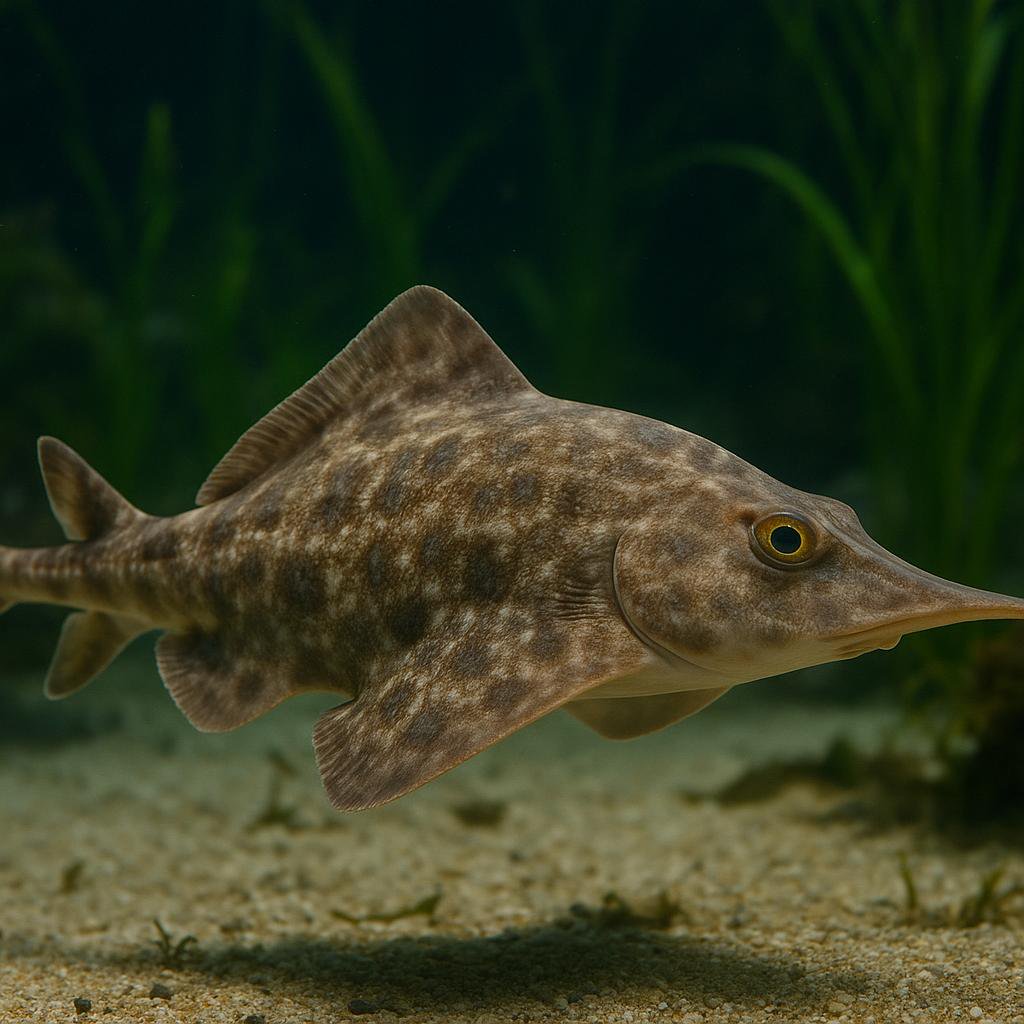
Aleutian skate
Bathyraja aleutica
This is a big, cold-water deep-slope skate from the North Pacific that cruises muddy bottoms and eats chunky benthic prey like crabs and shrimp. The really cool bit is its egg-laying skate life - it does distinct pairing (the classic skate "embrace") and drops those tough egg cases on the seafloor. Not an aquarium fish at all unless you're basically running a public-aquarium-style chilled system.
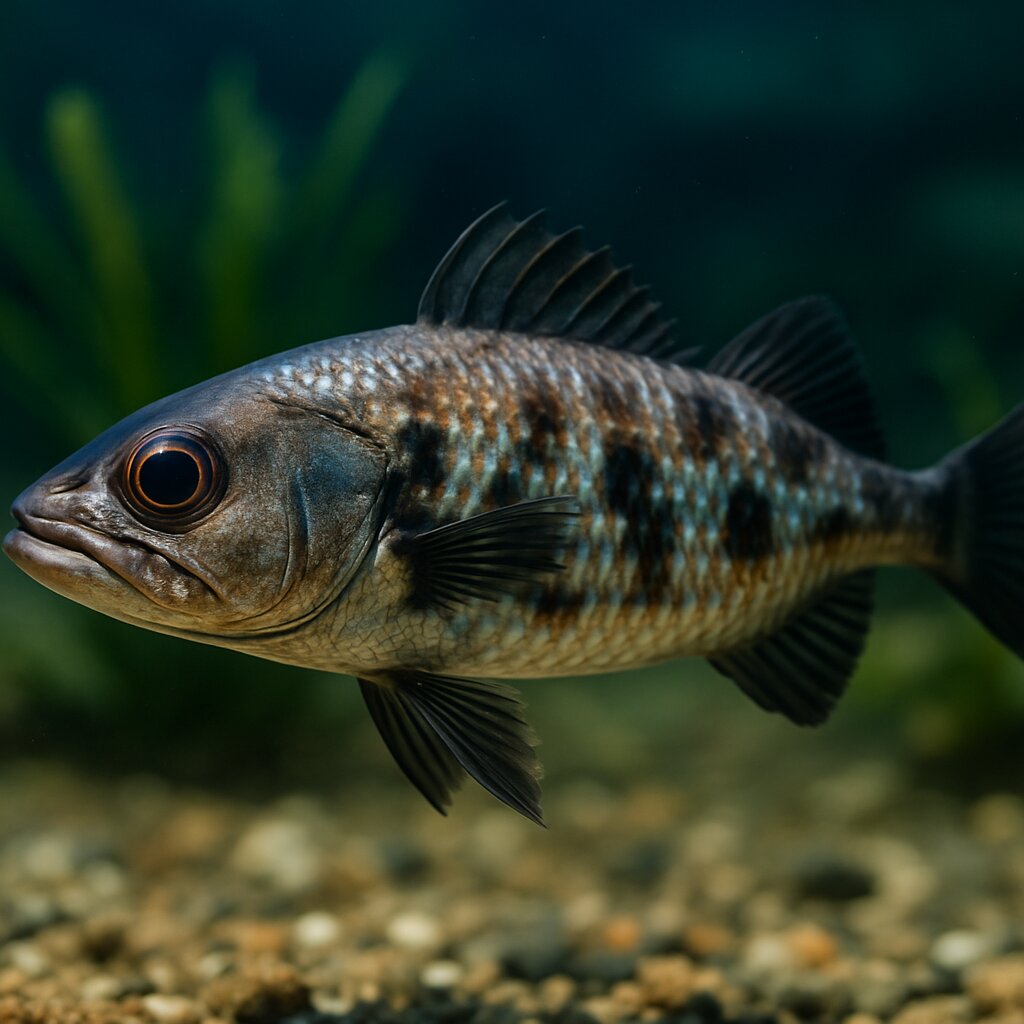
Antarctic dragonfish
Vomeridens infuscipinnis
Deep down around Antarctica, this sleek dragonfish cruises the water column like a little submarine, nearly neutrally buoyant so it can hover above the seafloor. It munches almost exclusively on Antarctic krill and lives in near-freezing water 500-800 m down, so it is a cool species to read about, not one for home tanks.
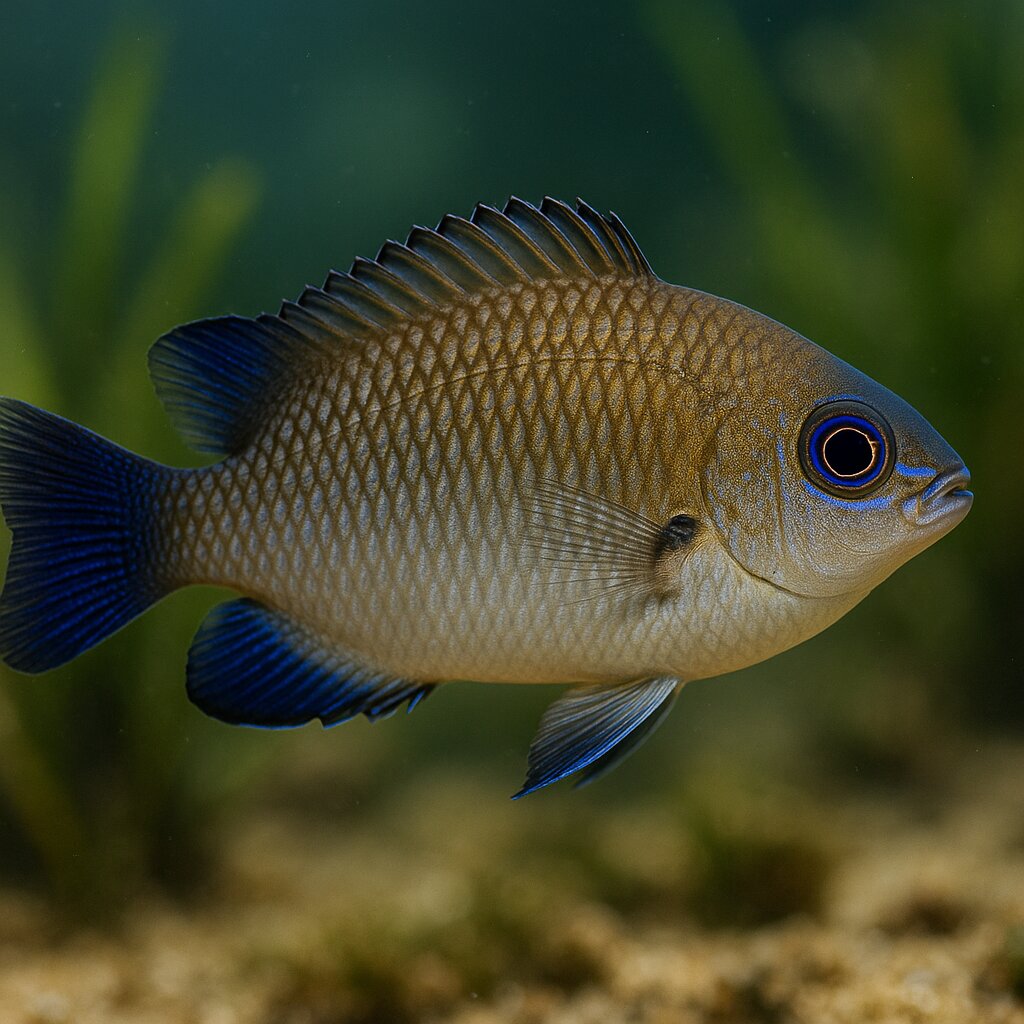
Arabian demoiselle
Neopomacentrus sindensis
A small lyretail damsel from the Persian Gulf and Arabian Sea, it hangs in loose groups around coral heads, rocks, and even pier pilings picking zooplankton from the flow. Think classic damsel toughness with a slightly milder attitude than the real bruisers, plus subtle yellow tail accents. Males clean a patch, get a mate to lay eggs there, and then stand guard fanning the clutch.
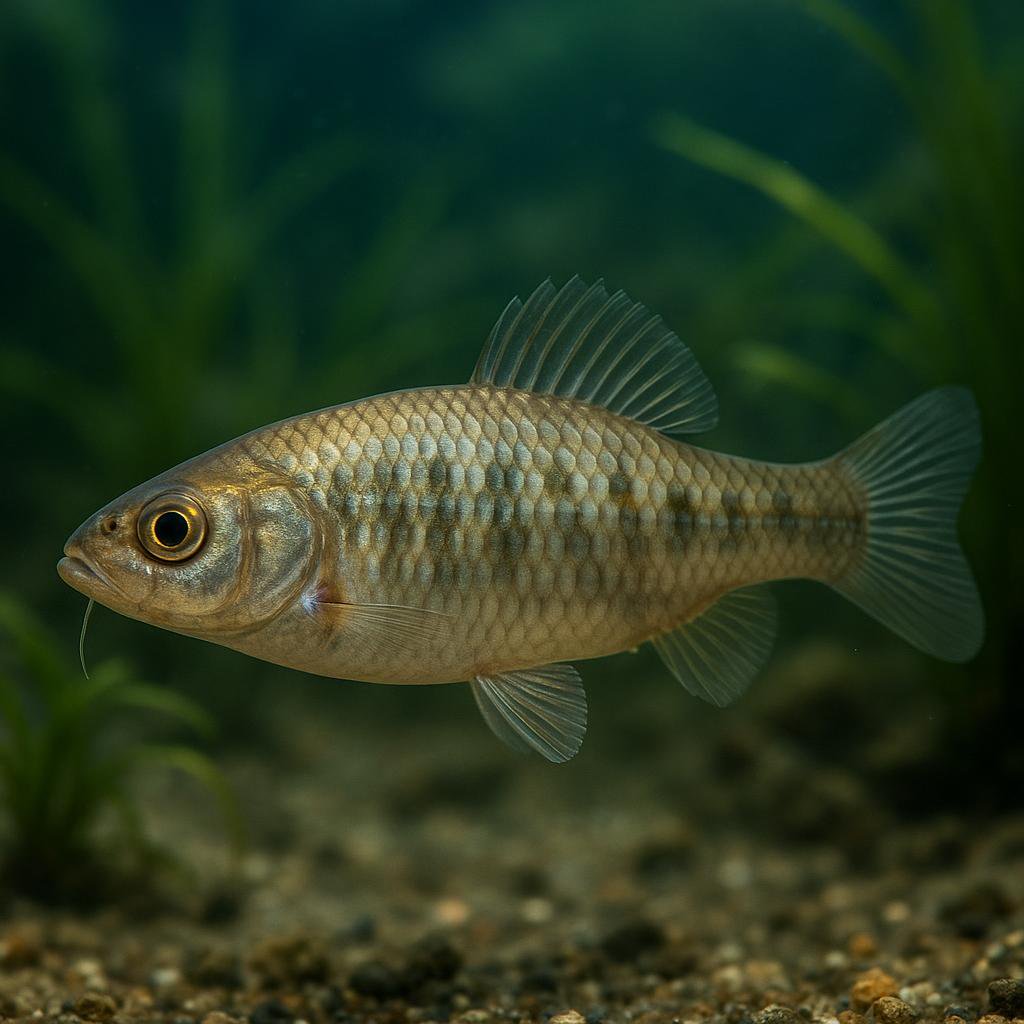
Arabian spiny eel
Notacanthus indicus
Notacanthus indicus is a deep-sea spiny eel (family Notacanthidae; not a true eel) known from the Arabian Sea on the continental slope at roughly ~960–1,046 m depth, with reported maximum length around 20 cm TL; it is a deep-water bycatch species and not established in the aquarium trade.
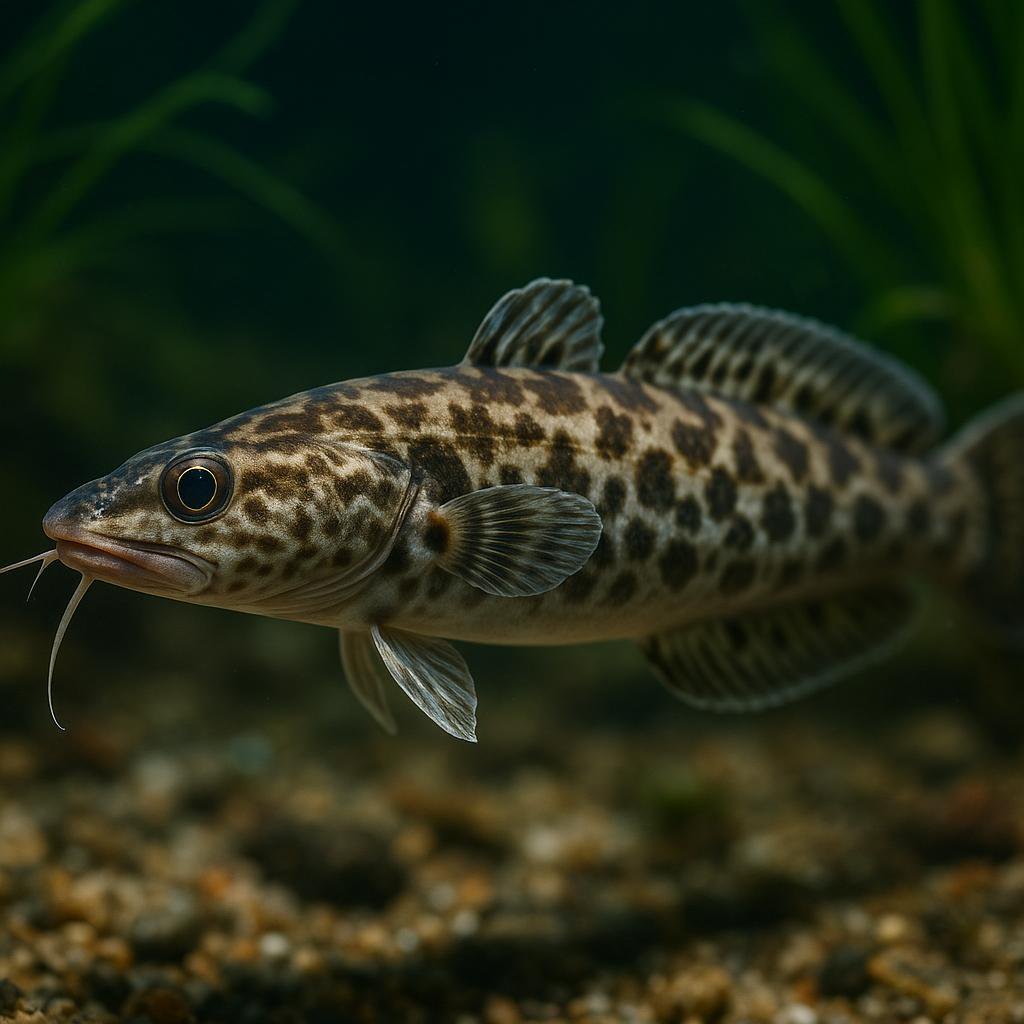
Arctic rockling
Gaidropsarus argentatus
This is a deepwater North Atlantic rockling (a cod relative) that hangs out on soft bottoms way down the slope. It is a cold-water, bottom-hugging predator that snoots around for crustaceans and will also take small fish when it gets the chance.
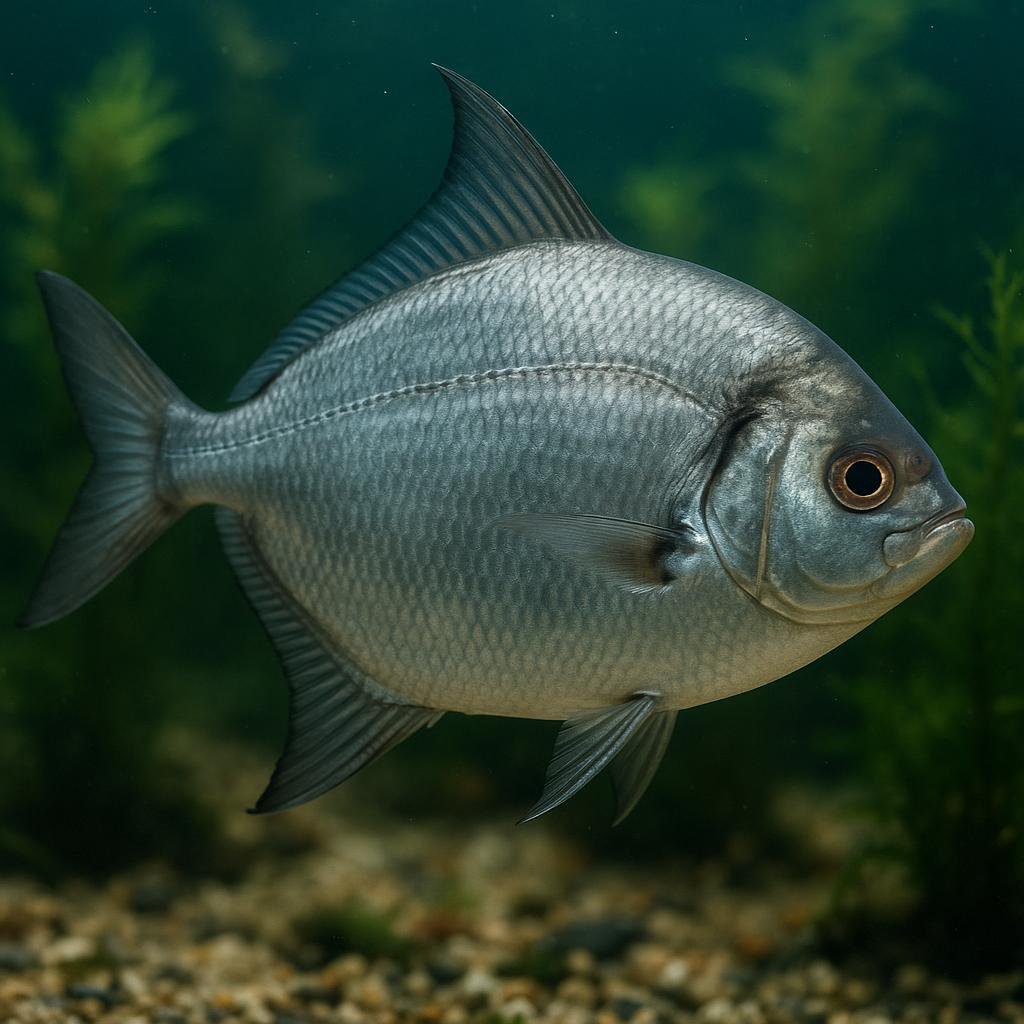
Atlantic pomfret
Brama brama
Brama brama is the Atlantic pomfret (aka Ray's bream) - a deep-bodied, open-ocean pelagic fish that cruises around in small schools and follows water temps. It is a legit big, wild marine species (not an aquarium fish) that eats other small sea critters like fish and squid, and it ranges across a huge chunk of the Atlantic plus parts of the Indian and South Pacific.
More to Explore
Discover more marine species.
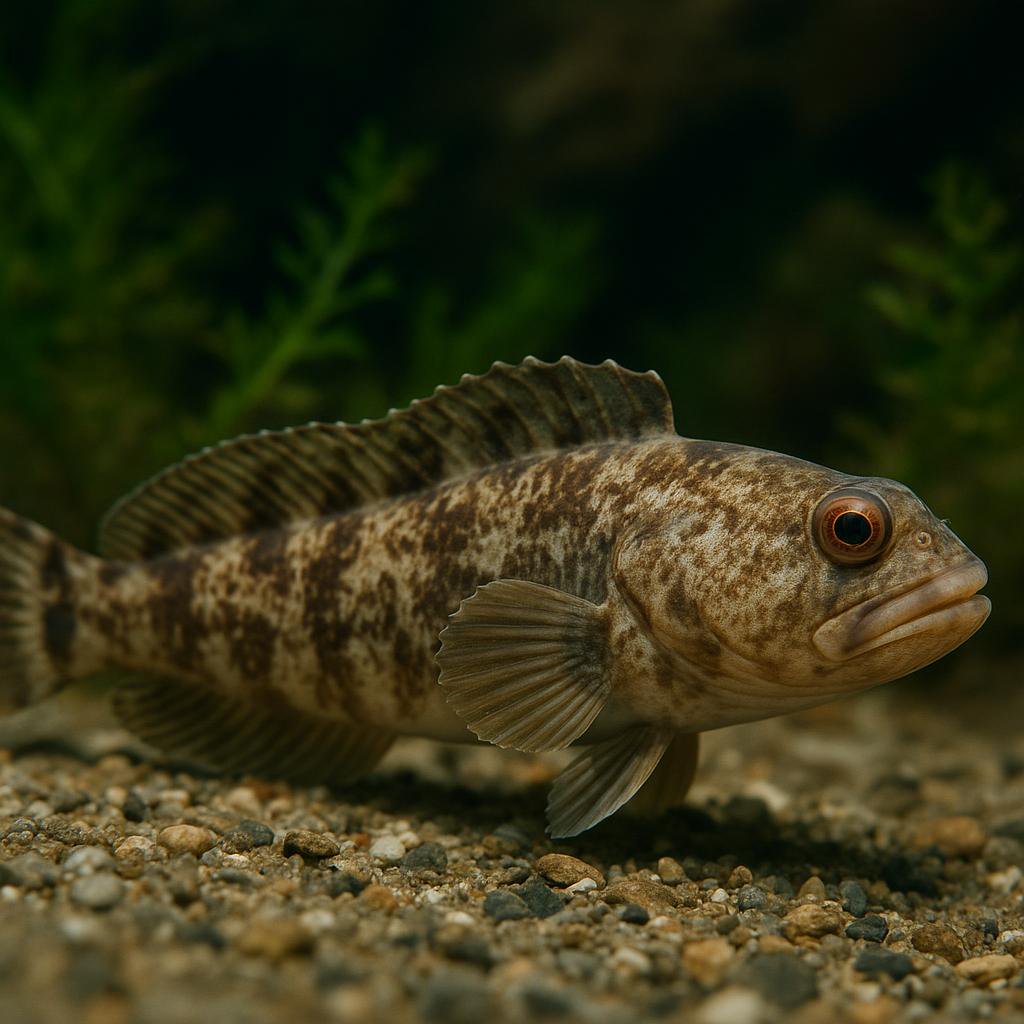
Abe's eelpout
Japonolycodes abei
Japonolycodes abei is a temperate, deepwater demersal eelpout (family Zoarcidae) endemic to Japan (Kumano-nada Sea reported; other sources also report Sagami Bay and Tosa Bay). It is the only species in the genus Japonolycodes and occurs roughly 40-300 m depth, making it an uncommon/atypical aquarium species.
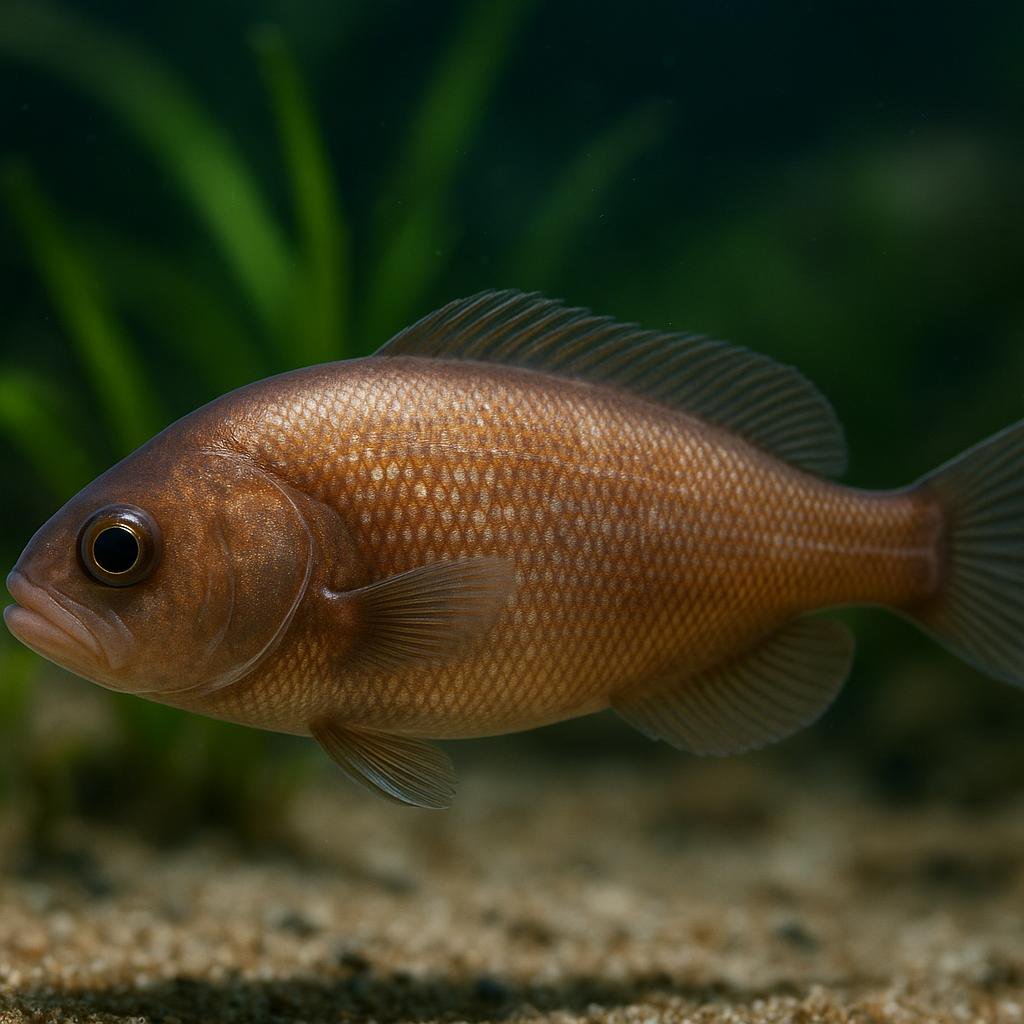
Affinis blind cusk-eel
Barathronus affinis
Barathronus affinis is a tiny, super-weird deep-sea blind cusk-eel from the western-central Indian Ocean. It is one of those gelatinous, loose-skinned brotula-type fishes that live way down in the dark and are basically never seen alive, so almost everything we know comes from preserved specimens and taxonomic work.
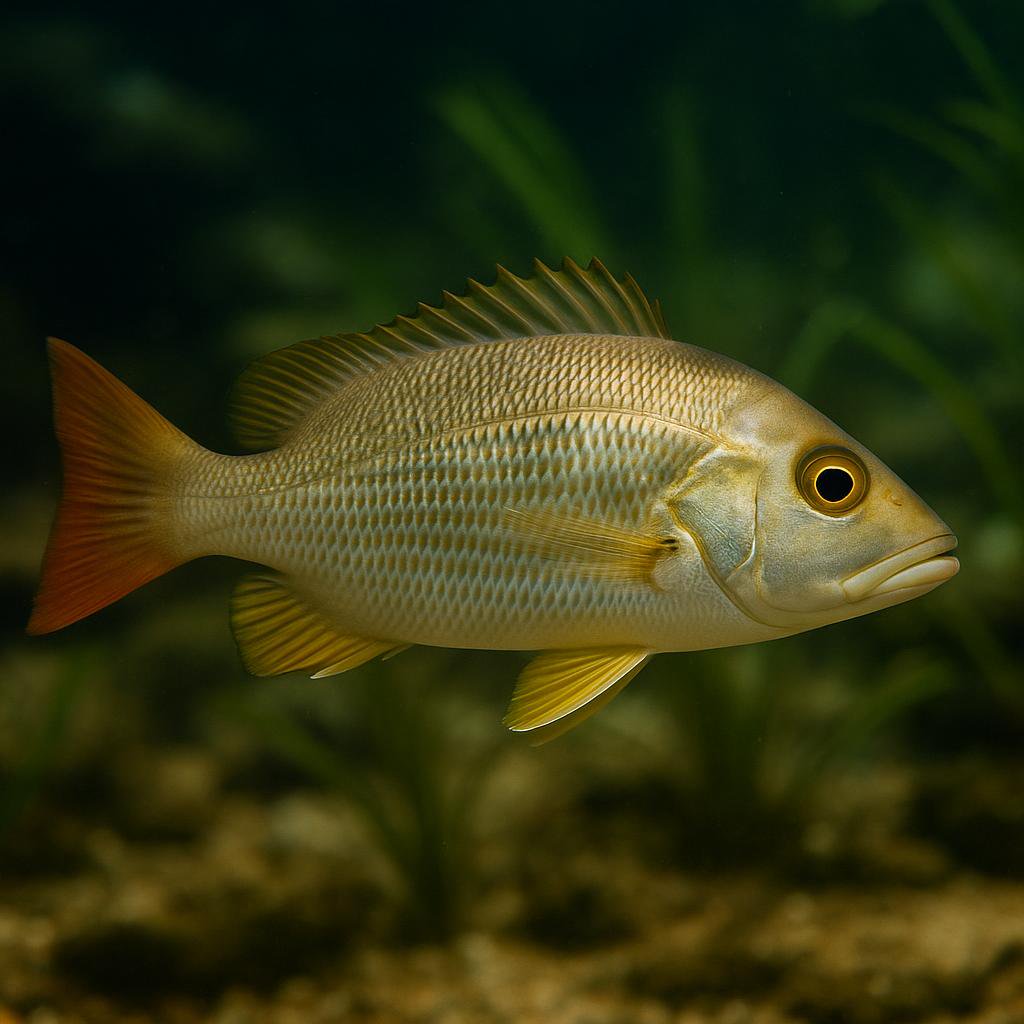
African red snapper
Lutjanus agennes
This is a true snapper from West Africa - a big, fast-growing predator that goes from coastal reefs to brackish lagoons and estuaries (especially as a juvenile). Super cool fish in the wild, but it gets absolutely huge and will eat smaller tankmates once it has the mouth for it, so its really more of a public-aquarium scale animal than a home-aquarium fish.
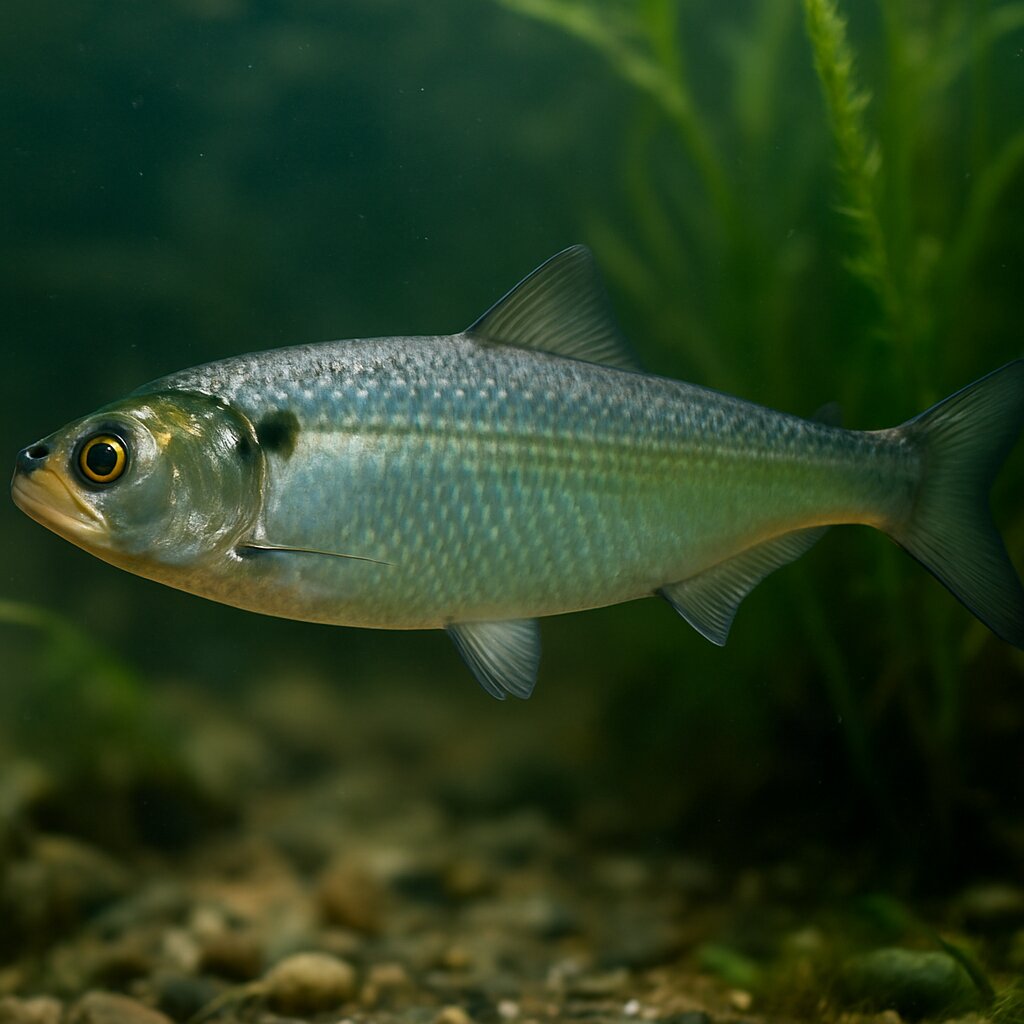
Allis shad
Alosa alosa
Gorgeous silver, fast-swimming shad that spends most of its life in the sea and then surges up big rivers in noisy, surface-spawning schools. It grows huge for a herring-type fish and needs cool, ultra-oxygenated water and tons of open space, so it is a public-aquarium species rather than a home tank fish.
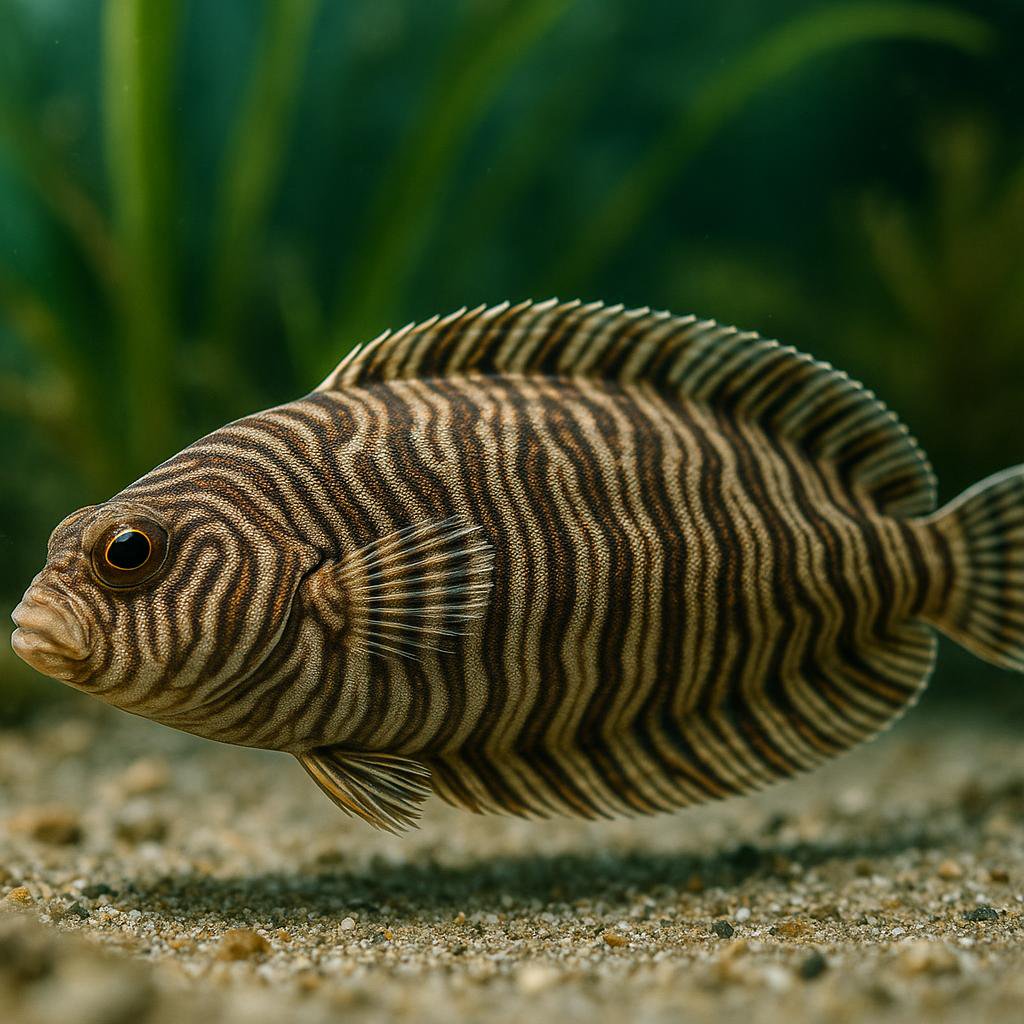
Annandale's zebra sole
Zebrias annandalei
Zebrias annandalei is a small demersal sole from coastal India that inhabits sandy or muddy bottoms and buries for camouflage. It is rarely kept in home aquaria and would require a specialized marine sand-bottom setup and appropriate feeding.
Australian sawtail catshark
Figaro boardmani
Figaro boardmani is a small, deepwater Australian catshark with these cool saw-like ridges of spiny denticles along the tail and a neat pattern of dark saddle bands. It lives way down on the outer continental shelf and slope, so its natural water is cold, dim, and stable - totally not a typical home-aquarium fish. Diet-wise its a predator that goes after fish, crustaceans, and cephalopods.
Looking for other species?